Goodness. Packed with - WA School Canteen Association Inc.
←
→
Page content transcription
If your browser does not render page correctly, please read the page content below
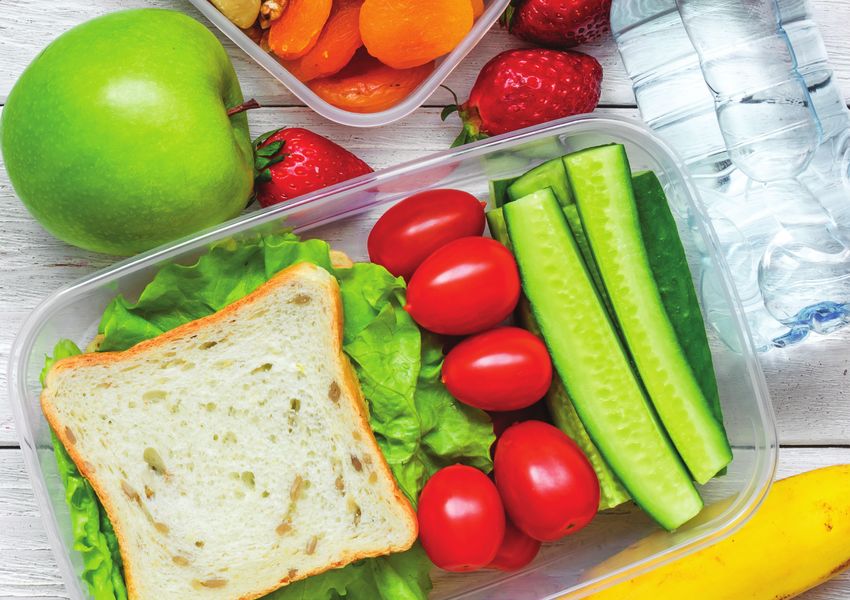
Packed with
  Goodness.

Supported by
Contents
Introduction                                    2
Healthy eating                                  3
What does a serve look like?                    5
How do you pack a lunchbox with goodness? 8
      Main								9
      Mini								11
      Munch								13
      Water								15
Crunch&Sip®                                     16
Weekly menu planner                             17
My child won't eat what's in their lunchbox     20
Keeping food safe and stored well               21
Allergies                                       22
Healthy food and drink choices in schools       23
The school canteen                              24
Pack less packets                               25
Swap and save                                   26
Reading food labels                             27
Munch on more vegetables                        30
Where to from here?                             31
Recipes                                         32
          Honey Roasted Chickpeas					32
          Sweet Potato and Cheese Muffins       33
          Pear Pancakes							34
          Pumpkin, Leek and Feta Mini Frittatas 35
          Zucchini and Corn Fritters            36
          Japanese Rice Balls						37
          Chocchini Muffins                     38
More information                                39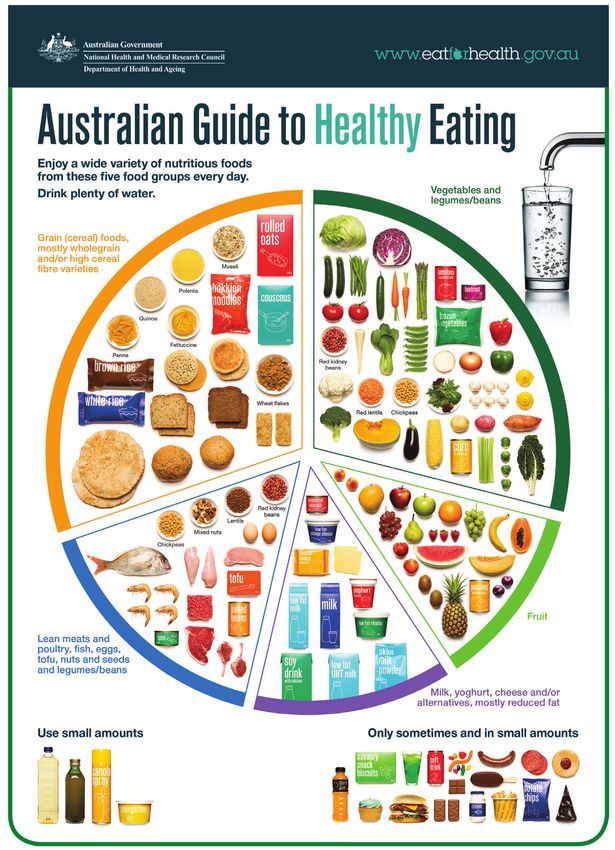
Introduction
    Providing good food every day gives children the fuel they need to play,
    grow and learn.
    Parents are the first and most important role models when it comes to eating
    well, which includes packing a healthy lunchbox full of fresh and nutritious
    meals and snacks for children to take to school.
    With only 1 in every 16 Australian children eating enough vegetables, the
    lunchbox is a great opportunity to increase daily serves.
    In this booklet you will find out what eating well looks like, how to pack a
    balanced lunchbox and the benefits of reaching for healthy snacks. Most
    importantly, you'll find lots of tips and tricks to make easy and affordable
    lunchboxes that actually get eaten!

1                                                                                  2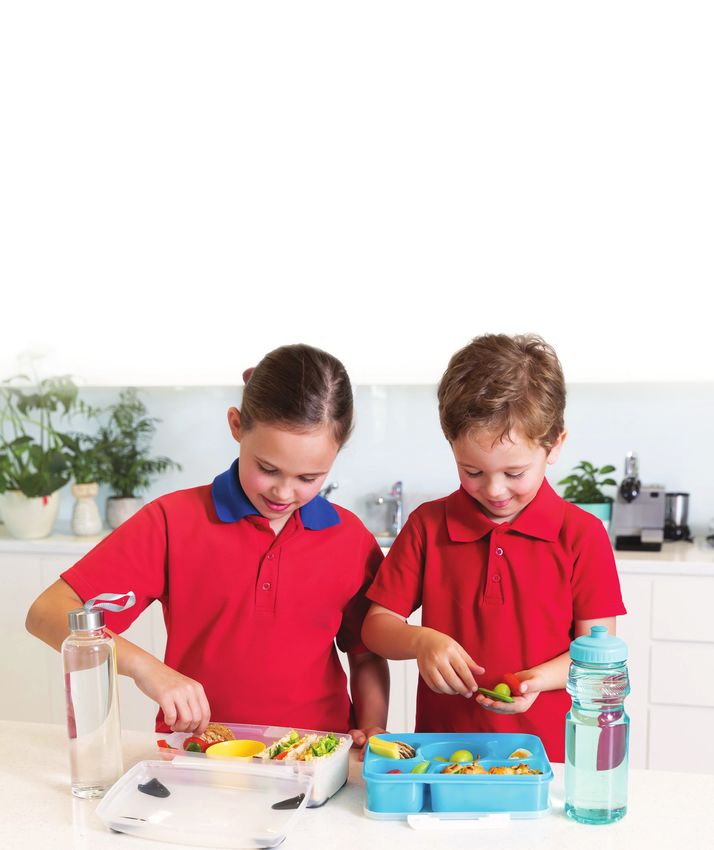
Healthy eating
    Healthy eating means enjoying a wide variety of nutritious foods from the five
    core food groups every day. These include:
    1. Vegetables and legumes/beans
    2. Fruits
    3. Grain (cereal) foods, mostly wholegrains
    4. Meat and meat alternatives (lean meat and poultry, fish, eggs, tofu, nuts
       and seeds, legumes/beans)
    5. Dairy (milk, yoghurt, cheese and/or alternatives), mostly reduced-fat
    The Australian Guide to Healthy Eating shows the proportion of these five
    food groups we should eat every day to be healthy. Try to choose a variety
    of core foods to fill your child’s meals and, most importantly, to go in their
    lunchbox every day.

    How many serves?
    Sometimes it can be hard to know how much of these foods children should
    be eating at meal times and across the day. Using the recommended serves
    outlined below can make this a little easier.
    Remember this is a guide and is a great goal to work towards. If you are
    getting close to the recommended serves on most days of the week then
    you are doing a great job.
    As a rough guide lunchboxes should contain about a third of your child’s
    food for the day.

                                              Grains and    Meat and     Dairy and
           Age       Vegetables    Fruit
                                               cereals     alternatives alternatives
           4-8
                         4 1/2      1 1/2         4            1 1/2         2
         years old
           9 - 11
                          5          2            5            1 1/2        2 1/2
         years old
          12 - 18
                       5 - 5 1/2     2           5-7           2 1/2        3 1/2
         years old
    For the number of serves that adults should be eating visit
    eatforhealth.gov.au

3                                                                                      4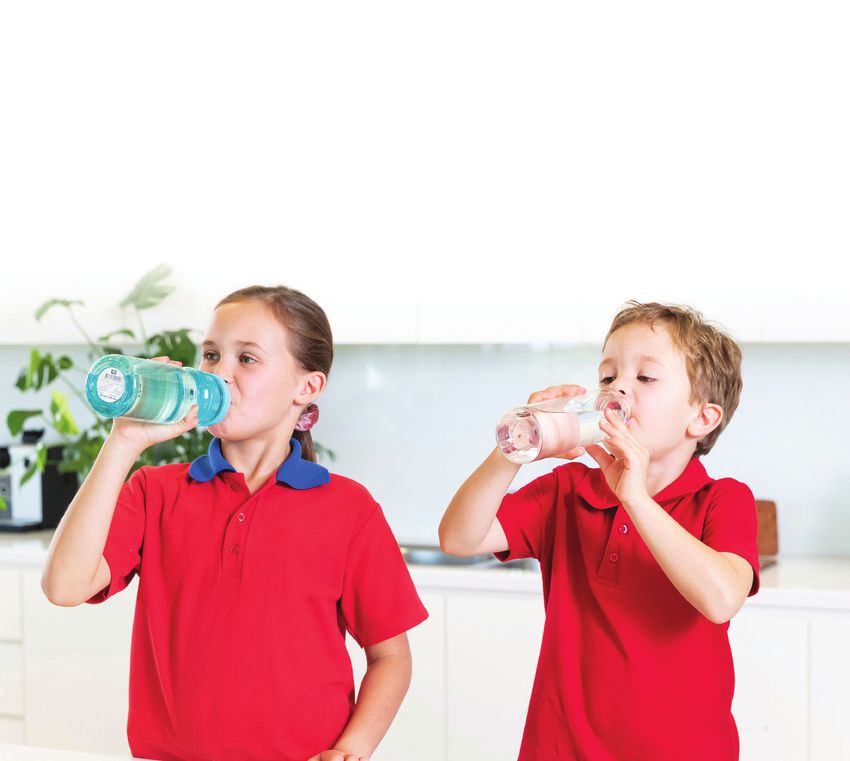
What does a serve look like?
    Vegetables                                                                      Meat and alternatives

                                                                 1 cup
                     1/2 cup                                      raw
                    cooked                                        75g
                      75g
                                               1/2 cup
                                             beans, peas
                                              or lentils                                                                 65g
                                                 75g                                                                    deck of
                                                                                             2 eggs                      cards                  80g
                                                                                                                                                half a
                                                                                                                                                breast

    Fruit

     1 medium                                                            2 small
       piece                                                             pieces                       100g
       150g                                                               150g
                                  1 cup                                                                                              1 cup
                               chopped or                                                                                         beans, peas
                                 canned                                                                                            or lentils
                                  150g

    Grains and cereals                                                              Dairy and alternatives

                1/2 cup                                3 crisp
                                                       breads                                                2 slices
                cooked
                                                                                                               40g

                                   1 slice
                                                                         1/2 wrap    1 cup
                                                                                                                                                200g
                                                                                     250ml

5                                                                                                                                                        6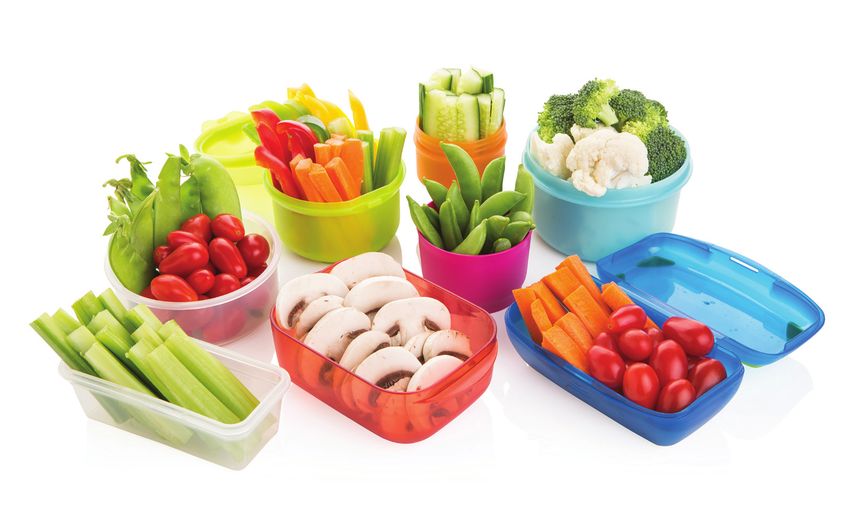
How do you pack a
    lunchbox with goodness?
    By the time a child has finished primary school they will have eaten from their
    lunchbox almost 2500 times.
    Packing healthy lunchboxes is a great opportunity to provide children with a
    wide variety of fresh, yummy and healthy foods in order to grow and thrive.
    Each day children need:
    •   Something for lunch (main meal)
    •   Something for recess (mini meal)
    •   Something to munch (fruit or veg)
    •   Water to drink
    Crunch&Sip® is also a great opportunity for children to eat extra serves of
    vegetables and fruits throughout the day. It all adds up!

    If it's all healthy food, it
    doesn't matter what order
    it's eaten in! Anything they
    reach for will provide them                             Main
    with long-lasting energy.
    Try to serve the same healthy
    foods in the lunchbox that you
    would at home.                                          Mini

                                                    Munch            Water

7                                                                                     8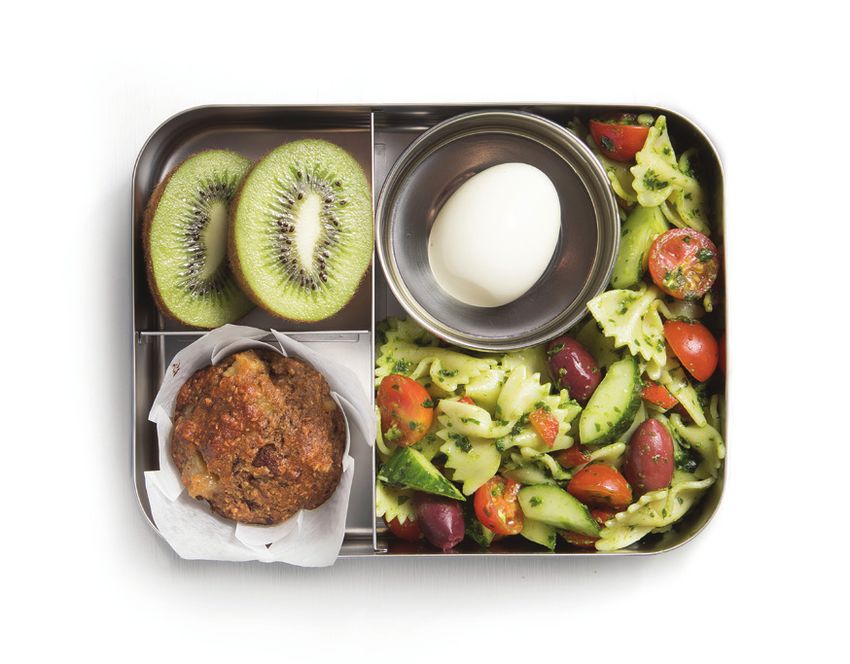
Main
    Lunch is a main meal and is a great
    opportunity to use foods from the
    grain, meat (or meat alternatives)
    and vegetable food groups.                            Main
    Fill a sandwich or wrap with fresh
    fillings your child enjoys. Try to use
    different fillings across the week to
    provide a variety of nutrients.
                                                           Mini
    Other options include sushi, pasta,
    falafel, curry, rice salad or any
    leftovers that store well.

    Packing protein will help                      Munch           Water
    sustain energy and regulate
    appetite, and is essential for
    growth and development.

    Foods in the meat and meat alternatives food group are great sources of
    protein. Try these lunchbox friendly options:
    •   salmon or tuna
    •   lean beef or lamb
    •   skinless chicken or turkey
    •   reduced-fat cheese
    •   boiled egg
    •   beans
    •   lentils
    •   hummus

9                                                                             10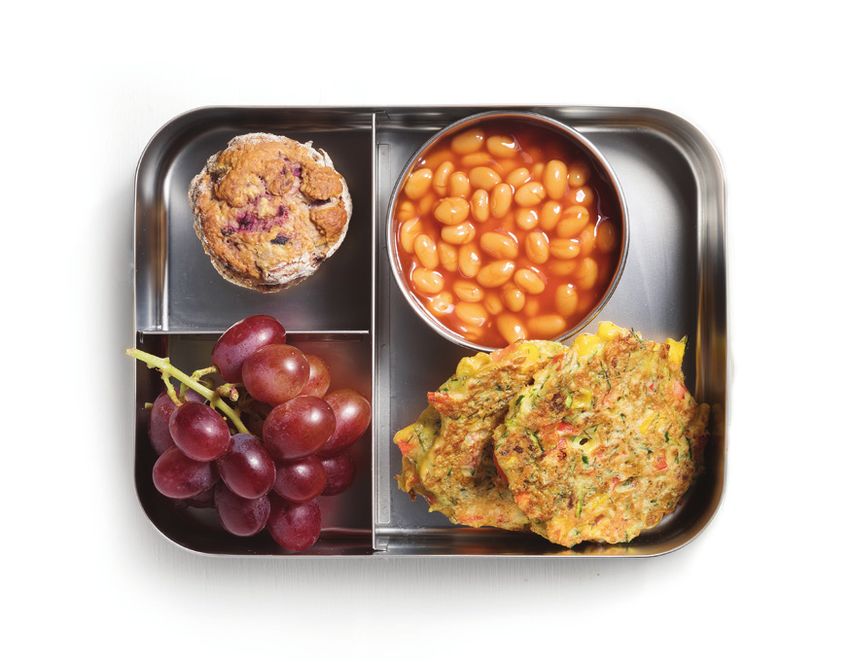
Mini
     Recess is a mini meal and is
     another opportunity to provide
     healthy foods.
     Children have smaller stomachs                         Main
     than adults, so they eat less at their
     main meals. This is why they often
     need to top-up in between their
     main meals over the day.
                                                            Mini
     Avoid providing packet
     snack foods for the mini
     meal where you can!
     Choose mini meals from the five                Munch           Water
     food groups to boost the nutrients
     and limit the added sugar, salt and
     saturated fat in your child’s diet.
     Get children involved in making their own mini meals and learning to reach
     for healthy snacks.
     Some great examples of mini meals include:
     •   hard-boiled egg
     •   plain popcorn
     •   low-sugar dry cereal
     •   reduced-fat cheese and apple slices
     •   reduced-fat yoghurt and fruit
     •   roasted chickpeas
     •   chopped vegetables and dip
     •   homemade savoury muffins
     •   sweet potato pikelets

11                                                                                12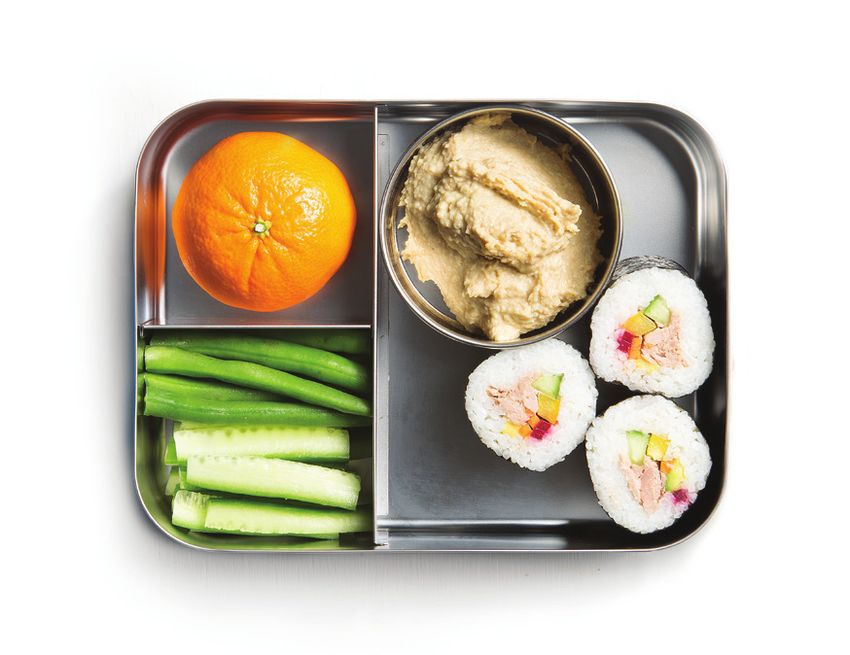
Munch
     Vegetables and fruits are full of
     nutrients vital for growth and
     development - but most of us are
     missing out by not eating enough.                        Main
     The munch is another great
     opportunity to increase the
     vegetables and fruits your child
     is eating, so try and pack some
     every day. They're the perfect
                                                              Mini
     on-the-go snack!
     Pack vegetables and fruits that you
     know your child enjoys, and don't
     forget to throw in some new ones                 Munch            Water
     for them to try as well. A variety of
     different coloured vegetables and
     fruits means a variety of nutrients.

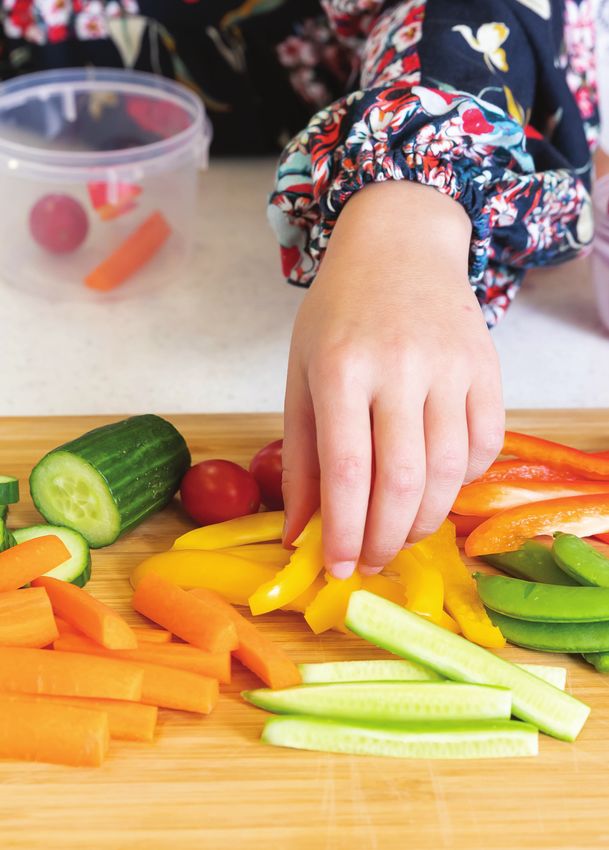
     Try vegetables prepared in a range of ways such as grated,
     steamed, roasted or raw.
     Canned and frozen vegetables and fruits are cheap, healthy and convenient
     options as well. Just remember to choose canned vegetables with reduced or
     no added salt and fruits in natural juice instead of syrup.
     Try making small and gradual changes rather than a total overhaul. It will feel
     more achievable and is more likely to be successful.
     Munch on more!

13                                                                                     14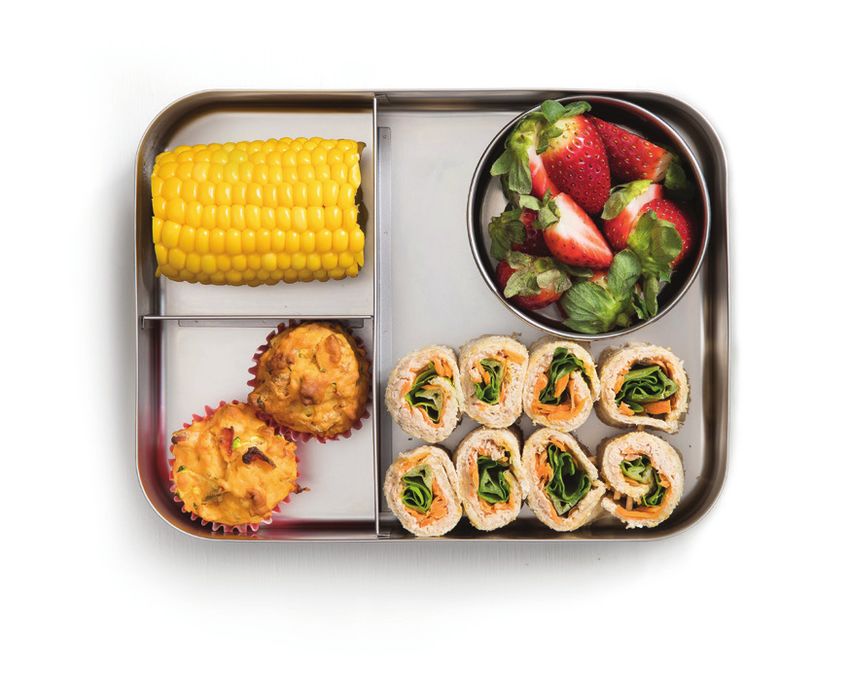
Water                                                   Crunch&Sip®
     Water and milk are the only drinks                      Remember to pack Crunch&Sip®!
     children need, and water is listed
                                                             Crunch&Sip® is a set time in the classroom where your child can snack on
     as the recommended drink for all
                                                             chopped vegetables and fruits and sip on water. This is separate to the
     ages. Water has many important           Main           lunchbox and is another great opportunity for children to be munching on the
     functions in the body like helping
                                                             good stuff.
     to digest food, stay hydrated and
     maintain body temperature.                              Get children involved in chopping and packing their own Crunch&Sip®, and
                                                             pack seasonal foods where you can as this will often be cheaper.
     Drinking water is also shown
     to help children maintain
                                              Mini           If your school does not participate in Crunch&Sip® then suggest that they
     concentration across the day.                           head to the website to learn more about the program and its benefits,
                                                             crunchandsip.com.au.
     Parents can help children set up
     healthy habits from an early age
     by teaching them to quench their      Munch     Water                                                         Tips:
     thirst with water.
                                                                                                                   1. Cut snacks into bite
     Pack your child a refillable water                                                                               size pieces.
     bottle to take to school every day.                                                                           2. Choose food that
                                                                                                                      won’t make a mess.
                                                                                                                   3. Pick fresh and
                                                                                                                      seasonal vegies
                                                                                                                      and fruits.

15                                                                                                                                           16
Weekly menu planner
Monday Tuesday Wednes day Thursday Friday
Main Main Main Main Main
Beef and salad sandwich Vegie pasta plus egg Tuna sushi Vegetable fritters Tuna and salad bread sushi
and baked beans
Mini Mini Mini Mini
Cheese and crackers Apple and Vegie sticks Mini Strawberries
plus apple zucchini muffin and hummus Berry muffin plus vegie muffin
Munch Munch Munch Munch Munch
Celery pieces Kiwi fruit Mandarin Grapes Corn
Don’t forget!
Send your child to school
with a refillable water
bottle every day.
17 18My child won’t eat what's
in their lunchbox
Sometimes your child won’t eat the food you pack them, which can be very
frustrating.
Try these parent-tested tips:
• Make sure the food is easy to eat and doesn’t make a mess. Chop fruits
and vegetables into smaller pieces.
• Add a small container of dip like hummus or guacamole with your
chopped vegetable sticks. It's amazing the difference a dip makes.
• Don’t label your child as not liking a food and don’t give up.
Persistence pays off.
• Ask them if they're bored with their lunchbox. They might want more
variety than you!
• Check if there is something you're packing that they really don’t like.
It is okay for them to choose one healthy food over another, just not to
remove healthy foods altogether.
• Get them involved in packing their lunchbox. Some children are more
likely to eat their food when they have played a part in choosing and
packing it.
• Resist packing a treat to reward your child for eating their healthy foods
or for good behaviour. It will spoil their appetite and reduce the amount of
healthy foods they are eating. If you want to put something lovely in their
lunchbox try a little love note or a joke.
• They may simply be running out of time to eat and play in their short
break. Keep the food simple and easy to munch-and-go.
• Make sure the after-school snack you are offering your child is
wholesome and healthy too.
19 20Keeping food safe Allergies
and stored well Many children have food allergies.
Make sure you check
A food allergy is an immune system reaction
Make sure your child can pack and unpack their own lunchbox and cooler your school's allergy
to a food protein. Some people don’t need
bag, and be sure to choose containers that seal well. policy. Most schools
to eat a food to get sick, just touching it can
ask that nut products
Keeping foods safe by storing them properly means they will taste better and cause an allergic reaction.
are NOT packed in
last longer in the lunchbox. This means children are more likely to eat the Anaphylaxis is the most severe form of the lunchbox.
food that is packed for them, and less food will be wasted. allergic reaction and is potentially life
Any foods you would keep in the fridge at home should be kept cool in the threatening.
lunchbox by using freezer blocks or frozen water bottles. Some foods can
It is unrealistic to think a school can be ‘free’ of any allergen, being
go into the lunchbox frozen and defrost across the morning such as yoghurt
‘allergy aware’ is a more appropriate term. Check with the teacher to see
tubs, muffins and pancakes as well as fruit like grapes and strawberries.
if someone in the class has a food allergy.
Sandwiches can also be made the night before and frozen depending on
which fillings are chosen. Most schools ask that nuts and nut products, such as peanut butter and
nut bars, are not brought to school.
Any hot food made in the morning should be kept warm in the lunchbox by
using a thermos or suitable containers for keeping food hot. The most common foods people are allergic to are:
At the end of the school day, throw out any hot or cold food that didn’t get • peanuts
eaten as it will no longer be safe to eat. • tree nuts (most other nuts)
• cow’s milk (dairy)
• egg
• fish
• crustacean (shellfish)
• sesame
• soy
• wheat
• lupin
21 22Healthy food and drink The school canteen
choices in schools Most schools will have a canteen that provides simple and wholesome food
for children to buy. For parents, the canteen should be seen as an extension
In 2007 the WA Department of Education introduced the Healthy Food and of the home pantry and fridge, and an opportunity for children to learn
Drink policy in public schools to promote healthy eating. The policy applies skills in food selection and how to make healthy choices over the counter.
to the food and drinks in canteens/food services as well as areas where the
principal is directly responsible for the supply of food and drinks, such as On the days children buy food from the canteen, encourage
classroom rewards, school camps and excursions. them to select from the 'green' category as these foods are
from the five food groups.
A traffic light system is used to categorise food and drinks and is easy to use
at home as well. Choosing healthy foods from the canteen in early primary school years,
will help guide your child when they become more independent and
begin buying their own food outside of school, such as at sports or on the
Go! weekend with friends.
Fill your diet with a variety of ‘green’ foods.
Fruits, vegetables, wholegrain cereals,
reduced-fat dairy products and water.
Wait!
Select these foods carefully and try to
limit how much you eat.
Some pre-packaged items and snack
foods, muffins, biscuits and crackers.
Stop!
These foods and drinks are not required
as part of a healthy diet. They are off the
menu in school canteens.
Lollies, deep fried foods, chocolates,
pastries, slices, soft drinks and
flavoured waters.
23 24Pack less packets Swap and save
Reducing pre-packaged snack foods and reaching for healthy snacks instead Food manufacturers use clever marketing to encourage parents to reach for
means you can increase fruits and vegetables, add wholegrains, manage pre-packaged snack foods to fill the trolley when shopping.
portion size and reduce the amount of added sugar, saturated fat and salt
Whilst these snack foods may seem like quick and easy options for the
your child is eating.
lunchbox, they're much more expensive than grabbing a piece of fruit or some
Pre-packaged snack foods contain additives and preservatives that improve vegetables, making food from scratch or baking in bulk and freezing.
their appearance and shelf life. Commonly used additives and preservatives
Even packaged snack foods that seem healthy will often be more expensive.
include sugar, antioxidants, salt and food colouring.
Home made versions are usually much cheaper and better for you.
If you are concerned about additives and preservatives remember that the
best way to reduce your child's intake is to reduce the amount of processed
and pre-packaged snack foods they eat. Additives and preservatives are safe Swap this For this
for most people when eaten as part of a healthy, varied diet. However if you
think your child is having a bad reaction to an additive or preservative then
talk to a doctor or dietitian.
Pre-packaged snack foods are sometimes foods rather than every day foods. $13.30 $3.90
Teach children to reach for one of these healthy snacks instead! per kg per kg
Healthy snack options
$43.60 $4.90
per kg per kg
$20.00 $5.00
per kg per kg
$35.60 $13.10
per kg per kg
25 26Reading food labels
Most packaged foods have a nutrition panel and an ingredients list. Knowing
how to read a food label makes choosing healthy foods easier. Here are some
of the things to look out for when choosing which products to buy. Take our
handy wallet card (see page 40) with you to help make the best choices.
Serving Size Nutrition information
The manufacturer chooses the
serving size. This can be different Serving size: 30g (2/3 cup) Servings per package: 16
between brands, and might not be a
healthy or realistic serve size for you. Per Serve Per 100g 100g column
Because the ‘per serve’ column is
Energy 432kj 1441kj often different between brands, per
Fats 100g is a fairer way to compare.
Protein 2.8g 9.3g
There are many different types of
fats in foods. Low in saturated fat is Fat
more important than low in total fat.
- Total 0.4g 1.2g
- Saturated 0.1g 0.3g
Fibre
Carbohydrate Sugars
Also known as dietary fibre.
Choose higher fibre foods. - Total 18.9g 62.9g This includes added sugar and naturally
occurring sugar. Check the ingredients
- Sugar 3.5g 11.8g list for clues and choose foods lower in
Sodium added sugar.
Fibre 6.4g 21.2g
Sodium is salt.
Look for lower sodium varieties. Sodium 65mg 215mg
Allergies
Ingredients: Cereals (76%) (wheat, oatbran, barley), psyllium Common foods that people are allergic
Ingredients husk (11%), sugar, rice malt extract, honey, salt, vitamins (niacin, to are in bold to make them easy to spot.
Ingredients are listed from thiamine, folate)
MOST to LEAST by weight.
27 28Munch on more vegetables
Vegetables are nutritious, cheap, simple to cook and store easily - but most of
us aren't eating enough! Here are some tips for packing more vegetables into
your child's day.
Breakfast
• Top toast with baked beans, grilled mushrooms, avocado or grilled tomato.
• Add vegies like tomato, zucchini, capsicum and mushroom to omelettes.
Lunchbox
• Fill sandwiches with an extra boost of vegetables such as grated carrot,
roasted pumpkin, creamy avocado, cucumber or beetroot.
• Make a batch of vegie packed savoury muffins or pikelets.
• Add in a cup of vegie soup and a thermos.
• Add cooked vegies to rice or pasta (don't forget the fork!).
Mini meals and snacks
• Chop up vegies and keep them in the fridge ready to grab and go.
• Choose vegetable based dips like hummus and guacamole.
• Try a toasted sandwich with baked beans, cheese and grated vegies.
Dinner
• Add grated zucchini, mushroom, celery or carrot to tomato based
pasta sauces.
• Add extra vegies and beans into soups, stews, pasta and rice dishes.
• Include a side salad or a serve of steamed vegetables with hot dishes.
• Try cabbage and lettuce leaves as edible containers with savoury fillings.
29 30Honey Roasted
Chickpeas
Prep 5 mins | Cook 40 mins
Serves 4
1 1/2 serves of vegetables
per serving
Traffic light GREEN
Ingredients Method
• 2 x 400g cans no-added-salt 1. Preheat oven to 200°C
chickpeas, drained and rinsed (180°C fan forced).
• 2 tbs honey 2. Place well drained chickpeas
• 1 tsp ground cinnamon between sheets of paper towel
and pat gently to absorb water
• 1/4 tbs ground nutmeg
taking care not to rub off skins.
• olive or canola oil spray
3. Transfer to a large tray lined with
baking paper; spread chickpeas
Where to from here? evenly in a single layer. Bake for
35-40 minutes until chickpeas are
lightly browned and crunchy in
A little planning goes a long way! the centre.
• Prepare for the week and think about which foods from the five food 4. Combine remaining ingredients
groups you will pack each day. into a large heatproof bowl.
5. Add warm cooked chickpeas.
• Shop with the lunchbox in mind and buy foods that are easy to pack
and store well. Tip 6. For a caramelised flavour, return
to the oven and bake for 10
• Cook in bulk some weekends and pack the freezer with easy to grab For a savoury version minutes.
options. swap out the honey
• Prepare main or mini meals the night before whilst you are making and nutmeg, reduce the
dinner by chopping up some extra vegetables, cutting extra cheese cinnamon to 1/4 tsp and
cubes or hard boiling an egg. add 1/2 tsp of cumin and
garlic powder.
• Pack leftovers for lunch and throw in a fork or a spoon.
31 32Sweet Potato and Pear
Cheese Muffins Pancakes
Prep 10 mins | Cook 25 mins Prep 5 mins | Cook 10 mins
Serves 12 Serves 4
1/2 serve of grains and cereals 1/2 serve of grains and cereals
per serving per serving
1/2 serve of vegetables 1/4 serve of fruit per serving
per serving
Traffic light GREEN
Traffic light GREEN
Ingredients Method Ingredients Method
• olive or canola oil spray 1. Preheat oven to 200°C • olive or canola oil spray 1. Place flour, milk and egg in a
• 1 1/2 cups self-raising flour (180°C fan forced). • 1 cup self-raising flour medium bowl and whisk until
2. Lightly spray muffin tins with oil smooth.
• 1/2 cup wholemeal self-raising • 1 cup reduced-fat milk
flour or line with paper cases. 2. Stir through grated pear.
• 1 egg
• 1/2 cup sweet potato, peeled and 3. Sift flours into a medium 3. Spray a large non-stick frypan
• 1 grated pear
grated sized bowl. with oil and place over medium
4. Mix in sweet potato, cheese, heat.
• 2 tbs parmesan cheese, grated
capsicum, spring onion and 4. Place 2 tablespoons of batter
• 1/2 red capsicum, finely chopped
• 3 spring onions (including green
pepper.
Serving evenly spaced around the pan.
5. In a bowl, whisk milk and eggs 5. Cook for 2 to 3 minutes or until
tops), ends trimmed, chopped
together. suggestion small bubbles appear on surface
• pepper, to taste then carefully turn over.
6. Add to dry ingredients and mix Serve warm with a
• 1 cup reduced-fat milk through until just combined. tablespoon of natural 6. Brown on reverse side for 1
• 2 eggs 7. Spoon into prepared muffin pan. yoghurt. minute or until cooked through.
8. Bake for 25 minutes until muffins
are firm and a knife inserted into
the centre comes out clean.
9. Allow to cool in the tin for a Tip
Tip few minutes then turn onto a Swap out the pear for
Frozen muffins keep the wire rack. 1 cup of grated vegies
lunchbox cool and will to make a savoury
defrost over the day. alternative.
33 34Pumpkin, Leek, Zucchini and
Feta Mini Frittatas Corn Fritters
Prep 20 mins | Cook 40 mins Prep 25 mins | Cook 20 mins
Serves 6 Serves 6
2 serves of vegetables 2 serves of vegetables
per serving per serving
Traffic light GREEN Traffic light GREEN
Ingredients Method Ingredients Method
• olive or canola oil spray 1. Preheat oven to 200°C • 1 medium zucchini, grated 1. Squeeze excess liquid from
• 1 leek (white part only), cut (180°C fan forced). • 1 1/2 small red capsicums, zucchini and place in a large
lengthways and finely sliced 2. Spray a non-stick frying pan seeded and diced bowl with capsicum, corn, spring
with oil and place on medium onions, basil and cheese. Season
• 600g pumpkin, peeled and cut • 1 x 400g can reduced-salt corn
heat. Add leek to frying pan with pepper.
into 1cm cubes kernels, drained
and cook for 3 minutes, stirring 2. Sift flour over vegetables then
• 6 eggs, lightly beaten • 2 spring onions (including
occasionally, until softened. mix to combine.
• 3/4 cup reduced-fat milk green tops), chopped
3. Add pumpkin, spray with oil and 3. Pour milk into a jug, add eggs and
• 95g reduced-fat feta cheese • 1/2 cup basil leaves, chopped
stir to coat vegetables. Add ½ cup whisk together with a fork. Add to
• 1/3 cup basil leaves, chopped water, cover pan and steam for • 1 cup reduced-fat cheddar vegetables and stir well.
10 minutes until just tender. cheese
4. Heat a large non-stick frypan
4. In a medium sized jug, whisk • pepper over medium heat and spray
together eggs and milk; season • 3/4 cup self-raising flour liberally with oil. Drop heaped
with black pepper. • 3 eggs tablespoons of mixture evenly
5. Remove pumpkin mixture from • 1/2 cup reduced-fat milk spread around the pan and
heat and stir through feta and basil. spread using the back of a spoon
• olive or canola oil spray
to 8cm diameter. Cook for 2
Tip 6. Spray 12-hole muffin tin with oil
minutes or until firm and golden.
then evenly spoon in pumpkin
Frittatas make a Flip and brown on reverse side
mixture. Pour over egg mixture to
nutritious finger food for 2 minutes.
almost fill muffin holes. Bake for 25
for toddlers and are minutes, or until firm and golden. 5. Transfer to a plate, keep warm
perfect packed in your and repeat with remaining
7. Cool in the pan for 5 minutes
child’s lunchbox. mixture.
before turning on a wire rack.
8. Serve warm or cold.
35 36Japanese Chocchini
Rice Balls Muffins
Prep 15 mins | Cook 35 mins Prep 10 mins | Cook 20 mins
Serves 15 Serves 18
1 1/2 serves of grains and cereals 1/3 serve of grains and cereals
per serving per serving
1 serve of vegetables Traffic light AMBER
per serving
Traffic light GREEN
Ingredients Method Ingredients Method
• 1 cup sushi rice (250g) 1. Rinse rice with cold water then place • olive or canola oil spray 1. Preheat oven to 180°C (160°C fan
• 4 carrots, sliced (340g) in a small saucepan, add 1 ½ cups • 1/2 cup brown sugar forced). Spray muffin tins with oil.
water and bring to the boil. Reduce 2. Place sugar in a large bowl and
• 1 cup broccoli florets (80g) • 1/2 cup cocoa powder
heat and simmer, covered, for 15 break up any lumps. Sift in cocoa,
• 2 tbs sushi seasoning minutes. Remove from heat and • 1/2 tsp baking powder
baking powder, bicarb and flours.
• 1 tbs sesame seeds (optional) stand, covered, for 5 minutes. • 1/2 tsp baking soda (bicarbonate)
3. Lightly beat eggs in a cup with a
2. While the rice is cooking steam • 1 cup plain flour fork then add to flour mix with
carrots and broccoli until soft but • 1 cup wholemeal plain flour yoghurt, vanilla and oil. Stir to
Variation still retaining bright colour. Pulse in a • 3 eggs combine (mix will still be quite
food processor until finely chopped dry), then mix in zucchini and
Add a teaspoon of • 200mL reduced-fat plain yoghurt
making sure not to puree. sultanas.
tinned tuna, cooked • 2 tsp vanilla extract
chicken or egg to the 3. Mix the rice, sushi seasoning and 4. Spoon mixture into prepared
vegetables in a bowl using a flat • 3 tbs canola oil
middle of each ball. muffin tins (makes 18) and bake
spoon. Add sesame seeds if using. • 1 cup zucchini, grated for 20 minutes or until a skewer
4. Line a small bowl with a piece of • 1/2 cup sultanas (150g) poked into the centre of a muffin
plastic wrap approx 20cm square comes out clean. Cool in tin for
that hangs over the sides. Fill with 5 minutes then turn onto a wire
Tip a heaped tablespoon of rice mix, rack to cool completely.
Make your own sushi gather up the ends of the plastic
seasoning by mixing and twist tightly together, squeezing
together 2 tbs white or out any air, to form a ball. Repeat
rice vinegar with a pinch with the rest of the mix.
of salt and sugar. 5. If eating immediately, remove the
balls from the plastic. If packing in
a lunchbox, you can leave them in
37 the plastic wrap. 38More information
Healthy Food and Drink policy in schools
Department of Education
det.wa.edu.au/healthyfoodanddrink
Western Australian School Canteen Association Inc
waschoolcanteens.org.au
Allergies
Department of Health
healthywa.wa.gov.au/Articles/A_E/Anaphylaxis
Anaphylaxis Australia
allergyfacts.org.au
Additives and preservatives
Food Standards Australia New Zealand Take a photo on your phone or cut out
foodstandards.gov.au/consumer this card and keep it in your wallet to help
you choose healthy foods.
Healthy lunchbox ideas
Cancer Council NSW
healthylunchbox.com.au
Healthy eating
eatforhealth.gov.au
Crunch&Sip®
crunchandsip.com.au
More healthy lunchbox ideas
Western Australian School Canteen Association Inc.
waschoolcanteens.org.au/parents
More healthy recipes for the whole family
LiveLighter
livelighter.com.au
39For more great recipes, tips and resources visit
crunchandsip.com.au
@crunchandsipbreak
@crunchandsip
Supported by
Crunch&Sip®
© State of Western Australia 2020 reproduced with permission.You can also read


