GUIDE TO RE-ENTRY AFTER AN EVACUATION - Cariboo ...
←
→
Page content transcription
If your browser does not render page correctly, please read the page content below
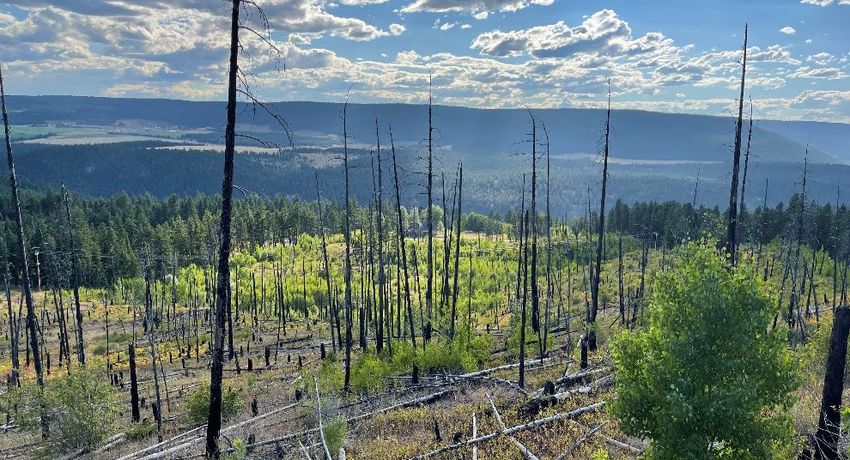
GUIDE TO RE-ENTRY AFTER AN EVACUATION

Table of Contents
Before you go back to your community…………………………………………………1
Insurance Information .............................................................................. 2
Be safe when entering your community.................................................... 3
Inspect your home carefully before entering………………………………….……..4
Re-Entry Checklist ...................................................................................... 5
Air Quality & Health Care Services ............................................................ 6
Taking Care of yourself and your family ................................................... 7
Water & Sewer .......................................................................................... 9
Cleaning Up ............................................................................................... 9
Transfer Stations ..................................................................................... 10
Disposing of food from your home ......................................................... 11
Pets.......................................................................................................... 12
Yards and Gardens .................................................................................. 12
Documents .............................................................................................. 13
Community Contacts............................................................................... 14
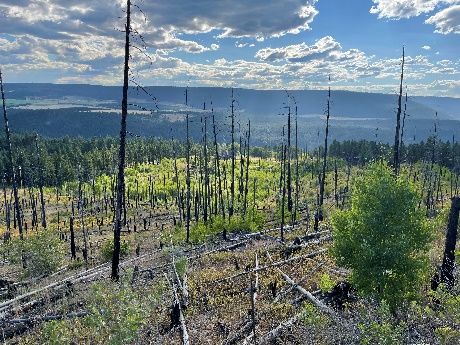
Before you go back to your community and home
You are returning to a community where the surrounding area was
affected by a wildfire. Unseen dangers may linger, ranging
from gas leaks and weakened foundations to exposed wires
and power lines. Using caution can help reduce potential
injuries. Play it safe. When in doubt, ask for help or seek
advice from an expert. Services that you are used to or rely on
may be limited for some time. You are advised to bring basic
necessities with you.

                  DO YOU HAVE
                A full tank of gas?
     Proper clothing, a flashlight and clean-up
                     materials?
            Water for the next 7 days?
   Food for 7 days, including any special dietary
                      needs?
                   Medications?

     If you suffer from a respiratory illness,
              it may be desirable to
   delay your return until air quality improves.

                                                             1
Insurance Information
If your home has a mortgage, call
the bank or company that holds
this mortgage to let them know
about the wildfires as soon as
possible to discuss mortgage or
loan payment deferrals if needed.

If you are insured:
    • Contact your insurance company/broker immediately. The
        sooner the insurance company is notified, the quicker your
        insurance claim can be processed.
    • Try to create an inventory of household items, both inside
        and outside of the buildings, which have been damaged by
        fire. Photograph or videotape the damage as much as
        possible.
    • Work with your insurance company to find out what is
        covered, what is not covered and what may be subject to
        further discussion.
    • Work with your insurance company and their accredited
        fire restoration companies to try to restore or rebuild your
        home.
    • Do not throw away any damaged goods until the insurance
        assessor says to do so.
    • Danger Trees – have an assessment done by a qualified
        arborist.
    • Some policies include evacuation order support including
        accommodations, food, and incidentals. Check with your
        insurance provider or broker to see what your plan covers.
   If you are not insured: For information on available
   assistance, check with Canadian Red Cross: 1-800-863-6582 or
   www.redcross.ca
                                                                  2
Be safe when entering
your community
Once you are able to enter
burned out areas safely, be very
careful. Give way to all
emergency and fire fighting
vehicles.
Some areas may be fenced for safety and security purposes. Please
respect these restricted areas and any directions given to you by
first responders or utility workers.
Do not re-enter any areas that were heavily damaged or
destroyed by the wildfire until the area has been cleared by
the local fire authority.
Take basic precautions and be aware of hazards to your health
and safety in the community.
Possible hazards:
   •   Slip, trip, and fall hazards from unstable structures,
       open pits, or wet and slippery surfaces.
   •   Charred trees are unstable.
   •   Fire damaged buildings.
   •   Standing chimneys.
   •   Ash, soot, and demolition dust.
   •   Hazardous materials such as kitchen and bathroom
       cleaning products, paint, batteries, and fuel containers
       which have been partially damaged or destroyed.
   •   Pesticides or herbicide containers potentially damaged
       or destroyed.
   •   Propane cylinders for heating or from BBQ.
                                                               3
Rapid Damage Assessment
As part of the re-entry process the
CRD completes a rapid damage
assessment prior to lifting an order.
The assessment includes a brief
exterior visual inspection to assess
the safety of buildings.
Your home and its surroundings may not look like they did before
you left. As you arrive, it’s important to obey all signage and
understand Damage Assessment Placards. Damage Assessment
Placards are notices that the local government places on properties
within the damaged area. They tell you whether a property is
suitable for re-entry, if access is restricted, or if it is unsafe to enter.

Inspect your home carefully before entering
Walk carefully around the outside
and check for loose power lines, gas
leaks and structural damage. If you
have any doubts about safety, do
not enter.

Do not enter if:
   • You smell gas.
   • Your home was damaged by fire and the authorities have
       not declared it safe.

                                                                          4
Re-Entry Checklist
Check for damages.
Thoroughly check for hazards
before entering your house
and exercise safety, caution
and good judgement when returning to property.
If you smell natural gas as you enter your home, leave
immediately and contact FORTIS BC Gas Emergency Line at
1-800-663-9911.
Hydro - If you have questions, no service or are experiencing
fluctuations in electrical service quality contact BC Hydro at
1-888-769 3766 (1-888-POWERON) or *49376 on your cell
phone.
Bring basic necessities to last for up to 7 days including food
and prescriptions. Remember to bring pet food and supplies.
Clean any ash off your belongings and furniture. Your regular
cleaning regime should be adequate to bring your home back
to normal.
All perishables and spoiled food in your home should be
disposed of. Thoroughly clean your refrigerator.
Contact your insurance provider as soon as possible to discuss
claim options if you have any damage. Take pictures
and/or video and start a list of damaged belongings, if any.
If you have concerns about sewer or water systems, reach out
to a qualified contractor to discuss, access, and get
recommendations.
Contact your bank to discuss mortgage or loan payment
deferrals if needed.
Wash your hands if they come into contact with ash.
5
Air Quality & Health Care
Services
It is important to note that air
quality remains poor as a result of
smoke from nearby fire activity.

Community Health Centers may have limited operations available
for the first few weeks after the evacuations order is lifted.
Residents with the following medical conditions or situations
should consider the limited health services that will be available
before returning back to the community:

   •   A chronic or acute medical condition, such as asthma.
   •   Anyone requiring regular primary care, specialist care,
       laboratory or diagnostic services.
   •   Anyone more than 36 weeks pregnant or with a high-risk
       pregnancy.
   •   Anyone receiving cancer treatment, dialysis, or other
       specialized medical services.
   •   Anyone requiring home care, home oxygen, or home
       health support.
   •   Anyone recently discharged from the hospital or who has
       had a transplant.

Air Quality Advisories
http://www2.gov.bc.ca/gov/content/environment/air-land-
water/air/air-quality/air-advisories

                                                                     6
Taking Care of yourself
and your family
Returning home after a wildfire
evacuation can be a stressful and
traumatic experience.

Fear and anxiety are natural reactions to stressful events and can
stir up past traumas. To help yourself and your loved ones:

   •   Accept offers of help. Seek counselling or spiritual
       guidance
   •   Focus on positive memories and the skills you’ve used to
       get through other hard times
   •   Give yourself and your loved one’s permission to grieve
   •   Practice cultural or spiritual customs that bring you
       comfort
With support, most people recover within a few weeks; however,
some will need more time and help to heal. Watch for warning
signs of extended anxiety and contact a medical professional or
trusted community leader if they last more than two to four
weeks.

Warning signs:
  • Trouble with eating and sleeping
  • Feeling depressed or hopeless; showing low energy or
      crying often
  • Being anxious and fearful
  • Trouble focusing on daily activities
  • Recurring thoughts or nightmares
  • Avoiding activities or places that are reminders of the
      event
                                                                     7
Mental health and stress
Smoke, evacuations, loss, worry—
floods, wildfires and other natural
disasters affect us all. If you are
feeling stressed or anxious, you
are not alone. To reduce stress
and anxiety, practice the following steps:
   •   Prepare – Having a clear emergency plan and kit ready for
       your family, pets and livestock can ease your mind and
       allow you to focus on other needs.
   •   Take care – Stress takes a toll on our physical and mental
       health. Eating well, exercising, and getting enough sleep
       lowers stress and helps us cope.
   •   Ask for help – Talking helps. Whether it’s with family,
       friends, a doctor, or counsellor. Crisis lines are available to
       listen and help anytime—not just during a crisis.
   •   Help others – Reach out to the vulnerable. Assisting others
       can help us regain a sense of purpose and community as we
       confront challenges together.

Crisis Lines & Mental Health Support
BC Mental Health Support Line Toll Free: 310-6789 (no area code)
This number will connect you to your local BC crisis line without a
wait or busy signal, 24 hours a day.
HealthLink BC Call 811 or visit www.healthlinkbc.ca to access
free, non-emergency health information for anyone in your
family. Through 811, you can also speak to a registered nurse or
talk with a pharmacist about medication.
KUU-US Indigenous Line Phone: 1 800 588-8717
Interior BC Crisis Line Phone: 1 888 353-2273
Northern BC Crisis Line Phone: 1 888 562-1214
                                                                    8
Water & Sewer
If you do not have municipal
water and sewer services, check
your water and sewer systems.
Before using your water
for consumption, flush the system to remove all
stagnant water from your household water lines by
running all cold and hot water taps for at least 5 minutes before
using them.
Municipal water systems may have been maintained throughout
the wildfire event. Check with your local government agency upon
your return.
Cleaning Up
Your insurance policy may cover
house cleaning by a fire restoration
specialist. If you are going to clean
your residence yourself:
• Wear gloves and goggles, keep children and pets away,
and ventilate the area you’re cleaning well.
• Smoke odours can last a long time, and you may need to
clean everything several times.
• Vacuum all surfaces, change heating and air conditioning
filters, and have ducts cleaned.
• Soot/smoke can be removed from painted walls with
trisodium phosphate (tsp), but wallpaper may not be
salvageable.
• Clean dirt off furniture, removing drawers and scrubbing
9wooden surfaces; let dry thoroughly.
• Linoleum flooring may require replacement, but wood and
carpet can be vacuumed and washed.
• To remove odours from fridges and freezers, wash with
baking soda/water, vinegar or ammonia.
• Locks and hinges should be taken apart, thoroughly
cleaned and oiled.
• Dispose of hazardous materials like solvents and garden
chemicals if they show signs of damage. Separate
hazardous materials from landfill waste and dispose
appropriately.
Transfer Stations
A full list of CRD Transfer Stations and operating hours can be
found at cariboord.ca
150 Mile House – 280 Likely Road
Baker Creek – 4831 Nazko Road
Central Cariboo (Williams Lake) – 5025 Frizzi Road
Forest Grove – 4504 Canim Hendrix Lake Road
Frost Creek – 2734 Dog Creek Road
Horsefly Transfer Station – 5601 Horsefly Road
Interlakes – 7377 Horse Lake Road
Lac La Hache – 4202 Cariboo Hwy 97 S
Likely Landfill – 280 Likely Road
Lone Butte – 6106 Little Fort Hwy 24
McLeese Lake Transfer Station – 2258 Beaver Lake Road
South Cariboo (100 Mile House) – 1500 Gustafson Lake FSR Road
Watch Lake Landfill – 7923 Watch Lake Road
Wildwood – 360 Westcoast Road
10Disposing of food from
your home
When you are trying to decide
what food to keep or throw
away, be safe and always
remember: “When in doubt,
throw it out.”
ALL PERISHABLE ITEMS SHOULD BE DISPOSED OF
IMMEDIATELY UPON YOUR RETURN
Dispose of:
• Any unrefrigerated raw vegetables or fruits, or any foods
that were stored in porous containers (e.g. cardboard,
foam containers, etc.).
• Food that was in bowls on counters/tables.
• Food that shows signs of damage from heat or fire,
including ash or smoke.
• Any canned food that is bulging or rusted. Canned foods
that look like they may be okay need to be cleaned with
soap and water before being opened to make sure the
contents don’t become contaminated.
• Any food that has come in contact with liquid waste,
sewage, chemicals or water.
• Any food displaying an off odour or signs of spoilage.
• If you do have a damaged refrigerator or freezer, contact
your insurance provider about whether to clean it or
throw it away.
If you have any questions about how to safely dispose of spoiled
food, please contact an Environmental Health Officer your local
Health Unit.
11Pets
If your pet is lost or missing,
please contact the
BC SPCA at: 1-855-622-7722
Remember to bring some pet food and supplies with you, as
regular pet supply stores may take a short time to re-open normal
operations.
Yards and Gardens
Lawns and gardens will be very
dry, they will welcome a
thorough watering. Please
adhere to normal watering
restrictions in your community to
ensure adequate water supplies
for everyone.
Power outages will also cause the circulation and treatment
systems of pools and hot tubs to stop working. Private pool owners
should ensure adequate disinfection (chlorine levels) and
circulation prior to using the pool. Commercial pools may be closed
temporarily as operators rebalance their chemicals.
12Documents
Keep track of lost documents,
including birth certificates,
passports and tax records.
To manage your insurance:
• Review your policy to understand what items to list, then
take an inventory – you’ll need to provide a list of lost or
damaged items as part of your claim.
• Take photos or videos, noting serial numbers if possible,
and the approximate cost of each item.
• Keep your inventory with receipts related to living
expenses, repairs, and inspections.
• Notify your mortgage company and keep them informed
about restoration of your property.
• If you have questions about your home insurance, call
your insurance representative directly or call the Insurance
Bureau of Canada toll-free at 1-844-227-5422 (1-844-2-
ASK-IBC).
13Community Contacts Cariboo Regional District
Cariboo Regional District Emergency Operations Facebook Page
facebook.com/CRDEmergencyOperations
Cariboo Regional District Public Information Line 1-866-759-4977
Cariboo Regional District Website cariboord.ca
Other Contacts
RCMP - Emergency 9-1-1 Insurance Bureau of Canada
Non-Emergency 1-844-227-5422 ibc.ca
Williams Lake: 250-392-6211
Quesnel: 250-992-9211 Ministry of Health:
100 Mile House: 250-395-2456 1-800-663-7867
Alexis Creek: 250-394-4211 www2.gov.bc.ca/gov/content/h
Anahim Lake: 250-742-3211 ealth
BC Wildfire Info: 1-888-336-7378 Ministry of Agriculture:
bcwildfire.ca Report all wildfires to 1-888-221-7141
1 800 663-5555 or *5555 on your
cellphone. Red Cross
1-800-863-6582
Drive BC 1-800-550-4997
drivebc.ca Health Link BC
Available 24 hours call 8-1-1
Emergency Info BC
1-800-663-7867 First Nations Resources
emergencyinfobc.gov.bc.ca
Emergency Support Services (ESS) First Nations Emergency
1-800-585-9559 Services Society
1-888-822-3388
BC Hydro 1-800-224-9376 fness.bc.ca
BC SPCA 1-855-622-7722
Shaw 1-888-472-2222 First Nations Health Authority
Telus 1-844-443-8622 1-866-913-0033
Fortis 1-888-224-2710 fnha.ca
Fortis Emergency 1-800-663-9911
14Notes:
___________________________________________________________
___________________________________________________________
___________________________________________________________
___________________________________________________________
___________________________________________________________
___________________________________________________________
___________________________________________________________
___________________________________________________________
___________________________________________________________
___________________________________________________________
___________________________________________________________
___________________________________________________________
___________________________________________________________
___________________________________________________________
___________________________________________________________
___________________________________________________________
___________________________________________________________
___________________________________________________________
___________________________________________________________
___________________________________________________________
___________________________________________________________
___________________________________________________________
___________________________________________________________
___________________________________________________________
___________________________________________________________
___________________________________________________________
___________________________________________________________
___________________________________________________________
___________________________________________________________
___________________________________________________________
___________________________________________________________
___________________________________________________________
___________________________________________________________
15Emergency Information Line for Orders
and Alerts & Recovery: 1-866-759-4977
cariboord.ca
Report a wildfire: 1-800-663-5555 or *5555 on a cell
Fire information line: 1-888-336-7378
Twitter: @BCGovFireInfo Facebook: BC Wildfire Service
Report a CRD service related emergency (flood, fire, sewer):
Contact our office at 1-800-665-1636 (*after hours, press 5)
Are you registered for our Emergency Notification System?
While you may already have experienced this system
in action, it does not necessarily mean you have
registered. Registering guarantees you will receive
emergency notifications, even if you don’t have a
landline.
Visit cariboord.ca/EmergencyNotification, select the
“Sign Up for Emergency Alert Notifications” button
on the page, and register your contact information
today. If you need assistance registering, call the CRD
or your municipality.
17You can also read


