Highlights Report In partnership with: GlobeScan
←
→
Page content transcription
If your browser does not render page correctly, please read the page content below
Highlights Report In partnership with:
2
INTRODUCTION
The world is facing unprecedented challenges:
climate change, biodiversity loss, plastic waste,
rising inequality, and widespread health issues
caused by unhealthy lifestyles and substandard
living conditions. To meet these challenges, we
urgently need new ways of living that are healthier
and more sustainable.
Enabling consumers to live healthier, more
sustainable lives is an enormous opportunity
for brands to build trust and loyalty. Seizing this
opportunity requires a strong understanding about
how people think, feel, and act, as consumers
and as citizens. We need to learn together, share
our experiences, find ways to engage people, and
innovate in ways that will make it easier for people
to live in ways that are good for themselves, good
for others, and good for the environment.*
GlobeScan launched the Healthy & Sustainable
Living: A Global Consumer Insights Project
with partners IKEA, P&G, PepsiCo, VF Corp, Visa,
WWF, and others, to help companies and NGOs
better understand, engage with, and mobilize
consumers about healthy and sustainable living.
We are grateful for this partnership and for the
commitment of these organizations to help us better
understand the opportunities for facilitating more
healthy and sustainable living across the world.
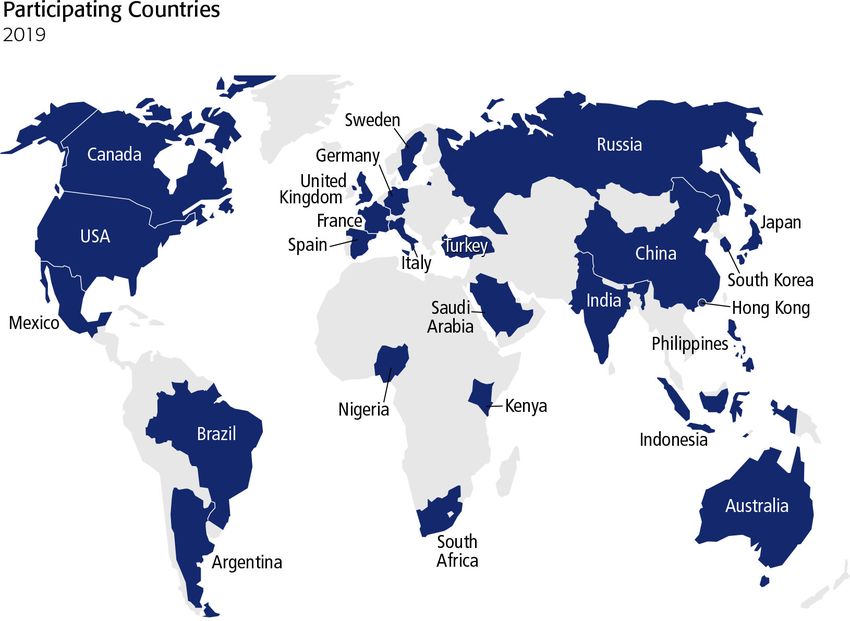
• Online surveys of approximately 1,000 adults per country in each of 25 countries (n= 25,000)
This consumer research program, fielded
• Samples representative of the online population, weighted to be nationally representative in almost all countries
in 25 countries, builds on two decades of
• Data collection took place in April and May, 2019
GlobeScan’s public opinion research in the areas
• See methodology section at the end of this report for further details
of sustainability and expectations of global actors.
It is designed to help us better understand the
diverse mindsets of consumers around the world
in the area of healthy and sustainable living.
* To make this concept as accessible to people as possible, respondents were not asked directly about healthy and sustainable living,
but instead about living in a way that is good for themselves, good for other people, and good for the environment.
3
KEY INSIGHTS

The Healthy & Sustainable Living study, conducted across 25 countries, finds that people are increasingly concerned
about the future of the planet and society, and that many are keenly interested in leading more healthy and sustainable
lives as individuals. But there is a wide gap between intent and action, and plenty of obstacles in their way. This tension
brings into focus the obligations and opportunities that face business, governments, NGOs, and other influential actors
when it comes to engaging citizens and consumers in new ways of living.

1. Worldwide, concern about the environment is increasing,          4. Healthy and sustainable living needs to be more affordable
   with majorities expressing real concern about pollution,            and there is a need for greater systemic support to enable
   climate change, and environmental damage. Young people              more behavior change at scale. People point to cost and
   are feeling the most anxiety about the state of the planet          a lack of support from government and companies as the
   and the impacts we have on it.                                      greatest barriers they face when it comes to living healthier
                                                                       and more sustainably.

2. The timing is right for engaging consumers on the topic
   of healthy and sustainable living, as people want to live        5. Healthy and sustainable living has different meanings for
   healthier and more sustainable lives. But, by their own             people, but most prominent in our analysis are found to
   testimony, they need help. There is a gap between people’s          be eating healthy, shopping ethically, helping others in the
   desire to live in healthy and sustainable ways and their            community, and supporting NGOs. This suggests wide-
   current behavior.                                                   ranging opportunities for companies, government and civil
                                                                       society to play a role in facilitating better ways of living
                                                                       across the world.
3. Younger generations are especially expressing concern and
   guilt over environmental issues and have the largest gap
   between intent and current lifestyle. They are the most likely
   to look to brands to help make a positive impact in the world.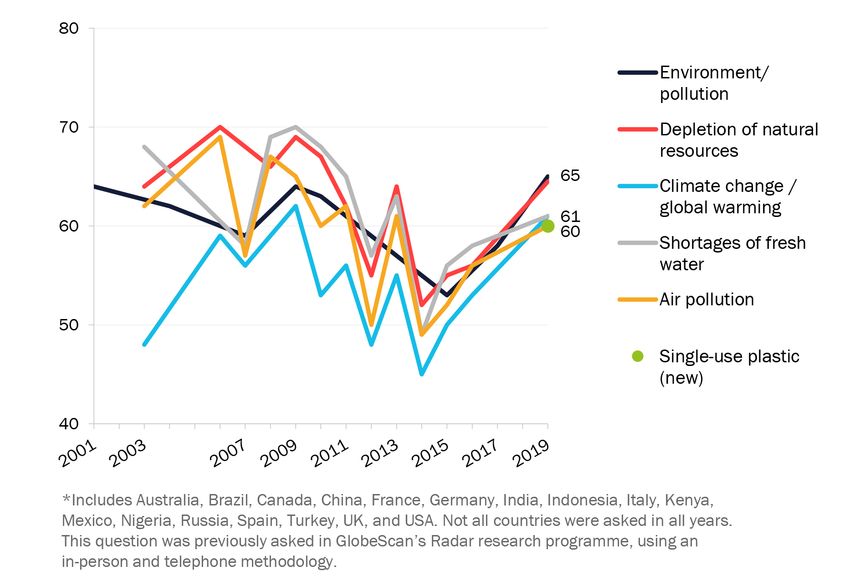
4
INSIGHT 1. A NEW WAVE OF ENVIRONMENTAL CONCERN

We are living in an era of widespread worry about the
environment and climate change. At the same time, people                              Concern about the environment is rising
are becoming less trusting of business and government to
                                                                                      across the world, especially among
act in society’s best interest.
                                                                                      Generation Z and Millennials, leading to the
Public priorities are changing, and demands for action on issues like climate         emergence of another possible green wave.
change and plastics pollution are growing. People across the world are
increasingly worried about a range of environmental issues, including climate
change, depletion of natural resources, environmental and air pollution, and
                                                                                   There remain significant variations in levels of concern across the world.
single-use plastic waste—issues that are all rated as very serious by majorities
                                                                                   For instance, the proportions of those saying that climate change is a “very
across the world. Public concern across all environmental issues tracked has
                                                                                   serious” problem is highest in Mexico (85%), Philippines (80%), and Brazil
been growing steadily over the past five years.
                                                                                   (79%), and lowest in China (37%) and Russia (38%). Americans also express
                                                                                   relatively low concern about climate change (49%) and other environmental
Seriousness of Environmental Problems
“Very Serious,” Average of 17 Countries,* 2001–2019                                issues compared to those in most other countries.

                                                                                   “I foresee that in the future with climate   “I would like to improve awareness
                                                                                   change there will be shortages of            against plastic in my country as nobody
                                                                                   potable water, so I would like to get        really gives a bother about using too
                                                                                   involved with doing something to save        much plastic and just throwing it away
                                                                                   water or recycle water like support          anywhere they see.”
                                                                                   causes or inventions.”
                                                                                                                                (Male, 25-34, 2 children, Saudi Arabia)
                                                                                   (Female, 55-64, no children, Philippines)
5
INSIGHT 2. PEOPLE WANT TO LIVE HEALTHIER AND MORE SUSTAINABLE LIVES

Closing the intention-behavior gap around healthy and                                   There is a strong correlation between self-reported healthy and sustainable
sustainable living is an opportunity to not only improve                                living and quality of life. The more people say they are actively living in
                                                                                        healthy and sustainable ways, the higher their life satisfaction.
environmental and social outcomes but also improve
people’s overall quality of life.                                                       The strength of the correlations between healthy and sustainable behavior
                                                                                        and life satisfaction vary across the 25 countries, with people in large Asian
People around the world say it is a priority for them to live in a way that is          countries like China, India, and Indonesia showing the strongest association
good for themselves, good for other people, and good for the environment.               between being healthy and sustainable and feeling satisfied with one’s life
However, there is a wide gap between intent and the extent to which                     – suggesting that consumers in these large and growing markets may be
consumers say they are living a healthy and sustainable lifestyle. This is              particularly receptive to offerings helping them in this area. In none of the
an opportunity for actors such as government and companies to provide                   surveyed countries do we find that healthy and sustainable living leads to
                                                                                        lower satisfaction with life.
leadership to enable people to bridge that gap.

Assessment of One’s Lifestyle                                                           Satisfaction With One’s Life by Self-reported
Average of 25 Countries, 2019                                                           Healthy and Sustainable Lifestyle
                                                                                        Average of 25 Countries, 2019

Consumers who say they are only living a “moderately” healthy and
sustainable lifestyle present a great opportunity for companies to help them
deepen their engagement. Almost half of consumers currently belong to this
group. They are likely to be open to the notion of becoming healthier and
more sustainable, but are not yet fully motivated.

“I would like to change the way we eat by using mostly organic vegetables, purchasing   “I would like to be able to have more influence over my own family so I can encourage our
through online retailers and use mostly bicycle to travel short distances and eco-      household to start using compost bins, stop buying single-use plastic bottles, stop using single-
friendly vehicles to travel long distances.”                                            use plastic bags, support more local businesses, and convert the smaller items in our lives
                                                                                        (toothbrushes, bins, lamps, dog food, etc.) into more environmentally friendly alternatives.”
(Male, 35-44, 1 child, India)
                                                                                        (Female, 18-24, no chidren, Australia)
6
INSIGHT 3. AN OPPORTUNITY TO ENGAGE YOUNG GENERATIONS

Younger generations express the greatest need for help to live                  Organizations can connect with young consumers by acknowledging and
                                                                                addressing their anxiety and guilt around the environment, helping to make it
healthier and more sustainably, offering plenty of opportunity
                                                                                easier for them to become healthier and more sustainable as individuals.
for brands to enable lifestyle changes for Generation Z,
Millennials, and even a good portion of Generation X.                           Although the main barrier to healthy and sustainable behavior for young
                                                                                people is a lack of affordable options, those in the 18–24 age bracket are
Younger people across all regions of the world are less likely than             also much more likely than others to say that they do not know how to make
others to feel they are currently living a healthy and sustainable lifestyle,   lifestyle changes, suggesting this is the demographic that is most in need of
with Generation Z (those 18─-24 years of age) consistently the least likely     engagement.
to say they are living in a way that is “completely” or “mostly” good for
                                                                                Generation Z is also the most likely of any cohort to say that they are
themselves, other people, and the environment. The gap between
                                                                                motivated to engage with brands that make a positive impact on their
intention and current healthy and sustainable living behaviour is larger
                                                                                communities and the world. By showcasing a commitment to a healthier
for younger generations.
                                                                                and more sustainable world, brands can deepen the loyalty of young
Priority of Healthy and Sustainable Living vs Current Lifestyle                 consumers by addressing their environmental anxieties, help them live in
Average of 25 Countries, 2019                                                   ways they want, and demonstrate how together a better world is possible.

                                                                                Guilt and Reasons for Brand Loyalty
                                                                                By Age, Average of 25 Countries, 2019

 In addition to being more concerned about
 environmental problems and climate change
 than older generations, Generation Z is also                                   “Recently, I have made the switch to avoiding single-use items such as plastic straws,
                                                                                napkins, etc. I have stuck to this a majority of the time, but when I’m eating or cleaning
 the most likely to say they feel guilty about                                  something up, I notice I use an excess of napkins or towels and feel like I am wasting them.”
 their own negative effect on the environment.
                                                                                (Male, 18-24, no children, United States)
7
INSIGHT 4. COST, LEADERSHIP, AND INFORMATION ARE THE GREATEST BARRIERS
TO HEALTHY AND SUSTAINABLE LIVING
Consumers identify a number of barriers to living in ways that                       Almost half of respondents point to inadequate support from government as a
are healthier and more sustainable including affordability, a                        reason for not being able to live as healthily and sustainably as they would like
                                                                                     to, emphasizing the principal role that many people expect governments to
lack of support from government, business, and civil society,                        play in helping them change their behavior. A lack of government leadership
and a lack of information on how to live differently.                                is most commonly recognized as a barrier in Latin America, Africa, the Middle
                                                                                     East, and Hong Kong, but also by a significant proportion of Europeans.
Living a healthy and sustainable lifestyle is often seen as being too expensive.
In many markets (including, ironically, the wealthiest ones), price is seen as the   The survey results also suggest that business’ current efforts in this area
biggest factor hindering people from living as healthily and sustainably as they     are insufficient. Globally, three in ten respondents say that a lack of support
would like to. Premium pricing seems less and less tenable for mass-market           from companies is a barrier to healthy and sustainable living, indicating that
appeal, although younger consumers in several countries, especially in Europe        there is a significant opportunity for them to step in.
and North America, say they are willing to pay more for products and brands
that work to improve society and the environment.                                    More than one-quarter of respondents say that not knowing how to live
                                                                                     healthier, more sustainable lives is a barrier to changing their behavior,
Barriers to Improving Lifestyle to be More Healthy and Sustainable                   especially among Generation Z. These results suggest there is an unmet
Total Mentions, Average of 25 Countries, 2019                                        need for government and brands to support people with more information
                                                                                     and choices to help them shift their current behaviors.

                                                                                        People across the world point to a lack of
                                                                                        support from government, business, and
                                                                                        NGOs as significant barriers to more healthy
                                                                                        and sustainable living, suggesting a need for
                                                                                        greater systemic solutions.

                                                                                     “I would like to eat organic foods and       “I would like to see companies like
                                                                                     local products/services more because         shoe companies come in to collect the
                                                                                     I believe that will be very good for our     old shoes that fill the environment to
                                                                                     environment, health, and economy. What       give them a better use by recycling.
                                                                                     limits me is money.”                         It would be my pride to join hands in
                                                                                                                                  ensuring that shoes no longer occupy
                                                                                     (Female, 25-34, 2 children, South Africa)    part of our environment.”

                                                                                                                                  (Male, 25-34, 1 child, Kenya)
8
INSIGHT 5. EATING HEALTHILY AND SHOPPING ETHICALLY ARE TOP DRIVERS OF
HEALTHY AND SUSTAINABLE LIVING
Eating healthy food and shopping ethically are principal drivers of                             Reinforce: Consumers are already using their own shopping bags regularly, and
healthy and sustainable living. Avoiding packaging and plastics                                 prefer to repair products rather than replace them, and many recycle and are
                                                                                                conscious of their energy use. These actions are currently less connected to a
is also a core part of healthy and sustainable living, but here                                 sense of living a healthy and sustainable lifestyle.
consumers are in need of support to live in the way they want.
                                                                                                Mobilize: In peoples’ minds today, these are habits that are less connected to
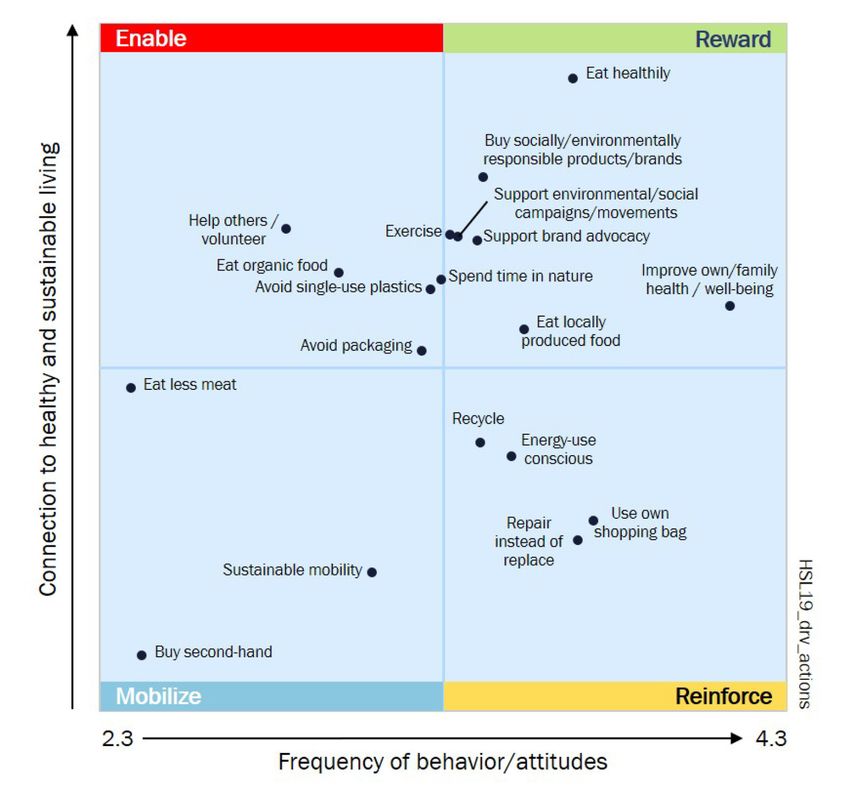
Additional statistical analysis was done on the data to help understand the                     living in a healthy and sustainable manner, including eating less meat, using
drivers of a sense of living a healthy and sustainable life, either consciously or              sustainable transport, or buying pre-used items. Organizations can help with
subconsciously. Using regression analysis and plotting actions and attitudes                    education or emotional nudges around these opportunitues to connect this type
on a matrix that shows the relative strength of a statistically derived connection              of behavior to being healthy and sustainable.
between healthy and sustainable living and self-reported frequency of the
behavior, we can see what behaviors organizations should appeal to or reinforce                 Drivers of a Healthy and Sustainable Lifestyle
to advance healthy and sustainable living.                                                      Average of 25 Countries, 2019

Reward: Healthy eating stands out as the type of behavior most associated with a
healthy and sustainable lifestyle; exercising is also a relatively strong driver of that
perception, as well as an intention to improve one’s own or one’s family’s health
and wellbeing. These are things that consumers do with relative frequency, and
companies can reward this behavior to further encourage healthy and sustainable
lifestyles. A willingness to buy products from socially and environmentally
responsible brands, as well as supporting social or environmental campaigns and
supporting companies that speak out about social and environmental issues are
also relatively strongly associated with a sense of living a healthy and sustainable
lifestyle.

Enable: Organizations should help consumers to avoid excessive packaging
and single-use plastics, as these behaviors are relatively strong drivers of
living in a way that is healthy and sustainable, yet people are not doing this
as much as they might like to. Other drivers of healthy and sustainable living
where consumers need more help are volunteering and helping others,
eating organic food, and spending time in nature.

“I buy plastic items that can be used many    “I wouldn’t buy food stored in plastic
times, shop using my own bag, thereby         packages from a company that does not have
reducing the use of plastic bags.”            a recycle policy. I would rather buy from a
                                              company that has an outlet where if I return
(Female, 35-44, no children, Indonesia)       the empty plastic for recycling a token is paid
                                              just to encourage me to form the habit of
                                              partaking in building a safe environment.”

                                              (Male, 35-44, 2 children, Nigeria)
9
APPENDIX: MAPPING HEALTHY AND SUSTAINABLE LIVING
Healthy and sustainable living means different things in Index of Healthy
Index andand
of Healthy Sustainable Living
Sustainable Living
different parts of the world. Engagement strategies should By Country, 20192019
By Country,
be geographically and culturally nuanced.
Sweden
To portray the current state of healthy and sustainable
living and how it varies around the world, GlobeScan
developed an overall lifestyle Index of Healthy and Russia
Canada Germany
Sustainable Living and examined it geographically. United
Kingdom
Consumers were asked about their behavior in different areas France Japan
related to healthy and sustainable living, with each individual USA Spain
Italy Turkey China
respondent’s index score then calculated based on how many
South
actions they take, and how often they take them. India Korea
Saudi
Arabia Hong Kong
The map shows the relative frequency of self-reported Mexico
Philippines
healthy and sustainable living behavior as summarized
by the index calculation. It portrays where people are
currently living the most and least healthy, sustainable Nigeria Kenya
lifestyles. Behavior patterns are affected by factors such as Brazil Indonesia
economic development, available infrastructure, consumer
preferences, and cultural dimensions.
Australia
South
Consumers in less-wealthy countries are Africa
Argentina
more likely to report behavior that may be MORE HEALTHY AND LESS HEALTHY AND
characterized as healthy and sustainable SUSTAINABLE LIVING SUSTAINABLE LIVING
HSL19_indexmap
behavior – driven by consumption levels
and existing infrastructure. “I would like to, and I have already been doing these “I am constantly implementing new habits that replace old
following things: I usually try to eat more vegetarian, inferior habits. I now travel only by train, public transport,
use environment friendly products in my day-to-day and by bicycle. I no longer throw away leftovers. I only eat
life. I wear clothes that are environmentally friendly and a vegan diet for several years. I recover everything. I buy
Those in more developed markets tend to have access to planning to use electric fuel for my car one day. Besides only what I need…clothes only when needed and then it
lifestyles that are less healthy, more materialistic, and have this I do a lot of charity and volunteering in my own is always second hand... There are always new things to
community as well as global.” contribute big and small.”
a more negative impact on the environment.
(Female, 35-44, no children, Indonesia) (Female, 25-34, no children, Sweden)
Varying extents of infrastructural development also
affect people’s ability to live in ways that are healthy and
sustainable. Those in less-developed countries are often at
a disadvantage in terms of access to things like formal waste
management facilities and infrastructure for private vehicles.10
METHODOLOGY
The design of this online, 25-country study As in all cross-cultural surveys, the comparability
(n=25,000) was led by GlobeScan and informed of results across countries is affected by cultural
through consultation with participating design response bias (different cultures tend to vary in
partner organizations. The survey design terms of being more or less likely to agree, or to
supports year-over-year tracking of emerging award extreme scores on either end of a scale).
attitudes and consumer behavior in the area of Per best practice in cross-cultural market research
healthy and sustainable living. and public opinion research, data have not been
standardized in order to preserve differentiation.
GlobeScan administered the 20-minute online
survey in April and May 2019 to approximately Respondents were not asked directly about
1,000 adults per country in each of 25 countries. healthy and sustainable living, but instead about
The survey was conducted in native languages. In living in a way that is good for themselves, good
India, the Philippines, and South Africa, the survey for other people, and good for the environment.
was conducted in English.
Where historical data is mentioned, this refers to
Using stratified sampling from non-probability long-term tracking data collected in Australia,
but managed online panels, samples are Brazil, Canada, China, France, Germany, India,
representative of the online population, and are Indonesia, Italy, Kenya, Mexico, Nigeria, Russia,
weighted to the latest census data to be nationally Spain, Turkey, the UK, and the USA. Not all
representative. In some developing markets, the countries were asked in all years.
ability to weight to be nationally representative
is limited by the extent of internet penetration
(Kenya, Nigeria, and Saudi Arabia).11 BUILDING TRUSTED LEADERSHIP TO CREATE A BETTER FUTURE GlobeScan is an insights and strategy firm that helps companies, NGOs, and governmental organizations build the trust they need to create enduring value for themselves and for society. www.globescan.com
You can also read


