HOUSING COMMMISSION Improving People's Lives through Radical Change and Reform - SEPTEMBER - Scottish Labour
←
→
Page content transcription
If your browser does not render page correctly, please read the page content below
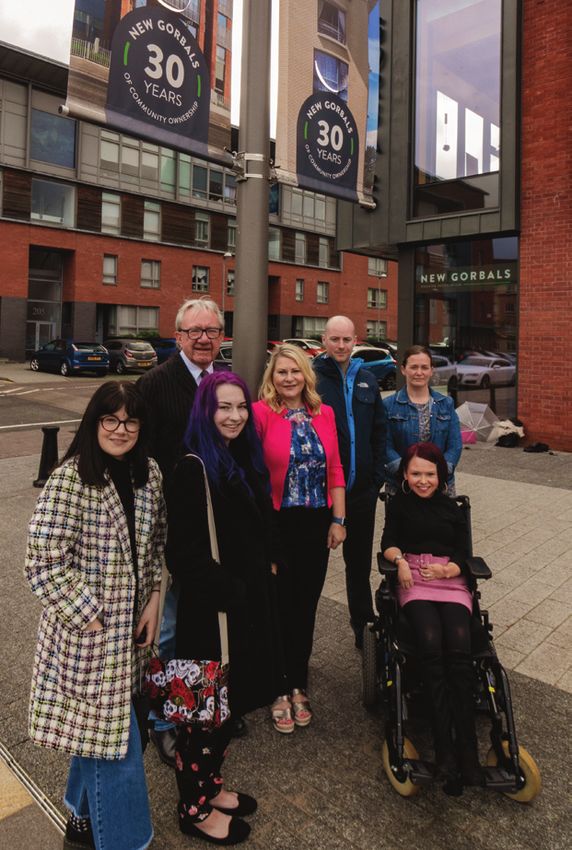
HOUSING COMMMISSION
FINAL REPORT

Improving People’s Lives through
Radical Change and Reform

                                   SEPTEMBER
                                   2019
FOREWORD

                          When I was elected as leader of Scottish Labour I set out my
                          ambitions for Scotland, and housing was right at the heart of my
                          plans for a Labour Government. Everyone has the right to a warm,
                          affordable home of their choice, but yet too many are denied that
                          choice. I want to thank Stuart Gulliver for the energy and
                          enthusiasm he has put into chairing Scottish Labour’s Housing
                          Commission, but also each and every member of the Commission
                          who gave up their time to produce this comprehensive report.

                          Richard Leonard, Leader of the Scottish Labour Party

I am determined that we have a substantial policy offer that is
informed by the housing sector and those passionate about
decent, affordable homes. I believe that without tackling housing
costs we cannot begin to tackle poverty in Scotland. We are already
committed to building homes in the social sector and using
co-operative models. This report will hopefully allow our policy
forums and manifesto process to adopt the innovation and radical
edge within this document for our manifesto commitments to the
Scottish people.

Pauline McNeill, MSP for Glasgow Region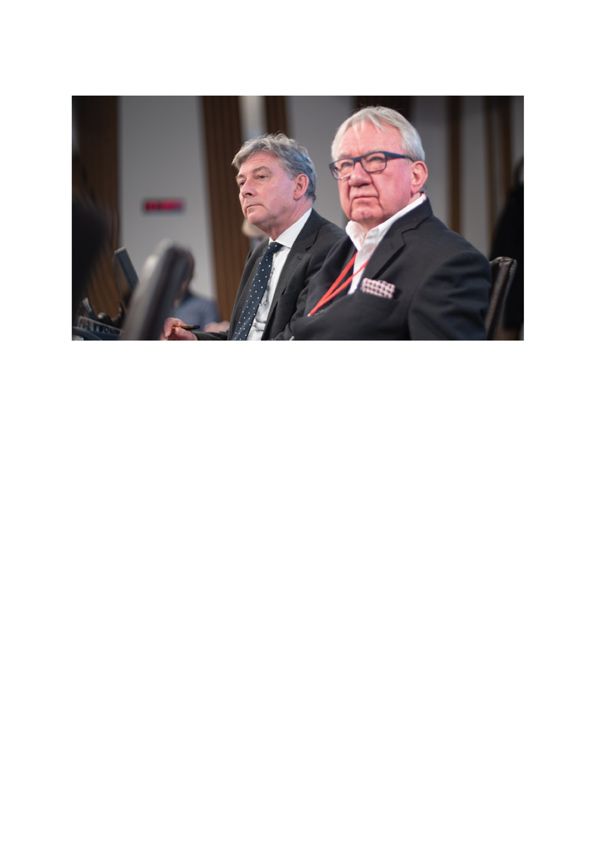
COMMISSION CHAIR’S FOREWORD

The central message emerging from this Final Report of the Housing Commission is that there
is now a deep crisis in housing in many parts of Scotland and we are not even close to solving
it. What is needed now, above all else, is a clear recognition of the sheer scale of the housing
problems and the courage by government to genuinely address them with realistic and
practical proposals.

It was in mid-2018 that Pauline McNeill MSP, launched the Housing Commission and tasked it
with taking a critical look at the housing system in Scotland and examining how it currently
operates -what its strengths and weaknesses might be and to make policy recommendations
to a Labour Party prepared to consider, and implement, radical change.

I was absolutely delighted to be asked to chair the Commission.

We heard presentations from a series of outstanding housing researchers, practitioners and
housing market professionals during our deliberations – some 16 in all – and I am extremely
grateful to all of them. Without their involvement and expertise, the Commission’s work
would not have been as effective and focused and nowhere near as pleasurable.

I would also like to thank all members of the Commission for sticking resolutely to the joint
task and with such good humour. My personal thanks to you all for your involvement and
contributions. And thanks also to Pauline’s ‘in-house’ team of Kate Spence and Peter
McDade, and of course Maddy Grieve for her support and attendance throughout.

Well, the work of the Commission is now done and we are passing on our policy
recommendations to the Labour Party in the hope that they will help make Scotland a better
place – for everybody.

Stuart Gulliver FRSE
Emeritus Professor, University of Glasgow
Chair of the Housing Commission

CONTENTS

                                                                                          Page
The Establishment of the Housing Commission                                               1

So, what’s the housing problem?                                                           2

What are the core principles that should underpin Scottish Labour’s new housing policy?   3-6

Our 10-Part Plan
  Part 1 Increase the supply of housing                                                   7

   Part 2 Genuine affordability of social homes                                           8

   Part 3 Quality of new housing                                                          9

   Part 4 Prioritising three particular groups in the housing system                      9

   Part 5 The Private Rented Sector                                                       12

   Part 6 Land                                                                            13

   Part 7 A New ‘Land and Communities Development Agency’ to be set up                    15

   Part 8 Housing in Rural and Remote Areas                                               17

   Part 9 Housing Innovation                                                              17

   Part 10 Cross Party Commitment on Housing                                              19

Those Recommendations Again on 1 Page                                                     20

Appendix 1 - Members of the Housing Commission                                            21

Appendix 2 - Presentations to the Housing Commission                                      22

                                                                                                 3
1. The Establishment of the Housing Commission
The Housing Commission was set up by Pauline McNeill, MSP for Glasgow (Shadow
Cabinet, Secretary for Equalities, Housing and Social Security) in 2018.
The aim of the Commission was to work alongside Scottish Labour and produce a practical,
ambitious and inspirational set of housing proposals which would help provide realistic
solutions to the current housing crisis in Scotland.
This Final Report will be presented to Scottish Labour Policy Forum and the Shadow Cabinet
as a major input into the consideration of Housing Policy for the 2021 Election Manifesto.
The Commissioners included experienced housing practitioners, housing policy makers,
researchers and tenants – all committed to making a substantial impact on Scotland’s
housing performance. A complete list of Commissioners appears in Appendix 1.
The Commission met 8 times from September 2018 to its final meeting in June 2019 and
heard some 16 presentations, submissions and contributions from a range of organisations
and expert individuals. All the meetings were held in The Scottish Parliament. A complete
list of all presenters appears in Appendix 2.
12. So, What’s the housing problem?
The tragedy is, there is no single housing problem in Scotland – there is a cartload of them.
And despite some recent improvements in performance, the underlying reality is that there
is now a deep-rooted crisis in housing in Scotland that will take a generation to put right.
There is a ‘crisis of undersupply’ in both the private market and socially rented sectors –
particularly for lower income groups, young people and disabled people.
There is a ‘crisis of unaffordability’ running right across the whole housing market in all
sectors and in all parts of the economy.
There is a ‘crisis of quality’ with space, amenity and environmental standards still not
improving quickly enough. Across the stock as a whole, 40% of Scottish homes failed to
meet the Scottish Housing Quality Standard, and only 32% of dwellings had an
environmental impact rating in band C or better1, according to the Scottish House Condition
survey: 2017. And one in four households in Scotland still live in fuel poverty. New homes
being built in in the UK are amongst some of the smallest in Europe. According to
Cambridge University research undertaken in 2014 - Irish houses are on average 15% larger,
Spain 28% larger, Germany 43% larger, France 48% larger, Netherlands 53% and Denmark
80% larger.
And then, of course, there is the outrage that is the ‘crisis of homelessness’ – the most
deprived and desperate part of our housing system.
All these crises collectively reflect the fundamental failure of the housing system in
Scotland. As a nation we have failed for years to build enough homes for those people in
the greatest need and now, to our national shame, we are a country that cannot house its
people properly – and the social cost of this is massive and in plain sight.
3. What should a Labour government do about this situation?
- It’s got to be more than ‘crisis management’
It is clear that ‘business as usual’ will be nowhere near sufficient to deal with the scale of the
problem. When performance is so far behind, in terms of both ‘social need’ and ‘market
demand’, we must be prepared to consider a more radical approach. Something
transformational from government will be required, something anti-neoliberal, something
anti-austerity.
This ‘transformational model’ will require at least 3 pre-conditions;
i. Sufficient scale of investment (both public and private) – targeted particularly at the
groups in most need.
ii. Sufficient legislative power – to help champion and promote real change in the
market.
1
The Environmental Impact Rating (EIR) represents the environmental impact of a dwelling in terms of carbon
emissions associated with fuels used for heating, hot water, lighting and ventilation.
2iii. Sufficient direct involvement from government – for government to perform a
merely ‘facilitative’ role will not be sufficient. Government must play a more
interventionist role and, in particular circumstances, act deliberately as ‘prime
mover’ in order to enable larger and more complex developments to proceed.
Housing should become Scottish Labour’s ‘flagship’ interventionist policy.
Just as the NHS has championed everybody’s right to good health, so we propose that
housing policy should champion people’s right to a safe, secure and affordable home.
Housing needs to become the national priority of the Scottish Labour Party. Good housing
policy has always been at the core of Labour Party values.
By prioritising housing in this way it would become a cornerstone of the welfare state like
health and education.
We believe there is an urgent need for a whole-system approach to Scotland’s housing
problems, and this will require us, alongside others, to re-think what counts as a successful
housing system in Scotland - what it is that we really want the housing system to achieve.
Recommendation
We recommend that the Scottish Labour Party is led by long-term ambition rather than
short-term parliamentary cycles This should be supported by appropriate targets and aim to
build parliamentary consensus on long term housing need.
Social and economic research has shown conclusively that good housing, which individuals
and families can afford, underpins health and well-being and feelings of self-worth. To have
a good home is a source of optimism – rather than fear and uncertainty.
Now is the time for government to bite the bullet – and solve the crisis.
4. What are the core principles that should underpin Labour’s new progressive
housing policy?
A set of guiding principles and values have emerged from the Commission’s discussions
which should underpin the overall approach and help identify policy priorities
i. Reducing Inequalities
Inequality is the defining challenge of our time – it will need to be continuously
addressed. Addressing inequalities in the housing market is the No 1 priority to
which we are all committed.
Inequalities in housing are pervasive in our current housing system.
3• Inequalities in income are high and growing: we need to focus support primarily
on those households who need real assistance to access housing which is of good
quality and genuinely affordable.
• The growing inter-generational inequalities are of great concern.
“At 30, people whose parents don’t possess any property wealth are around 60%
less likely to be homeowners.”
Resolution Foundation Report 2018
• Spatial inequalities remain stubbornly embedded in our urban areas.
Those areas of chronic deprivation in our towns and cities, clearly identified in
the 1891 census are still, pretty much, the very same areas in 2019. We can still
see clearly where ‘the haves’ and ‘the have nots’ live. There is a troubling and
nagging permanence about both individual and spatial inequalities.
Only when Scotland can provide sufficient good homes at affordable cost to all
income groups and generations, can it truly be regarded as a successful nation.
In the real world, a country is only as good as its affordable housing policy.
ii. There is a need for a re-balancing of the relationship between the public and
private sectors in housing
It almost goes without saying that the private sector in both its role as investor and
developer has a crucial role to play in providing housing solutions in Scotland.
However, the private sector should not be the key driver of national housing policy
in the way that it has been allowed to over the last decades.
The Great Recession of 2007/8 reminded us yet again of the need for government
intervention to counter the collapse of the housing market. But even in boom times
the market is unlikely to deliver the scale of housing supply required at the speed we
need it. Hence we have a national housing deficit.
The pace of delivery by private developers will be determined by expectations of
profitability which will often require builders to restrict supply, rather than increase
it, in order to keep prices and returns up.
There is then a fundamental mismatch of goals between private builders seeking,
quite rightly, to optimise profits over a short term focus (less than 5 years) and a
government tasked with needing to solve, the national housing problem. The
government has to focus on the long term and the needs of future generations as
well as the present day needs and will be particularly concerned with the speed of
response.
4An important part of this re-balancing, therefore, will require a more confident,
active and purposeful government which is prepared to take a direct operating role
in the Scottish housing market.
iii. Long-term thinking must prevail – there is no ‘silver bullet’
The crisis is so severe in Scotland that any credible plan must look beyond a 5-year
term. Long term political ownership and leadership will be crucial. The bad news is
that systemic housing problems cannot be corrected through short-term palliative
measures.
There is a need to set out a clear, long-term strategic vision for both homes and
communities in Scotland. A vision that embraces not just housing numbers (so often
these days manifestos are little more than a ‘numbers war game’) but also the
quality of the homes and ensuring they are set in attractive, mixed tenure
neighbourhoods and communities.
iv. Focus on Delivery – the missing ingredient in the past
Scottish Labour’s housing policy should bring a strong focus on delivery.
Getting Stuff Done! is ultimately what counts.
We propose to identify precisely how these ambitions will be delivered – putting in
place mechanisms and operational practices to secure implementation and
monitoring delivery on the ground.
• A critical first step of successful delivery is to identify the right target to
actually deliver
• Scottish Labour must deliver its housing policy working closely with others.
Successful delivery depends upon dozens of organisations pulling together in the
same direction. Not just housing associations, local councils and other providers
but private developers and builders as well as social and community service
providers.
The Labour Party should, quite explicitly, seek to be obsessive about delivery.
v. Only radical change and a strong ‘Reform Platform’ will be sufficient to deliver the
change required.
This ambitious mission will require government to show real courage and provide
the necessary leadership. It is clear that the rhetorical urgency is being ramped up
on housing issues but the actions on the ground are still not sufficient to the task.
There is now a hunger for substantial change.
For too long we have not given enough attention and prioritisation to the huge
affordability crisis in Scotland; the pent up need and demand for considerably more
5affordable homes for people on low incomes; the problem of the so called
‘generation rent’ and the scandal that is homelessness.
There has been far too much conservatism surrounding housing policy in recent
years. We must now realistically address the nature and scale of the housing crisis
in Scotland.
6OUR 10-PART PLAN
PART 1: INCREASE THE SUPPLY OF HOUSING
1 Increase in Social Homes from 2021
We endorse the view of ‘Shelter’ that; “The single biggest priority for housing
in Scotland is increasing the supply of houses.” (2018)
The Commission sees more social rented housing as a top priority and we
support Scottish Labour’s long-term target of building 12,000 social homes each
year – with regular reviews based on need assessments.
60,000 social homes over 5 years from 2021 would mean a 70% increase in the
supply of affordable homes compared to the Government’s current
commitment.
We believe that building more social housing is the best way we can restore
hope, fix the broken housing market, build stronger communities and meet the
needs and aspirations of hundreds of thousands of people.
There needs to be a profound shift to see social housing once again as a national
asset, like any other form of infrastructure.
And by increasing the scale of social housing production it will be possible to
make more social housing available to more than just the people in greatest
need. This was the intention when the council house building started in 1923 and
when social housing programmes were accelerated post-WW2. Social housing
should be available to many more young people trapped in unsuitable
accommodation.
2 We would also look towards parity of grant funding between Housing
Association and local authorities in order to help stimulate greater local
authority production of social homes.
At present local authorities receive almost 20% less per unit grant than Housing
Associations. A move towards removing this gap in funding may help some local
authorities become less risk averse – which would further stimulate social
housing output in Scotland. Scottish Labour should work with local authorities
and housing associations to ensure any new settlement reflects local authorities
access to land.
3 Increase in total annual supply of housing across all tenures
The latest estimates of annual housing requirement in Scotland produced by the
“2018 UK Housing Review” show a need for approximately 26,000 homes per
7annum. This figure includes allowances for ‘suppressed household formation’ by
younger adults resulting from previous inadequate supply and unaffordability.
We agree with the 2018 Review that ‘Building a lot more housing creates a
virtuous circle of easier affordability, reducing housing need and enabling more
households to get decent housing with more choice about location, type and
tenure”. Thus, building many more homes across all tenures will help us put in
place a housing system that meets everyone’s needs.
The housing crisis will only be solved with long-term vision and by reducing
uncertainty for the industry. Sottish Labour should commit to building consensus
across Parliament for a long term annual building target reached using
independent and industry-expert advice.
4 Bringing empty homes back into use faster
Empty homes are a wasted resource, particularly at a time when Scotland needs
more homes. Currently there are an estimated 40,000 long-term empty
properties in Scotland (empty for more than 6 months).
Given the potential scale of this resource, we feel that a Labour Government
could usefully look at the scope for increasing the speed of bringing empty
homes back into use – perhaps by looking at the potential for using the law in
order to force sales in certain circumstances or maybe a low-cost loan scheme to
incentivise re-occupation especially in rural areas.
A Labour government should give particular consideration to the large number of
empty properties above shops across Scotland as well as other vacant
commercial buildings. The renovation, refurbishment and conversion into
housing of these buildings would simultaneously increase housing supply,
reinvigorate our high streets and support small and medium-size builders.
PART 2: GENUINE AFORDABILITY OF SOCIAL HOMES
Housing costs now have such a significant impact on inequality that we are totally
committed to the concept of ’genuine affordability’.
Scottish Labour should commit to providing sufficient capital subsidy in order to
make rents ‘genuinely affordable’ to those in low-paid employment i.e. the lowest
quartile of localised earning adjusted for house size and amenity.
The term ‘affordable’ in relation to housing has been utterly misused by the Tory UK
Government. The Tory definition of ‘affordability’ relates bizarrely, to a particular
percentage of prevailing house prices or market rentals. Whereas we believe
fundamentally that ‘affordability’ has to do with linking the cost of housing to local
income levels and local ability to pay rather than asset values.
8We expect rent levels in a particular area to reflect the economic and labour market
conditions prevailing there. Genuine affordability requires establishing the crucial
links between rents and the ability of people to afford them.
PART 3: QUALITY OF NEW HOUSING
Too much development in Scotland is a missed opportunity and of mediocre and
indifferent quality.
The 2018 report of the Review Panel on Building Standards Compliance and
Enforcement for the Scottish Government that there is evidence indicating “that
there is a problem in relation to the limited availability of skilled tradesmen in key
trades in the construction industry often resulting in the employment of workers
without the requisite skills leading to poor quality, non-safe and non-compliant
construction.”
Currently, Scotland is lacking any statutory redress for buyers of a new-build
property if there is a serious defect in the property. The Federation of Master
Builders has suggested introducing mandatory and universal licensing to the UK
construction industry and have set up a task force to develop detailed proposals.
It is probably timely that a Labour government re-visited the issue of mandatory
minimum space and quality standards in new housing – which should be applicable
to all residential units provided through new build, refurbishment, and through
conversion of non-residential premises.
PART 4: PRIORITISING THREE PARTICULAR GROUPS IN THE HOUSING
SYSTEM
1) Targeting Young People in Scotland
Great cities get their dynamism from the young- and yet fewer and fewer of them
are managing to get a decent foothold in urban Scotland. This is an aspect of what
has become known as inter-generational inequality.
A considerable amount of housing research over the past five years or so has
highlighted the particularly precarious position of the under-35s in the housing
market. The fact is that many young adults are getting an increasingly raw deal.
Young people tend to occupy lower paid and less secure jobs. They find it more
9difficult to get a mortgage than previously and particularly difficult to save a
sufficient deposit.
Equally, with waiting lists for social rented housing exceeding 130,000, young people
are almost permanently at the back of the queue. Private rented housing is now
regarded as their only option which has led to the emergence of the frustrated
aspirations of ‘generation rent’.
A recent ‘Civitas’ report estimated that the population of 20-34 year olds living with
their parents has risen by a third over the past 20 years.
The position of the under 35s in the market is not good and is getting worse. Both
sectors need urgent remedy.
Proposal for low cost home ownership for under 35s
Scottish Labour should scrap the existing ‘Help to Buy Scheme’ and switch the
funding into a substantially re-designed ‘First Buy Scotland Scheme’. The scheme
would offer help to those on low incomes, aiming to tackle capital inequality in a
way that the current scheme does not. First Buy Scotland would:
• Exclusively target first-time buyers earning below an income threshold
decided by the Scottish Labour Party
• Include the ability to buy existing houses under the scheme as well as new
build
• Buyers would require 5% deposit
• Government would provide up to a maximum of 35% of the cost in the form
of a shared-equity agreement, repayable to the Government on the sale of
the property
• In the event of the property losing value, the value of the loan would be tied
to the value of the property i.e. if a person’s property lost 5% of its value the
loan would also be 5% lower
• RSLs and local authorities would be eligible to build new homes for sale as
part of the scheme
• Increase the allocation of social rented housing to the under 35s
Given that our proposals look towards a substantial uplift in the provision of social
rented housing, we would require Housing Associations and Local Authorities to put
forward to government their recommendations as to how they would intend to
increase the number of homes for the under 35s. This might involve changing
priorities or changing the specification of the type of social housing to be provided
for example, provision of more one bedroom flats; so called ‘cluster’ homes or
shared accommodation units.
10Student Housing
Student numbers are rising and there are currently around 300,000 students in Scotland.
Student housing must be a strategic planning issue and not an afterthought. Educational
institutions must be part and parcel of the dialogue, as well as members of the
community.
Traditionally universities provided student accommodation as part of their duty of care.
This has changed in the past ten years with universities increasingly relying on private
companies to run the university-provided accommodation and build and run private
student halls. The financialisation of student housing is exploiting students and putting
profit before their welfare.
The cost of living is increasingly making life harder for young people accessing higher
education, with excessive housing costs a key part of the problem. Rent is unsurprisingly
the biggest cost they’ll face while studying.
Finally, a review of Houses in Multiple Occupation (HMO) is needed: Although
introduced to improve safety in student housing, it now serves primarily to increase
revenue for landlords. HMO flats tend not to have living rooms, or communal areas, be
lower quality, and students are paying through the roof for the privilege of living in a
HMO flat.
It is imperative that Scottish Labour should have a comprehensive student housing
policy.
2) Targeting Disability
Housing for disabled people has been described as Scotland’s ‘hidden crisis’ and
yet we have known for a long time that:
• There are 87,000 wheelchair users in Scotland and these numbers are set to
increase because of the ageing of the population
• 61,000 households include a disabled person who can’t get up or down the stairs
inside their own home
• 34,000 find it difficult or impossible to access their own bathroom or shower
• 11,000 can’t get around their home because of its design or layout
• 9,000 find it difficult to access their own toilet
• 8,000 can’t leave their home because of the stairs to the house
(Source: Scottish House Condition Survey 2015)
What is abundantly clear is that disabled people are not being treated with sufficient
respect by the Scottish housing system. They are simply not getting the support
they need to live a dignified and independent life. Not surprisingly, disabled people
are reported as being frustrated and demoralised by the housing system – and as a
11result experience greater social isolation and anxiety. The ‘kicking of the can down
the road’ by successive governments has to end – and we propose 3 things;
First, a Labour government should commit to a target of 10% of new social housing
in Scotland to be built to wheelchair-accessible standards from 2021 – and make
sufficient funding available to achieve this standard. Setting targets will be
important.
Second, an undertaking by a Labour government that it will seek to find a way of
making this 10% target achievable across all tenures within 2 years of taking office.
Third, a Labour government should produce and publish a ‘National Housing
Strategy for Disabled People’. The national strategy should be led by a dedicated
disabled people’s organisation – like the user-led organisation this Commission
heard give evidence (Independent Living in Scotland – part of Inclusion Scotland) and
which would be tasked with producing a fully–costed national programme; setting
targets and identifying new cross-tenure standards. We feel that it is important that
the production of this national strategy is led by a disabled person’s organisation.
A Labour government should work with this organisation to create and maintain a
comprehensive, national database of accessible and adaptation-ready homes
available on the private market, to make it as easy as possible for disabled people to
find a home they want to live in.
3) Targeting Homelessness
We are all appalled by the outrage that is homelessness and the scale of
homelessness in any country provides clear evidence of the failure of our combined
‘social safety nets’. Its eradication is a clear national emergency.
‘Core’ homelessness in Scotland which comprises; rough sleepers, those in hostels
and shelters; those in unsuitable accommodation e.g. B&B and sofa surfers(e.g.
staying with non-family), squatting; has been fairly stable since 2010 at between
11,500 and 13,500 persons (The Homeless Monitor: Scotland 2019). Although in
early 2019 the reduction in overall levels has stalled, reportedly because of the
operation of the benefits system, lack of affordable stock, rise of in-work poverty
and the re-emergence of the spectre of a drugs crisis.
The Scottish Government has clearly recognised the scale and seriousness of
homelessness. In terms of policy – the ‘direction of travel’ appears at this early
stage, to be correct viz. rapid re-housing as the default position plus wrap-around
support.
We need to closely monitor the effectiveness of this approach in the field and make
adjustments and change where necessary.
12Unfortunately, the government’s lack of commitment to prevention is notable. The
Scottish Parliament passed world-leading legislation on the duty to provide
accommodation, but Scotland is now at risk of falling behind other parts of the UK
like Wales where a duty to prevent homelessness is now in place.
Homelessness is primarily an implementation challenge and the Labour Party
should continue its cross-party support on homelessness and, in its own right,
emphasise the need for sufficient, sustained long-term funding and support to
eradicate homelessness across the whole system.
This calls for a commitment to prevent homelessness as well as respond to those
who find themselves without a home. However, the current government’s lack of
commitment to prevention is notable. Local authorities, the NHS, Police Scotland
and the prison service all have a key role to play in prevention and must have clearly
defined duties, developed in partnership with government, and the funding to
deliver them.
PART 5: THE PRIVATE RENTED SECTOR
“The Private Rented Sector is an important part of the housing supply in Scotland
and will have an important part to play in the future.”
John Blackwood, Chief Executive
Scottish Association of Landlords to the Housing Commission, Feb 2019
We certainly agree with John Blackwood.
The size of the sector has grown significantly this century. In 1999 5% of households in
Scotland were in the PRS but by 2016 it had grown to 15% - and this masks a wide range in
the incidence of PRS in Scotland, for example, in Edinburgh 26% of households are in PRS
whereas in East Renfrewshire there are only 6%.
At the same time, the level of social housing available has fallen, and changes to the
mortgage market since 2008 have meant that is has become more difficult for many to get a
mortgage. These factors have combined to mean that the private rented sector is playing a
greater role in more of our lives. Notably, the private rented sector is becoming home to
more families.
The private rented sector has many important roles. It can provide the means to live in a
location a tenant chooses, allow a tenant to save for a deposit if they wish to buy a home,
and can provide a viable long term housing option. However, for too many people it does
none of these things.
The Labour Party’s concern with PRS relates fundamentally to the need for the
sector to treat its tenants fairly, honestly and with respect, particularly at a time
when the PRS has become the only option for many households, including families.
13Not unreasonably therefore the Party believes that PRS should be subject to
substantial regulation and control in order to protect tenants’ rights, particularly
those concerning security of tenure, the fairness of rent levels and their increases
and the quality of accommodation being offered.
• The Labour Party is therefore proposing to introduce a ‘Mary Barbour Law’
which would help regulate PRS in Scotland. This would:
o Introduce measures to limit rent increases
o Increase the availability of information about rent levels
• Besides a good ‘regulatory framework’ – addressing issues of security, level
of rents, getting repairs done timeously etc. PRS will also need a good
‘enforcement framework’. The whole system needs effective policing,
ensuring that the ‘enforcement machinery’ is effective and that the law is
being upheld consistently across the whole country. Current enforcement of
regulation is undertaken by local authorities and, as a result, the depth and
quality of enforcement varies from one local authority area to another.
There is a lack of consistency.
This rather points to the need to take the ‘policing and enforcement’
functions outside local government control – and that a separate national
body might be more appropriately placed to both regulate the sector and
enforce the law. After all, there is a not dissimilar body, the ‘Scottish
Housing Regulator’, performing this role for the social housing sector.
Extending the remit of the Scottish Housing Regulator or creating a new body
are both options that should be examined. The principle of ‘parity of esteem’
is appropriate here – private tenants should be treated no worse than those
in socially rented houses.
Registered social landlords should also be encouraged to become further
involved in the private rented sector. Many housing associations are already
playing a role in increasing supply and raising standards in the sector, along
with supporting tenants. Reviewing this good practice and encouraging more
RSLs to participate in the PRS would complement the growth of the social
sector rather than come at its expense.
Short-Term lets via online accommodation platforms
It is clear that the issue of short-term lets, directed at the visitor economy, will
require a balanced and proportionate response. A response that reflects both the
boost to the local economy on the one hand through increased economic activity
and more local jobs, as well as the impact on local communities. There is a real risk
of permanent loss of much-needed housing from the PRS into short-term lets
targeted at the visitor economy and a displacement of long-term residents from
their communities in particular neighbourhoods. In some parts of Scotland, the
make-up of whole neighbourhoods are being changed.
14Need for good data: we urgently require some good, impartial data on the multiple
impacts of short term lets – particularly its impact on housing supply and local
communities. It would also be very useful to understand the scale and nature of the
economic benefits and who its beneficiaries might be. It is understood that research
on this topic is being organised.
Need for a regulatory framework: the growth of short-term lets targeted at the
tourist economy will require some form of regulatory framework.
We recommend that the Labour Party promote the view that if a property is solely
or mainly being used as a short-term let – it should require planning consent, based
on clear criteria as to a change of use from residential. This would provide the basis
not only for the introduction of national minimum safety standard but also for each
local authority, based on their own priorities and policies directed at short-term lets,
to grant consent or not.
PART 6: LAND
The price of land lies at the centre of the housing crisis in Scotland – where it has
always been. Government must now resolve the land problem. It would be the
single most important thing that government could do to improve the housing
situation in Scotland for everyone. It is that important.
The inability of government to influence the price at which public bodies, acting on
behalf of the community, can acquire land for homes and community development
affects everything. It affects the supply of housing (both private and social housing),
it affects house prices and rents, it affects housing quality (it influences the density
of dwellings per hectare) and it affects ‘place’ quality.
This issue can no longer be left to lawyers and academics to argue the toss over fine
detail and theory. It is too important and urgent for that. `We have a national
housing crisis on our hands. It is time for strong political leadership to drive this
through.
• A Labour Government must resolve, as a matter of urgency, to reform the
existing law to allow public interest-led bodies and local authorities to
acquire land at, or very close to, existing use value.
This will permit any ‘development gain’ accruing to the community to be
used to finance the necessary infrastructure for development (roads, sewers,
water, utilities) and community support services (e.g. schools, medical
facilities). These enhanced powers are vital in order that public bodies can
take a positive role in land assembly and ‘land pooling’ for housing purposes
and community and neighbourhood development.
15We do not believe the present Scottish government is sufficiently
committed to these important powers – and, as a result, has permitted yet
another opportunity to create ‘social surplus’ (which arise from public
decisions) to fail, to the detriment of Scottish society and the Scottish
economy.
The Labour Government must champion this legislative change.
The reform of the law in this way will not reduce the role and activity of the
private developers and investors – they would continue to be the biggest
’players’ in residential development. The change in law would however give
the opportunity for public bodies to help determine the scale, nature and
quality of community building.
Also, changing the law in this way would substantially improve the current
development process for all concerned – both private and public developers
– because it would greatly simplify the process by abolishing the notion of
‘planning gain’ altogether.
What is in place now is a messy set of difficult-to-enforce obligations – known
as ‘planning gain’ – which local planning authorities negotiate from private
developers in exchange for their granting of planning permission for a
particular development. For example, in exchange for a planning approval a
developer might agree to make available a number of so-called affordable
homes, a play area or amenity space. In practice these gains need to be
negotiated, and then re-negotiated, throughout the development period.
And many public authorities are no match for the developer and their
lawyers.
In a study undertaken in 2017 by the Centre for Progressive Capitalism, it
was calculated that the ‘planning gain’ contributions received by Edinburgh
City Region had a value of £32mn in 2015-16 whilst the actual land value
uplift amounted to £350mn. So, in this case, a relatively well-resourced and
‘professionalised’ local authority managed to claw back just 9% of the value
of the uplift it had itself generated. What would smaller public bodies be
capable of securing?
The law must now be reformed. It would fundamentally change the
economics of land and property development in this country for the public
good.
• Transfer land from one public body to another public body in order to build
housing. This transfer to be at only nominal cost.
16We recommend that a Labour government should remove the duty on
public bodies to maximise the receipts from land sales and to be able to
transfer any land and buildings to public interest-led bodies, housing
associations and local authorities for the production of genuinely affordable
housing.
For example, this would permit the NHS, when a particular hospital or clinic
becomes, for some reason, ‘surplus to requirements’, to simply transfer the
hospital land and buildings at a nominal transfer price (to cover legals, etc.)
to an appropriate not-for-profit organisation for the development of
affordable housing. No need for the hospital to maximise site sale price –
just transfer.
This proposal is simply a matter of changing public sector book-keeping
arrangements. It would simply ‘remove the silos’ inside the public sector –
and, of course, substantially reduce the cost of land for housing
development.
PART 7: A NEW LAND AND COMMUNITIES DEVELOPMENT AGENCY
It is proposed that a Labour government should set up a new public interest-led
organisation – a ’Land and Communities Development Agency’ in Scotland.
This new Agency would sit between local and national government and work with
local authorities and other appropriate bodies to do two things:
1) To be responsible for acquiring, assembling, remediating, servicing and co-
developing derelict and vacant land in Scotland and making available serviced
sites for affordable housing. It would also treat contaminated land.
2) To act as ‘prime mover’ in driving forward the delivery of a new generation of
planned, attractive, mixed tenure communities in Scotland.
• The treatment of derelict and vacant land in Scotland
In 2016, according to The Scottish Vacant and Derelict Land Survey, there
were approximately 16,000 hectares of derelict urban land and 2000
hectares of vacant land in Scotland. Not all of this will need attention, but
where there is likely to be demand for housing, then the land would be
treated, serviced, and made available to the market. In this activity the
Agency could specifically support smaller builders to access sites, self-build
and housing cooperatives and other providers of affordable housing that are
often ‘squeezed out’ of the development process.
• The creation of a ‘New Communities Programme in Scotland’
17The new Agency would take the lead in coordinating the key players and take
overall responsibility for the delivery of the ‘New Communities Programme’,
working in partnership with Scotland’s planning authorities.
• Initially it is a proposed there would be around 6-8 ‘New Communities’
established including both large scale and small scale developments (‘urban
villages’). They should be planned developments from the outset,
interwoven with existing neighbourhoods and be part of a process of
expanding and re-shaping existing cities, towns and settlements. ‘New
Communities in-Town’ as it were.
• Scotland does not have an effective ‘place-production process ‘ – a system
that create good, well designed, thought-through neighbourhoods and
communities. We need to create great places to live as well as great homes
to live in.
What often passes for ‘development’ in Scotland these days is a rather
‘placeless’, anywhere place. Single-use housing characterised by poor estate
layout, over-engineered roads, dominant parking, poor amenity space, poor
landscaping, poor connectivity and bereft of local facilities.
New placemaking over the last 20 or 30 years has done very little to upgrade
the ‘Scottish Offer’ – and has not had much of an effect on Scottish economic
competitiveness in terms of trying to attract and retain skilled and talented
people and act as a catalyst for new business investment.
The preconditions for this set of New Communities would be as follows:
- The ability of the Agency to acquire land within the designated area of
the proposed ‘New Community’ at, or very close to, existing use value
- Ready-serviced plots would be sold to builders, developers, self-builders
etc. to offset the cost of infrastructure and land acquisition.
- The overall aim of the ‘New Communities Programme’ is to be self-
financing over the long term
- Masterplanning; a properly funded Masterplan would be prepared for
each of the proposed ‘New Communities’ with the aim of producing a
mixed and balanced new community.
PART 8: HOUSING IN RURAL AND REMOTE AREAS
Rural Scotland accounts for around 98% of the land mass and some 17% of the
population and – it will never unlock its true economic potential while there isn’t
enough affordable rural housing for working age people to live in. If we want our
rural economy to make its real contribution to overall Scottish economic
performance through agriculture, agriculture-related businesses, fishing, tourism
and new businesses, then much more affordable housing will be required. This
critical shortage of rural housing has an enormously negative impact on any business
trying to invest, grow and recruit staff.
18“The provision of 10 new affordable and accessible family homes can
genuinely turn around the economic prospects of a rural community.”
Susan Torrance
There have been many initiatives, short term experiments and pilot programmes
tried in rural areas seeking to increase housing supply including; land reform
measures, the rural housing fund, the housing infrastructure fund, grants and loans
to support self-build, empty homes initiatives, the Islands Housing Fund. The current
situation is clearly a confusing and ineffective mess.
The Labour government should undertake a thorough review of the initiatives and
mechanisms which have been tried to increase the supply of appropriate housing
in rural Scotland; decide “What Works” in rural Scotland and commit to a workable
10-year strategy for affordable and appropriate housing.
The absence of sufficient, genuinely affordable housing in rural areas, where jobs
exist and people want to live, is leading to the near collapse of the structure of rural
economic life in Scotland. The problem deserves urgent and serious action.
Any rural housing strategy must be part of a wider plan for transport and
infrastructure. The significant rise in private rents in the Borders is strong evidence
of the link between the desirability of housing and good transport links.
PART 9: HOUSING INNOVATION
1) Where will the money come from to fund this ambitious set of housing
proposals?
“In Scotland, the currently well-funded social housing model based on
grants, lower rents and loan payments does not particularly
encourage innovations in finance.”
UK Collaborative Centre for Housing Evidence, 2018
The proposals set out in this document are ambitious and will require energy and
determination to see them through to delivery on the ground. Further, to mend a
broken housing market and address the scale of the housing crisis will require
substantial financial resource – it is unlikely that all will come from tax receipts.
Proposals to pay for investment on this scale include:
• National/Regional Investment Bank generating cheaper long term
finance for affordable social housing and associated infrastructure
• Social Housing Bonds
• Wider-use of government guarantees using national assets as collateral
New funding model needs to be identified
It will now be important for a Labour government to identify its new funding model
for social housing and the housing programme generally.
19The 4 key variables that will affect the future cost of government investment will be:
• The price of land (will be reduced by proposals in this Report)
• Construction costs of housing (referenced in the next section of the
Report)
• The level of equity/grant (assuming this will not be reduced or it will
conflict with the ‘genuine affordability’ goal
• Financing costs (through, for example, Regional Investment Bank)
2) Reducing the construction costs of new social homes
Over the past 50 years there has been much talk of ‘factory-produced’ housing, and
other methods of ‘producing’ houses off-site, as a means of securing a more cost-
effective method of delivering the social rented product. None of this discussion has
led to seriously worthwhile approaches into drawing, so-called, ‘Modern Methods of
Construction’ (MMC) into mainstream housing production. As a result MMC has
remained something of a fringe activity.
It has been estimated recently that it is possible to build up to four times as many
homes with the same on-site labour required for one traditional build. This would
certainly help circumvent the current building skills shortage. A shortage possibly
exacerbated by the development of Brexit, as there are around 5,000 EU citizens are
currently working on Scotland’s construction sites.
A Labour government should talk with the construction industry as a matter of some
urgency to investigate how a sufficiently large, guaranteed order book of social
housing might give a sufficient boost to this untapped capacity in the industry and
reduce the cost of the socially rented programme.
3) Diversity of tenure and house types
A progressive Labour government will wish to encourage and be responsive to a
range of tenure types and housing providers including, for example, co-housing,
inter-generational housing, coop housing, re-examination of the ‘sheltered housing’
model, self-build and open-source design.
Cooperative Housing
The government should fund a 3-year development programme to create sufficient
professional capacity in the cooperative movement to develop more housing coops
in the social and private rental sector.
4) Sustainable Housing and Fuel Poverty
Housing policy must take into consideration the current and future environmental
impact of house building. We believe that the principles proposed by the UK Green
Building Council represent a sensible starting point in the discussion around
environmentally sustainable housing policy. We believe that sustainable housing,
20including carbon neutral homes, would be central to Scottish Labour’s housing
policy.
Fuel poverty is a problem across Scotland caused by homes that are not energy
efficient, people’s low incomes and the cost of powering and heating homes to the
level people need, especially in remote or rural areas which are off grid and people
pay a premium for their electricity. One in four households in Scotland are in fuel
poverty. Addressing the climate emergency means that we need to make our
existing homes both energy efficient and that they move across to low carbon
sources of heat and power.
PART 10: CROSS PARTY COMMITMENT ON HOUSING
The Commission felt strongly that we should advocate the setting up of a ‘Cross
Party Housing Reform Commission’ – or similar title – which would seek to build a
multi-participant commitment to key housing reforms and house building targets
It should not be seen as in any sense an Inquiry or even a means of producing joint
reports or statements but rather a context for discussion and debate in order to help
build consensus on housing solutions.
It was felt that such a group would reflect the high importance all parties attach to
housing in Scotland and the significant degree of agreement that already exists on
policy and objectives and as such it might have ‘official status’.
21THOSE RECOMMENDATIONS AGAIN ON 1 PAGE
• Increase social homes to 60,000 over 5 years – a 70% increase
• Parity of grant funding between Housing Associations and Local Authorities
• Increase total housing supply across all tenures
• Bring more empty homes back into use faster
• Providing sufficient funds to make social housing genuinely affordable
• A review of minimum space and quality standards in new housing
• Proposals for low-cost-entry to home ownership for under 35s
• Proposals to increase the allocation of social rental housing to under 35s
• Commitment to 10% of new social housing built to wheelchair-accessible standards
• Seek to make the 10% target across all tenures within 2 years
• Produce and agree a ‘National Strategy for Housing and the Disabled’ to be led by a
disabled persons’ organisation.
• A Labour government should work with this organisation to create and maintain a
comprehensive, national database of accessible and adaptation-ready homes
available on the private market.
• Commitment to long term funding to eradicate ‘core’ homelessness
• Introduce and fund clearly defined duties across the public sector to prevent
homelessness
• Introduce the ‘Mary Barbour Law’ to regulate private rented sector (PRS)
• Regulate the PRS by setting up a national body to consistently enforce the law 22
or
integrate this brief into the Scottish Housing Regulator.
• Review the good practice of registered social landlords in the private rented sector
and consider how these could be promoted and widened to encourage more RSLs to
participate in this growing sector and raise standards.
• Strong commitment to reform the existing law and allow public interest-led bodies
to acquire land at existing use-value
• Remove the duty on public bodies to maximise receipts from land sales - and
transfer their assets at zero price in order to build affordable homes
• Establish a new ‘Land and Communities Development Agency’
o To acquire, assemble, treat and service derelict and vacant land in Scotland
o Create a ‘New Communities Programme’, initially comprising 6-8 new
communities
o Oversee, co-ordinate and facilitate housing supply activity in Scotland• Remove the duty on public bodies to maximise receipts from land sales - and
transfer their assets at zero price in order to build affordable homes
• Establish a new ‘Land and Communities Development Agency’
o To acquire, assemble, treat and service derelict and vacant land in Scotland
o Create a ‘New Communities Programme’, initially comprising 6-8 new
communities
o Oversee, co-ordinate and facilitate housing supply activity in Scotland
• Undertake a review of existing initiatives to increase supply of affordable homes in
rural Scotland - and act on a ‘What Works’ analysis
• Start work on investigating Labour’s new funding model for social housing
• Investigate reducing the construction costs of new social housing
• Set up a Cross Party Housing Reform Commission
APPENDIX 1 The Members of the Housing Commission were;
• Pauline McNeill MSP for Glasgow
• Mike Bruce CEO Weslo Housing Management
• Stuart Gulliver, CHAIR Emeritus Professor University of Glasgow
• Judy Hamilton Councillor, Fife Council
• John Kane Councillor, Glasgow City Council
• Rita Miller Coop Party
• Kirsten Muat Scottish Labour Students
• Gordon Nelson Director, Federation of Master Builders
• Tanveer Parnez Director of National Development, BEMIS
• Craig Sanderson CEO, Link Group
• James Strang CEO, Parkhead Housing Association
• Susan Torrance Housing Specialist
23**Note:
Participation does not imply agreement with all the recommendations in the Report.
In Attendance
Kate Spence, Researcher for Pauline McNeill MSP
Peter McDade, Communications Manager for Pauline McNeill MSP
Madeleine Grieve, Research and Policy Officer for Scottish Labour
APPENDIX 2 Presentations to the Commission were made by the
following persons;
• Susan Aktemel Director of Homes for Good (Scotland)CIC
• David Adams Professor of Property and Urban Studies, University of Glasgow
• John Blackwood Chief Executive, Scottish Association of Landlords
• Nathan Bower-Bir Co-founder, Edinburgh Student Housing Coop
• Sarah Boyack Head of Public Affairs, Scottish Federation of Housing Associations
(and now MSP)
• Callum Chomczuk National Director, Chartered Institute of Housing Scotland
• Douglas Cochrane Head of Housing Development, Lloyds Banking Group
• Pam Duncan-Glancy NHS & disabilities, equalities and human rights campaigner
• Susie Fitton Independent Living Scotland, Inclusion Scotland
• Ken Gibb Professor, University of Glasgow; Director UK Collaborative Centre
for Housing Evidence
• Tom Macartney National Development Director, Trivselhus UK
• Kim McKee Senior Lecturer, University of Stirling
• John Mills Head of Housing Services, Fife Council & Co-chair ALACHO
• Craig Sanderson Chief Executive, Link Group
• Mark Stephens Professor of Public Policy, Heriot Watt University
• Beth Watts Senior Research Fellow, Heriot Watt University
24You can also read


