Improving Breastfeeding Education of Health Professionals in Québec - The Breastfeeding Committee for ...
←
→
Page content transcription
If your browser does not render page correctly, please read the page content below

Improving Breastfeeding Education of
        Health Professionals in Québec
                                            Bénédicte Fontaine Bisson, PhD, RD
                                            Sonia Blaney, PhD, MSc, RD
Isabelle Michaud-Létourneau, PhD, MPH, RD   Lucie Hamelin, SF, MA
Chantal Doucet, DC, DICCP                   Julie Robitaille, PhD, RD
                                            Mélanie Giard, RN
                                            Ema Ferreira, B.Pharm, MSc, PharmD, FSCPH
                                            Josée Quesnel, MD, FRCPC
                                            Meggie-Anne Roy, MD
  2017 Baby-Friendly Initiaitive            Félix Girard, DMD, MSc
                                            Julie Lauzière, Msc, RD
      National Symposium
                                            Micheline Beaudry, PhD, RD
       Moncton, Canada
                                            Laura Rosa Pascual, MD (Argentina), PhD, IBCLC
     September 22nd, 2017                   Sylvie Chiasson, MA
                                            Jacqueline Wassef, MPH, RD                       1
                                            Myrtha Traoré, BSc
                                            Marion Gayard, MSc, PharmD
                                            Catherine Pound, MD, FRCPC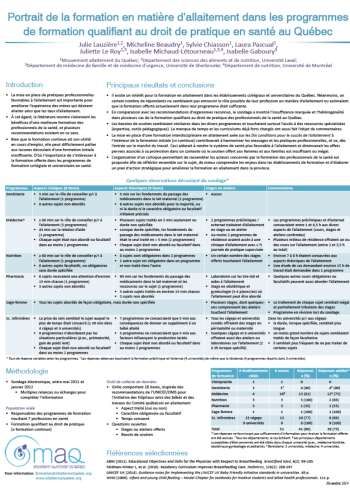
Objectives
1. To outline the situation of BF education of future health
   professionals in the province of Quebec.

1. To describe strategies carried out to engage key actors from
   7 professions to address related challenges province wide
   (agenda setting).

1. To share future steps to be undertaken by the strategic
   group.
Plan

• CONTEXT
  • Breastfeeding and enabling environments
  • Key actors
• WHAT HAS BEEN ACHIEVED
  • Stages 1-2
• GOING FORWARD
  • Stages 3-4

Context

          4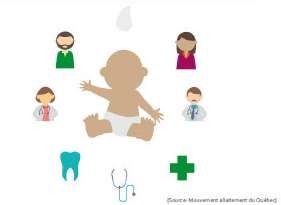
Status of Breastfeeding Promotion,
        Protection and Support

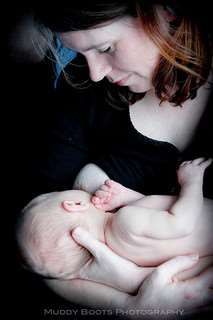
• Inadequate support leads to
  physical and psychological
  negative effects
• A large number of mothers state
  that they did not reach their own
  breastfeeding goals

                                                                        5

                                      Source: Amy Bundy (via Flicker)
Global situation – BF indicators
6
UNICEF, From the first hour of life – Making the case for improved
infant and young child feeding everywhere, 2016, p.25Rate of total BF & exclusive BF
in Quebec by infant’s age
% 90
80
70
Whereas 85 % of mothers
60
breastfeed at discharge
(infant is ≈ 2 days old)
50
40
Only 50 % exclusively breastfeed !!!
30
20
10
0
At 1 week 1 month 2 months 3 months 4 months 5 months 6 months
discharge 7
Adapted from Neill et al.: Recueil statistique sur l’allaitement maternel
au Québec, 2005-2006, Québec, Institut de la statistique du Québec8 UNICEF, From the first hour of life – Making the case for improved infant and young child feeding everywhere, 2016, p.19
Factors associated with breastfeeding
Mother’s Breastfeeding Possibility of turning
decisions practices decisions into actions
Individual Mother’s attributes Infant’s attributes
level
factors Attributes of the mother-child dyad
Characteristics of the environments
Community Public Family
Workplaces Virtual
organizations transportation setting
Group level Childcare settings spaces
factors Education Restaurants
Health and social
Health network Municipal settings
services
professionals Public policies Commercial settings
Societal, cultural and economic attributes
Society Family, medical and cultural attitudes and norms
level Demographic and economic conditions
factors Commercial pressures 9
National and international policies and standards
(Lauzière, 2015; adapted from Hector et al., 2005, Lutter, 2000, & Lauzière, 2010)Working Upstream
Cégeps
(Colleges),
universities
Health
professionals
10Who we are?
11Quebec Breastfeeding Movement
• Founded in April 2009
Mission
• Promote enabling environments for breastfeeding
• Optimal development of young children and well-
being of women, families and society
• Respect of all women and all families
• Independent consultation forum for members
(interested individuals and organizations)
12MAQ Committee on Training (CoT)
• Created in November 2010
Mandate
• Ensure harmonization of minimum
competencies in breastfeeding of all health
professionals in the province
• through the basic content of their academic
curriculum
13CoT and Strategic Group for breastfeeding
education of health professionals (FAPS – in French)
• Members’ affiliation and expertise:
• Academic, health professionals, community
• 7 health professions
• Primarily from Québec City, Sherbrooke, Montréal, Trois-
Rivières
Strategic Group
CoT (17 members)
(9 members)We seek to influence actors
• Actors involved in the curricula and training of the 7 health
professions in Québec cégeps (colleges) and universities
(dentists, dietitians, medical doctors, pharmacists, nurses, midwives, chiropractors)
• Program professors and lecturers
• Program administrators and directors
• Students
• Regulatory bodies of the 7 health professions
• Québec Ministry of Health and Social Services
• Québec Ministry of Education
• Québec National Institute of Public Health
• Partners from academic institutions of other provinces
• MAQ’s partner organizations
• In addition to MAQ members and other MAQ committees 15What has been achieved?
so far…
- Initiative of 4 stages -
16Stage 1
RESULTS
Stage 1:
Assessing BF
training
2010-11 2013-15 2015-16 2017… 2020
PROCESSESSurvey
Urgent need to address the
gaps in training of health
Dentists, nurses, medical doctors, registered dietitians,
professionals on breastfeeding
pharmacists, midwives
because it may take 5-10 years
before changes are in place!
18Stage 2
RESULTS
Stage 2: Agenda setting and engaging
key actors
Stage 1:
Assessing BF
training
2010-11 2013-15 2015-16 2017… 2020
PROCESSESNewsletters
• 8 newsletters distributed since november 2014
• 189 subscribers representing 7 health professions (professors
and lecturers, directors and responsibles, others)
• From 115As
in november
of today,2014
the to
MAQ189 in december
has 2016
gathered
• Diverse topics:more than 180 professors and
• Work of the program
CoT (presentations, funding search,
administrators acrossetc)
• InformationQuébec
on breastfeeding and breastfeeding
who showed interest ortraining (public
statements, recommendations, publications, future conferences,
engagement
etc.)
• High opening rate = The topic resonates with subscribers
20Focus Groups
• Participants from 4 universities in 2 provinces:
professors, program managers and students
• Research objectives:
• Identify the main concerns of the professors and program
directors with respect to changes in their programs
• Identify the barriers to program changes
• Identify enabling factors and potential solutions
• Content analysis: 5 emergent themes
• Interprofessionalism
• Course content
• Clinical practice
• Counseling
• Attitudes 21Strategic Workshop
AVRIL 2016
QUAND ?
Vendredi 29 avril 2016
STRATEGIC PLANNING WORKSHOP COLLOQUE DE PLANIFICATION
STRATÉGIQUE POUR LA FORMATION DES
FOR HEALTH PROFESSIONALS’ PROFESSIONNELS DE LA SANTÉ EN OÙ ?
MATIÈRE D’ALLAITEMENT AU QUÉBEC Université de Sherbrooke,
INITIAL TRAINING ON BF campus de Longueuil
QUI EST ATTENDU ?
Les professeurs, enseignants
et responsables des
programmes de formation
des professionnels de la
santé dans les universités et
cégeps du Québec : médecins,
infirmières, nutritionnistes,
sages-femmes, dentistes,
pharmaciens.
P
{Source: Mouvement allaitement du Québec}
POURQUOI ?
Depuis plusieurs années, de nombreux acteurs et organismes locaux et Contribuer à améliorer les
programmes de formation
globaux (y compris l’OMS et l’UNICEF) dénoncent le manque de
des professionnels de la
formation des professionnels de la santé en matière d’allaitement. Ce santé en matière
Objectives
manque de formation a nécessairement des répercussions sur les
expériences d’allaitement des femmes en raison du peu de cohérence
dans les messages qu’elles reçoivent et de l’insuffisance de soutien
d’allaitement, au bénéfice des
familles.
• Bring people together to think about the curriculum &
concret et approprié. Cette situation contribue aux faibles taux
d’adhésion aux recommandations en vigueur sur l’allaitement. Par
training of future health professionals
exemple, en 2005-2006, alors qu’environ 85% des mères québécoises
amorçaient l’allaitement à la naissance de leur bébé, seule la moitié
MOUVEMENT
ALLAITEMENT DU QUÉBEC
• Improve the understanding of the challenges
d’entre elles l’allaitaient de façon exclusive à leur sortie du lieu de
naissance – environ deux jours plus tard. Mais le plus important est que
______
www.AllaiterAuQuebec.org
cela se produit souvent à l’encontre de leur objectif initial. Ainsi, de
universities & colleges are faced with
meilleures pratiques professionnelles pourraient éviter aux mères des info@AllaiterAuQuebec.org
•
souffrances physiques et psychologiques inutiles. Depuis 2012, les
Develop a strategic plan of action to improve the BF
critères d’Agrément Canada pour les hôpitaux comprennent d’ailleurs SUIVEZ-NOUS ! @MAQ_Infos
22
plusieurs éléments de l’Initiative Amis des Bébés (IAB).
curriculum & trainingParticipants (48)
Regions Professions Organizations
• Capitale-Nationale • Chiropractors • Colleges (Cégeps)
• Estrie • Lactation Consultants • Universities (Québec and
• Laval • Dentists 2 other provinces)
• Mauricie • Nurses • Professional Orders
• Others: Ministry of Health and
• Montérégie • Medical doctors Social Services, Health services
• Montréal • Nutritionists network and clinical settings
• Outaouais • Pharmacists • MAQ
• + Ottawa (Ontario) • Midwives
• + Moncton (NB) • Assistant deans, program directors
• Professors, teachers, lecturers, practicum
coordinators
• Students
Functions
• Delegates of Regulatory bodies and other
establishments 23
• Practicing professionals – others
• VolunteersTheatre Play
24
Mauvais Départ (A Bad Start) – Théâtre Parminou, Québec
April 29, 2016 - Strategic planning workshop for health professionals’ initial training on BFStrategic Workshop Outcomes
• Drafts of strategic action plans
• Increase in participants’ awareness and commitment
• Creation of a strategic group of key actors (17 participants –
7 health professions, 9 educational institutions and 2 regulatory bodies)
• Priority setting with respect to actions to be carried out
(the development of a competency framework)
25Facilitators and Barriers to Agenda Setting
FACILITATORS BARRIERS
• Strong established • Funding
partnerships • Maintaining
• Research projects participants’ interest
• Precedent: Successful • Engaging decision-
education transformation makers
model in Quebec - recently
applied to clinical practices
training with the elderly
• Strategic Workshop
• Champion
26Stage 3
RESULTS
Stage 3: Reaching consensus on a common agenda,
transversal BF objectives, and shared indicators
and measurements
Stage 2: Agenda setting and engaging
key actors
Stage 1:
Assessing BF
training
2010-11 2013-15 2015-16 2017… 2020
PROCESSESCommon Agenda - Priority Actions
• Obtain funding
• Staff to support the initiative in 3 provinces
• Gradual changes in curricula of health programs
• From the objectives of ABM and USBC
• Build eventually a competency framework
• Develop advocacy tools
• For decision-makers unfamiliar with the issue
• Create cohesion among members of the strategic group and
develop a common understanding of the problem
• Example of activity: Visit of hospital designated Baby-friendly
• Measure progress on ongoing actions
• Strengthen the action plan
• Communicate with program administrators to inform them of the 28
initiativeGoing Forward
29Stage 4
RESULTS
Stage 4: Carrying out a Collective Impact initiative to improve BF
curricula in the initial training of health professionals from 7
professions in 3 provinces
Stage 3: Reaching consensus on a common agenda,
transversal BF objectives, and shared indicators
and measurements
Stage 2: Agenda setting and engaging
key actors
Stage 1:
Assessing BF
training
2010-11 2013-15 2015-16 2017… 2020
PROCESSESFraming the next steps
as a Collective Impact Initiative
• Frame the next steps as a Collective Impact Initiative
• Articulated by a team of researchers who have studied successful
collective efforts around the globe
• Five conditions for a Collective Impact Initiative:
• Common agenda
• Shared measurement
• Mutually reinforcing activities
• Continuous collaboration
• Backbone support
31Collective Impact Approach
Condition Definition
Common agenda All participants share a vision for change that includes a common
understanding of the problem and a joint approach to solving the
problem through agreed-upon actions.
Shared measurement All participating organizations agree on the ways success will be
measured and reported, with a short list of common indicators
identified.
Mutually reinforcing A diverse set of stakeholders, typically across sectors, coordinate a set
activities of differentiated activities through a mutually reinforcing plan of
action.
Continuous All players engage in frequent and structured open communication
communication to build trust, assure mutual objectives, and create common
motivation.
Backbone support An independently funded staff dedicated to the initiative provides
ongoing support by guiding the initiative’s vision and strategy,
supporting aligned activities, establishing shared measurement
practices, building public will, advancing policy, and mobilizing 32
resources.
Source: Kania, J. and M. Kramer, Embracing emergence: How collective impact addresses complexity., January,
2013. 21.Legend
Academic institutions Collective Impact initiative
Practitioners-clinicians Quebec
Other key partners
Setting the
Initiative - QCLegend
Academic institutions Collective Impact initiative
Practitioners-clinicians Quebec
Other key partners
Setting the
Initiative - QC
Ontario N-B
Setting the
initiative –
with other
provinces
Others interested in joining the
initiative?Legend
Academic institutions Collective Impact initiative
Practitioners-clinicians Quebec
Other key partners
Setting the
Initiative - QC
Ontario N-B
Setting the
initiative –
with other
provinces
Others interested in joining the
initiative?
Isabelle Michaud-Létourneau: im225@cornell.eduStages and actions leading to a Collective Impact Initiative
• Enhanced BF competencies in
health centers and hospitals RESULTS
• Enhanced BF knowledge, attitudes
and practices in initial training
Stage 4: Carrying out a Collective Impact initiative to improve BF
• Curricula changes in 3 provinces curricula in the initial training of health professionals from 6
professions in 3 provinces
• Strategic planning workshop (Qc)
• Identify barriers and enablers to Stage 3: Reaching consensus on a common agenda,
curricula changes
• Agree on minimal BF objectives transversal BF objectives, and shared indicators
• Develop a targeted BF curriculum and measurements
for pediatric residents
Stage 2: Agenda setting and engaging
• Planning a national BF educational
intervention for medical residents
key actors in universities, colleges and
• Get funding for a strategic professional associations
workshop in Québec
Identification of: Stage 1: Assessing
• BF trainings gaps in 6 health BF training and
professions in Qc consulting
• Potential deficits in BF knowledge PROCESSES
& attitudes of Canadian physicians stakeholders
2010-11 2013-15 2015-16 2017 … 2020
• Creation of core • Newsletters (6) to • Creation of a • Launch in 2 provinces
group of strategic engage with key research project • Working groups in 3 provinces,
actors actors (professors) • Focus groups to develop strategies
• Surveys of • Proposal writing to engage actors • Knowledge brokers to monitor
pediatricians and get funding for • Delphi survey to actions and create synergy
family doctors in workshop consult and engage • Create a global forum of
Canada • Increased experts exchange between actors
• Surveys of 6 health communication • Strategic workshop • Monitor progress in policy
professions in between MAQ and (launch) in Qc to processes
Québec (Qc) researchers reach consensus • Develop doctoral projectsAcknowledgments
We would like to acknowledge the generous
contribution of the CIHR and the MSSS for their funding,
and the support of the Université de Sherbrooke
to the CoT in holding the strategic workshop
Several anonymous donors have also contributed to this event
through a crowdfunding campaign and we thank them warmly.
37THANK YOU
38Bibliography (1)
• Kelly MP : The relationship between evidence and practice: some considerations in breastfeeding.
Maternal & Child Nutrition 2006, 2: 191-192. http://dx.doi.org/10.1111/j.1740-8709.2006.00076.x
• Renfrew MJ: Time to get serious about educating health professionals. Maternal & Child Nutrition 2006,
2: 193-195. http://dx.doi.org/10.1111/j.1740-8709.2006.00075.x
• Pound CM, Williams K, Grenon R, Aglipay M, Plint AC: Breastfeeding Knowledge, Confidence, Beliefs, and
Attitudes of Canadian Physicians. Journal of Human Lactation 2014, 30: 298-309.
http://jhl.sagepub.com/content/early/2014/06/02/0890334414535507.abstract
• World Health Organization, UNICEF: Baby-Friendly Hospital Initiative - Revised, updated and expanded
for integrated care. (Nutrition ed. Geneva, Switzerland: World Health Organization; 2009
http://www.who.int/nutrition/publications/infantfeeding/bfhi_trainingcourse/en/
• Comité canadien pour l'allaitement, rédigé pour l'Agence de la santé publique du Canada : Initiative amis
des bébés au Canada - Rapport de situation - Mise à jour 2014. 2014: 65 p.
http://breastfeedingcanada.ca/documents/Final%202014%20Status%20Report%20FR.pdf
• Semenic S, Childerhose JE, Lauzière J, Groleau D: Barriers, Facilitators, and Recommendations Related to
Implementing the Baby-Friendly Initiative (BFI): An Integrative Review. Journal of Human Lactation
2012, 28: 317-334. http://jhl.sagepub.com/content/28/3/317.abstract (consulté septembre 2016).
• Series on Breastfeeding. The Lancet 2016, 387: 404; 413-415; 416; 475-490; 491-504.
http://www.thelancet.com/journals/lancet/issue/vol387no10017/PIIS0140-6736(16)X0005-0
• Comité formation – Mouvement allaitement du Québec. Formation en allaitement des
professionnelLEs de la santé au Québec. Résultats d’un sondage auprès des responsables de
programmes de formation de base des professionnelLEs de la santé dans les établissements
universitaires et collégiaux au Québec (infirmièrEs, médecins, dentistes, nutritionnistes,
pharmacienNEs, sages-femmes). Avril 2013. 44 p. 39Bibliography (2)
• World Health Organization: Infant and young child feeding - Model Chapter for textbooks for medical
students and allied health professionals. Departments of Child and Adolescent Health and Development
(CAH) and of Nutrition for Health and Development (NHD), Geneva, 2009. 111 p.
http://www.who.int/maternal_child_adolescent/documents/9789241597494/en/ (consulté septembre
2016).
• American Academy of Pediatrics: Breastfeeding and the Use of Human Milk - Policy Statement.
Pediatrics 2012, 129: e827-e841. http://pediatrics.aappublications.org/content/129/3/e827 (consulté
septembre 2016).
• The Academy of Breastfeeding Medicine: Educational Objectives and Skills for the Physician with
Respect to Breastfeeding. Breastfeeding Medicine 2011, 6: 99-105.
http://dx.doi.org/10.1089/bfm.2011.9994
• Lauzière J, Beaudry M, Chiasson S, Pascual L, Le Roy J, Michaud-Létourneau I, Gaboury I: Portrait de la
formation en matière d’allaitement dans les programmes de formation qualifiant au droit de pratique
en santé au Québec. In Journées annuelles de santé publique (JASP). Québec; 2014.
https://www.inspq.qc.ca/jasp/portrait-de-la-formation-en-matiere-d-allaitement-dans-les-programmes-
de-formation-qualifiante-en-sante-au-quebec
• United States Breastfeeding Committee: Core Competencies in Breastfeeding Care and Services for All
Health Professionals. Rev. edition. Washington, DC: 2010 Rev. ed.:8 p.
http://www.usbreastfeeding.org/core-competencies (consulté avril 2016).
• World Health Organization: Infant and young child feeding - Model Chapter for textbooks for medical
students and allied health professionals. (Departments of Child and Adolescent Health and
Development (CAH) and of Nutrition for Health and Development (NHD) ed. Geneva: World Health
Organization; 2009: 111p.
http://www.who.int/maternal_child_adolescent/documents/9789241597494/en/
• UNICEF, From the first hour of life – Making the case for improved infant and young child feeding
everywhere, 2016, 104p.https://data.unicef.org/resources/first-hour-life-new-report-breastfeeding-
practices/ 40You can also read


