INFECTIOUS DISEASES IN A CHANGING CLIMATE - WORLD HEALTH ...
←
→
Page content transcription
If your browser does not render page correctly, please read the page content below
InfEctIOus dIsEasEs
in a cHangIng clImatE

Information for public health officials
in the WHO European Region

The frequency and distribution of many infectious diseases are changing under a
changing climate. Recent outbreaks of dengue, chikungunya and West Nile virus in
countries previously free from these diseases signal just some of the potential
threats associated with changes in climate, trade, travel and the environment.

This series of information sheets on infectious diseases in a changing climate aims
to highlight current and future risks in countries of the WHO European Region, and
to provide public health authorities with information on the scale of the problem and
measures for prevention and response.

Each information sheet is based on large systematic literature reviews and expert
advice. Where WHO guidelines are available, this information is reproduced.

dEnguE
                            in the WHO EuROpEan REgIOn
This information leaflet
is intended to guide
public health authorities
in protecting their
populations from the
health risks of dengue.
The following sections
will answer five key
questions.

                                                                                                                                                     © F.Schaffner/IPZ, 2012
1.dengue is back.
  What are the risks of
  re-established
  transmission of
  dengue in countries of
  the European Region?      Key messages
2.dengue can be severe.     • In Europe, dengue is second only to malaria as the febrile illness causing most
  What are the health         hospitalization after return from abroad.
  effects of dengue
  infection?                • After many years with only a few cases reported, dengue is back in the WHO
                              European Region1 – more than 3000 cases have been reported in the last three
3.dengue can be               years, principally due to imported cases and the presence of Aedes vectors for
  prevented and               local transmission.
  controlled.
  What can you do?          • The spread of Ae. aegypti and Ae. albopictus (tiger mosquito or forest day
                              mosquito) is a growing problem driven by the globalization of trade and travel,
4.WHO can assist you.         increased urbanization and climate change. Vectors transmit the pathogens
  What support could          not only for malaria and dengue, but also for chikungunya and yellow fever (for
  you get?                    example). Integrated vector control measures are essential.
5.guidance is available.    • Severe dengue is a potentially lethal complication of dengue infection. So far,
  Which documents             there is neither specific treatment nor a vaccine. However, early diagnosis and
  provide guidance on         adequate management can reduce fatalities.
  effective prevention
  and control activities?   • Public health authorities need to strengthen prevention, preparedness and control
                              of the disease and improve communication on the best ways to control
                              mosquitoes.

                            1
                                The WHO European Region comprises 53 countries stretching from the Atlantic Ocean to the Pacific, with a population of
                                almost 900 million.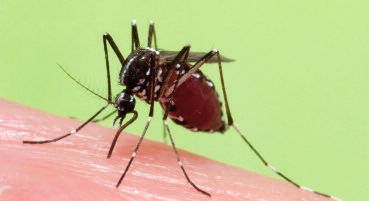
1. dengue is back

                          • Dengue is a febrile viral infection caused by four different   Vectors of dengue
                            viruses (dengue virus serotypes 1–4) that are transmitted
                            by Aedes mosquitoes.                                           Currently, the two re-emerging vectors (Ae. aegypti, Ae.
                          • Travellers (workers, tourists, migrants) returning from        albopictus) lead to local transmission of the disease.
                            countries where diseases are endemic are increasingly
                            introducing dengue and other vector-borne viruses into the
                            WHO European Region.                                           Ae. albopictus is reported to be widely established and
                          • In areas where the mosquito species Ae. aegypti or Ae.         spreading in the western Mediterranean basin, from Spain
                            albopictus are established or re-established, there is a       to Greece. It was found only recently in more eastern
                            genuine risk of local transmission.                            countries and around the Black Sea coast (Bulgaria, Georgia,
                                                                                           Romania, southern Russian Federation, Turkey). A few
                                                                                           mosquitoes have been found in more northern countries but
                                                                                           no establishment has been confirmed, to date. Once the
                      dengue is spreading in the WHO European Region                       mosquito is established it is very difficult to eliminate.
                      again
                                                                                           Ae. aegypti was widespread in southern Europe until the
                      Until 1930, dengue fever was endemic in the countries of             early 1950s. Re-introductions are now occurring and the
                      southern Europe where the vector Ae. aegypti was present.            species is established on Madeira and the northern Black
                      In 1927 and 1928, several outbreaks in Greece and Turkey             Sea coast.
                      affected more than a million people and killed up to 1500.
                      After that, the disease disappeared.                                 Both Ae. aegypti and Ae. albopictus can transmit other viral
                                                                                           pathogens (e.g. for West Nile virus, yellow fever, St. Louis
                                                                                           encephalitis and chikungunya).

                                                                                           dengue is driven by climate change, trade and
                                                                                           travel

                                                                                           Changes in the European climate have impacts on vector
© Francis Schaffner/IPZ

                                                                                           distribution and potential disease transmission.

                                                                                           • Annual mean temperatures of 15°C for Ae. aegypti and
                                                                                             11°C for Ae. albopictus seem to be indicative thresholds
                                                                                             for the persistence of these vector populations.
                      Man-made sites: vases and flower pot dishes
                                                                                           • Higher temperatures favour larval development and
                                                                                             mosquito adult emergence rate activity.
                      The threat of dengue in Europe has increased in the last few
                      years. Recent locally transmitted dengue cases in Croatia,           • Higher rainfall increases the number of flooded breeding
                      France and Portugal have shown that transmission is                    sites. Lower rainfall prompts people to store water –
                      possible in different areas of continental Europe where Ae.            mosquitoes use the containers as breeding sites.
                      albopictus or Ae. aegypti are present.
                                                                                           • Humidity influences mosquito lifespan and therefore the
                                                                                             potential for virus transmission.
                      A large outbreak has occurred in Madeira, Portugal – more
                      than 2100 cases were declared from October 2012 to May               • Cold spells with winter frosts are expected to limit the
                      2013, at least 80 requiring hospitalization. An additional 78          survival of Aedes’ eggs, but some cold countries are
                      cases were reported among European travellers returning                experiencing temporary summer expansions. Ae.
                      from the island. This outbreak has led to reports of the               albopictus survival and winter-rest behaviour in Europe
                      spread of cases into 14 other European countries.                      needs further investigation.
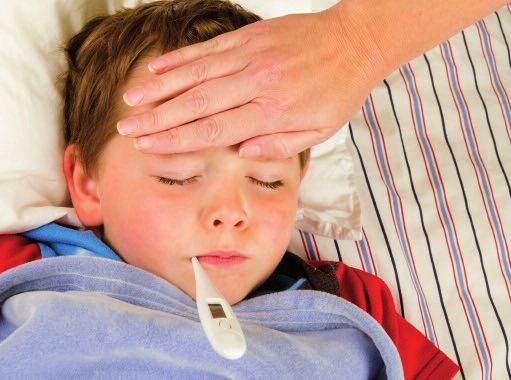
2. dengue can be severe
dengue infection severe dengue
People with dengue fever begin to develop illness seven days Severe dengue is a potentially lethal complication of dengue
after being bitten by an infectious mosquito. It is difficult to infection. Two variants exist – dengue haemorrhagic fever
distinguish dengue fever from other viral diseases in the (DHF) and dengue shock syndrome (DSS).
earlier phase. Symptoms can include sudden fever; chills;
severe headache with pain behind the eyes; muscle and joint DHF and DSS symptoms include fever; a low platelet count;
pain and extreme fatigue; abdominal pain; nausea and haemorrhagic bleeding and vascular permeability. DHF is
vomiting; and a faint red rash on the upper body. The fever sometimes associated with severe shock syndrome caused
typically lasts around six days. by fluid leaking into body tissues, characterizing the life-
threatening DSS.
Recovery from infection caused by one serotype of dengue
virus provides lifelong immunity against that particular People who develop DHF have a 5% chance of death, but
serotype, but not cross-protective immunity against the other this can be as high as 40% if DSS develops. Infants,
serotypes. Subsequent infections by other serotypes young children and elderly people are more susceptible
increase the risk of developing severe dengue. to DSS.
© Shutterstock3. dengue can be prevented and controlled
The lack of a vaccine or specific treatment, in combination
with the wide presence of Ae. aegypti and Ae. albopictus in
parts of the European Region, make preventive measures
necessary. These require the active participation of all
sectors of society, as outlined in the three phases for health
protection.
■ phase 1. Beat the vector
At present, stopping the invasion of Aedes-transmitting
mosquitoes is the only method to prevent or control the
transmission of dengue virus. In the European context, this
includes (as a priority) early detection and swift elimination
of incursions of Ae. aegypti in settlement areas, as well as
preventing the establishment of Ae. albopictus.
Public health authorities should promote sustainable ways
to avoid mosquito bites by preventing the introduction,
establishment and spread of invasive mosquitoes, as well as
their early detection and containment. This can be achieved
by communication and community participation and
mobilization for sustainable vector control.
■ phase 2. stop spreading of the disease
Where introduction of mosquitoes could not have been
avoided and the vectors have established in the
environment, integrated surveillance of invasive mosquitoes
and prevention of disease outbreaks should take place.
Strategies and activities listed in Table 1 (points 2–5) outline
relevant activities.
■ phase 3. limit the burden of disease
To avoid a larger outbreak of dengue, active methods for
early disease identification and case management are
required in addition to Phases 1 and 2.
Further research is required in the European Region,
including assessment of the effectiveness of control
programmes for invasive mosquitoes and re-emerging
diseases.
© Fotoliatable 1. principal strategic approaches and core activities for control of invasive mosquitoes and re-emerging disease
phase strategic approach core activities
phase 1. 1. Sustainable vector control • Prevent introduction of invasive mosquitoes by:
Beat the vector and early detection and o proper disposal of solid waste and removal of artificial water
containment of invasive containers;
mosquitoes o covering domestic water storage containers, and emptying
and cleaning on a weekly basis;
o application of appropriate insecticides to outdoor water
storage containers;
o use of personal and household protection such as window
screens, long-sleeved clothes, insecticide-treated materials,
repellents;
o use of biological control agents in water bodies, where
feasible;
o mosquito detection at points-of-entry and high-risk sites;
o prompt elimination of foci of colonization.
• Develop integrated system of vector and disease surveillance.
phase 2. 2. Integrated surveillance and • Prepare for disease outbreak response.
stop spreading prevention of outbreaks • Improve disease diagnosis and case management.
of the disease 3. Awareness raising about • Promote sustainable vector control to prevent transmission.
invasive mosquitoes and • Generate political support.
re-emerging vector-borne • Implement communication strategies for travellers and
diseases residents.
4. Regional and bilateral • Promote integrated vector management and control.
coordination • Affect positive behaviours in prevention programmes through
5. Capacity development and risk communication.
resource allocation • Coordinate and harmonize prevention, surveillance and
control.
• Coordinate and harmonize registration of biocides.
• Develop human capacity and resources for surveillance and
control of vectors and disease.
• Establish network of reference centres.
phase 3. 6. Detection, outbreak and case • Ensure early identification of dengue cases
limit the burden management and research • Improve care of severe dengue (DHV/DSS) and referral
of disease systems for patients.
• Reorient health services to cope with dengue outbreaks.
• Train health personnel at all levels of the health system.4. WHO can assist you
To assist Member States in reducing the risks of re- anticipation of risks: WHO is working in partnership with
emergence of dengue and other vector-borne infectious other agencies in anticipating potential risks from the re-
diseases, WHO Regional Office for Europe has emergence of invasive mosquitoes and vector-borne
developed the Regional Framework for Surveillance diseases, particularly at the animal-human-ecosystem
and Control of Invasive Mosquito Vectors and Re- interface.
emerging Vector-borne Diseases 2014–2020. Further,
these risks are addressed in Protecting Health in an International Health Regulations (IHR): WHO assists
Environment Challenged by Climate Change: European Member States in implementing IHR-related capacity
Regional Framework for Action and the Commitment to building relevant for dengue control. Prevention of
Act of the Fifth Ministerial Conference on Environment mosquito invasions and disease emergence serves the
and Health. Thus, WHO Regional Office for Europe is IHR requirement for Member States to manage acute
pursuing an active role and can provide assistance in public health events that can cross borders, by
the following areas. developing and strengthening capacities at designated
ports, airports and ground crossings.
sharing of methods: WHO uses regional and bilateral
collaboration and coordination to share methods for
surveillance, risk assessment, information sharing and
control measures and provide guidance to implement
these methods.
partnerships: concerns over invasive mosquitoes and
their role in local transmission and outbreaks of
dengue and chikungunya have prompted WHO, the
European Commission, European Centre for Disease
© Francis Schaffner/IPZ
Prevention and Control and the European Mosquito
Control Association to work together to raise awareness
of the problem and to advise countries on surveillance
and control activities.
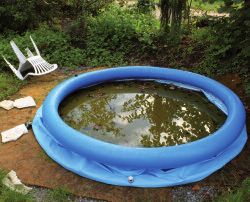
Man-made sites: unused swimming pool5. guidance is available WHO documents Berg H van den, Velayudhan R, Ejov M (2013). Regional framework for surveillance and control of invasive mosquito vectors and re-emerging vector-borne diseases 2014–2020. Copenhagen, WHO Regional Office for Europe. Initiative for Vaccine Research (IVR) (2013). Dengue vaccine research. Geneva, World Health Organization (http://www.who.int/vaccine_research/diseases/dengue/dengue_ vaccines/ en/index.html). WHO (2013). Dengue and severe dengue. Fact sheet No. 117. Geneva, World Health Organization (http://www.who.int/mediacentre/factsheets/fs117/en/index.html). WHO (2012). Global strategy for dengue prevention and control 2012–2020. Geneva, World Health Organization (http://apps.who.int/iris/bitstream/10665/75303/ 1/9789241504034_eng.pdf). WHO (2012). Handbook for clinical management of dengue. Geneva, World Health Organization (http://www.who.int/denguecontrol/9789241504713/en/index.html). WHO (2009). Dengue: guidelines for diagnosis, treatment, prevention and control. New edition. Geneva, World Health Organization (http://whqlibdoc.who.int/publications/ 2009/9789241547871_eng.pdf). WHO Regional Office for Europe (2010). Protecting health in an environment challenged by climate change: European regional framework for action. Copenhagen (http://www.euro.who.int/__data/assets/pdf_file/0005/95882/Parma_EH_Conf_edoc06rev1.pdf). WHO Regional Office for Europe (2010). Parma declaration on environment and health and commitment to act. Fifth Ministerial Conference on Environment and Health, Parma, 10–12 March 2010. Copenhagen (http://www.euro.who.int/__data/assets/pdf_file/ 0011/78608/E93618.pdf). External resources ECDC (2013). Dengue fever. Stockholm, European Centre for Disease Prevention and Control (http://www.ecdc.europa.eu/EN/HEALTHTOPICS/DENGUE_FEVER/ Pages/index.aspx). ECDC (2012). ECDC technical report: guidelines for the surveillance of invasive mosquitoes in Europe. Stockholm, European Centre for Disease Prevention and Control (http://ecdc.europa.eu/en/publications/Publications/TER-Mosquito-surveillance-guidelines.pdf). VBORNET (2013). VBORNET maps. Stockholm, European Network for Arthropod Vector Surveillance for Human Public Health (http://www.vbornet.eu/index.php?p=11). Wellcome Trust (2005). Dengue transmission. In: Topics in international health – dengue. London (http://www.who.int/tdr/publications/documents/dengue-life-cycle.swf).
dEnguE in the WHO EuROpEan REgIOn

                                    WHO Regional Office for Europe
                                    UN City, Marmorvej 51
                                    DK-2100 Copenhagen Ø, Denmark
You can also read


