Information Booklet SINGAPORE CONSUMER PROTECTION (SAFETY REQUIREMENTS) REGISTRATION SCHEME - Enterprise Singapore
←
→
Page content transcription
If your browser does not render page correctly, please read the page content below
SINGAPORE CONSUMER PROTECTION (SAFETY REQUIREMENTS) REGISTRATION SCHEME

  SINGAPORE CONSUMER PROTECTION
            (SAFETY REQUIREMENTS)
             REGISTRATION SCHEME

                Information Booklet

                     Safety Authority
                   (Established since 1991)

                                                               (Revision 08)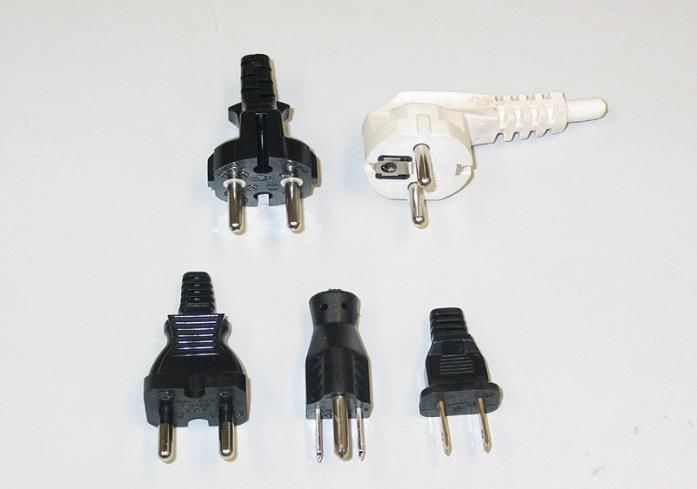
© 2019 Enterprise Singapore Board

Enterprise Singapore
230 Victoria Street #10-00,
Bugis Junction Office Tower
Singapore 188024

Tel: (65) 6898 1800
Fax: (65) 6278 9885

Website: http://www.enterprisesg.gov.sg/

First Published: 1 April 2002

Last Updated: 28 October 2019

All rights reserved. No part of this publication may be reproduced, stored in a retrieval system, or transmitted in
any form or by any means, electronic, mechanical, photocopying, recording or otherwise, without prior written
permission of the publisher.

ISBN: 981-3038-94-2

                                                                                                                                                                                   2
Enterprise Singapore is one of the agencies overseeing consumer product safety regulations, ensuring businesses supply safer products and protecting consumers from unsafe products.

Visit www.enterprisesg.gov.sg for more information.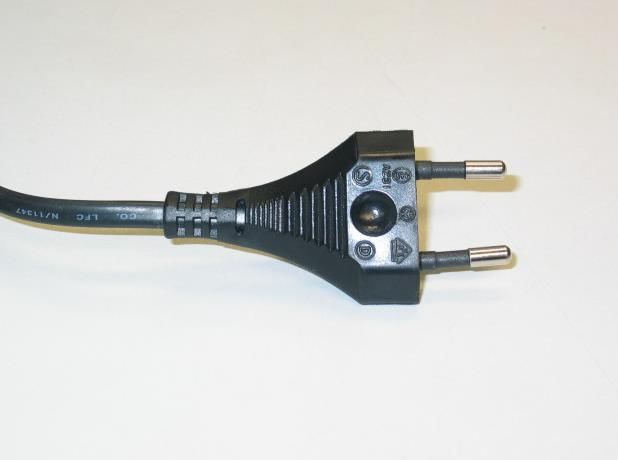
CONTENTS
Chapter Page
1 Preface 4
2 Introduction 5
3 Who Should be Concerned with this Scheme 6
4 Key Regulations 8
5 Parties that Need to Apply for Registration 8
6 Controlled Goods and their Applicable Safety Standards 9
7 Safety Authority’s Requirements 16
8 Registration of Supplier of Controlled Goods 24
9 Registration of Controlled Goods 25
10 Certificate of Conformity 26
11 Change in Particulars of Registered Supplier 28
12 Modification to Registered Controlled Goods 29
13 SAFETY Mark 31
14 Technical File 32
Appendix
A Definitions 33
B Flow-chart for Registration of Supplier of Controlled Goods 34
C Flow-chart for Registration of Controlled Goods 35
D Flow-chart for Renewal of Registered Controlled Goods 37
E Flow-chart for the Overall View of Registration Process 39
F Guidelines for completing Form – 40
Application to be a Registered Supplier of Controlled Goods
G Form – Application to be a Registered Supplier of Controlled Goods 41
H Form – Notification of Change of Registered Supplier’s Particulars 42
I Form – Notification of Modification to Registered Controlled Goods 43
J Examples of Controlled Goods and Non-Controlled Goods 44
K Specimen of Certificate of Conformity 47
L Example of a completed Certificate of Conformity 48
M Specimen of Acknowledgement Receipt for Certificate of Conformity 49
N Guidelines for using SAFETY Mark on the Registered Controlled Goods 50
O Guidelines for using SAFETY Mark in Advertisements or Publicity Materials 52
P Drawings showing Acceptable and Not Acceptable Fan Motor Shaft used for 54
Decorative Ceiling Fan
Q Drawing showing the 3 Expansion Bolts, Safety Cord, Expansion Bolt with Hook 55
and Mounting Plate of Ceiling Fan
R Installation Instructions for Fixing Gas Cooker Elbow Joint 56
S Example of 2-pin Mains Plug in Accordance to EN 50075 57
T Examples of Non-acceptable Mains Plugs 58
U Examples of 2-pin and 3-pin AC Adaptors 59
V Drawing showing a metal ring around glass bowl used with roaster 60
W Specifications of gases distributed in Singapore for domestic gas appliances 61
X Controlled Goods subject to additional requirements by other Agency(ies) in 62
Singapore
Y Summary of Update 63
3
Enterprise Singapore is one of the agencies overseeing consumer product safety regulations, ensuring businesses supply safer products and protecting consumers from unsafe products.
Visit www.enterprisesg.gov.sg for more information.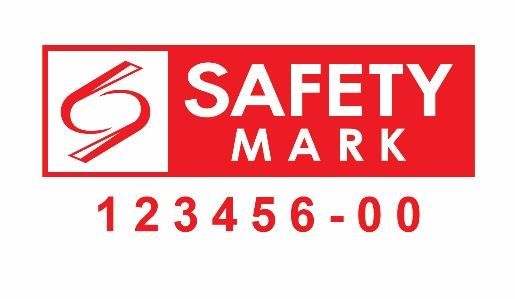
1      PREFACE

  This information booklet serves as a guide to the definitions (Appendix A) and registration of Controlled Goods
  and other requirements related to the Singapore Consumer Protection (Safety Requirements) Registration
  Scheme or CPS Scheme and can be downloaded from the website www.enterprisesg.gov.sg/consumer-
  protection.

  The Safety Authority reserves the right to amend and introduce new requirements to the aforementioned
  scheme without reference to the holder of this booklet and encourages feedback from readers to ensure that
  improvements to this booklet could be made from time to time.

                          Our address is:

                                       Enterprise Singapore
                                       Consumer Protection, Weights & Measures
                                       2 Fusionopolis Walk
                                       #15-01
                                       Innovis
                                       Singapore 138634

                                       After 1 Jan 2020
                                       230 Victoria Street #10-00,
                                       Bugis Junction Office Tower
                                       Singapore 188024

                                       Telephone:                 1800-7733163
                                       Website:                   www.enterprisesg.gov.sg/consumer-protection
                                       Email:                     consumerprotection@enterprisesg.gov.sg

                                                                                                                                                                                   4
Enterprise Singapore is one of the agencies overseeing consumer product safety regulations, ensuring businesses supply safer products and protecting consumers from unsafe products.

Visit www.enterprisesg.gov.sg for more information.
2      INTRODUCTION

  The objective of the Singapore Consumer Protection (Safety Requirements) Registration Scheme or CPS
  Scheme is to safeguard consumers’ interest by ensuring household products, designated as Controlled Goods,
  meet the specified safety standards.

  Undoubtedly, consumers today are prepared to pay for products that are safe and of high quality. The development
  of the CPS Scheme is therefore consistent with the growing sophistication of consumers in Singapore.

  The CPS Scheme is administered by Enterprise Singapore as the Safety Authority since 1991 under the
  Consumer Protection (Safety Requirements) Regulations. One of the roles of the Safety Authority under the
  Regulations is to ensure compliance by industry on the registration of thirty-three (33) categories of Controlled
  Goods. The definitions and applicable safety standards of the Controlled Goods are provided in Chapter 6 of this
  information booklet. To further assist suppliers, some examples of Controlled and Non-Controlled Goods are
  identified in Appendix J.

  Registration of Controlled Goods under the Consumer Protection (Safety Requirements) Regulations is based on
  Certificate of Conformity (CoC) issued by designated third party Conformity Assessment Bodies (CABs), or
  Supplier’s Declaration of Conformity (SDoC) declared by Registered Suppliers. An overall view of the registration
  process is shown in Appendix E.

  All suppliers (please refer to Chapter 5) of Controlled Goods for consumers in Singapore must first be registered
  with the Safety Authority as Registered Suppliers. Registered Suppliers are required to register each model of
  Controlled Goods with the Safety Authority. The registration must be supported with COC issued by designated
  CABs located in Singapore or in Singapore’s MRA partners, i.e. CABs (Certification/Testing), or SDoC
  declared by Registered Suppliers.

  Once the model has been registered with the Safety Authority, the Controlled Goods can then be advertised
  and/or supplied in Singapore.

  We would like to draw your attention to Regulation 4(1) of the Regulations, where it is stipulated that no person
  shall trade, supply or advertise for the purpose of supplying any of the Controlled Goods in Singapore after the
  specified dates, unless the Controlled Goods are registered with the Safety Authority and are affixed with the
  SAFETY Mark. Hence, merely labelling products or stamping receipts ‘For Export Only’ is not an excuse for not
  registering Controlled Goods. A person guilty of an offence, shall be liable on conviction, to a fine not
  exceeding $10,000/- or to imprisonment for a term not exceeding two years or to both.

                                                                                                                                                                                   5
Enterprise Singapore is one of the agencies overseeing consumer product safety regulations, ensuring businesses supply safer products and protecting consumers from unsafe products.

Visit www.enterprisesg.gov.sg for more information.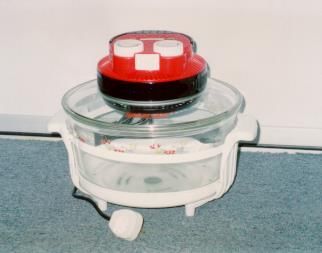
3      WHO SHOULD BE CONCERNED WITH THIS SCHEME

  Consumers
  To safeguard consumers’ interest, consumers are strongly encouraged to purchase Controlled Goods that are
  registered with the Safety Authority and are affixed with the SAFETY Mark. Registered Controlled Goods that
  have met the specified safety requirements aim to prevent fire, electric shock, explosion, radiation and other
  hazards that could result in injuries or deaths to humans and/ or damages to private properties.

  To assist in identifying the registered Controlled Goods, consumers can use the Register of Registered
  Controlled Goods available on the website https://cpsa.enterprisesg.gov.sg/ as reference when making
  purchases.

  Suppliers
  Manufacturers, importers (including parallel importers), retailers and traders who are involved in advertising
  and/or supplying the Controlled Goods must ensure that their obligations under the Regulations are met.

  This Information Booklet aims to guide suppliers in understanding the requirements and procedures when they
  apply for registration of Controlled Goods. The Safety Authority will only accept applications from Registered
  Suppliers. A Register of Registered Suppliers is available on the website http://cpsa.enterprisesg.gov.sg/.

                                                                                                                                                                                   6
Enterprise Singapore is one of the agencies overseeing consumer product safety regulations, ensuring businesses supply safer products and protecting consumers from unsafe products.

Visit www.enterprisesg.gov.sg for more information.
4      KEY REGULATIONS

  Regulation 4(1):                     No person shall, in the course of any trade or business, supply or advertise for the
                                       purpose of supply any Controlled Goods after the effective date specified in the First
                                       Schedule unless-

                                       i)          such Controlled Goods are registered Controlled Goods conforming to the safety
                                                   requirements specified by the Safety Authority for those goods; and

                                       ii)         such Controlled Goods have affixed to them the Safety Mark in accordance with
                                                   Part III.

  Regulation 4(2):                     Where any person contravenes paragraph (1), he shall be guilty of an offence under
                                       section 11(2) of the Act, and the Safety Authority may-

                                       1           require such person to effect a recall of the Controlled Goods and keep the
                                                   Safety Authority informed of the progress of such recall; and

                                       2           take such steps as may be necessary to inform users of the Controlled Goods
                                                   of the potential danger of such goods.

  Regulation 8(1):                     The registration of any Controlled Goods shall be valid for a period of 3 years or the
                                       period of validity of the certificate of conformity of the Controlled Goods, whichever is
                                       the less, and may be renewed.

  Regulation 24(4)(a):                 A Registered Supplier who fails or neglects to effect a recall of the registered Controlled
                                       Goods required by the Safety Authority under paragraph (2)(b)(i) shall be guilty of an
                                       offence and shall be liable on conviction to a fine not exceeding $2,000 or to
                                       imprisonment for a term not exceeding 12 months or to both.

                                                                                                                                                                                   7
Enterprise Singapore is one of the agencies overseeing consumer product safety regulations, ensuring businesses supply safer products and protecting consumers from unsafe products.

Visit www.enterprisesg.gov.sg for more information.
5      PARTIES THAT NEED TO APPLY FOR REGISTRATION

  Only one party in the chain of supply of the Controlled Goods in Singapore needs to register the Controlled
  Goods with the Safety Authority. No party shall be allowed to advertise and/or supply the Controlled Goods
  unless they have been registered with the Safety Authority. The registration is non-transferable and will be
  withdrawn when the party registered as ‘Registered Supplier’ ceases to supply the Controlled Goods
  registered by it, for instances, where it ceases to carry on such business or is no longer registered with the
  Accounting & Corporate Regulatory Authority (ACRA)].

  Importer
  Importers who import Controlled Goods that are meant for sale in Singapore are required to apply for
  registration with the Safety Authority. No registration is needed if the Controlled Goods are meant for export
  only. However, these ‘For Export Only’ Controlled Goods shall not be advertised, supplied, displayed in any
  retail outlets and/or made available for sale in Singapore under any circumstances. Merely labelling the
  Controlled Goods or stamping the receipts with ‘For Export Only’ is also not allowed.

  Parallel Importer
  Any parallel importer of the same brand and model of Controlled Goods are also required to apply for
  registration.

  Retailer
  Retailers are only required to apply for registration if they import the Controlled Goods themselves.

  Manufacturer
  Unless another party in the chain of supply has already registered the Controlled Goods with the Safety
  Authority, manufacturers in Singapore who supply the Controlled Goods to be sold in Singapore are required
  to apply for registration.

  New Distributor
  When a company (Registered Supplier) relegates its ownership of its registered Controlled Goods to another
  business entity, the latter has to re-register the Controlled Goods with the Safety Authority. Where the current
  Registered Supplier allows the new distributor to take over its existing registered Controlled Goods, submission
  of an authorisation letter from the former to the Safety Authority is required for the re-registration of the
  Controlled Goods for the latter. The letter must also indicate the effective date of taking over. Otherwise, the
  new distributor has to go to a CAB (Certification) or CAB (Certification - MRA) to obtain the CoC prior to
  having the Controlled Goods re-registered with the Safety Authority. For SDoC, the new distributor has to
  approach the Safety Authority. Please refer to chapter 6 for more details on product categorisations to
  determine if CoC or SDoC is applicable.

                                                                                                                                                                                   8
Enterprise Singapore is one of the agencies overseeing consumer product safety regulations, ensuring businesses supply safer products and protecting consumers from unsafe products.

Visit www.enterprisesg.gov.sg for more information.
6 CONTROLLED GOODS AND THEIR APPLICABLE SAFETY STANDARDS
Controlled Goods are required to be tested to the minimum edition of the safety standards stated in this
chapter. In addition to the specified safety standards, Controlled Goods are required to fulfil the Safety
Authority’s Requirements which are specified in Chapter 7.
In addition, Enterprise Singapore categorised the Controlled Goods into three risk levels - Low, Medium, or
High. The table below shows the conformity assessment approach adopted for each of the three risk levels.
Risk Level Conformity Assessment Approach
Low Type testing1 + Supplier’s Declaration of Conformity (SDoC)
Medium Type testing + CoC
High Type testing + CoC + high risk requirement for renewal
Note:
(1) Type testing is testing carried out by recognised testing laboratories to determine whether a product
complies with the specified safety standard.
Low Risk
Controlled Goods Definitions Safety Standards
Air cooler
Air cooler, which is an electrical appliance intended for
household use to agitate the air and equipped to use
IEC 60335-2-98: 2002
water as a cooling medium, with rated voltage of not
more than 250 Vac.
Fuse (13 amperes) Fuse (13-amp or less) for use in a 13-amp plug, which
for use in a plug is a device that, by the fusion of one or more of its
specially designed and proportioned components,
opens the circuit in which it is inserted and breaks the
current when this exceeds a given value for a sufficient SS 167: 1977
time
Room air-conditioner Room air-conditioner, which is an electrical appliance
intended for household use and designed as a
self-contained unit for mounting on a window or
through a wall to provide conditioned air to an IEC 60335-2-40: 2002
enclosed area, with rated voltage of not more than
250 Vac.
Table lamp/ standing An electrical portable general purpose luminary
lamp intended for household use with supply voltage of not
more than 250 Vac. IEC 60598-2-4: 2017
9
Enterprise Singapore is one of the agencies overseeing consumer product safety regulations, ensuring businesses supply safer products and protecting consumers from unsafe products.
Visit www.enterprisesg.gov.sg for more information.
6      CONTROLLED GOODS AND THEIR APPLICABLE SAFETY STANDARDS

  Medium Risk

          Controlled Goods                                                 Definitions                                                     Safety Standards

       AC Adaptors                            A device with rated voltage of not more than 250 Vac,                                       IEC 61558-2-6: 1997
                                              and designed to supply a.c. or d.c. power for                                                       or
                                              applications such as computers, telecommunication
                                              equipment, home entertainment equipment or toys.                                           IEC 61558-2-16: 2009
                                                                                                                               (applicable for electrical appliances)
                                                                                                                                             IEC 60065: 2001
                                                                                                                                                        or
                                                                                                                                            IEC 62368-1:2014
                                                                                                                                        (applicable for electronic
                                                                                                                                               appliances)
                                                                                                                                           IEC 60950-1: 2001
                                                                                                                                                    or
                                                                                                                                            IEC 62368-1:2014
                                                                                                                                       (applicable for computer /
                                                                                                                                         telephonic appliances)
                                                                                                                                          IEC 60335-2-8: 2002
                                                                                                                                        (applicable for shavers)
                                                                                                                                   IEC 60335-2-29: 2002 with A1
                                                                                                                                                or
                                                                                                                                      IEC 60335-2-29: 2004
                                                                                                                                  (applicable for battery chargers)
                                                                                                                                       IEC 61347-2-13: 2006
                                                                                                                                    (applicable for LED lightings)
                                                                                                                                        IEC 60598-2-4: 1997
                                                                                                                                    (applicable for table/standing
                                                                                                                                                lamps)
                                                                                                                                         IEC 60601-1: 2005
                                                                                                                                     (applicable for breast pump)
       Audio and video                        Audio and video products, which are electronic
       products                               devices for home entertainment designed to be fed                                              IEC 60065: 2001
                                              from the supply mains and intended for reception,
                                              generation, recording or reproduction, respectively of                                                    or
                                              audio, video and associated signals, with rated
                                              voltage of not more than 250 Vac.                                                             IEC 62368-1:2014

       Coffee maker, slow                     Coffee makers, slow cookers, steam boats and
       cooker, steam boat                     similar appliances, which are electrical appliances
       and similar appliances                 intended for household use to heat liquids for the                                          IEC 60335-2-15: 2002
                                              purpose of food or beverages preparation, with rated
                                              voltage of not more than 250 Vac.

       Decorative lighting                    Decorative lighting chain, which is an electrical
       chain                                  lightning chain intended for household use and fitted                                      IEC 60598-2-20: 2002
                                              with a series or parallel or combination of series or
                                              parallel connected light emitting devices, with rated
                                              voltage of not more than 250 Vac.                                                          IEC 60598-2-21: 2014
                                                                                                                                      (Applicable for rope lights)

                                                                                                                                                                                 10
Enterprise Singapore is one of the agencies overseeing consumer product safety regulations, ensuring businesses supply safer products and protecting consumers from unsafe products.

Visit www.enterprisesg.gov.sg for more information.
Controlled Goods Definitions Safety Standards
Fans Fans, limited to ceiling, table, standing and wall fans, IEC 60335-2-80: 2002
which are electrical appliances for circulating the air
in its vicinity and intended for household use, with and
rated voltage of not more than 250 Vac.
SS 360: 1992 (sub-clauses 5.7
& 5.8 only)
(applicable for ceiling fan)
Gas canister A non-refillable metallic container up to 1.4 litres
capacity filled with liquefied petroleum gases SS 400: 1997
intended for household use with a portable gas
cooker.
Hair care appliances Hair care appliances, limited to hair dryers, hair
curlers, hair straighteners and hair stylers, which are IEC 60335-2-23: 2003
electrical hand-held appliances intended for
household use to dry or care for human hair, with rated
voltage of not more than 250 Vac.
Home computer Home computer system (inclusive of monitor, printer,
system (inclusive of speaker and other mains operated accessories),
monitor, printer, which is a microcomputer and its associated IEC 60950-1: 2001
speaker and other accessories, intended for household use, with rated
mains operated voltage of not more than 250 Vac. or
accessories) IEC 62368-1: 2014
Iron Iron, which is an electrical hand-held appliance
intended for household use, with a heated soleplate IEC 60335-2-3: 2002
for smoothing or pressing fabric, including those with
a separate water reservoir or boiler having a capacity
not exceeding 5 litres, with rated voltage of not more
than 250 Vac.
Isolating transformer Isolating transformer for downlight fitting, which is an IEC 61558-2-6: 1997
for downlight fitting isolating transformer intended for household electrical
installation with input and output windings that are (magnetic type)
electrically separated to limit hazards due to accidental
simultaneous contact with earth and live parts or metal IEC 61347-2-2: 2000
parts that may become live in the event of an insulation
failure. (electronic type)
Kitchen machines Kitchen machines, including mixers, blenders and
mincers, which are electrical appliances intended for
household use to prepare food or beverages, with IEC 60335-2-14: 2002
rated voltage of not more than 250 Vac.
Liquid heating Liquid heating appliances, limited to kettles, airpots IEC 60335-2-15: 2002
appliances and hot water dispensers, which are electrical
appliances intended for household use to heat liquids IEC 60335-2-21: 2004
for consumption that have a rated capacity not (hot water dispenser-storage type)
exceeding 10 litres, with rated voltage of not more
than 250 Vac. IEC 60335-2-35: 2002
(hot water dispenser-instantaneous
type)
11
Enterprise Singapore is one of the agencies overseeing consumer product safety regulations, ensuring businesses supply safer products and protecting consumers from unsafe products.
Visit www.enterprisesg.gov.sg for more information.Controlled Goods Definitions Safety Standards
Microwave oven Microwave oven, which is an electrical appliance
intended for household use that uses high-frequency
electromagnetic waves for heating food or beverages, IEC 60335-2-25: 2002
with rated voltage of not more than 250 Vac.
Multi-way Adaptor Multi-way adaptor, which is intended for household
use, has more than one set of socket contacts, and
which may or may not be of the same type or rating SS 246: 2004
as the plug pin portion.
Toaster, grill, roaster, Toasters, grills, roasters, hot plates, deep fryers and IEC 60335-2-9: 2002
hot plate, deep fryer, similar appliances, which are electrical appliances
wok and similar intended for household use that use heated medium (applicable for toaster, hot plate
appliances such as air and cooking oil for food preparation, with (including induction type), grill, oven
rated voltage of not more than 250 Vac. and similar appliances)
IEC 60335-2-13: 2002
(applicable for deep fryer, electric
wok and similar appliances)
IEC 60335-2-78: 2002
(applicable for outdoor electric
barbeque grill)
Portable socket-outlet 3-pin portable socket-outlets, including portable SS 145: Part 2: 1997
cable reels, which are electrical accessories
intended for household use that have at least a set of (3-pin portable socket-outlet)
13-amp shuttered socket-outlets with flexible cords, SS 145: Part 2: 2018
and which can be easily moved from one place to (3-pin portable socket outlet
another while connected to rated voltage supply of incorporated with USB port(s)
not more than 250 Vac. and/or electronic device(s))
(Mandatory to use this standard
from 9 Sep 2020)
SS 307: 1996
(Portable cable reel)
Residual Current Residual current circuit breaker (RCCB), which is an
Circuit Breaker (RCCB) electrical device intended for household
fixed-electrical installation with sensitivity of 30 mA
intended to protect persons against indirect contact, SS 97: Part 1: 2005
the exposed conductive parts of the installation being
connected to an appropriate earth electrode.
Rice cooker Rice cooker, which is an electrical appliance
intended for household use to cook rice, with rated
voltage of not more than 250 Vac.
IEC 60335-2-15: 2002
12
Enterprise Singapore is one of the agencies overseeing consumer product safety regulations, ensuring businesses supply safer products and protecting consumers from unsafe products.
Visit www.enterprisesg.gov.sg for more information.Controlled Goods Definitions Safety Standards
Stationary cooking Stationary cooking appliances, limited to cooking
appliances ranges, hobs and ovens, which are electrical
stationary appliances intended for household use for
cooking, with rated voltage of not more than 250 Vac IEC 60335-2-6: 2002
for single-phase and 480 Vac for three-phase.
Vacuum cleaner Vacuum cleaner, which is an electrical portable
appliance intended for household use to remove dirt IEC 60335-2-2: 2002
or dust, with supply voltage of not more than
250 Vac.
Washing machine Washing machine, which is an electrical appliance
intended for household use to wash clothes and
textiles, with rated voltage of not more than 250 Vac. IEC 60335-2-7: 2000
3-pin mains plugs 3-pin mains plug, limited to 13-amp rectangular types
and 15-amp round types, which are portable devices SS 145: Part 1: 1997
that have rectangular or cylindrical projecting pins
designed to engage with the contacts of a (3-pin rectangular type 13-amp
corresponding socket-outlet. 3-pin mains plugs also plug)
incorporate means for the electrical connection and
the mechanical retention of a suitable flexible cord.
SS 472: 1999
(3-pin round type 15-amp plug)
13
Enterprise Singapore is one of the agencies overseeing consumer product safety regulations, ensuring businesses supply safer products and protecting consumers from unsafe products.
Visit www.enterprisesg.gov.sg for more information.6 CONTROLLED GOODS AND THEIR APPLICABLE SAFETY STANDARDS
High Risk
Controlled Goods Definitions Safety Standards
Components of the Hose
Liquefied Petroleum Hose, namely a hose intended for household use in
Gas system liquefied petroleum gas vapour phase and liquefied SS 233: 2013
petroleum gas or air appliances not exceeding 5 KPa
(50 mbar) operating pressure.
Regulator
Regulator, which is a non-adjustable device intended
for household use that maintains the outlet pressure
constant at a nominal value up to and including 50 SS 281: 1984
mbar, independent, within specified limits, of inlet
pressure or flow rate.
Valve
Valve, which is a device that is made from brass,
bronze or aluminium forging, intended for household
use with liquefied petroleum gas cylinders, to control SS 294: 1998
the direction and volume of flow of the liquefied
petroleum gas.
Domestic electric wall Domestic electric wall switch, which is an electrical
switch manually operated general purpose switch for IEC 60669-1: 1998
alternating current only, with a rated voltage not
exceeding 440 V and a rated current not exceeding
SS 403: 1997
63 A, intended for household fixed-electrical
(13A fused connection
installations.
units switched)
Gas cooking Gas cooking appliances, limited to built-in, table,
appliances free standing and portable gas cookers, which are EN 30-1-1: 2008
cooking appliances intended for household use that Or
use gas or liquefied petroleum gas obtained from a
non-refillable gas canister up to 1.4 litres as fuel. AS 4551: 2008 (Valid till 30/03/2021)
or AS 5263.1.1: 2016
(gas cooker)
EN 30-1-2: 2012
(forced-convection gas oven)
EN 30-1-3: 2003
(glass-ceramic gas hob with
enclosed covered burner)
EN 30-1-4: 2012
and
IEC 60335-2-102: 2004
(gas cooker with automatic burner
control system)
14
Enterprise Singapore is one of the agencies overseeing consumer product safety regulations, ensuring businesses supply safer products and protecting consumers from unsafe products.
Visit www.enterprisesg.gov.sg for more information.Controlled Goods Definitions Safety Standards
SS 401: 1997
(Portable cooking gas appliance)
Lamp control gear, which is an electrical device IEC 61347-2-8: 2000
Lamp control gears intended for household electrical installation that limits
the current of the lamp or supplies constant current or (magnetic type)
constant voltage to power LED lighting. IEC 61347-2-3: 2000
(electronic type)
IEC 61347-2-13: 2006
(for LED driver)
Mains socket-outlets Mains socket-outlets, which are electrical devices that SS 145: Part 2: 1997
have 13-amp or 15-amp switched shuttered
socket-outlets in a single or multiple arrangements, to (3-pin 13-amp socket-outlet)
engage with the pins of a corresponding plug designed
for flush mounting in a suitable box or for surface or SS 145: Part 2:2018
panel mounting.
(3-pin 13-amp socket outlet
incorporated with USB port(s) and/or
energy monitoring device(s))
BS 4177: 1992
(3-pin 13-amp socket-outlet)
(cooker control unit)
BS 7288: 1990
(3-pin 13-amp socket-outlet)
(socket-outlet with RCD)
SS 472: 1999
(3-pin round type 15-amp socket-
outlet)
Water heaters Water heaters, limited to instantaneous and storage
IEC 60335-2-35: 2002
types, which are electrical appliances intended for
(Instantaneous electric water
household use to heat water below boiling
temperature, with rated voltage of not more than heater)
250 Vac.
IEC 60335-2-21: 2004
(Mains pressure electric storage
water heater)
Refrigerator Refrigerator, which is an electrical appliance intended
for household use that operates on the vapour
compression principle for food storage and
preservation, with rated voltage of not more than IEC 60335-2-24: 2000
250 Vac.
15
Enterprise Singapore is one of the agencies overseeing consumer product safety regulations, ensuring businesses supply safer products and protecting consumers from unsafe products.
Visit www.enterprisesg.gov.sg for more information.7 SAFETY AUTHORITY’S REQUIREMENTS
The Safety Authority monitors the safety of the Controlled Goods sold in Singapore by investigating all
complaints, incidents and accidents reported to the authority. The information will be leveraged upon to
develop the operational interventions within the Safety Authority’s Requirements. These requirements are to
be fulfilled in addition to the applicable safety standards.
No Items Requirements
Applicable to all products
1 Test report and test Test report including its test certificate (if applicable) more than
certificate three (3) years shall be rejected.
2 Controlled Goods a) The additional function must be tested to its applicable safety
incorporated with standard.
additional function b) If a product has both functions of a Controlled Good and Non-
Controlled Good, the product should be classified as a whole as
a Controlled Good. The fact that it may have other functions that
do not fall within the 33 categories is irrelevant. However, if the
product with ‘controlled’ and ‘non-controlled’ functions are
capable of being entirely and physically separated, such that it
can be treated and sold as two separate and distinct products,
then the registration can apply to only the ‘controlled’ product,
and not the ‘non-controlled’ product.
Applicable to all electrical products
3 All appliances All appliances must be tested to 230 VAC, 50 Hz.
4 Voltage selector (voltage Appliance fitted with voltage selector shall be tested as follows:
mis-match test) Connect appliance to 230 VAC mains with voltage selector switch
to settings not suitable for operation at 230 VAC.
5 Tropical condition test All appliances (with tropical test requirements in applicable
Standards) shall comply with the tropical condition test as stated in
the relevant IEC Standards.
6 Class I appliances All Class I appliances must be fitted with 3-pin mains plugs complied
(3-pin mains plug) with SS 145/SS 472 that are registered with the Safety Authority.
7 Class II appliances a) All Class II appliances must be fitted with 2-pin mains plug
(mains plug) (Appendix S) complied with EN 50075.
b) Class II appliances that are fitted with 3-pin mains plugs must use
plugs that are complied with SS 145 and registered with the
Safety Authority.
8 Appliances rated 3 kW Electric appliance 3 kW must be connected to fixed wiring. All
or connected to fixed connection to fixed wiring must be in accordance with Code of
wiring Practice CP5. If a range of power output is given, the maximum
value output will be taken. Value will be based on supplier’s
declared output.
9 Detachable power cord Detachable power cord set must be listed in the test report critical
set (consists of mains component list.
plug, mains cord and
appliance connector
10 Circuit diagrams Circuit diagrams must be indicated with component’s values for
products tested to IEC 60065 and IEC 60950.
11 Circuit diagrams of Circuit diagrams of the electronic modules in the electrical
electronic modules in appliances must be provided.
electrical appliances
16
Enterprise Singapore is one of the agencies overseeing consumer product safety regulations, ensuring businesses supply safer products and protecting consumers from unsafe products.
Visit www.enterprisesg.gov.sg for more information.12 Controlled Goods likely to Controlled Goods, having an enclosure, which is shaped and
be treated as toys by decorated so that it is likely to be treated as a toy by children, shall
children not be accepted for certification and registration.
13 Controlled Goods with a) Controlled Goods with rated voltage that are not suitable for local
rated voltage that are not supply voltage will not be allowed for registration unless they are
suitable for local supply supplied with step-down isolating transformer and are tested
voltage together with the transformer as a complete set.
b) A test to ensure that the Controlled Goods shut-down/fail safely
should the consumer accidentally plugs the product directly into the
230 V mains supply socket outlet without using the isolating step-
down transformer shall be conducted.
14 Controlled Goods with Test report showing that the 3-pin (Appendix U) complied with sub-
direct plug-in 3-pin clauses 12.1 & 12.3 of SS 246 or BS 1363-3 shall be provided.
(eg. 3-pin AC adaptor, 3-
pin Power Line Adaptor)
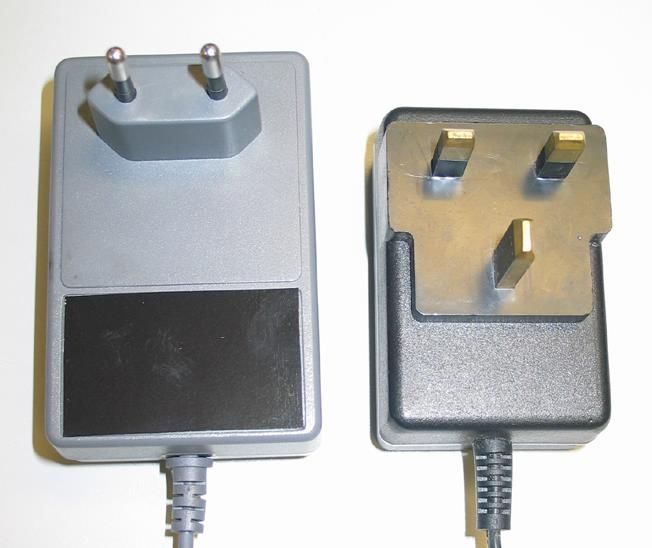
15 Controlled Goods with The 2-pin (Appendix U) shall be in accordance with EN 50075.
direct plug-in 2-pin
(eg. 2-pin AC adaptor, 2-
pin Power Line Adaptor)
Applicable to electric airpot
16 Reboil switch No part of the reboil switch is allowed to protrude into the water pot,
even if it is located above the maximum water level mark.
Applicable to AC adaptor
17 Detachable power supply a) Registered Supplier who is not supplying the detachable power
cord set not supplied by supply cord set together with the AC Adaptor must provide written
Registered Supplier instruction to its customer on the type of approved detachable power
cord set to use and declare to Conformity Assessment Body when
applying for Certificate of Conformity.
b) This requirement is only applicable to Register Supplier whose core
business is supplying AC Adaptor or its Registered Supplier name
is affiliated with the AC Adaptor’s manufacturer.
18 AC Adaptor incorporated Additional tests clauses to 13, 17 and 18 of SS 246 would be required.
with 13A socket-outlet
19 AC adaptor with Registered Supplier who is supplying AC adaptors with detachable
detachable interchangeable plug pins must include with its products, written
interchangeable plug instructions to inform customer on the type of detachable
pins interchangeable plug pins that are approved and suitable to use in
Singapore. These instructions are to be submitted to the Conformity
Assessment Body for verification when applying for Certificate of
Conformity.
20 AC adaptor to be used 1. Registered Supplier to declare the model of the AC adaptor that is
with/ bundled together to be used with/ bundled together with the PMDs;
with Personal Mobility 2. Registered Supplier to provide valid IEC 60950-1 or IEC 62368-1
Devices (PMDs) test reports for certification and registration of the declared AC
adaptor under the CPS scheme; and
3. Registered Supplier to provide the UL 2272 test report as
supporting document, showing that the listed AC adaptor in the
UL 2272 test report is the model declared to be used with/
bundled together with the PMDs.
Applicable to computer products
21 CD/DVD ROM (used in Test certificate showing that CD/DVD ROM has complied with IEC
personal computer) 60825-1 must be provided.
17
Enterprise Singapore is one of the agencies overseeing consumer product safety regulations, ensuring businesses supply safer products and protecting consumers from unsafe products.
Visit www.enterprisesg.gov.sg for more information.22 Modem Card (used in Modem card incorporated in the personal computer must be tested at
personal computer) set level (sub-clauses 5.1 & 6 of IEC 60950) or at component level.
23 Powerline Ethernet Additional tests to clauses 13, 17 and 18 of SS 246 would be required.
Adaptor incorporated with
13A socket-outlet
Applicable to ceiling fan and cycle fan
24 Ceiling fan a) These appliances must be tested to sub-clauses 5.7 and 5.8 of SS
360: 1992.
b) Installation instruction must mention the 3 expansion bolts for
fastening the main suspension, safety cord, expansion bolt with
hook for fastening safety cord and mounting plate. (Appendix Q)
c) The warranty issued shall recommend user to conduct regular
examination of the fan suspension system at least once in every
two years. (For example: Users are advised to contact the fan
supplier to conduct regular examination of the fan suspension
system at least once in every two years.)
Written permission from the Safety Authority shall be obtained if a
warranty with the above note is not supplied with the product.
25 Cycle Fan a) These appliances must be tested to sub-clauses 5.7 and 5.8 of SS
360: 1992.
b) Installation instruction shall mention the 3 expansion bolts for
fastening the main suspension, safety cord, and expansion bolt
with hook to fasten the safety cord and mounting plate. (Appendix
Q)
26 Decorative ceiling fan a) The appliance shall be tested to sub-clauses of 5.7 and 5.8 of SS
360: 1992.
b) Installation instruction shall mention the 3 expansion bolts for
fastening of the main suspension, safety cord, and expansion bolt
with hook to fasten the safety cord and mounting plate (Appendix
Q).
c) Decorative ceiling fan submitted to Conformity Assessment Body
(CAB) for certification shall subject to conformity check. CAB shall
request a new sample and check the identical safety components
are listed in the test report of IEC 60335-2-80. The check also
covers the minimum dimension requirements and availability of the
safety cord indicated in the test report of sub-clauses 5.7 & 5.8 of
SS 360.
d) Drawing (Appendix P) to show that the wires within the motor shaft
are not stressed must be provided.
e) The warranty issued shall recommend user to conduct regular
examination of the fan suspension system at least once in every
two years. (For example: Users are advised to contact the fan
supplier to conduct regular examination of the fan suspension
system at least once in every two years.)
Written permission from the Safety Authority shall be obtained if a
warranty with the above note is not supplied with the product.
18
Enterprise Singapore is one of the agencies overseeing consumer product safety regulations, ensuring businesses supply safer products and protecting consumers from unsafe products.
Visit www.enterprisesg.gov.sg for more information.Applicable to portable/wall socket-outlet and portable cable reel
27 Portable/wall socket-outlet a) If residual current device (RCD) is incorporated, its tripping current
and portable cable reel must be less than 30mA and operating time must be less than 0.1
second and testing to sub-clauses 9.9.2.1, 9.9.2.2, 9.9.2.3 and
9.16 of SS 97: Part 1: 2000 are required.
b) The shutters screening the current-carrying socket contacts shall
not be opened by the insertion of any corresponding SINGLE pin
of the plug into any current-carrying socket aperture.
28 Wall switched socket- Single socket-outlet with 2-gang faceplate/frame must be fulfilled with
outlet (2 x single socket- the test requirements as 2-gang socket-outlet.
outlet)
29 Remote controlled wall Remote controlled wall socket-outlet shall not be allowed for
socket-outlet registration.
Applicable to roaster
29 Roaster A metal ring (Appendix V) must be provided to prevent the roaster from
falling off in case of the glass bowl shattering.
If supplier has other method, approval would be required from the
Safety Authority.
Note: This requirement is not applicable to roaster that is provided with
metal bowl.
Applicable to gas appliances
Test pressure of town gas
30 All gas appliances must be tested up to 31 mbar for town gas.
for gas appliances
Specifications of LPG and All gas appliances must be tested to the specifications stated on
31
Town Gas Appendix W.
Testing to sub-clause 6.1.6 (Temperature of the LPG cylinder and its
compartment) and sub-clause 6.2.1 (Ignition, cross-lighting and
flame stability) must be carried out.
Gas appliances tested to
32
EN 30-1-1: 1998/2008 To use G112 gas as a limit gas for test clause 7.3.2.1.3 third test
group to check for occurrence of light back, under performance
clause 6.2.1.1.
33 Flame failure device (FFD) Component testing
incorporated in gas Supplier can choose to test to one of the following:
appliances a) Test report/certificate showing that the FFD complied with EN 126:
1995 or EN 125: 1991 for gas appliance tested to EN 30-1-1 at
component level must be provided.
b) Test report/certificate showing that FFD complied with AG 204:
1984 for gas appliance tested to AG 101 at component level must
be provided. (Valid till 30/03/2021)
c) Test report/certificate showing that FFD complied with AS 4620 –
Thermoelectric flame safeguards for gas appliance tested to AS
5263.0:2017 or AS 5263.1.1:2016 at component level must be
provided.
Set testing
Supplier can choose to test to one of the following:
d) Testing to sub-clause 6.1.3 of EN 30-1-1 at set level must be
carried out.
e) Testing to sub-clause 3.6.13 of AG 101at set level must be carried
out. (Valid till 30/03/2021)
19
Enterprise Singapore is one of the agencies overseeing consumer product safety regulations, ensuring businesses supply safer products and protecting consumers from unsafe products.
Visit www.enterprisesg.gov.sg for more information.f) Testing to sub-clauses of 3.6.1.15 of AS 5263.0:2017 at set level
must be carried out.
34 Gas oven a) It is compulsory for all gas ovens to be fitted with flame failure
device.
35 Toughened glass gas hob a) A brochure, entitled ‘Toughened Glass – A Shattering
Experience?’ must be included for each toughened glass gas hob
put up for sale. (Order for the brochure can be placed with the
Safety Authority)
b) Toughened glass gas hob tested to EN 30-1-1 would require any of
the following testing and compliance:
sub-clauses 2.1.15, 2.1.16, 2.1.18, 2.10.9.5, 2.11.2.2 & 5.7.5 of
AG101: 1998/AS 4551: 1998 (Valid till 30/03/2021)
sub-clauses 2.1.16(a), 2.1.17, 2.1.19, 2.10.9(e), 2.11.2.2 & 5.7.5
of AG 101: 2000/AS 4551: 2000 (Valid till 30/03/2021)
sub-clauses 2.1.16(a), 2.1.17, 2.1.19, 2.10.8.3(e), 2.11.3(g) &
5.8.4 of AS 4551: 2008
sub-clauses of 5.7.101(a), 5.12.101, 5.12.5, 2.14.2.2(d),
2.15.3.101 & 5.7.104 of AS 5263.1.1:2016
36 Gasket for elbow joint of Installation instruction must mention about the fixing of gasket for the
gas cooker elbow joint, if applicable. (Appendix R)
37 Glass-ceramic gas hob The gas hob must be subject to ‘simulated gas explosion’ test. The
with enclosed covered hob is filled with an explosive mixture of gas and detonated with a
burner (simulated gas source of ignition.
explosion test)
38 Material of gas hob cook Different material requires separate certification and registration. Eg.
top stainless steel, enamel, stone, toughened-glass, ceramic-glass
20
Enterprise Singapore is one of the agencies overseeing consumer product safety regulations, ensuring businesses supply safer products and protecting consumers from unsafe products.
Visit www.enterprisesg.gov.sg for more information.No Items Requirements
39 Gas canister a) All registered gas canisters shall be subjected to batch test
conducted by the laboratory who conducted the full-type test in
accordance with the sampling plan as shown below:
Batch size Sampling size Acceptable failure size
1-3200 13 2
3201-35000 20 3
35001-150000 32 5
b) The sampled gas canisters shall be tested to the following clauses
of SS 400 as follows:
Clause Sample size
13 20 32
4.4 (Pressure in canister) 5 8 14
6 (Dimensions) 1 1 1
8.2.3 (Drop) 3 5 8
8.2.9 (Repeated-use) 3 5 8
10 (Markings) 1 1 1
c) Registered gas canister shall be affixed with ‘SAFETY Mark’ and
‘batch test sticker’. Both labels shall be affixed either on an
individual canister, the packaging of two canisters or packaging of
three canisters.
d) Sample of batch test sticker is as shown below:
40 Installation manual or All registered gas cookers shall be supplied with installation manual or
installation instructions for installation instructions within the operating manual, user’s manual,
gas cookers user’s guide, etc. which shall also include safety instructions for use of
the gas cooker.
Applicable to Residual Current Circuit Breaker (RCCB)
41 RCCB a) Registration of RCCB is limited to those with 30 mA sensitivity and
the operating time must be less than 0.1 second. Electronic RCCB
will not be accepted for registration.
b) Registered Suppliers must affix the Safety Mark on the RCCB and
the Safety Mark must be identifiable when installed.
Applicable to electric instantaneous and storage water heater
42 Instantaneous electric a) Heating elements used must not be of the ‘bare-element’ type.
water heater and mains
b) Registered Supplier must declare that the water heater is not using
pressure electric storage
bare heating element when applying Certificate of Conformity with
water heater
Conformity Assessment Body.
43 Water heater incorporated Testing to sub-clauses 9.9.2.1, 9.9.2.2, 9.9.2.3 and 9.16 of SS 97: Part
with residual current 1: 2000 are required.
device(RCD)
44 Pressure-relief device a) Closed water heaters having a rated pressure of 0.6 MPa and
(for closed storage water above shall be provided with a pressure-relief device.
heater) b) b) Pressure-relief devices shall prevent the pressure in the
container from exceeding the rated pressure by more than 0.1
MPa.
21
Enterprise Singapore is one of the agencies overseeing consumer product safety regulations, ensuring businesses supply safer products and protecting consumers from unsafe products.
Visit www.enterprisesg.gov.sg for more information.No Items Requirements
45 Thermal cut-out a) Closed water heaters shall incorporate a thermal cut-out
(for closed instantaneous providing all-pole disconnection and which operates
and storage water heater) independently from the thermostat.
b) Registered Supplier must declare that the water heater is
incorporated with a thermal cut-out providing all pole
disconnection when applying Certificate of Conformity with
Conformity Assessment Body.
46 Instruction/user manual for Instruction/user manual of the storage water heaters to include but not
storage water heaters limited to the following information:
a) For consumer
Operating instructions
Parts identification – indicating critical safety components
such as the thermostat, pressure relief valve, etc.), and
advice to consumers on how to identify them
Safety precaution/ tips
General maintenance instructions – to include how to check
the functionality of safety features such as the pressure
relief valve, and good practices to check for and minimise
wear and tear
Troubleshooting guide - e.g. how to look out for signs of
malfunction, and include appropriate warnings to stop using
the appliance, and seek out qualified service technicians to
rectify potential issues
Advise to consumers to have the storage water heater
serviced periodically by a qualified service technician
b) For authorised installers
Installation instructions:
Appropriate storage tank location, and secure mounting
Electrical connections– connections should account for
electrical safety, and prevent short circuit/ electrocution
Piping connections – connections should account for
potential pressure build ups and possibility of leakage/
corrosion
Pressure Relief valve connection
c) Warning note
To warn the consumer that the storage water heater should
only be repaired/serviced by a qualified service technician
To warn the consumer that the storage water heater should
only be operated with all the safety devices fitted and
functioning
The requirement to include the above essential information into the
instruction/user manual shall apply to all new registration and renewal
of registration of electric storage water heaters on and after 23 March
2019.
Applicable to multi-way adaptor
47 Multi-way adaptor with 3- a) The socket contacts of the adaptor shall only accept 13A 3-pin
pin socket-outlets or mains plug complying with SS 145 and/or 2.5A 2-pin mains
combination of 3-pin and 2- plug complying with EN 50075.
pin socket-outlets b) The shutters screening the current-carrying socket contacts
shall not be opened by the insertion of any corresponding
SINGLE pin of the plug into any current-carrying socket
aperture.
c) A barrier or other acceptable means shall be provided on the
engagement surface of the 2.5A 2-pin socket-outlet of the
adaptor to PREVENT entry of any types of 2-pin mains plugs
22
Enterprise Singapore is one of the agencies overseeing consumer product safety regulations, ensuring businesses supply safer products and protecting consumers from unsafe products.
Visit www.enterprisesg.gov.sg for more information.except those complying with EN 50075. (note: shutters
cannot be regarded as barriers)
d) Adaptor incorporates with switch would require additional test
to sub-clauses 13.11, 17.1.3 and 18.1.3 of SS 145: Part 2:
1997.
Applicable to plasma/LCD display monitor
48 Plasma/LCD display Plasma/LCD display monitor tested to IEC 60950 would require
monitor with TV tuner additional test to clauses 9 (related to antenna only), 10.1, 10.2, 10.3
and 12.5 of IEC 60065.
Applicable to table lamp / standing lamp
49 Child appealing table Child appealing table/standing lamp will not be allowed for registration
lamp/standing lamp unless it is powered by an AC Adaptor. Only the AC Adaptor would
need registration.
Applicable to hot/warm & cold water dispenser
50 Hot & cold water dispenser a) Hot water dispenser which has below boiling temperature shall be
tested to IEC 60335-2-21 or IEC 60335-2-35.
b) Testing to IEC 60335-2-24 shall be required if the water dispenser
is incorporated with compressor for dispensing cold water.
Applicable to high risk Controlled Goods
51 Renewal of registration for Application for renewal of registration of high risk Controlled Goods
high risk Controlled Goods shall be supported with a valid new test report that is within 3 years
when submitted to the Conformity Assessment Body for re-
certification. Valid new test report refers to new full type test report.
The following are not accepted:
a) Test report (submitted during initial COC application) +
supplementary test report; and
b) Test report (submitted during initial COC application) +
verification test report.
The following Controlled Goods are deemed as high risk:
Gas Cooking appliances
Components of LPG system (hose, regulator & valve)
Mains socket-outlets
Water heaters
Lamp control gears
Refrigerator
Domestic electric wall switch
23
Enterprise Singapore is one of the agencies overseeing consumer product safety regulations, ensuring businesses supply safer products and protecting consumers from unsafe products.
Visit www.enterprisesg.gov.sg for more information.8 REGISTRATION OF SUPPLIER OF CONTROLLED GOODS
Suppliers who wish to supply the Controlled Goods into Singapore would first have to register with the Safety
Authority. After completing the registration process with the Safety Authority, they will thereafter be referred to
as ‘Registered Suppliers’. The Registered Suppliers can decide later whether or not to supply the Controlled
Goods. Registration is free-of-charge. A flow-chart for registration of supplier of Controlled Goods is found in
Appendix B.
Supplier can submit the application for registration as a supplier of Controlled Goods as follows:
By online e-Registration
Go to https://cpsa.enterprisesg.gov.sg
Click ‘e-Registration of Registered Supplier’ under NEW APPLICATION
Follow the instructions as provided in the ‘e-Registration of Registered Supplier’
Upon successful registration, the supplier will receive the following:
(a) Notification of the Registered Supplier’s Code
(b) Softcopy of the SAFETY Mark bromide
and may proceed to submit SDoC or approach any of the designated Conformity Assessment Body (CAB) to
apply for Certificate of Conformity (CoC). Suppliers may visit www.enterprisesg.gov.sg/consumer-protection
to browse the list of CABs to their products for testing and certification.
24
Enterprise Singapore is one of the agencies overseeing consumer product safety regulations, ensuring businesses supply safer products and protecting consumers from unsafe products.
Visit www.enterprisesg.gov.sg for more information.9 REGISTRATION OF CONTROLLED GOODS
For Low Risk Level Controlled Goods (based on SDoC)
When the Registered Supplier decides to supply Controlled Goods in Singapore, they shall send the Controlled
Goods to testing laboratory for testing. The testing laboratory would test the Controlled Goods against the
safety standards as stated in Chapter 7 and issues the test report accordingly. The following test reports are
acceptable by the Safety Authority:
test reports with IECEE CB certificates,
test reports issued by testing laboratories accredited by SAC and its MRA partners, and
test reports issued by test laboratories designated by the Safety Authority
Upon receiving the test report, the Registered Supplier must declare the Controlled Goods in compliance with
the safety requirements. The supplier shall submit the Supplier’s Declaration of Conformity (SDoC) to the
Safety Authority for registration. Registration can be done online (via website) at
https://cpsa.enterprisesg.gov.sg. The registration fee for new registrations will be $180 (excluding GST) to the
Safety Authority.
After submission of the SDoC, the Safety Authority will register the Controlled Goods if all information in the
SDoC is deemed to be in order. After the Controlled Goods have been successfully registered, the Safety
Authority will issue an Acknowledgment Receipt for Certificate of Conformity (LOA) (Appendix M). With the
LOA, the Registered Supplier shall affix the SAFETY Mark (Chapter 13) either on the registered Controlled
Goods,or its packaging before commencing supply. In cases where there is/are modification(s) to the
registered Controlled Goods, the Registered Supplier is required to inform the Safety Authority prior to selling
the modified Controlled Goods. The Registered Supplier is required to maintain a Technical File for each
registered Controlled Good as specified in Chapter 14. A flow-chart for registration of Controlled Goods is
found in Appendix C.
For Medium and High Risk Level Controlled Goods
A Registered Supplier that decides to supply Controlled Goods in Singapore, shall submit application to CAB
(Certification) or CAB (Certification – MRA) for certification. The CAB (Certification) or CAB (Certification-MRA)
shall, upon receipt of the application, issue certification number to the Registered Supplier to assist them in
preparation of the SAFETY Mark.
After the Controlled Goods have been successfully certified, the CAB (Certification) or CAB (Certification-MRA)
shall issue Certificate of Conformity (CoC) (Appendix K) to the Registered Supplier. The CAB (Certification) or
CAB (Certification-MRA) shall submit the CoC with registration fee of $180 (excluding GST) to the Safety
Authority (via online) for registration of the certified Controlled Goods.
Upon receipt of the CoC, an Acknowledgement Receipt for Certificate of Conformity (LOA) (Appendix M) shall
be issued. With the LOA, the Registered Supplier shall affix the SAFETY Mark (Chapter 13) either on the
registered Controlled Goods, or its packaging before commencing supply.
Registered Suppliers who have the following types of test reports for their Controlled Goods, can apply to the
CAB (Certification) for certification of their Controlled Goods:
test reports with IECEE CB certificates
test reports issued by testing laboratories accredited by SAC and its MRA partners
test reports issued by test laboratories designated by the Safety Authority
The CAB (Certification) shall certify the Controlled Goods without re-testing unless the test report is found not
to be in full compliance to the safety requirements specified in this booklet. In cases where there is/are
modification(s) to the registered Controlled Goods, the Registered Supplier is required to inform the CAB
(Certification) or CAB (Certification-MRA) or the Safety Authority depending on the type of modification(s)
described in Chapter 12. The Registered Supplier is required to maintain a Technical File for each registered
Controlled Goods as specified in Chapter 14. A flow-chart for registration of Controlled Goods is found in
Appendix C.
Suppliers may visit www.enterprisesg.gov.sg/consumer-protection to browse the list of CABs to send their
products for testing and certification.
25
Enterprise Singapore is one of the agencies overseeing consumer product safety regulations, ensuring businesses supply safer products and protecting consumers from unsafe products.
Visit www.enterprisesg.gov.sg for more information.10 CERTIFICATE OF CONFORMITY
The Certificate of Conformity (CoC) is valid for three (3) years. Registered Suppliers who wish to continue
supplying their registered Controlled Goods beyond three (3) years shall approach the CABs (Certification) or
CABs (Certification-MRA) for re-certification before the CoC expires regardless of any changes to the
Controlled Goods. A new CoC bearing the same certification number shall be issued. The Registered Suppliers
shall submit the new CoC to the Safety Authority for renewal of the registered Controlled Goods. A flow-chart
for renewal of registered Controlled Goods is found in Appendix D.
As for Controlled Goods that are registered based on SDoC, Registered suppliers will need to do their renewal
via website at https://cpsa.enterprisesg.gov.sg. A flow-chart for renewal of registered Controlled Goods under
SDoC is found in Appendix D.
Registered Suppliers who own CoCs without registering with the Safety Authority are not allowed to supply the
certified Controlled Goods to the domestic market as the goods will be deemed as ‘non-registered Controlled
Goods’. Any person supplying non-registered Controlled Goods shall be guilty of an offence under Section
11(2) of the Consumer Protection (Trade Descriptions and Safety Requirements) Act (Chapter 53).
Renewal of CoC
Registered Suppliers are to submit applications for renewal of expiring registered Controlled Goods six months
before the expiry of the CoCs to CABs (Certification) or CABs (Certification-MRA) for re-certification. For
Controlled Goods that are registered based on SDoC, applications for renewal will be to the Safety Authority.
Applications submitted after the expired CoCs would not be accepted for renewal. Application for new
registration supported by a valid CoC would be required for Controlled Goods with expired registration.
All applications for renewal shall be based on the listed edition or newer edition of the safety standards in
Chapter 6. Should the edition of the safety standards on the CoC be earlier than the listed edition,
supplementary testing on the difference(s) between the old and listed/newer edition or full type-test to the
listed/newer edition must be carried out. If the previous registration was based on old standard edition,
application for modification to upgrade to the latest minimum edition of the safety standard would be required.
How to renew the registration of the Controlled Goods?
Suppliers should always check with their respective CABs for all renewals.
Once the CAB (Certification) or CAB (Certification-MRA) have evaluated the submission, the CAB will
submit the new CoC/SDoC with the renewal fee of $50 (excluding GST) to the Safety Authority with
online payment (via website) at https://cpsa.enterprisesg.gov.sg. Do take note that there could be other
charges by the CAB for the certification services.
Transfer of CoC from company A to a non-affiliated company B
Company B to apply as a supplier of Controlled Goods if it is not a Registered Supplier.
Company B to approach CAB (Certification or Certification-MRA) (who initially issued the CoC) to apply
for CoC with new certification number with 3 years validity.
Company B to submit any other information or document as required by CAB.
Company B to submit the new CoC to Safety Authority for registration with a fee of $180 plus GST.
Transfer of CoC from company A to an affiliated company B
Company B to apply as a supplier of Controlled Goods if it is not a Registered Supplier
Company B to approach CAB (Certification or Certification-MRA) who issued the CoC and apply for a
new CoC with the following options:
(a) to retain the certification number with the current expiry date; or
(b) to apply for new certification number with 3 years expiry date
Company B to submit any other information or document as required by CAB
Company B to submit the new CoC to Safety Authority for updating with a fee of $50 plus GST per
registration under option (a) or for registration with a fee of $180 plus GST under option (b
26
Enterprise Singapore is one of the agencies overseeing consumer product safety regulations, ensuring businesses supply safer products and protecting consumers from unsafe products.
Visit www.enterprisesg.gov.sg for more information.You can also read


