Inside Out, Spring 2018 - CORE
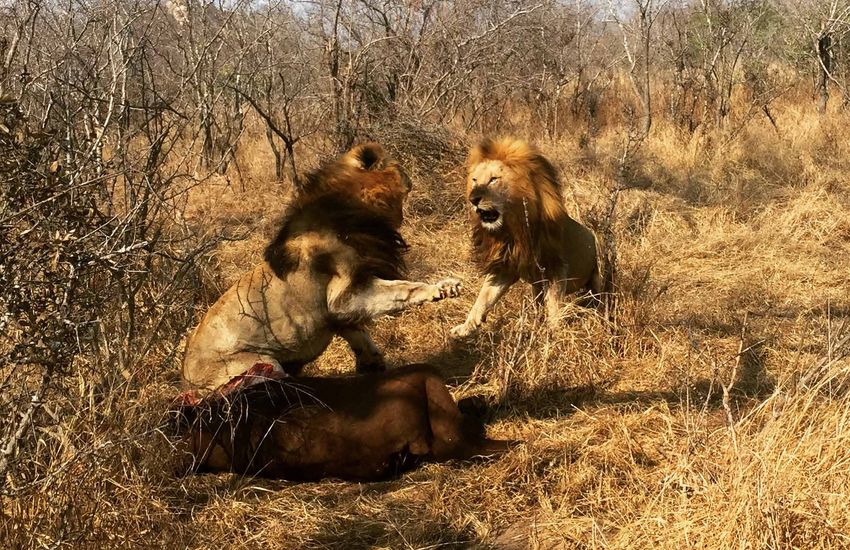
←
→
Page content transcription
If your browser does not render page correctly, please read the page content below
Masthead Logo                                                                                                                    Inside Out
Volume 8                                                                                                                                         Article 1

Inside Out, Spring 2018

Follow this and additional works at: https://jdc.jefferson.edu/insideout
     Part of the Arts and Humanities Commons, and the Medicine and Health Sciences Commons
Let us know how access to this document benefits you
Recommended Citation
() "Inside Out, Spring 2018," Inside Out: Vol. 8 , Article 1.
Available at: https://jdc.jefferson.edu/insideout/vol8/iss1/1

This Article is brought to you for free and open access by the Jefferson Digital Commons. The Jefferson Digital Commons is a service of Thomas
Jefferson University's Center for Teaching and Learning (CTL). The Commons is a showcase for Jefferson books and journals, peer-reviewed scholarly
publications, unique historical collections from the University archives, and teaching tools. The Jefferson Digital Commons allows researchers and
interested readers anywhere in the world to learn about and keep up to date with Jefferson scholarship. This article has been accepted for inclusion in
Inside Out by an authorized administrator of the Jefferson Digital Commons. For more information, please contact:
JeffersonDigitalCommons@jefferson.edu.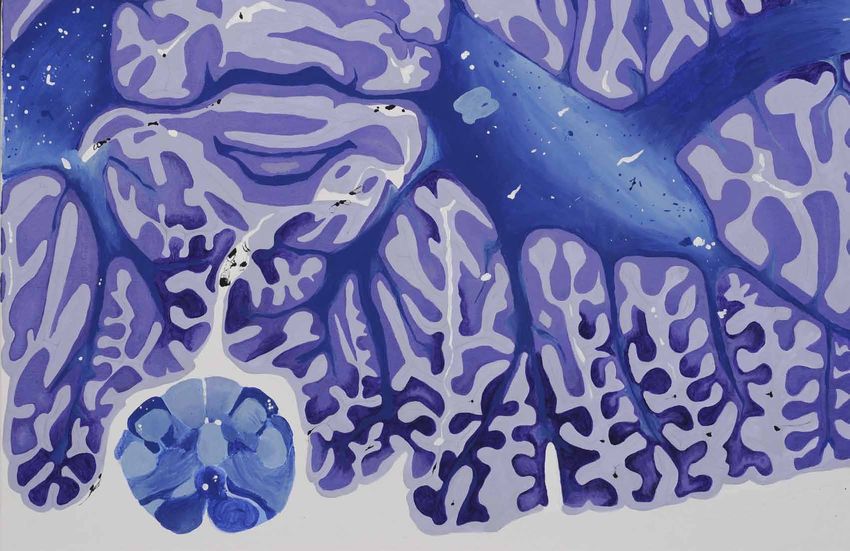
et al.: Inside Out, Spring 2018

Published by Jefferson Digital Commons,                                     1
                                                          1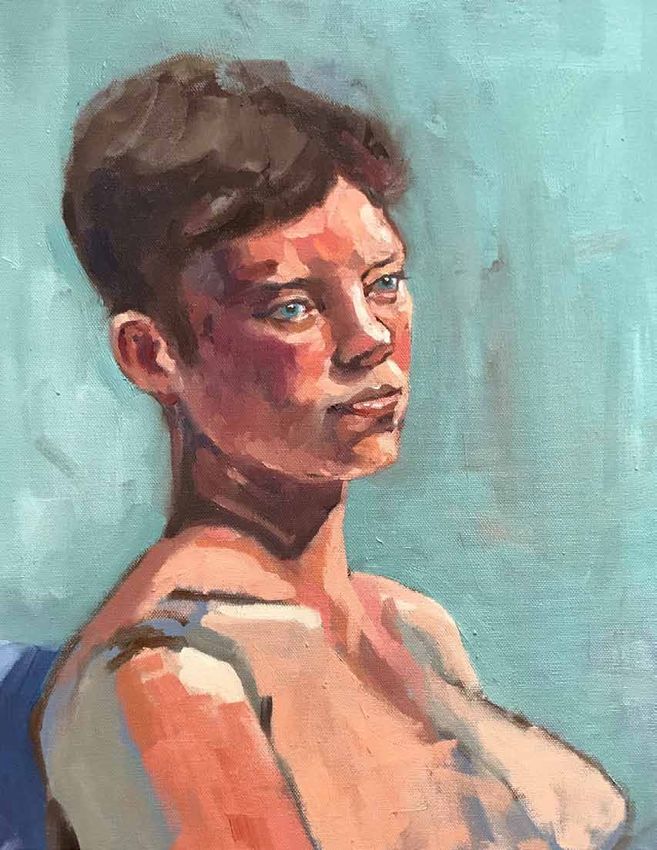
Inside Out, Vol. 8 [], Art. 1

                                                                                                                                                         Foreword
    Inside Out                                                                                                                                           Welcome to the 2018 issue of Inside Out!
                                                                                        JeffArts Literary/Arts Journal
                                                                                                          Spring 2018                                    Inside Out is the literary and arts journal of the Jefferson student body. As such, it gives voice to our scholars
                                                                                                                                                         as they migrate through their educational experience at our University. The creativity and vision of our stu-
                                                                                                                                                         dents is featured within the pages of this book. Showcased is student work that was created in the intervals
                                                                                                                                                         between classes and notebooks, dorm rooms and city streets.

    Chief Editors: Anitha Ahmed and Anya Platt                                                                                                           Please enjoy this issue of Inside Out, as our students offer a unique view of their world using images, colors,
    Artistic Director: Kevin Tang                                                                                                                        words and light.
    Literary Director: Madeleine Norris
                                                                                                                                                         Charles A. Pohl, MD
    Editors:                                                                                                                                             Vice Provost for Student Affairs, Thomas Jefferson University
    Benjamin Barnhart                                          Alisha Maity                                                                              Vice Dean for Student Affairs and Professor of Pediatrics, Sidney Kimmel Medical College
    Jarett Beaudoin                                            Sh’Rae Marshall
    Jane Beriont                                               Luis A. Aguilar Montalvan
    Timothy Chou                                               Leena Ramani
    Caroline Christianson                                      Benjamin Richter
    Jessica Clark                                              Maddy Russell
    Michelle D’Souza                                           Hanna Sandhu
    Daniela Fishbein                                           Mak Sarich
    Harnoor Kaur                                               Kathryn Sommers
    Karishma Kodia                                             Megumi Tsuda
    Christopher Kustera                                        Amber Zhang
    Jeffrey Lee                                                Richard Zhang

    The Jefferson Arts Organization was founded primarily to offer Thomas Jefferson University students the op-
    portunity to express themselves through art. The Jefferson Arts organization focuses on such media as art
    and photography, writing, and music and supports diverse activities including live readings, art exhibits and
    musical performances. In addition, the organization publishes Inside Out annual art and literary journal which
    showcases photography, paintings, sketches, short stories, poems and essays contributed by university
    students. All of these activities are designed to bring more diversity to the Jefferson community; to allow
    students, faculty and staff the chance to stop and reflect on their daily lives; and to provide a creative outlet
    from the rigors of school and work.

        Content Warning: This magazine includes some written pieces with mature language and potentially triggering
        subject matter.
https://jdc.jefferson.edu/insideout/vol8/iss1/1                                                                                                                                                                                                                               2
et al.: Inside Out, Spring 2018

      Editors’ Statement                                                                                                                                    Submission Information
      We are delighted to present Inside Out, 2018: a raw commentary on physiologic, psychologic, and social                                                Inside Out is a presentation of artwork, photography, short stories, poems and essays that is published an-
      health. In this production are expressions of awe, anger, anxiety, and grief; here you’ll find colorful intersec-                                     nually. All full-time and part-time Jefferson students are welcome to submit work and to apply to serve on
      tions of satire and introspection, blacks and grays highlighted with wildly vibrant texture and mood. The artists                                     the magazine’s editorial board. Submissions may be emailed to Dorissa.Bolinski@jefferson.edu. Photographic
      featured in our compilation approach complicated questions such as –                                                                                  submissions should be saved as a .jpeg file using the highest resolution possible. Artwork should be photo-
                                                                                                                                                            graphed from a direct angle, without glare or visible background, and saved in the same manner as photo-
      How does one process illness—morbidity and mortality—in themselves, their patients, and their loved ones?                                             graphs. Artists who submit non-photographic material will be given the opportunity to have their accepted
      How does one explore one’s identity in the context of societal stigmas and expectations?                                                              pieces professionally photographed by a Jefferson photographer in order to assure the best presentation in the
      How does one manage the sudden and sometimes overwhelming responsibilities of caretaking, in all of its                                               printed magazine.
      forms?
                                                                                                                                                            All submissions will be reviewed anonymously; not all submissions will be printed. Please note that entries will
      These pieces range from meditative to whimsical to provocative; they invite the audience to feel, speculate,                                          be judged as submitted; Inside Out will not crop, sharpen or otherwise adjust an improperly-saved graphic
      and understand—to accept the abstract, and think carefully about the gaps between factual and emotional                                               submission.
      truth. We hope you enjoy the craftsmanship and critical thought of Thomas Jefferson University’s student
      body!                                                                                                                                                 Manuscripts (prose, poetry, translations, short plays, etc.) should be submitted in a Word-compatible docu-
                                                                                                                                                            ment, and saved under the name of the piece (or “untitled,” if applicable).

      Anitha Ahmed & Anya Platt                                                                                                                             All submissions must be accompanied by a separate cover letter document containing the following:
      Editors in Chief
                                                                                                                                                                   • Author’s or artist’s name
      Kevin Tang        		                Madeleine Norris                                                                                                         • Email address and local phone number
      Artistic Director 		                Literary Director                                                                                                        • College, department or undergraduate program and year in school
                                                                                                                                                                   • Genre/medium and title of each submission

                                                                                                                                                            Inside Out does not publish anonymous submissions or previously published works. Further submission
                                                                                                                                                            inquiries may be addressed to dorissa.bolinski@jefferson.edu.

                                                                                                                                                            View the online version of Inside Out at:
                                                                                                                                                            jefferson.edu/university/campus-life/inside-out.html

Published by Jefferson Digital Commons,                                                                                                                                                                                                                                        3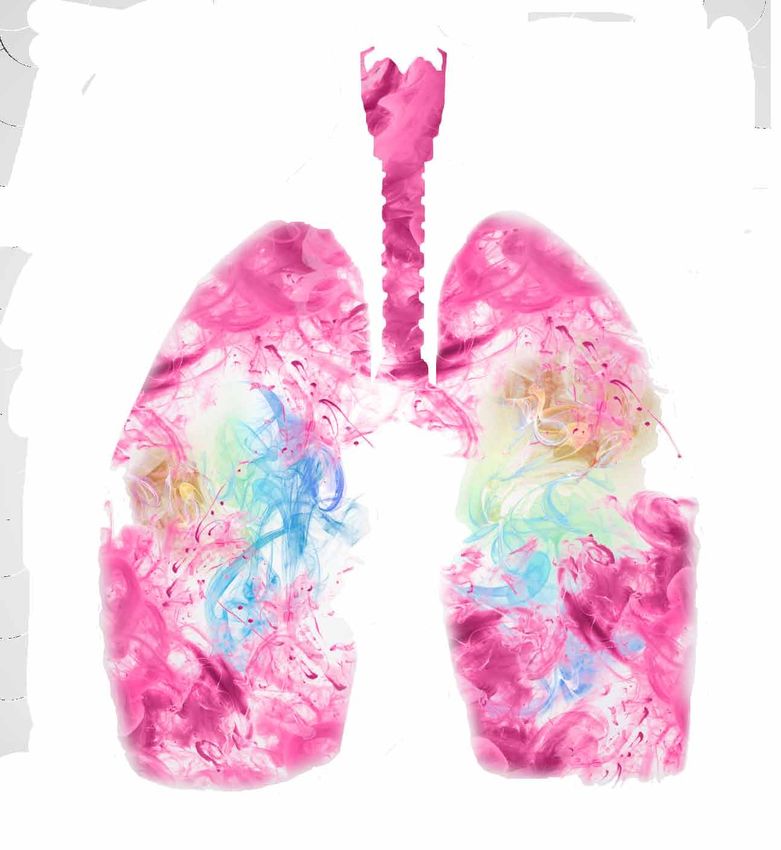
Inside Out, Vol. 8 [], Art. 1
Gavel Cherry Chiffon Cage
Anya Platt 16 Daisy Zhang 28
City Hall Jewel
My Duyen Nguyen 16 Chen Zhou 29
Specimen for Frozen Section Country Roads
Contents Michelle Chen 17 Sh’Rae Marshall 30
Untitled Industry|January|Delaware River|North
Anya Platt 17 Philadelphia
Holly A. Rankin 31
Metal Fiend
Untitled Newborn Exam Tariro Mupaso 18 Alleyway
Jane Jacob Cover Jordyn Tumas 9 Samantha Nguyen 33
Birthing Hands
Guy The Descent Samantha Schoer 19 Innocence
Tariro Mupaso Inside Cover Jeffrey Lee 9 Daisy Zhang 33
Tree
IM Rounds Daydreams Katie Sommers 20 Broken
Michelle Chen 1 Kevin Tang 10 Sh’Rae Marshall 34
Ground Glass
Histology of the Cerebellum at Snapple Facts Samantha Schoer 20 Contemplation
the Level of the Medulla Madeleine Norris 10 Jeffrey Lee 34
Caroline Dunne 3 whistle
Glitter Harnoor Kaur 21 Figure Study
Summer Fruit Rachel Werk 11 Chen Zhou 36
Kanika Ramchandan 2 Zeke
The Twelve Apostles Samantha Nguyen 21 My Adela
Serenity Kevin Tang 11 Shayan Waseh 37
Chen Zhou 4 Study for a Graphic Novel
Fog|January|Delaware River|North Naomi Newman 22 A Question of Death
Stage IV Philadelphia Malika Madhava 38
Jordyn Tumas 5 Holly A. Rankin 12 Women’s Month
Samantha Schoer 23 Eye Contact
Pitting Plain Rachel Werk 39
Anitha Ahmed 6 Anya Platt 12 Lessons for My Daughter
Madeleine Norris 24 Food Water Shelter
The Other Hand home Zachary Howell 40
Sophia Dang 6 Anthony Vu 13 Folklore
Jarred Holt 25 The Last Kiss
Dust Still Life Jeffrey Lee 40
Victoria Stevenson 7 Samantha Nguyen 13 I am art
Sh’Rae Marshall 26 sunsets from antelope island
Conflagration I’m Sorry Karishma Kodia 41
Anitha Ahmed 8 Yashmi Mahat 14 Lungs
Alex Siegelman 26
Sweet Shop - Tangail, Bangladesh Elodie
Micaela Langille Collins 8 Madeleine Norris 14
https://jdc.jefferson.edu/insideout/vol8/iss1/1 4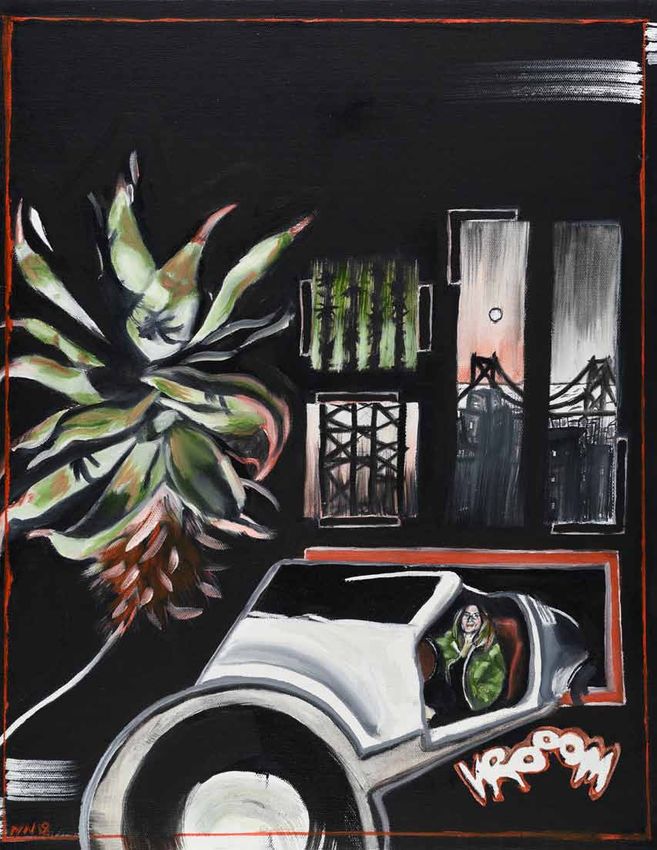
et al.: Inside Out, Spring 2018

      A Night at Penn’s Landing                Winter Farmscape
      Xiang Zhang				41                        Samantha Nguyen			48

      The Spade                                I returned to that bench
      Mak Sarich				42                         Bryce Eng				49

      Queen’s View, Scotland                   Untitled
      Katie Sommers				42                      Kanika Ramchandani			49

      Portrait Study                           Untitled
      Chen Zhou				43                          Jane Jacob				50

      The Scars I’m Too Afraid To Get          alternate names for curiosity
      B. Samuel Meyers			                 43   Sh’Rae Marshall			50

      Vegas Remembered                         Gold Brain Slice
      Bryce Eng				44                          Leena Ramani				51

      Best Friends                             Red
      Jeffrey Lee				45                        Mak Sarich				51

      Abstract Anatomy Introspection           A fragment of thought
      Jordyn Tumas				45                       Malika Madhava			51

      i’m sorry                                Cat Fight
      Harnoor Kaur				45                       Leena Ramani				52

      Autopsy                                  Almost
      Laura Simpler				46                      Tariro Mupaso				54

      Anatomy Spine                            Untitled				56
      Leena Ramani				47                       Katherine Cambareri

      Her Grief Changes
      Lily Black				48

Published by Jefferson Digital Commons,                                                                          5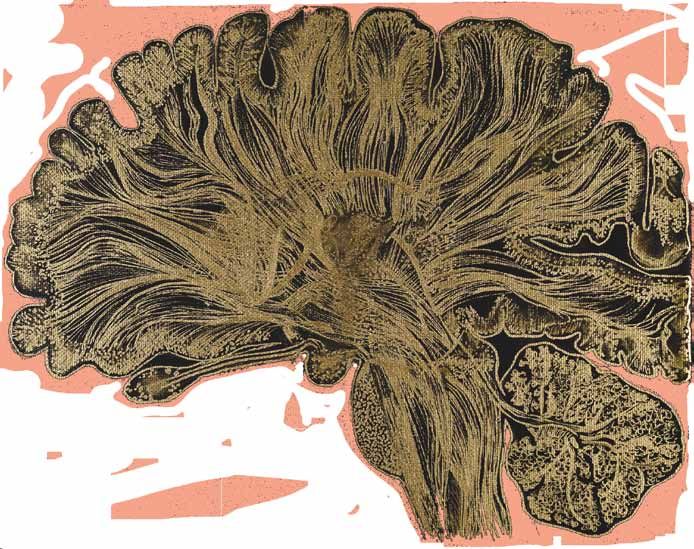
Inside Out, Vol. 8 [], Art. 1

                                                                                      IM Rounds
                                                                                      Michelle Chen
                                                                                      Watercolor and Ink

https://jdc.jefferson.edu/insideout/vol8/iss1/1                                                                6
                                                  0                                                        1
et al.: Inside Out, Spring 2018

                                                                                Summer Fruit
                                                                                Kanika Ramchandani

                                                                                Ripe, sweet, juices drip down my arms
                                                                                I am a child in the cool sand
                                                                                Splashing in salt water
                                                                                A child in a garden
                                                                                Searching for earthworms
                                                                                I am extra hours of sunlight,
                                                                                Long shadows,
                                                                                Warm feeling

                                                                                                                        Histology of the Cerebellum at the Level of the Medulla
                                                                                                                        Caroline Dunne
Published by Jefferson Digital Commons,                                                                                                                                       7
                                          2                                                                       3     Acrylic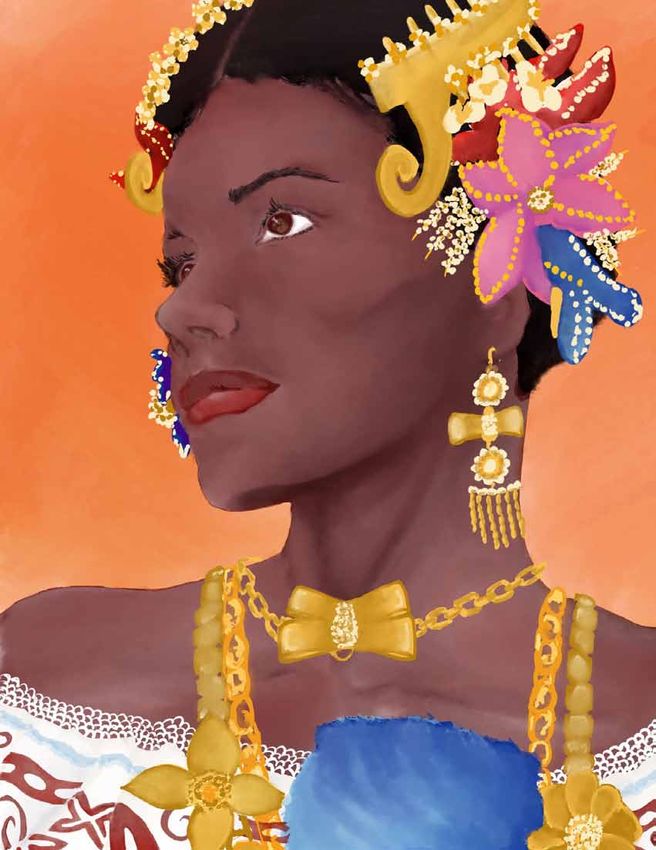
Inside Out, Vol. 8 [], Art. 1

                                                                                      Stage IV
                                                                                      Jordyn Tumas

                                                                                      “White Wisp” is the color of hospital floors. It is the hospital curtains, the hospital gowns, and the hospital
                                                                                      walls. It blends everything together without beginning or end. “White Wisp” lightly settles on my patient’s
                                                                                      emaciated figure, all the life seemingly drained from her, a reflection of the arduous journey she has been al-
                                                                                      lotted. It wakes her up in the middle of the day and gently lulls her back to sleep moments later. “White Wisp”
                                                                                      is a long corridor that appears exactly like all the others, leading her towards a CT scan of her brain, a scan
                                                                                      looking for metastasis of the ovarian cancer, a scan which her doctors didn’t explain to her before she was
                                                                                      wheeled out of her room. “White Wisp” is sewn into the fibers of every white coat that listens to her heart and
                                                                                      lungs while the true illness shouts from her pelvis—it clings to the cheerful smiles that exchange pleasantries,
                                                                                      which last only until they leave to check in on the next room.

                                                                                      “White Wisp” lives in the sclera of her husband and sister’s eyes, every morning betraying the fear behind their
                                                                                      brave words. It shrouds us in our final hug, though leaving only compassion in its wake.

                                                                                      “White Wisp” is a diagnosis with no cure.
                                                                                      It is a promise you want to make but know you cannot keep…
                                                                                      And yet, “White Wisp” is still hope.

                                                                                      Opposite page:
                                                                                      Serenity
                                                                                      Chen Zhou
                                                                                      Oil
https://jdc.jefferson.edu/insideout/vol8/iss1/1                                                                                                                                                          8
                                                  4                                                                                           5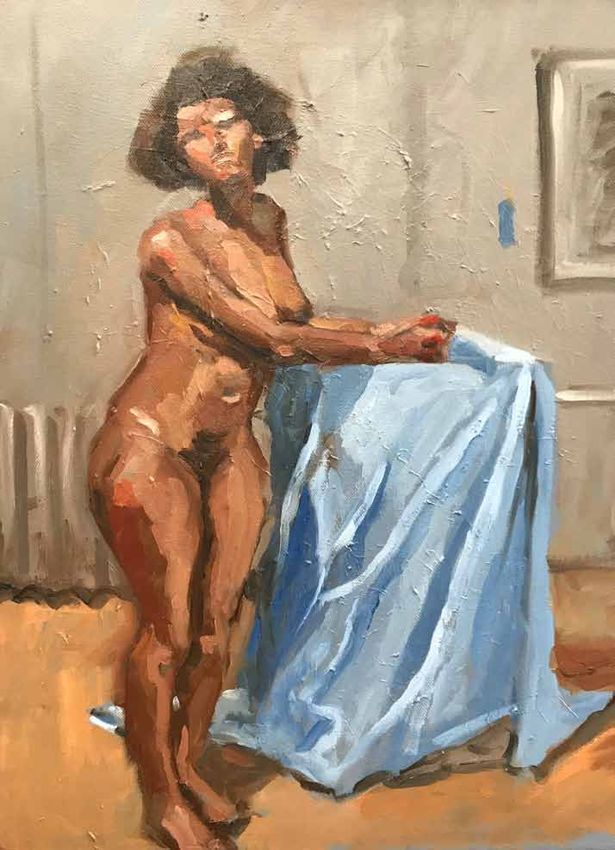
et al.: Inside Out, Spring 2018

                                                                                                                 Dust
                                                                                                                 Victoria Stevenson

                                                                                                                 I live in a world dusty and true
                                                                                                                 I never knew dust’s meaning ‘till now
                                                                                                                 Millions of particles
                                                                                                                 A reminder of what we’ve done

                                                                                                                 The only way to see a beam
                                                                                                                 Is through one’s own
                                                                                                                 Cells dirt fibers & dreams
                                                                                                                 A synopsis of where we’ve been reflected in winter light

                                                                                                                 Dust collects it all
                                                                                                                 Every conversation
                                                                                                                 Every act of physical desperation
      Pitting                                                                                                    Every lonely compartment of the mind
      Anitha Ahmed
                                                                                                                 A memory of what once was
      cardiology floor, jefferson hospital                                                                       Now refuse collected in corners
                                                                                                                 Forgotten under the bed
      the skin of your dry shin                                                                                  In the seams of sweaters
      scales, breaks to touch
      and oozes.                                                                                                 Sheets into the wash
                                                                                                                 Pillows beaten out
      you cough and pull the yellow                                                                              Wipe down the bedside table
      phlegm with fingers                                                                                        Desk and dresser too
      off your tongue
                                                                                                                 Soon you’ll be gone
      —as if, from my gut—I jerk away;                                                                           Swept up and thrown away
      our guilty eyes meet.                                                                                      No longer twinkling comfort
      then, I press                                                                                              In the sanguine silver rays
                                                          The Other Hand
      my finger pads to your bone                         Sophia Dang                                            But do you ever really leave?
      and leave my mark,                                  Ink and watercolor                                     Can you ever be rubbed away?
      a crater
                                                                                                                 No, the record can’t be purged
      a full white moon                                                                                          Not just you and me—our predecessors too
      dead skin and serum                                                                                        All of us submerged in our collective past
      on my hand                                                                                                 Intermingling atoms

      three full seconds to fill the pit                                                                         Amassed, on fan’s blades
      fluid has a funny memory—it spills under the skin                                                          Between floor boards
      and holds on                                                                                               A succession
                                                                                                                 Of intimate transgressions

Published by Jefferson Digital Commons,                                                                                                                                         9
                                                           6                                                                                                                7
Inside Out, Vol. 8 [], Art. 1
Conflagration Newborn Exam
Anitha Ahmed Jordyn Tumas
fez, morocco Soft and supple are the fontanels I trace
As a phrenologist or a soothsayer,
in late may the garbage burns Feeling fault line mountain ridges under translucent skin.
from the taxi home i watch the flames climb With gentle pressure the wisps of black hair yield
piles of waste on the dry hills Into perfect crests,
black smoke twists by the road The fresh survivor all the while calm and still,
Exhausted from the victory,
at dusk the jacaranda tree blossoms The memory already fading
behind the villa i watch its weeping crown Before it is even spun—
its sweet purple deepens in the red light Resurfacing from the tsunami glorious
dark petals land in my palm Expatriate, gasping first breath
The burn of Life washing through his jaws and bronchi,
at night i lie awake with the windows ajar A heady cocktail bounding deep into the ravine
nectar in my nose and smoke in my throat While unknowing eyes search this new chasm for reason,
Scan the horizon for answers,
And reconcile an existence without metric.
Sweet Shop - Tangail, Bangladesh
Micaela Langille Collins
Photograph
The Descent
Jeffrey Lee
Photograph
https://jdc.jefferson.edu/insideout/vol8/iss1/1 10
8 9et al.: Inside Out, Spring 2018
Glitter
Rachel Werk
The sun struck it,
Creating an effervescent glow
In the middle of the beach.
My feet took off
Dragging my legs, my arms, my head, my heart, my Heart,
Along for the ride.
Leaping into that pile
Analyzing every crystal.
Diving in and out
For ten months,
Searching
For what I had seen from a distance.
But instead,
I found the harsh
Truth of light;
And realized,
It was just sand. The Twelve Apostles
Kevin Tang
Oil on canvas
Snapple Facts Daydreams
Madeleine Norris Kevin Tang
Oil on canvas
Did you know that cashews are technically a fruit?
My brother is a hedgehog. He believes the world is out to get him. He has since he was a child and the world
saw him as out to get it. So now, he sits curled up, his sharp spikes protecting him from the outside.
Have you ever heard that there is a strawberry museum in Belgium?
On rare occasions, he softens the spikes. Alone, at home when we’re bonding over books or Snapple facts. My
soul will reach a willowy hand out and try to touch his, only to learn I have no idea how to recognize him, or
how to trust a stranger.
Autism Spectrum Disorder is also called “Wrong Planet Syndrome.”
Sometimes I wish I could be a hedgehog. I want to curl up and show just spikes to the world, so no one can
see my face. Not unless they carefully hold me and allow my spikes to soften. Not unless they wait patiently,
and allow me to roll over when I’m ready to show them my soft underside.
Did you know that scientists have no idea why Tylenol works?
Scientists don’t know what causes Autism Spectrum Disorder. Leading research suggests “it’s connected to
early developmental changes in brain structure.” I wonder when they’ll clarify that.
Did you know that hedgehogs are not native to America?
They must feel like aliens.
Published by Jefferson Digital Commons, 11
10 11Inside Out, Vol. 8 [], Art. 1
home
Anthony Vu
in little places we each called home
where our flesh was once formed
and minds were once molded
yet ever so often, tempers fray like brushfire
as our fathers seized the Crown Royal
and our mothers sought the frontlines
telling us to run like gazelles
so we listened
and we quickened
meeting halfway between the fumes
that billowed from our chimneys
thousands of yards apart
when we meet eyes, we lay across the harvest
with our damp backs unadulterated to naked soil
and our bare toes titillated by rustling grain
we stare upon the sky where there are no traces
of anything grey except for the sparrows
whose shadows tessellated our faces
like we were two strangers in a masquerade
without any care of the chaff between our hands
Fog|January|Delaware River|North Philadelphia nor the waning sunlight above our heads
Holly A. Rankin because we were together alone Still Life
Photograph in a little place we now call home Samantha Nguyen
Pen on paper
Plain
Anya Platt
And finally it becomes clear to me that I’m too afraid to write in plain words – shy to be seen, safer veiled. So, I
write in hidden verse, so smeared with fog that I can’t see through it when I look back. I write in gray weather
because it sounds better, too.
Thirty thousand feet up, I circle my way around the inescapability of solid matter. I try, so futilely, to find a
loophole – one where I can slip in and out (always so guided by whim and doubt), where dense fog marries
thick moss, raises baby sprouts. Young child, have you not yet learned to just have your cake or eat it? My brain
crunches on carrots and dip. The sky is beautifully sad, a stormy plain, vast highlights of this yellow light. It
catches my eye as I sit here contemplating. In the midst of travel, turbulence trying so desperately to shake me
awake way up in the sky, I tie weights to my belt, call them grounded.
This is my least favorite time of day. When light becomes night, I feel the sadness of the last sentence on the
last page of a book, the wanting to slow down the inevitable. I fight a forward-pointing arrow; sunsets sink,
eyes read to the end, and it is here that my mind wanders most heavily.
I dwell on the repetitive drip, raindrop currency (bartering smiles for sulk)
my head clouds, feelings condense with no words to put names to, precipitate out in this leaky rain
leaky brain
https://jdc.jefferson.edu/insideout/vol8/iss1/1 12
12 13et al.: Inside Out, Spring 2018
I’m Sorry Poked and prodded
Yashmi Mahat In the cava
Our knife
“You’ll be fine” Where we hadn’t anticipated
A bright cheery smile Opening spaces never seen
I gave you Lost.
As propofol
Burned Lost
Through your veins I forgot.
“We’ll take good care of you” I forgot
I told you You.
Not knowing you
Not fully understanding You
You. Your story.
It. The pathology A boy of just 19
A lifetime dissected away
“I’m scared” The consequences of our knife
Your eyes told Lay before your life
Right before the mask The purest joy
Shut them close. The greatest privilege
Unacknowledged I gained
In exchange
Your suffering.
Belly splayed Because we couldn’t
Burning fat Because we did
Blood And I had told you
“You’ll be fine”
MY hands in guts
MY fingers wrapped
Around pulsating aorta
The rush of adrenaline
The thrill of incision
The delicacy of a dance
Elodie
Madeleine Norris
Dyed Canvas, digital manipulation
Published by Jefferson Digital Commons, 13
14 15Inside Out, Vol. 8 [], Art. 1
Specimen for Frozen Section
Michelle Chen
Watercolor and ink
Gavel
Anya Platt
as a matter of fact,
funny you should ask:
it was always a question of her motives in that
singular moment;
swiftly, she lifts her eyes
[perhaps then she did, too,]
and now in the room with the gavel she, Untitled
in question, Anya Platt
she just stands
and stands A. (Barter)
and then, Because I can’t give words
lips pursed, hands clasped she begins, I give little kisses, dry
“Context matters.” Smiles, small, so as only to be slightly disingenuous
I give birth to games
played only because it was all too smooth
With too much happiness that was never meant
all for me (too much, all the niceties)
B. (Spool)
Love, timid tapping, tattoo on chestwall: I spin it in my hand, spin it top-like spinning so it doesn’t fall,
just keeps spinning; spin it weave-like into spools of thread, sew it into all my jean patches and buttons
and knit sweaters, keep pieces of it on my body, easy, running stitch running after me; spin it into stories,
tales of missing and longing and wanting and my full name spoken by full lips and my simple presence
simply missed.
Opposite page:
City Hall
My Duyen Nguyen
Photograph
https://jdc.jefferson.edu/insideout/vol8/iss1/1 14
16 17et al.: Inside Out, Spring 2018
Birthing Hands
Samantha Schoer
ripped vaginas
skin cut with scissors
like children’s play
without time for straight edges
my hands
like slender wonder
inside
red blood on my cold cracked hands
almost like a hot bath
i could stay here
lifting her body out from inside you
slippery wet and heavy
with a heave onto your lap
this time i don’t worry i will drop her
my hands have memory
these hands
that tie knots
like interweaving patterns
keeping a bond between women
with each loop
i will remember the motions
of how you came into this world
and i found your little heart
cupped inside my palm
Opposite page:
Metal Fiend
Tariro Mupaso
Mixed media
Published by Jefferson Digital Commons, 15
18 19Inside Out, Vol. 8 [], Art. 1
whistle
Harnoor Kaur
whistles take countless forms,
whether they stem from shrill
pierces of sound with wiry blades
of grass sticky in-between my tiny
childhood thenar mounds, sweet
soulful feathered chirps that my eyes
could never move quickly enough to match,
unwelcome horns made by prying fingers
stuck in the mouths of men that make me
pause in my first step and speed
up in my second. whistles, so seemingly
natural in their ubiquitous presence,
human, animal, kind, chiding, commanding,
always attention-seeking, head-turning,
a gesture of communication,
flirtation, migration, or predation.
yet, at its very core, a whistle is the
forcing of breath through the gap between
your fingers, teeth, or lips, pilgrims narrowing
to prevent air from escaping silence with shattering trills.
someone once told me that little girls shouldn’t whistle.
you know damn well that I became a good whistler. Zeke
Samantha Nguyen
Pen on paper
Ground Glass Tree
Samantha Schoer Katie Sommers
Pencil on paper
Alone in a room
The central air flicks the robe around her bare legs
Have you ever been as cold as when waiting for the doctor?
Between her legs, all the secrets and smells of life.
I ask her to relax her knees
As if she’s slipping into bed
Like I won’t harm or hurt or open up the parts of her sewn closed.
The ached position of my neck
Never enough light to see through her, all of her
But she feels like glass
As if her bowels are displaying every churn
As if I can see her swallow her secrets and watch them pass into my
gloved hands.
I wash my skin raw at the sink.
The door shuts.
My fingers remain cold all day.
https://jdc.jefferson.edu/insideout/vol8/iss1/1 16
20 21et al.: Inside Out, Spring 2018
Women’s Month
Samantha Schoer
each month she comes
a red tidal wave
and i am reminded of my sex
despite baggy jeans and anger
my breasts grew against my jerseys
popping up overall buttons
and my mother handed me a training bra
i like to think about my genes,
two strong X’s together, holding space
science teaches me: one is coiled up, letting the other run the show
community is not Barred
but we bar the women who didn’t grow up bleeding
the ones who were happy to develop breasts
from holding space with us
my mess cannot be controlled
i spend dollars on supplies
scrubbing blood out of tiles, cotton, covers
i am so damn tired of this life
it takes a woman doctor to tell me i do not need to bleed
it takes a movement to have my pills paid for by insurance
it takes a revolution to allow me my own cells.
each month they come
a wave of hatred and pus
and i am reminded, i am not this
this month is mine
and nothing is.
Opposite page:
Study for a Graphic Novel
Naomi Newman
Oil on canvas
Published by Jefferson Digital Commons, 17
22 23Inside Out, Vol. 8 [], Art. 1
Lessons for My Daughter
Madeleine Norris
When I think about my daughter,
I think about teaching her to read;
that the word laughter and daughter
are spelled the same, sound so different,
yet both feel like silk leaving my mouth.
I think about holding her hand,
showing her the firm grip to keep on her dreams,
and the paradoxically soft touch
with which she should hold the world.
I see her tiny hands chasing bubbles,
with reckless hope in stretched palms
that somehow, she’ll be able to catch one,
and keep it safe forever.
When I think about my daughter,
I see bubbles, hearts, and glitter,
cars, superheroes,
and boots made for adventure.
But, I also think about the fear I had
before my first kiss;
or that Friday when my stomach spilled over my jeans,
and my shirt couldn’t hide it.
When I think about my daughter,
I try not to see a dark bed,
my body trapped beneath the firm grip of a boy,
who told me I was skinny and pretty.
When I think about my daughter,
I think about the Me Too’s.
And the men who only understand the hurt
when it’s their sisters, and mothers, and daughters.
And, sometimes I think about Japanese pottery.
They fix broken pieces with liquid gold.
So, something becomes more valuable once broken,
its history now wrapped around it like a glistening web.
When I think about my daughter
I don’t know what to tell her.
Do I warn her she’ll be wrapped in gold?
Popped bubbles, broken hearts, and weighed down with gold.
Opposite page:
Folklore
Jarred Holt
Digital art
https://jdc.jefferson.edu/insideout/vol8/iss1/1 18
24 25et al.: Inside Out, Spring 2018
And I don’t know which one
I am art I’ll be blessing tonight.
Sh’Rae Marshall But, I will invite him
to pray in my shrine.
I am not sure To be baptized in my ocean.
if this is love, To taste the flesh
but I am falling for a boy of his savior.
who calls me art.
I am not sure
With hands that if he will change,
teach me but at least
how it feels he is trying.
to crave death,
he sculpts me. His yells
As if begin to harmonize
these bones with the sound
can be molded like clay my body makes
instead of when it is thrown
shattered like glass. to the floor.
As if
this skin I believe this is performance art.
can learn how to
tell stories But,
of an artist and his brush I never agreed
instead of a poet to have our home
and her trauma. be a museum.
I am not sure I am not sure
if I forgive him, if he will realize,
but at least but I have fallen
he is sorry. again.
He tells me this
after he paints I want to rise on my own.
a moon around my eye. I want to be the Jesus
my mother raised me to be.
But,
he comes home But instead,
with chocolates. I live
And allows me to on the floor.
sink into him. Broken
Like. into
He can absorb my pain. so
many
Like.
damn
The arms that make me feel safe pieces,
aren’t attached to the hands waiting for you
that make me feel hollow. to rebuild me
Lungs with the lacquer
I am not sure Alex Siegelman and gold
if he is emotional, Digital art and silver
but I am sleeping with a boy that you promised.
that introduces me to his demons.
I may not be in love,
but at least I am art.
Published by Jefferson Digital Commons, 19
26 27Inside Out, Vol. 8 [], Art. 1
Cherry Chiffon Cage
Daisy Zhang
I lost my breath when you pulled me off my feet
And our hips swung to the times
As we tried not to trip on dress trails
Red dress chiffon love hit me hard
As I helped you tie your tie
While you tied my heartstrings into knots
When your heart bloomed daisy petals
And you said it was my fault
I could have cried into your hand cupping my chin
And many times later
We drowned ourselves in swinging skirts
And scarlet suits
Suiting up to impress who
We didn’t know or understand
As cherry chills rode up my thighs
Lace string strung around mesh
Caging in a corset cavity
That smothered the petals beauty died for
That time you caught my hand
And held my heart in a heavy fist
And stared
I knew something was wrong
As your gray eyes grieved
And your mouth set a grim line
Worry had whipped up my will
When I grabbed your hand and lead
That night we spun pretending nobody was in our
way
That night, you drove me home without music
I was left feeling the knots of my earphones
That I kept forgetting you didn’t tie
That night, I laid awake in bed
Blinking to passing headlights Jewel
And bathing in moonlight slits, Chen Zhou
Knowing that this would be the last time. Oil
https://jdc.jefferson.edu/insideout/vol8/iss1/1 20
28 29et al.: Inside Out, Spring 2018
Country Roads
Sh’Rae Marshall
My mother is dramatic. The day I received my first college acceptance letter, she cried for a half hour on
the phone. I pictured her sobbing, apologizing with a wave of Kleenex tissues, and patting under her puffy
eyes to prevent the mascara from running. She invited four of her coworkers to personally congratulate me
over the phone. The last one was some creep who instructed me to pack plenty of condoms. I gave him an
obligatory giggle and then my mom quickly shooed him away.
My father’s reaction was a bit more contained. I wasn’t sure what to expect precisely, but I knew that it
would be aloof. This was just the type of man he became.
“Good job, kiddo” he said.
I stood there as he pretended to read beyond Congratulations. I wanted more from him. He glanced up
and smiled at me from a La-Z-Boy chair he inhabited since he arrived. That damn chair. I always offered an
applause whenever I saw him up at the refrigerator or answering the door. He probably thought that it was
teenage sarcasm. But, that wasn’t it. I was genuinely proud.
This last year had been tough for him. After he had his left leg amputated during a tour in Iraq, he was
coerced to return and assimilate into an unfamiliar lifestyle. My mother called it his biggest fear: living with
her for more than 6 consecutive months. When he did arrive, the warmth and laughter that had been danc-
ing throughout our home hid away. It resurfaced in the kitchen, while my dad had been napping. Sometimes,
on the porch, when my mother and I shared a cigarette. Yet, I felt sympathy for him. He went from a muscular
man, who was lively and personable, to barely weighing 140 pounds and religiously watching reruns of shows
in black and white.
For months, my mom and I tried to bring him happiness. My mom cooked his favorite meals, invited his Industry|January|Delaware River|North Philadelphia
buds over for dinner, and massaged his back almost daily. It became a routine after she worked a 10-hour Holly A. Rankin
shift, herself. He thanked her with a plea to stop treating him differently. Sometimes through yelling, other Photograph
times through silence. Their love didn’t always look like this. Before his accident, they were nauseating to be
around. They made out in his Ford pickup truck and she laughed at his incredibly witless jokes. Whenever
he came home from deployment, they stayed out late and jogged together most mornings. When he wasn’t “Sorry, I figured your head may be too big” I joked. He clenched his jaw and managed to force out a few
home, mom would wait up hours past her bedtime just to FaceTime with him. Their conversations usually laughs, but none that were convincing, none that sounded like my dad’s.
consisted of recipes my mother wanted to try and summaries of football or baseball games eagerly presented “I think he may be depressed or have PTSD” I said shyly to my mother. I was expecting her response to be
by my dad. They always ended with “I miss you and I love you.” However, after his accident, their conversations an urgent demand for me to take those words back. Instead, she merely said, “He’ll be okay.” Her eyes stayed
changed. She would ask about his day, he would get annoyed. She would apologize, he would ask her to stop fixated on the country road ahead of us. She then turned up the car’s radio to hum along to old Dolly songs I
apologizing and then he would redirect his attention back to the television. Every day, it was the same story. didn’t know the lyrics to.
I took a different approach. Pops and I used to obsess over college football. We lived near Clemson Uni- When we arrived at my graduation, we were greeted by my neighbor’s family in the parking lot. They
versity, so naturally we bled orange and purple. Pops had a fraternity brother who was also a fan. Every sea- looked like one of those families in a stock photo, framed on a shelf inside of a Target. Miss Salutatorian Stacy
son, this guy rented a luxury suite at the stadium. They served shrimp cocktail, a hundred types of cheeses, and her younger sister were wearing matching floral sundresses. The very flirtatious mother was wearing a
and sparkling wine my dad used to sneak into my hands. “Don’t tell your mother” he would say, grinning and white sundress with a hat straight from the Kentucky derby. And of course, her pearls. Dr. Green, Stacy’s su-
rubbing his knuckles on the top of my head. We went to so many games that he began greeting some of the per-old dad, was a bit more casual. He must have thought that tucking his Brooks Brothers polo shirt into his
security guards by their first names. straight fitted jeans made him look younger. Surely, people considered them a lovely family. I, however, found
He was much more enthusiastic about the Clemson culture than I ever could be. But I attempted to match them to be repulsive. The monogrammed accessories, the overzealous South Carolina pride, the ‘Thank You’
his excitement anyway. We screamed obscenities at the referees who couldn’t hear us, jumped up and down cards. I didn’t buy into any of it. Yet, they easily beguiled their way into my dad’s fondness. Before his accident,
when Clemson made a touchdown, and threw punches in the air when the opposing team scored. I knew my dad made my mother jealous by relentlessly praising Mrs. Green’s sweet potato pies. “Stacy’s mom has got
football made him happy. So, for the sake of nostalgia, I bought him a Clemson mug and hat for his birthday. it going on” he joked, knowing that my mother loathed her.
I didn’t bother to wrap it. Instead, I dropped the hat and mug in a birthday bag I recycled. We were all at “How’s Joe, darling?” Stacy’s mom asked. She was looking at me but directed this question to my mother.
the dining room table, even my dad. I gave him the bag right after my mother and I butchered a Happy Birth- “He’s doing just fine,” my mother replied.
day harmony. He opened my mom’s gifts first. He was going through the motions of unwrapping like it was Later that day, at the barbeque my mom organized for my graduation, things got worse. Pops and my
an annoying duty. Slippers, expensive cologne, massage oil, and a smoke-wood candle. It was clear that he mom got into a little argument. I was going to walk into the house to grab a bag of chips. When I opened the
wasn’t impressed. I knew that he would appreciate mine more. I knew him. When he pulled out the presents I back door though, I heard my father yelling. “I never agreed to this shit!” At that moment, I wasn’t sure if he
bought, he softly said, “thanks, son” and smiled, without showing any teeth. He immediately asked for tea so was referring to the party or his disability.
that he could use his mug. I then noticed that he put the hat behind him, as if he was already discarding it. “I’m exhausted and just don’t feel like entertaining people. You should have had this somewhere else!”
Published by Jefferson Digital Commons, 21
30 31Inside Out, Vol. 8 [], Art. 1
I saw my mother from where I was standing. She was wearing those stupid pleated khaki shorts and a
loose fitting “army wife” shirt. She stirred the potato salad and replied without even bothering to look up.
“Our son graduates. I’m at his ceremony at 8am after working until 1am the night before. I planned and
cooked all of this by myself. But you are exhausted?” She paused and then repeated the question that any sane
husband would know not to respond to. “Exhausted? Joe, all you do is sit around in that chair and sleep. You
have a prosthetic. Get up. Use it.” I was standing at the door separating a house of 2 bickering adults and a
backyard of hungry teenagers.
“Fuck you” he said. Not loudly, but loud enough to drown any voice my mom had before those words fired
from his mouth like bullets. “Fuck you. I don’t need some fake leg and I don’t need this shit. Especially from you!”
She stopped stirring the potato salad and stared down into the bowl as if she was watching a funeral. She
fought back tears that she deserved to let flood this place which no longer felt like our home. After another
minute or so, she looked up and quickly glanced in my direction. I scurried outside when she noticed me.
She emerged a few seconds later holding a huge bowl of potato salad. Anger that evolved into sadness was
painted all over her face. I wanted to hug her but I didn’t. I grabbed the bowl, thanked her, and watched as she
rushed back into the house to make sweet tea.
The weeks leading up to the beginning of college were slow. My mother began to spend more time at
work and less time around my dad. My father still lived in his chair. I still tried to rekindle that father-son re-
lationship we had. Admittedly, I missed how offensive he used to be. His misogyny and profound disgust for
liberals always kept me entertained. That all stopped though.
When the day arrived to move onto campus, my mother woke me up with tears already leaving trails down
her cheeks. She had rented a U-Haul truck we packed the night before. Foolishly, I gave her consent to go
shopping for my dorm room. She came back with countless bags of cleaning supplies, soap, underwear, socks,
and toothpaste. She also successfully bought bed sheets and a comforter that were even more embarrassing
than I thought was possible. She designed my room in a pre-pubertyesque fashion but I knew not to com-
plain.
My dad told me that he was not going to join us for the trip and would instead see me for Thanksgiv- Alleyway
ing. “I’ll just be in the way” he said, as he flipped through channels on the television. He was still wearing his Samantha Nguyen
pajamas and seemed content with already being downstairs without showering first. I half-heartedly tried to Pen on paper
change his mind but I knew my attempt would be futile. After about 5 minutes of trying to persuade him to
come, I finally said, “whatever.” I then opened the fridge to grab a few bottles of water for the trip.
He called me over and casually handed me his dog tags from the military. I always thought his dog tags
were special. When I was younger, he bought me a pair with our last name etched on both sides. I didn’t take Innocence
them off for years. I wore them in the shower, when I slept, and even at church services. However, when I Daisy Zhang
reached high school, I stopped wearing them. They just stopped being that important. But, these were his of-
ficial dog tags from the army. You lay with your hand curled on his lap, facing an open sky.
“Dad. What are you doing?” I asked. The melody of birds chirping numbs your ears as the blue becomes pink
“Just take them. I want you to have them,” he replied. I knew that he would interpret my decline as dis- And the pink, becoming of infinity.
respect, so I put them on. I let the chain drape around my neck with the two tags dipping into the middle of Idle chatter halts at your lips as you watch twisted branches unfurl in the darkening sky
chest. I then kissed his forehead and told him that I loved him. He nudged me off and said that he loved me too. The summer air is hot and heavy and the arched wood, ancient and grand, dances in a light breeze
“Call me when you and your mother gets there” he demanded. As silence descends upon two seedlings under an old oak,
“Will do, pops.” I then closed the door behind me and joined my mom, who was already waiting for me in You staring up into an infinite pool, him admiring the final drops of light glinting in your eyes,
the U-Haul. She smiled, asked if I was ready, and started up the truck. You don’t know how to tell him that you think trees are more beautiful than people,
Two hours into our trip from South Carolina to Ole Miss, she turned down the music I was playing from my And he doesn’t know how to tell you that he thinks you are more beautiful than the world.
phone. I turned my head to face her and then she took a deep breath.
“What mom?” I asked, upset but simultaneously concerned. Tears began to roll down her face. I noticed
them even though she was wearing oversized sunglasses.
“Your father and I are getting a divorce” she said. I didn’t respond. Instead, I turned the music back up,
rolled the window completely down, and stuck my hand out of it. I wanted to feel fresh air passing through my
fingers. Her eyes stayed fixated on the country road ahead of us. Though I could feel her heart break with guilt
and shame, I thought, at least she tried.
https://jdc.jefferson.edu/insideout/vol8/iss1/1 22
32 33et al.: Inside Out, Spring 2018
Broken My wife,
Sh’Rae Marshall she would say
“Coño, you’re pathetic.”
Broken. But I wouldn’t see
what she would see.
Sometimes,
I dream about the past. There are no mirrors in my home.
Just a floor
In these dreams, that is painted with blood and needles.
my son is laying on my chest. A mattress
Our breaths are in sync that hugs me when the drugs wear off
and And music
I am rubbing his back. that I dance to alone.
A bachata sway
It is a Saturday morning. and smooth footwork my father passed down.
My wife is there, too. I am okay. I am not empty.
brewing hazelnut coffee I am not filled. But I am not empty.
and
burning an egg omelet. I was called broken.
But
Then it happens. if I am broken,
plant the pieces of me
There is a car accident. that are salvageable
There is a hospital. into the earth.
There is a funeral.
So that my soul
And then I awaken, becomes a seed for growth.
with veins So that my burial
that starve becomes a ceremony for birth.
for amnesia. Contemplation
Jeffrey Lee The remnants.
When I am with Heroin, Photograph Burn and blow into the Harlem air.
my body forgets how to feel. I want to experience the life of a colorful mural.
I mean, I want to submit to the notes
my body refuses of a saxophone.
to acknowledge pain.
Once, I dreamt about quitting.
If they were here But how do I quit when this drug is the only love that I know?
How do I liberate myself from the only thing that allows me to feel free?
My son, Who will I be after I give up all that I am?
those eyes Who is under this skin if I were to unzip it like a body suit?
would break me. How will I cope if I abandon what protects me?
In them,
I would swim. I will never kiss my wife again.
And I will never teach my son how to play baseball.
drown in anger, If I’ve lost the only people I’ve ever cared about,
drown in yearning. Who will I be changing for?
Published by Jefferson Digital Commons, 23
34 35Inside Out, Vol. 8 [], Art. 1
My Adela
Figure Study Shayan Waseh
Chen Zhou
Oil He turned on the faucet and began to wash his hands. He heard the grandchildren’s laughter fill the
kitchen as they played in some corner of the house. He smiled. Home was good when it was full of family.
He turned to the granite countertop behind him, and took a moment to look at the assortment of knives
as well as the meats and vegetables waiting to be cut. The ceiling light above gave the kitchen a warm atmo-
sphere. He smiled at the memories of cooking at this countertop, recalling over forty-two years of meals. Then
he was reminded of Adela, and his smile faltered for a moment.
But he pulled the cutting board stacked with boneless chicken thighs towards him. He picked the cleaver
up, balancing its weighted handle in his palm, and he began to cut. Oh Adela, he thought.
She was never thin like girls in the magazines. She loved cuisine too much to be slender, but she was never
big either. She would eat a whole rack of ribs on Sunday, but then only have a bite of dessert. He would jok-
ingly call her Goldilocks. My just-right in-between, he would affectionately say.
As he finished cutting the chicken thighs into chunks, he remembered one evening about six months ago.
He was standing in that same kitchen, making a seafood paella for Adela. It was her favorite dish. She leaned
with her back against the sink and with her arms wrapped around her waist. She was very skinny and pale,
and the smell of the shrimp and scallops wafted towards her and made her queasy. He remembered having to
wash his hands and help her as she vomited in the bathroom.
It’ll be okay Adela, it’ll be okay, he had said as he rubbed her back. She believed him in that moment; there
was no other choice. He reflected on that memory. It was surreal to think of Adela as the skinny woman she
was those last few months of her life. It had gotten worse as the chemotherapy regime had progressed and
gotten more desperate. Even the smell of chicken cooking on the grill would make her retch endlessly. She
had made him promise, always keep cooking, even when I’m gone. There were no more assurances that she
would be okay in those last few weeks.
He threw the chunks of chicken thigh that he had cut into the skillet and listened to them crackle as they
cooked.
https://jdc.jefferson.edu/insideout/vol8/iss1/1 24
36 37et al.: Inside Out, Spring 2018
A Question of Death
Malika Madhava To those who follow the bible, she has a beating heart, and is therefore still alive. To a biologist, only parts of
her are alive. To a doctor, she is undeniably dead. Who are we to say which is right?
“Wake up, we’re going to Virginia.” My 10-year-old brain jolted with sudden alertness; there was an unusual
urgency in my mom’s voice. I wondered why we were making the five-hour drive from New York to visit family I may never have an answer to this question. Even now, knowing more about death than my ten-year-old self
on a lazy Saturday morning. Direct as ever, my mom explained, “Your grandfather is dying.” doesn’t help me understand what caused my grandfather to die. I still don’t understand if or how a person
could stave off death, somehow controlling the moment that his or her organs cease to function. What makes
Not fully comprehending the reality of those three words, concern dissolved into excitement as I realized I the living state of molecules of carbon, nitrogen, and oxygen so fragile? Why is medical death not the same as
would get to play with my cousins, who lived with my grandfather. I was unable to understand that this would biological death? All of these are questions that I may never be able to answer.
be the last time I saw him. As soon as we reached my uncle’s house, the midday sun high overhead, we raced
up the steps to my grandfather’s bedroom. He was lying peacefully on the bed in the corner with my family One day, as a practicing physician, I may see a 10-year-old watch her grandfather die. I may be the person to
all closely surrounding him, vigilant. I snaked past them and pressed myself against my grandfather, whose tell her family that their beloved has passed. And I may have to say that with a confidence that I might never
breath was just barely perceptible. His fingers brushed softly against my hand as I slipped my small palm in his. have.
My aunt whispered, “He was waiting for you guys to get here.” Waiting for what? I didn’t ask. I just watched the
fragile rise and fall of his chest. It slowed painstakingly until finally, it stopped.
I didn’t understand the concept of death at the time. Maybe if I did, I might have questioned how he ‘held on’
until we arrived. Or I might have asked what about the body allows us to be here in one moment and gone the
next.
Eye Contact
It wasn’t until anatomy lab during the first few weeks of medical school that this question crystallized. After Rachel Werk
tracing the nerves that allowed my cadaver to taste, dissecting the arteries that breathed life into his muscles, Pencil and charcoal
and holding the heart that pumped oxygen throughout his body, I found myself wondering what was so differ-
ent about those organs that they were no longer able to function. The large white plaques on his inconceiv-
ably large liver were evidence of the cancer in his body, but not of how it caused his soul to dissipate. There is
little difference in the atomic composition of a living body and a dead one. The carbon and nitrogen building
blocks are still there even if their ability to compose life ceases to exist.
As a first year medical student, I often turn to science to try to answer questions with a biological basis. I know
that, scientifically, death is ultimately caused by a lack of oxygen to the brain, no matter what is penned on the
death certificate. The moment of death is when the brain ceases to function, characterized definitively by the
body’s inability to breathe when removed from ventilation. In my search for an answer, though, I quickly real-
ized that this definition fails to take into account the intricacies related to the moment of death.
In our era of life support and ventilators, cells in a brain-dead body could exist indefinitely. Even if the brain
dies, the organs continue to be viable as long as the blood is receiving oxygen. It is only the brain that is dead:
our medical concept of life is the ability to be aware of it. This distinction between life and death can appear
rather obscure at times. Someone who fits the medical definition of ‘dead’ often exhibits the Lazarus sign,
named for the saint that Jesus resurrected. The Lazarus sign involves a deceased person jerking upright and
reaching their arms outwards before settling down and crossing their arms over their chest shortly after a
ventilation tube is removed. This simple reflex arc, like a knee jerk, doesn’t involve the brain. But a biologically-
defined non-living organism would not be able to move on its own.
This ambiguity came to the forefront in the 2013 case of Jahi McMath, a 13-year-old girl who was declared
brain dead after a routine tonsillectomy. Her family refused to accept brain death as a diagnosis of total death,
and filed a lawsuit against Children’s Hospital Oakland where she was being kept on life support. The court
ruled that she fit the criteria of death, at which point the family moved her to a facility in New Jersey, where
objections to the declaration of death on the basis of personal beliefs are allowed. She remains on life support
and a feeding tube in a state of limbo to this day.
Published by Jefferson Digital Commons, 25
38 39Inside Out, Vol. 8 [], Art. 1
Food Water Shelter
Zachary Howell
whats that noise oh get up just sit up whats today go to the bathroom brush teeth shower put on
clothes be a human get food need food is there food no no food need to get some but where run
get it in ten minutes so tired get coffee need coffee need my brain get to class deep breath pay
attention wow youre understanding paying attention youre doing well so well wait what was that
catch up no too late now keep up dont think just know keep eyes open focus that body not
yours the words theyre sleepy slow CLICK new topic new words theyre filling but always
need more more more times up hungry busy sleepy meet the patient talk listen react care give
more more more study cave live there feed the brain starve the body keep going keep learning
cant waste the day got an email quick respond back to work need to eat go shopping carry it back
put it away cook fast eat fast moms calling no time pack up back to the cave knowing is surviving
need a break need water find the fountain drink it need more more more back to the cave back to
safety survival is work work is survival keep reading need more more more im done leave the
cave its dangerous but have to leave must leave get back floss brush bed.
sunsets from antelope island
Karishma Kodia
The Last Kiss lilac and lavender
Jeffrey Lee purple vale
Photograph rose whirled sky
with a peach worship beneath the sun
clouds in perfect formation
cool undertones, patches of shade
and pale ice blue upon a summer’s night
this sky A Night at Penn’s Landing
this view Xiang Zhang
this peace. Photograph
mountains scraped, jagged with love from Mother
Earth
deep sky grays
and upon this view
a shimmering lake
sparkling, dancing with light under Sun’s glory
with gentle, soft upon the night
jades of erect leaves
Sun and virtuous, pure Moon – ever together, ever
apart
shades of straw
upon pink / gray / white rock
permanent upon Man’s transience
rays of strength emanating among the valley
the clouds a crescent and a crow
sun slipping sliding, a rest for the night.
https://jdc.jefferson.edu/insideout/vol8/iss1/1 26
40 41et al.: Inside Out, Spring 2018
The Spade Portrait Study
Mak Sarich Chen Zhou
Oil
Far beneath the plain
Drudges dig deeper.
Wherever the ground is soft,
they are pioneers.
Faster and harder.
Until their knuckles bleed,
and their brain sweats
Saving earth for scrutiny
Never for lament.
Queen’s View, Scotland
Katie Sommers
Oil on canvas
The Scars I’m Too Afraid To Get
B. Samuel Meyers
I can’t breathe.
At least, not well. Through my nose. Crooked, long, identifiable. But the rest is fine and I sleep
on my side with my mouth open and sometimes I snore on my back, but it’s fine.
Or. I’ll wear a nasal strip. To sleep. Not all day. We only use one nostril at a time anyway, so
half the time I’m normal.
I’m missing two teeth.
Adult choppers. Born without ‘em. Bottom jaw, premolar, hidden. But I still have the baby teeth
in their stead and they only jiggle in their planters when I crunch a carrot or yank a bagel. Just a
bit. They don’t hurt. They’ll last a while longer, I think.
I’m not seeing anyone.
Not right now. My preference. What would she think, what would they? But there are faces
who’ve caught my eye, and they may have caught mine too, so we’ll see. I tried to invite them to
stuff. One looks the way a fleece blanket feels on your face on a cold Sunday. Run it over each
cheek. Not in a creepy way. If I could then I’d be over it, it’s just a blanket.
There’s a surgery should get, another I’ll have to get soon, and a woman I should ask to coffee.
In fact, I’ll ask her. With another friend. Just in case.
Published by Jefferson Digital Commons, 27
42 43Inside Out, Vol. 8 [], Art. 1
Vegas Remembered
Bryce Eng
I lay by the phone
expecting you
to call, expecting you
to tell me you had not
been there at all
Then I lay by the door
expecting you
to come, expecting you Abstract Anatomy Introspection
to make all my fears Jordyn Tumas
look dumb Acrylic and modeling clay on canvas
Now I lay in your bed
hoping you i’m sorry
will find rest, hoping Harnoor Kaur
one day I may lay down
on your sweet breast They were empty, scared, lost. They took their fears out on him, in their slurs, stones, and screams. He
reached for his revolver, knowing well that bullet holes couldn’t fill their souls, but that was too much to ask
for anyway. He tried to buy time. He sat on the second floor with the window open, and pulled the trigger at
the space in-between them. 1 shot. 1 foot back. 10 seconds. 10 inches forward. Their wave undulated until his
trigger no longer held its power. They surged forward, crashing on the house. He yelled for his kids and wife to
run, and stood, waiting for the sea to strike him. His family stood chipped, far away from the fight, but he lay at
Best Friends the epicenter of it all, smashed in a million pieces.
Jeffrey Lee They fled the danger zone, searching for disaster relief. He was one of many. They were a few of thou-
Photograph sands. Victims by confusion, refugees by ignorance, lost in turmoil. Displaced from their homes, their hopes,
and dreams.
I’m sorry you couldn’t be there to support them. Support your wife, freshly widowed and diagnosed with
bipolar disorder, stuck living with half of her dead. Support your oldest daughter, with her keen mind and
saddened eyes, who learned to fly to search for you in the skies. Support your middle son, whose intelligence
took him far overseas, but too far without your guidance, as his vices painted his path. Support your youngest
daughter, crying over books as she thirsted for knowledge, the only thing no one could take away from her.
With time, their chips repaired, their bruises faded, their hopes reappeared. I have reincarnated your
youngest daughter’s dreams, but even I have bullet holes I cannot fill. I’m sorry we could never meet.
https://jdc.jefferson.edu/insideout/vol8/iss1/1 28
44 45et al.: Inside Out, Spring 2018
Autopsy Anatomy Spine
Laura Simpler Leena Ramani
Paint on canvas
When we walked in the room, the body was already open. If we hadn’t gotten lost in the
poorly lit hallways on the 3rd floor, maybe we could have seen it from the very start. Either way, there were
4 of us there, or 5 I suppose. A small older woman was holding the scalpel, a young woman stood not-so-
nervously in the corner, and my 3rd year student who looked to me, the newly minted 4th year, for what to do
next. I showed her how to don the surgical gown and gloves, though I’d only done this before for surgery on
live patients. I thought how we weren’t using the normal sterile technique, but I reasoned it mustn’t matter too
much now.
With soft jazz playing in the background and a wooden word spelling “Respect” resting on the window sill,
we approached the cold metal table. Dr. Peterson explained why there was water running in channels under
the slats of the table, though we could clearly see the red stained river it was washing away.
The breast bone was cut away with silver shears, like removing the crest from a suit of armor, reveal-
ing the most vital of organs. Her heart and lungs laid there in stillness, looking somewhat redder than I had
remembered from my days in the anatomy lab. Wasting no time, Dr. Peterson began to pull the organs away
from their resting place. Swiftly and precisely cutting the roots and connections between the body and its
pieces. “Ah, see these adhesions, must’ve been a bad infection there,” Dr. Peterson remarked. I supposed we
found our answer, pneumonia. She had gone so quickly, we didn’t have time for our usual workup. At 95, it
wasn’t unreasonable to succumb to an infection like that, but I guess the family needed closure. I wondered if
I needed it too. We’d always been able to help them before, or at least try.
What came next felt more like Mortal Kombat finisher move than a routine medical procedure, one that in-
evitably happens in hospitals around the world - and funeral homes as I learned from Trina the young woman
in the corner who is opening her own next year. Dr. Peterson grabbed the arch of the aorta and pulled, bring-
ing all the organs along with it, like the deep roots of a weed revealing the connection and geometry hidden
within.
Now safely transferred to their new metal bucket of a home, the organs were brought over to the bench
for closer examination. She removed each organ in turn, remarking how she thinks her heart is probably the
same size because she too is a little old lady, and that probably all our lungs are this blackened from living
in this soot filled city. The endless commentary swung wildly from historical trivia to filmmaking analysis to
the JFK assassination - or conspiracy as she proclaimed. All the while, she was carving out small rectangular
sections of each organ and placing them in small rectangular cages to be made into microscope slides. “We
don’t really need these, I mean we know what took her, but I go through the motions. The body never ceases
to surprise you.” The lungs were filled with fluid from her pneumonia, the liver was congested with blood from
her heart failure, the kidneys were scarred from years of hypertension, and the spleen had shrunken by age.
I wasn’t sure I was surprised. Not about the pathologies, at least. I thought wouldn’t it be more weird if she
didn’t have distortions at her age? It odd was to think that way, so morbid, so grim. It made me think of how
much I had seen in my one year of work in a hospital, how much heart failure, kidney disease, how much ill-
ness. How much I still had to learn.
I felt the glance of my 3rd year student. I wondered what it must feel like for her to see such a procedure
so early in her years. I wondered if she knew I had never experienced this before either, that I was just as wide-
eyed and slack-jawed—thankful for the surgical mask hiding the view.
As we reached the heart, the final organ of this investigation, Dr. Peterson used her scissors to cut down to
the coronary artery for sampling. She explained that the calcium deposits from atherosclerosis in those small
vessels would be too much for the scalpel’s blade.
“But hey, for a woman her age and all the years she kept her little heart going, I think she’s entitled to that.”
Published by Jefferson Digital Commons, 29
46 47You can also read


