Inspiring excellence: a guide to embedding skills competition activity in Apprenticeships and vocational learning - Inspiring excellence | Skills ...
←
→
Page content transcription
If your browser does not render page correctly, please read the page content below

Inspiring excellence: a guide to
embedding skills competition
activity in Apprenticeships and
vocational learning

Inspiring excellence | Skills competition guide   1
Contents                                                                                        Foreword

Foreword												03                                                                                                           WorldSkills UK Skills Competitions recognise and reward real talent
                                                                                                                                 and drive up levels of expertise in Apprenticeships, skills and further
1. Introduction											04                                                                                                     education.

2. Who gains what? Benefits of competition activity						                      06                                                By building skills competitions into the core teaching and learning
                                                                                                                                 curriculum, providers of vocational education and training can ensure
3. Skills competitions and quality improvement						                           19                                                their learners and staff aspire to and showcase excellence in their skill.

4. What are the potential objections? Allaying concerns					                   25                                                Speaking with competitors who have been involved in the WorldSkills
                                                                                                                                 UK journey, from taking part in regional competition heats through
5. Developing and embedding competition activity						                         28                                                to representing the UK at the international competition WorldSkills,
                                                                                                                                 I am convinced of the benefits that skills competitions deliver to
6. How to go about it 										30
                                                                                                                                 individuals and their organisations. From raising self-esteem through
                                                                                                                                 to providing opportunities to develop skill levels further and benchmark
7. Embedding skills competition activity checklist						                       35
                                                                                                                                 training delivery, skills competitions really can drive up the quality and
8. Resources and support										36                                                                                             profile of vocational education.

9. Acknowledgements										39                                                                                                  This guide is designed to provide information and tools for all
                                                                                                                                 providers to help them embed WorldSkills UK Competition activity
                                                                                                                                 in their teaching and learning programmes. It provides practical
                                                                                                                                 approaches to establishing competitions as an important part of the
                                                                                                                                 learners’ experience. Over time this guide will be adapted to reflect
                                                                                                                                 more accurately the diversity of approaches from all four nations.

                                                                                                                                 I strongly encourage you all to engage in skills competitions and I
                                                                                                                                 hope we can recruit ambitious young people and teaching staff from
                                                                                                                                 your organisation to participate in Team UK for future international
                                                                                                                                 WorldSkills Competition.

                                                                                                                                 Jaine Bolton
                                                                                                                                 Chief Operating Officer, National Apprenticeship Service and UK
                                                                                                                                 Official Delegate for WorldSkills and WorldSkills Europe

2                                             Inspiring excellence | Skills competition guide   Inspiring excellence | Skills competition guide                                                               3
1. Introduction

   The vision is about the whole rather                    Inspiring excellence draws on expertise from                     Background
                                                           senior managers, staff and learners in colleges and
than just those who are competing                          work-based learning (WBL) providers across a range               Skills competitions and competition-related activities
and it’s about improving teaching and                      of regions, sizes and types where skills competition             have the power to transform learning outcomes
learning.                                                  activity features strongly. It also shows how skills             through innovations in teaching and assessment
                                                           competition work can benefit apprentices, including              practices in Apprenticeships and other vocational
Stella Mbubaegbu, Principal, Highbury College Portsmouth   those in small companies.                                        learning programmes. National and international
                                                                                                                            competitions can be used as powerful improvement
                                                           It includes:                                                     tools to enhance the image of vocational education in
                                                                                                                            the UK and raise standards.
                                                           • reasons for undertaking skills competition activity;
                                                           • an exploration of how to overcome possible                     Competition activity may range from quick quizzes
                                                             difficulties and allay concerns;                               in class to international demonstrations of top-level
                                                           • guidance on relating skills competitions to
                                                             self-assessment and quality improvement,
                                                                                                                            skills in formal competitions EuroSkills and WorldSkills.      Skills competitions are one of our
                                                                                                                            It can take place inside colleges, learning or training
                                                             specifically Ofsted inspection and the Common                  centres and workplaces – between groups and
                                                                                                                                                                                        quality improvement strategies – and
                                                             Inspection Framework (CIF);                                    departments – and include taster and ‘Have a Go’            one we most enjoy.
                                                           • a step-by-step guide to developing an embedded                 activities. It may also involve industry through
                                                             approach to skills competition activity;                       sponsorship and links with employers.                       Marion Plant, Principal, North Warwickshire and
                                                           • a checklist to help you assess how well-embedded                                                                           Hinckley College
                                                             skills competition activity is in your organisation;           Used in Apprenticeship programmes and the
                                                           • examples of good practice in a range of settings               vocational curriculum, competition activity can
                                                             and at a range of levels; and                                  hone attention to detail, develop Personal Learning         Of course, competition activity cannot be undertaken
                                                           • signposts to other useful resources.                           and Thinking Skills, and promote bonding across             lightly – there are undoubtedly risks that must be
                                                                                                                            departments and organisations. What’s more, it can          managed and health and safety issues that must be
Skills competition activities can benefit everyone         Note: The learners described in this guide may be any            be fun!                                                     addressed. It is also important to ensure that formal
– learners, apprentices, teachers and trainers,            post-16 learner involved in vocational education and                                                                         competition activity is not a stand-alone or marginal
management and employers – by raising standards,           training or Apprenticeships – students, apprentices or                                                                       activity but an integral part of the mission and
improving outcomes and enhancing engagement.               employees.                                                                                                                   strategy.

This guide, commissioned by the National                   An online version of this guide is available, supported
Apprenticeship Service (NAS) and produced by the           by resources that give the views of providers
Learning and Skills Improvement Service (LSIS), will       and learners. www.excellencegateway.org.uk/
provide senior managers the Further Education and          skillscompetitions.
Skills sector with practical approaches to making
competition activity an established tool within            The guide may also be used in conjunction with the
teaching, training and learning. It demonstrates why       information and competition toolkits available from
recognised competitions need to become integrated          the www.worldskills.org.
into learners’ experience and will also provide valuable
background information to use in tenders that include
a skills competition element.

4                                                                         Inspiring excellence | Skills competition guide   Inspiring excellence | Skills competition guide                                                                     5
2. Who gains what? Benefits
of competition activity
    Apprentices would be expected to                                                                                    Benefits to learners                                         It’s a good way of testing your
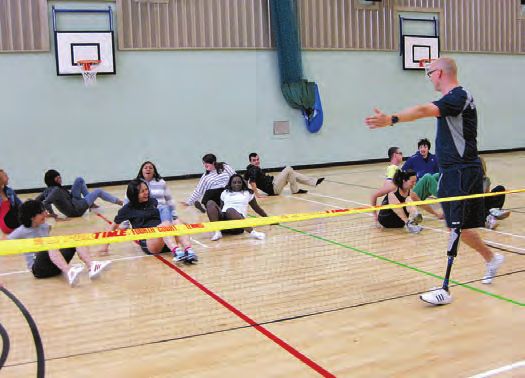
                                                           A group of Level 3 Hairdressing learners at North
be able to perform a car service within                    Hertfordshire College were given the task of                                                                           abilities and learning from that.
                                                                                                                        Benefits to learners are likely to include:
an hour or hour and a half. If this is                     designing hairstyles on the theme of ‘bonfire                                                                          Third year Electrical Engineering apprentice
taking, say 2 – 2½ hours, then it is down                  night’. They began with a demonstration of                   • building stronger relationships with other learners;
                                                           different styles and spent some time practising              • building collaboration between the tutor / trainer
to the Assessor to give constructive                       the techniques themselves. They researched                     and the learner;                                        Integrating skills competitions activity into
feedback to get the learner to the                         possible designs and approaches then designed                • identifying strengths and weaknesses;                   Apprenticeship programmes is in line with the concept
next level. Trying to put a bit of a                       and produced their own styles drawing on the                 • contributing to individual learning plans;              of expansive Apprenticeships, which aim to stretch
                                                           techniques developed earlier. Finally the learners           • developing wider networks in other colleges             learners to become rounded experts who contribute
competitive edge to the work, through                      conducted peer assessment using criteria agreed                and in industry;                                        to many areas of business success throughout
games, brings benefits.                                    earlier, evaluated the styles and said why they              • identifying a network of possible employers;            worthwhile careers. For more details see Creating and
                                                           thought one was the best.                                    • improving commitment and reliability;                   Supporting Expansive Apprenticeships (2010) and
Paul Dancer, Director of Transport and Engineering,                                                                     • better problem-solving skills;                          Towards Expansive Apprenticeships: A Commentary
North Warwickshire and Hinckley College                                                                                 • gaining experience in associated and wider skills       by the Teaching and Learning Research Programme
                                                                                                                          – eg some may need to get involved in purchasing        (2008) both by Alison Fuller and Lorna Unwin. The
                                                         Competitive activities can be powerful tools for                 materials.                                              combination of vocational excellence with the skills
Most people respond to challenges and competitions.
                                                         boosting confidence, developing high-level technical                                                                     required for work and life is important to employers.
The success of so many television programmes
                                                         competence and encouraging self-reliance. The                  Other substantive benefits are described in more
involving competition from music and dance to
                                                         enthusiasm of people who take part – learners,                 detail below.
commerce, cooking and crafts , is testament to this.
Further, the use of competitions and competitive         teaching staff and managers, is overwhelming.                                                                                There are a wider range of skills
games is an established strategy in teaching, training   We outline some of the benefits to learners, staff,                                                                      needed in addition to manufacturing
and learning. Embedding skills competition activity in   organisations and employers in the following pages.
                                                                                                                                                                                  skills. It’s not all about engineering
Apprenticeship programmes and vocational learning
capitalises on these approaches to enliven the                                                                                                                                    and finance; these are important skills
learning experience and motivate learners.                                                                                                                                        but managing customers and dealing
                                                                                                                                                                                  with problems are equally important.
                                                                                                                                                                                  Marketing is also important: most
                                                                                                                                                                                  people don’t understand this and the
                                                                                                                                                                                  effect it has. Engineers need a course
                                                                                                                                                                                  on business management, not just
                                                                                                                        Supports the all-round development                        financial management – although this
                                                                                                                        of learners                                               is important, it is only one part of the
                                                                                                                        Competition activity can both develop vocational skills   jigsaw.
                                                                                                                        to high levels of excellence and enhance capacity
    Apprentices in Motor Vehicle Engineering need to                                                                    in skills and attributes valued by employers such         Stephen Burrows, Milling Products Manager, AgieCharmilles
    be able to perform tasks in the workshop within a                                                                   as team work, prioritisation, time management,
    given time and to a high level of accuracy. Some                                                                    judgement and working under pressure. Alongside
    colleges build up these skills through a ‘pit-stop                                                                  other enrichment activities, such as enterprise
    challenge’, where teams compete to change wheels                                                                    education, work experience and cultural experiences,
    in the fastest time.                                                                                                skills competitions can contribute to setting clear and
                                                                                                                        stretching targets for learning and achievement.

6                                                                     Inspiring excellence | Skills competition guide   Inspiring excellence | Skills competition guide                                                                  7
2. Who gains what? Benefits of competition activity                                                                                                                                        2. Who gains what? Benefits of competition activity

Learners benefit from the extra mentoring associated      Young people engaged in Apprenticeships and                       Helps to achieve qualification goals                     Where relevant data has been collected and analysed,
with competition preparation, the feedback they           vocational learning will need to operate in a global                                                                       colleges found that all learners who had taken part
receive from industry experts and the extra tuition.      economy and may need to work abroad. Even those                   Competition activity can be used to contextualise the    in external competitions in the past few years had
Apprentices get the opportunity to work with              who stay within the UK need to understand and value               criteria for qualifications.                             achieved their qualification goals.
competitors from other companies. They can then           different cultures.
pass on these enhanced skills to peers and colleagues.                                                                                                                               Develops skills for employability
Involvement in competitions can be a powerful means           What the skills competitions linked                             At Newcastle College there are lots of
of growing a learner’s self-esteem and self-confidence.                                                                       cross-discipline competitions encompassing             Competition activity develops the generic skills that
                                                          to WorldSkills do is give you those                                 performance and self-presentation, which               are so important for employability. Young people
                                                          international benchmarks and many of                                provide a great way of drawing different               learn how to work in a competitive environment, how
                                                          our students will need to develop global                            types of performers together. Some of the              to cope with disappointment, to react quickly and to
                                                                                                                              criteria for competition work are embedded             prepare thoroughly.
                                                          careers. How better to do that than                                 in the performing arts curriculum and judging
                                                          to see what the potential is beyond                                 performance against criteria is key. The learners         If they are to compete in the market
                                                          that with which we are familiar in this                             learn how to meet the criteria for presentation,
                                                                                                                              time management, reliability, confidence and           place, they have to have the other skills.
                                                          country?                                                            group work.                                            In a job interview, nobody is going to
                                                          Marion Plant, Principal, North Warwickshire                                                                                say ‘talk to me about unit 9’ because
                                                          and Hinckley College                                                                                                       they are not interested in that. They
                                                                                                                                                                                     really want to know: what skills have
                                                          External competitions, including WorldSkills, provide
                                                          opportunities for students to meet learners from
                                                                                                                                                                                     you got? Show me what you can do.
                                                          other parts of the country and further afield, and gain                                                                    Who have you worked for? What have
                                                          experience of different cultural values.                                                                                   you done?’ So competition work is a
                                                                                                                                                                                     way to demonstrate real skills and also
                                                               You can adapt things you have                                                                                         a passion and hunger to learn more
                                                          learned [in competitions] to other                                                                                         and develop real talents and skills that
Competitors who do not win still gain. Several learners
commented on feeling nervous before a competition,        life situations. I met loads of people                                                                                     move students forward.
but learnt to cope with their nerves by focusing on the   from all the other countries – different
task before them. Pre-competition coaching by tutors      cultures and everything.                                                                                                   Ian Wynd, Quality & Performance Leader, North
is particularly helpful to young competitors in helping                                                                                                                              Warwickshire and Hinckley College
them deal with pressure and has value well beyond                                                                           Anecdotal evidence, along with data now
                                                          Level 2 learner, Floristry
the competition.                                                                                                            systematically collected and analysed by some of the
                                                                                                                            providers consulted, suggests the learners who take
                                                                                                                            part in competitions are more likely to complete their
                                                                                                                                                                                        The skills for competitions link to
    One disappointed learner soon realised the                                                                              courses and achieve their qualification goals.           those needed in work. The attitudes are
                                                             A computing student who won a Gold Award in
    experience had made him stronger and worked
                                                             IT at WorldSkills 2011 was asked to accompany                                                                           the same and can be developed from
    out how he could overcome his nerves to do
    better next time; another was able to analyse            his college principal to China. The experience                    One college has recorded data demonstrating           Level 1 Foundation students upwards.
    the winning entries to work out how she could            of going there was hugely positive for him as                     that between 2008 and October 2012 all 306
    improve her own work.                                    he was treated like a celebrity by the Chinese                    participants in vocational skills competitions        Angela Allan, Director of Projects and Partnerships,
                                                             students and talked to many of them about his                     achieved their main qualification goal.               Newcastle College
                                                             work.

8                                                                         Inspiring excellence | Skills competition guide   Inspiring excellence | Skills competition guide                                                                  9
2. Who gains what? Benefits of competition activity 2. Who gains what? Benefits of competition activity
Awakens inspiration and ambition It gives you the opportunity to learn External competitions provide Benefits to teachers and trainers
new things and push yourself just that opportunities for raising aspirations
Competitions open learners’ eyes to wider possibilities
in life and work. They can show what skills they will little bit further. and for students to meet other students Greater scope for creativity in teaching,
need to develop and to what level. from around the world – which is vital in training and learning techniques
2nd year Electrical Engineering Apprentice
terms of valuing diversity. Learners and Competition activity stretches teachers, trainers and
It teaches them to pay attention to
tutors involved come back buzzing and assessors as well as learners.
detail … when you are in competition Celebrating participation and success of competitors
gives recognition and encourages participation of this is infectious. It can have an effect
you have just a short time to read An interdisciplinary competition
their peers and younger learners. on raising standards.
the requirements of the job and was a fabulous experience for learners
understand them and do them. Then Many learners and apprentices in the Further Maggie Cawthorn, Director of Curriculum and Quality, and teachers. The theme was recycling,
Education and Skills sector have modest aspirations
you have to have the ability to pick and live in areas where employment prospects
Kendal College
which added a further ‘green’
out the important facts and disregard are mostly limited to jobs with low levels of skills. dimension, and there was a real buzz
everything else. Competition activity can be instrumental in increasing
Many of the teachers consulted noticed positive about the college. The competition
motivation, widening horizons and improving
changes in the behaviour of learners who took an also provided a vehicle for joint working
achievement.
Christine Vokins, Competitions Coordinator, interest in competitions – both the participants and
City of Bristol College the observers. between the two teaching teams (hair
and beauty) and between the two
Competitors can inspire and motivate, becoming role groups of learners. A new programme,
models for other learners, especially where the college It is fun for the learners. They gain
celebrates participation in competitions. Observing on hair and media make-up, will require
excellence can fire the desire to achieve similar so much confidence from involvement a similar cross-disciplinary approach.
standards; it is often a matter of honing skills through and get to meet like-minded learners
practice and trying different techniques.
from all over the country. Lorraine Gammon, Head of Creative Studies, Stephenson
College
Janet Smith, Deputy Principal, South Thames College
Many people with whom we consulted commented
that competition activity was great continuing
professional development (CPD) for staff – updating
and extending their subject specialist and pedagogical
skills and knowledge.
Increases motivation and enjoyment
Job satisfaction
Embedding competition activity in the Apprenticeship
programmes and vocational curriculum can motivate There is huge motivation and enjoyment in training
learners by making the curriculum more interesting learners to a standard that has the potential to
than strict adherence to the basic qualification change their lives.
structure – it’s a break from usual routine and more
exciting.
10 Inspiring excellence | Skills competition guide Inspiring excellence | Skills competition guide 11
2. Who gains what? Benefits of competition activity                                                                                                                                         2. Who gains what? Benefits of competition activity

   There is real motivation for staff                                                                                      Personal recognition and development                             It is quite clear that when learners
                                                              One Head of Department commented that
when their learners participate and                           competitive activities were particularly helpful for                                                                     enter competitions they become more
                                                                                                                           Staff get the opportunity to become competition
achieve success.                                              improving performance standards with learners                judges, coaches and training experts and showcase           used to that type of environment.
                                                              at Levels 2 and 3 because their next step is into            themselves in front of their peers and employers.           So they can take those skills to a
Andrew Beardall, Head of Student Engagement and               industry where there are time constraints.
Enrichment, South Thames College                                                                                                                                                       competitive job interview. It also
                                                                                                                               Staff involved in supporting learners
                                                                                                                                                                                       teaches them that the only way you are
Opportunities to benchmark and                                                                                             through competition are pleased to see
                                                                                                                                                                                       going to succeed in a competitive world
learn from others                                                                                                          their students develop their skills and
                                                                                                                                                                                       is if you prepare yourself properly.
                                                                                                                           do well in competition and being able
Competitions offer staff the opportunity to visit                                                                          to report on improvements and success                       Keith Ham, Curriculum Manager, Construction,
other training providers both within the UK and                                                                                                                                        City of Bristol College
internationally, and compare the standards expected                                                                        gives them a buzz.
in internal, regional, national and international
competition.
                                                                                                                           . Rob Higgins, Head of Department for Construction Crafts   Access to additional resources
                                                                                                                           and Multi-crafts, Highbury College

They report having been “bowled over” by the scale of                                                                                                                                  Successful competition enhances reputation, which
major WorldSkills competitions, and the levels of skills                                                                   Some colleges support staff to obtain coaching              brings in more learners, and more resources come with
on show. They are also able to see new and different                                                                       qualifications and use their coaching skills in a           more learners.
techniques on display.                                                                                                     cross-college capacity to support competitors in
                                                           Enhanced networking                                             different specialisms.                                      Colleges involved in hosting or even just participating
                                                                                                                                                                                       in competitions have been able to acquire state of the
    I think sometimes seeing is                            Teachers and trainers develop relationships beyond                                                                          art machinery at substantial discounts.
believing…too many of us are too busy                      their own organisations with staff and employers,               Benefits to Further Education and
inside our organisations and we don’t                      making contacts and developing communities of
                                                                                                                           Skills providers                                            There may also be opportunities to attract additional
                                                           practice with their peers in the same specialist areas.                                                                     funding or in-kind support from local employers or the
get out and look enough. It takes one                                                                                                                                                  European Social Fund (ESF).
trip to a national skills competition                          I feel that working with private                            Increased employability of learners
or indeed the privilege of going to                        training organisations and other                                “Giving learners the edge” – participation in
London WorldSkills and the minute you                      colleges sharing training techniques                            competitions is something learners can add to their
immerse yourself in that, it captures                      and resources has been very beneficial                          CVs and talk about.
you and you never look back.                               to both Newcastle College and the
Marion Plant, Principal, North Warwickshire and            other parties; we have all benefited
Hinckley College                                           from the skills that I and others have
                                                           delivered and shared with WorldSkills
                                                           and their stakeholders.
                                                           Rod Reed, Lecturer, Automotive Engineering,
                                                           Newcastle College

12                                                                       Inspiring excellence | Skills competition guide   Inspiring excellence | Skills competition guide                                                                  13
2. Who gains what? Benefits of competition activity                                                                                                                                   2. Who gains what? Benefits of competition activity

Supports the move from competence to                          It is really quite remarkable the                           The publicity associated with competition activity          Develops motivation and inspiration
                                                                                                                          can also contribute to improved perceptions of both
excellence                                                difference in the learners who have                                                                                     … both for the competitors and the
                                                                                                                          vocational learning and the provider organisation.
                                                          taken part in WorldSkills against those                                                                                 wider learner group. There is a lot
     Some colleges may see competitions
                                                          that haven’t and how much further                                                                                       of celebration of participation, so
as a gimmick to get your name in lights,
                                                          they have progressed in their unit.                               At Leeds College of Building, mini competitions       everyone in the college will be aware
but actually it’s not what it is about at                                                                                   that typically last half a day are held during        of it and there are posters highlighting
all. It’s about moving from the ordinary                  Joe Skelner, Lecturer, Computer Aided Engineering,                Open Days. These have attracted sponsorship
                                                          City of Bristol College                                           and are great for raising the profile of vocational   competition involvement and success
to the outstanding or excellent.
                                                                                                                            skills with parents, prospective students and         all around the college.
Peter Lavender, College Governor, North Warwickshire      Raises the profile of Apprenticeships and                         employers.
                                                                                                                                                                                  Andrew Beardall, Head of Student Engagement and
and Hinckley College                                      vocational learning                                                                                                     Enrichment, South Thames College
There can be a gap between striving for excellence        The impact of skills competitions in action and the             Marketing and promotional opportunities
in skills and performance and the requirements of         achievements of competitors can transform parents’                                                                      Improving links with schools and the wider
qualifications. Many providers of vocational learning     and learners’ views on the value of vocational learning         Involvement in competitions can raise the profile
and skills are concerned at the lack of differentiation                                                                   of the college or college department and enhance        community
                                                          and help them appreciate that vocational skills are
in some vocational qualifications, noting that:           not a second best to academic study. This could                 its reputation – at least one college we consulted
                                                                                                                          found they attracted more apprentices as a result.      Competitions can also develop links with local schools.
                                                          contribute to changing perceptions of vocational
                                                          learning and career choice.                                     Increasingly, Further Education colleges are using
    If you get a Level 3, that’s all you                                                                                  their involvement in competitions as part of their
                                                                                                                                                                                    Kendal College has successfully engaged
get; what about if you are capable                                                                                        marketing strategies and learners and staff involved
                                                                                                                                                                                    disaffected young learners from local schools
                                                                                                                          in competition events act as ambassadors for the
of a Level 4, 5 or 6 or what if you are                                                                                                                                             in an activity where the participants needed
                                                                                                                          college. Paticipating in competitions also raises the
capable of technical skills development                                                                                   profile of the college or provider with national and      to build a vehicle that was able to move across
                                                                                                                                                                                    ramps. The competition was judged according
that takes you to world class?                                                                                            local politicians. Taking part in competitions may
                                                                                                                                                                                    to several criteria, which meant that there were
                                                                                                                          lead to opportunities to host or even create new
                                                                                                                          competitions, thus raising the profile even more and      winners in several categories
Marion Plant, Principa,l North Warwickshire and
Hinckley College                                                                                                          improving links with employers.
                                                                                                                                                                                  There are many similar opportunities for engaging
                                                                                                                                                                                  in competitions with local schools and the wider
     Some colleges we consulted are looking at how            A learner in one college won a                                                                                      community.
     competitions could be embedded within units of       regional final in IT. His parents had no
     qualifications.                                      idea that he had such talent until his
                                                          father accompanied him to the regional
The vocational excellence exhibited in skills             final and then both parents to the
competitions can demonstrate what true excellence         regional celebration event. You could
means in a vocational context.
                                                          see the awe in their reaction to his
                                                          success.
                                                          Stella Mbubaegbu, Principal, Highbury College Portsmouth

14                                                                      Inspiring excellence | Skills competition guide   Inspiring excellence | Skills competition guide                                                              15
2. Who gains what? Benefits of competition activity                                                                                                                                    2. Who gains what? Benefits of competition activity

                                                             The infrastructure of the world                             As a country we also need to be aware of how our         Benefits to employers
     Newcastle College runs an annual competition                                                                        competitors are doing. The biennial WorldSkills
     that embraces equality and diversity. Each          rests on skills, and if we have                                 International competition, for example, involves 61
     curriculum area decides on a theme, following a     these high standards of skills, it’s                            member countries/regions and around 1000 learners        Better skilled trainees and prospective
     common brief but ensuring it is related to their    transformational. It’s about raising                            aged 18–23 from across the world competing for           employees
     curriculum and qualification objectives. This                                                                       medals in more than 40 different skills. Although
     year the brief included working with the local      standards of skills that the whole world                        compared with the resources and time invested by         Learners are more aware of leading-edge practice and
     community and raising awareness of equality         benefits from – and is infinitely more                          top-scoring countries like Korea and Switzerland,        more able to work to exacting standards.
     and diversity issues. The competition ends with     important than a sports competition.                            we still have some way to go, the performance of
     an event and an exhibition. Newcastle United                                                                        Team UK has greatly improved over the years. The             The increased capacity of tutors
     football club usually sends players to present      So, if we are about skills and we are                           Further Education and Skills sector has contributed
     prizes and ‘Show Racism the Red Card’ is            passionate about raising the standards                          significantly to Squad and Team selection and            and assessors, due to adopting
     represented. Key people are invited to be guest
                                                         of skills, it opens a whole new world of                        development, and provided facilities and training        WorldSkills standards of teaching
     speakers – Paralympian Stephen Miller made the                                                                      experts.
     keynote speech in 2012.                             benefits.                                                                                                                and high standards of assessing
                                                                                                                                                                                  and marking, result in better
                                                                                                                            In WorldSkills 2011, young learners from the UK,
                                                         Stella Mbubaegbu, Principal, Highbury College Portsmouth                                                                 trained apprentices and prospective
                                                                                                                            many of them apprentices, won five gold medals
Competitions can inspire younger learners to emulate                                                                        in skills from visual merchandising to bricklaying,   employees.
the learners at higher levels. They watch and rehearse
to try to reach the same standard.
                                                         International benchmarking and                                     silver medals in landscape gardening and
                                                                                                                                                                                  Rod Reed, Lecturer, Automotive Engineering,
                                                                                                                            autobody repair and bronze medals in skills from
                                                         experience                                                         refrigeration to car painting. They also achieved     Newcastle College
    Some simply enjoy participating                      Many providers refer to “being world class” in their
                                                                                                                            12 Medallions of Excellence. Behind the excellent
in ‘Have a go’ activities where they                     mission statement and strategic plan. Involvement in
                                                                                                                            performance of these young people lies a large
                                                                                                                                                                                      If you want these learners to go
                                                                                                                            squad of participants with outstanding skills,
can try out different experiences. It                    skills competition activity at local, regional, national
                                                                                                                            inspired by the chance to take part.                  on in the next five or so years from
                                                         and international levels provides examples against
makes it just a bit more motivating for                  which organisations, staff and learners can benchmark                                                                    being an employee to starting their
them. These activities have been very                    their performance.                                              Increasing participation in skills competitions among    own business, creating wealth and
popular.                                                                                                                 colleges and WBL providers could also contribute         employing people, the soft skills are
                                                                                                                         to increasing the pool of excellent UK competitors
Janet Smith, Deputy Principal, South Thames College                                                                      and encourage an ethos of striving for excellence        incredibly important. And if they don’t
                                                                                                                         throughout the Further Education and Skills sector.      understand that, the business will
                                                                                                                                                                                  probably fail more because of the lack
Developing the world-class skills that
                                                                                                                                                                                  of soft skills than because they are bad
underpin economic competitiveness
                                                                                                                                                                                  engineers. If they are bad engineers
The defining feature of Further Education and Skills                                                                                                                              they probably wouldn’t get to the stage
providers is their focus on developing the skills and
knowledge required in a world-class workforce. Skills
                                                                                                                                                                                  of forming a business anyway.
competitions show staff and learners what they could
be aiming for.                                                                                                                                                                    Stephen Burrows, Milling Product Manager, AgieCharmilles

16                                                                     Inspiring excellence | Skills competition guide   Inspiring excellence | Skills competition guide                                                                17
3. Skills competitions and
2. Who gains what? Benefits of competition activity
quality improvement
The SME employer of a learner who Embedding competition activity within the that the impact of competition activity should be
vocational curriculum provides a valuable lever assessed across the whole of each main CIF heading
got into Squad UK recognised that for self-assessment and quality improvement. The as appropriate to each provider.
the skills that were being performed embedded approach could contribute to improving
at that very high level improved the the performance of individuals, groups of learners, This section looks at the criteria Ofsted Inspectors use
their teachers and assessors, and organisations as a when making judgements about how well providers
performance and the reputation of whole. are meeting the needs of learners and suggests how
the company. WorldSkills exposure competition activity could contribute to evidence of
was something they were very proud However, competition activity must be seen as an effectiveness. The criteria are based on the revised
integral part of the provider’s quality improvement Common Inspection Framework 2012. The changes
to have and they took pride in the cycle, with direct reference to the self-assessment and of most relevance include the increased focus on
Some colleges offer extra tuition for their trainees at reputational benefit that it had brought improvement process. teaching, learning and assessment, more emphasis
on wider skills and outcomes for learners, and the
no cost if the employers provide time for the learners to them. effective use of learner, employer and stakeholder
to take part in competitions. The approach should lead to better
views for improvement.
Martin Shelton, Vice Principal, North Warwickshire and teaching and learning and as such can
Hinckley College
The principal of Leeds College of Building contribute to self-assessment for Ofsted Ofsted would expect to see quantitative data on
the impact of competition activity to support any
approached companies in the sector and inspection. However, the link needs to
proposed that the college would provide Improved business performance qualitative examples in self-assessment reports.
extra tuition for their trainees at no cost if the
be made clear. We have suggested some examples of the types
employers would provide time for the learners to Some employers are branching into new areas of of activity that may contribute to evidence of
business because their apprentices have done specific Nigel Leigh, Principal, Stephenson College effectiveness and quality, based on the information
take part in competitions. In addition, the college
marketing team would work with the employers training as part of preparation for competitions and obtained from the colleges with whom we consulted.
to maximise the publicity from the competitions brought new skills back to the company. However, examples need to be justified by the
for the company as well as the college. Both the Highbury College maintains a special systematic collection of data on achievement and
college and the employers have benefited from success of cohorts as well as individuals.
Some providers are finding that competitions file that is shown to the Inspectors
this arrangement. and is useful in supporting the judgements
employers are recognising the benefit made on the impact of the work. It details every Outcomes for learners
of competitions because there is a entry they have had, the results, the school
Enhanced company profile and marketing direct impact on business performance. they went to, the employer that they are with. Ofsted Inspectors will look for evidence that:
Every department has a ‘good practice’ file and
opportunities Their apprentices are developing the competitions form a major part of that file. • All learners achieve and make progress relative
Competition publicity has proved to be mutually
skills to develop the business and give to their starting points and learning goals
beneficial for the profiles and reputations of both the employers business ideas or suggest
companies and colleges. markets they have not yet explored. Skills competitions and the Common
Inspection Framework
It is useful to work in this way with Peter Lavender, College Governor, North Warwickshire and
Hinckley College
training managers in companies. It Skills competitions provide opportunities for
presenting evidence for Ofsted inspections and
builds links and relationships, and the self-assessment reports. Of course the competition
good publicity from competitions is activity needs to be seen alongside other aspects of
welcomed by the employers. the provider’s work and sit within a comprehensive
system for self-assessment and quality improvement.
We would expect, for example, that issues relating
Nigel Leigh, Principal, Stephenson College
to safeguarding would be properly addressed and
18 Inspiring excellence | Skills competition guide Inspiring excellence | Skills competition guide 193. Skills competition and quality improvement 3. Skills competition and quality improvement
Ofsted expects targets to be set and achievement Quality of teaching, learning and addressed: for example, induction activities could be
measured against starting points and learning goals. A group of South Thames students discussed adapted to provide a mechanism for spotting students
Encouraging skills development at a high level for their experiences of competition activity and the assessment with natural aptitude for the work or to identify areas
learners is the obvious desired outcome of judgement different ways they had benefited. One entered for particular improvement.
on ‘outcomes for learners’. Targets should be the WorldSkills competition in 2011 and got 2nd Ofsted Inspectors will look for evidence that:
monitored throughout the year and distance travelled place: the experience made him more efficient
measured. Many of the providers consulted were clear and conscious of time management because • Learners benefit from high expectations, At Kendal College, activities are undertaken
that learners involved in competitions achieved or he had two hours to complete the competition engagement, care, support and motivation from during induction week to encourage bonding and
exceeded their qualification aims. task. A learner who was not involved in the actual staff build confidence. These may involve group work
competitions but helped with organisation said, to overcome challenges, eg ‘trust’ challenges, or
Students have very high standards “Our task was to meet and greet everyone and to High expectations, care, support and motivation from may be vocationally based, eg making something
show off the skills our College has in creativity.” staff are key features of competition activity. The out of wood in carpentry. There are small prizes
of work and develop very good practical This young woman is now enthusiastic about self-assessment process could record examples of this for these competitions.
and work-related skills. Many students getting involved in competition in the future and report on the impact on learner performance.
win awards at regional and national herself.
Targets related to competition activity should be
Learners are prepared for national and international
competitions. competitions in a similar way to athletes preparing for part of overall review of progress for learners who
• Learners progress to courses leading to high-level competitions; they are advised on diet and participate in them or provide active support for
Ofsted Inspection Report, Highbury College 2011 higher-level qualifications and into jobs that competitors. It may be more difficult to establish the
lifestyle and how to perform under pressure.
meet local and national needs. benefit to all learners from the involvement of some
learners in higher level competitions but in many cases
Providers engaged in competition activity are Going to the WorldSkills competitions in London competitors are seen as role models by other learners.
In Hairdressing and Performing Arts cohorts
convinced that this stretches and extends the impressed one lecturer with the magnitude of
at North Hertfordshire College there has been
achievement of their learners and leads to the competitions and the levels of skills on show.
substantial year-on-year improvement in
employment in better jobs. He observed:
retention and success rates over the past five
years. They attribute this partly to involvement in One tutor observed that he typically would work
competition work. An ESOL learner from Latvia was having great
The learners involved in with all learners in the group: perhaps only three
out of 20 have the talent and desire to go further
difficulty in understanding the terms being competitions have an awesome in competition work, but the experience of these
• Learners develop personal, social and used on her Level 1 Hair and Beauty course. experience and this gives them students helps the rest.
She became involved in a competition and
employability skills
her motivation grew enormously. She won the
ambition to raise their standards.
Many of the learners with whom we consulted competition and has progressed to year 2.
Rod Reed, Lecturer, Automotive Engineering,
commented on the development of their Newcastle College
employability skills.
A South Thames College learner is keen to
• Staff initially assess learners’ starting points and
progress to university and do something similar
monitor their progress, set challenging tasks, and
to the competition work but at a higher level.
build on and extend learning for all learners.
This is perhaps where skills competition activity needs
further alignment with the Common Inspection
Framework. While challenging tasks may be set,
there may not be a direct relationship to the initial
assessment process, nor to progression through
individual learning plans. However, this could easily be
20 Inspiring excellence | Skills competition guide Inspiring excellence | Skills competition guide 213. Skills competition and quality improvement 3. Skills competition and quality improvement
• Learners understand how to improve as a result Effectiveness of leadership and • Providers improve teaching and learning through
of frequent, detailed and accurate feedback from rigorous performance management and
staff following assessment of their learning management appropriate professional development
One of the key features of competition activity is Ofsted Inspectors will look for evidence that:
being able to understand the extent to which learner
performance meets criteria for excellence. There is • Providers demonstrate an ambitious vision, have
generally a sustained emphasis on critical reviewing high expectations for what all learners can
of learners’ own work and comparing it with other achieve, and attain high standards of quality
competitors. and performance
Embedded approaches to competition activity need
strong leadership and a clear strategic direction.
The leaders of the organisations interviewed for this
guide demonstrated their commitment to excellence
in vocational learning and provided a facilitating The principal of Highbury College saw a clear
infrastructure to put this into practice. role for competition activity in changing the
once-pervasive local culture of low aspirations,
ambition and attainment and offering the
One of Leeds College of Building’s key strategic ladders of progression that young people need to
aims is to become an outstanding college, and raise their ambition. She observed,
the principal sees competitions activity as a
contributor to this.
In the last inspection,
The culture of North Warwickshire and Hinckley
College is one of ambition and aspiration
Inspectors said that the college’s
Competitions are great for looking Competition work demands discipline and working at
and the principal believes this is enhanced by culture of high expectations very high levels of skills and accuracy. For the learners
at other people’s work, being inspired whole-college engagement in skills competitions. permeates everything. We expect and tutors who take part, and for the learners and
by it and also inspiring other people. students to enter competitions. others who see the competitions, it provides examples
of vocational excellence.
That’s what I like doing, seeing my Many senior managers see competition activity as We expect people to want to be
ideas being brought to life. It all starts a way of overcoming the low aspirations and lack the best. Providers should routinely include competition activity
of self-esteem that are common in some areas of
in your head or on a piece of paper deprivation. Some have developed 10-year plans to
within their review of the learner journey,
then you start building it up from there. incorporate competition activity designed to provide However, involvement in competition activity must
So it’s creative. world-class provision and training. be a visible focus within a range of strategies for At North Warwickshire and Hinckley College the
improvement and achieving excellence. five quality and performance leaders examine
2nd year Floristry learner the learner journey by following the experience
of individual learners; including some of the
Leeds College of Building has a long history of learners who have taken part in higher level
entering competitions and students have won competitions. As a result they have reports of
many medals and awards, including gold medals learners’ views on competition work and how
at WorldSkills. The principal made a point of they have benefited.
showing how competition work was instrumental
in setting challenging targets for learners during
their Ofsted Inspection.
22 Inspiring excellence | Skills competition guide Inspiring excellence | Skills competition guide 234. What are the potential
3. Skills competition and quality improvement
objections? Allaying concerns
Embedded approaches to skills competition Some of the more pressing objections voiced against Many of the colleges visited had a designated
activity should also be routinely included in lesson competitions are outlined below along with possible coordinator or manager for the competition activity.
observations: solutions used by the colleges we consulted. Having systems to coordinate the extra administration
and planning required for more formal competition
Some of the best lessons I have “Staff will be involved in a lot of activity can also relieve the pressure on teaching staff.
seen as an observer have included extra work”
competitions. One I observed just One college has a competitions manager, who
drives the competitions across the college, and
recently was a Grade 1 lesson in beauty Embedding skills competition activity into
A major concern for some staff is that they will be
competition coordinators for every curriculum
required to do a lot of extra, unpaid work. Some
therapy. It was a theory class but there Apprenticeship programmes and the wider curriculum involvement in competition activities may be area. These staff have reduced teaching loads,
was a competition at the end as to must be done coherently to ensure that the activity additional to normal duties, but a great deal can be which enables them to provide additional tuition
is relevant and contributes to individual learning accomplished within the normal curriculum delivery above that provided for NVQ Levels 2 and 3.
who had retained the most knowledge plans and targets. All the providers consulted saw a process with some planning and imaginative teaching,
and understanding and it was just clear relationship between motivating and stretching training and learning strategies:
brilliant. So it’s not just about external learners and competition activity, but it is important
competitions; it’s about curriculum and
that the evidence supporting this view is credible and Having a thread relating to “Some learners are uncomfortable
recorded systematically.
how teaching and learning is enhanced competition activity within the about competing”
by competitions. curriculum and its delivery is not
The quality manager at Kendal College noted Tutors need to be sensitive to learners who find
that Inspectors would need to see standards
necessarily about doing extra. Many competition uncomfortable, and ready to provide
Jackie Page, Director the Skilled and Talented Academy and
being set and the level of achievement raised, aspects of the learners’ programmes support. The learners should be introduced to the
Head of Centre for Workbased Learning, Highbury College concept gradually and taught to cope with the
and evidence that competitions contribute to can be delivered or enhanced by
raising standards. Evidence of ‘distance travelled’ pressure and learn from their performance.
Some colleges link continuing professional was seen as key alongside inclusive activities.
internal competitions and by classroom
development (CPD) activities to the competition work, or workshop activity. Setting up an When learners first start they
seeing it as a valuable way of updating staff and assignment or activity may take some are often very apprehensive about
making their teaching more relevant. In some cases,
the staff are taking coaching awards , enhancing
Skills competitions provide a natural platform for time initially but it may make the job peer assessment and don’t want to
meeting the needs of the local community in the
their ability to coach and mentor their colleagues and development of a world-class workforce but they also easier in the longer term as learners’ judge one another, but it’s done in a
competitors. motivation and skills increase.
require the full support of apprentices’ employers. non-threatening, anonymous way. They
Even then it may require learners to put in extra time
in evenings and at weekends. Nigel Leigh, Principal, Stephenson College
write their number (for the assessment)
A hairdressing manager in one college is on a piece of paper, fold it and all the
planning to take a coaching qualification
and is already coaching competitors in other One apprentice who got through to On a practical level, for example, remission or rewards papers get put into a pile and are then
may be negotiated. opened up and counted. It’s all done
curriculum areas. For example, she is working higher levels of skills competitions did
with a construction learner to prepare him for a
competition. extra work in his own time. The employer in a very sensitive way and the tutor
Some colleges have set aside resources for an
in this particular case is a former student Innovation Fund, which is one of the key drivers of avoids any ‘preferential’ or negative
of the college and sees the benefit of curriculum and competition development. Tutors types of judgements.
• Providers successfully plan, establish and can access the funds through a bidding process
manage the curriculum and learning involvement in competitions. and use the money to develop a curriculum idea or Rachel Hopkins, Hairdressing Lecturer and Coach, North
programmes to meet the needs and interests of support competitions within teaching, training and Warwickshire and Hinckley College
learners, employers and the local and national Lorraine Gammon, Head of Creative Studies,
learning.
Stephenson College
community
24 Inspiring excellence | Skills competition guide Inspiring excellence | Skills competition guide 254. What are the potential objections? Allaying concerns 4. What are the potential objections? Allaying concerns
If this support is provided, learners who lack working relationships now works very closely with Even if people go to a competition
confidence often find competition activity particularly Some vocational areas routinely incorporate us. The company also provides free training to the
rewarding. competition activity within their courses. Kendal learners and me, and has also donated thousands of and mess it up they still get something
College Hair and Beauty, for example, run lots of pounds worth of equipment and consumables.” out of it and may be able to improve
Two Level 3 BTEC IT Systems Support learners competitions and select a ‘student of the month’. next time. Loads of other students,
who entered a WorldSkills UK competition said
how much they enjoyed it and felt they gained
especially younger ones, ask me
a lot of confidence: “It gave us a real insight about competitions because they are
on what we had to do because it was our first interested in them. I always tell them to
competition and we didn’t really know what we
were meant to do. This year we are going to go
just do it because the amount of stuff
again and hopefully we will get better results.” you get out of it is just amazing.
One added: “I used to be shy and didn’t talk a lot.
Now I feel free to talk to new people.” Hairdressing learner
Learners involved in this research observed that, far
“Teachers focus more on from being envious of successful competitors, their
competitions than on the peers are supportive:
“Competitions are elitist and
qualification”
damaging” I suppose people not involved in the
Clearly, it is important not to take the focus away
Some may view the use of competitions as elitist or competition might get upset or jealous,
from learning that leads to the learner achieving their
qualification. even potentially damaging to learners who do not but I’ve never found this. Most people
succeed. In informal and formal competition activity are happy and say I have inspired
tutors need to develop learners’ capacity to learn from
However, competition is part of life “Competitions cost a lot: this is their mistakes and critically evaluate what they need them and helped to give them more
and learners need to be prepared for it. spending money on the few” to do to improve and succeed. Involving teams can confidence.
Where possible, tutors should look for also help to secure an inclusive approach as long as
The range and volume of competition activity need the competitive ethos does not lead to disagreements Floristry learner
naturally occurring opportunities to use to be matched to the available budget. Informal and schisms within groups of learners. This can be
competition activity in the curriculum. use of competition activity as a teaching, training counterbalanced by an overall culture of support and
In general, most pitfalls can be avoided by ensuring that
If competition activity is embedded in and learning tool should not require extra budget collaboration.
the overall values of the college – inclusivity, striving
and can benefit all learners. Competition activity at
the curriculum teachers will value what higher levels does require more coaching, practice and Some of the colleges we consulted were running
for excellence, equal opportunities – are inherent in the
approach. Specifically, senior managers need to:
happens naturally and the activity will equipment but some providers may fund this partly competitions for Foundation Level learners – like the
from existing resources if they judge it to be a good Footsteps to the Future competition initiated by North
be a real preparation for life. way of achieving better results. Others proactively
• emphasise that taking part and learning from the
Warwickshire and Hinckley College. NATSPEC, the
experience – not just winning – is the important
Maggie Cawthorn, Director of Curriculum and Quality, seek extra sources of funding or support, notably from association for independent specialist colleges that
thing
Kendal College employers. provide further education for students with learning
• ensure that staff and learners understand that
difficulties and/or disabilities, also promotes skills
taking part in competitions is not compulsory
Some teachers may use approaches where teams Rod Reed, Automotive Lecturer, Newcastle College, competitions.
• ensure that there is an inclusive approach to
develop questions for each other – perhaps on some noted the benefits of forming a strong working
competition activity and it is accessible to all
aspects of their course. This helps both teams to relationship with a company through training In many cases, competitors are simply glad to be
• ensure that the competitions are fair.
reflect on learning as the people asking the questions apprentices and competition work: “One of the involved in competitions and value the experience:
also need to know the answers. businesses with whom I have already forged strong
26 Inspiring excellence | Skills competition guide Inspiring excellence | Skills competition guide 275. Developing and embedding
competition activity
This section outlines the key features of three models of embedding competitions activity that are typical of Committed but not embedded Competition work is run by
different approaches found in Further Education and Skills provider organisations. In practice, no competition work
may be undertaken in some organisations or a mix of all models may also be found in a single organisation. There is commitment from some of the senior
enthusiasts
managers but little formal coordination and support:
There are some staff who are very committed to
Totally embedded and well • There is a realistic budget for skills competition
• Commitment from principal/chief executive is
competitions, especially those at national and
activity, delegated to appropriate managers. international level, but without their commitment
established • Competition activity is planned and formal
intermittent.
there would be no competition activity.
• There is limited awareness of the value of
competition work is aligned with major
This is an ideal stage of development and would have competitive activities and their potential
competition cycles, such as WorldSkills. • Competitions are brought to the attention of
developed over some time. contribution to quality improvement and teaching,
• There is a coordinator for formal competition the principal/chief executive just before a major
training and learning – and governors are not
activity who oversees a calendar of events and competition or if a team or individual has been
• There is leadership and active commitment from aware of the activity.
makes practical arrangements, eg for travel and successful.
the chief executive and governors. • The college is committed to providing skills for
accommodation. • The enthusiasts spot likely winners and coach them
• Competition activity is a regular agenda item employability and developing entrepreneurship in
• All vocational areas have a Skills Champion, who exclusively in their own time.
on governing body, senior management team and learners.
looks for opportunities for skills competitions. • Competition commitments often get in the way of
departmental meetings. • Big wins are celebrated but opportunities for
• There is an established process for capitalising on routine duties.
• Performance in competitions is used to inform the publicity are not capitalised on.
publicity relating to competitions. • There is no budget for competition activity and
organisation’s benchmarking processes. • There is commitment to competition work in some
• Participation in competitions by both learners and funds are sought on a ‘special case’ basis.
• Quality improvement and self-assessment policy documents but it does not run through all
staff is encouraged. • There is little dissemination of the practice
processes explicitly include competition activity. documentation.
• Participation and success are celebrated across the developed through competition activity.
• Staff development and training are linked to • There is some scepticism among senior team and
organisation. • When an enthusiastic member of staff leaves all
competition activity both for the development of staff who find it hard to prioritise competition
• Evidence of the impact of competition activity competition activity in that area ceases.
vocational specialisms and pedagogical expertise. activity.
on learner performance is routinely collected and
• Support of employers is actively sought for both • Evidence of the impact of competition activity on
analysed to identify trends and areas to improve. For a step-by-step guide to developing a model
the apprentices involved in competitions and for learner performance is not routinely collected.
• Extra tuition is provided for learners who wish to appropriate to your organisation, see section 6, which
sponsorship of the activity. • Staff are deterred from running competitions by
extend their skills. follows.
• Competition activity is inclusive and is a feature of the lack of a coordinator because they have to
• Competition activity is seen as a part of curriculum
all learning programmes for young people. make all the arrangements.
enrichment.
• Commitment to skills competition activity is • There is a small budget for competition activity but
• There is cross-fertilisation of practice across
visible in mission and strategic plan, all relevant the system for gaining access to it is not clear.
vocational areas.
policy documents and schemes of work, as well as
in promotional literature for learners, employers
and the community.
28 Inspiring excellence | Skills competition guide Inspiring excellence | Skills competition guide 29You can also read


