Internal Medicine Residency Program 2020 -2021 - Our mission: To Serve. To Heal. To Educate - CooperHealth.edu
←
→
Page content transcription
If your browser does not render page correctly, please read the page content below

2020- 2021
Internal Medicine
Residency Program
Our mission:
To Serve.
To Heal.
To Educate.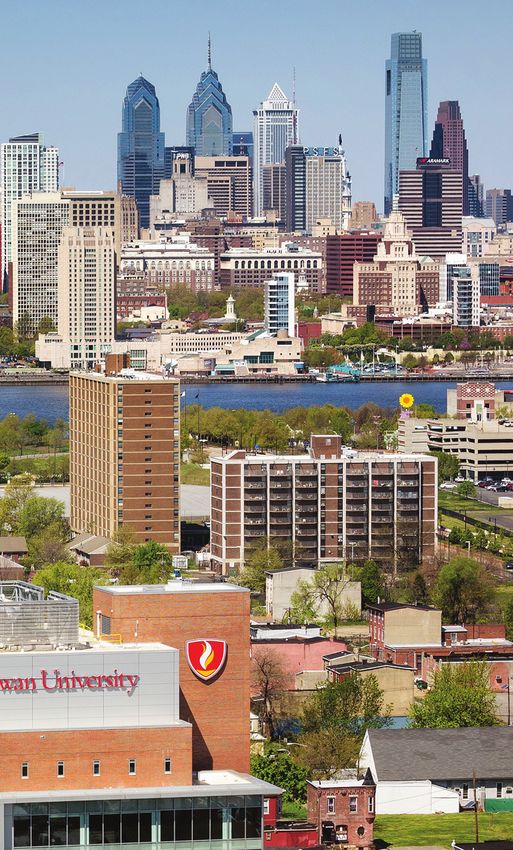
Directors:
                                     Program Director:
                             Brian P. Gable, MD, FACP
                              Program Director, Primary Care:
                                   Jenny Melli, MD
                         Associate Program Directors, Core Faculty:
                           Elizabeth Cerceo, MD, FACP
                                Alexandra Lane, MD
                                  Jenny Melli, MD
                                 Rachel Nash, MD
                             Charlotte Nussbaum, MD
                                  Ritesh Patel, MD
                                Additional Core Faculty:
                                 Director of Patient Safety:
                                Jinyu (Byron) Lu, MD
                               Director of Resident Research:

  Our mission:                    Satyajeet Roy, MD
                         Assistant Program Director of Primary Care
                               and Director of Resident Clinic:
                                 Alexandra Lane, MD
To serve. To heal.            Designated Institutional Official:
                     Antoinette Spevetz, MD, FCCM, FACP

   To educate.             Chairman of Department of Medicine:
                          Stephen W. Trzeciak, MD, MPH

                                       Contact:
                     Internal Medicine Residency Program Coordinators:
                                    Laura Chropka
                                     Terry Mortka
                                           Phone:
                      856.342.2000 x 1009640 or 1009646
                              Student Education Coordinator:
                                 Betty Ann Girouard
                                           Phone:
                                     856.757.7842
                                           Email:
                       CooperIMProgram @ cooperhealth.edu
                                          Website:
                           cooperhealth.edu/residencies/
                                internal-medicine
                                          Address:
                          Cooper University Health Care
                      Internal Medicine Education Programs
                         Education and Research Building
                          401 Haddon Avenue, 3rd Floor
                                Camden, NJ 08103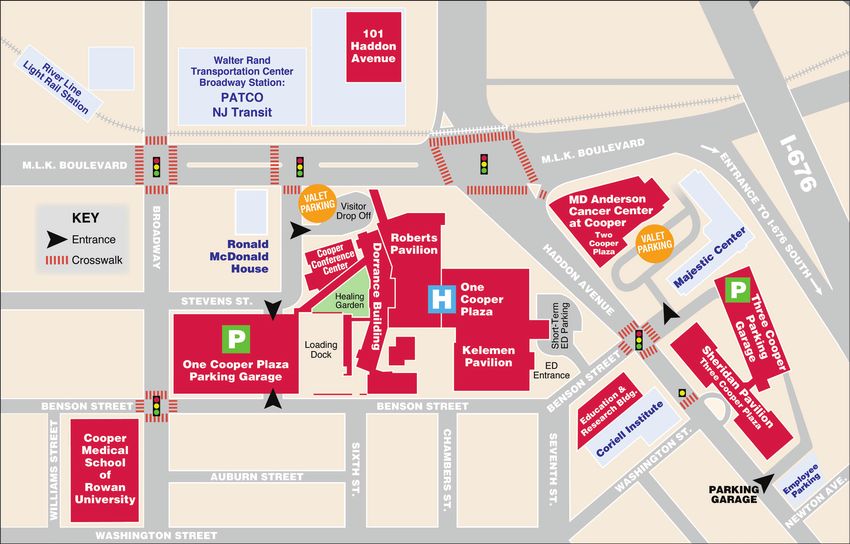
Welcome

                                 The Internal Medicine Residency Program at Cooper Medical School of Rowan University
                                 and Cooper University Hospital is dedicated to facilitating the development of well-rounded
                                 physicians and ensuring that each individual realizes his or her potential. The journey from
                                 novice to expert begins with our commitment to achieving excellence in medical education.
                                 We realize that residents are mature, self-directed learners and we actively engage them in the
                                 development and implementation of our curriculum that focuses on the four pillars of medicine:
                                 the science of medicine, the art of medicine, the evidence of medicine, and the business of
                                 medicine. Our curriculum utilizes innovative pedagogical techniques that emphasize active
                                 learning during our many diverse conferences, clinical experiences, and simulation scenarios.
                             Although we make it a priority to provide an exceptional didactic experience, we realize
that medicine must be learned at the bedside. The diversity of patients and the scope of pathophysiological disease
processes that residents encounter on a daily basis are impressive. Our residency provides exceptional experiential
learning in a wide variety of clinical environments where residents apply evidence-based medicine under the tutelage
of world-renowned faculty. We pride ourselves on not only creating knowledgeable physicians, but also on instructing
our residents on how to think and act as professionals. Here at Cooper we emphasize the importance of bedside
diagnosis by facilitating the development of strong analytical clinical reasoning and physical examination skills.

What makes Cooper a great place to train?
Cooper University Health Care (CUHC) is the only academic tertiary care center located in southern New Jersey.
As such, other hospitals in the region refer their most complex patients to our exceptional full-time faculty in all
subspecialties of Internal Medicine. We have the privilege to treat diverse urban, suburban, and rural populations
from different socioeconomic and cultural backgrounds.
Our clinical campus is renowned for its world class ICU, Level 1 Trauma Center, and cardiac center of excellence, in
addition to its exceptional inpatient and ambulatory care. MD Anderson Cancer Center at Cooper has revolutionized
how we care for patients afflicted with neoplastic disease. In August 2012, we welcomed the inaugural class to Cooper
Medical School of Rowan University (CMSRU), a four year allopathic medical school that is committed to training the
physicians of tomorrow in an innovative and supportive manner. Since then, the Internal Medicine Residency Program
has worked closely with the students as teachers and colleagues, and celebrated the graduations of multiple classes.
Residents at Cooper benefit from a fully integrated, electronic medical records system, EPIC, that has led to safer and
more efficient care in all clinical environments. In addition, all scheduling information and audio-video recordings of our
conference series are available electronically to residents so that they may access the material remotely via smartphone
or computer at their convenience.
The Internal Medicine Residency Program at Cooper is firmly committed to maximizing our residents’ quality of life and the
4+1” structure allows for protection from fatigue and more time to enjoy the things that matter most to residents outside of
medicine. Cooper’s location offers something for everyone. We are minutes away from Philadelphia, and an easy commute
using readily accessible public transportation. If you prefer a suburban environment, many are a short drive away.
If you are interested in a cutting edge program with a unique approach to providing exceptional clinical training and
maintaining an excellent quality of life, Cooper is the place for you. I invite you to take the time to explore our program.

Brian P. Gable, MD, FACP
Program Director, Internal Medicine Residency Program
Cooper University Health Care
Assistant Professor of Medicine,
Cooper Medical School of Rowan University

                                                                  2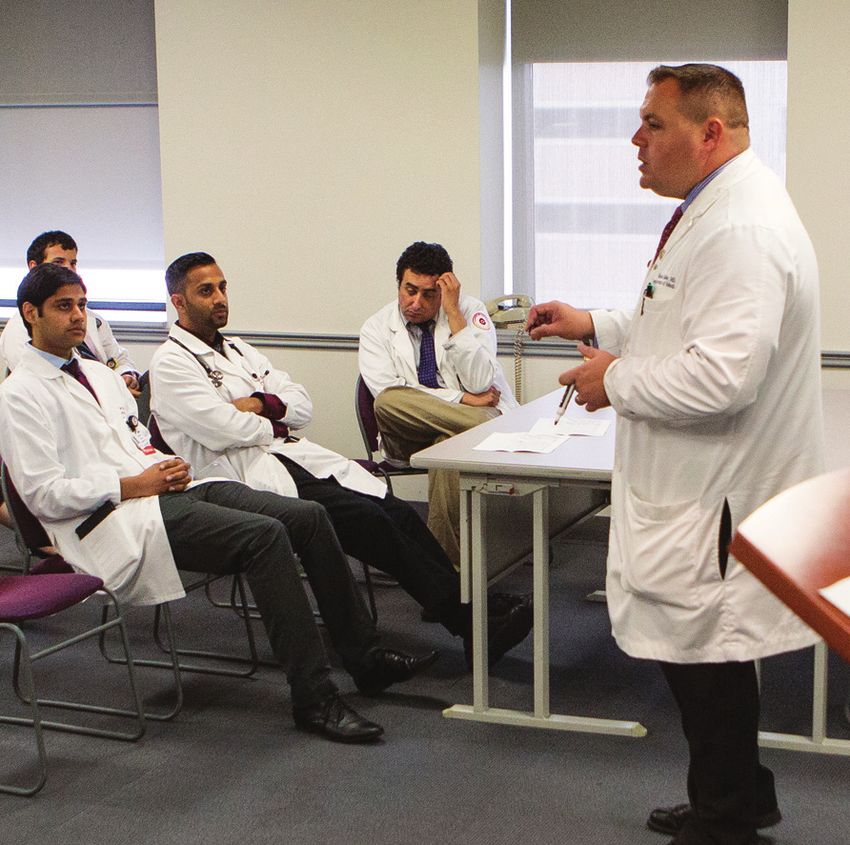
Internal Medicine Residency Program Overview

                   The Internal Medicine Residency Program at Cooper currently consists of
                   more than 70 residents. There are 19 PGY-1 positions:
                      · 16 Categorical positions
                      · 2 Primary Care track positions
                      · 1 Preliminary year position

                   We have a rolling admissions system and adhere strictly to all ACGME
                   rules and regulations. The NRMP match numbers for these programs are:
                      · Categorical:          138014OCO
                      · Primary Care:         138014OMO
                      · Preliminary:          138014OPO

                   Cooper University Health Care offers extensive subspecialty training with
                   the following established fellowships:
                      · Cardiology
                      · Clinical Cardiac Electrophysiology
                      · Critical Care Medicine
                      · Endocrinology
                      · Gastroenterology
                      · Hematology and Medical-Oncology
                      · Infectious Diseases
                      · Interventional Cardiology
                      · Interventional Pulmonology
                      · Nephrology
                      · Hospice and Pallative Medicine
                      · Pulmonary Disease and Critical Care Medicine
                      · Interventional Pulmonology
                      · Rheumatology

                                       3
                                           to serve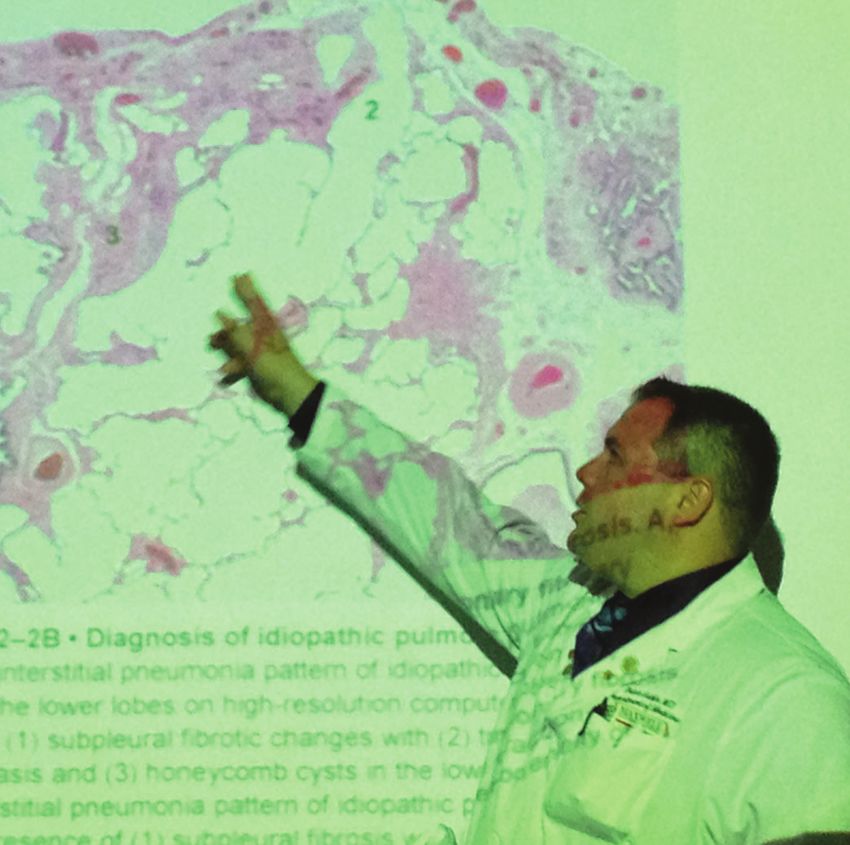
Educational Experience

                      Categorical Program
                      The Internal Medicine Residency Program offers a professionally tailored
                      educational experience. In our Categorical Program, residents are exposed
                      to a variety of clinical experiences to become well-rounded physicians and
                      are given progressive and increasing medical responsibilities through the
                      course of their three years of training. Our program prepares residents
                      well for subspecialty training or primary care practice in the inpatient or
                      ambulatory settings. Once a career path is established, residents have great
                      flexibility in developing a curriculum centered around their career aspirations.
                      Residents are offered their choice of electives every year to encourage them
                      to explore different specialties in and outside of Internal Medicine. Cooper
                      also encourages residents to apply for an outside elective during their PGY 2
                      and 3 years. In addition, our Global Health Elective allows two of our senior
                      residents to travel to Ghana to serve patients in a rural setting.
                      Cooper also offers a Primary Care Track for two residents per year who are
                      interested in a schedule that emphasizes outpatient, community-based,
                      academic medicine.

                      Sample Schedule
                      PGY-1                                      PGY-3

                       2.5 months    Medical Teaching Service     2 months     Medical Teaching Service
                       2.5 months    Ambulatory Medicine          2.5 months   Ambulatory Medicine

                       2.5 months    Electives, Subspecialties    2 months     Electives, Subspecialties

                       1 month       Night Medicine               1 month      Emergency Medicine

                       1 month       CCU                          1 month      ICU or CCU

                       1 month       ICU                          0.5 months	Geriatric Medicine

                                                                  1 month      Vacation and Holiday Week
                       0.5 months	Cardiology Progressive
                                   Care Unit (PCU)                1 month      Emergency Medicine

                       1 month       Vacation and Holiday Week    1 month      Addiction Medicine

                      PGY-2

                       3 months      Medical Teaching Services

                       2.5 months    Ambulatory Medicine

                       2.5 months    Electives, Subspecialties

                       1.5 months    CCU or ICU

                       1 month       Night Medicine

                       0.5 months    Oncology Teaching Service

                       1 month       Vacation and Holiday Week
   CooperHealth.edu

                                           4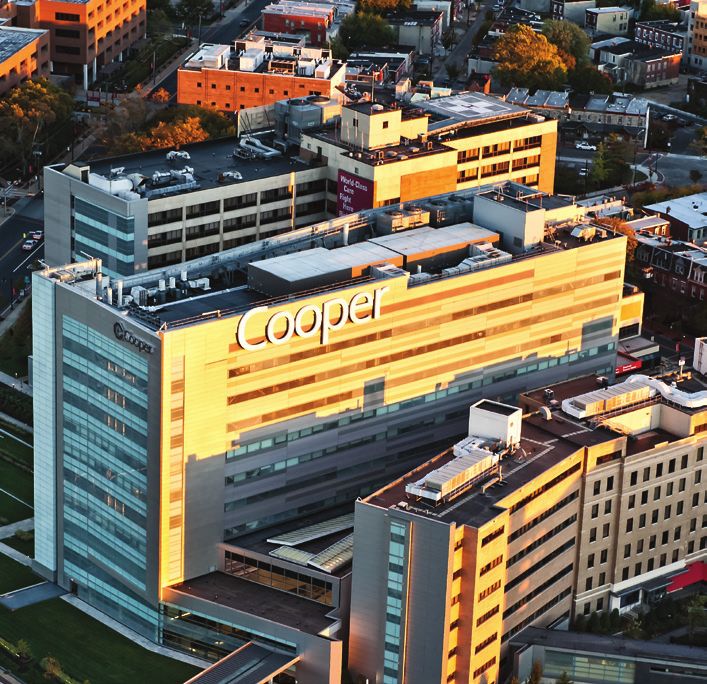
Educational Experience       continued

                      Primary Care Track
                      The Cooper University Internal Medicine Residency Program began through
                      funding with a $1.92 million grant from the Health Resources and Services
                      Administration to conduct a Primary Care Track. Two positions are open for
                      applications each year.
                      Like the standard Categorical Track, this is a three-year Internal Medicine
                      Residency and graduates are ABIM board-eligible in Internal Medicine at the
                      end of their training. Residents in the Primary Care Track are considered part of
                      the Internal Medicine Residency Program but have a schedule that emphasizes
                      outpatient, community-based academic medicine. In this track a resident will
                      spend significantly more time on chronic care, palliative care, ambulatory
                      Internal Medicine, and ambulatory subspecialty rotations.
                      For FAQ, please visit www.cooperhealth.edu/residencies/internal-medicine/
                      primary-care-track.

                      Medicine Preliminary Year
                      One preliminary year position in medicine is offered this year. The block
                      schedules are geared toward providing preliminary residents with an excellent
                      global Internal Medicine experience while maintaining flexibility so that they
                      are able to complete preferred rotations for their eventual career goals.

                      Preliminary Medicine-Sample Schedule
                       4.0 months   Electives/Subspecialties

                       2.5 months   Medical Teaching Service

                       1.5 months   Night Medicine

                       1.5 month    ICU

                       1 month      CCU

                       0.5 months   Cardiology Teaching Service

                       1 month      Vacation and Holiday Week

                      Anesthesia Transitional Year
                      We now have four positions dedicated to an Anesthesia Transitional Year.
                      Transitional year residents rotate on our Medical Teaching Services, ICU
                      and Night Medicine Services. Visit www.cooperhealth.edu/residencies/
                      anesthesiology to apply.

                      Neurology Preliminary Year
                      We have three Neurology Preliminary Year positions available. Residents that
                      match into Cooper’s Neurology program will complete a preliminary year
                      identical to the Medicine Preliminary Year, then complete their additional three
   CooperHealth.edu
                      years of Neurology training. Visit www.cooperhealth.edu/residencies/neurology
                      to apply.

                                          5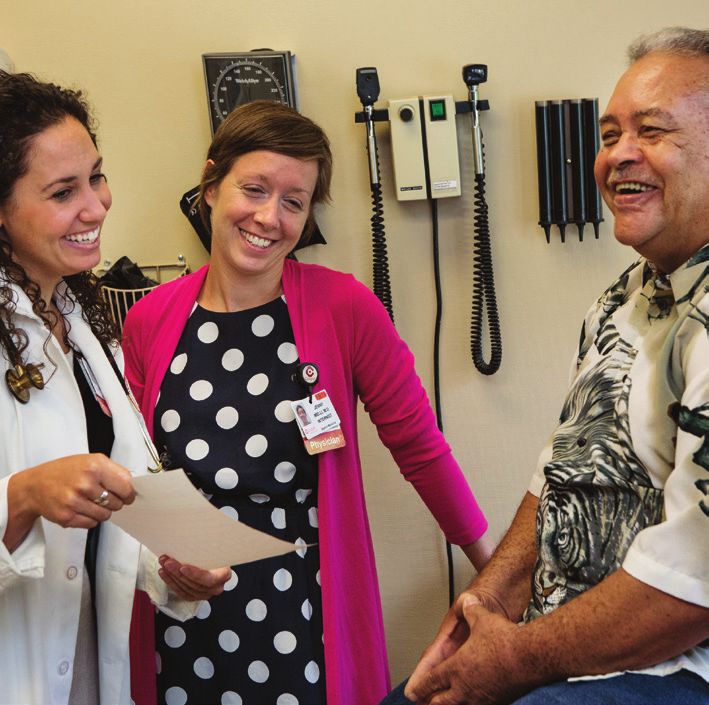
Educational Experience              continued

                             The 4+1 Schedule
                             Residents in our program are assigned to one of five resident cohorts (Cohorts
                             1-5) that consist of 10 to 12 residents who vary in their year of training. Each
                             cohort is headed by a senior Co-Chief Resident. The academic year is divided
                             into 10 five-week blocks. Four weeks of each block are devoted to traditional
                             Internal Medicine clinical rotations such as the inpatient Medical Teaching
                             Service, ICU, CCU, night medicine, elective, etc. During these experiences,
                             residents do not partake in the continuity clinic, allowing for greater immersion
                             and continuity on these services, which enhances education and patient care.

                             Ambulatory Experience
                             Within the 4+1 schedule, every fifth week is protected ambulatory training
                             time where six to seven half-day sessions are dedicated outpatient continuity
                             clinic experiences. The remaining sessions are dedicated to suburban clinic,
                             didactic sessions, and completion of a cohort quality improvement project
                             and simulation experiences. Having dedicated time devoted to the outpatient
                             setting allows for improved continuity of care and the development of a group
                             practice environment.
                             In addition, the 4+1 schedule allows for preservation of resident autonomy,
   “If you are interested    providing minimal interruption during resident inpatient and outpatient
                             rotations and promoting true immersion into each clinical training
 in a cutting edge program
                             environment. To improve quality of care and patient satisfaction, we have
  with a unique approach     created practice groups that include residents from each cohort. This ensures
                             that patient issues may be addressed by a limited number of physicians
  to providing exceptional   who will promote teamwork and improve the continuity of care within the
                             ambulatory practice.
    clinical training and
                             Each resident spends the majority of their sessions in a designated primary
                             site, the three primary sites are: The Resident Clinic at Three Cooper Plaza in
  maintaining an excellent
                             Camden, Cooper Internal Medicine Office in Gloucester, NJ, and The Camden
   quality of life, Cooper   VA Primary Care Clinic. In addition to their primary site, residents also have a
                             2-3 half sessions in a suburban clinic with attending supervision. There are also
   is the place for you.”    opportunities for residents to have a half session practicing in the HIV clinic or
                             home nursing visits.
                             Finally, to enhance the educational experience of our residents, we have
                             created a half-day didactic session that occurs every Tuesday afternoon
                             each ambulatory week that is specifically devoted to pertinent topics in
                             outpatient medicine. These sessions are run by our Resident Clinic Director,
                             Dr. Alexandra Lane, to further augment our outpatient curriculum. During
                             our Tuesday afternoon sessions, residents discuss updates to the group’s
                             resident-run Quality Improvement (QI) project. The QI curriculum enables
                             residents to collaborate with members of their cohort as well as other divisions
                             to create and carry out their own projects. This year- long curriculum includes
                             formulating a project as a cohort, assigning individual tasks, and collaborating

                                               6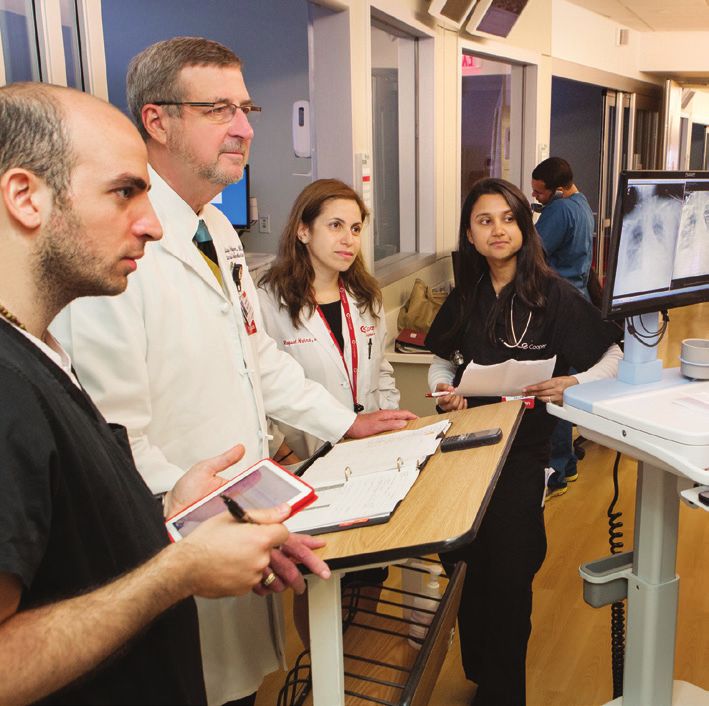
Educational Experience                   continued

                               with physicians from other specialties. It culminates with a poster presentation
                               at the annual Camden Scholars’ Forum Poster Contest. The Tuesday afternoon
                               didactic session ends with use of the SIM center to simulate advanced
                               diagnostic and emergent cases. Our Chief Residents and PGY-3 senior
                               residents are directly responsible for creating the simulation cases, as well as
                               running the cases and providing teaching and feedback afterwards.

                               Sample Ambulatory Week Schedule
                                              Monday            Tuesday         Wednesday           Thursday            Friday

                                 A.M.          Primary          Suburban          Suburban          Telephone           Primary
                                                Clinic            Clinic             Clinic          Medicine            Clinic
                                                 Site                                                (Admin)              Site

                                  P.M.         Primary          Didactics/          Primary          Suburban
                                                Clinic           SIM/QI              Clinic            Clinic        PrimaryClinic
                                                 Site                                Site*                               Site

                               *This session is used for an additional Primary Care Didactics specifically for Primary Care
 Experience teaching rounds,     Residents conducted by the Primary Care PD, Dr. Jenny Melli.

     learn online digital
                               Medical Teaching Service
    imaging, work among        The Medical Teaching Service is where residents learn the core of inpatient
                               medicine and treatment. Each inpatient team consists of a teaching
  world-renowned faculty.      Hospitalist, a PGY-2 or PGY-3 senior resident, a PGY-1 resident, and a variable
                               number of medical students. The resident and intern work as a team to care
                               for hospitalized patients under the supervision of the Hospitalist. Bedside
                               teaching rounds are conducted daily and focus on clinical reasoning, physical
                               examination skills, advanced communication skills, and evidence-based
                               diagnosis and management. Each medical team complies with the ACGME
                               required cap of 14 patients.
                               Daytime admissions to the service are performed by the teams during early
                               (11:30 a.m.-3:30 p.m.) and late (3:30-7:30 p.m.) shifts that rotate on a Q5
                               cycle. This process improves patient care, limits hand-offs and maximizes
                               resident continuity. Nighttime admissions are performed by the Night
                               Medicine Team and are distributed to the day teams the following morning.

                               Medical Teaching Service Daytime Schedule
                                   6:30 a.m.			Sign in
                                   9:00 a.m. – 11:00 a.m.                Teaching Rounds
                                   12:00 p.m. – 1:00 p.m.	Conference (topics vary each day)
                                   4:30 p.m. 			                         Sign out 1
                                   8:00 p.m. 			                         Sign out 2

                                                      7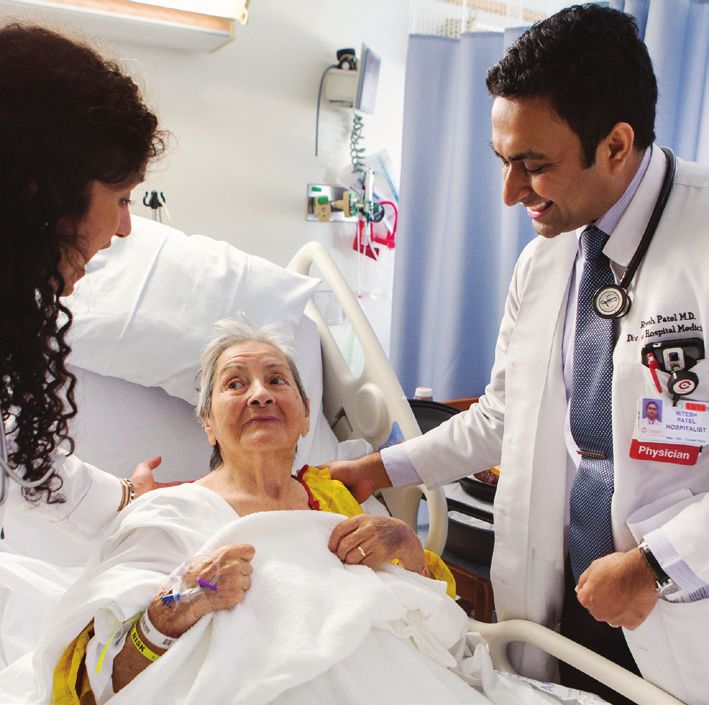
Educational Experience       continued

                      Night Medicine
                      The Night Medicine System is established on our Medical Teaching Service,
                      ICU and CCU rotations. To deliver optimal patient care, our residents have
                      supervision from both attendings and fellows 24 hours a day, seven days per week.
                      To optimize the transitions of care, we have instituted a resident driven,
                      evidence-based sign-out system. This process has been shown to improve
                      patient care and minimize medical errors. Night float rounds are conducted
                      each morning by a member of the program leadership to discuss challenging
                      cases encountered by both the admitting and cross-covering teams.

                      Intensive Care
                      Cooper University Hospital has a state-of-the-art 30 bed medical/surgical
                      intensive care unit (ICU). The ICU is staffed by nationally and internationally
                      renowned academic intensivists. The Cooper ICU is a tertiary referral center
                      for the entire South Jersey region, leading to a very complex and diverse
                      patient population in the ICU. Internal Medicine residents work together with
                      Emergency Medicine and Anesthesia residents and Critical Care fellows to
                      provide the most advanced care to critically ill patients afflicted by septic
                      shock, respiratory failure, and other medical emergencies.

                      Cardiology Experience
                      Cooper University Hospital has a 12 bed coronary care unit (CCU) and a 36 bed
                      cardiology step down unit with telemetry called the progressive care unit (PCU).
                      For residents on the CCU rotation, the service is composed of two PGY-2
                      or PGY-3 residents and one PGY-1 resident. Daily bedside rounds in the
                      CCU focus on protocol-driven management of acute coronary syndrome,
                      cardiogenic shock, and arrhythmias
                      Each PCU team is composed of one PGY-1 resident, a Cardiology fellow,
                      and a Cardiology attending. Clinical instruction focuses on risk stratification of
                      chest pain as well as evidence-based management of congestive heart failure,
                      arrhythmias, pericardial disease, and valvular disease. The Cardiology faculty and
                      fellows instruct the residents on the nuances of cardiac auscultation as well as
                      interpretation of electrocardiograms, echocardiograms, and coronary angiograms.
                      The Cooper Heart Institute has undergone tremendous growth in the past
                      decade. We have nationally recognized cardiologists on faculty, state-of-the-art
                      technologies and the most advanced treatment options, providing an excellent
                      cardiology experience to medicine house staff.

                      Fundamental Critical Care Support Course (FCCS)
                      Society of Critical Care Medicine, led by our Senior Critical Care Attending,
   CooperHealth.edu   Dr. R. Phillip Dellinger, created a Fundamental Critical Care Support
                      (FCCS) Course that is now taught worldwide. The course is provided to all

                                        8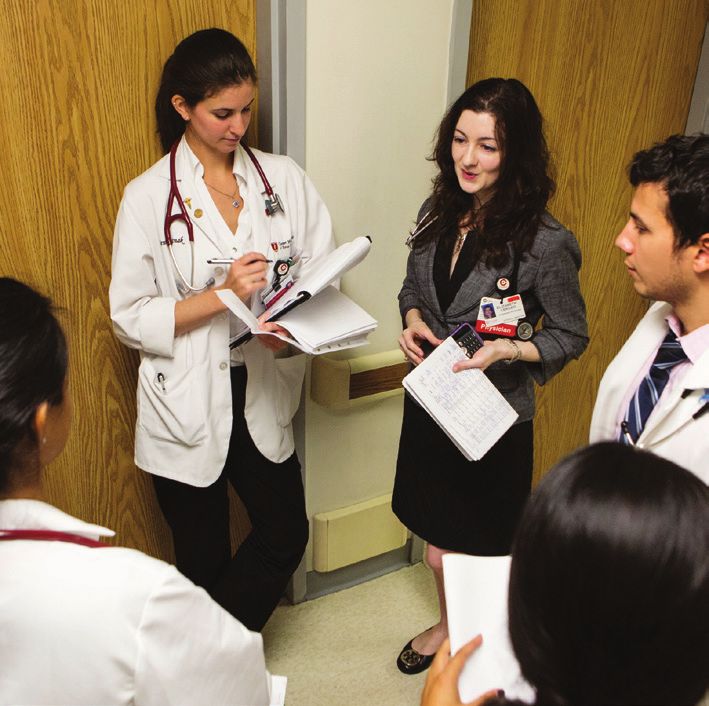
Specialized Courses

                              Internal Medicine house officers during the first few months of internship.
                              It prepares them for the intensive care unit, focusing on the first 24 hours
                              of management and the recognition and management of sudden clinical
                              deteriorations in the critically ill patient. Skills learned during morning
                              didactic lectures are applied during afternoon interactive stations. This
                              course has been given to thousands of trainees in dozens of countries and
                              the text has been translated into seven languages.

                              Bedside Ultrasound Course
                              Through a partnership with the Division of Critical Care Medicine, our residency
                              began a novel bedside ultrasound course in the fall of 2011. Believing that the
                              ultrasound machine is an extension of the physical examination, house officers
                              undergo a series of didactic hands-on sessions in order to perform diagnostic
                              techniques used to direct bedside diagnosis and management. Residents
                              are trained in central venous access, diagnosis of deep venous thrombosis,
  Residents are immersed      visual detection of thoracic and intra-abdominal pathology, and bedside
                              echocardiography. Beginning in Spring 2020, we will be starting an Ultrasound
  in this rich environment,   and Procedures elective run by Internal Medicine and Critical Care faculty.

      and have ample          The Simulation Lab Experience
                              Cooper Internal Medicine Residents regularly use the Simulation Lab located in
  opportunity to interact
                              the Joint Health Sciences Center in Camden. This includes simulated medical
                              emergencies, complex medical cases led by senior residents during didactic
  with faculty and peers
                              sessions of Ambulatory weeks, practice using ultrasound on standardized
    through formal and        patients, and the use of Harvey, an advanced simulation mannequin to improve
                              knowledge of cardiac murmurs. Repetition, when combined with formative
     informal teaching        teaching and feedback, leads to sustained improvements in the knowledge,
                              skills and attitudes of our residents that further enhance patient care,
         sessions.            communication skills, and systems-based practice throughout the hospital.

                              Prime Curriculum
                              Recognizing the importance of senior residents in the education of interns,
                              medical students, and patients, the program has developed a formal teaching
                              curriculum to prepare residents to be instructors in medical education (PRIME).
                              PRIME reflects the development of medical knowledge: professionalism,
                              recorder, interpreter, manager, and educator. This curriculum is incorporated
                              into real-time clinical care on the wards and is supplemented by formal
                              didactic sessions. It covers a range of topics including team leadership,
                              bedside teaching, leading effective rounds, and giving and receiving feedback.
                              Resident-led work rounds are frequently observed by senior medical educators,
                              after which residents are provided with brief and focused feedback designed
                              to foster leadership and management skills that would otherwise not be
                              addressed in any formal curriculum.

                                                9
Specialized Courses
Quality Improvement Project
Each cohort has an annual resident-run Quality Improvement (QI) project
led by PGY-2 residents. Based on their clinical experiences, residents work
together to create and carry-out a quality improvement project that takes
place over the course of the academic year. These projects address potential
areas for improvement across the hospital and outpatient settings. Examples
of prior projects include Epic-based pop-ups regarding daily warfarin
ordering, to eliminating ordering folate levels for hospitalized patients, to
Hepatitis C screening reminders for clinic visits. The project culminates in a
poster presented at the annual Camden Scholars’ Forum Poster Contest.
Global Health Elective
The Global Health Initiative allows residents to experience the healthcare
system in Ghana. International Healthcare Volunteers Inc. (IHCV), a nonprofit
organization that provides free healthcare to women and their families
in underserved areas, funds this program. Two senior internal medicine
residents work alongside other Cooper residents and attending physicians
from obstetrics and gynecology, general surgery, emergency medicine and
pediatrics to care for patients in inpatient and ambulatory settings during a
Residents are immersed two-week visit to Ghana.
in this rich environment, Medical Humanities Courses
and have ample opportunity Cooper University Hospital has been a leader in exploring the use of
literature and music as a tool to help instruct residents in the medical
to interact with faculty and humanities. We have a very successful Literature and Medicine course,
funded by a grant from the Arnold P. Gold Foundation and the New Jersey
peers through formal and Council for the Humanities.
informal teaching sessions. Research Curriculum
The Research Curriculum enables residents to work with a research mentor
in their field of interest. The curriculum occurs throughout the PGY-2 year
and involves regular meetings with mentors, assistance from librarians and
program leadership, and presentation updates during noon conferences.
The curriculum culminates with a poster presentation or publication.
Coriell Institute of Medical Research
The Coriell Institute for Medical Research, an independent nonprofit dedicated
to the study of the human genome, is recognized as one of the world’s leading
biobanks, distributing biological samples and offering research and biobanking
services to scientists around the globe. A pioneer in genomics, Coriell is
examining the utility of genetic information in clinical care through the Coriell
Personalized Medicine Collaborative (CPMC) research study. The Institute is
also unlocking the promise of induced pluripotent stem cells and their role in
disease research and drug discovery.
10Curriculum & Didactic Conferences
Daily Board Review
Over the last five years we have enjoyed a 92 percent board pass rate.
Our daily board review is taught by our Program Director, Dr. Brian Gable.
Each month, a separate subspecialty is selected for discussion and study.
During these interactive sessions, ABIM style questions are used to stimulate
discussion of all pertinent aspects of a particular topic. This includes
pathophysiology, epidemiology, clinical manifestations, diagnostic approach,
prognosis and evidence-based management of relevant disease processes.
Advanced organizers, photographs, diagrams and other multimedia (videos,
audio of heart sounds/breath sounds) are utilized to enhance the learning
process. In addition, each session is recorded and immediately made available
to the residents through an electronic medium that can be accessed remotely
via smart phone or webcast to be viewed at the residents’ convenience.
Regularly Scheduled Conferences
As part of our devotion to medical education the faculty and housestaff have
jointly created a plethora of didactic activities to create well-rounded Internists
Cooper University Health Care (please refer to the schedule for further details).
is one of the largest Resident Report
academic medical centers These sessions occur two to three times per week. During these active
discussions, case presentations are conducted by residents currently rotating
and the only Level I on the medical teaching service and the discussion is facilitated by program
leadership. Objectives of these sessions include data gathering, creation
Trauma Center in southern of an accurate problem representation, hypothesis generation, and the
activation and comparison of illness scripts to develop a working diagnosis.
New Jersey. In addition, relevant aspects of the evidence-based physical examination and
pathophysiology are reviewed, as are a proficient diagnostic strategy and
evidence-based management plan.
Subspecialty Rounds
These sessions are facilitated by the Chairman of Medicine, the Division
Head of Medical Education and a rotating subspecialist who is an expert in
that week’s topic. This dynamic session is presented in a case-based format
by a senior resident, who is assigned in advance to research that particular
disease process.
Medicine Grand Rounds
Given bimonthly by regional and national experts, these sessions focus on
the latest advances in all disciplines of medicine. Topics range from general
medicine and its subspecialties to humanities and cultural competencies.
CooperHealth.edu
11Curriculum & Didactic Conferences continued
Cardiology Conferences
The lecture series is run by the cardiology faculty every 3rd Thursday of the
month. A list of top of topics, high yield on the boards is generated and a
new topic is discussed every month.
Rotating Conferences
· Journal Club
· Art of Medicine
· Evidence-Based Physical Diagnosis
· Business of Medicine
· History of Medicine
· Resident Wellness
· Interdisciplinary Conference
· Primary Care Lecture Series
· Cardiology Lecture Series
Journal Club
In order to develop life-long learners, our program has instituted a journal club
series. This conference is led by world-renowned researcher and Chairman of
Medicine, Dr. Stephen Trzeciak. Residents learn how to read and evaluate the
In the age of medical literature in a systematic format. In addition, relevant aspects of study design
and statistical principles are reviewed.
technology, it is as important
The Business of Medicine
as ever to master the art
Led by members of our Division of Hospital Medicine, this series was
of bedside diagnosis. developed to address the practical components of medicine as an industry.
Examples of devoted topics include: coding and billing, health care reform,
hospital systems, and negotiating a contract.
Evidence-Based Physical Diagnosis
In an age of medical technology, it is as important as ever to master the art of
bedside diagnosis. Drs. Ritesh Patel and Brian Gable have created a series of
practical and educational activities to bring our residents back to the bedside.
These sessions include didactic sessions about the evidence behind physical
examination. The residents are formally trained in the performance of maneuvers
and their positive predictive values and likelihood ratios. This knowledge is then
applied on weekly bedside evidence-based physical diagnosis rounds. During
these rounds, members from our medical teaching service perform key physical
diagnosis maneuvers under the tutelage of our faculty.
12Curriculum & Didactic Conferences continued
Conference Schedule at a Glance
Monday Tuesday Wednesday Thursday Friday
7-8:00 a.m. 7-8:00 a.m. 7-8:00 a.m. 7-8:00 a.m. 7-8:00 a.m.
Board Board Board Board Board
Review Review Review Review Review
with Program with Program with Program with Program with Program
Director Director Director Director Director
(webcast available) (webcast available) (webcast available) (webcast available) (webcast available)
12-1:00 p.m. 12-1:00 p.m. 12-1:00 p.m. 12-1:00 p.m. 12-1:00 p.m.
Sub-
Rotating Intern/ Grand Resident
Specialty
Conference Resident Rounds Report
Rounds
House-staff Report with Program
Director
Journal Club
Business of
Medicine
13
to healLife After Graduation
Our program is very proud of its success in developing well rounded, strongly
educated, inquisitive, and excellent clinicians who are prepared to enter the
field of their choosing. Our graduates are practicing or training throughout
the United States.
2019 Graduates
Fellowships
Hirsh Sharma Critical care medicine Cooper University Hospital
Matt Flamenbaum Pulmonary and Critical Care Jefferson University
(3rd year Chief)
Aamir Ajmeri Pulmonary and Critical Care University of Maryland
(3rd year Chief)
Evan Schreyer Cardiology University of Connecticut
(3rd year Chief)
Neha Arjun Cardiology Cooper University Hospital
(3rd year Chief)
Nikhita Dharbhamulla Gastroenterology Cooper University Hospital
(4th year Chief)
Sanket Patel Gastroenterology University of Connecticut
Pete Ebeid Infectious Disease University of Maryland
Mike Piazza Infectious Disease University of Miami
General Internal Medicine
Aditya Bakhshi Hospitalist Cooper University Health Care
(4th year Chief)
Cristian Barrios Primary care Atlanticare
Sirisha Devabhaktuni Primary care Washington D.C
Mona Domadia Hospitalist Virtua
Christian Fagel Hospitalist Cooper University Health Care
Cindy Glickman 4th year Chief Resident Cooper University Health Care
(3rd year Chief)
Heaton Kath Hospitalist Cooper University Health Care
Prateek Luthra Nocturnist Cooper University Health Care
Min Nam Nocturnist Cooper University Health Care
Niharika Sathe 4th year Chief Resident Cooper University Health Care
(3rd year Chief)
14How to Apply
The Internal Medicine Residency at Cooper Medical School of Rowan
University/Cooper University Hospital Program participates in the Electronic
Residency Application Service (ERAS), and all information is processed
through this system without exception. Information regarding the ERAS
application process and timeline is available on the website below. All
positions will be offered through NRMP; participation with National Residency
Matching Program required.
Interviews are by invitation only and are scheduled from October through
January.
Association of American Medical Colleges
www.aamc.org/eras
ERAS applications must contain the following information in order for your
application to be considered:
· Common application form
· Three original letters of recommendation
· Dean’s letter (MSPE)
Contact Information
· Medical school transcript
Residency Coordinators:
· USMLE/COMLEX Scores (Parts 1 and 2, Passing CS when available)
Laura Chropka
Terry Mortka · Personal statement describing your training goals and future career plans
Phone:
856.342.2000 x1009640 or Program Eligibility
1009646 Applicants must be U.S. citizens, be classified as resident aliens, or hold a
Student Education Coordinator: J-1 Visa.
Betty Ann Girouard
Deadline for submission of complete application in ERAS is November 15.
Phone:
856.757.7842 All applications are screened by the Selection Committee.
Email:
Interviews are by invitation only.
CooperIMProgram @ cooperhealth.
edu Our minimum USMLE score requirement is 220 or higher on both Steps I
Website: and II on the first attempt, and a passing CSA on first attempt. NO paper
cooperhealth.edu/residencies/ applications accepted.
internal-medicine Six months of U.S. clinical experience is desired. Recent medical school
Address: graduates (within the past five years) are preferred as well.
Cooper University Health Care
Internal Medicine Education
Programs
Education and Research Building
401 Haddon Avenue, 3rd Floor
Camden, NJ 08103
15The Cooper Campus and Surrounding Area
Cooper University Health Care is the leading academic health system in South Jersey.
Since 1887, Cooper has been providing quality health care to the people of Camden
County and South Jersey. When it comes to care, Cooper’s experts treat minor
problems, critical illnesses, and major traumas with the same level of excellence.
These experts will train you – the medical professionals of the future – while together
as colleagues providing our patients with comprehensive, compassionate care today.
It’s more than just medicine, it’s our mission.
Located across the Delaware River from Philadelphia, Cooper University Health Care
has more than 7,500 employees, including more than 1,250 nurses and 630 physicians
in more than 75 specialties. As one of the most trusted health systems in the region,
Cooper offers patients quality health care from primary care to specialty care in one
or more of its premier Institutes and Centers of Excellence. In 2018, Cooper received
28,716 hospital admissions, 80,802 Emergency Department visits, 46,511 visits to
our Urgent Care Centers, and more than 1.6 million outpatient visits. Our teams saw
23,110 surgical cases, 3,766 trauma cases, and more than 123,000 combined inpatient
and outpatient cancer visits.
The expansion project
Cooper University Hospital is the center of a growing Camden Health Sciences
at Cooper is a direct Campus that includes MD Anderson Cancer Center at Cooper, Sheridan Pavilion at
Three Cooper Plaza medical offices, Cooper Medical School of Rowan University
reflection of the growth (CMSRU), internationally acclaimed Coriell Institute for Medical Research, and the
Ronald McDonald House of Southern New Jersey. Cooper is proud to be a catalyst
in services that Cooper working to transform our community for the better.
has experienced over The hospital’s 312,000-square-foot, 10-story Roberts Pavilion features technologically
advanced operating room suites with hybrid imaging capabilities, an advanced
the past several years. laboratory automation facility, and the 25,000-square-foot Dr. Edward D. Viner
Intensive Care Unit—featuring 30 private patient rooms equipped with the latest in
advanced technology, and allowing 360-degree patient access. Five patient rooms
are capable of negative pressure isolation, and five rooms have chambered isolation
alcoves. In addition, an enlarged room with operating room-caliber lighting is outfitted
to perform bedside exploratory laparotomy in patients considered too medically
unstable for transport to the operating room. We are proud to be the first in the nation
to provide advanced surgical trauma training to the United States Army Elite Forward
Resuscitation Surgical Team.
As South Jersey’s only Level 1 Trauma Center and Level II Pediatric Trauma Center,
Cooper provides critically ill patients with life-saving care. Cooper’s two medical
transport helicopters have 24/7 access to a helipad with the latest lighting, snow-
melting capabilities, and automatic drainage to prevent icing. Our recently-expanded
Emergency Department includes state-of-the-art exam rooms and an iTrack system to
improve the flow of patients through the ED, reducing patient wait times. Additionally,
designated floors within the hospital serve specific patient populations, including those
needing advanced surgical and heart care, along with South Jersey’s only dedicated
30-bed inpatient cancer unit.
16The Cooper Campus and Surrounding Area, continued
Cooper University Health Care and MD Anderson Cancer Center in Houston, Texas,
partnered in 2013 to create MD Anderson Cancer Center at Cooper. Our partnership
is a full clinical integration between the two programs. MD Anderson at Cooper
physicians adhere to the same philosophy, protocols, and guidelines set by MD
Anderson in Houston, and patients receive the same proven practice standards and
treatment plans provided at MD Anderson. Today at MD Anderson at Cooper, patients
have access to more clinical trials for more types of cancer than ever before, as well
as a full range of supportive care services. Additionally, Cooper’s Center for Special
Diagnostics, located in our Education and Research Building, includes molecular
pathology, flow cytometry, and cytogenetics, enhancing Cooper’s ability to provide
genomic testing for cancer patients at Cooper.
CMSRU’s Medical Education Building is located on the Cooper Health Sciences
Campus on South Broadway, between Benson and Washington Streets. The medical
school, which opened in July 2012, was designed to support an innovative curriculum
that integrates knowledge of basic science concepts, early clinical experience and
patient care, self-directed learning, teamwork, and medical and non-medical activities
for the greater community’s benefit. It was featured in U.S. News and World Report’s
ranking of the 10 U.S. medical schools with the lowest acceptance rates in fall 2018. It
received 6,708 applications and admitted only 203 students, for an acceptance rate of
3%. In 2019, 100% of medical students matched with a residency program.
The Cooper Health Sciences Campus is located in the heart of Camden’s business
district. The academic medical center campus is easily accessible by car or public
transportation via the PATCO and bus terminal adjacent to the hospital. Public
transportation options offer convenient access to Philadelphia’s cultural, culinary, and
historic venues, as well as a range of living and entertainment options in South Jersey,
including walkable communities such as Haddonfield and Collingswood.
Cooper is a short walk or drive from the exciting Camden waterfront, which includes
a magnificent waterfront park and marina; the Adventure Aquarium; and the BB&T
Pavilion, which hosts nationally renowned entertainment throughout the year. Nearby
are the 76ers Training Complex, L3 Communications complex, Rutgers University
Camden Campus, Rowan University, and Camden County College. There are expected
to be $350M in transportation and infrastructure improvements within the next four to
five years to handle the influx of thousands of new employees to the area and students
at nearby growing academic campuses.
Cooper is proud to be part of the transformation of our community. Employment in the
city of Camden has increased 24.7% in the past few years, with 55.4% of those jobs in
the health care and education sectors. And our neighborhoods are safer: the crime rate
is at a 50-year low, thanks to an aggressive community policing program.
Cooper University Health Care is growing and changing lives. We invite you to be part
of our mission: To serve. To heal. To educate.
17Cooper Camden Campus Map
The most up-to-date directions to Cooper University Hospital are available at:
CooperHealth.org/Locations
to educate 18One Cooper Plaza · Camden, NJ 08103-1489 · CooperHealth.edu Hospital Main Number: 856.342.2000 Graduate Medical Education: 856.342.2922
You can also read


