Journal minnesota school boards association
←
→
Page content transcription
If your browser does not render page correctly, please read the page content below

journal    minnesota school boards association
                  September–October 2021                          VOL. 74 ISSUE 2

                                    Student Speech 2021: Students (Still) Say the Darndest Things
                    MINNESOTA       Dealing with Racial Incidents in Schools
                    SCHOOL BOARDS
                    ASSOCIATION     Strategic Planning: Putting Diversity, Equity, and Inclusion
Where School Boards Learn to Lead
                                    Goals Into Action
IS YOUR HEALTH PLAN AS
             DISTINCTIVE AS YOUR STAFF?
             Your employees are extraordinary. Support the
             work they do for your students, district and
             community with a remarkable health plan.

             PreferredOne’s comprehensive, cost-effective
             health plans offer the networks and service your
             employees deserve. Plus, you can customize
             features to fit your financial plan and achieve your
             district’s unique health and wellness goals.

             PreferredOne. Minnesota’s leader in school
             district health plans.

                              PreferredOne.com

2   SEPTEMBER–OCTOBER 2021                    MINNESOTA SCHOOL BOARDS ASSOCIATION | JOURNAL
701.412.3489           eapc.net

                Creative environments
                                                              inspire inquisitive minds

                 We love to create environments that stimulate and empower learning,
                 while focusing on design elements that support safety in our schools.

          BISMARCK HIGH SCHOOL AUDITORIUM & KARLGAARD GYM ADDITIONS

                 Auditorium: 23,000 SF
                 Gym: 11,000 SF Addition, 13,000 SF Remodel
                 Weight/Fitness Addition: 11,000 SF

JOURNAL | MINNESOTA SCHOOL BOARDS ASSOCIATION                                 SEPTEMBER–OCTOBER 2021    3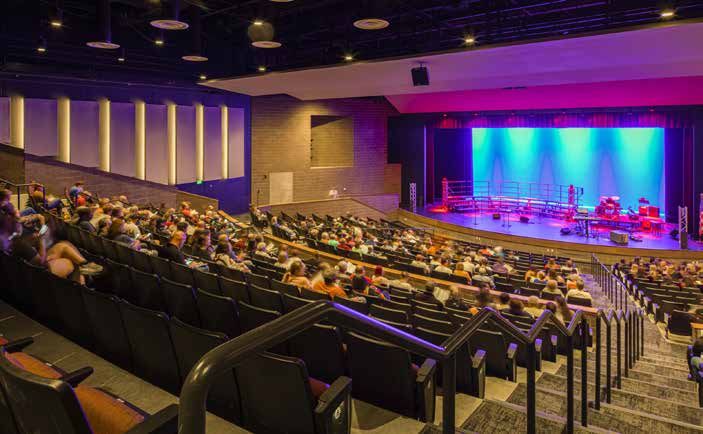
PROPANE AUTOGAS MAKES THE GRADE
         FOR CARBON INTENSITY
         PROPANE AUTOGAS’ CARBON FOOTPRINT IS
         SMALLER THAN ALMOST ANY ALTERNATIVE.

             Get a $2,500 incentive for each new propane bus
             (maximum four buses for any one school district or bus
             company per two year period). Contact us to learn more.

                          DIESEL                                                                                          105

                              EV                                                                                       93

             PROPANE AUTOGAS/NG                                                                                 79                                                     763.633.4271
                                                                                                                                                      DiscoverPropaneMN.com/Autogas

                                                      0                                         50                               100
         Actual CO2 emissions depend on a number of factors in addition to carbon intensity (emissions from battery
         and feedstock production, electricity generation, transmission, and distribution).                                                                             PROPANE.COM

    P540-068775-1_MNPGABusPrintAdNew_CarbonIntensity
    Color: 4/color
    Size: Trim: 7.5 x 4.75                                                                                            MN School Board Association Journal

               RUPP, ANDERSON, SQUIRES
                 & WALDSPURGER, P.A.
               Client Focused. Results Driven.

                With over 100 years of combined experience                                                                         • Creative Problem Solving
                                                                                                                                   • Tenacious Representation
                in the field of school law, our attorneys are
                                                                                                                                   • Goal-Oriented Advice
                dedicated to providing customized, cost-
                                                                                                                                   • Cost-Effective Services
                effective legal services that fit your needs.                                                                      • Timely Work Product

               612-436-4300 | 333 South Seventh Street | Suite 2800 | Minneapolis, MN 55402 | www.raswlaw.com

4    SEPTEMBER–OCTOBER 2021                                                                                                   MINNESOTA SCHOOL BOARDS ASSOCIATION | JOURNAL
MSBA OFFICERS
 President: Michael Domin, Crosby-Ironton
 Past President: Deborah Pauly, Jordan
MSBA DISTRICT DIRECTORS
 District 1: Nikki Gieseke, Owatonna                                                     MINNESOTA
 District 2: Linda Leiding,                                                              SCHOOL BOARDS
             Lake Crystal Wellcome Memorial                                              ASSOCIATION
 District 3: Jeanna Lilleberg, Atwater-Cosmos-Grove City           Where School Boards Learn to Lead
 District 4: Cheryl Polzin, Wayzata

                                                                TABLE OF CONTENTS
 District 5: Suzy Guthmueller, Centennial
 District 6: Michelle Yener, North St. Paul-Maplewood-Oakdale
 District 7: Joel Albright, Rosemount-Apple Valley-Eagan
 District 8: Zuki Ellis, St. Paul
 District 9: Julie Domogalla, East Central
 District 10: Jon Karger, Pelican Rapids
 District 11: John Berklich, Hibbing
 District 12: Jim DeVries, Mahnomen
 District 13: Kristi Peterson, Shakopee                         10 | STUDENT SPEECH 2021:
MSBA STAFF
 Kirk Schneidawind:
                                                                     STUDENTS (STILL) SAY THE
 Executive Director
 Gary Lee:
                                                                     DARNDEST THINGS
 Deputy Executive Director                                           Part Two: Off-Campus Speech
 Kelly Martell:                                                      Christian Shafer, Ratwik, Roszak & Maloney, P.A.
 Executive Assistant
 Greg Abbott:
 Director of Communications and Marketing                       16 | DEALING WITH RACIAL
 Denise Dittrich:
 Director of Government Relations                                    INCIDENTS IN SCHOOLS
 Barb Dorn:
 Director of Leadership Development and Executive Search
                                                                     Administrators need to prepare,
 Jennifer Ebert:                                                     combat racism, and teach
 Administrative Assistant to Government Relations/Finance
 and Meeting Coordinator/MSBAIT                                      Derek Francis, Minneapolis Public Schools
 Jackie Fahey:
 Administrative Assistant to Board Development
 Amy Fullenkamp-Taylor:                                         18 | STRATEGIC PLANNING:
 Director of Management Services
 Gail Gilman:
                                                                     PUTTING DIVERSITY, EQUITY,
 Director of Strategic Planning and Board Leadership
 Tiffany Gustin:
                                                                     AND INCLUSION GOALS INTO
 Associate Director of Management Services                           ACTION
 Shelby Herrera:
 Administrative Assistant to Strategic Governance
                                                                     “Education equity is the foundation
 Donn Jenson:                                                        to everything we do.”
 Director of Technology
 Katie Klanderud:                                                    Steve Massey, Ed.D., Superintendent, Forest          Vinny W.
 Director of Board Development                                       Lake Area Schools
 Kimberley Dunn Lewis:
 Associate Director of Government Relations
 Bruce Lombard:
 Associate Director of Communications and Marketing
                                                                24 | A RETURN TO SCHOOL: WHAT
 Maria Lonis:                                                        SHOULD BE OUR FOCUS?
 Associate Director of Management Services
 Terence Morrow:                                                     RELATIONSHIPS
 Director of Legal and Policy Services                               Mental health and engagement
 Jaymyson Sillman:
 Information Technology Support                                      were two of the biggest concerns
 Joel Stencel:
 Director of Association Finance
                                                                     revealed in statewide surveys
                                                                     Katie Pekel, Ed.D., and Kim Gibbons, Ph.D.,
 The MSBA Journal (USPS 352-220) is published bimonthly              University of Minnesota
 by the Minnesota School Boards Association, 1900 West
 Jefferson Avenue, St. Peter, Minnesota 56082. Telephone
 507-934-2450. Call MSBA office for subscription rates.
 (Opinions expressed in the Journal are those of the writers                                                              Paige L.
 and do not necessarily represent MSBA policy.)

                                                                    8 | STRAIGHT TALK MSBA Executive Director Kirk Schneidawind and MSBA President Mike Domin
                                                                  30 | ASK MSBA Denise Dittrich and Kimberley Dunn Lewis, MSBA Government Relations staff
                                                                  32 | VENDOR DIRECTORY Pierre Productions & Promotions, Inc.
                                                                  36 | LEGAL UPDATE Terence Morrow, MSBA Director of Legal and Policy Services

   JOURNAL | MINNESOTA SCHOOL BOARDS ASSOCIATION                                                                           SEPTEMBER–OCTOBER 2021           5
Making the cafeteria
                                  the happiest place
                                  in school!
                                  With...
                                            Food kids love to eat
                                            The largest team of chefs & dietitians
                                            And fun, innovative programs

                                  ...we are Chartwells K12 and we’re
                                                    serving up happy & healthy

                                                  For more information contact:
                                 Tim Leary at 612-202-6407 or Tim.Leary@compass-usa.com

                                                                     Chartwellsk12.com

        Renovating & Constructing
    BEST IN CLASS FACILITIES
                Through Thoughtful Planning & Execution.
                                                 W W W. I N G E N S A I N C .C O M

6   SEPTEMBER–OCTOBER 2021                               MINNESOTA SCHOOL BOARDS ASSOCIATION | JOURNAL
CALENDAR
SEPTEMBER 2021
1............... MSBA Advocacy Tour – Director Districts 1-2 (Virtual)
2............... MSBA Advocacy Tour – Director Districts 7-8 (Virtual)                 Proudly serving Minnesota’s
                                                                                       K-12 schools for 40 years!
2............... MSBA Insurance Trust Board Meeting (Virtual)
6............... Labor Day (No Meetings Allowed)
8............... MSBA Advocacy Tour – Director District 12 (Virtual)
                                                                                                     MECHANICAL & ELECTRICAL DESIGN
9............... MSBA Advocacy Tour – Director Districts 3-4 (Virtual)
                                                                                                      HVAC • Plumbing • Fire Protection
9............... MSBA Phase III Workshop – Part A (Virtual)                                             • Lighting • Power Distribution
15 ............ MSBA Advocacy Tour – Director Districts 5-6 (Virtual)
16 ............ MSBA Webinar Series: Demographic Trends in Our State                               COMMISSIONING/RECOMMISSIONING
16 ............ MSBA Phase III Workshop – Part B (Virtual)                                           New Construction • Existing Systems
                                                                                                      • Retro-Commissioning • LEED®
21 ............ MSBA Advocacy Tour – Director District 13 (Virtual)
22 ............ MSBA Advocacy Tour – Director District 11 (Virtual)                                        FACILITY ASSESSMENTS
                                                                                         Inventory Lists • Life Cycle Analysis • Improvement Costs
23 ............ MSBA Phase IV Workshop – Part A (Virtual)
26-28 ........ Minnesota Association of School Administrators Fall
                 Conference                                                                                  WHITE BEAR LAKE, MN
28 ............ MSBA Advocacy Tour – Director Districts 9-10 (Virtual)                                          651.748.1100
30 ............ MSBA Phase IV Workshop – Part B (Virtual)                                                       DULUTH, MN
30 ............ Last Day for Submitting Legislative Resolutions to MSBA                                         218-729-9202
                                                                                                            hallbergengineering.com
                                                                                                        A Minority-Business Enterprise (MBE)
OCTOBER 2021
3............... MSBA Board of Directors’ Meeting
11 ............ Columbus Day Observed (Optional Holiday)
21 ............ Minnesota Educator Academy (MEA) Conference
21 ............ MSBA Insurance Trust Board Meeting
21 ............ MSBA Webinar Series: Hot Legal Issues and Amicus Update

NOVEMBER 2021
2............... Election Day (No Meetings or Activities from 6 p.m. to
                 8 p.m.)
7............... MSBA Board of Directors’ Meeting
                                                                           MSBA 3.50 x 4.75 ad 2021.indd 1                                      1/21/2021 3:52:15 PM
10 ............ Minnesota School District Liquid Asset Fund Plus Meeting
11 ............ Veterans Day (No Meetings)
15-19 ........ American Education Week
16 ............ MSBA Pre-Delegate Assembly Meeting (Virtual)
17 ............ MSBA Pre-Delegate Assembly Meeting (Virtual)
18 ............ MSBA Webinar Series: Delegate Assembly and Policy                                                           MSBA thanks Jolanda
                 Development                                                                                                Dranchak – the curriculum
18 ............ MSBA Pre-Delegate Assembly Meeting (Virtual)                                                                integration coordinator for
20 ............ MSBA Pre-Delegate Assembly Meeting (Virtual)                                                                Anoka Middle School for the
                                                                                                                            Arts – for sharing her students’
25 ............ Thanksgiving (No Meetings Allowed)
                                                                                                                            art in this issue.
26 ............ Optional Holiday
                                                                                                                            COVER ART:
DECEMBER 2021                                                                                                               Laura S.
3............... MSBA Board of Directors’ Meeting                                                                           Contact MSBA’s Bruce
3-4 ............ MSBA Delegate Assembly                                                                                     Lombard at blombard@
8............... MSBA Phase I Workshop (Virtual)                                                                            mnmsba.org if you’d like to see
9............... MSBA Phase I Workshop (Virtual)                                                                            your students’ art displayed
11 ............ MSBA Phase II Workshop – Part A (Virtual)                                                                   in a future MSBA Journal
                                                                                                                            magazine.
16 ............ MSBA Webinar Series: The Reorganizational Meeting
18 ............ MSBA Phase II Workshop – Part B (Virtual)
25 ............ Christmas Day (No Meetings Allowed)

JOURNAL | MINNESOTA SCHOOL BOARDS ASSOCIATION                                                                               SEPTEMBER–OCTOBER 2021             7
STRAIGHT
                                                              TALK

                                                             Kirk Schneidawind

                           There’s no “easy” button,
                       but you got this, board members!
                                            By Kirk Schneidawind, MSBA Executive Director

As the governor’s executive orders             school boards and administrators under         You can, however, define how your
evaporated at the end of the 2021              this much pressure.                            school board leads at this time when it
legislative session, one big thing                                                            feels like there are no right answers and
                                               When individuals run for any public
became very clear: Decision-making                                                            the menu of options, which just happens
                                               office, they do it because they want to
authority would be restored to our                                                            to be missing the “easy” button, seems
                                               make a difference, a positive difference,
local governments, including our                                                              to be changing daily. Your leadership
                                               in the lives of those whom they represent.
school boards. Vaccination rates have                                                         and decisions matter. Gather as much
                                               If there is a group of elected officials
increased, COVID rates have declined,                                                         information as possible, prioritize staff
                                               who mean it when they say it, it is our
the preparation for and the beginning of                                                      and student safety, make informed
                                               school board members. All you need to
an in-person school year looks as solid                                                       decisions, and recognize that you may
                                               do is listen to our newest school board
as making a two-inch putt. Not so fast.                                                       need to pivot and repeat. Accept the
                                               members during MSBA’s “Learning to
The delta variant doesn’t care about your                                                     fact that your decisions will be judged.
                                               Lead — School Board Basics: Phase I
district’s plan.                                                                              But you also need to accept that you are
                                               Workshop” to understand.
                                                                                              making important decisions in a less-than-
The past 18 months have been a real
                                               While not a scientific poll, I can easily      ideal environment. Much of the return-
challenge for many, especially our school
                                               share that each new school board               to-school model was tested and built last
leaders. All of us were looking forward
                                               member wants our public school students        year. While keeping your students and
to swiftly moving beyond the COVID-
                                               to achieve, have an outstanding school         staff safe, your district has learned a lot
19 experience. Compounding political
                                               experience, and be prepared for life.          that you can build upon to make this
pressures and conflicting advice around
                                               Yet, those who get elected never really        school year better. You got this!
mask and vaccine recommendations have
                                               know what conditions and issues will be
made the preparation for this school year                                                     Accept the fact that your decisions will be
                                               on the table during their term of office.
less than normal.                                                                             judged, even when these decisions are
                                               A worldwide pandemic with catastrophic
                                                                                              anchored in your school district’s mission.
It would have been easy to throw up your       consequences that changed the way
arms in frustration due to the changing        we worked, lived, and went to school
status of advice and direction and let         would not have been something that you
                                                                                              Kirk Schneidawind is the MSBA Executive
someone else make a broader and                would have even thought possible. To
                                                                                              Director. You can contact him about this
uniform decision to ease the pressures         put it politely, your leadership path is not
                                                                                              column at kschneidawind@mnmsba.org.
from your public. During my 22 years of        always well defined.
working for MSBA, I have not seen our

  8    SEPTEMBER–OCTOBER 2021                                                     MINNESOTA SCHOOL BOARDS ASSOCIATION | JOURNAL
Let’s discuss your
                                                                                                next project.

  Solid.                                                                                          Widseth com

  A
  Agile.
                                                                                        Alexandria | Bemidji | Brainerd | Crookston | East Grand Forks
                                                                                              Forest Lake | Grand Forks | Mankato | Rochester

  Versatile.
                                                                                        Gichi-ziibi Center for the Arts, Brainerd, MN
                                                                                        Widseth is proud to have played a leading role as
                                                                                        the Architect of Record for the Brainerd Lakes Area’s
                                                                                        extraordinary new performance space

                                                                                                                          Learn_Grow_Do.

            AGRICULTURAL                                                                                                  Learn, Grow, Do.

            CLASSROOM
            RESOURCES                           TEACH
                                                   DAY
                                                FOR A

                                                                                       Contact us for resources

     INDUSTRY IN THE
                         MINNESOTA JOB MARKET
                         EXPLORATION                    FREE STEM +
                                                                                      or to line up a classroom
      CLASSROOM              TOOL                    AGRICULTURE
                                                    CAREER PATHWAY
                                                     CURRICULUM
                                                                                                         visit or presenter.

                     CAREER
                   EXPLORATION                                        JudyBarka                                 Natalie Compart
                      VIDEOS                                          Assistant Director
                                                                      Judy.Barka@clcmn.edu
                                                                                                                Outreach and Recruitment
                                                                                                                Natalie.Compart@southcentral.edu
                                                                      (320) 221-0219                            (507) 389-7301
                                                                      agcentric.org                             centerofagriculture.org

JOURNAL | MINNESOTA SCHOOL BOARDS ASSOCIATION                                                                 SEPTEMBER–OCTOBER 2021                     9
PART 2 OF A TWO-PART SERIES

                                 Reese M.

   Student Speech 2021: Students (Still)
         Say the Darndest Things
                                      Part Two: Off-Campus Speech
                                       By Christian Shafer, Ratwik, Roszak & Maloney, P.A.

                         As discussed in Part 1 of this series in the May-       whether and to what extent those same factors
                         June 2021 issue of the Journal, the amount of           apply to schools’ attempts to restrict students’
                         control that a school district can legally exercise     off-campus speech. In that case, a high school
                         over student speech occurring on school                 freshman was upset with being placed on the
                         grounds or in a school program is dependent             junior varsity cheerleader team, as opposed
                         on several factors. Perhaps most notably,               to the varsity team. The student used her
                         absent specific content (e.g., whether the              personal phone to transmit “vulgar language
                         speech included vulgar language or promoted             and gestures criticizing both the school and the
                         illegal drug use), courts reviewing restrictions        school’s cheerleading team” via social media.
                         pertaining to on-campus student speech look to          Specifically, the student posted messages to
                         whether and to what extent the speech caused            Snapchat saying “[F—k] school [f—k] cheer
Christian Shafer
                         — or was reasonably likely to cause — a                 [f—k] everything” along with a picture of her
                         “substantial disruption of or material interference     and a friend with their middle fingers raised.
                         with school activities” or an “invasion of rights       The student also posted a second message
                         of others.”                                             complaining that she and another student were
                                                                                 told that they were to participate on the junior
                         When Part 1 of this series was published, the
                                                                                 varsity team for a year, but that another ninth-
                         case of Mahanoy Area School District v. B.L.,
                                                                                 grade student was allowed on the varsity team.
                         colloquially known as the “cheerleader case”
                         was pending before the United States Supreme            The social media posts were made from a
                         Court. On June 23, 2021, the Court issued its           local business outside of school hours. Several
                         decision. The Mahanoy Court answered — or               other students were able to view the Snapchat
                         at least began to answer — the question of              posts. At least some students, including other

 10     SEPTEMBER–OCTOBER 2021                                                 MINNESOTA SCHOOL BOARDS ASSOCIATION | JOURNAL
PART 2 OF A TWO-PART SERIES
Anna H. Reese M.
members of the cheerleading team were “visibly upset” by campus speech would permit a school district to regulate
the posts and there was at least some discussion of the posts “all the speech a student utters during the full 24-hour day.”
during one class. Once the cheerleading coaches became Accordingly, the Court held that reviewing courts must be
aware of the posts, the school suspended the student from the “more skeptical” of attempts to regulate off campus speech
cheerleading team for the entire season. and that, “[w]hen it comes to political or religious speech
that occurs outside school or a school program or activity, the
The student sued, alleging that the school district violated
school will have a heavy burden to justify intervention.”
her First Amendment free speech rights. The federal district
court sided with the student, holding that the school district The third feature identified in the Mahanoy case is that
had not provided evidence that the student’s speech created schools have an interest in “protecting a student’s unpopular
a substantial disruption and, therefore, that the school district expression, especially when the expression takes place off
lacked grounds to discipline her for her speech. The Third campus.” As the Court noted, “America’s public schools are
Circuit Court of Appeals affirmed, holding that school districts the nurseries of democracy” and schools have a “strong
cannot discipline students for off-campus speech, regardless interest in ensuring that future generations understand … the
of the risk of substantial disruption. well-known aphorism, ‘I disapprove of what you say, but I
will defend to the death your right to say it…’”
Like the lower courts, the Supreme Court found that the
school district had violated the student’s First Amendment Applying these features to the speech at issue, the Mahanoy
rights when it disciplined her for the Snapchat comments. court determined that the school district did not have a
Unlike the Third Circuit, however, the Court concluded that legitimate interest in regulating the student’s Snapchat posts.
schools’ interests in regulating off-campus speech “remain Notably, the Court closely analyzed the school district’s
significant in some off-campus circumstances.” Nevertheless, argument that the speech caused a substantial disruption
the Court declined to lay out a rule clearly identifying when to school operations. While it rejected the school district’s
schools can regulate off-campus speech. The Court also did disruption argument, the Court affirmed that disruption is one
not identify what may qualify as off-campus speech. of the factors that might give schools an interest in regulating
off-campus speech.
Instead, the Supreme Court held that there are “three features
of off-campus speech that often, even if not always … In light of the nebulous language of the Supreme Court’s
diminish the strength” of a school district’s ability to regulate decision, and the lack of any subsequent cases discussing
student speech. The first such feature is that, unlike when this standard, the Mahanoy decision leaves school districts
a student is on campus, school districts are not standing in in a precarious situation when attempting to respond to off-
loco parentis for their students. Therefore, “[g]eographically campus student speech. That being said, the Mahanoy Court,
speaking, off-campus speech will normally fall within the as well as earlier First Amendment cases provide at least
zone of parental, rather than school-related, responsibility.” some practical steps that schools can keep in mind when
attempting to respond to students’ off-campus or internet
The second distinguishing feature of off-campus speech
speech.
identified by the Supreme Court is that regulating off-
continued on page 10
JOURNAL | MINNESOTA SCHOOL BOARDS ASSOCIATION SEPTEMBER–OCTOBER 2021 11PART 2 OF A TWO-PART SERIES
Samantha D.
1. When Appropriate, It May Be Safer to Respond The first two Mahanoy factors relate to where and when a
to Conduct, Not Content of Speech. student actually posts the message. Following the Courts’
analysis, schools may have a stronger argument that they
In many cases, it may be possible to avoid a First
permissibly can discipline students for internet speech when
Amendment claim — or at least avoid wading into the
the speech is posted on campus and/or during the school
unsettled question of whether certain speech can be
day or during a school event. Indeed, in declining to identify
regulated — by focusing on the student’s conduct, as
what constitutes off-campus speech, the Mahanoy court
opposed to the student’s speech. For example, in the case of
commented that “the advent of computer-based learning”
Requa v. Kent Sch. Dist. No. 415, which remains persuasive
made it difficult to determine which school-related, but off-
following the Mahanoy decision, a student secretly recorded
campus activities could be considered “off-campus speech.”
a video of a teacher and posted the video (with unflattering
Ensuring that your school district clearly and reasonably
comments and gestures) to the internet. After the school
identifies what is considered “school related” conduct and
district suspended the student, the student sought an
adequately informs students of these expectations may create
injunction in federal court, alleging that his First Amendment
a stronger argument that the speech may be regulated.
rights had been violated. The school district responded that
it did not suspend the student for posting the video. Instead, 3. Evidence of Substantial Disruption, or at Least
the school district pointed out that it suspended the student a Reasonable Likelihood of Substantial Disruption,
for secretly recording the teacher in violation of the school May Give Schools’ Greater Leeway in Responding
district’s technology policies. The court agreed with the to Off-Campus Student Speech.
school district and dismissed the student’s request for an
In Mahanoy, the Supreme Court identified preventing a
injunction on First Amendment grounds at an early stage of
“substantial disruption of learning-related activities [and]
the proceeding.
the protection of those who make up a school community”
Many school districts have policies prohibiting video as examples of schools’ potential authority to regulate off
recording in school. Many school districts also have policies campus speech. As mentioned above, the Mahanoy court
prohibiting students from using cellphones during class or also specifically analyzed the school district’s argument that
using school district computer resources (such as school- the student’s speech created a substantial disruption and,
issued tablets or computers) for non-school district purposes. therefore, was subject to regulation. Accordingly, while
If a student’s use of social media, messaging, etc. violates the Supreme Court did not expressly hold that evidence
those policies regardless of the content, focusing disciplinary of substantial disruption will necessarily allow a school to
decisions on those violations, rather than the content of the regulate off-campus student speech, having such evidence
student’s speech, may be less likely result in liability. may give the school stronger legal arguments. Schools
should remember that this has always been a standard the
2. The More “School Related” the Off-Campus
courts have required to be proven. The holding of Mahanoy
Speech Is, the Greater the Chance that a Court Will
only reinforces the need to have clear and articulable proof
Permit Schools to Regulate Such Speech.
of such disruption and not just a “fear” of disruption.
12 SEPTEMBER–OCTOBER 2021 MINNESOTA SCHOOL BOARDS ASSOCIATION | JOURNALPART 2 OF A TWO-PART SERIES
Tim P.
4. Standing Alone, the Fact that Off-Campus Mahanoy does not stand for the position that off-campus
Speech Is Vulgar or Unpleasant Does Not Permit speech can never be regulated. Certain types of harassing
Schools to Discipline Students for Such Speech. and bullying speech, when there is a nexus to the school
context, may remain subject to potential discipline.
As far back as the Tinker case discussed in part one of this
series, the Supreme Court has been clear that hard feelings 6. Other Factors May Affect Schools’ Ability to
are not a basis for disciplining students for their speech. Respond to Off-Campus Student Speech.
The Mahanoy case re-affirmed that principle. Similarly, in
In addition to the three indicia of off-campus speech
Mahanoy, the Court clarified that the school’s “interest in
discussed above, the Court’s opinion also includes a list of
teaching good manners” and prohibiting the use of vulgar
factors that may impact a school’s ability to regulate off-
language directed at the school community was “weakened
campus speech. Those factors include the “student’s age, the
considerably” by virtue of the speech occurring outside of
nature of the school’s off-campus activity, [and] the impact
school and on the student’s own time and where the school
upon the school itself.” Combined with those three factors,
was not acting in loco parentis. In so doing, the Court
as well as the Court’s repeated statement that it was not
noted that the Fraser case — discussed in part one of this
identifying a hard and fast rule regarding off-campus speech,
series — was limited to speech occurring on-campus. In light
whether and to what extent a school can respond to student
of this language, it is clear that the fact that a student’s off-
speech remains a fact intensive inquiry.
campus speech may be vulgar or unpleasant cannot be used
as an independent basis for discipline or removal of school In summary, the Mahanoy decision, while not overturning
privileges. past precedent as to schools’ ability to discipline students for
off-campus speech, provides greater guidelines as to what
5. Cyberbullying or Unlawful Harassment
speech may or may or may not be regulated. Schools can
Occurring Online may be Subject to Greater
reduce their risk of potentially expensive financial liability
Regulation.
and extended litigation by carefully considering these issues
While the Mahanoy case did not specifically discuss and consulting with their legal counsel before imposing
cyberbullying or harassing speech, it does reference “severe discipline for a student’s speech, especially if that speech
bullying or harassment targeting particular individuals,” as occurred off-campus or via social media and falls within
well as threats, as examples of off-campus behavior that those areas identified by the Court.
“may call for school regulation.” Similarly, in discussing
the specifics of the case, the Court noted that the student’s
speech did not “target any member of the school community Christian Shafer is a shareholder of Ratwik, Roszak &
with vulgar or abusive language.” Although the Court did Maloney. He advises both school district and municipal
not rule on abusive or harassing e-speech, it appears at least clients in employment matters, all areas of school law,
plausible that future courts will give more leeway to attempts special education law, municipal law, and labor law. Learn
to regulate that type of speech, as opposed to speech more about Christian at https://ratwiklaw.com/index.php/
criticizing a school’s decision or other “pure” speech. Thus, christian-shafer.
JOURNAL | MINNESOTA SCHOOL BOARDS ASSOCIATION SEPTEMBER–OCTOBER 2021 13Protection assurance when you need it. Your MSBAIT contact
The Minnesota School Boards Association
Insurance Trust (MSBAIT) endorses
companies with a proven record of service. Tiffany Gustin
tgustin@mnmsba.org
Property, Inland Marine, and Crime
Workers’ Compensation MSBAIT has addressed
School Leaders’ Legal Liability the needs of
Automobile
public schools’
Group Term Life
Long-Term Disability
risk-management
General Liability programs since 1972
Excess Liability
Quality Coverage and Service Tailor-Made For School Districts
Call 800-324-4459 to find out what MSBAIT can do for your school district.
www.mnmsba.com/MSBAIT
For nearly 40 years, Taher, Inc., our company through a deep love for
has been providing schools with how food transforms communities.
local, sustainable, and boundary- New foods teach us about faraway
pushing recipes and chefs that keep lands and cultures. Cooking gives
Commitment to:
your students happy, healthy, and us a chance to share, to provide, to
enthused to learn. This is ingrained in explore something new. Quality,
Health & Nutrition,
952-945-0505 • sales@taher.com • www.taher.com Service & YOU!
twitter.com/taherfood4life facebook.com/TaherFoodServiceManagement
JOURNAL
14 | MINNESOTA SCHOOL
SEPTEMBER–OCTOBER 2021 BOARDS ASSOCIATION MAY–JUNE |2021
MINNESOTA SCHOOL BOARDS ASSOCIATION 37
JOURNALA passion for public law
School Law Group
Our attorneys provide responsive, creative, practical and high-quality legal services to public school districts.
Alex D. Ivan
Greg S. Madsen
Education Law
Peter A. Martin
Maggie R. Wallner Finance and Bond
Adam C. Wattenbarger
Jenny S. Boulton Construction
Josh P. Devaney
Martha N. Ingram Civil Litigation
Sofia E. Lykke
Sarah J. Sonsalla
Real Estate and Business
James M. Strommen
700 Fifth Street Towers, 150 South Fifth Street, Minneapolis, MN 55402
Phone 612.337.9300 • Fax 612.337.9310 • Toll Free 1.800.788.8201
kennedy-graven.com
JOURNAL | MINNESOTA SCHOOL BOARDS ASSOCIATION SEPTEMBER–OCTOBER 2021 15ELEVATING VOICES FROM SCHOOL LEADERS OF COLOR
Dealing with Racial Incidents in Schools
Administrators need to prepare, combat racism, and teach
By Derek Francis, Minneapolis Public Schools
Racist incidents in our schools create a feel welcomed. For far too long racism has
persistent compounding inferior feeling for plagued our schools. Racism is a pandemic.
students of color that can lead to them not
We can no longer stand by in silence
feeling a sense of belonging and significance
without opposition. There is a call to action
in our school system, thus becoming intensely
for transformational leadership. There is
discouraged.
a great need for transformation using an
Alfred Adler, founder of Adlerian equity lens in hiring teachers, student services
psychotherapy, said: “Meanings are not personnel, and administrators of color,
determined by situations, we determine white colleagues auditing their implicit bias,
ourselves by the meanings we give to classroom instruction, curriculum, and policies
Derek Francis
situations.” From the racial incidents that take and procedures. These components demand
place in our schools, we must consciously systemic change which entails examining the
and critically ask ourselves, “What kinds self.
of meanings are being formulated by our
Change will not just happen. Collectivistically,
students, staff, and community?”
we must join hand in hand and walk step by
We are social beings, and our strongest step, toward the betterment of our humanity.
motivation is the desire to belong. The feelings “The ultimate measure of a man is not
of inferiority can lead to attendance concerns, where he stands in moments of comfort and
deficiency in achievement, and mental health convenience, but where he stands at times of
problems. What meaning are students of challenge and controversy. The true neighbor
color creating for themselves in systems that will risk his position, his prestige, and even his
are built around white ideology, is this largely life for the welfare of others.” – Martin Luther
inequitable system how we want them to King Jr.
determine themselves?
Superintendents, principals, and other building
The pandemic extensively revealed already administrators shape the school climate
what we knew to be true about the underbelly through hiring, policies, and educational
of the systemic racism that created the practices. School leaders have influence on
achievement gap and educational disparities. the culture of the building. In my 10 years as
We are at a critical moment in time, a school counselor, I have witnessed the pain
where we as a collective unit of teachers, students and families feel when racism occurs
school counselors, social workers, school in schools and the situation is not addressed.
psychologist, educational support staff, Minnesota has seen an increase of racism in
engineers, cooks, principals, and board schools. Racism, while not a physical form of
members must choose the kind of future abuse which leaves scars, is an emotional form
we want to help foster for all students to of abuse and requires emotional healing.
16 SEPTEMBER–OCTOBER 2021 MINNESOTA SCHOOL BOARDS ASSOCIATION | JOURNALELEVATING VOICES FROM SCHOOL LEADERS OF COLOR
Rosie W.
Below are three strategies to begin healing your and social media are common areas that students report
community. hearing and seeing racism.
1. Prepare How are you recording which racial groups are being
This begins with preparing yourself as a leader. How targeted? Have systems in place for students to share when
comfortable have you been in your personal life addressing racism happens. How are targeted students being heard?
racism and discrimination when it happens? It could be Creating space for students to share what they are hearing
that relative at dinner who makes racist comments, or will be the first step to building trust. What steps are you
bias thoughts in your own belief towards certain groups doing as a building to combat racism in your community?
of people. How have you started the work of being As a leader, prepare for push back and have a plan to
accountable to growing? If you are not aware of your own stand boldly.
limitations in your knowledge of addressing racism, then it
3. Teach
is important to do your own work first.
If you want to see your school climate reduce racism, it is
Administrators are viewed as knowledgeable leaders in crucial that you infuse antibias antiracism content. Racism is
education. As a leader, you need to have the humility to a learned behavior pattern that must be unlearned through
take a seat and listen to how racism and discrimination feels education. Often this learning is communal – meaning
for marginalized students and families. Have humility to get parents, staff, and students will be engaging in these
the support you need. Preparing means having a system conversations. Each person will come in with a different
of response like you would for a fire drill. Has there been comfort level for engaging in conversations about race.
racist incidents in your school? How did you address those
Create spaces in your school day for all students to learn
incidents? What systems do you have in place? Which
about their racial identity and those around them. Find ways
communities in your building are you not hearing from? Do
to use the events that occur in our society to be teaching
not wait until another incident in your district occurs to take
moments. In Minneapolis Public Schools, we are intentional
action.
in having age-appropriate resources for students to have
2. Combat critical conversations about race. In order to see our country
Racism happens in schools every day. Whether it is peer heal from racism, education must lead the way, and that
to peer, educator to educator, or educator and student, I begins with administrators.
have heard countless stories of verbal and systemic racism.
According to Teaching Tolerance, “Racial bias makes up
33% of incidents reported by educators and 66% that Derek Francis is a Manager of Counseling Services at
are reported in the news.” Most instances of racism go Minneapolis Public Schools. Direct questions about this
unaddressed. School hallways, classrooms, locker rooms, article to Derek at derek.francis@mpls.k12.mn.us.
JOURNAL | MINNESOTA SCHOOL BOARDS ASSOCIATION SEPTEMBER–OCTOBER 2021 17Gillian L.
Strategic Planning: Putting Diversity,
Equity, and Inclusion Goals Into Action
“Education equity is the foundation to everything we do.”
By Steve Massey, Ed.D., Superintendent, Forest Lake Area Schools
There are a lot of voices right now competing of belief and is a guidepost for the district’s
for our attention on topics of diversity, work to fulfill our core enterprise; that is, to
equity, and inclusion. Different perspectives prepare and empower every student to thrive in
are important, but talk alone won’t make a and contribute to an ever-changing world. This
difference for our students. School districts need is our mission and it inspires all aspects of our
a mechanism to move talk into action and keep district.
staff focused on making purposeful changes that
Like most districts, we had an existing, but
will improve outcomes for students, particularly
outdated, strategic plan. In our case, the plan
those who have been historically underserved.
was initially drafted in 2006 and had been
Steve Massey At Forest Lake Area Schools, our new strategic updated a couple of times along the way.
plan is serving as this mechanism for change. However, the plan was written for a different
We designed our strategic plan specifically day and a different time and we needed a
with equity in mind, and we’re using it to focus strategic plan that was relevant to the demands
and propel our work in equity, and keep this and needs of our students, families, and
important topic forefront in all our decision- community. After considering a number of
making. different consulting firms and facilitators to lead
the revision of our strategic plan, we selected
Educational equity is the foundation to
the strategic planning process designed by
everything we do. From the beginning of
MSBA and their staff to lead our process.
our work with the Minnesota School Boards
Association to rewrite the strategic plan for Somewhat out of order, we had already
Forest Lake Area Schools, this belief statement developed a district equity framework prior to
guided our discussions and planning. Our our strategic plan that articulates our mission
strategic plan begins with this focused statement and commitment to providing equitable learning
18 SEPTEMBER–OCTOBER 2021 MINNESOTA SCHOOL BOARDS ASSOCIATION | JOURNALJacob D.
opportunities and outcomes for our students. This framework • Action Step: Identify and provide curriculum resources
served as an invaluable resource as we began the work and materials for each subject area at each grade
of developing our strategic plan. We were able to move level that represents the contributions of the leaders/
quickly into the conversation around mission, vision, goals, figures, cultures, and histories of students of color
objectives, and action plans without needing to define what (absent narratives).
it means to be a district that provides equitable access and
This object specifically addresses the system change
outcomes for our students. This work was already done and
needed to provide a more inclusive and equitable learning
served as a guiding document for our strategic planning
experience for each student. Like many districts, our
work.
curriculum needs to be expanded to better represent the
MSBA staff worked with us through their structured strategic histories, cultures, leaders, and narratives of our students
planning process. This process, which is well documented of color. This comprehensive curriculum and pedagogy
on the MSBA website, garners community, staff, family, and will benefit all students in their effort to develop empathy,
student input and filters many ideas into a plan with simple perspective, and knowledge.
and clear vision and mission statements and succinct goals
Earlier this school year, we launched a partnership with the
and objectives. The plan we developed serves as a school
District Management Group and The Leadership Academy
board governance document and is a dynamic plan that
to work with our instructional review and development teams
defines our district’s work.
in English Language Arts and Social Studies to examine
While equity is the foundation to everything we do, equity our current curriculum and instructional practices, create
and inclusion is specifically detailed in two of our six focus alignment with new state standards, provide professional
areas: Excellence in High Quality Instruction; and Excellence development and procure and develop curriculum resources
in Equitable Learning Opportunities. that expand the learning experience for students.
Three specific objectives and related action plans were To guide the work of the following objectives, an equity
developed that guide the district’s diversity, equity, and steering team comprised of parents/guardians, licensed
inclusion efforts. These objectives and action plans include: and classified staff, administrators and community members
who demographically represent the FLAS student body.
Objective: Expand E-12 curriculum and instruction to be
This committee meets regularly to create plans and monitor
culturally relevant and responsive so that it represents
progress on the objectives and action steps outlined below.
each student.
Objective: Create and implement a plan to enhance
• Action Step: Provide ongoing professional
cultural competency among staff and students.
development so that educators are comfortable and
skilled in the use of culturally responsive instruction/ • Action Step: Create a needs assessment to identify
teaching practices. specific topics related to educational equity for all
continued on page 20
JOURNAL | MINNESOTA SCHOOL BOARDS ASSOCIATION SEPTEMBER–OCTOBER 2021 19Mandy B. Alexa R.
staff groups in the district, including licensed staff, Lake Area, which is a partnership between the school
administrators, classified staff, and students. district, the City of Forest Lake, and the local YMCA. The
vision of the Everyone Belongs Project is to ensure that
• Action Step 3.1.2: Based on this needs assessment,
all individuals and families are welcome and belong. The
provide ongoing, developmentally appropriate
project’s purpose is to create a welcoming and inclusive
professional development for each grade level,
community, increase intercultural awareness and leadership,
instructional level, program or employee group,
expand intercultural competence as it relates to our
focused on Culturally Responsive Teaching, Culturally
community and schools, enhance school and community
Responsive School Leadership, Culturally Responsive
culture to support diversity, equity and belonging, provide
Student Leadership, and other topics related to
a strategic structure for creating inclusive communities,
educational equity.
and foster intercultural relationships both internally and
Objective: Identify and develop consistent and regular externally.
activities to make all students feel welcome at all grade
An effective strategic plan is dynamic, relevant, and active.
levels.
The strategic plan guides the work of the school district and
• Action Step: Create a process to evaluate whether represents all stakeholders. The Forest Lake Area Schools
current instructional practices and extracurricular strategic plan is the playbook that details our work and
programming promote a sense of belonging, safety, establishes the high standards expected by our students,
and being valued for each student. Identify strengths families, and community. The plan helps turn our goals
and areas for growth at each grade level across the into action and make a real difference for the students and
district. families in our district.
• Action Step: Based on this review process, create The Forest Lake Area Schools Strategic Plan can be found
and implement a plan that addresses what activities/ at: https://www.flaschools.org/domain/103
practices the district should keep doing, stop doing,
and/or start doing in order to create a more
consistent and equitable approach to community Steve Massey is the superintendent of Forest Lake Area
building and asset-based education for students. Schools. You may contact him about this article at
smassey@flaschools.org.
Our district’s commitment to diversity, equity, and inclusion
is also evident in the Everyone Belongs Project of the Forest
20 SEPTEMBER–OCTOBER 2021 MINNESOTA SCHOOL BOARDS ASSOCIATION | JOURNALCreating flexible, functional and sustainable learning
environments for over 75 years.
Contact: Eric Anderson www.atsr.com 800.545.3731
PROTECTING SCHOOLS
SINCE 1974
Your Minnesota classrooms deserve the security of solid coverage and local expertise.
You can Count on EMC ® to provide the resources you need to keep your schools safe.
Make the smart choice—choose EMC.
EMC Minneapolis Branch
800-362-4670
minneapolis@emcins.com
www.emcins.com
©Copyright Employers Mutual Casualty Company 2021. All rights reserved.
2021_MSBA_The Journal_school_ad_7.5x4.75.indd 1 2/1/2021 10:21:37 AM
JOURNAL | MINNESOTA SCHOOL BOARDS ASSOCIATION SEPTEMBER–OCTOBER 2021 21Objectives:
SECURITY • LIQUIDITY • YIELD
Since 1984, MSDLAF+ has offered competitive investment options to Minnesota schools
and related entities. As you proceed through the coming months, please remember that
MSDLAF+ provides:
• Unlimited number of accounts and no minimum investment requirement
• Check writing, next day ACH, and same day Fed wires
• Variable and fixed-rate investment options
• Professionally managed portfolio
• A simplified manner of monitoring collateral
• A dedicated client service team
For further information contact:
Carole Loehr Brian Johnson Melissa Birdsall Amber Cannegieter
Senior Managing Senior Managing Senior Managing Key Account Manager
Consultant Consultant Consultant 717.213.3871
320.202.1421 612.371.3750 612.371.3739 cannegietera@pfm.com
loehrc@pfm.com johnsonb@pfm.com birdsallm@pfm.com
This information is for institutional investor use only, not for further distribution to retail investors, and does not represent an offer to sell or a solicitation of an offer to buy or
sell any fund or other security. Investors should consider the investment objectives, risks, charges and expenses before investing in any of the Fund’s series. This and other
information about the Fund’s series is available in the Fund’s current Information Statement, which should be read carefully before investing. A copy of the Fund’s Information
Statement may be obtained by calling 1-888-4-MSDLAF or is available on the Fund’s website at www.msdlaf.org. While the MSDLAF+ Liquid Class and MAX Class seek
to maintain a stable net asset value of $1.00 per share and the MSDLAF+ TERM series seeks to achieve a net asset value of $1.00 per share at its stated maturity, it is
possible to lose money investing in the Fund. An investment in the Fund is not insured or guaranteed by the Federal Deposit Insurance Corporation or any other government
agency. Shares of the Fund are distributed by PFM Fund Distributors, Inc., member Financial Industry Regulatory Authority (FINRA) (www.finra.org) and Securities Investor
Protection Corporation (SIPC) (www.sipc.org). PFM Fund Distributors, Inc. is a wholly owned subsidiary of PFM Asset Management LLC.
22 SEPTEMBER–OCTOBER 2021 MINNESOTA SCHOOL BOARDS ASSOCIATION | JOURNALGo Back to School in
eBooks & Audiobooks
Over 300,000 Digital Titles
August 1 - September 30
Dress up your digital library with thousands of
great PK-12 grade fiction & non-fiction titles, sale
priced, courtesy of our publisher partners!
Shop eBooks & Audiobooks at Mackin.com
Customers with existing contracted discounts will automatically receive the lowest price,
either their contracted discount or the Back-to-School sale discount, when ordering.
p 800.245.9540 e eservices@mackin.com w Mackin.com
UNDERSTANDING
LONG-TERM FACILITIES
MAINTENANCE (LTFM)
INDOOR AIR QUALITY | SECURE ENTRANCE UPGRADES
Scan this QR Code
to learn more about
how Knutson can
help with LTFM
JOURNAL | MINNESOTA SCHOOL BOARDS ASSOCIATION SEPTEMBER–OCTOBER 2021 23A Return to School: What Should
Be Our Focus? Relationships
Mental health and engagement were two of the biggest
concerns revealed in statewide surveys
By Katie Pekel, Ed.D., and Kim Gibbons, Ph.D., University of Minnesota
As schools across the state return to what they grading practices, literacy instruction, and a
hope will be a more “normal” year, there whole host of other really important topics, we
are many things that understandably will vie would invite you to ask yourself, “when was
for attention: COVID-19 safety protocols, the last time our district explicitly focused on
perceived learning loss, mental health, social relationships either in professional development
and emotional learning, and racial equity, to or in data gathering and analysis?” In a
name just a few. While we know each school discussion about “relationships,” we feel a
and district has its own context, we draw conceptual framework is helpful. We offer the
upon the results of the two statewide MN Safe Developmental Relationships Framework2 from
Learning Surveys1 to advocate that a focus on Search Institute (https://searchinstitute.org),
relationships, specifically educator and student a nationally recognized nonprofit research to
Katie Pekel, Ed.D. relationships, is the route to productively practice organization located in Minneapolis.
addressing many competing priorities. We Drawing on both the vast literature surrounding
realize this is easier said than done. relationships and their own research, Search
Institute defines a Developmental Relationship
Defining Relationships
in five elements: (1) expressing care, (2)
While we believe educators value challenging growth, (3) providing support, (4)
relationships, and strive to develop them with sharing power, and (5) expanding possibilities.
their students, we recognize that relationship- Supporting these five elements are 20 actions
building itself is rarely the focus of professional educators can draw upon as they work to
development in back-to-school sessions or PLC build these developmental relationships with
meetings. While educators understandably young people.
spend time on things like data analysis,
Kim Gibbons, Ph.D.
1 MN Statewide Learning Surveys https://www.cehd.umn.edu/research/safe-learning-survey/
2 Search Institute Developmental Relationships Framework https://www.search-institute.org/developmental-relationships/
developmental-relationships-framework/
24 SEPTEMBER–OCTOBER 2021 MINNESOTA SCHOOL BOARDS ASSOCIATION | JOURNALchallenges. When asked in the spring survey
what they wanted to see moving forward,
educator comments focused on infrastructure
and workload, families cited desires to return
to full-time in-person learning, and students
EXPRESS CARE were concerned about grades, assignments,
Show me that I matter to you.
Be dependable Be warm and workload. All of this quantitative and
Be someone I can trust Show me you enjoy being with me
Listen Encourage
qualitative data supports the need to be
Really pay attention when
we are together
Praise me for my efforts
and achievements focused on mental health. Yet, we know
Believe in me classroom teachers cannot do this alone.
The Framework Make me feel known and valued
Experts are needed. Financial investments in
Developmental relationships
CHALLENGE GROWTH support systems that link school-based mental
are the roots of thriving and
Push me to keep getting better.
resilience for young people, re- health experts with those in our communities
Expect my best Hold me accountable
gardless of their background or
circumstances. Through these
Expect me to live up
to my potential
Insist I take responsibility
for my actions
to support students and families could
relationships, young people
Stretch Reflect on failures
provide needed space for classroom teachers
discover who they are, cultivate
abilities to shape their own lives,
Push me to go further Help me learn from
mistakes and setbacks to focus on the other remaining concerns.
and learn how to engage with
and contribute to the world Engagement
around them. Just as trees rely PROVIDE SUPPORT
on a system of roots to support Help me complete tasks and achieve goals.
and nourish them, young peo- Navigate Advocate
Perhaps the most difficult finding from
ple need to experience devel- Guide me through hard
situations and systems
Stand up for me when I need it
the SLS to wrap our heads around is
opmental relationships in their
families, schools, programs, Empower
Set boundaries
Put limits in place that surrounding student engagement, as
respondent groups were fairly divided in their
Build my confidence to that keep me on track
and communities. However, too
take charge of my life
many young people miss these
opportunities due to bias, prej- reported experiences. Educators reported
udice, and systemic exclusion SHARE POWER “engaging students in learning” as their
based on their race, ethnicity, Treat me with respect and give me a say.
income, gender, sexual orienta-
Respect me Collaborate No. 1 success and their No. 3 challenge.
tion, abilities, or other differenc-
Similarly, families reported “receiving
Take me seriously and Work with me to solve
es. Ensuring that every young treat me fairly problems and reach goals
person experiences the develop-
mental relationships they need
Include me Let me lead support from teachers” as their No. 1
Involve me in decisions Create opportunities for me to
is a vital challenge for the 21st that affect me take action and lead success and their No. 2 challenge. Students
century.
reported “keeping up with schoolwork”
EXPAND POSSIBILITIES and “understanding schoolwork” as their
Connect me with people and places that broaden my world.
The Developmental Relationships Framework Inspire Connect No. 1 and No. 2 challenges, respectively.
was developed by Search Institute, Minneapolis, Inspire me to see possibilities Introduce me to people who
MN; 800-888-7828; www.searchinstitute.org. for my future can help me grow This likely contributed to the perceived
difficulty of engaging students that educators
Copyright © 2020. It may be reproduced with
attribution and without alteration for educational, Broaden horizons
noncommercial uses only. Expose me to new ideas,
experiences, and places reported. As most return to school this
fall, there may be a desire to fix “learning
loss.” (See “How to Redirect the Tempting
Developmental Relationships Framework from Search Institute (https://searchinstitute.org)
Conversation of Learning Loss” on Pages
24-27 in the July-August 2021 edition of the
Why Relationships MSBA Journal magazine at http://www.
mnmsba.org/Portals/0/Journal-MayJune2021.pdf). However, as
Our findings from the two statewide MN Safe Learning Surveys
the often cited saying goes, “Students don’t care how much you
(SLS) aimed to capture the experiences of educators, families, and
know until they know how much you care.” And, as we will see
students during the 2020-2021 academic year. Over 39,000
in the next section, being behind academically is a real concern,
respondents across two distributions overwhelmingly told us they
yet engaging students in learning cannot be demanded, and it
are concerned about mental health, engagement, and being
will not come without an intentional focus on building authentic
behind academically. Addressing these will be important, but
relationships with young people.
an overarching vision or vehicle for doing so may be found in a
genuine focus on relationships. Let’s look at each of these areas Being Behind Academically
more closely.
When asked about learning this past school year, all respondent
Mental Health groups agreed they felt some learning was taking place; however,
they also overwhelmingly reported they felt more learning was
In both the winter and spring SLS, when asked about needed
taking place pre-COVID. That information combined with the fact
supports, teachers, support professionals, administrators, families,
that students reported their No. 1 concern moving forward was
and students all cited mental health within their top three
continued on page 26
JOURNAL | MINNESOTA SCHOOL BOARDS ASSOCIATION SEPTEMBER–OCTOBER 2021 25You can also read


