KENYA East Africa: group tour - Inala Nature Tours
←
→
Page content transcription
If your browser does not render page correctly, please read the page content below
KENYA
                                      East Africa: group tour
                                        Sunday 10 – Saturday 23 January 2021

Kenya is in Eastern equatorial East Africa; it’s savannah is famously depicted in
documentaries and movies and the landscape that many people imagine when they
think of Africa. However, the terrain rises from a low coastal plain on the Indian Ocean
to mountains and plateaus at its centre. Most Kenyans live in and around the capital city
of Nairobi which is in the highlands at an altitude of 1,700 metres.

   Grey-crowned Crane
   W Wachira

This tour is being offered at the best time of year in terms of bird and wildlife viewing
and a comfortable climate. The arrangements have been made to maximise your safety
and comfort, using good quality, comfortable accommodation throughout.

TOUR LEADERS:
   •   Dr Tonia Cochran, Inala Nature Tours.
   •   Local guide.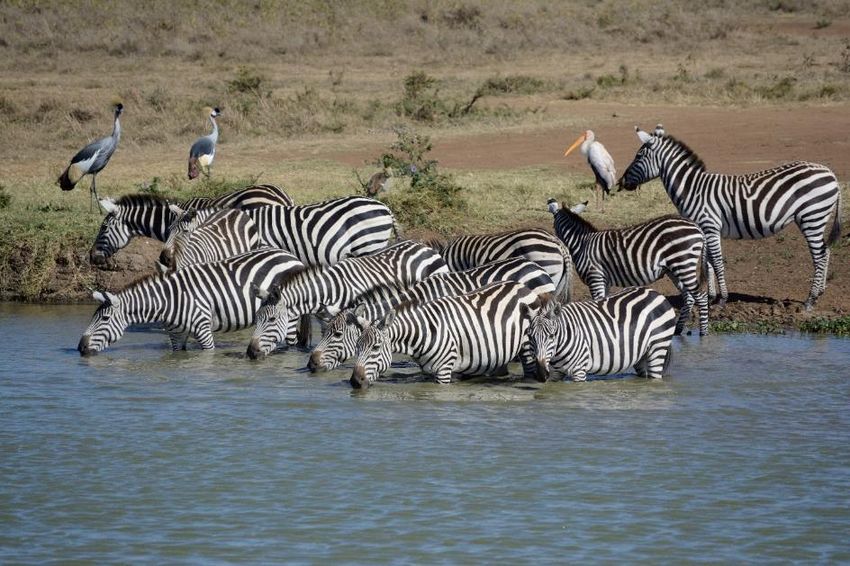
HIGHLIGHTS:

   •   Excellent photographic opportunities
   •   A large range of mammals including the “Big 5”: African Leopard, African Lion,
       Savannah Elephant, both White and Black Rhino and Cape Buffalo. Also: Nile
       Crocodile, Nile Hippo, Grevy’s Zebra and Beisa Oryx.
   •   Iconic and scenically spectacular locations including Mt Kenya, the Great Rift
       Valley, Lake Victoria.
   •   We cover several habitats including Savannah, Wetlands, Semi-arid Scrubland,
       Desert Lava, Highland Forest, Montane Grasslands and Equatorial forest.

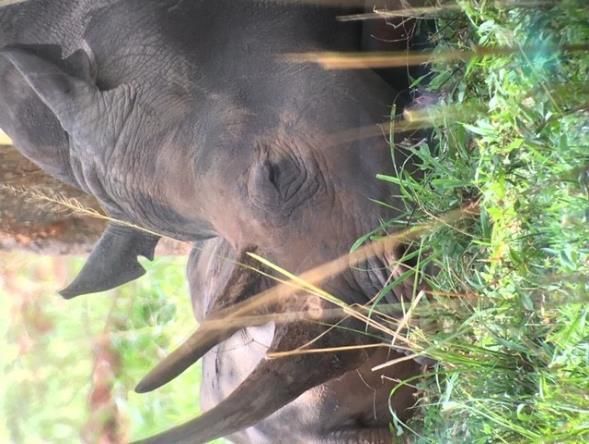
   White rhinoceros                              Lilac-breasted Roller
   T Cochran                                     W Wachira

ITINERARY OUTLINE:
Day 1. Sun 10 Jan 21. Arrive Nairobi and Nairobi National Park.
Day 2. Mon 11 Jan 21. Thika to Lake Naivasha
Day 3. Tue 12 Jan 21. Naivasha to Mt Kenya via Kinangop Plateau and Aberdare National Park.
Day 4. Wed 13 Jan 21. Mt Kenya to Samburu National Reserve
Day 5. Thu 14 Jan 21. Buffalo Springs and Sambura National Reserves
Day 6. Fri 15 Jan 21. Lake Nakuru National Park
Day 7. Sat 16 Jan 21. Lake Nakuru to Lake Baringo
Day 8. Sun 17 Jan 21. Lake Baringo
Days 9 & 10. Mon 18 & Tue 19 Jan 21. Kakamega Forest.
Day 11. Wed 20 Jan 21. Lake Victoria to Masai Mara
Day. 12 & 13. Thu 21 & Fri 22 Jan 21. Masai Mara National Reserve
Day 14. Sat 23 Jan 21. Return to Nairobi

We can organise additional accommodation in Nairobi for those wishing to arrive before the
start of the tour. Please contact us for further information and prices.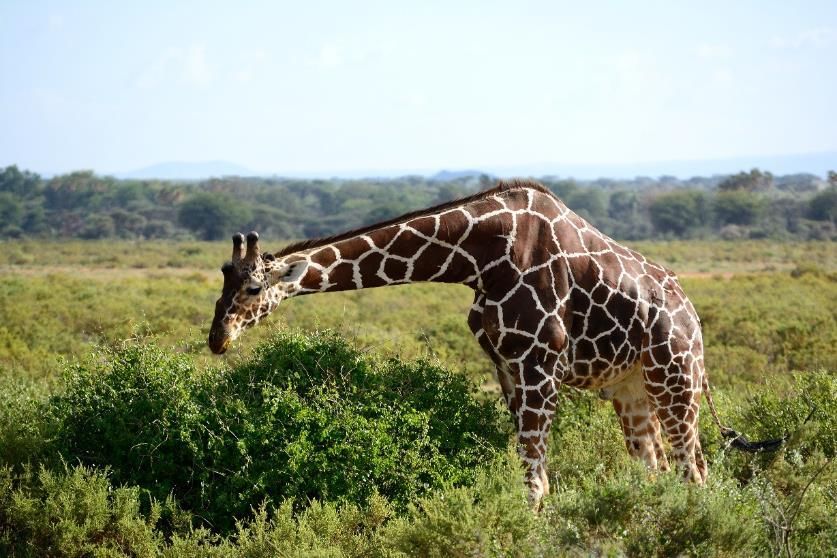
Day 1. Sun 10 Jan 21. Arrive Nairobi and Nairobi National Park. On our arrival at Nairobi
Airport, we will be met by our local guide before driving to nearby Nairobi National
Park. This is Kenya’s oldest National Park, located just 7 kilometres from the edge of the
Nairobi city centre and indeed, Kenya’s capital birding location with over 500 species
recorded in the park. Some species we expect to find here include the Secretarybird,
African Water Rail, Spotted Thick-knee, Black-winged Plover, African Finfoot, Pangani
Longclaw, Jackson’s Widowbird, Kori Bustard, Hartlaub’s Bustard, Saddle-billed Stork,
African Yellow White-eye, Common Nightingale, Ruppell’s Robin-chat, Northern Pied
                                                         Babbler, White-tailed Lark,
                                                         Rufous-naped Lark, Somali
                                                         Short-toed Lark, Red-throated
                                                         Tit, Speke’s Weaver, Yellow-
                                                         throated Sandgrouse, Martial
                                                         Eagle, African Crowned Eagle,
                                                         Wahlberg’s Eagle, African Quail-
                                                         finch, Zebra Waxbill, Harlequin
                                                         Quail, Lappet-faced Vulture,
                                                         Violet Wood-hoopoe, Nairobi
                                                         Pipit, Grassland Pipit, Siffling
                                                         Cisticola, Croaking Cisticola and
                                                         Desert Cisticola. The park also
                                                         hosts four of the African Big Five
                                                         and many other interesting
                                                         animals that you’ll enjoy during
                                    Kori Bustard         the visit. Accommodation: Hotel
                                    W Wachira            in Nairobi (en suite rooms).
                                                         Meals: B, L, D.

Day 2. Mon 11 Jan 21. Thika to Lake Naivasha. Today we will start our birding around the
vast Thika area, where we shall make several stops for local birds and also visit the Ol
Donyo Sabuk area; we will be targeting species such as the Hinde’s Babbler, Northern
Pied Babbler, African Hill Babbler, Meyer’s Parrot, African Green Pigeon, Eastern
Bronze-naped Pigeon, Black-and-white Mannikin, Bearded Scrub Robin, Red-capped
Robin-Chat, Lead-coloured Flycatcher, Hartlaub’s Turaco, Purple-crested Turaco, Lemon
Dove, Crimson-rumped Waxbill, Yellow-bellied Waxbill, Red-billed Firefinch, Grey-Olive
Greenbul, and Spot-flanked Barbet. After lunch at Thika, we will drive to Lake Naivasha.
There will be more birding stops enroute. On arrival, we will bird around our lodge and
the lake shore. Expected species include Mosque Swallow, Lyne’s Cisticola, Chestnut
Sparrow, Abyssinian Wheatear, Nyanza Swift, Mottled Swift, White-fronted Bee-eater,
Mocking Cliff Chat, Bearded Woodpecker, Plain-backed Pipit, Giant Kingfisher, Grey-
backed Fiscal, Grey-crested Helmet-Shrike, Brimstone Canary, Cape Teal, Pied Avocet,
Black Heron, Goliath Heron, Lesser Flamingo, Maccoa Duck, Great White Pelican,
Common Greenshank, Ruff, Green Sandpiper, Black-tailed Godwit, Hilderbrandt’s
Francolin, Arrow-marked Babbler, Black-lored Babbler, African Fish Eagle, Verreaux’s
Eagle, Tawny Eagle, Osprey, Hybrid Lovebird, Red-throated Wryneck, Golden-breasted
Bunting, Buff-bellied Warbler, Grey Crowned Crane, Black Cuckoo and Hoopoe.
Accommodation: Lodge on 150-acre property at Lake Naivasha (en suite rooms).
Meals: B, L, D.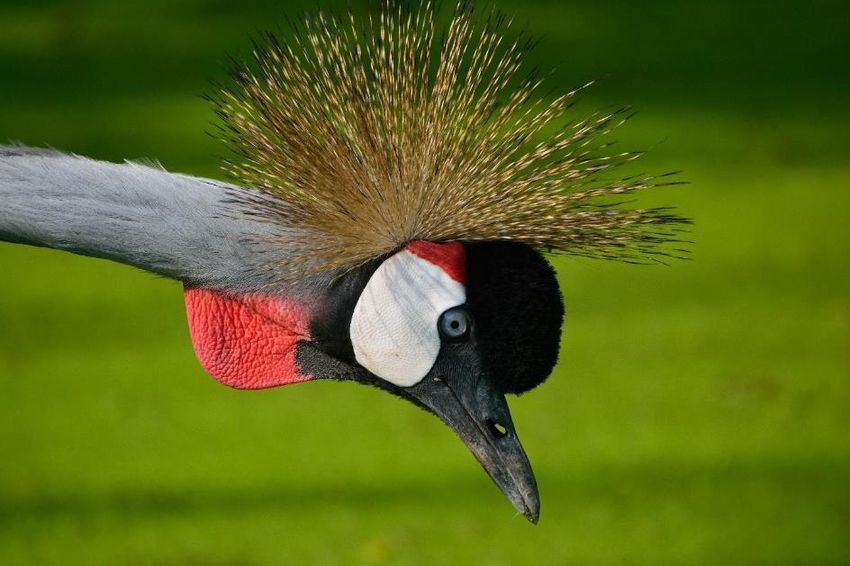
Day 3. Tue 12 Jan 21. Naivasha to Mt Kenya via Kinangop Plateau and Aberdare National
Park. This morning we will start with a boat ride on Lake Naivasha before we head slowly
towards Mt. Kenya through Kinangop and Aberdares. Birds we expect to see on the way
include Brown Woodland Warbler, Mountain Yellow Warbler, Cinnamon Bracken
Warbler, Black-winged Plover, Red-throated Wryneck, Jackson’s Francolin, Common
Quail, Slender-billed Greenbul, Aberdare Cisticola, Hunter’s Cisticola, Levaillant’s
Cisticola, Wing-snapping Cisticola, Long-tailed Widowbird, Jackson’s Widowbird, Angola
Swallow, Montane Nightjar, Sharpe’s Longclaw, Martial Eagle, Mountain Buzzard,
Rufous-breasted Sparrowhawk, White-headed Wood-Hoopoe, Bar-tailed Trogon, Barred
Long-tailed Cuckoo, Red-throated Pipit, Black-tailed Godwit, African Snipe, Lesser
Jacana, Common Stonechat and Olive Ibis. We will arrive at Mt. Kenya late afternoon,
where we will bird briefly around the lodge targeting forest and woodland species such
as the Mountain Buzzard, Crowned Eagle, Mountain Yellow Warbler, Golden-winged
Sunbird, Olive Pigeon, Eastern Bronze-naped Pigeon and Oriole Finch. We are also likely
to see a range of local monkey and antelope species. Accommodation: Lodge on the
slopes of Mt Kenya (en suite rooms) 2,134m above sea level. Meals: B, L, D.

    Common Zebra with Grey-crowned Crane, Yellow-billed Stork and Egyptian Goose
    W Wachira

Day 4. Wed 13 Jan 21. Mt Kenya to Samburu National Reserve. We will spend the
morning birding further around Mt. Kenya searching for any species we missed the
previous day; we also hope to add more species to our already growing list. We will then
leave for Samburu and Buffalo Springs, birding on the way. As we approach Samburu,
we pass some dry country where we will be searching for specialties such as the Straw-
tailed Whydah, Steel-blue Whydah, Chestnut-headed Sparrow-Lark, Rufous Bush Chat,
Fan-tailed Raven, Bristle-crowned Starling, Fischer’s Starling, Magpie Starling, Ruppell’s
Vulture, Egyptian Vulture, Donaldson-Smith’s Sparrow-Weaver, Lichtenstein’s
Sandgrouse, White-bellied (Variable) Sunbird and Pink-breasted Lark. This afternoon
we will enjoy a game drive in Samburu. Accommodation: Lodge within Samburu
National Reserve (en suite rooms). Meals: B, L, D.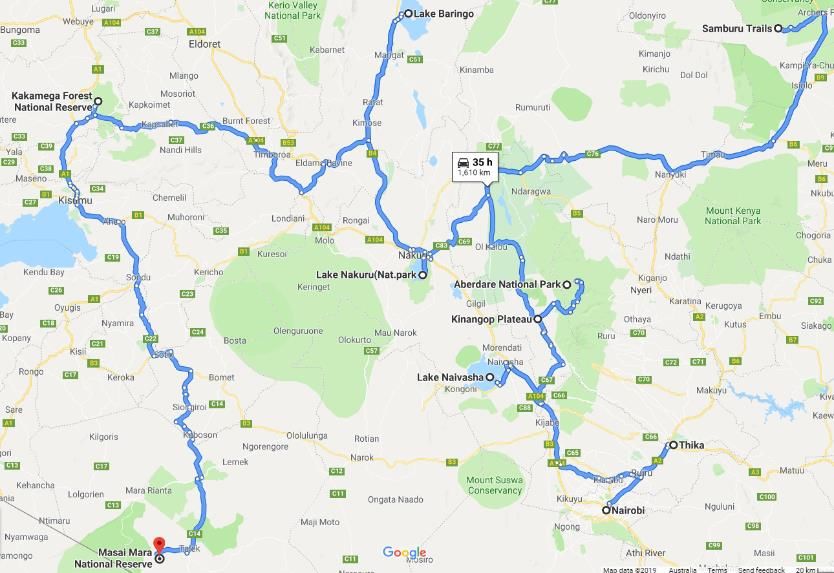
Day 5. Thu 14 Jan 21. Buffalo Springs and Sambura National Reserves. Today we will
enjoy searching for the local mammals, such as Leopard, Beisa Oryx, Gerenuk, Grevy’s
Zebra, Cheetah, Reticulated Giraffe, Lion and Elephants. Additional bird species here
include Somali Ostrich, Somali Courser, Golden Pipit, Golden-breasted Starling,
Abyssinian Scimitarbill, Rosy-patched Bushshrike, Pringle’s Puffback, Northern
Puffback, Northern White-crowned Shrike, White-headed Mousebird, Hunter’s Sunbird,
Black-bellied Sunbird, Shining Sunbird, Red-billed Hornbill, Eastern Yellow-billed
Hornbill, Von der Decken’s Hornbill, Black-faced Sandgrouse, Chestnut-bellied
Sandgrouse, Fire-fronted Bishop, Somali Bee-eater, Stone Partridge, African Orange-
bellied Parrot, Yellow-vented Eremomela, Northern Crombec, Northern Grey Tit, Black-
capped Social Weaver, Northern Brownbul, Buff-crested Bustard, African Bare-eyed
Thrush, Somali Sparrow, Donaldson-Smith’s Nightjar, Dusky Nightjar, Vulturine
Guineafowl, Rufous Chatterer, African Mourning Dove, European Turtle Dove, Egyptian
Vulture, Bateleur, Martial Eagle and Tawny Eagle. Accommodation: Lodge within
Samburu National Reserve (en suite rooms) as for last night. Meals: B, L, D.

     Reticulated Giraffe
     W Wachira

Day 6. Fri 15 Jan 21. Lake Nakuru National Park. We will leave early this morning and travel
to Lake Nakuru National Park. This park is famed as the birdwatchers’ paradise, and
indeed was the first national park in Africa to be set up with an avian conservation
objective. Up to a million flamingos have been recorded in this park depending on their
regional migration. Most of these are Lesser Flamingos with Greater Flamingos making a
smaller population. Other birds include the Woolly-necked Stork, Arrow-marked
Babbler, Little Rock-Thrush, Mocking Cliff Chat, White-browed Robin-Chat, Reed
Cormorant, Pink-backed Pelican, Pied Avocet, Kittlitz's Plover, Blacksmith Plover, Coqui
Francolin, Hildebrandt's Francolin, Black Cuckoo, Levaillant’s Cuckoo, African Cuckoo,
Grey-crested Helmetshrike, Cape Teal, Brimstone Canary, Hottentot Teal, Red-billed
Teal, Dusky Nightjar, Montane Nightjar. Palearctic water migrants are seasonally also
abundant here. The park is also a great sanctuary for rhinos and three other members of
the Big Five, and these may be encountered as we move around the park. Other
mammals will be seen include herds of grazing herbivores and Rothschild’s Giraffe.
Accommodation: Lodge at Lake Nakuru (en suite rooms). Meals: B, L, D.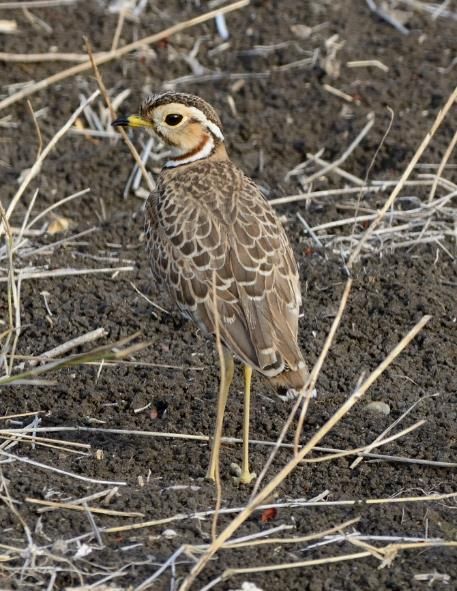
Day 7. Sat 16 Jan 21. Lake Nakuru to Lake Baringo. We will enjoy more birding in
Nakuru this morning targeting species we
may have missed earlier before traveling          Heuglin’s Courser
to Lake Baringo. If time allows, we will          W Wachira
stop briefly at a roadside dam near the lake
to check for some waterfowl. Birding will
also be active along the way. In the
afternoon, we shall enjoy a nature walk
around the area scouting for owls and
nightjars and a variety of other species.
Birds to expect here include the Spotted (
& Greyish) Eagle-Owl, Northern White-
faced Scops Owl, Shikra, Dark Chanting
Goshawk, Verreaux’s Eagle, Slender-tailed
Nightjar, Donaldson-Smith’s Nightjar,
Heuglin’s Courser, Blue-capped Cordon-
bleu, D’Arnaud’s Barbet, Black-throated
Barbet, Brubru, Grey-headed Bushshrike,
Somali Fiscal, Three-streaked Tchagra,
Spotted Thick-knee, Senegal Thick-knee,
African Pygmy Kingfisher, Nubian
Woodpecker, Crimson-rumped Waxbill,
Little Weaver, Jackson’s Golden-backed Weaver, Northern Masked Weaver, White-billed
Buffalo-Weaver, White-bellied Canary, Beautiful Sunbird, Black-headed Plover, Jackson’s
Hornbill, Yellow-billed Hornbill, Hemprich’s Hornbill, Northern Red Bishop, Brown-
tailed Rock Chat, Mocking Cliff-Chat, Somali Sparrow and Bristle-crowned Starling,
among many other wonderful species of this region. Accommodation: Safari Lodge on
the shores of Lake Baringo in the Rift Valley (en suite rooms). Meals: B, L, D.

Day 8. Sun 17 Jan 21. Lake Baringo. We will start today with a boat ride over Lake
                                                Baringo, in search of water birds like
  African Fish Eagle                            African Jacana, Black Crake, Goliath
  W Wachira                                     Heron, Little Bittern, Purple Heron and
                                                White-faced Whistling Duck. The boat
                                                ride experience will also help you enjoy
                                                the beauty of the lake and see the local
                                                African Fish Eagles advertising their
                                                territories as they hunt too. We will
                                                then return to the lodge for breakfast.
                                                After breakfast we shall scout the local
                                                scrubland and the nearby cliff-seeking
                                                birds we may have missed the previous
                                                day. After lunch at the lodge, we have
                                                time to relax and enjoy our lodge views
                                                before heading out later in the
                                                afternoon to search for nightjars and
                                                owls. Accommodation: Lake Baringo
                                                (en suite rooms) as for last night.
                                                Meals: B, L, D.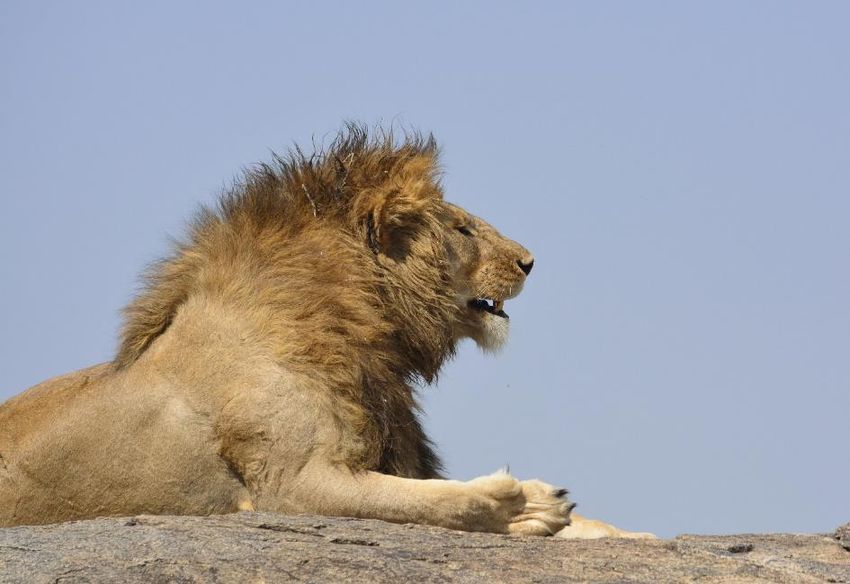
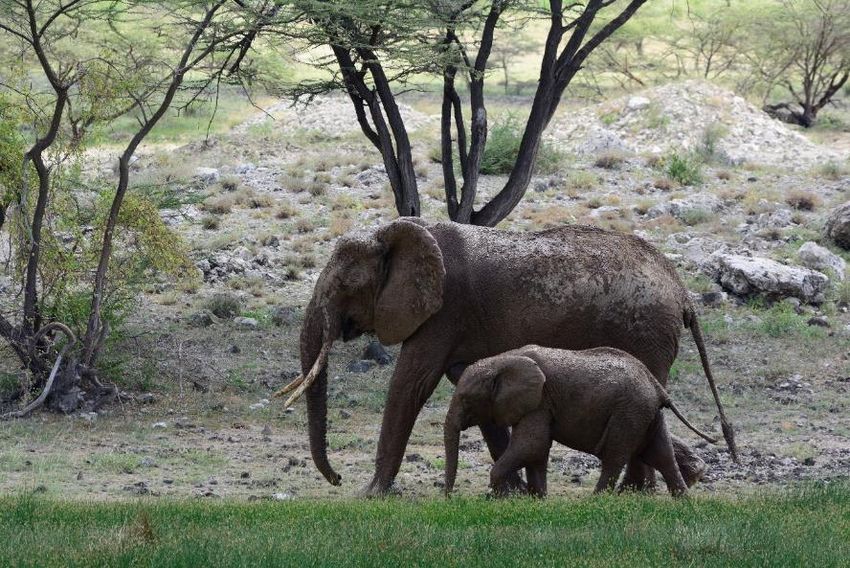
African Elephant
 W Wachira

Days 9 & 10. Mon 18 & Tue 19 Jan 21. Kakamega Forest. We will depart early for
Kakamega, driving through the vast Kerio Valley. We will make several stops to enjoy
local birds such as White-crested Turaco, Rufous Chatterer, Boran Cisticola, Gambaga
Flycatcher, Silverbird and Fan-tailed Raven. On arrival, we shall walk around the lodge
compound to pick our first birds of the forest. The following day will bird both in the
morning and afternoon, breaking for lunch and a break at the lodge in the middle of the
day. Kakamega forest is a remnant of the Guineo-Congolian Equatorial forest. Species
diversity here is high and we expect to see species such as the Yellow-shouldered
(Yellow-mantled) Widowbird, Little Greenbul, Shelley’s Greenbul, Cameroon Sombre
Greenbul, Ansorge’s Greenbul, Toro Olive Greenbul, Great Blue Turaco, Western Banded
Snake-Eagle, Crowned Eagle, Chapin’s Flycatcher, Red-headed Bluebill, Oriole Finch,
Black-faced Rufous Warbler, Uganda Woodland Warbler, White-chinned Prinia, Buff-
throated Apalis, Turner’s Eremomela, Green Hylia, Yellow-bellied Hyliota, Olive-Green
Camaroptera, Square-tailed Drongo, Red-headed Malimbe, Black-necked Weaver, Black-
billed Weaver, Vieillot’s Black Weaver, African Broadbill, Petit’s Cuckooshrike, Blue-
shouldered Robin-Chat, Snowy-headed Robin-Chat, Grey-throated Barbet, Hairy-
breasted Barbet, Yellow-spotted Barbet, Yellow-billed Barbet, Pink-footed Puffback,
Green Sunbird, Western Olive Sunbird, Orange-tufted Sunbird, Green-throated Sunbird,
Mackinnon’s Fiscal, White-spotted Flufftail, Dusky Tit, African Emerald Cuckoo, Klaas’s
Cuckoo, Bocage’s Bush-Shrike, Luhder’s Bush-Shrike, Black-crowned Waxbill, White-
breasted Negrofinch, Bar-tailed Trogon, Least Honeyguide, Buff-spotted Woodpecker,
Brown-eared Woodpecker, Yellow-crested Woodpecker, White-headed Wood-Hoopoe,
Black-and-white-casqued Hornbill, Equatorial Akalat, White-tailed Ant-Thrush, Blue-
headed Bee-eater, Western Black-headed Oriole, Common Wattle-eye, Jameson’s Wattle-
eye and Yellow-bellied Wattle-eye. The forest also abounds with different unique
monkeys, antelope and squirrel species. Accommodation: Kakamega Forest (en suite
rooms) both nights. Meals: B, L, D.
Day 11. Wed 20 Jan 21. Lake Victoria to Masai Mara. This morning we will leave early to
travel to Lake Victoria. On our way out, we shall scan several local spots that often
produce birds such as African Thrush, Black Bishop, Copper Sunbird and Lizard Buzzard.
We will then travel to the lakeside city of Kisumu on the shores of Lake Victoria. The
water here is fresh and contains lots of life; the local riparian zone will be our major
target. We expect species such as the Papyrus Gonolek, Black-headed Gonolek, Papyrus
Canary, Woodland Kingfisher, Northern Brown-throated Weaver, Long-toed Plover,
Double-toothed Barbet, Black-billed Barbet, African Marsh-Harrier, Blue-headed Coucal,
Slender-billed Weaver, Red-chested Sunbird, Eastern Grey Plantain-eater, Angola
Swallow, Rufous-chested Swallow, Beaudouin’s Snake-Eagle, Swamp Flycatcher, Greater
Swamp Warbler, Papyrus Yellow Warbler and Carruthers’s Cisticola. We will then
continue to the Masai Mara via the Ahero Rice Scheme where we may find a few
additional species such as Southern Red Bishop and Broad-billed Roller. We will arrive
in the late afternoon in time for some birding around our camp. Accommodation: Mara
National Reserve (en suite rooms). Meals: B, L, D.

  African Lion
  W Wachira

Days 12 & 13. Thu 21 & Fri 22 Jan 21. Masai Mara National Reserve. Described by many
as the top reserve in Kenya, this area has lots to offer, from the Big Five, herds of grazing
mammals, to the amazing birdlife. The magical Annual Wildebeest Migration is also a
spectacle that has made the area very famous. Birding will likely be busy with several
transects across this vast savannah. We shall spend time in the reserve trying the
different habitats. Each area will provide a different habitat and we shall be seeking
different species on each section of the reserve. Likely species include Southern Ground-
Hornbill, Rufous-bellied Heron, Pennant-winged Nightjar, Square-tailed Nightjar, Dusky
Nightjar, Schalow’s Turaco, Grey-crested Helmetshrike, Red-necked Spurfowl, Red-
winged Francolin, Bare-faced Go-away-bird, Rufous-chested Swallow, Lappet-faced
Vulture, Short-toed Snake-Eagle, White-headed Vulture, Ruppell’s Vulture,
Secretarybird, Grey Kestrel, Temminck’s Courser, Rosy-breasted Longclaw, Green-
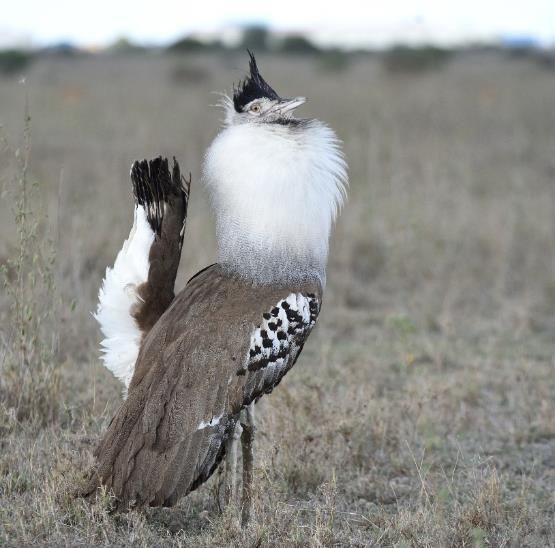
capped Eremomela, Black Coucal, African Quailfinch, Kori Bustard, Bush Pipit, White-
tailed Lark, Flappet Lark, Singing Bush Lark, Athi Short-toed Lark, Rufous-tailed Weaver,
Grey-capped Social Weaver, Karamoja Apalis, Black-backed Cisticola, Long-tailed
Cisticola, Pale Wren-Warbler, Usambiro Barbet, Familiar Chat, Sooty Chat, Wattled
Plover, Woolly-necked Stork, Saddle-billed Stork and Magpie Shrike.
Accommodation: Lodge in Masai Mara National Reserve (en suite rooms) both nights.
Meals: B, L, D.

Day 14. Sat 23 Jan 21. Return to Nairobi. Today we will return to Nairobi, birding en
route. We may stop at a roadside swamp near Nairobi for more waterfowl before
arriving in Nairobi late in the afternoon. Airport transfers are available for those flying
out this evening and we can also arrange additional accommodation in Nairobi for those
departing tomorrow. Accommodation: none. Meals: B, L.

Tour Price: UK £9190 per person twin share. Single supplement UK £915

    Special offer: UK £7,450 per person twin share. Single supplement UK £830
                            Price valid to 30 April 2020.

Based on a group size of 6-10 participants + Inala leader Dr Tonia Cochran + local
guide.

Inclusions: 13 nights’ accommodation, specialist guiding and transport for day and
night tours in private open-roofed 4WD safari Toyota Landcruisers with specialist
licensed local guide and site guides/wildlife rangers as outlined in the itinerary, all
meals (B, L, D snacks and bottled water), entry fees to National Parks, boat cruises at
Lake Naivasha, Lake Victoria and Lake Baringo and guided walks as outlined in the
itinerary and all internal taxes and charges.

Exclusions: any international and domestic airfares, alcoholic and non-alcoholic
beverages and expenses of a personal nature (travel and medical insurance, phone calls,
laundry, tips etc), personal & incidental expenses and any additional activities not
mentioned in the above itinerary.

Please note:
   • The above rates are based upon a group size of 6-10 people. If the tour does not
      achieve minimum numbers, a small supplement may be charged. We would
      always discuss this with you beforehand.
   • The itinerary: Whilst we aim to follow the itinerary as planned, please note that
      the itinerary provided should only be used as a guideline. Depending on
      individual trip circumstances, weather, and local information, the exact itinerary
      may not be strictly adhered to. The guides reserve the right to make changes to
      the itinerary as they see fit.
   • For much of this tour we will be in a wonderful yet remote part of the world.
      Some of the roads are unsealed and rough. If you have medical conditions or
      health concerns, it is important you make us aware of these in advance of this
      tour.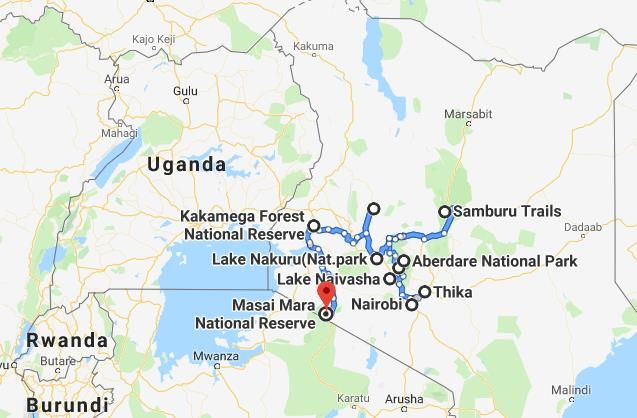
Map of Kenya indicating the area covered by the tour:

Yellow-rumped Tinkerbird                                 Shining Blue Kingfisher
H Byaruhanga                                             H Byaruhanga

 Enlargement of the area covered by the tour:
                                                                Little Bee-eater
                                                                H Byaruhanga
You can also read


