Lotofale Mental Health Clinic: Auckland, New Zealand - Population served: Maori & Pacific Islanders Mental Health Service The University of Kansas ...
←
→
Page content transcription
If your browser does not render page correctly, please read the page content below
Lotofale Mental Health Clinic:
Auckland, New Zealand
Population served:
Maori & Pacific Islanders Mental Health Service

 The University of Kansas
    School of Nursing:

 Presented by: Anna Meagher
       & Jayden Slater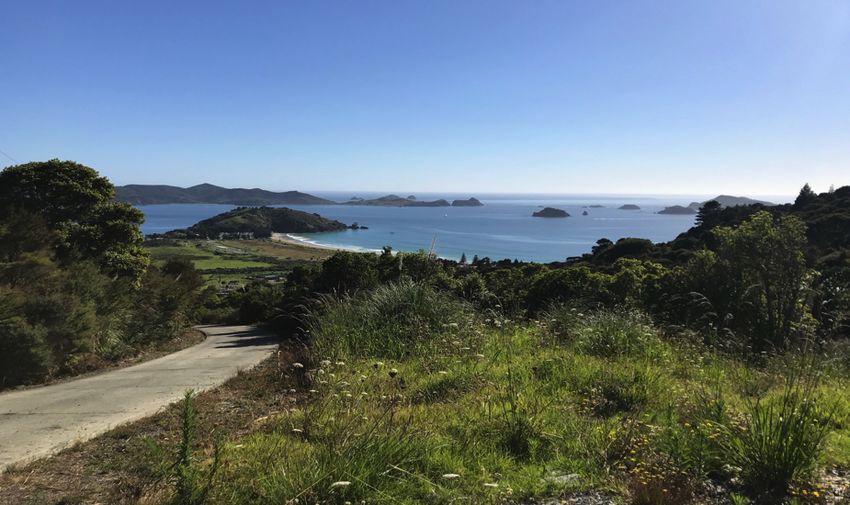
Objectives
Anna personal objective:
To observe the differences in plan of care for patients in an international setting specific to Mental Health in the indigenous
population- Maori persons.
To decrease anxiety/ depression in Maori males ages 20-30 years old in order to prevent the instance of suicide.

Jayden objective:
To compare and contrast the similarities and differences between the United States and an international healthcare system.
To learn and observe the coordination of care specific to mental health and the Maori/Pacific Islander indigenous population.
To grow in my personal and professional understanding of healthcare delivery on a global scale.
Background Information
New
Zealand:
North
and
South
Island
located
in
the
Southwestern
Pacific
Ocean
Capital
City:
Wellington,
which
is
located
on
the
Southern
>p
of
the
North
Island
Total
popula>on
of
New
Zealand:
Approx.
4,
762,
473
persons
(2018
Worldometer)
Average
life
expectancy:
according
to
survey
2015-‐
17
is
life
expectancy
at
birth
is
80
for
males
and
83.4
for
females.
(StatsNZ,
2018)
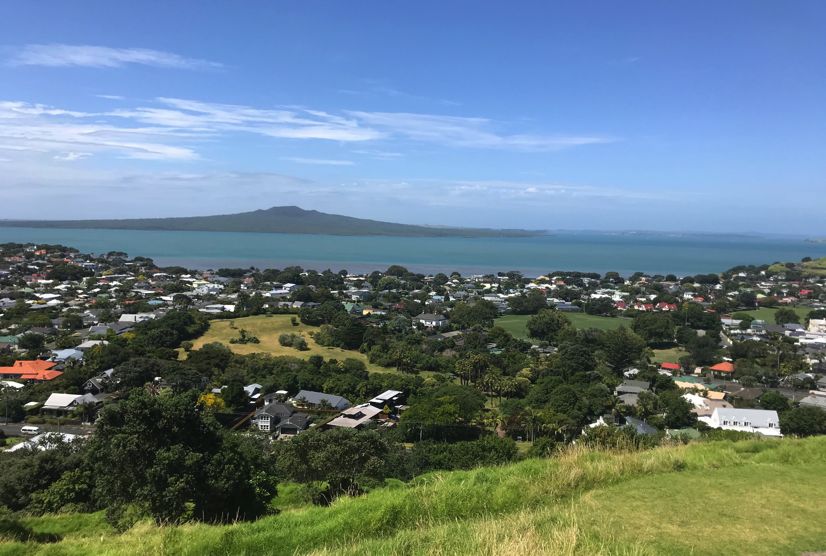
Photos left to right: skyline of Auckland
City, Auckland Sky Tower, map of
Wellington Capital of country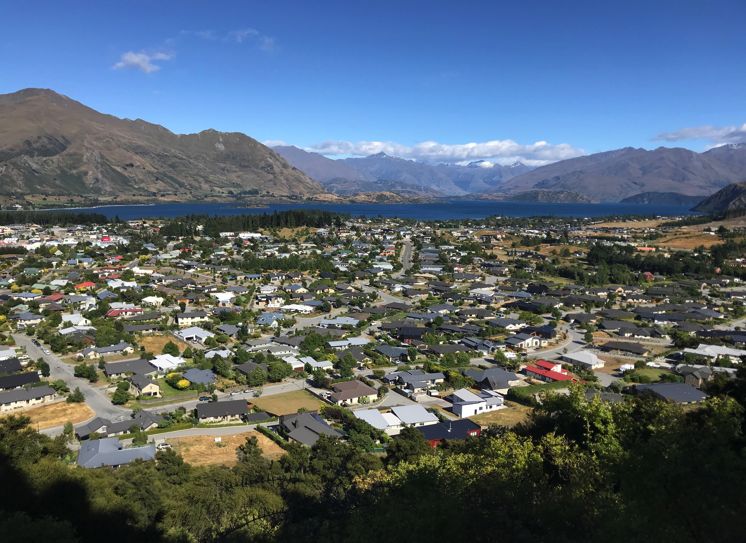
Background Information Continued...
Gender
Ra>o-‐
Male:Female
=
97:100
Average
Income
per
Household-‐$105,719
New
Zealand
Dollars
(NZD).
Before
taxes
(StatsNZ,
2018).
Poverty
level-‐about
every
1
in
7
households
are
in
poverty
(about
682,500
people)
(StatsNZ,
2018).
Educa>onal
level-‐New
Zealand
has
8
state-‐funded
universi>es.
In
2017,
51%
of
the
eligible
popula>on
held
ter>ary
cer>ficates
(college
degrees)
or
higher
Lotofale Clinic is an outpatient branch of Auckland City Hospital
(StatsNZ,
2018).
Major
sources
of
employment-‐Business
(finance,
insurance,
marke>ng,
accoun>ng),
Manufacturing,
Agriculture,
Health/Medicine,
Engineering
Poli>cal
structure-‐cons>tu>onal
monarchy
(under
Bri>sh
rule),
with
parliament.
The
current
Prime
Minister
of
New
Zealand
is
Jacinda
Ardern.
Cultural
Health
Beliefs-‐Standard
westernized
medicine
prac>ces.
Maori
have
specific
health
beliefs
included
in
the
“Fonofale”
model.
● Health
consists
of
a
combina>on
of
factors
including
cultural
and
familial
prac>ces
and
physical/mental/spiritual
health.
Health
Dispari>es-‐
The
Maori
are
New
Zealand’s
minority
popula>on,
and
therefore
are
more
predisposed
to
health
dispari>es
like
obesity,
diabetes,
cardiovascular
disease,
and
others.
(StatsNZ,
2018).
Bay of Islands, north of Auckland New Zealand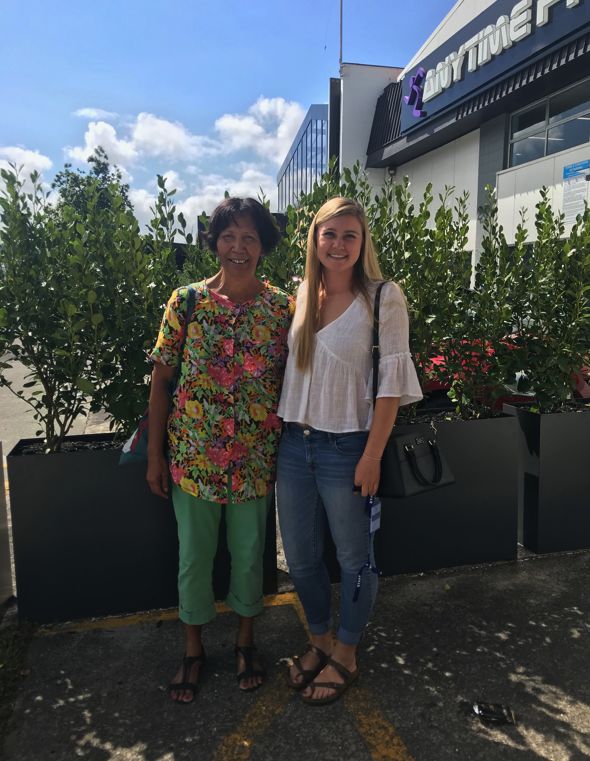
Description of Clinical Site: outpatient mental
    health facility
Total population at Lotofale Clinic:
130 - 160 patients average, 155 patients at time of clinical rotation
Age: 20-30 years old
Gender ratio: 75% male 25% female
income/poverty level of the population group
Most unemployed, many receive between $100-300 per week
from government benefits
Educational level:
Lotofale serves all levels of education from primary school
through university (all classes are affected).
        Lotofale: Serves New Zealand’s minority population                            Greenlane Clinic-Lotofale Mental Health Services
Cultural health beliefs and behaviors: pacific islander persons and
Maori are different! Lotofale works with both and upholds their beliefs and values in their daily practice.
Pacific Islanders health beliefs
Traditional healing in Maori culture is through an elder or traditional healer. Traditionally, mental health was not believed to be
an illness. Lotofale emphasizes the importance of psychoeducation in their care of Maori patients. They explain mental illness
to them as a sickness of the brain.
Behaviors of pacific islanders: spiritual, prioritize values, family, traditional.
specific health disparities noted: Pacific islanders and Maori are marginalized groups in New Zealand. Therefore, they are
overrepresented in statistical figures. Marginalized groups including blacks, transgender, Maori and Pacific Islanders
statistically have worse outcomes than non groups. Health outcomes like obesity, diabetes, ischemic heart disease and mental
Aggregate
     Population
 ● Lotofale Mental Health Clinic
       ○   155 at the time of data collection: January 23, 2019.
 ● Patient population:
       ○   20-30 y/o overweight Māori males
       ○   Health issues including but not limited to:
            ■ suicidal ideation, depression
            ■ obesity, diabetes, and high blood pressure                        Davenport, New Zealand

It is important to note that the nurses medications for mental illness- including
risperidone, have the adverse effect in making patients overweight. There is a
stress for psychoeducation on exercise, diet, and encouraging group walking
meets

 ●    Nurses and health care providers lack resources in furthering optimal patient outcomes due to short
      staffing and lack of government funding/ allocation of money specifically to mental health populations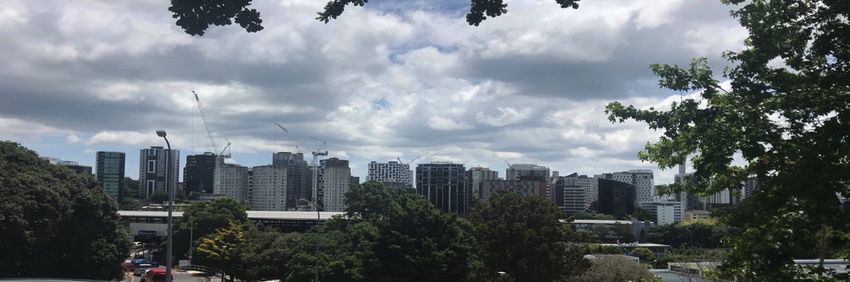
Mental Health Issues and Suicidal Ideation in New
                    Zealand
●   Suicide
      ○ Suicide is the second leading cause of death in non-Maori men and third in Maori Men (Ministry of Health, 2015)
            ■ Not ranked in the top 5 causes of death for either Maori or non-Maori women (Ministry of Health, 2015)
      ○ In 2015, for every female suicide there was 2.7 male suicides (Ministry of Health, 2017)
            ■ 384 male suicides
            ■ 143 female suicides
      ○ The highest rate of suicide is among the young adult Maori Male population, ages 19-30 (Ministry of Health, 2017)
      ○ Mental health is a disease that occurs globally; we happen to be working with the indigenous population of New Zealand

●   New Zealand’s Ministry of Health
      ○ Similar to the United State’s Health People 2020 objectives, New Zealand has a Ministry of Health that creates health
          objectives for the country
            ■ SDG’s are goals that are set for social and economic development issues including health and education
            ■ Both the USA and New Zealand use their platforms of HP2020 and Ministry of Health, respectively, to create and
                  adapt their goals for optimal health outcomes.
      ○ The NZ Ministry of Health objectives for suicide include:
            ■ Promote mental health well-being, prevent mental health problems
            ■ Support families/whānau, friends and others affected by a suicide or suicide attempt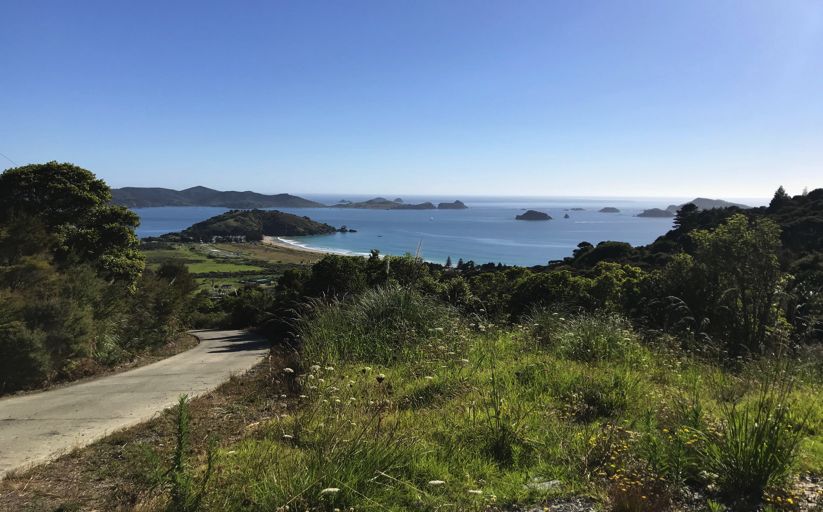
The Health Promotion PLAN
                              Weekly Mental Health Support Groups

 ● Support groups are an important resource for mental health patients to help them
   address concerns, find a community, seek support, and learn about coping strategies.

Vision: A weekly support group to be implemented into the community. It helps promote
the conversation, knowledge, and understanding of mental health issues specifically
highlighting suicidal ideation among Maori and Pacific Islanders in New Zealand.
Benefits:With the help of volunteers, nurses, and various resources like flyers for
marketing and cars for transportation, a weekly support group run by trained professionals
can be an asset to the mental health community of New Zealand.

                  Auckland City Skyline                                 Viaduct Marina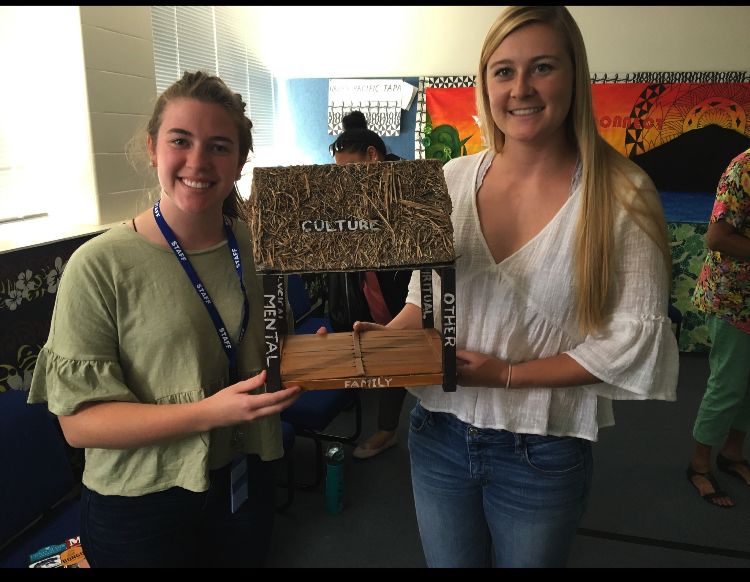
Health Promotion Model
The Fonofale Model
● The Lotofale Clinic uses the Fonofale model
  as a guide to understanding and treating the
  Pacific Island people in a safe, culturally appropriate, and holistic way.
● The model is both physical and visual in nature. It depicts the values and
  beliefs that are foundational to the Maori culture.
    ○   The Foundation: Family
    ○   The Roof: Culture
    ○   The Posts
         ■ Physical health
         ■ Mental health
         ■ Spiritual health
         ■ Other (gender, identity, age, SES, etc)
Final Take-Aways

Suicide is an increasingly important
health issue, both globally and within New
Zealand.
 ● It can affect people of all ages, sexes,
     education levels, socioeconomic
     statuses, and lifestyles
 ● Government does fund healthcare in
     New Zealand, but more must be
     allocated specifically to mental
     health in order to deliver safe, high-
     quality, and culturally competent
     care.
Highlights of Experience- Anna
The most profound professional experience I had
in Auckland, New Zealand was the day we were
able to tour the inpatient acute care mental health
wards at Auckland City Hospital. The mental
health units are set up like dorms in college-
patients walk the wards and nurses sit in nurses
stations that are encased in glass.
The most profound personal experience was
understanding the culture of zero hierarchy
between patient, nurse, and physician. The
doctors (who published books and literature on
their work) are seen as on the same hierarchy
level as the patients are.
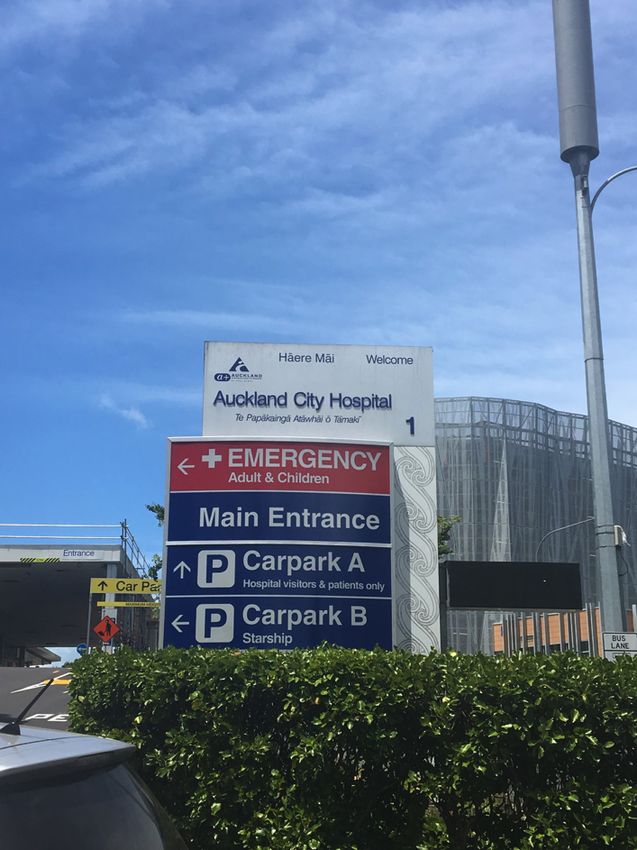
Auckland City Hospital
Anna & JaydenJayden’s Highlights
References
 Centers for Disease Control and Prevention [CDC]. (July 2017). Global Health: Heart Disease. Retrieved February 26, 2019 from
 https://www.cdc.gov/heartdisease/facts.htm

 Mangurian, C., Niu, G., Schillinger, D., Newcomer, J., Dilley, J., & Handley, M. (December 2017). Utilization of the Behavior Change Wheel
 framework to develop a model to improve cardiometabolic screening for people with severe mental illness. Implementation Science. 12(134).
 https://doi.org/10.1186/s13012-017-0663-z

 Pitama, S., Huria, T., & Lacey, C. (2014). Improving Maori health through clinical assessment: Waikare o te Waka o Meihana. The New Zealand
 Medical Journal, 127 (1393), 107-119. Retrieved February 12, 2019. From doi: 10.3390/ijerph6112843.


 Stats,
  NZ
  (2018).
  New
  Zealand
  Census
  and
  Tatauranga
  Aotearoa.
  Retrieved
  21
  February,
  2019
  from
  https://www.stats.govt.nz/
You can also read


