Management Plan 2021-2026
←
→
Page content transcription
If your browser does not render page correctly, please read the page content below
Kings Park and Botanic Garden

Management Plan
2021–2026
Noongar dancers performing in Kings Park. Photo – Mark Griffin/BGPA

2
Acknowledgement
                     of Country
                     We acknowledge and respect the Whadjuk Noongar
                     people as the traditional custodians of Kings Park
                     land. We seek to preserve, celebrate and learn from
                     their culture and knowledge.
                     Kaarta Koomba, or Kings Park and Botanic Garden, is a highly
                     significant place to Whadjuk Noongar people. Noongar names
                     for Kings Park include Kaarta Koomba, Kaarta Gar-up, Mooro
                     Kaarta and Kata Moor.

                     Kings Park lies at the natural heart of Whadjuk Noongar culture,
                     with its location at a key junction of the river and a chain of
                     lakes, all of which are linked by songlines and continuing
                     cultural practice.

Kings Park and Botanic Garden Management Plan 2021–2026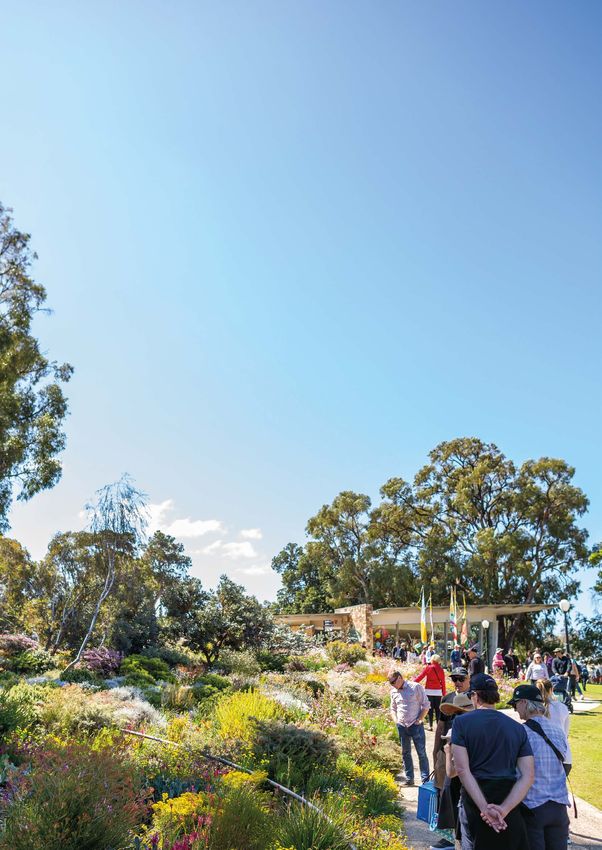
Community consultation
      This management plan has been prepared in consultation with key stakeholders, including
      government and private organisations and the general community. Details of public comments on the
      draft management plan can be found in a separate document titled Audit of Public Submissions on
      the Draft Kings Park and Botanic Garden Management Plan 2021–2025.

      The Botanic Gardens and Parks Authority (BGPA) thanks everyone who contributed to the
      development of this management plan including members of the community and stakeholder
      organisations who participated in workshops, completed surveys or provided submissions.

      This collaboration has been significant in shaping the direction and focus of this management plan
      and has highlighted the strong sense of ownership and engagement that the community has with
      Kings Park and Botanic Garden.

      More information
      For further information regarding Kings Park and Botanic Garden please visit the BGPA’s website
      at www.bgpa.wa.gov.au.

      For information regarding specific management or operational matters please email
      enquiries@bgpa.wa.gov.au or telephone (+61 8) 9480 3600.

BGPA is a Statutory Authority of the Department of Biodiversity, Conservation and Attractions. The plan has been
prepared in accordance with Part 4 of the Botanic Gardens and Parks Authority Act 1998.

The plan has been produced in electronic format and is available to download as a pdf from the BGPA website
www.bgpa.wa.gov.au. Alternative formats are available on request.

© Botanic Gardens and Parks Authority 2021.

The Kings Park and Botanic Garden Management Plan 2021–2026 is copyright. It may be reproduced provided the source is
acknowledged. All photographs within have been used with permission and remain the property of BGPA or the contributors.

Cover photo – Visitors viewing the wildflower display outside Aspects of Kings Park Gallery Shop. Jason Thomas/BGPA
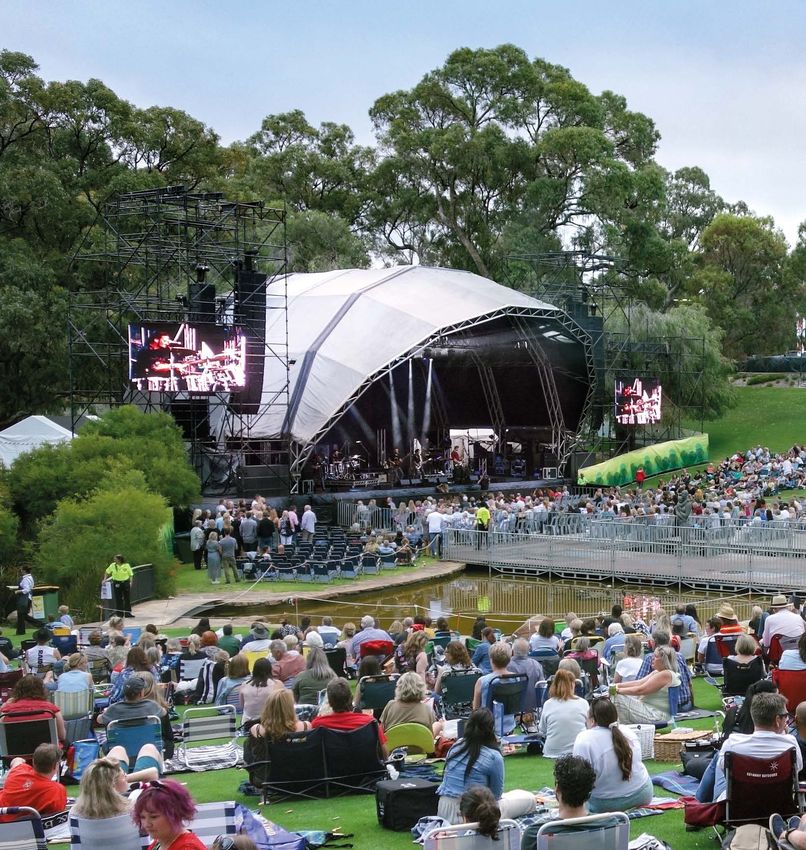
Back page photo – A concert at the Pioneer Women’s Memorial. Alan Barrett/BGPA

4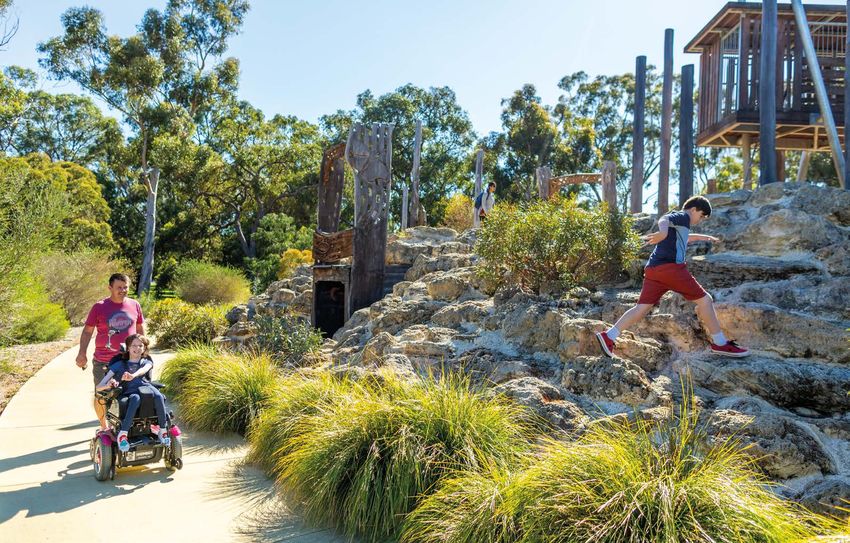
Contents
                     At a glance                                                         7

                     Kings Park and Botanic Garden: the natural heart of Perth           8

                     Governance                                                          9

                     Planning framework and policies                                     10

                     BGPA strategic priorities                                           12

                     Looking back: key achievements from the 2014–2019 management plan   14

                     Looking forward: issues and trends shaping this management plan     16

                     Planned activities 2021–2026                                        19

                        1. Community engagement and participation                        20

                        2. Visitor experiences                                           22

                        3. Science and environmental conservation                        24

                        4. Plant collections and displays                                26

                        5. Amenity and infrastructure                                    28

Kings Park and Botanic Garden Management Plan 2021–2026                                       5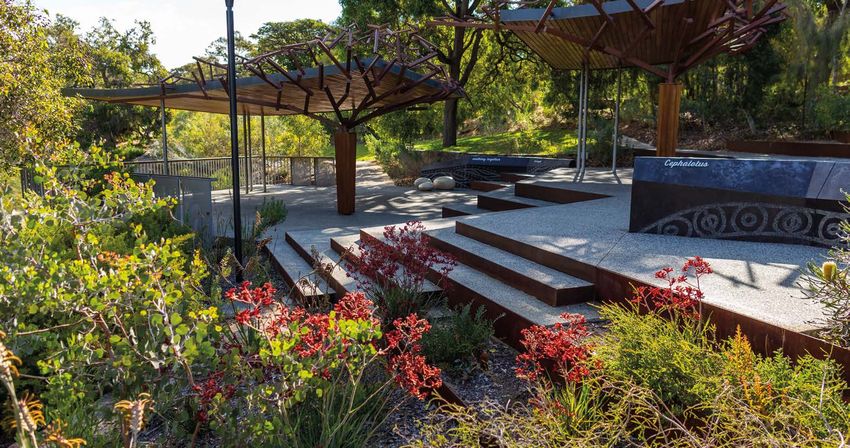
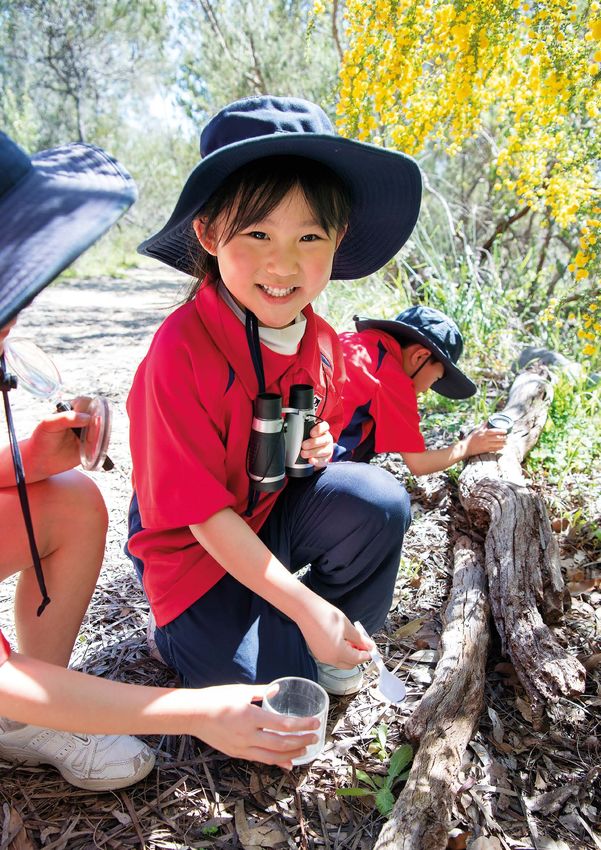
Children participating in a Kings Park Education program. Photo – Jody D’Arcy/BGPA
Lemon-scented gums along Fraser Avenue. Photo – Jason Thomas/BGPA

At a glance
  The Kings Park and Botanic Garden                         and immersive nature-based activities and authentic
  Management Plan 2021–2026 (the plan)                      cultural experiences that connect visitors to the
  outlines the Botanic Gardens and Parks                    environment and provide information about our rich
  Authority (BGPA) planned activities and                   culture and unique biodiversity. Our activations aim to
  programs in Kings Park and Botanic                        make a positive difference in the community and we
                                                            will play a part in promoting an inclusive, sustainable
  Garden (Kings Park) to achieve strategic
                                                            and liveable community by providing accessible healthy
  priorities consistent with the BGPA
                                                            spaces, demonstrating social inclusion and connecting
  statement of purpose:                                     visitors to nature, culture and a shared sense of identity.
  To practise and inspire environmental                     Another key priority under this plan is to act on complex
  conservation and celebrate local identity by              environmental challenges and to demonstrate leadership
  immersing and empowering communities                      in science and environmental conservation to deliver
  in world-recognised botanic gardens,                      positive outcomes for ex-situ (or off-site) conservation,
  parklands and urban bushlands.                            ecological restoration, and bushland conservation. This
                                                            will be achieved through sustainable and science-led
                                                            management practices. Kings Park will be our stage,
The plan outlines guiding frameworks and policies for       classroom, and laboratory to advance knowledge
park management and details initiatives for 2021–2026       and enhance community appreciation of the natural
under five management categories: Community                 environment through active involvement in research,
engagement and participation, Visitor experiences,          education and environmental conservation.
Science and environmental conservation, Plant
collections and displays, and Amenity and infrastructure.   Under this plan we will develop and manage plant
                                                            collections and displays as a diverse botanical
In formulating the plan, the BGPA has considered the        resource for the ex-situ conservation of the State’s flora
outcomes of community and stakeholder consultation          (away from its natural habitat), including mitigation
and external influences. These include population           of climate change impacts and other threatening
growth and urban infill as well as environmental            processes. Demonstrating leadership in horticulture and
challenges, the State Government’s tourism agenda,          arboriculture, the Western Australian Botanic Garden
mobile information technology and community appetite        will be showcased as an iconic cultural, educational
to connect with nature for physical and mental health.      and research institution that provides a welcoming
                                                            and inspiring horticultural landscape for community
While BGPA has statutory responsibility for the             enjoyment.
management of Kings Park, stewardship of its inherent
values and cultural heritage is a role shared with the      Maintaining and improving park amenity and
community. Strengthening community engagement               infrastructure will ensure a safe and quality visitor
and participation of traditional custodians, other key      experience and improve park accessibility to meet the
stakeholders and the broader community to achieve           evolving needs of Western Australians. Quality facilities
a shared sense of place, identity and belonging is a        and infrastructure will support community use of the
priority under this plan.                                   park for commemoration and reflection, education and
                                                            nature-based recreation and tourism and we will strive
Kings Park also provides recreation and tourism             to maintain Kings Park’s international reputation as a
opportunities that deliver authentically Western            premier attraction.
Australian visitor experiences. We will provide rich

Kings Park and Botanic Garden Management Plan 2021–2026                                                                     7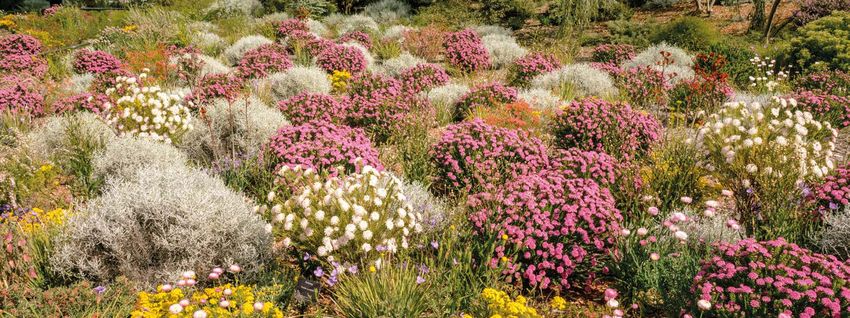
Visitors at the Pioneer Women’s Memorial. Photo – Jason Thomas/BGPA

Kings Park and Botanic Garden:
the natural heart of Perth
    Kings Park and Botanic Garden is a world                 More than two-thirds of Kings Park is remnant banksia
    recognised botanic garden, parkland                      and tuart woodlands. The bushland is an important
    and urban bushland that conserves                        refuge for 327 native plant species, 80 bird species,
    and celebrates Western Australian                        20 reptile species, over 300 species of fungi and
    biodiversity, promotes wellbeing and                     hundreds of invertebrate species. The area is regionally
                                                             significant as a Bush Forever site and includes two
    is a much loved community asset.
                                                             Threatened Ecological Communities as listed by the
                                                             Australian Government.
Kings Park attracts around five million visitors annually    The Western Australian Botanic Garden is an important
for recreation, tourism and nature appreciation, as well     cultural and scientific institution that is a key resource
as cultural and ceremonial events.                           for horticultural and botanical research and the ex-situ
                                                             conservation of Western Australian flora. This living
The Whadjuk Noongar people are the traditional
                                                             museum serves as an environmental education tool
custodians of the land, which has historic and continuing
                                                             and its displays and interpretation promote Western
cultural significance to Aboriginal people and includes
                                                             Australian flora, conservation and the significance
registered sites of significance that are respected
                                                             of plants to life on Earth. Environmental education is
and actively used today. These elements contribute
                                                             also advanced through Rio Tinto Naturescape Kings
to the rich cultural fabric of the park and underline its
                                                             Park, a learning and discovery area that promotes an
importance for all Western Australians.
                                                             appreciation of cultural heritage and environmental
Kings Park is one of the world's largest inner-city parks,   stewardship by encouraging children to connect
covering 400 hectares and located 1.5 km from central        with nature.
Perth. It sits on Mount Eliza and provides spectacular
                                                             Kings Park is home to a range of significant memorials,
views over the city, the Swan River (Derbarl Yerrigan),
                                                             including the State War Memorial, the Honour Avenues
Canning River (Djarlgarro Beelier) and the Darling Range
                                                             and numerous others commemorating important people
(Katamordo) to the east.
                                                             and events in the history of the State.
Set aside for public purposes in 1831, the area was
                                                             Nearly 1000 volunteers and supporters are involved in
first gazetted as a public park in 1872. It was officially
                                                             community service across the park. Their involvement
created as a Class A Reserve in 1900, affording it the
                                                             creates a great sense of community and connection
highest level of protection for public land under Western
                                                             between Kings Park and the people of Perth.
Australian law. The care and management of the lands
is vested with BGPA, a statutory authority within the
broader Department of Biodiversity, Conservation
and Attractions.

8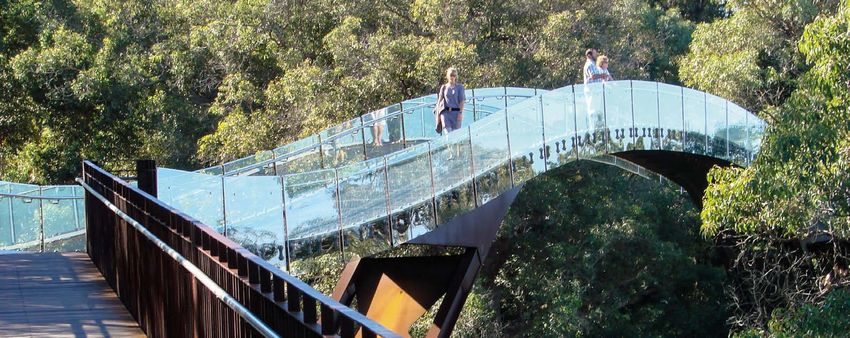
Governance
Board and legislation                                        Part 4 of the BGPA Act states that BGPA must control
                                                             and manage Kings Park and Botanic Garden and
BGPA is a statutory authority governed by a Board of         Bold Park in accordance with a management plan.
Management. BGPA operates under the provisions               Management plans are to include policies or guidelines
of the Botanic Gardens and Parks Authority Act 1998          proposed to be followed and a summary of proposed
(BGPA Act) and Botanic Gardens and Parks Regulations         operations. Plans are required to be reviewed every five
1999. The Minister for Environment is the Minister           years and are subject to a formal public consultation
responsible for the administration of the BGPA Act.          process and Ministerial approval. These arrangements
                                                             ensure a high level of transparency in the management
The BGPA Act entrusts BGPA with the care, control            of Kings Park and reflect the high level of community
and management of Bold Park and Kings Park and               investment in the park. This management plan is due to
Botanic Garden, and requires BGPA to undertake the           expire on 1 May 2026.
following functions:

a) Provide, improve and promote recreational and
                                                             Funding arrangements
   tourism services and facilities on the designated land.   BGPA operations are predominantly funded using
                                                             monies appropriated by Parliament to the Department
b) Conserve and enhance any native biological diversity
                                                             of Biodiversity, Conservation and Attractions, which are
   of the designated land.
                                                             allocated for services delivered by BGPA.
c) Conserve and enhance the natural environment,
                                                             BGPA also generates income from commercial
   landscape features and amenity of the
                                                             activities, leases and operating licences, sponsorships,
   designated land.
                                                             technical services, research and other grants, bequests
d) Conserve, develop, manage, display and undertake          and donations.
   research into collections of Western Australian
                                                             Further details about funding arrangements and
   and other flora.
                                                             financial administration are provided in BGPA Annual
e) Enhance and promote the understanding and                 Reports available via the BGPA website.
   conservation of the biological diversity of the
   designated land and of biological diversity generally.

f) Conserve, enhance and promote the Aboriginal,
   colonial and contemporary cultural heritage of the
   designated land.

g) Promote the use of flora for the purposes of
   horticulture, conservation and education.

h) Undertake and promote research and investigation
   into matters related to or connected with BGPA's
   functions.

                                                              A family of tawny frogmouths. Photo – Dave Blumer/BGPA

                                                                                                                        9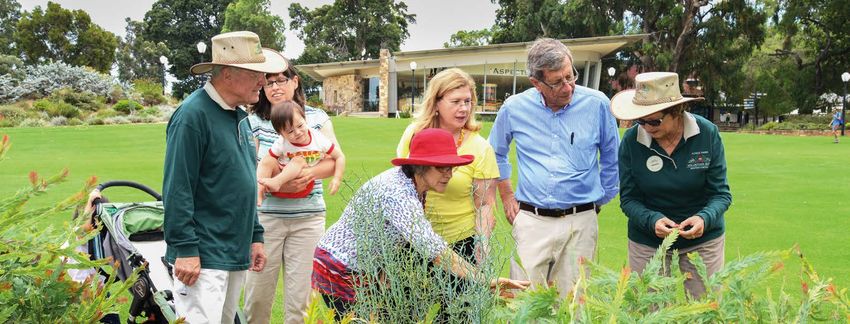
The Flame of Remembrance and Pool of Reflection at the State War Memorial. Photo – Mark Griffiths/BGPA

Planning framework and policies
Planning framework
Several plans and documents guide the operational management of Kings Park and Botanic Garden.
The diagram below provides an overview of our planning framework and key documents that inform this plan.

                                                 Government Goals

                    Department of Biodiversity, Conservation and Attractions
                                      Vision and Mission

               Legislative                       BGPA Strategic Priorities                           Policy and Direction
              Frameworks                              2020–2025                                      Setting Frameworks

           Botanic Gardens and                                                                           Community and
           Parks Authority Act                                                                       Stakeholder Engagement
                                            Truly Local                    Community
                                            Experiences                     Wellbeing
                                                                                                    Built Heritage and Bushland
        Botanic Gardens and Parks                                                                       Conservation Plans
          Authority Regulations

                                                                                                     Living Collection Policies
                                                                                                          and Strategies
              Public Sector                 Culture and                   Science and
         Administrative Legislation          Heritage                     Conservation
                                                                                                       Events, Business and
                                                                                                         Tourism Policies

         Biodiversity Conservation
                Legislation                                                                               Strategic Asset
                                                                                                           Management
                                             Western                         Ethical
                                            Australian                  Collaborative and
        Planning, Development and         Botanic Garden               Sustainable Culture               Governance and
           Heritage Legislation                                                                          Decision-Making

                                         Five Year Management Plan

10
Policies applied in the management of Kings Park and
Botanic Garden
The following information provides an Tree Management Policy
overview of the main plans and policies
The BGPA Tree Management Policy provides a strategic
applied in the management of Kings Park framework for the management of trees within BGPA
and Botanic Garden. The policies listed designated lands. The policy’s overarching objectives
below are published on the BGPA website, are to ensure that public risk related to trees is well
while other documents listed are available managed, and to provide for the long-term preservation
on request. and enhancement of trees in Kings Park and Bold Park.
Kings Park Conservation Plan for the
New Businesses and Events Policy Developed Areas
BGPA’s New Businesses and Events Policy provides The Kings Park Conservation Plan for the Developed
guidelines for the consideration of a proposal from Areas contains statements of significance in terms of
a proponent for a new major event, infrastructure, the cultural heritage significance of Kings Park. This
business, product placement or significant activation. plan states that "all works which may have an impact on
Proposals are considered on their merits and the net the cultural heritage significance of Kings Park must be
public benefit they can generate. The policy ensures carried out with regard to the principles of the Australia
the values of the park are preserved and decisions ICOMOS Charter for the Conservation of Places of
on businesses and events enhance the services, Cultural Significance (the Burra Charter)".
accessibility and sustainability of the park.
Regulations
Living Plant Collections and A range of ‘policies’ is captured by the Botanic Gardens
Displays Policy and Parks Regulations 1999 (the Regulations). The
This policy provides a framework for the development Regulations are designed to protect the natural
of living plant collections and displays, whilst environment and the quiet enjoyment of the park by
allowing flexibility to respond to changes in scientific, visitors. The Regulations are similar to a policy in so far
environmental, social and cultural factors. The policy as they provide rules for visitors and park users. The
describes the themes and criteria for evaluating existing Regulations also provide park management officers with
and proposed new collections and provides guidelines certain powers to support compliance.
for the development, acquisition and disposal of
The Regulations describe a range of requirements and
collections and individual accessions.
outline matters requiring formal authorisation including,
but not limited to:
Memorials Policy
The Board’s position is that the erection of new • conducting an organised event, including a
memorials within BGPA designated lands should be sporting event
carefully limited to protect the sanctity of existing • running any kind of commercial activity
memorials and other spaces. The Memorials Policy
describes the Board’s decision-making parameters for • picking wildflowers
possible future memorials and outlines the requirements • lighting a fire of any kind, including barbecues.
and application process for proponents.
Gifts, Donations and Bequests Policy Bushfire Management and
BGPA values all offers of assistance in the form of gifts,
Response Plan
donations and bequests, and gives careful consideration The BGPA Bushfire Management and Response Plan
to all such offers. The Donations and Bequests Policy documents BGPA’s fire management objectives and
ensures that decisions to accept or reject offers of gifts, strategies that are implemented to reduce bushfire-
donations and bequests are made appropriately and are related risk. It also documents BGPA’s response
consistent with the core business and values of BGPA. procedures for a bushfire in Kings Park or Bold Park.
11BGPA strategic priorities
Statement of purpose
To practise and inspire environmental conservation and celebrate local identity by
immersing and empowering communities in world-recognised botanic gardens,
parklands and urban bushlands.
Strategic themes and goals
BGPA has five strategic priority themes and goals which are supported by targeted approaches for fulfilling our statutory
functions. These provide strategic guidance for the management of Kings Park and Botanic Garden and Bold Park
and are described below. Management initiatives in this plan contribute to one or more of the BGPA themes. These
relationships are indicated in the key management initiatives tables under each management category.
Theme Goal Approach
• Promote and support wildflower and eco-tourism within
Perth’s green heart our parks and regional Western Australia.
Immerse our visitors in • Meet demand for Aboriginal cultural experiences
and knowledge.
TRULY LOCAL experiences of nature and
our local identity. • Provide safe and welcoming experiences that celebrate the
EXPERIENCES
natural environment, local identity and culture.
• Expand community engagement through
Healthy spaces meaningful volunteering.
Encourage community • Provide welcoming links between our parks and
health and social inclusion neighbouring areas.
COMMUNITY
through connection to • Engage visitors in activities that reflect the important role of
WELLBEING nature, culture and identity. our parks and nature in a healthy community.
• Provide for evolving visitor demographics and needs.
• Actively promote, respect and understand Whadjuk Noongar
Significant places culture and knowledge of these lands.
Conserve, enhance and • Honour Kings Park as an important place of commemoration,
celebrate the cultural and
CULTURE AND reflection and social history.
natural heritage of our parks.
HERITAGE • Gather and share stories of Kings Park and Bold Park.
• Address challenges to biodiversity conservation in landscapes
posed by threatening processes.
Nature for • Undertake conservation to support the recovery of threatened
our future species and ecosystems.
SCIENCE Protect local biodiversity • Contribute to the global effort and body of knowledge about
and tackle complex ecological restoration through research and practice.
AND environmental challenges.
CONSERVATION • Enhance environmental appreciation and action through
education, outreach and visitor experience.
• Enhance understanding and appreciation of horticulture and
Beauty rich conservation through the Western Australian Botanic Garden
and rare and its education programs.
WESTERN Conserve and enhance the • Provide leadership in horticulture and arboriculture, locally
WA Botanic Garden as an and internationally.
AUSTRALIAN
iconic cultural, educational • Promote the role of the Western Australian Botanic Garden in
BOTANIC and research institution. ex-situ conservation and as a living laboratory for addressing
GARDEN environmental challenges such as climate change.
12Management effectiveness
Kings Park and Botanic Garden enjoys excellent visitor
satisfaction ratings. BGPA is regarded internationally
for scientific and horticultural excellence and has
also received accolades nationally for the Kings Park
education programs and contributions to tourism.
As a Western Australian Public Authority, BGPA
operates in accordance with public sector governance
and accountability requirements and is consistently
named as a best practice small entity by the Auditor
General in quality and timeliness of reporting. Effective
internal management systems and processes support
this achievement and BGPA strives to be ethical,
collaborative and sustainable.
To support the achievement of priorities and goals and
deliver the initiatives in the management plan, BGPA will
maintain a strong focus on:
• maintaining a diverse, knowledgeable, professional
and engaged workforce through ongoing professional
development, excellent customer service, inclusive
attitudes and ethical behaviours
• implementing systems and processes to ensure safe
and sustainable work practices
• enhancing collection and analysis of performance
data to support continuous improvement
• supporting the ongoing harmonisation of business
systems, practices and processes across the
Department of Biodiversity, Conservation and
Attractions to deliver better outcomes and efficiencies
for the Western Australian community.
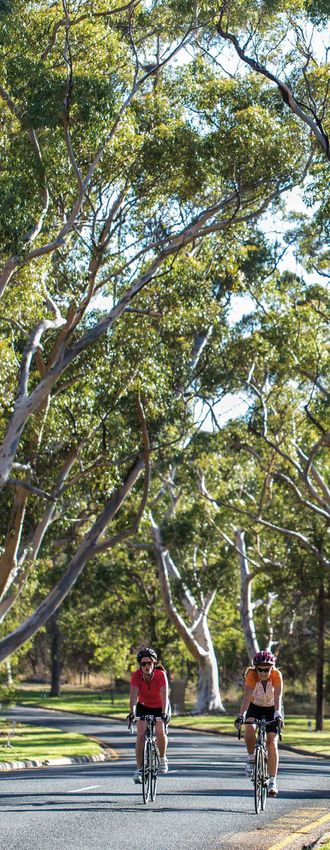
Cyclists on Lovekin Drive. Photo – Jason Thomas/BGPA
13Children playing in Rio Tinto Naturescape Kings Park. Photo – Jason Thomas/BGPA
Looking back: key achievements from
the 2014–2019 management plan
Some of the key achievements from the ‘Wanju Marr' a new
previous Kings Park and Botanic Garden
Management Plan are outlined below. volunteer hub
Kings Park’s first purpose-built volunteer facility was
constructed and opened in 2019, providing workshops,
Acknowledgement of Noongar offices and space for meetings and social gatherings
for the park’s active volunteers. The facility recognises
connection to the land the critical role volunteers play in Kings Park and
Kings Park continued to acknowledge and celebrate will enable volunteering roles to be expanded in the
Noongar connections to this land and immerse visitors future. The hub’s name ‘Wanju Marr’ means ‘welcome
in Aboriginal culture and heritage. Highlights include: hand’ in Noongar. Construction was funded through a
Lotterywest grant provided to the Friends of Kings Park.
• a Noongar name for Kings Park 'Kaarta Koomba'
displayed at the park's main entrance Rio Tinto Naturescape
• support for Aboriginal businesses to run tours and Kings Park
cultural experiences in the park
Record visitation to Rio Tinto Naturescape Kings
• Kings Park Education’s Aboriginal programs expanded Park followed the completion of a $3 million Stage 2
including an annual Aboriginal cultural festival development funded by Rio Tinto in 2017. Education
• Aboriginal artwork and naming incorporated in new programs in the precinct won the Premier’s Science
capital works developments Award in Science Engagement in 2018.
• Acknowledgement of Country protocols used for
all Kings Park events.
1450th anniversary of the Western Tree health and management
Australian Botanic Garden A world-class approach to managing Kings Park’s
estimated 40,000 trees was formalised in a
The 50th anniversary of the Western Australian Botanic
comprehensive Tree Management Strategy to protect
Garden was celebrated in 2015. The anniversary was
Kings Park’s living tree collection and effectively
commemorated with a major capital works project
manage safety risks. A dedicated research program
with funding support from the Friends of Kings Park
uncovered high alkalinity of the park’s irrigation water
and Lotterywest. Works included the Botanic Terraces
as a contributing cause of chlorotic decline syndrome
and Pavilion and a substantial new sculpture and entry
in parkland trees. The research informed management
statement for the Western Australian Botanic Garden.
strategies to be implemented under this plan.
Events to celebrate the anniversary included festival
exhibitions, a garden party, an extensive seed collecting
trip to the Kimberley region and a series of self-guided Restoration of
walks through the Western Australian Botanic Garden. Kings Park Bushland
Biodiversity Conservation Along with extensive weed control, research and
monitoring activities, more than 61,000 native plants
Centre extension were planted in restoration sites in Kings Park Bushland
over the past five years, with about 50 species
A major extension to the Biodiversity Conservation
represented. Seed was collected from an average of 75
Centre included new seed science laboratories,
species per year for use in restoration planting programs
incubator rooms with associated high-tech equipment,
and for the conservation of vulnerable flora.
and a world-class walk-in seed freezer vault and
controlled-environment drying room facilities to enhance
the Western Australian Seed Centre – Kings Park.
An operations manual was developed to set standards
for seed collection, processing, testing and storage.
Seed science research remains a core priority for
scientists in the park.
The Botanic Terraces and Pavilion. Photo – Jason Thomas/BGPA
15View of Perth city from Roe Gardens. Photo – Dave Blumer/BGPA
Looking forward: issues and trends
shaping this Management Plan
Kings Park and Botanic Garden supports Kings Park also has a contributing role to play in
a diverse range of functions and activities, promoting and influencing community behaviours
each operating in a complex environment towards healthy and sustainable modes of travel in
with unique opportunities and challenges. the interests of sustainability and mental and
Some of the significant trends and physical wellbeing.
influences that have informed this
management plan are outlined below. Environmental challenges in
Kings Park and beyond
The Banksia Woodlands of the Swan Coastal Plain and
Population growth and Tuart Woodlands and Forests of the Swan Coastal Plain
urban infill were listed as Threatened Ecological Communities
by the Australian Government in 2016 and 2019
Perth is home to 2.6 million people and attracts an respectively, reflecting the importance of conserving
estimated 2.2 million visitors from interstate and these remnant bushland areas dispersed across much
overseas each year. Perth's population is predicted to of the greater metropolitan area including the Kings Park
grow to 3.5 million by 2050 becoming the third largest Bushland.
city in Australia after Sydney and Melbourne.
Climate change and other environmental pressures
Perth is growing and maturing as a modern capital city are affecting these ecological communities, including
with a network of inner urban villages such as Yagan detrimental impacts from reduced winter rainfall, higher
Square and Elizabeth Quay. This change, combined temperatures, urbanisation and severe weather events.
with infill in neighbouring suburbs, will likely change
the way people use Kings Park and engage with the Threatening processes are giving rise to greater
services and experiences on offer. Improving the quality community awareness and desire for environmental
of information about visitor use of the park will be key in action and education. Many people are seeking
building our ability to respond appropriately to evolving information and advice on how they can play their part
community needs over time. in solutions to environmental issues and want to engage
actively in conservation activities.
Green spaces like Kings Park become increasingly
precious to residents living and working in high density Kings Park provides a focal point, classroom and
areas and the park’s value as a place of recreation platform for building community knowledge and
as well as an inner urban sanctuary is expected to capacity to influence conservation outcomes across a
be heightened. Providing welcoming links to local broader landscape than the park itself.
neighbourhoods is a priority and BGPA will strive to
improve access for everyone, including pedestrians,
cyclists, the elderly, and people with disability.
16BGPA will maintain a strong focus on its on-ground
conservation activities, education, restoration and
A shared sense of place
scientific research, and will extend its engagement and Kings Park holds significant memories for many people
outreach programs to build knowledge and capability in in our community and plays a role in our individual
the community to effect conservation outcomes both and shared sense of place. The commemorative
within and outside the park’s boundary. elements of Kings Park and its contemporary heritage
is well understood. The richness of Aboriginal culture
The experience economy and connection to country is less understood but
is increasingly appreciated for its uniqueness and
Capitalising on tourism is a priority for the Western importance. Having an improved understanding of this
Australian economy. As Perth’s most visited destination, continuing living culture helps to build a deeper sense of
Kings Park has an important role to play in offering place for the whole community.
authentic and inspiring experiences to visitors. In the
short term, catering for Western Australians as tourists BGPA will continue to honour Kings Park as an important
in their home state is a relevant driver. In the future, a place of commemoration, reflection and social history.
new generation of tourists will be attracted to the unique BGPA will strive to support social inclusion, respect
experiences of nature and culture available in Perth and and understanding of Whadjuk Noongar culture and
in Western Australia. knowledge of these lands as a heritage that all Western
Australians can engage with and celebrate.
Maintaining the status of Kings Park as Perth’s most
visited attraction requires an ongoing focus on high
standards of presentation and amenity but also provides
Back to nature for physical and
an opportunity to amplify the Aboriginal cultural narrative mental health
of the park. This will be done through continuously
Evidence shows that access to quality green spaces
improving existing activities and by providing new
improves physical and mental health and wellbeing,
experiences that cater for a broad range of visitor and
reduces obesity, increases longevity and makes people
community interests to ensure Kings Park remains
feel healthier.
‘the people’s park’.
The Perth Children’s Hospital and new Kids’ Bridge
Using the virtual to enhance provide an opportunity for collaborating on initiatives
the physical experience that connect a health precinct with a nature precinct to
promote the value of time in nature for patients, their
In an increasingly connected world, the internet, mobile families and for the community generally.
devices and ‘apps’ might be seen as competitors to a
nature experience. While opportunities to ‘unplug’ in Providing safe and welcoming community spaces
the park will be promoted, the innovative use of new and amenities to support recreation and community
technology will be increasingly applied to maximise the wellbeing outcomes is an important role for Kings Park,
reach and accessibility of Kings Park. This will enrich the particularly as the population ages and becomes more
visitor experience by using the digital realm to deliver culturally diverse, and as the community strives to
information, share stories and create new opportunities address social isolation and mental health challenges.
for engagement with culture, science and conservation.
17The Western Australian Botanic Garden entrance. Photo – Dave Blumer/BGPA
Planned activities
2021–2026

                                                          Visitors at Saw Avenue Picnic Area. Photo – Jason Thomas/BGPA

Kings Park and Botanic Garden Management Plan 2021–2026                                                              19
Visitors on a guided walk with Kings Park Volunteer Guides. Photo – Dave Blumer/BGPA
1. Community engagement
and participation
Planning context Our intended focus
Community participation is essential to ensuring Kings Management activities and initiatives in this category
Park and Botanic Garden remains inclusive and strongly build on the high level of community stewardship for Kings
supported by the public. Strengthening our relationships Park, including from our volunteers. BGPA will actively
and engagement with traditional custodians, key collaborate with the community and pursue productive
partnerships with businesses, and the not-for-profit and
stakeholders and the broader community is a priority
community sectors.
under this plan.
As part of that engagement BGPA will respond to the
Kings Park plays a significant role in promoting an opportunities and imperatives highlighted in a range of
inclusive and liveable community by providing accessible external strategies and frameworks including, but not
healthy spaces, encouraging social inclusion and limited to:
connecting visitors from diverse backgrounds to nature,
culture and our unique Western Australian identity. • reconciliation action planning frameworks
and objectives
Central to that priority is ensuring activities demonstrate
respect for the rights, responsibilities, knowledge and • Western Australian Government strategies designed
aspirations of Aboriginal people through meaningful to improve social, economic, health and cultural
partnerships. This partnering philosophy will be extended outcomes for Aboriginal people
to all community and institutional stakeholders. The • Western Australian multicultural policy frameworks
commercial sector also plays an important role in and strategies
supporting public benefit outcomes that meet the
• whole of community volunteering strategies
diverse needs and expectations of the
Western Australian community. • encouraging and supporting Smoke Free
WA objectives
A community survey undertaken to inform this plan
generated interest from frequent park visitors and • reinforcing and nurturing the interest and
members of the community that rarely visit Kings Park enthusiasm of children and young people to
but still value it as a protected natural place for families, engage with cultural heritage and participate in
recreation and conservation. Responses and comments environmental conservation.
highlighted the strong connections the community has to
the park and its heritage.
20Truly local Community Culture and Science and WA Botanic
Key management initiatives experiences wellbeing heritage conservation Garden
1.1 Enter into a cultural agreement with leaders of
the Whadjuk Noongar community to recognise
and formalise the relationship between BGPA and
traditional custodians.
1.2 Enhance recognition of Noongar and other Aboriginal
culture, heritage and connection through increased
engagement of Aboriginal people in the management
and delivery of services; creating an Aboriginal
heritage focal point in a prominent location; and
continuing Noongar naming of Kings Park features.
1.3 Maintain and enhance relationships that
commemorate Western Australians in wars, and
continue to honour the State War Memorial as an
important historic and ongoing symbol of those
sacrifices, and a significant landmark within Kings
Park and the city.
1.4 Foster and enhance relationships with the Western
Australian business community to provide
support for programs, events and the continuing
conservation, presentation and celebration of the
natural and cultural values of Kings Park.
1.5 Increase opportunities for meaningful volunteering
that foster a culture of stewardship within our
community including citizen science programs.
1.6 Undertake community engagement and strategic
partnerships with State and local government, and
not-for-profit and other organisations to promote
native flora conservation outcomes and to increase
native flora use in landscapes outside Kings Park.
1.7 Develop and expand education and outreach
programs to provide a wider range of learning
opportunities for children, adults, community and
corporate groups in areas such as:
• native gardening
• sustainability and environmental stewardship
• knowledge of Aboriginal culture.
1.8 Develop and implement partnerships and programs
that promote physical, mental, social, spiritual and
cultural wellbeing through connection to nature and
multicultural inclusion.
1.9 Deliver advice and professional development
activities to other land managers and allied
organisations to promote best practice in native
horticulture and bushland restoration.
1.10 Expand the park’s smoke-free areas to encompass
the whole park to promote the health and wellbeing
of all visitors and to further reduce fire risks to assets.
21Visitors viewing an interpretive sign on Noongar culture. Photo – Jody D'Arcy/BGPA
2. Visitor experiences
Planning context Kings Park as a place for Western Australian families
and the community, was ranked alongside conservation
Kings Park and Botanic Garden offers a unique values as the highest priority in a community survey
opportunity for the community and visitors to experience undertaken to inform the plan. BGPA’s goals of providing
the green heart of Perth. The park attracts around spaces for leisure and recreation with a range of eating
five million visitors a year with the vast majority being and drinking options and offering tours and services for
Western Australians. Maintaining a connection with the visitors are important drivers for park management. In
natural environment offers a way to address a range of delivering these services BGPA will assist in presenting
health and wellbeing challenges in our community and Perth and the State as an attractive and unique tourist
Kings Park provides many opportunities to get outdoors destination.
and connect with nature.
Our intended focus
Many visitors expect immersive nature-based activities
and authentic cultural experiences. People want BGPA will provide experiences that immerse visitors
to connect at a personal level and make a positive in nature and provide a window into our authentic
contribution to the world we live in. Kings Park provides Western Australian culture and identity. This will be
immersive ‘self-guided’ and guided experiences. Our done with consideration for the land BGPA carries
diverse natural landscape, cultural and interpretive shared stewardship with our partners, the community
features and informative programs are valued by locals and Whadjuk Noongar custodians. In balancing these
and tourists alike. priorities, the activities and initiatives in this category will
consider broader goals and priorities associated with:
• aligning functions and service priorities to State
Government’s COVID-19 recovery objectives
• supporting whole of State Government nature-based
tourism strategies for Western Australia
• contributing positively to opportunities to help position
Perth as a vibrant, connected and progressive city
• providing quality services and facilities consistent with
the park’s long-term conservation values in a safe,
accessible environment.
22Truly local Community Culture and Science and WA Botanic
Key management initiatives experiences wellbeing heritage conservation Garden
2.1 Create and provide experiences that connect
visitors with neighbouring precincts, including the
City of Perth, City of Subiaco, Swan River, University of
Western Australia and QEII Medical Centre Reserve.
2.2 Explore opportunities to expand the range of cultural
events presented in Kings Park as Perth’s premier
outdoor venue.
2.3 Continue to provide and explore opportunities for
innovative and world-class experiences that attract
visitors, create a sense of adventure and celebrate
and respect our natural and cultural environment.
2.4 Share recognition of Noongar culture, heritage
and connection through providing authentic
ecotourism and interpretation experiences that foster
biodiversity conservation and cultural understanding.
2.5 Enhance visitor hospitality experiences in partnership
with businesses and the community.
2.6 Review the BGPA New Businesses and Events Policy
to ensure alignment of resources to values and
market needs and to deliver a net public benefit.
2.7 Explore and provide sustainable transport
services that improve visitor movement within
Kings Park and connections to surrounding precincts
and destinations.
2.8 Develop a visitor-oriented, interactive web presence
and social media strategy that presents our unique
experiences and ensures broad appeal
and accessibility.
2.9 Adopt new multimedia technologies such as mobile
apps and augmented reality to enhance visitor
experiences and learning.
2.10 Manage cultural heritage places and landscapes
as locations with opportunities for cultural tourism,
biodiversity conservation, recreation, education, and
community involvement.
23Scientists at work in the Biodiversity Conservation Centre. Photo – Jason Thomas/BGPA
3. Science and environmental
conservation
Planning context Within Kings Park Bushland, BGPA aspires to reinstate
native ecological communities that are as biodiverse,
BGPA conserves and enhances the native biodiversity and representative, regionally integrated and self-sustainable
natural environment in Kings Park and Botanic Garden as possible, and that are highly valued by the community.
through an adaptive management approach to bushland
Management strategies in this category include
restoration, underpinned by scientific research. BGPA
activities to conserve and enhance Kings Park Bushland
also provides opportunities for community engagement
and effectively manage risks related to conservation,
through active participation, interpretation and education
bushfire and stability of the Mount Eliza escarpment.
to enhance understanding of the natural environment,
They also include scientific research to support the
threatening processes, and its importance to community
conservation of Western Australian species, as well as
health and wellbeing.
bushland conservation and restoration in Kings Park,
Community feedback highlighted that protecting Kings throughout the State and globally.
Park Bushland was rated as the highest-ranking goal
Management initiatives are significantly influenced by
for Kings Park by 97 percent of community survey
a global agenda, national frameworks in conservation,
respondents. The involvement of BGPA in supporting
and waste management and sustainability strategies of
the conservation of threatened Western Australian
government including:
plant species and protecting their natural environment
through research were also seen as key functions, • Conservation of the Banksia Woodlands of the Swan
and there was strong support for environmentally Coastal Plain and the Tuart Woodlands and Forests
sustainable practices. of the Swan Coastal Plain, consistent with their listing
as Threatened Ecological Communities under the
Our intended focus Environment Protection and Biodiversity Conservation
Act 1999 (EPBC Act) by the Australian Government
A goal of BGPA is to act on complex environmental
challenges and demonstrate leadership in the research • The need to respond to threatening processes such as
and delivery of environmental conservation, ecological climate change and loss of native species and native
restoration, bushland management and the conservation vegetation in Western Australia
of the State’s flora outside its natural habitat (ex-situ
• Demand across the resources industry for research
conservation). BGPA will adopt sustainable practices
input to address knowledge gaps relevant to mine
and enhance community appreciation of the natural
closure and restoration
environment through active involvement and education
in science and environmental conservation. This includes • State Government policy for a sustainable future,
activities with a local focus and others that involve a embracing environmentally sustainable design
contribution to the broader scientific and environmental and practices and reducing waste in keeping with
conservation role of the Department of Biodiversity, the Waste Avoidance and Resource Recovery
Conservation and Attractions. Strategy 2030.
24Truly local Community Culture and Science and WA Botanic
Key management initiatives experiences wellbeing heritage conservation Garden
3.1 Respond to climate change challenges through
research, restoration and management activity; and
show leadership in environmental sustainability to
encourage sustainable practices in the community.
3.2 Protect and restore Kings Park Bushland for future
generations, valued for its representation of two
Threatened Ecological Communities, its significance
to Whadjuk Noongar people and its contribution to
community health and wellbeing.
3.3 Integrate research with adaptive management of
Kings Park Bushland for its ongoing conservation.
This includes undertaking research to address
knowledge gaps for bushland management,
biodiversity conservation and ecological restoration,
and building on our ecological records of
local biodiversity.
3.4 Participate in the United Nations Decade of
Ecosystem Restoration (2021–2030) through
research, leadership in adaptive bushland
management, ecological restoration, and
community engagement.
3.5 Continue to lead long-term fire ecology research to
understand the best methods of managing bushfire
risk and protecting biodiversity in the Banksia
Woodlands of the Swan Coastal Plain and
associated communities.
3.6 Support the conservation of Western Australian
native flora through prioritised research, propagule
banking (plant material stored for ex-situ
conservation and future use), and translocation and
restoration projects.
3.7 Manage bushfire risks in Kings Park for community
safety, protection of park assets and to conserve
native biodiversity in the bushland.
3.8 Manage the Mount Eliza escarpment biodiversity
and geotechnical risks through regular inspections,
remediation and ecological restoration activities
as required.
3.9 Apply landscape treatments on the perimeters
of Kings Park Bushland to enhance conservation
outcomes and improve internal connections as well
as those to surrounding suburbs.
3.10 Promote the relationship between the health of Kings
Park Bushland and the health of our community
and work in partnership with Friends of Kings Park
volunteers to achieve bushland restoration goals.
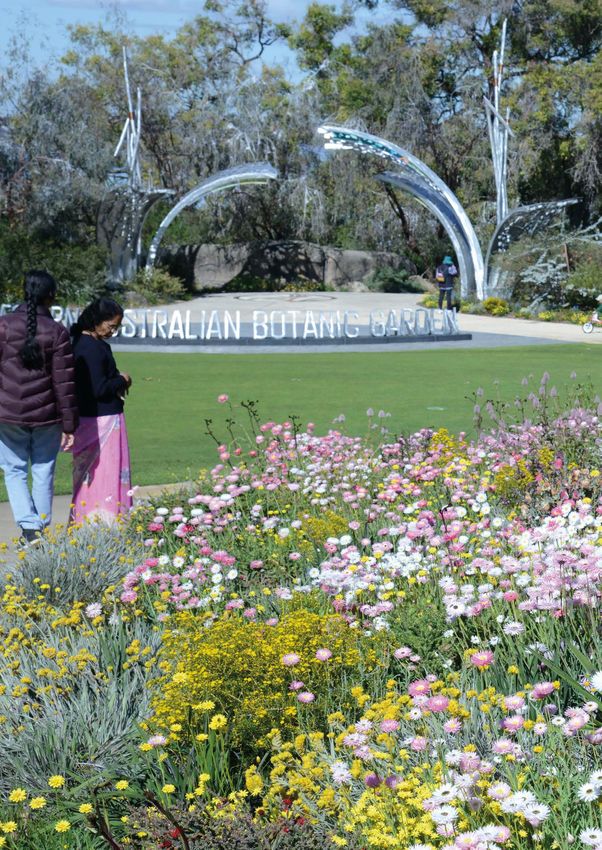
25Wildflower display in the Western Australian Botanic Garden. Photo – Dave Blumer/BGPA
4. Plant collections and displays
Planning context Our intended focus
BGPA develops and curates an extensive living collection BGPA will continue to develop and manage the living
of primarily Western Australian plant taxa in Kings Park collections and displays as a diverse botanical resource
and Botanic Garden as an ex-situ collection (not within for the ex-situ conservation of the State’s flora, including
its natural habitat). This provides a botanical resource mitigating impacts of climate change and other
for scientific and horticultural research, education, and threatening processes. Demonstrating leadership in
the ex-situ conservation of Western Australian flora, to horticulture and arboriculture through high standards of
safeguard species against threats posed in their natural presentation, plant curation and landscape management,
habitats. the Western Australian Botanic Garden will be showcased
as an iconic cultural, educational and research institution
The Western Australian Botanic Garden is distinguished that provides an inspiring horticultural landscape for
from other public gardens and parks through a statewide community enjoyment.
program of documented, known origin plant collections,
through laboratory and nursery research activities and by Management initiatives in this category include activities
interpretation made available for visitors. to conserve and enhance collections of Western
Australian flora for ex-situ conservation, cultivation,
Displayed in themed and interpreted garden beds in interpretation and display, to promote the diversity of the
the 17 hectares Western Australian Botanic Garden, in State’s flora, its conservation in the natural environment
Rio Tinto Naturescape Kings Park and in horticultural and its use in horticulture, and to demonstrate a sense
displays throughout parkland areas, this living museum of place that inspires a positive environmental impact
forms a welcoming attraction for tourists and the local and enhances health and wellbeing. Initiatives have also
community and inspires appreciation of the State’s been influenced by a broader framework that includes:
diverse flora, its use in horticulture and its significance
to our daily lives. • National and State legislative requirements
for environmental protection and biodiversity
Feedback from community consultation for this plan conservation, including threatened species
gave a very high rating to the role of Kings Park as a
sanctuary for native plants and wildlife and placed a • statewide interest in wildflower tourism as a
high value on our role in the ex-situ conservation of significant contributor to the regional economy
Western Australian flora. The Perth community also • demand for information to enable native planting
demonstrated a strong appetite for advice on growing schemes in public landscapes through Perth and
Western Australian plants in home gardens and on beyond that build on the State’s wildflower brand as
waterwise and habitat-friendly plant selection and an attraction, and that develop a sense of place and
cultivation. identity for the Western Australian community and
national and international visitors.
26Truly local Community Culture and Science and WA Botanic
Key management initiatives experiences wellbeing heritage conservation Garden
4.1 Maintain world-class standards of horticultural
presentation and management through:
• strategic renewal of labelled plant collections
• selection, cultivation and display of Western
Australian plant diversity within planting themes
• development and implementation of management
plans for significant collections
• conservation of landscape integrity.
4.2 Expand the Conservation Garden to include
landscape displays of Western Australian threatened
ecological communities and threatened flora with
interpretation to promote their conservation in the
natural environment.
4.3 Develop the plant collections and appropriate
interpretation in the Western Australian Botanic Garden
and Rio Tinto Naturescape Kings Park to provide a
living demonstration for the community on adapting
native gardens to the effects of climate change.
4.4 Collect, research and bank seed from throughout the
State in the Western Australia Seed Centre - Kings
Park to increase collection diversity and to safeguard
species, including those susceptible to the threat of
myrtle rust.
4.5 Expand the range of Western Australian flora in
cultivation for ex-situ conservation collections
and display, and for restoration and translocation
programs across the State, through specialist
propagation, research and management techniques.
4.6 Develop new Western Australian plant varieties that
have a positive environmental impact, high ornamental
value and are suitable for display and marketing locally
and globally through the Kings Park plant
development program.
4.7 Maintain demonstration gardens at key locations,
with associated visitor information and advice to
promote the sustainable use of native plants in
home gardens.
4.8 Sustain and enhance the significant tree landscape
including renewal of declining memorial avenue trees
to adapt to climate change effects over time, and
manage risks from trees using globally recognised
best practice in arboriculture.
4.9 Enhance the major entrances to Kings Park with
displays of Western Australian flora that create a
sense of arrival and place for visitors and build the
park’s identity as a centre for native flora.
4.10 Manage
biosecurity surveillance of plant collections
to protect against pests and diseases and continue
as an active member of the national Botanic Gardens
Biosecurity Network to build expertise and capacity.
27Visitors on the Lotterywest Federation Walkway. Photo – Debbie Newcombe/BGPA
5. Amenity and infrastructure
Planning context Our intended focus
Providing quality facilities and amenities that support Management activities and initiatives in this category
and encourage community visitation to Kings Park seek to improve overall visitor amenity and infrastructure
and Botanic Garden for health benefits, recreation and in Kings Park. This is done through excellence and
tourism is an important activity for BGPA. Kings Park’s innovation in design, environmentally sustainable
infrastructure facilitates enjoyment of the park by the principles in planning and development, and conserving
community and tourists from around the world and natural and cultural heritage values.
caters to the long-term conservation and maintenance
of the park’s natural and built heritage assets. BGPA will improve visitor safety and accessibility to
meet the evolving needs of Western Australians and the
Community and stakeholder feedback confirmed growing Perth population, and maintain Kings Park’s
that Kings Park is an important place for Western international reputation as a premier visitor destination.
Australian families and the community to relax and
recreate. Ensuring that the park remains a safe place In progressing these aims, our management activities
for the community to visit was rated as important by will acknowledge the position and profile of Kings Park
97 percent of survey respondents; and 94 percent of in relation to its suburban hinterland and will consider
respondents indicated that providing good access for a range of metropolitan planning strategies and
people with special needs is important. Achieving these frameworks associated with:
goals in a way that is environmentally sustainable has
• metropolitan planning, urban infill and higher
strong community and stakeholder support.
density living
• Perth’s transport network
• universal access objectives as detailed in disability
access and inclusion planning
• a sustainable future, embracing environmentally
sustainable design and practices and reducing waste
including the Waterwise Perth Action Plan.
28Truly local Community Culture and Science and WA Botanic
Key management initiatives experiences wellbeing heritage conservation Garden
5.1 In partnership with the Perth Children’s Hospital
Foundation, Main Roads Western Australia and
other key stakeholders, complete the planned Kids’
Bridge between QEII Medical Centre and Kings Park,
including path upgrades to link to May Drive Parkland.
5.2 Install new up-lights for the lemon-scented gums
along Fraser Avenue using new technology to
improve reliability, flexible use and sustainability in
lighting this iconic avenue.
5.3 Upgrade park security in high visitation areas to
enhance public safety and to protect memorials, plant
collections and other assets.
5.4 Safeguard living collections with improved irrigation
infrastructure that will ensure a reliable water supply
and improve water efficiency and water quality for
plant health.
5.5 Create new visitor amenities, a new community
pavilion, refreshed play areas and improved path
linkages in May Drive Parkland for community
enjoyment and wellbeing.
5.6 Undertake an integrated transport planning
exercise to inform longer term upgrades to
pedestrian, cyclist and vehicle circulation and
parking throughout Kings Park.
5.7 Develop and implement a Korean War Memorial in
the Tobruk Precinct and upgrade nearby community
facilities in consultation with key stakeholders.
5.8 Explore options and opportunities to establish new
linkages to reconnect Kings Park and the Swan River.
5.9 Undertake master planning processes for key visitor
precincts including:
• Lotterywest Family Area and Hale Oval to upgrade
visitor amenities, access, playground, and café
• Fraser Avenue West precinct including car parking
and access, the BGPA administration building and
the Kings Park Education precinct, and consider
connectivity with the Kaarta Gar-up Lookout and
Fraser Avenue East.
5.10 Plan water harvesting, solar power generation and
other upgrades to the Kings Park Nursery.
29You can also read


