Master of Social Work Program - Face-to-Face Track - Student Handbook 2020 2021
←
→
Page content transcription
If your browser does not render page correctly, please read the page content below
Master of Social Work Program
        Face-to-Face Track

           School of Social Work
 College of Health Professions and Sciences
       University of Central Florida

            Student Handbook
              2020 - 2021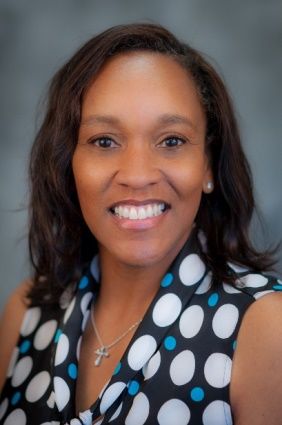
1

Contents
WELCOME..................................................................................................................................... 2
SCHOOL OF SOCIAL WORK MISSION STATEMENT ............................................................ 3
MSW PROGRAM GOALS ............................................................................................................ 3
CSWE 2015 EPAS COMPETENCIES ........................................................................................... 3
ESSENTIAL FUNCTIONS FOR STUDENTS IN THE MSW PROGRAM ................................. 8
DEGREE REQUIREMENTS ....................................................................................................... 10
DEGREE PLAN OF STUDY ....................................................................................................... 10
FIELD EDUCATION ................................................................................................................... 14
MSW CORE COURSE DESCRIPTIONS .................................................................................... 14
MSW ELECTIVE COURSE DESCRIPTIONS ........................................................................... 17
INDEPENDENT STUDY ............................................................................................................. 19
GRADUATE CERTIFICATE PROGRAMS ............................................................................... 20
ACADEMIC ADVISING ............................................................................................................. 20
MSW STUDENT ADVANCEMENT PROCESS AND POLICY ............................................... 21
ENHANCEMENT OF STANDARDS FOR PROFESSIONAL BEHAVIOR............................. 22
SCHOOL OF SOCIAL WORK POLICIES.................................................................................. 23
MISCONDUCT ............................................................................................................................ 24
GRIEVANCE PROCEDURES ..................................................................................................... 26
CRIMINAL CHARGES WHILE IN THE MSW PROGRAM .................................................... 26
PROFESSIONAL DEVELOPMENT ........................................................................................... 26
FINANCIAL ASSISTANCE ........................................................................................................ 27
SOCIAL WORK RESOURCES FOR STUDENTS ..................................................................... 28
GRADUATION ........................................................................................................................... 28
LICENSING INFORMATION ..................................................................................................... 29
UNIVERSITY POLICIES ............................................................................................................ 30
2

                                      WELCOME

                               A Note from the MSW Program Director

Welcome to the University of Central Florida School of Social Work! The UCF School of
Social Work has a long-standing reputation of preparing quality master level clinical social
workers. Our academic program prepares graduates to assist people of all ages, from all walks
of life, in a variety of settings. We have outstanding faculty members engaged in instruction
and in a wide range of research projects. The program emphasizes clinical work with clients
while also integrating the value of diversity and the importance of promoting social and
economic justice, and we are committed to the success of your educational experience.

The School of Social Work has an MSW Program with two tracks: a face-to-face track and a
fully online track. Students admitted to either of these programs must adhere to all school
policies and to the specific expectations of each track. Each of our MSW handbooks has
specific information that is unique to that track within the MSW Program. This handbook
provides information on the face-to-face track.

Core courses and electives in the MSW Program provide students with the necessary
knowledge, skills, behaviors and values of the social work profession. Social work courses
offer students opportunities to develop competence in skills and component behaviors
essential for social work practice with individuals, groups, families, organizations, and
communities.

While this handbook provides information on the MSW Program, it is not possible to
elaborate on every School, College or University rule relevant to graduate students. It is
therefore important that students stay up to date with graduate program regulations and
expectations and consult with the MSW Advisor or the MSW Program Director. The
College of Graduate Studies will not waive exceptions to program regulations based on a
student’s lack of knowledge about a specific regulation or requirement. These policies and
procedures are in the 2019-2020 Graduate catalog http://ucf.catalog.acalog.com/

                          Maxine McGregor, MSW, MS
                     MSW Program Director (Face to Face Track)
3
SCHOOL OF SOCIAL WORK MSW MISSION STATEMENT
The UCF School of Social Work MSW Program prepares generalist and advanced clinical
social work students to become practitioners who promote optimal well-being, human rights,
and social and economic justice. The school focuses on social change from a regional and
global perspective with individuals, families, groups and communities in diverse practice
settings through research informed practice.
MSW PROGRAM GOALS
To prepare professional MSW clinical social work practitioners to:
Goal #1: Apply professional knowledge, skills, and values with diverse individuals, families,
groups, and communities.
Goal #2: Engage in ethical practice grounded in human rights and social and economic
justice.
Goal #3: Promote the optimal well-being of vulnerable, oppressed, and
marginalized populations by building on their strengths and resilience
through collaborative community partnerships.
Goal #4: Integrate research informed practice in generalist settings and assess,
intervene, and evaluate in advanced clinical practice settings.
Goal #5: Advocate for policies and services that promote social change and the
quality of professional social work practice.
The MSW program is fully accredited by the Council on Social Work Education (CSWE)
through October 2024. The MSW’s curriculum is based upon the competencies for accreditation
explicated by CSWE. These competencies are listed below:
CSWE 2015 EPAS COMPETENCIES AND COMPONENT BEHAVIORS
The Council on Social Work Education has operationalized these competencies by identifying
practice behaviors defined as “a set of measurable component behaviors that are comprised of
knowledge, value and skills.” The internship plays a key role in teaching practice behaviors to
students while measuring and reflecting the student’s ability to demonstrate capacity in the nine
core competency areas identified by CSWE below:
COMPETENCIES
Competency 1: Demonstrate Ethical and Professional Behavior
Competency 2: Engage Diversity and Difference in Practice
Competency 3: Advance Human Rights and Social, Economic and Environmental Justice
Competency 4: Engage in Practice-informed Research and Research-informed Practice
Competency 5: Engage in Policy Practice
Competency 6: Engage with Individuals, Families, Groups, Organizations, and Communities
Competency 7: Assess Individuals, Families, and Groups. Organizations, and Communities
Competency 8: Intervene with Individuals, Families, Groups, Organizations, and Communities
Competency 9: Evaluate Practice with Individuals, Families, Groups, Organizations, and Communities4
Below is a brief summary of the Competencies and Component Behaviors identified above.
Competency 1
Social workers:
• Make ethical decisions by applying the standards of the NASW Code of
Ethics, relevant laws and regulations, models for ethical decision-making,
ethical conduct of research, and additional codes of ethics as appropriate to
context;
• Use reflection and self-regulation to manage personal values and maintain
professionalism in practice situations;
• Demonstrate professional demeanor in behavior; appearance; and oral,
written, and electronic communication;
• Use technology ethically and appropriately to facilitate practice outcomes; and
• Use supervision and consultation to guide professional judgment and
behavior.
Competency 2
Social workers:
• Apply and communicate understanding of the importance of diversity and difference
in shaping life experiences in practice at the micro, mezzo, and macro-levels;
• Present themselves as learners and engage clients and constituencies as
experts of their own experiences; and
• Apply self-awareness and self-regulation to manage the influence of personal
biases and values in working with diverse clients and constituencies.
Competency 3
Social workers:
• Apply their understanding of social, economic, and environmental justice to
advocate for human rights at the individual and system levels; and
• Engage in practices that advance social, economic, and environmental justice.
Competency 4
Social workers:
• Use practice experience and theory to inform scientific inquiry and research;
• Apply critical thinking to engage in analysis of quantitative and qualitative
research methods and research findings; and
• Use and translate research evidence to inform and improve practice, policy,
and service delivery.5
Competency 5
Social workers:
• Identify social policy at the local, state, and federal level that impacts well-
being, service delivery, and access to social services;
• Assess how social welfare and economic policies impact the delivery of and
access to social services;
• Apply critical thinking to analyze, formulate, and advocate for policies that
advance human rights and social, economic, and environmental justice.
Competency 6
Social workers:
• Apply knowledge of human behavior and the social environment, person-in-
environment, and other multidisciplinary theoretical frameworks to engage
with clients and constituencies; and
• Use empathy, reflection, and interpersonal skills to effectively engage diverse
clients and constituencies.
Competency 7
Social workers:
• Collect and organize data, and apply critical thinking to interpret information
from clients and constituencies;
• Apply knowledge of human behavior and the social environment, person-in-
environment, and other multidisciplinary theoretical frameworks in the
analysis of assessment data from clients and constituencies;
• Develop mutually agreed-on intervention goals and objectives based on the
critical assessment of strengths, needs, and challenges within clients and
constituencies; and
• Select appropriate intervention strategies based on the assessment, research
knowledge, and values and preferences of clients and constituencies.
Competency 8
Social workers:
• Critically choose and implement interventions to achieve practice goals and
enhance capacities of clients and constituencies;
• Apply knowledge of human behavior and the social environment, person-in-
environment, and other multidisciplinary theoretical frameworks in
interventions with clients and constituencies;
• Use inter-professional collaboration as appropriate to achieve beneficial6
practice outcomes;
• Negotiate, mediate, and advocate with and on behalf of diverse clients and
constituencies; and
• Facilitate effective transitions and endings that advance mutually agreed-on
goals.
Competency 9
Social workers:
• Select and use appropriate methods for evaluation of outcomes;
• Apply knowledge of human behavior and the social environment, person-in-
environment, and other multidisciplinary theoretical frameworks in the
evaluation of outcomes;
• Critically analyze, monitor, and evaluate intervention and program processes
and outcomes; and
• Apply evaluation findings to improve practice effectiveness at the micro,
mezzo, and macro levels.
Per the Council on Social Work Education, programs that offer specialized practice extend the
learning and skill development of the nine generalist competencies by preparing students to
engage in practice with a “specific population, problem area, method of intervention,
perspective, or approach to practice” (CSWE EPAS 2015, p. 12). The UCF School of Social
Work MSW Program offers a specialization in clinical social work. The clinical social work
specialization provides advanced clinical courses to develop competent social work practitioners
that demonstrate the knowledge and skills necessary to promote health, mental health, and well-
being of individuals, families and groups in diverse communities.
In the clinical year, students are provided with opportunities to develop and demonstrate
culturally responsive, evidence-based clinical practice skills in a range of practice settings. They
apply the knowledge, skills and values of the social work profession to engage, assess, intervene,
and evaluate client systems. Students in the advanced clinical courses also learn that competent
clinical practitioners view clinical problems within a person in environment perspective,
recognizing the importance of promoting human rights and social and economic justice. Below
are the specific advanced competencies associated with the advanced clinical curriculum:
Advanced Competency 1: Demonstrate Ethical and Professional Behavior
• Develop, manage and maintain therapeutic relationships with clients within
the Person-in- Environment (PIE) and Strengths Perspective
• Understand and identify professional strengths, limitations and challenges
Advanced Competency 2: Engage Diversity and Difference in Practice
• Identify and use practitioner/client differences from a strengths perspective
• Work effectively with diverse populations and model culturally competent7
behavior with client groups, community partners and other professionals
Advanced Competency 3: Advance Human Rights and Social, Economic, and
Environmental Justice
• Advocate for the creation and revision of practices and tools that support
anti- oppressive practice
Advanced Competency 4: Engage in Practice-inform Research and Research-informed
Practice
• Use the evidence-based practice process in clinical assessment and
intervention with clients
• Use and translate research evidence to inform and improve practice, policy
and service delivery
Advanced Competency 5: Engage in Policy Practice
• Advocate with and inform legislators to influence policies that impact clients and
service
Advanced Competency 6: Engage with Individuals, Families, Groups,
Organizations and Communities
• Develop a culturally responsive therapeutic relationship
• Establish a relationally based process that encourages clients to be equal
participants in the establishment of treatment goals and expected outcomes
Advanced Competency 7: Assess individuals, Families, Groups,
Organizations, and Communities
• Use multidimensional biopsychosocial-spiritual assessment tools
• Assess clients’ readiness for change
Advanced Competency 8: Intervene with Individuals, Families, Groups,
Organizations, and Communities
• Collaborate with other professionals to coordinate treatment interventions
• Demonstrate the use of appropriate clinical techniques for a range of
presenting concerns identified in the assessment, including crisis intervention
strategies as needed
Advanced Competency 9: Evaluate Practice with Individuals,
Families, Groups, Organizations and Communities
• Use clinical evaluation of the process and/or outcomes to develop best
practice interventions for a range of biopsychosocial-spiritual conditions
In addition to the competencies explicated above students are also expected to perform
the essential functions below.8
ESSENTIAL FUNCTIONS FOR STUDENTS IN THE MSW PROGRAM
Students enrolled in the University of Central Florida Master of Social Work program must
perform certain functions in order to participate in and complete essential program
requirements to obtain the MSW degree. The minimal professional, cognitive, and
behavioral abilities required for successful program completion as well as entry-level social
work practice are outlined in this document.
The Master of Social Work (MSW) program prepares generalist and advanced clinical social
work students to become practitioners who promote optimal well-being.
The curriculum emphasizes critical thinking skills, empirically based accountable
practice, and ethical services for clients experiencing a wide range of psychosocial
issues. Students learn preventive and therapeutic interventions aimed at enhancing
human functioning and quality of life. Graduates of the program have the ability to
work with diverse clients in a variety of agency settings.
The MSW program strives to educate students to become successful practitioners in the
field of clinical social work. The National Association of Social Workers (NASW) Code
of Ethics (2017) is reinforced throughout the academic curriculum. Students who violate
the NASW Code of Ethics may be subject to academic sanctions up to and including
dismissal from the program.
The practice of social work includes the examination and treatment of individuals,
families, and groups. Social workers must be prepared to conduct components of
clinical practice in a timely manner.
Graduates of the MSW program are required to possess a broad base of clinical practice
knowledge and skills requisite for the practice of social work, as required by the Council of
Social Work Education. Social workers must possess the intellectual, communicative,
behavioral-social, observational, and motor abilities to meet the standard of practice.
Intellectual Abilities
Intellectual skills include the ability to recall and comprehend large amounts of information
and to apply this information to the client’s complex problems.
The MSW student has the ability to:
1. Recognize and define problems, develop and implement solutions, and
evaluate outcomes.
2. Demonstrate critical thinking skills and appropriate clinical decision making with
ability to differentiate relevant vs. irrelevant information
3. Memorize, analyze, synthesize and apply large volumes of information.
Communication Abilities
Effective communication skills enable a social worker to obtain appropriate information
from clients and to effectively explain treatment procedures to clients and other9
professionals.
The MSW student has the ability to:
1. Effectively process and comprehend written and verbal communications, in the
English language at a level consistent with full participation in academic and
professional clinical coursework.
2. Utilize appropriate and effective verbal, written, and non-verbal communication.
3. In all situations, respond appropriately verbally and in writing, in the English
language, when communicating with any personnel.
4. Respond to situations that indicate an individual’s need for assistance.
5. Participate in group and individual discussions, present oral and written reports
and provide constructive feedback in the English language.
Behavioral – Social Abilities
A social worker must demonstrate the ability to practice in a professional and ethical
manner and possess the emotional stability to practice in a stressful work environment.
The MSW student has the ability to:
1. Appropriately handle the physical, emotional, and mental challenges of a
rigorous curriculum and varied clinical environments.
2. Demonstrate flexibility and willingness to adapt to changing environments.
3. Demonstrate empathy, compassion, integrity, honesty, and concern for others
of all cultures and backgrounds.
4. Demonstrate the ability to respond appropriately to unpredictable or stressful situations.
5. Demonstrate behaviors and attitudes that protect the safety and well-being of
others, especially patients, clients, and classmates.
6. Demonstrate professional, ethical, and legal behavior in academic and
clinical environments.
Reasonable Accommodations
All applicants are required to perform these essential functions, with or without reasonable
accommodation. Reasonable accommodation refers to ways in which the university can assist
students with disabilities to accomplish program requirements; as an example, providing
support services to significantly decrease or eliminate barriers caused by disability.
Reasonable accommodation does not mean that students with disabilities will be exempt from
program requirements. Prospective MSW students, who can perform these essential functions
with or without reasonable accommodation are not required to disclose their disabilities prior
to an admission decision.
Prospective MSW students who cannot complete these essential functions with or without
reasonable accommodation are ineligible for consideration for admission. If admitted, a
student with a disability, who requires reasonable accommodation must register with UCF
Student Accessibility Services as soon as possible.10
An offer of admission may be withdrawn, or an enrolled student may be dismissed at any time
from the program, if it becomes apparent: that the student cannot complete these essential
functions with or without reasonable accommodation; or that the student’s performance of
these functions would create a significant risk of harm to the health or safety of self or others.
The School of Social Work reserves the right to terminate a student after admission to
the MSW Program, if in the judgement of the faculty, the student demonstrates
behaviors incongruent to working in the field of social work and/or violates the
National Association of Social Workers (NASW) Code of Ethics.
DEGREE REQUIREMENTS
The MSW degree requires 62 credit hours. Fifty percent (50%) of coursework must be
at the 6000 level. Students accepted into the Advanced Standing Program at UCF who
completed a BSW at an accredited Social Work Program or students who have completed
some MSW credits at an accredited Social Work Program will have transferred credits
evaluated on a case by case basis by the MSW Program Director.
Educational standards for all social work programs are established by the Council on
Social Work Education (CSWE), the national accreditation body for professional social
work education. The first two years of study in the three-year curriculum provide students
with the theoretical generalist perspective. Classes are completed in Human Behavior and
the Social Environment, Social Work Practice, Social Welfare Policies and Services,
Social Work Research, and Social Work Field Education. The third year of the
curriculum is the specialization year.
While enrolled in courses, students will complete field education internships in community
agencies or organizations. Students are assigned one field education site internship in their
first year and in their second year they are placed in a clinical internship. For more
information on the field education internships, please consult your Field Education
manual.
DEGREE PLAN OF STUDY
The Plan of Study lists the courses and the sequence of courses (by semester) required for
the student’s program track (e.g., full-time, part-time, or advanced standing). All degree
requirements must be met within six years from beginning the program.
See the Graduate Catalog for specific degree requirements and course descriptions. The
specific degree Program of Study varies depending on whether students are full-time, part-
time or advanced standing. Students are expected to follow the sequence and timing of
courses in their Program of Study.
Required courses are offered only in the semester indicated. Due to the cohort nature
of the program, students are unable to take courses out of sequence. Students must use
the online course registration system to enroll in courses and must enroll by the drop/add deadlines
posted on the UCF Academic Calendar. Students are not permitted to switch from the face to11 face program to the fully online program. Students are responsible for knowing all deadlines related to their program of study. Advanced Standing, Full-time Track (Only for those students who have earned a BSW): First Semester (Summer) SOW 6123 Psychosocial Pathology SOW 6424 Theories for Evidence-Based Clinical Practice in Social Work Second Semester (Fall) SOW 6324 Clinical Practice with Groups SOW 6348 Clinical Practice with Individuals SOW 6612 Clinical Practice with Families SOW 6531 Full-Time MSW Clinical Field Integrative Seminar I SOW 6940 Clinical Field Education Third Semester (Spring) SOW 6433 Clinical Evaluation in Social Work Practice SOW 6xxx Clinical Elective SOW 6xxx Clinical Elective SOW 6536 Full -Time MSW Clinical Field Integrative Seminar II SOW 6940 Clinical Field Education Advanced Standing, Part-time Track (Only for those students who have earned a BSW): First Semester (Summer) SOW 6123 Psychosocial Pathology SOW 6424 Theories for Evidence-Based Clinical Practice in Social Work Second Semester (Fall) SOW 6348 Clinical Practice with Individuals SOW 6612 Clinical Practice with Families SOW 6561 Part-Time MSW Clinical Field Integrative Seminar I SOW 6940 Clinical Field Education Third Semester (Spring) SOW 6433 Clinical Evaluation in Social Work Practice SOW 6xxx Clinical elective SOW 6562 Part-Time MSW Clinical Field Integrative Seminar II SOW 6940 Clinical Field Education Fourth Semester (Summer) SOW 6424 Clinical Practice with Groups SOW 6xxx Clinical Elective
12

SOW 6563    Part-Time MSW Clinical Field Integrative Seminar III
SOW 6940    Clinical Field Education

Full-time track (For students that have a bachelor’s degree in another
discipline):

First Semester (Fall)
SOW 5107 Human Behavior in the Social Environment
SOW 5132 Diverse Client Populations
SOW 5235 Social Welfare Policies and Services
SOW 5305 Social Work Practice I: Generalist Practice
SOW 5538 Full-Time MSW Generalist Field Integrative Seminar I
SOW 5940 Generalist Field Education

Second Semester (Spring)
SOW 5217 Foundations of Behavioral Health Policy and Social Work Practice
SOW 5306 Social Work Practice II: Intervention Approaches
SOW 5404 Social Work Research
SOW xxxx Elective (clinical or non-clinical)
SOW 5539 Full-Time MSW Generalist Field Integrative Seminar II
SOW 5940 Generalist Field Education

Third Semester (Summer)
SOW 6123 Psychosocial Pathology
SOW 6424 Theories for Evidence-Based Clinical Practice in Social Work

Fourth Semester (Fall)
SOW 6324 Clinical Practice with Groups
SOW 6348 Clinical Practice with Individuals
SOW 6612 Clinical Practice with Families
SOW 6531 Full-Time MSW Clinical Field Integrative Seminar I
SOW 6940 Clinical Field Education

Fifth Semester (Spring)
SOW 6433 Clinical Evaluation in Social Work Practice
SOW 6xxx Clinical Elective
SOW 6xxx Clinical Elective
SOW 6536 Full-Time MSW Clinical Field Integrative Seminar II
SOW 6940 Clinical Field Education

Part-time Track (For students that have a bachelor’s degree in another
discipline):

First Semester (Fall)
SOW 5107 Human Behavior in the Social Environment
SOW 5132 Diverse Client Populations
13

Second Semester (Spring)
SOW 5217 Foundations of Behavioral Health Policy and Social Work Practice
SOW 5404 Social Work Research

Third Semester (Summer)
SOW 5305 Social Work Practice I: Generalist Practice
SOW xxxx Elective

Fourth Semester (Fall)
SOW 5235 Social Welfare Policies and Services
SOW 5306 Social Work Practice II: Intervention Approaches
SOW 5565 Part-Time MSW Generalist Field Integrative Seminar I
SOW 5940 Generalist Field Education

Fifth Semester (Spring)
SOW 6xxx Clinical Elective
SOW 5566 Part-Time MSW Generalist Field Integrative Seminar II
SOW 5940 Generalist Field Education

Sixth Semester (Summer)
SOW 6123 Psychosocial Pathology
SOW 6424 Theories for Evidence-Based Clinical Practice in Social Work
SOW 5567 Part-Time MSW Generalist Field Integrative Seminar III
SOW 5940 Generalist Field Education

Seventh Semester (Fall)
SOW 6348 Clinical Practice with Individuals
SOW 6612 Clinical Practice with Families
SOW 6561 Part-Time MSW Clinical Field Integrative Seminar I
SOW 6940 Clinical Field Education

Eighth Semester (Spring)
SOW 6433 Clinical Evaluation in Social Work Practice
SOW 6xxx Clinical Elective
SOW 6562 Part-Time MSW Clinical Field Integrative Seminar II
SOW 6940 Clinical Field Education
Ninth Semester (Summer)
SOW 6324 Clinical Practice with Groups
SOW 6563 Part-Time MSW Clinical Field Integrative Seminar III
SOW 6940 Clinical Field Education
14

                                   FIELD EDUCATION
   1. Integrative Seminar (Generalist and Clinical)
          a. Integrative Seminar will be graded A-F.
          b. Full-time Generalist students will enroll in SOW 5538 and SOW 5539
          c. Part-time Generalist students will enroll in SOW 5565, SOW 5566, and SOW
              5567 during their second year of study.
          d. Full-time Clinical students will enroll in SOW 6531 and SOW 6536
          e. Part-time Clinical students will enroll in SOW 6561, SOW 6562 and SOW 6563
              during their third year of study.

   2. Field Education (Generalist and Clinical)
          a. Field Education will be graded “Satisfactory” or “Unsatisfactory.”
          b. Generalist students will enroll in SOW 5940
          c. Clinical Students will enroll in SOW 6940

The field education internship helps you to gain skills to apply learned theory to social work
practice in the field. The student-learning contract provides a broad framework for developing an
individualized learning plan that is responsive to the needs of the student and the resources of the
field agency. It is designed to give direction and learning structure to the field experience and is
developed around the core practice competencies and component behaviors that are designated in
the 2015 Educational Policy and Accreditation Standards (EPAS) by the Council on Social Work
Education (CSWE).

The MSW Advisor and the Field Education Office will provide students with additional
information for registering for specific sections of field education.

                       MSW CORE COURSE DESCRIPTIONS

SOW 5107       Human Behavior in the Social Environment
               Study of human development and psychosocial functioning of individuals,
               groups, families and communities with particular attention to implications of
               human diversity

SOW 5132       Diverse Client Populations
               Study of human diversity, focusing on the needs, resources, problems, and service
               issues of several identified minority client populations.

SOW 5235       Social Welfare Policies and Services
               Study of societal responses to human needs; forces shaping social welfare
               systems; introduces frameworks for analyzing social policies and programs.

SOW 5305       Social Work Practice I: Generalist Practice.
               Study of social work functions, knowledge, values, roles and skills; the use of a
               generalist model of practice.
15
SOW 5306 Social Work Practice II: Intervention Approaches
Study of selected social work theories, strategies, and techniques for helping
people and improving system responsiveness to human needs.
SOW 5404 Social Work Research
Study of group research designs in social work; quantitative analyses; and related
ethical issues.
SOW 5538 Full-time MSW Generalist Field Integrative Seminar I
This course is comprised of seminars designed to facilitate student integration of
clinical social work practice and theory. Graded A-F
SOW 5539 Full-time MSW Generalist Field Integrative Seminar II
This course is comprised of seminars designed to facilitate student integration of
clinical social work practice and theory. Graded A-F.
SOW 5565 Part-time MSW Generalist Field Integrative Seminar I
This course is comprised of seminars designed to facilitate student integration of
clinical social work practice and theory. Graded A-F.
SOW 5566 Part-time MSW Generalist Field Integrative Seminar II
This course is comprised of seminars designed to facilitate student integration of
clinical social work practice and theory. Graded A-F.
SOW 5567 Part-time MSW Generalist Field Integrative Seminar III
This course is comprised of seminars designed to
facilitate student integration of clinical social work
practice and theory. Graded A-F.
SOW 5940 MSW Generalist Field Education – Full-time students
Supervised practice of social work in an agency for 200 clock hours for full- time
MSW generalist students. Graded S/U.
SOW 5940 MSW Generalist Field Education – Part-time students
Supervised practice of social work in an agency for 150 clock hours for part-time
MSW generalist students. Graded S/U.
SOW 6123 Psychosocial Pathology
Study of psychosocial dynamics of dysfunctional behavior in individuals.
SOW 6324 Clinical Practice with Groups
Group work theories, interventions, and techniques applied to persons with
emotional, social, and psychological problems.16
SOW 6348 Clinical Practice with Individuals
Behavioral, crisis, and psychosocial theories applied to persons with emotional,
social, and psychological problems.
SOW 6424 Theories for Evidence-Based Clinical Practice in Social Work
Descriptive information regarding the wide range of theoretical perspectives that
support clinical social work. The focus is on knowledge building and critical
thinking.
SOW 6433 Clinical Evaluation in Social Work Practice
Students will learn to critically analyze and apply specific research designs and
analytical methods for systematic evaluation of clinical interventions, services,
and programs.
SOW 6531 Full-time MSW Clinical Field Integrative Seminar I
This course is comprised of seminars designed to facilitate student integration of
clinical social work practice and theory. Graded A-F.
SOW 6536 Full-time MSW Clinical Field Integrative Seminar II
This course is comprised of seminars designed to facilitate student integration of
clinical social work practice and theory. Graded A-F.
SOW 6561 Part-time MSW Clinical Field Integrative Seminar I
This course is comprised of seminars designed to facilitate student integration of
clinical social work practice and theory. Graded A-F.
SOW 6562 Part-time MSW Clinical Field Integrative Seminar II
This course is comprised of seminars designed to facilitate student integration of
clinical social work practice and theory. Graded A-F.
SOW 6563 Part-time MSW Clinical Field Integrative Seminar III
This course is comprised of seminars designed to facilitate student integration of
clinical social work practice and theory. Graded A-F.
SOW 6612 Clinical Practice with Families
Family-focused models of intervention applied to families in transition and to
problems such as divorce, single parenting, and blended families.
SOW 6940 Full-time MSW Clinical Field Education – Full-time students
Supervised practice of social work in an agency for 300 clock hours for full- time
MSW clinical students. Graded S/U.
SOW 6940 Clinical Field Education – Part-time students
Supervised practice of social work in an agency for 200 clock hours for part-time
MSW clinical students. Graded S/U.17
MSW ELECTIVE COURSE DESCRIPTIONS
The following is a list of electives and descriptions offered by our program. They are
classified as either clinical or non-clinical. Advanced clinical electives can only be taken after
SOW 6123 and SOW 6424. Graduates need to have two clinical electives to fulfill the
requirements of the MSW program AND to apply for state of Florida licensure as a clinical
social worker. All electives are not available every catalog year.
SOW 6109 Violence against Women: A Global Perspective (Clinical)
An introduction to the types of violence that impact women from a global
perspective. Community, political, and economic issues that support violence
against women will be discussed by country, ethnic group(s) within countries, and
religious principles.
SOW 6149 Military Culture and Social Work Practice (Clinical)
Thorough analysis of military and veteran systems. Provides frameworks to assist
social workers in better understanding, communicating, and practicing with
veterans and their families.
SOW 6155 Human Sexuality in Social Work Practice (Clinical)
Study of human sexuality with emphasis on assessment and intervention skills for
social workers with clients experiencing problems involving sexual issues.
SOW 6383 Social Work Administration (Non-Clinical)
Designed as a general introduction to the multi-faceted nature of social work
administration in public and private non-profit settings.
SOW 6603 Social Work in Health Settings (Clinical)
Study of social work roles, interventions, and issues related to helping clients in
health settings.
SOW 6604 Medications in Social Work Practice (Advanced Clinical) PR: SOW
6123. The study of the effects that psychotropic medications can
have within the counseling/helping relationship.
SOW 6608 Understanding and Managing Combat Related Behavioral and Mental
Health Disorders (Clinical) PR: SOW 6149 and must be admitted to the
Military Certificate Program Advances students’ knowledge about the
unique nature of trauma, PTSD and other mental health disorders as they
relate to combat-exposed soldiers, veterans, their families, and other
military experiences.
SOW 6610 Clinical Practice with Military and Veteran Families or Groups (Clinical)
PR: SOW 6149 and must be admitted to the Military Certificate Program
Theoretical/practical approaches to clinical practice with military families and
groups. Examines the demands of military service on family/group dynamic,18
composition and related issues.
SOW 6644 Interventions with Older Adults and Their Families (Clinical)
Study of concepts, skills, models and theories for intervening with aged. Special
attention is given to minority populations.
SOW 6652 Child Welfare Services (Clinical)
Provides a framework of knowledge, values, and skills necessary to work with
maltreated children and their families. It serves to introduce students to the field
of Child Welfare.
SOW 6655 Child Abuse: Treatment and Prevention (Clinical)
Study of various forms of child abuse, the social worker's role and interventions
with victims of child abuse and their family members.
SOW 6670 Clinical Social Work Practice with LGBTQ+ (Advanced Clinical) PR: SOW 6123
The course will focus on social work resources, social policy and clinical
assessment, diagnosis, and therapeutic interventions of LGBTQ+ individuals,
families, groups, and communities.
SOW 6712 Clinical Social Work Practice with Substance Addictions (Clinical)
Strategies for working with persons who abuse drugs, alcohol, and other
substances.
SOW6713 Prevention and Treatment of Adolescent Substance Use and Misuse (Clinical)
Clinical application and analysis of prevention, intervention, treatment, recovery,
relapse issues and public policy regarding adolescents with substance use
addictions.
SOW 6726 Social Work Practice with Children from Birth to Age Five and Their Families
(Clinical)
Social Work practice and treatment of children from birth to five years of age and
their families.
SOW 6727 Core Concepts of Child and Adolescent Trauma (Clinical)
Trauma informed concepts applied to practice with children and adolescents.
SOW6735 Documentation Skills for Helping Professionals (Clinical)
Study of documentation skills and record keeping for helping professionals.
SOW 6756 Forensic Social Work (Clinical)
Course develops the understanding of the role of social workers with clients
within criminal justice system and legal system.
SOW 6846 Spirituality in Clinical Social Work Practice (Clinical)19
Faith development theory, study of spirituality in various settings and
development of strategies for use in practice designed to heighten sensitivity to
spiritual dimensions of life.
SOW 6806 Special Topics: Behavioral Health Skills for Clinical Social Workers (Advanced
Clinical) PR: SOW 6123. The purpose of this course is to provide comprehensive
knowledge and skills for providing behavioral health interventions in medical and
behavioral health settings.
SOW6914 Integrative Research Project in Clinical Practice (Non-clinical)
Student-selected research on an issue of clinical practice in urban settings.
For additional information on graduate course descriptions: http://www.graduatecatalog.ucf.edu/
Students not admitted to the MSW program will not be permitted to take SOW courses.
Exceptions may be made for individuals (licensed clinical social workers) from out of state who
need to satisfy the Florida licensing requirements. Permission must be granted by the MSW
Program Director.
INDEPENDENT STUDY
Purpose: Independent Study (IS) provides an opportunity for the student to explore in depth an
area of particular interest. It may not be taken in lieu of, or as a substitute for the courses which
are specified in the curriculum as requirements (core classes or electives). Rather the IS serves
to extend the student’s knowledge in a particular subject that is of interest to the student and
may not have been included or covered in depth within the content of scheduled courses.
Requirements:
1. Independent Study (IS) may be requested by a social work student with a grade
point average of 3.00 who has completed at least twelve hours of course work in
social work.
2. The limit of IS course credit in social work is six hours, with a maximum of
four hours permitted in any one semester.
3. Although IS is ordinarily taken by one student with one faculty member, there may
be a special occasion when more than one student may be jointly participating in a
IS project. When more than one student is involved in the project, students and
faculty should clarify arrangements for meetings and should be clear about
procedures to be followed with respect to grading.
4. No student may receive IS credit for covering content found in another social work
course.
5. It is necessary that a plan for the IS be developed by the student and the instructor.
The IS plan should include objectives, justification of study criteria, a brief content
outline, bibliography, frequency of student-faculty contact, expectations for a
research paper or report and the methods of evaluation.
6. MSW students may receive credit hours to meet social work requirements from an IS
course taken in another department of the university. IS outside the School is20
acceptable if the study is related to the student’s specific educational objectives. The
same procedures must be followed by the student and the instructor as if the student
were taking the IS in the School of Social Work (see Procedures below). It is the
student’s responsibility to ensure that the instructor in the other department is
acquainted with these procedures.
Procedures:
1. The formal IS procedure begins with the student seeking authorization from the
Program Advisor who establishes the student’s eligibility for the IS in accordance
with the policy established above.
2. The student obtains an agreement from an instructor to offer the IS under
that instructor’s guidance.
3. The student and the faculty member meet to arrange an appropriate course of
study and the required outcome.
4. The student and faculty member complete IS agreement.
5. The Instructor needs to contact the Program Advisor to arrange for the online
permission for the student to register for the course. The Program Advisor will
notify the student once the online permission is approved.
GRADUATE CERTIFICATE PROGRAMS
The School of Social Work offers a Graduate Certificate in Military Social Work that
prepares students to provide behavioral health services, including: mental health counseling
aimed at building psychological resilience; treatment of post-traumatic stress disorder,
depression, anxiety, suicide risk assessment and prevention techniques; and family therapy
for strengthening military, veterans and their families during and after deployment. This
certificate program requires a separate application. Please note that admission to the MSW
Program does not guarantee admission to the certificate program. See the Graduate Catalog
for these specific certificate requirements.
ACADEMIC ADVISING
The MSW Advisor help students develop their plan of study during orientation sessions at the beginning of
the year and will be available to help students monitor compliance with those plans. The Plan of Study
details the sequencing of specific courses necessary for students to complete their MSW degree.
Students are encouraged to meet with the MSW Advisor to ensure that they are on track with
their Plan of Study and to discuss any concerns or problems with the Plan and/or with academic
performance.
If a student has extraordinary circumstances that require a change in the Plan of Study, the
student MUST meet with the academic advisor to discuss these circumstances and the necessary
changes in the Plan.
Reasons Why You May Want to See the Advisor:
• Questions regarding plans of study
• Clarification of policies and procedures
• Reviewing academic requirements21
• Challenges in course work that may affect academic performance
• Information needed about campus resources
Professional Advising
Social work education recognizes the importance of professional advising as students prepare
to enter the field. Towards that end, students are encouraged to seek out professional advising
from faculty and field education supervisors. These individuals often have extensive practice
and social work education experience and can be great resources for students wishing to learn
more about professional opportunities in social work.
MSW STUDENT ADVANCEMENT PROCESS AND POLICY
Advancement Requirements: To be accepted into and retained in the program, students are
expected to demonstrate initiative, dependability, social concern, self-awareness, appreciation
for diversity in others, problem solving ability, ease in relating with others, skill in writing
and speaking, tolerance of diversity, and professional ethics. Advancement from one
semester to the next is contingent upon satisfactory progress each semester. The student must
maintain satisfactory progress toward meeting the following expectations:
A. Academic Performance:
1. Students are required to maintain a 3.0 GPA and satisfactory performance in non-
letter graded courses. If a student’s GPA drops below 3.0, the student will be reverted
to a probationary status by the College of Graduate Studies. The student will be
dismissed from the program if the GPA does not rise to a 3.0 within 9 credit hours. If
a student’s GPA drops below a 2.0, the student will be dismissed from the program by
the College of Graduate Studies.
2. Non-Advanced Standing (traditional) students who receive more than six (6) hours
of “C” grades (C, C+ or C-) will be dismissed from the MSW Program. Advanced-
standing students earning more than three (3) hours of “C” grades (C, C+ or C-) will
be dismissed from the MSW Program.
3. Students earning a D or an F grade in any of their course work will be dismissed
from the Master of Social Work program.
4. Students may be dismissed from the MSW Program due to a failed field placement
or unsatisfactory grade in the field education course. Two failed field placements
will result in an automatic recommendation of dismissal from the School of School
Work. Please see the MSW Field Manual for specific field advancement policies.
5. Students MUST successfully complete all generalist level classes and generalist
field placement to move into the clinical year(s) of the program. Students who do
not enroll in or complete a generalist class will not be permitted to move on to their
clinical year courses until the class has been completed. Students who have an “I”
grade in any generalist course must complete the required work before beginning
clinical year courses or field placement.
6. Satisfactory performance also involves maintaining professional integrity and
behaviors expected in a clinical program. Failure to maintain these standards may
result in dismissal of the student from the program.
7. The student may appeal dismissal decisions as outlined in The UCF Golden Rule.22
B. Professional Behavior - The Student is expected to:
1. Uphold the NASW Code of Ethics
2. Obtain, analyze data, integrate information and reach sound assessment
judgments.
3. Implement effective interventions.
4. Relate in a positive manner with client system, colleagues, agency staff, and
community systems.
5. Demonstrate a commitment to and skill in self-evaluation of practice.
6. Respond to evaluation and criticism with appropriate professional behavior in the
classroom and in the field placement environment.
7. Refrain from performance that jeopardizes physical or emotional safety of clients in
field placement.
8. Manifest a physical or emotional condition of a nature that affects, or is affected
by, one’s performance in the classroom and the field placement sites.
9. Meet attendance requirements in the classroom and complete expected number of
field hours throughout the field placement.
C. Ethical Conduct - The student is expected to:
1. Demonstrate honesty and integrity in all aspects of the program.
2. Adhere to ethical professional standards in all interactions with clients, peers,
faculty, field instructors, and all members of the University and practice
communities.
3. Demonstrate law-abiding behavior that will not interfere with obtaining a license in
the state of Florida to practice clinical social work.
4. Meet attendance requirements in the classroom and completes expected number of
field hours throughout the field placement
The National Association of Social Workers Code of Ethics outlines the standards of ethical
behavior. This includes, but is not limited to, sexual or racial harassment or harassment
concerning sexual orientation, threatening behavior, plagiarism, theft, or sexual misconduct.
This includes all behaviors related to the status of the student in the School of Social Work,
interactions with clients, agency staff, faculty, School and University staff, and students.
ACADEMIC AND PROFESSIONAL PERFORMANCE COMMITTEE
Any student who is terminated from a field placement or has demonstrated unprofessional
behavior in the classroom, field placement, or community will be referred to the Academic and
Professional Performance Committee. This committee is comprised of faculty and staff from the
School of Social Work including (but not limited to): Director(s) of Field Education, MSW
Program Director/Online MSW Program Director, MSW Program Advisor/Online MSW
Program Advisor, and teaching faculty who have agreed to serve on the committee.
Procedure(s) of the Academic and Professional Performance Committee are as follows:
• Committee members meet (exclusive of student) to review and examine all relevant
information.
• The student shall be invited to meet with the committee and will be allowed to
provide a prepared statement and to answer any questions from committee23
members. The student may bring a representative to the meeting who may advise the
student; however, said representative may not speak with, or address the committee
under any circumstances.
• After meeting with both parties, the student will be excused from the meeting and the
committee will deliberate and issue a decision by majority vote.
• The student will be contacted within 10 business days with the committee’s decision.
ENHANCEMENT OF STANDARDS FOR PROFESSIONAL BEHAVIOR
The School of Social Work students will adhere to professional standards in the face-to-face,
virtual and field environments. The following guidelines define additional professional
behaviors:
Classroom and Online Education:
1. Attending regularly scheduled classes and educational activities.
2. Exhibiting appropriate grooming, hygiene and dress standards.
3. Participating actively, respectfully and consistently in classroom discussions and
assignments.
4. Writing concisely with appropriate APA documentation, correct grammar, spelling
and utilization of accurate social work concepts and terminology.
5. Responding to feedback and constructive criticism with appropriate modification of
behavior.
6. Demonstrating maturity and a positive attitude.
7. Consistently demonstrating flexibility and initiative.
8. Consistently taking responsibility for own learning and showing motivation for self-
learning.
9. Interacting effectively and consistently with faculty, staff and clients.
10. Demonstrating honesty, courtesy and integrity in all aspects of interaction with
faculty, staff and clients both public and private and including social media
platforms.
11. Being punctual and dependable.
12. Consistently presenting a professional demeanor and attitude for field, class and
community professional events.
13. Demonstrating knowledge of the NASW Code of Ethics and HIPAA policies.
Field Education:
1. Relating well to clients and establishing sensitive and professional relationships with
clients.
2. Exhibiting appropriate grooming, hygiene and dress standards.
3. Being punctual and dependable.
4. Demonstrating maturity and a positive attitude.
5. Interacting effectively and consistently with faculty, staff and clients.
6. Responding to feedback and constructive criticism with appropriate modification of
behavior.
7. Demonstrating honesty, courtesy and integrity in all aspects of interaction with
faculty, staff and clients (public and private) and including social media platforms.24
8. Consistently taking responsibility for own learning and showing motivation for self-
learning.
9. Consistently demonstrating flexibility and initiative.
10. Consistently presenting a professional demeanor and attitude for field education,
classroom education and events.
11. Demonstrating knowledge of the NASW Code of Ethics and HIPAA policies.
SCHOOL OF SOCIAL WORK POLICIES
Academic Integrity
Social workers must demonstrate high standards of integrity. Every student is expected to do
his or her own work and all of the work produced will be expected to be completed in its
entirety by the student who turns it in. Cheating will not be tolerated. Those found to be
cheating (e.g., looking at someone’s exam, using someone’s paper as your own) will earn a
zero grade for the assignment and possibly an “F” for the course. All such cases will be
referred to the Office of Student Conduct. For a description of the University’s policy and
procedures related to student academic behavior, please see The Golden Rule: A Handbook for
Students, or go to the website: http://www.goldenrule.sdes.ucf.edu/
Plagiarism and Fraudulent Websites
Many incidents of plagiarism result from students’ lack of understanding about what
constitute plagiarism. Students are expected to familiarize with UCF’s policy on plagiarism.
All work students submit must be the individual student’s own scholarly and creative efforts.
UCF’s Golden Rule defines plagiarism as follows: “whereby another’s work is used or
appropriated without any indication of the source, thereby attempting to convey the
impression that such work is the student’s own.” Any acts of plagiarism, including not
acknowledging sources of information appropriately and in accordance with APA guidelines, may
result in a failing grade in the course. “Copying and Pasting” even with a citation and quotation marks
is considered plagiarism. You must reword and cite. School and University policies on academic
integrity will be strictly enforced.
All new/incoming students will be automatically enrolled in a Plagiarism Training Module in
Webcourse. If not completed by the stated deadline, a hold that prevents future registration
will be placed on the student’s myUCF account.
Self-plagiarism also undermines the academic purpose of the exercise of working on
course assignments (ex. students plagiarize themselves if they submit for university credit
a piece of work that is the same or substantially similar to work for which they have already
gained or intend to gain university credit, at this or any other university.)
There are many fraudulent websites claiming to offer study aids to students but are actually
cheat sites. They encourage students to upload course materials, such as test questions,
individual assignments, and examples of graded material. Such materials are the intellectual
property of instructors, the university, or publishers and may not be distributed without prior
authorization. Students who engage in such activity are in violation of academic conduct
standards and will be reported to the Office of Student Conduct.You can also read


