MDS Virtual Congress 2020 - PRELIMINARY PROGRAM - www.mdscongress.org
←
→
Page content transcription
If your browser does not render page correctly, please read the page content below

PRELIMINARY PROGRAM

    MDS Virtual
   Congress 2020
    SEPTEMBER 12 – SEPTEMBER 16
      www.mdscongress.org
MDS Virtual
Congress 2020
     SEPTEMBER 12 –
      SEPTEMBER 16

TABLE OF CONTENTS
Welcome.............................................................................................................2     Daily Schedule....................................................................................................7
About MDS..........................................................................................................3      Schedule-at-a-Glance.........................................................................................7
Purpose, Mission and Goals.................................................................................3              Virtual Congress Session Definitions...................................................................8
MDS Officers (2019-2021)...................................................................................3              Friday, September 11, 2020 ................................................................................9
MDS International Executive Committee.............................................................4                       Saturday, September 12, 2020 ...........................................................................9
MDS Virtual Congress 2020 Task Force.................................................................4                    Sunday, September 13, 2020 ............................................................................10
Congress Scientific Program Committee..............................................................4                      Monday, September 14, 2020 ..........................................................................16
Congress Local Organizing Committee................................................................4                      Tuesday, September 15, 2020 ...........................................................................20
Past-Presidents...................................................................................................4       Wednesday, September 16, 2020......................................................................24
International Medical Society for Motor Disturbances Past-Presidents................4                                     Non-CME Educational Activities........................................................................26
MDS International Secretariat.............................................................................4               Faculty Listing...................................................................................................27
Virtual Congress Information..............................................................................5               Acknowledgements..........................................................................................30
Abstract Poster Information................................................................................5              Membership Information..................................................................................32
Exhibition............................................................................................................5
Official Language................................................................................................5
Registration........................................................................................................5
Virtual Congress Events.......................................................................................6
CME Information.................................................................................................6

                                                                                                                                                                                      www.mdscongress.org                                        1
MDS Virtual
Congress 2020
   SEPTEMBER 12 –
    SEPTEMBER 16

WELCOME
Dear Colleagues,
We are excited to share this MDS Virtual Congress with you. In this first ever virtual congress on movement disorders, you can expect over 30 hours of educational
content through our virtual platform, including plenary sessions, teaching courses and access to the accepted abstracts.
The Society made the difficult decision to replace the in-person meeting in Philadelphia with a virtual meeting, and by doing so, is rising to the occasion after the
COVID-19 crisis in order to fulfill its mission. This meeting will be open to healthcare professionals across the globe and will allow delegates an opportunity to access
the full International Congress Scientific Program content through a virtual platform without concern for health, welfare or travel.
The MDS Virtual Congress 2020 scientific sessions, sponsored symposia, virtual exhibits, and poster sessions will be available on demand for free until October 1,
2020 for those participants who have registered by September 16, 2020. After October 1, 2020 the Virtual Congress will continue to be available on demand for MDS
Members for a limited time.
Although we will not meet together in Philadelphia this September, I am proud to see the MDS community come together virtually to achieve our mission.

Claudia Trenkwalder
President, International Parkinson and Movement Disorder Society, 2019-2021

                                                        RETURN TO TABLE OF CONTENTS                                               www.mdscongress.org                       2
MDS Virtual
Congress 2020
   SEPTEMBER 12 –
    SEPTEMBER 16

ABOUT MDS
The International Parkinson and Movement Disorder Society (MDS) is a                   MDS OFFICERS (2019-2021)
professional society of clinicians, scientists, and other healthcare professionals             President
who are interested in Parkinson’s disease, related neurodegenerative and                        Claudia Trenkwalder
neurodevelopmental disorders, hyperkinetic movement disorders, and                              Germany
abnormalities in muscle tone and motor control.

PURPOSE, MISSION AND GOALS
Purpose:                                                                                         President-Elect
                                                                                                  Francisco Cardoso
The objective and mission of the Society shall be to advance the neurological
                                                                                                  Brazil
sciences pertaining to Movement Disorders; to improve the diagnosis and
treatment of patients; to operate exclusively for scientific, scholarly and
educational purposes; to encourage research; to provide forums, such as medical
journals, scientific symposia and International Congresses, for sharing ideas and                Secretary
for advancing the related clinical and scientific disciplines; to encourage interest              Bastiaan Bloem
and participation in the activities of the Society among healthcare and allied                    Netherlands
professionals and scientists; and to collaborate with other related professional
and lay organizations.
Mission and Goals:
                                                                                                 Secretary-Elect
To disseminate knowledge about Movement Disorders by:                                             Charles Adler
•     Providing educational programs for clinicians, scientists and the general                   USA
      public designed to advance scientific and clinical knowledge about
      Movement Disorders
•     Sponsoring International Congresses and Symposia on Movement
      Disorders                                                                                  T reasurer
•     Collaborating with other international organizations and lay groups                         Louis CS Tan
•     Publishing journals, videotapes and other collateral materials committed                    Singapore
      to high scientific standards and peer review
To promote research into causes, prevention and treatment of Movement
Disorders by:                                                                                    T reasurer-Elect
•     Using the Society’s influence and resources to enhance support for research                 Irene Litvan
•     Facilitating the dissemination of information about research                                USA
•     Encouraging the training of basic and clinical scientists in Movement
      Disorders and related disorders
For the purposes of favorably affecting the care of patients with Movement
Disorders, the Society will provide expertise, advice and guidance to:                           Past-President
•     Regulatory agencies to assist them in the approval process of safe and                      Christopher Goetz
      effective therapeutic interventions                                                         USA
•     The public (media) and patient support groups by informing them of new
      research and therapeutic advances
•     Governments to assist them in the development of policies that affect
      support of research and patient care
•     Educational efforts to assist in developing standards of training in the
      specialty

                                                         RETURN TO TABLE OF CONTENTS                                  www.mdscongress.org   3
MDS Virtual
Congress 2020
 SEPTEMBER 12 –
  SEPTEMBER 16

ABOUT MDS
MDS INTERNATIONAL EXECUTIVE COMMITTEE       CONGRESS LOCAL ORGANIZING COMMITTEE
Shengdi Chen                                Chair: Matthew Stern, USA
Mark Edwards                                Co-Chair: Andrew Siderowf, USA
Cristian Falup-Pecurariu                    Nabila Dahodwala, USA
Joaquim Ferreira                            Andres Deik, USA
Marina de Koning-Tijssen                    Jill Farmer, USA
Alice Nieuwboer                             Pedro Gonzalez-Alegre, USA
D. James Surmeier                           Dan Kremens, USA
Pille Taba                                  Tsao-Wei Liang, USA
Mayela Rodriguez-Violante                   Meredith Spindler, USA
Ruey-Meei Wu                                Dan Weintraub, USA
                                            Allison Willis, USA
MDS VIRTUAL CONGRESS 2020 TASK FORCE
Chairs: Vincenzo Bonifati, Netherlands      PAST-PRESIDENTS
Chairs: Oscar Gershanik, Argentina          2017-2019 Christopher Goetz, USA
Chairs: Claudia Trenkwalder, Germany        2015-2017 Oscar Gershanik, Argentina
Francisco Cardoso, Brazil                   2013-2015 Matthew Stern, USA
Margherita Fabbri, Italy                    2011-2013 Günther Deuschl, Germany
Hyder Jinnah, USA                           2009-2011 Philip Thompson, Australia
Andrew Siderowf, USA                        2007-2009 Anthony Lang, Canada
Matthew Stern, USA                          2005-2006 Andrew Lees, United Kingdom
Louis Tan, Singapore                        2003-2004 C. Warren Olanow, USA
                                            2001-2002 Werner Poewe, Austria
CONGRESS SCIENTIFIC PROGRAM COMMITTEE       1999-2000 Mark Hallett, USA
Chair: Vincenzo Bonifati, Netherlands       1997-1998 Eduardo Tolosa, Spain
Co-Chair: Andrew Siderowf, USA              1995-1996 Joseph Jankovic, USA
Orlando Barsottini, Brazil                  1991-1994 C. David Marsden, United Kingdom
Roongroj Bhidayasiri, Thailand              1988-1991 Stanley Fahn, USA
Per Borghammer, Denmark
Francisco Cardoso, Brazil                   INTERNATIONAL MEDICAL SOCIETY FOR MOTOR
Pietro Cortelli, Italy                      DISTURBANCES PAST-PRESIDENTS
Alberto Espay, USA                          1993-1994 C. Warren Olanow, USA
Jennifer Friedman, USA                      1991-1992 Bastian Conrad, Germany
Jennifer Goldman, USA                       1989-1990 Mark Hallett, USA
Etienne Hirsch, France                      1987-1988 Mario Manfredi, Italy
Beomseok Jeon, South Korea                  1985-1986 C. David Marsden, United Kingdom
Andrea Kühn, Germany
Shen-Yang Lim, Malaysia                     MDS INTERNATIONAL SECRETARIAT
Karen Marder, USA                           International Parkinson and Movement Disorder Society
Wassilios Meissner, France                  555 East Wells Street, Suite 1100
Tiago Outeiro, Germany                      Milwaukee, WI 53202-3823 USA
Maria Stamelou, Greece                      Tel: +1 414-276-2145
Carolyn Sue, Australia                      Fax: +1 414-276-3349
Ryosuke Takahashi, Japan                    Email: info@movementdisorders.org
Claudia Trenkwalder, Germany                Website: www.movementdisorders.org
Ad-Hoc Member: Terry Ellis, USA
Ad-Hoc Member: Oscar Gershanik, Argentina
Ad-Hoc Member: Hyder Jinnah, USA
Ad-Hoc Member: Ron Postuma, Canada
Ad-Hoc Member: Veronica Santini, USA

                            RETURN TO TABLE OF CONTENTS                           www.mdscongress.org   4
MDS Virtual
Congress 2020
   SEPTEMBER 12 –
    SEPTEMBER 16

VIRTUAL CONGRESS INFORMATION
ABSTRACT POSTER INFORMATION                                                              OFFICIAL LANGUAGE
Beginning on September 11, 2020, Virtual Congress participants can view                  The official language of the 2020 Virtual Congress is English.
e-posters in the Virtual Poster Hall. Additionally, all abstracts will be published in
the Movement Disorders journal e-supplement.                                             REGISTRATION
The MDS Virtual Congress 2020 will also feature sixteen virtual Guided Poster            Registration will open on July 27, 2020 and will be offered to participants at no
Tours which will be open to all participants.                                            charge. The MDS Virtual Congress 2020 scientific sessions, sponsored symposia,
                                                                                         virtual exhibits, and the virtual poster hall will be available on-demand for free
EXHIBITION                                                                               until October 1, 2020 for those participants who have registered by September
Participants will have the opportunity to visit the Virtual Exhibit Hall beginning       16, 2020. After October 1, 2020 the Virtual Congress will continue to be
on September 12, 2020.                                                                   available on demand for MDS Members for a limited time.

                                                          RETURN TO TABLE OF CONTENTS                                               www.mdscongress.org                       5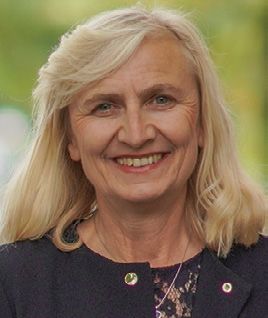
MDS Virtual
Congress 2020
     SEPTEMBER 12 –
      SEPTEMBER 16

VIRTUAL CONGRESS EVENTS
WELCOME CEREMONY                                                                    MDS VIRTUAL VIDEO CHALLENGE
Friday, September 11, 2020                                                          Sunday, September 13, 2020
Time: 15:00 - 16:00 GMT                                                             Time: 19:30 - 22:30 GMT
All participants are encouraged to attend the Virtual Congress Welcome              Monday, September 14, 2020
Ceremony. MDS President Claudia Trenkwalder and other MDS leaders will              Time: 2:00 - 5:00 GMT
introduce this inaugural event and give a preview of what to expect throughout      Please join Masters of Ceremony Anthony Lang and Kapil Sethi as they host
the week.                                                                           world-renowned Movement Disorders experts in guiding participants through
                                                                                    unique Movement Disorder cases. The cases will be presented by representatives
                                                                                    from Movement Disorder Centers around the world and discussed by Movement
                                                                                    Disorder Experts. Awards will be given for the most interesting and challenging
                                                                                    cases. Country pride will add an enjoyable spirit of competition to this event.
                                                                                    The goal of this session is for participants to learn from a series of unusual,
                                                                                    very interesting patients and see how senior experts approach these types of
                                                                                    challenging cases.

CME INFORMATION
TARGET AUDIENCE                                                                     ACCREDITATION STATEMENT
Clinicians, researchers, post-doctoral fellows, medical residents, medical          This activity has been planned and implemented in accordance with the
students, allied health professionals with an interest in current clinical trends   accreditation requirements and policies of the Accreditation Council for
and approaches for diagnosis and treatment of movement disorders.                   Continuing Medical Education (ACCME). The International Parkinson and
                                                                                    Movement Disorder Society is accredited by the ACCME to provide continuing
OBJECTIVES                                                                          medical education for physicians.
1. Evaluate the pharmacological and non-pharmacological management
   options available for Parkinson’s disease and other movement disorders           CREDIT DESIGNATION STATEMENT
2.    Discuss the diagnostic approaches and tools available for Parkinson’s         The International Parkinson and Movement Disorder Society designates this live
      disease and other movement disorders                                          activity for a maximum of 28.5 AMA PRA Category 1 Credits™. Physicians should
                                                                                    claim only the credit commensurate with the extent of their participation in
3.    Describe the pathogenesis and neurobiology of Parkinson’s disease and         the activity.
      other movement disorders
                                                                                    CONTENT VALIDITY STATEMENT
SATISFACTORY COMPLETION
                                                                                    All recommendations involving clinical medicine in MDS activities are based
Your chosen sessions must be attended in their entirety. Partial credit of          on evidence that is accepted within the profession of medicine as adequate
individual sessions is not available. If you are seeking continuing education       justification for their indications and contraindications in the case of patients. All
credit for a specialty, it is your responsibility to contact your licensing/        scientific research referred to, reported or used in CME in support or justification
certification board to determine course eligibility for your board requirement.     of a patient care recommendations conforms to the generally accepted
                                                                                    standards of experimental design, data collection and analysis. Activities that
                                                                                    promote recommendations, treatment or manners of practicing medicine
                                                                                    not within the definition of CME or are knowing to have risks or dangers that
                                                                                    outweigh the benefits or are knowing to be ineffective in the treatment of
                                                                                    patients do not constitute valid CME.

                                                         RETURN TO TABLE OF CONTENTS                                            www.mdscongress.org                          6
MDS Virtual
Congress 2020
SEPTEMBER 12 –
SEPTEMBER 16
SCHEDULE-AT-A-GLANCE
FRIDAY SATURDAY SUNDAY MONDAY TUESDAY WEDNESDAY
September 11 September 12 September 13 September 14 September 15 September 16
2:00
Therapeutic Plenary Session KEY
2:30
Encore Presentation Virtual MDS Video Challenge
3:00 CME Accredited
2:00 - 4:00 GMT Encore Presentation
3:30 Sessions
2:00 - 5:00 GMT
4:00 Break 4:00 - 4:30 GMT Non-CME
4:30 Educational
Therapeutic Plenary Session Activities
5:00
Encore Presentation
5:30 Sponsored Symposia
4:30 - 6:30 GMT (non-CME)
6:00 MDS-AOS Regional Assembly 6:00 - 6:30 GMT
6:30 Break 6:30 - 7:00 GMT MDS Activities
7:00 and Events
Therapeutic Plenary Session
7:30 Breaks
Encore Presentation
8:00
7:00 - 9:00 GMT
8:30
9:00 Break 9:00 - 9:30 GMT
9:30
Therapeutic Plenary Session
10:00
Encore Presentation
10:30
9:30 - 11:30 GMT
11:00
11:30 Break 11:30 - 12:00 GMT
12:00
12:30
Therapeutic Plenary Session Plenary Session Plenary Session Plenary Session Plenary Session
12:00 - 14:00 GMT 12:00 - 14:00 GMT 12:00 - 14:00 GMT 12:00 - 14:00 GMT 12:00 - 14:00 GMT
13:00
13:30
Break MDS Business Meeting MDS-ES Regional Assembly Break Break Break
14:00 14:00 - 14:30 GMT 14:00 - 14:30 GMT 14:00 - 14:30 GMT 14:00 - 14:30 GMT 14:00 - 14:30 GMT 14:00 - 14:30 GMT
14:30
Parallel Sessions Science of Parallel Sessions Science of
15:00 Parallel Sessions / Teaching / Teaching Industry (non- / Teaching Industry (non-
Welcome Ceremony Therapeutic Plenary Session Plenary Sessions
Courses Courses CME) Session Courses CME) Session
15:00 - 16:00 GMT 14:30 - 16:30 GMT 14:30 - 16:30 GMT
15:30 14:30 - 16:30 GMT 14:30 - 16:30 14:30 - 16:30 14:30 - 16:30 14:30 - 16:30
GMT GMT GMT GMT
16:00
16:30
Sponsored Symposia Sponsored Symposia Sponsored Symposia Sponsored Symposia
16:30 - 17:30 GMT 16:30 - 17:30 GMT 16:30 - 17:30 GMT 16:30 - 17:30 GMT
17:00
MDS-Africa Regional Assembly
17:30 Break 17:30 - 18:00 GMT Break 17:30 - 18:00 GMT Break 17:30 - 18:00 GMT
17:30 - 18:00 GMT
18:00 Skills Workshops / Special Topics Skills Workshops / Special Topics Skills Workshops / Special Topics
in Movement Disorders / Video in Movement Disorders / Video in Movement Disorders / Video
18:30
Therapeutic Plenary Session Sessions Sessions Sessions
18:00 - 20:00 GMT 18:00 - 19:30 GMT 18:00 - 19:30 GMT 18:00 - 19:30 GMT
19:00
19:30
20:00 Break 20:00 - 20:30 GMT
20:30
Virtual MDS Video Challenge
21:00 19:30 - 22:30 GMT
Therapeutic Plenary Session
21:30 20:30 - 22:30 GMT
MDS-PAS Regional Assembly
22:00
22:30 - 23:00 GMT
RETURN TO TABLE OF CONTENTS www.mdscongress.org 7MDS Virtual
Congress 2020
SEPTEMBER 12 –
SEPTEMBER 16
VIRTUAL CONGRESS SESSION DEFINITIONS
CME Accredited Sessions Non-CME Accredited Educational Activities
2020 Virtual Congress Themed Sessions: At each annual International Science of Industry Sessions: These interactive sessions will provide
Congress, the Congress Scientific Program Committee selects a theme that attendees with a non-CME educational opportunity to learn about novel
is highlighted throughout the meeting. This year’s theme, The Combined therapeutic agents under development by industry. Sessions may incorporate
Multidisciplinary Approach to Movement Disorders, will be showcased with basic scientists or clinicians working in industry, and topics may address
international experts serving as faculty. Meeting participants can elect to attend the biological rationale or development process for specific therapeutics in
any or all of these sessions. Themed sessions are designated in the program development within the field of Movement Disorders.
with .
Sponsored Symposia
NEW in 2020: “Neuroscience Bridges” Plenary Session: In this session
world-renowned neuroscientists provide overviews of their clinical or basic Sponsored Symposia: These company-based informational sessions
research, on topics of broad interest and relevance for the advancement of provide attendees with non-CME educational opportunities to learn the latest
knowledge on the nervous system in physiology and pathology. in therapeutics.
Controversies: This Plenary Session is designed to involve all Virtual Congress Video Challenge
participants. Content is prepared to stimulate interest and debate among a Video Challenge: The goal of this session is for attendees to learn from a series
panel of experts. Views from several angles will be addressed as discussion of of unusual patients and observe how senior experts approach a challenging
pre-selected “hot” topics will be open for debate among the panelists. case. A world-renowned panel of Movement Disorders experts guide
“Highlights for 2020: Looking Towards 2021” Plenary Session: In this attendees through unique Movement Disorder cases as they are presented by
session MDS experts present compilations of the hottest clinical and basic representatives from Movement Disorder centers around the world.
research articles published in the past year in the whole field of the Movement
Disorders, and expected to impact heavily on the future research.
Parallel Sessions: These concurrent sessions provide an in-depth summary
VIRTUAL CONGRESS FACULTY ROLES
of new clinical and basic research findings, state-of-the-art treatment options,
and future strategies on a variety of focused topics within the field of Movement Chair: Facilitates the learnings of the session; ensures that learning
Disorders. objectives are met during the presentation(s), and engages the learners
as needed.
Plenary Sessions: These sessions provide an overview of the latest clinical
and basic science research findings and state-of-the-art information relating to CSPC Liaison: Develops the session from the onset; provides guidance
topics of broad interest within the field of Movement Disorders. to ensure that the learning objectives are met; interacts with Speakers
/ Presenters to ensure presentations are well integrated and overlap
Skills Workshops: These concurrent sessions provide practical illustrations is minimized.
of clinical or scientific techniques relevant to the field of Movement Disorders
through video examples and equipment demonstrations. Speakers: Creates and delivers the presentation materials, and participates
in the dialogue of the session.
Special Topics in Movement Disorders: These interactive sessions address
“hot” topics in science or medicine using a variety of different formats that may
include lectures, video presentations, and audience interaction.
Teaching Courses: These educational programs provide up-to-date 2020 VIRTUAL CONGRESS THEME
information focused on a single topic. The sessions highlight both the clinical At each annual International Congress, the Congress Scientific Program
and basic science of topics of relevance to Movement Disorder specialists. The Committee selects a theme that is highlighted throughout the meeting.
sessions are unique in providing a syllabus that includes a review of the topic This year’s theme is The Combined Multidisciplinary Approach to Movement
and the presentation slides. Disorders. International experts will serve as faculty, and the meeting
Therapeutic Plenary Sessions: These sessions provide an overview of the participants can elect to attend any or all of these sessions.
latest, state-of-the-art treatment options in the diagnosis and management of
Themed sessions
Parkinson’s disease and other movement disorders.
Video Sessions: These concurrent sessions focus on video demonstrations to
provide an overview of clinical movement disorders.
RETURN TO TABLE OF CONTENTS www.mdscongress.org 8MDS Virtual
Congress 2020
SEPTEMBER 12 –
SEPTEMBER 16
FRIDAY, SEPTEMBER 11, 2020
Welcome Ceremony
15:00 - 16:00 GMT
All participants are encouraged to attend the Virtual Congress Welcome
Ceremony.
SATURDAY, SEPTEMBER 12, 2020
MDS-AOS Regional Assembly MDS Business Meeting
6:00 - 6:30 GMT 14:00 - 14:30 GMT
All participants from Asia and Oceania are encouraged to attend. All participants are encouraged to attend.
101: Therapeutic Plenary Session 102: Therapeutic Plenary Session
Updates on Medical Management Strategies Parkinson’s Disease: Non-Motor Aspects
for Parkinson’s Disease: Motor Aspects 14:30 – 16:30 GMT
12:00 - 14:00 GMT Chairs: Angelo Antonini, Italy
Chairs: Matthew B. Stern, USA Daniel Weintraub, USA
Pille Taba, Estonia Neuropsychiatric Features
Early Pharmacologic Management Anette Schrag, United Kingdom
Oscar Gershanik, Argentina Dysautonomia
Rehabilitation Strategies Horacio Kaufmann, USA
Alice Nieuwboer, Belgium Sleep and Fatigue
Medical Management Strategies for Advancing Disease Ron Postuma, Canada
Patients CSPC Liaison: Jennifer Goldman, USA
Regina Katzenschlager, Austria
Recommended Audience: Basic Scientists, Clinical Academicians, Practitioners, Non-Physician Health
CSPC Liaison: Shen-Yang Lim, Malaysia Professionals, Students/Residents/Trainees
Recommended Audience: Basic Scientists, Clinical Academicians, Practitioners, Non-Physician Health At the conclusion of this session, participants should be better able to:
Professionals, Students/Residents/Trainees
1. Describe the neuropsychiatric aspects of Parkinson’s disease and their management
At the conclusion of this session, participants should be better able to: 2. Discuss the recognition and management of dysautonomia in Parkinson’s disease
1. Discuss current management of early-stage Parkinson’s disease 3. Summarize the symptoms and management of sleep and fatigue in
2. Review the role of rehabilitation, including physical, occupational and speech Parkinson’s disease
therapies, and exercise in Parkinson’s disease
3. Describe current medical management strategies for advancing Parkinson’s disease 103: Therapeutic Plenary Session
(motor complications and other late-stage features) Therapeutic Approaches to Chorea, Dystonia,
and Myoclonus
18:00 – 20:00 GMT
Chairs: Francisco Cardoso, Brazil
Eduardo Tolosa, Spain
Chorea
Ruth Walker, USA
Dystonia
Rachel Saunders-Pullman, USA
Myoclonus
Yoshikazu Ugawa, Japan
CSPC Liaison: Francisco Cardoso, Brazil
Recommended Audience: Basic Scientists, Clinical Academicians, Practitioners, Non-Physician Health
Professionals, Students/Residents/Trainees
At the conclusion of this session, participants should be better able to:
1. List the therapeutics options to manage patients with different types of chorea
2. Discuss the therapeutic management of dystonia
3. Summarize the therapeutic options for myoclonus
RETURN TO TABLE OF CONTENTS www.mdscongress.org 9MDS Virtual
Congress 2020
SEPTEMBER 12 –
SEPTEMBER 16
SATURDAY, SEPTEMBER 12, 2020
104: Therapeutic Plenary Session
Neurosurgical Management of Movement
Disorders
20:30 – 22:30 GMT
Chairs: Günther Deuschl, Germany
Andrea Kühn, Germany
Technical Advances for DBS Treatment
Jens Volkmann, Germany
Long-term Effects of DBS on Motor and Non-motor
Symptoms in Parkinson’s Disease
Patricia Limousin, United Kingdom
Alternative Strategies: Focused Ultrasound and Other
Lesioning Techniques in Movement Disorders
José Obeso, Spain
CSPC Liaison: Andrea Kühn, Germany
Recommended Audience: Basic Scientists, Clinical Academicians, Practitioners, Non-Physician Health
Professionals, Students/Residents/Trainees
At the conclusion of this session, participants should be better able to:
1. Discuss and apply new DBS techniques such as segmented leads for current steering,
imaging guided programming, VTA models
2. Discuss indications of DBS and explain motor and non-motor benefits and risks
3. Discuss the pros and cons of different surgical approaches in movement disorders
SUNDAY, SEPTEMBER 13, 2020
101: Therapeutic Plenary Session (Encore Presentation) 102: Therapeutic Plenary Session (Encore Presentation)
Updates on Medical Management Strategies Parkinson’s Disease: Non-Motor Aspects
for Parkinson’s Disease: Motor Aspects 4:30 – 6:30 GMT
2:00 – 4:00 GMT Chairs: Huifang Shang, Peoples Republic of China
Chairs: Roongroj Bhidayasiri, Thailand Louis Tan, Singapore
Shengdi Chen, Peoples Republic of China Neuropsychiatric Features
Early Pharmacologic Management Anette Schrag, United Kingdom
Oscar Gershanik, Argentina Dysautonomia
Rehabilitation Strategies Horacio Kaufmann, USA
Alice Nieuwboer, Belgium Sleep and Fatigue
Medical Management Strategies for Advancing Disease Ron Postuma, Canada
Patients CSPC Liaison: Jennifer Goldman, USA
Regina Katzenschlager, Austria
Recommended Audience: Basic Scientists, Clinical Academicians, Practitioners, Non-Physician Health
CSPC Liaison: Shen-Yang Lim, Malaysia Professionals, Students/Residents/Trainees
Recommended Audience: Basic Scientists, Clinical Academicians, Practitioners, Non-Physician Health At the conclusion of this session, participants should be better able to:
Professionals, Students/Residents/Trainees
1. Describe the neuropsychiatric aspects of Parkinson’s disease and their management
At the conclusion of this session, participants should be better able to: 2. Discuss the recognition and management of dysautonomia in Parkinson’s disease
1. Discuss current management of early-stage Parkinson’s disease 3. Summarize the symptoms and management of sleep and fatigue in
2. Review the role of rehabilitation, including physical, occupational and speech Parkinson’s disease
therapies, and exercise in Parkinson’s disease
3. Describe current medical management strategies for advancing Parkinson’s disease
(motor complications and other late-stage features)
RETURN TO TABLE OF CONTENTS www.mdscongress.org 10MDS Virtual
Congress 2020
SEPTEMBER 12 –
SEPTEMBER 16
SUNDAY, SEPTEMBER 13, 2020
103: Therapeutic Plenary Session (Encore Presentation) 201: Plenary Session
Therapeutic Approaches to Chorea, Dystonia, Presidential Lectures
and Myoclonus 12:00 – 14:00 GMT
7:00 – 9:00 GMT Chairs: Francisco Cardoso, Brazil
Chairs: Victor Fung, Australia Claudia Trenkwalder, Germany
Ruey-Meei Wu, Taiwan Stanley Fahn Lecture
Chorea Werner Poewe, Austria
Ruth Walker, USA C. David Marsden Lecture
Dystonia Hiroshi Shibasaki, Japan
Rachel Saunders-Pullman, USA Junior Award Lectures
Myoclonus To Be Announced
Yoshikazu Ugawa, Japan
CSPC Liaisons: Vincenzo Bonifati, Netherlands
CSPC Liaison: Francisco Cardoso, Brazil Claudia Trenkwalder, Germany
Recommended Audience: Basic Scientists, Clinical Academicians, Practitioners, Non-Physician Health Recommended Audience: Basic Scientists, Clinical Academicians, Practitioners, Non-Physician Health
Professionals, Students/Residents/Trainees Professionals. Students/Residents/Trainees
At the conclusion of this session, participants should be better able to:
1. List the therapeutic options to manage patients with different types of chorea MDS-ES Regional Assembly
2. Discuss the therapeutics management of dystonia 14:00 - 14:30 GMT
3. Summarize the therapeutic options for myoclonus All participants from Europe are encouraged to attend.
104: Therapeutic Plenary Session (Encore Presentation) 301: Parallel Session
Neurosurgical Management of Movement COVID -19 and Movement Disorders
Disorders 14:30 – 16:30 GMT
9:30 - 11: 30 GMT Chairs: Huifang Shang, Peoples Republic of China
Chairs: Ritsuko Hanajima, Japan Indu Subramanian, USA
Beomseok Jeon, South Korea
Neurological Manifestations in patients with COVID-19
Technical Advances for DBS Treatment Elena Moro, France
Jens Volkmann, Germany
COVID-19 in Patients with Parkinson’s Disease or
Long-term Effects of DBS on Motor and Non-motor Movement Disorders
Symptoms in Parkinson’s Disease Alfonso Fasano, Canada
Patricia Limousin, United Kingdom
Caring of Patients with Movement Disorders in the
Alternative Strategies: Focused Ultrasound and Other COVID-19 Era
Lesioning Techniques in Movement Disorders Esther Cubo, Spain
José Obeso, Spain
CSPC Liaison: Buz Jinnah, USA
CSPC Liaison: Andrea Kühn, Germany Recommended Audience: Clinical Academicians, Practitioners Non-Physician Health Professionals,
Recommended Audience: Basic Scientists, Clinical Academicians, Practitioners, Non-Physician Health Students/Residents/Trainees
Professionals, Students/Residents/Trainees
At the conclusion of this session, participants should be better able to:
At the conclusion of this session, participants should be better able to: 1. Summarize the current knowledge about the neurological manifestations and
1. Discuss and apply new DBS techniques such as segmented leads for current steering, neuropathology in subjects affected by the COVID-19
imaging guided programming, VTA models 2. Summarize the clinical phenomenology and outcomes of the COVID-19 disease in
2. Discuss indications of DBS and explain motor and non-motor benefits and risks patients with Parkinson’s disease and other movement disorders
3. Discuss the pros and cons of different surgical approaches in movement disorders 3. Discuss the impact of the COVID-19 pandemic on the clinical care of patients with
movement disorders, and the available strategies to ensure continuity of care and
best outcomes
RETURN TO TABLE OF CONTENTS www.mdscongress.org 11MDS Virtual
Congress 2020
SEPTEMBER 12 –
SEPTEMBER 16
SUNDAY, SEPTEMBER 13, 2020
302: Parallel Session 304: Parallel Session
MSA and Pure Autonomic Failure Update on Genetics of Movement Disorders
14:30 – 16:30 GMT 14:30 – 16:30 GMT
Chairs: Howard Hurtig, USA Chairs: Christine Klein, Germany
Ryosuke Takahashi, Japan Carolyn Sue, Australia
Molecular Mechanisms Parkinsonism
Virginia Lee, USA Chin-Hsien Lin, Taiwan
The Challenge of Early Diagnosis Dystonia
Wassilios Meissner, France Patricia Maria Carvalho Aguiar, Brazil
Pure / Isolated Autonomic Failure Ataxia
Lucy Norcliffe-Kaufmann, USA Martin Paucar Arce, Sweden
CSPC Liaisons: Pietro Cortelli, Italy CSPC Liaison: Carolyn Sue, Australia
Ryosuke Takahashi, Japan Recommended Audience: Clinical Academicians, Practitioners, Non-Physician Health Professionals,
Recommended Audience: Basic Scientists, Clinical Academicians, Students/Residents/Trainees Students/Residents/Trainees
At the conclusion of this session, participants should be better able to: At the conclusion of this session, participants should be better able to:
1. Discuss the role of alpha-synuclein in the initiation and progression of 1. Summarize recently identified genes related to Parkinson’s disease and parkinsonism
neurodegeneration across Parkinson’s disease and atypical parkinsonism 2. Summarize recently identified genes related to dystonia
2. Recognize Multiple System Atrophy at an early stage 3. Summarize recently identified genes related to ataxia
3. Recognize Pure/Isolated Autonomic failure and discuss its role in predicting the onset
of other synucleinopathies (MSA, DLB, PD) 305: Parallel Session
Heterogeneity of Parkinson’s Disease: Clinical
303: Parallel Session Phenotypes and Progression
Update on Functional Movement Disorders 14:30 – 16:30 GMT
14:30 – 16:30 GMT Chairs: Nabila Dahodwala, USA
Chairs: Mark Edwards, United Kingdom Connie Marras, Canada
Mark Hallett, USA Influence of the Genetic Determinants
Phenomenology Clemens Scherzer, USA
Francesca Morgante, United Kingdom Role of Environment, Lifestyle and Comorbidities
Electrophysiology and Imaging Connie Marras, Canada
Tereza Serranova, Czech Republic Lessons from Large Cohort Studies
Psychological Aspects to Aetiology and Management Rodolfo Savica, USA
Timothy Nicholson, United Kingdom CSPC Liaison: Claudia Trenkwalder, Germany
CSPC Liaison: Beomseok Jeon, South Korea Recommended Audience: Basic Scientists, Clinical Academicians, Practitioners, Students/Residents/
Recommended Audience: Basic Scientists, Clinical Academicians, Practitioners, Non-Physician Health Trainees
Professionals, Students/Residents/Trainees
At the conclusion of this session, participants should be better able to:
At the conclusion of this session, participants should be better able to: 1. Discuss the influence of different genetic variants (rare/Mendelian, intermediate-
1. Recognize the phenomenology of functional movement disorders effects variants such as GBA and LRRK2-G2019S, and common GWAS variants) on
2. Summarize the electrophysiological and imaging features of functional phenotypes and progressions of Parkinson’s disease
movement disorders 2. Discuss the influence of environment, diet, exercise, comorbidities and inflammation
3. Discuss the psychopathology and management of functional movement disorders on the heterogeneity of Parkinson’s disease
3. Discuss the potential of ongoing large longitudinal cohorts-studies to understand
Parkinson’s disease heterogeneity
RETURN TO TABLE OF CONTENTS www.mdscongress.org 12MDS Virtual
Congress 2020
SEPTEMBER 12 –
SEPTEMBER 16
SUNDAY, SEPTEMBER 13, 2020
306: Parallel Session 402: Teaching Course
Huntington’s Disease Continuum and Non- Dystonia, Ataxia, and Tics
Huntington’s Choreas 14:30 – 16:30 GMT
14:30 – 16:30 GMT Chairs: Cynthia Comella, USA
Chairs: Joaquim Ferreira, Portugal Susanne Schneider, Germany
Amanda Krause, South Africa My Approach to Dystonia
The Natural History of Huntington’s Disease Susanne Schneider, Germany
G. Bernhard Landwehrmeyer, Germany My Approach to Ataxia
When Genetic Testing is Negative: Huntington’s José Luiz Pedroso, Brazil
Phenocopies My Approach to Tic Disorders
Amanda Krause, South Africa Tamara Pringsheim, Canada
A Critical Appraisal of Clinical Trials in Huntington’s CSPC Liaison: Ron Postuma, Canada
Disease
Recommended Audience: Clinical Academicians, Practitioners, Students/Residents/Trainees
Joaquim Ferreira, Portugal
CSPC Liaison: Francisco Cardoso, Brazil At the conclusion of this session, participants should be better able to:
1. Describe the phenomenology and diagnostic approach to dystonia
Recommended Audience: Clinical Academicians, Practitioners, Non-Physician Health Professionals,
2. Describe the phenomenology and diagnostic approach to ataxia
Students/Residents/Trainees
3. Summarize the phenomenology and diagnostic approach to tic disorders
At the conclusion of this session, participants should be better able to:
1. Discuss the natural history of Huntington’s Disease MDS-Africa Regional Assembly
2. List the differential diagnosis of Huntington’s Disease phenocopies 17:30 - 18:00 GMT
3. Appraise recent clinical trials in Huntington’s Disease All participants from the African continent are encouraged to attend.
401: Teaching Course 501: Skills Workshop
Cognitive and Psychiatric Issues in the A Multidisciplinary Approach for Palliative
Parkinsonian Spectrum Care
14:30 – 16:30 GMT 18:00 – 19:30 GMT
Chairs: Cristian Falup-Pecurariu, Romania
James Morley, USA This session aims to help providers identify and manage palliative care needs, collaborate with other
allied healthcare team members, and develop advance care planning with patients, families and their
Apathy: Why, Who, and What to Do About It caregivers.
Marcelo Merello, Argentina
Stefan Lorenzl, Germany
It’s Not Just MCI / Dementia: The Many Cognitive Janis Miyasaki, Canada
Changes in Parkinsonism
Madeleine Sharp, Canada CSPC Liaison: Claudia Trenkwalder, Germany
Parkinson’s Disease Treatments: How do They Change Recommended Audience: Clinical Academicians, Practitioners, Non-Physician Health Professionals,
Neuropsychiatric Symptoms? Students/Residents/Trainees
Daniel Weintraub, USA At the conclusion of this session, participants should be better able to:
CSPC Liaison: Ron Postuma, Canada 1. Recognize the relevance of palliative care in movement disorders
Recommended Audience: Clinical Academicians, Practitioners, Students/Residents/Trainees
2. Develop a multidisciplinary approach to the management of patients in advanced care
At the conclusion of this session, participants should be better able to:
1. Discuss the pathophysiology, disease spectrum and management of apathy in
parkinsonian conditions
2. Evaluate the broad spectrum of non-dementia cognitive changes in
parkinsonian conditions
3. Differentiate treatment vs. disease-related effects on neuropsychiatric symptoms in
Parkinson’s disease
RETURN TO TABLE OF CONTENTS www.mdscongress.org 13MDS Virtual
Congress 2020
SEPTEMBER 12 –
SEPTEMBER 16
SUNDAY, SEPTEMBER 13, 2020
502: Skills Workshop 601: Special Topics in Movement Disorders
DBS and Functional Communication in Big Data Analytics in Clinical Research for
Parkinson’s Disease: Insights and Intervention Movement Disorders
18:00 – 19:30 GMT 18:00 – 19:30 GMT
In this interactive session, the faculty will examine the impact of Deep Brain Stimulation on speech In this session the Faculty will discuss the impact of big data analytics in the current clinical research on
intelligibility in Parkinson’s disease. Evidence-based interventions will be compared to optimize Parkinson’s disease and other movement disorders, as well as the potential implications of the research
functional communication. findings in the clinical management.
Elina Tripoliti, United Kingdom Ivo Dinov, USA
Michelle Troche, USA Allison Willis, USA
CSPC Liaison: Terry Ellis, USA CSPC Liaison: Roongroj Bhidayasiri, Thailand
Recommended Audience: Basic Scientists, Clinical Academicians, Practitioners, Non-Physician Health Recommended Audience: Basic Scientists, Clinical Academicians, Practitioners, Students/Residents/
Professionals, Students/Residents/Trainees Trainees
At the conclusion of this session, participants should be better able to: At the conclusion of this session, participants should be better able to:
1. Examine the impact of Deep Brain Stimulation on speech intelligibility in 1. Describe the concept of big data analytics and the impact in clinical research in the
Parkinson’s disease field of Movement Disorders
2. Compare treatment strategies to optimize functional communication in 2. Discuss findings from studies based on big data analytics, and their potential
Parkinson’s disease implications in the clinical management
503: Skills Workshop 602: Special Topics in Movement Disorders
Imaging in Parkinson’s Disease Revisiting the Role of Non-Neuronal Cells in
18:00 – 19:30 GMT Parkinson’s Disease
In this interactive session, the faculty will review the nuts and bolts of how radioisotope imaging, MRI, 18:00 – 19:30 GMT
and ultrasonography are used for diagnosis and prognostication in Parkinson’s disease. In this interactive session, the faculty will discuss recent data suggesting that brain non-neuronal
Marios Politis, United Kingdom cells, including glial and inflammatory cells, are involved in the pathogenesis and pathophysiology of
Klaus Seppi, Austria Parkinson’s disease .
CSPC Liaison: Per Borghammer, Denmark Antonella Consiglio, Spain
David Sulzer, USA
Recommended Audience: Basic Scientists, Clinical Academicians, Practitioners, Non-Physician Health
Professionals, Students/Residents/Trainees CSPC Liaison: Etienne Hirsch, France
At the conclusion of this session, participants should be better able to: Recommended Audience: Basic Scientists, Clinical Academicians, Students/Residents/Trainees
1. Describe how PET and SPECT are used for the diagnosis, prognostication, and as At the conclusion of this session, participants should be better able to:
progression markers of Parkinson’s disease 1. Discuss the roles for non-neuronal cells in the pathophysiology of Parkinson’s disease
2. Describe the application of anatomical and functional MRI, and ultrasonography in the 2. Describe the putative roles for non-neuronal cells in the pathogenesis
diagnosis, prognostication, and as progression markers of Parkinson’s disease
701: Video Session
504: Skills Workshop Gait Disorders
Phenomenology of Movement Disorders for 18:00 – 19:30 GMT
Young Neurologists: Semiological Tricks and
In this interactive session, participants will gain knowledge on different gait disorders through
Pitfalls illustrative videos. Key features of gait disorders and different treatment strategies will be discussed,
18:00 – 19:30 GMT including surgical interventions.
In this interactive session, the faculty will discuss tricks and maneuvers they employ in clinical practice Nir Giladi, Israel
for the detection and examination of movement disorders. Evzen Ruzicka, Czech Republic
Mona Obaid, Saudi Arabia CSPC Liaison: Andrea Kühn, Germany
Mayela Rodriguez Violante, Mexico Recommended Audience: Basic Scientists, Clinical Academicians, Practitioners, Non-Physician Health
CSPC Liaison: Oscar Gershanik, Argentina Professionals, Students/Residents/Trainees
Recommended Audience: Practitioners, Students/Residents/Trainees At the conclusion of this session, participants should be better able to:
At the conclusion of this session, participants should be better able to: 1. Review the clinical features of normal gait and recognize key abnormalities of gait
1. Explore the phenomenology of movement disorders disorders
2. Apply semiological tricks to better detect and examine movement disorders 2. Recognize specific dysfunction in gait disorders, discuss differential diagnosis and the
respective therapeutic management
RETURN TO TABLE OF CONTENTS www.mdscongress.org 14MDS Virtual
Congress 2020
SEPTEMBER 12 –
SEPTEMBER 16
SUNDAY, SEPTEMBER 13, 2020
702: Video Session MDS Video Challenge (non CME)
Tardive Syndromes and Other Drug Induced 19:30 – 22:30 GMT
Movement Disorders Please join Masters of Ceremony Anthony Lang and Kapil Sethi as they host world-renowned
18:00 – 19:30 GMT Movement Disorders experts in guiding participants through unique Movement Disorder cases.
The cases will be presented by representatives from Movement Disorder Centers around the world
In this interactive session, the faculty will demonstrate iatrogenic movement disorders in a case-based
and discussed by Movement Disorder Experts. Awards will be given for the most interesting and
format, highlighting acute, chronic, and tardive syndromes, emphasizing phenotypic features that can
challenging cases. Country pride will add an enjoyable spirit of competition to this event. The goal of
be overlooked or misattributed to other disorders. Pearls and pitfalls of drug-related complications will
this session is for participants to learn from a series of unusual, very interesting patients and see how
be discussed.
senior experts approach these types of challenging cases.
Hubert Fernandez, USA
Featured Experts:
Deborah Hall, USA
Bettina Balint, Germany
CSPC Liaison: Alberto Espay, USA Orlando Barsottini, Brazil
Recommended Audience: Clinical Academicians, Practitioners, Non-Physician Health Professionals, Kailash Bhatia, United Kingdom
Students/Residents/Trainees Francisco Cardoso, Brazil
Roberto Erro, Italy
At the conclusion of this session, participants should be better able to: Alberto Espay, USA
1. Recognize typical and atypical forms of tardive syndromes and distinguish from Alfonso Fasano, Canada
mimics Jennifer Friedman, USA
2. Identify clinical clues associated with drug-induced movement disorders Victor Fung, Australia
Christos Ganos, Germany
Dan Healy, Ireland
Marina Koning-Tijssen, Netherlands
Manju Kurian, United Kingdom
Tim Lynch, Ireland
Stephen Reich, USA
Maria Stamelou, Greece
RETURN TO TABLE OF CONTENTS www.mdscongress.org 15MDS Virtual
Congress 2020
SEPTEMBER 12 –
SEPTEMBER 16
MONDAY, SEPTEMBER 14, 2020
MDS Video Challenge (Encore Presentation) 307: Parallel Session
2:00 – 5:00 GMT Innovative Models in the Integrated
Please see page page 15 for complete description. Management of Parkinson’s Disease
14:30 – 16:30 GMT
202: Plenary Session Chairs: Bastiaan Bloem, Netherlands
Treatable, Rare Movement Disorders Not Terry Ellis, USA
to Miss Interdisciplinary Team Models of Care in Parkinson’s
12:00 – 14:00 GMT Disease
Chairs: Victor Fung, Australia Jennifer Goldman, USA
Mayela Rodriguez-Violante, Mexico An Integrated Telemedicine Approach in Parkinson’s
Disease
Clinical Approach
Jennifer Friedman, USA Mark Guttman, Canada
Integrated Palliative Care in Parkinson’s Disease: Timing
Diagnostic Workup
Matters
Manju Kurian, United Kingdom
Maya Katz, USA
Current and Future Treatments
Buz Jinnah, USA CSPC Liaison: Terry Ellis, USA
Recommended Audience: Clinical Academicians, Practitioners, Non-Physician Health Professionals,
CSPC Liaison: Maria Stamelou, Greece Students/Residents/Trainees
Recommended Audience: Basic Scientists, Clinical Academicians, Practitioners, Non-Physician Health
Professionals, Students/Residents/Trainees At the conclusion of this session, participants should be better able to:
1. Describe interdisciplinary team models of care to optimize the management of
At the conclusion of this session, participants should be better able to: Parkinson’s disease
1. Appraise clinically a patient with a suspected treatable, rare movement disorder and 2. Discuss innovative models on integrated care using telehealth in Parkinson’s disease
recognize clinical clues not to be missed 3. Describe a palliative care model integrated over the disease continuum in
2. Decide, determine and interpret the necessary investigations for a patient with a Parkinson’s disease
suspected treatable, rare movement disorder
3. Apply current therapies and identify upcoming new therapy options for rare 308: Parallel Session
movement disorders
Sleep Disorders in Parkinsonism: Science and
203: Plenary Session Clinical Aspects
14:30 – 16:30 GMT
Parkinson’s Disease Biomarkers:
Chairs: Roongroj Bhidayasiri, Thailand
A Multidisciplinary Approach
Ron Postuma, Canada
12:00 – 14:00 GMT
Basic Science Aspects of RBD
Chairs: Per Borghammer, Denmark
Pierre Luppi, France
Andrew Siderowf, USA
Clinical Aspects of RBD
Update on Imaging Biomarkers for Parkinson’s Disease
Ambra Stefani, Austria
A. Jon Stoessl, Canada
Sleep Disorders in Atypical Parkinsonism
Clinical Utility of Fluid Biomarkers for Parkinson’s Disease
Federica Provini, Italy
Brit Mollenhauer, Germany
CSPC Liaison: Per Borghammer, Denmark
Peripheral Pathology as a Parkinson’s Disease Biomarker
Charles Adler, USA Recommended Audience: Basic Scientists, Clinical Academicians, Practitioners, Non-Physician Health
Professionals, Students/Residents/Trainees
CSPS Liaison: Andrew Siderowf, USA
Recommended Audience: Basic Scientists, Clinical Academicians, Practitioners, Non-Physician Health
At the conclusion of this session, participants should be better able to:
Professionals, Students/Residents/Trainees 1. Describe the pathophysiology and neuropathology underlying RBD
2. Describe clinical manifestations of RBD, their relationship with other clinical features,
At the conclusion of this session, participants should be better able to: and management
1. Evaluate the clinical value of imaging biomarkers, including emerging PET and SPECT 3. Describe prominent sleep disorders in atypical parkinsonisms, their relation with other
ligands and MRI clinical features, and management
2. Describe current status of biochemical biomarkers for Parkinson’s disease
3. Summarize recent developments in peripheral tissue assays for alpha-synuclein
pathology in Parkinson’s disease
RETURN TO TABLE OF CONTENTS www.mdscongress.org 16MDS Virtual
Congress 2020
SEPTEMBER 12 –
SEPTEMBER 16
MONDAY, SEPTEMBER 14, 2020
309: Parallel Session 311: Parallel Session
Update on Recent Clinical Trials Advanced Multi-Modal Imaging and Big
14:30 – 16:30 GMT Imaging Data in Parkinson’s Disease
Chairs: Hubert Fernandez, USA 14:30 – 16:30 GMT
Oscar Gershanik, Argentina Chairs: A. Jon Stoessl, Canada
Parkinson’s Disease Antonio Strafella, Canada
Tatyana Simuni, USA Multi-Modal Imaging of the Braak Stages and Parkinson’s
Atypical Parkinsonian Disorders Disease Subtypes
Günter Höglinger, Germany Per Borghammer, Denmark
Huntington’s Disease Multi-Modal Imaging for Diagnosis, Prognosis and
Blair Leavitt, Canada Progression
Jee-Young Lee, South Korea
CSPC Liaison: Wassilios Meissner, France
Simulating Parkinson’s Disease in Computer Models and
Recommended Audience: Basic Scientists, Clinical Academicians, Practitioners, Non-Physician Health
Using A.I. for Big Imaging Data
Professionals, Students/Residents/Trainees
Alain Dagher, Canada
At the conclusion of this session, participants should be better able to: CSPC Liaison: Per Borghammer, Denmark
1. Discuss recent clinical trials in Parkinson’s disease
Recommended Audience: Basic Scientists, Clinical Academicians, Practitioners, Non-Physician Health
2. Review recent clinical trials for atypical parkinsonian disorders
Professionals, Students/Residents/Trainees
3. Discuss recent clinical trials for hyperkinetic movement disorders
At the conclusion of this session, participants should be better able to:
310: Parallel Session 1. Describe how multi-modal imaging enables visualization of damage to distinct
The Crossroads of Spasticity and Ataxia neurotransmitter systems in Parkinson’s disease
14:30 – 16:30 GMT 2. Describe how multi-modal MRI and other imaging techniques are used for diagnosis,
prognostication, and as progression markers
Chairs: Orlando Barsottini, Brazil
Brent Fogel, USA 3. Describe computer simulations of Parkinson’s disease and how artificial intelligence
algorithms allow in-depth analysis of very large imaging datasets
Clinical Syndromes and Diagnostic Evaluation
To Be Announced 403: Teaching Course
Biological Basis Atypical Parkinsonisms: Clinical Overview
Brent Fogel, USA 14:30 – 16:30 GMT
Management Chairs: Carlo Colosimo, Italy
Carlos Henrique Camargo, Brazil John Duda, USA
CSPC Liaison: Buz Jinnah, USA PSP/CBD
Recommended Audience: Basic Scientists, Clinical Academicians, Practitioners, Non-Physician Health Marina Picillo, Italy
Professionals, Students/Residents/Trainees
MSA
At the conclusion of this session, participants should be better able to: Han-Joon Kim, South Korea
1. Describe the clinical features and diagnostic workup of syndromes that feature Clinical Look-Alikes
spasticity and ataxia Kailash Bhatia, United Kingdom
2. Summarize the pathogenesis of spasticity and ataxia
CSPC Liaison: Ron Postuma, Canada
3. Describe management strategies for clinical syndromes that combine spasticity
and ataxia Recommended Audience: Basic Scientists, Clinical Academicians, Practitioners, Non-Physician Health
Professionals, Students/Residents/Trainees
At the conclusion of this session, participants should be better able to:
1. Evaluate the clinical spectrum and imaging features of PSP/CBS
2. Evaluate the clinical spectrum and imaging features of MSA
3. Discuss the disorders which can clinically mimic PSP, CBD, and MSA
RETURN TO TABLE OF CONTENTS www.mdscongress.org 17MDS Virtual
Congress 2020
SEPTEMBER 12 –
SEPTEMBER 16
MONDAY, SEPTEMBER 14, 2020
404: Teaching Course 506: Skills Workshop
Update on Neurosurgery for Movement Botulinum Toxins: A Case-Based Approach
Disorders 18:00 – 19:30 GMT
14:30 – 16:30 GMT In this interactive session, the faculty will use a case-based approach to describe the use of botulinum
Chairs: Elena Moro, France toxins for the most common forms of dystonia and spasticity.
Michael Okun, USA
Carlo Colosimo, Italy
DBS for Parkinson’s Disease: Who, Where, and How? Andres Deik, USA
Michael Okun, USA
CSPC Liaison: Buz Jinnah, USA
DBS for Dystonia: Who, Where, and How?
Recommended Audience: Clinical Academicians, Practitioners, Non-Physician Health Professionals,
Andrea Kühn, Germany Students/Residents/Trainees
DBS and Lesioning in Tremor
At the conclusion of this session, participants should be better able to:
Günther Deuschl, Germany
1. Describe optimal strategies for the application of botulinum toxins for the
CSPC Liaison: Ron Postuma, Canada more common forms of dystonia such as cervical dystonia, blepharospasm, and
Recommended Audience: Basic Scientists, Clinical Academicians, Students/Residents/Trainees limb dystonia
At the conclusion of this session, participants should be better able to: 2. Describe the optimal strategies for the application of botulinum toxins for the
1. Identify good candidates for DBS surgery in PD, the best surgical target, and novel treatment of the more common forms of spasticity affecting the upper and lower limb
types of segmented lead technology
507: Skills Workshop
2. Identify good candidates for DBS in dystonia, the outcome over the long term, and
novel types of adaptive stimulation New Perspectives on Phenotype-Genotype
3. Identify how to select candidates for surgery in tremor, how to use DBS, and when Relationships
surgical vs. ultrasound lesioning should be used 18:00 – 19:30 GMT
In this interactive session, faculty will describe various types of genotype-phenotype relationships, how
901: Science of Industry (non-CME) to apply genetic testing for diagnosis in different movement disorders, and several online tools available
Antisense Oligonucleotides for Treating for understanding the outcomes of genetic testing.
Movement Disorders Pedro Gonzalez-Alegre, USA
14:30 – 16:30 GMT Joanne Trinh, Germany
See page page 26 for complete session information. CSPC Liaison: Buz Jinnah, USA
Recommended Audience: Basic Scientists, Clinical Academicians, Practitioners, Non-Physician Health
505: Skills Workshop Professionals, Students/Residents/Trainees
Managing Comorbidities and Polypharmacy
At the conclusion of this session, participants should be better able to:
Issues in Parkinson’s Disease 1. Describe the sometimes complex relationships between various genotypes and their
18:00 – 19:30 GMT associated phenotypes
In this interactive session, the faculty will discuss common comorbidities and the polypharmacy these 2. Describe some of the tools available to help the clinician make better use of the results
lead to in the management of Parkinson’s disease. of genetic testing for diagnosis
David Burn, United Kingdom
Tove Henriksen, Denmark
CSPC Liaison: Tove Henriksen, Denmark
Recommended Audience: Basic Scientists, Clinical Academicians, Practitioners, Non-Physician Health
Professionals, Students/Residents/Trainees
At the conclusion of this session, participants should be better able to:
1. Recognize the most common comorbidities in Parkinson’s disease
2. Manage the comorbidities and the related polypharmacy in Parkinson’s disease
RETURN TO TABLE OF CONTENTS www.mdscongress.org 18You can also read


