Melanoma landscape in Asia-Pacific 2021 - Novotech CRO
←
→
Page content transcription
If your browser does not render page correctly, please read the page content below

Melanoma landscape in Asia-Pacific 2021
Contents
1.    EPIDEMIOLOGY OVERVIEW AND CLINICAL ACTIVITY .................................................. 3
2.    STANDARD OF CARE ....................................................................................................... 5
3.    KEY OPINION LEADERS IN MELANOMA ......................................................................... 6
4.    NOVOTECH OVERVIEW .................................................................................................... 7

Melanoma landscape in Asia-Pacific (2021)                                                                                          2
1. Epidemiology overview and Clinical activity
Cancer of the skin is by far the most common of all cancers. Melanoma accounts for only about 1% of
skin cancers but causes a large majority of skin cancer deaths. Melanoma is more common in men
overall.

Melanoma incidence is lower in East and Southeast Asia as compared to North America or Europe with
the result that melanoma remains overlooked and undertreated in Asian populations. However, East
and Southeast Asia is home to almost one-third of the global population, and therefore a significant
burden of disease exists in terms of absolute patient numbers. Furthermore, the clinical evidence
indicates that Asian melanoma patients typically present with more advanced disease, and their
prognosis is generally worse than Caucasian patients. Melanomas in Asian patients also appear to be
thicker and are more likely to have ulcerations.

New Zealand and Australia have the world’s highest rates of melanoma and it is often referred to as
'Australia's national cancer'. Melanoma is the third most common cancer in Australian men (after
prostate and colorectal cancer) and women (after breast and colorectal cancer). Australians aged
between 15-40 are the most affected. In 2019, about 15,000 Melanoma cases were diagnosed in
Australia. Over 4,000 people are diagnosed with either melanoma in situ or invasive melanoma every
year in New Zealand. In Australia, populations living closer to the equator show higher incidences of
melanoma. Queensland for example, a predominately tropical state in Australia has higher melanoma
rates than New South Wales.

References-
Sunrise in melanoma management: Time to focus on melanoma burden in Asia
Melanoma Institute Australia
Melanoma New Zealand

Estimated incidence, mortality and prevalence of melanoma in 2020, both sexes, all ages

*Age standardized rate per 100,000
                                    Incidence                       Mortality          Prevalence
   Region/Country                Number     ASR*                Number       ASR   Number    Proportion**
     United States               96,445           16.6           7,201      1.1    337,530      102.0
         Australia               16,171           36.6           1,408      2.4    57,669       226.2
     Greater China                   7,714        0.36           4,106      0.18   22,281         1.5
           India                     3,916        0.29           2,296      0.17    9,631        0.70
     New Zealand                     2,801        31.6            472       4.7     9,797       203.2
      South Korea                    734          0.74            347       0.31    2,533         4.9
         Thailand                    607          0.52            309       0.25    1,774         2.5
       Philippines                   418          0.45            251       0.27    1,131         1.0
         Malaysia                    162          0.47             81       0.24    494           1.5
        Singapore                     55          0.56             22       0.22    197           3.4
**Proportions per 100,000
Source- Cancer Today by WHO

Melanoma landscape in Asia-Pacific (2021)                                                               3
Biopharma companies initiated over 450 trials in melanoma since 2018, about a third of which involved
the Asia-Pacific (APAC) region. Australia, China, and South Korea were the most frequently involved
countries with fewer competing trials compared to the US.

Top countries in Asia-Pacific in relation to the number of melanoma studies initiated by Biopharma companies
between 2018-2020.

        262

                        67
                                       47
                                                    24       14           11          5           2

      United        Australia        China        South     New        Taiwan     Hong Kong Singapore
      States                                      Korea    Zealand

         Countries in which Novotech directly operates
Source – GlobalData [Accessed 5th January 2021]

 Lower Trial density (US vs. APAC)                                Compelling Recruitment Rate

 Number of recruiting sites for industry                          Median recruitment rate (p/s/m) for
 initiated melanoma trials per million of                         industry sponsored melanoma trials in the
 urban population in selected Asia-Pacific                        Asia-Pacific and the US, initiated
 countries, 2020-2021.                                            between 2016-2020.

              4.9                                                                              0.8
                                                                            0.6

                                      0.3

              US                    APAC                                    US               APAC

 Source – ClinicalTrials.gov [Accessed 6th January 2021]

Melanoma landscape in Asia-Pacific (2021)                                                                  4
2. Standard of Care

Five types of standard treatment are used for treating melanoma:

 Treatment Option                 Types

                                       •    Wide Local Excision
                                       •    Biopsy – sentinel node biopsy
 Surgery                               •    Lymph Node Dissection – axillary, inguinal and cervical lymph
                                            nodes
                                       •    Reconstructive Surgery – skin grafts and flap repairs

                                       •    External Beam Radiation Therapy
                                       •    Palliative Radiation Therapy
 Radiation                             •    Stereotactic Radiosurgery
                                       •    Adjuvant Radiation Therapy

                                       •    Cobimetinib
 Targeted therapy                      •    Dabrafenib
                                       •    Imatinib mesylate
                                       •    Trametinib
                                       •    Vemurafenib

                                       •    Pembrolizumab
                                       •    Nivolumab
                                       •    Ipilimumab
 Immunotherapy                         •    Interferon alfa
                                       •    T-VEC
                                       •    BCG and imiquimod cream

                                       •    Carboplatin
                                       •    Cisplatin
                                       •    Dacarbazine
                                       •    Melphalan
 Chemotherapy                          •    Nab-paclitaxel
                                       •    Paclitaxel
                                       •    Temozolomide
                                       •    Vinblastine sulfate

Source – 2018 NCCN Guidelines for treatment of Melanoma

Melanoma landscape in Asia-Pacific (2021)                                                                   5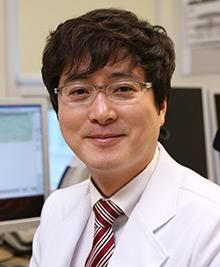
3. Key Opinion Leaders in Melanoma
Prof. GEORGINA LONG
Melanoma Institute Australia – AUSTRALIA

Prof. Long is Co-Director of Melanoma Institute Australia (MIA), and Chair of
Melanoma Medical Oncology and Translational Research at MIA and Royal North
Shore Hospital. Her team is focused on targeted therapies and immuno-oncology of
Melanoma. She is the President of International Society for Melanoma Research,
and Oncology lead for the Australian Melanoma Management Guidelines Committee. She engaged in
more than 50 Melanoma trials and co-authored numerous publications in journals including J Clin
Oncol, Br J Cancer and Nat Rev Clin Oncol.

                       A/Prof. VICTORIA ATKINSON
                       Princess Alexandra Hospital – AUSTRALIA
                  Prof Atkinson is a Senior Staff Specialist at the Princess Alexandra Hospital and
                  Visiting Medical Oncologist at Greenslopes Private Hospital where she is PI for
                  Melanoma trials in collaboration with Gallipoli Medical Research Foundation. She is
                  an Associate Professor at the University of Queensland. She is on the Executive
Board Member of the ANZ Melanoma Trials Group and Melanoma Patients Australia. She has co-
authored close to 100 publications in journals including Eur J Cancer and N Engl J Med.

Dr. CATHERINE BARROW
Wellington Hospital – NEW ZEALAND
Catherine is an Oncologist at the Bowen Icon Cancer Centre and Wellington
Regional Melanoma Clinic based at the Plastic Surgical Unit at Hutt Hospital. She is
the principal investigator of Melanoma clinical trials at Wellington Hospital including
phase I/II study collaborations with the Malaghan Institute and Clinical Trials New
Zealand. Catherine is a member of the Executive Committee for the New Zealand Melanoma Network.

                       Prof. JUN GUO
                       Peking University – CHINA
                 Prof. Jun Guo is a Professor and the Medical Director of the Dept. of Melanoma and
                 Renal Cancer in Peking University Cancer Hospital & Institute. Prof. Guo is the chair
                 of Asian melanoma group and president of Melanoma Branch of CSCO. He is the
                 writing panel chair of “Chinese Guidelines on the Diagnosis and Treatment of
Melanoma”. Guo established the first melanoma centre in China. He published more than 100
academic papers in research journals including J Clin Oncol, Clin Cancer Res, Eur J Cancer, Blood.

A/Prof. MUN JE-HO
Seoul National University Hospital – SOUTH KOREA
Prof. Mun Je-Ho is an Associate Professor in at the Seoul National University. He is
also Chief of Skin Cancer/Chemotherapy Centre at the University Hospital. Prof.
Mun is an active member of the Korean Dermatologic Association and the Korean
Society for Skin Cancer. His clinical practice and research focus on malignant Melanomas,
Melanonychia, Dermoscopy, and Dermatosurgery.

Melanoma landscape in Asia-Pacific (2021)                                                          6
4. Novotech Overview
Novotech is internationally recognized as the leading regional full-service contract research organization
(CRO) in Asia-Pacific. Novotech has been instrumental in the success of over a thousand Phase I - IV
clinical trials for biotechnology companies.

Novotech was established in 1996, with offices in 11 locations across the region, and site partnerships with
major health institutions.

Novotech provides clinical development services across all clinical trial phases and therapeutic areas
including: feasibility assessments; ethics committee and regulatory submissions, data management,
statistical analysis, medical monitoring, safety services, central lab services, report write-up to ICH
requirements, project and vendor management. Novotech obtained the ISO 27001 certification which is the
best-known standard in the ISO family providing requirements for an Information Security Management
System. Together with the ISO 9001 Quality Management system, Novotech aims at the highest IT security
and quality standards for patients and biotechnology companies

https://novotech-cro.com/

Melanoma landscape in Asia-Pacific (2021)                                                            7
You can also read


