Men's Health Information and Resource Centre - Western ...
←
→
Page content transcription
If your browser does not render page correctly, please read the page content below
Men’s Health Information and Resource Centre

Engaging Dads in Health Services
A report from the forum “What Works To Engage Dads?”, in partnership with NSW Health, the Men’s Health
Information and Resource Centre at the University of Western Sydney and Relationships Australia.

Mary MacKillop Place, North Sydney, 14 September 2011

                                                                                     1 Engaging Dads in Health Services
“Those moments when you            Contents
              can just be yourself, we are      (i) Guest Speakers

              all different, when I look back   (ii) Forum Description
                                                (iii) Welcome To Country
              at my old man ... someone         (iv) Acknowledgements

              honest, a shoulder to lean on”    1. Introduction
                                                2. Guest Speakers
                                                3. Feedback From The Day
                                                4. References & List of Useful Contacts
            “Services are important
              because they provide time
              to fathers to give them the       Guest Speakers
              confidence to be a great dad”     Richard Fletcher
                                                Adrienne Burgess
                                                David Hughes
                                                Peter Slattery
                                                Andrew King
                                                Duncan Berry
                                                Garry Sillett
                                                John Gilbert

                                                Adrienne Burgess and Andrew King were
                                                unfortunately unable to attend on the
                                                day; however, facilitator Peter Slattery
                                                showcased their presentations.

                                                Forum Description
                                                This cabaret-style forum was hosted by
                                                Anthony Brown, Project Officer, Men’s
                                                Health Information and Resource Centre
                                                (MHIRC), University of Western Sydney
                                                and facilitated by the ever-entertaining
                                                Peter Slattery, who is a therapist, trainer
                                                and educator. Permission was sought in
                                                advance for David Thompson (MHIRC)
                                                to take photos of the day. Photos and
                                                videos are available on the website
                                                http://menshealth.uws.edu.au/forum

Engaging Dads in Health Services 2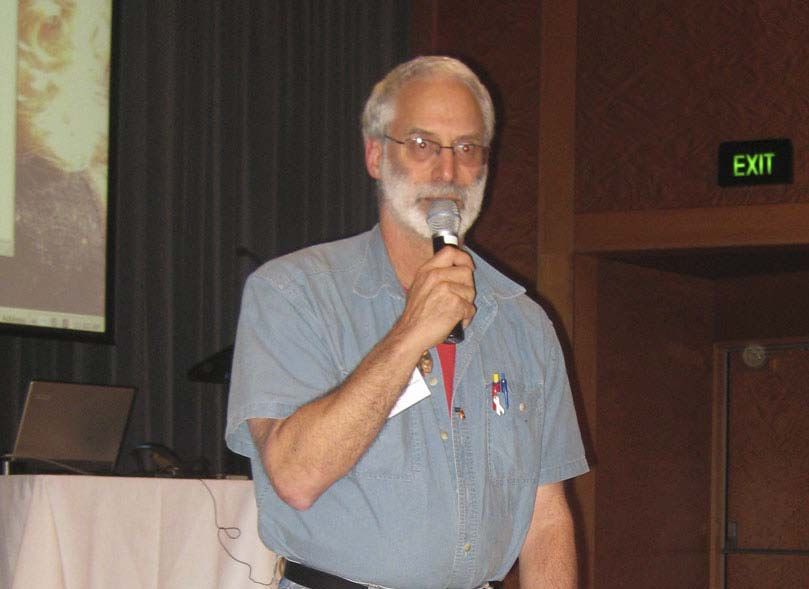
Acknowledgments
I would like to take this opportunity on
behalf of the Men’s Health Information
and Resource Centre at the University of
Western Sydney, for taking time out to        Peter Slattery, forum facilitator,
read this report. I hope that you will gain   addresses the delegates
some insightful ideas to help assist you
in your work and wish you every success
in your future work with engaging fathers
in health and community services.

A special thanks to the Mary MacKillop
Centre for hosting for the forum.

Welcome To Country
We acknowledged the Eora people,
the traditional owners of the lands on
which the forum was held. We also
acknowledged elders past and present.

MHIRC has a strong commitment to
learning “with and from” Aboriginal and
Torres Strait Islander men, and while
recognizing the very significant challenges
Aboriginal and Torres Strait Islander
men and fathers face, there is much in
traditional Aboriginal men’s and fathers’
responsibilities to younger people that
can benefit the whole community.

                                                                          3 Engaging Dads in Health Services
SECTION 1: INTRODUCTION

Father’s engagement with health services      As mentioned, this report highlights the
poses a specific challenge to health care     key themes, findings and suggestions that
professionals. Evidence suggests that         emerged from the forum held on the 14
when fathers are engaged and involved         September 2011 at Mary Mackillop Place
with their families, the health outcomes of   in North Sydney. This report identifies
their children are improved as are those      successful strategies for engaging with
of the men and the mothers as well.           fathers derived from an evaluation of the
                                              day. Participant evaluations were also used
However, researchers in the area of men’s     in the identification of the key themes.
health and fatherhood conclude that gender    The aims of this report are two-fold:
disparities exist in relation to engaging     »» It is intended to assist health care
fathers in health services. Current methods      professionals working with dads,
utilized by health care professionals            in both primary and secondary
tend to adopt a more ‘mother-centric’            care settings in the NSW area.
approach to intervention. This approach       »» It will be used by the MHIRC – UWS, as
may hinder father’s engagement because           the basis of ongoing work and resource
it can imply that men are not necessary          with fathers and health services.
or, indeed welcomed, at health services.
                                              In addition, to the overall aims,
This draws attention to the significance      the underlying objectives of
of this research and the need to develop      this report are to provide:
interventions that account for gendered       »» Evidence on what supports fathers;
differences, in order to effectively engage      practitioner skills, management
fathers in health services. This is a key        and service models.
recommendation as outlined in the Men’s       »» Ways to recognize and provide for the
Health Plan (MHP; NSW, 2009). The                differing needs of fathers and mothers
overarching aim of the NSW – MHP is to:       »» Ways to develop new skills and
                                                 adapt existing skills to engage
  “..guide the NSW health system in              fathers and deliver services that
  providing health care, health promotion        fathers want and need.
  and information which appropriately         »» Strategies to help overcome the reticence
  addresses the health needs of men              some fathers may bring as a result
  and improves their health outcomes”.           of past experience with services.

One of the key strategic priorities for
action underpinning this aim is to:

  “..increase the participation of men
  in programs and activities designed
  to prepare them for being a father
  and to encourage them to take an
  active and positive role in parenting”.

Engaging Dads in Health Services 4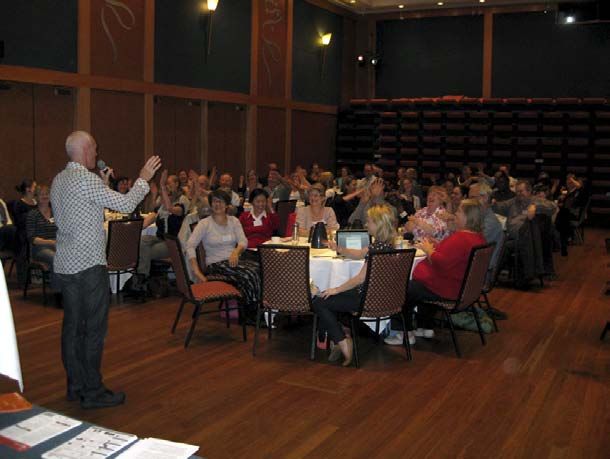
SECTION 2: GUEST SPEAKERS

Dr Richard Fletcher
Richard is the Leader of the Fathers and
Families Research Program at the
Family Action Centre, Faculty of Health
at the University of Newcastle.

Why is there a need to target fathers?
There is a strong and recognized
correlation between becoming and being
a father, and being a healthy man.
There are several direct connections
between fathering and health:
»» Men need to be healthy to be a
   good dad and role model
»» Higher rates of male mortality mean
   that a lot of men don’t become dads
»» Becoming a father is often the first time
   many men need to interact with the
   health system, so it presents an ongoing
   opportunity to reach men on health              »» Directly engage fathers – ask to meet         »» State the reasons as to why dads
»» Being a father is a great motivator                both parents, run events that dads               involvement is important and explain how
   to stay healthy for themselves                     enjoy like bbq’s and sports days, and            it will make a difference to the child’s life.
   and their children’s sake.                         have dads contribute to programs              »» Self reflection – figure it out by talking
                                                      for kids like building gardens or                through what didn’t work for you. i.e.
Richard spoke about the connection                    ‘talk about dad’s job’ sessions.                 were you hesitant? Unsure what to ask?
between men’s health and the people who            »» Use positive images of fathers, men and
work with fathers on the ground. Men in               male figures so that fathers understand       A full checklist of ideas for engaging dads
general, have poorer health status and                they are welcomed and expected.               in early childhood services is available
can appear to be less concerned about              Richard described a series of                    from http://www.newcastle.edu.au/
issues pertaining to their health when             events that service providers can                research-centre/fac/research/fathers/
compared to women. Statistical evidence            adopt in their work with dads.                   involving-fathers/tools-to-use.html.
was provided to highlight these gendered
differences. Richard concluded that dads
are more ‘at risk’ in terms of their health            Watch the video in action here: http://bit.ly/EngagingDads
and this ‘hinders’ their ability to be a father.       (scenario starts at 33 minutes)

Richard suggested that service providers
and health care professionals – those who
directly work with men – have a crucial            He created a scenario where an                   Men’s Health and Fathers?
role in informing men about father-child           immunization nurse from community                Richard further spoke of the changes
bonding (attachment) and engaging dads             health wanted to establish contact with the      in father’s expectations and expressed
in health services. Thus, it is imperative for     family about the upcoming appointment.           desires in relation to children
service providers to understand father-child       Specifically, she wanted to actively engage
attachment and ‘what works’ to engage              with the father and was ready to persist.        Richard described how the role of fathering
fathers. Some simple steps to take are:                                                             is changing and that dads want to have
»» Use “father-inclusive” language – it            In the role-play scenario, the nurse             that ‘connection’ with their children (which
   is better to use ‘mother’ when you              countered the man’s initial attempts             traditionally appeared to be absent). Thus,
   mean the mother and ‘father’ when               to ‘put mum on the phone’ or ‘that’s             becoming a father may be regarded as a
   you mean the male parent. The term              Alison’s job’ and tried to directly engage       key transitional period in a man’s life and an
   ‘father or other caregiver’ is inclusive        the father and get him on board.                 area where intervention should be targeted.
   of fathers and same-sex parents.                                                                 Additionally, societal changes are also
»» Address correspondence to ‘Dear mum             What are you going to do when                    changing the role of fathering with increased
   and dad’ rather than ‘Dear parents’             dads are not getting involved?                   expectation of engagement and involvement
   – trials in the UK indicated a marked           »» Clarify that you have been receiving          with their children and the services children
   increase in attendance of fathers                  reminders at this address                     need. This has flow-on effects even as far as
   at these advertised appointments                »» Clarify that it is the father that            needing men to be in touch with their health.
   by changing the salutation.                        you want to talk to.
»» Take down the father’s name, even               »» “Today I’d really like to speak to you.”
   if he is not present when registering           »» Humour and rapport are essential
   for child and family health services.              qualities of service providers.
   At least capture the details of who             »» State that you want fathers involved.
   the male caregiver or father is.

                                                                                                                5 Engaging Dads in Health Services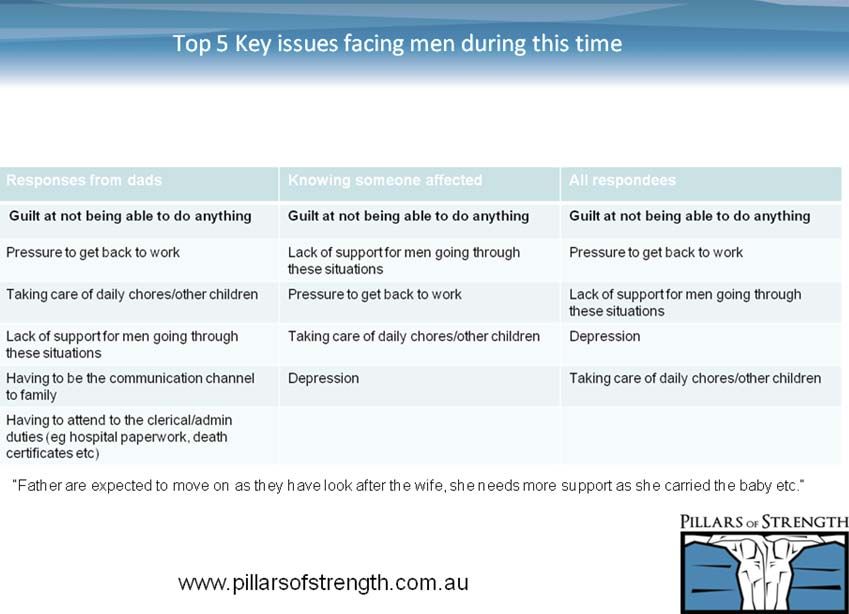
Adrienne Burgess
Adrienne is Head of Research at the
Fatherhood Institute, United Kingdom.
The Fatherhood Institute has a vision of
a society that gives all children a strong
and positive relationship with their father
and any father-figures; supports both
mothers and fathers as earners and
carers; and prepares boys and girls for a
future shared role in caring for children.

Due to personal commitments, Adrienne
presented a pre-recorded video covering
two key areas: What Makes a Great Dad?
and What Can Services Do to Help?

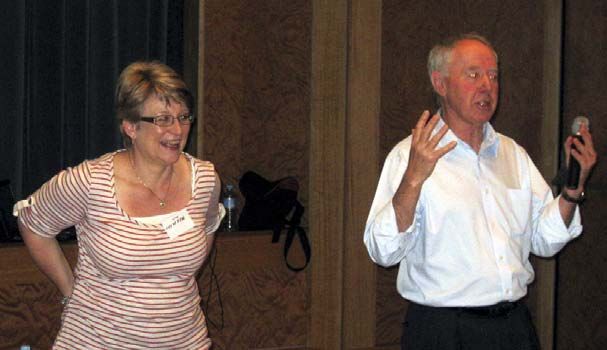
In Adrienne’s absence, Peter talked through
Adrienne’s questions and comments on
handouts then individual groups were asked
to discuss questions amongst themselves
and feedback answers to the whole group.
Groups were allocated approximately
7 minutes then invited back into larger
group to discuss their answers. This
scenario generated discussion amongst
participants and the feedback drawn
from the group is summarized below.

Engaging Dads in Health Services 6
Q.1. W
      hat do I consider to be the three        Q.2. W
                                                      hat do I consider to be the              However attention was also
     things/ingredients/ elements that men           three-things/ingredients/elements          drawn to economic, systematic
     need to help them to be good dads?              that services can offer men to             and commercial issues:
                                                     help them to be good dads?
Adrienne offered the following:                                                                   “There are a number of systematic
1. Knowledge and understanding of               Adrienne offered:                                 issues in services i.e. our computer
   child development: ‘what to expect           4. Be absolutely INTOLERANT of low                program only works from mother’s
   when’ so that responses to children             father-involvement: Fathers need to be         name and the father’s name is not
   can be age-appropriate and suited               specifically invited and the importance of     linked. Work hours 9-5, economic
   to the child’s temperament                      their participation underlined – and they      reasons and standard practice
2. Willingness and ability to pay                  should be followed up if they don’t show.      they cannot provide opportunities
   attention: spending time with                5. Find the fathers: Every time a child           for dads to come along on
   children and listening to them                  is registered IDENTIFY THE FATHER,             Saturday or after work etc.”
3. Skills and self-confidence: looking             record his details, and follow him
   after children a lot (and where possible        up as if he were a mother.                     “We tried having Saturday morning
   alone) to get lots of practice.              6. Create fathers’ groups or other separate       sessions but hardly anyone came.
                                                   services for men/fathers ONLY AS A             There’s just too much on with sport
The groups appeared to agree                       LAST RESORT. Separate services for             and shopping and everything else”.
that knowledge and understanding                   fathers are largely unsustainable and
of child development are key                       the money would be better spent on             “This is all ideal-world stuff. I’ve got
entities of being a great dad:                     training/supporting the whole staff team       a family [client] at the moment where
                                                   to be father-inclusive in their work.          mum comes in and dad goes out
  “Hey Dad” program – biggest light                                                               – the kids never see mum and dad
  bulb moment for the dads that I               It appeared, from the service provider’s          together. If you’re living in Sydney,
  see in my work is understanding               view, that services in general can do             you’ve got a huge mortgage and this
  of what their kids are capable of at          more to help men become good dads.                would all be wonderful if we could
  a specific developmental age”                                                                   all work twenty-four hours a day”
                                                Services need to be more
‘Building a relationship/                       inclusive/male friendly:                        Attention has to be drawn to the fact
maintaining a connection’:                                                                      that some mothers just don’t want the
                                                  “Engaging fathers – you don’t tell them       men (in their kids’ lives) involved
  “Sometimes it’s hard for dads to                it’s counseling/support as this is a
  build a relationship/maintain a                 hindrance to them attending. Provide            “There are times when mothers didn’t
  connection given that the mum has               an opportunity for them, they will              want fathers involved, due to violence,
  already an established connection               provide strength if it is more inclusive”       they didn’t want to identify the father”
  with a child due to child birth etc. It
  is important to get the connection              “Men tend to like safety in numbers”
  going but it takes a lot longer to
  do this than it does for women”

The group also acknowledged the role
of experiential learning and how this
is central to building and maintaining
a father-child relationship:

  “The three things are inter-related,
  you can’t learn everything, you get
  confidence from learning through
  experience of what works for you.
  This may not have anything to do
  with what you read in a book”

Thus, from the service providers’ view,
it is evident that understanding and
knowledge, opportunities for dads to
interact with their children and experiential
learning combined are key elements
to help men to become great dads.

                                                                                                           7 Engaging Dads in Health Services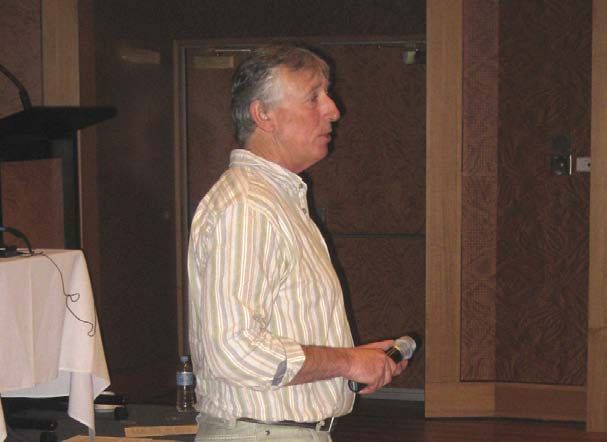
David Hughes
David Hughes is a male nurse in the Mid
North Coast Local Health District with
extensive experience in raising the profile
of fathers in health and family life.

Presentation Title: Fathering our
Children – it’s the core of Men’s Health
David provided us with a powerful
interactive presentation, with music and
pictures, about fatherhood and being a dad.

Tips to make your practice
more father-friendly.
»» Ask Mum – “When can I see you and
   your partner for next appointment?”
»» Teleconferencing – dads are not
   inaccessible – contact them during
   work or lunchtime via technology
»» Send dad a summary of the consultation.
   Don’t expect mum to tell dad everything
   that happens, their relationship is not a
   therapeutic one. Don’t set up parents
   for an argument by missing details
   lost in translation. Making mum the
   source of information reinforces the             Watch to David’s videos at:
   idea that only mum is responsible.               http://bit.ly/EngagingDads
»» Organize workplace visits to include
   dads; they are comfortable in
   their own environment. May help              Presentation Title 2: Building Better
   to get other dads thinking that              Dads – a course for expectant fathers.
   maybe they should be getting more            David described the process of teaching
   involved. Think outside the box.             dads about how to be good at their job of
»» After hours Clinics: Planned                 parenting. Quite simply David highlighted
   with appointments for working                that a ‘dad’s job is to be a dad’. Dads
   families. Saturday mornings are              are not secondary caregivers they are
   generally not a good day.                    primary, David believes that dads are the
»» Develop formal strategies within your        ‘better’ parents as they have single-track
   workplace to engage fathers.                 minds; they like to do one thing at a time.
»» Access grants
»» Make workplace more father-friendly          The problem, in his opinion, is that men
   e.g. pictures of fathers, father-inclusive   are too scared to stay at home and mind
   language, new dads’ groups.                  the kids as they feel isolated, stressed and
»» Appeal to fathers to get involved with       alone. Service providers need to be aware
   their children via school newsletters,       of these things and provide support for men.
   newspapers. Despite resistance
   currently in existence in relation to
   fathers’ engagement it is nevertheless
   important to get the deep-seated.
»» Discuss the importance of
   dad’s involvement
»» Collect data on fathers – numbers
   that attend, where they heard about
   the service, feedback, ideas.

Engaging Dads in Health Services 8
Peter Slattery
How does this fit culturally?
Peter provided the audience with a Vox-
Pops session entitled: “Top Tips for Being A
Great Dad… and something for fathers….”
This vox-pops showcased ordinary men
and women and each were asked to
described “What makes a great dad?”.
Below is a summary of the statements:

»»   Laugh a lot and cuddle
»»   My shed is my studio
»»   Time and attention
»»   Seminars on how to be a good dad
»»   Meet with other parents in a pub
»»   Something new everyday
»»   Helping fathers to spend more time
»»   Relationship between
     fathers and daughters
»»   Great dad someone who
     helps at night time
»»   The mother is always right so I agree to it
»»   Talking and man gathering.. that’s
     all male isn’t it, getting together
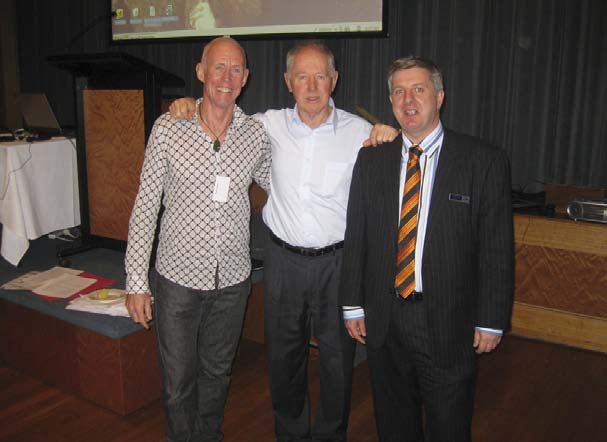
»»   Just been awesome                             (L-R) Peter Slattery, Dr Richard Fletcher and Anthony Brown at the forum
»»   Being excited when you see them,
     treat them like their special
»»   Show affection, give them a kiss.
»»   Those moments when you can just
     be yourself, we are all different, when
     I look back at my old man someone
     honest, a shoulder to lean on
»»   Men don’t talk about those issues,
     so to answer that I would need
     to go to a special place so share
     that bond with other men
»»   Men don’t like things too formal or too
     structured, a very informal setting
»»   Looking after the family
»»   A room to chat, food important
     to celebrate a new beginning,
     somewhere kids are welcome,
     decision making made as a family
»»   Being there! Picking kids up
     from school, if you have some
     free time just get in there.

                                                                                                               9 Engaging Dads in Health Services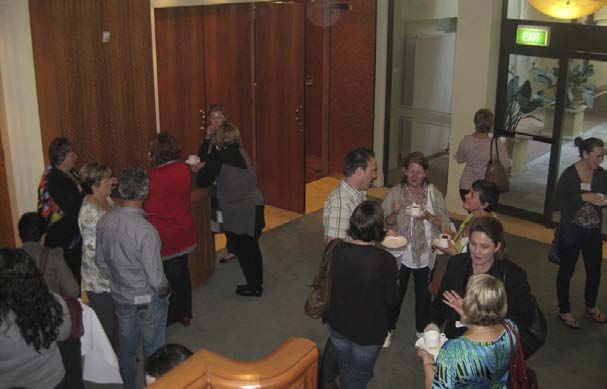
Andrew King
Andrew King is a consultant trainer and
program developer in group work, working
with men and strengths based practice. He
is based in NSW and facilitates groups and
training workshops throughout Australia.
He offers mentoring, group leadership,
strengths-based strategic planning,
team building, Parent Wise Workshops,
program development and supervision.

Andrew presented via pre-recorded
video on four aspects of being
a father in today’s world:

Evolution – going from being
a boy to a father:
»» Relationships and a purpose in life
   are fundamental male drivers and a
   sense of achievement is important
   for men to feel like good fathers
»» Men and boys learn through
   consequences and choices are critical
»» Fits with deeper purpose, outward,
   impact on life – work, sport, mates,
   and family, community are new
   definitions that make up men’s lives.
   I call this ‘generativity’ – a holistic
   approach to men and their health              What Services Should do                         Group Discussion
                                                 to Help Engage Men
Journey – what do fathers need                   »» Actively involve fathers, need to            What are the key messages in terms
to bring out the best?                              use gendered language.                       of engaging men in health services?
»» Significant turnabout in numbers of dads      »» Make choices and directly involve the
   been present at child birth, traditionally       man, i.e. if doing home visits and the man     “Time – value the significance of time,
   fathers felt that their role kicked in when      is not present, you should encourage a         look at stats i.e. men spend 7 mins
   the child was older and more competent           phone call or text to the man, and say         p/week in contact with their kids
»» Voicing of your own story of what it             sometime like: I’ve been around to your        without their mum being present”
   means to be a father, it’s generally kept        family, you have great kids, I would love
   quiet, may share with partner depending          to have a chat with you sometime.              “Value the play – Rough and Tumble
   on family dynamics. It’s not often until we   »» It is important for professionals              play really does make a significant
   express these fond emotions that they            to initiate contact with men.                  difference in kid’s perceptions of life”
   become present and we act on them             »» Create relevance, most men do not
»» Knowing how to have that influence and           know what community development                “Mother respect is central, in part,
   impact and doing in their own way. Early         services are, it is important to create        post-separation. Men are not going to
   on the mother has this impact, important         relevance to what service providers            be respected as fathers unless they
   for fathers to have this time and for            provide for their [the man’s] family – to      respect the “mother as been a mother.”
   the buck to stop with him. Experiential          avoid been seen as a threat to them.
   learning, you do have an impact.              »» Important to value the strengths that          “Teamwork parenting, know
                                                    men bring – need to balance relevance          that parenting involves a whole
                                                    with being a faith builder, to being           team. In addition, knowing the
                                                    honest and direct with men to help             consequences of not being involved”
                                                    engage them in services, it helps put
                                                    men at ease because they are not               “To know that childhood is
                                                    afraid of what you aren’t saying.              an 18-year investment”

Engaging Dads in Health Services 10
Duncan Berry
Working with Aboriginal Men Responsibility: Duncan expressed the need
Culture and Identity: Try to get Aboriginal of getting responsibility back in the hands of
men involved culturally into services. Aboriginal men, “it will make them or break
Getting Aboriginal men connected with their them but they are already broken, they have
grassroots, connect with where they come to do it themselves”. For Aboriginal families,
from and then can make informed choices. all grandparents, as well as, brothers and
Duncan stressed the importance for children sisters are seen as mums and dads.
and men to know their identity and to
remain in contact with their grassroots. Logistics: Aboriginals cannot make
judgments for another man on his land. For
Disabilities: Learn about disabilities a more detailed understanding of Aboriginal
and improve their quality of life culture (see: Bringing them Home Report)
through development.
What can people do to
Femininity: Duncan believes that Aboriginal engage Aboriginal men?
men can benefit from being in touch Support Aboriginal health workers, and
with their ‘feminine’ or ‘maternal’ side. increase the availability of funding that
support aboriginal health projects. As
This means being open to the emotional highlighted by Duncan Berry, Aboriginal
and caring aspects of being a father health workers are the most valuable
for their children, as well as playing the assets in their community, without them,
traditional, more ‘masculine’ roles. Duncan believes, death rates will rocket.
‘Circle Sentencing’: To reduce the “Aboriginal health workers are the
incredibly high rate of incarceration cornerstone to keeping us alive”
of Aboriginal people, the concept of
Circle Sentencing came about. Tips for Community development
workers working with Aboriginals.
Instead of being tried through the formal
Courts system which tends towards It is important to network with other
gaol sentences, circle sentencing health organizations and to know
involves an Aboriginal person being what it is going on in your community
tried by their own people and Elders. in terms of Aboriginal health.
The sentences handed out are then Relationship building is imperative when
directed towards non-gaol punishments working with Aboriginal people.
such as home detention.
To be effective as fathers and parents,
Aboriginal men need to be able to
be available for their children and
this includes not being in gaol.
If we can find ways that prevent this
continued cycle of gaol time, then we
are also going to improve the ability of
Aboriginal men to be effective fathers and
this will also pay other health benefits.
11 Engaging Dads in Health ServicesGary Sillett Service uptake/success
Pillars Of Strength has commenced a
»» Need a holistic approach, need to
complement the existing services,
Pillars of Strength – Providing pilot project with Royal North Shore programs that are out there. A service
respite and support to men facing Hospital in Sydney and launched for men should be made to feel Fun,
significant family trauma officially in November 2011. simple and social. It must be FUN
Gary Sillett is a dad who shared his personal and benefit the man. They must be
experience of loss of his two-day old son They are also looking outside the hospital comfortable in their surrounds.
Isaac in December 2010. What he found environment, looking to set up a regional
was that there were very few services for pilot and a complementary program Found the guilt factor huge, if your wife/
men coping with loss or having a sick pilot (through Sids and Kids or a similar partner, guilt factor is there, dads feel that
child in hospital for prolonged periods. In organisation) in early 2012. They are not they should not take time out. Sometimes
response to this, Gary founded Pillars Of professing to be the be all and end all, but you need time out to “not talk about
Strength, a program that provides short are looking to provide short-term respite what has happened”; head space.
term respite opportunities which allow dads to help dads overcome their trauma.
the opportunity to participate or attend “Need to bring back a sense of
sporting and fitness activities with mates, Success has been seen with the number normality to the dad, escape from
family or a father who’s been there himself. of mums that have taken up passes for the trauma to re-energize.”
the activities and given them to the dads
His program encourages friends of as a direct encouragement to go and take “There is also a long term need to
bereaved men and men with a sick child the time out. (there is no guilt associated support husbands of wives who
to take the man away for a short period to the man taking time out then) experienced trauma i.e. terminal
of time to a sporting event or a game of illnesses, breast cancer.”
golf so that they get some time out. The Approximately 30 people have gone through
program acknowledges the importance the service thus far since its launch. “Men are fixers, but in this type of situation
of support and friendship during times of you can’t fix things so don’t try it ” – in
trauma as most men will not ask for help Tips for service providers working many cases of grief and loss, the men feels
or access a counselling service or support to engage men in health services powerless that he cannot fix the situation
group (either through not knowing about »» It is important to use terms that don’t but reverts to trying as best he can. This
it or not believing it is suitable for them). dissuade men from using the service. can cause conflict with the partner who
Men will run a mile when they hear resents his attempts to smooth things
It is important for men to stay fit and ‘counselling’. They feel emasculated, men over. It is better to give the man help to
healthy both physically and mentally (look are supposed to be strong and fearless . help themselves and their partner without
after their own wellbeing) so that they are »» Services need to be made simpler to trying to find a quick solution. Often this is
at their optimum to help their families. help engage dads, and there needs a change in language rather than practice.
better ways to provide that conduit »» If all else fails, take them to the pub!
http://www.pillarsofstrength.com.au/ for dads to access information. »» Ensure that you communicate with the
Prior to setting up the program Gary »» Wives and partners need to be mother at this time to ensure she does
facilitated a survey and early results engaged to assist getting dads not feel abandoned or burdened.
indicate that 91.8% think that a man’s to access services for them.
mental health was affected when
dealing with a family trauma.
Only 9% of respondees knew of a service
for men who are going through significant
family trauma, with 97% of respondees
believe there is a need for an organisation
that provides respite and support for dads Responses from Dads Knowing someone affected All respondees
going through significant family trauma.
“Fathers are expected to move
on as they have to look after the
wife, she needs more support
as she carried the baby.”
Engaging Dads in Health Services 12John Gilbert –
Baby Shed
John Gilbert runs a program in eastern
Sydney for new dads with new babies under
four months old. The workshop covers the
practicalities of feeding, settling, sleeping,
infant communication, baby massage,
and infant play as well as gaining basic
understanding of infant development.
It was developed through Sydney’s Children
Hospital as a way of engaging dads – a
lot of dads are not getting the kinds of
information they needed as new parents.
It is a three-week program of two hours
every Saturday morning with a male
baby health nurse. Its role is to empower
dads to be comfortable with being alone
with their kids and provide practical
knowledge i.e. feeding, nappy changing.
The dads have generally been told to go
through their wife or partner. In the first Men are generally less aware of issues It’s shared-investment – Encourage dads
week they ask the wives/partners to attend pertaining to their health and less to just spend time with their children
– this is to find out if there are any issues/ likely to avail of health services. »» A list of excellent initiatives,
practical problems that need to be resolved. »» Your role in engaging dads is crucial. programs and contacts are provides
»» Dr Richard Fletcher’s phone in the Appendix section.
Services For New Fathers conversation scenario that actively
Services for new dads are important sought to engage and bring in the Encourage dads to bring
because they provide time to dads to give dad is an effective example. their friends along
them the confidence to be a great dad. »» Healthy Dads Healthy Kids – program
Trust, humor, rapport and a non- for Aboriginal kids – they are telling
There is a need to be aware of key judgmental approach are key to participants that they are to bring three
transitional periods that occur within the effectively engaging with men. friends along. It’s a way to reaching
context of people’s lives. A lot of marital »» These characteristics are out to those who are hard to reach.
breakdown happens due to the birth of the necessary to help build trust and
child. There is a need to understand what instil confidence with men. “Just like many mums, dads
it means to be a parent and ideally this »» Men may be frightened off very may be scared to stay at home
should happen well before the child is born. quickly if they feel their role will and mind the kids as they feel
be judged or criticized. isolated, stressed and alone.”
Tips for Effectively Engaging
Dads in Health Services Increase lines of communication/
These guidelines are derived from a collaboration with dads.
summary of the key themes, findings »» Men like to feel that they are doing a
and suggestions that emerged from good job and that their role within the
the UWS Forum on Engaging Dads in family setting is valued and respected.
Health Services Forum. These guidelines This may be as simple as telling a
are intended to assist health care man what a good dad he really is.
professionals working with dads.
13 Engaging Dads in Health ServicesSECTION 3: FEEDBACK FROM THE FORUM
Feedback from
delegates at the What
Works To Engage
Dads? Forum
Participant feedback indicated that
the forum was a huge success and
participants welcomed the fact that the
forum showcased ‘real people’ with
‘real experiences’. They felt this helped
them connect with individual speakers
which in turn will assist them in their
own work engaging with fathers.
Engaging dads I think it’s timely,
I think people are ready for this.
My team members will look into
furthering better engagement.
All sessions were helpful and Awesome day – personal stories mothers to express too much as it
informative. I felt it will be helpful are so powerful and insightful. Not can cause problems with feeding.
and beneficial for my practice highly research heavy very practical
and ‘do-able’. Thanks so much. Thanks for the day. The order worked
The information provided today out perfectly to balance presentations.
was fantastic and broad around Thank you for an interesting day with
engaging fathers. Very helpful to some valuable insights about what Great day especially Dave
incorporate ideas into projects men need to become practitioners in Hughes and Gary Sillett.
parenting. (As a woman, its good to
I need to remember to tell my son- have more perspective). And plenty Absolutely fantastic day. Excellent
in-law what a good dad he is. of useful tips to draw dads into the presentations. Great to hear about the
processes in a way, which they different services and service providers.
The link between men’s health and may be more, inclined to accept. Good opportunity to network.
well-being and fathering ability. Great venue and food supplied.
Well done got some great ideas to
It’s a cruel myth that women take back as an individual and as Fantastic would love the slideshows
are born to be mothers a service provider. Thanks to you emailed out. Really appreciate
for our indigenous focus too. the presentations. Thank you
Use ‘ordinary’ men to promote
program/ help welcome in. In terms of family health, I think it’s Gave us some good ideas to
hard to come to the realization that the engage dads. We will be more
Thank you for today. The venue was oppressed are now oppressing. There active in contacting them. Very
great. Food great. Presenters were is much hope for the father-inclusive interesting day. Well done.
varied and interesting. Peter is the practice. Thank you for inspiring.
perfect MC – kept it moving but allowed Thank you, great day. Perhaps some
speakers to get message across. Good Realization of how important it is to more ideas about engaging dads
use of technology – when it worked. just spend time with your children. Very of older children/adolescents. “
informative and inspiring speakers
Was a very interesting day due to Using speakers who could provide real
the varied presentations – would Today was very informative. I understandings of being a father – its
have like more information re dads appreciate that I was given the value/importance was exceptional.
engagement with older children and opportunity to attend. The stories Appreciated the opportunity to learn
services that may be involved. are what really made the day. from experienced professionals.
Great presentations and discussions. Great day – many practical tips Time with kids so important.
Passionate about dad’s engagement. but I though sharing personal
stories took too much time as Enjoyed all. Great day. Great food, great
Thought provoking. Speakers they were very specific company. Great speakers, thank you so
appropriate, reassuring, enlightening, much for all your efforts for a great day.
great venue, good food. I applaud the efforts to engage dads,
but please be careful of encouraging
Engaging Dads in Health Services 14SECTION 4: REFERENCES & LIST OF
USEFUL CONTACTS
Reference List Organisations:
»» University of Western Sydney – Men’s Health Information and Resource Centre
http://menshealth.uws.edu.au
Policies: »» University of Newcastle – Fathers and Families Action Centre
»» NSW Health Men’s Health Action Plan »» Peter Slattery – Therapist, Trainer and Educator
http://www.health.nsw.gov.au/ »» Adrienne Burgess – The Fatherhood Institute
policies/pd/2009/PD2009_077.html »» David Hughes – Mid North Coast Local Health Network
»» National Male Health Policy »» Andrew King – Groupwork Solutions
http://www.health.gov.au/ »» John Gilbert – The Baby Shed
malehealthpolicy
Father-Inclusive Practice References:
Reports: »» Why Father Inclusive Practice?
»» Bringing Them Home Report – http://www.newcastle.edu.au/research-centre/fac/research/fathers/fip/
Best Practice in working with »» FaCHSIA Father-Inclusive Practice Guide:
Aboriginal people and families http://www.fahcsia.gov.au/sa/families/pubs/Pages/
http://www.hreoc.gov.au/ Father-inclusive_practice_guide.aspx
social_justice/bth_report »» Fatherhood Institute’s Top Ten Idea for Including Fathers:
http://www.fatherhoodinstitute.org/2007/ten-
top-tips-for-father-inclusive-practice/
»» Dads Included Campaign http://www.dadsincluded.org
Resources For Health Services:
»» Andrew King’s Father-Inclusive Logos:
http://groupworksolutions.com.au/FatherInclusivePractice_logo
»» Life Story Cards For Men and Families:
http://groupworksolutions.com.au/AnnouncementRetrieve.aspx?ID=18017
»» Fathering Resources Available To Order:
http://www.newcastle.edu.au/research-centre/
fac/research/fathers/resources.html
More resources
in men’s health:
MENGAGE
The Men’s Health Clearinghouse
http://mengage.uws.edu.au
http://bit.ly/EngagingDads
Scan this code with your
camera-enabled smart-
phone to visit the UWS
Men’s Health website.
15 Engaging Dads in Health Services“Unto You A Child Is Born” – Window inside the Mary Mackillop Church Engaging Dads in Health Services 16
You can also read


