Middle Years Students at the Centre Grades 5 to 8 - Successful learning in the Middle Years has a vital impact on students' high school completion ...
←
→
Page content transcription
If your browser does not render page correctly, please read the page content below
Middle Years
Education in Manitoba
Grades 5 to 8
 Students at the Centre
 Successful learning in the Middle Years
 has a vital impact on students’ high school
completion and lifelong learning.
Middle Years Learners
    Middle Years learners are young adolescents, aged 10 to 14, who
    are at the centre of their Kindergarten to Grade 12 years in school,
    usually in Grades 5 to 8. They are most engaged and successful
    in their learning when their needs, strengths, and interests are at
    the centre of educational planning, instruction, and assessment.

    Young adolescents are highly motivated to gain knowledge,
    skills, and independence and to establish their place in
    social relationships, in classrooms, and in the world around
    them. During adolescence, they also experience profound
    developmental changes. Physical, cognitive-intellectual, social,
    emotional, moral, and spiritual changes occur more rapidly in
    adolescence than at any other time in life.

    As young adolescents experience these developmental changes,
    they require ongoing understanding and support from teachers,
    parents/guardians, and the community so that they can learn
    successfully and live healthy, responsible, and fulfilling lives.

    Physical Development
    Middle Years learners experience many physical changes. Every
    child, regardless of gender, orientation, or age, has a unique
    pattern of growth and development. Differences in physical
    development are most noticeable in a Middle Years classroom.

    Middle Years learners
    ■■   experience hormonal changes that result in signs of puberty,
         with girls usually reaching puberty earlier than boys
    ■■   may display inconsistent behaviour, restlessness, or fatigue
         as a result of the rapid physical changes they experience
    ■■   become increasingly aware of and
         concerned about personal
         appearance and hygiene
    ■■   require adequate rest and
         regular nutrition breaks
    ■■   have a need for
         movement to release
         energy and to refocus
2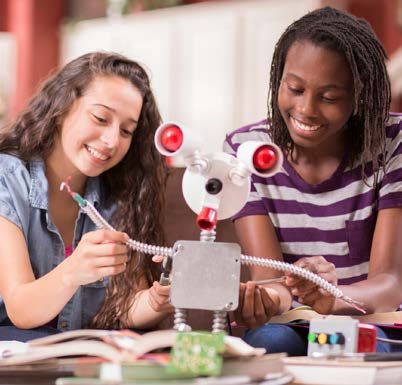
Cognitive-Intellectual Development
Middle Years learners exhibit a wide range of intellectual
interests, strengths, and needs. They want to be challenged
but not overwhelmed or defeated in learning. When a topic
interests them or they see a personal connection, young
adolescents work hard to gain knowledge and
understanding.

Middle Years learners
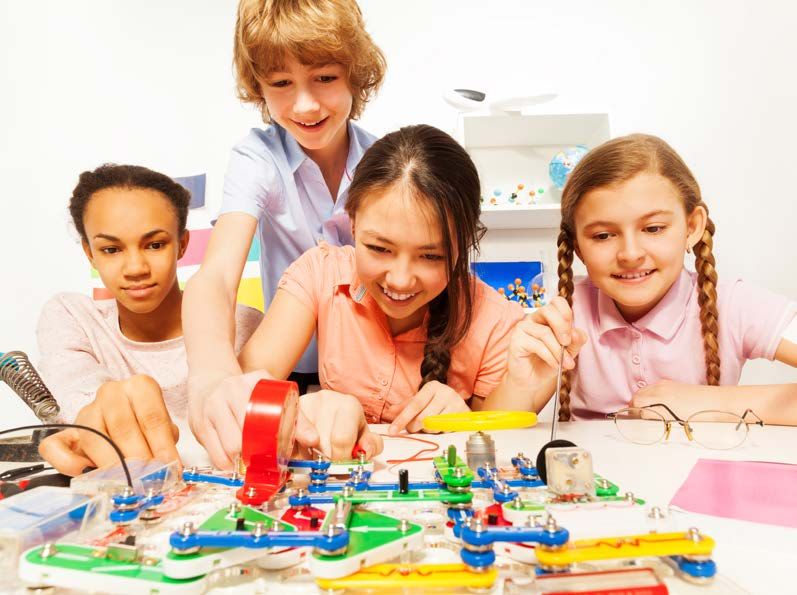
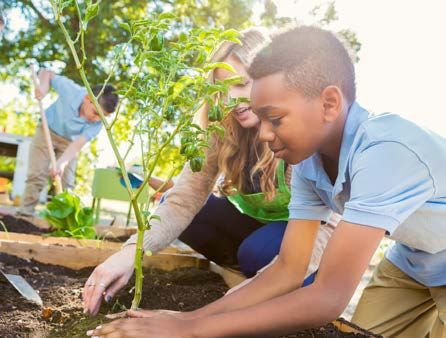
■■   are more engaged when
     provided with choice
     and opportunities
     for hands-on and
     experiential learning
■■   are developing deeper
     abstract thinking
     skills
■■   show increasing
     openness to giving and
     receiving feedback
■■   need to develop effective
     skills and strategies to
     become more independent and
     self-directed learners
■■   respond to explicit teaching about study skills,
     organization, and time management
■■   feel a sense of security with established classroom routines
■■   appreciate special events, celebrations, and rites of passage,
     such as school assemblies and graduations
■■   thrive when given an opportunity to explore a wide variety
     of curricular and extracurricular experiences
■■   benefit from seeing how their learning in school connects
     to life outside of school

                                                                      3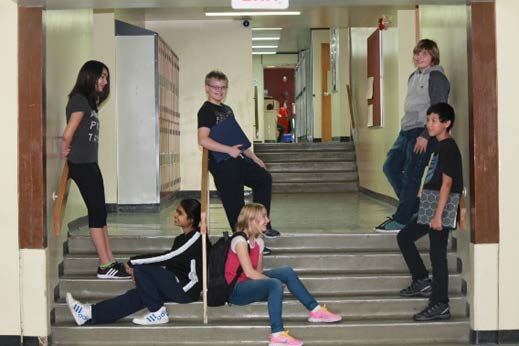
Social, Emotional, Moral,
    and Spiritual Development
    Middle Years learners are at a critical time in their lives when
    they are developing a deeper understanding about who they
    are and about the world around them. They want to know
    where they belong and where they can make a difference.
    Young adolescents want to be independent, but they also
    want to belong to a peer group. Even though they seek to
    be independent, young adolescents still desire and need the
    support of their parents/guardians and teachers.

    Middle Years learners
    ■■   value positive relationships with teachers and peers
    ■■   have a strong need to belong
    ■■   need adults to respect, accept, and appreciate them
    ■■   are sensitive to criticism and feelings of rejection
    ■■   need positive role models
    ■■   are highly focused on themselves and on how they are
         perceived by others
    ■■   begin to be interested in sex and romantic relationships
    ■■   search for personal identity, purpose, and
         spiritual awareness
    ■■   want to make a difference in the lives of others
    ■■   build resilience by learning and practising positive
         coping skills
    ■■   are influenced by media and popular culture
    ■■   may challenge authority and test boundaries
    ■■   demonstrate a growing sense of
         social justice, citizenship,
         responsibility, fairness,
         and empathy

4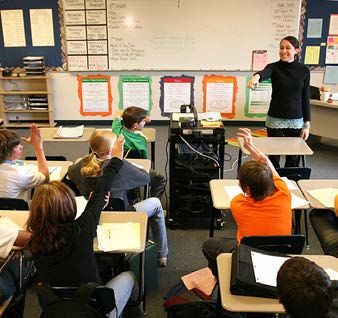
Middle Years Educators
                            Middle Years educators enjoy
                           teaching young adolescents
                          and believe in their ability to
                        learn. They create safe, engaging,
                      challenging, and flexible learning
                   environments where all students feel they
               belong and can succeed.

Middle Years educators
■■   understand and respond to the strengths and
     developmental needs of their young adolescent students
■■   plan collaboratively with team members to support
     student success
■■   establish caring and supportive relationships with
     their students
■■   are advocates and positive role models for their students
■■   nurture students’ growing independence and decision-
     making skills
■■   make connections between curriculum content and its
     relevance and application to students’ lives and the world
     around them
■■   provide active, hands-on, and experiential learning
     experiences
■■   apply appropriate strategies and interventions to address
     identified needs
■■   differentiate instruction and assessment
■■   infuse technology into the curriculum to connect with
     more learners and to promote creative and critical
     thinking skills
■■   integrate health and wellness practices into the daily life
     of the classroom
■■   appreciate the role of humour in learning and engagement
■■   recognize that successful learning in the Middle Years has
     a vital impact on students’ high school completion and
     lifelong learning
■■   build positive relationships with parents/guardians and
     the community

                                                                   5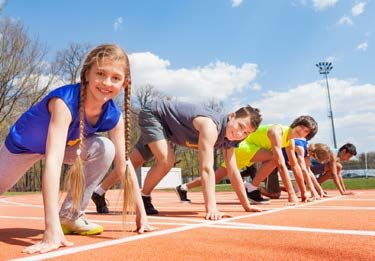
The Middle Years
    Classroom
    Environment
    The Middle Years classroom
    is an inclusive place that
    enables everyone to feel
    accepted, valued, and safe. It
    accommodates diverse learning
    needs and ensures equity and
    access for all students. It is a place
    where learners of all abilities, genders,
    cultures, religions, and social groups see themselves
    included and respected. As well as being welcoming, the
    Middle Years classroom environment is supportive of
    learning, exploration, and risk taking.

    Middle Years classrooms that optimize student learning and
    engagement include

    ■■   organizational structures that support student engagement,
         productivity, and shared responsibility for the space and
         the work
    ■■   work stations that provide opportunities for students to sit,
         stand, move, and work independently or in groups
    ■■   visible evidence of expectations and learning, including
         samples of student work that exemplifies both the process
         and end products
    ■■   artifacts that enrich learning and enable students to make
         real-life connections
    ■■   technology that is purposefully used to support student
         learning, interactivity, and engagement
    ■■   print and digital literacy resources that promote inquiry
         and critical thinking
    ■■   a variety of resources that support differentiation and
         personalization
    ■■   design features, such as layout, colour, visuals, and natural
         light, to improve students’ focus and imagination

6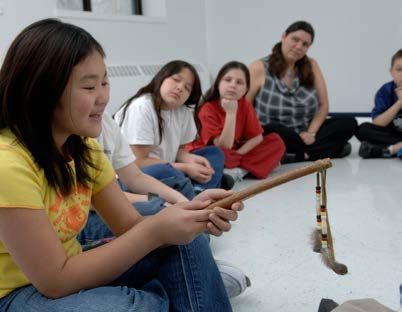
Middle Years Environments
beyond the Classroom
Middle Years environments beyond the classroom support,
enhance, and extend the learning that takes place inside the
classroom and have a powerful impact on the development of
healthy minds and bodies of young adolescents. Middle Years
students look forward to opportunities to be outdoors, explore
nature, visit and learn about their community, and connect
with others through technology.

Middle Years environments beyond the classroom include

■■   a common area to encourage positive student interactions
■■   resources to support extracurricular opportunities, such as
     participation in sports, the arts, student leadership, social
     justice initiatives, and other student interests
■■   age-appropriate and accessible equipment to promote
     physical activity, health, and well-being for all students
■■   designated areas to display information and examples of
     student work and achievement
■■   a library where learners of different reading levels and with
     varying interests find a wide range of engaging resources
■■   access to information and communication technology (ICT)
■■   space to facilitate student support services
■■   safe and supervised opportunities to spend time outdoors
     or in the community
■■   opportunities for education for sustainable development
     (ESD) or service learning projects
■■   guests and visitors from the
     community who share
     their performances,
     experiences, or
     expertise with
     students

                                                                     7
Middle Years Resources
                Refer to the Manitoba Education and Training
                website for resources to support Middle
                Years learning and engagement in Manitoba,
                including the following:

Middle Years Education in Manitoba: Improving Student
    Engagement (Website) www.edu.gov.mb.ca/k12/
    midyears/index.html

     ■■    My Students in the Middle Years www.edu.gov.mb.ca/
           k12/midyears/educators/index.html
     ■■    My Child in the Middle Years www.edu.gov.mb.ca/k12/
           midyears/parents/index.html

Engaging Middle Years Students in Learning: Transforming Middle
    Years Education in Manitoba www.edu.gov.mb.ca/k12/
    docs/support/my_foundation/index.html

Five Key Actions to Improve Student Engagement in the Middle
     Years (Poster) www.edu.gov.mb.ca/k12/docs/support/
     my_foundation/my_poster.pdf

 This brochure is available on the Manitoba Education and Training website at
       www.edu.gov.mb.ca/k12/docs/support/my_brochure/index.html.
You can also read


