MORE THAN MEDICINE: NEW SERVICES FOR PEOPLE POWERED HEALTH - People Powered Health
←
→
Page content transcription
If your browser does not render page correctly, please read the page content below
MORE THAN MEDICINE:
NEW SERVICES FOR        People
PEOPLE POWERED HEALTH   Powered
                        Health
ABOUT NESTA
   Nesta is the UK’s innovation foundation.
   An independent charity, we help people
   and organisations bring great ideas to life.
   We do this by providing investments and
   grants and mobilising research, networks
   and skills.

   Nesta is a registered charity in England and Wales
   with company number 7706036 and charity number
   1144091.

   Registered as a charity in Scotland number
   SCO42833.

   Registered office:
   1 Plough Place, London, EC4A 1DE

   www.nesta.org.uk

   © Nesta 2013

   ABOUT INNOVATION UNIT                                         ACKNOWLEDGEMENTS
   We are the innovation unit for public                         By Katharine Langford with Peter Baeck
                                                                 and Martha Hampson
   services. As a not-for-profit social
   enterprise we’re committed to using                           Series Editor Julie Temperley
   the power of innovation to solve social
                                                                 And for their leadership of and support to
   challenges. We support leaders and                            the People Powered Health programme,
   organisations to achieve radically                            thanks to:
   different solutions that offer better                         • Geoff Mulgan, Philip Colligan, Halima
   outcomes for lower costs.                                       Khan, Ajay Khandelwal, Francesca
                                                                   Cignola and Tina Strack at Nesta
   Registered office:
                                                                 • Matthew Horne, John Craig and Leonie
   CAN Mezzanine, 49-51 East Road, London, N1 6AH
                                                                   Shanks at Innovation Unit

   www.innovationunit.org                                        • Professor Paul Corrigan

2 | More than Medicine: new services for People Powered Health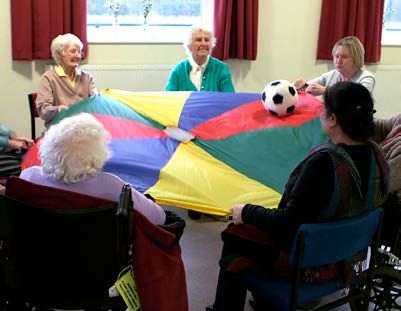
People
                                                                        Powered
                                                                        Health

MORE THAN MEDICINE:
NEW SERVICES FOR PEOPLE POWERED HEALTH

Contents
  4   About the series
  5   Foreword
  6   Why do we need ‘more than medicine’?
  8   What is social prescribing?
      Social prescribing: the evidence
      Who is social prescribing for?
      Social prescribing – some challenges
      Focus on People Powered Health in Earl’s Court: What’s it like to do social
      prescribing? A GP’s perspective
      Encouraging social prescription – tips from People Powered Health teams

  14 Link workers, health trainers and navigators:
     the signposting role
      Focus on People Powered Health in Stockport: Signposting in action
      One-to-one support – the role of wellbeing coaches and health trainers
      Health trainers and wellbeing coaches – the evidence
      Focus on People Powered Health in Newcastle: Health trainers integrated
      and at scale
      What makes a successful health trainer and wellbeing coach programme?

  20 What can community-based services offer patients
     and service users?
      Arts and mental health – the evidence
      Physical activity and healthy eating groups
      Focus on People Powered Health in Lambeth: Mosaic Clubhouse
      John’s story

  24 How to build and shape a market in
     community-based services
      Timebanks: platforms for community-based services
      An evaluation of the Rushey Green Timebank
      Focus on People Powered Health in Earl’s Court: Setting up a timebank

  27 Endnotes

                               More than Medicine: new services for People Powered Health | 3
About the series
            More than Medicine: new services for People Powered Health is one in a series
            of learning products which explain why People Powered Health works, what it
            looks like and the key features needed to replicate success elsewhere. It draws on
            the experience of the six teams who took part in People Powered Health, which
            was led by Nesta and Innovation Unit from summer 2011 to winter 2012.

            The series includes:

                   People Powered Health, health for people, by people and with people, foreword by the
                   King’s Fund
                   The Business Case for People Powered Health: building the business case, foreword
                   by the NHS Confederation
                   By us, For us: the power of co-design and co-delivery, foreword by National Voices
                   More than Medicine: new services for People Powered Health, foreword by Macmillan
                   Networks that Work: partnerships for integrated care services, foreword by ACEVO
                   People Helping People: peer support that changes lives, foreword by MIND
                   People Powered Commissioning: embedding innovation in practice, foreword by
                   NAPC
                   Redefining Consultations: changing relationships at the heart of health, foreword by
                   the Royal College of GP’s

            Achnowledgements
            We’d like to take this opportunity to acknowledge the ideas, hard work and
            insights of all the patients, service users carers, practitioners and commissioners
            who have been part of the People Powered Health programme. Special thanks
            go to the teams in the six localities:

            Calderdale                        Lambeth                    Newcastle
            Earl’s Court                      Leeds                      Stockport

            You can find out more about their work and about People Powered Health
            at www.nesta.org.uk.

4 | More than Medicine: new services for People Powered Health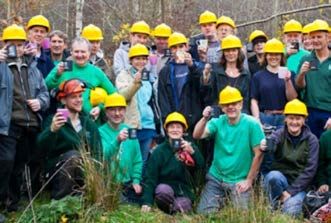
People
                                                                                Powered
                                                                                Health

Foreword
More people than ever before are living with long-term conditions. In the
1970s cancer was an acute condition with a median survival time of one year.
Fast forward to 2007 and this has increased to six years. The goals of cancer
treatment therefore need to shift from preventing death and treating illness to
also promoting wellness and quality of life. To deliver such a vision services can no
longer be delivered solely from an acute setting.

The importance of community based and alternative services cannot be stressed
enough and must be given the same esteem as clinical care. The report highlights
some excellent examples: volunteering, befriending and physical activity to
improve people’s wellbeing and social contact. So what needs to be done to
ensure non-medical support services are prioritised and mainstreamed? I would
suggest three things.

•      First, a change in culture is required. The health and care system needs
       to see patients as people with expertise about their condition and
       capabilities to self-manage, not as people somehow different from you
       and me. The NHS needs to move its focus from treating illness to
       supporting wellness.

•      Secondly, health and social care professionals need simple tools to have
       different conversations and address the real problems people are struggling
       with. Macmillan has developed a survivorship ‘recovery package’ to help
       people manage the transition from active cancer treatment to being at
       home. This includes an assessment and care plan, a follow-up review by
       the GP, and education about support services in the community. This
       package is not difficult or expensive to implement, but it does require
       leadership, support to work in new ways, and investment (including time)
       for people to learn new skills.

•      Finally, More than Medicine highlights excellent examples of activities
       supporting people to live full and active lives. Why are they not more
       widespread? In cash-constrained times, commissioners will be reluctant to
       commission without strong economic evidence and reassurance that the
       model is scalable. We must plan these services with scalability and
       sustainability in mind from the beginning.

The big challenge is how we convince others that non-clinical services are not
‘alternative’ services but an unmet need and an effective solution to long-term
care. Let’s work with Nesta to raise the profile of People Powered Health to make
these services the norm.

               Juliet Bouverie is Director of Services, Macmillan Cancer Support

                                       More than Medicine: new services for People Powered Health | 5
Why do we need ‘more than
   medicine’?
   ‘More than medicine’ recognizes the social as well
   as medical aspects of long term conditions. It gives
   the NHS the tools to help people to exercise more,
   eat more healthily, build strong social networks and
   feel supported and in control of their lives ‘More than
   medicine’ enables patients to access a range of social
   interventions to complement clinical care.

   ‘More than medicine’ creates a set of tools for               befriending, one-to-one coaching and community
   clinicians to use with patients to address the                cooking classes that help people to manage their
   behavioural and social aspects of long term                   long-term conditions and improve their health and
   conditions. This can be through direct, formal                wellbeing. These activities, places and people help
   prescribing by the clinician or the clinician referring       service users and patients to live healthier lives,
   patients on to link workers who support them.                 make friends and learn new skills.
   The aim is to complement medical treatment with
   interventions which enable patients to become more            There’s nothing new or unique to People Powered
   confident and able to manage their condition. It              Health about community-based services, and
   is also about tacking the root causes of long term            evidence of the benefits of community-based
   conditions such as obesity and debt.                          services for people with long-term health conditions
                                                                 is growing. But to get the best out of these
   We know exercise improves blood sugar control                 opportunities they need to be routinely integrated
   for people with Type II diabetes;1 having a strong            into the health care system and this is currently rare
   network of social support means patients are more             in the NHS.
   likely to take their medications;2 and changing
   your diet can reduce high blood pressure.3 We also            In a recent survey 9 out of 10 GPs thought their
   know that making these lifestyle changes can be               patients would benefit from social prescribing
   challenging and hard to maintain; yet achieving them          and 4 out of 5 thought social prescribing should
   would significantly reduce health inequalities.               be available from GPs. Yet only one-sixth of GPs
                                                                 regularly do social prescribing and only 9% of
                                                                 patients report having had a social prescription
   While the medical model                                       [insert ref to PPH survey].
   diagnoses and treats disease
                                                                 The People Powered Health teams are trying to
   rather than people, it is the social                          integrate these community-based services into
   context in which people live their                            routine clinical practice, and at scale. In Newcastle
                                                                 for instance 95 per cent of referrals to community-
   lives that often determines their                             based services came from two out of eight GP
   health, and wellbeing.                                        practices taking part in the project. They have
                                                                 therefore been working to make social prescribing
                                                                 something that every GP in their area uses. The
   ‘More than Medicine’ connects the clinical                    challenge is moving such services from the early
   consultation with interventions such as peer                  adopters to the mainstream of the NHS.
   support groups, debt counselling, walking groups,

6 | More than Medicine: new services for People Powered Health
People
                                                                                           Powered
                                                                                           Health

                                                      Social
                     Signposting
                                                      prescribing

                                      More than
                                      Medicine

                                Community-based
                                   services

Through People Powered Health, the teams learned that there are
many different ways to integrate and promote community-based
services into health and social care – but three elements help the
process:

• Social prescribing – a clear, coherent and collaborative process in which
  healthcare practitioners including GPs, practice nurses and community
  matrons work with patients and service users to select and make
  referrals to community-based services.
• Signposting – new roles and support for navigators, health trainers and
  advisors who help patients and service users understand, access and
  navigate community-based services that will improve their health.
• A balanced and healthy ecosystem of community-based services and
  providers so that a wide and appropriate range of opportunities are both
  available and visible to practitioners.

In More than Medicine we show how social         and their patients. First, we explore some of
prescribing and signposting are developing       the new community-based services that are
in different parts of the country, illustrated   growing up and the benefits experienced by
with examples and stories from practitioners     patients and service users taking part.

                                                  More than Medicine: new services for People Powered Health | 7
What is social prescribing?
   Social prescribing is a tool for clinicians to work with
   patients to address wider social and lifestyle aspects
   of their health. For people with long-term conditions,
   the need to adopt healthy behaviours can be urgent
   and social prescribing can enable them to do so.

   There are many barriers to finding, accessing and
   making best use of activities, such as exercise
   or healthy eating classes, including emotional,
   physical and financial obstacles. Going somewhere
   new can be difficult and intimidating for patients,
   and requires motivation and confidence. On the
   professional side, a GP may recommend their
   patient to lose weight or exercise more but will
   not have details of which community groups and
   activities can support their patients to do this.
   For these and other reasons, many GPs are eager
   but unable to support a patient in achieving non-
                                                                 Professor Chris Drinkwater,
   medical goals in a structured way.
                                                                 President of the NHS Alliance
   Social prescription is a tool that can help break
   through some of these barriers. It is a process               “Social prescription for me is
   through which a healthcare professional and a                 about thinking about the social
   patient can identify together the type of activities
   that will be of benefit, with the professional writing        context in which people live their
   a ‘prescription’ directly to a service or referring the       lives. We hear a lot these days
   patient to an intermediary, such as a link worker or
   navigator, with whom a package of services can be
                                                                 about inequalities in health –
   constructed.                                                  how the social context in which
   Social prescribing requires a fundamental change in
                                                                 you live your life determines
   the relationship between the healthcare professional          health outcomes. We need to
   and the patient or service user. In addition to               think much more about how we
   providing a framework for discussing medication
   options, the conversations that take place as part of         support people socially. If you
   a social prescription process explore opportunities           have a lack of autonomy, lack of
   to improve health and wellbeing through social
   interaction and activities. This is a very different          control, and are under a lot of
   type of conversation that focuses on collaborative            stress you are much more likely
   planning, shared decision making and a dynamic
   of partnership between a patient and practitioner
                                                                 to smoke, drink more, take little
   working together towards common goals. Read                   exercise or have a poor diet.”
   more about these conversations in Redefining
   consultations: changing relationships at the heart of
   health.

8 | More than Medicine: new services for People Powered Health
People
                                                                                    Powered
                                                                                    Health

The evidence
Who is social prescribing for?               A review of the evidence base for
                                             social prescription suggests that
While the evidence base is still             it increases people’s confidence,
emergent, social prescribing is              provides opportunities to build
likely to be particularly beneficial         social networks and increases self-
for certain types of patients                efficacy; and that it can increase
and service users. Research by               people’s engagement with weight
Brandling and House has shown                loss and exercise programmes.5
that in social prescribing pilots GPs
were most likely to refer patients           For more on the evidence base for
with one or more of the following            People Powered Health see the
characteristics:4                            Business Case for People Powered
• a history of mental health problems
                                             Health.

• frequent attenders of GP clinics
• two or more long-term conditions
• socially isolated
• untreatable or poorly understood
  long-term conditions such as irritable
  bowel syndrome and chronic fatigue
  syndrome
• not benefiting from clinical medicine
  and drug treatment.

                                           More than Medicine: new services for People Powered Health | 9
Social prescribing – some challenges
For social prescription to be effective at scale
it needs to both integrate with, and challenge,
established health care system processes, including
drug prescription referrals, data collection and
funding mechanisms. This raises a number of
challenges.
The need for joint ownership of
social prescribing programmes
across health, social care and the
third sector
The breadth of social prescribing programmes
means that they are most successful when they
involve organisations from beyond the NHS. In
Newcastle, the CCG has been working closely
with HealthWORKS, a social enterprise, to provide
the health trainers that are a key part of their
programme.
Read more about working with other sectors in
Networks that work: partnerships for integrated
care and services.
The implications of increased The cultural differences between
referrals from primary care for these different sectors
voluntary organisations People who work in the health, social care and
third sectors have very different training and
Increasing the number of referrals from primary
organisational cultures; this can make partnerships
care to community-based, often third sector
challenging as they have different languages, values
run, activities may place pressure on voluntary
and measures of success.
organisations, who might not be able to respond
to increased demand. Potential solutions to this
For examples see Networks that work: partnerships
problem include exploring alternative funding
for integrated care and services.
models for community-based activities (see How
to build and shape a market) and working in
partnership with other third sector organisations.
Read more in Networks that work: partnerships for
integrated care and services.
10 | More than Medicine: new services for People Powered HealthPeople
Powered
Health
“The idea is simple but the reality is complex. How can busy
GPs and others in primary care know what is available? How is
it done? You can’t write it on an NHS prescription. What is the
evidence that it works? Which patients might benefit?”6
The need to change health Evaluation and demonstration of
professionals’ consultation styles impact and value
Social prescription requires a fundamental change Social prescription can result in service users and
in the way health professionals talk to their patients patients using a wide variety of activities and
and for them to consider people’s broader social services, run by a wide range of organisations.
and psychological needs. Care planning can help to This makes demonstrating the impact and value
provide a framework for having a different type of of social prescription difficult. The key is to ensure
consultation. that there are systems in place to capture data on
the outcomes of social prescribing. For example, in
For more see Redefining consultations: changing Newcastle the health trainers capture data on their
relationships at the heart of health. clients’ goals and whether they achieve these goals.
Ensuring that there is a diversity
of referral routes
Referrals most often happen via GPs, but a
range of health professionals can also use social
prescribing. For example the following health and
care professionals can also play an important role in
social prescription:
• any statutory agency working with
at-risk people
• any voluntary sector agency working
with at-risk people
• primary care mental health workers
• primary care-based mental health
nurses
• practice nurses
• health visitors
More than Medicine: new services for People Powered Health | 11People Powered Health in Earl’s Court:
What’s it like to do social prescribing?
Focus on A GP’s perspective
in to the community, or may not – it can catch them off guard.
need specific medicine or therapy. I’ve found that you might have to
There is another level of care that mention it to them a few times on
I can offer people. different occasions, and mention it
to as many people as you can.
I decide what services to refer my
patients to by having a discussion For all the GPs here it’s the start
with them about what is available of a learning process. You might
and what they might like to get like to think that as GPs this is
involved with. At the moment something we’re naturally good
I’m choosing people who I know at but when you think about how
Rebecca Gaster, will be receptive to get the ball we’re trained this is a relatively
GP at Earl’s Court Health rolling. I know there’s a cohort of new concept and just coming
and Wellbeing Centre patients for whom this is so far off here and learning a bit more
their radar that it will be a huge about that approach is really
“Having traditional GP services challenge getting them involved. useful. I think the most important
and social value services under
one roof, at the Earl’s Court
Health and Wellbeing Centre, Sometimes patients aren’t expecting you as
provides a whole other level of a GP to come out with suggestions about
care for our patients that we
otherwise wouldn’t have access
volunteering, timebanking, peer mentoring, that
to as GPs. type of thing – it can catch them off guard.
The health and wellbeing centre
has changed the way I work Sometimes patients aren’t thing is to make sure doctors are
because I now have the timebank expecting you as a GP to come trained right from the beginning,
and wellbeing coach that I can out with suggestions about right through medical school, so it
recommend to patients, when volunteering, timebanking, peer becomes normal practice.”
they maybe just need to be linked mentoring, that type of thing
What’s next?
Earl’s Court Health and Wellbeing centre is a polyclinic with a difference
– it meets people’s medical needs as well as their wider social needs and
needs of the community. How would our health system be different if this
model was scaled up?
When commissioning primary care and community clinics, commissioners could look for more
than just medical care. They could also look for providers that could respond to the wider needs
of the community, be that having health trainers, navigators or community-based services.
12 | More than Medicine: new services for People Powered HealthPeople
Powered
Health
Encouraging social prescription
– tips from People Powered
Health teams
• Embed link workers in GP practices – embedding a social prescription
facilitator in a GP clinic, such as MIND have done in Stockport, allows
healthcare professionals in the practice to get to know the facilitator,
trust them and better understand what their role is.
• A day in the life – Throckley surgery in Newcastle takes its GP
registrars to the local community centre to spend a morning with the
health trainers, seeing how they work and talking to the clients who
have benefited from the service.
• Emphasise the benefits for healthcare professionals –
“Once you see how it works, how it can reduce patient consultations,
how when patients are in control, they have a health trainer, they have
a new lifestyle, they are exercising more, they do come and see you
less – shows that there are real benefits for GPs.”
Brigid Joughlin, GP in Newcastle
• Create new financial incentives – including tying long-term outcomes
to payment-by-results structures and encouraging providers to
support community-based services through Local Enhanced Service
payments.
• Joined-up services – including better communication between
services; forming alliances and collaboratives of care through new
contract structures; and co-location as at the multi-service centres in
Earl’s Court and Stockport.
More than Medicine: new services for People Powered Health | 13Link workers, health trainers and
navigators: the signposting role
With all of the available community options available,
from timebanks to volunteer training to activity clubs,
it can be hard for busy healthcare professionals to really
understand what options are available for patients
in their local areas. This is why a signposting role or
facilitator role is so important – they act as a bridge
between primary care professionals and social activities
on offer.
This bridging role can be performed by a variety of come through other routes, for example Manchester
people, including health trainers, wellbeing coaches, City Football club has resident health trainers who
navigators and pathway planners. The functions of are based at the football club to encourage men to
these roles necessarily overlap, and key to making become more active, healthy and motivated.
them work is allowing flexibility in both what the
role involves and who performs it. They may be The signposting role can be as complex or as simple
paid members of the local community; nurses, as it needs to be – health trainers are formally
pharmacists or other health practitioners with trained, signposting organisations like For Local
additional training; volunteers or peers; receptionists Advice and Guidance (FLAG) have large databases
or administration staff; or new types of professional of local options, but other systems are less formal –
roles created for particular services. at the Earl’s Court Health and Wellbeing Centre the
receptionists have been trained to act as navigators
Some of these roles will require working with people to point patients in the direction of services that
on a one-to-one caseload basis, while others will they might find useful.
need one-off interactions. Many of these people,
including coaches and health trainers, will have
other aspects to their role such as coaching and
providing one-to-one support, but signposting will
remain one of the key functions of their jobs. The
facilitator role is challenging. It requires a variety of
diverse skills, from listening to and engaging patients
and motivating them to take up social activities, to
engaging with health professionals and the third-
sector organisations that will help in delivering the
social activities.7
People can get to these signposting professionals
in different ways – the most common of which is
being referred by a GP or practice nurse. Some of
these roles will also see people who self-refer or
14 | More than Medicine: new services for People Powered HealthPeople
Powered
Health
People Powered Health in Stockport:
Focus on Signposting in action
For Local Advice and Guidance (FLAG) is a FLAG
specialist signposting service that provides guidance in numbers
to local people and professionals in Stockport
linking them to local services, voluntary groups and
community options. 6 trained advisors
10 outreach locations
FLAG’s customers come from a variety of sources. The service has
direct referrals from GPs, a weekly slot at a magistrates’ court and close across Stockport,
links with probation services to work directly with those in crisis. including in community
centre and GP surgeries
FLAG is staffed by six part-time paid advisors who come from a
variety of backgrounds including psychiatric and family social work. 2 years – the time it
They assess what each person’s presenting issues are and tease took to build FLAG’s
out additional underlying issues – which could range from housing,
comprehensive database
employment or financial issues to mental or physical health problems.
These assessments last anywhere from 15 to 90 minutes depending of services
on how complex the enquiry is. Advisors take an NVQ in advice and
information services and are given training from Mind in mental health
FLAG has 45 member
and scenario planning. In addition, speakers with specialist knowledge organisations
are invited to fortnightly team meetings to keep the service up to date
on specific topics such as changes to welfare legislation.
Based on this assessment they will signpost to the service they think
they might need. This might be Stockport Mind’s debt service, a support Where next?
worker, counselling or to a community gym. If they appear to be fragile
the advisor would contact the services on their behalf. The services they
are signposted to are dependent on the individual’s circumstances and FLAG in Stockport was
based on the service-user’s interests and goals in life. FLAG has a large
funded by the local
database of all services and groups available in the local area, which
took two years to compile and is updated regularly by the advisors. authority. The next step
Four to six weeks after the assessment the advisor will follow up with in scaling signposting is
the client to see if they’ve really met their needs. for these systems to be
partially or fully funded
A service-user with mental health problems might be referred because
they are struggling with their finances. The advisor might identify that by health services.
not only do they need financial advice, but that they need additional
support to deal with their depression and anxiety – and they might need This could involve NHS
that additional support from a support worker. providers pooling resources
with neighbouring public
If FLAG didn’t exist, service users would have to look at accessing this sector services or across a
information and finding appropriate services themselves – which can be clinical commissioning group
difficult. Understanding what organisations exist and who can help you to commission a signposting
with your specific problems isn’t easy. FLAG bridges this gap. database for their local area.
More than Medicine: new services for People Powered Health | 15One-to-one support – the role of
wellbeing coaches and health trainers
People often need additional support to lose weight,
stop smoking and manage their long-term condition. The
People Powered Health teams are using new roles such as
wellbeing coaches and health trainers not just to signpost
people to community activities and options, but also to
provide them with one-on-one support, coaching and
motivation to make lasting changes to their lives.
Health trainers were introduced through the public nor wellbeing coaches are meant to offer a long-
health white paper Choosing Health: making healthy term service to clients; most health trainers will
choices easier in 2004. In some areas of the country see the person for about six sessions. The aim of
they have been used extensively – the Bradford the services is to make people self-sufficient – to
and Airedale health trainer programme began in teach them the desired skills and connect them to
2006 and supported 3,500 people in its first five services that will help them sustain long-term health
years.8 Health trainers are paid members of the local and wellbeing changes. It is about building people’s
community who support individuals to improve their confidence and capabilities. Health trainers and
health and wellbeing. Wellbeing coaches are often wellbeing coaches can work in a variety of settings
nurses, pharmacists or other health professionals – out of GP clinics, community centres, pharmacies;
who have been specifically trained to support even at football clubs.
people. While one of these is a formal role which is
recognised across the NHS, and the other is newer, Health trainers need a qualification to practise
the main aims of these roles overlap. These include: – there are nationally developed health trainer
qualifications including a City and Guilds Level 3
• Working with people to identify qualification. Training is flexible and is often a mix of
their health and wellbeing goals classroom-based learning, and on the job training.
• Engaging with and supporting people
In some parts of the country health trainers and
to make healthy lifestyle choices in the
wellbeing coaches have become an important part
context of their own lives and
of the NHS, but this is patchy. Very few of them are
communities
locally commissioned and one of the pressing tasks,
• Raising awareness of the benefits of where they are successful, is to make a case to the
good health local clinical commissioning group and health and
wellbeing board.
• Giving practical support to help people
improve their knowledge, skills and
confidence.
They have the flexibility to support the person in
Learn more
whatever way they need, for example they could
go with them on their weekly shop and help Health Trainers England has a series of resources
them to buy healthy food on a budget. The key for commissioners including a checklist for
advantage of these workers is that they have the commissioners and sample service specification.
time to spend with their clients, which standard
health professionals do not. Neither health trainers See Health Trainers England
16 | More than Medicine: new services for People Powered HealthThe evidence
Health trainers and wellbeing coaches
The best evidence for the impact of health trainers and wellbeing coaches comes
from a national evaluation of the health trainer programme.9
after sessions
73%
with a
health trainer
of clients who set
goals around
healthy eating/
BMIfell by
4.22%
losing weight
made behaviour
changes on average
up by fried/high fat alcohol
snack food consumption
67% consumption
down by down by
fruit and
vegetable
consumption
60% 64%
78% 80%
of a sample of clients
of those who decided who have been followed
to ‘get moving’ up for 3-6 months
were successful in have maintained the
improving their level weight loss
of physical activity they made
An assessment of the value for money of health A separate evaluation of the impact of health
trainer schemes commissioned by the Department trainers on people at risk of cardiovascular disease
of Health assessed five case studies. They found (having at least one risk factor) found that the
that while some demonstrated good value for intervention was cost-effective.11 There are also
money and good outcomes, other services did not. local examples of the financial benefits of health
The cost of gaining one disability adjusted life year trainers. The North Lincolnshire service saved the
ranged from £530 to £22,000 (the NICE limit is NHS £83,500 last year based on calculations of
£20,000 per DALY). This assessment demonstrates the health gain and reduction in health care costs
that they can provide value for money and in some resulting from behaviour change.12
cases provide better value for money than other
public health interventions.10
More than Medicine: new services for People Powered Health | 17People Powered Health in Newcastle:
Focus on Health trainers integrated and at scale
Newcastle has a long history of social “The role of the health trainers
prescribing and health trainers are in the centre itself is one of
fundamental to the success of their
approach. motivation and inspiration.
They ask you how you are
HealthWORKS who run the health trainer feeling, how you are moving,
programme currently have 20 paid health trainers,
as well as champions (volunteers who help with how you are doing. I can
recruitment and lighter touch activities). The health now walk 100 yards without
trainer will sit down with a client over a coffee and
discuss their needs and what their goals are. They
stopping, it might not sound
will try to ensure these goals are achievable and like much but at one point
realistic.
I couldn’t walk one yard
The health trainer programme has specific without stopping.”
suitability criteria. The primary criteria are
that patients are over 50s with one long-term Alfred, patient with COPD
condition. The secondary criteria are that they from Newcastle
are a smoker, have a BMI over 30 and are from a
deprived ward. However, one of the major issues
the health trainer programme has faced is that
there are too many people with high needs, such
as mental health problems, that the health trainers
do not feel qualified to deal with. Michele, a health
What’s new?
trainer at the Lemington community centre,
says she has noticed a big rise in the last year of Health trainers are not a new concept
patients with mental health problems, including but traditionally the role of the health
social phobias and anxiety issues. There are two trainer is to provide health promotion
potential solutions to this problem – to change the information outside of the medical system
assessment criteria or to give the health trainers – by reaching out to people in community
further training. In fact the most effective solution settings from children’s centres to football
may be a mixture of both. clubs. In Newcastle they still do this, but
they are also working to fully integrate
The health trainers were originally from the health trainers into the health service.
communities in which they worked but the At a system level this means that social
expansion of health trainers and the need for prescribing and health trainers are part of
them to work across the city has lessened these Newcastle West Clinical Commissioning
community ties. One of the health trainers says Group’s operational plan.
that at first she felt uncomfortable working in a
community that saw her as an outsider – but that
she now feels very much part of the community
and the centre.
18 | More than Medicine: new services for People Powered HealthPeople
Powered
Health
What makes a successful
health trainer and wellbeing
coach programme?
• Health trainers are most effective when they have strong community
links and know what services are available. This can be difficult when
programmes go to scale and more health trainers are needed.
• Health trainers with lived experience can work well – evaluation of
offender health trainer programmes found that staff and participants
in the programmes felt it was the trainer’s own lived experience of the
criminal justice system that made their support so effective.13
• There need to be clear criteria for which patients are suitable. In
Newcastle, more and more patients are being referred who have
mental health problems – patients who the health trainers do not feel
equipped to deal with.
• The amount of clinical supervision given needs to be considered. In
Bradford some of the trainers said that they would like more clinical
supervision similar to the supervision given to psychological well-being
workers.
• Personalisation is key – the strength of the health trainer model
is its flexibility and ability to adapt to local needs, therefore overly
prescriptive approaches should be avoided.
• Health trainers may need extra support to tackle complex cases
with a variety of intersecting problems such as anxiety, alcohol and
employment issues.
• Clarity about the role of the health trainer is important. An evaluation
of health trainer programmes across the North West highlighted that
there was often confusion about the role of health trainers compared
to other health professionals.14
More than Medicine: new services for People Powered Health | 19What can community-based
services offer patients and
service users?
Community options vary and will depend on the needs,
interests and capacity of the people who make use of
services. However, the NHS Diabetes report ‘Thank You
for the Petunias’, and insights from the People Powered
Health teams suggest that they are likely to fall into the
following domains:15
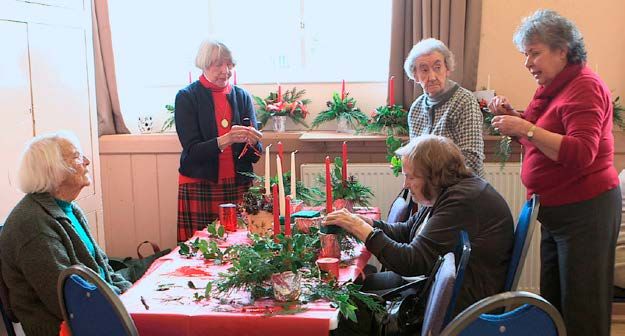
• ‘Arts for health’, for example, ‘knit and natter’
groups and book clubs
• Physical activity, from walking groups and
exercise classes to fishing clubs Evidence
• Healthy eating and cooking classes including
cookery clubs in local community centres
• Befriending though local volunteer-led Arts and
befriending schemes mental health
• Timebanking services that allow communities to
pool and exchange skills A 2006 national study
• Benefits support and financial advice, including led by the University
Citizens Advice Bureau and advocacy centres of Central Lancashire16
• One-to-one support and coaching from health evaluated the impact
trainers and wellbeing coaches of taking part in arts
• Volunteering opportunities that let people projects on people with
contribute while building new skills mental health problems.
They looked at a range of arts
These activities tackle a range of factors that directly
including drawing and painting,
impact on health, including:
craft, writing and photography.
• Diet and exercise It found that taking part in
these arts programmes could
• Social isolation and support networks
make people with mental
• Mental and physical health and wellbeing health problems feel more
empowered, improve their
• Employment and finances
mental health and reduce
their feelings of being socially
excluded.
20 | More than Medicine: new services for People Powered HealthPeople
Powered
Health
Physical activity
and healthy eating groups
Green Gym
Green Gym gives people the opportunity
to work in national parks, doing something
good for the environment while keeping
fit and learning new skills like dry-walling
and making friends.17 A national evaluation
of Green Gym found that it improved both
people’s physical and mental health and that
it had the greatest impact on those who had
the poorest health when they joined.18
Fishing in Newcastle
Community-based services can often
tend to attract more women than men. In
Newcastle they’ve tackled this by starting a
fishing group who meet and go fishing along
the River Tyne. The fishing group helps
members stay physically active and relax,
whilst learning a new hobby and skill.
Community kitchens project, Islington
Eating healthily isn’t as easy as many people
assume. The Community Kitchens Project
works with people with mental health
problems and learning disabilities to teach
people how to choose healthy foods, and
cook nutritious meals whilst sticking to a
tight budget.19
More than Medicine: new services for People Powered Health | 21People Powered Health in Lambeth:
Focus on Mosaic Clubhouse
Mosaic Clubhouse in Lambeth, South East
London, puts members’ needs at the centre
of everything it does. A hub for anyone who
needs non-clinical support in the borough,
most members have some form of mental
illness, ranging from low-level depression to
severe personality disorder.
Beverley Randall,
Started by five members in 1994, it now has over 800
Programme Manager,
members of whom 50 visit daily. Patients can self-refer or be
Mosaic Clubhouse
referred by mental health teams, secondary care and GPs.
They are invited to spend the day at the centre to see if it’s
suitable for them, with the focus being on whether the patient “We’re like talent
feels it’s a good fit for what they need. The clubhouse treats
scouts. We see the
people as assets with something to contribute.
person before the
Activities offered are tailored according to what patients illness and every
themselves feel will move them forward both in their recovery
and other aspects of their lives. There is a particular focus on person has a talent.
employment, ranging from voluntary work, going to college Before people became
or getting a job. The clubhouse provides a safety net for
members – and though the aim for all members is that they
unwell, they were
find meaningful work and eventually leave the clubhouse, they productive and we
are welcome back at any time.
want to get them
The emphasis is firmly on learning useful, transferrable skills. back to that. We
Classes offered include cooking, computer skills, financial have highly educated
literacy, car maintenance, gardening and music lessons. One
member is fluent in French, so started a French class. Some members who have
people need support to develop their skills; some people need become unwell after
support with the basics of everyday life.
university and use
the computers to find
work; we get people
who are really unwell
who can’t manage
by themselves –
who might not be
able to even chop
vegetables.”
22 | More than Medicine: new services for People Powered HealthJohn’s story
I’d been in hospital for 41/2 years again having been away for so see people who aren’t sure what
and I was told by occupational long in hospital. I think I was they’re doing – give people
health that I needed to be more too self-aware for a long time a hand with money and help
productive and out more and and kept things to myself. But them with what they should be
show I could manage in the being here, just sitting down and doing. It makes you humble, in a
community. I was brought along talking to people, it’s helped me way. It’s nice to be able to care
by the OT and interviewed by a great deal. for people. I never thought I’d
the manageress, Beverley. I be able to help anyone else. I
really wasn’t sure whether I’d fit At the clubhouse it’s about just thought it was all about me. But
in, but I was given quite a lot of being normal again. Talking it’s about helping other people –
encouragement from everyone. to someone about your daily it does help you in the long run.
Even the members were coming routine, talking about how you
up and introducing themselves, got here, about the bus. You I feel I’ve gained some
which I found a bit odd and can’t do that in hospital. I’ve confidence. I didn’t care about
off-putting at first. When I came found that I didn’t like myself myself and my dress sense had
back as a new member, I stayed for a long time. Coming here, gone out the window. I was
a day, went in the kitchen; did a getting on with things, being unkempt, untidy, I didn’t wash
bit of gardening, worked on the normal again, makes me feel every day. I didn’t care about
computers. good about myself. Makes me myself. Now I do. Every morning
I’m up, in the shower, ready to
go. It takes me two hours to get
I think if I’d come to Mosaic at an earlier date here in the morning, and two
I’d be one step further than I am. I prefer to come hours to get back in the evening.
here than to take medication. There will always I’m normally here at 9 o’clock
be some members who are on meds for a long in the morning so I get up early
time, possibly for life. But I find that this is a great to get here. But I don’t mind
doing that. I’m prepared to do
alternative to taking medication for me.
the travelling because I like it so
much. It’s been a godsend, in a
I asked for something to do feel like I’ve got a future and a way.
with mechanics and there life. Something I didn’t feel for a
wasn’t anything like that. But long time. I was on antidepressants for
they created the position of quite some time and felt that
maintenance of the house and You become numb in prison and they made me worse. I wasn’t
the vehicles, and now I drive hospitals. You just live your life happy on medication. I think if
the van as well, something I with that numb feeling that you I’d come to Mosaic at an earlier
wasn’t sure I would be able to do get inside. But it’s gone now. I date I’d be one step further than
because of my health. After that sit down and talk with people, I am. I prefer to come here than
I’ve come every day. I work in the kitchen, and I can to take medication. There will
learn things. I can show people always be some members who
Before I came to Mosaic I was how to maintain their vehicles are on meds for a long time,
wrapped up in a lot of my own and teach people, or I’ll go and possibly for life. But I find that
emotions. I didn’t want to talk help in the garden; strike up a this is a great alternative to
to anyone. I found it difficult to conversation. Yesterday I took taking medication for me.
be back in mainstream society people shopping. It’s good to
More than Medicine: new services for People Powered Health | 23How to build and shape a market
in community-based services
“One of the issues that we have is how do we sustain
and develop a range of activities? If you are serious
about scaling this up, there are issues about how you
support organisations who provide activities and develop
activities – how do you develop some sort of a tariff or
payment mechanism that means we can develop and
grow these choices for people?”
Professor Chris Drinkwater, President of the NHS Alliance
One of the fundamental barriers for
community-based services is that many
of the schemes, clubs, and activities are
funded by grants rather than formally
commissioned – meaning that their future
is never secure.
This also means that commissioners, clinicians and
service-users may not be able to easily shape the
services that are provided.
There are three potential ways of funding these
activities:
• through grants (as many are at the moment)
• to be directly commissioned perhaps in
conjunction with local authorities
• for funding to come directly from patients
who are given personal budgets to buy
services that will help them manage their
Further reading
long-term conditions.
The vast majority of services provided for NHS patients Thank you for the petunias outlines the
are commissioned by clinical commissioning groups different commissioning and financial
(CCGs). For community-based services to have a secure models that can be used to fund and
and growing future in the NHS it is essential that they support community-based services.
become a secure part of the commissioning process.
For more see: http://www.diabetes.nhs.
We have written more about this move in uk/document.php?o=2919
Commissioning People Powered Health, issue 6
in this series.
24 | More than Medicine: new services for People Powered HealthPeople
Powered
Health
Timebanks: platforms for
community-based services
Timebanks are platforms that organise
and facilitate the exchange of time
Evaluation
and skills between both people and
organisations. Participants contribute An evaluation of the Rushey
their time and skills to the ‘virtual’ bank Green Timebank, based in a
and in return they can receive time and primary care centre in South
skills from another participant.
London, found that there
People could have varied skills to contribute, from DIY
was an association between
to therapy to companionship, but their time and skills involvement in timebanks and
are valued the same by the timebank. Participants can reduced levels of medication
receive training as part of a timebank, for example DIY and hospitalisation.20
skills, and then use their new skills to pay back into the
bank. The aim of timebanks is not to replace existing
Research by a health maintenance
services but to complement them, by building social
organisation in Richmond, Virginia
networks and enabling people to recognise and build
(USA) found that involvement in their
their skills. It goes beyond volunteering because it
timebank reduced hospital admissions,
helps to normalise the idea of reciprocal relationships
visits to casualty and asthma services
and a sense of community – the individual is not doing
to the extent that $217,000 was saved
something for free but both contributing and receiving.
over two years.21
Professionals, known as time brokers, play a key
role in managing the system, helping to record and
facilitate these transactions. The broker also helps to
build the membership of the timebank, create contacts “I think it helps improve
with local businesses and hold events for timebank people’s health in a low
members. A conversation needs to happen with
the individual about what their interests and talents
impact way to start with.
are, and then they can be signposted to the right They get more confident,
opportunities. For example, someone could have an
their self-esteem grows,
unmanageably large garden which is overgrown and
getting them down – through the timebank, others they feel part of the
who enjoy gardening can come help them tidy it up, community, get to know
get some fresh air and practise their gardening skills.
people who live around
Timebanks have begun to be used in primary care. The them and feel happier,
Department of Health is working with Timebanking
UK to roll out timebanks in GP surgeries across the
safer where they live.”
country and to think about what this would look like
in practice – how much time it would take, where the Sarah Bird, Timebanking UK
timebank would actually be based and who would run
the activities.
More than Medicine: new services for People Powered Health | 25People Powered Health in Earl’s Court:
Focus on Setting up a timebank
At the Earl’s Court Health and Wellbeing “They can ask anyone
Centre, Timebanking UK has been helping to in the centre about
set up a timebank alongside the GP practice,
a dentist and a sexual health clinic. timebanking – they
could be sat in the
The timebank was originally going to be focused on health dentist’s chair and the
and wellbeing (e.g. physiotherapy, Indian head massage, yoga)
but was then expanded to acknowledge that many members dentist would be able
have skills to offer that are not directly health-related but to tell them about it.”
nonetheless have an impact upon the wellbeing of members.
Community researchers and navigators offer and promote Sarah Bird, Timebanking UK
the timebank to the local community. Potential members are
asked to apply formerly and their applications are entered
onto a web-based system by navigators. Navigators also
have an important role helping to match people who could Timebanking UK provides
exchange skills. resources and toolkits to help
people who want to set up their
Having the timebank embedded in the centre improves own timebank, in addition to
access and referrals. Staff in the centre share common running training programmes and
values and a common culture, and understand why offering consultancy services.
everyone needs to be involved. Having everyone involved
in the timebank, including GPs, receptionists and staff, adds For more information see www.
credibility and significance to the timebank.
timebanking.org
26 | More than Medicine: new services for People Powered HealthPeople
Powered
Health
Endnotes
1. Thomas, D., Elliott, E. and Naughton, G.A. (1996) Exercise for Type 2 Diabetes Mellitus. In
‘Cochrane Database of Systematic Reviews.’ Chichester: John Wiley & Sons. Available at: http://
onlinelibrary.wiley.com/doi/10.1002/14651858.CD002968.pub2/abstract
2. DiMatteo, M.R. (2004) Social Support and Patient Adherence to Medical Treatment: a Meta-
analysis. ‘Health Psychology: Official Journal of the Division of Health Psychology.’ American
Psychological Association 23, No. 2 (March 2004), pp.207-218. doi: 10.1037/0278-6133.23.2.207.
3. Appel, L.J., Moore, T.J., Obarzanek, E., Vollmer, W.M., Svetkey, L.P., Sacks, F.M., Bray, G.A., et al.
(1997) A Clinical Trial of the Effects of Dietary Patterns on Blood Pressure. ‘New England Journal
of Medicine.’ 336, No. 16 (1997), pp.1117-1124. doi: 10.1056/NEJM199704173361601.
4. Brandling, J. and House, W. (2009) Social Prescribing in General Practice: Adding Meaning to
Medicine. ‘The British Journal of General Practice.’ 59, No. 563 (June 1, 2009), pp.454-456. doi:
10.3399/bjgp09X421085.
5. Ibid.
6. Ibid.
7. Ibid.
8. See http://www.bdct.nhs.uk/our-community-health-services/specialist-services/heath-trainer
9. Health Trainers England (2011) ‘Behaviour Change for Health: The Health Trainer Approach.’
Available at: http://www.healthtrainersengland.com/evidence-evaluation/evidence/evidence-
briefings. Accessed August 28, 2012.
10. Lister, G. (2010) ‘Value for Money of Health Trainer Services.’ Available at: http://www.wmpho.org.
uk/lfph/docs/HTS_VfM_Assessment_Report_Final.pdf
11. Barton, G.R., Goodall, M., Bower, P., Woolf, S., Capewell, S. and Gabbay, M.B. (2012) Increasing
Heart-health Lifestyles in Deprived Communities: Economic Evaluation of Lay Health Trainers.
‘Journal of Evaluation in Clinical Practice.’ 18, No. 4 (August 2012), pp.835-840. doi: 10.1111/j.1365-
2753.2011.01686.x.
12. Health Trainers England (2011) ‘Behaviour Change for Health: The Health Trainer Approach.’
Available at: http://www.healthtrainersengland.com/evidence-evaluation/evidence/evidence-
briefings. Accessed August 28, 2012
13. Health Trainers England (2011) ‘Offender Health - Health Trainers England.’ Available at: http://
www.healthtrainersengland.com/jamals-case-study. Accessed January 28, 2013.
14. North West Public Health Observatory (2011) ‘Health Trainers in the North West.’ Liverpool:
North West Public Health Observatory. Available at: http://www.nwph.net/nwpho/Publications/
healthtrainers.pdf
15. Year of Care (2011) ‘Thanks for the Petunias – A Guide to Developing and Commissioning Non-
traditional Providers to Support the Self-management of People with Long Term Conditions.’
London: Year of Care. Available at: http://www.diabetes.nhs.uk/document.php?o=2919
16. Hacking, S., Secker, J., Spandler, H., Kent, L. and Shenton, J. (2008) Evaluating the Impact of
Participatory Art Projects for People with Mental Health Needs. ‘Health & Social Care in the
Community.’ 16, No. 6 (2008), pp.638-648. doi: 10.1111/j.1365-2524.2008.00789.x.
More than Medicine: new services for People Powered Health | 27You can also read


