NAVIGATING COVID-19 How payments can help keep your customers and business safe - FIS
←
→
Page content transcription
If your browser does not render page correctly, please read the page content below

NAVIGATING COVID-19 How payments can help keep your customers and business safe
8   WAYS
              YOUR PAYMENTS CAN HELP
           YOUR BUSINESS THROUGH THE
              IMPACTS OF COVID-19

   COVID-19 is currently creating financial uncertainty for many businesses around the
world but we're here to help. How you manage payments can play a key part in helping you
                             navigate these challenging times.

                             HERE ARE OUR TOP TIPS.
TIP
        1 REASSURE YOUR
                   CUSTOMERS

Tentative times need clear communication.
Let your customers know that you’re taking the right
precautions to keep them, and your employees, safe.

Showing them how you’ve considered their safety will build their
confidence and encourage your customers to continue engaging
with you.

You can do this by contacting your         Encouraging contactless payments
customer base and displaying your          reduces the need for physical contact.
approach in your physical locations.
                                           The World Health Organization has
For example, you may wish to reassure      advised the public to wash their hands
customers through an enhanced              after using cash, so consumers will be
cleaning and sanitizing regime in          looking for other ways you can support
store. Communicate the extra steps         their payments. When customers do
you are taking and emphasise how           choose to use cash or chip and pin,
you’re monitoring the overall situation,   make sure staff are trained on keeping
including relevant government              payment terminals clean and that they
guidelines.                                wash their hands after handling cash.

                                                                                        REASSURE           ENCOURAGE
                                                                                       CUSTOMERS          CONTACTLESS
                                                                                        through an      payments to reduce
You may find further useful information through your industry
                                                                                    enhanced cleaning    physical contact
trade association, such as the Small Business Administration,
                                                                                       and sanitizing
or Chamber of Commerce.
                                                                                      regime in store
TIP
                                      2 THINK
                                                 OMNICHANNEL

                              With people needing to spend more time self-isolating,
                              your online presence will be more important than ever
                              in maintaining sales.

                              Making sure your e-commerce store is simple to use, and online
                              payments are set up and reflect local preferences can improve the
                              experience with your brand and enable you to continue accepting
                              orders.

                              This has the potential to create longer-   Moving with customer demands
                              term value, too.                           and adapting to individual customer
                                                                         journeys can help set you up for success.
                              The omnichannel experience has
                              already become an expectation for          You can also arrange to take payments
                              today’s consumers, with 48 percent         remotely over the phone via a Virtual
                              of customers crossing back and             Terminal.
                              forth between digital and physical

48%
                              interactions with companies.1

OF CUSTOMERS CROSS
BACK AND FORTH BETWEEN
DIGITAL AND PHYSICAL
interactions with companies
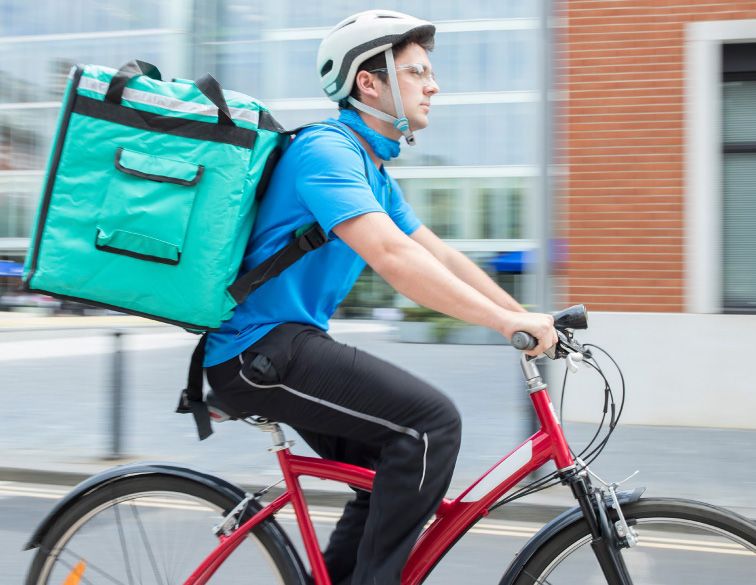
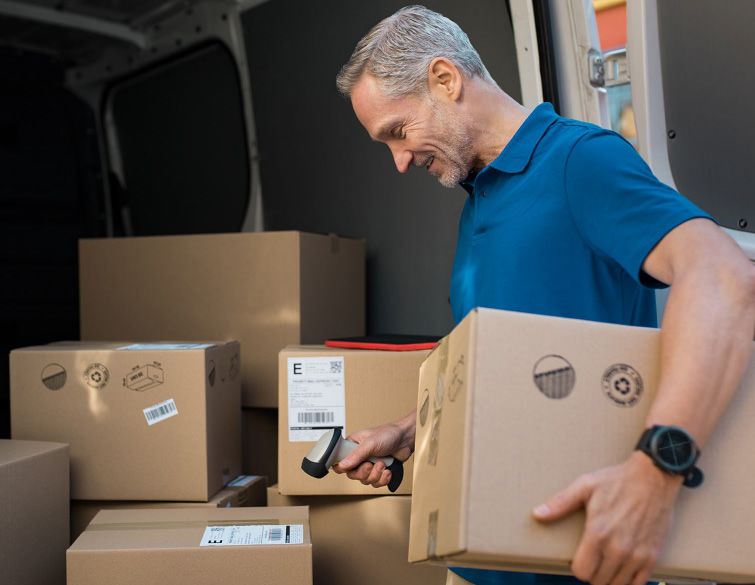
GROCERY DELIVERY APPS ARE EMERGING AS ESSENTIAL
INFRASTRUCTURE FOR THE COVID-19 CRISIS.
Already on the rise, omnichannel grocery services are seeing a wave of new demand in
response to safety concerns, social distancing efforts and stay-at-home orders.

Apptopia reports that daily downloads of delivery apps Instacart, Walmart Grocery and
Shipt have surged 218 percent, 160 percent and 124 percent, respectively, in March versus
February, while downloads of Target’s app saw a 98 percent increase in the same period.2
CNN reports that grocers are seeing many more new delivery customers over age 60, while
noting the current demand surge for grocery pickup and delivery is likely to persist long after
the immediate crisis has passed.3
TIP
        3
          REWARD
          CUSTOMERS

With the average transaction value going up, consider
reward incentives for customers.

Give your customers a reason to continue spending with you by
rewarding them when they do.

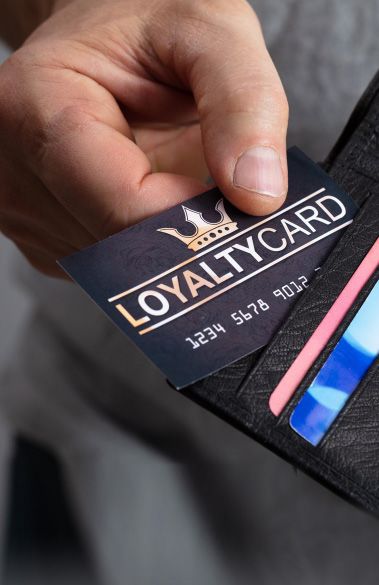
Consider promotions and customer loyalty programs to retain spend during this
time and reward your customers for staying engaged with your brand, at a time
when uncertainty can curtail consumption. Make these available both in-store
and online.

                        CONSIDER BOGO PROGRAMS and
                        encourage customers to purchase
                        gift cards that can be redeemed at
                        a later date.
RETAIL:
Analysts have warned that retailers will be among the hardest hit.4 The global slowdown in demand
and consumer confidence is expected to continue until the virus is deemed “under control.”

Electronics retailers may see their supply chain affected, as electronics make up 28 percent of
exports from South Korea, a region notably hit by the outbreak.5
TIP
                                4
                                  CONSIDER
                                  FLEXIBLE TERMS

                        Circumstances are frequently changing – and flexibility
                        is crucial. During this time, there are many reasons
                        why your customers may change their mind on their
                        purchase or booking.

                        It’s important to make it as easy as possible for your customers
                        to reschedule their bookings, access refunds or deferrals. This
                        positive experience will keep you front of mind when they start
                        spending again.

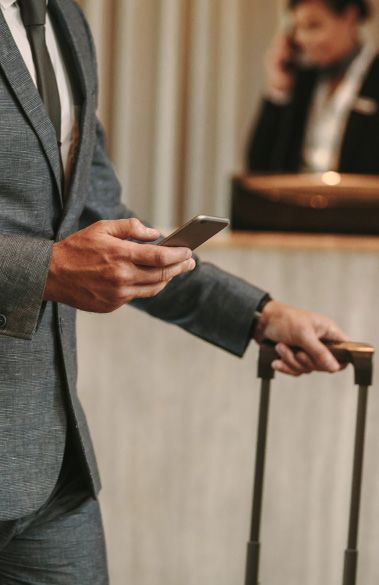
                        The tourism industry, for example, is seeing a fall in demand6 and hospitality
                        may see cancellations. For businesses in this sector, the focus during this time
                        can be managing reputational risk, which can be done by removing penalties for
                        cancellations and offering flexible booking models.

The focus during this
time can be MANAGING
REPUTATIONAL RISK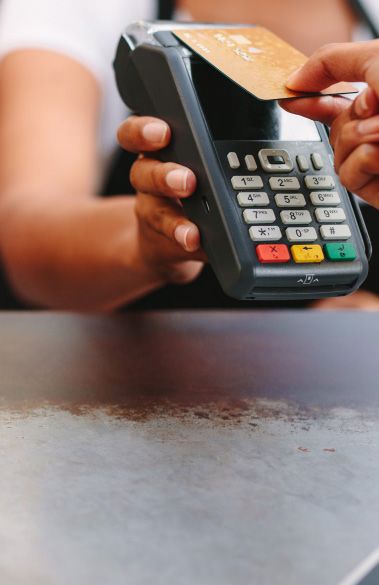
Tourism and hospitality industries are witnessing an unprecedented drop in demand.
Social distancing requirements, travel restrictions and shutdowns of non-essential
businesses have ground the tourism and hospitality industries to a virtual standstill.

Marriott International’s CEO Arne Sorenson recently told CNBC that the COVID-19 outbreak
has been worse for Marriott’s business than 9/11 and the financial crisis combined.7

As reported by The Washington Post, the US Travel Association (USTA) estimates that 4.6
million travel-related US jobs could be lost due to COVID-19. USTA forecasts that total
spending on travel in the United States will drop $355 billion (31 percent) in 2020 alone.8
TIP
         5
           REVIEW YOUR
           CASHFLOW

A potential fall in sales could hit your cashflow hard.

While COVID-19 is still in the news, spending behaviors will remain
different from the trends you’ve been used to, so monitoring your
income is more crucial than ever.

If you could benefit from business         This can be a good solution to cover
funding – there are options that are       your fluctuation in cashflow, so you
flexible to give you additional control.   can continue focusing on your
                                           business priorities.

                                                                                  MONITORING YOUR
                                                                                  INCOME is crucial
UNDERSTAND YOUR
TIP
6 SUPPLY CHAIN
COVID-19 is wreaking havoc on supply chains.
As reported in Fortune, nearly 75 percent of US
companies9 are seeing supply chain disruptions as
a result of COVID-19, according to the Institute for
Supply Management.
Supply chain challenges are now The Consumer Brands Association tells
prevalent throughout the world, as the CNN that it fears other countries cutting
impact of COVID-19 disrupts land, sea off exports to the US.11
and air transportation. Reuters reports
that the US travel restrictions alone Unpredictable lead times, persistent
have reduced US air freight capacity an delivery delays and periodic supply
estimated 85 percent.10 shortages will force US companies to
innovate quickly in order to maintain
operations.
75%
of US companies are seeing
supply chain disruptions.LOGISTICS: The COVID-19 crisis is now a true pandemic impacting global supply chains regardless of region, industry or mode of transport. The global impact means reduced supply chain capacity from existing channels. Alternatives are challenging to develop quickly as any potential alternative source faces similar constraints. Many logistics companies are experiencing unused capacity and lower demand for business deliveries, with last minute cancellations and irregular scheduling increasingly the norm.
You may find further useful

        7 PREPARE A                                                                                 information through your industry
  TIP
          CONTINGENCY PLAN
                                                                                                    trade association, such as the
                                                                                                    Small Business Administration,
                                                                                                    or Chamber of Commerce.

In the case of personal self-isolation, ensure you have
a contingency plan in place.

Make sure you’re set up to continue accepting payments from your
customers, working with your payments provider to make remote
payments as easy as possible.

There will be wider implications for your business, but your bank may have
implemented additional support – check in with them to see if they’ve made any
changes to loans or repayment plans.

                  The Center for Disease Control and Prevention (CDC) has issued
                  Interim Guidance for Businesses and Employers to Plan and
                  Respond to COVID-19 Disease 2019 (COVID-19).

                  US small business owners can apply for a low-interest loan
                                                                                   As of March 25, 2020, US lawmakers were
                  due to COVID-19 (COVID-19) through the Small Business
                  Administration’s Economic Injury Disaster Loan Program.          close to agreement on a $2 trillion stimulus
                                                                                   and MONITORING           YOUR INCOME
                                                                                       relief package in response     to the
                  SBA also offers an Express Bridge Loan Pilot Program for small       AND crisis.
                                                                                   COVID-19   OUTGOINGS          is crucial
                                                                                                     Initial indications are that
                  businesses that work with an SBA Express Lender to access up     over $300 billion will be earmarked for relief,
                  to $25,000 with less paperwork.
                                                                                   specifically for small businesses.12
TIP
8
WORK WITH
THE COMMUNITY
Stay in communication with the businesses around you,
whether that’s by location or in your industry.
A strong connection with your community can help you provide the
services and products that your customers require, by redirecting
them to another place. Your customers will remember this added
value and build long-term loyalty with your brand.
You could organize alternative delivery locations, for example, and coordinate on
stock levels to ensure your local customers aren’t left empty-handed.
Equipping your business during COVID-19
The future business environment may It’s important that you continue to
feel unclear but by taking steps to monitor the current situation and stay
prepare your business during this time, aware of your business performance –
you’re better placed to protect your this will help you plan for the immediate
customers, employees and revenue. and longer-term future.
A strong connection with your
community can help
BUILD LONG-TERM LOYALTY
WITH YOUR BRANDSources:
1
https://www.accenture.com/gb-en/insight-delivering-omnichannel-now
2
https://blog.apptopia.com/instacart-and-grocery-delivery-apps-set-consecutive-days-of-record-downloads
3
https://www.cnn.com/2020/03/19/business/grocery-shopping-online-coronavirus/index.html
4
https://www.theguardian.com/business/2020/feb/23/economic-impact-of-coronavirus-outbreak-deepens
5
McKinsey & Company, 2020, Coronavirus COVID-19: Faces and insights
6
https://www.cnbc.com/2020/03/11/coronavirus-travel-industry-could-lose-24-billion-in-tourism-from-outside-us.html
7
https://www.cnbc.com/2020/03/24/marriott-coronavirus-worse-than-911-and-financial-crisis-combined.html
8
https://www.washingtonpost.com/business/2020/03/17/travel-hotel-industry-coronavirus-jobs/
9
https://fortune.com/2020/03/11/75-of-companies-report-coronavirus-has-disrupted-their-supply-chains/
10
https://www.reuters.com/article/us-health-coronavirus-freight/western-supply-chains-buckle-as-coronavirus-lockdowns-spread-idUSKBN21A2PB
11
https://www.cnn.com/2020/03/15/politics/consumer-industry-group-letter-coronavirus/index.html
12
https://www.businessinsider.com/what-stimulus-bill-means-small-business-during-coronavirus-2020-3
© 2020 FIS. Advancing the way the world pays, banks and invests™ Worldpay, the logo and any associated brand names are trademarks or registered trademarks of FIS. All other trademarks are the property of their respective ownersYou can also read


