No Room for Moderation - David L. Deephouse QUASI Session 9: Can We Adequately Assess Corporate Reputation? Rutgers University 2021 May 14 ...
←
→
Page content transcription
If your browser does not render page correctly, please read the page content below
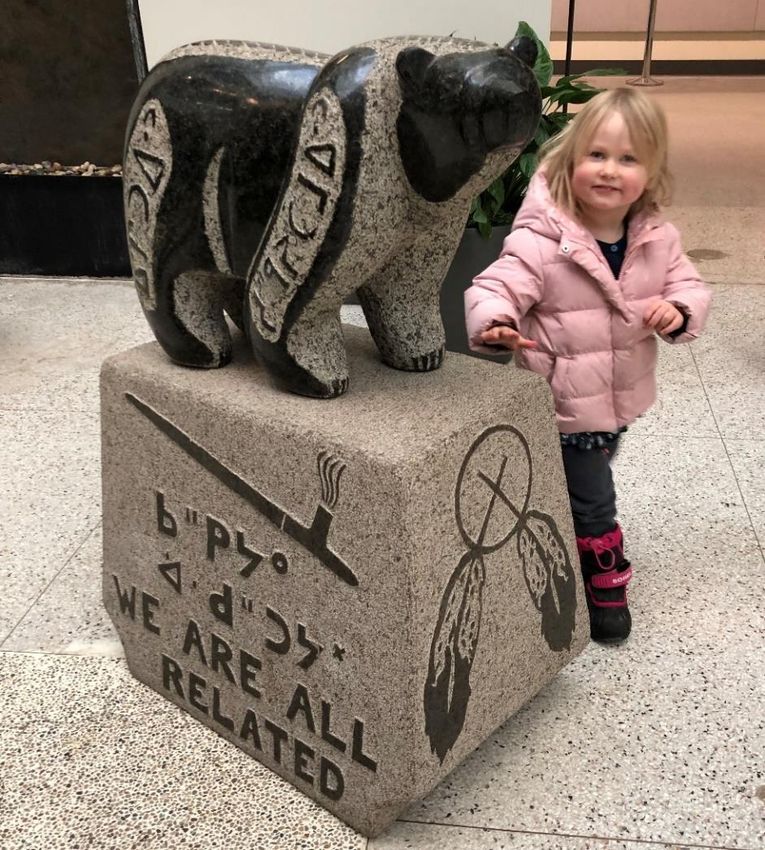
No Room for Moderation
                      David L. Deephouse
QUASI Session 9: Can We Adequately Assess Corporate Reputation?
                       Rutgers University
                         2021 May 14
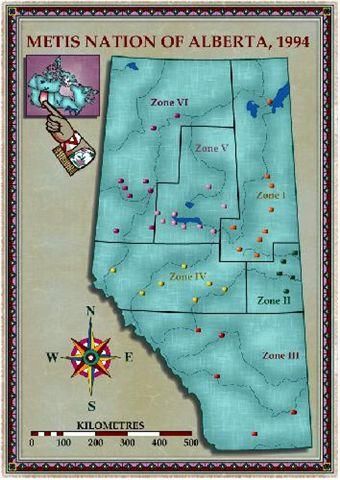
First Nations             Zone IV of
             of Treaty 6

2021-05-14                   QUASI Moderator        2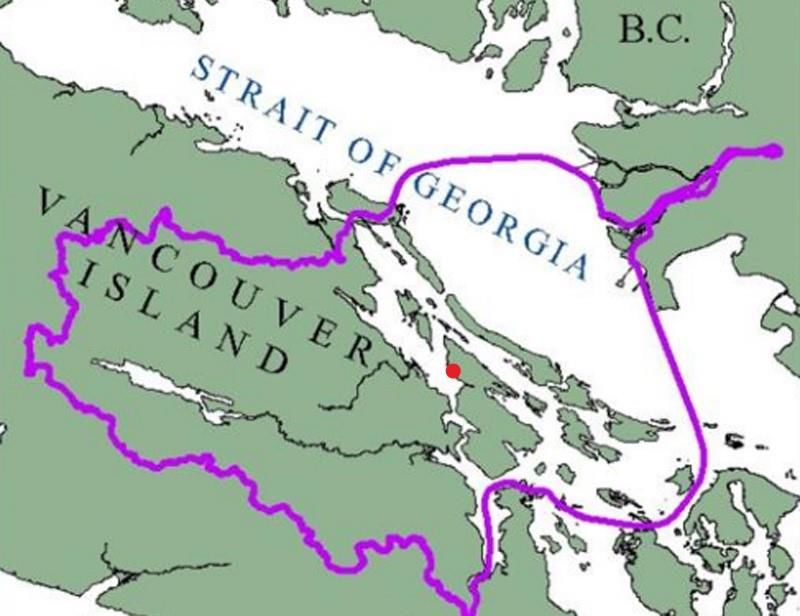
Guest on Traditional Territory of the Quw’utsun Coast
Salish People in Cascadia Bioregion

2021-05-14                                     QUASI Moderator                                      3
             https://www.cowichantribes.com/about-cowichan-tribes/land-base/traditional-territory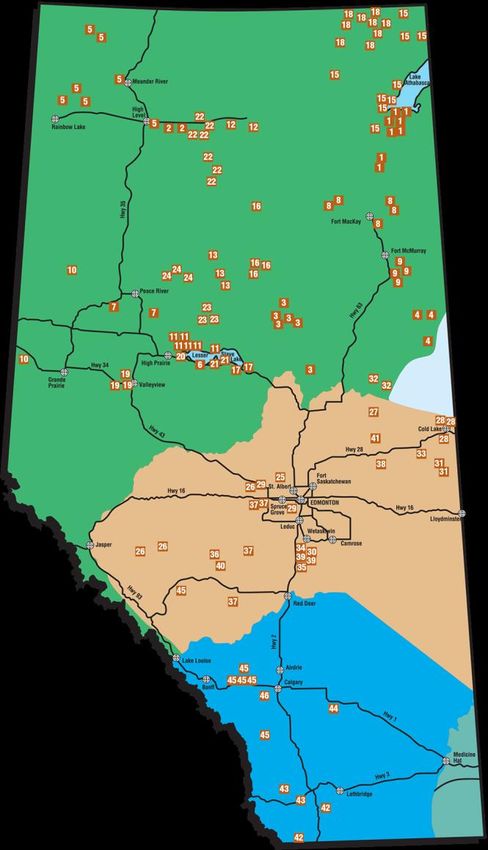
I Find Little Room to Moderate. Can You?
• Will of Bill:
      • How can we better match particular reputation measures with academic
        theory that takes into account the context where reputation is being
        assessed?
• Profundity of Jon Bundity:
      • How can we adequately assess the corporate reputations that matter for the
        critical outcomes of interest within a given context, according to a specified
        time period, and for specifically identified stakeholders?
• Guarded optimism of Naomi Gardberg:
      • Can we develop norms around the measurement of this network of socially
        constructed constructs?
2021-05-14                              QUASI Moderator                                  4
Multiple Definitions, Jon? I Got Them!
Stakeholders have different reputations of      Overall favorable reputation increases
same company (Carter & Deephouse 1999)          performance (Deephouse 2000)

2021-05-14                             QUASI Moderator                                   5
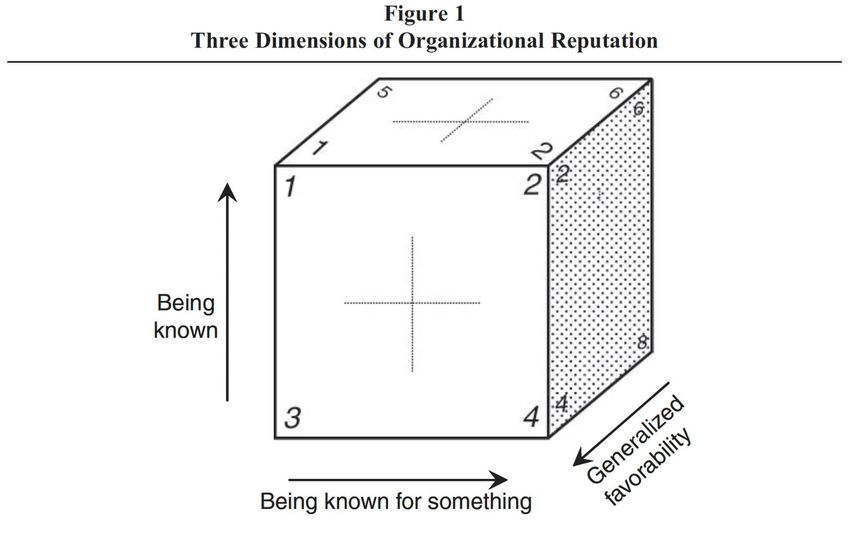
Elegantly Developed by Don Lange, Peggy
Lee, & Ye Dai (2011, JoM)

2021-05-14         QUASI Moderator        6
Apply to What Naomi Showed Me
(2021, Minutes Ago)
• Naomi highlights two step process used by popular corporate rating
  agencies
      • Step 1 is Visibility ~ Being Known to enough people.
      • Step 2 is Evaluation the Favorability of What or Whats (criteria.)
             • Cf. Deephouse, Bundy, Tost, & Suchman 2017
• Shouldn’t smaller corporations have reputations (Deephouse 2000)?

2021-05-14                                    QUASI Moderator                7
Apply to Profundity by Jon Bundity
• “How can we adequately assess the corporate reputations that matter for
  the critical outcomes of interest within a given context, according to a
  specified time period, and for specifically identified stakeholders?”
             • (2021-05-14 circa 1705 Zulu)
      • “for the critical outcomes of interest within a given context” → WHAT
      • “according to a specified time period” → WHEN
      • “for specifically identified stakeholders” → WHO
• “How can we adequately assess (Being Known for What), (When), (for
  Whom)”
      • Jon, why did you say “for…stakeholders” and not by…stakeholders?
• Subsuming When into Where in the Space-Time Continuum, we find
  ourselves playing…

2021-05-14                                    QUASI Moderator                   8
The Who What or Where Game
with Art James
After Jeopardy! at noon came:            NBC Game Show Hosts of 1970

2021-05-14                      QUASI Moderator                        9

Who Decides?
• Bill (1645 Zulu) highlights Borda et al. 2017 about differences
  between Popular and Expert reputation assessments
• Apply then expand selection system consisting of market selection,
  peer selection, and expert selection.
      • Wijnberg, N. M., & Gemser, G. (2000). Adding value to innovation:
        Impressionism and the transformation of the selection system in visual arts.
        Organization Science, 11(3), 323-329.
        doi:https://doi.org/10.1287/orsc.11.3.323.12499

2021-05-14                             QUASI Moderator                                 10
What was the Only Game Show to Feature a Great Social Theorist? (Hint: Only One Episode) 2021-05-14 QUASI Moderator 11
World Forum, 15 December 1970
V.I. Lenin, M. Tse-Tung, E. Idle (host),
C. Guevara, K. Marx                             Karl Marx with host Eric Idle

2021-05-14                             QUASI Moderator                          12
The Components of Great Social Theory
(or at least Great Management Theory)
• Who, Where, When, What, How, and Why
             • Whetten, D. A. (1989). What constitutes a theoretical contribution? Academy of
               Management Review, 14(4), 490-495.
• Consider choices for these for your next (perhaps reputation) study
      • Will it be a gap-filling study of large US corporations using commercially
        available data produced by a commercial operation?
             • Consider scholarly sources, like VC Reputation Measure of Lee, Pollock, and Jin.
                   • https://www.timothypollock.com/vc-reputation-index
      • Other research problems
             •   Employee behavior (e.g., Baer, Profundity, Garud, & Kim 2018)
             •   Imaginative Theorizations
             •   Grand Challenges
             •   Local, community-driven challenges

2021-05-14                                         QUASI Moderator                                13
For Answers, Return to …. 2021-05-14 QUASI Moderator 14
“Who Are You” (Townshend 1978) Who Decides
What, How, Why You Do this Research?
• Who are you engaged with…
      • as an engaged scholar (Van de Ven, 2007)?
      • as a co-author?
      • as an engaging person?
• What should be central, distinctive, and
  enduring in your research identity?
• How do you like to work?
• Who do you relate to?
• Who do you do this work for?

2021-05-14                            QUASI Moderator   15
“Who Are You” (Townshend 1978) Who Decides
What, How, and Why You Do this Research?
• Who are you engaged with…
• as an engaged scholar (Van de Ven, 2007)?
• as a co-author?
• as an engaging person?
• What should be central, distinctive, and
enduring in your research identity?
• How do you like to work?
• Who do you relate to?
• Who do you do this work for?
2021-05-14 QUASI Moderator 16Final Comments
• “Assessing reputation” is not the same as measuring reputation of
large corporations using large samples of individuals.
• Reputation in Humanities
• Consider counterfactuals
• “I don't give a damn 'bout my reputation” (Jett, 1980)
• Our debate is normal when constructing social theories.
• “As the science advances, it progressively redefines its concepts until they
accurately represent the phenomena in the world.
• Stinchcombe, A. L. (1968: 40). Constructing social theories. New York: Harcourt, Brace,
and World.
2021-05-14 QUASI Moderator 17ᐦᐊᐃ ᐦᐊᐃ Thank You Gracias Merci Xie Xie Ni
You can also read


