NSW/ACT Inclusion Agency Calendar 2021
←
→
Page content transcription
If your browser does not render page correctly, please read the page content below
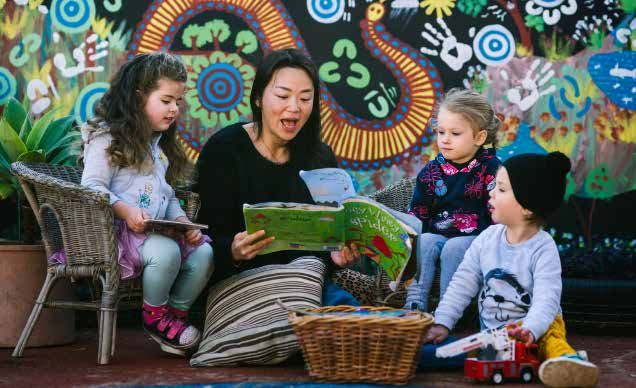
NSW/ACT Inclusion Agency
Calendar 2021

                  The NSW/ACT Inclusion Agency is part of the Australian Government’s national Inclusion Support Program.
  The program supports educators to provide inclusive programs. Our teams of Inclusion Professionals will support you by providing practical
     advice, strategies and possible solutions to address barriers to inclusion. Inclusion Professionals will support you in the development
                                of a Strategic Inclusion Plan that identifies strategies for change and growth.

Inclusion is about everyone. Inclusion is about reflection and action that supports a respectful and responsive approach to diversity.

                  To access support from your Inclusion Professional, contact the NSW/ACT Inclusion Agency on 1800 703 382
                                                          www.inclusionagencynswact.org.au

                       The Inclusion Support Program is funded by the Australian Government Department of Education, Skills and Employment.
                        The NSW/ACT Inclusion Agency is managed by KU Children’s Services, in partnership with Include Me and Gowrie NSW.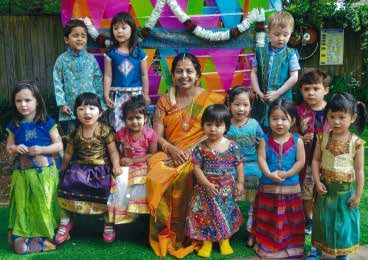
Inclusion
According to the learning frameworks: Questions for Reflection
“Inclusion involves taking into account all children’s social, cultural
and linguistic diversity including learning styles, abilities, disabilities, How does your service ensure that all children and families in your
gender, family circumstances and geographic location in curriculum community feel welcome?
decision-making processes.” (Department of Education, Employment and
Workplace Relations [DEEWR], 2009, p. 24; [DEEWR], 2011, p. 41) How do you program for the individual strengths, interests and needs
of all children in your service?
Inclusive practice is actively seeking solutions and strategies to address
barriers to including all children. The Strategic Inclusion Plan is an inclusion What barriers are preventing you from achieving your inclusion goals?
assessment and planning tool that supports services to improve and
embed inclusive practices. Have you developed a Strategic Inclusion Plan yet? Your Inclusion Professional can assist you to develop a Strategic Inclusion
Inclusion Is Plan to ensure that each child’s inclusion is supported.
Inclusion is… Inclusion is… Inclusion is…
BEING ALLOWED TO BE BEING HEARD AND MAKING CHOICES
INDEPENDENT HAVING A VOICE
How might this look?
How might this look?
Children are supported to make choices of what
Discussion points/ideas for this month’s team meeting/reflection time
for educators:
How might this look? activities they participate in, who they play with and
Teaching all children sign language (not just the child who they go to for support.
Children having open access to their belongings, with additional needs).
playing without continual adult shadowing, being able What might we see?
to make mistakes, opportunities to make real choices. What might we see?
Children being supported to access pictures of
What might we see? Children using signs with each other during play.
activities and using these to communicate to
Educators knowing when to help and when to let
children have a go by themselves.
educators / friends what they want to do next.
Educators honouring children’s choices about
___________________________________________________________
Extra supports (like visuals) available to enable all Inclusion is… who they play with and when.
children to make choices.
Children growing in confidence and agency. REFLECTION & ACTION
___________________________________________________________
How might this look? Inclusion is… ___________________________________________________________
Inclusion is…
Educators make time to participate in meaningful
reflection by themselves and with other team members. BEING RESPECTFUL &
This will help educators to identify children’s strengths
WORKING AS A TEAM and interests so that programs and teaching practices are RESPONSIVE TO CULTURE
Questions/ideas/points to discuss with my Inclusion Professional:
reflective of individual children and acknowledge all
children’s contributions to the group.
How might this look?
How might this look? What might we see?
Children learning new skills as they confidently Educators have reflected on their own attitudes, values
All educators develop inclusion goals and implement
and beliefs and are aware of the impact these have on
inclusion strategies. participate in activities that match their
others.
strengths and interests.
What might we see?
Children are understood and have their needs met by Educators being responsive to children’s
What might we see? ___________________________________________________________
changing interests and capabilities. Significant events of all families are celebrated in the
all educators. Parents and children do not know who
centre, not just Christmas and Easter or events chosen
the additional educator is. Planned times for educator teams to meet
together to discuss children’s learning.
by educators. ___________________________________________________________
The Inclusion Support Programme is funded by the Australian Government Department of Education and Training.
Proudly a not for profit organisation
V.2 Released September 2017 - Page 1 of 1
© KU Children’s Services 2017 ___________________________________________________________
Download this poster and access additional resources here:
https://www.inclusionagencynswact.org.au/resources-to-support-inclusion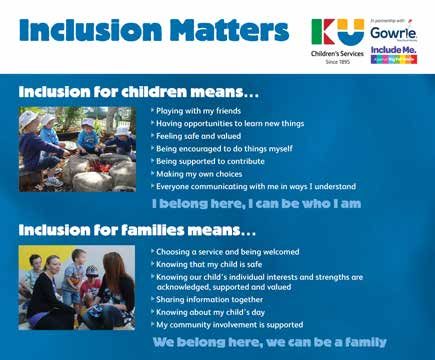
January 2021
     m                     t              w                   t                          f               s        s
                                                                                                     1        2        3

                                                                                   New Year’s Day

             4                        5        6                               7                     8        9       10

            11                       12       13                              14                    15       16       17

                                                    Makar Sankranti (Hindu)

            18                       19       20                          21                        22       23       24

            25                       26       27                              28                    29       30       31

                     Australia Day

Inclusion is about human diversity, where each person is viewed as being unique. True inclusive practice values
diversity as a resource that informs all policy and practice.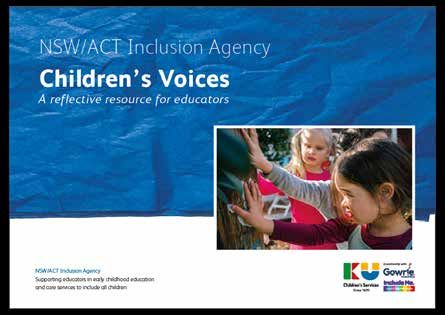
Children’s Voices

NQS Element 1.1.2                                                                 Questions for Reflection
“Children hold valid opinions and perspectives critical to the planning and          When engaging in conversations with children, how do you support the
delivery of a child-centred educational program that is responsive to each           conversation to unfold?
child’s current knowledge, strengths, ideas, culture, abilities and interests.”
(Australian Children’s Education & Care Quality Authority [ACECQA], 2020)            How do you respond to what children say if your opinions and values
“Everything a child says and does communicates their thinking and                    differ?
needs and should inform all aspects of our work from policy to philosophy
through to the program and practices we use… Educators need to be                    How can children’s voices help you to reflect on whether your
attuned to children’s verbal and non-verbal communication, to hear and               environments and practices are supporting every child to feel welcome
respect their voice.” (NSW/ACT Inclusion Agency, 2020, p.3)                          and included?

                                                                                  Contact your Inclusion Professional to discuss how to plan and deliver a
                                                                                  meaningful child-centred educational program.

                                                                                  Discussion points/ideas for this month’s team meeting/reflection time
                                                                                  for educators:

                                                                                      ___________________________________________________________
                                                                                      ___________________________________________________________
                                                                                      ___________________________________________________________

                                                                                  Questions/ideas/points to discuss with my Inclusion Professional:

                                                                                      ___________________________________________________________
                                                                                      ___________________________________________________________
Download this booklet and access additional resources here:                           ___________________________________________________________
https://www.inclusionagencynswact.org.au/children-s-voices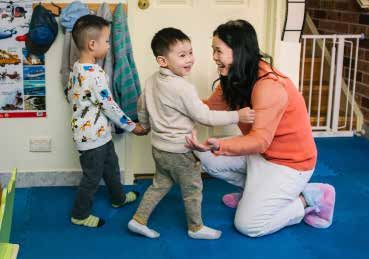
February 2021
      m                 t                  w                        t                        f                              s                                     s
             1                2                                 3        4                                 5                                   6                                 7

             8                9                            10           11                               12                                13                                  14

                                                                             Chinese New Year (Year of the Ox)

            15               16                             17          18                               19                                20                                  21

                                    Ash Wednesday (Christian)                                                    World Day of Social Justice       International Mother Language Day

            22               23                           24            25                              26                                27                                   28

                                                                                      Purim (Jewish)             Magha Puja Day (Buddhism)

“Giving a voice to children, actively listening and acting on that voice is a skill that educators can cultivate and
a process that we can plan for.” (NSW/ACT Inclusion Agency, 2020, p.3)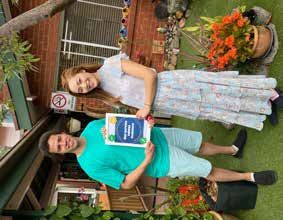
Relationships
The ACECQA Self-Assessment Tool states:                                          Questions for Reflection
“Positive relationships among educators, co-ordinators and staff members
contribute to an environment where children feel emotionally safe, secure           How does your service build and maintain respectful relationships with
and happy.” (ACECQA, 2020)                                                          children and families?

                                                                                    As educators, we have countless opportunities to form trusting
                                                                                    relationships with all children. How can we make sure that all educators
                                                                                    are supported to form a relationship with all children?

                                                                                    How do you respond when you see educators develop a relationship
                                                                                    with children and families that is not equitable for everyone?

                                                                                 Educators can develop or review their Strategic Inclusion Plan to include
                                                                                 strategies and actions that focus on strengthening relationships with all
                                                                                 children, their families and community.

                                                                                 Discussion points/ideas for this month’s team meeting/reflection time
                                                                                 for educators:

                                                                                     ___________________________________________________________
                                                                                     ___________________________________________________________
                                                                                     ___________________________________________________________

                                                                                 Questions/ideas/points to discuss with my Inclusion Professional:

                                                                                     ___________________________________________________________
                                                                                     ___________________________________________________________
Download the ACECQA Self-Assessment Tool here:
https://www.acecqa.gov.au/latest-news/acecqas-new-service-self-assessment-tool       ___________________________________________________________
March 2021
          m                       t          w                                 t                     f        s                        s
                              1       2                        3                                4         5        6                                    7

                              8        9                      10                                11       12       13                                  14

                                                                     Isra and Mi’raj (Muslim)
  International Women’s Day                                          Maha Shivaratri (Hindu)

                         15           16                      17                                18       19       20                                 21

                                                                                                                                 Harmony Day
                                                                                                                           UN International Day for the
                                           St Patrick’s Day        National Close the Gap Day                          Elimination of Racial Discrimination

                         22           23                      24                            25           26       27                                  28

                         29           30                      31

         Holi (Hindu)

Building and maintaining respectful and equitable relationships with each child and family in your service
contributes to an inclusive culture.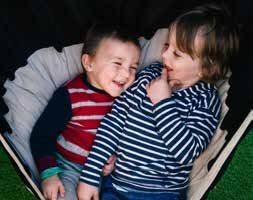
Belonging

The Early Years Learning Framework says:                                    Questions for Reflection
“In early childhood, and throughout life, relationships are crucial to a       How do you ensure that children develop strong attachments and a
sense of belonging. Belonging is central to being and becoming in that it      sense of belonging in your service?
shapes who children are and who they can become.” (DEEWR, 2009, p.7)
Belonging allows children to develop their own sense of identity, an           How can you be sensitive to culturally diverse child-rearing practices?
understanding of who they are, where they come from, that they are
unique, respected and celebrated as individuals.                               How can you support children and their families to develop a sense of
                                                                               belonging within your service?

                                                                            Contact your Inclusion Professional to explore and plan for belonging
                                                                            through the development of a Strategic Inclusion Plan.

                                                                            Discussion points/ideas for this month’s team meeting/reflection time
                                                                            for educators:

                                                                                ___________________________________________________________
                                                                                ___________________________________________________________
                                                                                ___________________________________________________________

                                                                            Questions/ideas/points to discuss with my Inclusion Professional:

                                                                                ___________________________________________________________
                                                                                ___________________________________________________________
                                                                                ___________________________________________________________

Download the Inclusion Matters poster here:
https://inclusionagencynswact.org.au/resources-to-support-inclusion/
june-2015/inclusion-matters-poster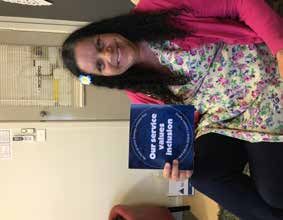
April 2021
      m                          t               w        t                   f                   s                   s
                                                               1                              2        3                                4

                                                                     World Autism Day
                                                                   Good Friday (Christian)                 Easter Sunday (Christian)

                     5                       6        7        8                              9       10                               11

    Easter Monday

                    12                      13       14       15                             16       17                               18

                         Ramadan (Muslim)

                    19                      20       21       22                             23       24                               25

                                                                                                                 ANZAC Day

                    26                      27       28       29                         30

“Knowing where and with whom you belong is integral to human existence.” (DEEWR, 2009, p.7)
Reconciliation

Early Years Learning Framework Outcome 2.2.                                     Questions for Reflection
“Children’s connectedness and different ways of belonging with people,             What do you know about Aboriginal and Torres Strait Islander peoples,
country and communities helps them to learn ways of being which reflect            histories and culture?
the values, traditions and practices of their families and communities.
Over time this learning transforms the ways they interact with others.”            How do you represent Aboriginal and Torres Strait Islander cultures
(DEEWR, 2009, p.25)                                                                within your service?
The development of a Reconciliation Action Plan is part of your service’s
commitment to reconciliation, that demonstrates what you can do to                 What actions can you take in your service to promote a greater
foster knowledge and pride in Aboriginal and Torres Strait Islander                understanding and respect for Aboriginal and Torres Strait Islander
histories, culture and contributions. Does your service have a Reconciliation      cultures?
Action Plan?
                                                                                Your Inclusion Professional can support you on your reconciliation journey.

                                                                                Discussion points/ideas for this month’s team meeting/reflection time
                                                                                for educators:

                                                                                    ___________________________________________________________
                                                                                    ___________________________________________________________
                                                                                    ___________________________________________________________

                                                                                Questions/ideas/points to discuss with my Inclusion Professional:

                                                                                    ___________________________________________________________
Artwork by Clytie, aged 7 years                                                     ___________________________________________________________
                                                                                    ___________________________________________________________
To find out more about developing a Reconciliation Action Plan go to:
https://www.narragunnawali.org.au/
May 2021
m t w t f s s
31 1 2
Reconciliation Day
3 4 5 6 7 8 9
Laylatul Qadr (Muslim) Mother’s Day
10 11 12 13 14 15 16
Eid ul Fitr (Muslim) International Day of Families
17 18 19 20 21 22 23
Shavuot (Jewish)
24 25 26 27 28 29 30
National Sorry Day
Vesak (Buddhism)
“All educators have the potential to make a significant and positive difference to national Reconciliation.”
(ACECQA, 2018, p.1)Enabling Social Communication
The Early Years Learning Framework says: Questions for Reflection
“Communication is crucial to belonging, being and becoming. From birth What role can educators play in supporting children’s communication
children communicate with others using gestures, sounds, language and with their peers?
assisted communication. They are social beings who are intrinsically
motivated to exchange ideas, thoughts, questions and feelings, … How do you plan to support children’s social interactions?
to express themselves, connect with others and extend their learning.”
(DEEWR, 2009, p.41) What can a child’s behaviour tell you about their wants and needs?
My Time Our Place tells us: How can this inform your response as an educator?
“Children learn to interact in relation to others with care, empathy and
respect when educators model explicit communication strategies to Your Inclusion Professional can support you to understand the various
support children to initiate interactions and join in play and social ways children may communicate. Together we can plan how to enhance
experiences in ways that sustain productive relationships with other children’s social and communication development.
children.” (DEEWR, 2011, p.24)
Discussion points/ideas for this month’s team meeting/reflection time
for educators:
___________________________________________________________
___________________________________________________________
___________________________________________________________
Questions/ideas/points to discuss with my Inclusion Professional:
___________________________________________________________
___________________________________________________________
___________________________________________________________June 2021
m t w t f s s
1 2 3 4 5 6
World Environment Day
7 8 9 10 11 12 13
14 15 16 17 18 19 20
Queen’s Birthday World Refugee Day
21 22 23 24 25 26 27
28 29 30
Supporting the development of social communication skills in childhood forms a vital foundation for life.Rights
According to the Guide to the National Quality Framework, “The United Questions for Reflection
Nations Convention on the Rights of the Child is a universally agreed set
of non-negotiable standards and obligations founded on respect for the Reflecting on the UN Convention on the Rights of the Child, how do
dignity and worth of each child, regardless of race, colour, gender, you uphold the rights of every child at your service?
language, religion, opinions, origins, wealth, birth status or ability.”
(ACECQA, 2020, p.237) How can you promote the rights of all children to be included in early
childhood education and care settings?
The National Quality Framework aligns with the UN Convention of the
Rights of the Child. Understanding the 54 Articles will support your service How can you communicate about the rights of all children within your
to be free from bias and reflect a program that is equitable and provides a service and community?
rights-based approach to delivering education and care.
Contact your Inclusion Professional to explore your thinking about rights
UN Convention
on the Rights of the Child
A collaborative
Children’s Week
Project between
the Department for
a simPlified veRsion of The
UniTed naTions ConvenTion
and reflect on how these impact on your practice.
Community Development
In Child Friendly Language
Office for Children and
Youth,
Meerilinga Young
on The RighTs of The Child.
Children’s Foundation Inc © UNICEF/NYHQ1996-0390/Charton
and the United Nations
“Rights” are things that every child should have or be able to do. All children
Association WA Branch.
have the same rights. These rights are listed in the UN Convention on the article Everyone under 18 years of age has all the article Children have the right to privacy. The law article Education should develop each child’s
Rights of the Child. Almost every country has agreed to these rights. All the
rights are connected to each other, and all are equally important. Sometimes,
Children’s Week 1 rights in this Convention.
16 should protect them from attacks against their
way of life, their good name, their family and
29 personality and talents to the full. It should
encourage children to respect their parents,
acknowledges UNICEF for
Discussion points/ideas for this month’s team meeting/reflection time
their home. their cultures and other cultures.
we have to think about the rights in terms of what is the best for children in kindly permitting the
article The Convention applies to everyone whatever
a situation, and what is critical to life and protection from harm. As you grow, reproduction of their 2 their race, religion, abilities, whatever they think
or say, whatever type of family they come from. article Children have the right to reliable information article Children have the right to learn and use
you have more responsibility to make choices and exercise your rights. original text and poster
design. article All organisations concerned with children
17 from the media. Mass media such as
television, radio and newspapers should
30 the language and customs of their families,
whether or not these are shared by the
Article 1 Article 13 Article 26 Article 38 3 should work towards what is best for each child. provide information that children can majority of the people in the country where
for educators:
understand and should not promote materials they live, as long as this does not harm others.
Everyone under 18 has these rights. You have the right to find out things and You have the right to help from the You have the right to protection and
that could harm children.
share what you think with others, by talking, government if you are poor or in need. freedom from war. Children under 15 article Governments should make these rights
Article 2 Article 27
4 Children have the right to relax, play and to
article
drawing, writing or in any other way unless it cannot be forced to go into the army available to children.
All children have these rights, no matter
harms or offends other people. You have the right to food, clothing, a safe or take part in war. article Both parents share responsibility for bringing
31 join in a wide range of leisure activities.
who they are, where they live, what their
parents do, what language they speak, Article 14 place to live and to have your basic needs Article 39 article Governments should respect the rights and 18 up their children and should always consider
what is best for each child. Governments
met. You should not be disadvantaged so You have the right to help if you’ve
5 Governments should protect children from
article
You have the right to choose your own religion and responsibilities of families to guide their
what their religion is, whether they are a
boy or girl, what their culture is, whether beliefs. Your parents should help you decide what is that you can’t do many of the things other
kids can do.
been hurt, neglected, or badly
treated.
children so that, as they grow up, they learn
should help parents by providing services to
support them, especially if both parents work. 32 work that is dangerous or that might harm
their health or education.
they have a disability, whether they are rich right and wrong, and what is best for you to use their rights properly.
or poor. No child should be treated unfairly Article 15 Article 28 Article 40 article Governments should ensure that children article Governments should provide ways of
on any basis. You have the right to chose your own friends
and join or set up groups, as long as it isn’t
You have the right to a good quality You have the right to legal help and
education. You should be encouraged to fair treatment in the justice system
article
6
Children have the right to live a full life.
Governments should ensure that children 19 are properly cared for and protect them from
violence, abuse and neglect by their parents, 33 protecting children from dangerous drugs.
Article 3 go to school to the highest level you can. that respects your rights. survive and develop healthily.
All adults should do what is best for you. harmful to others. or anyone else who looks after them.
article Governments should protect children from
When adults make decisions, they should Article 16 Article 29 Article 41
Your education should help you use and If the laws of your country provide
article Children have the right to a legally registered Children who cannot be looked after by their 34 sexual abuse.
___________________________________________________________
article
think about how their decisions will affect You have the right to privacy.
children. Article 17
develop your talents and abilities. It should better protection of your right than 7 name and nationality. Children also have
the right to know their parents and, as far as 20 own family must be looked after properly by
people who respect their religion, culture
article Governments should make sure that children
Article 4 You have the right to get information that
also help you learn to live peacefully, protect the articles in this Convention, those
the environment and respect other people. laws should apply.
possible, to be cared for by them. and language. 35 are not abducted or sold.
The government has a responsibility to is important to your well being, from radio,
make sure your rights are protected. They newspaper, books, computers and other Article 30 Article 42 article Governments should respect a child’s right to article Children should be protected from any
article When children are adopted the first concern
must help your family to protect your rights
and create an environment where you can
sources. Adults should make sure that the
information you are getting is not harmful,
You have the right to practice your own You have the right to know your
culture, language and religion – or any you rights! Adults should know about 8 a name, a nationality and family ties.
21 must be what is best for them. The same rules 36 activities that could harm their development.
should apply whether children are adopted in
grow and reach your potential. and help you find and understand the choose. Minority and indigenous groups these rights and help you learn about article Children who break the law should not be
___________________________________________________________
article Children should not be separated from their the country of their birth or if they are taken to
Article 5 information you need. need special protection of this right.
Article 31
them, too.
9 parents unless it is for their own good. For live in another country. 37 treated cruelly. They should not be put in a
prison with adults and should be able to keep
Your family has the responsibility to help Article 18 Article 43 to 54 example, if a parent is mistreating or neglecting
in contact with their family.
you learn to exercise your rights, and to You have the right to be raised by your You have the right to play and rest. These articles explain how a child. Children whose parents have separated article Children who come into a country as refugees
ensure that your rights are protected. parent(s) if possible. Article 32 governments and international have the right to stay in contact with both
parents, unless this might harm the child. 22 should have the same rights as children who
article Governments should not allow children under
You have the right to protection from work organisations like UNICEF will work
are born in that country.
Article 6
You have the right to be alive.
Article 19
You have the right to be protected from being that harms you, and is bad for your health to ensure children are protected with 38 15 to join the army. Children in war zones
should receive special protection.
and education. If you work, you have the their rights.
article Families who live in different countries should article Children who have any kind of disability
hurt and mistreated, in body or mind.
10 23
___________________________________________________________
Article 7 right to be safe and paid fairly.
be allowed to move between those countries should receive special care and support so that
You have the right to a name, and this Article 20 so that parents and children can stay in they can live a full and independent life. article Children who have been neglected or abused
should be officially recognised by the
government. You have the right to a
You have the right to special care and help if
you cannot live with your parents.
Article 33
You have the right to protection from
contact, or get back together as a family.
39 should receive special help to restore their
self-respect.
article Children have the right to good quality health
nationality (to belong to a country). Article 21
harmful drugs and from the drug trade.
Article 34
article
11
Governments should take steps to stop children
being taken out of their own country illegally.
24 care, clean water, nutritious food and a clean
environment so that they will stay healthy. article Children who are accused of breaking the law
Article 8 You have the right to care and protection if
You have the right to an identity – an official you are adopted or in foster care. You have the right to be free from sexual Richer countries should help poorer countries
achieve this.
40 should receive legal help. Prison sentences
for children should only be used for the most
record of who you are. No one should take abuse. article Children have the right to say what they
this away from you.
Article 22
You have the right to special protection and help Article 35 12 think should happen when adults are making
decisions that affect them and to have their article Children who are looked after by their local
serious offences.
No one is allowed to kidnap or sell you.
Article 9
You have the right to live with your
if you are a refugee (if you have been forced to
leave your home and live in another country), as Article 36
opinions taken into account.
25 authority rather than their parents should have
their situation reviewed regularly.
article
41
If the laws of a particular country protects
children better than the articles of the
parent(s), unless it is bad for you. You well as all the rights in this Convention. You have the right to protection from article Children have the right to get and to share
Convention, then those laws should override
have the right to live with a family who Article 23 any kind of exploitation (being taken
13 information, as long as the information is not article The Government should provide extra money
the Convention.
Questions/ideas/points to discuss with my Inclusion Professional:
cares for you.
Article 10
You have the right to special education and
care if you have a disability, as well as all
advantage of).
Article 37
damaging to them or to others.
26 for the children of families in need.
article Governments should make the Convention
If you live in a different country than the rights in this Convention, so that you can No one is allowed to punish you in a cruel article Children have the right to think and believe article Children have the right to a standard of living 42 known to all parents and children.
your parents do, you have the right to be
together in the same place.
live a full life. and harmful way. 14 what they want and to practise their religion,
as long as they are not stopping other people
27 that is good enough to meet their physical and
mental needs. The government should help
Article 24 from enjoying their rights. Parents should families who cannot afford to provide this.
The Convention on the Rights of the Child has
Article 11 You have the right to the best health care guide children on these matters.
54 articles in all. Articles 43-54 are about how
You have the right to be protected from possible, safe water to drink, nutritious adults and governments should work together
article Children have the right to an education.
kidnapping food, a clean and safe environment, and
information to help you stay well.
article Children have the right to meet with other
28 Discipline in schools should respect children’s to make sure that all children get all their rights.
Article 12
You have the right to give your opinion, and Article 25 15 children and young people and to join groups
and organisations, as long as this does not
human dignity. Primary education should be
free. Wealthier countries should help poorer
go to www.unicef.org/crc
for adults to listen and take it seriously. If you live in care or in other situations away stop other people from enjoying their rights. countries achieve this. to read all the articles.
from home, you have the right to have these
living arrangements looked at regularly to see if
___________________________________________________________
they are the most appropriate.
___________________________________________________________
© UNICEF/NYHQ2006-0408/Pirozzi
___________________________________________________________
‘This poster and its artwork are copyright under agreement and cannot be copied or reproduced without the written consent of Meerilinga Young Children’s Foundation Inc.
To access these posters, go to:
https://www.unicef.org.au/Upload/UNICEF/Media/Our%20work/childfriendlycrc.pdf
https://www.ccyp.wa.gov.au/media/1216/poster-united-nations-january-2008.pdfJuly 2021
m t w t f s s
1 2 3 4
First day of NAIDOC Week
5 6 7 8 9 10 11
12 13 14 15 16 17 18
19 20 21 22 23 24 25
Asalha Pujs Day (Buddhism)
26 27 28 29 30 31
International Day of Friendship
Upholding the rights of all children requires critical reflection and a willingness to change.Celebrations
According to the national learning frameworks, children develop Questions for Reflection
knowledgeable and confident self-identities when:
How will you determine what celebrations are important to the
“Educators provide children with examples of the many ways identities children, staff and families at your service?
and culture are recognised and expressed.” (DEEWR, 2009, p.26); and
“...they talk with children in respectful ways about similarities and What will you consider celebrating that you have not celebrated before
differences in people, identities and culture.” (DEEWR, 2011, p.23) and why?
Celebrations:
How will you evaluate the learning experiences provided through
Bring people together to create a feeling of belonging and to develop celebrations included in your program? Do children have an increased
a sense of community awareness of the similarities and differences within the service and
Are opportunities for children to experience similarities and differences community?
Can celebrate an achievement such as taking first steps, climbing high Your Inclusion Professional can assist you to reflect on celebrations within
or riding a bike your service as part of developing your Strategic Inclusion Plan.
Could include grandparents visiting, a new family pet, or a sporting
team win
Discussion points/ideas for this month’s team meeting/reflection time
May be the wonder of nature or a random act of kindness
for educators:
May be celebrated by the whole group or just the child with his or
her friends ___________________________________________________________
___________________________________________________________
___________________________________________________________
Questions/ideas/points to discuss with my Inclusion Professional:
___________________________________________________________
___________________________________________________________
___________________________________________________________August 2021
m t w t f s s
30 31 1
2 3 4 5 6 7 8
National Aboriginal and Torres Strait
Islander Children’s Day Jeans for Genes Day
9 10 11 12 13 14 15
International Day of the World’s
Indigenous Peoples Muharram/Islamic New Year (Muslim)
16 17 18 19 20 21 22
Raksha Bandhan (Hindu)
Ullambana (Buddhism)
23 24 25 26 27 28 29
Celebrations should be planned to include the perspectives of all children, families, educators, and the local
community.Transitions
The Early Years Learning Framework says: Questions for Reflection
“Transitions, including from home to early childhood settings, between How do you include a child and their family in planning for transitions?
settings, and from early childhood settings to school, offer opportunities
and challenges. Different places and spaces have their own purposes, How can you plan for and monitor transitions between settings?
expectations, and ways of doing things…Children, families and early
childhood educators all contribute to successful transitions between What strategies do you implement to support children to regulate their
settings.” (DEEWR, 2009, p.19) emotions to cope with change?
My Time Our Place states:
“Children feel safe, secure, and supported when educators support Your Inclusion Professional can support you to reflect on transitions
children in times of change and bridge the gap between the familiar within your program, between care environments and to other external
and the unfamiliar.” (DEEWR, 2011, p.21) environments (e.g. to and from home or school) through the development
of a Strategic Inclusion Plan.
Our role as educators is to know our children so well that we can
understand what their behaviour is telling us about how they are feeling
and what they are thinking. Then we can support smooth transitions. Discussion points/ideas for this month’s team meeting/reflection time
for educators:
___________________________________________________________
___________________________________________________________
___________________________________________________________
Questions/ideas/points to discuss with my Inclusion Professional:
___________________________________________________________
___________________________________________________________
Download Continuity of Learning; a resource to support effective transition to
___________________________________________________________
school and school age care here:
http://www.transitiontoschool.net/uploads/2/9/6/5/29654941/continuity_of_
learning.dockett&perry.pdfSeptember 2021
m t w t f s s
1 2 3 4 5
Indigenous Literacy Day Father’s Day
6 7 8 9 10 11 12
Rosh Hashanah (Jewish) R U OK? Day
13 14 15 16 17 18 19
Yom Kippur (Jewish) International Week of the Deaf
20 21 22 23 24 25 26
Sukkot (Jewish)
Kathina (Buddhism) International Day of Peace International Day of Sign Languages
27 28 29 30
NQS 6.2.1 “Continuity of learning and transitions for each child are supported by sharing information and
clarifying responsibilities.” (ACECQA, 2020, p.91)Participation
NQS 3.2.1 “Outdoor and indoor spaces are organised and adapted to Questions for Reflection
support every child’s participation and to engage every child in quality
experiences in both built and natural environments.” How do you create an environment where all children can participate
(ACECQA, 2020, p.90) in every learning experience?
Meaningful participation is so much more than just being physically How are the voices of all children heard and valued?
present. Children need to be meaningfully engaged in all program
activities along with their peers. How can you support children to communicate with, learn from, and
help one another?
How can information be shared, so all children understand and can
participate meaningfully?
Your Inclusion Professional can assist you to develop a Strategic Inclusion
Plan to support each child’s participation.
Discussion points/ideas for this month’s team meeting/reflection time
for educators:
___________________________________________________________
___________________________________________________________
___________________________________________________________
Questions/ideas/points to discuss with my Inclusion Professional:
___________________________________________________________
___________________________________________________________
___________________________________________________________October 2021
m t w t f s s
1 2 3
4 5 6 7 8 9 10
Labour Day World Cerebral Palsy Day
11 12 13 14 15 16 17
Dussehra (Hindu)
18 19 20 21 22 23 24
Milad un Nabi/Mawlid (Muslim)
25 26 27 28 29 30 31
“Inclusion is participation … being involved and taking part through action along with others.”
(Cologon, 2014, p.98)Community Partnerships
The ACECQA Self-Assessment Tool tells us: Questions for Reflection
“Community partnerships that focus on active communication,
consultation and collaboration…contribute to children’s learning and In what way does your current program connect with and represent
wellbeing.” (ACECQA, 2020) your community? How is cultural diversity represented? How do you
connect with community members and access local resources?
Services are all unique and are shaped by families, educators and
surrounding community. Building connections with your community can Do you know who the Traditional Custodians of your local area are?
expand your service’s knowledge and understanding and increase your How could you make connections with local Aboriginal and Torres Strait
capacity to respond to the needs of your families and community. Islander community members?
What opportunities can you provide to support children’s learning
about the broader community?
Your responses to these questions can form part of your Strategic
Inclusion Plan. Contact your Inclusion Professional to support you to
do this.
Discussion points/ideas for this month’s team meeting/reflection time
for educators:
___________________________________________________________
___________________________________________________________
___________________________________________________________
Questions/ideas/points to discuss with my Inclusion Professional:
___________________________________________________________
Access an ACECQA article titled “It takes a village to raise a child”: ___________________________________________________________
https://wehearyou.acecqa.gov.au/2018/07/02/it-takes-a-village-to-raise-a-child- ___________________________________________________________
the-role-of-community-part-1/November 2021
m t w t f s s
1 2 3 4 5 6 7
Diwali (Hindu)
8 9 10 11 12 13 14
Remembrance Day World Kindness Day
15 16 17 18 19 20 21
22 23 24 25 26 27 28
29 30
Hanukkah (Jewish)
Making community connections leads to positive outcomes for all involved.Cultural Diversity
The Guide to the National Quality Framework states: Questions for Reflection
“The NQF recognises all children’s capacity and right to succeed
regardless of diverse circumstances, cultural background and abilities. What opportunities can be provided to children so they can learn about
Inclusion is acknowledged as an approach where diversity is celebrated.” similarities and differences?
(ACECQA, 2020, p.10)
How do you engage and connect with the diverse cultural and
Australia is a diverse nation. Acknowledging and honouring our diversity language groups in your service and community?
should be embedded in everyday practice and children’s learning experiences.
Educator knowledge and understanding of diversity can support meaningful How do your philosophy and policies reflect and honour cultural
interactions with all children, reduce the risk of programs being tokenistic and diversity?
ensure policies reflect our diverse communities.
Your Inclusion Professional can support you to explore your cultural
understanding and beliefs and how these can influence perceptions and
practice.
Discussion points/ideas for this month’s team meeting/reflection time
for educators:
___________________________________________________________
___________________________________________________________
___________________________________________________________
Questions/ideas/points to discuss with my Inclusion Professional:
___________________________________________________________
___________________________________________________________
___________________________________________________________
To access resources around cultural diversity, go to:
https://www.inclusionagencynswact.org.au/cultural-diversityDecember 2021
m t w t f s s
1 2 3 4 5
International Day of People with
Disabilities
6 7 8 9 10 11 12
13 14 15 16 17 18 19
20 21 22 23 24 25 26
Christmas Day (Christian) Boxing Day
27 28 29 30 31
New Year’s Eve
“Inclusive education is about responding to diversity, it is about listening to unfamiliar voices, being open,
empowering all members and about celebrating difference.” (Barton (1997), as cited in Cologon, K, (2014), p.21)References
Australian Children’s Education & Care Quality Authority. (2018). Cologon, K. (2014). Inclusion in the Early Years. Oxford. Melbourne: University Press.
Quality Area 1: Be part of Reconciliation Information Sheet. Retrieved from
https://www.acecqa.gov.au/sites/default/files/2019-08/QA1_ Department of Education, Employment and Workplace Relations. (2009).
BePartOfReconciliation_0.pdf Belonging, being and becoming: The Early Years Learning Framework for Australia.
Barton, ACT: Commonwealth of Australia.
Australian Children’s Education & Care Quality Authority. (2020).
Guide to the National Quality Framework. Retrieved from Department of Education, Employment and Workplace Relations. (2011). My time,
https://www.acecqa.gov.au/sites/default/files/2020-09/Guide-to-the- our place: Framework for School Age Care in Australia. Barton,
NQF-September-2020.pdf ACT: Commonwealth of Australia.
Australian Children’s Education & Care Quality Authority. (n.d.). NSW/ACT Inclusion Agency 2020,
Self-assessment Tool. Retrieved from Children’s Voices: A reflective resource for educators. Retrieved from
https://www.acecqa.gov.au/media/27501 https://www.inclusionagencynswact.org.au/WWW_NSWIA/media/Media/
Children-s-Voices-booklet_NSWACT_IA
Australian Children’s Education & Care Quality Authority. (2018) ACEQA _FINAL-V6_lo-res_1.pdf
Newsletter Issue 8. Retrieved from
https://www.acecqa.gov.au/newsletters/acecqa-newsletter-issue-8-2018 United Nations. (1989). United Nation Convention on the Rights of the Child.
Geneva: United Nations.
Barton, L. (1997). as cited in Cologon, K, (2014), p.21 Inclusion in Education,
Towards Equality for Children with Disabilities Issues Paper. Children and
Families Research Centre Institute of Early Childhood, Macquarie University.IA Regional Inclusion Hubs
ACT | Ngunnawal Country Sydney Metro South NSW South East
(02) 6188 6935 Dhawaral, Eora, Gadigal, Gweagal and Gundungurra, Ngarigo,
Bidjigal Country Yuin and Wiradjuri Country
Gosford Wyong | Darkinjung
(02) 9717 5444 (02) 6188 6935
Country
(02) 4340 5300 Sydney Metro West NSW South West
Tharawal, Dharug, Gundangara Wiradjuri Country
Hunter | Awabakal, Worimi, Biripi,
and Deerubbin Country 0437 478 618
and Wonnarua Country
(02) 4645 7400 or (02) 9636 3215
0418 675 857 NSW West | Wiradjuri, Kamilaroi,
NSW Central West Barranbinya, Wongaibon, Wiljali
Illawarra | Dharawal, Yuin
Wiradjuri Country and Wailwan Country
and Gundungurra Country
0458 464 224 0458 464 224
(02) 4283 9973
NSW North | Nganyaywana, Richmond Tweed
Sydney Metro North
Anaiwan, Yaegl, Bundjalung, Bundjalung Country
Darug, Guringai,
Gumbaynggirr and 0418 675 857
Cammerra, Wallumetta and
Kamilaroi Country
Burramattagal Country Sydney South
0458 464 224
(02) 9498 8339 Dharawal Country
NSW Mid North Coast (02) 4283 9973
Birpai, Dungutti, Yaegl and
Gumbaynggirr Country
0458 464 224
The NSW/ACT Inclusion Agency aims to respectfully acknowledge the lands
across all Inclusion Hubs. We welcome any feedback.
NSW/ACT Inclusion Agency
T 1800 703 382 The Inclusion Support Program is funded by the Australian Government
E inclusionagency@includeme.com.au Department of Education, Skills and Employment.
www.inclusionagencynswact.org.au The NSW/ACT Inclusion Agency is managed by KU Children’s Services,
© KU Children’s Services 2021 in partnership with Include Me and Gowrie NSW.You can also read


