Our Public Service 2020 - Development and Innovation December 2017
←
→
Page content transcription
If your browser does not render page correctly, please read the page content below

Our Public
Service 2020

                                                               Development
                                                              and Innovation
                                                              December 2017

Prepared by the Department of Public Expenditure and Reform
Contents

Foreword                                        1

1. Introduction to Our Public Service 2020      2

2. The Framework for Our Public Service 2020   11

 3. Delivering for Our Public                  14

 4. Innovating for Our Future                  22

 5. Developing Our People and Organisations    31

6. Sectoral Strategies                         40

7. Governance and Implementation               45

Annex: Engagement and Development Process      48

List of Acronyms                               49
OUR PUBLIC SERVICE 2020

Foreword

We are delighted to publish Our Public Service 2020, which
establishes the overall strategy for development and innovation
in the Public Service to 2020 and beyond. We now live in a
world that is uncertain and Ireland faces many risks. We need a
public service that is resilient and responsive to these challenges
while effectively delivering quality services to the public.
The public is, and must be, at the centre of public service. We
are confident that this framework will support sustainable,
continuous progress across the diverse range of public services.

Our Public Service 2020 is designed to support the development
of our public servants and our public service organisations. The      Paschal Donohoe TD
framework will build on progress made under previous reform           Minister for Finance and Public
plans to improve how we deliver services while supporting and         Expenditure and Reform
promoting innovation and collaborative working, which is so
important in delivering on complex and shared goals.

A key element of this strategy is to build on the good practice
that already exists. We are pleased to present a variety of case
studies in this publication to showcase how public servants right
across the system are already reshaping work practices and how
we deliver services. The actions in this framework will support
better sharing of experience and good practice.

Our Public Service 2020 is a whole of Public Service initiative. A
Public Service Leadership Board will be established to drive
the reform agenda across the public service and to lead on
the implementation of the 18 actions in the framework. The
framework actions were designed over a year long series of            Patrick O’Donovan TD
consultations with public servants, the public and public policy      Minister of State at the Department
experts, both nationally and internationally. This strategy           of Finance and the Department of
has been designed as a framework to allow it to be more               Public Expenditure and Reform
responsive to the particular challenges facing the diverse range      with special responsibility for
of organisations. It will also enable a more responsive approach      Public Procurement, Open
to ongoing engagement with key stakeholders. The principle of         Government and eGovernment
better and more open and transparent engagement underpins
the development and roll out of this framework.

Our public servants operate in a complex and changing
environment, across a wide range of areas, delivering services
and representing the interests of our people at home and
abroad. The level of dedication, dynamism and desire to serve
our State to the best of their ability is evident across our Public
Service and we wish to thank public servants for their continued
commitment to the reform programme.

The environment facing our Public Service brings both
opportunities and challenges. This framework is intended to
support our public servants, to maximise the impact of their
work, and ultimately to deliver the highest possible quality of
service to our people.

1
OUR PUBLIC SERVICE 2020

1. Introduction to
Our Public Service 2020
The public service is central to economic and social     Our Public Service 2020 is part of a much broader
life in Ireland and works across a broad and diverse     transformation landscape across Ireland’s public
range of organisations, implementing policy and          service. The actions in Our Public Service 2020 will
delivering public services. There are more than          enable the objectives set out in the Programme for
300,000 public servants including teachers, civil        Partnership Government, “to empower frontline
servants, nurses, local authority workers, members       service providers to make more decisions, ensure
of the defence forces, and An Garda Síochána. The        more accessible public services, encourage more
graphic overleaf illustrates the level of investment     collaboration between public sector bodies and
in public services and the scale and diversity of        reward public service innovation and change”. It
these in Ireland.                                        will support the delivery of overarching national
                                                         policies, including the forthcoming National
The work of the public service is critical to the        Planning Framework and the Capital Plan 2016-
successful economic and social wellbeing of our          2021 that will form the foundation of public policy
public and businesses who rely on these services.        over the longer term. It will also enable delivery
The public and businesses expect a service that          of the reform commitments in the Public Service
is responsive, flexible, efficient and innovative.       Stability Agreement, 2018-2020.
Significant reforms have been made in recent years
and have made the work of the public service more        Our Public Service 2020 is designed to integrate
transparent, decision-making more accountable            and strengthen this wider landscape of strategic
and service delivery more effective and efficient.       change programmes. It will ensure that there is
The public are at the centre of the work of the          a consistent focus on reform across all sectors
public service and today are better positioned           and that the planning, implementation and
than ever before to see what is being done on their      communication of all Government strategies are
behalf and in their interest.                            well co-ordinated, integrated and supported.

Our Public Service 2020 is a new policy framework        This new policy framework has been designed
designed to build on these previous reforms              to enable the public service to deliver better
while expanding the scope of reform to focus on          outcomes for the public. This outcomes-driven
collaboration, innovation and evaluation. As such,       focus has also been applied to this new phase of
the framework encompasses many ongoing reform            reform. Six high-level outcomes for the public
initiatives and strategies, including those related to   service as a whole will be used to assess the impact
ICT, HR and Civil Service Renewal. This approach         of the collective actions in this plan over the
will support and enable public servants and their        medium- and longer-term.
organisations to perform at their best and to work
together to deliver high-quality, value-for-money
outcomes.

                                                                                                            2
33+24+15919A
The Public Exchequer investment in public services in 2018
Service in Social Protection 33%
Health 24%
Numbers Education 15%
Capital 9%
€61
billion
Other Current 19%
Civil Service Education Health
62,000 teachers
educating
943,000
young people in
4,000 schools 64,000
80.7 million babies born in
our hospitals
payments made to
180,000
2.1 million students in full-time
3rd level education
million beneficiaries of Social
Protection schemes
10.5 million
15 million home help hours
delivered
customer contacts
with the Revenue
Commissioners,
of which 10 million
(67%) were online 338,000
further education
and training places
available
575,000 142,000
women attended
driving licences
issued
118,000 BreastCheck
pre-school children in
the Early Childhood
Care Programme
314,000
733,100 emergency
calls made to
passports issued the Ambulance
Service
Over 3.3 million
new and return outpatient
attendances
131,500 applications Over 5,600
processed under the Basic inspections in schools and
Payment Scheme (77% online) places of education
315,000 Public Service Employees at end September 2017

                         Civil Service: 38,483
                   Defence Sector: 9,604
               Education Sector: 103,274
                   Health Sector: 109,338
                   Justice Sector: 13,793
                Local Authorities: 27,406
Non-Commercial State Agencies: 12,989
                                                 0      10,000   20,000   30,000   40,000   50,000   60,000    70,000   80,000   90,000    100,000 110,000

    Justice                                      Local Government                                             Defence

                    3 million                    Over  17,000        non-emergency
                                                                                                              10
                                                                                                              deployments
                   crime prevention              issues reported to local councils via                        abroad in 12
                     text messages               fixyourstreet.ie                                             countries and
                    under the Garda
                                                                                                              1 sea
                  Text Alert Scheme

                                                                                                                                     10,000
    12,600                                                                                                                           Defence public
                                                                                                                                           servants
    offenders dealt with
    through the prison
    system (15,100
                                                                                                                                           2,400
                                                                                                                                              Reserve
    committals)                                                                                                                               Defence
                                                                                                                                                Force

                                                          5 million                                                                        3,400
                         10,000                       motor tax transactions                                                              Civil Defence
                                                                                                                                            Volunteers
                         conferred with                   (70% online)
                            citizenship

                                                                                                              State Agencies
    492,000                                      Fire services                                                64,000
    civil and criminal
                                                 mobilised to                                                 food businesses
    matters resolved
                                                 over                                                         inspected by agencies
    before the courts
                                                 36,000                                                       on behalf of the Food
                                                                                                              Safety Authority of Ireland
                                                 incidents

                                                                                                              24,100 homes and 385
                                                                                                                             public, commercial
                                                                                                                             and community
                                                 Over                                                                        buildings upgraded
                                                 17 million                                                                  through the SEAI
                                                                                                                             Better Energy
                                                 visits to libraries                                                         Programme

                                                                              19,000                          Enterprise Ireland client
              8.24 million                                                  homes delivered
                                                                                   across all
                                                                                                              companies support over
                 online Land Registry
              transactions and other
                                                                              social housing                  300,000
                                                                               programmes                     jobs in every town and
                            activities                                                                        village in Ireland

                                                     All figures are rounded and relate to a full year. Most recently available figures used.
OUR PUBLIC SERVICE 2020

Building on a foundation                                  Recent Reform Achievements
of achievement
                                                              Public Service                Action Plan for
Ireland’s public service has delivered on two                  ICT Strategy                   Education
major programmes of reform since 2011. These
programmes were delivered in a difficult economic           Better        Revised Public          Health
climate where major savings in public spending            Outcomes,        Service Sick        Accountability
were required and realised.                                Brighter       Leave Scheme          Framework
                                                           Futures
These reform programmes, combined with                                     Integrated
                                                                                                Action Plan
                                                           National          Reform
an ambitious programme of legislation on                                                         for Jobs
                                                            Shared        Delivery Plans
Government reform and compliance standards,                Services
have already provided the public service with                Office       Organisational Capability Reviews
a secure foundation on which to build this next
phase of improvement.                                     Guidelines On                         Open Data
                                                                               SOLAS
                                                           State Board                           Strategy
Over the last six years, public service reform has        Appointments
played a key role in Ireland’s economic recovery.                              Civil Service Renewal Plan
                                                           White Paper
The Government’s first Public Service Reform
                                                           on Defence          Local Government Reform
Plan 2011-2013 focused, to a large extent, on cost
containment and efficiency improvements across            Policing Authority     Benefacts.ie       INTREO
the public service.
                                                           Accountability Board        Workplace Relations
The second plan covered the period 2014-2016                for the Civil Service          Platform
and maintained the focus on efficiency but had an
overall aim of better outcomes for all stakeholders.      Data Sharing and       Transport Infrastructure
                                                          Governance Bill               Ireland
At the end of 2016 almost 90% of the 227 actions
in that plan had been either achieved or were on           Public Services        Civil Service Employee
target.                                                         Card               Engagement Survey

The impact of these reform efforts are seen                 Office of     Productivity         Public Service
through the performance of Ireland’s public service       Government       measures            Performance
in international comparisons. The Irish public            Procurement     under FEMPI           Report 2016
service is ranked:
                                                          Public Participation Networks          Freedom of
    »» 1st in the EU as the most professional and least                                          Information
       politicised public service;                            Civil Service Customer               Act 2014
                                                               Satisfaction Surveys
    »» 6th for the quality of public administration;                                           Property Asset
       and                                                    Corporate Governance              Management
                                                           Standard for the Civil Service       Delivery Plan
    »» 5th for perceptions that Government decisions
       are implemented effectively.

(Public Sector Trends 2017, Institute of Public
Administration).

The many significant achievements since
2011 have been outlined in five separate
progress reports, all of which are available from
www.reformplan.per.gov.ie. Some highlights from
this phase of reform are shown in the following
graphic.

5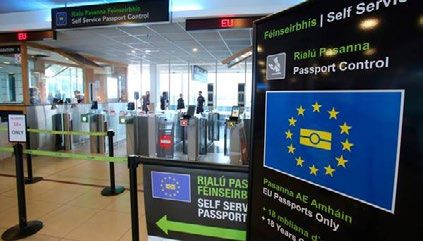
OUR PUBLIC SERVICE 2020

Achievements under the last reform plan were            The environment for
recognised by the OECD in their Assessment
                                                        public service reform
of Ireland’s Second Public Service Reform Plan
2014–2016 published in July 2017. This report           Ireland’s recovery from the sharp economic
concluded that the plan succeeded in creating           downturn at the end of the previous decade is
a public-service-wide approach to reform. It            now well established. The labour market had
particularly highlighted the significance of the        employment growth between 2012 and 2016
plan in both creating an impetus for reform and         averaging 2.4%, representing an increase of
identifying actions within each public service body     over 200,000 jobs. The economy is growing
to support the plan.                                    at a relatively robust pace and all sectors of the
                                                        economy have shown gains since 2012.
This next phase of reform will continue to embed
initiatives from the first two plans, while also        However, as a small country with one of the
supporting their evolution to meet new challenges.      most open economies in the world, Ireland
Our Public Service 2020 has been designed as a          is particularly exposed to the impact of
framework of 18 actions across 3 pillars. These         international trends such as globalisation,
actions were chosen following wide consultation         accelerating technological change, climate
across the civil and public service, including the      change and migration. These combined with
first ever public consultation on public service        major international developments, in particular
reform held in the summer of 2017 (see Annex for        the impact of the UK’s decision to leave the EU
details of consultation). This framework approach       and the change in policy direction by the new US
is designed to allow flexibility in implementing        administration, mean that the next phase of public
the actions to best meet the challenges faced in a      service reform takes place against a backdrop of
manner reflecting the diversity of organisations        considerable economic uncertainty. The continued
across Ireland’s public service. Many of these          effectiveness, efficiency and flexibility of the public
actions have a long horizon and will continue to        service will be a critical element in enhancing the
deliver beyond the lifetime of this framework.          resilience of the economy to external shocks, and
                                                        also in taking advantage of the opportunities that
The design of this framework will ensure that
                                                        will arise over the period of this framework.
there is a consistent focus on achieving key
outcomes. The framework includes actions to             In addition to operating within a continually
tackle barriers to effective service delivery such as   changing and increasingly complex environment,
capacity and skills constraints; promoting effective    the public service represents and serves a
collaborative working across organisations; and         growing and more diverse population with higher
greater innovation and flexibility. This framework      expectations of public service delivery. Social,
will also draw on the lessons learned through the       economic and demographic pressures also act as
implementation of previous plans. The focus on          drivers of change.
outcomes has also meant that many actions are
complementary and supportive of other actions           To meet the multiplicity of demands from such an
within the same pillar and within the framework as      environment requires the development of a more
a whole.                                                strategic, agile and integrated approach to public
                                                        service reform. The actions in this framework will
                                                        support such a system by:
                                                         »» moving to a more outcomes-driven focus to
                                                            ensure results for the public;
                                                         »» increasing collaboration across the public
                                                            service; and
                                                         »» developing a more evidence-driven and
                                                            responsive approach.

                                                                                                             6
OUR PUBLIC SERVICE 2020

The OECD Assessment                                        These outcomes reflect the longer-term impact
of the Public Service                                      of the framework in delivering improvements
                                                           across the 18 actions and will be measured using
Reform Plan 2014-2016                                      a range of methodologies, including national and
Before moving to the next phase of reform, the             international surveys and quantitative metrics
OECD were commissioned to assess the Public                from sources including the Central Statistics
Service Reform Plan 2014-2016. As part of this             Office, EUROSTAT and the Institute of Public
review the OECD also set out its considerations for        Administration, as well information developed by
the next phase of public service reform, taking into       public service organisations from customer and
account the changed environment. It identified the         employee surveys. As well as looking at outcomes,
following key areas of focus for the future:               it is also important to develop appropriate
                                                           measures of outputs. Each action in this
    1. focus on the outcomes of reform;                    framework has a set of possible output indicators
    2. embed an evidence and data-driven approach          associated with it. The newly established Public
       linking expenditure and reform;                     Service Reform Evaluation Unit in the Department
                                                           of Public Expenditure and Reform will work
    3. strengthen governance arrangements to widen
                                                           collaboratively with stakeholders and experts
       ownership of the reform framework and better
                                                           to identify appropriate indicators to measure
       define the roles of the centre and the sectors in
                                                           the successful implementation of actions in an
       achieving reform; and
                                                           effective and proportionate manner for each sector.
    4. drive public service innovation.                    The emphasis will be on identifying outputs and
                                                           outcomes that result in better public services for
These considerations have been reflected in the            our people and our businesses.
development of this framework, with innovation
reflected as one of three pillars of the framework.        In this regard, the publication in April 2017 of the
The other OECD recommendations relate to the               Public Service Performance Report 2016 is an
design, planning and governance of the framework           important step in demonstrating the performance
and are discussed over the remainder of this               of public services, presenting the spending in each
chapter.                                                   sector along with key outputs and outcomes for
                                                           that area. The performance-budgeting initiative
                                                           has sought to strengthen the focus on what the
Focus on the outcomes of reform                            public service delivers with public funds and to
                                                           build this into the policy-making process. This
Our Public Service 2020 is designed to move the
                                                           initiative will continue to be developed and refined
focus of reform to outcomes. Identifying outcome
                                                           with support from the Public Service Reform
indicators is challenging and measuring outcomes
                                                           Evaluation Unit.
is not straightforward, as many other contextual
factors may affect the quality/provision of goods
and services. However, the benefits from greater
accountability and better targeting of policy
outcomes can be significant.

In Our Public Service 2020, six high-level outcomes
are identified to measure success for the whole
public service over the longer term (see diagram
opposite) and to which this framework can
significantly contribute. These outcome indicators
will be used to assess the performance of this
phase of reform.

7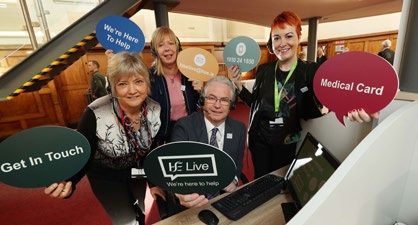
OUR PUBLIC SERVICE 2020

Six high-level outcomes for the public service

                               Increased
                                                              Increased
                               customer
                                                             public trust
                              satisfaction

                                           1                2
                                                                             Greater use
                Greater                                                      of digital to
               employee
              engagement
                                 6                                    3      do business
                                                                            with the public
                                                                               service

                                          5                4
                               Quality of                       Better
                             certain public                 government
                                services                    effectiveness

Ensure an evidence and data-                          allowing for a framework that can evolve as
driven approach linking                               implementation progresses.

expenditure and reform                                The link between expenditure and reform
                                                      initiatives can be further strengthened by aligning
Evidence-informed policy-making contributes
                                                      reform initiatives with relevant processes and
to better design and targeting of Government
                                                      functions developed on the expenditure side of
policy. This in turn leads to better outcomes for
                                                      the Department of Public Expenditure and Reform.
people, businesses and the public service itself.
                                                      These include the Irish Government Economic and
This approach will underpin development and
                                                      Evaluation Service (IGEES), the Public Spending
innovation across the public service. International
                                                      Code and the Spending Review process.
experience has shown that programmes where
implementation was monitored had significantly        The IGEES is an integrated cross-Government
better outcomes than those without monitoring.        service to enhance the role of economics and
Furthermore, the experience from previous             value for money analysis in public policy
reform plans has shown that an approach with          making. Established in 2012, the aim of IGEES
many prescriptive actions may limit flexibility       is to contribute to better design and targeting of
in addressing new evidence or policy changes.         Government policy and better outcomes for the
For this reason, while the framework lays out a       public. In additional to its role in developing a
three-year programme of reform, the approach          culture of evaluation and evidence (see Action
will be more responsive to data and information       11), it played, and will continue to play, a key role
regarding the implementation of reform projects       in supporting the reformed Spending Review
and emerging new initiatives. This is reflected       initiative.
in the governance and reporting arrangements,
which will also support ongoing decision-making
                                                                                                              8
OUR PUBLIC SERVICE 2020
The Spending Review 2017 aimed to develop There is also a need for evaluation of results from
an evidence base to inform the prioritisation of previous reform cycles in order to learn the lessons
current expenditure in a way that delivers efficient from past initiatives; to enable the development
and effective policies in the most sustainable of evidence-informed policy; continually review
manner possible within fiscal constraints. The 2017 progress; learn from failure; manage risk more
Spending Review identified a number of common effectively; and build on success in order to achieve
themes across the almost 20 spending areas strong policy outcomes for the public.
examined. The themes from this first spending
review highlight a number of common issues In relation to the framework, each of the actions
across sectors that will be addressed through the has a defined objective, rationale and clear
actions set out in Our Public Service 2020. The ownership. Resourcing for each action will be
sector-specific findings from the Spending Review identified across organisations as part of the
analysis will also allow for better identification implementation process. The formulation of the
of key sectors for piloting of cross-cutting reform actions is designed to allow for a strengthened
initiatives. approach to reporting. This approach will
support phased implementation through the
Common themes emerging from the 2017 Spending Review
Objectives/ The objectives of schemes and programmes
Rationale and the rationale for them must be clear
Data gaps need to be identified so data for
Data Gaps performance indicators and metrics can be
gathered in future
Need to assess sustainability of expenditure
Sustainability and how effectiveness and efficiency can be
improved
Policy must be flexible and able to
Flexibility respond to changing economic and social
circumstances
Co-ordination of cross-cutting policies must
Co-ordination be effective
Source: Based on Mid-Year Expenditure Report 2017, Department of Public Expenditure and Reform
9OUR PUBLIC SERVICE 2020
identification and overcoming of obstacles. It will The framework will be governed by the PSLB,
also allow for changes to the strategic direction comprising senior staff from across the public
through adjustment of actions over the life of the and civil service (see chapter 7 Governance and
framework, where appropriate, in order to optimise Implementation for more details on the PSLB).
outputs and outcomes. This strategic leadership The PSLB will report to the Cabinet Committee
will be enabled by the establishment of a new on Social Policy and Public Services and will
Public Service Leadership Board (PSLB). drive the 18 actions set out in the framework.
It will help the wider public service to work
together to implement cross-cutting reforms,
Strengthen governance to overcome barriers to collaboration, address
arrangements to widen common challenges, share best practice and
ownership of the framework identify better ways of working. Networks from
across the public service will report to the PSLB on
The approach taken for this next phase of reform is implementation of the framework actions. These
in line with broader international trends in setting networks will provide peer review and shared
a public-service-wide participative vision for the learning on overcoming common challenges in
reform initiative and agreeing a select number key areas such as customer service, innovation,
of cross-cutting priority areas and objectives. project management and strategic human resource
Lessons from the implementation of the Civil management.
Service Renewal Plan have guided the model of
governance for Our Public Service 2020. However, This structure will provide robust management
the public service is significantly larger and more and co-ordination at both senior management and
diverse than the civil service. This is reflected in project implementation levels to steer the process
the approach to integrating this framework into the and ensure wide ownership, which is in line with
wider landscape of national and sectoral reform the OECD’s emphasis on stronger governance
programmes to facilitate better co-ordination arrangements and a better-defined relationship
and collaboration between and across sectors. In between the centre and sectors as part of their
preparing this new phase of reform, a significantly considerations of the second phase of reform.
wider engagement process was undertaken with
the public, public service employees and with
academics and international experts. The results
of these consultation exercises have been reflected
throughout this framework and are summarised
in the Annex. Senior management buy-in and
support is also critical to delivering on this
framework.
10OUR PUBLIC SERVICE 2020
2. The Framework for
Our Public Service 2020
Our Public Service 2020 will build on the There are five actions under this pillar which
significant achievements of the previous phases of will build on advances already made in service
reform while, in parallel, pursuing new initiatives delivery in areas such as shared services and
to further develop the culture of continuous procurement. The development of digital services
improvement across the public service. The and eGovernment is key to improving service
overarching goals of Our Public Service 2020 are to delivery as is making better use of data and sharing
deliver better outcomes for the public and to build data more effectively between organisations.
public service organisations that are both resilient
and agile. Innovation is critical to ensure success
now and into the future. The framework is built on Innovating for our future
three key pillars.
The context within which public servants operate is
»» Delivering for Our Public increasingly complex and challenging. Technological
»» Innovating for Our Future innovations, the challenge of environmental
changes, geopolitical shifts, changing demographic
»» Developing Our People and Organisations patterns and other external factors are all shaping
our economy and society. The public service needs
The diagram opposite illustrates how
to be strategically placed to respond to challenges in
implementation of the actions will be supported by
the short, medium and longer term.
a strong underlying focus on evaluation in line with
the recommendations of the OECD’s Assessment of The pillar Innovating for Our Future has six
Ireland’s Second Public Service Reform Plan 2014-16. actions that seek to ensure that the strategies and
policies that direct the delivery of public services
The objectives of the framework will be achieved
are innovative and focused on the real impact of
through the implementation of 18 specific actions
policies and programmes on the Irish public. This
underpinning the 3 pillars. These actions are cross-
pillar aims to support innovation and collaboration
cutting strategic reforms that will be implemented
in how the public service operates and to make the
across the public service. These reforms, alongside
most of the skills and expertise that exist across
the sectoral strategies being led by departments
the service.
and agencies, comprise the package of reforms
being pursued across the public service.
The 18 actions are summarised below and detailed Developing our people
in chapters 3-5, with each chapter addressing a and organisations
specific pillar of the framework. For each action,
a short case study or case studies are included to The development of agile and robust public
showcase initiatives where these aims are already service organisations, and of public servants’ skills,
being put into practice by individual public service capacity and effectiveness are key goals of this
organisations. framework. Achieving this across a public service
that includes a diverse number of organisations
with different strategic goals and individual
Delivering for our public policies and practices is difficult. The framework
identifies a number of areas where there is
The pillar Delivering for Our Public is focused on potential to learn from one another and to share
delivering better and more cost-effective services best practice and experiences.
to the public. This will be achieved by using new
technology and better data to reduce costs while The pillar Developing Our People and Organisations
maintaining quality; by involving the public in has been formulated with these areas in mind. Its
the design and delivery of services; improving seven actions which will support public servants,
communication and engagement with the and the organisations in which they work, in
public; and also improving service quality and achieving effective management, and equip them
accessibility. with the right mix of skills and tools to deliver
quality services.
11Overview of the framework for Our Public Service 2020
E P
M xp ub
an en lic gy s
ag di a te ent
em tur r
St tem
en e a
t Governance and Accountability St
Delivering for Innovating for Developing our People
our Public our Future and Organisations
• Digital delivery • Innovation • Strategic HRM
• Customer service • Data • Workforce planning
• Accessibility • Strategic planning • Professional development
• Communications • Collaboration • Performance management
& engagement • Project management • Equality, diversity & inclusion
• Efficiency & effectiveness • Evidence & evaluation • Employee engagement
OUTCOMES
RESOURCES
• Culture & values
t
p or Appraisal and Evaluation Re
p m por
Su fro tre t in
n g
Ce
12
OUR PUBLIC SERVICE 2020OUR PUBLIC SERVICE 2020
Our Public Service 2020:
Headline Actions
Delivering for 1 Accelerate digital delivery of services
Our Public 2 Improve services for our customers
3 Make services more accessible to all
Significantly improve communications and engagement
4
with the public
5 Drive efficiency and effectiveness
Innovating for 6 Promote a culture of innovation in the public service
our Future 7 Optimise the use of data
8 Build strategic planning capability
9 Strengthen whole-of-government collaboration
10 Embed programme and project management
11 Embed a culture of evidence and evaluation
Embed strategic human resource management in the public
Developing 12
service
Our People and 13
Mainstream strategic workforce planning in the public
service
Organisations
14 Continuous and responsive professional development
15 Strengthen performance management
16 Promote equality, diversity and inclusion
17 Increase employee engagement
18 Review public service culture and values
13OUR PUBLIC SERVICE 2020
Chapter 03
Delivering for Our Public
Introduction Five actions have been identified as key priorities
under the pillar Delivering for Our Public. While
Central to the high-level goal of delivering better the actions under all pillars will contribute to the
outcomes for the public is service delivery. The achievement of the six high-level outcomes for
framework outlines two key aspects to improving the framework, this pillar will particularly enable
service delivery: responding to customers improved customer satisfaction, public trust,
and ensuring value for money in delivering government effectiveness and greater use of digital
services. The tools and opportunities created by services.
technological advances enable improvements
in how business is conducted; the optimisation
of engagement with the public in the design and
delivery of services and policy solutions; and Action 1:
ultimately in ensuring that public services meet
the needs of the Irish public. Accelerate digital delivery
The actions of this pillar are focused on continually
of services
improving the quality of customer service, making
services more accessible, increasingly through New and existing services will be moved to digital
digital delivery, engaging more with the public service provision in line with the eGovernment
and listening to their views while ensuring value and Public Service ICT Strategies. These strategies
for money. Central to effective engagement with will drive a more integrated, shared and digital
the public is clear communication. The aim is environment that will generate more efficiency
for clarity on what the public service delivers, and effectiveness in service delivery. The OGCIO
understanding on policy and resource decisions, will drive Digital First across the public service
ensuring the public are aware of their entitlements, through the Public Service ICT Strategy and will:
of the services offered and how to avail of them. »» develop a Digital Service Gateway (‘one-stop-
shop’ for digital services), using appropriate
Expectations for technology-enabled government
consultation across government and with
services have risen significantly in recent years
other stakeholders, including the public and/or
with the shift to digital technology such as the
their representatives;
escalating use of mobile devices, widespread
information-sharing and examples of innovation »» report information on existing digital services
in services such as banking, retail and travel. and planned services;
The Office of the Government Chief Information
»» we will explore the potential for assisted digital
Officer (OGCIO) is leading the implementation of
services to be carried out by trusted third
the Public Service ICT Strategy, published in 2015.
parties, for example libraries and post offices,
This strategy will drive a more integrated, shared
where requested and authorised by the citizen;
and digital environment, which will generate more
efficiency and effectiveness in service delivery. »» work with the Civil Service Management Board
and the Minister of State for eGovernment to
The National Shared Services Office (NSSO) and continually improve awareness of Government
the Office of Government Procurement (OGP) are digital services;
significant achievements in supporting the more
»» continue to work with the Department of
effective delivery of public services from previous
Employment Affairs and Social Protection to
reform plans. They will be further embedded and
enhance identity verification across the public
expanded as part of this pillar.
service and to increase the uptake of MyGovID
to bring safe and secure online government
services to our people and to expand the range
of public services available online;
14OUR PUBLIC SERVICE 2020
»» work with the Department of Business, CASE STUDY:
Enterprise and Innovation and other public
service bodies on a unique identifier for Passport Online - Department of Foreign Affairs
business to enable improved interaction with and Trade
Government; and
VE
LI
#renewonline
W
NO
»» progress legislation to promote and encourage
data sharing between public bodies through
the Data Sharing and Governance Bill. This
dfa.ie/passportonline
will ensure that data sharing is for legitimate,
clearly specified purposes and is compliant
with data protection law. It will also improve
PASSP RT RENEWAL?
the protection of individual privacy rights by www.dfa.ie | @PassportIRL
setting new governance standards for data
The Adult Passport Renewal Online Service
sharing and management by public bodies. was launched in March 2017. The service allows
applicants to submit full applications, including
This approach recognises that not all services
digital photographs online, wherever they are in the
are appropriate for digital delivery and not all
world. The service is user-friendly and innovative.
customers can or will engage digitally with It facilitates the uploading of digital photographs
Government. Digital First does not mean digital from home, via a pharmacy or a ‘Photo-Me’ digital
only and Action 3: Make services more accessible to photo booth.
all recognises this.
The process can typically be completed in fifteen
EU Digital Economy and Society Indicators and minutes and has resulted in very significant
eGovernment indicators will be used to measure improvements to the speed and processing of
success. The set of indicators will include as applications. To date over 86,000 passports and
appropriate: 28,000 passport cards have been issued following
online applications and the Passport Service is very
»» people’s (all age groups) use of eGovernment likely to reach a target of 120,000 applications (or
Services in the last 12 months; 30% of renewals) online within one year of launch.
»» level of hits on the Digital Service Gateway; CASE STUDY:
»» number of individuals interacting online with Garda eVetting Service - An Garda Síochána
public authorities in the last 12 months;
»» number of individuals submitting completed
forms to public authorities over the internet in
the last 12 months; and
»» customer satisfaction with digital services.
It is a legal requirement for any person working
with children or vulnerable adults to be vetted by
An Garda Síochána before commencing their role.
With demand for vetting growing exponentially
in recent years, An Garda Síochána launched its
eVetting service in 2016.
This new 24/7 online service enables people who
need Garda vetting to complete the required
documentation from anywhere across the globe.
The new service has streamlined the previous
34-step process to a 14-step process with an
electronic form, user friendly validations and
real-time tracking of applications. Turnaround
times, which were approximately 19 weeks, have
improved significantly and 80% of applications
are now vetted within 5 working days. This new
online service also won two awards at the 2017
eGovernment Awards.
15OUR PUBLIC SERVICE 2020
develop innovative collaborative approaches
to meeting user needs; and
Action 2: »» the RDO will continue to organise an annual
Improve services for our Quality Customer Service Conference to
customers share best practice and provide networking
opportunities for customer service officers
across the public service.
This action will support the delivery of a quality
service to the public and ensure effective feedback To measure success in this action suitable
tools are in place to survey customer experience, indicators will be identified or developed, and may
identify areas needing improvement and follow- include the following as appropriate:
up to check if those improvements have been
delivered. The Reform and Delivery Office »» the percentage of frontline staff and
(RDO) in the Department of Public Expenditure managers who receive customer service and
and Reform will be responsible for oversight of communications training;
implementation, in conjunction with all customer- »» the number of customer charters published;
facing public service organisations. To implement and
this action:
»» customer satisfaction based on appropriate
»» public service organisations will provide surveys and other tools.
training to improve the quality and
consistency of customer engagement across CASE STUDY:
the public service with a particular focus on HSE National Ambulance Service
staff and managers in frontline services, using,
for example, the OneLearning programme that
covers the civil service;
»» public service organisations will consider
putting in place Quality Assurance
Programmes in public service organisations
where they do not already exist, to quality
assure services;
»» the Quality Customer Service Network (QCSN)
will review its role and responsibilities with
a view to improving consistency in customer The HSE National Ambulance Service (NAS)
service and customer engagement, including operates a fleet of 500 vehicles from over 100
identifying best practice in customer services locations across the country. A significant reform
and sharing learnings across the public service; programme has been underway in the NAS which
includes new digital technology infrastructure,
»» public service organisations will review their advanced priority dispatch systems and new
customer charters and ensure that they are command and control centres.
ambitious and reflect their commitment to
continual improvement in service delivery; NAS introduced 91 new vehicles into its services in
2017. It recently won an ESAI sustainable energy
»» public service organisations will continue award for the energy efficiency of the new vehicles,
to use the customer satisfaction surveys, which include solar panels and other energy saving
and tools such as focus groups, to get direct features. This initiative is part of ongoing work to
feedback from customers. This action will also deliver a safe and responsive service which strives
contribute to delivering Action 4: Significantly for high performance and efficiency while coping
improve communications and engagement with with increasing demand for services with the
the public; patient at the centre.
»» public service organisations, supported by the
RDO, will assess the results of this feedback
from customers both to gain insights on the
quality of customer service being provided and
as the basis for more cross-sector exchanges
on how to improve satisfaction levels, and
16OUR PUBLIC SERVICE 2020
»» support customers to access digital
government services. The Getting Citizens
Action 3: Online Programme, for example, is focused
Make services more on encouraging and empowering people to
participate fully in Ireland’s digital economy
accessible to all and society. The Digital Exclusion Unit in the
Department of Communications, Climate
All public services should be easily accessible by Action and Environment works with OGCIO
all members of the public, including those with in delivering the Getting Citizens Online
diverse needs regardless of language, culture, Programme.
literacy or ability and also migrants and people
in vulnerable situations. Whole-of-government To measure success in this action suitable
strategies such as the Migrant Integration Strategy, indicators will be identified or developed and may
2017-2020 and the National Disability Inclusion include the following as appropriate:
Strategy, 2017-2021 contain actions designed to »» the accessibility of service as measured by the
ensure that public services are available to all, results from customer satisfactions surveys
especially to groups who have particular needs. and other related tools such as focus groups;
Public service organisations will continue to report »» the number of organisations that avail of Plain
to the Department of Justice and Equality on how Language training; and
they implement whole-of-government strategies
»» feedback from the public on the use of
in this area and furthermore will:
Plain Language in both Irish and English
»» design services that are accessible to all, taking as measured by the results from customer
account of the diverse needs of customers. satisfaction surveys.
Service design is an emerging and innovative
approach to improving public services that CASE STUDY:
allows the public to be involved in the design National Access Plan for 2015-2019 - Higher
of public services from the outset (see Action Education Authority
4); The aim of the
»» use plain language as set out in Plain English National Plan for
Style Guide for the Public Service prepared Equity of Access to
by the RDO in the Department of Public Higher Education
2015-2019 is to
Expenditure and Reform to improve customer
support increased
experience and reduce the need for repeated
access and
contact. The Breacadh publication, Cuir Tú participation in
Féin in Iúl/Get Your Message Across, provides higher education by
plain language tips for writing in Irish; six main target groups, including sub-groups such
»» ensure that public services in the Irish as lone parents or vulnerable migrants. The Plan’s
five priority goals have performance indicators, so
language are available, in line with the 20 Year
that progress can be accurately measured.
Strategy for the Irish Language, 2010-2030;
»» improve face-to-face, telephone, written Actions include addressing non-progression;
developing a system for the recognition of prior
and web-based interaction with customers.
learning; reviewing the Fund for Students with
The Customer Communications Toolkit for
Disabilities; and developing measures to engage
the Public Service gives advice on how to directly with communities with low participation
improve accessibility across all our means of rates. A mid-term review is expected to commence
communication with the public; and by the end of 2017 and will provide up-to-date
data on progress and help to ensure that students
entering and staying in higher education accurately
reflect the national population.
17OUR PUBLIC SERVICE 2020
»» Public service organisations will conduct
regular customer surveys to identify areas
Action 4: where services could be improved and feed the
Significantly improve results back to central government.
communications and »» The RDO in the Department of Public
Expenditure and Reform will develop case
engagement with the studies showcasing good practice from across
public the public service on the theme of public
engagement for publication in 2018.
The public and businesses should have greater
input into the planning, design, implementation
and review of public services. This action will
4b: Communications
enhance engagement and accountability around »» Public service organisations will provide a
the delivery of public services. All public service clear map of the services they provide on the
organisations will be involved in implementing home page of their website so customers can
this action in collaboration with the newly access the right services in a timely manner.
established Strategic Communications Unit in
»» Customer-facing public service organisations
the Department of the Taoiseach and the Press
will have effective communications strategies
Officers’ Network. To implement this action there
in place and use both new and traditional
are two sub-actions.
methods to communicate effectively.
»» The Strategic Communications Unit will focus
4a: Engagement on simplifying Government communications
and increasing efficiencies across the public
»» Public service organisations will continue
sector when dealing with the Irish public. It
to improve engagement with the public and
will streamline communications for citizens,
businesses through mechanisms such as
develop and deliver major cross-Government
open policy debates, focus groups, seminars,
communication campaigns and improve
social media and crowd-sourcing solutions
communications capacity across Government.
from the public, academics, practitioners and
experts. The learnings from these platforms To measure success in this action suitable
will allow the development and application of indicators will be identified and developed and
new approaches to policy design, evaluation, may include the following as appropriate:
consultation and implementation.
»» the number of responses to public
»» Public Participation Networks, which are now consultations. Departments will report on
established in all Local Authority areas, will how public service consultations are being
continue to be developed and strengthened to implemented and level of engagement from
provide a mechanism for citizen engagement, the public, both individuals and civil society
ensuring that local voices are heard in decision organisations; and
making at local level.
»» the results of surveys of business customers,
»» Public service organisations will continue the public and focus groups on issues related
to improve engagement with individuals on to communications and engagement.
those services where better outcomes can be
achieved by designing the service around the
specific needs of the individual, building on
work already undertaken in the health sector.
»» Public servants will follow the 2016 Public
Consultation Principles and Guidance. At
central level a consultation website in line
with Ireland’s Open Government Partnership
National Action Plan 2016-2018 will be
developed to make consultations easier to
access.
18OUR PUBLIC SERVICE 2020
CASE STUDY:
South Dublin County Council ‘Where your Action 5:
money goes’
It’s important for
Drive efficiency and
local authorities to effectiveness
communicate how
they make a practical All public organisations in Ireland are obliged to
impact on people’s treat public funds with care, and to ensure that
lives in their the best possible value for money is obtained
community. While whenever public money is being spent or invested.
newsletters, social
Sub-action 5a will ensure a continued emphasis
media and
on ensuring value for money principles are
consultation portals
play a part, they can adhered to across the public service. As part of this
often have a limited broader approach to ensuring value for money,
reach. In 2015, in an which is also supported by other actions in this
effort to framework, notably Action 11: Embed a culture
communicate more directly with the public, South of evidence and evaluation, the introduction of
Dublin County Council decided to publish and shared services and centralised procurement in
circulate to every household a simple infographic of earlier phases of reform will be further integrated
where money is expended to the benefit of local in public service operations and expanded into
communities. This initiative took account of the new areas. The National Shared Services Office
introduction of Local Property Tax and the (NSSO) and the Office of Government Procurement
heightened interest in how public money is used at
(OGP) will continue to create a more efficient and
local level. The brochure Where Your Money Goes
effective public service through the following
had a very positive response as it demonstrated the
County Council’s commitment to transparency and two sub-actions; (b) to enhance the value from
accountability. shared services and (c) to embed the centralised
procurement model across the public service.
CASE STUDY:
Launch of HSELive 5a: Value for Money
To ensure a consistent and robust approach is in
place for ensuring the efficient and effective use of
public funds, all public organisations will:
»» ensure value for money is obtained by
complying with the requirements of the Public
Spending Code, which brings together in one
place all of the elements of the value-for-
money framework that has been in force up to
Navigating the health system can be tricky so now, updated and reformed in some respects;
the HSE has created HSELive to offer guidance and
and support to people accessing health services.
»» identify appropriate indicators and metrics
HSELive is a new multi-platform public information
to assess and evaluate the efficiency and
and signposting service which lets people know
where to go and what to do in order to get the effectiveness of their spending in line with
services they need for themselves and for their international best practice.
families.
Launched in September 2017, HSELive is designed
with the end user in mind, to provide information
and signposting on health services for the public in
a way that works for them. It includes a LiveChat
function on HSE.ie and also responds to questions
from the public on Twitter, by email or by phone.
The HSELive team is available six days a week.
19OUR PUBLIC SERVICE 2020
To measure success in this area suitable indicators Specifically, the success of the shared service
will be identified or developed and may include model will be measured in the following ways:
the following as appropriate:
»» improved customer service, through specific
»» adherence to the Public Spending Code will be reporting metrics, evidence of enhanced client
monitored through: engagement and increased use of self-service
functionality;
• reports from the Comptroller and Auditor
General; »» reduced cost per interaction once Shared
• analysis conducted as part of the Spending Service Centres are fully operational;
Review process; »» reduced response time to individual queries;
• performance budgeting data and and
information; and
»» reduced number of interactions per query.
• evaluations and other analyses such as
Focused Policy Assessments. CASE STUDY:
Payroll Shared Services Centre - National Shared
5b: Enhance the value Services Office
from shared services
Shared services transform daily operational
functions common to all Departments and,
through a programme of process standardisation,
system consolidation and higher levels of
automation and self-service, help Government
Departments and public service bodies to focus
on effective frontline service delivery. In this way
shared services help the public service to deliver
more and better services to people and businesses.
The NSSO will:
The payroll of the Office of the Revenue
»» establish the new Finance Shared Service Commissioners migrated into the Payroll
Centres with all initial phase Departments and Shared Service Centre. One of the benefits of the
organisations on board; transfer into Shared Services was that staff from
Revenue were released from the administration
»» increase the value from existing and emerging of transactional payroll functions. This enabled
Shared Service Centres; the Office of the Revenue Commissioners to focus
»» develop data analysis for better management its resources on the delivery of its key objectives
and increase its provision of frontline services,
insights;
providing a direct benefit for the public. Revenue
»» digitise and standardise back-office processes re-assigned the staff formerly administering
where possible; and payroll into supporting the commencement of
the administration for the collection of the Local
»» further reduce duplication of functions and Property Tax.
streamline processes.
20OUR PUBLIC SERVICE 2020
5c: Embed the centralised The success of the centralised procurement model
procurement model across will be measured through:
the Public Service »» the availability of framework agreements and
contracts for goods and services that meet the
The centralised procurement model for goods needs of public service bodies;
and services leads to greater professionalisation
in public procurement, reduces risk for the »» achieving a balanced approach to public
State, promotes and enhances compliance with procurement which takes into account both
procurement rules, strengthens data-gathering value for money for public service bodies and
and analysis thus leading to better informed access to public procurement opportunities by
procurement processes, and enables better value small, medium and large-scale enterprises;
for money for the taxpayer. The OGP will lead on »» the increased professionalisation of public
this action, working with its sectoral partners in procurement across the public service and the
Health, Education, Defence and Local Government availability of procurement expertise as well
as well as with Offices and Departments across the as user-friendly templates and guidance on
public service and will continue to: public procurement for use by public service
»» develop new centralised arrangements for bodies; and
procurement of goods and services and work »» greater insight into expenditure on goods and
with public bodies to promote their use across services across the public service so that the
the public service; work with bodies such OGP and its partners can put in place targeted
as Enterprise Ireland and InterTrade Ireland and appropriate procurement arrangements.
to help educate suppliers on tendering for
Government contracts in order to promote CASE STUDY:
their engagement with public procurement Automatic Border Control (ABC) Gates - OGP on
opportunities; behalf of the Department of Justice and Equality
»» work with industry representatives through
the Small to Medium Enterprise (SME)
Working Group to address concerns about
access to public procurement opportunities
and the impact of centralised procurement on
SMEs, as well as promoting SME awareness of
an engagement with public procurement;
»» strengthen common policies, processes and
procedures to comply with national and EU
rules; The procurement of ABC Gates at Dublin airport,
»» strengthen the professionalisation of public with options for gates at other Irish ports of entry
procurement across the public service; and related services, was conducted by a multi-
agency team, led by the OGP.
»» develop a medium-term strategy for the
procurement of public works projects; The e-Gate project will add capacity and security
to the State’s immigration service, providing
»» work with stakeholders to enhance data an improved passenger experience through
analytics on expenditure on goods and self-service and speedier passage through the
services; immigration process.
»» support key Government initiatives where An innovative, high-quality solution was delivered
commercial and procurement skills are to schedule at a very competitive cost. The
required; and collaborative approach adopted by the project
team was key to ensuring that the objectives of the
»» support broader public policy imperatives.
project were met.
21You can also read


