Overview of the Ministry of Education, Culture, Sports, Science and Technology - Japan - 文部科学省
←
→
Page content transcription
If your browser does not render page correctly, please read the page content below

Overview
of the Ministry
of
Education, Culture, Sports,
Science and Technology
- Japan
INDEX

                                Organization of the Ministry of Education, Culture, Sports, Science and
                         4      Technology (MEXT)

                                Chronology of the Ministry of Education, Culture, Sports, Science and Technology (MEXT)

                     Introduction of the Bureaus

                         6      Education Policy Bureau                                   ● EDUCATION

                         8      Elementary and Secondary Education Bureau                 ● EDUCATION

                       12       Higher Education Bureau                                  ● EDUCATION

                       14       Science and Technology Policy Bureau                     ● SCIENCE & TECHNOLOGY

                       16       Research Promotion Bureau                                ● SCIENCE & TECHNOLOGY

                       18       Research and Development Bureau                          ● SCIENCE & TECHNOLOGY

                       20       Japan Sports Agency                                      ● SPORTS

                       22       Agency for Cultural Affairs                              ● CULTURE

                       24       Minister’s Secretariat / Director-General for International Affairs

                       25       Department of Facilities Planning and Disaster Prevention

                       26       Statistics

                       30       Introduction of Related Independent Administrative Institutions

                       31       Map and Directory

02   Ministry of Education, Culture, Sports, Science and Technology
EDUCATION

                           SCIENCE &
                           TECHNOLOGY

SPORTS

                                  CULTURE

             Ministry of Education, Culture, Sports, Science and Technology   03
Minister

                                                            Parliamentary Vice-                   Special Advisor to the                         Secretary to the
                State Ministers (2)
                                                                Ministers (2)                           Minister                                    Minister

                   (Administrative) Vice Minister

                                         Senior Deputy Ministers (2)

                                                                                         Elementary and Secondary                                               Science and Technology Policy
          Minister’s Secretariat                       Education Policy Bureau                                                Higher Education Bureau
                                                                                             Education Bureau                                                              Bureau

             Personnel Division                            Policy Division                    Policy Division                        Policy Division                   Policy Division

      Management and Coordination                  Analytical Research Planning
                                                                                         Financial Affairs Division          University Promotion Division    Planning and Evaluation Division
              Division                                        Division

                                                  Educational Human Resources
       Budget and Accounts Division                                                     School Curriculum Division           Technical Education Division     Human Resources Policy Division
                                                         Policy Division

                                                                                                                                                                Research and Development
                Policy Division                   International Education Division       Student Affairs Division              Medical Education Division
                                                                                                                                                                  Infrastructure Division

                                                   Lifelong Learning Promotion                                                   Student Support and          University-Industry Collaboration
        International Affairs Division                                               Early Childhood Education Division
                                                             Division                                                             Exchange Division             and Regional R&D Division

                                                  Community Learning Promotion                                                   National University
                                                                                     Special Needs Education Division
                                                            Division                                                         Corporation Support Division
     Department of Facilities Planning
        and Disaster Prevention                  Gender Equality, Cohesive Society    Media, Information and Foreign
                                                   Learning and Safety Division        Language Education Division

                Policy Division                                                                                             Private Education Institution
                                                                                            Textbook Division
                                                                                                                                    Department

         Local Facilities Aid Division                                                Health Education and Shokuiku         Private Education Institution
                                                                                                 Division                      Administration Division

          National Facilities Division                                                                                    Private Education Institution Aid
                                                                                     Upper Secondary School Division
                                                                                                                                     Division
          Disaster Prevention and
                                                                                                                            Private Education Institution
          Technical Affairs Division
                                                                                                                               Management Division

                                            Director-General for
                                            International Affairs

 Chronology of the Ministry of Education, Culture, Sports, Science and Technology (MEXT)
     1871             Ministry of Education established

     1872             Promulgation of the school system

     1947             The Basic Act on Education, School Education Law, enacted

     1949             Scientific Technical Administration Committee established
                      Law for the Protection of Cultural Properties enacted; Protection of Cultural Properties Committee established (external bureau of the Ministry of
     1950             Education, Culture, Sports Science and Technology)
     1956             Science and Technology Agency established (external bureau of the Prime Minister'’s Office)

     1959             Council for Science and Technology Policy established

     1961             Sports Promotion Law enacted

     1964             Tokyo Olympics held
                      Agency for Cultural Affairs established (merging of the Protection of Cultural Properties Committee and the Ministry of Education Cultural Affairs
     1968             Bureau)
     1972             Sapporo Olympics held

     1984             National Council on Education Reform established (to 1987)

     1995             Science and Technology Basic Law enacted

     1996             First Science and Technology Basic Plan formulated (to FY2000)

     1998             Nagano Olympics held

     2000             Basic Plan for the Promotion of Sports formulated (to FY2011)

04    Ministry of Education, Culture, Sports, Science and Technology
Organization of the Ministry of
Education, Culture, Sports,
Science and Technology
(MEXT)
(as of October 2020)
MEXT Staff Japan Sports Agency for
Ministry
Members Agency Cultural Affairs
2,150 1,729 120 301
Agency for Cultural Affairs
Policy Division
Planning and
Japan Sports Agency Coordination Division
Cultural Economy and
Policy Division
International Affairs Division
Research and Development Organs under MEXT
Research Promotion Bureau Japanese Language
Bureau jurisdiction Sports for Health Division
Division
Policy Division Policy Division National Institute for
Educational Policy Research Competitive Sports Division Copyright Division
Basic Research Promotion Earthquake and Disaster-Reduction
Division Research Division Cultural Resources
International Affairs Division
National Institute of Science Utilization Division
Scientific Research Institutes and Technology Policy
Ocean and Earth Division First Cultural Properties
Division Olympic and Paralympic Games
Division Division
Scientific Research Aid Division Environment and Energy Division Second Cultural
Special Institutions Community Development Properties Division
Division
Space Development and
Life Sciences Division Religious Affairs
Utilization Division The Japan Academy
Sports Organizations Support Division
Information Science and and Private-Sector Cooperation
Atomic Energy Division Division Culture and Creativity
Technology Division The Headquarters for
Earthquake Research Division
Materials Science and Promotion
Nuclear Liability Division Arts and Culture
Nanotechnology Division
Division
Japanese National
Commission for UNESCO
Food Culture Division
Cultural Tourism
Division
Special Institutions
The Japan Art Academy
MEXT established (merging of the Ministry of Education, Science Sports and Culture and the Science and Technology Agency as a result of the
reorganization of central government ministries and agencies)
2001 Fundamental Law for the Promotion of Culture and the Arts enacted
Second Science and Technology Basic Plan formulated (to FY2005)
First Basic Policy on the Promotion of Culture and the Arts formulated (to FY2006)
2002
Five-day week system implemented for schools
Third Science and Technology Basic Plan formulated (to FY2010)
2006
Revision of the Basic Act on Education enacted
2007 Second Basic Policy on the Promotion of Culture and the Arts formulated (to FY2010)
2008 First Basic Plan for the Promotion of Education formulated (to FY2012)
Third Basic Policy on the Promotion of Culture and the Arts formulated (to FY2015)
2011 Fourth Science and Technology Basic Plan formulated (to FY2015)
Basic Act on Sport enacted
2012 First Sport Basic Plan formulated (to FY2016)
2013 Second Basic Plan for the Promotion of Education formulated (to FY2017)
Fourth Basic Policy on the Promotion of Culture and the Arts formulated (to FY2020)
2015
Japan Sports Agency established (external bureau of the Ministry of Education, Culture, Sports, Science and Technology)
2016 Fifth Science and Technology Basic Plan formulated (to FY2020)
2017 Second Sport Basic Plan formulated (to FY2021)
Third Basic Plan for the Promotion of Education formulated (to FY2022)
2018
First Basic Plan on the Promotion of Culture and the Arts formulated (to FY2022)
Ministry of Education, Culture, Sports, Science and Technology 05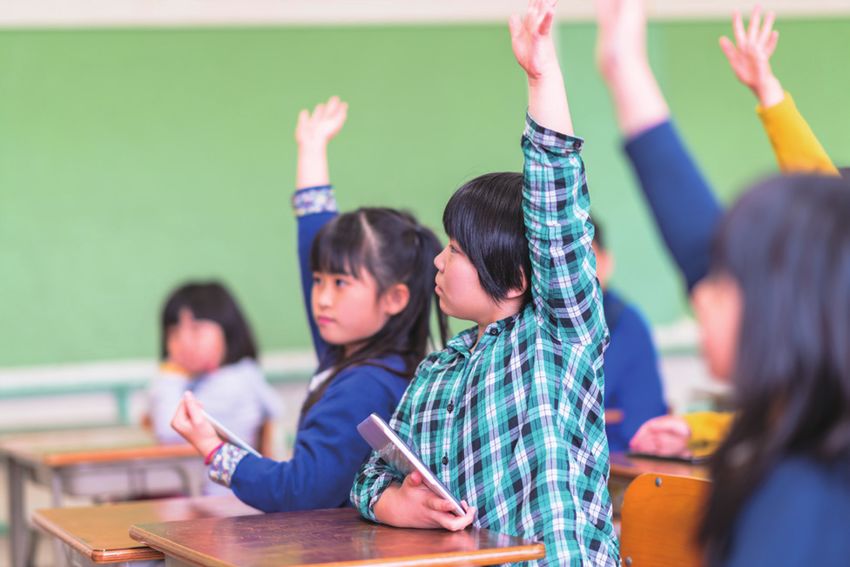
EDUCATION
Promoting Educational Reform
The Third Basic Plan for the Promotion of Education was formulated
(Cabinet decision in June 2018) based on the Basic Act on Education.
MEXT promotes education policy, focused on maximizing possibilities
and chances for individuals, toward the era of the 100-year lifetime and
Education
Society 5.0 (super smart society). The ministry will promote educational
reform in a timely fashion, while promptly ascertaining changes in the
educational environment in Japan, including an aging and shrinking
population, rapid technological innovation, further globalization and
Policy Bureau
informatization.
It is indispensable to promote policy making based on comprehensive
and objective evidence (evidence-based policy making: EBPM) in order
to effectively and surely implement education policy. In addition to core
statistical surveys, such as the School Basic Survey and the Social
Promoting the entirety of Education Survey, MEXT conducts the National Assessment of Academic
Ability and surveys concerning education in foreign countries.
education policy comprehen
sively in a cross-sectoral manner
to develop an environment to Fostering Specialized Human Resources Who
Support Education
enable people to learn as
Strengthened efforts to foster specialists who support education are
needed and live a fruitful life indispensable for surely implementing education policy.
The enhancement of school education largely depends on the quality
and abilities of teachers, who directly play the central role, and therefore,
In order to realize the concept of lifelong improving teachers' quality and abilities is a significant policy issue for
enhancing education for children. MEXT will steadily reform the fostering,
learning prescribed in the Basic Act on recruiting and training of teachers in an integrated manner so that
Education, MEXT plans and designs basic teachers can gain professional and practical leadership. The ministry
reviews means of fostering teachers in response to newly arising
education policy based on comprehensive and educational problems, examines measures to secure excellent personnel,
objective evidence, and promotes education further enhances the content of training for teachers, trains managerial
personnel, and improves professional graduate schools for teacher
responding to globalization of society, lifelong
education, thereby supporting vocational development of teachers
learning, learning in local communities and throughout their careers.
Additionally, MEXT integrally promotes training and development of
learning to live together from the perspective of
social education supervisors and other personnel, as well as librarian
fostering personnel, developing an environment teachers and school librarians. In this manner, the ministry strives to
and offering support for businesses. comprehensively foster specialized human resources who support
education
Policy Division
Analytical Research Planning Division
Educational Human Resources Policy Division
International Education Division
Training at the National Institute for School Teachers and Staff Development
Lifelong Learning Promotion Division
Community Learning Promotion Division
Promoting Education Responding to
Gender Equality, Cohesive Society Learning and Safety Division
Globalization of Society
In order to achieve sustainable growth and development in the current
society where globalization is accelerating, it is indispensable to develop
the educational environment and promote human resources development
responding to such moves.
MEXT has been promoting international exchange by offering support
for high school students' overseas education and has been taking
measures to provide Japanese children living overseas with educational
opportunities equivalent to those at schools in Japan by dispatching
teachers to overseas Japanese schools, providing textbooks free of
charge, and enhancing the ICT environment, including the preparation of
one ICT terminal per student and the development of peripherals. With
regard to children of foreign nationals, whose numbers are expected to
06 Ministry of Education, Culture, Sports, Science and Technology
further increase in Japan, MEXT endeavors to ascertain the situation and Based on the Fourth Basic Plan to Promote Children's Reading
encourage their attendance in schools and develop a special guidance (Cabinet decision in April 2018), the ministry endeavors to help children
system to improve education for children and students requiring build the habit of reading and raise their interest in books, in accordance
Japanese language instruction. with their developmental stages from infants and preschoolers to
Through these initiatives, MEXT will support children's learning in elementary school children, junior high school students and senior high
accordance with their diverse needs, while responding to accelerating school students. MEXT also examines ways to help students develop the
globalization. required sovereign power and promotes voter education.
Promoting Lifelong Learning Promoting “Learning to Live Together”
In the era of the 100-year lifetime, it will become more and more Developing an environment for learning as the basis of people's social
important to cultivate people's abilities and skills for working as participation and activities is necessary for enabling all people to respect
professionals throughout life or otherwise promote lifelong learning and support each other, participate in society with confidence and pride,
through school education and social education. and enjoy a safe, peaceful and fruitful life, irrespective of gender or
In addition to facilitating enrollment in the Open University of Japan and whether having any disabilities or not.
promoting education at specialized training colleges, MEXT promotes MEXT comprehensively supports and promotes “learning to live
related measures systematically, including recurrent education at together”,such as increasing opportunities for learning activities for
universities and career education and vocational education from the creating gender-equal society under the Basic Act for Gender-Equal
stage of elementary and secondary education, with the aim of achieving Society and the government's Basic Plan for Gender Equality based
a society where anyone can learn anywhere at any time. thereon, and lifelong learning of persons with disabilities under the
MEXT also designs and operates a mechanism to properly evaluate Convention on the Rights of Persons with Disabilities, etc.
achievements in learning such as through encouraging people to work Additionally, the ministry aims to create a safe and peaceful inclusive
towards private certification examinations and organizing Upper society through promoting high-quality school safety measures against
Secondary School Equivalency Examination, and has been endeavoring traffic accidents of children on their way to and from school, natural
to develop infrastructure to enable people to participate in high-quality disasters and cases involving suspicious persons, in collaboration with
learning activities as many times as they want throughout life, while local communities. Specifically, the ministry strives to develop community-
seeking collaboration with various lifelong learning-related measures of based networks to protect children's safety and provide safety education
other ministries and agencies. to children so that they acquire the quality and abilities to act independently
to ensure their own safety and to also contribute to the safety of local
communities. The ministry also takes countermeasures against harmful
environments for juveniles such as for preventing damage by online
crimes, and further improves consumer education toward the lowering of
the age of adulthood in 2022.
Promoting Learning in Local Communities
In order to sustain the vitality of society amid depopulation, it is essential
to enrich individuals' lives and strongly promote learning in local
communities for solving local issues and vitalizing communities in
collaboration with school education and home education.
MEXT promotes School-Community Partnerships by implementation
of Community School (School Management Council System) to utilize the
power of local communities in school management, and promotion of
"Community Cooperation Activities for Learning and Education" through
involving the entire community in fostering children, who are the torch
bearers of our future, while aiming to vitalize respective communities.
These activities, in collaboration and cooperation between schools and
communities, include community development through education, local
studies, After-school Classes for Children, and learning support for junior
and senior high school students (Chiiki Mirai Juku: community-based
learning support). At the same time, the ministry develops community
learning sites, such as community learning centers and libraries.
MEXT promotes initiatives to support home education depending on
the circumstances of respective communities with the aim of assisting
children's sound development and helping parents provide home Children cooperatively creating a local disaster prevention map (Kochi Prefectural Board of
Education)
education without worry, and also promotes the national "Early to Bed,
Early to Rise, and Don't
Forget Your Breakfast"
campaign to improve
children's daily rhythms as
a society-wide initiative.
MEXT promotes various
experience-based learning
activities including interna
tional exchanges to foster
richness in humanity and a
spirit of cooperativeness
that are needed to survive
in today's society. In
addition, the "National In
stitution for Youth Educa
tion," which has 28 youth
education facilities nation
wide, provides experience-
based learning activities
and supports private
entities engaged in youth
education.
Children's Reading Day poster
Ministry of Education, Culture, Sports, Science and Technology 07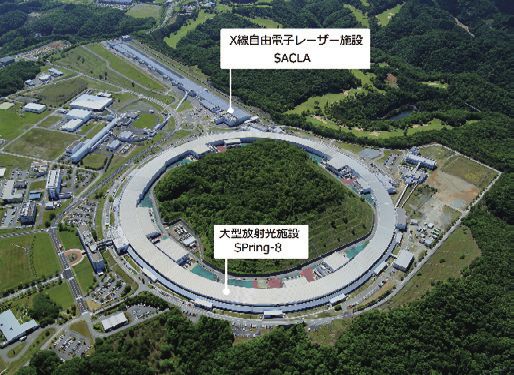
EDUCATION
Elementary Developing "Competencies for Living
and Secondary (Ikiru Chikara)"
MEXT established the National Curriculum Standards as a standard for
Education Bureau
formulation of school curriculums to ensure a certain level of education
throughout the country.
Along with the rapid progress of artificial intelligence (AI) and
globalization,etc., social changes are accelerating and becoming more
and more difficult to predict and increasingly complicated. In order to
surely develop the competencies of children necessary for creating their
Planning educational enhance future under such circumstances, MEXT revised the National Curriculum
Standards for kindergartens and elementary and lower secondary
ments from preschools through schools in March 2017 and for upper secondary schools in March 2018.
elementary, lower and upper These new National Curriculum Standards have been being implemented
sequentially, with those for kindergartens implemented in FY2018, those
secondary schools or equivalent for elementary schools in FY2020, those for lower secondary schools in
FY2021, and those for upper secondary schools in gradual implementa
schools to foster the world's top tion.
level academic ability and nor Also, with regard to the National Curriculum Standards for special
needs schools, MEXT revised those for kindergarten, elementary, and
mative consciousness lower secondary departments in April 2017, and those for upper
secondary departments in February 2019. These new National Curriculum
Standards have been being implemented sequentially, with those for
MEXT develops education to nurture in all kindergarten departments implemented in FY2018, those for elementary
departments in FY2020, those for lower secondary departments in
children competencies for living, focused on FY2021, and those for upper secondary departments in gradual imple
the overall balance among solid academic mentation.
From now on, schools are required to foster children's development in
ability, richness in mind and a healthy body, and a manner that each child can recognize his/her own good points and
promotes fostering of globally-minded possibilities and respect all others as valued members of society, and will
grow up to be an active player in creating a sustainable society, while
individuals who will lead society in the future. overcoming various social changes in cooperation with diverse people
MEXT also works to maintain and enhance the and exploring his/her own rich life. Therefore, the new National Curriculum
Standards aim to realize a "curriculum open to society" to foster children's
national educational level by improving competencies jointly with society, while sharing the goal of creating a
teachers' quality and constructing the better society through better school education. MEXT has been
endeavoring to surely foster competencies that will be required in the
necessary teaching frameworks for educators. future through lesson improvement from the perspective of proactive,
interactive and authentic learning (so-called active learning) and
curriculum management. MEXT aims to ensure that children will grow to
be members of society who can utilize what they learned at school in
Policy Division actual life in society by fostering three types of strengths, namely,
"knowledge and skills" for living and working in real society, "abilities to
think, make judge and express themselves" for responding to
Financial Affairs Division unprecedented circumstances, and "motivation to learn, and humanity."
for utilizing what one learned in life and society, in a well-balanced manner.
School Curriculum Division
Student Affairs Division
Early Childhood Education Division
Special Needs Education Division
Media, Information and Foreign Language Education Division
Textbook Division
Health Education and Shokuiku Division
Upper Secondary School Division
08 Ministry of Education, Culture, Sports, Science and Technology
● Strictly prohibiting physical punishment
   Constructing Necessary Teaching Frameworks                                     The School Education Law strictly prohibits corporal punishment.
   for Educators                                                                MEXT works to spread thorough awareness of prohibiting corporal
                                                                                punishment by carrying out fact finding surveys on corporal punishment
   Every Japanese citizen is guaranteed an equal opportunity to receive         and to highlight the differences between discipline and corporal
compulsory education. In order to maintain standard compulsory                  punishment using specific case studies.
education, the law stipulates important factors within the school
educational environment including the number of students per class and          ● Developing and promoting of career education
teacher placement. Moreover, as elementary, lower and upper secondary             MEXT promotes career education to foster necessary skills for children
public school teachers are regarded as local public employees, the              to lead independent lives. Knowledge of entrepreneurial experience and
government shoulders one-third of school teachers' salaries based on            reviving regional communities have come to be regarded as important
the Compulsory Education System Funded by Tax Revenues.                         perspectives.
   Through this system, MEXT promotes the reform and enhancement of
teacher training systems for school education including compulsory
education, while comprehensively assessing the efficacy of its policies
with a diversity of purposes and means of education in mind.
   In addition, there are various problems that teachers have difficulty in         Promoting Special Needs Education
dealing with on their own in today's schools, as the environment
surrounding children has become more complicated and diverse, and the              Special needs education for students with disabilities aims to fully
social demand for improving the quality of school education has been            develop students' capabilities, independence and social participation in
increasing. Therefore, based on the "Team Gakkou (School as a Team)"            consideration of the educational needs of every individual. In order to build
idea, MEXT appoints diverse personnel from outside, in addition to              the inclusive education system as proposed by the UN Convention on the
teachers already placed in each school, and establishes organizations           Rights of Persons with Disabilities, MEXT promotes special needs
where the teachers and other personnel share a wide variety of work,            education by providing students with appropriate guidance, educational
aiming to improve the educational function of school and to realize             materials, assistive devices, and necessary support in diverse places
education that                                                                  including classes for special needs education, special support services in
                                                                                resource rooms and regular classes at regular elementary and lower
                                                                                secondary schools, as well as classes at schools for special needs
                                                                                education, according to every individual's specific disabilities.
corresponds to the needs of each child.
   Work Style Reform of Schools

   Nowadays, the environment surrounding schools has become
increasingly complex and diverse, and roles expected for schools are
expanding: for example, facing the issue of child poverty or increasing
requests from parents. Teachers are also required to improve the quality
of education by reforming classes, and to deal with various educational
issues. Against this background, MEXT promotes the Work Style Reform
of schools to reduce teachers' long working hours and to have them
secure time to come face-to-face with children by the following measures:
thorough efforts to ensure proper sharing and assigning of work of
schools and teachers and appropriate management of duty hours, and
developing the environment necessary for each measures.

   Tuition Support for Children and Students
                                                                                Children passing a baton in a relay race
   MEXT provides financial support to reduce educational costs so that all
children and students can securely receive an education regardless of
their families' financial situations. These financial supports include school
aid to lower-income households at the elementary and middle school
stage, the High School Tuition Support Fund System that covers tuition
fees, and the High School Supplemental Scholarship System for lower-
income households that does not require repayment and covers other
related expenses.

   Dealing with Undesirable Behavior such as Bullying, Prohibiting
   Corporal Punishment, and Promoting Career Education
● Dealing with undesirable behavior
  MEXT encourages the early detection of and response to undesirable
behavior such as bullying by promoting moral education, sufficient
hands-on experience activities, preventive measures, counseling
systems, and collaboration between related organizations.

                                                                                              Ministry of Education, Culture, Sports, Science and Technology   09
EDUCATION

      Developing Strength to Survive Information-
                                                                                                 Promoting Early Childhood Education
      oriented Society and Globalized Society
 ● Promoting informatization of education – for Achieving the GIGA                                Early childhood is a crucial period that builds the base for lifelong
 School Initiative –                                                                         character formation. As such, it is important that every young child is
    The utilization of ICT has become normal in all aspects of social life. For              provided with quality preschool education. MEXT strives to (i) mitigating
 children who will live in the era of Society 5.0, ICT terminals such as                     the economic burden for users with free early childhood education; (ii)
 smartphones, tablets, and PCs are must-have items in the same manner                        upgrade educational content for kindergartens by implementing the
 as pencils and notebooks. Establishment of an ICT environment that                          National Curriculum Standard for Kindergartens revised in March 2017;
 secures one ICT terminal per student is now considered to be the basic                      (iii) enhance the quality of early childhood education through running
 standard for schools in the Reiwa era.                                                      projects for constructing a childhood education promotion system for
    Under the GIGA School Initiative, MEXT has been developing the ICT                       local governments; and (iv) accept children who are waiting for the
 environment at schools, beginning with the preparation of one ICT                           admission to day-care centers at kindergartens based on the Plan for
 terminal per student at the compulsory education stage with the aim of                      Raising Children with Peace of Mind.
 achieving optimal personalized learning for each child and cooperative                           In addition, under the Comprehensive Support System for Children
 learning among multiple children through enhancing education fully                          and Child-rearing that started in April 2015, early childhood education
 utilizing ICT.                                                                              and care, as well as childcare support by the community, are to be
    Additionally, MEXT endeavors to make comprehensive development                           provided comprehensively to all children and households rearing children.
 integrating not only hardware but also software and human resources, by                     Relevant ministries and agencies are collaborating with each other to
 offering support for improving teachers' ability to use ICT in teaching,                    establish common benefits (facility-type benefit) system via kindergartens,
 promoting the cultivation of children's information literacy and the use of                 day-care centers, and centers for early childhood education and care,
 ICT in course instruction, considering means to effectively utilize                         and to improve the center for early childhood education and care system
 advanced technologies and education data, promoting dissemination of                        and enhance child-rearing support in accordance with the circumstances
 digital textbooks for learners, and facilitating utilization of external experts            of respective communities (Local Children/child-rearing Support Service).
 in developing and utilizing the ICT environment.                                                 Furthermore, the Act Partially Amending the Children and Child Rearing
                                                                                             Support Act (Act No. 7 of 2019) came into effect in October 2019 and
 ● Nurturing globally-minded individuals                                                     kindergartens, day-care centers and centers for early childhood education
    With the advance of globalization, it is necessary to nurture globally-                  and care were made free for all children aged 3 to 5.
 minded individuals who excel in communication skills, subjectivity and
 understanding towards different cultures, from early stages of elementary
 schools as well as lower and upper secondary schools.
    The new National Curriculum Standards for elementary schools came
 to be implemented in full in FY2020, and foreign language activities were
                                                                                                 Enhancing School Textbooks
 commenced for students in the third-grade or higher and foreign
 language classes were commenced for students in the fifth-grade or                             School textbooks play an important role as the main learning material
 higher. From elementary to lower and upper secondary schools, students                      of subjects used in classes at school to advance children's learning.
 learn to hear, read, speak and write in English and cultivate the ability to                Textbooks do a great deal to ensure a child's equal opportunity to receive
 mutually exchange information and views so that they will develop an                        an education. In order to maintain and improve national education
 attitude to continue learning foreign languages and subjectively                            standards, they must be used in elementary, lower and upper secondary
 communicate with others throughout their lives. MEXT has been offering                      schools, and special needs schools, etc.
 various support to schools and boards of education for improving the                           Japan has introduced the textbook authorization system. All textbooks
 teaching ability of teachers in charge of English education and has been                    written and edited by private publishers are authorized in accordance
 promoting the utilization of ICT and assistant language teachers (ALTs).                    with the National Curriculum Standards and Textbook Authorization
    Furthermore, in addition to the Super Global High School Project to                      Standards. Boards of education, etc. then decide which textbooks to
 develop curricula that can respond to progressing globalization, MEXT                       adopt from among authorized textbooks. Moreover, Japan has adopted
 newly launched in FY2019 a project to support development of the World                      free supply of textbooks which is implemented to further disseminate free
 Wide Learning (WWL) Consortium, which aims to realize more advanced                         compulsory education, and has promoted special course textbooks such
 learning for high school students and nurture globally-minded individuals                   as enlarged textbooks so that students with disabilities can learn
 with innovative ideas who can work globally in the future, and a project to                 sufficiently.
 nurture glocal leaders who support local communities with a global point                       Through the amendment of the system in FY2018, it was made
 of view, in collaboration with respective local communities, for the                        possible to use digital textbooks as needed, while paper textbooks
 purpose of achieving the goal of "Society 5.0."                                             remain to be used mainly. MEXT will continue its efforts to further enhance
                                                                                             the learning of all students and improve accessibility to the content of
                                                                                             textbooks through the utilization of digital textbooks.

                                                                                                   Free Textbook System
                                                                                                  The system to provide school textbooks for compulsory education free of charge.
                                                                                               It aims to realize the spirit of free compulsory education stipulated in Article 26 of the
                                                                                               Constitution of Japan. It has been implemented for over 50 years since 1963, and
                                                                                               has widely taken root in Japan. The system aims to deepen the national awareness
                                                                                               of students who represent the next generation and reduces the educational
                                                                                               expenses of households. The subjects of this system are school textbooks for all
                                                                                               subjects in compulsory education. For FY2019, a budget of around 44.8 billion yen
                                                                                               has been allocated for this system, and a total of around 100 million textbooks were
                                                                                               distributed to about 9.71 million students.

From YouTube MEXT channel series, "Foreign Language Education will Change in this Manner!"

10    Ministry of Education, Culture, Sports, Science and Technology
Promoting a Flexible Education System Suitable
for a New Era
Children eating school lunch (Shimanto City, Kochi)
● Providing learning opportunities at evening classes for lower secondary
schools School lunches
Evening classes for lower secondary schools are expected to play
various roles in substantially guaranteeing opportunities to receive School lunches are provided by establishers of compulsory
education institutions. By providing balanced meals, they aim to
compulsory education for individuals over school age who have not promote children's good health and have children learn about diet.
completed compulsory education, individuals who have graduated from School lunches are utilized as living education materials.
lower secondary schools without receiving sufficient education due to Children learn the significance of diet and mental and physical
various circumstances such as school non-attendance, and individuals of good health, acquire the ability to select an appropriate diet, develop
foreign nationalities who could not receive sufficient compulsory a sense of gratitude and socializing skills and understand food
culture through having school lunches.
education in their home countries or in Japan.
MEXT set up a policy aiming to establish at least one lower secondary
school offering evening classes in each prefecture and in each designated
city, depending on its population size and city function, and has been
encouraging prefectures and designated cities to consider establishment Reform of Upper Secondary School Education
through support measures. At the same time, MEXT has been
endeavoring to develop an environment to ease entry and enrolled in
evening classes. Upper secondary schools have a variety of students with diverse
motivations, plans after graduation, and learning experience, etc. They
are expected to provide distinctive and attractive education in response
to the learning needs of such students. MEXT encourages upper
Enriching School Health Education secondary schools to make themselves distinctive and attractive so that
they can motivate diverse students on an individual basis to learn and
In order to realize the sound growth of children both in body and in develop their capabilities to the fullest possible extent. The ministry
mind, it is essential to advance measures concerning school health, food facilitates schools' efforts for realizing advanced and diverse learning in
education, and school lunches. collaboration with local communities and higher education institutions,
In order to correspond to children's increasingly diverse and conducting Learning Assessment for upper secondary school students,
complicated health issues including allergies and mental health and to and promoting vocational education in the fields of agriculture, industry
ensure that children can manage and maintain good health by themselves and commerce.
throughout life, MEXT promotes health education covering problems of
smoking and drinking habits and substance abuse, as well as sex
education. The ministry promotes the establishment of School Health
Committees that facilitate children's good health in collaboration among
schools, families and local professional organizations, etc., or otherwise
promotes the organization of school health systems in respective schools.
The ministry also seeks collaboration with local health and medical
institutions in order to promote efforts integrally with respective
communities.
Furthermore, MEXT strives to promote food education headed by diet
and nutrition teachers, whose system was commenced in FY2005, to
equip children with correct knowledge on food and diet and the ability to
make judgment independently, and to help them establish desirable
eating habits, so that they can have a sound diet throughout their life. The
ministry also promotes efforts to utilize locally produced ingredients and
serve local cuisine and traditional dishes for school lunches.
Ministry of Education, Culture, Sports, Science and Technology 11EDUCATION
Improving Undergraduate and Graduate Schools
● Promoting measures for future university education
Japan is now confronted with various domestic issues including
declining birthrates and an increasingly aging society. At the same time,
the nation must also grapple with the drastic societal changes such as
Higher Education
globalization and a coming knowledge-based society. Against this
backdrop, universities play an extremely important and diverse role for
the nation's well-being and socio-economic development through
Bureau
nurturing well-educated human resources with high level of expertise and
solving social problems through various studies.
Universities also take a role as the center for the revitalization of local
communities, and are expected to actively lead society by creation and
dissemination of new knowledge and values.
In order to respond to the nation's needs, MEXT certainly implements
Planning promotion of higher university reform to bring up Japanese university education to the highest
international standards, considering the proposals and deliberations of
education focusing on un der the Council for the Implementation of Education Rebuilding and the
Central Council for Education.
graduate and graduate schools
● Quality assurance of university education
As universities aim to foster the diverse knowledge needed to function
MEXT pursues various policies as follows to in the 21st century, the quality of undergraduate education must first be
reformed to foster students' subjective thinking and learning. The Central
promote higher education: assures the quality Council for Education has also proposed the need for qualitative changes
of education through approval of the in university education. In order to ensure the quality of university
education from admission to graduation, the council has developed and
establishment of universities, junior colleges, introduced three integrated policies (diploma, curriculum, and admission
policies) in addition to proposing a reform in a system of certified
and colleges of technology and evaluations; evaluation and accreditation.
supports university education reform; and Moreover, the final report of the Council for Reform on the System of
Articulation of High School and University has addressed specific
fosters high-level professionals. At the same measures for facilitating a smooth transition from high school to university
by making integrated changes to high school and university education as
time, MEXT performs administration for the well as to selection of university entrants.
selection of students' admission, student Working against this backdrop, MEXT is examining further measures
and working to reform the current system and regulations, etc. At the
support, internationalization of universities and same time, the ministry is working to secure the budget needed to
foreign student exchanges, and the invigoration guarantee and enhance the quality of university education through
various initiatives, including reforming the smooth transition from high
of incorporated national universities. In addition, school to university.
the ministry promotes private schools through ● Enhancing graduate education
tax incentives, subsidies and administrative The Central Council for Education suggests that graduate schools
should play a central role in nurturing "knowledge professionals" who will
guidance and advice. lead society in order to respond to expected social changes in the future.
Based on this suggestion, MEXT has been striving to achieve
constitutional improvement of university education through creating and
cross-sectionally expanding outcomes of the WISE Program (Doctoral
Program for World-leading Innovative & Smart Education), which aims to
Policy Division foster excellent doctors who lead all sectors and to establish bases for
human resources development and personnel exchanges and for
sustainable development of new joint research projects.
University Promotion Division
Technical Education Division
Medical Education Division
Student Support and Exchange Division
National University Corporation Support Division
Private Education Institution Department
Private Education Institution Administration Division
Practical training in the WISE Program
Private Education Institution Aid Division
● Supporting educational reform of national, public and private
universities
Private Education Institution Management Division In order to solve policy issues in need of swift correspondence by
higher educational institutions such as strengthening the quality and
functions of university education, MEXT strives to advance the
development of innovative and pioneering educational research programs
along with supporting measures to establish education research bases in
a competitive environment whether for national, public, or private schools.
12 Ministry of Education, Culture, Sports, Science and Technology● National university reform dealing with society's demands
Since the incorporation of national universities in April 2004, each
national university corporation has endeavored to strengthen functions
Promoting Private Schools
individually taking advantage of their own founding principles and
characteristics. Amid today's rapid socioeconomic changes, national Japan's private schools carry out unique educational and research
universities are expected to actively contribute to further advance Japan's activities in the spirit of their founding and play an important role in
growth and development. Japanese school education. Seventy percent of university and junior
MEXT establishes operational goals to be achieved by national college students, 30 percent of upper secondary school students and 80
university corporations once every six years, and national university percent of kindergarteners go to private schools in Japan.
corporations are required to make plans to achieve those goals, MEXT works to promote the stable and continuous management of
respectively. For the period for the third medium-term objectives, which private schools through measures including subsidies focused mainly on
started in FY2016, MEXT advocates the need for each national university operating costs, loans through the Promotion and Mutual Aid Corporation
corporation to promote reform by making the most of their respective for Private Schools of Japan, tax incentives and support for administrative
strengths and characteristics in order to maintain competitiveness guidance and improvement.
sustainably and create high added value. In FY2017, the ministry
launched a Designated National University Corporation System aiming to
achieve world-leading education and research activities. In addition,
through a system reform, the ministry has made it possible for national Promoting the Internationalization of
university corporations to secure funds in various ways by allowing them Universities and Two-way Student Exchanges
to lend land, etc. in FY2017 and easing regulations on long-term
borrowings and bond issuance in FY2020, thereby encouraging their The world is rapidly globalizing in various aspects, and giving people
voluntary and independent operations. MEXT will proceed with the reform the skills needed to play an active role in the international arena is
so that respective national universities may respond to society's demands becoming increasingly important. Playing a vital role in developing highly
utilizing past initiatives for enhancing their functions. capable human resources, Japanese universities are strongly expected
to work on internationalizing their education and research environments
● Fostering high-level professionals, etc. and technicians and promoting two-way student exchanges.
Universities train advanced professionals with highly specialized MEXT is moving ahead with the Top Global University Project, which is
knowledge and skills based on the needs of various industries. In the designed to support universities that are making an all-out effort to open
medical-related field, for example, MEXT works to foster outstanding their doors to the rest of the world through collaboration with overseas
medical doctors who aspire to work in regional medical care and universities, as well as the Inter-University Exchange Project, which
outstanding medical researchers who work on creating future medicine, provides support to collaborative programs with universities in strategically
who are able to respond to society's rapid medical needs. important countries and regions while assuring the quality of higher
Professional graduate schools assume a leadership role in various education and so on. There were approximately 42,000 exchange
areas of society, providing graduate courses (professional degrees) which agreements between Japanese and foreign universities in 2017. An
specialize in fostering highly-specialized professionals who will be active increasing number of universities have established systematic and
internationally. These schools have been established to train professionals continuous programs by collaborating with foreign universities through
in the fields of law (law schools), education (professional graduate schools credit transfer and double degree programs.
for teacher education), accounting, business administration, management MEXT is also working to create the Asian Higher Education Community
of technology (MOT) and public policy. and promote interaction among students in the region through discussion
Professional and vocational universities, professional and vocational and development of guidelines for ASEAN countries, Japan, China and
junior colleges, and professional and vocational courses aim to foster South Korea.
specialized professionals who are industry-ready with practical skills in As of May 2019, there were 312,214 international students studying at
specialized fields and have the ability to create new goods and services. Japanese universities, etc. while 58,408 Japanese students went abroad
As of April 2020, nine professional and vocational universities and two to study in 2017.
professional and vocational junior colleges were opened. Moreover, MEXT promotes the "TOBITATE Young Ambassador
Colleges of technology are institutions of higher education which Program" aiming to support students' studying abroad with cooperation
provide specialized education with an emphasis on experimentation and from the private sector and is also working on promotion of the strategic
practical training over a period of five years for students who have acceptance of outstanding international students in order to facilitate
completed lower secondary school education. These colleges foster exchange of Japanese and foreign students.
practical and creative technicians who represent the backbone of
manufacturing.
Scholarship Programs
Scholarship programs are important educational measures for the
goals of equal educational opportunity and human resource development.
They are broadly implemented by various organizations including the
Japan Student Services Organization (JASSO).
In April 2020, MEXT launched a new academic support system for
higher education consisting of the introduction of a system for the
reduction and exemption of tuition fees and the expansion of the grant-
type scholarship program. Under this new system, MEXT secures
chances for students with clear career visions and motivation to learn at
universities, junior colleges, colleges of technology, or professional
training colleges even if they have difficulties in going on to these schools
due to financial reasons. Send-off party for 8th TOBITATE Young Ambassador Program participants
The coverage of JASSO's interest-free scholarship loans was
expanded significantly in FY2017 and loans have come to be provided to
all eligible applicants. An income-contingent repayment scheme, in which
the amount of monthly repayment is linked to the individual's income after
graduation, was also introduced and has been implemented.
Ministry of Education, Culture, Sports, Science and Technology 13SCIENCE &
TECHNOLOGY Making Plans and Proposals for Basic Policies
on Science and Technology
MEXT comprehensively promotes science and technology based on
the Fifth Science and Technology Basic Plan (FY2016-FY2020) with the
aim of making Japan the world's most innovative country. Based on this
Science and
plan, the Science and Technology Policy Bureau contrives, formulates,
and implements science, technology and innovation policies for realizing
sustainable growth and the advancement of society. Moreover, the
Technology
bureau has established the Council for Science and Technology, which
examines and broadly deliberates important policies. The council actively
contributes to the implementation of the Basic Plan by looking at overall
progress of the plan and providing feedback.
Policy Bureau Conducting Research and Assessment on
Science and Technology Policy
Creating necessary frameworks
MEXT investigates and analyzes domestic and international trends in
for continuous innovation science and technology, and works on enhancing policies and plans
based on objective evidence by promoting "science for re-designing
MEXT plans and proposes basic policies to science, technology and innovation policies" (SciREX). In addition, MEXT
formulates "Guidelines for Evaluation of Research and Development in
realize continuous innovation in science and MEXT" and implements R&D evaluation according to the guidelines.
technology, implementing cross-sectoral Moreover, based on the Science and Technology Basic Act, MEXT
initiatives in line with its science and technology annually compiles science and technology-related policies implemented
by the government and prepares the annual report on the promotion of
innovation policies. Specific initiatives include science and technology (White Paper on Science and Technology), which
research and assessments on science and is submitted to the National Diet.
technology and development of human
resources in science and technology, from
students to leading researchers and engineers. Nurturing Human Resources in Science and
MEXT also strategically promotes international Technology-related Fields
activities in science and technology areas and
collaboration among universities, industries,
and the government; advances science and
technology in regional areas; and works on
improving, sharing and creating research
platforms for research and development
infrastructure.
Policy Division
Teams from different prefectures across Japan competing in the 7th Japan High School Science
Championships (source: Japan Science and Technology Agency)
Planning and Evaluation Division
Facing rapid depopulation, falling birthrates, and population aging,
Human Resources Policy Division Japan must foster and secure various human resources who work for
science and technology innovation in order to continue growth and
Research and Development Infrastructure Division create new values. While expanding the range of people working in
science and technology-related fields, MEXT advances efforts to foster
University-Industry Collaboration and Regional R&D Division outstanding researchers by systematically promoting the cultivation of
human resources at each stage from elementary, lower and upper
secondary school education to higher education, in addition to efforts to
continue fostering those who have received doctoral degrees. MEXT is
also taking measures to encourage active participation in society of
various individuals including young, female and foreign researchers,
research assistants and professional engineers, while promoting research
integrity.
Targeting all people from children to adults with the aim of deepening
their interest and understanding broadly concerning science and
technology, MEXT has prepared a series of posters, "One per Household,"
every year and delivers them to schools and science museums, etc.
14 Ministry of Education, Culture, Sports, Science and Technologynationwide and makes them available on its website. utilizing intellectual property, and promoting regional science and
technology. Generally, university-originated ventures can promptly
conduct social implementation of technology seeds that may be highly
risky but have high potential for creating new businesses, and they are
important as players in sparking innovation. Accordingly, MEXT is
promoting the creation of university-originated ventures and fostering of
entrepreneurship.
Enhancing Research and Development
Infrastructure
In order to produce cutting-edge research outcomes, the research
facilities, equipment and devices used by researchers, which are the
foundation upon which their research and development (R&D) rests, must
Poster, "One per Household: Antarctica – Window Showing the Future of the Earth"
be maintained at the latest international standards. MEXT works on
maintaining and upgrading large research facilities such as SPring-8
(large synchrotron radiation facility), SACLA (X-ray free-electron laser
facility), and J-PARC (high intensity neutron beam facility), and promoting
Strategically Promoting International Activities their shared use. Additionally, MEXT is facilitating a public-private
in Science and Technology partnership plan for next-generation synchrotron radiation facilities, for
which industry needs are highly expected in addition to needs in the
It is very important to strategically expand Japan's science and academic research field. In addition, the ministry promotes R&D along
technology internationally to strengthen and maintain our international with the application of state-of-the-art measurement analysis technologies
competitiveness. Therefore, MEXT promotes science and technology and equipment, which are not only fundamental but instrumental to R&D
collaborations with various countries and international organizations. in a wide range of fields.
MEXT also promotes international joint research, through “science and MEXT also proactively promotes R&D of quantum science and
technology diplomacy”, which combines Japan’s cutting-edge science technology, which is becoming more and more important as a
and technology with diplomacy. Furthermore, MEXT facilitates fundamental technology for creating scientific and technological
international exchanges of researchers by dispatching Japanese innovations, with the aim of utilizing the technology in solving significant
researchers and accepting foreign researchers with the aim of building an problems in Japan's economy and industry, while striving to maximize the
international research network. function of the National Institutes for Quantum and Radiological Science
The Sustainable Development Goals (SDGs) were launched by the and Technology as a platform to support Japan's quantum science and
United Nations as goals in order to comprehensively deal with wide- technology.
ranging problems concerning the economy, society and the environment. Seeking breakthroughs exercising a significant impact on economy
MEXT compiled the ways in which it could contribute to the achievement and society, MEXT promotes high-risk and high-impact R&D with
of the SDGs through its science and technology innovation (STI) policies challenging goals for the purpose of proactively creating discontinuous
and formulated the "MEXT STI for SDGs Package." Based on this policy innovations.
package, the ministry is striving to facilitate STI for SDGs.
X-ray free-electron
laser facility
SACLA
Large synchrotron
radiation facility
SPring-8
Gene analysis experiment on rice conducted under the Science and Technology Large synchrotron radiation facility (SPring-8); X-ray free-electron laser facility (SACLA) (RIKEN:
Sayo-cho, Hyogo) (source: RIKEN)
Research Par tnership for Sustainable Development (SATREPS) project:
"Rice Farming Research for Tailor-made Growing and Cultivation Technology
Development" (partner country: Kenya)
Establishing a Systemic Virtuous Cycle of Human
Resources, Knowledge, and Capital for Innovation
Establishing a systemic virtuous cycle of human resources, knowledge,
and capital is vital to sparking the innovation that will help the regional
revitalization and growth of Japan and vitalize research at universities and
other facilities. To this end, MEXT has been implementing projects for
promoting collaborative research among the government, industry and
academia, assisting universities in establishing large-scale university/
industry collaborative research and development platforms, strategically
Ministry of Education, Culture, Sports, Science and Technology 15You can also read


