OVERVIEW OF TRANSMODEL, NETEX AND SIRI: KEY ASPECTS, CHARACTERICTICS & DIFFERENCES - DATA4PT
←
→
Page content transcription
If your browser does not render page correctly, please read the page content below
Overview of Transmodel, NeTEx and
       SIRI: key aspects, characterictics &
                   differences
                                              Webinar
                                         12 April 2021

                Christophe Duquesne, DATA4PT expert

Data4PT has received funding from the European Union’s DG for Mobility and Transport under grant agreement No
MOVE/B4/SUB/2019-104/CEF/PSA/SI2.821136
                                                                                                                1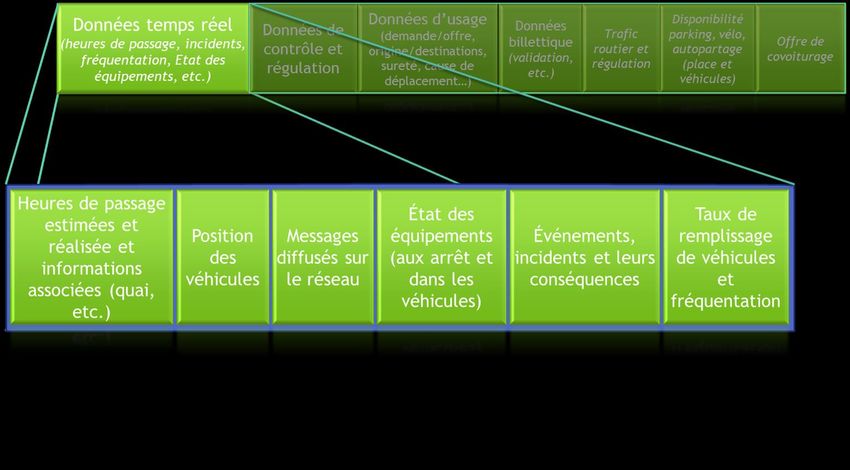
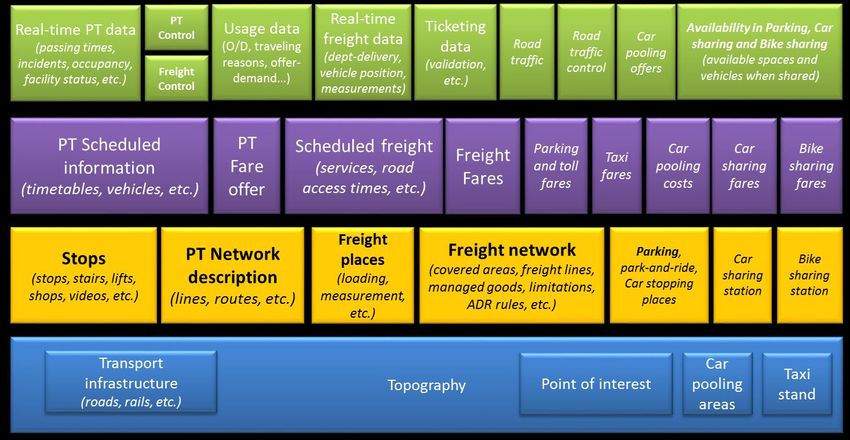
Data categories for mobility

   28/03/2021   2
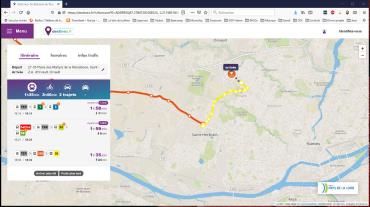
Standards and categories
        NeTEx

  28/03/2021   3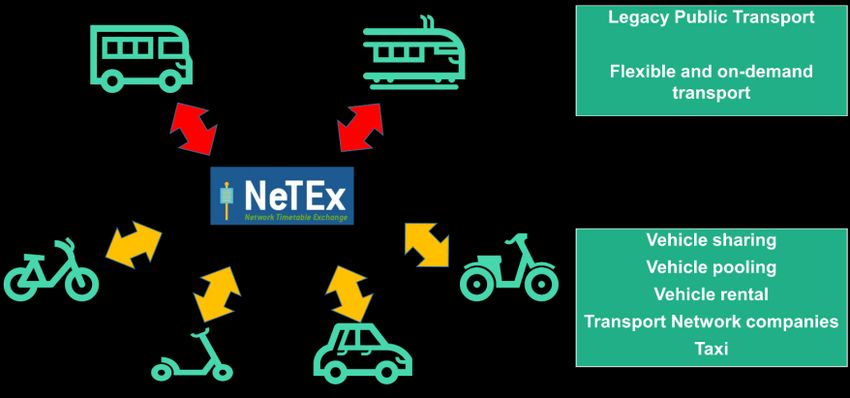
Standards and categories
         SIRI

  28/03/2021   4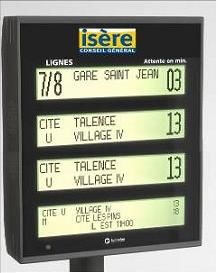
Data categories in mobility

         Real-time PT data
           (passing times,
       incidents, occupancy,
         facility status, etc.)

Estimated & actual
passing time, other                     Transmitted   Status of the                        Occupancy
                                                                      Events, incidents
    associated           Vehicle        messages      equipment (in                           rate in
                                                                          & their
    information          position          in the        stops &                            vehicles &
                                                                       consequences
(boarding platform                        network       vehicles)                         frequentation
        etc.)

                                  28/03/2021                   5
Standards and categories
      Transmodel

  28/03/2021   6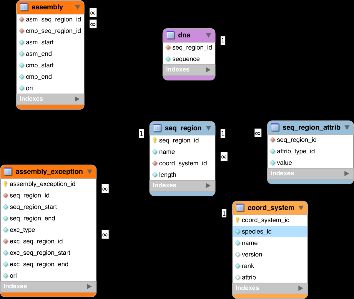
Public Transport related business cases

• Multiple and often complex buisiness cases
• Each system or tool has a specific (and partial) point of
  view
     Mobility needs analysis and transport plan
               definition (Authorities)
                                                  Rostering, scheduling (timetable,
            Scheduling and production plan              vehicle, run times…)

                                                       AVMS (Automateg Vehicle
                        Operations                       Monitoring System)

                                                  Journey planner, displays, app &
                  Passenger Information                      web sites

                Indicators and statistics              Analysis, BI, optimisation

         Fare offer definition and Ticketing              Ticketing systems

                             28/03/2021            7
PT Standard dependencies
TRANSMODEL
Conceptual data model covering
all the public transport data domaine
NeTEx SIRI OpRa
Exchange data format for
Exchange data format for Exchange data format for observed information
scheduled information real time information
GTFS
GTFS
RT
28/03/2021 8Transmodel: use cases examples
CEN EN 12896 1 to 10
Conceptual data model
Shared vocabulary
Definition of consistent exchange protocols
Definition od database model
Usefull for any Public Transport business case
Consistency accross systems: base of interoperability
28/03/2021 9NeTEx: use cases examples
CEN TS 16614-1 to 5
Scheduled data exchange
To feed journey planner
Passenger information system feed
Open data feed (often as an ehanced complement to
GTFS)
AVMS feed
Exchange for co-operated network
Late schedule update (on a specific day) dissemination
Ticketing system feed
28/03/2021 10SIRI: use cases examples
CEN EN 15531-1 to 5
Real-time data exchange
Realtime data hub feed
Journey planner feed
Realtime display system feed
Control Center feed and dissemination
Multi-operator connection operation
Situation management and publication
Multi-operator, shared vehicle operation (i.e. EBSF)
28/03/2021 11Profiles
Standards are by their nature, consensus documents, taking into account a wide
range of requirement coming from multiple national mirror groups
The scope of a standard is much further than the one of a single use case
Standards’ documents are often quite large and detailed (also due to the expected
detail level and stand writing editorial rules)
Standards contains a lot of non mandatory features (services, attributes, processes,
etc.)
Specific local rules (reference data set, coding, local processes, etc.) are not
described in standards
A profile
• facilitates the implementation of a standards
• improves interoperability
by
• focusing only on what is needed
• filling the small gaps voluntarily left by the standard
• taking into account the local context.
28/03/2021 12Thank you for your attention!
www.data4pt-project.eu/
@Data4PT
DATA4PT Project
28/03/2021 13You can also read


