Parents presentation - Riverside College
←
→
Page content transcription
If your browser does not render page correctly, please read the page content below
Parents
presentation

               Security marking: PUBLIC
Purpose of this presentation

 • To inform parents about choices for students after Level 3 study
 • Look at the role of UCAS when they apply for Higher Education (HE)
 • To explain how the College will be supporting students through the process
   of applying to Universities/Colleges offering HE

                                                                    Security marking: PUBLIC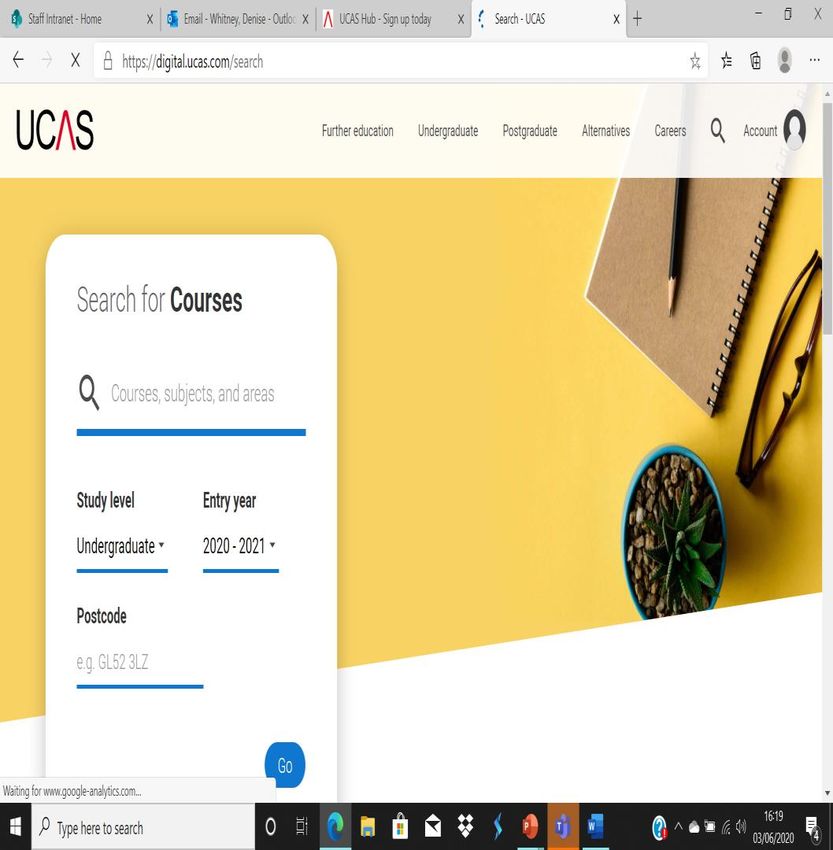
Choices available
• Entering Higher Education (HE)
• Apply for Apprenticeships/Traineeships
  (Intermediate, Advanced, Higher/ Degree)
• Studying Abroad
• Taking a gap year
• Seek full time employment

To understand options visit www.ucas.com/alternatives

                                                        Security marking: PUBLIC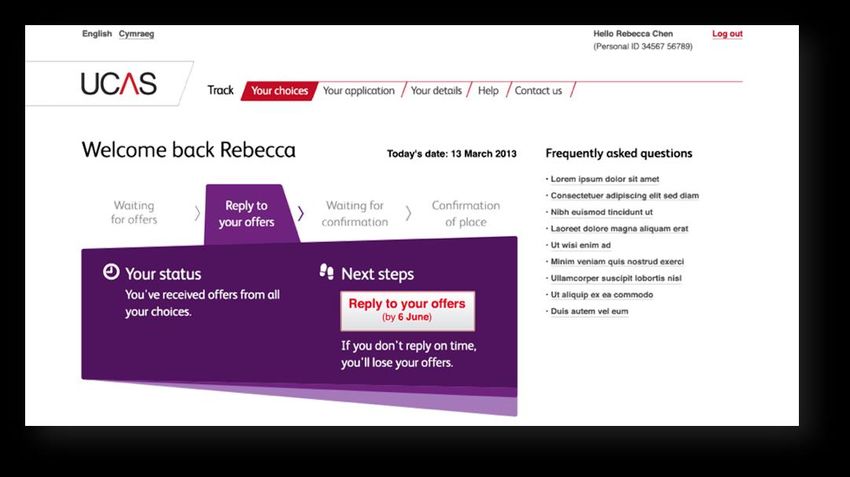
So much HE Choice!

                     • 370+ universities and colleges
                        • five in Northern Ireland
                        • 20 in Wales
                        • 21 in Scotland
                        • 334 in England
                        • one in mainland Europe
                     •   37,000+ courses available
                     •   The majority of HE applications go
                         through UCAS

                                                              Security marking: PUBLIC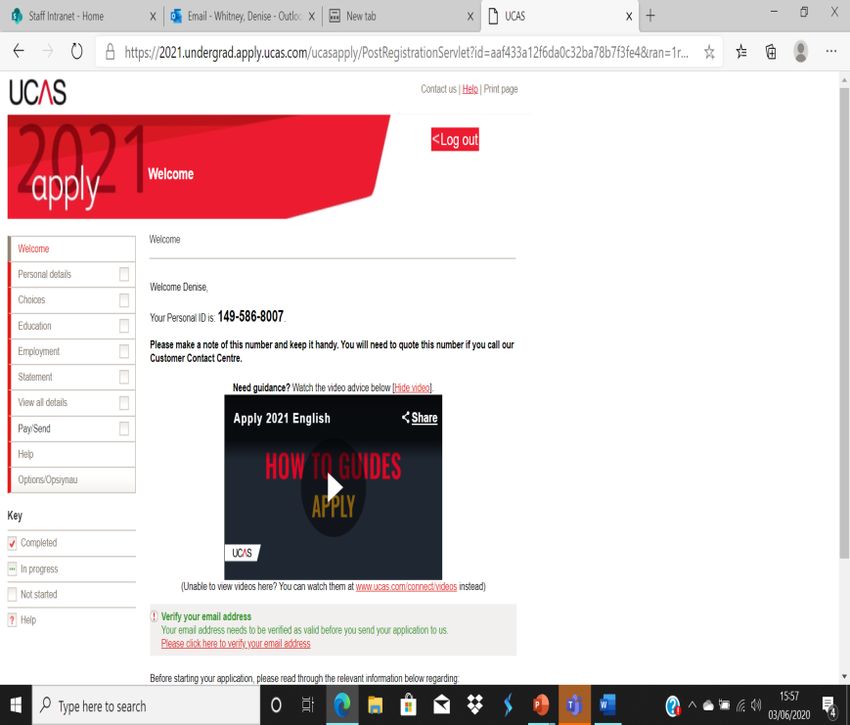
UCAS (University and College Admissions Service)

    What UCAS does:                                           UCAS doesn’t:
•   Process HE applications                             •     Suggest courses or universities
•   Provide information, advice, and                    •     Make decisions or offers
    training
                                                        •     Advise on finance,
•   Have a Fraud and Verification Team                        immigration, or visas for
•   Take part in education sector                             individuals
    engagement
•   Give information on apprenticeships,
    studying abroad and getting a job as
    well as Higher Education

                                                                                 Security marking: PUBLIC
Why higher education?
Opportunities while studying:
• Chance to study a subject they are passionate about.
Over the course of a
• Achieve a qualification that could lead to their chosen career. lifetime, estimates
suggests that students are
• Grow in confidence, make lifelong friends, and gain independence more likely to earn
£250,000 if they have a
and important life skills that will widen their prospects. degree
www.bbc.co.uk
With a degree, they’ll have:
• The opportunity to follow their career path
• Better job prospects, as many employers target graduates
• Higher earning potential Security marking: PUBLICThings to consider!
There are a number of things for an applicant to consider when
applying for higher education, such as:
• Making the right choice of course and University – students invest a
lot of time, money and effort (Research is vital in order to make the
right choice) Check out websites/ virtual tours/ open events…
• Right course for chosen career path? – if unsure check with
employers/teachers/ACE advisers
• Location – city or rural?, good accommodation/transport links?
• Finances, course fees, living costs (moving away or stay at home)
• Scholarships or bursaries on offer?
• Extracurricular activities- the add ons!
Security marking: PUBLICSecurity marking: PUBLIC/INTERNAL USE ONLY/CONFIDENTIAL
Search tool

              Security marking: PUBLIC
When to apply for 2021 entry
18th May UCAS Undergraduate Apply opens for 2021 entry.
June/July College starts UCAS registration / supports students in the application process
5th September First day UCAS will receive completed applications.
15th October* UCAS deadline for applications - medicine, veterinary medicine/science,
and dentistry, and courses at Oxford or Cambridge.
15th October College Deadline for application to be in, checked and sent by ACE team
15th January UCAS Deadline -All other courses
25th February Extra opens. * All 18:00 (UK time)
30th June* Last date for applications before Clearing.
Security marking: PUBLICUCAS Apply – key facts
• Application is entirely online.
• Maximum of five choices.
• Some choice restrictions:
• medicine, veterinary medicine/science, dentistry
(maximum of four). Oxford or Cambridge
• Application cost –paid to UCAS:
• one choice – £20
• two to five choices – £26
• Equal consideration if deadlines are met
• ‘Invisibility’ – universities will not see where else applied to
Security marking: PUBLICSections to complete:
Completing the UCAS application 1. Personal details
2. Additional information
3. Student finance
4. Choices
5. Education
6. Employment
7. Personal statement
8. Referee details
Tutor adds reference
College ACE Team
UCAS
Universities/colleges
Security marking: PUBLICThe personal statement
• The only section your son or daughter has control over.
• Their only chance to market themselves individually.
• One personal statement for all choices.
• Max. 4,000 characters, or 47 lines.
• Min. 1,000 characters.
• Spelling/grammar MUST be checked.
• No formatting.
Security marking: PUBLICApplication sent – then its UCAS Track • students follow the progress of their application online • see their choices and personal information • see their offers • reply to offers online Security marking: PUBLIC
Decisions
Universities and colleges will review the:   They’ll then make one of three decisions:
  • personal statement                         • unconditional offer
  • reference                                  • conditional offer
  • Qualifications                             • unsuccessful
  AND if required
  • admissions test result
  • interview
  • portfolio
  • audition

                                                                                   Security marking: PUBLIC
Applicant replies
Applicants should wait for all decisions from all choices, then they can choose one:
• firm – if all conditions are met, this is where they will be placed
• insurance – usually lower conditions, in case firm conditions are not met
Any other offers must be declined.
Applicants don’t have to have an insurance choice (14 day CMA cooling off period).
If a student firmly accepts an unconditional offer, they must decline any/all others.
Security marking: PUBLICOther UCAS options
Extra (25 Feb – 4 Jul)
Used all five choices and had no offers (or declined all offers/withdrew).
Add Extra choices for consideration one at a time via Track.
Clearing/UCAS plus (early Jul – Oct)
Apply after 30 June, receive no offers, decline all offers, or not met conditions.
Find vacancies from 5 July, and add one choice via Track.
Adjustment (up to five days in Aug)
Placed with firm choice, and did better than conditional offer.
Register in Track, then find another university or college. The new university or
college adjusts the record.
Security marking: PUBLICWhat should your son or daughter be doing now?
• Registering with UCAS in sessions at College
• Working with personal tutors in tutor groups to enhance and complete their
application and personal statement
• Research
• Extracurricular activities / Work Experience
• Go beyond the syllabus
• Focus on this year’s studies
Security marking: PUBLICResearch – it’s free!
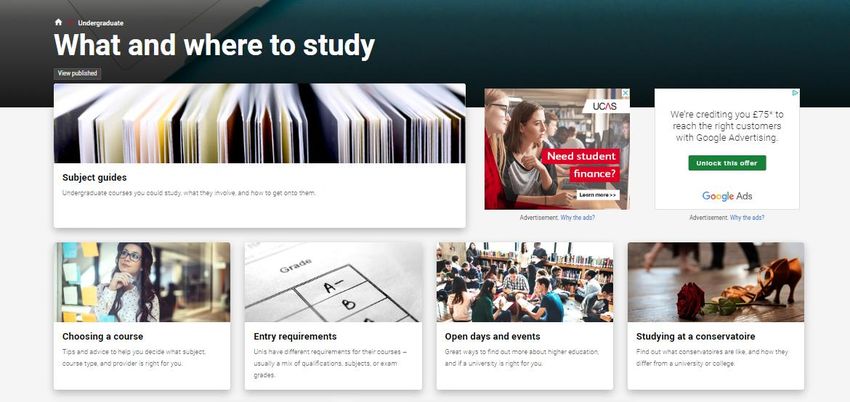
• Search tool – to look for providers, courses, and minimum entry requirements. Use the subject
guides to find more information.
• Open days and virtual tours – a great way to explore campuses and facilities.
• UCAS’ higher education exhibitions – useful to meet different universities and colleges, and
explore options. It is important to register, and encourage your students to register in advance.
• Learning from others – student videos and blogs.
• Career options – use the job profiles to explore different career roles and pathways, or take the
Buzz quiz to find out more about individual strengths, and what roles they may suit.
• The career finder tool is ideal for considering options after education, including searching for
apprenticeships.
Security marking: PUBLICYour support role…
• Use the parents/guardians’ section of the UCAS website at –
www.ucas.com/parents.
• Use our parent information tool for advice, hints, and tips to help
someone you care for through the application process.
• Offer to attend open days – you may have a different perspective.
• Don’t book family holidays at key times.
• Make sure they read everything carefully that is sent to them.
• Sign up for your monthly parent newsletter (via UCAS site)
Security marking: PUBLICWe hope you found this presentation helpful.
For information on financial support available for
students entering Higher Education, please see the
additional Student Finance presentation*
On our Parents/Carer’s Information HE Options Page
*
Based on 2020 figures,2021 financial support has not yet been published
Security marking: PUBLICThank you
Security marking: PUBLICYou can also read


