Pathway Selection VET Student Handbook 2021 #whatsyourpathway - MacGregor State ...
←
→
Page content transcription
If your browser does not render page correctly, please read the page content below

Pathway Selection VET Student Handbook 2021 #whatsyourpathway

Introduction
Dear Student,

Welcome to senior schooling pathways.

Our program offers MacGregor students a diverse range of pathways though your
journey at senior school. The pathways course offering aligns to workforce skills,
tertiary education and social readiness for your next step.

The aim of our senior schooling pathways at MacGregor State High School is for each
student to achieve a Queensland Certificate of Education (QCE) and to give every
student an opportunity to "be the best we can be". Students must consider the
combination of subjects, commitment to study and future career goals when
nominating subjects for Year 11 and Year 12.

MacGregor State High School offers students a broad range of pathway options for
students to undertake throughout their senior phase of learning including Certificate I,
II, III and Diploma courses delivered onsite at MacGregor, School-based
apprenticeships and traineeships (SAT), TAFE and external Registered Training
Organisations (RTO) course offerings.

MacGregor State High School has created productive partnerships with our TAFE and
external RTO partners to deliver exceptional learning programs, real life opportunities
and experiences for our students.

What makes us the best we can be? Our community engagement, a diverse learning
program offering that meets the labour market and bundled dual qualification
certificates optimising learning and pathways. We look forward to supporting you and
your next step on your learning journey.

Neridah Caine                                               Sarah Roxburgh
Head of Senior Schooling                                    VET Pathways Officer

VET Myth busting
 Myth 1: University graduates earn
 more than VET Graduates.

 Fact: University and VET both offer a wide range of qualifications that lead
 to a wide range of salaries. The salary you earn is a result of your qualification
 and what you do with it – not where you get it.

NOTE: To put this into perspective, the highest average starting salary for a University
graduate is $78,300 (Dentistry) (The Social Research Centre 2018). The highest
average starting salary for a VET Graduate is $91,000 (Certificate IV in Hazardous
areas – Electrical) (myskills 2018) (vcaa 2020).

 Myth 2: There are fewer job
 opportunities for VET graduates.

 Fact: More than half of all new jobs projected to be created by 2024
 will be achievable with a VET qualification.

NOTE: 57% of new jobs projected by 2024 will be achievable with a VET qualification
(Labour Market Information Portal 2020).
** Please note: The Labour Market has been affected by COVID19 and there is
information to help students, parents, education/training providers and job seekers on
the Department of Education, Skills and Employment's website **

Myth 3: VET is only for non ATAR
 eligible students.

 Fact: VET is for all QCE students. It is important to choose studies and
 courses that support your pathway.

NOTE: VET qualifications can lead to traineeships and apprenticeships in a variety of
industries, further study/higher education and/or work outcomes. (QCAA, 2020).

 Myth 4: You cannot go to
 University if you do VET at school.

 Fact: Yes, you can still got to University if you do VET at school.

NOTE: VET can be used in the calculation of your Australian Tertiary Admission Rank
(ATAR) if you are eligible, for Cert III and above. If you do not achieve the ATAR you
need, or if you are a QCE student, undertaking a VET qualification may give you an
alternative pathway to University. (QCAA, Complementary Courses of Study 2020).

What is VET?
VET are programs undertaken by high school students as part of the senior schooling
phase of learning that provides credit towards a nationally recognised qualification
within the Australian Qualifications Framework.
Let's break that down:

1. An extra qualification
You can gain a nationally recognised VET qualification while undertaking Queensland
Certificate of Education (QCE). You receive the VET qualification from a Registered
Training Organisation, such as a TAFE.

2. Connected to the workplace
VET qualifications can give you industry exposure and experience in the workplace
that reinforces your skills development. This connection also makes for a smooth
transition between training and work.

3. Units of competency
Units of competency are the building blocks that make up a VET qualification. Each
unit of competency includes specific skills and knowledge.

4. Competency based assessment
VET students are assessed as ‘competent’ or ‘not yet competent’ in each unit of
competency. To be assessed as competent, you must show a consistent application
of skills and knowledge to the standard required in the workplace.

What's the benefits?
Nationally recognised qualification
VET is a national system with qualifications that are recognised and can lead to
employment anywhere in Australia.

Contribution towards QCE
VET qualifications can contribute towards your Queensland Certificate of Education
(QCE) and Australian Tertiary Admission Rank (ATAR) dependent on your Subject
Selection.

Skills
Students develop technical skills and employability skills through specialised training
for a specific job or industry. Likewise, students develop non-technical skills that can
be applied across different jobs and industries. Skills including communication,
teamwork, problem solving and self-management.

Knowledge
Students gain knowledge through specialised training to understand and perform
specific workplace tasks. Students learn practical knowledge of how an industry works
which enables you to see the big picture and learn how to progress your career.

Employment opportunities
VET can lead to full-time, part-time or casual employment opportunities. This flexibility
may allow you to follow multiple interests at the same time – like employment, further
education and volunteering.

Financial outcomes
Students can earn while they learn - School-based apprenticeships and traineeships
(SATs) allow you to earn an income as you train, study and work. SATs help students
go places, whether that's a full-time job, a trade career, University, TAFE or other
professional training.

Education pathways
VET can lead to TAFE, further learning at a Registered Training Organisation (RTO)
or University – it is up to you and your goals.

What are the costs?
VET in Schools (VETiS) funding
Students undertaking VETiS, funded by the VET investment budget, can complete one
employment stream qualification at the Certificate I or II level.
VETiS qualifications funded by the VET investment budget are listed on the Priority
Skills List (DESBT Portal 2018-2020) by the Department of Employment, Small
Business and Training (DESBT).
These qualifications have been identified in consultation with industry as leading to
employment outcomes and are based on skills shortages and Queensland
Government priorities.

Who is eligible to receive VETiS
funded training?
To be eligible to access a VETiS qualification funded by the Queensland Government,
prospective students must:
* Be currently enrolled in a secondary school, in Year 10, 11 or 12;
* Permanently reside in Queensland;
* Be an Australian citizen, Australian permanent resident, a temporary resident with
  the necessary visa and work permits on the pathway to permanent residency, or a
  New Zealand citizen.

What are the options
All students will have the option to either 'opt in' or 'opt out' of the VETiS funding.
However once a student has consumed their VETiS funding, they cannot use it again
whilst at school.
Other Certificate III qualifications may be delivered as a dual qualification at a Fee for
Service cost utilising existing VETiS funding under the Cert I or II.
Example scenario: to complete a Certificate III in Events would cost $2,304 per
student, however when bundled under a dual qualification with Cert II in Tourism the
out of pocket cost is only $450.
In some cases, a Cert III Certificate can provide an admission pathway to several
Universities. This can provide a meaningful pathway to either the workforce and/or
University.

 SIT20116 -                      SIT30516 -                      Dual -Certificate
 Certificate II in               Certificate III in              II in Tourism
 Tourism                         Events                          Certificate III in
                                                                 Events
 VETiS funded                    Non VETiS Cost:
 $1,730 as per                   $2, 304                         Out of pocket
 Priority Skills List                                            Cost: $450
How can VET prepare me for the future? The Department of Employment, Skills, Small and Family Business projects that total employment will increase by 1,075,000 (or 8.3 per cent) over the five years to May 2024 (Labour Market Information Portal 2020, Industry Employment Projections Report 2019). VET can lead to careers in the fastest growing industries projected in the next 5 years by DESSFB. (*** COVID-19 will have a substantial impact on labour market activity in Australia. Previous projections can no longer be, as there is considerable uncertainty around the economic implications.) Health Care and Social Assistance is projected to make the largest contribution to employment growth (252,600) Professional, Scientific and Technical Services (172,400) Education and Training (129,300) Construction (113,700). Together, these four industries are projected to provide over three-fifths (or 62.1 per cent) of total employment growth over the five years to May 2024. Additionally, strong growth in accommodation and food services is projected to continue over the five years to May 2024. Accommodation and Food Services employment is projected to increase by 91,400 (or 10.0 per cent), supported by strength in both domestic and international tourism as a result of the lower Australian dollar and an expanding middle class in Asia. The Cafés, Restaurants and Takeaway Food Services sector is projected to make the largest contribution (of 77,400 jobs) to employment growth of any industry sector. **Skill level 4 occupations (Certificate II, III or equivalent) are projected to increase by 256,900 or 7.9%. This accounts for 29% of projected employment growth.
Fast Facts
The VET student outcomes show that 84% of VET graduates achieved their goal for
training (National Centre for Vocational Education Research, NCVER 2020).

         65.8% had an improved employment status after training

         66.7% were employed before training

         91.4% were satisfied with the overall quality of training

         83.9% of graduates achieved their goal for training

         85.6% of graduates were employed or in further study after training

         90.6% would recommend the training

         88.9% would recommend their training provider

         63.3% of subject completers had an improved employment status after training
What is SAT?
SAT is a School-based Apprenticeship or Traineeship.
School-based apprenticeships and traineeships (SATs) allow high school students,
generally in Years 10, 11 or 12, to work for an employer and train towards a recognised
qualification, while completing their secondary schooling and studying for their
Queensland Certificate of Education (QCE).
SATs can help you get practical on the job training, a trade career, University, TAFE
or other training.
“The difference between
ordinary and extraordinary
is that little extra.”
School-based apprentices and trainees, typically in Years 10, 11 and 12, are trained
in the workplace and with a supervising registered training organisation (SRTO), in
their chosen apprenticeship or traineeship while continuing to study towards their
Queensland Certificate of Education (Senior Certificate or equivalent).
To commence a school-based apprenticeship or traineeship (SAT), a student must
have the support of the employer, the school, the SRTO, and their parent or caregiver.
The employer, student and parent or caregiver (if applicable and appropriate) will be
required to sign a training contract (with the assistance of an Australian Apprenticeship
Support Network [AASN] provider) agreeing to work together for the length of the
apprenticeship or traineeship.
It is anticipated that, prior to lodging the training contract for registration, the AASN
provider will ensure that the parties to the contract work together, and with the parent
or caregiver and the school, to negotiate a schedule of education, training and
employment (ETES). There must be some impact on the student's school timetable for
the program to be considered school-based and this schedule will show that impact.Paid employment under SAT All school-based apprentices and trainees are paid for time spent working with their employer. It is expected that the employer will provide 7.5 hours per week of paid employment, which may be averaged over a 3-month period. The employer may provide the equivalent of a 'day' employment as part days across the week. The employer is expected to be able to provide 375 hours (50 days) of paid employment over each 12-month period from the date of commencement of the training contract. These hours are to be negotiated with the school and the school-based apprentice or trainee prior to the commencement of the training contract. A school-based apprentice or trainee can work additional hours or days including during weekends or across school holidays as agreed between the parties. Prior to completing a school-based training contract, a trainee must have completed 50 days of paid employment for each year of the equivalent full-time nominal term of the traineeship.
VET Pathways
There are three different pathways for senior schooling that can include a VET
qualification course.

Pathway A – Academic Pathway (ATAR)
Pathway B - Blended Pathway (ATAR &/or Future Skills)
Pathway C - Future Skills

Students in every Pathway are expected to have an attendance rate of at least 95%,
engage fully in the program of instruction and complete all assessment to a satisfactory
(C or above) standard. Students who fail to meet the above expectations will have
their enrolment reviewed and this may result in cancellation.
VET Qualification, the ATAR and
Tertiary Selection:
Did you know that a Certificate III, IV or a Diploma is a pathway to University?

You can convert your results to a selection rank, which will give you an idea of which
University you can apply to. There are different selection ranks assigned to Australian
Qualification Framework (AQF) courses for each University and different requirements.

Some universities may require you to sit a Special Tertiary Admissions Test and/or if
the Certificate does not meet the English subject prerequisite. The English prerequisite
can be satisfied by achieving a minimum grade of C (Units 3 and 4) in English, English
as an Additional Language, Literature or English and Literature Extension in Year 12.

Certificate III - A completed AQF Certificate III awards estimated rank range 62-68*
Certificate IV - A completed AQF Certificate IV awards estimated rank range 68-74*
Diploma - A completed AQF Diploma estimated rank range 74-82*

 “Education is the most powerful
 weapon you can use to change
 the world"
                                                                  -Nelson Mandella
Courses meeting industry
The VET Program offerings align to Industry. The courses are real life and deliver practical industry relevant training to our students.
* A completed Australian Quality Framework (AQF) Certificate III, IV or higher, undertaken while at high school, TAFE or through a private
provider, may allow you to apply to study a range of degrees at selected universities, please see QTAC #whatsyourpathway
Industry Course Duration Schedule Cost QCE Selection Registered Training
Points Rank* Organisation (RTO)
Foundation First Aid Certificate 1 day N/A $70 2 Embark College
Skills
Construction Cert I Construction 1 year Wednesday, VETiS 3 My Industry Training
Period 4
Foundation Certificate II in Skills for 1 term Wednesday, $150 4 QLD State Pathways
Skills Work and Vocational Period 4 College
Pathways
Community Cert II in Active 1 year Wednesday, $149 4 Volunteering QLD
Volunteering Period 4
Health Care Cert II in Health Support 1 year Wednesday, VETiS 4 Axiom College
Services Period 4
Professional Cert III in Business 2 years Timetabled $360 8 62- 68* Binnacle
Services subjectRegistered
QCE Selection Training
Industry Course Duration Schedule Cost
Points Rank* Organisation
(RTO)
Health Care Cert III in Fitness 2 years Timetabled $450 8 62- 68* Binnacle
subject
Health Care Cert III in Health Services Assistance 2 years Timetabled $849 10 62- 68* Connect and
(including CHC22015: Certificate II in subject Grow
Community Services and HLT23215:
Certificate II in Health Support
Services)
Professional Cert II in Tourism and Certificate III 1 year Wednesday, $450 8 62- 68* Redmako
Services in events Period 4
Manufacturing Certificate II in Engineering 2 years Wednesday, VETiS 8 62- 68* Formula Student
and Engineering Pathways and Certificate III in Period 4
Manufacturing Technology
Professional Diploma of Business 2 years Wednesday, $2150 8 87* Barrington
Services Period 4 College
You can visit the below universities who accept VET as a
pathway:
Griffith University https://www.griffith.edu.au/apply/admission-pathways/vet
Queensland University of Technology https://www.qut.edu.au/study/applying/vet-study
University of Southern Queensland https://www.usq.edu.au/study/student-advisors/vet-pathways-to-usqFirst Aid Certificate
Registered Training Organisation: CSTC Pty Ltd
RTO Code: 0699
Qualification Code and Title: First Aid
Course Overview:
This course intends to provide participants with the skills and knowledge necessary to effectively respond to emergency
situations by sustaining/restoring breathing and circulation to an adult, child or infant and providing First Aid.
Course Outcomes:
• First Aid Certificate
Successful completion of the First Aid Certificate contributes up to a maximum of three (2) credits towards a
student’s QCE (Complementary).
Cost: $70.00
Duration: Online theory 6 hours. Practical assessment will then be assessed at a one (1) day face-to face classroom
session.
CPC10111: Certificate I in Construction
Course Code Unit Description Course Assessment
HLTAID001 Provide cardiopulmonary resuscitation Competency Based.
HLTAID002 Provide emergency life support Participants will be
HLTAID003 Provide first aid required to successfully
AHCWHS201 Participate in work health and safety processes complete a series of
assessment tasks, which
may include an online
exam, practical
demonstration /
observation, case studies
and group activities.
Further Information: Please see the Senior Schooling HOD or VET Pathways Officer for expression of interest.Certificate II in Skills for Work and Vocational Pathways
Registered Training Organisation: Queensland Pathways State College
RTO Code: 45297
Qualification Code and Title: FSK20119: Certificate II in Skills for Work and Vocational Pathways
Course Overview:
This qualification is designed for individuals who require further foundation skills development to prepare for workforce
entry or vocational training pathways. It is suitable for students who require:
• a pathway to employment or further vocational training
• reading, writing, oral communication, learning and numeracy skills primarily aligned to the Australian Core Skills
Framework (ACSF) Level 3
• entry level digital literacy and employability skills
• a vocational training and employment plan
Successful completion of the Cert II Qualification contributes up to a maximum of four (4) credits towards a student’s
QCE (Complementary).
Cost: $150.00
Duration: 1 term, Wednesdays Period 4
FSK20119: Certificate II in Skills for Work and Vocational Pathways
Course Code Unit Description Course Assessment
FSKDIG03 Use digital technology for routine workplace tasks Competency Based.
FSKLRG09 Use strategies to respond to routine workplace problems
FSKLRG11 Use routine strategies for work-related learning Assessment will be
FSKNUM14 Calculate with whole numbers and familiar fractions, decimals delivered using a variety of
and percentages for work techniques, including:
FSKNUM15 Estimate, measure and calculate with routine metric Practical assessment
measurements for work Written tasks
FSKOCM07 Interact effectively with others at work Exams
FSKRDG10 Read and respond to routine workplace information Teacher observation
FSKWTG09 Write routine workplace texts Teacher questioning
BSBCMM101 Apply basic communication skills
BSBCMM201 Communicate in the workplace
BSBIND201 Work effectively in a business environment
BSBITU201 Produce simple word processed documents
BSBLED101 Plan skills development
BSBWOR203 Work effectively with others
Further Information: Please see the Senior Schooling HOD or VET Pathways Officer for expression of interest.Certificate II in Active Volunteering
Additional Learning Option
Registered Training Organisation: Volunteering QLD
RTO Code: 6020
Qualification Code/s and Title: CHC24015: Certificate II in Active Volunteering
Course Overview:
This qualification reflects the role of entry-level volunteer workers. At this level, work takes place under direct, regular
supervision within clearly defined guidelines. This qualification may be used as a pathway for workforce entry.
Organisations may require volunteers to undergo relevant background checks. To achieve this qualification, the
candidate must have completed at least 30 hours of volunteer work. The total number of units for this qualification is 7,
which includes 4 core units and 3 elective units.
Successful completion of the Cert II qualification contributes up to a maximum of four (4) credits towards a student’s
QCE (Core).
Cost: $149.00
Duration: 1 year, Wednesdays Period 4
CHC24015: Certificate II in Active Volunteering
Students who study a Certificate II in Active Volunteering complete 7 units of competency.
Course Code Unit Description Course Assessment
CHCDIV001 Work with diverse people (Core unit) Competency Based.
CHCVOL001 Be an effective volunteer (Core unit) Assessment will be delivered
HLTWHS001 Participate in workplace health and safety (Core unit) using a variety of techniques,
including:
BSBCMM201 Communicate in the workplace (Core unit) Practical assessment
BSBITU211 Produce digital text documents Written tasks
Exams
BSBWOR202 Organise and complete daily work activities Teacher observation
Teacher questioning
SISXCA1007 Assists with activities not requiring equipment
Further Information: Please see the Senior Schooling HOD or VET Pathways Officer for expression of interest.Certificate I in Construction
Additional Learning Option
Registered Training Organisation: Course offered by Adapt Education. Training and assessment delivered by My
Industry Training
RTO Code: 32452
Qualification Code and Title: CPC10111: Certificate I in Construction
Course Overview:
The qualification provides an introduction to the construction industry, its culture, occupations, job roles and workplace
expectations. The program covers essential work health and safety requirements, the industrial and work organisation
structure, communication skills, work planning and basic use of tools and materials. Successful completion of this
course gives students the skills to confidently seek an apprenticeship in a wide range of construction occupations such
as bricklaying, carpentry, painting, and tiling or to pursue further study.
Course Outcomes:
• Construction Safety White Card (required to access any construction zone)
• Cardio Pulmonary Resuscitation (CPR) Certificate
Successful completion of the Certificate I qualification contributes up to a maximum of three (3) credits towards a
student’s QCE (Preparatory).
Cost: Fee free under VETiS funding by the Qld Government for eligible students.
Duration: 1 year, Wednesdays Period 4
CPC10111: Certificate I in Construction
Course Code Unit Description Course Assessment
CPCCCM1012A Work effectively and sustainably in the construction industry Competency Based.
CPCCCM1013A Plan and organise work
CPCCCM1014A Conduct workplace communication Assessment will be delivered
CPCCCM2001A Read and interpret plans and specifications using a variety of techniques,
CPCCCM2005B Use construction tools and equipment including:
CPCCWHS1001 Prepare to work safely in the construction industry Practical assessment
CPCCOHS2001A Apply OHS requirements, policies and procedures in the construction Written tasks
industry Exams
CPCCVE1011A Undertake a basic construction project Teacher observation
CPCCCM1015A Carry out measurements and calculations Teacher questioning
CPCCCM2004A Handle construction materials
HLTAID001 Provide cardiopulmonary resuscitation
Further Information: Please see the Senior Schooling HOD or VET Pathways Officer for expression of interest.Certificate II in Health Support Services
Registered Training Organisation: Axiom College
RTO Code: 40489
Qualification Code and Title: HLT23215: Certificate II in Health Support Services
Course Overview:
This course will equip you to work with people from diverse backgrounds, recognise healthy body systems, respond to
behaviours of concern, and transport patients. Successful completion of this course will qualify you to work in an
assistance role in a health care facility as a ward assistant, orderly, food services assistant or laundry services worker.
It will also give you the foundation skills you need to undertake further study in the industry.
Successful completion of the Dual Qualification contributes up to a maximum of four (4) credits towards a student’s
QCE (Core).
Cost: Fee free under VETiS funding by the Qld Government for eligible students.
Duration: 1 year, Wednesdays Period 4
HLT23215: Certificate II in Health Support Services
Course Code Unit Description Course Assessment
CHCCOM005 Communicate and work in health or community services Competency Based.
CHCDIV001 Work with diverse people
HLTINF001 Comply with infection prevention and control policies and procedures Assessment will be delivered
using a variety of techniques,
HLTWHS001 Participate in workplace health and safety including:
HLTHSS005 Undertake routine stock maintenance Practical assessment
CPPCLO2019A Sort and remove waste and recyclable materials Written tasks
BSBCUS201 Deliver a service to customers Exams
BSBWOR203 Work effectively with others Teacher observation
HLTAID003 Provide first aid Teacher questioning
CPPCMN3001B Participate in environmentally sustainable work practices
SITXFSA101 Use hygienic practices for food safety
HLTWHS005 Conduct manual tasks safely
Further Information: Please see the Senior Schooling HOD or VET Pathways Officer for expression of interest.Certificate II in Tourism
Certificate III in Events
Registered Training Organisation: Redmako
RTO Code: 40700
Qualification Code and Title: SIT20116: Certificate II in Tourism
SIT30612: Certificate III in Events
Course Overview:
This qualification reflects the role of individuals who have a defined and limited range of tourism operational skills a nd
basic industry knowledge. They are involved in mainly routine and repetitive tasks and work under direct supervision.
This qualification reflects the role of individuals who use a range of events administrative or operational skills. They use
discretion and judgement and have knowledge of industry operations. Work could be undertaken in an office
environment where the planning of tourism, corporate events, travel products and services takes place, in the field where
products are delivered, or a combination of both. Successful completion of this course gives students the skills to
confidently seek a tourism role and/or pursue further study.
Successful completion of the Dual Qualification contributes up to a maximum of eight (8) credits towards a student’s
QCE (Complementary).
Cost: SIT20116 Certificate II in Tourism is fee free under VETiS funding by the Qld Government for eligible students
SIT30612: Certificate III in Events a fee for services. Cost: $450.00
Duration: 1 Year, Wednesdays Period 4
SIT20116: Certificate II in Tourism
Course Code Unit Description Course Assessment
SITXCOM002 Show social and cultural sensitivity (Core unit) Competency Based.
SITXWHS001 Participate in safe work practices (Core unit)
SITTIND001 Source and use information on the tourism and travel industry (Core Assessment will be delivered
unit) using a variety of techniques,
SITXCCS003 Interact with customers (Core unit) including:
BSBWOR203 Work effectively with others Practical assessment
SIRXSLS001 Sell to the retail customer Written tasks
SITXCCS002 Provide visitor information Exams
SITXEBS001 Use social media in a business Teacher observation
SIRXPDK001 Advise on products and services Teacher questioning
SITTTSL005 Sell tourism products and services
SITTTSL006 Prepare quotations
SIT30612: Certificate III in Events
** RPL credit transfer on successful completion and competency awarded from SIT20116
Course Code Unit Description Course Assessment
BSBWOR203** Work effectively with others (Core unit) Competency Based.
SITXCOM002** Show social and cultural sensitivity (Core unit)
SITXWHS001** Participate in safe work practices (Core unit) Assessment will be delivered
SITXCCS006 Provide service to customers (Core unit) using a variety of techniques,
SITEEVT001 Source and use information on the events industry (Core unit) including:
SITEEVT002 Process and monitor event registrations (Core unit) Practical assessment
SITTTSL005** Sell tourism products and services Written tasks
SITTTSL006** Prepare quotations Exams
SITEEVT003 Co-ordinate on site event registrations Teacher observation
Teacher questioning
SITEEVT004 Provide event staging support
SITXEBS001** Use social media in a business
SITHFAB002 Provide responsible service of alcohol
SITTTSL008 Book supplier products and services
Further Information: Please see the Senior Schooling HOD or VET Pathways Officer for expression of interestCertificate II in Engineering Pathways
Certificate III in Manufacturing Technology
Additional Learning Option – Dual Qualification
Registered Training Organisation: Formula Student
RTO Code: 41124
Qualification Code/s and Title: MEM20413: Certificate II in Engineering Pathways
MSA30208: Certificate III in Manufacturing Technology
Course Overview:
This course is project-based, with each student manufacturing a flying drone. The qualification is intended for students
interested in an engineering or related working environment with a view to enter employment in that area or pursue
further study. This qualification will equip graduates with knowledge and skills, which will enhance their prospects of
employment in an engineering, manufacturing or design-working environment.
Successful completion of the dual qualification contributes up to a maximum of eight (8) credits towards a student’s
QCE (Core).
Cost: MEM20413 Certificate II in Engineering Pathways is fee free under VETiS funding by the Qld Government for
eligible students. Formula Student provides a fee free scholarship for MSA30208 Certificate III in Manufacturing
Technology to students enrolled with VETiS funding for the MEM20413 component of this program.
Duration: 2 Years, Wednesdays Period 4
MEM20413: Certificate II in Engineering Pathways
Course Code Unit Description Course Assessment
MEM13014A Apply principles of occupational health and safety in the work Competency Based.
environment (Core Unit)
MEMPE004A Use fabrication equipment Assessment will be delivered
MEMPE005A Develop a career plan for the engineering and manufacturing industry using a variety of techniques,
(Core Unit) including:
MEMPE006A Undertake a basic engineering project (Core Unit) Practical assessment
MSAENV272B Participate in environmentally sustainable work practices (Core Unit) Written tasks
MSAPMSUP106A Work in a team Exams
MEM16006A Organise and communicate information Teacher observation
MEM16008A Interact with computer technology Teacher questioning
MEM18001C Use hand tools
MEM18002B Use power tools/hand held operations
MEMPE001A Use engineering workshop machines
MSAPCI101A Adapt to work in industry
MSA30208: Certificate III in Manufacturing Technology
** RPL credit transfer on successful completion and competency awarded from MEM20413
Course Code Unit Description Course Assessment
MEM30012A Apply mathematical techniques in a manufacturing, engineering or Competency Based.
related environment (Core Unit)
MSS402051A Apply quality standards (Core Unit) Assessment will be delivered
MSAENV272B** Participate in environmentally sustainable work practices (Core Unit) using a variety of techniques,
MEM30008A Apply basic economic and ergonomic concepts to evaluate including:
engineering applications Practical assessment
MEM09002B Interpret technical drawing Written tasks
MEM30031A Operate computer-aided design (CAD) system to produce basic Exams
drawing elements Teacher observation
MEM30032A Produce basic engineering drawings Teacher questioning
MEM30033A Use computer-aided design (CAD) to create and display 3-D models
MEM12023A Perform engineering measurements
MEM12024A Perform computations
MEM30025A Analyse a simple electrical system circuit
Further Information: Please see the Senior Schooling HOD or VET Pathways Officer for expression of interest.Certificate III in Business
Registered Training Organisation: Binnacle Training
RTO Code: 31319
Qualification Code/s and Title: BSB30115: Certificate III in Business
Course Overview:
This qualification reflects the varied roles of individuals across different industry sectors who apply a broad range of
competencies using some discretion, judgment and relevant theoretical knowledge. Students develop key enterprise
skills – including leadership and innovation, customer service, personal management, teamwork and financial literacy –
through project-based learning. Successful completion of this course gives students the skills to confidently seek a
business role and/or pursue further study.
Successful completion of the Certificate III contributes up to a maximum of eight (8) credits towards a student’s
QCE (Core).
Cost: $360
Duration: 2 years, timetabled subject
BSB30115: Certificate III in Business
Course Code Unit Description Course Assessment
BSBWHS302 Apply knowledge of WHS legislation in the workplace (Core Unit) Competency Based.
BSBCUS301 Deliver and monitor a service to customers
BSBFLM312 Contribute to team effectiveness Assessment will be delivered
BSBITU312 Create electronic presentations using a variety of techniques,
BSBWOR301 Organise personal work priorities and development including:
BSBPRO301 Recommend products and services Practical assessment
BSBWRT301 Write simple documents Written tasks
BSBITU306 Design and produce business documents Exams
FNSFLT205 Develop knowledge of the Australian financial system and markets Teacher observation
Teacher questioning
FNSFLT401 Be Money Smart through a career in small business
BSBLED301 Undertake e-learning
BSBITU314 Design and produce spreadsheets
Further Information: Please see the Head of Department - Business Enterprise and Digital Solutions
Important Information:
Please read Binnacle Training Program Disclose Statement (PDS)
The PDS sets out the service and training products Binnacle Training provides and those services carried out by the
Partner School. To access Binnacle’s PDS please visit https://www.binnacletraining.com.au/rto.phpCertificate III in Fitness
Registered Training Organisation: Binnacle Training
RTO Code: 31319
Qualification Code/s and Title: SIS30315: Certificate III in Fitness
Course Overview:
Certificate III in Fitness ‘Fitness in Schools’ program is offered on site, as a two year course where students deliver a
range of fitness programs and services to clients within the school community. Graduates will be competent tin a range
of essential skills – such as undertaking client health assessments, planning and delivering fitness programs, and
conducting group fitness session in indoor and outdoor settings, including with older adult clients. This program also
includes a First Aid qualification and a CPR certificate, plus coaching accreditation. Successful completion of this course
gives students the skills to confidently seek a role in the fitness industry, a direct pathway into a Certificate IV in Fitness
(Personal Trainer) and/or pursue further study.
Successful completion of the Certificate III contributes up to a maximum of eight (8) credits towards a student’s
QCE (Core).
Cost: $450
Duration: 2 years, timetabled subject
SIS30315: Certificate III in Fitness
Course Code Unit Description Course Assessment
SISXFAC001 Maintain equipment for activities Competency Based.
HLTWHS001 Participate in workplace health and safety
Assessment will be delivered
BSBRSK401 Identify risk and apply risk management processes using a variety of techniques,
HLTAID003 Provide first aid including:
SISXCCS001 Provide quality service Practical activities and
assessment
SISXEMR001 Respond to emergency situations Practical Log Book
SISXIND002 Maintain sport, fitness and recreation industry knowledge Group Wok
SISXIND001 Work effectively in sport, fitness and recreation environments Exams
Teacher observation
SISFFIT004 Incorporate anatomy and physiology principles into fitness Teacher questioning
programming
SISFFIT011 Instruct approved community fitness programs
SISFFIT001 Provide health screening and fitness orientation
SISFFIT006 Conduct fitness appraisals
SISFFIT003 Instruct fitness programs
SISFFIT005 Provide healthy eating information
SISFFIT014 Instruct exercise to older clients
SISFFIT002 Recognise and apply exercise considerations for specific populations
Further Information: Please see the Head of Department - HPE, Sport, Food & Fashion
Important Information:
Please read Binnacle Training Program Disclose Statement (PDS)
The PDS sets out the service and training products Binnacle Training provides and those services carried out by the
Partner School. To access Binnacle’s PDS please visit https://www.binnacletraining.com.au/rto.phpCertificate III in Health Services Assistance
Additional Learning Option – Triple Qualification
Registered Training Organisation: Connect and Grow
RTO Code: 40518
Qualification Code and Title: CHC22015: Certificate II in Community Services
HLT23215: Certificate II in Health Support Services
HLT33115: Certificate III in Health Services Assistance
Course Overview:
This qualification has been designed to include projects that prepare students for a range of tasks they perform when
they enter into a health and/or community services career, including; health checks, health promotion, health
administration and entry pathway for workers who provide the first point of contact and assist individuals in meeting their
needs.
Successful completion of the triple qualification contributes up to a maximum of ten (10) credits towards a student’s
QCE (Core).
Cost: $849 (two years of study) for 3 qualifications
Certificate II dual fee - $399
Certificate III fee - $450
Duration: 2 years, timetabled subject
CHC22015: Certificate II in Community Services
Course Code Unit Description Course Assessment
HLTWHS001 Participate in workplace health and safety (Core Unit) Competency Based.
HLTINF001 Comply with infection prevention and control policies and procedures Assessment will be delivered
using a variety of techniques,
CHCDIV001 Work with diverse people (Core Unit) including:
Practical activities and
BSBCUS201 Deliver a service to customers
assessment
BSBFLM312 Contribute to team effectiveness Workplace Learning Log
Portfolio of workplace
CHCCOM005 Communicate and work in health or community services (Core Unit) documents
Exams
BSBWOR202 Organise and complete daily work activities (Core Unit) Teacher observation
Teacher questioning
CHCCOM001 Provide first point of contact (Core Unit)
FSKOCM07 Interact effectively with others at work
HLT23215: Certificate II in Health Support Services
** RPL credit transfer on successful completion and competency awarded from CHC22015
Course Code Unit Description Course Assessment
HLTWHS001** Participate in workplace health and safety (Core Unit) Competency Based.
HLTINF001** Comply with infection prevention and control policies and procedures Assessment will be delivered
(Core Unit) using a variety of techniques,
including:
CHCDIV001** Work with diverse people (Core Unit)
Practical activities and
assessment
BSBCUS201** Deliver a service to customers Workplace Learning Log
Portfolio of workplace
BSBFLM312** Contribute to team effectiveness documents
ExamsCHCCOM005** Communicate and work in health or community services (Core Unit) Teacher observation
Teacher questioning
BSBWOR202** Organise and complete daily work activities
HLTAID003 Provide first Aid
BSBADM101 Use business equipment and resources
BSBINM201 Process and maintain workplace information
BSBWOR204 Use business technology
BSBWOR203 Work effectively with others
HLT33115: Certificate III in Health Services Assistant
** RPL credit transfer on successful completion and competency awarded from CHC22015 and HLT23215
Course Code Unit Description Course Assessment
HLTWHS001** Participate in workplace health and safety (Core Unit) Competency Based.
HLTINF001** Comply with infection prevention and control policies and Assessment will be delivered
procedures(Core Unit) using a variety of techniques,
CHCDIV001** Work with diverse people (Core Unit) including:
Practical activities and
BSBCUS201** Deliver a service to customers assessment
Workplace Learning Log
BSBFLM312** Contribute to team effectiveness Portfolio of workplace
HLTAID003** Provide first Aid documents
Exams
CHCCOM005** Communicate and work in health or community services (Core Unit) Teacher observation
Teacher questioning
HLTAAP001 Recognise healthy body systems (Core Unit)
BSBMED301 Interpret and apply medical terminology (Core Unit)
HLTAID001 Provide cardiopulmonary resuscitation
CHCCCS015 Provide individualised support
CHCCCS010 Maintain a High Standard of Service
BSBWOR301 Organise personal work priorities and development (Core Unit)
FSKLRG009 Use strategies to respond to routine workplace problems
CHCDIV002 Promote Aboriginal and/or Torres Strait Islander Cultural
safety
Further Information: Please see the Head of Department - HPE, Sport, Food & Fashion.Diploma of Business
Registered Training Organisation: Barrington College Australia
RTO Code: 45030
Qualification Code and Title: BSB50215: Diploma of Business
Course Overview:
The Diploma of Business program provides an umbrella view of the business world. Students will have access to a
variety of theory and practical learning opportunities, which will give you specialised knowledge and high level of
understanding to prepare you to undertake a professional career in the corporate or business marketplace. This
qualification provides a broad range of skill-sets desired by modern companies, including communicating with influence,
project management, workforce planning management, human resources and risk management.
The successful completion of this course provides graduates with high-level business skills to enhance with a solid
foundation for further graduate studies. This course may be used for possible credits towards an undergraduate degree.
A Diploma in Business will open your world to endless pathways across many different fields, including human
resources, marketing, banking, retail, accounting and small business
This qualification can provide a meaningful pathway to either the workforce and/or University.
Successful completion of the Diploma contributes up to a maximum of eight (8) credits towards a student’s QCE
(Complementary).
Cost: $2150.00 *Monthly instalment plans available at an additional enrolment fee charge
Duration: 2 years, Wednesdays Period 4
BSB50215: Diploma of Business
Course Code Unit Description Course Assessment
BSBHRM506 Manage recruitment selection and induction processes Competency Based.
(elective)
BSBRSK501 Manage risk (elective) Assessment will be
BSBWOR501 Manage personal work priorities and professional development delivered using a variety of
(elective) techniques, including:
BSBCUS501 Manage quality customer service (elective) Practical assessment
BSBPMG522 Undertake project work (elective) Written tasks
BSBADM502 Manage meetings (elective) Exams
BSBCMM401 Make a presentation (elective) Teacher observation
BSBMKG501 Identify and evaluate marketing opportunities (elective) Teacher questioning
University Pathways:
Barrington College Australia has established direct pathways into some of Australia's leading Universities enabling
student’s entry into selected bachelor degrees with credit transfers, up to 12 months off their course saving time and
money.
Please see https://www.barringtoncollege.edu.au/university-pathways/ to learn more.
Further Information: Please see the Senior Schooling HOD or VET Pathways Officer for expression of interest.Appendices • Creating a USI • Frequently Asked Questions • SAT Interview Tips
Creating a USI
Students must obtain a Unique Student Identifier (USI) to enrol in VET Pathways.

Students are provided with the following documentation upon enrolment:
- USI Fact Sheets
- USI Consent Form
- USI Collection and Verification Form

For more information on the USI system visit www.usi.gov.au.

NOTE: Students will not be issued with either a Certificate or Statement of Attainment or
be awarded QCE points if they have not provided a Unique Student Identifier (USI) to
the school and RTO.

You will need one of the following forms of ID to create your USI such as a:
    • Driver’s Licence
    • Medicare Card
    • Passport (Australian)
    • Non-Australian Passport (with Australian Visa)
    • Birth Certificate (Australian)
    • Certificate of Registration by Descent
    • Citizenship Certificate
    • ImmiCard
Frequently Asked Questions Why doesn't the VET investment budget subsidise Certificate III level VETiS qualifications? VETiS qualifications on the Priority Skills List are only at the Certificate I and II level. Students completing Certificate III level qualifications is by participating in a SAT may also be VETiS funded. The VET investment budget will fund certificate III level qualifications for VETiS in certain circumstances. Industry bodies or local employers can submit an Industry Proposal Funding Submission to the department which must demonstrate local employment opportunities as a result of this training. Students can still complete Certificate III qualifications that are delivered and resourced by school RTOs, or are self-funded. (DESBT Portal, Training, Training and careers, Subsidised training and incentives VET in schools, 2020) Can school leavers access subsidised training if they have done VETiS? Students who complete a VETiS qualification at school, even at the Certificate III level or higher, are still eligible to access further Queensland Government subsidised training post-school, such as free TAFE for Year 12 graduates and Certificate III Guarantee. To support Year 12 graduates into work, the Queensland Government offers free TAFE in high priority areas. Eligible Year 12 graduates must enrol and start training in a high priority qualification within the calendar year after leaving school to take advantage of this great opportunity. (TAFE QLD, Year 12 Fee Free, 2020)
How do I get an apprenticeship or
traineeship (SAT)?
The first thing you need to do is find an employer. You can do this by looking through job ads or try
talking to family and friends to see if they know of any opportunities. Senior Schooling send out
regular communications and newsletters with SAT opportunities that you can apply for.

The Australian Government contracts Australian Apprenticeship Support Network (AASN) Providers
are the first point of contact to provide information and advice to support employers, apprentices and
trainees across Australia to better navigate the apprenticeship and traineeship system.

You can register at your interest or subscribe to the job board at any of the below APSN providers:
           Busy at Work
           Email: busy@busyatwork.com.au
           Web: www.busyatwork.com.au

           MEGT (Australia) Ltd
           Email: info@megt.com.au
           Web: www.megt.com.au

           MAS National Pty Ltd
           Email: info@masexperience.com.au
           Web: www.masexperience.com.au

           Sarina Russo Job Access
           Email: apprenticeships@sarinarusso.com.au
           Web: www.sarinarusso.com/apprentices/

What job can I get by studying a VET
course?
There are many opportunities for graduates of a VET qualification.

The Foundation for Young Australians (FYA) research shows "when you train for one job, you learn
the skills for 13 other jobs". The New Work Mindset report by FYA talks about how skills are portable
and jobs may be more related then we first thought.

My Skills website is the national directory of vocational education and training (VET) organisations
and courses. It is an Australian Government initiative to enable consumers to search for, and
compare, VET courses and training providers.
The Skills Match tool that will show you jobs or careers that use your skills.
SAT Interview Tips
Job interview preparation and tips
for success
There are many different types of interviews, ranging from conversations lasting a few
minutes to several formal meetings, sometimes with more than one interviewer. The
interview process allows you to demonstrate that you are the right candidate for the job.
The following tips might help:
Before the interview you should plan ahead. If you need some support at
school to prepare and plan email the VET Pathways Officer.
Review your research about the company and the position. Who are they,
what are their values and what products or services do they sell/supply?
Practice interviewing. Enlist a friend (better yet, a group of friends or family
members) to ask you sample questions. Practice making eye contact,
sitting upright and smiling.
Video record your practice sessions. Pay attention to body language and
verbal presentation. Eliminate verbal fillers, like “uh,” and “um.” Practice
using positive body language to signal confidence, even when you’re not
feeling it.
Employers are looking for enthusiasm and a willingness to learn when it
comes to choosing the right person for the role, so show that you have those
two attributes in spades.Make a list of key attributes or skills required and think about how you can
demonstrate your strengths for each of these.
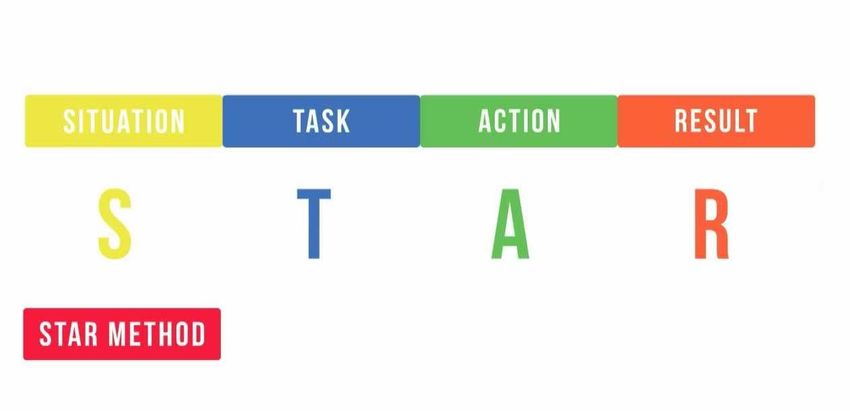
The STAR technique (Situation – Task – Action – Result) can help you do
this:
Handle logistics early. Have your clothes, resumé, and directions to the
interview site ready ahead of time, to avoid any extra stress.
The STAR technique (Situation –
Task – Action – Result)
Situation - Describe a situation you were in. For example, a fellow student was
struggling with an assessment.
Task - Tell them what you decided to do. For example, I sat down with my friend to
discuss how I could help.
Action - Describe what you actually did. For example, I gave my friend examples of how
I improved my own research.
Result - Tell them what happened as a result of your actions. For example, his/her self-
confidence improved dramatically and was able to submit the assessment.
You may have more experience than you think. Think about any part-time jobs,
volunteering opportunities or responsibilities you’ve had, such as babysitting, mowing
lawns, captaining a sports team, delivering newspapers, or tutoring other students at
MacGregor State High School. If it can demonstrate punctuality, reliability and other
attributes, be sure to mention it!Blackwattle Street, MacGregor Queensland 4109 P.O. Box 6020, Upper Mt Gravatt Qld 4122 (07) 3347 3555 macgregorshs.eq.edu.au
You can also read


