Senior Courses 2019 - Plan your Vocational Pathway - Plan with the End in Mind - Hornby High School
←
→
Page content transcription
If your browser does not render page correctly, please read the page content below
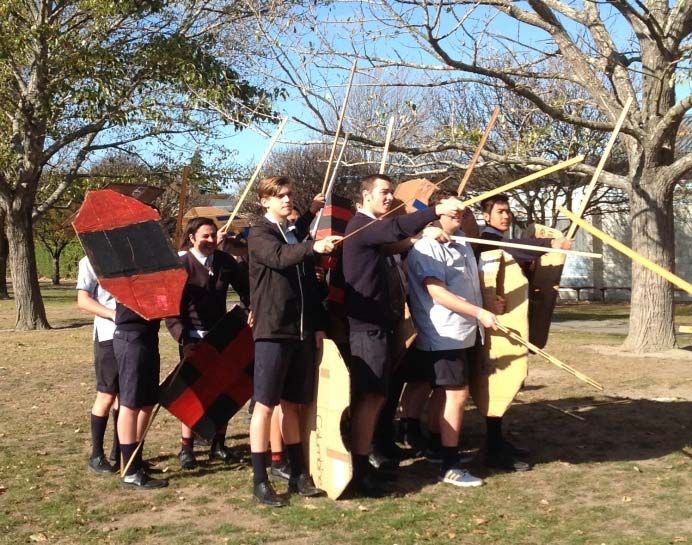
Plan your Vocational Pathway

   Senior Courses
       2019
 Plan with the End in Mind
Table of Contents
1.    Arts - Visual
2.    Biology
3.    Building and Construction
4.    Business Studies and Economics
5.    Chemistry
6.    Childcare
7.    Classical Studies
8.    Computer Technician Skills
9.    Digital Technologies
10.   Drama
11.   Engineering Trades
12.   English
13.   ESOL
14.   Gateway
15.   Geography
16.   Graphics – Design and Visual Communication
17.   Health Education
18.   History
19.   Home Economics
20.   Hospitality
21.   Japanese
22.   Mathematics
23.   Media Studies
24.   Music
25.   Outdoor Education
26.   Physical Education
27.   Physics
28.   Science
29.   Practical Applications of Science
30.   Te Reo Māori
31.   Tourism
32.   Transition S.P.E.C.
33.   Trade Academies
Course Selection for the Senior School 2019
There are important steps to take when planning your course for next year. Before you can
choose your subjects you must complete a career plan using the Vocational Pathways. You
must then choose subjects which closely support your chosen Vocational (Career) Pathway.
There are two steps to completing a career plan:
1. Complete your profile on ‘Vocational Pathways’.
http://www.youthguarantee.net.nz/vocational-pathways/
This computer programme will help you see which subjects are important for your future
career choice.
2. Research your selected job/career on CareersNZ. (www.careers.govt.nz). This site
gives you a great deal of information about any job you may be interested in. Very
importantly, the job information will show your Vocational Pathway and recommend the
subjects you must take at school.
By the end of this process you will know
The subjects you need to study to support your career plan
The qualifications you need to support your career plan
How long you will need to stay at school to achieve your qualifications
Students who (for whatever reason) do not develop a career profile will have to take a general
set of subjects that keep as many career options open as possible. This will include English,
Mathematics and Science and three other subjects chosen for you.
Choosing your Course – Follow these Steps!
1. Complete a Career Plan
using 'Future Indicative'
and/or 'Vocational 2. Investigate possible
Choose Pathways'. See Mrs Toohey careers on
to help you if you missed the www.kiwicareers.govt.nz.
your session given in your Note the subjects you
Course Pathways class time. must take and the
qualification you need.
Ask Mrs Toohey for more
information about any
Act with the career or course you are
End in interested in. 3. Look in this
Mind! Senior Course
Booklet. Check out
the subject summary
chart and the
6. Complete the information about the
subjects you are
option choice form interested in.
and give it to your 4. Ask your
dean by the due date. dean, your
teacher or HOD to
5. Discuss your explain anything
ideas with your you aren't sure of.
parents or other
adults who may have
good advice for you.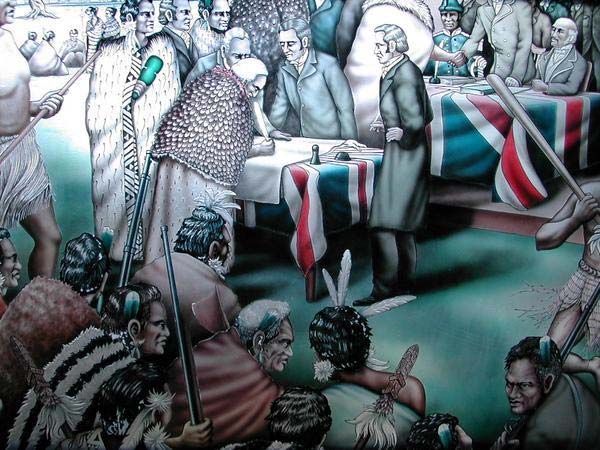
General Information for Choosing your Course
Year 11 – Students study six subjects.
English and Mathematics are compulsory and can be taken at different levels
Science is strongly recommended.
Your teachers in these subjects will discuss which Level 1 course is best for you.
Your career plan will probably suggest 1-3 other subjects which you must take.
Then you have personal choice to complete your subject selection, including one spare
subject. Keep your course as wide and general as possible at this level.
Year 12 – Students study six subjects
English at an appropriate level is compulsory.
Mathematics is strongly recommended, especially if you did not get at least 14 credits at
Level 1.
Your Vocational Pathway career plan will probably suggest 1-3 other subjects which you
must take.
You have free choice to complete your subject selection, including one spare subject.
Most subjects will have a pre-requisite for Level 2 entry – check it out.
Keep an eye on what subjects you can take through to Level 3 & UE next year.
Year 13 – Students study five or six subjects
There are no compulsory subjects, but your subject selection will be firmly fixed on your
Vocational Pathway career plan and the qualifications you need to get there.
Entrance to University and Poly Tech Degree Courses
To gain entry to a University (and Poly Tech degree courses) you must get
University Entrance You will need:
NCEA Level 3 (60 credits at Level 3. These can be Achievement or Unit Standards)
Gain at least 14 credits in THREE approved Level 3 Subjects (i.e. have Ach Stds)
Literacy - 10 credits at Level 2 or above , made up of:
5 credits in reading
5 credits in writing
Numeracy - 10 credits at Level 1 or above, made up of:
achievement standards – specified achievement standards available through a range of
subjects, or
unit standards - package of three numeracy unit standards (26623, 26626,
26627- all three required).
Once you have met the requirements for University Entrance it will appear on your Record of
Achievement.
THIS IS THE MINIMUM LEVEL. Universities have set higher requirements for some courses
based on points gained and the number of Merits and Excellences you gain. See your dean
or Mrs Toohey for details.
Students aiming for a degree course at university or polytech must aim for Merit and
Excellence endorsement in NCEA.
Prerequisites
You usually have to gain a certain number of credits at level 1 before you can
study a subject at level 2. This is called a prerequisite. Normally you must gain
12-15 credits before you can go to the next level. Sometimes you must gain a
particular standard to progress to the next level. Check the subject information
page for prerequisite details.

Multi-Level Studies
It is important to study the subjects you need at a level that is right for you. It is
possible (and often very sensible) to study a level 1 subject in year 12 or 13.
Many students in years 12 & 13 study subjects at different levels.

National Certificates
You can gain a National Certificate Level 2 in some subjects in year 12 & 13.
These are two year vocational courses which are studied as well as NCEA and
can be very useful when applying for polytech courses.

Scholarship
Scholarships are gained in individual subjects. Able Year 13 students will be
encouraged to do the extra work required to achieve this award. Your teacher will
discuss this with you. Success in Scholarship does not contribute any credits to
Level 3 NCEA.

Vocational Pathways
Vocational Pathways is a government programme to ensure school students
study the correct subjects which will lead to the job or career path they want. Most
jobs/professions are listed in the VP job profiles. Students can also discover their
Vocational Pathway by looking at their results on the NZQA website. Once
students have selected their job/career and Vocational Pathway then selecting
the correct subjects to get them there becomes easy.

                  In this booklet you will see which subjects
                  support the various Vocational Pathways.
                            Make your subject courses carefully
                               according to your Vocational
                            Pathway. This process is set out on
                           the option choice form. Your dean or
                                    Mrs Climo will help.
Summary of Courses for 2019
                     This chart shows each subject’s pathway through the senior school from Level 1 to Level 3

Year 9&10                 NCEA Level I                         NCEA Level 2                         NCEA Level 3
                                                                                                    University (Tertiary) Entrance
                                                                                                    Scholarships
English                   English                              English                              English
                          Vocational English                   Vocational English                   English Literacy*
                          Enterprise English                   Enterprise English
                          Supported Learning English
                          ESOL                                 ESOL                                 ESOL*
                                                               Media Studies                        Media Studies

Mathematics               Mathematics                          Mathematics                          Mathematics with Calculus
                          Vocational Mathematics               Mathematics with Statistics          Statistics & Modelling
                          Enterprise Mathematics               Vocational Mathematics
                          Supported Learning Mathematics       Enterprise Mathematics

Science                   Science                              Biology                              Biology
                                                               Chemistry                            Chemistry
                          Science for Sport and Health         Physics                              Physics
                                                               Science for Sport and Health
Social Studies            History                              History                              History
                          Geography                            Geography                            Geography
                                                               Classical Studies                    Classical Studies
                                                               Tourism National Cert                Tourism National Cert*

Enterprise Studies        Business Studies                     Business Studies                     Business Studies

Drama                     Drama                                Drama                                Drama

Graphics                  Graphics (VCD)                       Graphics (VCD)                       Graphics
Health                      Health                             Health                                Health

Information Technology      Digital Technologies               Digital Technologies                  Digital Technologies
Computing                                                      Computing Technician Skills           Computing Technician Skills

Home Economics              Home Economics                     Hospitality (Intro Skills) Nat Cert   Hospitality (Intro Skills) Nat Cert*
                                                               Childcare                             Childcare*

Japanese                    Japanese                           Japanese                              Japanese

Te Reo Māori                Te Reo Māori                       Te Reo Māori                          Te Reo Māori

Music                       Music                              Music                                 Music

Physical Education          Physical Education                 Physical Education                    Physical Education
                                                               Outdoor Education                     Outdoor Education*

Technology                  Building Trades                    Building Trades                       Building Trades
                            Engineering (Mechanical)           Mechanical Engineering

Visual Art                  Visual Art                         Design, Painting,                     Design, Painting,
                                                               Printmaking, Photography              Printmaking, Photography

Careers/ Transition         Transition – 4pds per week         Transition – 4 periods per week       Transition - 4 periods per week
                                                               Gateway Programme                     Gateway Programme*
                            Pathways – all students 1 period   Pathways – all students 1 period

* Shows subjects which do NOT contribute to University Entrance
Entry Level Qualification Chart

8             Post Graduate Diploma & Certificate
                  e.g. Teaching, Nursing, etc

7               Bachelor Degree (University)
               Graduate Diploma & Certificate

6            Diploma Qualification (Two year)

5
                 Diploma Qualification
         Certificate Qualification (Two Year)

        Certificate Qualification (One year)
4       Polytech & other Tertiary Providers

               NCEA Level 3 & UE
3         Minimum Qualification for Entry to
            University & Degree Courses

2
                NCEA Level 2
       Minimum Level for Pre-Trade Entry

1           NCEA Level 1
         Foundation Qualification

0       No Qualification
       Very Limited Choices
Some Basic NCEA Facts To gain NCEA Level 1 a student must gain at least 80 credits. Ten of these credits must be in Literacy and ten must be in Numeracy. Literacy & Numeracy can be gained in many standards in various subjects. The average Level 1 course has up to 120 credits available. NCEA Levels 2 & 3 require 60 credits at or above the level as well as 20 credits from a lower level. You must also have at least L1 Lit & Num Credits are gained by meeting national standards. These standards are set out as either Achievement Standards or Unit Standards. Each standard has a number of credits attached. In many subjects achievement standards and unit standards are combined. Students and teachers have a very wide choice of what standards to study. Most courses offer between 18-24 credits during the year. Standards can be assessed internally (marked by your teacher) or externally (e.g. exam at the end of the year) Students achieve standards at the level of ‘Achieved’, ‘Merit’ or ‘Excellence’. You get the same number of credits regardless of the level achieved. Students who get at least 50 credits at ‘Merit’ or ‘Excellence’ level will have their NCEA Certificate endorsed showing this achievement Subject endorsement can be gained if you get at least 14 credits at Merit or Excellence, gaining at least 3 credits externally. NZQA will check (moderate) samples of marked student work to ensure national standards are met for internal assessment. This means that standards between schools are similar. NCEA entry fees are currently $76.70. Financial assistance can lower this fee to $20.00. Some students can qualify for extra assistance such as extra time or reader/writer assistance during the exams. Ask your dean for details.

Subject
Descriptions

   2019
Arts - Visual
 Paint, Design, Photography, Printmaking

 HOD: Whāea Rowena Clemence

Visual Arts in levels 1, 2 and 3 is of a high academic standard:
Level 3 is UE and can be used as a pathway into University or as
a reason for attending Art and Design Schools. Levels 1 and 2
are strong academic and vocational courses, which can be individually tailored to each
student’s needs and strengths. Studying Art is an essential aspect of understanding society.

How is this subject assessed:
Art students create a completed body of work based on their own ideas and passions. We start
with spending time in term one generating a strong concept (what your work is about) and tailor
the course to suit the student’s interests. A degree of self-management is important in this, as
we expect students to lead the learning with guidance from the teacher. Students at all three
levels will need to produce an independent folio of work for external assessment and exhibition
along with a digital blog/workbook to attain credits in these courses.

Art work by Justine Pagarigan, Year 12 Painting    Digital Photography work by Brandon Pope, Year 12 Photography

Course Outlines:
 Visual Art Level 1         Up to 26

 Level 2 Painting           20           Level 3 Painting       22

 Level 2 Design             20           Level 3 Design         22

 Level 2 Photography 20                  Level 3 Photography 22

Art work by Qy’ana Currie Year 13 Painting
How does this subject fit into the senior school pathway?

Level one: Visual Arts is a generic practical Art course. It is a base level intended to set students up to
successfully attain NCEA level 2 in a specific field. Because there are students who are already very
keen on a specific field before they get to level one, the structure and design of our course allows
students to specialise based on their own interests a little earlier than other school settings.

 Level 2                                     Level 3

 Painting - Blog and 2 panel folio           Painting - Blog and 3 panel folio(14 credits University
 based on paint techniques and clear         entrance), study of 6 - 8 Artist models over the year that relate
 concept of own choice, study of 4 - 6       to clear student developed concept.
 Artist models over the year that relate     Scholarship exam also available
 to this.

 Design - Blog and 2 panel folio based       Design - Blog and 3 panel folio (14 credits University
 on a client and design brief that           entrance), based on a client and design brief that students co-
 students co-construct.                      construct. Reflection and study of a number of design
                                             movements is required.
                                             Scholarship exam also available.

 Photography - Blog and 2 panel folio        Photography - Blog and 3 panel folio (14 credits University
 based on camera techniques and              entrance), based on the study of 6 - 8 artist models over the
 clear concept of own choice and             course of the year that relate to clear student developed
 editing for photography                     concept. Reflection, refinement the creation of original work is
                                             required here.
                                             Scholarship exam also available

Painting by Jibryl, Year 13 Painting, 2017                        Design by Theresa, Year 13 design 2017
Biology
HOD: Mr M Stock TIC Mr A Kane
Subject description: The study of life and
structure of living things. Level 2 looks at ecology,
cells, genetics and some evolution ideas. Level 3
looks at species interactions, genetics,
biotechnology,primate and human evolution.
Pre-requisites
To get into Level 2: A pass in Level 1 Biology external exam A/S90948 or obtaining 12
internal credits
To get into Level 3: At least 12 credits in Level 2 Biology or Head of Department approval.
How is this subject assessed?
All credits in Biology contribute to NCEA
and University Entrance.
Subject Total Credits
Science Level 2 20
Biology Level 3 20
Course Contribution:
Approximately $35 for the Scipad workbook that is used in class and field trips.
How does this subject fit into the senior school pathway?
Level 1 Level 2 Level 3
Science Biology Biology
Chemistry Chemistry
Physics PhysicsBuilding and Construction
Level 1 NCEA
Building and Construction Level 2
Tutors Mr F Rzoska
Subject descriptions:
Building and Construction National Certificate Level 2
These unit standards represent a set of foundation skills over a two year time frame achieving the
National Certificate in Building, Construction and Allied Trades Skills (BCATS).
They may be used towards the first stages of an apprenticeship or as a basis for a pre-trade
course. It is particularly relevant for people wishing to pursue careers in carpentry, joinery,
cabinet making and all related trades.
As the Level 2 and 3 National Standard qualification represents a common foundation for the
industry, five unit standards are compulsory
Students may be offered GATEWAY placements to support their learning
Subject descriptions:
Building and Construction Level 1 Course
To provide a variety of design and practical experiences which are challenging and creative.
These experiences build lifelong skills in designing and construction techniques.
To develop practical skills and ingenuity in students through activities based around real life
projects.
To enable students to produce unit standards theory combined with practical skills that will be
used as a representation of their abilities within the workplace or further educational purposes.
To prepare and enable students to achieve NCEA unit standards credits for future study.
How are these subjects assessed?
The subjects are NCEA assessed by internal unit standards.
Subject Unit Standards Compulsory Standards
Subject Level 1 9 3
Subject Level 2 10 5
Subject Level 3 6 0
Pre-requisites:
To get into Levels 1/2/3: None. These courses are designed to meet the needs of the
student who has a keen interest in a career within the building and construction related
trades industry.
Course contribution
Level 1 $45.00 Level 2/3 Over two year $75.00 first year $45.00 second yearBusiness Studies &
Economics
HOD: Mr J Handley-Packham
Students often choose Business studies to learn how to launch
their dream business in the future. The idea of someday being
your own boss can be very attractive, but becoming a
successful entrepreneur demands creativity, innovation and
strong planning and execution skills. Business Studies will
develop your entrepreneurial skills and can help set you on
the right path to becoming New Zealand’s next millionaire.
Economics is about choice and the impact of your choices on
each other. It relates to every aspect of our lives, from the
decisions we make as individuals or families, to the structures Subject description
created by governments and businesses. It provides a logical Level 1 Business Studies includes some
way of looking at a variety of financial, societal and ethical Economics and Accounting leading towards:
issues so that we learn to make better financial decisions and Level 2 &3 Business Studies which can
make a more positive contribution to our economy. include some Economics depending on
In today’s working world, transferable skills and flexibility, student interest.
together with strong personal characteristics, are highly
sought after by future employers. Employers are particularly
interested in applicants with good analytical and problem-
solving skills. Training in Business Studies and Economics
emphasises these skills and helps to make school leavers more
marketable in the workforce.
How is this subject assessed?
All credits in Business Studies contribute Pre-requisites: to get into Level 1:
to NCEA and University Entrance. Open entry, although you will generally have
enjoyed Social Studies in Year 10 and be
Subject Total Credits prepared to read, research and write.
Business Studies1 20 To get into Level 2: Pass NCEA Level 1
Business Studies 2 20 To get into Level 3: Pass NCEA Level 2
Business Studies 3 20 General pre-requisites: You can pick up
Business Studies at any level but you do need
good literacy skills.
Students in New Zealand must move up the value chain and lead a new era of global cooperation as 21st century
learners. New Zealand needs citizens who are smarter, more creative, and more capable of leading, managing,
collaborating and networking with productive people around the world. Qualifications in Business, Accounting,
Economics and Marketing helps young people in being able to move themselves and New Zealand up the value
chain.
How does this subject fit into the senior school pathway?
Level 1 Level 2 Level 3
Business Studies Business Studies Business Studies
(incorporates Economics and (incorporates Economics and Economics
Accounting) Accounting) Accounting
Financial Literacy Financial LiteracyChemistry
HOD: Mr M Stock
Subject description
Chemistry is an investigation of structure,
physical and chemical behaviour of substances.
A significant amount of practical work is carried
out.
Pre-requisites
To enter Level 2: Pass in Level 1 Chemistry external exam A/S 90944 or obtaining 12 internal
credits.
To enter Level 3: Pass in level 2 Chemistry Achievement Standards obtaining 12 credits, or
better, or Head of Department approval.
How is this subject assessed?
All credits in Chemistry contribute to NCEA
and University Entrance.
Subject Total
Credits
Subject Level 1 8 4 internal/ 4 external
Subject Level 2 23 10 internal/ 13 external
Subject Level 3 25 10 internal / 15 external
Course contribution::
Chemistry workbook at both level 2 and 3.
Approximately $30
How does this subject fit into the senior school pathway?
Level 1 Level 2 Level 3
Science Chemistry ChemistryChildcare
HOD: Miss A Taylor
Subject description
Students learn about child development, importance of
play and learning and how to care for a child from birth
to mainimg-food
school age. Activities include making toys, work
place experience and preparing food for children.
L3 is a lot more independent learning
L2 is run by Plunket
Pre-requisites - Open entry but a willingness to read,
research and write as well as undertake practical
activities and attend work experience.
To get into Level 2: At least 10 credits in Level 1 in an
English based subject and an interest in children or by
negotiation.
To get into Level 3: At least 10 credits in Level 2 English
based subject or by negotiation.
General pre-requisites: An interest in children’s
education and development.
How is this subject assessed?
All credits in Childcare contribute to NCEA.
Total Credits
Childcare Level 2 20
Childcare Level 3 16 - 18
Course contribution:
Level 2 – covers booklets $30.00
Level 3 – covers booklets $30.00
How does this subject fit into the senior school pathway?
Level 1 Level 2 Level 3
Home Economics Child Care Child CareClassical Studies
TIC: Ms S Handley
Subject description
Classical Studies is the study of the ancient
civilizations of Classical Greece and Rome. This
subject looks at mythologies, battles, artworks
and the continuing impact these ancient
societies have on our modern day world.
Pre-requisites
To get into Level 2: 12 credits or more in English, History or Geography
To get into Level 3: 12 credits in English, History, Geography or Classical Studies Level 2.
General pre-requisites: Please note that it is not necessary to do Classics in Level 2 to be able
to study at Level 3, however, you should enjoy research and writing.
How is this subject assessed?
All credits in Classical studies count towards literacy credits and contribute to NCEA and
University Entrance.
Subject Total Credits
Classics Level 2 16-20
Classics Level 3 16-20
Course contribution:
Workbook and copying $15
How does this subject fit into the senior school pathway?
Level 1 Level 2 Level 3
Classical Studies Classical StudiesComputer Technician Skills
HOD: Mrs R Close
Subject Description
This is a practical course, covering many
different aspects of computing.
Students will be given the opportunity to have
hands-on experience working with trained and
qualified computer technicians to learn about
how computers work, be able to maintain
computers and resolve both hardware and
software problems.
Students will also be using computers to learn
new skills and programs.
This could lead to employment and/or further
training opportunities in the growing IT sector.
Pre-requisites
Open Entry to all Year 12 and 13 Students.
An interest in computers and problem solving.
Students can also study Level 2 or Level 3 Digital Technologies.
How is this subject assessed?
Students can gain both Level 2 and Level 3 credits which contribute to NCEA. Many of
the standards also gain credits towards the NZ Certificate In Computing.
Total Credits = 20
How does this subject fit into the senior school pathway?
Level 2 Level 3
Computer Technician Skills Computer Technician Skills
Digital Technologies Digital Technologies
NZ Certificate in Computing – Levels 2 and 3Digital Technologies
HOD: Mrs R Close
Subject Description
This is a practical course, covering many
different aspects of computing. It is designed to
give students a working knowledge of the most
commonly used software programs, some
knowledge of programming, and the ability to
problem solve. Students can work at own pace
and complete assessments when they feel
confident of success.
Pre-requisites
To get into Level 1: Open entry
To get into Level 2: At least 12 credits in Level 1 Digital Technology
To get into Level 3: At least 12 credits in Level 2 Digital Technology
General pre-requisites: An interest in computers and problem solving.
How is this subject assessed?
All credits in Digital Technology contribute to NCEA
Level Total Credits
Level 1 21
Level 2 22
Level 3 20
Course contribution?
You will be charged $15.00 for print credits.
How does this subject fit into the senior school pathway?
Level 1 Level 2 Level 3
Digital Technology Digital Technology Digital Technology
Computer Technician Skills Computer Technician SkillsDrama
HOD: Mrs J Clark
Subject description: Drama is a performance
course with 3 performances for an audience.
Students work in groups on scripts, theatre styles
and creating original plays. There are 2 external
exams available at each level.
The Achievement standards or Literacy all
contribute to NCEA Literacy.
Pre-requisites
To get into Level 1:
Students must have demonstrated the
ability to perform in front of an
audience through course work or extra-
curricular activities.
To get into Level 2: At least 9 credits
in Level 1 Drama or demonstrated
performance ability.
To get into Level 3: At least 9 credits
in Level 2 Drama or demonstrated
performance ability.
General pre-requisites: Students may
enter Drama at any level but it is
essential that they can demonstrate
performance ability. A high standard of
reading and writing are also required.
How is this subject assessed?
All credits in Drama contribute to NCEA and University Entrance.
Drama Total Credits
Drama Level 1 18
Drama Level 2 19
Drama Level 3 20
Opportunity to view live theatre.
How does this subject fit into the senior school pathway?
Level 1 Level 2 Level 3
Drama Drama DramaEngineering Trades
National Certificate in Mechanical Engineering L2
HOD: Mr F Rzoska / Teacher Mr I Rees
Subject Description
Engineering is a practical subject where students complete a
series of industry approved projects. These projects provide
students with an opportunity to learn a wide range of practical
engineering skills and techniques. Each engineering project
encompasses the tools, material requirements, and competency
and knowledge outcomes listed in the unit standards, and
provides a practical and stimulating experience for students.
Students may also be offered additional tuition at SIT or ARA.
A Range of Typical Jobs and Careers that this subject supports.
This course provides a set of foundation skills for mechanical engineering and related trades.
They may be used towards the first stages of an apprenticeship or as the basis for a pre-trade course. It is
particularly relevant for people wishing to pursue careers in general engineering, machining, toolmaking,
fitting, engineering maintenance, fabrication, and marine engineering.
As the Level 2 qualification represents a common foundation for the industry, all unit standards are
compulsory.
These unit standards lead to trade qualifications in mechanical engineering at levels 4 and 5 on the NQF,
and ultimately to the National Diploma in Engineering (Mechanical Engineering) (Level 6).
Our community continues to see growth in the engineering sector. Genuine opportunities exist and needs
learners to keep up with rapidly developing technologies. New entrants to the sector need to build the
underpinning knowledge and specific skills required to meet the needs of modern engineering industries.
This is an exciting and evolving sector that will continue to grow.
Subject Total Credits
Pre-requisites
Level 1 22
To get into Level 1: None Level 2 20
To get into National Certificate L2: None
General pre-requisites: An interest in practical
Engineering activities is desirable.
How is this subject assessed?
The subject is internally assessed with NCEA achievement standards and moderated by ‘Tools
4 Work/Competenz’
Course contribution:
Level 1 Material Cost $45
Level 2 & 3 Material Cost $50
How does this subject fit into the senior school pathway?
Level 1 Level 2 Level 3
Engineering Mechanical Engineering Trades Engineering Trades
National Certificate L2 National Certificate L2English
HOD: Mr S Aitken
In English, students study, use, and enjoy language
and literature communicated orally, visually, or in
writing. Students learn how to express ideas through
a variety of means and how to make critical readings
of a selection of texts.
Pre-requisites
Level 1: Teacher and HoD discretion
To get into Level 2: At least 14 credits at Level 1 (exam success for top English classes).
To get into Level 3: At least 14 credits with some success in the Level 2 English exams.
How is this subject assessed?
All credits in English contribute to NCEA
And University entrance.
Subject Total Credits
English Level 1 19-24
English Level 2 13-25
English Level 3 18-21
Course contribution?
There will be a small fee for English homework and classroom texts as well as printing credits.
Level 1 Level 2 Level 3
English English English
Vocational English Vocational English Vocational English
Enterprise English Enterprise English Enterprise English
ESOL ESOL ESOL
NB UE Literacy is obtained through most Level 2 & 3 subjects. It is a two year pathway for Level 2
Vocational and Enterprise English Courses.ESOL Teacher in Charge: Ms L Briggs Subject Description ESOL should be taken by students who do not speak English as their first language. The subject follows an internally-assessed, NCEA ESOL course. Pre-requisites Levels 1, 2, 3 This course is designed to develop the English language skills for students working at Levels 1-3. The course offers English Language Unit Standards, along with a focus on grammar, literacy and communication skills. Assessments are selected on the basis of previous year’s results, testing, and discussion with the HOD.
Gateway is a TEC funded programme integrating
Gateway Levels 2 & 3 workplace learning with school. Students must
have a clear understanding of the Vocational
Pathway they want to work within. Theory and
HOD: Mrs B Climo Practical industry units are assessed towards
Gateway Coordinator: Mrs L Barnett specific National Certificates NCEA, and NZ
Vocational Pathways Award. Students may also
A Range of Typical Jobs and have the opportunity to enrol onto a Trade
Careers that this subject supports. Academy programme with a tertiary provider.
Gateway students have worked in:
Automotive
Bakery
Chef/kitchen-hand/barista
Housekeeping (motel/hotel)
Nursing/nurse aide
Engineering
Farming
I.T.
Pre-requisites
Citizenship: Must be NZ Citizen/NZ Residency
Age Criteria: Must be 16 years of age.
To get into Level 2: Have gained Level 1 Numeracy and Literacy
To get into Level 3: Have gained Level 2 Literacy approved standards
Trade Related: Learner Licence – restricted is a pre-requisite for employment.
General Pre-requisites: You must have a defined pathway from school to work (course). This
programme is not “work experience”.
Students studying Outdoor education are unable to study Gateway at the same time.
Acceptance on the programme will be confirmed after an interview with the Gateway co-
ordinator at beginning of February (NCEA results dependent).
How is this subject assessed?
Gateway is internally moderated/external industry providers
Subject Total minimum Credits which must be
achieved
Gateway Level 2 20
Gateway Level 3 20
Course contribution: TEC Funded
How does this subject fit into the senior school pathway?
Level 2 Level 3
Gateway Gateway can count credits
Transition/SPEC towards NCEA L3, but not
Trade Academies University Entrance
Trade AcademiesGeography
HOD: Mrs J Handley
Subject description
Geography is the study of our planet, our
country and our city. It is a study of issues
and involves research. It has a large amount
of mapping and graphing work.
Pre-requisites
To get into Level 1:
Open entry, although you will generally have enjoyed Social Studies and you are prepared to
read, research and write.
To get into Level 2: At least 14 credits in Level 1 Geography, English or similar subject.
To get into Level 3: At least 12 credits in Level 2 Geography, English or similar subject.
General pre-requisites: You can pick up Geography at any level, although success is more
likely if you have reasonable reading and writing skills and an interest in issues and society.
How is this subject assessed?
All credits in Geography contribute to NCEA
and University Entrance.
Subject Total Credits
Geography Level 1 21
Geography Level 2 22
Geography Level 3 18
Course contribution:
There is a $5 cost to cover the homework
booklets and the study guide for externals. There is a cost for fieldtrips which will be given
before the trip. Ranging from $20 for Year 11 field trip for the day to 3 day field trip in Year 13
costing $110.
How does this subject fit into the senior school pathway?
Level 1 Level 2 Level 3
Subject Subject Subject
Geography Geography Geography
Tourism TourismGraphics – Design and Visual Communication (DVC)
HOD: Mr F
R Rzoska
Gilbert // Teacher
Teacher Mr
Mr II Rees
Rees
Subject description
The aim of the graphics course is:
To provide a variety of design and drawing experiences
that are challenging and creative and that draw upon
students’ interests. These experiences build skills in
equipment use, line work, colour theory, model making,
presentation, etc.
To develop enquiry and ingenuity in students through
activities based on real-life situations in
Graphic communication, including considering client
needs, economic and environmental issues.
To enable students to produce a portfolio of design work
that could be used as a representation
of their abilities within the workplace or the further
educational purposes.
To prepare and enable students to achieve NCEA Levels
and for future study.
Pre-requisites
To get into Level 1: None
To get into Level 2: None
To get into Level 3: Expect at least 12 credits in Level 2 DVC, English or similar subjects.
General pre-requisites: This course is designed for students who have a keen interest in
graphical communication.
How are these subjects assessed?
All credits in Graphics contribute to NCEA and University Entrance.
Subject Total Credits
Subject Level 1 22
Subject Level 2 29
Subject Level 3 28
Course Contribution
Levels 1, 2 & 3 Material Cost $40
How does this subject fit into the senior school pathway?
Level 1 Level 2 Level 3
Design and Visual Design and Visual Design and Visual
Communication (DVC) Communication (DVC) Communication (DVC)Health Education Health Education will support students to
become actively involved, lifelong learners
box.]
who will be able to bring about positive
HOD: Miss A Aitken change for themselves, others and society.
Health Education also encourages students
to recognise their own potential by reinforcing
communication and interpersonal skills. This
allows them to make informed choices that
“Be the change you want to see in the
will enhance their well-being.
world” – Ghandi
Pre-requisites
To get into Level 1: Open entry. Preferably, you enjoyed Health in the junior school.
To get into Level 2: 12 credits or more in Health L1 or L1 NCEA.
To get into Level 3: 12 credits or more at Health L2 or L2 NCEA
General pre-requisites: You can pick up Health at any level, although success is more likely
if you have reasonable reading and writing skills, as well as having a passion for sharing
knowledge through non-judgemental classroom discussions, enabling critical thinking.
How is this subject assessed?
All credits in Health contribute to NCEA
and University Entrance.
Subject Total Credits
Health Level 1 20
Health Level 2 20
Health Level 3 19
How does this subject fit into the senior school
pathway?
Level one Level two Level three Tertiary
Health Health Health studyHistory
HOD: Mrs J Handley
Subject description
History is a study of the past. The History
courses at Levels 1-3 cover a range of topics
covering major events which have shaped New
Zealand and the World in the past 250 years.
Pre-requisites
To get into Level 1:
Open entry, although you will generally have enjoyed Social Studies and you are prepared to
read, research and write.
To get into Level 2: At least 14 credits in Level 1 History, English or similar subject.
To get into Level 3: At least 12 credits in Level 2 History, English or similar subject.
General pre-requisites: You can pick up History at any level, although success is more likely
if you have reasonable reading and writing skills and an interest in past events.
How is this subject assessed?
All credits in History contribute to NCEA
and University Entrance.
Subject Total Credits
History Level 1 24
History Level 2 24
History Level 3 24
Course contribution?
There is a $5 cost to cover homework booklets and study
guides for NCEA. The costs for Fieldtrips will be given at
the time.
How does this subject fit into the senior school pathway?
Level 1 Level 2 Level 3
History History
Classical StudiesHome Economics
HOD: Miss A Taylor
Subject Description
NCEA L1 Home Economics follows on from Year 10, where students develop deeper knowledge and
understanding on the importance of Health and Safety requirements; especially in the food industry.
They will analyze their own nutritional intake and the effect it has on their well-being, as well as the
impact that cultures from around the world have influenced New Zealand foods.
Pre requisites: It is open entry, although those who did Year 10 Home
Economics will find this course easier.. Good writing skills would
benefit you but is not a requirement. Having the resilience and
confidence to give things a go is important.
To get into L1: ideally you would have taken Yr10, however, it is not
compulsory.
General pre-requisite: That you have an interest in the foods area,
reasonable knowledge in food preparation and nutrition.
How is this subject assessed: All credits in Home Economics
contribute to NCEA and gaining L1 Literacy credits
How is this subject assessed?
All credits in Home Economics contribute to NCEA and University Entrance.
Total Credits
Home Economics Level 1 19
Course Contribution:
Level 1 $100.00
Senior Pathway Level 2 HospitalityHospitality
HOD: Miss A Taylor
Subject Description
This is a L2 course that offers some L3 credits in the second year.
This qualification covers the skills and knowledge relating to health and safety, participating in a
team, maintaining personal presentation, and providing quality food to customers. It is designed
for people who wish to enter the hospitality industry and gain an overview of the possible career
choices available to them. Students taking this course will be expected to attend either Year 10
or leadership camp as chefs.
Pre-requisites
This is an open entry course in the first year, however, having an interest and general
knowledge in Food and Nutrition would be beneficial.
How is this subject assessed?
All credits in Hospitality contribute to NCEA. Unit standards only.
Subject Contribution: Vocational Pathway
Approximately $200 to cover food and resources.
Food Industry
Level 2 (over 2 years) Level 3 (2nd year) Hospitality Industry
32 Credits 9 Credits Catering
Chef
Army / NavyAll credits in Japanese contribute to NCEA and University Entrance.
Mathematics
 HOD: Mr W Werder

Mathematics is a mix of problem solving, logical and critical thinking. It
is a key subject in today’s curriculum and the skills you learn and can
help you in your daily life as well as in many career opportunities
including business, finance, medicine, engineering, and basic
sciences. At the same time, mathematics is a self-contained subject
that is worth studying simply for its beauty
While challenging at times, the study of mathematics can bring a great sense of accomplishment.
Mathematics is an ideal subject for people who enjoy abstract
thinking.

The minimum Numeracy requirement for all levels of NCEA and
UE is 10 credits at level 1. However, some courses at university of
polytechnique may require more.

*Keep the Pre-requites the same down to how this subject is
assessed.*

Course Contributions:

Students will require a Chromebook or laptop, scientific Calculator and Mathematics quad exercise book.

How does this subject fit into the senior school pathways?

At Level 1 you will need to choose one of the following:
 Level 1 Mathematics              Level 1 Vocational                  Level 1 Enterprise
                                  Mathematics                         Mathematics
 This course will
 Careers in the IT industry,      This course would involve           Aiming for those
 engineering economics and        more technical mathematics          students that want to
 the sciences that require        that would be required for the      embed the basics of
 more of the theoretical          trades, or for those students       Mathematics to enable
 Mathematics, also for those      who are looking at degrees in       them to easily meet the
 that simply enjoy the            trades, management, and             prerequisites of the job
 challenge that Mathematics       tourism to name a few.              market.
 offers
You can choose one or both of Mathematics and/or Statistics alternatively you can choose to do
Vocational Mathematics.
Level 2 Mathematics Level 2 Statistics This course is extension of the Level 1 This course is designed to cater for the Mathematics course. And will be students from either Level 1 Mathematics or designed primarily for those who want to the Level 1 Vocational Mathematics. It has a go into careers the IT industry, focus on analysing data that is useful in many engineering economics and the sciences different area from the sciences to changes in and those that are mathematically economic markets; Climate change and curious. business trends. Level 2 Vocational Mathematics This course leads on from the Level 1 Vocational Mathematics course. You would choose this course if you were interested in the trades, or those students who are looking at degrees in trades, management, and tourism to name a few. You can choose one or both of Mathematics and/or Statistics Level 3 Maths with Calculus Level 3 Maths with Statistics This course is designed designed primarily for It has a focus on analysing data that is those who want to go into careers the IT useful in many different area from the industry, engineering economics and the sciences to changes in economic sciences and those that are mathematically markets; Climate change and business curious. trends. Here are some videos for about Mathematics. Learning from Mistakes The Power of Mindset
Media Studies

HOD: Mr S Aitken

 Pre-requisites for Level 2 & Level 3 Media Studies:           Media Studies at HHS consists of
 14 English credits, with some external exam success at the
                                                               analysing key media concepts
 previous level or at the discretion of Mr Aitken.
                                                               such as gender and
 Course contribution:                                          representation, as well as
 There will be a small fee for Media homework and              planning and making short films
 classroom texts as well as printing credits.                  or documentaries.

Why Study Media Studies?
The media is everywhere. They feed us fact and fantasy, ideas and information, sign and symbol,
truth and lies. Their influence is profound, and, ideally, painless. Media Studies is the systematic
examination of both the traditional media (such as radio, newspapers and television) and the newer
media (such as the Internet and electronic games). As a discipline it seeks to develop an informed
and critical understanding of the ways in which the media influence social, political and economic
areas of life, as well as the way they shape our perceptions, attitudes, desires and behaviour.
Music
HOD: Mrs K Beer
Subject description: Music is an art form,
which includes a wide range of experiences,
such as:
Performing,
Composing,
Using musical instruments,
Singing,
Appreciating all styles of music.
Pre-requisites
To get into Level 1:
You must be prepared to perform to a public audience; you will generally have enjoyed
junior music. Students must have at least three years’ experience singing or playing an
instrument.
To get into Level 2: At least 12 credits in Level 1 Music or Drama.
To get into Level 3: At least 12 credits in Level 2 Music.
General pre-requisites: Students who have not done music can meet the required standard
in an audition for the HOD.
How is this subject assessed?
All credits in Music contribute to NCEA and University Entrance.
Total Credits
Music Level 1 16
Music Level 2 20
Music Level 3 18
Course contribution:
$40 for students who take individual instrumental lessons.
How does this subject fit into the senior school pathway?
Level 1 Level 2 Level 3
Subject: Music Subject: Music Subject: MusicOutdoor Education
HOD: Mr A Kane/ Mr P Daines
Subject description: Outdoor Education is
about learning new skills to safely enjoy our
great outdoors. Level 2 teaches you basic
tramping, camping, navigation and rock climbing
skills. Level 3 takes these skills further and
higher and includes some basic mountaineering
skills . Students are working towards gaining the
Level 3 NZ Certificate in Outdoor Experiences.
Pre-requisites
To get into Level 2: Open entry, but you should be reasonably active and show a positive
attitude to theory and practical work.
To get to Level 3: Must have survived the Level 2 course and passed at least the following
standards: weather, tramping, camping and navigation.
How is this subject assessed.
All credits in Outdoor Education contribute to NCEA
and University Entrance.
Subject Total Credits
Outdoor Ed. Level 2 32
Outdoor Ed. Level 3 39
Course contribution?
Due to the large practical component of Outdoor
Education the Level 2 expected contribution is $275 and the Level 3
expected contribution is $375.
How does this subject fit into the senior school pathway?
Level 1 Level 2 Level 3
Physical Education Physical Education Physical Education
Outdoor Education Outdoor educationPhysical Education
HOD : Mr I Hilliard
Subject description:
Physical Education is a 3 year course designed
to give students the knowledge and skills to
enable them to analyse, plan and teach
physical skills. The knowledge will give the
students skills to improve both their own, and
others, competency and confidence to
participate in a wide range of physical activities.
Pre-requisites
To get into Level 1: a high level of sport participation and involvement,
To get into Level 2 Biomechanics. Standard at Level 1
To get into Level 3 Biomechanics and Training Principles and Methods at Level 2.
How is this subject assessed?
All credits in Physical Education contribute to NCEA
and University Entrance.
Subject Total Credits
Phys Ed. Level 1 18
Phys Ed. Level 2 18
Phys Ed. Level 3 20
How does this subject fit into the senior school pathway?
Level 1 Level 2 Level 3
Physical Education Physical Education Physical Education
Outdoor Education Outdoor EducationPhysics
HOD: Mr M Stock
TIC: Mr J Minto
Physics at Levels 2 - 3 is a study of mechanics,
waves, electricity and magnetism and modern
developments such as radioactivity. Physics has
both a theory and practical component.
Mathematical skills are important in Physics.
Pre-requisites:
To get into Level 1: N/A
To get into Level 2: Pass in Level 1 Physics external exam A/S 90940 or obtaining 12
internal credits.
To get into Level 3: Pass in Level 2 Physics Achievement Standards obtaining 12 credits or
better, or Head of Department approval.
General pre-requisites: Mathematical skills including graphing, trigonometry and problem
solving.
How is this subject assessed?
All credits in Physics contribute to NCEA and University Entrance.
Subject Total Credits
Subject Level 1 N/A
Subject Level 2 10 internal / 16 external
Subject Level 3 13 internal / 16 external
Course contribution: Purchase of course manual, approximately $30.
How does this subject fit into the senior school pathway?
Level 1 Level 2 Level 3
Subject Subject Subject
AS Science Physics PhysicsScience
HOD: Mr M Stock
Subject description:
Science at Level 1 includes three external
exams in Biology, Chemistry and Physics.
There are 3 internally assessed Achievement
Standards in Biology, Chemistry and Physics.
Pre-requisites
To get into Level 1 Achievement Standards: Satisfactory performance in Year 10 Science
General pre-requisites: Adequate level of Literacy and Numeracy
How is this subject assessed?
All credits in Science contribute to NCEA
and University Entrance.
Subject Total Credits
Subject Level 1 24
Subject Level 2 N/A
Subject Level 3 N/A
Course contribution: Purchase of course
manual, approximately $20.
How does this subject fit into the senior school pathway?
Level 1 Level 2 Level 3
AS Science Biology Biology
Chemistry Chemistry
Physics PhysicsPractical Applications of Science
TIC: Mr M Stock
Subject description:
The Practical Science course is specifically designed for
year 11 students who want to gain credits through doing
hands-on practical investigations into the world around
them.
You will be able to develop your practical investigative skills
and improve your scientific literacy.
Depending on student interests, the course will cover topics
ranging from Human Anatomy, Aerodynamics of Flight,
Volcanoes and Earthquakes, Kitchen Chemistry,
Astronomy, Sports Science and Weather.
Pre-requisites:
To get into Level 1: Satisfactory performance in Year 10
Science
General pre-requisites: Adequate level of Literacy and
Numeracy
How is this subject assessed?
All credits in Science contribute to NCEA and University Entrance.
Subject Total Credits
Subject Level 1 24 (internal)
Subject Level 2 N/A
Subject Level 3 N/A
Course contribution: Purchase of course manual, approximately $20.
How does this subject fit into the senior school pathway?
Level 1 Level 2 Level 3
Science Biology Biology
Chemistry Chemistry
Practical Applications of Physics Physics
ScienceTe Reo Mäori HOD: Mātua Corey Kamariera Subject description By learning Te Reo Mäori, students can increase their awareness of the central role that Te Reo Mäori and culture play in shaping New Zealand’s identity. Develop an understanding and knowledge of Te Reo Maori through korero, Panui, whakarongo and whakaari. Pre-requisites To get into Level 1: Satisfactory completion of Year 10 Te Reo To get into Level 2: 12 credits at Level 1 Te Reo To get into Level 3: 12 credits at Level 2 Te Reo General pre-requisites: An interest in Te Reo Māori and tïkanga. All students are encouraged to take part in Kapa haka. All students in Yr 9, Yr 10 and seniors will attend noho marae throughout the year How is this subject assessed? All credits in Te Reo Mäori contribute to NCEA Subject Total Credits Te Reo Mäori Level 1 30 Te Reo Mäori Level 2 30 Te Reo Mäori Level 3 30 Course contribution: All Levels – Noho Marae $30 How does this subject fit into the senior school pathway? Level 1 Level 2 Level 3 Te Reo Mäori Te Reo Mäori Te Reo Mäori
Tourism
 National Certificate in Tourism Level 2
 HOD: Mrs J Handley

Subject description
This is a practical subject which helps students
to obtain the skills and knowledge that will be
required in the tourism industry. It teaches
about a variety of places and activities around
the globe and in New Zealand.

                                                    A Range of Typical Jobs and Careers that
                                                    this subject supports:
                                                    Travel Agent, Travel Broker, Air Hostess,
                                                    Hospitality, Hotelier, Tour Guide, Concierge,
                                                    Chef, Information Officer, Bar Staff,
                                                    Backpacker             Manager,        Sales
                                                    Representative, Barista, Front of House,
                                                    Skipper, Coach Driver , Event planner, Jet
                                                    boat driver, Bungy Jumping and Rafting
                                                    Instructor.

 Pre-requisites: Open entry to senior students

 To get into Level 2: Open entry to all students
 To get into Level 3: Open entry to all students

 General pre-requisites: an interest in tourism and / or travel would be beneficial

How is this subject assessed?
To obtain the National Certificate in Tourism Level 2
Students will need to obtain at least 40 credits in
Tourism. This may be achieved in 1 or 2 years. There
are Unit Standards available for students who are
working towards Level 3 NCEA.

  Subject                 Total Credits
  Tourism Level 2            14 - 18
  Tourism Level 3               22

Course Contribution
A contribution for each booklet is requested. $25 for each Year 12 booklet and $35 for each
Year 13 booklet is requested
How does this subject fit into the senior school pathway?

Level 1                           Level 2                          Level 3
 Subject                         Subject                         Subject
                                 Tourism                         Tourism
S.P.E.C. (Specific Preparation for Employment and Citizenship) HOD: Mrs V Sanford This is an alternative NZQA programme that allows students to work on special interest modules leading to a nationally recognised qualification. The programme is not an NCEA course but can complement many NCEA areas and also allows students to gain Supported Learning Level 1 credits towards NCEA in the form of specific Unit Standards. The programme offered in 2019 is the New Zealand Certificate in Skills for Living and offers a pathway forward to Employment or Vocational Training/Apprenticeships or the New Zealand Certificate in Foundation Skills Level 1. There is an optional “work strand” component to this qualification. The Ready for Work course provides a framework to prepare young people for work. This programme is aimed at Level 1 and 2 students who have not yet achieved L1 NCEA. Pre-requisites: There are no pre-requisites to gain entry into this course, however, students must be able to work independently, set learning goals and complete tasks to an acceptable standard. This course is designed to be a student driven programme, with the student making choices about what topics they want to study. All Unit Standards are internally assessed but student folios are externally moderated. It is envisaged that this qualification would be achieved over an 18 month - two year period for most students. Students must complete 11 modules (booklets) with a minimum of 10 tasks from each one.
Trade Academies
HOD: Mrs B Climo
In consultation with Year Level Dean
Trade Academies are partnerships between tertiary
providers and local secondary schools and no cost is
incurred by the students. These are funded by the
Ministry of Education. Students have access to the
latest workshops, equipment and professional trades
tutors one or two days per week. The remaining three
or four days are at school. As part of the Trade Academy
you may be required to complete work placement.
At the conclusion of the year students will have
achieved:
Level 2:
50-70 credits: Trade Academy
20 credits: School based subjects
How could it work:
Monday Tuesday Wednesday Thurs/Friday
Normal school timetable Trade Academy :
ARA
National Trade
Academy (farming /
horticulture)
S.I.T.
It is envisaged that students who move on to this programme would then
ultimately move to full time Youth Guarantee training at the beginning of the next
academic year.Secondary Tertiary Offerings Ara 2018 ‐ Christchurch
Delivery Model
Course Credits
Level
Qualification name
Business & Retail
NZ Certificate in Retail 3 60 2 x days per week 34 weeks
NZ Certificate in Business (Administration and 3 60 2 x days per week 34 weeks
Technology)
Introduction to Retail, Business Administration
2 18 1 x day per week ‐ Semester 2 offering
and Technology
Health & Social Services
Social and Community Services 2 41 2 x days per week 34 weeks
Computing
Digital Technologies 2 20 1 x day per week or as negotiated
Trades
Electrical Engineering 2 43 2 x days per week 34 weeks
Introduction to Construction (1 x day) 2 30 1 x day per week 34 weeks
Introduction to Construction 2 60 2 x days per week 34 weeks
NZ Certificate in Allied Trades ‐ Carpentry 3 60 2 x days per week 34 weeks
Introduction to Automotive and Engineering 2 60 2 x days per week 34 weeks
Introduction to Automotive (1 x day) 2 30 1 x day per week 34 weeks
Hospitality & Services
Certificate in Foundation Studies‐ Hospitality 1 29 2 x 3 hr sessions per week 34 weeks
Supported Learning
NZ Certificate in Cookery 3 60 2 x days per week 34 weeks
NZ Certificate in Salon Skills (Introductory) 2 61 2 x days per week 34 weeks
NZ Certificate in Hairdressing (Salon Support) 3 60 2 x days per week 34 weeks
NZ Certificate in Hospitality (Cookery & Food
2 40 1 day per week 34 weeks
Bev)
Introduction to Beauty Therapy Industry 2 25 1 x day per week ‐ Semester 1 offering
Introduction to Beauty Therapy Industry 2 15 1 x day per week ‐ Semester 2 offering
Hospitality Career Pathways 3 29 1 x day per week
NZ Certificate in Construction Trade Skills 3 120 2 x days per week over 2 years
Creative Industries 2 60 2 days per week 34 weeks
Te Reo 2 TBC 1 day per week
Applied Science
Physical Health and Sport in the Community 2 45 2 x days per week 34 weeks
Humanities
Early Childhood Studies 2 25 1 x day per week 34 weeks
Sustainability and Outdoors 2 20 1 x day per week 34 weeks
Sustainability and Outdoors 3 22 1 x day per week 34 weeks
Engineering
Electrotechnology 2 20 1 day per week 34 weeksYou can also read


