PEER-TO-PEER DEPRESSION AWARENESS - MENTOR MANUAL RAISE AWARENESS. END STIGMA. PROMOTE HELP SEEKING.
←
→
Page content transcription
If your browser does not render page correctly, please read the page content below

PEER-TO-PEER
DEPRESSION
A WA R E N E S S
C A MPA I G N
MENTOR MANUAL

RAISE AWARENESS. END STIGMA. PROMOTE HELP SEEKING.
TABLE OF CONTENTS ACKNOWLEDGEMENTS
Introduction 2-9 Credits
Table of Contents 2 Writing and Editing:
Acknowledgements 2 Stephanie Salazar, MPH, CHES
INTRODUCTION
sawaters@umich.edu
Year 1 Program Checklist 3-4
Background and History 5-7 Lizelle Salazar, MPH
Program Roles 6 lsalazar@umich.edu
Does it Work? 7
Faculty Mentor Roles and Responsibilities 8-9 Layout and Design:
Jeremy Fallis
P2P Member Roles and Responsbilities 9
Editorial Assistance:
Program Overview 10-21 Benjamin Graham
Bryan Bruckman
Overall Timeline 10 Colleen Creal
Mental Health Training for Staff 11 Danielle Taubman, MPH
Identifying Mental Health Resources in your School 11 Dennis Brunzell
Forming a P2P Team 12-13 Jason Pickett
Presenting P2P Program to School Staff 13 Mark Rodan
Roberta Stapleton
P2P Team Meetings 13 Robyn Watson
Kickoff Conference 14 Sagar Parikh, MD
Pre-Campaign Surveys 15 Susan Biermann
Brainstorming: Creating the Depression Awareness Campaign 16-20 Trish Meyer, MEd
Campaign Themes 16
Campaign Curriculum 17 Quotes & Mentor Tips
Campaign Slogans 18 Mentors and students of past P2P campaigns
Budget 18 have lent their thoughts on the program’s im-
Campaign Activities 19 pact on their peers and communities.
Promotional Giveaways & Materials 20
Post-Campaign Surveys 21 Funding
End of Year Celebration 21 This manual is made possible by the gener-
osity of the Ethel & James Flinn Foundation.
Useful Tools 22-33 DISCLAIMER
Action Steps for Common Mentor Challenges 22-23 The Eisenberg Family Depression Center (EFDC)
P2P Meeting Agenda Template 24-25 at the University of Michigan developed the
Peer-to-Peer Depression Awareness Program for
Permission Slip Templates 26-29 schools with careful scientific and health oversight,
Photo Release Form 30 and has published outcome studies. For the public
good, EFDC makes this Peer-to-Peer Depression
Letter to Administrators Templates 31-32 Awareness Program’s Mentor Manual freely
Instructions for Online Survey Distribution 33 available, and is able to provide detailed support
and supervision of such programs elsewhere under
a contractual arrangement. Use of the manual by
Resources 34-36 others without EFDC staff oversight is at the user’s
own risk. The Eisenberg Family Depression Center,
Washtenaw County Mental Health Resources 34-35 its affiliates, the authors, and the contributors to
National Youth Mental Health Resources 36 this manual assume no responsibility or liability for
any content or initiatives that arise from the use
of this manual without EFDC staff oversight. Any
initiative that is a result of the use of this manual
should cite the manual as a source of guidance, but
SUMMER
© 2021 University of Michigan Frances and Kenneth Eisenberg and Family Depression Center such use does not allow any external program to
Rachel Upjohn Building | 4250 Plymouth Road claim that it as being part of EFDC’s Peer-to-Peer
Ann Arbor, Michigan 48109 Depression Awareness Campaign program.
2 P2P MENTOR MANUAL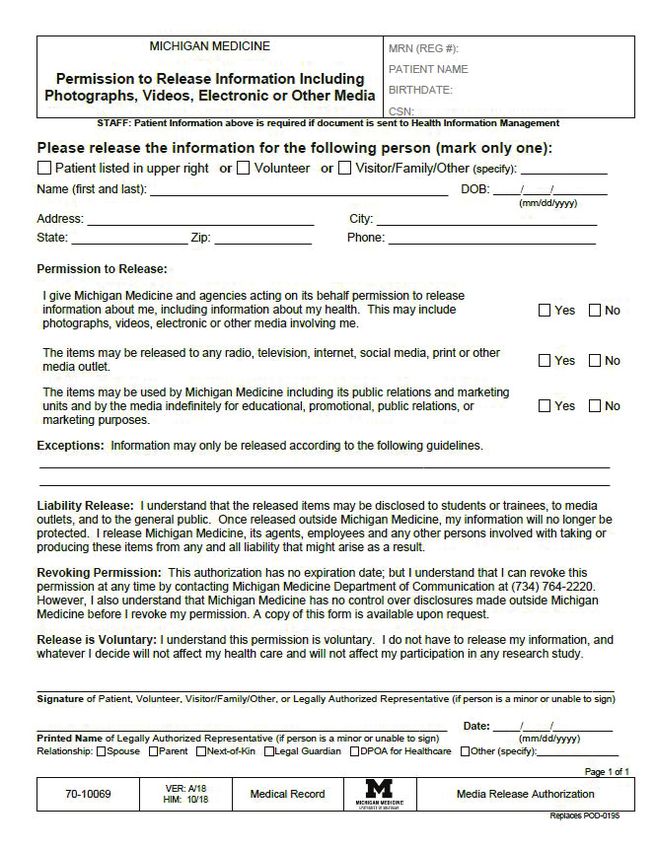
YEAR 1 PROGRAM CHECKLIST
Before School Year Starts

   Mental Health Training for school staff

                                                                                                                               INTRODUCTION
   Identify school mental health resources

September

   Identify and finalize Faculty Mentors (FM)
   Identify and finalize P2P Members
   Present P2P program concept to school staff
   Establish semester meeting times with P2P team
   Meet with P2P Members at least once before the Kickoff Conference
   After first meeting, FM arranges and completes check-in with EFDC staff
   Kickoff Conference prep:
 		    P2P Members answer pre-test survey before the Kickoff Conference
		Distribute photo release forms and permission slips for Kickoff Conference to P2P Members
		Collect T-shirt sizes
		Excuse P2P members from class two weeks before
		Ask P2P members to remind their teachers a few days before
		E-mail Eisenberg Family Depression Center (EFDC) staff the final number of attendees for the
		     conference, including P2P Members, Faculty Mentors, and chaperones
		E-mail EFDC staff t-shirt sizes for P2P Members and Faculty Mentors
		E-mail EFDC staff if you will be needing transportation to the Kickoff Conference
		Collect photo release forms and permission slips for Kickoff Conference

October
   Attend Kickoff Conference
 		    If applicable, arrange for substitute teacher or appointment coverage for Kickoff Conference day
		Submit or bring copies of photo release forms to EFDC
   FM reaches out to teachers about borrowing classroom time for pre-test
   Confirm pre-test times and dates for non-P2P Members with teachers and EFDC staff
   Complete pre-test with non-P2P Members
   Begin campaign brainstorming – Your team will have 5 weeks from the Kickoff Conference date to submit your
   proposal to EFDC! The P2P team will need to develop their concept, proposal, timeline, and budget.

November

                                                                                   “                                 ”
   FM arranges check-in meeting time with EFDC staff before campaign                    STUDENT QUOTABLE
   proposal submission                                                             I learned that it is vital to keep an
   FM completes check-in with EFDC staff                                           eye and an ear out at all times, and
   Contact EFDC staff if you need help in any part of the process                  that even those who don’t show their
                                                                                                                                SUMMER

                                                                                   struggles on the outside can really
                                                                                   benefit from a friendly peer.

                                                                                           P2P MENTOR MANUAL               3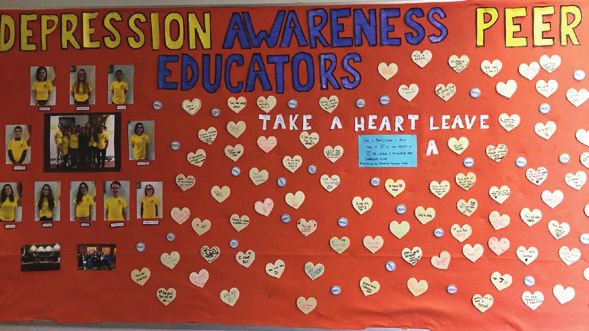
December

                      Submit campaign proposal to EFDC early December
                      After EFDC review, submit any revisions of campaign proposal back to EFDC

                   January-April
INTRODUCTION

                      P2P team develops and implements campaign by end of April
                      Take photos of activities throughout campaign process
                      P2P team e-mails EFDC staff any requests for student speakers or clinicians
                      P2P team e-mails EFDC staff any requests for materials, poster printing or giveaways
                      FM arranges 1 check-in meeting with EFDC staff
                      FM completes 1 check-in meeting with EFDC staff

                   April-May

                     Confirm post-test times and dates for non-P2P Members with teachers and EFDC staff
                     P2P Members complete post-test
                     Same sample group of non-P2P Members complete post-test
                     P2P teams write brief “implementation report” describing how project worked and what they learned for the
                     End of Year Celebration
                     Distribute and collect permission slips for End of Year Celebration
                    		 Notify EFDC if you need transportation
                   		    If applicable, arrange for substitute teacher or appointment coverage
                   		    E-mail EFDC a list of all P2P member names and the number of people attending the celebration
                     Attend End of Year Celebration!
    AUGUST

               4      P2P MENTOR MANUAL
BACKGROUND & HISTORY
  In 2007, the Eisenberg Family Depression Center (EFDC) and the Ann Arbor Public Schools (AAPS) began a
collaboration to provide depression awareness and suicide prevention education, training, and support for AAPS
personnel designed to:

                                                                                                                                       INTRODUCTION
  1
         Address the need for early recognition of depression, bipolar disorder and risk for
         suicide among youth.

  2
         Educate teachers, counselors, and other “front line” personnel working with young people to raise
         their awareness and knowledge of depressive and bipolar illnesses and suicide risk factors.

         Provide professional development to school personnel using a “train-the-trainer” model, so that staff
  3      members in each school will be qualified to train their colleagues in suicide awareness and prevention
         techniques.

  Beginning in fall 2009, a student education component was added to this initiative, which is called the Peer-to-
Peer Depression Awareness Campaign (P2P).

The goals of the Peer-to-Peer Depression Awareness Campaign are to:

  1      Educate middle and high school students about depression, anxiety, and other depressive illnesses.

         Support them in finding creative ways to convey this knowledge to their peers in order to reduce stig-
  2      ma, raise awareness, encourage help-seeking when needed, and ultimately, help to promote the early
         detection of depression, bipolar disorder, and related illnesses.

  The P2P project was built on the premise that teens are more likely to listen to their friends than to well-mean-
ing adults. In order to raise awareness of depressive illnesses, reduce the stigma of depression among teens, and
increase the likelihood of early detection and help-seeking, the EFDC provides the education and resources nec-
essary to support middle and high school students throughout Washtenaw County to develop innovative new
ideas to effectively reach their peers with depression awareness and stigma reduction messages.

  The process of creating the awareness campaigns is a learning experience for those involved, and these students
then spread their knowledge and understanding to others in their school. This in turn increases the likelihood of
early detection of depression among those who are at greatest risk of experiencing the first onset of a depressive
episode.

                                ?EFDCDIDstaffYOUworks
                                                  KNOW...
                                                      with Faculty Mentors from each school to implement the
                                project. The Faculty Mentors each identify 5-30 students from their school
                                to become P2P Members and be part of the P2P team. P2P teams work
                                                                                                                                        AUGUST

                                throughout the school year with advisement from EFDC staff to create the
                                school-wide depression awareness campaign.

                                                                                                               P2P MENTOR MANUAL   5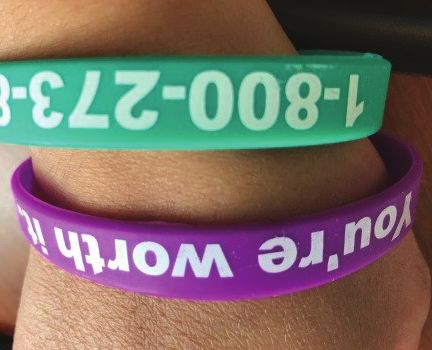
Program Roles
                   EFDC Staff oversee and coordinate training, education, and funding; serve as consultants for the Faculty Mentors
                   and P2P Members; provide resources and support during the campaign creation and implementation process.

                   Faculty Mentors are school-based staff that facilitate the P2P program operations within the school. More infor-
INTRODUCTION

                   mation on page 8.

                   P2P Members are students within the school participating in the program, including attending the Kickoff Con-
                   ference, and the creation/implementation of the campaign. More information on page 9.

                   Non-P2P Members are students who are not part of the P2P team, but are potentially exposed to the campaign
                   activities that the P2P members implement within the school. They complete pre- and post-test evaluations
                   during the school year to show how the P2P team’s campaign activities have impacted school climate.

                                                   EFDC STAFF                            FACULTY MENTORS

                                                                       P2P MEMBERS
    AUGUST

                                                                     NON-P2P STUDENTS

               6       P2P MENTOR MANUAL
So, Does it Work?

THE CHALLENGE

  Many mental illnesses, including depression, emerge during the middle and high school age. Poor mental health
in youth is strongly associated with impaired social functioning, developmental problems, and health and social

                                                                                                                          INTRODUCTION
outcomes such as higher alcohol and other drug use, teen pregnancy, school dropout, and behavioral issues.

HOW EFDC COLLECTS DATA

  Each school year, the P2P Members and a sample of Non-P2P Members complete a 44-question survey before
and after the campaign to measure changes in depression-related knowledge, help-seeking intentions, perceived
stigma, and school mental health climate as a result of the P2P program.

THE IMPACT

  Since 2009, EFDC’s findings indicate that the P2P program results in greater awareness and knowledge of de-
pression and improved school climate surrounding mental health issues.

Survey results have consistently shown positive school-wide gains in participating schools:

  •    Students are more confident in their ability to identify someone who is showing common signs of
       depression and to help them access mental health support services
  •    Students are more likely to seek help if they are experiencing symptoms of depression themselves
  •    Students are less likely to keep it a secret if a friend is thinking about suicide
  •    Students are more comfortable discussing mental health issues with their peers
  •    Students report lower stigma toward mental illness in their school environment

WHY THIS MATTERS

  The P2P program’s value lies in its early detection and prevention of depressive disorders through its school-
wide intervention. Middle and high school age is when students first experience depression-related symptoms,
so it’s important that students are able to recognize it and feel comfortable seeking help early. The mental health
impact that this program makes may translate to lower levels of depression-related academic problems, social
difficulties, alcohol and other drug use, other psychiatric disorders, and suicide. In addition, by having P2P be a
student-led initiative, peer-leaders serve as positive role models that help shape social norms and attitudes re-
garding mental illnesses. The P2P program provides opportunities for students to gain leadership skills, educate
their peers and their community about the important issues surrounding depressive illnesses, and plays a critical
role in combating a significant public health problem.

*A scientific manuscript detailing the P2P program has been published. If you would like to view a full copy of the
manuscript, please contact Danielle Taubman (dtaubman@umich.edu).
                                                                                                                           AUGUST

                                                                                           P2P MENTOR MANUAL          7
FACULTY MENTOR ROLES AND RESPONSIBILITIES

                           Select a P2P Student Team
INTRODUCTION

                             As a Faculty Mentor (FM), you will have the responsibility of making the final decisions on who will be on the P2P
                           team. More information on forming a P2P team can be found on page 12.

                           Coordinate and Facilitate P2P Team Meetings

                            You will need to coordinate where, when, and how frequently the P2P team will meet. Biweekly meetings are rec-
                           ommended. It’s also your responsibility to inform students of these details.

                             During meetings, you will help P2P Members stay on task with their campaign timeline and goals for each meeting.
                           You are also expected to help foster collaboration among team members.

                           Give P2P Members an Active Voice

                                                                                                                   “                                  ”
                             Youth voice is a huge part of the success of this program. Youth like hearing from
                           other youth. The campaign should be youth-led with guidance from the Faculty                 FACULTY MENTOR QUOTABLE
                                                                                                                   As a mentor, it’s amazing to see
                           Mentor. The more students are able to take ownership of the campaign they cre-
                                                                                                                   students empower themselves to
                           ated, the more likely they’ll be willing to promote the campaign and its message to        seek help out.”
                           their peers. At the same time, it is your responsibility, with support from the EFDC,
                           to ensure that their campaign has safe and effective messaging.

                           Communicate with School Staff About P2P

                             You are expected to be the liaison for the P2P program in your school. You will be responsible for annually explain-
                           ing and reminding the purpose of the P2P program. About three to four times per year you should also update staff
                           about campaign contents and when big events are taking place. In addition, you are expected to share with school
                           staff where they can refer students who seek help and may have to coordinate with administration/other school
                           staff to schedule presentations.

                           Arrange Survey Dates

                             As a Faculty Mentor, you are responsible for setting up survey dates for your P2P Members and a sample of stu-
                           dents who are not part of the P2P Team (Non-P2P Members). You will need to contact teachers about donating 15-
                           20 minutes of classroom time for the survey. It is also your responsibility to inform EFDC of the survey dates at least
                           1 week prior so that EFDC can prepare the proper materials.
    AUGUST-SEPTEMBER

                       8       P2P MENTOR MANUAL
Maintain Communication with P2P Members
Students may need some hand holding for reminders. You will need to remind students about meetings, permis-
sion slips, big events, and campaign tasks. Past mentors have found it helpful to set-up a group chat through an app.
Check-ins with EFDC Staff
INTRODUCTION
In your first year as a mentor, you will be required to have phone or in-person contact with EFDC staff 4 times
throughout the school year. Approximate check-in times with EFDC staff and the Faculty Mentor will be pre-ar-
ranged during the school year. These check-ins are meant to help support the Faculty Mentor.
P2P MEMBER ROLES AND RESPONSIBILITIES
P2P Members use their leadership skills and knowledge to help to create a culture of caring and support in their
school, by implementing a unique public awareness campaign to effectively reach other students to increase un-
derstanding of depressive illnesses, reduce stigma, and encourage students to seek help if needed.
Note: The Peer-to-Peer project team is not meant to serve as a support/therapy group for its team members, or for
other students.
Role of P2P Team Member
P2P Members are expected to:
• Learn as much as they can about depression, anxiety, and related illnesses;
• Know the resources in their school where students can get help if they are struggling emotionally;
• Work with their team to create a school-wide public awareness campaign to share this knowledge and
information with their peers;
• Through their actions and words, help to reduce stigma and create an environment in their school where
peers feel comfortable talking about how they are feeling, and understand that it is OK to ask for help if
they need it;
• Be identified as someone whom other students feel comfortable talking with, because they will listen and
connect peers with an adult in the school who can help;
• Commit to participating in regularly scheduled team meetings throughout the school year in order to ef-
fectively design and implement their team’s depression awareness campaign.
P2P Team Members will NOT:
• Provide mental health counseling for their peers;
• Give mental health advice.
AUGUST-SEPTEMBER
P2P MENTOR MANUAL 9OVERALL TIMELINE
“ ”
As school staff, you know better than anyone how fast the school year can fly
by. In this section you will find a guide outlining program activities, description of STUDENT QUOTABLE
major events, and advice on how to get things done. Time management is key, also if you’re
PROGRAM OVERVIEW
going to do it, you’ve got to go hard.
*Note: This is a recommended timeline for the school year. Your school’s timeline
may differ depending on the needs of the school. A task checklist to accompany this
timeline can be found on pages 3-4.
AUG SEP OCT NOV DEC JAN FEB MAR APR MAY JUN
Mental health training for staff
Identify school mental health resources
Forming P2P team
Establish faculty mentor(s)
Establish P2P team members
Collect permission slips, shirt sizes, photo releases
Kickoff conference
Campaign
Create campaign proposal
Submit campaign proposal
Implement campaign
Surveys (suggested timelines)
P2P member pre-test
Determine non-P2P survey classrooms
Non-P2P member pre-test
Non-P2P member post-test
P2P member post-test
End of year celebration
AUGUST
10 P2P MENTOR MANUALMENTAL HEALTH TRAINING FOR STAFF
Before you start this program, your school staff will need to receive mental health training. This program en-
courages students to seek out help for their emotional/mental health issues or suicidal thoughts and staff need to
be prepared on how to respond if a student confides in them.
PROGRAM OVERVIEW
To organize training(s) for school staff, either you or a school administrator can reach out to EFDC staff to find
out what training(s) will best suit the needs of your school. Typically, trainings involve an overview of mental health
issues, including identification and referral. These trainings do not have to occur every year, but will need to hap-
pen the first year you participate in the P2P program.
Examples of evidence-based trainings that can be delivered to staff include SafeTALK, ASIST, and Mental Health
First Aid. These trainings are offered by multiple providers and public trainings can be found through a simple
internet search.
IDENTIFYING MENTAL HEALTH RESOURCES
A main goal of the P2P program is to link students in need with services, therefore another important step
before implementing the P2P program is to identify mental health resources in your school, community, and na-
tionwide. A list of Washtenaw County mental health resources can be found on pages 34-35 and a list of national
resources can be found on page 36.
If you are a mental health professional, remind school staff and P2P team members about the services you can
provide and the best way to reach you if they want to refer a student. Also, provide a list of outside resources to
each staff member.
If you are not a mental health professional, you should learn as much as you can about the support services
available in your school and community to more easily link students to appropriate care. Reach out to your school
counselor or social worker and see if they can answer the following questions:
• Who are the go to mental health resources in the school?
• What is the student referral process?
• If a student expresses suicidal thoughts to you, what is the school protocol?
• What is the best way to get in touch with a school counselor? Social worker? Administrator?
Once you find answers to these questions, relay the information back to school staff and P2P Members. P2P
Members should be made aware of the available resources in the school for students who are struggling emo-
tionally. P2P Members are not meant to give mental health advice or counseling, but rather act as gatekeepers to
connect struggling peers with an adult who can help.
AUGUST-SEPTEMBER
P2P MENTOR MANUAL 11FORMING A P2P TEAM
Forming your P2P team will be an annual process. Faculty Mentors tend to
be consistent, but new P2P Member recruitment will happen year-to-year.
PROGRAM OVERVIEW
Establishing Faculty Mentor(s)
MENTOR TIP
Find another staff member to serve as
If you’re reading this, you probably have established yourself to be the Fac- a Faculty Mentor with you. It’s a lot to
ulty Mentor in your school and can skip this step. If your school does not have take on all on your own!
a Faculty Mentor yet, consider choosing a Faculty Mentor that is well-re-
spected and a strong student advocate. It’s recommended that the Faculty
Mentor have background knowledge in mental health, but it is not required.
Most of the Faculty Mentors that have participated in this program are coun-
selors, but anyone who is passionate about student mental health and is will-
ing to make the time commitment can become a Faculty Mentor. The time
commitment of the mentor varies depending on how often the team meets,
administrative factors, and team engagement.
Details of the roles and responsibilities of a Faculty Mentor can be found on
page 8.
Establishing P2P Members
MENTOR TIP
YEAR 1 Recruit students who are in differ-
ent grade levels and have different
When starting the P2P program at your school, it’s ideal to start with a skills. Different grade levels helps
with student turnover after gradua-
team of 5-10 students. To begin selecting students for your team, consult with
tion and helps with program reach at
school staff (principals, counselors, teachers, etc.) to identify students who each grade level. The creation of the
may be good for the program. Some schools have also found it helpful to re- campaign requires different types of
cruit for their P2P team in peer facilitation or peer mentorship classes if that skills, so it can be helpful if you have
is available. Create an official organization for your P2P team with consistent someone more outgoing to be the one
weekly or bi-weekly meeting times. P2P teams will need to meet prior to the doing announcements and someone
who has a strong passion for art do-
Kickoff Conference to discuss the overall project and what a P2P Members’
ing posters.
participation will entail.
At the end of the first year, meet with students and gather feedback on what
they like/don’t like about being a P2P Member to inform potential changes for
next year. If relevant, please share this feedback with EFDC staff. Also, ask
students if they would like to continue with the program next year.
AUGUST-SEPTEMBER-OCTOBER
Details of the roles and responsibilities of a P2P Member can be found on
page 9.
12 P2P MENTOR MANUALMENTOR TIP YEAR 2
Bigger isn’t always better. It can be
better to have a smaller team with Involve returning P2P members and school staff in the year-2 recruiting
highly engaged students rather than process. Be prepared to show new students and staff the previous year’s cam-
a very large team that can become paign and explain how the campaign will become more robust this school year.
inefficient if goals, roles, and assign- If you are planning to do more campaign activities, consider recruiting more
PROGRAM OVERVIEW
ments are not clearly organized and
P2P team members.
communicated.
Presenting P2P to School Staff
Once you’ve formed your P2P team, present the P2P program to school
staff at a staff meeting. Things to cover include a brief explanation of the pro-
gram, who the Faculty Mentors and P2P Members will be, and how staff can
be involved throughout the campaign process (e.g. surveys, activity participa-
tion, be knowledgeable of mental health resources).
Here’s a short way to describe P2P to fellow staff: The Eisenberg Family
Depression Center’s Peer-to-Peer Depression Awareness Campaign pro-
gram trains a team of students at our school in mental health topics during
a one-day conference in the fall. The things students learn during this train-
ing will help them develop a depression awareness campaign for our school.
Campaigns are student-led with the goals of raising awareness, reducing stig-
ma, and encouraging help-seeking for mental health issues from students.
All campaign activities get pre-approved by myself and the Eisenberg Family
Depression Center before they’re carried out in the school. This program has
shown positive results since it began in 2009.
MENTOR TIP
Mobile applications like Remind and P2P Team Meetings
GroupMe are helpful tools for com-
municating with your P2P members Once you have formed your P2P Team, you will need to establish regular
without distributing your personal
meeting times. It’s recommended that you meet with your team at least twice
cell phone number to them.
a month. The first meeting should occur before the Kickoff Conference and
should be focused on reviewing the program and P2P Member roles & respon-
sibilities (See page 9). Subsequent meetings should focus on team building,
campaign creation, and campaign implementation. Sample meeting agendas
can be found on pages 24-25.
After developing your campaign proposal try assigning roles to each of your
P2P Members. Assigning roles to P2P Members helps to keep them engaged
and feel like they play an important part in the campaign process.
AUGUST-SEPTEMBER-OCTOBER
P2P MENTOR MANUAL 13KICKOFF CONFERENCE
Kickoff Conference Overview
During the Fall of every school year, each participating school’s Faculty Men-
PROGRAM OVERVIEW
MENTOR TIP
tors and their P2P Members are invited to a one-day educational conference, re-
If students have trouble deciding if
ferred to as the Kickoff Conference. During this conference, the P2P Members they would like to join, let them attend
will learn about mental health and illnesses, coping skills, and communication the P2P Kickoff Conference where
best practices from experts in the field. This conference serves to get the gears they can get a better idea of what the
turning as your P2P team starts to think about their campaign for the school year. program is like and what roles a P2P
Member plays.
Picking a Kickoff Conference Date
Eisenberg Family Depression Center staff will reach out to you in the beginning of the school year to determine
a date for the Kickoff Conference that will work for your school. The Kickoff Conference usually occurs sometime
between mid-October to early November. Please make sure to let the EFDC staff know if there are any dates your
students won’t be able to attend. EFDC would like to see all schools participate!
To-Do List Before Kickoff Conference
Once the Kickoff Conference date is established, you will need to do the following prior to attending (Note: This
to-do list is repeated in the program checklist on page 3):
P2P Members answer pre-test survey before the Kickoff Conference (see next page for details)
Distribute photo release forms and permission slips for the conference to P2P Members (see pages 26-30)
Collect T-shirt sizes for P2P Members and Faculty Mentors
Excuse P2P Members from class 2 weeks before
Ask P2P Members to remind their teachers a few days before
E-mail EFDC staff:
Final number of attendees for the conference, including P2P Members, Faculty Mentors, and chaperones
T-shirt sizes for P2P Members and Faculty Mentors
Transportation requests to/from the Kickoff Conference
Submit or bring copies of photo release forms with you to the Kickoff Conference
If you are a teacher, arrange a sub plan for the day
If you will be using your own vehicle and/or students’ vehicles, coordinate transportation
OCTOBER-NOVEMBER
14 P2P MENTOR MANUALPRE-CAMPAIGN SURVEYS
R CHECKPOINT: Confirm pre-test times and dates with school and EFDC staff.
R CHECKPOINT: Schedule and complete one meeting with EFDC staff around the time you do pre-campaign surveys.
PROGRAM OVERVIEW
Program surveys must be completed twice a year by P2P Members and a group of students who were not in-
volved in the training and campaign creation process, but attend the same school (non-P2P Members). EFDC col-
lects data from both of these groups to assess program effectiveness and measure program impact on students. A
summary report is sent to each Faculty Mentor at the beginning of each school year following program participa-
tion so they can see and share the impact that their P2P team has made.
Students will be taking the survey online and the same link will be used to complete the pre- and post- test. The
survey assesses depression knowledge, school environment, stigma, and help-seeking intentions of students. Stu-
dent participation is voluntary and they can skip over any questions they prefer not to answer. The survey is com-
pletely confidential. The students’ names will not be connected with their answers and no one outside of EFDC
will be able to see their individual responses. The only materials needed are a device with internet capability and a
notecard provided by EFDC. If students are unable to take the survey online, a paper version is also available upon
request.
Your Role
You will need to notify EFDC staff of potential dates for a pre-test and the es-
timated number of students who will take the survey. EFDC staff will provide a P EFDC BEST PRACTICE
Select a class that has the same stu-
notecard for each student participating in the survey. You will be responsible for
dents all-year round so it’s less of a
keeping the notecards in a safe location between pre- and post- tests and be re-
hassle during the semester or trimes-
sponsible for discarding them once the post-test is complete. The survey should ter change.
take a student about 10 minutes to complete.
If you need any help distributing the survey in your school, EFDC is more than happy to help. Instructions for
online survey distribution can be found on page 33.
P2P Member Surveys
Pre-test: Each P2P Member is required to complete the pre-test before attending the Kickoff Conference. If they
are unable to take the survey before then, they will be asked to complete it the day of the conference.
Non-P2P Member Surveys
P EFDC BEST PRACTICE
Have non-P2P members take the pre-
SEPTEMBER-OCTOBER-NOVEMBER
Determining non-P2P Member survey classrooms: EFDC will need a sample of
students who are not P2P Members to also complete the survey. For evaluation test survey early in the school year.
We want to know the students’ knowl-
purposes, it’s better to have a large sample of non-P2P Member survey partic-
edge, attitudes, and behaviors around
ipants. Nevertheless, the EFDC recognizes the burden this puts on school staff mental health before your P2P team
using classroom time for the survey. You are expected to coordinate with class- gets started with their work.
room teachers to find the best survey times for their classes.
THE SAME STUDENTS WILL NEED TO COMPLETE THE PRE- AND POST-TESTS, SO IT’S IMPORTANT TO
CHOOSE A SAMPLE THAT CAN BE EASILY REACHED LATER.
P2P MENTOR MANUAL 15BRAINSTORMING: CREATING YOUR P EFDC BEST PRACTICE
Pair every campaign activity with
DEPRESSION AWARENESS CAMPAIGN a resource. You don’t want to raise
awareness and then have a student
feel lost about where to get help!
In this section you will find resources to help your P2P team create a campaign
PROGRAM OVERVIEW
including themes, curriculum, slogans, activities, and list of giveaway items that
teams have used in the past.
Campaign Themes
R CHECKPOINT: Schedule and complete one meeting with EFDC staff before submitting your proposal.
While each campaign will be different, and should reflect what will work best in your school, below are some
overarching themes that EFDC would like your P2P team to include as part of the campaign message:
1
Depression is real – it’s not a character flaw, it’s not related to willpower, and you can’t just “snap” out
of it. It is a common but serious health condition – it is more than just feeling sad or blue for a few days.
If you have depression or anxiety disorder, professional help is available and effective, and there are lots
2 of different ways to help you feel better. You don’t have to do it on your own. Asking for help is a sign of
strength, not weakness.
Depression can take many forms. These are some symptoms/warning signs of depression. Everyone goes
3
through periods of sadness and experiences some of these symptoms from time to time, but when these
symptoms continue for several weeks and interfere with functioning, it may be depression:
• Feeling sad or empty • Less interest in friends, family, hobbies, or
• Feeling tired or less energetic other activities that normally bring pleasure
• Feeling irritable or restless • Regular, unexplained aches and pains
• Feelings of hopelessness or guilt • Changes in weight (loss or gain)
• Difficulty remembering, concentrating, • Overeating, OR loss of appetite
or making decisions • Changes in sleep patterns
• Withdrawing from people and feeling alone • Thoughts of suicide
4
If you know someone who is talking about suicide, do NOT keep it a secret.
Tell a trusted adult immediately.
OCTOBER-NOVEMBER
16 P2P MENTOR MANUALCampaign Curriculum
MENTOR TIP
R CHECKPOINT: Submit campaign proposal BY December deadline.
Be realistic when campaign planning.
Don’t take on more work than your When starting this program it can be a lot of work to start campaign plan-
ning from scratch. Nevertheless, since this program has been around since
PROGRAM OVERVIEW
team can do. If there’s time, you can
always add smaller activities later. 2009, you don’t have to!
The most effective campaigns use a combination of content and promotion-
“ ”
al activities to both share in-depth information and maximize reach.
STUDENT QUOTABLE
I love helping people and raising sen- By December, your team will create a campaign proposal, which will be
sitivity and awareness for real mental
reviewed by EFDC staff. Throughout the campaign, all activities (e.g. video
issues. The community created by the
program means so much to me.
scripts, posters, announcements, lesson plans) should be reviewed by EFDC
staff prior to implementation in the school. The purpose of this review pro-
cess is to help you troubleshoot, provide tips and support, and ensure that
campaign components align with accurate, safe and effective messaging.
P EFDC BEST PRACTICE
Document your campaign activities
If there is a need in your school to focus on some other mental health issues
as you go. Take photos and keep a re- in addition to depression (i.e. anxiety, substance abuse), your team may create
cord of all announcements, classroom a campaign that will address that need. EFDC will guide you in this process.
presentations, etc. on an online data-
base that you can refer back to. *Note: A list of past slogans can be found on page 18, campaign activities on page
19, and promotional giveaways on pages 20.
OCTOBER-NOVEMBER
P2P MENTOR MANUAL 17Campaign Slogans
Creating a slogan can be an effective way to spread your core message, but it can also be one of the most diffi-
cult parts of the campaign creation process. Don’t worry! P2P teams are welcome to use past slogans created by
previous student teams.
PROGRAM OVERVIEW
If your team decides to create a new slogan, it’s important to keep in mind how the wording of the slogan may
be perceived. For example, the slogan should not make people feel that depression can be controlled through will-
power (e.g. Just think positively!). The core message of your slogan should come back to the campaign themes. The
slogan should emphasize mental health awareness, focus on reducing stigma, and/or encourage students to seek
help.
Once you think of the content of your slogan, it can be a bonus to try and make it catchy. The most effective slo-
gans are simple. Think of Nike’s slogan “Just Do It”, McDonald’s “I’m lovin’ it”, or L’Oreal’s “Because You’re Worth
It.” These memorable slogans are short and easy to understand. People also tend to remember slogans that have a
rhythm, rhyme, or ring to it such as “Make a Confession to Beat Depression” or “Out of the Blue, Into the Bright.”
Another strategy teams have used is to play on similar sounding words, such as “Know Science, No Stigma.”
PAST SLOGANS
a Know science, no stigma a When in doubt, talk it out
a You don’t have to be sick to get better a Speak out, don’t grind it out
a Stigma hurts, awareness helps a It’s okay to not be okay, reach out!
a Keep Calm and Connect a Help helps! You are not alone
a No one should be left in the dark a Not all illnesses are visible
a Depression is Real, Hope is Real 2 a Depression is real, share how you feel
a Don’t hide what you’re feeling – ask for help! a Trust to discuss. You are not alone
a Pain is Real — So is Hope! a When “I” becomes “we”, illness becomes wellness
a You can’t “snap out” of mental illness – a There is hope, even when your brain tells you
treatment helps! there isn’t (John Greene)
a Recovery is a process, not an event a With commUNITY comes peace, with hardship
a Depression doesn’t define you comes ease
a Speak up when you’re feeling down
a Depression does not discriminate
a Sometimes it’s more than just a “bad day”
a D2: Defeat Depression
Budget
OCTOBER-NOVEMBER
Each team will be given a small budget from EFDC to spend on their campaign. Money can be spent on give-
aways, materials (e.g. posters, markers, post-its), participation giveaways (e.g. candy, gift card), and speaker thank
you gifts. Every item needs to be a pre-approved purchase by EFDC staff. If a mentor is looking for reimbursement
for any purchases, there is no guarantee that EFDC will be able to reimburse them (see page 20 for ordering pro-
cess).
18 P2P MENTOR MANUALCampaign Activities
P EFDC BEST PRACTICE
Take pictures throughout the Activity Ideas a Video or flip-a-gram
campaign process!
a Art gallery a Staff presentations
a Assembly (EFDC staff can help a Wear P2P t-shirts once per
PROGRAM OVERVIEW
to find/schedule speakers) week
a Daily announcements
a Information tables Ambitious Ideas
a “Lunch and learn” presentations a Classroom visits with lesson
(EFDC staff can help to find/ plans and/or speakers
P EFDC BEST PRACTICE schedule speakers) a Parent education night
Campaign activities work best when a Messages of Hope board a Poetry slam
they touch on the four overarching a Posters displayed throughout a Skit/theater presentation
themes. See page 16 for more details. school Note: these ideas will require more
a Social media posts work and take more time
“LUNCH AND LEARN” PRESENTATIONS
MENTOR TIP
Lunch and learn presentations are voluntary learning events that students
Consider splitting roles.
can attend during their lunch. Similar to an assembly, a speaker presents a
• Mark and Jasmine – Marketing mental health topic or shares their personal story with mental health. In the
• Sonya and Dean – Assembly past, pizza has been served at these presentations to encourage participation.
• Haley and Paul – Posters
• Michael and Liz - Giveaways
“Lunch and Learn” presentations have ranged from a one-time event to a se-
ries of presentations. A discussion can follow the presentation.
SKIT/THEATER PRESENTATION
Your team can design their own or invite the Corner Theater Troupe. The
P EFDC BEST PRACTICE Corner Theatre Troupe is a youth peer health education program that uses
The more advanced notice you can theatre as a tool to teach others how to be healthy. They have performed at
give, the better, in order to find a date the P2P Kickoff Conference and assemblies for P2P participating schools on
that works for both your school ad- topics related to mental health.
ministration as well as the availability
of the performers.
If you are interested in inviting the Corner Health Theatre Troupe to per-
form at your school, e-mail either of the following to schedule a date:
a Brianna Minor (bminor@cornerhealth.org) JANUARY-FEBRUARY-MARCH-APRIL-MAY
a Joey Albright (jalbright@cornerhealth.org)
Some teams choose to create their own skit/theatre presentations. This will
take more time to write and rehearse. The script should be reviewed by EFDC
staff early in the process.
MESSAGES OF HOPE BOARD
Creating a “Messages of Hope” board is another creative idea. This allows
the P2P Members to be easily identifiable, while welcoming positive messag-
es that come from Non-P2P members to be showcased in a centralized area.
P2P MENTOR MANUAL 19Campaign Giveaways & Materials
R CHECKPOINT: Submit and complete 1 check-in meeting with EFDC staff during campaign implementation.
Recommended Giveaways
PROGRAM OVERVIEW
a Bookmarks with resource list a Temporary tattoos
a Buttons a Wristbands
a Fortune cookies with slogan Stress ball
a Keychains More Expensive Giveaways
a Magnets a Lanyards
a Pencils or pens with slogan a Stress balls
Button
HOW TO ORDER PROMOTIONAL GIVEAWAYS AND MATERIALS Wristband
Although you will have a budget to work with, EFDC cannot give you the money to spend directly. Therefore,
you will have to complete the ordering process through EFDC.
To order giveaways:
1. Create the design (bracelet, pencil, button, etc.)
2. Provide design information to EFDC staff, including colors, sizes, quantities, etc.
3. EFDC places order for giveaways and delivers to school 2-3 weeks after ordering
To order materials:
1. Send EFDC staff a specific list of materials with details of color, size, and quantity
(e.g. 4 black sharpies, 3 packs of multi-colored 3 x 3 post-it notes, 10 white 20 x 28 poster boards)
2. EFDC will order materials and deliver to school within 3 weeks
VENDOR LIST
Below is a list of vendors that teams have used in the past, along with pricing guidelines. This list is only meant to
be a helpful guide. You do NOT have to use these specific vendors, nor do you have to limit yourself to items on this
list. (Note: prices and quantity are approximate as of April 2021)
Item Website Pricing (subject to change)
Wristbands www.24hourwristbands.com $82 for 200 custom wristbands
$125 for 500 custom wristbands
Buttons www.24hourwristbands.com $60 for 200 1 ¾” custom buttons
$135 for 500 1 ¾” custom buttons
Stickers www.stickermule.com $190 for 500 3” x 3” circle stickers
Pens/Pencils www.pensrus.com $250 for 1,000 pencils; $290 for 1,000 pens
Sticky Notes www.pensrus.com $310 for 1,000 BIC Sticky Notes 2” x 3”
Fortune Cookies www.goodfortunecookies.com $70 for 500 cookies
Stress Balls www.customplus.net/promotional-products $380 for 300 stress balls
DECEMBER-JANUARY
Poster Printing www.ypsistandard.com $16.80/poster 18” x 24” (Teams working with EFDC may
be able to get 11” x 14” poster printed at no cost; check
with your liaison.
Other promo items www.discountmugs.com Pricing varies depending on item, features, quantity, etc.
Miscellaneous (e.g. craft Email item list, colors, and quantity to EFDC staff Pricing varies depending on what you’d like. These items
supplies, candy, small have ranged from $20-60 for teams in the past.
giveaways, etc.)
20 P2P MENTOR MANUALPOST-CAMPAIGN SURVEYS
Each student who was surveyed for the pre-test will need to complete a post-test once the campaign is over and
before the school year ends. For the post-test, each student will be handed back their notecard with their name
and ID number on it. They will use this notecard to input their ID once again into the online survey. The survey will
PROGRAM OVERVIEW
take students about 10 minutes to complete. Once they are finished, notecards with names and ID numbers can
be discarded as all the information is available in an online database. Instructions for survey distribution can be
found on page 33.
Survey results will be e-mailed to you and your school administrators before the next school year begins so that
you can see the positive impact P2P has made on your school.
END OF YEAR CELEBRATION
The end of year celebration typically happens in mid-May. It’s a 2½ hour event, including lunch. The purpose is to
celebrate all of the hard work that the P2P teams have done during the year and allow the student teams to learn
from each other.
During the celebration, each P2P team takes 15 minutes to present their campaign and lessons learned to the
other participating P2P schools. If transportation is not available for the celebration, EFDC will provide transpor-
tation. A checklist for the end of year celebration can be found on the bottom of page 4.
APRIL-MAY-JUNE
P2P MENTOR MANUAL 21ACTION STEPS FOR COMMON MENTOR CHALLENGES
SCENARIO Fellow staff members believe that mental illnesses are not real
A Action: Bring up the P2P program at staff meetings. Emphasize that depression is a brain illness and it is
not a character flaw and someone can’t just “snap” out of it.
USEFUL TOOLS
Action: Ask your administrators to talk about the importance of mental health. If it’s coming from leadership, it
may be more widely accepted.
Action: Connect with EFDC staff to arrange a mental health training for school staff.
SCENARIO Fellow staff members feel uncomfortable speaking about depression
B Action: If staff members feel uncomfortable, encourage them to at least be familiar with the resources
available so they can properly refer a student.
SCENARIO My P2P team is falling behind on the proposed timeline I sent to U-M. What should we do?
C Action: Consult with EFDC staff and see if there’s any way they can help to make the process easier. EFDC
staff are willing to come to P2P team meetings or talk with the Faculty Mentor 1-on-1 to troubleshoot.
Action: Set specific and realistic deadlines for P2P team.
Ex: We will have posters completed by Feb. 10 and submit posters for U-M review on Feb. 11.
Action: Scale down the proposed number of activities if that is the cause of the issue.
The P2P Members want to do too many things, but we don’t have enough time!
SCENARIO
D Action: Determine 2 campaign activities that P2P Members feel most passionate about and focus on
completing those activities first.
Teachers and other staff aren’t supportive of using class time for P2P activities
SCENARIO
E Action: Invite EFDC staff and/or P2P team members to a staff meeting to explain what they would like to
do and how much time it would take.
Action: Consider campaign activities that don’t interfere with class time. For example, posters, announce-
ments, “lunch and learn” presentations.
MONTHVEMBER
22 P2P MENTOR MANUALACTION STEPS FOR COMMON MENTOR CHALLENGES
SCENARIO My P2P team has turned into a support group and/or my team members are struggling with their own
F mental health to the point that we can’t get any work done
Action: Student mental health is the priority. Work with EFDC to troubleshoot/scale down the campaign
USEFUL TOOLS
to be manageable.
Action: Try to prevent this by building a diverse team and by setting clear meeting guidelines
SCENARIO We don’t have a good time to meet regularly as a team
G Action: Consider breaking up tasks to smaller groups/individuals in-between large-group meetings so
students can do some work independently
Action: Consider alternating meeting times (before school, different lunch hours) to catch different stu-
dents
Action: Use the time that you do have as a team efficiently. Set goals for the meeting ahead of time. See
pages 24-25 for example meeting agendas.
Action: Communicate with your P2P Members over and over again about the importance of meeting. Set
rules such as if you can’t make it to the meeting, you can’t present the classroom lesson plan.
SCENARIO
H I’m having trouble getting/maintaining administrative support
Action: If it’s your 1st year, share the P2P survey results from all the schools that participated the previ-
ous year. Emphasize that the program is U-M affiliated, students are trained by U-M staff, it’s provided at
no cost to the school, and gives students leadership opportunities. Also, feel free to invite EFDC to talk
to your administration about the program. A first-year letter to administrators can be found on page 31.
Action: If you have participated in the program before, show your school-specific survey results and the
positive impact it has made on the student body in terms of increasing awareness, reducing stigma, and
encouraging help-seeking. Emphasize that the program is U-M affiliated, students are trained by U-M
staff, it’s provided at no cost to the school, and gives students leadership opportunities. A letter to a new
SCENARIO
administrator can be found on page 32.
I We have a new principal and I’m not sure if they will be as supportive of P2P
Action: When meeting with the new principal about P2P, provide them with past survey results and cam-
paign examples. It would be helpful to also share details about the program such as students receive
training from EFDC and are told to refer peers to an adult. Also ensure the principal that you will keep
them updated throughout the campaign process.
MONTHVEMBER
P2P MENTOR MANUAL 23P2P MEETING AGENDA TEMPLATE
P2P Meeting
,
USEFUL TOOLS
***Send out Reminder at ***
1.) Updates:
a. Pins (Brynn)
i. Share three choices for pins
ii. Poll which pin choice team likes best
iii. Order pins (Brynn)
b. Bulletin Messages (Lia)
i. Share bulletin messages for the next 2 weeks
ii. Discuss changes to messages
iii. Make changes, send to group (Lia)
c. Review proposal (Mentor)
i. Review timeline and goals
2.) New business:
a. Cross the Line classroom activity (Mentor)
i. Take notes for changes, make changes (Sam)
b. Terms activity (Group)
i. Practice, share definitions (Group)
3.) Remind:
a. Survey dates and times: January 22: 3rd, 4th, and 5th hour
4.) Due next meeting:
a. Pins ordered (Brynn)
b. Final bulleting messages sent to Nick (Lia)
c. Cross the Line activity and Terms activity rehearsed and ready (Group)
SEPTEMBER
24 P2P MENTOR MANUALP2P Meeting
End of Year Celebration Preparation
,
USEFUL TOOLS
1.) Meet at 11:00 in Counseling Office
2.) Arrive at EFDC by 11:30
*Bring permission slips and photo permissions
Your presentation:
Brynn, Viv and Sam: Overview (Slides 1-4)
• Weekly meetings
• Decisions by early January
• Activities
Mei and Rutger: Posters (Slides 5-10)
• Use of Canva website
• Social Media
Brynn and Carter: Buttons (Slides 14-15)
• Design process
Fiona and Emma: Messages of Hope Board (Slides 17-18)
• Putting it together
• How it turned out
Brandon: Surveys, Lessons Learned (Slides 19-20)
• Survey process
• Things that went well
• Things we would re-think
Get slides together by NEXT WEDNESDAY 5/3! We will go over them during lunch.
SEPTEMBER
P2P MENTOR MANUAL 25PERMISSION SLIP TEMPLATES
Kickoff Conference Template
USEFUL TOOLS
Dear Parent/Guardian,
Your child is participating in a program called the “Peer-to-Peer Depression Awareness Campaign,” part of an ed-
ucational collaboration with the Eisenberg Family Depression Center.
The Eisenberg Family Depression Center provides education and resources to support teams of high school stu-
dents in the development of depression awareness campaigns for their school. The process of creating these pub-
lic awareness campaigns is a learning experience for those involved, and these students then spread their knowl-
edge and understanding to others at . This in turn will help to increase the likelihood of
early detection of depression among those who are at greatest risk of experiencing the first onset of a depressive
episode.
Participating students and Faculty Mentors will attend an educational conference at on
At the educational conference, students and mentors will receive information on:
1) depression and related illnesses,
2) stigma as a barrier to help-seeking, and
3) public health communications strategies.
Students will then move into small, facilitator-led breakout sessions focusing on topics such as: team building, active lis-
tening, and tips for developing a peer-to-peer public awareness campaign for their school to raise awareness and reduce
the stigma of depressive illnesses.
Parents/guardians, your permission is needed for your child to participate. Please complete the attached permis-
sion form and have your child return it to .
If you have any questions please contact me at or e-mail me at
Sincerely,
SEPTEMBER
26 P2P MENTOR MANUALPermission Form
Peer-to-Peer Depression Awareness Campaign, Educational Conference
INSTRUCTIONS: Please write your child’s name, sign, fill in your contact information, and date this permission
form. Students must return this permission form prior to participating in this conference that is scheduled for
USEFUL TOOLS
Please return this form by to .
My child ____________________________________________ has my permission to participate in the Peer-to-Peer Educa-
tional Conference at on
________________________________________ ______________________________________ ___________________
Parent/Guardian Signature Phone /Daytime contact Date
(Note: Transportation will be provided from to )
SEPTEMBER
P2P MENTOR MANUAL 27End of Year Celebration Template
Dear Parent/Guardian,
USEFUL TOOLS
Your child participated in a program called the “Peer-to-Peer Depression Awareness Campaign” (P2P), part of an
educational collaboration with the Eisenberg Family Depression Center.
The Eisenberg Family Depression Center provides education and resources to support teams of high school stu-
dents in the development of depression awareness campaigns for their school. The process of creating these
public awareness campaigns is a learning experience for those involved, and these students then spread their
knowledge and understanding to others at . This in turn will help to increase the like-
lihood of early detection of depression among those who are at greatest risk of experiencing the first onset of a
depressive episode.
Participating students and Faculty Mentors will attend an educational conference at on
During the event, we will celebrate all the hard work your child has done this school year as part of the P2P team.
During the celebration, each P2P team will take about 15 minutes to present their school’s campaign to the oth-
er participating P2P schools. Parents/guardians, your permission is needed for your child to participate. Please
complete the attached permission form and have your child return it to .
If you have any questions please contact me at or e-mail me at
Sincerely,
MARCH
28 P2P MENTOR MANUALPermission Form
Peer-to-Peer Depression Awareness Campaign, End of Year Celebration
INSTRUCTIONS: Please write your child’s name, sign, fill in your contact information, and date this permission
form. Students must return this permission form prior to participating in this conference that is scheduled for
USEFUL TOOLS
Please return this form by to .
My child ____________________________________________ has my permission to participate in the Peer-to-Peer Educa-
tional Conference at on
________________________________________ ______________________________________ ___________________
Parent/Guardian Signature Phone /Daytime contact Date
(Note: Transportation will be provided from to )
MARCH
P2P MENTOR MANUAL 29SEPTEMBER USEFUL TOOLS 30 P2P MENTOR MANUAL
LETTER TO ADMINISTRATORS TEMPLATES
Letter Template 1

If you are looking for administrators to buy-in to start the program.

                                                                                                                            USEFUL TOOLS
Dear ,

The University of Michigan’s Eisenberg Family Depression Center is extending an invitation to [Insert school] to
participate in the Peer-to-Peer Depression Awareness Campaign. Since 2009, P2P has collaborated with Washt-
enaw County to implement a peer-based, primary prevention model to increase awareness of depression and
related disorders, reduce stigma, and encourage help-seeking.

By having this early intervention program at our school, I hope:
    • Students will be better equipped with knowledge of depression and related illnesses and be able to iden-
       tify students struggling to help them receive treatment sooner;
    • Students will find it normal to talk about their mental health, just like they would talk about their physical
       health so that we can reduce the stigma of mental illness;
    • Students will not feel alone in their struggles and know where to receive help, if needed.

Each year program survey results have shown positive school-wide gains in participating schools:
   • Students are more confident in their ability to identify someone who is showing common signs of depres-
       sion and to help them access mental health support services
   • Students are more likely to seek help if they are experiencing symptoms of depression themselves
   • Students are less likely to keep it a secret if a friend is thinking about suicide
   • Students are more comfortable discussing mental health issues with their peers
   • Students report lower stigma toward mental illness in their school environment

Some testimonials the program has received:
   • “Thank you for leading this great work with the peer educators. The kids are learning about depression,
       but they are also seeing your great leadership style and follow through.” – School principal
   • “I run the Peer to Peer and I have found U-M to be extremely helpful in educating me about symptoms of
       depression and ways to cope.” – Mentor
   • “Getting to see the changes you’re making in people’s lives is truly amazing.” – Student

If you have any question about the P2P program, please reach out. I can also connect you with a staff member from
the Eisenberg Family Depression Center.

Thank you for your time,

                                                                                                                             SEPTEMBER

                                                                                            P2P MENTOR MANUAL          31
You can also read


