Physical Activity pathways for people with long term conditions - Andrew Power Health & Wellbeing Manager
←
→
Page content transcription
If your browser does not render page correctly, please read the page content below
Physical Activity pathways for people
     with long term conditions
             Andrew Power
      Health & Wellbeing Manager
Swim England: Towards a nation swimming
                          Vision
                    A nation swimming

                           Mission
                 Creating a happier, healthier
                    and more successful
                  nation through swimming
Swimming and Health Commission Report

            • Reviewed and scrutinised the available evidence on the benefits
              of swimming for individuals, patients, communities and nations
            • Systematic reviews on the health and wellbeing benefits across
              the lifespan, highlighting disparities in the evidence practice and
              access
            • Highlighted the many health advantages that regular swimming
              provides

            Outputs
            • Academic report and summary document
            • Infographics with key messages

            Website: bit.ly/HealthBenefitsofSwimming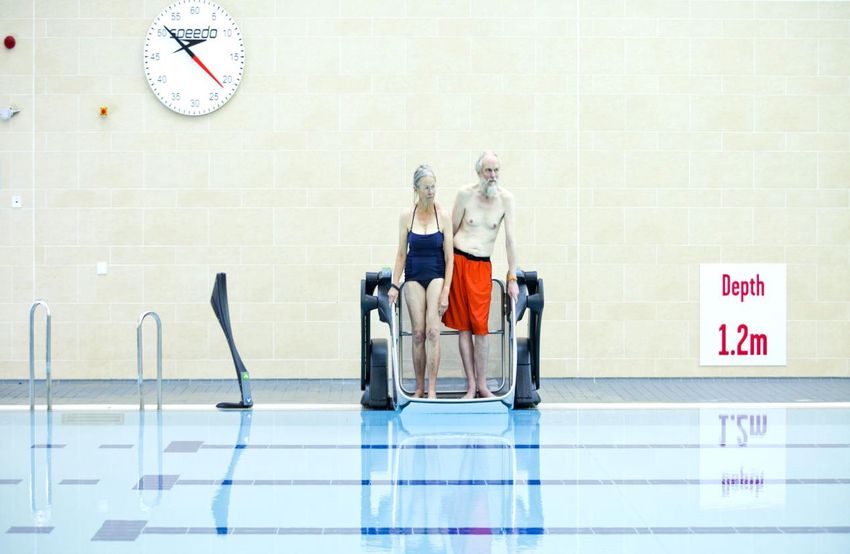
ANTI-HYPERTENSIVE PROPERTIES
Reduction in BP in hypertensives of varying severity
Improvements in vascular function (carotid artery compliance,     • Water is a supportive
flow mediated dilatation, & cardiovagal baroreflex activity)
                                                                    environment, enabling
Bartels et al (2016) Chen et al
(2010) Laurent et al (2009)
                                                                   participants to meet the
Igarashi & Nogami (2018)                                        aerobic, strength and balance
                                                                  components of the CMO
                                                                 physical activity guidelines.

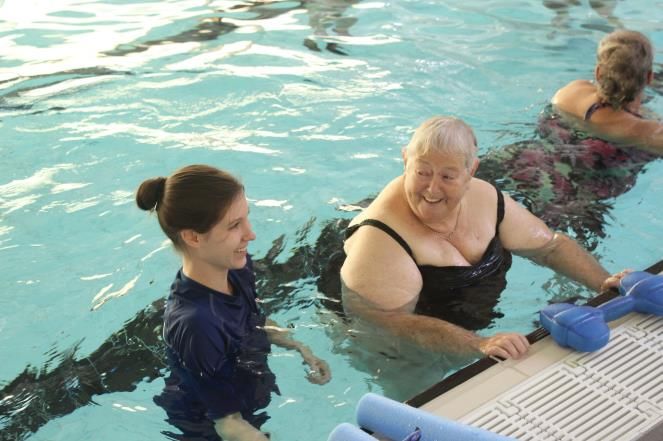
                                                                  • Water is a particularly
                                                                 conducive environment for
LIPID & GLYCAEMIC PROFILE                                           people with long term
Augmented atrial pressure in immersion causes                       conditions to exercise.
hormonal/neural adjustments suppressing
RAAS. Superiority to land based exercise
Lazar et al (2013) Delevatti et al
(2015) Igarashi & Nogami (2018a)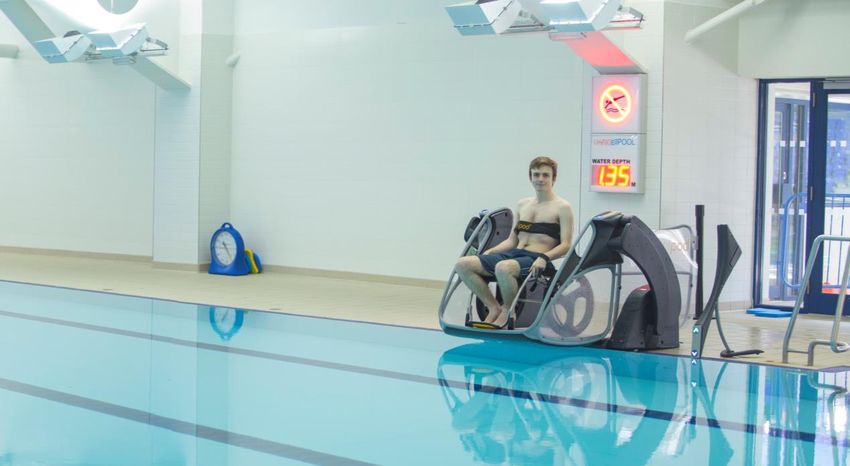
How to improve ‘experience’ (outcomes)
What we know…
People with health
conditions exercise less than
those without.

They also swim less frequently.

They tend to be less able
swimmers.

There are various important
motivations to swim more, with
health being top - but poor
health is a barrier to swimming,
affecting confidence.

Swimming is the favoured
activity, with or without
health conditions.
Review site opportunities and action plan

                         Delivery of training on inclusive customer experience for
                                               all facility staff

                       Environmental Audit of site and improvement action planning

    Pool Pods                   Exercise                      Learn to
                                Referral                                                   Good Boost
                                                               Swim

            Pool pod                                    Online       Guide to
                                                                                     Equipment     Good Boost
Marketing   training       AAFH        Exercise      training for    teaching
                          Training                                  people with      and access    training and
Materials     and                       Cards            swim
                                                                      health         to software     support
             manual                                    teachers
                                                                    conditions

                                Ongoing support from Swim England on
                            recruitment/marketing and training, webinars, etc

                                Data collection and share and learn days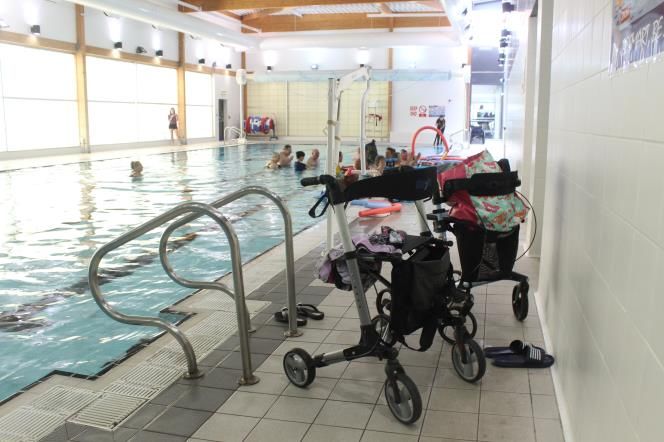
LMCT Pool Pods
“Lifts and hoists can often be
cumbersome and even off-putting for
those wanting to get into the water
independently and with minimum fuss.”

• Provides Fast, Dignified and
  independent access.
• Easily maintained and moved off
  poolside
• 20 pools (5 in London)
• Sites must incorporate key elements
  of the Water Wellbeing model

Patient is identified with a long
                        term health condition
                                                                 Referred pathway

             Risk stratification and needs identified -
                    Signpost to appropriate activity

 Other activity                                           Aquatic Activity
e.g. Gym, health
      walks

                                                             Exercise        Adult Learn to
                                        Good Boost
                                                             Referral            Swim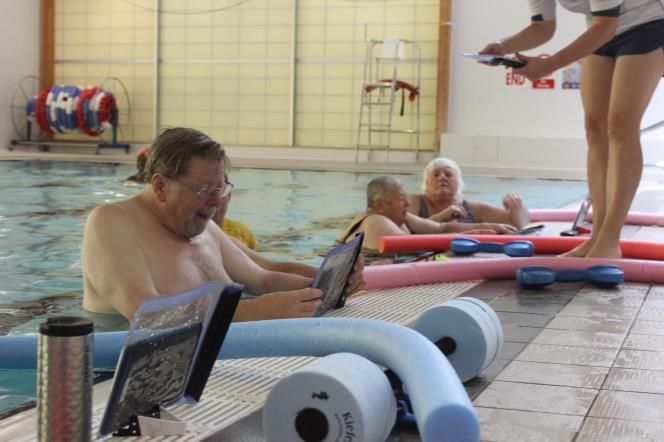
Adult Learn to Swim Framework
Four Adult Learn to Swim Awards

1.Be Water Confident

2.Be a Swimmer

3.Be a Better Swimmer

4.Be a Master Swimmer
Good Boost system
                    BARRIERS TO LAND EXERCISE

                       PAIN         LIMITED
                                   FUNCTION

                       FEAR        MULTI-
                                  MORBIDITY
Good Boost system ASSESSMENT RECOMMENDATION REPEAT
Water Wellbeing support
• Site and local area audits
• Aquatic action planning
• Development of the workforce
• Environmental assessment
• Review and adaptation of exercise
  referral programmes to incorporate
  aquatic elements
• Tailoring ‘Learn to Swim’ offers
• Implementation of ‘Good Boost’ aquatic
  rehabilitation system
• Marketing & recruitment support
• Resources to support delivery
• Data collection & centralised evaluation
Contact

Andrew Power - Health and Wellbeing Manager;
andrew.power@swimming.org
07990 844 964
You can also read


