Point-of-Care A New Clinical Laboratory News - American Association for Clinical ...
←
→
Page content transcription
If your browser does not render page correctly, please read the page content below

May 2020
                                                              PREDICTING ACUTE
                                                                RESPIRATORY
                                                                  DISTRESS
                                                                 SYNDROME

                                               Clinical
                                            Laboratory                           %
                                                 News
                                                              Accuracy of a prototype AI
                                                                model for COVID-19
                                                                        PAGE 6

                An AACC Publication   | Volume 46, Number 4

A New
Point-of-Care
Testing Menu
COVID-19       Gut
Lab            Microbiome
Preparedness   Matters
Don’t settle for just a
       supplier. Find a custom
       manufacturing partner.
       Your specifications. Your format.
       Our scientists waiting to help.

            cGMP                                            15     100+
                                                                   GLOBAL IVD
            Manufacturing                          ISO CERTIFIED   COMPANIES
                                                      Locations
                                                                     Supplied

       Selecting a supplier for your molecular diagnostic applications can
       be a challenge—especially a supplier who can adapt to your specific
       needs. Work with a manufacturing partner you can be certain about.
       With our breadth of technologies and rapid response manufacturing,
       Promega is here to support your molecular testing needs.

                             Learn more here:
                             promega.com/CustomManufacturing

© 2020 Promega Corporation. All Rights Reserved. 57577954
M AY 2020 CONTENTS 1
www.aacc.org
EDITORIAL STAFF Features
Managing Editor Bill Malone
Senior Editor Genna Rollins 8 Gut Microbiome: Next Frontier of Precision Medicine
Senior Manager, Communications and PR
Christine DeLong
Research advances still a ways from clinical practice
BUSINESS STAFF
Business Communications Specialist
14 What's Next on the Point-of-Care Testing Menu?
Ana Zelada From SARS-CoV-2 to cardiac biomarkers, a steady stream of IVD
innovation shows no signs of letting up
Board of Editors
Chair
Danyel Tacker, PhD, DABCC, FAACC
West Virginia University, Morgantown, W.Va.
Members
Dustin Bunch, PhD, DABCC
Nationwide Children’s Hospital, Columbus, Ohio
Sara Love, PhD, DABCC
Hennepin Healthcare, Minneapolis, Mn.
Mark Marzinke, PhD, DABCC, FAACC
Johns Hopkins University School of Medicine,
Baltimore, Md.
Alison Woodworth, PhD, DABCC, FAACC
University of Kentucky Healthcare, Lexington, Ky.
Melanie L. Yarbrough, PhD, DABCC, DABMM
Washington University School of Medicine,
St. Louis, Mo.
AACC Officers
President Carmen L. Wiley, PhD, DABCC, FAACC
President-Elect David G. Grenache, PhD, DABCC,
MT(ASCP), FAACC
Treasurer Steven Kazmierczak, PhD, DABCC,
FAACC
8
Secretary Anthony A. Killeen, MD, BCh, PhD,
DABCC, FAACC
Past President Dennis J. Dietzen, PhD, DABCC,
FAACC
Advertising Sales
The Townsend Group
2025 M Street, NW, Suite 800, Washington, DC 20036
www.townsend-group.com
Phone: +1 202.367.1259
Kevin McDonnell, National Sales Manager
Email: kmcdonnell@townsend-group.com
Subscriptions
AACC
900 Seventh St., NW, Suite 400
Washington, DC 20001
Phone: +1 202.857.0717 or +1 800.892.1400
Email: custserv@aacc.org
Editorial Correspondence
Bill Malone, Managing Editor
Phone: +1 202.835.8756 or +1 800.892.1400
Email: bmalone@aacc.org
Clinical Laboratory News is published monthly (10 times
per year—Jan/Feb., March, April, May, June, July/August,
14
Sept., Oct., Nov., and Dec.) by the American Association
for Clinical Chemistry. 900 Seventh St., NW, Suite
400, Washington, DC 20001. Phone: +1 202.835.8756
or +1 800.892.1400 Fax: +1 202.877.5093. Contents
copyright © 2020 by the American Association for
Clinical Chemistry, Inc., except as noted. Printing in the
U.S.A. POSTMASTER: Send address changes to AACC,
900 Seventh St. NW, Suite 400, Washington, DC 20001.
Design and Production Management Departments In the past decade,
label-free technologies
Cover: Greg Gibson, Chinnapong / Getty Images
02 Federal Insider
04 Bench Matters have advanced into the
06 The Sample era of dip-in-solution
19 Regulatory Roundup sensing probes. The
22 Industry Playbook resulting label-free
24 Ask the Expert immunoassays are
open access, making
The full text of Clinical
Laboratory News can them similar to plate-
be found on EBSCO’s
CINAHL Complete
database and is also
format assays without
@ CLN_AACC searchable via the EBSCO
Discovery Service™
complicated sample
delivery or fluidics.
p24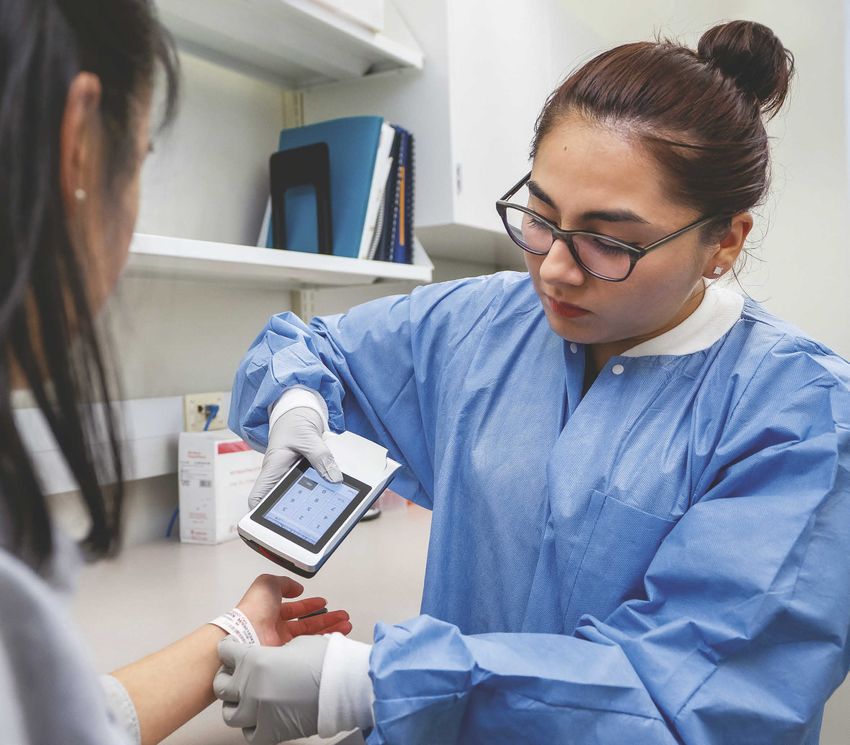
2                  M AY 2 0 2 0

                           AACC Endorses Verified Innovative Testing
                           in American Laboratories Act
Federal Insider            AACC endorsed the Verified Innovative Testing in American Laboratories (VITAL)
                           Act, which would clarify the law around laboratory-develop tests (LDT) and
                           definitively locate LDTs oversight solely within CLIA administered by the Centers for
                           Medicare and Medicaid Services (CMS). This effort pushes back against other moves
                           from Congress and the Food and Drug Administration (FDA) to move LDTs further
                           under FDA’s purview, creating a cumbersome and duplicative regulatory structure.
                              In a letter to the VITAL Act’s sponsor, Senator Rand Paul, R-Ky., AACC wrote
                           that it agrees “that the increase in the number and complexity of LDTs may warrant
                           a fresh assessment of the regulatory and professional oversight for these tests.”
                           However, while “some adjustments may be necessary,” the association believes CLIA
                           oversight is sufficient.
                              “The FDA regulatory structure is designed for medical device manufacturers, not
                           clinical laboratories. Laboratories occasionally modify FDA-cleared or approved tests
                           or develop new in-house tests to meet specific clinical needs,” AACC wrote. “To add
                           FDA requirements to clinical laboratories utilizing these tests will stifle innovation
                           and hinder patient access to testing, as occurred recently when the FDA became
                           involved in LDT oversight during the outset of the COVID-19 public health
                           emergency.” The VITAL Act would prevent such delays in developing needed tests
                           in the future, the association added.

          ■                                              “AACC’s members, as laboratory         Public Readiness and Emergency
          AACC URGES CORONAVIRUS                     professionals, are on the front lines      Preparedness Act authorizing
          TASKFORCE TO BOLSTER LAB                   combating this disease,” AACC wrote        licensed pharmacists to “order
          ACCESS TO TESTING SUPPLIES                 in the letter. “While the capacity         and administer” SARS-CoV-2

         I   n a letter to the administration’s
             Coronavirus Task Force, AACC
          called on the White House to tackle
                                                     for performing COVID-19 testing
                                                     has increased significantly in recent
                                                     weeks, our ability to perform tests
                                                                                                testing that has been authored by
                                                                                                the Food and Drug Administration
                                                                                                (FDA). The guidance specifically
          the critical needs clinical laboratories   is still limited. There is a shortage of   notes that this can include
          face around sample collection, ana-        necessary supplies, including sample       serology tests.
          lytical test components, and personal      collection and test components ...             According to the HHS guidance,
          protective equipment.                      Unless and until these supply chain        pharmacists are “well positioned to
              New guidelines released by the         issues are resolved, the nation’s labo-    aid COVID-19 testing expansion.”
          White House call for an exten-             ratories will remain stymied in their      The guidance also notes that the
          sive testing scheme that states are        attempts to maximize their testing         majority of Americans live close to
          expected to rely on to reopen their        capacity. At this point, the biggest       a retail or independent community-
          economies.                                 barrier to testing is not capacity, but    based pharmacy.
              Guidelines recommend that states       access to vital supplies.”                     Some pharmacies maintain a
          first ensure they have the ability             The letter encourages the              CLIA certificate of waiver that
          to quickly set up safe and efficient       Coronavirus Task Force to commu-           allows them to perform certain tests
          screening and testing sites for individ-   nicate “directly and regularly” with       termed CLIA waived. In the case
          uals with symptoms of COVID-19,            the clinical laboratory community to       of the novel coronavirus, FDA has
          the illness caused by SARS-CoV-2.          address barriers to testing.               said that any test with an emergency
                                                                                                                                        simpson33 / Getty Images

          These guidelines also recommend that                                                  use authorization (EUA) indicating it
          states test syndromic and influenza-       ■                                          is appropriate for point-of-care
          like illness-indicated persons for         PHARMACISTS MAY ADMINISTER                 use should be considered CLIA
          COVID-19, ensure sentinel surveil-         COVID-19 TESTING                           waived. At CLN press time, these
          lance sites are screening for asymp-
          tomatic cases, and trace contacts for
          all SARS-CoV-2 positive results.
                                                     T     he Department of Health
                                                           and Human Services (HHS)
                                                     issued new guidance under the
                                                                                                waived EUAs included the Abbott
                                                                                                ID NOW, Mesa Biotech Accula,
                                                                                                and Cepheid Xpert Xpress.
Advertisement

                                Join Us for an Important COVID-19 Webinar

COVID-19 Bedside Glucose Management
  Risk of Ascorbic Acid and Hematocrit Interference
Interest in the antioxidant properties of ascorbic acid use in critically ill patients is
growing, especially during the COVID-19 pandemic.1,2 For these critically ill patients,
severe anemia is also a common underlying condition. This webinar examines the risk
of inaccurate glucose meter results due to interference from ascorbic acid and anemia.
The only glucose meter that measures and corrects for these interferences will also
be described.

Learning Objectives
 • The use of adjunctive therapies such as ascorbic acid with COVID-19 patients
 • The risk of glucose meter error due to ascorbic acid and anemia interferences
 • How hospitals can protect their COVID-19 patients from glucose meter interferences

Intended Audience                                                                       Presenter
 • Point of Care Coordinators                                   Charbel Abou-Diwan, PhD
                                                                        Director, Medical
 • Lab Managers
                                                                     and Scientific Affairs
 • Critical Care Clinicians                                              Nova Biomedical

Educational Credits
 • Approved by the American Society for Clinical Laboratory Science for 1.0 contact
   hours for P.A.C.E. continuing education credits.
 • Approved by the American Association of Critical-Care Nurses (AACN) for 1.0 CERPs,
   Synergy CERP Category A, File Number 23158. Approval refers to recognition of
   continuing education only and does not imply AACN approval or endorsement of
   the content of this educational activity, or the products mentioned.

                      Two Webinar Times are Available
                        Thursday, May 28th, 1 PM Eastern Daylight Time
                        Thursday, June 18th, 4 PM Eastern Daylight Time

                      Register Now at:
                        novabiomedical.com/poc/glu/covid

      1. Fowler AA, 3rd, et al., Effect of vitamin C infusion on organ failure and biomarkers of inflammation and vascular
         injury in patients with sepsis and severe acute respiratory failure: the CITRIS-ALI Randomized clinical trial.
         JAMA. 2019;322:1261-1270.
      2. Arabi YM et al., Critical care management of adults with community-acquired severe respiratory viral infection.
         Intensive Care Medicine. 2020;46:315-328.

                                                  novabiomedical.com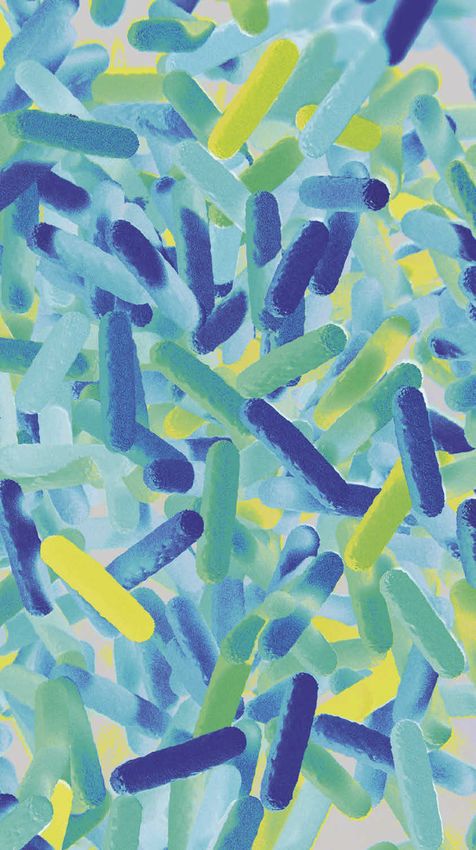
4               M AY 2 0 2 0

                            Lab Preparedness During the
                            COVID-19 Pandemic
                            Strategies for curtailing test menus, implementing
                            social distancing, and supporting staff morale in
                            response to a surge in testing and staffing shortages
Bench
Matters                     T      he past few months have been a whirlwind of news
                                   about, and activities in response to, the emergence
                            and spread of the novel coronavirus, SARS-CoV-2. As this
                                                                                            inpatient census, and providing only
                                                                                            the essential testing our patients need.
                                                                                               To consider what testing might be
                            pandemic unfolds, laboratory personnel are key to the           most useful for COVID-19 patients
                            efforts to halt the virus’s spread and treat patients.          we looked at the literature, recom-
                                The consequences of the pandemic on laboratories are        mendations from the Centers for
                            likely to go beyond those of more familiar emergencies,         Disease Control and Prevention,
                            like floods or hurricanes. In addition to a possibly over-      and practice guidelines or useful
                            whelming surge in patients with COVID-19 illness, we            internet tools. Finally, we considered
                            might experience planned reductions in other patient            how our testing menu would change
                            populations, a changed patient mix to mostly or nearly all      along with fluctuations in workforce
                            COVID-19 patients, supply shortages, and staff shortages        availability, with staffing levels at
                            as team members need to self-quarantine or stay home to         60%, 30%, and 15% of normal.
                            care for family members.                                           Our tiered plan involves shutting
                                                                                            down one of our two labs—keeping
                            A GOOD START                                                    open the one that already serves
                            CLSI 36-A:2014, Planning for Laboratory Operations              inpatient needs—and operating only
                            During a Disaster, is an essential document for laboratory      our main chemistry analyzer and
                            emergency preparedness planning during the COVID-               immunoanalyzer line. We also will
                            19 pandemic. Chapter 10, which deals with planning for          shut or slow down testing on plat-
                            pandemic influenza, easily can be adapted to our current        forms where turnaround time can
                            situation.                                                      be delayed and will have the option
          Jonathan              To help prepare for the pandemic, laboratory leaders at     of sending to a reference laboratory
          Hoyne, PhD,       Mayo Clinic in Florida utilized this document to aid us in      testing that we would normally
          DABCC,            adjusting our hurricane crisis plan to the current situation.   perform in-house. In the current
          FAACC             Our plan involves closing outpatient clinics, decreasing        crisis, we will prioritize essential
                                                                                            COVID-19 testing, along with
                                                                                            testing we would perform during our
                                                                                            hurricane response.
                                                                                               By focusing our test menu, we’re
                                                                                            able to divert staff to our hospital
                                                                                            laboratory, cover for absences, sup-
                                                                                            plement our phlebotomy teams, and
                                                                                            provide necessary rest to our staff.
                                                                                               To prepare for a limited menu
                                                                                            offering, lab staff should be cross-
                                                                                            trained between benches as much
                                                                                            as possible. Analytes of specific or
                                                                                            increased utility during our current
                                                                                            crisis might be prioritized. In the
                                                                                            extreme, lab staff might be asked to
                                                                                            perform non-laboratory functions, or
                                                                                            to supervise non-laboratory person-
                                                                                            nel assisting in the lab.

                                                                                            ATTENDING TO STAFF
                                                                                                                                       Greg Gibson

                                                                                            We also have to implement social dis-
                                                                                            tancing, maintaining 6 feet between
                                                                                            individuals whenever possible, holding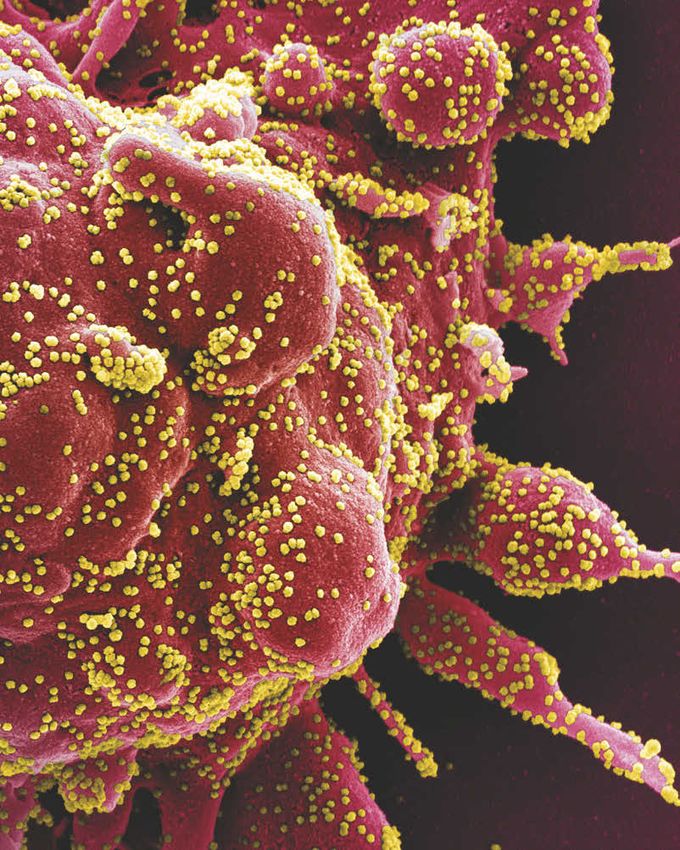
M AY 2020                    5

meetings via conference calls or in       he, she, there, and that to minimize     high-stress situation rest has to be
rooms large enough to accommo-            confusion and inefficiency.              programmed into the plan, and we
date all the attendees while keeping          A good way to know if a message      need to proactively identify all non-
appropriate distance. Staff must          has been communicated effectively        essential tasks and defer or cease
remind one another, independent           is to have the person receiving the      them until the emergency ends.
of hierarchical position, to maintain     information repeat it back, with the         We will remember the events of
safe distancing. Reminders should be      person giving the information asking     the next weeks and months for the
accepted with a spirit of gratitude       questions about points that might        rest of our lives. Clinical laboratory
that each team member is looking out      be susceptible to misunderstanding.      professionals are essential members
for the entire team.                      Taking the extra time to commu-          of the medical community upon
    In addition, labs need to establish   nicate effectively will pay off with     which our society depends. We will
a clear line of authority beyond our      the increased efficiency it affords in   rise to the occasion and make our-
usual supervisory structures. This way,   completing tasks.                        selves and our country proud. Take
if supervisors and leads are unable           An overlooked aspect of emer-        care of yourselves and each other.
to work, we still will have a chain of    gency planning—addressed in the
authority for centralizing decision-      CLSI document—is the emotional           Jonathan Hoyne, PhD, DABCC, FAACC,
making and prioritizing tasks. The        impact over time that working in         is director of clinical chemistry at Mayo
entire lab staff needs to understand      an emergency has on employees.           Clinic in Jacksonville, Florida.
this structure going into the crisis.     Initially, people come together as       + E M A I L : Hoyne.Jonathan@mayo.edu
    In an ever-changing emergent          a team to tackle an overwhelming
situation with daily tasks and the        problem. But as time moves on and        What measures has your lab taken in
workforce in flux, communicating          staff continue to work under stressful   response to the COVID-19 pandemic?
effectively becomes more challenging.     conditions, ignoring personal needs      Join the conversation on the Artery,
We need to speak precisely, avoiding      becomes unsustainable. To make it        AACC’s online community:
the use of imprecise descriptors like     successfully through an extended         artery.aacc.org/home
S
     6                   M AY 2 0 2 0

                                  Alanine Aminotransferase, Hemoglobin Levels 2 of 3
                                  Features in Artificial Intelligence Tool That Most Predict
                                  Severe COVID-19 Outcomes
                                  A prototype artificial intelligence (AI) tool showed that just three inputs had
                                  the most predictive power for discerning which patients with COVID-19, the
                                  illness caused by the novel coronavirus SARS-CoV-2, would likely develop
The Sample                        acute respiratory distress syndrome (ARDS) (Comput Mater Con 2020;63:537-
                                  51). Based on data from 53 patients treated at two hospitals in China, this
                                  predictive analytics system found that elevations in alanine aminotransferase
                                  (ALT) and hemoglobin, along with patient-reported myalgia predicted risk of
                                  ARDS with up to 80% accuracy.
                                     Surprisingly, many of the clinical features associated with COVID-19 such as
                                  ground glass opacities on chest computed tomography, fever, cough,
                                  lymphopenia, and dyspnea did not distinguish risk of disease progression and
                                  were not highly predictive. Patients’ viral load (cycle threshold) also did not
                                  prove to be predictive.
                                     Moreover, the patients’ ALT and hemoglobin values were only modestly
                                  elevated. The median ALT value at the time of presentation at hospital was
                                  24 U/L (range, 15-40.5 U/L; reference range, 9-50 U/L). The median
                                  hemoglobin level was 13.7 g/dL (range, 12.9-14.4 g/dL, reference range,
                                  12.8-16.5 g/dL). Other features, including sex, temperature, age, and levels of
                                  sodium, potassium, and creatinine, and lymphocyte and white blood cell counts,
                                  added modestly to prediction.
                                     “The model highlights that some pieces of clinical data may be
                                  underappreciated by clinicians,” wrote the investigators in Wenzhou, China, and
                                  in New York City. They added that features don’t have to be causal to be
                                  predictive.
                                     In their feature engineering and statistical analysis, the researchers employed
                                  entropy, which measures how much information a feature encapsulates;
                                  information gain—the amount of information acquired after knowing the value
                                  of the feature; Gini index, a measure of the impurity of a dataset; and Chi-
                                  Squared statistics, indicating how dependent two variables are.
                                     The authors speculated that myalgia “could represent generalized
                                  inflammatory and cytokine response not captured well by other indicators.” The
                                  slightly elevated hemoglobin levels could be linked to smoking, which has been
                                  associated with increased hemoglobin values, or to male sex.

             ■                                         adverse cardiovascular events at            patient who received genetically
             MAJOR GENETIC TESTING-GUIDED              1 year. However, the largest trial to       guided treatment compared with
             TRIAL FALLS JUST SHORT OF                 explore the clinical utility of detecting   those who received standard therapy.
             1-YEAR EVENT END POINT                    CYP2C19 *2/*3 loss of function allele       These outcomes were presented at

             T     he much-anticipated TAILOR-
                   PCI trial assessing genetic
             testing to guide antiplatelet therapy
                                                       carriers prior to starting antiplatelet
                                                       therapy showed a 34% reduction in a
                                                       composite of major cardiovascular
                                                                                                   the virtual American College of
                                                                                                   Cardiology/World Congress of
                                                                                                   Cardiology meeting
             after percutaneous cardiovascular         events at year 1. TAILOR-PCI also           (20-LB-20309-ACC).
             intervention failed to meet its primary   found a statistically significant 40%          “Although these results fell short
                                                                                                                                           NIAID

             end point of a 50% reduction in           drop in the total number of events per      of the effect size that we predicted,
M AY 2020                   7

they nevertheless provide a signal                      in the standard care arm and 1.9%           transaminase (ALT) levels, and
that offers support for the benefit                     in carriers in the guided-treatment         insulin resistance. The NASH liver
of genetically guided therapy,” said                    group.                                      fat score is based on the presence of
co-principal investigator Naveen                                                                    metabolic syndrome, type 2 diabetes,
Pereira, MD, professor of medicine                      ■                                           and levels of serum insulin, ALT, and
at the Mayo Clinic in Rochester,                        LITTLE CONCORDANCE AMONG                    aspartate aminotransferase (AST),
Minnesota.                                              NONINVASIVE METHODS FOR                     while the Gholam score uses AST
    In a post hoc analysis, the                         IDENTIFYING NASH                            and a diagnosis of type 2 diabetes.
researchers found a nearly 80%
reduction in the rate of adverse events
in the first 3 months of treatment in
                                                       T       hree noninvasive methods
                                                               for identifying patients
                                                        with nonalcoholic steatohepatitis
                                                                                                        The investigators identified
                                                                                                    NHANES III participants who had
                                                                                                    moderate to severe hepatic steatosis,
participants who received genetically                   (NASH) agree in only 18% of cases,          as determined by ultrasound. In all
guided care versus those who received                   under-scoring the need for better           1,236 subjects were determined
standard care.                                          noninvasive means of recognizing this       to have NASH by at least one
    Subjects were randomized to                         condition, according to an abstract         noninvasive method, but the three
receive either standard care—75 mg                      accepted for the Endocrine Society’s        methods all identified NASH in just
daily of clopidogrel—or genetic                         annual meeting (SUN-606).                   18% of cases. Two methods agreed in
testing-guided care. Those who were                         The investigators used data from        20% of cases.
determined through genetic testing                      the National Health and Nutrition               The three methods all identified
to be CYP2C19 *2/*3 carriers (35%)                      Examination Survey III (NHANES              significant risk factors for NASH as
received 90 mg of ticagrelor twice                      III) to compare three noninvasive           being overweight or obese, having
daily; otherwise, participants in                       methods of identifying NASH: the            elevated AST or ALT levels, and
the genetic testing arm of the trial                    NASH liver fat score, the HAIR              having raised C-peptide, serum
received clopidogrel. There were                        score, and the Gholam score.                glucose, or serum triglyceride levels.
1.6% major or minor bleeding events                         The HAIR score incorporates the         However, the methods disagreed on
at the end of 1 year in participants                    presence of hypertension, alanine           the significance of other risk factors.

     Unbeatable accuracy
     again and again
     The precise and time-pressured nature of your work
     mean you need products you can rely on, every time.
     That’s why every product across the comprehensive
     Supelco® portfolio is meticulously tested against the
     tightest specifications to ensure the highest industry
     standards and compliance with applicable regulations.
     So for unbeatable accuracy every time, choose
     Supelco® analytical products.

     For more information, please visit:
     SigmaAldrich.com/SuccessReplicated

     MilliporeSigma, the vibrant M and Supelco are trademarks of Merck KGaA, Darmstadt,
     Germany or its affiliates. All other trademarks are the property of their respective owners.
     Detailed information on trademarks is available via publicly accessible resources.
     © 2020 Merck KGaA, Darmstadt, Germany and/or its affiliates. All Rights Reserved.
     The Life Science Business of Merck KGaA, Darmstadt, Germany operates as
     MilliporeSigma in the US and Canada.
8           M AY 2 0 2 0

     Gut
    Microb
    Research advances T
                                  Next Frontier of P
                                                 remendous advances in
                                                 next-generation
                                                 sequencing and omics
                                                                                “The pendulum has swung from
                                                                            a focus on killing pathogenic bacte-
                                                                            ria to a focus on healthy, symbiotic,

     still a ways from                           technologies have
                                  catapulted microbiome science into
                                  an exciting new frontier in medicine.
                                                                            and commensal microbes,” said
                                                                            Melissa Melby, PhD, co-director of
                                                                            the Humans and the Microbiome

     clinical practice            Emerging data suggest that the
                                  microbiome—the rich ecosystem of
                                  more than 100 trillion bacteria, fungi,
                                                                            Program at the Canadian Institute
                                                                            for Advanced Research (CIFAR) in
                                                                            Toronto. “There has been a shift in
                                  and viruses in and on the human           clinical care as well as the popular
     BY PRANALI P. PATHARE, PHD
                                  body—is integral in almost all aspects    consciousness with the realization
                                  of human health and disease and that      that microbes are not all bad.”
                                  analysis of the microbiome one day            This deeper appreciation of the
                                  could play an important role in           microbiome’s power doesn’t mean
                                  clinical practice.                        that clinical labs should expect to
M AY 2020 9
obiome:
of Precision Medicine
be performing omic analyses of the
microbiome anytime soon, according
to Robert Britton, PhD, professor of
With more than 1 million
genes—versus 23,000 in the human
genome—the abundance and diversity
most promising lines of investigation
involves the gut microbiome. Initially
thought to have a role limited to
molecular virology and microbiol- of the microbiome is staggering; digesting complex carbohydrates and
ogy at Baylor College of Medicine microbiome communities in differ- synthesizing vitamins and nutrients,
in Houston. “I do believe that in five ent body sites have unique profiles, as this microbiome now is understood
to ten years, we’ll see microbiome- does each individual, influenced by to be a structural and functional part
based therapies making it to clinics, diet, medications, and other environ- of the body. Evidence shows that the
but what that’s going to be, who mental factors. gut microbiome globally governs host
knows,” he said. “We now must do physiology by regulating metabolism,
the heavy lifting and find the func- A BURGEONING FIELD immunity, and even the gut-brain axis,
tions behind … associations showing Research into the complex and via signaling of unique microbiome-
microbiotas have positive and dynamic interactions between micro- generated bioactive metabolites.
negative effects on different types of organisms and their human hosts has Disturbances in normal gut micro-
diseases.” taken off in recent years. One of the bial profiles have been associated with10 M AY 2 0 2 0
a range of conditions from cancer to said W.H. Wilson Tang, MD, profes- investigators discovered not only
metabolic, inflammatory, cardiovas- sor of medicine and research director that each person’s blood glucose
cular, and even neurodegenerative of heart failure and transplant at the levels were different even when they
diseases. “Amazing and incredibly Cleveland Clinic Lerner College of consumed the same food as others
large observational studies have Medicine. but also that microbiome rather than
shown very clear associations between “For a successful clinical transi- genetic data correctly predicted each
features of the gut microbiome and tion, we have to go beyond a very person’s blood glucose response to
clinical outcomes,” said Jonathan pathway-specific manner of looking an identical food. Furthermore, the
Peled, MD, PhD, a medical oncologist at things and instead look at how sys- team’s algorithm accurately predicted
at Memorial Sloan Kettering Cancer tems interact,” he explained. His team individual dietary interventions that
Center in New York City. “We and and others have identified metabolites successfully balanced glucose levels in
others have found associations processed by gut microbes that drive pre-diabetic people—outperforming
between perturbations of the gut the progression of several cardiovas- the standard-of-care diet.
microbiome and complications of cular pathologies like atherosclerosis, These unexpected findings portend
bone marrow transplant.” hypertension, heart failure, and type a whole new era of personalized
Peled and his team profiled fecal 2 diabetes. “These findings suggest nutrition in which specific diets based
samples taken from a large cohort that the gut microbiome functions on an individual’s gut microbiome
of cancer patients undergoing bone like an endocrine organ by generating composition could enhance a person’s
“UNDERSTANDING AND INTEGRATING
MICROBIOME VARIABILITY HOLDS POTENTIAL
TO PROMOTE PERSONALIZED PREVENTIVE
AND THERAPEUTIC APPROACHES.”
— Eran Elinav, MD, PhD
marrow transplants at four geographi- bioactive metabolites that can directly health outcomes. These findings also
cally distant transplant centers and or indirectly affect host physiology,” validate the idea that integrating
found that patients with more diverse wrote Tang in a recent review (Nat microbiome readouts in combina-
gut flora had better survival out- Rev Cardiol 2019;16:137-54). tion with genetic data offers a more
comes than those with lower diversity reliable and powerful approach to
(N Engl J Med 2020;382:822-34). PERSONALIZED assessing disease risk. “Deep pheno-
These findings imply that screening NUTRITION THERAPY typing of human cohorts, including
gut bacteria or providing interven- In addition to its diagnostic poten- the collection of microbiome data,
tions to balance the gut ecosystem tial, the human microbiome also could transform therapy develop-
prior to transplants might enhance represents an exciting new target ment,” opined Segal.
Abbve and on previous page: ChrisChrisW / Getty Images
patients’ health. for diet-based disease interventions.
A specific gut bacterial profile also Recently, several pivotal studies have GUT OVER GENETICS
has been reported in people with pul- revealed new insights into how the The Weizmann Institute team also
monary arterial hypertension (PAH) diet influences the gut microbiome, showed that a host’s genetics has
(Hypertension 2020;119:14294). This with potential implications for disease only a “minor role” in the gut micro-
signature predicted the presence of modification and treatment. biome’s composition, suggesting that
PAH with 83% accuracy. Although Most notably, a team led by Eran individualized microbiome alterations
these data are correlative, they sug- Segal, PhD, professor of computer aimed at improving clinical outcome
gest that gut microbiome changes science and applied mathematics at can be carried out across people from
eventually could become a way to the Weizmann Institute of Science in diverse genetic backgrounds (Nature
screen for the disease. However, Rehovot, Israel, developed a machine- 2018;555:210-5).
changes in the microbial ecosystem learning algorithm to integrate micro- “Understanding and integrating
are what drive changes in microbial biome data and evaluate an indi- microbiome variability holds potential
function—not merely the presence or vidual’s glycemic response to identical to promote personalized preventive
absence of specific microbial species, foods (Cell 2015;163:1079-94).. The and therapeutic approaches,” saidM AY 2020 11
Eran Elinav, MD, PhD, co-author of prebiotics, postbiotics, microbiota genetic signature of gut microbes was
both the Cell and Nature papers and transplantation, engineered bacte- 20% better than their own genes at
a professor of immunology at the riophages, microbial metabolites, discriminating between healthy and
Weizmann Institute. microbiota precision editing, and diseased individuals. The microbiome
Based on Elinav’s and others’ intestinal barrier modulation. So far, also outperformed by 50% associa-
findings, including his own, Melby’s however, just one application has tion studies predicting whether an
CIFAR colleague, Brett Finlay, PhD, advanced clinically—fecal microbiota individual had colorectal cancer.
recently put forth the provocative transplantation (FMT) to treat recur- “A big challenge is getting from
hypothesis that chronic diseases like rent Clostridioides difficile infections. correlation to causality and figuring
obesity, heart disease, and diabe- “That’s the only example where it has out mechanisms for how microbes
tes might be transmissible akin really worked and where there has are actually affecting our health,” he
to an infectious disease (Science been actual progress that has been added.
2020;367:250-1). “Data increasingly proven,” asserted Peled. Published Melby agreed that metabolomic
show that the microbiota is dysbi- reports indicate that at least 10,000 and proteomic analyses of microbiome
otic (altered) in individuals with FMT procedures take place annually, function will be key to making this
various [noncommunicable diseases] and FMT is also being investigated in research applicable to clinical settings.
NCDs … Therefore, we propose that at least 300 clinical trials. “Big data analysis and modeling is
some NCDs could have a microbial Despite accumulating data about also going to be critical as it is not
component and, if so, might be com- its efficacy, however, this treatment a particular organism or a particu-
municable via the microbiota,” wrote still faces hurdles. In mid-March the lar metabolite, but a consortium of
Finlay, co-director of the CIFAR Food and Drug Administration issued organisms that determine health or
Humans and the Microbiome Program a safety alert warning about the risk of non-health,” she noted.
and professor of microbiology and serious, even life-threatening infec- Methodological variation poses
immunology, biochemistry, and tions linked to FMT after six patients another challenge. “There are so many
molecular biology at the University of were infected with Escherichia coli fol- different methods and approaches
British Columbia in Vancouver. lowing the procedure, the second such you can take to analyze data that if
warning within a year. you put them side-by-side, you could
THE ROAD TO INTERVENTIONS As the challenges with FMT end up with varying results,” said
These emerging findings and theories illustrate, progress is slow going from Tierney. Since microbiome cohorts are
have the microbiome poised to play identifying associations to develop- relatively homogenous and limited in
an integral role in precision medicine. ing accurate and reliable methods for number, it is difficult to decide which
“We are at a point of inflection where analyzing the gut microbiome and observations are generalizable to larger
we are transitioning from observa- creating safe and effective clinical patient populations across different
tional studies and some phenomeno- treatments. geographical locations, he added.
logical mouse work to an era of deeper “Although we are starting to tap Despite these hurdles, the promise
mechanistic analysis in animal models into a lot of potential in the gut of microbiome-based clinical tests in
and to clinically actionable tests and microbiome space, it is still a long predicting, diagnosing, and treating
interventions,” said Peled. and nebulous road to achieving true diseases bodes well for the future of
The future armamentarium of clinical impact,” said Braden Tierney, a personalized medicine.
microbiome diagnostics and therapeu- computational biologist and doc-
tics offers broad and deep possibilities toral candidate at Harvard Medical Pranali P. Pathare, PhD, is a medical
for controlling and treating differ- School. His recent work posted on the writer and editor in St. Louis.
ent diseases—personalized diets, preprint server bioRxiv found that the + E M A I L : ppranali@gmail.comDECE MB E R 13 - 17 • CHICAGO, I L USA
BRING THE LAB TO LIFE

SCIENTIFIC MINDS ARE POWERED BY CURIOSITY. WHAT DRIVES US INDIVIDUALLY
UNITES US AS WE COME TOGETHER AS ONE GLOBAL LABORATORY MEDICINE
COMMUNITY. IT’S NOW MORE VITAL THAN EVER.

300+ SESSIONS                                                 20,000+ ATTENDEES
Discover critical research impacting and advancing the        Connect with global leaders in clinical chemistry,
field from scientific sessions covering infectious disease,   molecular diagnostics, mass spectrometry, and other
emerging diagnostics, genomics and more.                      groundbreaking areas of laboratory science.

800+ EXHIBITORS                                               JOIN US. Register today at meeting.aacc.org.
Explore 200+ product and technology innovations at the        Save with the lowest rates available until October 29.
world’s largest exposition for clinical laboratory science.
14                   M AY 2 0 2 0

 WHAT’S NEXT                                                                                   on
                                                                                               the

POINT
   OF
      CARE
 TESTING MENU?
 From SARS-CoV-2 to cardiac biomarkers, a steady stream of IVD
 innovation shows no signs of letting up         BY KIMBERLY SCOTT

             W
                           hile point-of-care (POC) testing in recent years has drastically
                           altered how patients are treated for conditions such as diabetes,
                           HIV, and cardiovascular disease, new advancements on the
                           horizon are expected to vastly improve near-patient treatment
            for strokes, infectious diseases, and cancer, according to experts.
               In vitro diagnostics (IVD) companies are working to improve specificity
            and sensitivity of devices so that testing can be done on smaller specimen
            samples, said Nick Collier, PhD, chief technology officer for Sagentia Medical,
            a contract research organization based in the U.K. “There is a lot of
            interest in reducing sample size—using capillary blood samples to do
            testing, for example.”
M AY 2020 15
16 M AY 2 0 2 0
At the same time, technology is Also on the infectious diseases and implementation,” she said. “Some
getting smaller, cheaper, and more front, the COVID-19 pandemic has of these we will see in cutting-edge
sophisticated. Lab-on-a-chip (LOC) spurred development of POC tests for places in the next couple of years, but
devices, which require just a few drops SARS-CoV-2, the virus that causes it will be longer before it filters down
of blood, already are in use and poten- COVID-19. In the United States, to POC in smaller hospitals or other
tially could be more widely deployed, Cepheid was first to market with a settings.”
especially in areas with limited health- rapid, near-patient test that it says will What is on David’s POC testing
care resources. In addition, diagnostics give results in 45 minutes. The Food wish list? “Procalcitonin for sepsis,
companies increasingly are combining and Drug Administration (FDA) on which would be useful in terms of
different technologies into single plat- March 21, 2020, issued an emergency curbing antibiotic resistance,” she
forms so users can perform multiple use authorization (EUA) for Cepheid’s noted. “A fingerstick [complete blood
tests on one sample, Collier added. Xpert Xpress SARS-VoV-2 test for count] test would also be wonderful.
Abbott’s i-STAT 1 POC blood use in high- and moderate-complexity But one of the problems with POC
analyzer, for example, can run multi- CLIA labs. Mesa Biotech (San Diego) testing is that if you want widespread
ple tests on one cartridge, including received an EUA March 24 for a test adoption, you have to get a CLIA
tests for cardiac markers, coagulation, that gives results in 30 minutes, and waiver. For doctors’ offices and clinics,
blood gases, chemistries, electrolytes, Abbott Labs received an EUA March getting a waiver is relatively doable,
“While there are and hematology. Roche Diagnostics’ 27 for a POC test that can deliver but getting a certificate of compli-
more than 100 cobas Liat PCR System also performs
multiple tests, using polymerase
positive results in as little as five
minutes. Other companies seeking
ance has more requirements and isn’t
always possible for most clinics.”
POC tests chain reaction technology to test for
influenza A/B, respiratory syncytial
FDA approval for POC COVID-19
tests include Becton Dickinson, bioM-
“There is a lot of interest around
sepsis diagnosis and treatment,”
available in the virus, and group A strep in about erieux, Integrated DNA Technologies, agreed Collier, noting that only a
20 minutes. LabCorp and Quest Diagnostics. few rapid tests for sepsis exist. An
U.S., not all Roche is in the process of In addition to molecular tests that example is BioFire’s BCID Panel that
are widely developing assays for other infectious
diseases, said Corinne Fantz, PhD,
analyze the viral RNA in patient
throat/nasal swabs, other POC testing
tests for 24 gram-positive, gram-
negative, and yeast pathogens, as well
implemented, director of Roche Scientific Affairs.
“We have a goal to make molecular
methods that are pending approval use
immunoassays to detect COVID-19
as three antibiotic resistance genes
associated with bloodstream infec-
such as tests for testing for sexually transmitted antibodies in blood or serum. tions. Abbott offers POC lactate
diseases [STDs] available at the point- Other companies seeking FDA testing that can be performed at a
proteins in blood of-care,” she explained. “Having the approval for POC SARS-CoV-2 patient’s bedside. While the BioFire
used for cancer ability to test for STDs in a doctor’s
office will have a big impact on treat-
tests include Becton Dickinson,
Bio-Rad, bioMérieux, Integrated
test does speed up pathogen identi-
fication, it is not yet POC because
diagnosis.” ment. The physician would be able to
get the results before a patient leaves
DNA Technologies, LabCorp, and
Quest Diagnostics. In addition to
it requires the blood to be cultured.
Collier noted that there is significant
— Kathleen David, the office, which means they can have
a discussion with the patient and
molecular tests that analyze the viral
RNA in patient throat/nasal swabs,
interest in whether the blood culture
step could be avoided, with molecular
MT(ASCP) decide on treatment.” other POC testing methods that are tests performed straight from blood to
pending approval identify the pathogen and antimicro-
use immunoassays to bial resistance genes.
detect SARS-CoV-2 Another likely trend in POC
antibodies in blood testing is use of high-sensitivity
or serum. troponin I (hs-cTn) tests in emer-
While there are gency departments and urgent care
more than 100 POC centers to diagnose heart attacks
tests available in more quickly, Collier predicted. These
the U.S., not all are assays, which were first introduced in
widely implemented, Europe in 2010, have only recently
such as tests for become available for clinical practice
proteins in blood in the U.S. Hs-cTn T allows for detec-
Left and on previous page: Greg Gibson
used for cancer diag- tion of very low levels of troponin
nosis, noted Kathleen T, helping to diagnose heart attacks
David, MT(ASCP), faster than testing sent to the central
POC testing manager lab, which in turn speeds treatment
for TriCore Reference and improves outcomes.
Laboratories in
Albuquerque, New WHEN DOES IT MAKE SENSE
Mexico. “Availability TO OFFER POC?
is one thing. Then Most physician office labs offer
there’s acceptance about five or six POC tests, oftenM AY 2020 17 for pregnancy, strep, and diabetes offering a test in-house? Fourth, what to better suit the needs of staff. If the (glucose and hemoglobin A1C), said is the cost/benefit return? “A lot of lab can’t accommodate the changes TriCore’s David. Urgent care centers the time a central laboratory can do needed, she suggested consulting with that do moderate-complexity testing testing cheaper than POC, but if you the hospital’s POC manager or coordi- typically offer additional testing, such can free up a procedure room 30 nator to determine which test would be as D-dimer tests, complete blood minutes faster and that saves $2,000, appropriate for clinicians’ needs. count, and flu testing. At hospitals, that’s a no-brainer,” David said. Payment for POC also needs to be POC testing—from prothrombin Determining the value of a considered, Fantz added. “Increasingly, time with international normalized POC test is critical to making deci- payors are looking for evidence ratio to blood gases—is performed in sions about whether to bring it that a POC test brings value over various units. in-house, commented Roche’s Fantz. tests performed in a central lab. Test Before deciding whether to offer “A common test in the emergency manufacturers typically generate this a POC test, a healthcare provider department is POC creatinine to evidence, but times are changing, and should consider several factors, determine if patients have problems the bar is getting higher every year.” experts say. First, how will the test with their kidneys,” she said. “It may be POC testing will almost certainly benefit patient care? “If it means more expensive than sending to a lab increase in the coming months and that treatment gets done faster or a but the value is in treating a patient years as technology continues to patient gets a prescription right away, faster to improve the throughput in advance. As healthcare resources are then that is a strong consideration for crowded places like the emergency stretched during the current global offering a test,” David said. Second, department.” pandemic, near-patient testing will play can the site accommodate changes Hospital department leaders should an even greater role in helping patients to workflow by offering a test—for have a conversation with central get treatment quickly and efficiently. example, drawing blood or having laboratory leaders before deciding to patients get swabbed before they even offer POC tests, advised David, who Kimberly Scott is a freelance writer who see a physician? Third, volume: Does said the laboratory might be able to lives in Lewes, Delaware. the site have enough cases to warrant improve workflow or communication + E M A I L : kmscott2@verizon.net
28 TH AACC INTERNATIONAL
                  CPOCT SYMPOSIUM
          Emerging and
        Current Trends in
Point-of-Care
     Technologies
                                               Making Faster and
                                               Better Decisions
 SEPTEMBER 30–OCTOBER 2, 2020 ∙ Montreal, QC, Canada

 The 2020 AACC International CPOCT Symposium will showcase many
 exciting and emerging technologies in disease diagnostics and management.
 It will also examine the role of artificial intelligence, precision medicine, and
 IT-based advances in POCT that explores cybersecurity threats and trends.

 With over two and a half days in Montreal, Canada, you will have plenty of
 opportunities to learn from, and network with interdisciplinary experts from
 all over the world.

 Register today at www.aacc.org/cpoct

                                             Developed in cooperation
                                              with the Canadian Society
                                             of Clinical Chemists (CSCC)
M AY 2020 19
World Sees Explosion of Regulatory Authorizations for
SARS-CoV-2 Tests
As the COVID-19 epidemic has intensified, diagnostic manufacturers have rushed
to develop tests for SARS-CoV-2, leading to an unprecedented flood of diagnostic
regulatory authorizations. In the U.S., Cepheid’s Xpert Xpress SARS-CoV-2 test
and Abbott’s ID NOW COVID-19 test became two of the first rapid point-of-
care tests for the virus to earn Food and Drug Administration (FDA) emergency
Regulatory use authorizations (EUA). Other companies that had received FDA EUAs for
SARS-CoV-2 tests at the time CLN went to print include LabCorp, Quest,
Roundup Hologic, bioMérieux, PerkinElmer, Luminex, Quidel, BGI Americas, Sentinel
Diagnostics, Primerdesign, DiaSorin, GenMark, and Avellino Labs. Almost all of
the tests that FDA has authorized so far are molecular assays, but serological tests
are also starting to come to market, such as Diazyme’s DZ-Lite SARS-CoV-2 IgG
and SARS-CoV-2 IgM CLIA test kits. Additionally, the Centers for Disease
Control and Prevention (CDC) qualified and approved primer and probe kits
manufactured by LGC, Biosearch Technologies and Integrated DNA
Technologies that are designed for labs implementing CDC’s SARS-
CoV-2 test.
While an inability to test widely hamstrung the U.S.’s initial
response to COVID-19, this sudden profusion of SARS-
CoV-2 tests has not been without its drawbacks. In
particular, FDA has needed to caution consumers against
using unauthorized, fraudulent test kits that some
companies are marketing as at-home tests for
COVID-19.
Outside the U.S., Thermo Fisher, BGI, DiaCarta,
AusDiagnostics, Bioneer, 3-Dmed, Genomica, Osang
Healthcare, Co-Diagnostics, Vision Medicals, Credo
Diagnostics, a collaboration between CerTest and BD,
and SolGent have all received the CE mark for their
SARS-CoV-2 tests. SolGent’s test also received EUAs
from Korean and Philippine regulatory authorities.
Elsewhere in Asia, Fosun Long March and Rendu
Biotechnology earned Chinese regulatory approval for their
tests, while an assay developed by the Agency for Science,
Technology, and Research and Tan Tock Seng Hospital gained
provisional authorization from Singapore.
■ Amendments of 1988 (CLIA) Waiver comparable performance between a
FDA RELEASES GUIDANCE TO AID Applications for Manufacturers of In waived user and a moderately
MANUFACTURERS APPLYING FOR Vitro Diagnostic Devices,” provides an complex laboratory user to demon-
Julia Garan / Getty Images
CLIA WAIVERS update to FDA’s 2008 guidance for strate device accuracy.
T he Food and Drug
Administration (FDA) has
finalized two guidance documents
manufacturers who are submitting
CLIA waiver applications. Specifically,
in compliance with the 21st Century
The second new guidance,
“Recommendations for Dual 510(k)
and CLIA Waiver by Application
related to CLIA waiver submissions. Cures Act, FDA revised Section V of Studies,” includes recommendations
The first guidance, “Recommendations the 2008 CLIA Waiver Guidance to for designing a single set of compari-
for Clinical Laboratory Improvement include the appropriate use of son and reproducibility studies that20 M AY 2 0 2 0
Mycoplasma hominis, and Ureaplasma
urealyticum. The test uses Randox’s
Biochip Array Technology, which
enables simultaneous multi-analyte
testing on one undivided sample by
combining a panel of related assays
on a single biochip with a single set
of reagents, controls, and calibrators.
The test is performed on the Vivalytic
system, a point-of-care platform that
Randox developed in partnership
with the German technology com-
pany Bosch. Randox’s STI test is also
fully automated and provides a full
molecular workflow, from extrac-
tion and polymerase chain reaction
amplification through detection.
Additionally, it does not require the
use of additional peripheral equip-
ment such as a laptop or keyboard,
bar-code scanner, or filling stations.
■
DXTERITY GETS CE MARK FOR
AT-HOME FINGERPRICK BLOOD
COLLECTION DEVICE
T he CE mark has been granted
to DxTerity Diagnostics for
the DxCollect MicroCollection
Tube (MCD), which collects and
may support dual 510(k) clearance progress to cervical cancer. The preserves 100 μL of fingerstick
and CLIA waiver submissions. With CINtec PLUS Cytology test identifies blood for DNA- and RNA-based
this guidance, FDA hopes to increase those women whose HPV infections genomic testing. Unlike DNA test-
use of the agency’s Dual 510(k) and are most likely to progress in this ing, which can be performed from
CLIA Waiver by Application pathway manner and who would benefit from saliva or a cheek swab, RNA-based
in order to expedite the process of immediate referral to colposcopy genomic testing usually requires a
bringing new in vitro diagnostic tests versus repeat testing. The test detects blood sample that is collected into
to CLIA-waived settings. the simultaneous presence within a specialized tubes and often shipped
single cell of the two biomarkers p16 on dry ice. The DxCollect MCD sta-
■ and Ki-67, an abnormality that is bilizes both DNA and RNA at room
FDA APPROVES ROCHE TEST FOR associated with HPV infections that temperature, enabling specimens to
TRIAGING HPV-POSITIVE are transforming. Additionally, labs be shipped under ambient condi-
SCREENING RESULTS can perform the test using the same tions using standard mail. The device
R oche has received Food and
Drug Administration approval
for the CINtec PLUS Cytology,
liquid sample that is used for HPV or
Pap cytology testing.
has been evaluated in large-scale,
direct-to-patient clinical studies.
Following receipt of the CE mark,
making this the first commercially ■ DxTerity is now focused on gain-
available biomarker-based triage test CE MARK GIVEN TO RANDOX’S ing Food and Drug Administration
for women whose primary cervical MULTIPLEX STI ASSAY approval for the MCD in conjunction
cancer screening results are positive
for the human papillomavirus (HPV)
using Roche’s cobas 4800 HPV test.
R andox Laboratories has
earned the CE mark for its
cartridge-based sexually transmit-
with the company’s Modular Immune
Profile assay, which is intended for
home testing of systemic lupus ery-
RossHelen / Getty Images
While most HPV infections resolve ted infection (STI) assay, which tests thematosus (SLE) patients. DxTerity
on their own, some women who for 10 of the most common STIs: hopes that regular monitoring of
test positive for the virus or whose Chlamydia trachomatis, Neisseria autoimmune patients using the MCD
co-testing results are inconclusive— gonorrhoeae, Trichomonas vaginalis, will enable physicians and patients
HPV-positive and Pap cytology- Mycoplasma genitalium, Treponema to more effectively manage SLE by
negative—develop pre-cancerous pallidum (syphilis), herpes simplex predicting potential flare-ups before
cervical lesions that, if left untreated, virus 1 and 2, Haemophilus ducreyi, they happen.New Aptima® assays
are evolving the standard
in vaginitis testing.
Vaginitis is the number one reason women visit their Ob-Gyns each year1.
Traditional, subjective tests can miss co-infections, often leading to inadequate
treatment.2,3 The Aptima® vaginitis assays are evolving the standard, offering:
OBJECTIVE detection of the three most common causes of infectious
vaginitis: bacterial vaginosis, candida vaginitis, and trichomoniasis2,3
COMPREHENSIVE testing using one simple swab2,3
ACCURATE results using nucleic acid amplification test (NAAT) technology
to deliver excellent sensitivity and specificity2,3
N OW F DA - C LE A R E D
RUN ON
For more information, visit hologic.com/AptimaVaginalHealth
References: 1. Kent HL. Epidemiology of vaginitis. Am J Obstet Gynecol. 1991 Oct;165(4 Pt 2):1168-76. 2. Aptima BV Assay [package insert] #AW-18811, San Diego, CA; Hologic, Inc., 2019.
3. Aptima CV/TV Assay [package insert] #AW-18812, San Diego, CA; Hologic, Inc., 2019.
ADS-02695-001 Rev. 001 © 2019 Hologic, Inc. All rights reserved. Hologic, Aptima and associated logos are trademarks and/or registered trademarks of Hologic, Inc. and/or
its subsidiaries in the United States and/or other countries.22 M AY 2 0 2 0
Thermo Fisher to Acquire Qiagen for $11.5 Billion
Thermo Fisher Scientific announced it will acquire the molecular diagnostics-
focused firm Qiagen for $11.5 billion.
Qiagen’s specialization in molecular diagnostic services will allow
Thermo Fisher to advance its work in precision medicine by increasing
focus on infectious diseases, cancer, and genetic disorders, according to
the companies. Specifically, Thermo Fisher plans to expand utilization of
Qiagen’s Quantiferon-TB Gold Plus latent tuberculosis detection test, the
Industry QiaSymphony platform for molecular diagnostics infectious disease testing,
and the QiaStat-Dx syndromic testing system. These platforms add to Thermo
Playbook Fisher’s existing portfolio of quantitative polymerase chain reaction,
next-generation sequencing, Sanger sequencing, and microarray
technologies.
Thermo Fisher will also take advantage of Qiagen’s
sample prep technologies, assays, and bioinformatics
solutions to expand its life sciences products, including
existing reagents and consumables.
"This acquisition provides us with the opportunity
to leverage our industry-leading capabilities and
[research and development] expertise to accelerate
innovation and address emerging healthcare
needs," said Marc Casper, chairman, president,
and CEO of Thermo Fisher Scientific. The deal is
expected to be finalized in 2021.
Qiagen recently announced development of
its QiaStat-Dx Respiratory SARS-CoV-2 Panel
test for diagnosing patients with COVID-19. The
Food and Drug Administration granted Qiagen
an emergency use authorization for the test that
can differentiate the SARS-CoV-2 coronavirus from
21 other respiratory pathogens in patients. Using
nasopharyngeal swab samples, the test specifically targets
two genes that help detect the COVID-19 pathogen.
■ COVID-19. However, two recent companies intend to begin offer-
BIODESIX, BIO-RAD SEEK EUA FOR studies in China found that the ing this test in the U.S. once they
COVID-19 TEST ddPCR test can be significantly more receive EUA.
B iodesix and Bio-Rad
Laboratories have partnered
on a droplet digital polymerase chain
sensitive in diagnosing patients before
symptoms develop.
The studies showed that patients
■
GRANT FUNDING GOES TO
reaction (ddPCR) test for SARS- who underwent qPCR tests had the TUBERCULOSIS DETECTION ASSAY
CoV-2. At CLN press time, the com-
panies were hoping to gain Food and
possibility of showing false negatives
or false positives. The studies also F ollowing an initial $500,000
grant from the Bill & Melinda
sanjeri / Getty Images
Drug Administration emergency use saw a difference in accuracy with Gates Foundation, Biological
authorization (EUA) for this test. detection numbers increasing from Dynamics announced a secondary
Some laboratories have been using 28.2% with qPCR tests to 87.4% grant of about $1 million from the
quantitative PCR (qPCR) tests for with ddPCR tests. Though the studies foundation for a tuberculosis (TB)
patients who show symptoms of have not been peer reviewed, both detection assay. The molecularYou can also read


