PRIMARY CURRICULUM BOOKLET - Arcadia School
←
→
Page content transcription
If your browser does not render page correctly, please read the page content below
PRIMARY CURRICULUM BOOKLET
ARCADIA SCHOOL

Orchid Street, District 9,
Jumeirah Village Triangle, Dubai, UAE
T: +971 4 552 2600 | F: +971 4 558 5122
E: info@arcadia.sch.ae
www.arcadia.sch.ae
INDEX
1    Arcadia School                                                         3

2    Aims and Objectives                                                    4

3    Skill Areas Developed                                                  5

4    Learning Skills                                                        6

5    Inclusion                                                              8

6    Exceptional Learners (Gifted and Talented)                             8

7    ASDAN (Award Scheme Development and Accreditation Network) Programme   9

8    Enrichment Programme                                                   11

     a.    Extra-curricular and Co-curricular Opportunities for Students    11
     b.    Entrepreneurial Leadership                                       12
     c.    Passion Project                                                  13
     d.    Outdoor Education                                                13
     e.    Career and University Guidance                                   13

9    Assessment and Reporting                                               15

10 Curriculum Overview                                                      16

11 Subjects                                                                 17

     a.    Arabic                                                           17
     b.    Art and Design                                                   20
     c.    Computing                                                        21
     d.    Design and Technology                                            22
     e.    Drama                                                            23
     f.    English                                                          24
     g.    Geography                                                        25
     h.    History                                                          26
      i.   Islamic Studies                                                  27
      j.   Mathematics                                                      28
     k.    Modern Foreign Languages (MFL)                                   29
      l.   Moral Education                                                  30
     m.    Music                                                            31
     n.    Physical Education (PE)                                          32
     o.    Science                                                          32
     p.    Social Studies                                                   34

12 Shape of the day (Student timetable)                                     35
ARCADIA SCHOOL
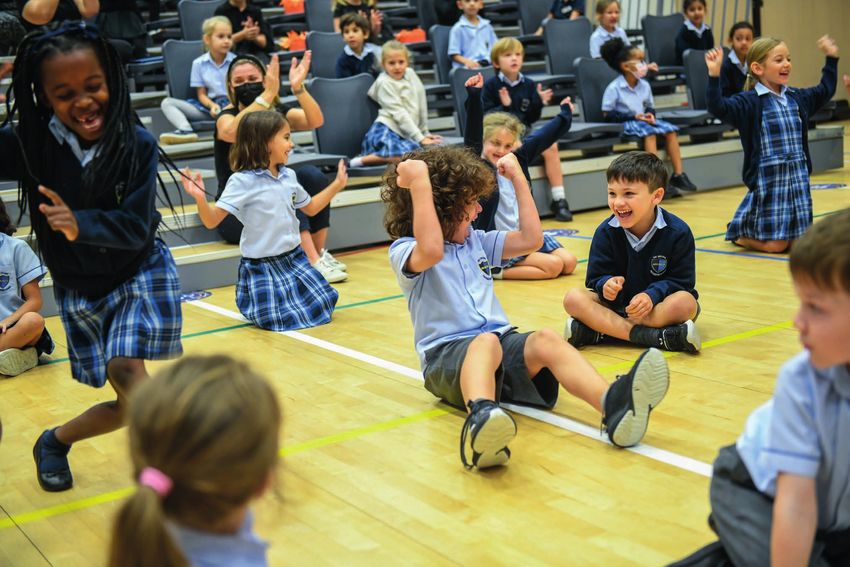
Established in 2016, Arcadia School is a growing school that takes students from Foundation Stage
1 to Year 6. In Foundation Stage, our youngest students are exposed to the Early Years Foundation
Stage Framework and students in Years 1-6 embark upon a journey through the English National
Curriculum. Located within the heart of Jumeirah Village Triangle, our welcoming campus
comprising an array of specialist facilities and leading-edge technology certainly stands out! With
highly skilled teachers, we provide the highest standard of education for our students.

The ethos of our school is founded upon the Arcadia Values, Altruism, Respect, Compassion,
Aspiration, Determination, Integrity and Adventure. These values permeate into every aspect of
our school and form the cornerstone of our expectations for our students as we drive to develop
well-rounded, compassionate, high-achieving and globally aware young people, confident in their
ability to successfully meet the challenges of the future.

We firmly believe that by providing an enriched and engaging curriculum, delivered by passionate
and talented teachers and by working closely with our parents and community as partners, our
school will live up to its motto to ‘nurture lifelong learners’. This vision is prevalent within every area
of school life, ensuring that the student experience is profound, captivating and fulfilling and that
it is accessible to every child.

Our school is a warm and inviting environment where despite our rapid growth, maintains a ‘small
school’ feel. Students at Arcadia are exposed to unique opportunities to aid their development in
areas which are pertinent to their passions and talents. This is made possible with a longer school day
where enrichment learning and extra-curricular activities are built into the school day. We aspire to
develop the whole child and so provide an experience where our students can grow, develop and
learn physically, emotionally and academically within a nurturing and inclusive environment.

                                                                                                              3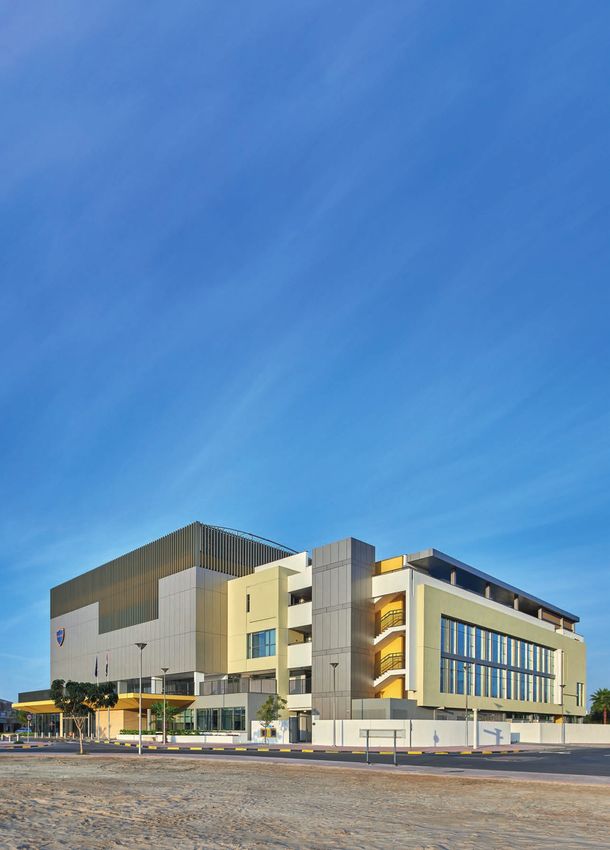
AIMS AND OBJECTIVES

Our curriculum adopts the notion that every student is a unique individual who is constantly learning. From the point
of entry, we endeavour to develop students who are resilient, capable, confident and self-assured. Arcadia’s
curriculum facilitates learning in a way that students can develop as fully as possible, the understanding, knowledge
and skills required to meet the challenges of a rapidly globalising and competitive world. Through enriching the
curriculum holistically, our programme focuses on the whole student so as to ensure they form positive relationships,
develop a transferable skill set and have exposure to unique and enriching opportunities.

We intend to nurture students who are:
•   Motivated and stretched in all aspects of school life
•   Tolerant and caring
•   Enjoying and understanding their learning
•   Intellectually curious
•   Digitally literate
•   Developing high quality learning skills and leadership qualities
•   Comfortable and knowledgeable about the United Arab Emirates
•   Internationally-minded
•   Collaborative
•   Informed risk-takers
•   Entrepreneurial
•   Socially conscious

To meet these aims, the curriculum provides:
•   A wide range of choice, keeping students options’ open for as long as possible
•   A broad education
•   An in-depth education, so that students are challenged and stretched at all times
•   A wide range of enrichment activities
•   An inclusive programme with individual pathways developed to suit all needs and abilities
•   Opportunities for student leadership in areas such as school council, sustainability and sports
•   A in-school homework provision

                                                                                                                        4
SKILL AREAS DEVELOPED
For students in Foundation Stage, the developmental curriculum sets clear standards for students based upon their
age. The curriculum aims to provide students with experience and skill development in the following prime areas:

PERSONAL, SOCIAL & EMOTIONAL:
Students develop self-confidence and self-awareness, they learn to manage feelings and behaviour and are
encouraged to make relationships with peers and adults.

COMMUNICATION & LANGUAGE:
Learning and experiences within this area encourages and enhances skills of listening and attending, understanding
and speaking.

PHYSICAL DEVELOPMENT:
Students will develop their ability in moving and handling and health and self-care.

For students in Foundation Stage and those in Key Stage 1 (Year 1 and 2) and Key Stage 2 (Year 3, 4, 5 and 6), the
curriculum will aim to provide students with experience and skill development in the following areas:

SCIENTIFIC:
The development of students’ scientific skills, knowledge and understanding occurs in Science lessons for KS1 and
KS2 and through the ‘Understanding the World’ area of the EYFS curriculum.

TECHNOLOGICAL:
To teach students a range of technological skills including up-to-date applications of ICT, to develop, plan and
communicate ideas and to produce and evaluate good quality products. This is developed through Computer
Science, Digital Skills and Design and Technology.

HUMAN AND SOCIAL:
To teach students about people and their interaction with the environment and how human action has influenced
events and conditions. This is developed through Integrated Humanities, including Geography and History, Islamic
Studies, UAE Social Studies and Enrichment Days/Moral Education.

PHYSICAL:
To teach the basic principles of fitness and health and to develop students’ physical control and coordination. This is
developed through Games and Physical Education. CREATIVE: To develop students’ aesthetic and creative skills. This
is developed through Art, Drama and Music.

MORAL, SOCIAL, SPIRITUAL AND CULTURAL:
To develop students’ self- knowledge, self-esteem and self-confidence so that they can distinguish right from wrong
and respect the law as well as accept responsibility for their behaviour, show initiative and understand how they can
contribute to community life. This is developed through Islamic Studies, Geography, History, the extra-curricular
programme and Enrichment Days/Moral Education.

                                                                                                                          5
LEARNING SKILLS
Learning skills are delivered throughout the school from Foundation Stage to Key Stage 5 and underpin learning
connections and constructions in order to develop the 21st century skills needed for our students to be successful
throughout their lives. At Arcadia we focus on the development of the 4 C’s of:

1. COMMUNICATING
Sharing thoughts, questions, ideas and solutions.

2. COLLABORATING
Working together to reach a goal and putting enterprise into action.

3. CRITICAL THINKING
Critical thinking is focused, careful analysis of something to better understand it. When people speak of “left brain”
activity, they are usually referring to critical thinking.

4. CREATIVE THINKING
Creative thinking is expansive, open-ended invention and discovery of possibilities.

LEARNING SKILLS IN FOUNDATION STAGE AND KEY STAGE 1

In Foundation Stage and Key Stage 1, teachers expose students to the learning skills through incorporating one of the
4C’s into aspects of teaching and learning. Within any given lesson, the class teacher will introduce the learning
objective followed by the learning skill that students will be expected to use.

Where learning is more free flow in Foundation Stage and Year 1, teaching and learning will plan the learning provision
and resources around the four skills so that throughout the day students will develop and demonstrate the skills.

LEARNING SKILLS IN KEY STAGE 2

From Year 3-6, we have developed a series of progressive curriculum objectives which underpin each of the four
learning skills. For students in Year 3 and 4, these learning skill objectives will sit alongside the lesson objective and
form a part of the formative assessment within the lesson. Across all curriculum areas, students will be developing
each of the four learning skills within a range of contexts. This aims to make the demonstration and utilisation of the
skills implicit and natural for our students ahead of their move into Upper Key Stage 2.

In Years 5-6, students participate in a discrete lesson at which time, teachers deliver a more rigorous learning skills
curriculum. At the end of each term, students in Year 5 and 6 will deliver a showcase to teachers and parents which
aims to demonstrate their ability to both understand and demonstrate each of the learning skills within a relevant
context. During this time, teachers undertake formative assessment of how well students have progressed.

To effectively transition our Year 6 students into the Year 7 learning skills framework, students work towards an APEX
project (Arcadia Project Exhibition) at which point they create a final showcase. Scheduled at the end of the school
year, the APEX project marks the end of a students primary school career and demonstrates their readiness to
transition into Year 7.

                                                                                                                             6
The development of learning skills within the curriculum is also accentuated by a number of programmes which
support their progression. Examples include:

ORACY
Oracy is the ability to articulate ideas, develop understanding and engage with others through spoken language. In
school, oracy is a powerful tool for learning; by teaching students to become more effective speakers and listeners we
empower them to better understand themselves, each other and the world around them. Inspired by the work of the
Voice 21 organisation in the UK, students across Key Stages 2 and 3 are encouraged to develop their ideas through a
high quality oracy-style education. They develop and deepen their subject knowledge and understanding through
talk in the classroom, which has been planned, designed, modelled, scaffolded and structured to enable them to learn
the skills needed to talk effectively.

STUDENT LEADERSHIP
At the beginning of each academic year, students are invited to apply for a range of student leadership roles
including: school councillor, head boy, head girl, eco-warrior and games captains. This process is taken seriously and
aims to prepare students for similar situations that they will find themselves in throughout later life. Our student
leaders work hard to drive school improvement from the point of view of the student. In the initial stages, our leaders
formulate a strategy for the students and by the students. This steers student led initiatives whilst also driving the
school forward. Throughout their time as leaders, students are continually required to demonstrate aspects of our
learning skills. Through encouraging pupil voice across the entire school, students are developing skills of
collaboration and communication.

SOCIAL ENTERPRISE - JUNIOR MBA
Arcadia Education is proud to be the proponent of the region’s first Entrepreneurship programme for primary school
pupils, to inspire and teach them the basics of entrepreneurship. The programme is loosely based on the first year
MBA programme and has been designed by the school’s CEO, Navin Valrani, a graduate from two of the world’s
leading business schools, The Wharton School of Business and the London Business School. This innovative
programme brings together children’s innate creativity with the skills of entrepreneurship. The aim of the programme
is to inspire and teach pupils the basics of entrepreneurship from a young age. The course is developed carefully
keeping in mind the age-group. It is offered as simple and easy to understand modules that allow pupils’ to explore
the opportunities, which stem from entrepreneurial thinking.

    INCLUSION
Arcadia School is committed to providing all students with an outstanding educational experience and believes that
all students have learning potential and the right to education in a common learning environment. A key objective at
Arcadia is to provide a personalised learning journey for students who are identified as a Student of Determination
and celebrating key milestones along that journey. We believe that this ethos will raise the attainment and progress
of students and create an environment that is truly inclusive in all aspects.

Arcadia's commitment to being an inclusive school is also reflected in our admissions policy wherein it is recognised
that student diversity is integral to the school. The Head of Inclusion and Inclusion Support Teachers work closely with
all staff to ensure that teachers differentiate for students’ needs.

The Arcadia Creative Avenues Program (ACAP) combines a number of pathways to ensure each child's journey
through primary and secondary school is tailored to their needs. Children’s progress is monitored through a
combination of whole school assessment, against a small steps curriculum and

                                                                                                                           7
ASDAN PROGRAMME

ASDAN (Award Scheme Development and Accreditation Network) is an award-winning British education charity and
awarding organisation. Arcadia school is proud to be a fully registered and accredited ASDAN centre, allowing us to
offer a wide range of courses and options to our students in fitting with their learning needs.

ASDAN provides flexible and engaging programmes and qualifications that help young people develop skills for
learning, work and life. The courses have been developed for learners with a wide range of learning needs and
abilities and provide meaningful outcomes through a person-centred approach that prepares the learner for adult
life.

ASDAN's programmes and qualifications for secondary schools range from helping learners make a successful start
in secondary education to boosting engagement and motivation, developing core skills, and enhancing academic
performance.

ASDAN is made up of short courses that are flexible, portfolio-based programmes designed to accredit up to 60
hours of activity and skills development across a range of topics and curriculum areas.

ASDAN's programmes and qualifications help centres meet many requirements including:
• Pride in achievement and commitment to learning
• Developing self-confidence, self-awareness and understanding of how to be a successful learner
• Gaining employability skills so that learners are well prepared for the next stage of their education, employment,
  self-employment or training
• Understanding how to keep themselves safe from risks such as abuse, sexual exploitation and extremism, including
  when using the internet and social media
• Knowledge of how to keep themselves healthy, both emotionally and physically, including through exercising and
  healthy eating
• Personal development, so that learners are well prepared to respect others and contribute to wider society

                                                                                                                       8
ENGLISH                           AS AN ADDITIONAL
                                      LANUAGE

Arcadia welcomes learners with English as an Additional Language (EAL). They are students who do not speak any
English or whose English is very limited that prevents them from both socialising within the school community and
accessing the school curriculum.

At Arcadia, the EAL learners are identified and grouped according to their linguistic needs, whether they were BICS
(Basic Interpersonal Communication Skills) or CALP (Cognitive Academic Language Proficiency) needs. Hence, EAL
learners are identified as follows:

EAL - B
• Learners with no English
• Learners with very basic language skills
• Learners who need to secure their BICS

EAL - A
• Learners who have secured their BICS
• Learners who have advanced and developed their English but still need support
• Learners who are in the process of developing their CALP

EAL - I
• Learners who have developed an equal competency level as same as their peers
• Learners who do not need significant support in accessing the curriculum
• Independent learners of English who have secured their CALP

The Arcadian EAL Provision is given in one or all of the following three forms according to the learners’ needs: in-class
support; out-of-class interventions; and 1-to-1 sessions. It is also designed to develop the English language
proficiency levels that focus on:

• Phonology: the sound system of English
• Morphology: the forms and formation of words
• Syntax: the rules and structure of the English language
• Semantics: the meaning of language including general vocabulary and academic terminology
• Language Functions: the purpose of the use of specific language
• Pragmatics: the appropriate use of the English language in various conte

    EXCEPTIONAL LEARNERS
At Arcadia, we recognise that the KHDA identifies students with special gifts and talents are one of the groups at risk
of educational exclusion. We strive to prevent this through the implementation of our ‘Exceptional Learners
Programme’. The programme is broken down into two core categories:

HIGH FLYERS
Academic performance demonstrates a student as ‘significantly above’ age related expectations.

                                                                                                                            9
PERFORMANCE PATHWAYS
Students demonstrate skill and capability which significantly exceeds age related expectation in performance
subjects such as Physical Education, Music and Art.
Based on both externally and internally tracked data of a students performance and following a developed criteria,
students can be identified as any one or both of the above categories. Upon identification, planning and teaching is
adapted, individualised targets are set and students are fast-tracked to additional opportunities which allow students
to nourish and extend their exceptional potential.
SOCIAL & EMOTIONAL SUPPORT
The positive learning environment at Arcadia provides a foundation for supporting Students' Social and emotional
wellbeing. Our aim is to ensure consistent, culturally responsive, and developmentally appropriate opportunities for
all students to enhance and apply social and emotional competencies to daily tasks and challenges. The five primary
areas of focus are Self Awareness, Social Awareness, Self management, Relationship Skills and Decision Making.
Teachers at Arcadia are working closely for each child’s holistic development of these skills.
Some of the issues that may require additional support are social skills, anxiety, anger management, stress, emotion
regulation, changes in home situation, behavior problems and so on. The counselling department provides a variety
of services based on individual student needs. The School Counsellor is available to support students in individual or
small group support sessions. Support sessions are provided to parents and teachers as well, to be able to provide
effective and appropriate support to the students. School counselor works in collaboration with the teachers, parents
and senior leadership to best support our students. School Counselor liaises with external professionals and
agencies as well to ensure effective guidance both at home and in school.
From time to time, preventative psycho educational sessions are planned for all students on age appropriate topics
to not only raise awareness but also teach critical social and emotional competencies. Similar workshops on relevant
topics are regularly planned for our Parent community.
ENRICHMENT PROGRAMME
EXTRA-CURRICULAR AND CO-CURRICULAR OPPORTUNITIES
Through an extensive and comprehensive extra-curricular programme, offered within the extended school day, the
school will aim to build confidence and create character, leadership and a spirit of adventure amongst the students.
It will encourage pupils to engage in an extra-curricular programme that will give them the experience of leadership
and adventure, service to the community, and creative/cultural activities.
The extended school day provides opportunities for enrichment activities to be scheduled and planned as blocked
periods within the timetable. The school offers extra-curricular and co-curricular enrichment within the weekly
programme on a regular and ongoing basis.
The School has deliberately identified activities that support the concept of developing well rounded and highly
skilled students who have the opportunity to gain enrichment across diverse areas:
10
7• Creativity and Performance Arts
• Citizenship
• Sport and Physical Development
In this way, the school seeks to achieve its mission of developing students who see learning as broad, varied, exciting
and enriching and who will, therefore, become ‘lifelong learners’. Likewise, the scope is also provided for students to
become highly skilled in one or more of the areas and to develop expertise and particular talents.
EXTRA-CURRICULAR AND CO-CURRICULAR ENRICHMENT PROGRAMMES – EXAMPLES:
ENRICHMENT AREA PURPOSE DETAILS
Visual Arts and Craft, Singing, Choir, Drama, Band,
To enhance confidence and encourage creative
Instrumental Lessons (graded exams), Orchestra,
Creativity and skills across a wide spectrum of the arts. Students
Ballet, Modern Dance (Step Up Academy), Annual
Performance Arts participate in the Arcadia Music Academy offering
School Production, Computing, Coding, Robotics,
to further develop their talents
Photography
Ecology Action, Debating, Public Speaking,
To ensure that students develop a service
School Publications, Entrepreneurship, Community
Citizenship mentality and seek to make society a better
Outreach, Ramadan Support Club, National Day
place
Support Club, Happiness Programme
To ensure that students are future ready by
Programming Languages, Coding, Web Design,
Coding and Gaming gaining a practical understanding of AI and
Artificial Intelligence, Robotics
leading edge technology
To develop sporting skills and attitudes and to
ensure that students compete with confidence Rugby (Rugby Academy), Football (The Football
at a range of sports Academy), Swimming (Hamilton Aquatics), Netball,
Sport and
Cricket, Basketball, Cross Country, Athletics,
Physical Development To provide students with the opportunity to Gymnastics (Step Up Academy), Tennis (NY Sports
compete with other schools and develop Services)
school pride and sportsmanship
SOCIAL ENTERPRISE - JUNIOR MBA
The Junior MBA programme is a 12-week programme designed to deliver an MBA style curriculum to primary school
students. The essence of the programme is to deliver MBA modules to students aged from 6-11 years old with four
learning goals:
• To encourage students to think critically
• To provide basic financial literacy skills to students
• To encourage collaboration among students
• To provide students the opportunities to learn through talk and to talk in accordance with the Oracy Framework
The Junior MBA programme was the creation of its founding teacher, Navin Valrani, Arcadia Education’s
award-winning CEO, who was not only educated in the finest business schools in the world but who has also
successfully led a number of companies across a variety of industries.
The programme is considered essential for students as it provides them not only with financial literacy skills but also
11
7the basic tools of entrepreneurship that will serve them well in the long run. Due to the discussion-based nature of
the class, the programme gives students the ability to think critically and encourages collaboration, with the intention
of preparing students for their academic and personal journey ahead.
The course is taught in a discussion-based format by the class teacher and supported by Mr. Valrani. Students spend
the first 6 weeks of the course discussing theory and the last 6 weeks of the course on real world applications
including interacting with relevant guest speakers, visiting companies and learning how to prepare and pitch a
business plan in front of an engaged audience.
Only students at Arcadia School are eligible to enrol in the programme. All Arcadia students from Year 3 through to
Year 6 (ages 7-11) are required to take the course as part of their schedule during Term 1 of the academic year. Year 1
and Year 2 students (ages 5-7) have the option to take the programme as an elective choice in Arcadia’s Enrichment
Learning Programme.
KEY TOPICS OF STUDY
Entrepreneurship Marketing Finance Accounting
• Idea Generation • The Marketing Mix • Fund raising through friends • Understanding Revenue
• Company Formation • Branding and family and Expenses
• Social Impact • Social Media (safeguarding • Commercial and Islamic • Calculating Profit
• UN Sustainable Development concerns highlighted) Banking • Basics about Balance Sheets
Goals (SDGs) • Preparing Pitch Decks • Venture Capital • Goodwill
• Presentation skills • Stock Market (including • Learning about the case
exposure to live trading) study method
• Crowdfunding (including
investing in real ventures)
OUTDOOR EDUCATION
The Outdoor Education programme is based on the school’s belief that by taking learning outside of the classroom
and into new and challenging situations, students are able to reflect about and interact with the environment. New
opportunities for learning are created and previous skills and understandings are able to be brought to bear in
unfamiliar environments. As students move through school, the outdoor challenges grow sequentially in complexity,
challenge and levels of independence. Arcadia work closely with Challenging Adventure to build a progressive
curriculum from Year 3-Year 6 comprising:
YEAR LOCATION DURATION PROGRAMME
• Team building games
YEAR 3 School Sleepover 1.5 days (1 night) • Orienteering
• Tent pitching
• Swimming
• Water activities
YEAR 4 Umm Al Quwain Marine Centre 2 days (1 night)
• Jacobs ladder
• Zipline
• Rock climbing
• Kayaking
YEAR 5 RAK Mountain Centre 3 days (1 night)
• Team building games
• Campfire activities
• Via ferrata (around mountains)
• Abseiling
YEAR 6 RAK Mountain Centre 3 days (2 night) • Raft building
• Team building
• Campfire activities
12
7JUNIOR DUKES
Mini and Junior Dukes is an award scheme aimed at primary students that encourages the development of valuable
life skills. There are six levels:
• Silver Mini Duke (Year 1)
• Gold Mini Duke (Year 2)
• Bronze Junior Duke (Year 3)
• Silver (Year 4)
• Gold (Year 5)
• Platinum (Year 6)
Each of the six levels contain fourteen challenges. In order to complete a level, students need to complete ten of
these challenges successfully. Challenges include mastering skills such as first aid, ICT, languages, art, drama, music,
sport, cookery, puncture repair amongst a variety of cultural experiences. Students will be given many of the
necessary skills in school, but the award also requires time and commitment during their own time.
The skills gained through taking part in the Junior Duke award will be valuable for our students both currently and in
later life. Students will grow in confidence, independence, resilience and adaptability when embarking on the
challenges within each level. By taking part in the Junior Duke award, students will be better equipped to deal with
the everyday problems faced in life.
ASSESSMENT AND REPORTING
ASSESSMENT
At Arcadia School, we strive to provide an assessment system that is effective and efficient; one which informs all
stakeholders with the information they need to ensure the children at Arcadia gain outstanding learning experiences.
We aim to nurture teachers who are experts in their roles as assessors, parents who are well informed and children
who are actively engaged in their personalised learning experience. We believe assessment is about learning and we
track the progress and attainment of this in two ways:
FORMATIVE ASSESSMENT:
This is a continuous process used to inform progression through the learning journey. Teachers make personalised
notes on planning documents to record this in a way that supports their teaching. This mode of assessment is carried
out through planning and observations, marking and questioning as well as self and peer assessment techniques.
This is an assessment for learning.
SUMMATIVE ASSESSMENT:
These assessments occur at defined periods of the academic year such as the annual external GL Assessments and
other curriculum related assessments. The aim of such assessments is to record the overall achievements of children
in a systematic and standardised way and to provide further clarification of judgements made by teachers regarding
areas of strength and development of individuals in their care. Results are also tracked across the school to monitor
the progress of your children. The more we understand about their strengths and weaknesses, the more we will be
able to help them improve. This is an assessment of learning.
13REPORTING
Reporting is a fundamental communicative tool between Arcadia School and parents. Reports detail a child’s
progress at school over time. Parent Consultation Meetings take place during terms 1 and 2. These meetings give
parents an opportunity to discuss their child’s academic and pastoral progress with their form tutor and subject
teachers. We consider these meetings to be a vital part of the reporting process.
PROCESS TERM 1 TERM 2 TERM 3
Grade and Effort Report Grade and Effort Report Written Report
Reports (including Grade and Effort)
Parent Consultation
Class Teachers Specialist Teachers Class Teachers
Meetings
13FOUNDATION STAGE
The Early Years Foundation Stage (EYFS) is a framework that provides standards and expectations for the
development of children up to five years of age. At The Arcadia School we deliver the seven areas of this framework
through a hands on, play based approach, with an emphasis on successful socialisation and purposeful management
of the learning environment both inside and out of the classroom.
A cross-curricular approach to learning allows the following areas to be developed and enhanced throughout a
child’s time in our modern and child-focused Foundation Stage setting:
PRIME AREAS Physical
Development
Important aspects of the EYFS curriculum that
Literacy
lay the foundations for success in all areas of Mathematics
Development
learning and life.
EYFS
AREAS OF
Personal, Social Communication
and Emotional LEARNING and Language
Development Development
SPECIFIC AREAS
Specific areas provide a range of experiences
and opportunities for children to broaden Expressive Arts Understanding
and Design the World
their knowledge and skills.
CURRICULUM PLAN:
As a feature of our ‘in the moment planning’ approach in the Foundation Stage, topic areas are very broad so that
students have the potential to lead their own learning journey. The topics shown in the following table provide a taste
of what your child will be focusing on when learning in the Foundation Stage.
YEAR TERM 1 TERM 2 TERM 3
All About Me Our World Super Power - Reading
• From baby to school • Animal babies/homes • Traditional Tales
• My family and friends • Farm animals • Transport
• Where do we come from? • Plants • Fiction
FS1/FS2 • UAE • Life cycles • Non-fiction
• People who help us (Occupations) • Minibeasts • Pirates
• Senses • Changing and growing up • Dinosaurs
• Festivals and celebrations • Prince and Princesses
• Castles and Dragons
KEY PRINCIPLES
At Arcadia, curriculum planning and development in Foundation Stage is underpinned by four core principles
comprising:
EVERY CHILD IS ONE OF A KIND
At Arcadia, we believe that every child is unique and subsequently responds to their learning environment in different
ways. We uphold that all students are capable of being strong, independent, resilient learners who demonstrate the
ability to communicate, collaborate, think creatively and critically. Our teachers are highly trained to adapt the
learning environment to meet the needs of all students so as to help them reach their full potential.
14ENVIRONMENTS THAT PROVIDE OPPORTUNITIES
The environment in which a child learns must provide the necessary stimulation to effectively trigger meaningful
learning experiences. At Arcadia, students are placed in an enabling environment which caters to their individual
needs whilst providing them freedom to expand their knowledge, collaborate with others and be innovative learners.
BUILDING RELATIONSHIPS
Through providing opportunities for students to explore their environment and problem solve, they are encouraged
to work alongside their peers and teachers whilst also developing skills of independence. At Arcadia, we provide a
safe and secure environment where students can feel confident to communicate openly and freely.
PERSONAL DEVELOPMENT AND ACADEMIC PREPARATION
As a result of following the ‘prime’ and ‘specific’ areas of learning as part of the framework, students are equipped
with a holistic skillset which aims to support success throughout their academic journey.
CHARACTERISTICS OF EFFECTIVE LEARNING
Learning through play is a defining characteristic of early childhood education. At Arcadia, our teachers work hard to
plan opportunities for students to play in purposeful contexts which in turn leads to valuable learning experiences.
The EYFS framework defines three key characteristics of learning which are considered vital to lead to effective
learning. Through mastering these skills, students build the necessary foundation from which their academic journey
can embark. The characteristics of effective learning comprise:
• Playing and Exploring: How well the child is engaging when investigating and experiencing their environment
• Active Learning: How motivated and resilient a child is to work through challenges and their response to triumphs
• Creating and Thinking Critically: The process of thought behind learning, developing their own ideas and creating
strategies for carrying these out
SHAPE OF THE DAY (FOUNDATION STAGE STUDENT TIMETABLE):
ACTIVITY TIME ACTIVITY TIME
Registration 07:40 am to 08:05 am Period 4 11:00 am to 11:50 am
Period 1 08: 05 am to 08:55 am Period 5 11:50 am to 12:40 pm
Period 2 08:55 am to 09:50 am Lunch 12:40 pm to 01:30 pm
Break 10:10 am to 11:00 am Period 6 01:30 pm to 02:00 pm
15KEY STAGE 1 & 2
Students in Key Stage 1 (Year 1 and 2) and Key Stage 2 (Year 3, 4, 5 and 6) following the National Curriculum for
England. This comprises English, Mathematics, Science, Physical Education, Computing, Art and Design, Music and
Humanities. At Arcadia, we enrich the curriculum so as to ensure we are developing well-rounded students who are
prepared for their later life as global citizens. For instance, students partake in a Junior MBA programme in Key Stage
2 which develops their understanding of social enterprise and financial literacy. Further to this, students are
immersed in a learning skills curriculum which is mapped progressively through the curriculum.
16English
National Curriculum for England
Mathematics
(NCfE) - Key Stage 2 (Years 7-9)
Science
Physical Education
Computing
Design and Technology (including Food Technology)
Geography
Adapted English National Curriculum
- Key Stage 1 & 2 (Years 1- 6)
History
Modern Foreign Languages (MFL)
Performing Arts (includig Music)
Art
Arabic ‘A’ (Arab national students- delivered in Arabic)
Arabic ‘B’ (Non-Arab students- delivered in English)
Islamic Studies ‘A’ (Arab muslim students- delivered in Arabic)
UAE Ministry of Education
Curriculum
Islamic Studies ‘B’ (Non-Arab muslim students- delivered in English)
Moral Education (all students)
UAE Social Studies (all students)
SHAPE OF THE DAY (KEY STAGE 1 & 2 STUDENT TIMETABLE):
ACTIVITY TIME ACTIVITY TIME
Registration 07:40 am to 08:05 am Period 5 11:50 am to 12:40 pm
Period 1 08: 05 am to 08:55 am Lunch 12:40 pm to 01:30 pm
Period 2 08:55 am to 09:50 am Period 6 01:30 pm to 02:20 pm
Break 10:10 am to 11:00 am Period 7 02:20 pm to 03:10 pm
Period 4 11:00 am to 11:50 am Period 8 03:10 pm to 04:00 pm
16SUBJECTS
ENGLISH
At Arcadia, we believe that all children should leave school being confident and fluent readers and writers with a love
and enjoyment of all aspects of English. One of our core aims is to develop Life-long learners, developing reading
and writing gives children the skills to achieve this in all aspects of the learning journey. We aim to introduce children
to a vast range of interesting and engaging books and give them the skills to write in various styles and for different
purposes.
English is the umbrella subject for many other aspects of learning and subjects which are taught in school. Through
developing the skills needed effectively, children can access a range of subjects across the school. We believe that
English is an integral and crucial subject to study, and that the skills taught to them throughout school will allow them
to become well rounded members of society who have the ability to independently work towards many of their life
goals and achieve well in these. The syllabus we set out for the students embeds skills from both aspects of English
(reading and writing). As a school, we strive to foster a love of literature in our students; we want students to read for
pleasure as well as academic purpose!
Through planning, preparation and the teachers knowledge of the curriculum we aim to create an interesting and
varied English curriculum, which not only teaches the necessary skills to succeed academically, but also gives children
the chance to foster their love of English, we do this by:
• Choosing engaging and relevant books which link to the classes topic
• Each term, teaching children to write a range of various text styles and for various purposes
• Including drama and oracy skills into our lessons where possible
• Differentiated lessons based on children's ability and learning style so that all children will have the tools to succeed
• Taking part out of school events and competitions such as the Emirates Literature Festival reading challenge
• Holding whole school events where reading or writing is the focus
• Incorporating technology and innovative teaching strategies into planned lessons
• Offering cross curricular opportunities to develop skills in various subjects
• Regular assessment, which allows us to identify children’s strengths and areas to develop
• Sending home weekly books which are suited to the child’s reading ability, this allows them to read with a parent or
independently at home
CURRICULUM PLAN:
In Foundation Stage children work on a range of different text types including fiction and non fictions each half term
all based around a theme. This theme will then be used in their continuous provision.
YEAR TERM 1 TERM 2 TERM 3
Dear Zoo What the Ladybird Heard The Gingerbread Man
People Who Help Us Farmyard Beat The Billy Goats Gruff
Lost and Found The Little Red Hen Making Gingerbread
FS1
The Hungry Caterpillar
Pirates Love Underpants
Nursery Rhymes Jaspers Beanstalk
The Night Pirates
Where Do Animal Babies Live? Oliver’s Vegetables
Transport Types
Growing a Beanstalk
17YEAR TERM 1 TERM 2 TERM 3
Adventure Minibeasts Three Billy Goats Gruff
Zog A Squash and a Squeeze Little Red Riding Hood
I Want To Be... Spinderella Each Peach Pear Plum
FS2
No Way Home
Plants for Dinner Jake’s First Day
Nursery Rhymes
Jack and the Beanstalk Dear Dinosaur
I Spy a Desert
My Granny Went to Market Don’t Let the Pigeon Drive the Bus
Let’s Go
Each half term, primary key stage classes have a class book, this book is linked to their current topic which they are
learning about. English lessons for that half term will be themed around this text or similar.
YEAR TERM 1 TERM 2 TERM 3
Lost and The Storm We’re Going Where the Traction Man, That Rabbit
YEAR 1 Found Whale on a Bear Hunt Wild Things Toys in Space Belongs to
are Emily Brown
Meerkat Toby and the The Camel Jack and the Little Red
The Snail and
YEAR 2 the Whale Market Great Fire of that Got Away Beanstalk Riding Hood
London
Dubai’s Talking Escape to The Black Anglo-Saxon Around the
YEAR 3 Stone Age Boy World in 80
Towers Pompeii Rabbit Boy
Days
How to Train The Great Egyptian Dougal’s Deep
YEAR 4 your Dragon Kapok Tree Cinderella Sea Diary
Pandora’s Box Flat Stanley
Who Let the Kensuke’s The Private
YEAR 5 Beowulf
Gods out? Kingdom Highwayman Peaceful
Journey to the The Spider Letters of the
YEAR 6 River Sea
Macbeth Street Child
and the Fly
Friend or Foe
Lighthouse
MATHEMATICS
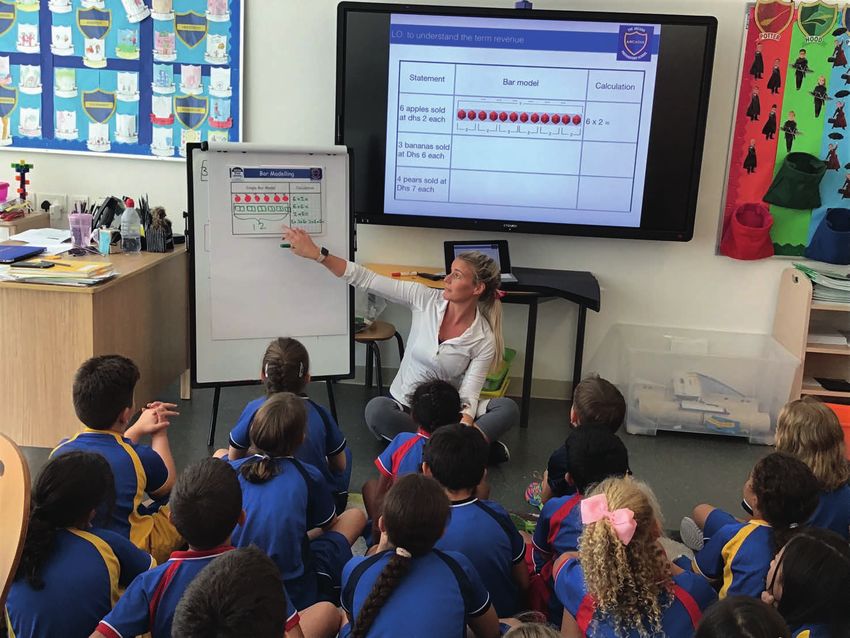
At Arcadia, we want students to develop an appreciation of the beauty and power of mathematics and a sense of
enjoyment and curiosity about the subject. A firm grasp of the key concepts and processes in mathematics is
essential to equip our young people to flourish in day to day living. Mathematics provides them with the skills and
confidence to carry out everyday tasks with greater ease; from handling bills to deciding the most efficient way to
carry out a series of tasks. Students who are comfortable and confident with mathematics are able to develop critical
thinking skills enabling them to effectively problem-solve and solution find. Young people who are able to leave
school with these skills are better equipped to be numerate in multiple settings across society and are able to flourish
in a variety of fields.
18The course involves:
• Applying suitable Mathematics accurately within the classroom and beyond
• Communicating Mathematics effectively
• Engaging in Mathematics as an interesting and worthwhile activity
• Selecting appropriate Mathematical tools and methods
• Knowing that Mathematics is a rigorous, coherent discipline
• Combining understanding, experiences, imagination and reasoning to construct new knowledge
• Using existing Mathematical knowledge to create solutions to unfamiliar problems
• Understanding that Mathematics is used as a tool in a wide range of contexts
• Recognising the rich historical and cultural roots of Mathematics
• Knowing that Mathematics is essentially abstract and can be used to model or represent situations
• Recognising the limitations and scope of a model or representation
WHITE ROSE CURRICULUM PLAN:
YEAR TERM 1 TERM 2 TERM 3
• Concept of Number • Recalling Numbers • 2D Shapes Representing Number
• Recalling Numbers • Representing Numbers Counting
FS1 • Understanding Shape • Positional Language • Measurement Numeral Recognition
Counting Squences
• Quantities • Shapes in the Environment
• Counting and Number Recognition • Counting and Number Recognition • Addition and Subtraction Time 3D
2D Shapes 2D/3D shapes shapes
FS2 • Counting and Number Recognition, • Addition and Subtraction, Position • Doubling Halving and Sharing Money
Size, Weight and Capacity and Distance Time, Size, Weight and Capacity
• Place value within 10, Shape Addition • Place value within 20, Shape • Place value within 50, Shape
and Subtraction within 10 Addition and Subtraction within 20 Addition and Subtraction
YEAR 1 • Money Position and Direction • Multiplication and Division, • Length and Height, Place Value to 100,
Problem Solving Fractions, Time Problem Solving Weight and Volume, Problem Solving
• Place Value , Properties of Shape • Statistics, Multiplication, Division • Time, Fractions, Length and Height,
• Addition and Subtraction, Problem • Mass, Capacity, Temperature, Time, Money
YEAR 2 Solving Problem Solving • Position and Direction, Addition and
Subtraction, Review, Problem Solving
• Number and Place Value Addition • Multiplication and Division Statistics • Time Fractions
and Subtraction • Fractions, Multiplication and • Length and Perimeter, Mass and
YEAR 3 • Money Properties of Shape Division Problem Solving Capacity Problem Solving
Problem Solving
• Place Value Addition and • Properties of Shape, Area Fractions • Decimals Multiplication and Division
Subtraction • Time, Decimals Problem Solving Money
YEAR 4 • Length and Perimeter Multiplication • Decimals Statistics, Position and
and Division Problem Solving Direction Problem Solving
• Place Value Addition and • Multiplication and Division • Decimals Properties of Shape
Subtraction Statistics Fractions Position and Direction
YEAR 5 • Perimeter and Area Multiplication • Decimals and Percentages Problem • Measurements- Converting Units,
and Division Problem Solving Solving Volume Problem Solving
• Number and Place Value Addition • Multiplication and Division, • Decimals Percentages Problem
and Subtraction Problem Solving Converting Units Problem Solving Solving and Investigation
YEAR 6 and Investigation and Investigation • Ratio Properties of Shape Problem
• Algebra Perimeter, Area and Volume • Fractions Position and Direction Solving and Investigation
Problem Solving and Investigation Problem Solving and Investigation
19SCIENCE
Children at Arcadia explore science through a combination of building their Knowledge and Understanding’ of a
wide range of topics, alongside the development of the National Curriculum’s ‘Working Scientifically’ inquiry skills.
Teaching and learning follows the process of the Scientific Method, which allows children to work through an
investigation systematically while using skills of observation, questioning, research, prediction, experimentation,
recording results, analysing, concluding and finally sharing and applying their knowledge. Throughout FS and
primary, children develop a curiosity and a passion for science by answering key questions through their inquiries and
investigations with increasing independence. Through frequent opportunities for practical science and hands-on
learning, children connect with science in a meaningful way, motivating their curiosity beyond the classroom.
CURRICULUM PLAN:
YEAR TERM 1 TERM 2 TERM 3
How Do We
Where Do How Do We Where Did We What is in Our
FS1 Who are We?
Animals Live? Grow? Come From? World?
Travel the
World?
FS2 All About Me Light and Dark Life Cycles Minibeasts Plants Materials
Changing Types of Parts of Identifying Comparing
YEAR 1 Plants
Seasons Animals Animals Materials Materials
Animals
Animals and Everyday Everyday
YEAR 2 Including Plants Plants
Their Habitats Materials Materials
Humans
Animals Independent
Rocks and Light and
YEAR 3 Forces Including Plants Scientific
Soils Shadows
Humans Inquiry
Dangers to Changes of Human
YEAR 4 Living Things Sound Electricity
Living Things State Nutrition
Separating Earth and Types of
YEAR 5 Life Cycles Forces Materials
Mixtures Space Change
Independent
Evolution and Classifying Changing Light and
YEAR 6 Inheritance Living Things Circuits
Our Bodies
Sound
Scientific
Inquiry
HISTORY AND GEOGRAPHY - TOPIC BASED LEARNING
At Arcadia, we deliver History and Geography through a cross-curricular topic based approach. We endeavour to
include all other aspects of our broad and balanced curriculum, which boasts for engaging, deep and immersive
learning for all of our children.
In History, we will help all children to develop an understanding of time, place, people and events. We view History
not only as simple facts and dates but encourage pupils to become detectives who explore the past in an exciting
way. We will use the National Curriculum as the basis for our scheme of work and will make meaningful links with the
20other subjects within the curriculum. Our aim is to ignite a curiosity to learn about the past that will help children
understand who they are and how their environment and the world has changed over time.
In Geography, our curriculum will inspire pupil’s curiosity and fascination about the world and its people, that will
remain with them for the rest of their lives. In our diverse society children need, more than ever before, to understand
other people and cultures. As pupils progress, their growing knowledge about the world will help them to deepen
their understanding of the interaction between physical and human processes. They will also gain knowledge of the
formation and use of landscapes and the different environments. All pupils will benefit from teaching and learning
that is based upon the programmes of study for Geography which are set out in the National Curriculum.
CURRICULUM PLAN:
TERM 1 TERM 2 TERM 3
YEAR
HISTORY GEOGRAPHY HISTORY GEOGRAPHY HISTORY GEOGRAPHY
Significant Significant
Extreme Extreme History of Toys
Figures & Events Figures & Events Toys from
YEAR 1 Weather Events Weather Events (History) (History) and
Other Cultures
(Geography) (Geography) Chronology
Famous Journeys Famous Journeys
The Great Fire
Wonderful Wonderful of London Castles Castles
YEAR 2 World World Dubai
(History) (History)
(Geography) (Geography) Events beyond
Living Memory
Stone Age - Natural
YEAR 3 Iron Age
Buildings Romans
Disaster
Anglo-Saxons UK and Europe
Ancient
YEAR 4 Vikings Rainforests Ancient Egypt Water
Greece
Map Skills
Exploring
Reduce,
YEAR 5 Mayan Mountains Tudors
Reuse, Recycle
World War l Eastern
Europe
Trading and
The Victorians Our Changing Trading and
Elizabethan Economics
YEAR 6 Rivers Health & Medicine World Economics
England Our Amazing
through the Ages America World War ll
World
ARABIC ‘A’
Arabic is the official language of the UAE, and it is important to ensure that students perfect all the skills involved in
the language, ranging from reading, writing, speaking and listening. We encourage our students to communicate in
Arabic inside the school and also outside in the wider community to ensure that they are getting the full experience
of developing their knowledge of one of the most popular languages in the world.
The Arabic curriculum at Arcadia aims to:
• Make the learning of Arabic enjoyable and encourage students to communicate with it through various fun and
interactive techniques. This will result in the development of the language and will ensure students are keen on
further developing Arabic skills
• Provide a high standard of teaching for students in learning Arabic
20• Guarantee an excellent learning environment for students to encourage them to develop their skills
• Plan the subject in such a way that topics relate to real life and enrich students’ knowledge about Arabic language
and UAE culture
The Arabic syllabus, based on the Ministry of Education’s curriculum is extended with additional topics, resources,
and activities that enrich the language to ensure students are excited and interested to learn the language and also
develop the four skills.
CURRICULUM PLAN:
YEAR TERM 1 TERM 2 TERM 3
اﻟﺤﻮاس�اﻟﺨﻤﺲ /اﻟﻤﺪرﺳﺔ /اﻟﻤﺸﺎﻋﺮ / ﻋﺎﺋﻠ�� /اﻟﻤﻬﻦ /اﻟﺮّوﺗ���اﻟﺼّﺒﺎﺣﻲ /اﻷﺷﻜﺎل / ﻫﻮاﻳﺎﺗﻲ /اﻟﻄّﻘﺲ /اﻟﻄّﻌﺎم�اﻟﺼّﺤﻲ
اﻟﺼّﻒ /اﻟﺤﺪﻳﻘﺔ /اﻟﺒﻴﺖ ﺟﺴﻤﻲ�ﻳﺴﺘﺨﺪم�اﻟﻤﺘﻌ�ّﻢ�ﻛﻠﻤﺎت�وﺻﻔﻴّﺔ�ﻓﻲ ﻳﺮﺗّﺐ�اﻟﻤﺘﻌ�ّﻢ�اﻟﺠﻤﻞ�ﻟﻴﺤﺼﻞ�ﻋ���ﻓﻘﺮة
YEAR 2 ﺗﺮﺗﻴﺐ�ﺟﻤﻞ /ﻛﺘﺎﺑﺔ�ﺟﻤﻞ�ﺑﺴﻴﻄﺔ ﻛﺘﺎﺑﺘﻪ�أﻧﻮاع�اﻟﻜﻠﻤﺔ /اﻟﺠﻤﻠﺔ�اﻻﺳﻤﻴّﺔ /اﻟﺠﻤﻠﺔ ﻣﺘﻨﺎﺳﻘﺔ�ﻇﺮف�اﻟﺰّﻣﺎن�وﻇﺮف�اﻟﻤﻜﺎن /
أﺳﻤﺎء اﻹﺷﺎرة /اﻟﻤﻘﻄﻊ�اﻟﺴّﺎﻛﻦ /اﻟﺤﺮﻛﺎت اﻟﻔﻌﻠﻴّﺔ /ﺣﺮوف�اﻟﺠﺮ /ﺣﺮوف�اﻟﻌﻄﻒ /أﻧﻮاع أﺳﻠﻮب�اﻻﺳﺘﻔﻬﺎم /أﺳﻠﻮب�اﻟﻨّﻔﻲ
/اﻟﻤﻔﺮد�واﻟﻤﺜ�ّ��واﻟﺠﻤﻊ اﻟﺘّﻨﻮﻳﻦ /ﻋﻼﻣﺎت�اﻟ�ّ�ﻗﻴﻢ
ﻣﺴﻌﻮدة�اﻟﺴّﻠﺤﻔﺎة /ﺗﻜﺸ��ة /ﺑﻴﺖ�وﺳﻂ ﻣﺜﻠﺚ�وداﺋﺮة /اﻟﻤﺨﻠﻮﻗﺎت�اﻟﻔﻀﺎﺋﻴّﺔ�ﺗﺤﺐّ
ﺑﻼ�ﻗﺒّﻌﺔ /ﺧﺎﻟﺪ�واﻟﻌﺼﻔﻮر /ﻣﻠﻚ�اﻟﺤﻜﺎﻳﺎت
اﻟﻌﺎﺻﻔﺔ /ﺧﻮﻳﻠﺪ�واﻟﺒﻄﺎﻃﺎ�ﺗﺮﺗﻴﺐ�ﺟﻤﻞ /ﺗﻮﻇﻴﻒ اﻟﻤﻠﻮﺧﻴّﺔ /اﻟﺪّﺟﺎج�ﻻ�ﻳﺮى�ﻓﻲ�اﻟﻈّﻼم�ﺗﺮﺗﻴﺐ
ﺗﺮﺗﻴﺐ�ﺟﻤﻞ /ﺗﻮﻇﻴﻒ�ﻣﻔﺮدات�اﻟﺪّرس�ﻓﻲ�ﺟﻤﻞ
ﻣﻔﺮدات�اﻟﺪّرس�ﻓﻲ�ﺟﻤﻞ�ﻣﻔﻴﺪة�أﻗﺴﺎم�اﻟﻜﻼم / ﺟﻤﻞ /ﺗﻮﻇﻴﻒ�ﻣﻔﺮدات�اﻟﺪّرس�ﻓﻲ�ﺟﻤﻞ
ﻣﻔﻴﺪة /ﺗﻨﻈﻴﻢ�اﻷﻓﻜﺎر�أﺛﻨﺎء اﻟﻜﺘﺎﺑﺔ�ﻇﺮف�اﻟﺰّﻣﺎن
YEAR 3 أﻧﻮاع�اﻻﺳﻢ /ﺣﺮوف�اﻟﺠﺮ /ﺣﺮوف�اﻟﻌﻄﻒ / واﻟﻤﻜﺎن /أدوات�اﻻﺳﺘﻔﻬﺎم ّ /
اﻟ�م�اﻟﻘﻤﺮ�ّﺔ ﻣﻔﻴﺪة /ﻳﻜﺘﺐ�ﺟﻤﻞ�إرﺷﺎدﻳّﺔ�أﺳﻠﻮب�اﻟﻨّﻬﻲ /
اﻟﻔﻌﻞ�اﻟﻤﺎﺿﻲ�واﻟﻤﻀﺎرع /اﻟﻤﻔﺮد�واﻟﻤﺜ�ّ� ﻣﻄﺎﺑﻘﺔ�اﻟﺨ���ﻟﻠﻤﺒﺘﺪأ /اﻟﺘّﺎء اﻟﻤﻔﺘﻮﺣﺔ
واﻟﺸّﻤﺴﻴّﺔ
واﻟﺠﻤﻊ /أﻧﻮاع�اﻟﺘّﻨﻮﻳﻦ /اﻟﻤﻔﺮد�واﻟﻤﺬﻛّﺮ واﻟﻤﺮ�ﻮﻃﺔ
ﻋﻨﺪﻣﺎ�ﻓﻘﺪ�اﻟﻤﻠﻚ�أﺣﻼﻣﻪ /اﻷﻗﺪام�اﻟﻄّﺎﺋﺮة /
ﻏﺎﺑﺔ�اﻟﻌﺠﺎﺋﺐ /اﻟﻮﺣﺶ�ذو�اﻷﻗﺪام�اﻟﻜﺒ��ة ﺣﻼ�ﺗﺠﻌﻞ�ﺣﻴﺎﺗﻬﺎ�أﺣ�� /ﻣﺼﺒﺎح�وﺑﻨﺪق�وﺗ�ّ ﺑﺎﺋﻊ�اﻟﺤﻜﺎﻳﺎت /رﺣﻠﺔ�ﺑﻴﺒﻮ�ﻛﺘﺎﺑﺔ�ﻓﻘﺮة
ﺗﺮﺗﻴﺐ�ﺟﻤﻞ /ﺗﻮﻇﻴﻒ�ﻣﻔﺮدات�اﻟﺪّرس�ﻓﻲ�ﺟﻤﻞ اﻟﺪّﺑﺒﺔ�اﻷﺧﻀﺮ�اﻟﺴّﻌﻴﺪ /ﻣﺎﻟﻚ�اﻟﻨّﺴﺮ�اﻟﺬّﻫ�� ﻣﺘﻨﺎﺳﻘﺔ�ﻣﻦ�ﺧﻼل�ﺗﺮﺗﻴﺐ�ﺟﻤﻞ�ﻣﺒﻌ��ة /
ﺗﺮﺗﻴﺐ�ﺟﻤﻞ /ﺗﻮﻇﻴﻒ�ﻣﻔﺮدات�اﻟﺪّرس�ﻓﻲ�ﺟﻤﻞ ﺗﻠﺨﻴﺺ�ﻗﺼّﺔ�ﺟﻤﻠﺔ�ﻛﺎن /ﺟﻤﻠﺔ�إن� /
YEAR 4 ﻣﻔﻴﺪة /وﺻﻒ�ﺷﺨﺼﻴﺎت�اﻟﻘﺼّﺔ�أﻗﺴﺎم
ﻣﻔﻴﺪة /ﺗﻨﻈﻴﻢ�اﻷﻓﻜﺎر�أﺛﻨﺎء اﻟﻜﺘﺎﺑﺔ اﻟﻤﺒﺘﺪأ�واﻟﺨ�� /واﻷﺳﻤﺎء اﻟﻤﻮﺻﻮﻟﺔ
اﻟﻜﻼم /أﻧﻮاع�اﻻﺳﻢ�اﻟﺠﻤﻠﺔ�اﻻﺳﻤﻴّﺔ�واﻟﻔﻌﻠﻴﺔ/
ﻫﻤﺰة�اﻟﻮﺻﻞ�وﻫﻤﺰة�اﻟﻘﻄﻊ /أﺳﻠﻮب�اﻟﻨّﺪاء/ أﺳﻠﻮب�اﻻﺳﺘﻔﻬﺎم /أﺳﻠﻮب�اﻟﻌﻄﻒ
أﺳﻠﻮب�اﻟﺘّﻌﺠّﺐ
أﻣ���اﻟﺠﻤﻞ�اﻟﺼﻐ�� -اﻟﺠﻤﻞ�ﻳﺘﺤﺪى�اﻟﺼﺤﺮاء - ﺷﻬﻴﺪ�اﻹﻣﺎرات -أﻣﻲ�ﺟﺪﻳﺪة -اﻟﺘﻌﺎﻣﻞ�ﻣﻊ�ﻛﺒﺎر أﻣ���اﻷﻃﺒﺎء -ﻋﺎﻟﻢ�اﻹﻧﺴﺎﻧﻴﺔ -ﻗﺼﺔ�ﻣ��اﺑﻞ
اﻟﻨﻤﺮ�اﻷرق�وﺻﻒ�اﻟﺸﺨﺼﻴﺔ -ﺗﺮﺗﻴﺐ�اﻟﺠﻤﻞ اﻟﺴﻦ�وﺻﻒ�اﻟﺸﺨﺼﻴﺔ -وﺻﻒ�اﻟﻤﻜﺎن -ﺗﺮاﺑﻂ -اﻻﺳﺘﺠﺎﺑﺔ�اﻷدﺑﻴﺔ�اﻟﺠﻤﻠﺔ�اﻟﻔﻌﻠﻴﺔ -ﺿﻤﺎﺋﺮ
ﻟﻠﺤﺼﻮل�ﻋ���ﻗﺼﺔ -اﻟﺒﺪاﻳﺔ�ﻓﻲ�اﻟﻘﺼﺔ اﻷﺣﺪاث�ﻓﻲ�اﻟﻘﺼﺔ -وﺳﻂ�اﻟﻘﺼﺔ�اﻟﻤﺒﺘﺪأ�واﻟﺨ�� اﻟﺮﻓﻊ�اﻟﻤﻨﻔﺼﻠﺔ -ﺗﺼﺮ�ﻒ�اﻷﻓﻌﺎل�ﻣﻊ
YEAR 5 أﻗﺴﺎم�اﻟﻜﻠﻤﺔ -اﻟ��ﻛﻴﺐ�واﻟﺠﻤﻠﺔ -اﻟﺠﻤﻠﺔ وإﻋﺮاﺑﻬﻤﺎ -أﻧﻮاع�اﻟﺨ�� -ﺣﺮوف�ﺗﻠﻔﻆ�وﻻ�ﺗﻜﺘﺐ - اﻟﻀﻤﺎﺋﺮ -اﻟﻬﻤﺰة�اﻟﻤﺘﻮﺳﻄﺔ�ﻋ���اﻟﻮاو
اﻷﺳﻤﻴﺔ -أﻧﻮاع�اﻟﺘﺎء اﻟﻤﺮ�ﻮﻃﺔ -ﺣﺮوف�ﺗﻠﻔﻆ اﻟﻬﻤﺰة�اﻟﻤﺘﻮﺳﻄﺔ�ﻋ���اﻷﻟﻒ واﻟﻴﺎء
وﻻ�ﺗﻜﺘﺐ
أﺣﺒﻚ�ﻳﺎ�ﻋﺰ�ﺰﺗﻲ�اﻟﺸﺠﺮة -اﻟﺸﺠﺮة�اﻟﻮردﻳﺔ ﺗﺴﻴﻞ�وﺗﺴﻴﻞ�ﺣﻼوة -اﻟﺸﺠﺮة�اﻟﻤﺒﺎرﻛﺔ ﺻﻮت�اﻟﻤﺤﺒﺔ -اﻟﺘﻮازن�اﻟﺒﻴ�� -ﺗﻮاق
-ﻗﺼﺔ�ﺣﻮت�ﻋ���اﻟﺸﺎﻃﺊ�اﻟﻔﺮق�ﺑ�� ﻗﺼﺔ�ﻣﺪﻳﻨﺔ�اﻷﺷﺠﺎر�اﻟﻨﺺ�اﻟﻤﻌﻠﻮﻣﺎﺗﻲ ﻓﻲ�ﻣﻬﺐ�اﻟﺮ�ﺢ�اﻻﺳﺘﺠﺎﺑﺔ�اﻷدﺑﻴﺔ
اﻟﻨﺺ�اﻷدﺑﻲ�واﻟﻤﻌﻠﻮﻣﺎﺗﻲ -اﻟﻨﺺ اﻟﺴﻴﺎﺣﺔ�ﻓﻲ�اﻹﻣﺎرات�ﺿﻤﺎﺋﺮ�اﻟﺮﻓﻊ�اﻟﻤﺘﺼﻠﺔ اﻟﻘﺼﺺ�اﻟﻔﺼﻠﻴﺔ -إن�وأﺧﻮاﺗﻬﺎ -
YEAR 6 اﻟﻤﻌﻠﻮﻣﺎﺗﻲ�اﻟﻄﺎﻗﺔ�اﻟﺸﻤﺴﻴﺔ -ﺗﻌﺰ�ﺰات�ﻟﻠﺠﻤﻠﺔ�اﻻﺳﻤﻴﺔ�واﻟﻔﻌﻠﻴﺔ - أﻧﻮاع�اﻟﺨ���ﻓﻲ�ﺟﻤﻠﺔ�إن -اﻟﻬﻤﺰة
اﻟﺠﻤﻠﺔ�اﻻﺳﻤﻴﺔ -أﻧﻮاع�اﻟﺨ���ﻓﻲ�اﻟﺠﻤﻠﺔ اﻟﻬﻤﺰة�اﻟﻤﺘﻄﺮﻓﺔ�ﻋ���اﻟﻮاو اﻟﻤﺘﻄﺮﻓﺔ�ﻋ���اﻟﻴﺎء
اﻻﺳﻤﻴﺔ -اﻟﻬﻤﺰة�اﻟﻤﺘﻄﺮﻓﺔ�ﻋ���اﻷﻟﻒ
’ARABIC ‘B
Arabic B is taught to non-Arab students and is a compulsory subject for all students directed by the Ministry of
Education. Arabic B classes are divided based on the number of years of exposure a student has in learning Arabic.
The main focus is on the development of the four skills (reading, writing, listening and speaking) to ensure students
gain confidence across all areas of the language and its use. Each lesson is also designed to ensure that students not
only enrich their knowledge and use of the Arabic language but also develop a deep appreciation of Arabic (and in
particular, Emirati) culture.
21CURRICULUM PLAN:
YEAR TERM 1 TERM 2 TERM 3
• All About Me
• All Around Me
My Arabic Letters and • Greetings
FS2 Numbers • Introducing Myself
• Letters
• Colours and Shapes
• Letters
• Greeting and Introducing • Greeting and Introducing • All About Me
Myself in Arabic Myself in Arabic • Introducing Myself in Arabic
• Letters • Letters and Animals » Body Parts
YEAR 1
• Shapes and Colours • Shapes and Colours » Asking My Friend Basic
• Counting • Counting Questions
» Letters
• All About Me • All About Me Animals and Adjectives.
» My Family » My Five Senses Students will learn about
YEAR 2 » My House » My Daily Routine animals, how they look, linking
» Body Parts » My Sport every animal with a letter.
• All About Me • In The Shop • Celebrations
» My Extended Family » In the Supermarket • My Birthday
YEAR 3 » Inside and Outside My » In the Clothes Shop • Celebrations Around the
House » How to Buy and Sell World
» My Healthy Food • My Summer Holiday
• My House • My City • What Makes Me Happy
» Inside & Around My House » In the Hotel • My Friends
» What I Find inside the » At the Airport
YEAR 4 Rooms in My House
• My Pet
» In the Restaurant • My Hobbies
» What I Do in My House
» Jobs Around the City
• Places in the City • Winter and Autumn • Shopping
• The UAE Seasons • Weekends Activities
YEAR 5 • Foods and Drinks
• Summer and Spring
Seasons
• Hobbies • Health • Holidays
YEAR 6 • Sports Activities • Healthy Lifestyle • Around the World
ISLAMIC STUDIES
Islamic studies is compulsory for all Muslim students in Years 2-6. The school provides the Ministry of Education
syllabus for both Arab and non-Arab students. Arab Muslim students undertake Islamic A where the curriculum is
taught in Arabic. Non-Arab Muslim students undertake Islamic B where the curriculum is taught in English.
Islamic Education is anchored to books and resources approved by the UAE’s Ministry of Education. While most
topics are repeated over time, levels of understanding increase as students progress through the curriculum.
Children will learn and promote a critical approach to the study of Islamic Studies. Children will gain skills reflected
in experience, belief and practices in Islam.
22You can also read


