PROFILE OF FANA MARUTLA: SAICE 2020 PRESIDENT, AN EXPERIENCED RAILWAYENGINEER
←
→
Page content transcription
If your browser does not render page correctly, please read the page content below
January/February 2020     Vol 28 No 1

                                                                    Sivili Enjiniereng

PROFILE OF FANA MARUTLA:   SAICE GOLD MEDALLIST          CIVILTRONICS:
SAICE 2020 PRESIDENT,      HONORARY FELLOW               FUSING CIVIL AND
AN EXPERIENCED             PRESIDENT’S AWARD             ELECTRONICS ENGINEERING
RAILWAY ENGINEER           NEW SAICE FELLOWS             IN THE 4IR ERA
The most prestigious civil engineering projects will be unveiled on 23 October 2020 at the
   SAICE National Awards ceremony set to take place in Durban, KwaZulu-Natal. The event,
   which gathers the elite of the industry, aims to celebrate and award the most outstanding
      innovations and contributions made by civil engineering practitioners in 2019/2020.

SAICE looks forward to receiving project entries from across the country to compete in the following categories:
                                             International Projects
                                              Technical Excellence
                                               Community-Based
                                              Engineer of the Year
                                           Young Engineer of the Year
                                             Technician of the Year
                                          Young Technician of the Year
                                            Technologist of the Year
                                         Young Technologist of the Year

                                          SUBMISSION PROCEDURE
    Branches are required to send out their own calls for submissions and host their own independent regional
  awards events for all categories. The top three finalists/winners from the branch regional awards for each of the
              award categories should be forwarded to National Office, to then be entered into the
                                             National Awards for 2020.

                           Please get hold of your closest branch and submit your entry.

          For more information contact Nadeena Le’Tang – nadeena@saice.org.za | +27 71 008 2052
Credo of the
                                 African Engineer
                  I am an engineering practitioner and in my profession I take deep pride.
                                      To it I owe solemn obligation.

                                           Since the origins of humanity,
                             human progress has been spurred by engineering genius.
                            The engineering profession has made nature’s vast resources
                               of material and energy usable for humanity’s benefit.

                                        Engineering practitioners have vitalised,
                                               and turned to practical use,
                                the principles of science and the means of technology.
                                Were it not for this heritage of accumulated experience,
                                               my efforts would be feeble.

                                     I pledge to practise integrity and fair dealing,
                                                 tolerance and respect,
                                        and to uphold devotion to the standards
                                           and the dignity of my profession,
                                      conscious always that my skill carries with it
                                      the obligation to serve humanity by making
                                 the most sustainable use of Earth’s precious resources.

                                  I shall participate in none but honest enterprises.
                                                      When needed,
                             my skill and knowledge shall be given without reservation.
                             In the performance of duty and in fidelity to my profession,
                                                 I shall give the utmost.
                                       (Introduced to SAICE members by our 2011 president, Seetella Makhetha)

Civil Engineering January/February 2020                                                                        1
January/February 2020     Vol 28 No 1

                                                                        Sivili Enjiniereng

    PROFILE OF FANA MARUTLA:   SAICE GOLD MEDALLIST          CIVILTRONICS:
    SAICE 2020 PRESIDENT,      HONORARY FELLOW               FUSING CIVIL AND
    AN EXPERIENCED             PRESIDENT’S AWARD             ELECTRONICS ENGINEERING
    RAILWAY ENGINEER           NEW SAICE FELLOWS             IN THE 4IR ERA

                                                                                                     P10
Sivili Enjiniereng = Sepedi

ON THE COVER
Fana Marutla, SAICE’s 117th president,
became a civil engineer because he wanted
a career that was solution-oriented and
would address infrastructure challenges,
particularly in rural communities
similar to the one where he hails from
(Thabampshe Village in Limpopo). Turn
to pages 4 and 10 respectively for his                                                               CREDO
profile and presidential address.
                                                                                                     Credo of the African Engineer �������������������������������������������������������������������������������������������������������������������������������������������������������������������������������������������������������������������������������������������� 1

                                       South African
                                       Institution of
                                       Civil Engineering                                             PROFILE OF SAICE 2020 PRESIDENT
                                                                                                     Fana Marutla – contributing to the development and transformation of our country������������������������������������������������������������� 4
                                                January/February 2020                  Vol 28 No 1

                                                                     Sivili Enjiniereng              The SAICE 2020 Presidential Team ������������������������������������������������������������������������������������������������������������������������������������������������������������������������������������������������������������������������������ 9
Published by SAICE
Block 19, Thornhill Office Park,

                                                                                                     PRESIDENTIAL ADDRESS
Bekker Street, Vorna Valley, Midrand
Private Bag X200, Halfway House, 1685
Tel +27 11 805 5947/8 | Fax +27 11 805 5971
http://www.saice.org.za | civilinfo@saice.org.za
Acting Chief Executive Officer
                                                                                                     The South Africa we all want: Getting education, youth entrepreneurship
                                                                                                     and procurement right through ethical leadership��������������������������������������������������������������������������������������������������������������������������������������������������������������������� 10
Steven Kaplan Pr Eng
steven@saice.org.za | Tel +27 11 805 5947/8
Editor
Verelene de Koker
verelene@saice.org.za
Tel +27 11 805 5947/8 | Cell +27 83 378 3996
Editorial Panel
Marco van Dijk (chairman), Irvin Luker (vice‑chairman),
Fana Marutla (president), Steven Kaplan (acting CEO),
                                                                                                     INTERNATIONAL
Andile Gqaji, Jeffrey Mahachi, Avi Menon,
Prisca Mhlongo, Jones Moloisane, Beate Scharfetter,
Verelene de Koker (editor), Sharon Mugeri                                                            SAICE attends world engineering meetings in Australia����������������������������������������������������������������������������������������������������������������������������������������������������� 16
(editor’s assistant), Barbara Spence (advertising)
Annual subscription rate
R730.00 (VAT included)
                                                                                                     An interview with Telmo Andres Sanchez ������������������������������������������������������������������������������������������������������������������������������������������������������������������������������������������������� 19
Advertising
Barbara Spence, Avenue Advertising
barbara@avenue.co.za
Tel +27 11 463 7940 | Cell +27 82 881 3454
Design and reproduction
Marketing Support Services, Ashlea Gardens, Pretoria
Printing
Fishwicks, Pretoria
The South African Institution of Civil Engineering accepts
no responsibility for any statements made or opinions
expressed in this publication, and all information is provided
without prejudice. Consequently nobody connected with the
publication of the magazine, in particular the proprietors, the
publishers and the editors, will be liable for any loss or damage
sustained by any reader as a result of his or her action upon
any statement or opinion published in this magazine.

                                                                                                     P4
ISSN 1021-2000

                                                                                                     Civil Engineering January/February 2020
P19

    TECHNOLOGY AND INFRASTRUCTURE
    Civiltronics: Fusing Civil and elecTronics Engineering in the 4IR Era���������������������������������������������������������������������������������������24

    Impact of blackout on water supply ����������������������������������������������������������������������������������������������������������������������������������������������������������������������������������������29

    IN BRIEF
    Upgraded Main Road 118 in Namibia wins coveted award�������������������������������������������������������������������������������������������������������������������34

    DoseTech customises complete fire protection system for Cape Town’s Foreshore ���������������������������������������� 35
                                                                                                                                                                                                                                                                           P34
    An innovative walling solution to refurbishment needs ��������������������������������������������������������������������������������������������������������������������������36

    DISPUTE BOARDS
    Dispute Boards – Ethics in Today’s World of DRBs (article 11)����������������������������������������������������������������������������������������������������������38

    GENERAL CONDITIONS OF CONTRACT                                                                                                                                                                                                                                         P35
    A concurrent affair – concurrent delays in GCC 2015�������������������������������������������������������������������������������������������������������������������������������������� 41

    SAICE AND PROFESSIONAL NEWS
    SAICE Gold Medal, Honorary Fellowship and President’s Award������������������������������������������������������������������������������������������������� 44

    New SAICE Fellows ���������������������������������������������������������������������������������������������������������������������������������������������������������������������������������������������������������������������������������������������� 47

    Keeping SAICE’s smaller Branches in the fold ������������������������������������������������������������������������������������������������������������������������������������������������������������52

    SAICE Training Calendar 2020 ������������������������������������������������������������������������������������������������������������������������������������������������������������������������������������������������������������ 53                          P36
                                                                                                                                                                                                                                                                                  3
PR O FI L E O F SA I C E 2020 PR E S I D E N T
Fana Marutla – contributing
to the development and
transformation of our country
SAICE inaugurated its 117th president, Fana Marutla, on 29 November
last year at La Toscana in Montecasino, Johannesburg. Fana became
a civil engineer because he wanted a career that was solution-
oriented towards the needs of communities, particularly the rural
ones where he hails from.
of the now Minister of Home Affairs, engineering. “I chose engineering,
Dr Aaron Motsoaledi, who was practising as I wanted a career that was more
as a medical doctor then. solution-oriented and that would tackle
Being the brightest maths and science infrastructure challenges and needs in
student from his poor rural high school, communities.”
Fana received a special Education, Science
and Technology Award (sponsored by TIME AT THE UNIVERSITY
ISCOR, Pretoria) in 1989 while he was After completing matric in 1991, he was
in Standard 8 (Grade 10) under the accepted to study civil engineering at
guidance of his science teacher, Mrs Wits. But there was a snag – no funding,
Mashemane Mapheto. Her contribution as his parents could not afford to pay
to Fana’s career is very close to his heart for his university fees. Due to the lack of
(she is now the principal of his former funds he had to delay going to university
primary school). and spent his first after-school year (1992)
Like the majority of South African in Gauteng, living in Mamelodi and doing
Fana Marutla, SAICE President 2020 black children of his generation, Fana casual jobs while awaiting news regarding
grew up in a village that did not have his numerous bursary applications. “It
EARLY DAYS AND UPBRINGING electricity, running water, tarred roads, was my first time living in a big city. My
Fana was born and bred in Thabampshe libraries or science laboratories. Paraffin dad had lived in Pretoria for a long while,
Village, Ga-Masemola, in the Sekhukhune and candle light was the order of the day. working as a gardener and caretaker of
District of Limpopo. The Pedi name Though he excelled in school and was the flats, returning home monthly, while my
Thabampshe literally means “ostrich top student in maths and science, career mother worked at Habakuk Furniture
mountain”. Legend has it that many guidance was lacking at his high school, Shop in Lebowakgomo, Limpopo.”
ostriches lived in the valley of this moun- so he had to rely on career guidance mate- The following year Fana was awarded
tain centuries ago – hence the name. rial that his late cousin, Romeo Sefoka a bursary by Transnet Freight Rail (then
Being passionate about rural development, who was working in Johannesburg at the Spoornet), and he commenced his studies
Fana was active in student politics and, time, brought back with him from the in civil engineering at Wits, graduating
together with other learners from schools University of the Witwatersrand (Wits) with a BSc Civil Engineering degree in
in the Sekhukhune area, marched several when he visited home. Mrs Mapheto, 1997. He topped that up with an MSc Civil
times to the then Lebowa Government recognising Fana’s natural proficiency in Engineering degree from Wits in 2002, and
(led by the homeland leader Nelson science subjects, advised him to pursue a Master of Business Leadership (MBL)
Ramodike), registering their displeasure at a career in the sciences. Presented with from UNISA in 2010, both also with a
the poor state of education and facilities various options in the science, technology, Transnet bursary. He is currently studying
at their rural schools. The student move- engineering and mathematics (STEM) towards a PhD in Rail Transportation at
ment was guided by the district leadership and health sciences fields, Fana chose the University of Pretoria, and says that the
4 January/February 2020 Civil Engineering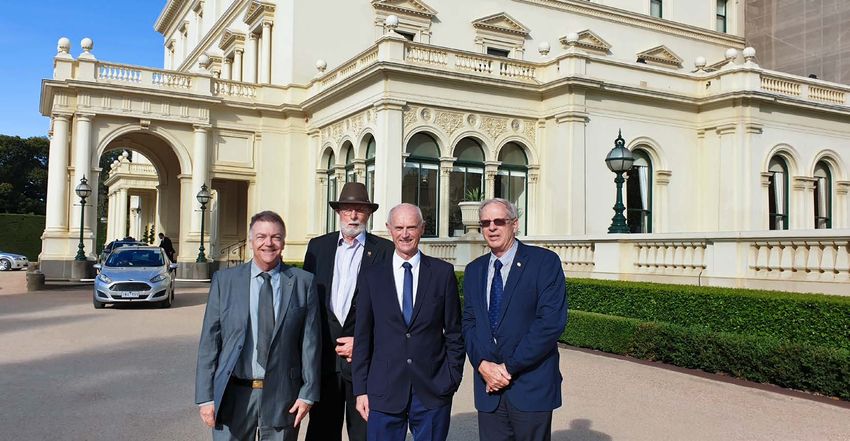
Fana the Wits student in the early nineties (left),
                                                                                        and today as professional engineer in front of the
                                                                                      memory-filled Hillman Building on the Wits campus

support he had received from Transnet will    after graduating from Wits. “Working at          Randburg, Cosmo City and Little Falls.
be “eternally appreciated”.                   Transnet I got involved in investigating,        The project is still at a route-determina-
    Many university students who were         developing, designing, planning and              tion stage, which is guided by the Gauteng
involved in student politics took longer      implementing railway solutions to railway        Transport Infrastructure Act (GTIA).
to complete their degrees. Fana, however,     problems at various levels of engineering
had to focus on finishing his studies to      practice – as a Senior Geotechnical              High-speed trains
avoid dropping out or being constrained       Engineer, Senior Manager (Infrastructure         In support of President Ramaphosa’s
by lack of funding again – his bursary        Maintenance) and Principal Engineer              vision of an integrated transport system,
conditions determined that failure was        (Perway).”                                       Fana is passionate about high-speed
not an option, hence he had limited time                                                       trains (250–350 km/h travelling speed)
to support student politics at the time.      Current projects                                 connecting major cities and making
                                              He is currently leading a team of consult-       transportation of people between cities
FALLING IN LOVE WITH                          ants on the Gautrain network expansion           far more efficient, as he had experienced
CIVIL ENGINEERING                             project covering the new sections starting       first-hand while visiting countries
Fana in fact initially registered to study    from Marlboro through to Sandton,                in Asia, Europe and the Americas.
electrical engineering, but changed his
mind after researching more on civil          Fana is passionate about high-speed trains and their
engineering. “In a developing country         potential; he took this photo while visiting Japan
like ours, the role of civil engineering is
enormous,” he says. “The planning, design
and delivery of economic infrastructure
is hugely satisfying.” With 22 years of
experience under his belt, he is today
serving as the Technical Executive/
Head of Business Development in the
Transportation Department at GIBB.
This role entails developing strategic
relationships with clients, understanding
their priority needs and responding
to these needs with appropriate
world-class solutions.
    A specialist in railway engineering,
Fana speaks of the passion he developed
for the railways while working at
Transnet Freight Rail (then Spoornet)

Civil Engineering January/February 2020                                                                                                   5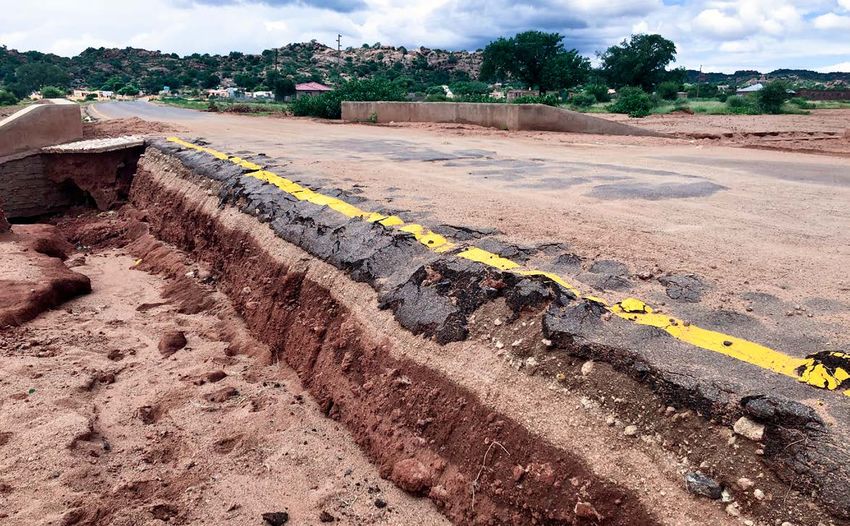
“Although this may be regarded by
                                                                             many as a pipe dream, developed and
                                                                             developing countries all started their
                                                                             economic infrastructure roll-out with
                                                                             dreams,” he says.

                                                                             Professional registration
                                                                             It took Fana six years to register as a
                                                                             professional engineer. He considers
                                                                             registering an important milestone in
                                                                             his career. “Getting through the registra-
                                                                             tion process is like graduating with
                                                                             another degree. Professional registration
                                                                             provides the client or employer with
                                                                             confidence that competent engineers
                                                                             are in charge of providing sound and
                            Fana at his old school, the Thabampshe Primary   excellent solutions to their business and
                          School, where he contributes to career guidance    infrastructure needs.”

                                                                             ON LEADERS AND LEADERSHIP
                                                                             As someone who occupies various
                                                                             leadership positions – having extensive
                                                                             strategic, leadership and management
                                                                             skills – Fana believes that leadership is
                                                                             best displayed when one practises what
                                                                             one preaches. “A typical example,” he says,
                                                                             “is displayed by the biblical Daniel (6:4)
                                                                             where it is recorded that ‘he was found
                                                                             with no corruption in him, because he
                                                                             was trustworthy and neither corrupt
                                                                             or negligent’ in his conduct of govern-
                                                                             ment affairs. Leadership is not about
                                                                             self-enrichment; it’s about serving others.
                                                                             I believe firmly in ethical leadership.”
                                                                                  For someone who lists the world-
                                                                             celebrated former president and freedom
                                                                             fighter, Nelson Mandela, as someone who
                                                                             he grew up looking up to, his take on lead-
                                                                             ership comes as no surprise. A highlight
                                                                             of his life was when he saw Mr Mandela
                                                                             in the flesh in 1990 for the first time while
                                                                             still in Grade 11 (Standard 9 then) and
                                                                             heard him speak when he made a stopover
                                                                             at the Turfloop Campus of the University
                                                                             of Limpopo while on his nationwide tour
                                                                             soon after his release. Fana and other young
                                                                             people from his village and the Sekhukhune
                                                                             area boarded a bus in the wee hours of the
                                                                             morning to go and listen to their then freed
                                                                             freedom fighter at the university.

                                                                             A PASSION FOR MENTORING
                                                                             AND TEACHING
                                                                             Fana says, “Mentoring is the most
                                                                             fulfilling thing I get to do.” And indeed,
                                                                             SAICE’s new president spends a lot of
                                                                             his time mentoring young engineers
Fana and his wife Irene                                                      and technicians towards professional
 on vacation in America                                                      registration. In addition he spends time

6                                                                                     January/February 2020 Civil Engineering
Fana’s wife with their daughters Shalom,                                                                Fana with his two eldest daughters –
     left, Mogau, right, and Lesedi in front                                                           Mahlatse (left) and Mogau

serving as a committee member of the              at the University of Pretoria’s Chair in       year. “I’m a Christian, committed to raising
Thabampshe Development Forum, a                   Railway Engineering.                           my kids in a godly way. I value relationships
rural community initiative based in his                                                          and Ubuntu – Motho ke Motho ka Batho (a
home village which seeks to identify op-          A FAMILY MAN HOPEFUL                           person is a person because of other people).”
portunities for development (e.g. health,         FOR THE FUTURE                                     He also regards himself as a ‘positivist’
roads, water and sanitation, safety and           The father of four girls, Fana is happily      who is not easily distracted. Having par-
security, sport and recreation, education         married to his wife, Irene, who works for      tially abandoned life as an activist for life
and economic activities, as well as social        the SABC as General Manager (Strategic         as a civil engineer instead, he sees himself
services). Since 2010 Fana has also been          Sourcing and now acting as the Head of         and his fellow engineering professionals
lecturing the courses Introduction to             Procurement), and they have three daugh-       contributing towards steering the country
Multi-Disciplinary Concepts in Railway            ters – Mogau, Shalom and Lesedi, aged 18,      in the direction it should be headed. “I
Engineering: Track Loading (forces and            15 and 8 respectively. His fourth daughter,    have had the privilege of travelling to many
distribution), Track Superstructure               Mahlatse (24), from a previous relationship,   countries around the world – United States
(stresses, strains and geometry) and Track        is currently finishing her studies in Human    of America, Israel, England, Northern
Terminology (components and functions)            Resources, while Mogau is in matric this       Ireland, Canada, France, Spain, Austria,

Fana with his only sibling – his younger sister Winnie                                                           Fana’s beloved mom Pheladi

Civil Engineering January/February 2020                                                                                                    7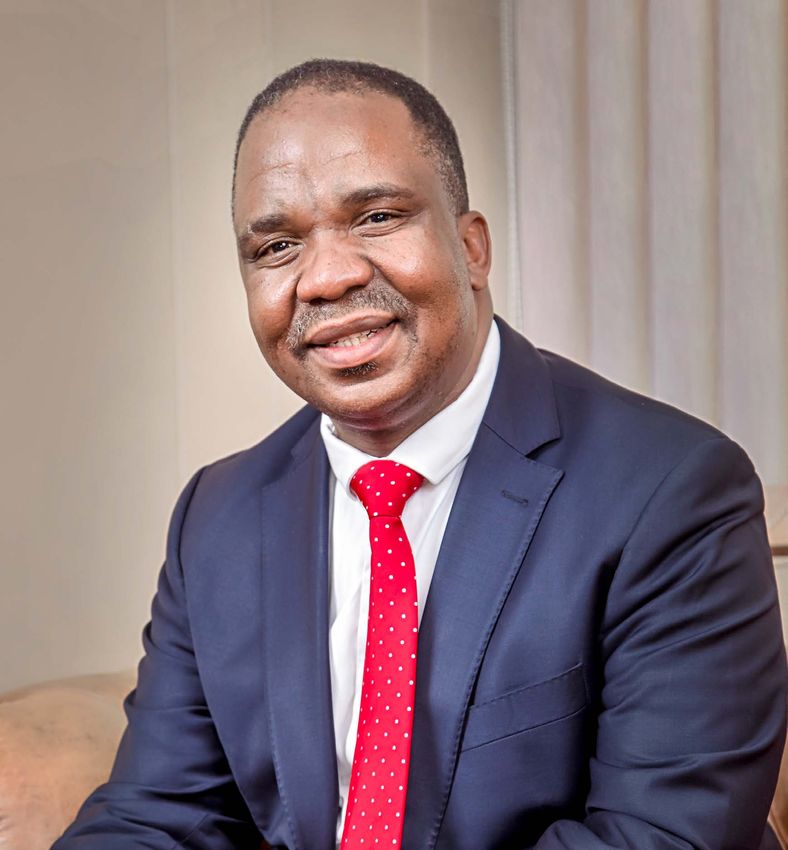
SAICE’s 117th president                                                                                           Fana and Irene Marutla –
    being ‘put in chains’                                                                                  SAICE’s 2020 presidential couple

Luxembourg, Qatar, China, Japan, Rwanda        currently too much interference from            only returning home when we were tired.
and Burundi, and most of the SADC              non-engineering and non-technical people        We’ve become too individualistic now.
countries – and I am convinced that our        in engineering projects, and this affects the   I grew up in a time when community and
country, South Africa, has an amazing un-      quality of work and the finished product.       caring about others were important. The
tapped potential, with a labour endowment      The example of a 3 km dirt road costing         value of community is something that is
that is trained, relatively inexpensive and    R84 million comes to mind (City Press,          slowly being eroded.”
well positioned to compete globally. This      June 2016).” Fana adds that compliance to           When asked what he would like to
country has all the right natural resources    regulations and sound corporate gover-          be remembered for, Fana said, “I would
to meet all our needs and become a truly       nance practices are the starting points to      prefer to be remembered by how many
great country for all who live in it. But we   address these problems.                         lives I have changed, and not by how many
have to start managing our resources well;         “When I was growing up, my entire life      assets I owned. I want to be remembered
we are misusing them. We also have to          revolved around community. As kids we’d         as someone who contributed to the
allow engineers to do engineering work,        gather around to eat from the same basin,       transformation and the development of
the work they are trained for. There is        and we spent our days playing together,         South Africa.”

Taking wine with the president – a longstanding tradition
where SAICE past-presidents welcome the incoming president

8                                                                                                      January/February 2020 Civil Engineering
THE SAICE 2020 PRESIDENTIAL TEAM
Fana Marutla
President Vishal Krishandutt
Head of Business Development: President-Elect
Transportation Associate and KZN Office Manager
GIBB Engineering and Architecture Nyeleti Consulting (Pty) Ltd
fmarutla@gibb.co.za vkrishandutt@nyeleti.co.za
Prof Marianne Vanderschuren Andrew Clothier
Vice-President Vice-President
Civil Engineering Department Executive Associate
University of Cape Town JG Afrika (Pty) Ltd
marianne.vanderschuren@uct.ac.za clothiera@jgafrika.com
Josh Padayachee
Vice-President
Growing
Director: Bridges and Buildings
Naidu Consulting
Forward
josh.padayachee@naiduconsulting.com Together
Civil Engineering January/February 2020 9
We are there when you create
Making beautiful concrete? Our Information Centre has an
inspiring collection of resources for architects and artists.
Explore concrete with us.
www.theconcreteinstitute.org.za
+27 11 315 0300PR E S I D E N T I A L A D D R E SS
The South Africa we all want:
Getting education, youth
entrepreneurship and procurement
right through ethical leadership
A FEW WORDS OF APPRECIATION the Cape Town International Convention
It is with great pleasure that I accept Centre. The conference was attended by
to serve as the 117th president of this many of the heavy haul railway nations of
prestigious institution in 2020. My journey the world – among others South Africa,
with SAICE began in 1998, a few months Japan, China, Canada, United States, India,
after graduating from the University of the Russia and Norway. During the opening
Witwatersrand in December 1997. Being ceremony the keynote speaker, Dr Cheryl
the eighth black president since 1994 and Martin (Executive Director of the World
the second (in recent years) to come from Economic Forum), stated that one of the
SAICE’s Railway and Harbour Engineering challenges the world faces today is that
Division (after Johan de Koker in 2008), “… we have 21st century technologies being
I commit myself to upholding the values managed with 20th century thinking by 19th
and the Code of Conduct of our institution century institutions”. Her words supported
during my tenure. what Sir Isaac Newton once said, namely
Firstly I would like to thank my em- that “… what we know is a drop, what we
ployer, GIBB Engineering and Architecture, don’t know is an ocean”. As we embark
for not only sponsoring the inauguration Fana Marutla, SAICE President 2020, upon reshaping our country it is imperative
event, but for also allowing me to take some fmarutla@gibb.co.za that we modernise our institutions to keep
time off during 2020 to serve SAICE.
I also need to thank many friends and
relatives for their encouragement, but par-
ticularly my wife and daughters for being
the most wonderful support structure any
man could need, as well as my sister, and
my mother and late father (who would
have been the happiest father had he lived
to see this day). The support from SAICE
Youth Entrepreneurship
staff, and from the Pretoria, Johannesburg
Procurement
and Witwatersrand universities, as well as
Leadership
Education
from CESA (Consulting Engineers South
Africa) is highly appreciated. Most impor-
tantly, I thank our creator, Almighty God,
for giving me the opportunity to serve as
SAICE’s president this year.
INTRODUCTION Governance and Ethics
On 3 September 2017 the International
Heavy Haul Association (IHHA), in collab-
oration with the South African Heavy Haul Figure 1 Advocacy work on education, youth entrepreneurship, procurement and ethical
Association (SAHHA), held a conference at leadership
10 January/February 2020 Civil Engineeringup with the pace of technological changes
the world is facing today. 90
Our country is going through a 80
difficult phase of reconfiguring itself 70
under the new leadership of President
Matric passes (%)
60
Ramaphosa. Some of the key challenges
50
and weaknesses of the South African
economy currently include declining 40
incomes, declining investments, rising un- 30
employment and high levels of inequality. 20
The social unrest observed in the recent 10
past, strikes, a high unemployment rate
0
of 29.1% (Stats SA, Q3-2019), high levels 2004 2006 2008 2010 2012 2014 2016 2018 2020
of inequality (Gini-coefficient: 0.63, 2015) Period
and extreme poverty levels call on all of Matric pass rate Maths passes (>30%) Linear (matric pass rate)
us to raise our hands and say, “Please send Maths passes (>50%) Bachelor passes Linear (Bachelor passes)
me: Roma Nna – Thuma Mina”, as the
president stated in his 2018 State of the Figure 2 Matric results and maths passes (>30% and 50%) (Source: DBE)
Nation Address. By way of comparison,
Sweden, Germany, Britain and the USA QUALITY EDUCATION at the time did not offer maths and science
have Gini-coefficients of between 0.25 Two of the last three SAICE presidents, simply because they lacked even unquali-
and 0.4. In South Africa as stated, the Sundran Naicker and Brian Downie, fied or under-qualified maths and science
figure stands at a very high rate of 0.63, focused their presidential tenures on educa- teachers. Fast-forward to 2019, anecdotal
indicating that nowhere else in the world tion – an indication of the importance of evidence suggests that the 2001 gap has
are so many people privileged and rela- this foundational pillar to the development been reduced by expat teachers from other
tively comfortable while others live close of our country. Focus on this important African countries, but just marginally.
to or below the poverty line. It cannot be societal pillar will continue into my presi- Therefore the overall gap still exists. This
business as usual. dential tenure. The quality of education has obviously stresses the importance of at-
In 1980, when Zimbabwe became been seen by many researchers to be dete- tracting, recruiting and selecting learners
independent, I started schooling (Sub A riorating, particularly since the introduction with the potential to excel in maths and
then, Grade 1 now) under a marula tree of the Outcome-Based Education (OBE) science to become future teachers. My
at Thabampshe Village, Ga-Masemola in curriculum in 2005, the year in which it was 8-year old daughter, Lesedi, wants to be a
Limpopo. My first two years of schooling meant to be fully operational and further teacher. That’s the way to go.
(Sub A and B) were done under two intended to signal a clean break from apart- Dr Ramphele further alluded to the fact
marula trees. Unlike a former SAICE heid education. The OBE system was seen that, since 1994, resistance by unionised
President, Seetella Makhetha (2011) whose by others to be more suitable for middle- teachers to skills audits to assess the match
tree under which he attended schooling class schools where both parents and between teaching assignments and skills,
was cut, my two umbrella-shaped marula teachers are better equipped to assist and has not helped the situation. An audit
trees are still there, and are at least now support the learners. It required learners to would have laid a better foundation for
providing shade for the learners and no read extensively and become more aware of focused training to fill individuals’ skills
longer serving as classrooms. That’s where social, economic, moral and ethical issues gaps, but resistance has perpetuated the
we come from. My view of the world in their nation and the world at large. OBE mismatch between skills and teaching as-
was shaped during the formative years was seen to work well in countries like the signments, which undermines the future of
I spent at this rural village in Limpopo United Kingdom where the learner-teacher learners who go through the system.
with no electricity, no running water and ratio was small. However, 15 years into the
no science laboratories, playing football new system some progress has been made, Challenges in education
on dusty streets and soccer grounds. as reflected by the annual matric results
We were taught humility and how to shown in Figure 2. Supply of maths and science teachers
respect others, especially the elders. This As engineers we should actively One of the causal factors which need to
upbringing, and my professional experi- encourage learners to develop a passion for be addressed as a matter of urgency is
ence in both the public and private sectors mathematics, science and technology, as the lack of maths and science teachers in
led me to select the themes education, these are at the core of knowledge-driven rural schools. It is widely acknowledged
youth entrepreneurship, procurement economies. In her book Laying Ghosts to that the mathematics ability of primary
and ethical leadership for my presidential Rest, Dr Mamphele Ramphele reminds school teachers is a problem experienced
address. My plans for 2020 will centre on us that in 2001, 27% of African learners in many countries, including the United
advocacy work in these four focus areas, were taught mathematics by teachers with States and the United Kingdom. However,
unpacked below in more detail, in addi- no mathematics qualifications, and 38% this is particularly the case in South Africa,
tion to other Growing Forward Together were taught science by teachers with no as indicated above. Teachers who have
(SAICE’s new strategy) objectives. science qualifications. Many high schools specialised in mathematics are appointed
Civil Engineering January/February 2020 11in high schools, while primary school
teachers are trained as generalists. This 500 000
is part of the challenge, as it is in primary 450 000
schools where the learning foundations
400 000
ar
should be established. er ye
as e p
350 000 in cre
The second challenge is the market- 4. 3%
ability and mobility of mathematics and 300 000
Learners
science teachers. It is easier for these 250 000
teachers to leave poorer schools with
200 000
dissatisfying working conditions, and
er year
relocate to better schools in other parts of 150 000 crease p
2.2% in
the country or transfer to other sectors of 100 000
the economy with better working condi- 50 000
tions. Primary schools thus struggle to
0
provide the crucial foundations for maths,
1993
1994
1995
1996
1997
1998
1999
2000
2001
2002
2003
2004
2005
2006
2007
2008
2009
2010
2011
2012
2013
2014
2015
2016
2017
2018
2019
2020
while secondary schools on the other
hand struggle to retain their specialist Period
maths and science teachers. NSC passes Admission to Bachelor studies
Staff shortage at higher education Figure 3 NSC and admission to Bachelor studies – increases since 1994 (Source: DBE)
The challenges of education are not only
limited to basic education. During a Lack of job opportunities underestimating the fiscal constraints
recent (September 2019) Advisory Board On the other hand it is also crucial to have others find themselves in.
meeting of the Department of Civil enough job opportunities for our gradu-
Engineering at the University of Pretoria, ates. It is discouraging to hear graduate Lack of representation of
the head of the department confirmed engineers complaining of unemployment women in STEM fields
that the university, and in particular his or of retrenchment. In a recent radio Another challenge we have in our country,
department, is in a transformational drive. interview on Power FM (17 September and worldwide, is the low level of women
They are, however, battling to find suit- 2019), a graduate electrical engineer shared representation in the science, technology,
able candidates to fill their staffing gap his frustration about being unemployed. engineering and mathematics (STEM)
of black academics in the department – a He graduated in 2016 as an Eskom bursary fields. My Grade 12 daughter, Mogau, who
scenario likely to be a mirror-image of student and was immediately employed is aspiring to become an architect, is aver-
other engineering and science faculties by Eskom. But his employment did not aging 90% in her Engineering & Graphics
at this university. A similar picture was last long – within a year Eskom offered Design (EGD) subject. Both maths and
shared at the University of Johannesburg, him and other graduates to be released EGD are her best subjects. Being a father
at the annual stakeholder address from their bursary contractual obligations, of girls I encourage them to consider
delivered by the Vice-Chancellor, Prof citing insufficient work opportunities and careers in these fields.
Tshilidzi Marwala, in August 2019. All Eskom’s strategy to cut costs. Since then he According to ECSA’s (Engineering
of this supports the clarion call to black has secured short assignments from var- Council of South Africa) 2015 Annual
people in our country to consider a career ious companies, but was seen by others as Report there were approximately 46 000
in academia in order to fill these gaps in having insufficient experience for certain registered persons on their database,
the medium to long term. roles, while other potential employers saw of which about 16 500 and 5 200 were
Another challenge faced by universities him as being overqualified for the positions professional engineers and technologists
is high levels of university drop-outs. The they have. What needs to be learnt from respectively. The current reports show that
biggest drivers of university drop-outs are this is that Eskom, Transnet, PRASA and registered persons have reduced to 34 000,
the socio-economic and material condi- many other SOEs should ensure that they of which about 14 800 are registered
tions that some students face on a daily have sufficient projects (capital and main- professional engineers. The reduction
basis. Lack of accommodation (resulting tenance) which should be unleashed to the from 2015 to 2019 can be attributed to a
in room-sharing or ‘squatting’), and lack industry to support the country’s initiatives variety of factors, but a concerning factor
of food and financial means lead to some of reducing unemployment. However, is that less than 10% are women (Internal
students opting out of the academic space because of organisational politics, poor Enquirer, Sept/Oct 2019). The October
and seeking job opportunities in the public leadership and lack of political will we find 2019 SAICE database records about 16 000
and private sectors without qualifications, ourselves where we are today, where young members, of which 18% are women.
and as a result face the risk of an uncertain aspirant and hungry-for-success engineers
future. The Stats SA Q3 data shows that and other professionals are looking for Not meeting NDP targets
the unemployment rate is highest (34.4%) work, after so many years of sweat to According to the Department of Basic
for individuals with less than a matric obtain their degrees. Massive pullback in Education (DBE), the government envis-
qualification, compared to graduates with infrastructure spending by government aged that by 2019 there should have been
the lowest unemployment rate of 8.2%. and SOEs is mainly to blame, while not 270 000 Bachelor study NSC (National
12 January/February 2020 Civil Engineeringpolicy discussion document released in
70 000 August 2019, the Minister of Finance,
65 000
Tito Mboweni, reiterated that network
industries such as energy (read Eskom, etc),
60 000
Learners attaining a 50-mark level
transport (read Transnet, PRASA, etc) and
55 000 telecommunications (read Telkom, SABC,
etc) provide essential services that underpin
50 000 the growth, productivity and competitive-
45 000 ness of the economy. These network
industries are facing challenges of poor
40 000
infrastructure maintenance and delayed
35 000 capital investment to support the devel-
opmental nature of our economy. Many
30 000
professionals in the STEM environment
25 000 have already raised their hands and are
simply waiting for government to provide
20 000
2006 2008 2010 2012 2014 2016 2018 2020 policy certainty to drive this developmental
Period agenda. Our country has a huge potential
Maths (raw) Maths (comparable) Physics (raw) Physics (comparable) which is currently seriously underutilised.
Figure 4 Grade 12 mathematics and physical science (Source: DBE) YOUTH ENTREPRENEURSHIP
The economy of South Africa performed
relatively well (annual growth > 3%) during
6 the period 2000–2008. With the economy
5.6% 5.4%
having grown at a rate of 5.6% in 2006 it is
5 understandable that the NDP aspires for
The what if path
annual economic growth levels of 5.4%.
4 The author’s imaginary “what if path” in
Figure 5 depicts the trajectory the economy
GDP Annual Growth %
3 could possibly have followed since then,
y = –0.0889x + 181.03
R² = 0.1482 which would have assisted the country in
2
making a dent in the high unemployment
levels, especially for young people.
1
Figure 6 bears testament to the current
economic challenges faced by the con-
0
struction and consulting engineering in-
dustries, particularly over the last three to
–1
four years. Revenues have declined, leading
to instabilities in these two infrastructure
–2
1992 1994 1996 1998 2000 2002 2004 2006 2008 2010 2012 2014 2016 2018 2020 delivery industries. Solutions and interven-
Period of assessment tions are required by relevant sectors of the
economy to turn this tide. The consulting
Figure 5 Economic performance for the period 1994–2018 (Stats SA & World Bank) engineering industry showed some positive
signs of improvement in 2019, as shown in
Senior Certificate) passes per year, with professions, the Medium-Term Strategic Figure 6, but the situation is still grave.
this number rising to 435 000 by 2030. The Framework (MTSF) sets targets for the It is in the same spirit that we also
NDP (National Development Plan) envis- number of learners achieving a 50% mark condemn the practice of construction
ages that by 2030 there should be 425 000 in mathematics and physical science. mafias. Our law enforcement agencies
university graduates produced annually, The aim was to track performance in the should assist the industry by rooting out
essentially candidates obtaining Bachelor years following 2008 (the year when the this emerging phenomenon. To promote
degrees. While the 4.3% annual increase in National Senior Certificate replaced the the quality of workmanship on the infra-
the number of Bachelor-level NSCs seen in Senior Certificate). structure delivered the associated projects
Figure 3 helps to take the country closer to The pillars of an economy that should be built by qualified professionals
these targets, the increase needs to roughly work, include, among others, quality who are trained in their respective fields.
double between 2019 and 2030 if the 2030 education, availability of funds for projects, The African continent’s sustainable
targets are to be reached. investments in economic infrastructure, development is enshrined within its
According to the DBE, given the spe- production of exportable goods (to bring Agenda 2063 plan, which is a strategic
cial importance of building skills needed home the dollars) and good health of framework promoting socio-economic
for mathematically oriented and scientific the working class. As a reminder, in his transformation for the African continent
Civil Engineering January/February 2020 13up to the year 2063. Agenda 2063 envi-
sions: “… a prosperous continent where 12 160
Construction industry (billion rand)
Consulting industry (billion rand)
the citizens have a high standard of living, 140
10
are well educated with a skilled labour 120
force, transformed economies, productive 8
100
agriculture and healthy ecosystems, with
6 80
a well-preserved environment and a conti-
nent resilient to climate change” (African 60
4
Union Commission, 2015). 40
The NDP on the other hand, recog- 2
20
nised that South Africa needed to move
0 0
away from the unsustainable use of 2006 2008 2010 2012 2014 2016 2018 2020
resources. Being a key national policy, the Period
NDP had a targeted time frame similar Consulting industry revenue (bn) Construction industry revenue (bn)
to that of the United Nations’ SDGs Construction industry net profit (bn)
(Sustainable Development Goals), which
is 2030 (this 2030 time frame of the NDP Figure 6 Construction and consulting engineering industry performance (CESA & PWC)
is reflected within other influential policy
time frames). In the plan the country of southern Africa with priority to the Quality education and youth entre-
would be aspiring to the following devel- poor majority. preneurship will remain the backbone
opmental plans for the period up to 2030: QQ Reserve the natural heritage, biodiver- that will ensure that South Africa and the
QQ The number of jobs in South Africa sity and life-supporting ecosystems in SADC achieve the NDP and Agenda 2063
to increase from 13 million in 2011 to southern Africa. goals which the country and the region so
24 million in 2030 (i.e. creation of an Unemployment is very high among the desperately deserve.
additional 11 million jobs). youth, and the patterns of employment
QQ Reduction of the unemployment rate are changing. It is becoming increasingly PROCUREMENT PRACTIcES AND
from 25% in 2011 to just 6% in 2030. uncommon to find people working for ETHICAL LEADERSHIP
QQ These achievements were to be based one organisation their entire career life, A well-known impediment to develop-
on sustained high levels of economic contrary to theory Z as postulated by ment of infrastructure is the scourge of
growth, i.e. 5.4% a year under the base Dr William Ouchi. His theory states that corruption. It robs the country of a well-
case scenario and 3.3% under the in the 1980s Japanese were offered life-time deserved economic and social infrastruc-
worst case scenario. jobs in companies, which increased pro- ture it needs for the benefit of its people.
From 2011 to 2019, however, the economy ductivity and loyalty to organisations, and Economies grow by the development
has not performed as expected, and further led to high employee satisfaction of infrastructure, which is one among
as a result the unemployment rate has and morale. In modern day economies, many economic indicators. Poor quality
worsened from 25% to 29.1% in the third however, employers can now save the 20, construction of infrastructure is becoming
quarter of 2019, the highest in 11 years 25, 30 and 40-year awards and spend the commonplace in our country in the
(Stats SA). The government is reviewing money on other priority areas. Loyalty modern era. Quality can be defined by the
its economic policies in order to hopefully is no longer a priority for the majority of “zero defects” principle (Philip Crosby) and
arrest this decline. In the meantime many prospective employees. The phenomenon “fitness-for-use” premise (Joseph Juran).
people in South Africa are languishing of entrepreneurship is the buzzword. According to Crosby, projects must be
in poverty. With structural reforms required for executed right the first time, while Juran’s
The Southern African Development the South African economy, entrepreneur- fitness-for-use principle asserts that
Community (SADC) also recognises the ship can contribute significantly to job stakeholders’ and customers’ requirements
importance of sustainable development, creation and the resultant reduction in and expectations must be met or exceeded.
especially in the fight against poverty and the high unemployment rate. In his book Based on these definitions of quality, a
food insecurity. A significant realisation is The Stellebosch Mafia, Pieter du Toit states 7 km rural road (approximately R35 mil-
that economic development is interlinked well-known facts on important business lion budget) built in 2016 and commis-
with the concerns of the people, as well principles, namely resilience and patience. sioned in 2017 has not achieved the level of
as the environment that people depend He reminds us that when running a busi- quality required (refer to Figure 7 – picture
on. To address sustainable development, ness, success and profits are not generally taken in February 2019). Roads are gener-
the SADC has thus identified three main realised in the first three to five years. ally designed for a service life of 20–30
goals (SADC 2012): According to Johann Rupert in the book, years, but this rural road is failing in its
QQ Support regional economic develop- his mother only got a new car after 30 second year of existence. There are many
ment on an equitable and sustainable years of his family being in business. A long of these examples across the country.
basis for the benefit of present and wait indeed. This should serve as encour- Another challenge the country faces is
future generations. agement to aspirant entrepreneurs that it lack of compliance to established procure-
QQ Protect and improve the health, envi- may take five to ten years or longer to start ment norms and regulations. Proximity
ronment and livelihoods of the people seeing the results of their hard work. to political leaders has become a new
14 January/February 2020 Civil Engineeringsuch as overburdened road and rail
networks. These considerations must
be done in the midst of a constrained
fiscus, burdened by government debt,
with limited room to fund significant
infrastructure projects.
We must all avail ourselves to be “sent”.
BIBLIOGRAPHY
Acegoglu, D & Robinson, J A 2013. Why
Nations Fail: The Origins of Power,
Prosperity and Poverty. Crown Publishers.
Figure 7 Part of a 7 km rural road (with a budget of approximately
R35 million), built in 2016 and commissioned in 2017; the road has not Agenda 2063: The Africa We Want. November
achieved the level of quality required (picture taken in February 2019) 2019. African Union.
CESA (Consulting Engineers South Africa)
criterion of where contracts are awarded. organisations, as referring to ethical values 2019. Bi-Annual Economic and Capacity
This unfortunately not only compromises applied to decision-making, conduct and Survey (January–June 2019).
the quality of projects, as can be seen from the relationship between the organisation, Department of Basic Education 2016. National
the example in Figure 7, but the quantum its stakeholders and the broader society. It Senior Certificate Report.
of investments gets significantly reduced, talks to what is good and right for the self Department of Basic Education 2018. National
thereby eroding the originally intended and the other, and is often expressed in Senior Certificate Report.
return on investments. If for example, 1 km terms of the golden rule (i.e. to treat others Du Toit, P 2019. The Stellenbosch Mafia:
of road costs R5 million to build, it cannot as you would like to be treated). CS Lewis Inside the Billionaires’ Club. Jonathan Ball
cost R15 million or R25 million at another says, “… integrity is doing the right thing, Publishers.
location with the same site conditions. In even when no one is watching”. A typical ECSA (Engineering Council of South Africa)
addition, the phenomenon of construction role model for such leadership is displayed 2015. Annual Report.
mafias has also gained ground on con- by the biblical Daniel (6:4) who was found Lawless, A (Dr) 2005. Numbers & Needs:
struction sites across the country. Not only to be incorruptible, trustworthy and dili- Addressing imbalances in the civil
does it affect project quality, but the lives gent with government affairs. Our country engineering profession. SAICE.
of project teams are also at risk. The civil needs men and women who are willing to Marwala, T (Prof) 2019. University of
engineering industry supports the govern- raise their hands and say, “Please send me.” Johannesburg: Annual Stakeholder Address
ment’s localisation and supplier develop- (August).
ment initiatives, but this should be done in CONCLUSIONS Mbeki, M 2009. Architects of Poverty: Why
compliance with the law and established As we build our institutions to align with African capitalism needs changing. Picador
procurement norms and regulations. modern technological developments in the Africa.
In their book Why Nations Fail, world, we should do so based on ethical Mboweni, T 2019. Policy document: Economic
Daron Acemoglu and James Robinson models of leadership. We need a nation transformation, inclusive growth, and
(2013, p 368) reminds us that “… the most that abides by its laws. It cannot be busi- competitiveness: towards an economic
common reason why nations fail today is ness as usual; something has got to give. strategy for South Africa.
because they have extractive institutions.” QQ The standard of education must National Development Plan – Vision 2030.
In these nations the extractive economic continuously be reviewed if we are South African Government.
and political institutions, though their de- to become the knowledge-driven NIV Bible: Books of Isaiah and Daniel.
tails vary under different circumstances, economy we aspire to. There should Ramphele, M (Dr) 2009. Laying ghosts to rest:
are always at the root of this failure. In be more learners passing mathematics Dilemmas of the transformation in South
such nations the state eventually collapses and physical science in matric at Africa. NB Publishers.
and starts failing to provide basic public percentages greater than 50. This will SADC (Southern African Development
services. Our country has not reached support the desired 2030 government Community) 2012. Annual Report.
such devastating levels yet, and it is our targets of 435 000 Bachelor passes per State of the Nation Address (SONA) 2018.
collective responsibility to support the year and 425 000 university graduates. Steyn, W (Prof) 2019. University of Pretoria:
government in eradicating the extractive QQ We also need to have more young Department of Civil Engineering Annual
tendencies of some leaders. people employed and others managing Advisory Board Meeting (September).
One of the solutions to our problems their own small businesses. This will Struggling Mathematics Teachers (fin24.com).
is to entrench ethical leadership in every assist the country in reducing the un- QQ https://data.worldbank.org/indicator/
institution, i.e. leadership that is not self- sustainably high unemployment rates. NY.GDP.MKTP.CD?locations=ZA-
serving, but puts the interests of the nation QQ We should also encourage clean gov- IN-CN&name_desc=false
ahead of their own selfish and narrow in- ernance as we rebuild our institutions QQ https://www.fin24.com/BizNews/
terests. Ethics (integrity and responsibility) for a better country. revealed-scary-truths-about-
is defined by the Institute of Directors QQ We need to find solutions for the maths-marks-at-sa-schools-insider-
(IoDSA, King IV Report) in the context of domestic infrastructure challenges expert-20161215
Civil Engineering January/February 2020 15I N T E R N AT I O N A L
SAICE attends world engineering
meetings in Australia
INTRODUCTION Infrastructure Report Working Group) QQ Monday 18 November:
The World Federation of Engineering and Steven Kaplan (SAICE Acting CEO). QQ Meeting of the Committee on
Organisations (WFEO) held its annual The ECSA delegation comprised Engineering and the Environment
Executive Council Meeting and biannual Yashin Brijmohan, Cyril Gumede and four QQ Meeting of the STC on Capacity
General Assembly in Melbourne, Australia, Council members. Building
from 18 to 24 November 2019. These two Another South African who also at- QQ Meeting of the Commonwealth Engi
meetings were preceded by meetings of tended was Hema Vallabh from WomEng. neering Council, and the Reception
the various committees, task groups and QQ Tuesday 19 November:
Standing Technical Committees (STCs) TRAVEL QQ Meeting of the Committee on
– 40 meetings in total, a large number of Getting to Melbourne was not without Women in Engineering
which ran concurrently. All these meetings its measure of unexpected challenges. QQ Meeting of the Working Group on
were in turn held in conjunction with SAICE’s Martin and Steven had both been the Global Infrastructure Report
the World Engineers Convention (WEC), booked on the SAA flight to Perth that (also see the article on pp 66 and
which was organised and presented by was cancelled due to the industrial action 67 in the November 2019 edition of
Engineers Australia. of SAA staff at the time, resulting in them Civil Engineering – Going Global
having to travel to Melbourne via Hong with the SAICE Infrastructure
SOUTH AFRICAN DELEGATION Kong, which added many tiring hours of Report Card Guide)
The South African delegation consisted travel time. QQ Meeting of the Working Group on
of two groups, namely four persons from Water
SAICE and six persons from ECSA. ACTIVITIES QQ WEC International Participants
The SAICE group comprised Brian The intense schedule of meetings was Event
Downie (SAICE 2019 President), Errol also by no means a ‘holiday down south’ QQ Wednesday 20 November:
Kerst (SAICE 2018 President), Dr Martin for the SAICE delegation. The following QQ WEC Opening Session
van Veelen (SAICE 2012 President are some of the meetings that the QQ Dr Van Veelen presented a paper
and Chairperson of the WFEO Global group attended: on Infrastructure Report Cards
The SAICE delegation outside Government House, the residence of the Governor (Linda Dessau)
of Victoria Province who welcomed the international delegates to the World Engineers
Convention; from left are Steven Kaplan, Dr Martin van Veelen, Brian Downie and Errol Kerst
16 January/February 2020 Civil EngineeringQQ WEC Welcoming Function
QQ Thursday 21 November:
QQ World Engineers Convention (WEC)
QQ WEC Signature Event
QQ Friday 22 November:
QQ WFEO Executive Council Meeting
QQ Reception for 100 th Anniversary of
Engineers Australia
QQ Saturday 23 November:
QQ WFEO General Assembly and
Elections
QQ WFEO Gala Dinner Meeting of the Committee on Women in Engineering; Namibia’s Dr Smita Francis and SAICE’s
QQ Sunday 24 November: Dr Martin van Veelen can be seen in the foreground on the right-hand side
QQ WFEO General Assembly.
SAICE’s Dr Van Veelen, who is a non-
voting member of the WFEO Executive
Council, is also a member of the following
WFEO committees:
QQ Working Group on the Global
Infrastructure Report (chairperson)
QQ The STC Support and Review
Committee
QQ The WFEO/UN Relations Committee
QQ The Engineering and the Environment
STC.
WFEO EXECUTIVE GENERAL ASSEMBLY
Below is a brief report on the proceedings
of the WFEO General Assembly that
distills the Executive Council Meeting
and the STC meetings. SAICE Acting CEO, Steven Kaplan, with Dr Smita Francis, the President of the Engineering Council
of Namibia and founder/chair of Namibian Women in Engineering, at the WFEO gala dinner
Welcome
The WFEO President, Madame Marlene QQ P Jowitt (CEC) (Commonwealth QQ Committee on Engineering and the
Kanga, welcomed all. Engineers Council) Environment (Institution of Civil
QQ A Al-Hadithi (FAE) (Federation of Engineers UK)
Elections Arab Engineers) QQ Women in Engineering (Nigeria)
There were 80 votes that could be cast – 11 QQ M Manuhwa (FAEO) (Federation of QQ Innovation and Technology (China
by International Members and 69 by National African Engineering Organisations) Association for Science and Technology)
Members. The results were as follows: QQ H Wei (FEIAP) (Federation of QQ Information and Communication
QQ President-Elect: José Viera (Portugal) Engineering Institutions of Asia and (India).
who narrowly beat Crtomir Remec Pacific) Five new STCs were recommended (some
from Slovenia. QQ J Vieira (FEANI) (European Federation were already existing STCs, but were now
QQ Executive Vice-President: Mustafa of National Engineering Associations) given a new eight-year tenure):
Shehu (Nigeria) who was elected with QQ MT Pino (UPADI) (Pan American QQ Committee Against Corruption
a good margin. Federation of Engineering Societies) (Rwanda)
QQ National Members: QQ Energy (France)
QQ Nataniel Matalanga (Kenya) (who Finance QQ Young Engineers Future Leaders
received the most votes) Since it was an election year and members (Lebanon)
QQ Ruomei Li (China) who wished to vote had to be in good QQ Disaster Risk Management (new chair)
QQ A Lopez (Italy) standing, most members were up to date re- QQ Committee on Engineering Education
QQ N Vasoya (India) garding membership fees, hence WFEO cur- and Capacity Building (Myanmar).
QQ Thomas Sancho (Spain) rently has a reserve of about €500 000. There The last-listed STC is an amalgamation of
QQ O Sanchez (Costa Rica) are now 13 new members who generate an two previous STCs. There was strong pro-
QQ K Chehab (Lebanon) additional income of €20 000 per year. test against the amalgamation, and also
For the International Members six valid the allocation to Myanmar. The meeting
nominations, representing their engi- Standing Technical Committees (STCs) voted to separate the proposed STC into
neering institutions as listed below, were It was decided that the following four two again. Applications will be awaited
received, so no election was required: STCs would continue their tenure: and adjudicated at the Executive Board
Civil Engineering January/February 2020 17You can also read


