OECD Observer celebrates 50 - Norway's gender experience Euro area: Why solidarity matters Israel's progress report Special focus: Policymaking ...
←
→
Page content transcription
If your browser does not render page correctly, please read the page content below
Norway’s gender experience
                                                    Euro area: Why solidarity matters
                                                              Israel’s progress report
                                                                     Special focus:
                                        Policymaking and the information revolution
No 293 Q4 2012   www.oecdobserver.org

    OECD Observer celebrates 50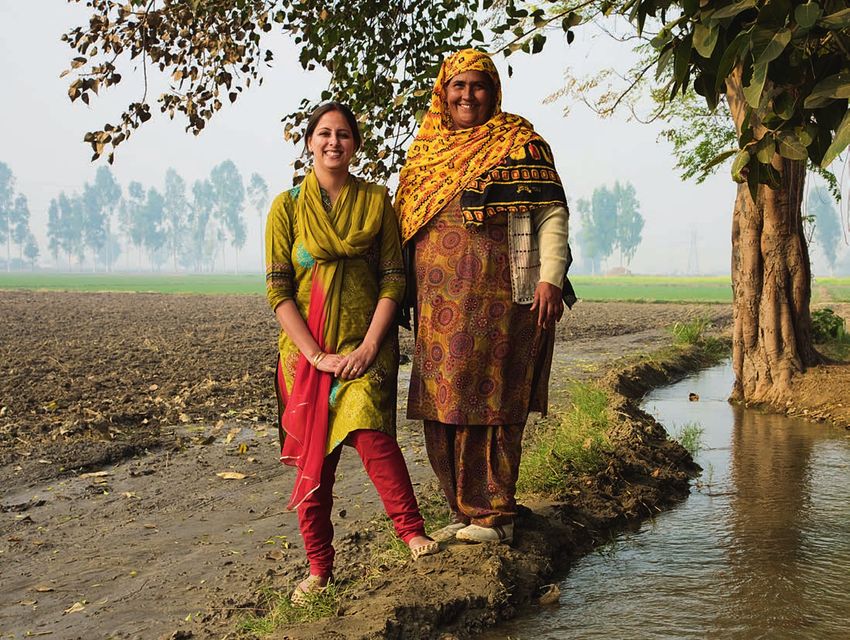
Meeting the global water challenge

                                                                            Nestlé’s Aman Bajaj Sood (left) and
                                                                            farmer Harinder Kaur take part in a
                                                                            Farmer Water Awareness Programme
                                                                            provided near the Nestlé factory in
                                                                            Moga, India.

 Through our Creating Shared          Alongside our other CSV key       > Public policy
 Value reporting, we aim to share     focus areas of nutrition and      > Collective action
 information about our long-term      rural development, this year’s    > Direct operations
 impact on society and how this       report summarises Nestlé’s        > Supply chain
 is linked to the creation of our     response to the water challenge   > Community engagement
 long-term business success.          in five key areas:

 Visit the CSV Section of our website for a complete report
 of our progress, challenges and performance in 2011
                                                                   www.nestle.com /csv
CONTENTS
                                                                                                                                                                                 No 293 Q4 2012

e
    READERS’ VIEWS                                               20        Combating terrorist financing in the
    2       Corporate tax responsibility; Labour advice                    information age
                                                                           Rick McDonell, Executive Secretary,
    EDITORIAL                                                              Financial Action Task Force
    3       From the information revolution to                   21        Africa.radio
            a knowledge-based world                                        Roman Rollnick, Chief Editor, Advocacy,
            Angel Gurría                                                   Outreach and Communications, UN-Habitat
                                                                 22        Is evidence evident?
    NEWS BRIEF                                                             Anne Glover, Chief Scientific Adviser to the
    4       Crisis drives up social spending–as tax                        President of the European Commission
            revenues rise; Soundbites; Economy;                  24        News that’s fit to post
                                                                           Monique Villa, CEO of the Thomson                            Special Focus: Policymaking and the information
            Country roundup; Rebalancing act;                                                                                           revolution, from page 11
            Pensions struggle; Plus ça change…                             Reuters Foundation
            From November 1962                                   26        Asia’s information revolution
                                                                           John West, Executive Director,
    SOCIETY                                                                Asian Century Institute
    6       Women in work: The Norwegian experience              28        The changing art of language
            Sigbjørn Johnsen, Minister of Finance,                         René Prioux
            Norway                                               29        Found in translation
    8       Israel reports progress                              30        Ad sense
            Interview with Sharon Kedmi, Director                          Interview with Richard Huntington, Strategy
            General of the Ministry of Industry,                           Director, Saatchi & Saatchi
            Trade and Labor, Israel                              32        How the world wide web was won
                                                                           Robert Cailliau, Computer Scientist and Co-
    SPECIAL FOCUS: POLICYMAKING                                            Founder of the World Wide Web, and James
    AND THE INFORMATION REVOLUTION                                         Gillies, Director of Communications, CERN                    Is knowledge management up in the air? Page 37
    11-15   Policymaking and the information                     34        Face to Facebook with civil society
            revolution                                                     Phil Evans, Senior Consultant, FIPRA
    12      Mandela’s cell number                                35        The OECD Observer story
    14      Trading in facts                                     36        Beyond blogonomics
            Ken Ash                                                        Henry Copeland, CEO, Blogads
    15      Education for policymakers                                     and Pressflex.com
            Barbara Ischinger                                    37        Last word: Up in the air?
    16      Managing information and communications                        Rolf Alter
            in a fast-changing world
            Lester Rodriques and Jim Black                       ECONOMY
    17      Can big data deliver on its promise?                 40        Policy can brighten the economic outlook
            Martine Durand                                                 Pier Carlo Padoan
    18      Information society: Which way now?                  41        Spanish immigrants                                           A plea for euro solidarity, page 44
            Andy Wyckoff                                         42        Energy efficiency: A true alternative
    19      Getting to know each other: The OECD and                       Interview with Fatih Birol, Chief Economist
            Latin America                                                  and Director of Global Energy Economics,
            José Antonio Ardavín                                           International Energy Agency (IEA)

                                                          Published in English and French by the OECD                          All signed articles and letters express the opinions of the
                                                          EDITOR-IN-CHIEF: Rory J. Clarke                                      authors and do not necessarily represent the opinion of
                                                          SENIOR EDITOR: Ricardo Tejada                                        the OECD.
    www.oecdobserver.org                                  EDITOR/WEB: Loïc Verdier
                                                                                                                                Reprinted and translated articles should carry the credit line
    © OECD December 2012                                  WRITER: Lyndon Thompson                                              “Reprinted from the OECD Observer”, plus date of issue. Signed
                                                          EDITORIAL COORDINATOR: Marie Francolin                                articles reprinted must bear the author’s name. Two voucher
    ISSN 0029-7054                                        EDITORIAL ASSISTANTS: Rose Foran, Laetitia Sieffert                   copies should be sent to the Editor. All correspondence should
    Tel.: +33 (0) 1 45 24 80 66                                                                                                 be addressed to the Editor. The Organisation cannot be respon-
    Fax: +33 (0) 1 45 24 82 10                            LAYOUT: Design Factory, Ireland                                       sible for returning unsolicited manuscripts.
    sales@oecd.org                                        ILLUSTRATIONS: André Faber, David Rooney, Stik
                                                          PHOTO RESEARCH: Rory Clarke                                          The statistical data for Israel are supplied by and under
    Founded in 1962 The magazine of the Organisation                                                                           the responsibility of the relevant Israeli authorities.
                                                          LOGISTICS: Jochen Picht
                                                                                                                               The use of such data by the OECD is without prejudice
    for Economic Co-operation and Development             ADVERTISING MANAGER: François Barnaud                                to the status of the Golan Heights, East Jerusalem and
                                                                                                                               Israeli settlements in the West Bank under the
    OECD Publications 2 rue André Pascal                  Applications for permission to reproduce or translate all or parts   terms of international law.
    75775 Paris cedex 16, France                          of articles from the OECD Observer, should be addressed to:
    observer@oecd.org                                     The Editor, OECD Observer, 2 rue André Pascal, 75775 Paris,
    www.oecd.org                                          cedex 16, France.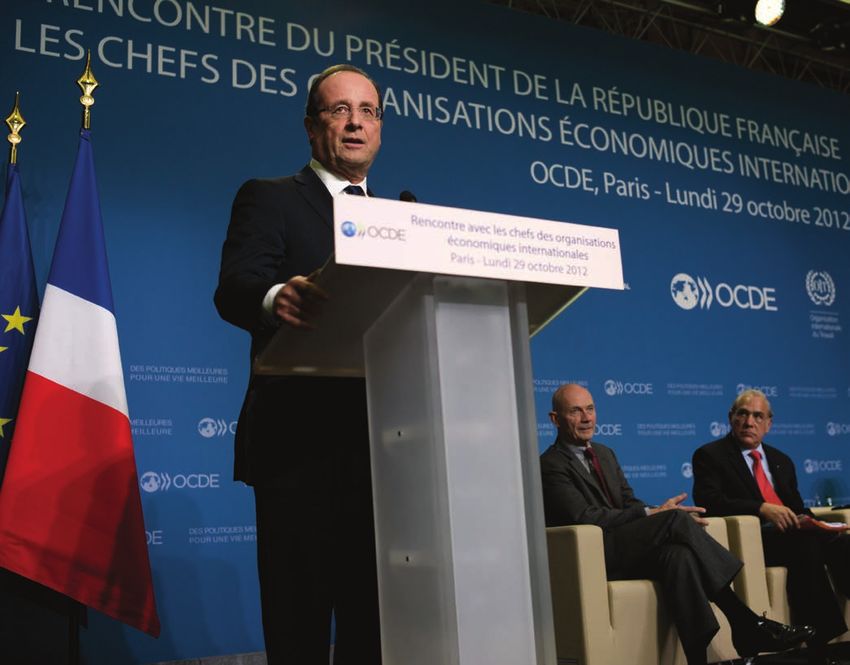
Readers’ views
We welcome your feedback.
Send your letters to
observer@oecd.org
or post your comments at
www.oecdobserver.org or
www.oecdinsights.org
President François Hollande at the OECD, Page 48
Corporate tax responsibility One has the impression that various forms of
There’s a legal and new political theory that labour market flexibility seem to be considered
44 The euro: A message of solidarity corporations are as citizens (or persons): the by the OECD as sound advice, regardless
Charles Jenkins, Writer, Commentator and implication being that corporations have of what specific country problems may
former Director of Western Europe Country effective rights. A reflection of this is the exist. When times are good, when times are
Analysis, Economist Intelligence Unit, London 2010 Citizens United ruling by the US bad, when inflation is low, when inflation is
46 Business brief
Supreme Court. high, when profits are low, when profits are
OECD.ORG Along with rights come responsibilities–one
high, when unemployment is low and when
48 French President François Hollande at the it is high. It is as if a doctor were capable of
of them being to pay your fair share of taxes.
OECD making a diagnosis, but only able to write one
For example, a US citizen (as well as a resident
49 Mexican President-elect Enrique Peña prescription.
alien), is obliged to report all global income,
Nieto at the OECD: A common vision;
and pay taxes on that amount, with some There are many problems in Turkey, but
Peru eyes membership; Competitiveness
challenge deductions, including for taxes paid overseas– excessive protection of workers’ rights is not
50 Well-being priority; Video view: The blue even if you live abroad. This limits most of and has never been among them. And, creating
economy; Totalled recall the tax advantages of establishing an income precarious work in the “formal sector” in
51 Recent speeches by Angel Gurría; New source or residence in a tax haven. order to entice a shifting of resources from
ambassadors the “informal sector” is neither sound advice in
In addition, higher income earners are subject
52 Calendar; Frankie.org terms of economic and social development nor
to the Alternative Minimum Tax (AMT):
in terms of strengthening democracy.
BOOKS basically, if you earn above a certain income,
53 A calm look at social unrest; Still booming you can no longer exploit every tax loophole. The informal economy stems primarily from
54-57 New publications on OECD iLibrary failures of governance, not from protecting
In theory, as with citizens, corporations are
58 Vive la réforme workers. Other European countries with better
ORDER FORM…ORDER FORM subject to similar tax constructs, but as the
labour laws and enforcement do not have a
on-going debates over corporate tax avoidance
DATABANK larger informal economy; but a far smaller one.
demonstrate, the tax reality for corporations is
61 Emerging innovators; Study abroad far different than for persons. Turkey needs major reforms in labour laws to
62 Main economic indicators bring them up to ILO standards. It is extremely
64 Investment dries up; Take a walk So, if corporations are people, why don’t they
difficult for workers to form trade unions
pay effective minimum tax rates on global
and the thresholds for collective bargaining
income?
discourage rather than encourage its practice.
Norway’s gender experience
Euro area: Why solidarity matters
Israel’s progress report
Special focus:
Mark Feige Moreover, reforms should encourage Turkish
Economist, Washington D.C
Policy in the Information World
No 293 Q4 2012 www.oecdobserver.org
employers to show respect for the human
rights of their workers.
Labour advice
You paint a positive picture of Turkey’s It hardly seems reasonable to attack
economy in terms of growth of GDP and the few remaining protections in law.
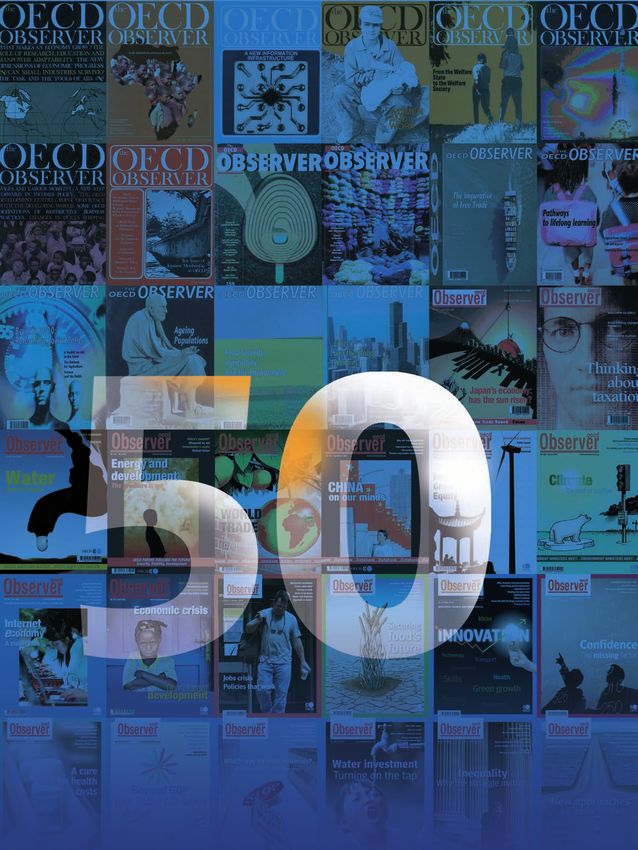
OECD Observer celebrates 50
employment (OECD Observer No 290-91, Jim Baker
Q1-Q2 2012). Nevertheless, the interview states Coordinator, Council of Global Unions
On the cover: New logo that for the future of the Turkish economy,
Comments and letters may be edited
The 50th anniversary cover, which displays a collection of covers taken “labour market reform is key, especially to
from the OECD archives amid celebratory fireworks (and clockwork), for publishing. Send your letters to
launches the new, more contemporary OECD Observer logo. Created
encourage the shifting of resources from the
observer@oecd.org
by Design Factory, the new logo adopts the Gotham font used in the informal to the formal sector: a more flexible
official OECD logo. It reinforces the magazine’s corporate identity, while or post your comments at
providing a strong continuity with the previous logo that has been with
labour contract is needed and minimum wage
www.oecdobserver.org or
us since 1998. ©OECD Observer/Design Factory setting should be decentralised”.
www.oecdinsights.org
2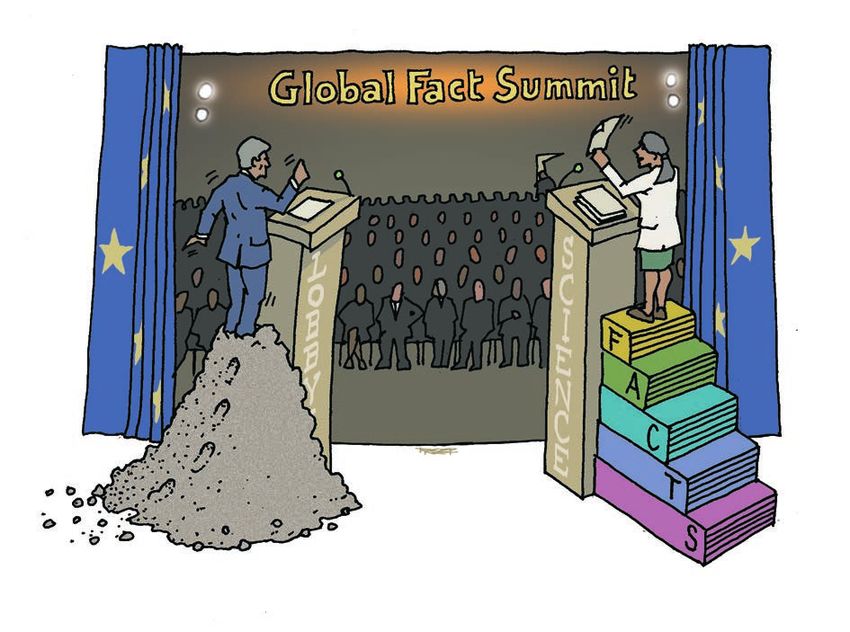
EDITORIAL

From the information revolution
to a knowledge-based world
                                                                         revenue, given the ever more complex manner in which tax bases,

                                   The information                       including profits, can be shifted among countries.

                                   revolution                            These are the kinds of fundamental policy issues the OECD is
                                                                         addressing. And as a knowledge hub in which information is
                                   provides us with an                   currency, our organisation is fit for purpose. The information and
                                                                         technology revolution has brought improvements to every dimension
                                   opportunity to get                    of our work, transforming how data is gathered, managed, analysed,

                                   it right
                                                                         published, and disseminated, not to mention protected. ICT has
                                                                         provided us with the tools for a more constant dialogue and for
                                                                         bringing our member and partner countries closer together. And
                                   Angel Gurría
                                                                         thanks to ICT, the OECD not only diffuses more knowledge further
                                   Secretary-General of the OECD
                                                                         and wider than ever before, but it also infuses it with fresh and
                                                                         constantly evolving knowledge from people outside the organisation,
To mark the occasion of the 50th anniversary edition of the              using interactive tools, wikis and public forums, for instance.
OECD Observer, we take a brief look at how the information world
and the global economy have transformed since the OECD’s first           The information world evolves quickly. The first SMS text message
secretary-general, Thorkil Kristensen, launched the magazine in          was sent in December 1992. Just 20 years ago! Now mobile
November 1962.                                                           communications have permeated every continent. Social media is
                                                                         far younger, yet it is already ushering in a new age of big data. In fact,
In the last two decades we have lived through a veritable information    as this edition points out, more data was produced in 2011 than in
revolution that has changed the world forever. Have these changes        the whole of human history.
improved our lives or made our work easier? The answer is: yes, but!
                                                                         The OECD is investing in the knowledge management tools it
Take the Internet. Breakthroughs in information and communication        needs to stay ahead of these trends. But as human beings, we must
technologies (ICT) have enhanced access to markets, spurred              also stand back from the plethora, ask questions, discuss and make
innovation and created new business opportunities. Technologies          informed judgements.
contributed to progress in energy, education, food and health,
improving the well-being of a larger number of people worldwide.          The first edition of the OECD Observer opened with an article called
They have also helped emerging economies to become global                “What makes an economy grow?” In light of the worst crisis in our
powerhouses and locomotives of the world economy.                         lifetimes, we are still seeking a satisfactory answer to that question.
                                                                          We have never had so much information, yet we failed to anticipate,
The information revolution has changed the way our economies              let alone, prevent the financial crisis from happening.
function and laid the foundations of a knowledge-based world.
It is on this new landscape that policymakers should focus more          On the contrary, critics argue that the information revolution has
of their attention.                                                      been a cause of our instability. Its speed leads to volatility–from high
                                                                         frequency trading in financial markets, for instance–while it conceals
In today’s knowledge-based economy, wealth comes more and more           channels for corruption and illicit financing. Serious concerns about
from ideas and innovations embedded in products and services. The        privacy add to a widespread sense of mistrust.
assets and competitive advantages of firms or countries are rooted in
research and development (R&D), software and brands, organisation        The OECD takes these challenges seriously and is determined to
and production structures, and many other “intangible” assets.           combat abuse and promote the knowledge and confidence that we
                                                                         believe the information revolution promises.
Moreover, in this knowledge-based economy production is spread
around the world, involving countries of different income levels,        Building better policies for a world based on inclusive, sustainable
research and development networks, design and marketing,                 growth is paramount, and through our major New Approaches to
assembly lines, and customer support. Without ICT, it would be           Economic Challenges initiative launched in 2012, we have begun to
difficult to integrate all these stages of production to create global   probe and question our growth models, and explore new paradigms
value chains.                                                            that incorporate equity and the environment.

Gaining a foothold in global value chains has understandably             It is a vast “knowledge” endeavour, which depends on cooperation.
become a preoccupation of policymakers, given the need to look for       By harnessing knowledge and ideas skilfully and openly, we can build
new, dynamic sources of growth after the crisis and to build more        a brighter future. The information revolution provides us with an
robust economies. Moreover, competition for investment high up the       opportunity to get it right.
value chain highlights the importance of education, skills and R&D.
And these developments challenge the way we look at trade, invest        www.oecdobserver.org/angelgurria
in education and skills of our citizens, and prevent an erosion of tax   www.oecd.org/secretarygeneral

                                                                                                                 OECD Observer No 293 Q4 2012         3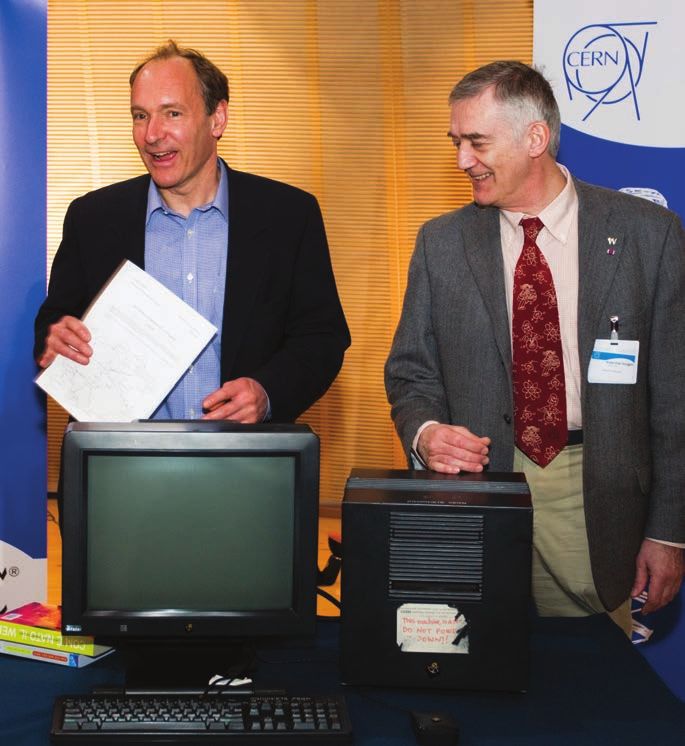
News brief
                                                                               –as tax                                         Soundbites
                                                                               revenues rise                                   Hope of the ages
                                                                                                                              “We began the year in the valley
                                                                               Tax revenues in most OECD countries             of recession–we completed it on the
                                                                               are again on the rise. This follows             high road of recovery and growth.”
                                                                               declines seen at the beginning of the           John F. Kennedy, State of the Union Address,
©Shannon Stapleton/Reuters

                                                                               crisis. The OECD’s annual Revenue               11 January 1962
                                                                               Statistics shows that member countries
                                                                                                                               End of growth?
                                                                               collected some 34.0% of GDP in taxes
                                                                                                                              “Growth is not just a product of
                                                                               in 2011, compared with 33.8% in 2010.
                                                                                                                               incentives. It depends even more
                                                                               This is still well below the most recent        on opportunities. Rapid increases in
                                                                               2007 peak of 35.1%.                             productivity at the frontier are possible
                             Crisis drives up                                  Chile, France, the Czech Republic and
                                                                                                                               only if the right innovations occur.”
                                                                                                                               Martin Wolf, Financial Times, 2 October 2012

                             social spending–                                  Germany saw the largest increases in
                                                                               2011, and Hungary, Estonia and Sweden           Euro optimism
                             Crisis-fuelled increases in unemployment          the largest falls.                             “The euro’s rescue is on track”
                             and income support benefits combined                                                              Editorial in French daily, Le Monde,
                                                                               Several factors explain the increasing          1 October 2012
                             with stagnating or declining GDP has
                             pushed public social spending up. A new           tax ratios in 2010 and 2011. Under
                                                                                                                               Love tax
                             report, Social Spending after the Crisis, finds   progressive tax regimes, economic
                                                                                                                              “These days, few people are willing to
                             that spending has climbed to an average           recovery led to tax revenues rising
                                                                                                                               extol the glories and virtues of taxation,
                             of 22% of GDP across the OECD in 2012,            faster than GDP. At the same time,              but this discovery would not have
                             up from 19% in 2007. In fact, real social         many countries raised tax rates and/or          happened without the tax payer. In
                             spending has risen on average by around           broadened bases. In 2008 and 2009,              fact, the vast majority of the planet’s
                             10% since 2007-2008 after prices are              the declining ratios reflected the severity     taxpayers had skin in the game.”
                             taken into account.                               of the recession and the fact that some         Paul Tipton, Professor of Physics,
                                                                               countries responded by cutting tax rates.       Yale University, writing about the discovery
                                                                                                                               of the Higgs Boson particle, Los Angeles Times,
                             Real social spending has fallen in only two                                                       9 July 2012
                             countries–by 14% in Greece and 13% in             www.oecd.org/tax
                             Hungary. Spending rose most in Korea
                             where a 29% increase reflected spending
                             on pensions and other benefits such as
                             childcare. France spends most on social
                                                                               Economy                                       US. The leading indicators for Japan,
                             policy, at 32.1% of GDP, followed by              Provisional growth estimates show that        Germany, France and the euro area as
                                                                               quarterly gross domestic product (GDP)        a whole continue to look weak (see page 38).
                             Denmark (30.2%) and Sweden (29.8%).
                                                                               in the OECD area rose by 0.2% in the
                                                                               third quarter of 2012. This was the same      Annual inflation in the OECD area rose
                             Population ageing will also drive up              rate as in the previous quarter, but with     by 2.2% in the year to September 2012,
                             pension and health spending in the years          continuing diverging patterns across          up from 2.1% in the year to August
                             ahead. The challenge now, the report says,        countries. In the US, growth accelerated      2012. This slight increase in the annual
                             is to safeguard social support for future         to 0.5%, compared with 0.3% in the second     rate of inflation was driven by higher
                             generations. Public social spending on the        quarter. In the UK, growth boosted to 1%      energy prices which accelerated to 5.1%
                             elderly amounted to 11% of GDP in 2009.           compared with a contraction of 0.4% in        in September, up from 3.5% in August,
                             The proportion of elderly in the population       the previous quarter. Growth also picked      while food price inflation slowed to 2.1%
                             is around 15% across the OECD but on              up in France to 0.2%, compared with a         in September, compared with 2.2% in
                                                                               decline of 0.1% in the previous quarter.      August. Excluding food and energy, the
                             average they receive 40% of all public
                                                                                                                             OECD annual inflation rate slowed to 1.6%
                             social spending. In Japan and Italy, where        Leading indicators from the OECD, which       in September 2012 compared with 1.7%
                             senior citizens make up about 20% of the          help anticipate turning points in economic    in August.
                             population, the share swells to 60%.              activity, continue to point to weak growth
                                                                               prospects. However, signs of stabilisation    The OECD area unemployment rate was
                             www.oecd.org/els/social/expenditure               are emerging in Canada, China and the         7.9% in September 2012, broadly the

4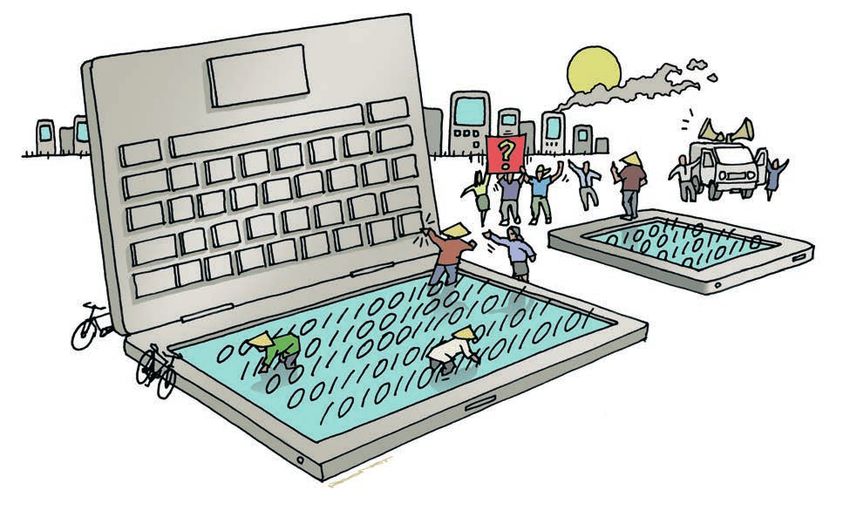
NEWS
Country roundup Rebalancing act
The balance of economic power is
Denmark should build on the strengths
expected to shift dramatically over the
of its vocational and educational training
©OECD/Hervé Cortinat
next half century. Fast-growing emerging-
programme to ensure that young people
market economies will likely account
enter the labour market with the skills
for an increasing share of global output,
companies need and to meet the national
according to a new OECD report.
goal of having 60% of young people enter
higher education by 2020, according to a Divergent long-term growth patterns
OECD Secretary-General Angel Gurría and French
new OECD report. will lead to radical shifts in the relative
President François Hollande at the OECD in November.
See the oecd.org section, page 48 size of economies. The United States is
Estonia recovered strongly from the global expected to cede its place as the world’s
economic crisis but growth has since standards, according to the OECD’s Health largest economy to China, as early as 2016,
slowed, highlighting the need for further Care Quality Review of Israel. though living standards will still only be
reforms that reduce exposure to external 60% of that in the leading countries in
shocks and ensure against future boom/ Ghana has signed the Convention on 2060. India’s GDP is also expected to pass
bust cycles, according to the OECD’s latest Mutual Administrative Assistance in that of the United States over the long
Economic Survey of Estonia. Tax Matters, a multilateral agreement term, but its per capita income will only be
developed jointly by the Council of Europe about 25% of that in advanced countries.
Finland should not back-track on its aid and the OECD. Ghana is the second
commitments, according to the OECD’s African country, after South Africa, to sign Fast-ageing economic heavyweights, such
Review of the Development Co-operation the Convention since it was opened for as Japan and the euro area, will gradually
Policies and Programmes of Finland. While signature to all countries in June 2011. lose ground on the global GDP table to
the country is making efforts to improve countries with a younger population, like
its development co-operation, sharpening Tax revenues in Latin American countries Indonesia and Brazil.
the focus of its efforts and emphasising as a proportion of their national income are
the importance of human rights, success rising slowly although they remain lower www.oecd.org/economy
is contingent on Finland honouring its than in most OECD countries. Revenue
commitment to increase funding, focusing
on areas and countries where it can have
Statistics in Latin America shows that the
average tax revenue to GDP ratio in the Pensions struggle
the most impact, and improving the way it 15 Latin American countries covered by Pension funds in the OECD are losing
manages development co-operation. the report increased from 19% in 2009 to steam. Though assets hit a record US$20.1
19.4% in 2010, after falling from a high trillion in 2011, return on investment fell
Israel has world-class primary care services point of 19.7% in 2008. below zero, with an average negative return
and should now focus efforts on bringing its of -1.7%, according to the OECD’s latest
hospitals up to the same high international Visit www.oecd.org/newsroom Pension Markets in Focus. The September
report says that weak equity markets and
low interest rates drove the poor performance.
same rate recorded since January 2011.
In the euro area, the unemployment Consumer prices rise www.oecd.org/insurance
rate increased for the 16th consecutive % change, September, year on year
month–up 0.1 percentage point to 11.6% in
September–while it fell by 0.3 percentage
Plus ça change…
OECD total
point in the US in September (to 7.8%).
7.0
“Nobody has time enough to read all these
publications, and nobody needs to know
Unit labour costs in the OECD area rose 6.0
5.1 everything about every specialised subject, but
by 0.3% in the second quarter of 2012, 5.0
there are many people who do feel a need to
driven by continued increases in labour 4.0 know something about some of the problems
compensation per unit of labour input. 3.0 2.2 and to follow the work in a more general way.
2.1
2.0 1.6 This is why we are now issuing the OECD
Merchandise trade continued to slow in 1.0 Observer, a new periodical.”
most major economies in the third quarter 0.0
of 2012 compared to the second quarter of All items Food “The OECD Observer” by Thorkil Kristensen,
2012. Imports and exports fell in the third Source: OECD Energy All items, non-food, non-energy former Secretary-General of the OECD,
quarter of 2012 in Brazil, Germany, Italy, in issue No 1, November 1962
Japan, Russia, South Africa, and the US.
Visit www.oecd.org/statistics
OECD Observer No 293 Q4 2012 5
Women in work: The Norwegian experience
                           Sigbjørn Johnsen, Minister of Finance, Norway
©REUTERS/Scanpix Scanpix

                                                                           In the last 50 years, there has been            for health care. Low birth rates will add
                           High female participation in the                a tremendous change in women’s                  to the problem, and a shrinking working-
                           workforce has a decisive effect                 participation in paid work in most OECD         age population will have to provide for an
                           on a country’s performance, as                  countries. Labour market participation has      increasing number of pensioners. Higher
                           Norway shows.                                   been a key to economic independence for         labour force participation and longer
                                                                           women. It has given women the possibility       careers are important parts of the solution.
                           Any country’s main asset is its workforce,      to develop and use their professional skills.   In addition to reforming pension schemes,
                           and Norway, with its oil wealth, is no          Employment among women is also crucial          many countries now see a need to make
                           exception. Sustainable policies for low         for economic performance. This may              use of the large unused work potential
                           unemployment and high participation             prove especially important in the years         among women.
                           rates for women, men and young people           to come, as an ageing population will place
                           are predominant and the burden sharing          an increasingly severe burden on public         These countries face a double challenge:
                           of the cost of the welfare state is carried     finances. Old age pension expenditure           to increase women’s labour participation
                           on the back of the labour force.                will increase, as will government outlays       and to raise birth rates. To encourage

6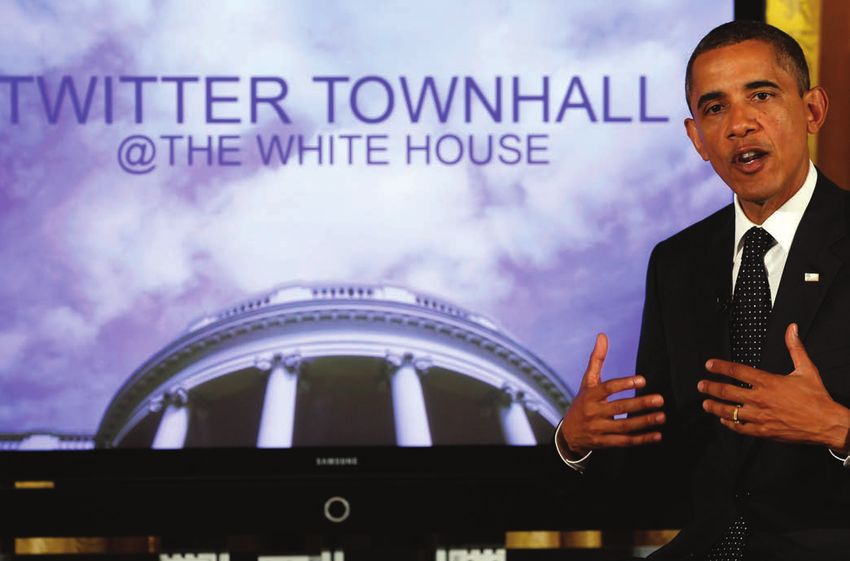
SOCIETY

women with children to go out to work,         by moving the care of children and the
Norway and the other Nordic countries          elderly out of the family and under public
have implemented policies that make it         responsibility instead.
easier to combine work and family life.
                                               I strongly believe that female employment
The ideal of the housewife was strong          has brought about large economic benefits
in Norway in the 1950s and early 1960s.        for Norway. Firstly, choosing workers from
However, since the beginning of the 1970s,     a pool of male and female workers, as
the labour participation rate has risen        opposed to choosing from a pool where
from 44% to 76% for women between the          half of the potential talent is excluded,
ages of 15 and 64. Some 83% of mothers         leads to productivity gains. Secondly,
with small children are employed. Fertility    higher female labour participation has
rates have risen along with the rise in        led to productivity gains through a higher
labour participation, from 1.75 children       degree of specialisation. And finally,
per woman at the end of the 1970s to 1.9
children per woman today–one of the              A higher labour supply means higher
highest fertility rates in Europe.               income from tax, which in part can be
There are several drivers behind this            utilised to offer more comprehensive
development. First of all, the increase in       public services
female employment in Norway took place
at a time when there was a rise in demand      female employment has added more
for labour, and alongside a remarkable         workers to the work force at a time when
boost in educational attainment among          average work hours per employed person

                                                                                                                                                      ©Rune Kongsro
women. Secondly, employment among              have been declining. Decreasing work
women was stimulated by comprehensive          hours for the employed has in part been a
parental provisions and subsidised day-        natural consequence of higher prosperity–
care for children. In 1970 only 13,000         people’s priorities have changed as they
                                                                                               Sigbjørn Johnsen, Minister of Finance, Norway
Norwegian children were enrolled in            no longer need to work as hard to make
day-care centres. Today the number is          a living. But with women entering the
                                                                                               this picture has two sides. Without our
about 280,000 with coverage of almost          workforce, the contribution to growth
                                                                                               relatively short business hours and the
90% of all 1-5 year olds. Parental leave       from the work effort can be maintained.
                                                                                               option of working part-time, the barriers
for employed mothers and fathers is paid       This contributes significantly to raising
                                                                                               into work for women would have been
from public budgets and has been               the national income.
                                                                                               much higher. The next step for Norway
extended from 12 weeks 30 years ago
                                                                                               will be to find ways to encourage people
to 47 weeks today. Other measures are a        In fact, if the level of female participation
                                                                                               to move from part-time work to full-
statutory right to paid leave to stay at       in Norway were to be reduced to the OECD
                                                                                               time work. With family provisions and
home with sick children and a right to         average, Norway’s net national wealth
                                                                                               childcare already in place, we believe this
work part-time until the youngest child        would, all other factors being equal, fall
                                                                                               is within reach.
turns 12.                                      by a value equivalent to our total petroleum
                                               wealth, including the value of assets held
                                                                                               The Norwegian experience may not be
The welfare state has in many respects         in the Government Pension Fund-Global
                                                                                               easily transposed to other countries.
made women’s labour participation              (GPG, formerly the petroleum fund).
                                                                                               However, the challenges of more fully
possible, but women’s own work effort          This calculation assumes that the share
                                                                                               utilising the workforce’s potential are
has in turn been a precondition of the         of females in part-time employment
                                                                                               the same in most OECD countries.
development of the welfare state. A higher     remains unchanged.
labour supply means higher income from                                                         References
tax, which in part can be utilised to offer    Labour force participation in Norway is         Visit the Norwegian Ministry of Finance at
more comprehensive public services.            among the highest in the OECD. However,         www.regjeringen.no/en/dep/fin.html
At the same time a higher labour supply        average yearly work hours per person            See also www.oecd.org/norway and
is also needed to perform these services.      between the ages of 15 and 64 are now           www.oecd.org/social/genderequalityanddevelopment
Many of these services in turn allow for       relatively low and substantially lower          Norway will be chairing the 2013 Ministerial
a higher female labour supply, for instance,   than, say, in Korea. But as we have seen,       Council Meeting from 29-30 May.

                                                                                                                OECD Observer No 293 Q4 2012                  7
Israel reports progress
                                                                         first government centre for Haredim is           do you see as being the next steps?
                                                                         being established, and additional centres        As part of that learning process, the
                                                                         are already at approval stage. And let’s not     government has recently established a
                                                                         forget our efforts to expand the support         new position of Deputy Director General
                                                                         provided to working parents of young             of the Ministry of Industry, Trade and Labor,
                                                                         children. My ministry is substantially           who is in charge of developing the general
                                                                         increasing public day-care for children up       employment policy of Israel. This enables a
                                                                         to the age of 3 with working parents. We         horizontal view for more policy coherence,
                                                                         look forward to discussing these initiatives,    which I believe is one of the core principles
                                                                         among other policies, at the OECD.               endorsed by the OECD.

                                                                         One issue you focus on in the report is          In general, our collaboration with the OECD
©Government of Israel

                                                                         poverty, since in Israel there is a relatively   has proven to be an important step in
                                                                         high poverty rate by OECD standards. What        improving our public services, and not just
                                                                         new action has been taken to tackle this?        in the field of employment. The next step
                                                                         Israel has a long-term strategy in place         of that process should be peer learning and
                                                                         to tackle poverty. This strategy focuses         benchmarking, rather than just meeting
                        More than two years after Israel joined          on improving educational achievement,            standards. One of our goals in that sense is
                        the OECD, Sharon Kedmi, director general         facilitating access to higher education          to increase the participation of the ministry
                        of the Ministry of Industry, Trade and Labor,    especially for disadvantaged groups,             in ongoing work and voluntary projects
                        led a delegation to an important OECD            improving infrastructure in remote areas of      which will assist us in improving our policies.
                        Employment, Labour and Social Affairs            the country and encouraging participation
                        Committee meeting on 26 October.                 in the labour market.                            Let me mention two recent examples of
                        He spoke to the OECD Observer.                                                                    such voluntary initiatives. First, there is the
                                                                         A significant move has been to implement         country review on vocational training being
                        When you joined the OECD in 2010, Israel         the Earned Income Tax Credit (EITC)              conducted as part of the “Skills Beyond
                        was asked to address several outstanding         nationwide and increase the credit level         School” project. The review will make policy
                        social and labour market challenges. You         for targeted populations. An EITC was first      recommendations on how to strengthen
                        are now submitting a detailed 200-page           introduced as a pilot programme, and in          our vocational education and training
                        progress report. What in your view are the       2011 it was expanded to cover the whole          regime. And second, an OECD workshop
                        highlights of that progress report?              country. The expanded deployment of the          on regulatory enforcement and compliance
                        The integration of populations with              EITC increased the potential number of           inspections took place in Jerusalem on 29-
                        low rates of participation in the labour         eligible recipients from 100,000 in 2010         30 October, hosted by our ministry.
                        market, such as Arab-Israelis (especially        to 420,000 in 2011.
                        women) and the ultra-orthodox Haredim                                                             As part of our efforts, the ministry has
                        (especially men), has been one of the            Another illustration is the enforcement          designated a counsellor to the Israeli
                        prominent challenges that Israel is making       of rights, particularly of our labour laws.      Permanent Delegation to the OECD. Her
                        an increasing effort to address. It was          This has been given special attention            team will strive to enhance our ministry’s
                        one of the main issues raised during our         by the government and even found                 input into OECD work across a range of
                        accession to the OECD. In the progress           expression in one of the recommendations         policy domains.
                        report we present a detailed list of our major   of the Trajtenberg Committee* on socio-
                        initiatives that have been implemented or        economic challenges. The ministry has            *A government-appointed commission was set up
                                                                                                                           in August 2011 to examine and propose solutions
                        approved by the Israeli government since         worked to strengthen the capabilities of          to Israel’s socio-economic problems. It is headed by
                        2010. The various initiatives contributed to     the law enforcement system, first, by             Manuel Trajtenberg, who chairs the Higher Education
                        the increase in employment rates (up 2.4%        initiating a law aimed at enhancing the           Planning and Budget Committee.
                        for Arab women and up 6% for Haredi              enforcement of the labour laws, with             Visit the official website of the Ministry of Industry,
                        men from 2008 to 2011) and will continue         the full co-operation of the employer            Trade and Labor of Israel, at www.moital.gov.il
                        to do so in the years to come.                   organisations and the Histadrut, Israel’s        State of Israel (2012), Progress Report on the
                                                                                                                          Implementation of the OECD Recommendations:
                                                                         trade union organisation; and second, by         Labour Market and Social Policies.
                        A clear illustration of our efforts is the       adding 120 positions to law enforcement          “Israel’s economic strategy: An interview with Yuval
                        establishment of a network of 21 dedicated       over the course of the next two years.            Steinitz, Minister of Finance of Israel”,
                        employment centres that provide an                                                                 in OECD Observer No 284, Q1 2011.
                        extensive array of employment services           You describe the progress report as a            www.oecd.org/israel
                        for the Arab population. In addition, the        milestone in the learning process. What

8
Business brief
The Long-Term Investors’ Club
A global platform of major investors
The need for long-term investment is more urgent than ever given the from the G20 and OECD countries, representing a combined balance
rapid changes our societies are undergoing. sheet total of US$3.2 trillion.
Responding to major challenges, such as shifting to a low-carbon economy The Long-Term Investors’ Club is a member driven and project oriented
or supporting sustainable urban development and infrastructure building, organisation.
will require massive financial resources. Among the first achievements of the Members:
• two major equity investment funds
Since many of our national budgets are constrained by the current • the Marguerite Fund, that supports strategic investments in the
financial and economic crisis, there are now few options other than fields of energy, climate change and transport infrastructure in the
adopting the regulatory frameworks to incite long-term investment EU’s 27 Member States;
and encouraging cooperation between long term investors to take up
• the InfraMed Infrastructure Fund; dedicated to long-term investments
these challenges.
in sustainable transport, energy and urban infrastructures in the
countries of the Mediterranean’s southern and eastern shores.
This is the mission of the Long-Term Investors’ Club (www.ltic.org).
These equity funds are prototypes of new financial instruments,
combining public and private investors to finance long-term
Founded in 2009, the Long-Term Investors’ Club aims to bring together
investments. They have both realised their first investments and
major worldwide institutions–including sovereign wealth funds, public
expect to reach final close in the coming months.
sector retirement funds, private-sector pension funds and development
banks–to assert their common identity as long-term investors and to • Active contributions to European and international debates on the
facilitate greater cooperation between members. regulatory framework applicable to long-term investment (Basel III,
IFRS, IASB standards, OECD work on long-term investment, etc).
The Long-Term Investors Club is today composed of 14 major financial
institutions and institutional investors from all over the world, in particular See www.ltic.org
OECD Observer No 293 Q4 2012 9BETTER POLICIES FOR BETTER LIVES
OECD Internet Economy
Outlook 2012
Browse and order at www.oecd.org/bookshopSpecial FOCUS
POLICYMAKING AND THE INFORMATION REVOLUTION
Policymaking and the information revolution
©Larry Downing/Reuters
US President Barack Obama’s first Twitter Town Hall, 6 July 2011
The OECD Observer is celebrating its 20 years alone, breakthroughs in care, energy, communications, transport
50th anniversary: no better time than all manner of information and and more?
to turn our focus to the currency of communications technologies have
information itself. quite simply transformed the global What about policymaking? Has the
landscape. The surge of countries such information revolution made the job of
This special edition is not about the as China and Korea, renewed interest in government any easier? Or are decision
information society itself or the latest makers in a tougher position in today’s
cool application. We take a step back and Has the information revolution made faster, information-rich environment
look at some of the promises, challenges than they were before? From handling
and risks that the information revolution
the job of government any easier?
the right sources and advice to making
brings to people, their work and their lives. announcements and rallying support, has
Historically there has never been so much Africa, as well as booms from Ireland to the game changed, if not the rules as well?
information and data produced as there is the US (at least, until the 2008 crisis),
now, but are people better informed or able owe much to the information revolution Nothing new under the sun?
to lead better lives? and what it has unleashed in terms of The world has seen several information
knowledge, capabilities and potential. In revolutions in the past, and the current
How times have evolved since November 1980 US writer Alvin Toffler foresaw a one is certainly not the last. Think of
1962 when Thorkil Kristensen, the OECD’s coming “third wave” of societal change; scrolls and government bulletins issued
first secretary-general, launched the OECD could that wave have already passed by, in Roman times, tipao news sheets
Observer. In fact, in the last with new waves forming, affecting health during China’s Han dynasty, or modern
OECD Observer No 293 Q4 2012 11Special FOCUS
newspapers, which first appeared in widely, but lacked things like interactivity
Europe in the 1600s. The following 200
years brought more global changes. As
and information management. They
had few, if any, workplace applications,
Cell number
Emma Rothschild wrote in the OECD apart from listening to your favourite
Observer in 2003, “There has been a radio show!
‘revolution in commerce, in the power of
nations, in the customs, the industry and Several factors make the latest revolutions
the government of all peoples.’ Continents different: the instant speed and compression
are connected as though by ‘flying bridges of space and time; the shift away from
of communication.’” She was citing paper to online, allowing for a greater
Abbé Raynal, an 18th century political pervasiveness, and invasiveness, of
commentator, writing in 1770. information; interactivity; the ability to
store, process and manage information;
Is it different this time? Probably yes. and a convergence of platforms–people
In Raynal’s time, globalisation was a slower listen to the Internet now!
©Hugo Philpott/REUTERS
affair, with dispatches taking several weeks
to cross oceans and continents, though And there’s more. As former OECD chief
news of royal births and revolutions were economist, Ignazio Visco, wrote in 2002,
nevertheless greeted as hot news. “the dramatic fall in communication costs
[…] and the technological breakthroughs
Then in the 20th century came radio and behind it, have led to a diffusion of ideas, South Africa’s former president, Nelson Mandela,
television. President John F Kennedy technological know-how and a general holds up a mobile phone in London, 21 October
lauded the power of television to shape spread of information at a pace that is 2003. Using his old convict number 46664 from
quite unprecedented in the history Robben Island, Mr Mandela helped launch a global
phone and internet campaign to raise awareness
Digital information world is accelerating of humankind.” about AIDs. Originally published in OECD Observer
and reinventing itself via mobile No 240/241 December 2003
Great expectations
applications and big data When the OECD Observer emerged competing for attention and making
in those post-war decades, divulging decisions in an information world where
politics by subjecting political figures to information to the public was a delicate fundamental choices can be obscured
the scrutiny of a public “able to detect… exercise. After all, as the first editorial by tweets and Facebook “likes”. This
deception and… willing to respect political pointed out, it was in an atmosphere special anniversary edition of the OECD
honesty.” of confidentiality that political results Observer takes a brief look at just some of
were obtained. these challenges.
When Fannie Lou Hamer stood before
television cameras at the 1964 US A Cold War veil of paranoia hung over Power tech
Democratic Convention and delivered her many proceedings, which the new “Four more years.” When Barack Obama
famous “Is this America?” speech, some magazine helped to lift: as Kristensen won his 2nd term as US president, he
90% of US households had televisions, wrote, “a step was taken towards a wider tweeted this announcement of his victory.
compared with 54% a decade earlier. An dissemination of this [organisation’s] It became the most read tweet of all time.
uncomfortable President Lyndon Johnson knowledge.”
tried to distract attention by calling a Indeed, President Obama, whose
press conference during the live showing, Today, two decades after the fall of the campaign in 2008 had also leaned on
but the evening broadcasts would go out Berlin Wall and the rise of the Internet, the Internet, had 24 million followers on
anyway. It was the first time that a black people’s expectations have changed. Twitter at the time of writing, and was
civil rights activist addressed the nation in Openness has become standard, as has the only politician in the top 20, the rest
her own words and through the medium instantaneousness. The digital information being personalities from the sports and
of television. Having judged Mrs Hamer’s world is accelerating and reinventing itself entertainment worlds. But information is
sentiments as honest, the viewing public via mobile applications and big data. power, and many other politicians around
thrust the civil rights movements to the Such changes bring challenges for the world also have Twitter accounts.
forefront of American politics. managing information and knowledge,
Radio and television brought a whole sorting noise from substance, ensuring Social media featured in the 2012 French
new potential to transmitting information effective infrastructures are in place, elections, and has made its presence felt
12Special FOCUS
POLICYMAKING AND THE INFORMATION REVOLUTION
more generally in politics worldwide over their anger was directed at the WTO, the Moreover, mobile technology has enabled
the past year or two. Moreover, politicians city of Seattle declared itself an “MAI-free multiple campaigns and “flash mobs” to
are turning to mobile applications to zone”. Faced with vocal and articulate campaign on any issue.
garner data and check trends. opposition, led by people such as Public
Citizen’s Lori Wallach, and with discords Could NGOs now be suffering from these
Mastering new forms of communication starting to bubble among the negotiators new tools? Perhaps, for as Phil Evans
has become indispensible to all those themselves, the MAI was shelved. writes in this edition, soft protest online
seeking power or to influence policy, and via clicks cannot replace organised civil
not just politicians. Labour unions, non- Beyond the detail, what people (and not campaigns. Even if the jury is still out
governmental organisations (NGOs) and just NGOs) were clearly demanding on the effects of the Arab Spring or the
charities have seized the opportunities they was openness and dialogue in public Occupy protests of recent years, these
offer, and international organisations such policymaking generally. Several demonstrate a new, less centralised type
as the OECD have also had to adapt. organisations have since developed their of street demonstration that is not fully
engagement with civil society, a prime controlled by the traditional standard
One reason for this is the Internet, which example being the annual OECD Forum bearers of protest. Established political
helped to spur globalisation, although it which has been a regular event on the parties, trade unions and NGOs seem
also ignited protests against it. Take the global calendar since its inception in unsure about how to respond. If new
Multinational Agreement on Investment 2000. The OECD Observer has published forms of governance are emerging, they
(MAI) being negotiated at the OECD in far more guest opinion articles since could bring challenges, as well as qualities.
the 1990s. In 1997, the Polaris Institute, that time, while blogs have flourished.
a Canadian NGO, obtained a draft of the Public engagement has become a modus What about lobbies? Unsurprisingly,
agreement and circulated the draft by operandi. these often prefer face-to-face meetings
email, spreading it around the web like to Facebook, though this may also change.
wildfire. Anti-globalisation movements Meanwhile, the information revolution Two of Washington’s biggest firms cultivate
were flourishing at the time, and came has rolled on with smart interactive tools sizable Twitter followings. And beyond
to a head at the 1999 World Trade allowing people to do more than just the traditional lobbyist, more think-tanks
Organization (WTO) conference in Seattle, comment; through the OECD Better Life have come on the scene, adding their angle
Washington. The turnout of more than Index, for instance, the public is helping to and agendas to key debates. According to
40,000 protestors surprised many. Though build the well-being metrics of the future. Anne Glover, the European Commission
president’s chief scientific adviser writing
in this edition, a real challenge is how to
make sure the facts are not only heard, but
lead to better policies.
Clearly, policymakers must take new
communication technologies seriously.
By 2018, mobile penetration is expected
to reach 96% globally, which works out at
about one mobile subscription per person
on earth.
With almost no barriers to obtaining or
exchanging information, people have come
to expect a clear and immediate response
from institutions. Many countries
now have interactive e-government
services, permitting citizens to interact
with governments on everything from
health and education to security and tax.
Governments are even encouraging a more
dynamic involvement, the emphasis on
finding out what citizens want, rather than
deciding what they need. New big data can
OECD Observer No 293 Q4 2012 13Special FOCUS
help get down to ever finer detail about
those wants and concerns.
Trading in facts
In a 2012 magazine interview, Roy Temple
Ken Ash, Director, OECD Trade and labour market and social protection
Cassidy, head of one of Washington’s Agriculture Directorate policies, have contributed to economic
biggest lobbying firms, said that political
growth and new job creation, a more
candidates must deal with more third-
unified, coherent and convincing case
party groups than they did 25 years ago:
can be made. And our evidence is clear:
“… as a candidate, you are much less the
open economies grow faster than closed
master of your domain”. Policymakers may
ones; no country has ever grown in the
spend less time at guesswork, but given
long run by restricting trade; and active
the sophistication of new technology, they
labour market and social protection
may end up spending more time trying to
policies help to ensure that the benefits
decipher the messages and trends in the
are widely shared .
din of voices.
©Charles Platiau/Reuters
Popular wisdom would also suggest that
Cyberspace is where the big questions
“exports are good and imports are bad”.
are being debated, but whether it is the
Again, this is demonstrably not true. The
harbinger of better outcomes remains
reality is that you need to import in order
to be seen.
to export. By systematically disentangling
Getting information and traditional trade data to identify where
Nor is continued public trust a given. communications “right” has always value is added, we can paint a clearer
The ability of information technology (IT) been a necessary condition for delivering picture of where income is generated,
to hoover up minute personal details is sound policy advice; today, there are where jobs are created, and how large
causing consternation, and the OECD many more possibilities to generate and bilateral trade imbalances are. Most
is looking closely at the implications of to share evidence-based policy insights, trade today is in intermediate inputs.
comprehensive data collection, particularly but there are also many more competing Increasingly, with the emergence of
about consumers’ online activities. messages and messengers. Here are two global value chains, firms import world
examples. class inputs that enable them to improve
In fact, privacy and security are issues
their productivity and competitiveness.
the OECD has been addressing for 30 Public support for freer trade has Closing markets will in effect destroy
years, with its guidelines on privacy and eroded in the wake of the economic the jobs that countries want so much to
security of information systems now crisis, slow and uneven growth, and maintain.
being standards among stakeholders and increased unemployment; some people
policymakers everywhere. are advocating a return to protectionist Producing the evidence-based policy
type policies. While the desire to be advice is only a start; getting the message
Still, fighting abuse is a moving target for “protected” is understandable, it is also to the right people at the right time, and
any organisation. As Rick McDonell, who unfounded; but simply asserting this is informing the wider public, requires
heads the Financial Action Task Force, not convincing. By working with nine tapping into all corners of today’s
which combats money laundering and other international organisations to information and communications world.
illicit financing, suggests in this edition, compile available evidence on how trade
the glare of public attention is not always openness, along with complementary www.oecd.org/trade
an asset. IT has brought undoubted
benefits, but the risks posed by new
technologies must be recognised. and mouse game. The euro crisis has take time to form. The trouble is, some
Twitter, Facebook, and even SMS texts can been a case in point, as sound political governments want to go further, and
cause embarrassment, with politicians announcements reassure jittery markets are pushing to constrain the Internet
getting into trouble as discreet (and one day, lose their effect the next, and with internationally-agreed rules. Other
indiscreet) tweets end up as headline news. cause a scramble for new initiatives and governments are opposed to attempts
another rifle of announcements. to hoist state-led controls on cyberspace,
Everyone feels compelled to react in preferring to preserve the open, borderless,
real time, which sometimes catches Clearly, new habits and an online culture, multi-stakeholder model that has driven
policymakers and markets in a cat whether in policymaking or security, will the Internet’s success.
14Special FOCUS
POLICYMAKING AND THE INFORMATION REVOLUTION
What you don’t know can hurt you
Changes in the information society have
always been drivers of progress, but as
Education for policymakers
Rothschild notes in citing an 18th century
critic, the politics of global information Barbara Ischinger, Director, OECD Directorate for Education
were divisive “The eyes of the world have
been blinded by publications”.
In a world where more data has been
produced in a year than in all of history,
are we about to face an unfathomable
plethora of information?
Knowledge management is now a serious
undertaking for organisations and
governments, just as it is for businesses
and households. New digital tools will help
make sense of the mass of data and how to
©Christian Charisius
process and transmit it.
As knowledge is a public good, such
systems must also cater for future
generations. Building a reliable knowledge Checking an education blog? German Chancellor Angela Merkel
bank is all the more challenging in an age
where online pages are being deleted and
information lost on unusable disks and Education is one OECD For policymakers we are now providing
abandoned computer drives. As Deborah department that has embraced new environments for sharing evidence,
Woodyard of the British Library wrote in the information revolution. benchmarking and networking. The
the OECD Observer in 2003, Leonardo da skills.oecd interactive portal provides
Vinci’s old notebooks can still be opened, While we still use traditional means of data visualisations and videos aimed
but can your old floppy? getting our messages out to decision to help people understand the complex
makers–through printed press releases, issue of acquiring and using skills
Hopefully, future researchers will be able launch events and videos, for example– effectively. Our “educationtoday”
to access today’s OECD Observer just as we recognise that there has been a blog provides global perspectives on
they can a notebook by da Vinci. And huge shift in how individuals get their education, and the interactive OECD
despite the swirling kaleidoscope of data information. Social media technologies Better Life Index shows how education
and news, with luck they will be able to have now extended our outreach beyond can improve people’s lives. We’re also
find what they want, and the time to read policymakers to civil society. We have disseminating more of our information
it as well. embraced new technologies to create online, through education-in-focus
Rory Clarke, Lyndon Thompson more ways of gaining access to our great briefs and a quarterly online newsletter.
wealth of data and analysis.
References In short, we’re making it easier for
Woodyard Deborah (2003), “The great digital policymakers and our other stakeholders,
information disappearing act”, in OECD Observer
Social media is now an integral part of
our communication strategy. Beyond including school principals, teachers,
No 240/241, December.
just acting as a means to disseminate parents and students, to see our
Fannie Lou Hamer (1917-1977),Testimony before the
Credentials Committee, Democratic National Convention, and access information, social media work and, we hope, benefit from our
Atlantic City, New Jersey, August 22, 1964. has helped us to gather insights from expertise in gathering and analysing
http://americanradioworks.publicradio.org/features/ outside the OECD, keep up-to-date on internationally comparable data and
sayitplain/flhamer.html insights on education.
policies, solicit feedback and make
OECD/ITU (2011). M-Government: Mobile
our interactions with our stakeholders
Technologies for Responsive Governments Visit www.oecd.org/education
and Connected Societies more transparent.
OECD Observer No 293 Q4 2012 15You can also read


