Program World Suicide Prevention Day Forum Working Together to Prevent Suicide - 10 September 2020 State Library Qld
←
→
Page content transcription
If your browser does not render page correctly, please read the page content below
Program
World Suicide Prevention Day Forum
Working Together to Prevent Suicide

                         10 September 2020
                          State Library Qld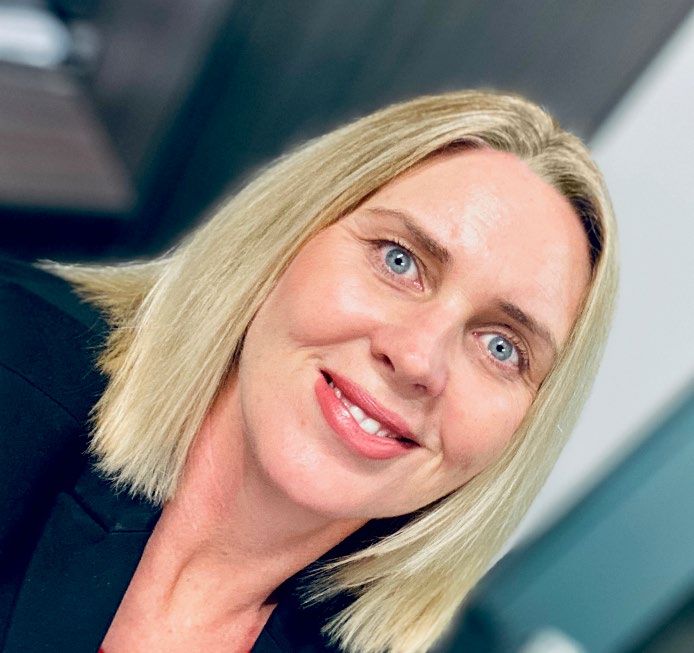
Contents
Program........................................................................................................................................................3
Master of Ceremonies ....................................................................................................................................5
   Ms Jacinta Hawgood ................................................................................................................................5
Welcome to Country ..................................................................................................................................... 6
   Aunty Carol Currie ................................................................................................................................... 6
General Welcome ......................................................................................................................................... 6
   Professor Carolyn Evans, Vice Chancellor and President, Griffith University ........................................... 6
Lived Experience Acknowledgment, Safety and Self-care message ................................................................. 7
   Martina McGrath, Research, Evaluation, Diversity, Equity and Inclusion Officer, Roses in the Ocean ....... 7
Message from Emeritus Professor Diego de Leo AO, ideator of World Suicide Prevention Day......................... 9
Keynote session........................................................................................................................................... 10
   Chaired by Dr Kairi Kõlves, Principal Research Fellow, Australian Institute for Suicide Research and
   Prevention .............................................................................................................................................. 10
Providing Text-based Emotional Support to Distressed Youth in Hong Kong; Opportunities and Challenges... 11
   Professor Paul Yip, Director of the HKJC Centre for Suicide Research and Prevention (CSRP), Hong Kong
   University ............................................................................................................................................... 11
Video message from Queensland Mental Health Commissioner Ivan Frkovic ................................................. 12
   Launching of the Panel discussion “COVID-19, suicide prevention, and looking to the future” and
   “Suicide in Queensland: Annual Report 2020, Australian Institute for Suicide Research and Prevention”
   ............................................................................................................................................................... 12
Panel discussion: COVID-19, suicide prevention, and looking to the future .................................................... 13
   Chaired by Ms Bretine Curtis, Queensland Mental Health Commission Executive Director .................... 13
Meet the Panel ............................................................................................................................................ 14
   Ms Janet Martin, Director, Clinical Governance, Office of the Chief Psychiatrist; Mental Health Alcohol
   and Other Drugs Branch, Queensland Health ......................................................................................... 14
   Professor Ella Arensman, Scientific Director, National Suicide Research Foundation (NSRF), Research
   Professor, School of Public Health, University College Cork, Ireland and Visiting Professor, Australian
   Institute for Suicide Research and Prevention, Griffith University ........................................................ 14
   Rebecca Johnson, Co-chair and lived experience representative of the mental health consumer peak
   project steering committee .................................................................................................................... 15
   Professor David Crompton OAM, Professor of Mental Health Research, Australian Institute for Suicide
   Research and Prevention, Griffith University .......................................................................................... 15
Suicide in Queensland: Annual Report 2020 ................................................................................................. 16
Session: Australian Institute for Suicide Research and Prevention ................................................................. 17
   Chaired by Dr Vicki Ross, Senior Research Fellow, Australian Institute for Suicide Research and
   Prevention .............................................................................................................................................. 17
Advancing Suicide Research: Public health model and epidemiology............................................................. 18
   Dr Kairi Kõlves, Principal Research Fellow and Course Convenor, the Australian Institute for Suicide
   Research and Prevention, and Co-director of the WHO Collaborating Centre for Research and Training
   in Suicide Prevention, Griffith University ................................................................................................ 18
Real-time suicide mortality data in Queensland during the COVID-19 pandemic ........................................... 19

                                                                                 1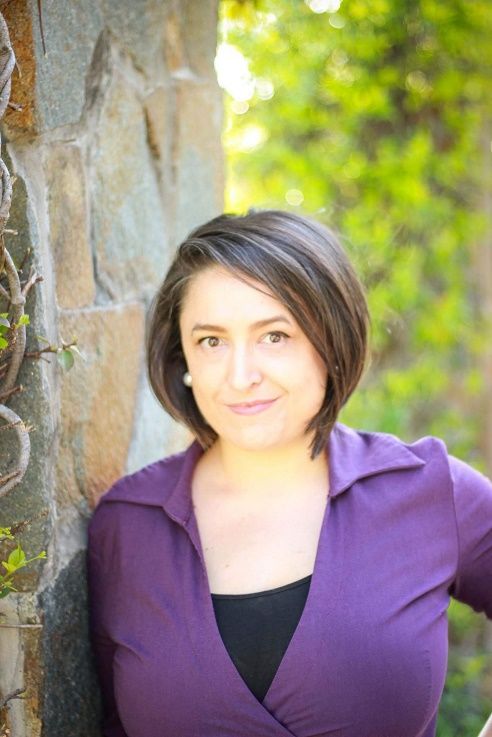
Dr Stuart Leske, Senior Research Assistant, Australian Institute for Suicide Research and Prevention,
   Griffith University ................................................................................................................................... 19
Protective effects of cultural connection on suicide mortality: Implications for strategies to close the gap in
Aboriginal and Torres Strait Islander suicide disparities ................................................................................20
   Mrs Mandy Gibson, Psychologist, Senior Research Assistant, PhD Scholar ............................................20
Important Information and Housekeeping .................................................................................................... 21
Support services ..........................................................................................................................................22
   Needing support? ...................................................................................................................................22

                                                                             2
Program

09:30           Arrival/Registration

10:00           Commencement and Intro
                Master of Ceremonies: Mrs Jacinta Hawgood, Senior Lecturer, Australian
                Institute for Suicide Research and Prevention, Griffith University

10:06           Welcome to Country
                Aunty Carol Currie, Yugambeh Elder and Traditional Land Owner

10:15           General Welcome
                Professor Carolyn Evans, Vice Chancellor and President, Griffith University

10:21           Lived Experience Acknowledgment, Safety and Self-care message
                Martina McGrath, Research, Evaluation, Diversity, Equity and Inclusion
                Officer, Roses in the Ocean
10:25           Message from Professor Emeritus Diego de Leo AO, ideator of World Suicide
                Prevention Day

10:30           Keynote Presentation
                Chaired by Dr Kairi Kõlves, Principal Research Fellow, Australian Institute
                for Suicide Research and Prevention

                “Providing Text-based Emotional Support to Distressed Youth in Hong
                Kong; Opportunities and Challenges”
                Professor Paul Yip, Director of the HKJC Centre for Suicide Research and
                Prevention (CSRP), Hong Kong University
11:00 – 11:30   Morning Tea on the Terrace

11:30           Video message from Ivan Frkovic, Queensland Mental Health Commissioner
11:35           Panel discussion: COVID-19, suicide prevention, and looking to the future
                Chaired by Ms Bretine Curtis, Queensland Mental Health Commission
                Executive Director

                Janet Martin, Director, Clinical Governance, Office of the Chief
                Psychiatrist; Mental Health Alcohol and Other Drugs Branch, Queensland
                Health

                Professor Ella Arensman, Scientific Director, National Suicide Research
                Foundation (NSRF), Research Professor, School of Public Health,
                University College Cork, Ireland and Visiting Professor, Australian Institute
                for Suicide Research and Prevention, Griffith University

                Rebecca Johnson, co-chair and lived experience representative of
                the mental health consumer peak project steering committee

                                             3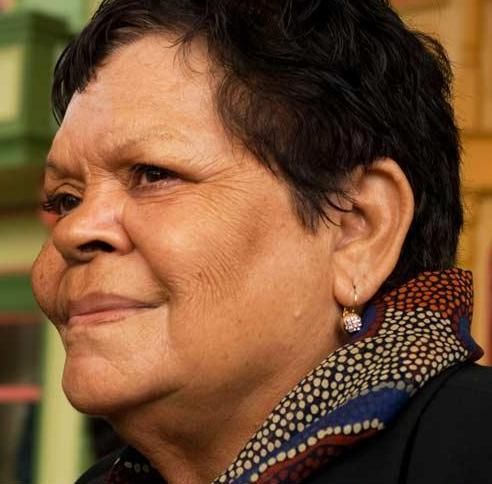
Professor David Crompton OAM, Professor of Mental Health Research,
        Australian Institute for Suicide Research and Prevention, Griffith
        University

12:30   Session: Australian Institute for Suicide Research and Prevention
        Chaired by Dr Vicki Ross, Senior Research Fellow, Australian Institute for
        Suicide Research and Prevention

12:30   “Advancing Suicide Research: Public health model and epidemiology”
        Dr Kairi Kõlves, Principal Research Fellow, Australian Institute for Suicide
        Research and Prevention

12:40   “Real-time suicide mortality data in Queensland during the COVID-19
        pandemic”
        Dr Stuart Leske, Senior Research Assistant, Australian Institute for Suicide
        Research and Prevention

12:50   “Protective effects of cultural connection on suicide mortality: Implications for
        strategies to close the gap in Aboriginal and Torres Strait Islander suicide
        disparities”
        Mrs Mandy Gibson, Senior Research Assistant, Australian Institute for
        Suicide Research and Prevention
13:00   Discussion

13:15   Close

                                     4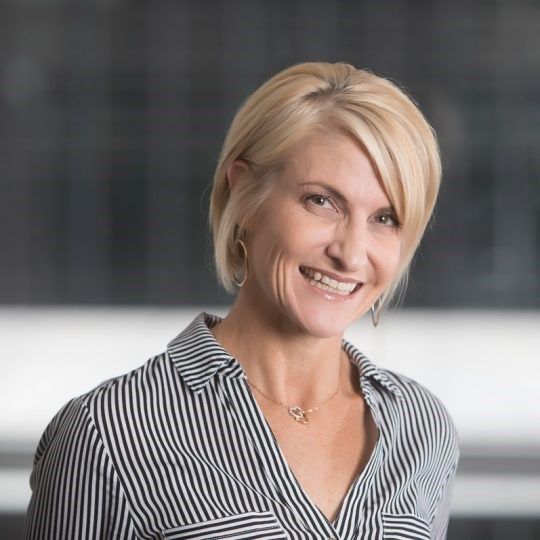
Master of Ceremonies
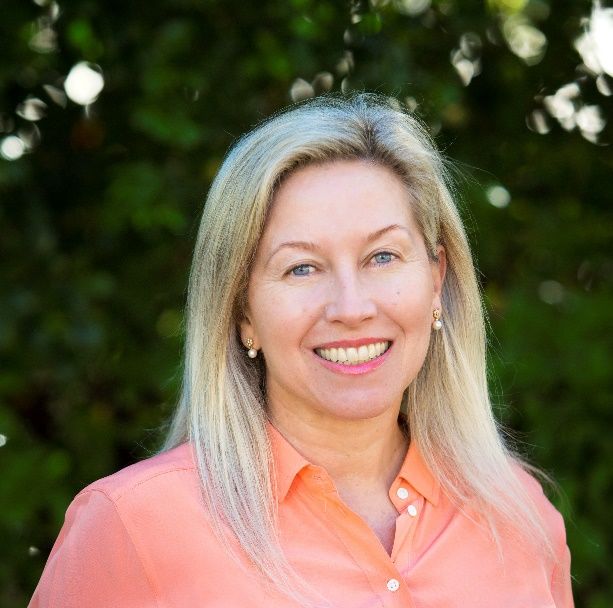
Ms Jacinta Hawgood
BSSc, BPsy(Hons), MClinPsy (MAPS, MCCLP)
Senior Lecturer – Program Director Suicidology Program, Australian Institute for
Suicide Research and Prevention, Griffith University

                                             Jacinta Hawgood is a Senior Lecturer and Program
                                             Director of Suicidology at the Australian Institute for
                                             Suicide Research and Prevention, Griffith University,
                                             where she has worked for over 20 years. She is a clinical
                                             psychologist and suicidologist who has devoted her
                                             career to understanding the suicidal pain and
                                             experiences of those with lived experience of suicide.
                                             Her research and clinical interests are in psycho-social,
                                             person centred suicide risk assessment processes,
                                             personal suicide stigma, the impacts of client/co-worker
                                             suicide on the worker, and suicide prevention training
                                             design and evaluation.
                                             Her PhD (candidate) is in the area of suicide risk
                                             assessment and the feasibility and validity of the
Systematic Tailored Assessment for Responding to Suicidality (STARS) interview protocol. She is
the lead author of STARS protocol published first in 2015 and most recently updated in 2018.
Jacinta has provided expert advice and guidance on suicide risk assessment, and other suicidology
topics to state and national government departments and private organisations. She has presented
research findings at a range of state, national and international conferences, has co-authored and
edited a book, book chapters, and numerous peer-reviewed articles and government reports in the
field. Jacinta is a non-executive Director of the Board of Suicide Prevention Australia, and Mates in
Construction (Qld/NT), and a member on several national and international advisory boards
regarding suicide prevention.

                                                  5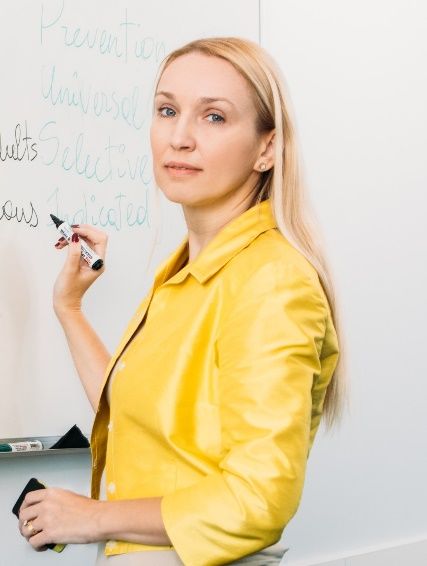
Welcome to Country
Aunty Carol Currie
Yugambeh Elder and Traditional Land Owner

                               Distinguished Community Elder, Aunty Carol Currie, was born in
                               the 1940s as one of 11 children living off the land at Fingal. Each day
                               they would gather fresh sea food, sharing their meals with elders
                               and their large extended family. At age 13, Aunty Carol moved with
                               her family to Wacol. She is a member of the Brisbane Council of
                               Elders.

General Welcome
Professor Carolyn Evans, Vice Chancellor and President, Griffith University
Professor Carolyn Evans, BA LLB ( Hons )
(Melb), DPhil (Oxon) FASSA commenced her
appointment as Vice Chancellor and President of
Griffith University in February 2019, leading one of
Australia’s fastest-growing and most progressive
tertiary institutions, ranked in the top 2% of
universities worldwide.

Prior to joining Griffith, Professor Evans was
Deputy       Vice-Chancellor    (Graduate     and
International) and Deputy Provost (2017-2018) at
the University of Melbourne, and Dean and
Harrison Moore Professor of Law, University of Melbourne Law School (2011-2017). Professor
Evans has degrees in Arts and Law from the University of Melbourne and a doctorate from Oxford
University, where she studied as a Rhodes Scholar and held a stipendiary lectureship for two
years. In 2010, Carolyn was awarded a Fulbright Senior Scholarship to allow her to travel as a
Visiting Fellow to American and Emory Universities to examine questions of comparative religious
freedom. She has also taught in the human rights summer school at European University Institute.
Throughout her career, Carolyn has promoted the importance of universities combining excellence
in teaching and research with a commitment to social justice and inclusion.
Carolyn works in the areas of law and religion and human rights and has published and spoken on
these issues around the world.

                                                 6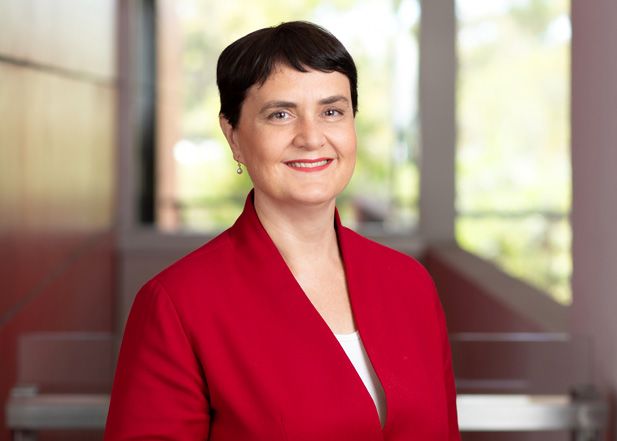
Lived Experience Acknowledgment, Safety and Self-care message
Martina McGrath, Research, Evaluation, Diversity, Equity and Inclusion Officer, Roses
in the Ocean

                                         Martina has worked in Occupational Health and
                                         Safety and Human Resource Management and is
                                         now undertaking a PhD at the University of
                                         Queensland, with a research focussing on lived
                                         experience of suicide.

                                          7
SELF-CARE
Planning our self-care is a proactive step to looking after our mental and emotional wellbeing.

As a person with a lived experience of suicide, choosing to engage in suicide prevention activities
and sharing your very personal insights, perspectives and expertise, is a decision that deserves
careful consideration.

We know that those of us who have lived experience also have developed incredible resilience and
heightened insight into our own emotional wellbeing. Our desire to help others can however
sometimes lead to us giving a lot of ourselves to others, which needs to be proactively managed
and reviewed.

We also understand that a lived experience of suicide never leaves us, and that we can experience
different emotions of varying intensity throughout any given time period. We may experience
these reactions while preparing to be involved, while participating, or even in the days or weeks
afterwards.

So, it is really important that we take time to identify some potential triggers for strong emotional
responses, and plan to manage them. Furthermore, accepting that we live in a world of multiple
stressors, not just our contribution through our lived experience, it is equally helpful to have some
strategies in place to manage daily stress levels.

We don’t plan for a fire when the fire breaks out, we have a plan in place, and it is reviewed regularly.
And so, it is for ourselves . . . the time to plan for our self-care is before we actually need to activate
it!

See: https://rosesintheocean.com.au/self-care/

                                                     8
Message from Emeritus Professor Diego de Leo AO, ideator of World Suicide
Prevention Day

                                    Diego de Leo is Emeritus Professor of Psychiatry at Griffith
                                    University. Recognised internationally as a leading scholar in
                                    the field of suicide research and prevention, he was the
                                    Director of the Australian Institute for Suicide Research and
                                    Prevention (AISRAP) from 1998 to 2015.

                                   Professor de Leo is Past President of the International
                                   Association for Suicide Prevention (IASP) and co-founder and
                                   Past President of the International Academy for Suicide
                                   Research (IASR) of which he also co-founded the journal
                                   Archives of Suicide Research. Prof de Leo is the originator of
                                   the World Suicide Prevention Day (2003), a global initiative of
the World Health Organization. He is the Director of the Department of Psychology, University of
Primorska, Slovenia.

Professor de Leo has published extensively with more than 500 peer-reviewed journal articles, 180
book chapters, 38 volumes, and over 250 conference presentations. He is a member of the Editorial
board of several international journals, and the Editor Emeritus of the journal CRISIS. He has won
several national and international awards including the Morselli Medal, for an outstanding lifetime
contribution to the study of suicidal behaviour. His current research topics include definitional
issues and data quality in suicide statistics, suicidal behaviour across different cultures, and
bereavement from suicide and other traumatic deaths.

Access the recorded message at: https://youtu.be/IbKt0VtIexY

                                                9
Keynote session
Chaired by Dr Kairi Kõlves, Principal Research Fellow, Australian Institute for Suicide
Research and Prevention
Dr Kairi Kõlves is Principal Research Fellow at the Australian
Institute for Suicide Research and Prevention, and Co-director
of the WHO Collaborating Centre for Research and Training in
Suicide Prevention, School of Applied Psychology, Griffith
University.
She is also the Course Convenor of Masters Courses.
She has been working in suicide research and prevention since
1998. Prior to joining the AISRAP team in 2008, she worked at
the Estonian-Swedish Mental Health and Suicidology Institute.
Dr Kõlves has been involved in several Australian, Estonian and
international projects and has published over 100 peer-reviewed
papers, numerous reports and book chapters on suicide research
and prevention.
10Providing Text-based Emotional Support to Distressed Youth in Hong
Kong; Opportunities and Challenges
Professor Paul Yip, Director of the HKJC Centre for Suicide Research and Prevention
(CSRP), Hong Kong University
Abstract:
Background: Crisis and emotional support services delivered through online platforms can
potentially offer an efficient and intelligent solution to address mental health problems for digital
generations. This study describes early learnings of Open Up, the first of its kind, round-the-clock
online text-based counselling platform in Hong Kong.
Methods: Users of Open Up can access the service through different portals. It features
accessibility, anonymity, immediacy, and the use of technology. Chat data can be interpreted as
algorithms for topic classification, risk assessment and good-practice modelling.
Results: In its first 18 months, 37,397 cases were supported. These included 3.4% in crisis, 1.9% with
high risk, 13.2% medium risk, and 81.5% low risk. Most users (64.89%) were young adults (aged 18-
35 years). The average chat duration was 55 minutes.
Discussion: Challenges included accuracy of suicide risk screening, policies for handling frequent
users, development of artificial intelligence to detect suicide risk, and the involvement and
participation of volunteers. Future research will focus on developing good-practice models which
include positioning of the platform, service protocols, standardized risk assessment tools, adaptive
online counselling skills, offline and online interventions, and capacity modelling for future
development and sustainability.
Keywords
Online Counselling, Crisis Intervention, Synchronous Counselling, Text-based Counselling, Suicide
Prevention
Biography:
Paul Yip is the founding director of the Centre of Suicide
Research and Prevention and a chair professor of the
Department of Social Work and Social Administration at
The University of Hong Kong. He was the second vice
president of the International Association of Suicide
Prevention (IASP) and he has provided consultancy
service on Suicide Prevention to many countries,
including Japan, Taiwan, Singapore, Macau and South
Korea. He has served as the chairman of the committee
of preventing students’ suicide in Hong Kong. He is a
recipient of the Stengel Research award in 2012,
outstanding supervisor and researcher of the University
of Hong Kong in 2011 and 2009 respectively; a
distinguished alumni of La Trobe University, Australia. He has served as an advisor and
consultant for the World Health Organization on suicide prevention. He is a member of the
Media and suicide Prevention task force of the IASP. He has published more than 500
research papers relating to population health and suicide prevention.
11Video message from Queensland Mental Health Commissioner Ivan Frkovic
Launching of the Panel discussion “COVID-19, suicide prevention, and looking to the
future” and “Suicide in Queensland: Annual Report 2020, Australian Institute for
Suicide Research and Prevention”
Ivan Frkovic was appointed Commissioner from
1 July 2017 and brings substantial policy, academic
and patient-centred experience to the role.
He was Deputy Chief Executive Officer, National
Operations for Aftercare, one of Australia’s oldest
non-government mental health organisations. His
responsibilities included leading Aftercare’s
national operations and overseeing the
development and implementation of new programs
and services.
Prior to his five years with Aftercare, Ivan held senior government positions including as Director,
Mental Health Programs and Reforms in the Department of Communities, where he was
responsible for policy development, funding and reform of the non-government mental health
sector in Queensland.
Ivan has worked extensively within the mental health system in Queensland for some 20 years,
holding a number of senior positions across Government. He was also a director within the Mental
Health Branch of Queensland Health where he led the Queensland Mental Health Commission
Transition Team, which supported the establishment of the Commission.
While in the mental health sector, Ivan has focused on realising the benefits of strengthening
partnerships and collaboration, into fully integrated relationships.
Ivan’s experience across government and non-government organisations provides valuable
insight to help bring all sectors together to focus on delivering better mental health outcomes for
Queenslanders.
He has made a significant contribution to community mental health through published papers and
articles.
As Commissioner, he has led the development of Shifting minds, Queensland's renewed Mental
Health, Alcohol and Other Drugs Strategic Plan 2018-2023.
He is also fluent in Croatian.
12Panel discussion: COVID-19, suicide prevention, and looking to the future
Chaired by Ms Bretine Curtis, Queensland Mental Health Commission Executive
Director
Bretine Curtis was appointed Interim Executive
Director in December 2019.
Bretine’s 25 years of experience in mental
health, alcohol and other drugs and suicide
prevention is underscored by her passion for
systems and service improvement.
Before joining the Commission in early
2019, Bretine held senior leadership positions
in the West Moreton Hospital and Health
Service. As the Interim Executive Director,
Mental Health and Specialised Services, she
was responsible for the region’s mental health
and drug and alcohol services, primary health
services in prisons, and statewide forensic
mental health, learning, research and benchmarking programs.
She also held a Director role in service development and performance, leading the development
and monitoring of strategic and operational planning and service improvement. Bretine has led
mental health education across Queensland, including work to support forensic mental health
service clinical risk assessment and information packages.
As the Commission’s Interim Executive Director, Bretine oversees the implementation of
the Shifting minds: Queensland Mental Health Alcohol and Other Drugs Strategic Plan 2018-
2023 and provides high-level analysis and advice about mental health, substance misuse and
suicide prevention reform.
Bretine holds a Bachelor of Social Work and has extensive experience across health and social
services.
13Meet the Panel
Ms Janet Martin, Director, Clinical Governance, Office of the Chief Psychiatrist; Mental
Health Alcohol and Other Drugs Branch, Queensland Health
Janet Martin has worked for almost 30 years in Queensland Health,
including 10 years as an Occupational Therapist in various mental health
service settings and 20 years in statewide mental health policy and
program management roles. She is currently the Director of Clinical
Governance in the Mental Health Alcohol and Other Drugs Branch which
involves providing advice, monitoring and supporting quality and safe
care, and continuous improvement in hospitals and health services.
Professor Ella Arensman, Scientific Director, National Suicide Research Foundation
(NSRF), Research Professor, School of Public Health, University College Cork, Ireland
and Visiting Professor, Australian Institute for Suicide Research and Prevention, Griffith
University
Ella Arensman is Research Professor with the School of
Public Health, University College Cork and Chief Scientist
with the National Suicide Research Foundation (NSRF,
Ireland. She is Vice President of the European Alliance
Against Depression, and past President of the International
Association for Suicide Prevention.
She is Visiting Professor with the Australian Institute for
Suicide Research and Prevention, Griffith University,
Brisbane.
She is also Associate Editor of Crisis, The Journal of Crisis Intervention and Suicide Prevention.
Professor Arensman has been involved in research and prevention into suicide and self-harm for
more than 30 years, with emphasis on risk and protective factors associated with suicide, self-harm
and related mental health and social problems, and effectiveness of suicide prevention and self-
harm intervention programmes. In Ireland, she played a key role in developing the first and second
National Suicide Prevention Programme: Reach Out, 2005-2014, and Connecting for Life, 2015-
2020. She was involved in a successful application for the NSRF to become a WHO Collaborating
Centre in Surveillance and Research in Suicide Prevention and she is an expert advisor for WHO.
She has published more than 140 papers in peer review journals as well as reports for government
departments and policy makers.
14Rebecca Johnson, Co-chair and lived experience representative of the mental health
consumer peak project steering committee
Rebecca hails from Bundaberg, Queensland and currently
lives in Brisbane. She has been an active part of national and
state conversations in mental health and suicide prevention
for more than 10 years. She’s a proud Aboriginal and
Australian South Sea Islander woman; her passion for being
an advocate for changes within diverse mental health
systems flows from not only her own lived experience, but
also from listening to the stories of many people from some
of the most vulnerable populations and communities. She
is committed to ensuring that these voices remain at the
forefront of any conversation, co-design or collaboration
that aims to improve the mental health and wellbeing of
our Queensland communities. Rebecca is also an award recipient of the national Out for Australia
award for my leadership and role modelling in LGBTIQ advocacy and inclusion.
Professor David Crompton OAM, Professor of Mental Health Research, Australian
Institute for Suicide Research and Prevention, Griffith University
David Crompton is the Professor of Mental Health Research at
the Australian Institute for Suicide Research and Prevention, and
also holds a joint appointment with Metro South Hospital and
Health Services, and academic titles with The University of
Queensland and Queensland University of Technology. He was
awarded an Order of Australia (OAM) for development of
community based mental health services for veterans, and the
development of community Post Traumatic Stress Disorder
(PTSD), and anxiety and substance abuse treatment services.
Professor Crompton worked in private practice as a rural general
practitioner prior to commencing psychiatry training and spent
12 years in private psychiatry practice.
Professor Crompton has subsequently held leadership roles in
Queensland Health and New South Wales Health Mental Health
Services.
15Suicide in Queensland: Annual Report 2020
The Suicide in Queensland Annual Report 2020 (Suicide in Queensland) provides recent suicide
trends in Queensland to help target and inform suicide prevention activities in Queensland by
understanding the circumstances in which suicides occurred. This report focuses on information
from 1990 to July 2020. The information comes from a public health surveillance system - the
Queensland Suicide Register (QSR) and the interim Queensland Suicide Register (iQSR).
Citation:
Leske, S., Adam, G., Schrader, I., Catakovic, A., Weir, B., & Crompton, D. (2020). Suicide in Queensland:
Annual Report 2020. Brisbane, Queensland, Australia: Australian Institute for Suicide Research and
Prevention, Griffith University
This Report is available for download from AISRAP’s webpage:
https://www.griffith.edu.au/griffith-health/australian-institute-suicide-research-
prevention/research/qsr
16Session: Australian Institute for Suicide Research and Prevention
Chaired by Dr Vicki Ross, Senior Research Fellow, Australian Institute for Suicide
Research and Prevention
Biography:
Dr Victoria Ross is a senior research fellow at
the Australian Institute for Suicide Research and
Prevention (AISRAP). Her key research focus is across
the areas of workplace mental health and suicide
prevention, postvention support for the suicide
bereaved, suicide hot spots, and suicide prevention
program evaluation. She has received research funding
from a range of Australian national competitive grants,
government and commercial consultancy projects
(including the National Health and Medical Research
Council, Lifeline Foundation, Gold Coast University
Hospital, Richmond Fellowship Queensland, Mates in
Construction, and Energy Queensland). She is currently
the Australian chief investigator on the international
research collaboration, MINDUP, which will trial a workplace mental health intervention across
eight international sites.
17Advancing Suicide Research: Public health model and epidemiology
Dr Kairi Kõlves, Principal Research Fellow and Course Convenor, the Australian Institute
for Suicide Research and Prevention, and Co-director of the WHO Collaborating Centre
for Research and Training in Suicide Prevention, Griffith University
Abstract:
Epidemiology is not only about counting morbidity and mortality, it also studies prevention and
control of health conditions and is therefore a cornerstone of public health. Although the World
Health Organization has been calling for the use of the public health model in suicide prevention,
the link to epidemiology is not clear and seems to be often limited to the rates of suicide and
attempted suicide. The aim of the current presentation is to discuss the main scope and use of
epidemiology in the context of suicide research and prevention. The proper understanding of the
main concepts in epidemiology, use of epidemiological measures, and study designs is central to
the success of suicide prevention.
Biography:
Dr Kairi Kõlves is Principal Research Fellow at the Australian
Institute for Suicide Research and Prevention, and Co-
director of the WHO Collaborating Centre for Research and
Training in Suicide Prevention, School of Applied
Psychology, Griffith University.
She is also the Course Convenor of Masters Courses. She has
been working in suicide research and prevention since 1998.
Prior to joining the AISRAP team in 2008, she worked at the
Estonian-Swedish Mental Health and Suicidology Institute.
Dr Kõlves has been involved in several Australian, Estonian
and international projects and has published over 100 peer-
reviewed papers, numerous reports and book chapters on
suicide research and prevention.
18Real-time suicide mortality data in Queensland during the COVID-19 pandemic
Dr Stuart Leske, Senior Research Assistant, Australian Institute for Suicide Research
and Prevention, Griffith University
Abstract:
This presentation will discuss suspected suicides from 1 January 2015 to 31 July 2020. This talk will
include caveats about interpreting real-time suicide mortality data, before presenting monthly
numbers, crude rates and age-standardised rates of suspected suicides by Queensland residents
from 2015 to July 2020. Following these numbers and rates, the talk will present the results of
interrupted time-series Poisson and negative binomial regressions comparing suspected suicides
before and after the public health emergency declaration on 29 January 2020 in Queensland. The
talk will also share some impacts of COVID-19 on suspected suicides described in police reports.
Lastly, this talk will conclude by referring to the Mindframe guidelines for sharing these statistics
with others.
Biography:
Dr Stuart Leske has had the privilege of working at the
Australian Institute for Suicide Research and Prevention since late
2017. He is a senior research assistant at AISRAP and has been
the project manager for the Queensland Suicide Register since
early 2018.
He has lived experience of suicidal ideation and a major
depressive episode, which makes him passionate about
suicide prevention.
He has co-authored two annual reports on suicide in
Queensland and a recent global systematic review on the
effects of suicide prevention interventions for Indigenous
people. He is interested in reducing suicide disparities.
19Protective effects of cultural connection on suicide mortality: Implications for
strategies to close the gap in Aboriginal and Torres Strait Islander suicide
disparities
Mrs Mandy Gibson, Psychologist, Senior Research Assistant, PhD Scholar
Abstract:
This session will present findings from a recent study utilising Queensland Suicide Registry (QSR)
suicide mortality data to examine effects of community-level cultural indicators on variations in
Aboriginal and Torres Strait Islander suicide rates. This presentation will also examine interaction
effects of culturally-specific community protective factors to buffer and provide resilience against
suicide mortality within regions with greater environmental and social risk factors, including socio-
economic disadvantage, reported discrimination rates, and remoteness. Future research directions
and practice and policy implications for these findings will be discussed in the context of the recent
National Agreement on Closing the Gap inclusion of reducing Indigenous suicide rates as a target.
Biography:
Mandy has over a decade of clinical experience as a
Psychologist (AMHP) providing risk assessment and treatment
to young people experiencing suicidality, complex trauma, self-
harm and other mental health issues.
She coordinated public health research projects exploring First
Nations' community perceptions of mental health services and
barriers to accessing treatment, in order to develop culturally
appropriate and community-approved models of service
delivery for young people.
In partnership with Indigenous health and education
representatives, Mandy developed and delivered a social and
emotional wellbeing program to address the disparity between
Indigenous youth suicide rates and mental health service
attendance which received a Mental Health Achievement
Award and a Healthcare Improvement Award.
Since 2013, Mandy has worked at the Australian Institute for
Suicide Research and Prevention (AISRAP) as a Senior Research Assistant and is now completing a
PhD exploring protective mechanisms against suicidality for Aboriginal and Torres Strait Islander
young people and communities.
20Important Information and Housekeeping
Please take a few minutes to review the COVIDSafe guidelines and housekeeping notes
below, and feel free to ask any questions.
COVIDSafe guidelines
Please follow signs and guidance from library staff as you enter the venue to help maintain social
distancing and stay COVID safe. You will be directed to sit in certain chairs to maintain
appropriate physical distancing. Please try and return to the same seat after you return from the
break. Remember:
· Don’t come to the event if you are unwell
· Maintain physical distancing of 1.5m
· Ensure you follow good hygiene practices eg. hand-washing and sanitising
· We will collect your personal details for contract tracing if required and this will be held
for 56 days
Registration
Registration commences at 9:30 for Event commencement at 10:00 sharp.
Support services
A Lifeline counsellor is available onsite and a designated area has allocated should you require
support.
Facilities
Please enquire with SLQ Venue Officer should you require any business support/equipment.
Bathrooms
Bathrooms are located in the foyer just outside the auditorium on level 2.
Evacuation
In the event of an emergency, an alarm will sound and SLQ staff will immediately evacuate the
building. Under the direction of the SLQ fire wardens, please make your way to the nearest exit and
move to the assembly point which is Kurilpa Park.
Smoking
Smoking is not permitted in or around the building.
Public WiFi
slqwireless is open to the public.
Morning Tea and Break
Morning tea will be served on the Terrace at approximately 11:00 am.
Mobile Phones
Delegates are requested to please turn off mobile phones or place them on silent mode in
consideration of other participants and speakers.
21SLQ Team
Venue Officer (front of house contact) – Sophie O’Brien
Venue Technician – Chris Neehause
Webcast Technician – Peter Liddle
Zoom Technician – Mark Cheney
Camera Operator – Ben Elliott
Support services
Needing support?
National 24/7 crisis services:
• beyondblue: 1300 22 4636 www.beyondblue.org.au
• Lifeline: 13 11 14 www.lifeline.org.au
• State mental health crisis line Qld: 13 HEALTH (13 43 25 84)
• Suicide Call Back Service: 1300 659 467 www.suicidecallbackservice.org.au
Specific 24/7 crisis services:
• Young people aged 5-25 years - Kids Helpline: 1800 55 1800 www.kidshelp.com.au
• Men - MensLine Australia: 1300 78 99 79 www.mensline.org.au
• Bereavement support - National StandBy Response Service 07 5442 4277
• Veterans and Veterans Families Counselling Services 1800 011 046
Specific crisis services (not 24/7):
• Carers - Carers Australia 1800 242 636 www.carersaustralia.com.au
• Bereavement - GriefLine 1300 845 745 (National, landline only); (03) 9935 7400 (National and
metro Melbourne) midday to 3am AEST, 7 days a week. www.griefline.org.au
• Bereavement in secondary schools - headspace School Support 1800 688 248
• LGBTI Australians - QLife 1800 184 527 3:00pm to midnight every day www.qlife.org.au
• Those affected by mental illness - SANE Australia 1800 18 SANE (1800 18 7263) 9am-5pm on
week days www.sane.org
• Youth - eheadspace 1800 650 890 www.eheadspace.org.au
22You can also read


