Prospectus 2021 - Te Rito Maioha
←
→
Page content transcription
If your browser does not render page correctly, please read the page content below
2021 Prospectus
CATEGORY
           1
               This means you can have
               absolute confidence in the
PROVIDER       quality of all our programmes.
Te Rito Maioha is a leading
                         provider of new knowledge,
                         fresh thinking and best practice.

Te Rito Maioha was formed in 1963 as the           We have more than 55 years of experience in
New Zealand Association of Childcare Centres       teacher education, advocacy and promotion
by prominent women’s rights activist, politician   of world-leading early childhood education.In
and peace campaigner Sonja Davies.                 2021, we are launching a Bachelor of Teaching
                                                   (Primary)* programme.
                                                   * Pending NZQA and Teaching Council approval
3

Contents
Why study with us?                                                                    4
He aha te take me ako koe i tō mātou taha?
Programme pathways                                                                    5
Te huarahi hōtaka
Methods of delivery                                                                   6
Ngā āhuatanga tuku
Programmes overview                                                                   7
Hōtaka whānui
How to apply                                                                          8
Te tono
What makes Te Rito Maioha unique?                                                    10
He aha ngā āhuatanga motuhake o Te Rito Maioha?

Undergraduate programmes – Tohu paetahi                                              11
  New Zealand Diploma in Early Childhood Education (Aperfield Montessori)            12
  Tohu Pōkairua Mātauranga Kōhungahunga (Aperfield Montessori)
  New Zealand Diploma in Early Childhood Education (Pasifika)                        13
  Tohu Pōkairua Mātauranga Kōhungahunga (Pasifika)
  New Zealand Diploma in Early Childhood Education (Home-based Care)                 14
  Tohu Pōkairua Mātauranga Kōhungahunga (Home-based Care)
  Bachelor of Education (ECE)                                                        15
  Tohu Paetahi Mātauranga (ECE)
  Bachelor of Teaching (ECE)**                                                       16
  Tohu Paetahi Whakaako (ECE)
  Bachelor of Teaching (Primary)*                                                    18
  Tohu Paetahi Whakaako (Primary)

Graduate programmes – Tohu pōkairua paetahi                                          20
  Graduate Diploma of Teaching (ECE)**                                               21
  Te Poutama ki te Pakaritanga

Postgraduate programmes – Tohu pōkairua tautara                                      22
  Postgraduate Diploma: Infant and Toddler Learning and Development                  23
  Pōkairua Tautara: te Akoranga Kōhungahunga me te Whanaketanga
  Postgraduate Diploma in Leadership (ECE)                                           24
  Tītohu Paerua i te Ārahitanga (ECE)
  Postgraduate Diploma in Leadership (ECE) Trans-Tasman Initiative                   25
  Tītohu Paerua i te Ārahitanga (ECE) Te Pāpaka-a-Māui/Aotearoa
                                                                                             Te Rito Maioha Prospectus 2021

  Master of Education (ECE)                                                          26
  Tohu Paerua (ECE)

Other programmes – Ngā hōtaka atu                                                    28
  ECE Diploma to Degree Upgrade Programme                                            29
  Whakamohoa Tītohu
  Teacher Education Refresh (TER)                                                    30
  Ara Tū Whakaako
 * Pending NZQA and Teaching Council approval
** We currently deliver this programme however we have submitted our new programme aligned
   with Our Code Our Standards which is pending NZQA and Teaching Council approval
4

    Why study with us?
    He aha te take me ako koe i tō mātou taha?

    Te Rito Maioha Early Childhood New Zealand (ECNZ) specialises
    in teacher education, offering a range of diploma, degree and
    postgraduate programmes.

                                    Te Rito Maioha’s programmes reflect our commitment to
                                    bicultural kaupapa and the best of local and international
                                    research and practice.
                                    We are proud to be one of New Zealand’s top early childhood
                                    teacher education providers, having been awarded the highest
                                    quality rating by the New Zealand Qualifications Authority
                                    (NZQA) in our external evaluation and review.

                                    Students tell us that they choose to
                                    study with Te Rito Maioha because:
                                     all our programmes have a bicultural focus

                                     students gain practical experience and can earn as they learn

                                     students graduate as highly qualified teachers and are
                                     employment ready, already employed or ready to take on
                                     leadership responsibilities

                                     we have 11 teaching bases across New Zealand that give
                                     students access to our highly qualified teaching staff who offer
                                     academic support as well as pastoral care

                                     each base has a pouako who supports students to build
                                     their te reo Māori me ngā tikanga Māori (language and
                                     protocols) knowledge and skill

                                     students value being part of Te Rito Maioha whānau.

                                      Contact us
                                      Whakapā mai ki ā mātou

                                      Call 0800 244 532 or
                                      email studentservices@ecnz.ac.nz or
                                      go to www.ecnz.ac.nz
5

Programme pathways
Te huarahi hōtaka

                                                                    Master of Education (ECE)

Level 9

                                                   Postgraduate Diploma in          Postgraduate Diploma:
                                                   Leadership (ECE)                 Infant and Toddler
Level 8                                                                             Learning and Development

Level 7   Bachelor of Teaching         ECE Diploma to Degree           Bachelor of Teaching          Graduate Diploma of      Bachelor of Education
          (Primary)                    Upgrade Programme               (ECE)                         Teaching (ECE)           (ECE)

Level 5                                New Zealand Diploma in          New Zealand Diploma           New Zealand Diploma in
                                       ECE (Aperfield Montessori)      in ECE (Pasifika)             ECE (Home-based Care)

Teacher registration pathway

                       Teacher Education                            Teacher registration
                       Refresh

Level 7
                                  Bachelor of Teaching              Bachelor of Teaching         Graduate Diploma of
                                  (Primary)                         (ECE)                        Teaching (ECE)

                                                                                                  Bachelor of Education
                                                                                                  (ECE)
                                                                                                                                                      Te Rito Maioha Prospectus 2021

Level 5                              New Zealand Diploma in          New Zealand Diploma          New Zealand Diploma in
                                     ECE (Aperfield Montessori)      in ECE (Pasifika)            ECE (Home-based Care)

 LEGEND

  New      Existing
6

    Methods of delivery
    Ngā āhuatanga tuku

    Online blended learning                      Fully online learning                        Field-based learning
    Akoranga whakauruuru                         Akoranga ā ipurangi                          Akoranga-a-whare
    Our blended learning approach combines       Some of our programmes are fully online,     Many of our programmes have field-
    online learning with face-to-face block      which means that you can study from          based study requirements, which
    courses or noho marae. It is flexible and    home with no commitment to attending         means that you need to be working or
    means that you can study from anywhere       face-to-face block courses. Your study       volunteering in an education setting for
    in New Zealand.                              will be self-directed, but you will engage   a set period of time. This requirement
                                                 with lecturers and other students through    enables you to study and work at the
    You will study online using the latest
                                                 your online study portal.                    same time and immediately put what you
    pedagogical approaches and techniques.
                                                                                              learn into practice in an education setting.
    You will engage in learning online with
    lecturers and other students as well as at
    the face-to-face block courses or noho
    marae in one of our 11 regional bases.
    Our lecturers will support, guide
    and empower you throughout your
    programme. Other students will also play
    a supportive role in your success.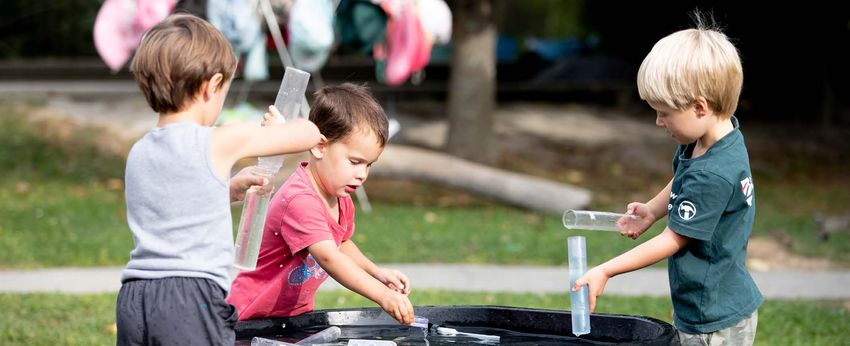
7

Programmes overview
Hōtaka whānui

                                                                                                           FULL-TIME                BLOCK
                                                                                                          PROGRAMME                COURSES                  INTAKES
  PROGRAMME                                                       LEVEL              CREDITS               DURATION                PER YEAR                PER YEAR

  Undergraduate programmes

  New Zealand Diploma in Early Childhood                              5                 120                   1 year                     1                       1
  Education (Aperfield Montessori)

  New Zealand Diploma in Early Childhood                              5                 120                   1 year                     0                       2
  Education (Pasifika)

  New Zealand Diploma in Early Childhood                              5                 120                   1 year                     0                       2
  Education (Home-based Care)

  Bachelor of Education (ECE)                                         7                 360                  3 years                     0                       2

  Bachelor of Teaching (ECE)**                                        7                 360                  3 years                     0                       2

  Bachelor of Teaching (Primary)*                                     7                 360                  3 years                     0                       1

  Graduate programmes

  Graduate Diploma of Teaching (ECE)**                                7                 150                   1 year                     2                       1

  Postgraduate programmes

  Postgraduate Diploma: Infant and Toddler                            8                 120                 1 year***                    0                       2
  Learning and Development

  Postgraduate Diploma in Leadership (ECE)                            8                 120                 1 year***                    2                       2
                                                                                                                                                                              Te Rito Maioha Prospectus 2021

  Postgraduate Diploma in Leadership (ECE)                            8                 120                  2 years                     2                       1
  Trans-Tasman Initiative

  Master of Education (ECE)                                           9             120–240                 1–3 years                    0                       2

  Other programmes

  ECE Diploma to Degree                                               7               60–90                 1–2 years                    0                       1
  Upgrade Programme

  Teacher Education Refresh                                         n/a                 n/a                 4 months                     0                     2–3

  * Pending NZQA and Teaching Council approval
 ** We currently deliver this programme however we have submitted our new programme aligned with Our Code Our Standards which is pending NZQA and Teaching Council approval
 *** We recommend students study this programme part-time, this would make the duration 2 years
8

       How to apply
       Te tono

       We would love to have you study with us. Please follow the
       application process below.

                                                               Apply online at
                                                                ecnz.ac.nz

                                                             You will receive an
                                                            email acknowledging
                                                              your application

                  Postgraduate                                 Initial teacher                            Other
                  programmes                                     education                             programmes

      To complete your application, please           To complete your application, please   To complete your application, please
      return the following:                          return the following:                  return the following:
        Student ID and verification form              Student ID and verification form       Student ID and verification form

        Verified accademic transcript                 Student education agreement form       Student education agreement form

        Verified copy of your degree certificate      Confidential referees form             Confidential referees form

        Supporting documentation                      Supporting documentation               Supporting documentation

             Download forms here*                          Download forms here*                   Download forms here*

                                                            If your application
                                                           is accepted, we will
                                                          contact you to arrange
                                                                an interview

                      Accepted                                   Successful                              Accepted

                       Enrolled                                   Enrolled                                Enrolled

    * You may need to download a QR code reader
      from your mobile App Store. All forms can be
      downloaded at www.ecnz.ac.nz/forms.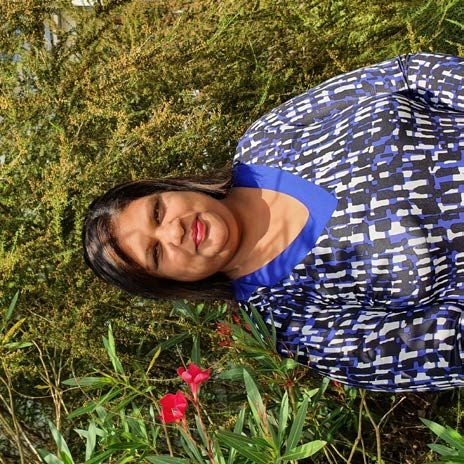
9

Key information
Ko ngā kōrero nui

Please contact our Student Services team on 0800 244 532
or email studentservices@ecnz.ac.nz if you want advice or
help with your application.

  Verified identification and citizenship                      Your employer or someone who has observed your
                                                               work with children needs to send a confidential referee’s
  You must provide the following:                              report directly to Te Rito Maioha’s National Office. They
       • Evidence of your name, age and New Zealand            cannot be a relative.
         or Australian citizenship or permanent residency.     You or your employer needs to send us your student
         This should be in the form of a verified birth        education agreement form. By completing this form,
         certificate, passport, residency permit or            the education service is indicating it is willing to support
         New Zealand citizenship certificate.                  your application and will continue to support you
       • A verified copy of your marriage certificate if       throughout your study.
         your married name differs from the name on any
         of the above documents.
       • Student ID and a verification of identity form,
         which needs to include a passport-size
         (30x40mm) photo that meets the requirements           Assessment of credit for prior learning (RPL)
         outlined at ecnz.ac.nz.                               Ngā akoranga o mua
  You must also supply verified supplementary evidence         If you would like to have your prior learning assessed,
  in one of the following forms:                               you need to complete the assessment of credit for prior
       • Driver licence                                        learning application form available online at ecnz.ac.nz
                                                               and provide learning outcomes and verified transcript.
       • Kiwi Access Card
                                                               There is no credit for prior learning available for the
       • IRD number                                            Graduate Diploma of Teaching (ECE), Bachelor of
       • New Zealand-issued utility bill issued within the     Teaching (Primary) or Teacher Education Refresh
         previous 6 months                                     (TER) programme.

       • Community Services Card.
                                                                                                                              Te Rito Maioha Prospectus 2021

                                                               If at any point your application will not be progressing
  A verified copy is a photocopy of your original              you will be informed by email.
  document signed as being a true and accurate copy by
  a Justice of the Peace (JP), solicitor, church minister,
  kaumātua, Police officer, school principal, Member of
  Parliament or Te Rito Maioha teaching staff member.
  You can find a list of Justices of the Peace in the Yellow
  Pages of the telephone book or at www.jpfed.org.nz.
What makes
  Te Rito Maioha unique?
He aha ngā āhuatanga motuhake o Te Rito Maioha?

                                           Category 1 provider
                                            We have been awarded the
                                            highest Category 1 quality
                                            rating by the New Zealand
                                                   Qualifications
                                                     Authority
                                                      (NZQA).

                 Bicultural                                         Field-based learning
              Our programmes and                                          Students can be employed and
            organisation are bicultural.                                 put what they learn into practice.
              Staff help students in a                                       Most of our programmes
               supportive bicultural                                           require students to
                    environment.                                                 work in an early
                                                                                    childhood
                                                                                      centre.

        Why is this important?
             He aha tēnei e whakahirahira ai?
      Te Rito Maioha students have high rates of success and become
               the qualified teachers that New Zealand needs.

                   Blended                                                        Pastoral
                   delivery                                                        care
               We combine online with                                  We provide students with care
         face-to-face learning. Students can                         and support through their study as
        study from anywhere in New Zealand.                          well as after they have graduated.

                                                  National
                                                  provider
                                           We have 11 teaching bases
                                       from Whangārei to Ōtepoti | Dunedin.
11
Undergraduate
programmes
Tohu paetahi
Te Rito Maioha Prospectus 202112
Undergraduate programmes
Tohu paetahi
New Zealand Diploma in
Early Childhood Education
(Aperfield Montessori)
Tohu Pōkairua Mātauranga Kōhungahunga (Aperfield Montessori)
Learn to reveal the unique potential in every child.
Students completing this programme will gain the New Zealand Courses
Diploma in Early Childhood Education and Care (Level 5) – Te Tohu Kaupapa
Pōkairua Mātauranga Kōhungahunga Manaaki (Level 5).
The Montessori Philosophy and Methods of Teaching
The programme has been designed for a wide range of students and Learning
including qualified early childhood and primary teachers, unqualified (30 credits)
teachers, parents, carers, psychologists and other interested
The Montessori Philosophy and the Montessori Curriculum
professionals wanting to train in the Montessori Method. (30 credits)
The Aperfield Montessori Method The Child 1
This method of education is a holistic approach based on a lifetime Te Hā o te Tamaiti (30 credits)
of observation and study by Dr Maria Montessori. Contexts of Early Childhood Education 1
Te Rito Maioha worked closely with the Aperfield Montessori Te Hā o te Ao Hurihuri (30 credits)
Trust to develop this specific programme with courses taught by
experienced Montessori-trained teachers. Admission requirements
Ngā hiahiatanga tono
We offer all our students a strong support network including
access to an online lecturer and to learning support. We also To apply for this programme, you must:
encourage students to take full advantage of our 11 teaching
be at least 17 years old (or 18 years old if you are an
bases, where support is available from local academic staff.
international student with the minimum entry requirement being
Academic IELTS Level 5.5 with no score lower than 5)
Programme delivery
Te ara tuku
provide a Confidential Referee Report (which cannot be from a
Online blended learning family member or friend)
Field-based learning
provide evidence that you will be working with children in an
Four 30-credit courses are taught over a 1-year period through a early childhood service
combination of online and face-to-face learning. There is also the
option to study the programme part-time over 2 years. pass a children’s worker safety check as required under the
Two of the courses will be taught concurrently in Semester 1 with Children’s Act 2014, including police vetting
the remaining two taught concurrently in Semester 2.
have NCEA Level 3 (including 10 literacy credits at Level 2 and
If you are a qualified ECE teacher, you may be eligible for credit for
prior learning, which would reduce the programme to 6 months. 10 numeracy credits at Level 1) – if you do not have NCEA
Level 3 or its equivalent, we will consider your application on a
Completion of our Level 5 Aperfield Montessori programme may case-by-case basis.
provide a pathway into our Level 7 Bachelor of Teaching (ECE)
initial teacher education programme and the opportunity to further
your early childhood career.13
Undergraduate programmes
Tohu paetahi
New Zealand Diploma in
Early Childhood Education
(Pasifika)
Tohu Pōkairua Mātauranga Kōhungahunga (Pasifika)
Kia orana. Fakaalofa lahi atu. Mālō e lelei. Tālofa lava. Tālofa ni. Ni sa
bula vinaka. Warm Pasifika greetings.
Students completing this programme will gain the New Zealand Courses
Diploma in Early Childhood Education and Care (Level 5) – Te Tohu Kaupapa
Pōkairua Mātauranga Kōhungahunga Manaaki (Level 5).
The Pasifika Ways of Knowing and Being 1
This programme will be of interest to qualified or unqualified (30 credits)
teachers working in Pasifika or mainstream early childhood centres
The Child 1
who want a deeper knowledge of Pasifika ways of knowing and
Te Hā o te Tamaiti (30 credits)
being, including metaphors such as talanoa and teu le va. It will
also give these educators the skills to enable them to engage The Pasifika Ways of Knowing and Being 2
effectively with Pasifika children and families. (30 credits)
The programme aligns with Ministry of Education and Teaching Contexts of Early Childhood Education 1
Council objectives – embodied in the Tapasā resource – to Te Hā o te Ao Hurihuri (30 credits)
strengthen early childhood teachers’ understanding and skills in
working with Pasifika learners and their families. Admission requirements
Ngā hiahiatanga tono
If you are not a qualified teacher, the programme can be studied
full-time over 1 year or part-time over 2 years. If you are a qualified To apply for this programme, you must:
teacher, you can study the programme part-time over 1 year, which
be at least 17 years old (or 18 years old if you are an international
makes for excellent professional learning and development.
student with the minimum entry requirement being Academic
IELTS Level 5.5 with no score lower than 5)
Programme delivery
Te ara tuku provide a Confidential Referee Report (which cannot be from a
Fully online learning family member or friend)
Te Rito Maioha Prospectus 2021
Field-based learning
provide evidence that you will be working with children in an early
Four 30-credit courses are taught over a 1-year period through childhood service
online learning. There is also the option to study the programme
part-time over 2 years. pass a children’s worker safety check as required under the
Two of the courses will be taught concurrently in Semester 1 with Children’s Act 2014, including police vetting
the remaining two taught concurrently in Semester 2.
have NCEA Level 3 (including 10 literacy credits at Level 2 and 10
If you are a qualified ECE teacher, you may be eligible for credit for numeracy credits at Level 1) – if you do not have NCEA Level 3
prior learning, which would reduce the programme to 6 months.
or its equivalent, we will consider your application on a case-by-
Completion of our Level 5 Pasifika programme may provide a case basis.
pathway into our Level 7 Bachelor of Teaching (ECE) initial teacher
education programme and the opportunity to further your early
childhood career.14
Undergraduate programmes
Tohu paetahi
New Zealand Diploma in
Early Childhood Education
(Home-based Care)
Tohu Pōkairua Mātauranga Kōhungahunga (Home-based care)
Prepare for your future in Courses
Kaupapa
home-based ECE. The Child 1
Te Hā o te Tamaiti (30 credits)
Students completing this programme will gain the New
Understanding the Characteristics of Infants and Toddlers
Zealand Diploma in Early Childhood Education and Care (Level E Mārama ana i ngā Āhuatanga o te Hunga Nohinohi (30 credits)
5) – Te Tohu Pōkairua Mātauranga Kōhungahunga
Manaaki (Level 5). Contexts of Early Childhood 1
Te Hā o te Āo Hurihuri (30 credits)
The programme has been designed specifically for home-
based educators in consultation with the home-based sector Empowering Infants, Toddlers and Young Children to
with a focus on the theory and practice of delivering quality Develop Social Competence
Hei Whakamana i ngā Nohinohi, kia Whakawhanake i ngā
home-based early childhood education and care.
Pukenga Whakawhanaungatanga (30 credits)
The programme is delivered entirely online with no block
courses or practicum components. This means that home- Admission requirements
based educators can work and study at the same time. Ngā hiahiatanga tono
We offer all our students a strong support network including To be eligible to apply for this programme, you must:
access to an online lecturer and to learning support. We also
encourage students to take full advantage of our 11 teaching be at least 17 years old (or 18 years old if you are an
bases, where support is available from local academic staff. international student with the minimum entry requirement
being Academic IELTS Level 5.5 with no score lower than 5)
Programme delivery
Te ara tuku provide a Confidential Referee Report (which cannot be from a
family member or friend)
Fully online learning
Field-based learning provide evidence that you will be working with children in a
home-based setting during your study
Four 30-credit courses will be taught over a 1-year period
through online learning. This programme can be completed pass a children’s worker safety check as required under the
part-time over a 2-year period if desired. Children’s Act 2014, including police vetting
Two of the courses will be taught concurrently in Semester 1
with the remaining two taught concurrently in Semester 2. have NCEA Level 3 (including 10 literacy credits at Level
2 and 10 numeracy credits at Level 1) – if you do not
If you are a qualified ECE teacher, you may be eligible for credit have NCEA Level 3 or its equivalent, we will consider your
for prior learning, which would reduce the programme application on a case-by-case basis.
to 6 months.
Completion of our Level 5 home-based care programme may be employed by a licensed home-based care provider.
provide a pathway into our Level 7 Bachelor of Teaching (ECE)
initial teacher education programme and the opportunity to
further your early childhood career.15
Waheeda Begum – Bachelor of Teaching (ECE)
Through my study, I gained a lot of confidence in myself to teach and learn te reo and
tikanga Māori.
I cannot express my gratefulness enough for the support that I received from the
teaching staff.
I have had an amazing experience studying with Te Rito Maioha.
Undergraduate programmes
Tohu paetahi
Bachelor of Education (ECE)
Tohu Paetahi Mātauranga (ECE)
Take advantage of Te Rito Maioha’s research and teaching expertise
and complete your Bachelor of Education (ECE) with us.
This 360-credit Level 7 degree is for people wanting to gain or Social Identity
add to their knowledge and skills in the field of education, with Te Tuakiri Pāpori (15 credits)
a focus on early childhood education, in order to advance their
career or as a pathway to further study. Cultural Identity and Cultural Responsiveness
Tuakiri Ahurea me Whakarata Ahurea (15 credits)
Career options following completion of our Bachelor of
Education (ECE) are wide-ranging and include ECE centre Professionalism in Early Childhood
manager, child advocate, policy analyst, community strategic Ringa Ngaio i te Whare Kohungahunga (15 credits)
planner, migrant and refugee support person and social or
youth worker. Investigating Curriculum
Kimihia te Marautanga (15 credits)
The programme will also provide a pathway for international students
wanting to learn about New Zealand’s world-leading education Te Whāriki
sector and gain an internationally recognised qualification. Te Whāriki (early childhood curriculum) (15 credits)
The programme may provide a direct pathway into Te Rito In the second and third years, the themes in these courses will
Maioha’s specialist ECE graduate and postgraduate programmes. be expanded on.
Programme delivery Admission requirements
Te ara tuku Ngā hiahiatanga tono
Fully online learning Applicants must meet University Entrance requirements or
equivalent as defined by NZQA (see page 17).
The Bachelor of Education (ECE) is a 3-year full-time degree.
It is taught entirely online and has no block courses or work Applicants who are more than 20 years of age and who do not
requirements. meet the requirements may be accepted for admission where
The programme comprises 22 courses. You will need to set they can demonstrate preparedness for study and qualification
aside approximately 35 hours a week for study. equivalency through work or voluntary experience.
Courses Applicants whose first or primary language is other than
Te Rito Maioha Prospectus 2021
Kaupapa English or te reo Māori will be required to attain a band score
of 6.0, with no category lower than 5.5, for each component
In the first year, you will study eight courses: of the academic version of the International English Language
Introduction to Early Childhood Education Testing System (IELTS).
Te Whakatakinga Kōhungahunga Mātauranga (15 credits)
Academic Skills
Ngā Pūkenga Ngaio i Te Ao Mātauranga (15 credits)
Human Development: Theories of Learning and Development
Te Tupuranga o Te Ira Tāngata: Ngā Ariā o te Ako me Te
Whakawhanake (15 credits)16
Undergraduate programmes
Tohu paetahi
Bachelor of Teaching (ECE)*
Tohu Paetahi Whakaako (ECE)
Become an early childhood education teacher. Study
with Te Rito Maioha and make a difference to the lives
of New Zealand’s youngest tamariki.
Our Bachelor of Teaching (ECE) gives you the knowledge, skills Courses
and practical experience required to begin your career in ECE. Kaupapa
The 3-year Level 7 programme blends online learning with In the first year, you will study five courses:
practical experience in an early childhood setting to prepare
you to become a qualified, registered early childhood teacher The Child
Te Hā o te Tamaiti (30 credits)
If you would like to study for the Bachelor of Teaching (ECE)
over more than 3 years, you can request to study part-time if Teaching and Learning
you complete the programme within an agreed timeframe. Te Hā o te Iwi Mātauranga Māori (30 credits)
Contexts of Early Childhood Education
Programme delivery Te Hā o te Ao Hurihuri (30 credits)
Te ara tuku
The Teacher as Professional
Online blended learning Te Hā o te Kaiako (15 credits)
Field-based learning Professional Practice
Te Hā o te Ngaio (15 credits)
You will study nine 30-credit courses and six 15-credit courses
over 3 years. There are two semesters a year, and both are 16 In the second and third years, the themes in these courses will
weeks long. be expanded on.
Weekly requirements include:
approximately 16 hours of online engagement
12 hours of practice in a licensed early childhood centre
(supervised by a registered teacher)
an average of 9 hours of independent study.
In addition to supervised practice in your home early childhood
service, you will need to complete a teaching practicum in a
different setting during each year of the programme.
There will also be one 2-day noho marae experience each year.Melanie Morrison – Bachelor of Teaching (ECE) 17
I can’t speak highly enough of the lecturers and all the staff at Te Rito Maioha.
They are amazing!
My knowledge in tikanga Māori I have found very useful in my current job and a lot of the
staff I work ask for advice and I have shared some of my knowledge in staff meetings.
I recommend making use of the learning support which is offered as it really helps you to
achieve high marks and you get one-on-one tuition - all included in your fees. Wonderful
supportive staff!
Undergraduate programmes
Tohu paetahi
Admission requirements University Entrance (as at May 2018)
Ngā hiahiatanga tono NCEA Level 3
You are required to work (either paid or unpaid) at an Three subjects at Level 3 made up of 14 credits (12 credits
ECE centre for a minimum of 12 hours a week under the in 2020 due to Covid-19) each in three University Entrance
supervision of a registered teacher with a full practising approved subjects. For more information, please go to
certificate or subject to confirmation. www.nzqa.govt.nz.
If you work in a licensed home-based care service, you will need
to complete at least 6 hours a week in a licensed early childhood Literacy at Level 2 or above made up of 5 credits in reading
education service that meets the supervision requirements. and 5 credits in writing.
To apply for this programme, you must: Numeracy requires 10 credits at Level 1 or above.
be at least 17 years old (18 years old if you are an
* We currently deliver this programme however we have submitted our new
international student) programme aligned with Our Code Our Standards which is pending NZQA
and Teaching Council approval
have University Entrance or better (or overseas equivalent)
and meet the literacy and numeracy standards required for
entrance to a university or be able to demonstrate to our
satisfaction that you have the skills and ability to study at
tertiary level**
provide evidence that you will be working with children in an
early childhood service at the time of entry
pass a children’s worker safety check as required under the
Children’s Act 2014, including police vetting
provide evidence of your proficiency in English if English is an
additional language.
** If you are aged 20 or over, you do not require University Entrance. Te Rito Maioha Prospectus 202118
Undergraduate programmes
Tohu paetahi
Bachelor of Teaching (Primary)*
Tohu Paetahi Whakaako (Primary)
Gain comprehensive knowledge of the New Zealand Curriculum and
learn skills required to teach in a range of socially diverse settings.
Our Bachelor of Teaching Primary gives you the knowledge, Courses
skills and practical experience required to begin your career in Kaupapa
primary education.
In the first year, you will study five courses:
This 3-year Level 7 programme blends online learning with
practical experience in a primary school setting to prepare you to Māori Teaching and Learning
become a qualified, registered primary teacher. Te Hā o te iwi: Mātauranga (30 credits)
If you would like to study for the Bachelor of Teaching Human Development for Teaching and Learning
Primary over more than 3 years, you can request to study part- Te Hā o te Tipui (30 credits)
time as long as you complete the programme within an agreed Teaching and Learning as a Professional
timeframe. Te Hā o te Tangata Mātanga (30 credits)
The Practice of Teaching (1)
Programme delivery Te Hā o te Kaiako (15 credits)
Te ara tuku
Professional Practice
Online blended learning Te Hā o te Ringa Ngaio (15 credits)
Field-based learning
In the second and third years, the themes in these courses
You will study nine 30-credit courses and six 15-credit courses will be expanded on as will the learning areas of the New
over 3 years. There are two semesters a year, and both are 16 Zealand Curriculum.
weeks long.
Weekly requirements include:
approximately 16 hours of online engagement
2 days field-based practice in a primary/middle/intermediate/
area school (supervised by a registered teacher)
an average of 9 hours of independent study.
In addition to supervised practice in your primary/middle/
intermediate/area school, you will need to complete a teaching
practicum in a different school setting during each year of
the programme.
There will also be one 2-day noho marae experience each year.19
Undergraduate programmes
Tohu paetahi
Admission requirements University Entrance (as at May 2018)
Ngā hiahiatanga tono NCEA Level 3
You are required to work voluntarily at a primary/middle/ Three subjects at Level 3 made up of 14 credits (12 credits
intermediate/area school for 2 days a week under the in 2020 due to Covid-19) each in three University Entrance
supervision of a registered teacher with a full practising approved subjects. For more information, please go to
certificate or subject to confirmation. www.nzqa.govt.nz.
To apply for this programme, you must:
Literacy at Level 2 or above made up of 5 credits in reading
be at least 17 years old (18 years old if you are an international and 5 credits in writing.
student)
Numeracy requires 10 credits at Level 1 or above.
have University Entrance or better (or overseas equivalent) and
meet the literacy and numeracy standards required for entrance
* Pending NZQA and Teaching Council approval
to a university or be able to demonstrate to our satisfaction that
you have the skills and ability to study at tertiary level**
have a school to support field-based days (2 days each
week during semester time) and year 1 practicum (4 weeks
in second semester). Our team is available to assist you with
setting this up.
pass a children’s worker safety check as required under the
Children’s Act 2014, including police vetting
provide evidence of your proficiency in English if English is an
additional language.
** If you are aged 20 or over, you do not require University Entrance.
Te Rito Maioha Prospectus 202120
Graduate
programmes
Tohu pōkairua paetahi21
Michelle Ballinger – Graduate Diploma of Teaching (ECE)
The past 2 years studying with Te Rito Maioha have been amazing.
I have learned about myself and my strengths and the things that I can offer others.
I am greatly indebted to all the staff for their support and flexibility. Without them, it would
have been a lot harder. They helped me see all the positive things that are me.
Graduate programmes
Tohu Pōkairua paetahi
Graduate Diploma
of Teaching (ECE)*
Te Poutama ki te Pakaritanga
Put your degree to good use teaching young children.
This 1-year full-time programme leads to teacher registration in Courses
New Zealand. Kaupapa
It has been developed for people with a degree wanting The Culturally Responsive Teacher
to make a career of teaching in ECE and for international Tikanga-ā-iwi (30 credits)
teachers seeking a New Zealand qualification.
Understanding Children and Childhood
Tamarikitanga (15 credits)
Programme delivery
Te ara tuku Teacher as Inquirer 1
Te Kaimahira 1 (15 credits)
Online blended learning
Field-based learning Practicum 1
Whakatātare 1 (15 credits)
This is an intensive 150-credit Level 7 programme of study
Teacher as a Critical Pedagogue
requiring considerable commitment and focus.
Kaiwhakamanawa (30 credits)
If you would like to study for the Graduate Diploma of Teaching
Teacher as Emergent Leader
(ECE) over more than 1 year, you can request to study part-
Mana Whakatipu (15 credits)
time. You will need to complete the programme within an
agreed timeframe. Teacher as Inquirer 2
Te Kaimahira 2 (15 credits)
Study requirements are:
Practicum 1
attendance at two 3-day block courses, which will be held in
Whakatātare 1 (15 credits)
Auckland and Wellington depending on numbers
approximately 7.5 hours of online engagement per week
Admission requirements
Ngā hiahiatanga tono
Te Rito Maioha Prospectus 2021
approximately 14.5 hours of independent study per week To be eligible for this programme, you must:
hold a relevant Level 7 bachelor’s degree
you will be required to perform 13 hours of practice
(comprising of 2 days per week, 6.5 hours per day) in a
provide evidence of proficiency in English if English is an
licensed early childhood education service supervised by a
additional language
registered teacher.
undergo a children’s worker safety check as required under
In addition to your supervised practice you will need to complete
the Children’s Act 2014, including police vetting
two 5-week teaching practicums in different ECE settings.
There will also be one 2-day noho marae experience each year. Students with qualifications gained outside of New Zealand
also need to provide an NZQA assessment report completed
within the last 3 years.
* We currently deliver this programme however we have submitted our new programme aligned
with Our Code Our Standards which is pending NZQA and Teaching Council approval22
Postgraduate
programmes
Tohu pōkairua tautaraJean-Ellan Tomoana – Master of Education (ECE)
(former Diploma of Teaching (ECE) student) 23
I value how tikanga is woven through all aspects of Te Rito Maioha. The tikanga and te reo
gave me a sense of belonging and made me feel comfortable sharing and learning. At one
stage, students weren’t sure about their pepeha. The tutors worked through a process to
make everyone feel comfortable with this part of their studies.
The tutors were calm and supportive. If you were not active, you were contacted and offered
support. The Zoom hui were short sharp and to the point. These can be organised with the
tutor for one-on-one consultations along with emailing and the class forum.
Postgraduate programmes
Tohu pōkairua tautara
Postgraduate Diploma:
Infant and Toddler
Learning and Development
Pōkairua Tautara: te Akoranga Kōhungahunga me te Whanaketanga
Specialise in working with infants and toddlers from birth to 3 years
with this 1-year full-time or 2-year part-time qualification, which can
be completed while you work.
This Level 8 qualification is suitable for professionals with a Courses
particular interest in infant and toddler learning, development and Kaupapa
wellbeing who want to specialise in this area.
The First Thousand Days
Multi-disciplinary theories and research from fields such as Ngā rā Tuamano (30 credits)
education, health and social services are used to support
a holistic view of learning, development and wellbeing. The Infant and Toddler Learning and Wellbeing
inclusion of relevant social services and agencies provides Tamariki Kōhungahunga Akoranga me te Orangatanga
opportunities to develop interdisciplinary relationships. (30 credits)
This programme emphasises the importance of Infant and Toddler Curriculum and Environments
whanaungatanga (relationships), orangatanga (wellbeing), Tamariki Kōhungahunga Marautanga me te Taiao (30 credits)
matapakinga (dialogue), and te taiao (the environment) in Dialogic Pedagogy
supporting positive outcomes for infants, toddlers and Matapakinga Mātauranga (30 credits)
their whānau.
Students who graduate with the Postgraduate Diploma: Infant Admission requirements
and Toddler Learning and Development – Pōkairua Tautara: te Ngā hiahiatanga tono
Akoranga Kōhungahunga me te Whanaketanga are eligible to To be eligible for this programme, students must hold a relevant
staircase into a Level 9 master’s degree, with the four courses NZQA-equivalent Level 7 degree/diploma in education or
contributing to the first part of a master’s degree.
Te Rito Maioha Prospectus 2021
related fields. Students must be able to provide a copy of their
academic transcript.
Programme delivery
Te ara tuku
Fully online learning
The programme comprises four 30-credit courses, each 18
weeks long, which can be completed over 1 year of full-time
study or 2 years of part-time study.
For part-time study, students need to set aside up to 17 hours
a week for directed and independent study, including online
engagement. For full-time study, students need to set aside up
to 34 hours a week.24
Postgraduate programmes
Tohu pōkairua tautara
Postgraduate Diploma
in Leadership (ECE)
Tītohu Paerua i te Ārahitanga (ECE)
An applied practice part-time or full-time programme for ECE
leaders and aspiring leaders that grows a community of leaders
within the ECE sector.
This Level 8 postgraduate qualification has a strong emphasis Courses
on work-based leadership practice within the ECE context. Kaupapa
Students will develop their leadership skills through connection
with other students and engagement with current research. Core courses
Leading Teams
Students who graduate with the Postgraduate Diploma in
Te Ārahi Tira (30 credits)
Leadership (ECE) – Tītohu Paerua i te Ārahitanga (ECE) are
eligible to staircase into a Level 9 master’s degree, with the four Leading Pedagogical Change
courses contributing to the first part of a master’s degree. Te Ārahi Huringa Tikanga Whakaako (30 credits)
Students who complete the Leading Pedagogical Change Organisational Leadership
and Leading Teams courses are eligible to graduate with a Te Ārahitanga ā-Whakahaere (30 credits)
Postgraduate Certificate in Leadership (ECE) – Tiwhikete Paerua
i te Ārahitanga (ECE) Elective courses – choose one
Māori Leadership
Programme delivery Te Ārahitanga Māori i te Mātauranga Kōhungahunga (30 credits)
Te ara tuku Pasifika Leadership in Early Childhood
Online blended learning Te Ārahitanga Moana-Nui-A-Kiwa i te Mātauranga
Kōhungahunga (30 credits)
This is a 120-credit qualification comprising four 30-credit Leading Social Change
courses. It is equivalent to 1 full-time academic year but can be Te Ārahi Huringa Pāpori (30 credits)
completed part-time within 2 years. Full-time students need to
set aside 30–34 hours per week, which is why most students
choose to study part-time.
Admission requirements
Ngā hiahiatanga tono
Three of the four courses are compulsory core courses, with the
Students must hold an NZQA-equivalent Level 7 teaching
other being an elective course. The programme blends online
degree or diploma and be working in an ECE service or in an
and face-to-face learning. There is one 1.5-day block course
organisation that has an ECE-related focus. Students must be
per course.
able to provide a copy of their academic transcript.
A 1-day orientation course for new students precedes the block
course, which is usually held in Wellington.Anna Stratford – Postgraduate Diploma in Leadership 25
Studying with Te Rito Maioha has empowered me to succeed in my studies. The
authentically embedded manaakitanga offered me ongoing support, guidance and
inspiration to continue growing my knowledge.
Exposure to and engagement in a biculturally recognised programme has benefited
me immensely in different aspects of my career as well as for those I lead and teach in
education within Aotearoa New Zealand
Postgraduate programmes
Tohu pōkairua tautara
Postgraduate Diploma
in Leadership (ECE)
Trans-Tasman Initiative*
Tītohu Paerua i te Ārahitanga (ECE)
Te Pāpaka-a-Māui/Aotearoa
A unique opportunity to gain a postgraduate ECE leadership
qualification in collaboration with colleagues from both sides
of the Tasman.
Australian and New Zealand ECE leaders and aspiring leaders Courses
share and co-construct leadership knowledge from experience Kaupapa
in the two similar but different ECE contexts.
Leading Teams
Students engage together online as well as in face-to-face Te Ārahi Tira (30 credits)
block courses as a cohort within the wider Postgraduate
Diploma in Leadership (ECE) programme. Leading Pedagogical Change
Te Ārahi Huringa Tikanga Whakaako (30 credits)
The day after each block course, there are visits to ECE
centres that provide added professional learning about best Organisational Leadership
practice in both Australia and New Zealand. Te Ārahitanga ā-Whakahaere (30 credits)
Leading Social Change
Programme delivery Te Ārahi Huringa Pāpori (30 credits)
Te ara tuku
Online blended learning Admission requirements
Ngā hiahiatanga tono
Four 30-credit courses are taught consecutively over a
Students must hold an NZQA-equivalent Level 7 teaching
2-year period. degree or diploma and be working in an ECE service or in an
There are two compulsory block courses a year (one per organisation that has an ECE-related focus. Students must be
Te Rito Maioha Prospectus 2021
course, 1.5 days each), with an additional orientation day for able to provide a copy of their academic transcript.
students new to the programme before the first block course Students holding a Level 7 teaching diploma from an approved
in Wellington. institution for initial teacher education need current teacher
registration and evidence of at least 3 years of professional,
Once a year, students will need to cross the Tasman for a
practical or scholarly experience of an appropriate kind.
block course in the partner country in Week 1 of each year’s
* This programme will be offered depending on student numbers
two semesters.
Students who graduate with the Postgraduate Diploma
in Leadership (ECE) are eligible to staircase into a Level 9 Unfortunately the trans-Tasman programme
master’s degree, with the four courses contributing to the first will not be offered in Semester 1 2021 due to
part of a master’s degree in both Australia and New Zealand. the current COVID-19 border restrictions.26
Postgraduate programmes
Tohu pōkairua tautara
Master of Education (ECE)
Tohu Paerua (ECE)
Take advantage of Te Rito Maioha’s research and teaching expertise
and complete your master’s degree with us.
This Level 9 master’s qualification is endorsed in ECE. It will
appeal to people wanting to further their knowledge of early 3 Master’s ‘by coursework only’
childhood generally and in specialist areas such as leadership, (18 months full-time or 3 years part-time)
biculturalism, inclusive education, curriculum, evaluation and
infant and toddler pedagogy. A 120–180 credit programme (depending on entry
qualifications). Students must hold a minimum Level
Programme delivery 7 qualification (in the field of education). Students
Te ara tuku completing their master’s degree by coursework (full-time
or part-time) will choose from a suite of Level 8 and
Fully online learning 9 courses.
There are three pathways, depending on student choice and the
entry qualifications: Full-time students will study two courses per semester.
1 Master’s ‘by thesis or primarily by thesis’
(1 year full-time or 2 years part-time)
A 120-credit programme for students holding a
postgraduate diploma or bachelor’s degree (with
honours), consisting of a 30-credit Research Methods
course and a 90-credit Research Thesis.
2 Master’s ‘by coursework and thesis’
(18 months full-time or 3 years part-time)
A 180-credit programme for students entering with a
Level 7 qualification (in the field of education). Students
will complete their coursework (either full-time or part-
time), including the compulsory Research Methods
course, before undertaking the Research Thesis.Maryanne Lapana – Master of Education (ECE) 27
Fakaalofa lahi atu and warm Pacific greetings.
It has been wonderful working with my Semester 1 lecturers. They have really helped me in
my learning journey and working towards my master’s. They have been very understanding
about work commitments and life etc, and I really do appreciate it. I have learnt so much,
and the lecturers have opened my eyes to new ways of being and learning. With holding
down a full-time job, finalising registration, full-time study and life commitments, this means a
lot to me.
Postgraduate programmes
Tohu pōkairua tautara
30-credit courses on offer for the ‘coursework and thesis’ and Admission requirements
‘coursework only’ options: Ngā hiahiatanga tono
Master’s ‘by thesis or primarily by thesis’
Bicultural Teaching and Learning: Ngā Akoranga Tikanga Rua Students must hold a postgraduate diploma or a bachelor’s hon-
ours degree. Students must be able to provide a copy of their
Māori Education: Mātauranga Māori academic transcript.
Master’s ‘by coursework and thesis’ or ‘by coursework only’
Inclusive Education: He Mātauranga Whakawhāiti
Students must hold a relevant, NZQA-equivalent Level 7
degree/diploma in education or a related field.
Curriculum Studies in ECE: He Akoranga Mārautanga Te Ao
Kōhungahunga
Evaluation Praxis: Arotakenga Ariā Whakahāngai
Leading Teams: Te Ārahi Tira
Leading Pedagogical Change: Te Ārahi Huringa Tikanga
Whakaako
Leading Social Change: Te Ārahi Huringa Pāpori
Organisational Leadership: Te Ārahitanga ā-Whakahaere
Māori Leadership: Te Ārahitanga Māoritanga
Pasifika Leadership: Te Ārahitanga Moana-Nui-A-Kiwa
Te Rito Maioha Prospectus 2021
The First Thousand Days: Ngā rā Tuamano
Infant and Toddler Learning and Wellbeing: Tamariki
Kōhungahunga Akoranga me te Orangatanga
Dialogic Pedagogy: Matapakinga Mātauranga
Infant and Toddler Curriculum and Environments: Tamariki
Kōhungahunga Marautanga me te Taiao
Research Methods: Tikanga Rangahau
Independent Inquiry: Rangahau Motuhake28
Other
programmes
Ngā hōtaka atu29
Other programmes
Ngā hōtaka atu
ECE Diploma to Degree
Upgrade Programme
Whakamohoa Tītohu
Boost your career by upgrading your ECE diploma to a degree.
This is a 1–2-year part-time programme for those with an Study requirements include:
ECE teaching diploma who would like to upgrade to a Level 7
approximately 12 hours of study per week made up of
Bachelor of Teaching (ECE). Being part-time, you can continue
independent study and online teaching and learning
to work while you study for the degree.
The programme will deepen your knowledge of: access to an early childhood service to complete assessment
curriculum design, assessment and inquiry work related to research topics, child study and implementation
of a te reo Māori resource.
inclusion, exclusion and marginalisation in ECE settings
Courses
infants and toddlers Kaupapa
Infants and Toddlers
mātauranga Māori
Te Hā o te Ao Kōhungahunga (20 credits)
leadership in early childhood education. Teacher as Weaver of Curriculum
Te Hā o te Marau Kaiwhatu (20 credits)
Please note that, because this programme does not include a Teacher as Inclusive Pedagogue
practicum component, it is not a pathway to teacher registration. Te Hā o te Kaiako Aroā (20 credits)
Programme delivery Māori Teaching and Learning
Te ara tuku Te Hā o te Ao Iwi: Mātauranga Māori (30 credits)
Fully online learning This course may be required (see above).
The programme consists of three courses, each 12 weeks long, Admission requirements
and one 16 week course (Māori Teaching and Learning | Te Hā o
Te Rito Maioha Prospectus 2021
Ngā hiahiatanga tono
te Ao Mātauranga Māori) taught in semester 2, which you may be
required to complete if you meet either of the following criteria: To join this programme, you must:
You did not receive your diploma from Te Tari Puna Ora hold a recognised Level 7 New Zealand ECE teaching diploma
o Aotearoa/New Zealand Childcare Association (NZCA) – qualification
the previous name for Te Rito Maioha Early Childhood
New Zealand. provide evidence of previous experience working with children
in an early childhood service.
You are unable to demonstrate competency in te reo Māori me
ngā tikanga Māori.
This additional course includes a noho marae component.30
Other programmes
Ngā hōtaka atu
Teacher Education Refresh(TER)
Ara Tū Whakaako
Fast-track option
Gain or renew your practising Teachers in full-time permanent or full-time fixed-term teaching
certificate. positions (minimum 30 hours per week) for 12 months at the
time of enrolment will not be required to complete a 4 week
practicum in a centre. They will be required to undertake a
The TER programme is for early childhood teachers who have
practicum visit.
not gained a full practising certificate. The programme could
also be of interest to primary-trained teachers who want to learn
more about working in ECE or internationally qualified early Participants must provide a letter from their ECE service confirming:
childhood teachers who want to learn more about the New the applicant’s employment
Zealand environment.
support for the teacher for the duration of the TER programme.
Programme delivery
Te ara tuku
Online blended learning
Admission requirements
Ngā hiahiatanga tono
Field-based learning
You are likely to be required to complete a TER programme if you:
The TER programme comprises four 4-week modules over a
are applying for your first practising certificate and your ITE
20-week period. It comprises three modules of self-directed
qualification was completed more than 5 years ago
online learning and one supervised practicum module. There is a
break of 1 or 2 weeks between each module. There are usually
held a Tōmua (Provisional) practising certificate and you have
two intakes a year in February and July, and the programme must
not taught in the last 5 years
be completed within a year. The four modules are offered in the
sequence below but can be completed out of sequence within 1
year of starting although students can go on hold for up to 1 year. have already held two Tōmua (Provisional) practising
certificates and you are applying for a third
Modules
are an overseas teacher and your education qualification
Kōwae
was completed more than 5 years ago and you have not had
Today’s and Tomorrow’s Learning Communities significant teaching service in the last 5 years.
Ngā Hapori Ako o Nāianei me Āpōpō
Curriculum, Assessment and Planning You may also be required to undertake a TER if you have held
Whakariterite – Marautanga, Aromatawai a Tūturu (Full Category One) or Pūmau Full (Category Two)
practising certificate but not taught for a length of time.
The Professional Teacher – Belonging to a Profession
Te Kaiako Ringa Ngaio – Te Taumata o te Akoranga Ako For most teaching positions in New Zealand, it is a requirement
to have a current practising certificate. If you have questions or
Supervised Practicum want to discuss your individual situation, please email
Whakatātare TER@teachingcouncil.nz
All applicants must:
Programme options
Te whakatakototanga o te hōtaka undergo a children’s worker safety check as required under the
Children’s 2014, including police vetting
Participants will follow one of two pathways:
Practicum-based option submit an application to Teaching Council to renew your
Teachers not currently employed in a full-time teaching position registration.
in an ECE service will be required to complete a 4-week
practicum in a centre. There is no set weekly early childhood service attendance
requirement for this programme, but spending some time in a
centre is recommended, especially if you have not worked as a
teacher recently.Locations
Ngā wāhi whakaako
We are a field-based provider
with 11 teaching bases across
New Zealand. WHANGĀREI
MANUKAU
KIRIKIRIROA | HAMILTON ROTORUA
National Office TŪRANGA-NUI-A-KIWA | GISBORNE
Physical address Freephone PAPAIOEA | PALMERSTON NORTH HERETAUNGA | HASTINGS
Level 4 0800 244 532
WHAKATŪ | NELSON
The Thorndon Centre TE WHANGANUI-A-TARA | WELLINGTON
191 Thorndon Quay Tel 04 473 4672
Wellington 6011
ŌTAUTAHI | CHRISTCHURCH
Website
Postal address ecnz.ac.nz
PO Box 12725
ŌTEPOTI | DUNEDIN
Thorndon
Wellington 6144
Whangārei Rotorua Palmerston North Christchurch
Northland Events Centre 1157 Pukuatua Street 23 Mihaere Drive Unit 2B
Unit F2 Rotorua 3010 Palmerston North 4414 Airport Business Park
51 Okara Drive 92 Russley Road
Tel 07 346 2408 Tel 06 355 0108
Whangārei 0110 Christchurch 8042
Tel 09 438 1960 Tel 03 342 1362
Manukau Gisborne Wellington Dunedin
Manukau Westfield Unit 3, 152 Ormond Road Ground Floor Level 2, Bracken Court
Shopping Centre Mangapapa 191A Thorndon Quay 480 Moray Place
Level 1, Westfield Tower Gisborne 4010 Thorndon Dunedin 9016
Leyton Way Wellington 6011
Tel 06 868 4775 Tel 03 477 8511
Auckland 2241
Tel 04 460 8921
Tel 09 263 9755
Hamilton Hastings Nelson
Level 1 120 Market Street 197 Bridge Street
410 Victoria Street North Hastings 4122 Nelson 7040
Hamilton Central
Tel 06 878 2307 Tel 03 548 0511
Hamilton 3204
Tel 07 850 4971
Study with us
Rated as a Category 1 provider by the New Zealand
Qualifications Authority, Te Rito Maioha is one of the best
providers of initial teacher education. To enrol with us, talk
to our Student Services team.
Call 0800 244 532
or email studentservices@ecnz.ac.nz
ecnz.ac.nzYou can also read


