PROUD TO MAKE A DIFFERENCE - Making a Difference Corporate strategy 2017-2020 - Sheffield Teaching ...
←
→
Page content transcription
If your browser does not render page correctly, please read the page content below
Making a Difference
 Corporate strategy
 2017-2020

PROUD TO MAKE
A DIFFERENCE

Introduction
     We are pleased
      to present
                      I am immensely proud to have led        In recent times, the NHS and the
     our Making a     Sheffield Teaching Hospitals over       public sector has been faced with
      Difference      the last sixteen years, thirteen of     delivering services with reduced
                                                              funding and increasing levels of
      corporate       which have been as a successful
                      NHS Foundation Trust. I have            demand. The Board of Directors
        strategy      seen the Trust’s corporate              and the senior leadership team are
                                                              now faced with a different set of
      2017-2020       strategies play a significant role in
                      setting the framework for the           challenges that will require new
                      success of the organisation; from       solutions. In light of the changing
                      Excellence as Standard through to       environment nationally and locally,
                      Making a Difference, these have         we have refreshed our Making a
                      all ensured the continuation of         Difference corporate strategy and
                      high quality, operationally resilient   the key elements are outlined in
                      and financially sustainable             this document.
                      services through a changing
                      health and social care
                      environment.

02
To deliver our ambitions will require    As a large, stable and successful
complete engagement with our staff       organisation, the Trust has an
and partners.                            important role to play in leading
                                         this change and shaping it for the
The Trust make a difference every        population we serve. However,
day and it is only with their            we must ensure that we are not
continued commitment to providing        complacent nor closed to the
the best possible care to our patients   lessons and innovations that
that the organisation will remain        many of the organisations around
sustainable.                             us can evidence. Collectively, the
                                         health and social care system
We have set a timeframe of three         must develop new approaches
years for this updated strategy with a   that bring the strength and
commitment to review annually as we      stability we will need in order to   Sir Andrew Cash OBE
                                                                              Chief Executive
expect further change within the         continue to provide the very best
health and social sector as new          in healthcare, clinical research
partnerships, structures and             and innovation for our local
accountability arrangements emerge.      communities and wider
                                         population.

                                                                                                    03
Who We Are
             We are proud to
             deliver safe, high
                                          Sheffield Teaching Hospitals NHS Foundation
             quality care for             Trust is one of the UK’s biggest and most
             our patients.                successful providers of hospital and community
                                          based healthcare. We provide a comprehensive
                                          range of local services to the residents of
                                          Sheffield, South Yorkshire, Mid Yorkshire and
                                          North Derbyshire and also some highly specialist
                                          services to all parts of England.
      FIVE
      HOSPITALS
                                          The Northern General                       Royal Hallamshire Hospital
                                          Hospital
     ONE OF THREE                                                                    Provides a dedicated neurosciences
      major trauma centres in
      Yorkshire and the Humber            Home to Sheffield’s Adult Accident         department, intensive care unit for
                                          and Emergency department and is            patients with head injuries,
                                          one of three Major Trauma Centres in       neurological conditions such as a
            16,500 MEMBERS
     OVER

                                          the Yorkshire and Humberside region.       stroke and for patients undergoing
                   OF STAFF               It provides a number of specialist         neurosurgery. The Sheffield
                                          medical and surgical services              Stereotactic Radiosurgery Centre is

            2MILLION
     OVER

                                          including cardiac, orthopaedics,           based here. We also have a large
              PATIENTS PER YEAR           burns, plastic surgery, spinal injuries,   tropical medicine and infectious
                                          gastroenterology and renal. A state of     diseases unit, ophthalmology
                            ACCIDENT &    the art laboratory complex providing       centre, gynaecology and a
        150,000
     OVER

                            EMERGENCY     leading edge diagnostic services is        specialist haematology centre,
                            ATTENDANCES
                                          based here.                                alongside other leading medical

     £1BILLION BUDGET
                                                                                     and surgical services.

        40 COMMUNITY  LOCATIONS &
     OVER

           CARE IN PEOPLE'S HOMES

04
Charles Clifford Dental                    Weston Park Hospital                   Community Services
Services
                                           One of only four dedicated cancer      We deliver a range of adult
A large dental teaching hospital           hospitals in the country, Weston       community and primary healthcare
linked to the University of Sheffield      Park includes one of the best          services across the local community
School of Clinical Dentistry and           radiotherapy departments in the        to make accessing services more
providing specialist dental services for   UK (and the only one in the vicinity   convenient to patients. The core
Sheffield and the surrounding areas.       of South Yorkshire, North              purpose is to support people in
Community & special care dentistry         Nottinghamshire and North              their own homes and in their
provides dental care in various            Derbyshire). It is equipped to         communities by providing high
community settings for patients who        support the new cases of cancer        quality health services that promote
do not receive their dental treatment      diagnosed annually in this region,     independence and improve quality
in local dental practices.                 providing outpatient and inpatient     of life.
                                           care including provision of
Jessop Wing                                Chemotherapy and Radiotherapy
                                           treatments for patients from across
A purpose built maternity unit where       the region.
approximately 7,250 babies are born
each year. The Jessop Wing provides        Outreach services are provided
a comprehensive range of tertiary          within other local hospitals and
maternity services. There is a             there are nearly 160,000 patient
consultant led labour ward area,           visits each year across the whole
advanced obstetric care unit and           service. Our purpose built Cancer
midwifery led care unit. In addition       Research Centre, is fully integrated
there is one inpatient antenatal ward      within Weston Park Hospital and is
and there are two inpatient postnatal      a pioneer of numerous modern
wards. The Jessop Wing also provides       advances within the field of cancer
neonatal intensive care and special        research.
care facilities for sick and premature
babies born in Sheffield and those
transferred from other units in the
region. It is also home to the Jessop
Wing Assisted Conception Unit.

                                                                                                                         05
Why we have refreshed our strategy?
     Our Making a Difference corporate strategy was originally
     developed in 2012 and has enabled the Trust to be               Vision
     successful in providing high quality clinical care to our       To be recognised as the best provider of health care,
     patients; being financially sound; and, remaining at the        clinical research and education in the UK and a
     forefront of research and innovation. The rising challenges     strong contributor to the aspiration of Sheffield to be
     associated with maintaining the highest standards of            a vibrant and healthy city region.
     healthcare delivery, responding to new government policy
     frameworks and major change initiatives within the
     organisation has required a revisit of our corporate
     strategy.                                                       Mission
                                                                     We are here to improve health and wellbeing, to
     Addressing these and all future challenges in a flexible        support people to keep mentally and physically well, to
     way, will we believe, enable us to shape and define             get better when they are ill and when they cannot fully
     our future as an ongoing leader in providing healthcare         recover, to stay as well as they can to the end of their
     services.                                                       lives. We aim to work at the limits of science –
                                                                     bringing the highest levels of human knowledge and
     During the last 12 months the Board of Directors has            skill to save lives and improve health. We touch lives at
     considered how well the Trust has performed and whether         times of basic human need, when our care and
     Making a Difference will continue to drive the on-going         compassion are what matter most to people.
     sustainability of Sheffied Teaching Hospitals as a successful
     NHS Foundation Trust. We have done this through Board
     and Executive discussions, engagement with a wide range
     of stakeholders who helped shape our strategy five years
     ago and specific engagement sessions held with our
     Governors and staff.
                                                                     P atient-first    Ensure that the people we serve are
                                                                                       at the heart of all we do
                                                                     R espectful       Be kind, respectful to everyone and
                                                                                       value diversity
     In carrying out this work, we wanted to reaffirm our
     commitment to the vision and values that have shaped our        O wnership        Celebrate our successes, learn
                                                                                       continuously and ensure we improve
     organisation.
                                                                     Unity             Work in partnership and value the
                                                                                       roles of others
     Having reviewed all the feedback the Board has agreed           Deliver           Be efficient, effective and accountable
                                                                                       for our actions
     that Making a Difference remains the best framework to
     guide the Trust during the next three years. Our Vision,
     Mission, PROUD values and five key strategic aims remain
     and as a result of the specific comments received some
     modest amendments have been made to our strategic
     objectives to reflect the challenges we are facing.

06
Our aims

Deliver the best              Provide                        Employ caring                   Spend                      Deliver excellent
clinical                      patient-centred                and cared for                   public money               research, education
outcomes                      services                       staff                           wisely                     and innovation

Treat and care for people     Treat patients and their       Treat staff with dignity        Ensure financial           Become one of the top
in a high quality, safe       families with respect,         and respect, encouraging        strength and stability.    R&D performers in
environment and protect       dignity and care.              them to take responsibility                                England.
them from avoidable                                          for their own actions.          Reduce inefficiencies
harm.                         Provide the right care in                                      and continually identify   Become a leading centre
                              the right place, first time,   Ensure staff seek               more efficient and         for innovation, spread
Help people to recover        working in partnership.        feedback from patients,         productive ways of         and adoption, working
from episodes of ill                                         visitors and colleagues.        working.                   with industry to create
health or following           Maximise the quality of                                                                   jobs and wealth.
injury.                       the patient experience.        Develop a culture that          Ensure our services cost
                                                             promotes and                    less to deliver than we    Lead the development
Maximise the health of        Provide patients with          demonstrates PROUD              receive in income.         of top quality education
those who use our             choice, giving them            values.                                                    and training for all staff.
services.                     greater involvement in                                         Ensure value for money
                              and control over their         Employ engaged and              is central to all          Develop research in all
Enhance the quality of        care.                          motivated staff.                decision-making            disease areas.
life for people with                                                                         processes.
long-term conditions.         Move care closer to            Engage, support and                                        Participate in all NIHR,
                              home where appropriate         empower all staff to            Learn from other health    other UK and EU grant
Ensure clinical practice is   and be evidence based.         continually improve the         care providers both in     funding programmes.
evidence-based.                                              services they deliver.          the UK and abroad.
                              Communicate effectively                                                                   To maximise the benefits
Contribute to the             and develop a vibrant          Promote health and                                         from the use of
development of locally        system of engagement           well-being for all our staff,                              technology.
tailored public health        within the local               their families and the
prevention strategies.        community.                     communities they live in.

Ensure person centred         Learn from complaints,         Provide an environment
and coordinated care for      compliments and other          where staff can achieve
our patients near the         feedback.                      their potential and
end of life.                                                 develop their leadership
                                                             skills.

                                                                                                                                                      07
Regional and national                        Similarly, there is an increased
                                                  emphasis on prevention and that
     The current financial and operational        better coordination between
     pressure observed within the NHS             organisations will be needed to
     comes after a number of years of             reduce the determinants of ill
     funding restraint and rising demand.         health, to prevent health
     This has meant that it is increasingly       deterioration and hospitalisation as
     challenging for NHS organisations to         we all strive to live longer healthier
     maintain standards of care, waiting          lives.
     times and key performance targets.
                                                  Preventing and managing demand
     These pressures are being felt right         for services by supporting people to
     across the health and social care            keep healthy will feature more as
     system. In parallel there has been a         the NHS aims to get better value
     contraction in funding to local              from the available health and social
     authorities, which has impacted upon         care funding. A greater emphasis
     social care provision for older people.      on redesigning services and
     These factors can be tracked through         investing in new ways of providing
     to a direct impact on the NHS.               joined up care in a more clinical and
                                                  cost-effective way for patients and
     The NHS Five Year Forward View               their carers will become more
     remains the national policy backdrop         evident.
      for the future NHS changes and
        advocates investment in                   The Forward View requires
         preventative approaches and              commissioners to consider how
           better integration of care to          best to integrate services in the
            manage the gap between                light of competition, choice and
             resources and population             procurement regulations. Greater
               needs. With the publication        collaboration between providers,
                     of the Next Steps on the     implementing changes that will
                          Five Year Forward       benefit patients and progressing
                             View it is evident   different contracting models will
                             that further         arise resulting in providers taking
                              change is           greater responsibility for
                              needed at pace      commissioning. This will also be
                              to take the NHS     the case for primary care and local
                             forward.             authorities as they also seek new
                                                  ways to implement different
                                                  models of services in the
                                                  community to improve care.

08
We have always recognised the arise and understand the lessons Improvement. There is greater
opportunities that working with from early work. A new integrated co-operation envisaged between
partners brings but the scale and pace leadership structure with the NHS Improvement and the Care
of collaboration has taken a significant necessary governance arrangements Quality Commission that will see a
step forward in the last few years. will be required to ensure all partners shared view of performance, the
Across the NHS and specifically within are clear on how we will make intent to remove duplication
South Yorkshire and Bassetlaw, important decisions that span the between organisations and ensure
organisations have come together in region. The move to a system of there is a focus on quality alongside
greater numbers and with a redefined accountable care will help provide financial sustainability. Whilst
purpose of bridging the gaps associated the opportunity to design and deliver Foundation Trusts retain autonomy
with health and wellbeing, quality and services for the population served to there has been a change in the
finance. These discussions have a much greater degree than at degree of central scrutiny over
involved acute, community and mental present. aspects of finance, workforce and
health providers; local authorities; operational performance. The
Clinical Commissioning Groups (CCGs); An Accountable Care Organisation policy framework within the
GPs: ambulance services and voluntary (ACO) is a group of health providers Forward View has provided the
organisations and have been shaped that accepts accountability for the emphasis on greater integration
around the previous work within the cost and quality of care provided to a and is providing earned autonomy
Working Together Programme and defined population. The ACO also for NHS providers and the freedoms
through the development of shares risks and savings; on condition of the Foundation Trust model to
Sustainability and Transformation Plans of meeting quality metrics. This allow for the necessary changes in
in 2016/17. Arising from this recent requires co-ordination of care across governance and leadership
work are eight identified priorities: a network of providers. The structures.
significance of Sheffield Teaching
• Healthy lives, living well and Hospitals as a key player in these Local
prevention emerging arrangements will become
• Primary and community care more apparent in the next year. We Our Trust is amongst the most
• Mental health and learning see the major benefits of developing effective and well recognised
disabilities new models of care with our partners providers of secondary and
• Urgent and emergency care to address the priorities we specialist services to the city’s
• Elective care and diagnostics collectively face and at the same time population and beyond. Over
• Maternity and children’s services will ensure we manage any risks to recent years the Trust has worked
• Cancer the high quality services the Trust has across the region to develop new
• Standardising back office functions always provided. relationships and seek opportunities
for providing services in new ways.
Developing these priorities further and However, these are now more
implementing them will take a number The regulatory framework within the critical than ever and the health
of years. We expect to refine and NHS has changed with the coming and wellbeing of our population is
update them as we learn more about together of Monitor, the NHS Trust a guide to where our efforts must
the possibilities of working Development Authority and National be focussed.
collaboratively, see the benefits that Patient Safety to form NHS
0910
The health profiles for the city show       currently 60.8 years which means           grown by 30,000 from 2011 –
that deprivation is varied compared         that around the last 18 years of their     2017. Within this growth there
with the England average. With a            life will be spent in poor health. For     was a significant increase in the
population of 564,000, Sheffield is         women, it is worse with a healthy life     population over 75 years old.
amongst the 20% most deprived               expectancy of 60.3, meaning the last
districts/unitary authorities in England    22 years of their lives are likely to be   The two main causes of death in
with 24% (22,800) of children living in     spent in poor health. Hence, whilst        Sheffield people are cancer and
low income families. Overall,               life expectancy is increasing, healthy     cardiovascular disease, which
Sheffield’s population is expected to       life expectancy is not and this            together account for more than
increase by around 1% per year over         represents a key challenge for the         half of all deaths each year. When
the next 5 – 10 years. Health profiles      city. The number of people over 65         causes of death for men and
for the surrounding areas are included      in Sheffield is predicted to rise          women are considered separately,
in Appendix 1 and all show a mixed          significantly over the next 10 years       dementia is the third main cause of
picture of deprivation, health issues       increasing by 20% from 85,000 to           death in women whilst respiratory
and priorities.                             over 102,000 in 2025. Spending             disease is the third main cause of
                                            many years in poor health with             death in men. Although death
Life expectancy continues to increase       increasing co-morbidities presents a       rates are reducing in Sheffield, they
in Sheffield and now stands at 78.9         set of complex problems for how the        remain higher than England with
years for men and 82.5 years for            city provides services and the             the exception of deaths from
women. This compares favourably             demand placed on them especially           certain infectious and parasitic
with the other major English cities but     with musculoskeletal, mental health,       diseases.
for both males and females is lower         diabetes and dementia.
than the England average. However,                                                     Of greater concern is the number
life expectancy is 10.1 years lower for     Sheffield is an ethnically diverse city,   of deaths that are considered
men and 7.6 years lower for women in        with around 19% of its population          preventable. Overall, it is estimated
the most deprived areas of Sheffield        from black or minority ethnic groups.      that around 20% of all deaths in
compared to the most affluent areas         The largest of those groups is the         Sheffield could be prevented each
of Sheffield.                               Pakistani community, but Sheffield         year – that is equivalent to around
                                            also has large Caribbean, Indian,          900 deaths every year. This is
The public health picture does not          Bangladeshi, Somali, Yemeni and            significantly higher than for
compare favourably with other cities        Chinese communities. More recently,        England. The main direct causes of
and the average across England.             Sheffield has seen an increase in the      preventable death,(i.e. could have
Public Health partners describe healthy     number of overseas students and            been avoided through good quality
life expectancy as a measure, which         people seeking work from the               healthcare/ public health
reflects both the length and quality of     enlarged European region. Good             interventions) in England are high
life and represents the number of years     estimates and projections of the           blood pressure, obesity, high
that someone can expect to live in          population total and how it breaks         cholesterol, smoking, alcohol
good health. When healthy life              down by age and gender are vital in        consumption and lack of physical
expectancy is taken into account, a         the planning and delivery of our           activity - addressing these causes
different picture of health and             services. Compared to a population         would saves lives and improve
wellbeing emerges. For men in               growth of 17, 500 from 2008 –              livelihoods.
Sheffield, the healthy life expectancy is   2011, the population of Sheffield has

                                                                                                                               11
The challenge for Sheffield is clear and To ensure that fewer people go Lateral
will require the city to agree and to hospital unnecessarily, ensure
implement actions that see people the required capacity and There are two universities within
living not only longer, but healthier services are in place for people Sheffield that STH has strong
lives. As a major employer and provider where they need them and working relationships with. They
of healthcare, it is an imperative part of support neighbourhoods to take are both integral to the teaching,
our strategy to tackle these inequalities control of their own health. training and education of our
and improve the health of Sheffield in • Being good employers and highly skilled workforce. Those
all that we do when delivering care, ensuring staff are caring, have training in Sheffield have access to
working with our staff and as a city the right skills, knowledge, and some of the most experienced and
partner. The Transforming Sheffield experience and are supported to internationally renowned
Programme Board represents the Chief work across organisational educators that equip our
Executives of the health and social care boundaries. workforce to a high standard.
organisations and has collectively • Developing and expanding Increasing student numbers and
committed to a single plan for Sheffield specialised services for children retaining graduates locally is an
to work towards addressing these and and adults across the region. important aspect of helping ensure
other problems, that by working alone Sheffield grows as a city.
has yet to be proven successful. A Memorandum of Understanding
is in place to help guide the We also have the opportunity to
A programme of work is in place and required transformation of services further develop excellence in
whilst some aspects are still in across different organisational patient care through our
development, the aims include: boundaries. This will develop over innovation partners, be that
time as the approach to a local through new ways of delivering
• Increasing Health and Wellbeing – system of accountable care is care in different settings to the use
there needs to be a measurable understood further. of new technology. The Trust has
improvement in mental and physical an emerging role to play with
health and wellbeing, including Linked to this work STH, Sheffield's government and industry in the
education and employment. two Universities, commissioners and expanding opportunities
• Reducing mental and physical many private and community associated with the Olympic
health Inequalities – there are partners have been working Legacy Park developments.
substantial differences within the together to explore ways to further
City that require improvement to unlock the economic and social Many different organisations can
reduce the variance. potential of Sheffield City Region. contribute to the health and
• Providing children, young people This is a longer term aim and wellbeing of our patients and
and adults with the help, support includes a specific programme of Sheffield residents. As well as the
and care they need and feel is right work relating to the development of vital role played by many voluntary
for them – there is a need to a joined-up Health and Wellbeing and charity organisations, we can
improve the experience, including approach that integrates lifestyles find health and wellbeing partners
good access to services when and behaviour, the excellence of the in many other places, for example
children, young people and adults region’s health care provision, Sheffield City Trust and South
need them. research and public health, to Yorkshire Fire and Rescue Service,
• Designing a Health and Wellbeing population health as well as and work with them to help
System that is innovative, affordable developing economic opportunities. deliver better health outcomes for
and offers good value for money – Sheffield.
12We want our
region to be
known for its
healthy and active
population.
13Where Are We Now?
Service delivery Financial performance The Trust has had a corporate efficiency
programme for over ten years and
In 2016/17 our annual income was in Over the last 2 years, the Trust has continues to drive productivity and
the region of £1billion, we employed experienced significant challenges efficiency savings. The Trust updated its
approximately 16,500 staff and associated with continued internal arrangements for driving
during the year we carried out over achievement of regulatory productivity and efficiency in 2016
290,000 inpatient episodes and day standards, responding to through its Making It Better
cases and, when taken together with operational pressures and delivering Programme, which co-ordinates the
outpatient appointments, our patient consistently high quality care to work to maintain financial sustainability
contacts totalled over 2 million. patients. These challenges are in and improve quality in an increasingly
common with the rest of the NHS complex environment. The programme
We have a strong track record of and whilst in the past growth aims to bring together the Trust’s
delivering very high performance allowed the Trust to deliver some of transformation work on quality, finance
against the national standards, our its efficiency requirements through and culture. Included as part of the
contractual requirements and the the generation of additional programme is the response to the
challenging internal targets that are income, our focus is to now be Carter Report and the opportunities
set by the Board of Directors each even more efficient and deliver that exist within Emergency Care,
year. What underpins the delivery of reductions in our cost base. Surgery, Outpatients, Workforce,
our targets is that our patients are Organisational Development and
cared for with kindness, dignity and The Trust has delivered income and Commercial arenas.
respect and that they are happy with expenditure surpluses since its
their care. formation at a high level. These The Making It Better Programme aims
have recently been modest when to lift our efforts on improvement and
Whilst we successfully meet these you consider the size of the transformation to help secure improved
targets and offer some of the best organisation. The Trust has a quality and sustainable finances in a
care available, we are increasingly statutory duty to as a minimum challenging context. It also aims to
seeing sustained pressure on our break-even and it is therefore integrate or reflect a number of
services. The Trust has introduced a essential that every Directorate external strategic drivers including the
Performance and Assurance delivers this and does not rely on Carter Report. There is increasing
Framework that feeds into the Board other parts of the organisation to evidence that taking an integrated,
assurance process regarding support it as these significant joined up approach to tackling quality
performance. The Framework is pressures mount. Our investment and finance, underpinned by high
designed to ensure that quality of plans require a sound financial impact organisational development, is
care for patients is maintained at all position and any inability to achieve how organisations really can develop a
times, performance challenges are this will impact on the available high performance, engagement and
identified early and that supportive funding the Trust has for its capital improvement culture.
action is targeted in the appropriate programme.
areas.
14Developing and
supporting a flexible
health and care
workforce that
comes together in
neighbourhood hubs
and specialist centres
to offer people the
best and most
appropriate care.
15NHS Improvement has divided all develop its regulatory model which
providers of healthcare into four will include an approach for
segments according to the level of assessing providers’ use of resources
support each trust needs across the five and developing a shared well-led
themes of quality of care, finance and framework along with targeted
use of resources, operational more specific inspections.
performance, strategic change and
leadership and improvement capability. Workforce
STH is in segment 2 at present, which
denotes that in 2016/17 it was a The healthcare workforce is
low-risk organisation in terms of changing; roles and responsibilities
financial management and governance are evolving and traditional
issues and hopes to continue this trend professional demarcation lines are
into 2017/18. being eroded in the face of new
ways of working. There is a
Quality reduction in the supply of some key
elements of the workforce and we
The Care Quality Commission (CQC) is need new roles to fill these gaps.
the independent quality regulator of all This is being felt with junior doctors,
health and social care services in nurses and a range of other
England. The Trust is registered with specialist clinical roles. Where this is
the CQC and has no compliance evident is that we are increasingly
concerns or actions. The five key areas recruiting Advanced Care
that the CQC assess are Safe, Effective, Practitioners to fill junior doctor rota
Caring, Responsive and Well-led. gaps and this in turn is causing
Following the most recent CQC pressure due to gaps in nursing
inspection of STH in December 2015, rotas and posts.
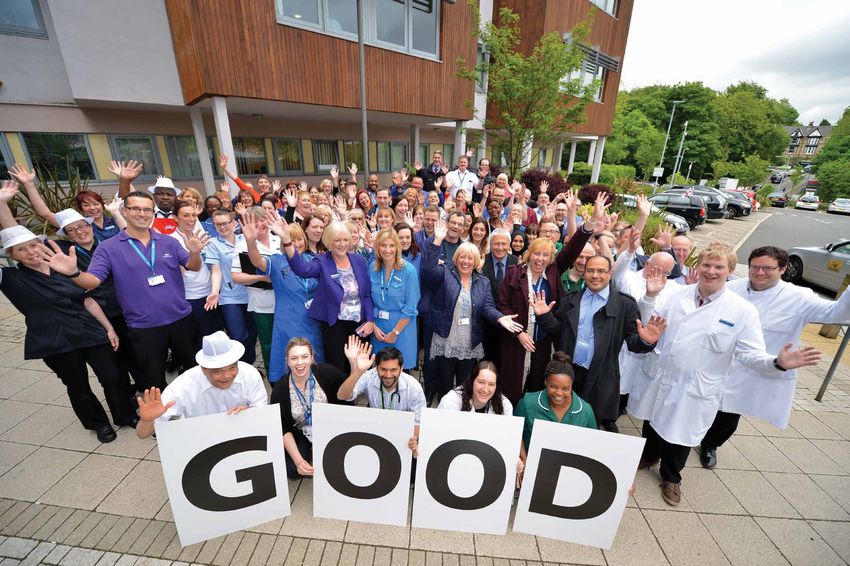
the Trust was awarded a rating of
‘Good’ at a Trust-wide level. There Our workforce, alongside our
were a number of areas that were patient population, is ageing and we
highlighted as ‘Outstanding’ but also need to make sure that we support
areas where some improvement was and nurture our staff to enable
required. These areas have been our them to continue working whilst
immediate focus and have helped maintaining their health and
shape our strategy. wellbeing. Parts of our current and
what will be our future workforce
For the future, the Trust will seek to are likely to have very different
work to maintain this high standard expectations and motivations
and be responsive to further associated with employment. We
advancements, as the CQC propose to are recognised as a centre of good
1617
practice for the way we use the       As a Trust we now recognise the          Research
     information from staff surveys to     changing models of leadership
     improve both staff and patient        required in the increasingly system      Our Trust is one of the UK’s largest
     experience. The Trust has a long      based model of health and social         healthcare research institutions.
     history of effective staff            care. These include:                     The Trust together with the
     engagement and has always                                                      University of Sheffield and
     invested considerable time and        • A greater focus on system              Sheffield Hallam University has
     effort into this work, which will       leadership skills                      formed a partnership to promote,
     continue to feature heavily as we     • A need to promote and                  host, facilitate and implement the
     face and embrace change over            develop the practice of                findings of clinical and healthcare
     the coming years. Our Listening         'collective leadership'                research in Sheffield. The research
     into Action approach has provided     • The importance of developing           focus of these institutions ranges
     a high impact approach to               quality improvement skills             from basic science through to
     complement the other leadership,        'from within' organisations or         clinical research and clinical
     engagement and improvement              systems and designing                  application. Research is carried
     approaches we take.                     leadership development and             out in modern purpose-built
                                             expectations                           research environments and our
     The Trust is developing a new         • A refreshed and more                   research staff from STH recruited
     Workforce Strategy, which will be       extensive focus on talent              8,587 patients to clinical trials in
     informed by these issues and            management                             2016, placing the Trust in the
     those that are emerging. The                                                   NIHR’s top ten for the volume of
     importance of strategic workforce     Alongside this we aim to continue        recruiting to studies. This has
     planning for the organisation,        to develop greater management            increased the volume of clinical
     including careful consideration of    skills to support our leaders to         trials it was offering to patients by
     future workforce opportunities        manage and lead in this                  13% in recent years. The latter
     and challenges, has never been        increasingly complex environment.        was the fifth highest surge
     more important in particular as       We are committed to our                  recorded by any NHS Trust in the
     staff are both our biggest asset      responsibilities under the Equality      country in 2016.
     and cost. Enabling the workforce      Act 2010 and encourage equal
     to work effectively and efficiently   opportunities, diversity and             By taking part in clinical research,
     in the context of and across the      flexibility within our workforce.        patients play a vital role in helping
     boundaries of traditional             We are seeking to promote                clinicians understand how new
     healthcare provision will be a        inclusivity across all sections of the   treatments and innovations work,
     focus with our partners. Where        workforce and are advancing              helping to drive clinical
     appropriate, the Trust will need to   workforce race equality in STH           breakthroughs that could become
     plan its workforce within the         which will reflect the national          established treatments of the
     context of the wider health and       strategic approach for the NHS           future. All five of our hospitals
     social care system to reduce the      Workforce Race Equality Standard         and our community services
     impact of material changes in the     (WRES), which was established on         provide opportunities for patients
     workforce in other health and         1st April 2015.                          to take part in medical research.
     social care organisations.                                                     These include ground breaking

18
19
studies for cancer patients, into      focused in five key areas to            This will also be crucial to
     progressive diseases such as           underpin the overall Trust              support our work in research
     dementia, stroke and multiple          Strategy:                               and innovation as we move
     sclerosis as well as heart disease                                             forward.
     and many other lesser known            • Patient Records.
     conditions such as Meniere’s             Completing our journey             • Infrastructure.
     disease, a debilitating condition of     towards a full Electronic            Making sure that our core
     the inner ear.                           Patient Record system in line        technology infrastructure is
                                              with international standards         robust and sustainable, yet
     Information Technology                   and with a user friendly             flexible enough to support the
                                              interface provided through           changing landscape in which
     In 2013, the Board of Directors          clinical portal technology.          we operate as a major
     approved our current Technology                                               Teaching Trust
     Strategy. This set out the direction   • Communication and
     for a five year programme of             Collaboration.                     Developments
     technology change that led to the        Significantly enhancing our
     Transformation Through                   ability to collaborate and share   Having a high quality environment
     Technology (T3) Programme. Over          information across our own         and facilities within the Trust is
     the last two years we have               organisation and across the        something that our patients and
     delivered significant changes to         wider health economy both          staff should be provided with. We
     the Trust’s use of technology and        regionally and nationally          have recently set out an
     our approach positioned us well          through a range of modern          investment plan for the coming
     to become a future digital               communications and                 years that will ensure we maintain
     healthcare organisation. Our             “borderless working” mobile        this position.
     patients expect us to use                technologies.
     technology seamlessly to support                                            • Redevelopment of theatres
     their interactions with us and our     • Resource and Asset                   at the Royal Hallamshire
     staff need an effective IT                Management.                         Hospital
     infrastructure to aid them in their      Introducing standardised             Additional state of the art
     roles.                                    software and hardware               operating theatre capacity is
                                               platforms to help us manage         being put in place to facilitate
     In 2016 we refreshed our                  all of our resources and assets     the refurbishment of the
     Technology Strategy with support          including people, space, and        existing theatres at the Royal
     from staff across the Trust. The          equipment.                          Hallamshire Hospital. The
     investment will ensure we meet                                                objective is to provide a safe
     the ambitions outlined in              • Intelligence and Analytics.          operating environment for
     Personalised Health and Care              Significantly enhancing the         patients and staff, reduce the
     2020. Using Data and Technology           use of data and intelligence to     risk of infection and provide
     to Transform Outcomes for                 help us deliver safe, high          the highest quality experience
     Patients and Citizens and will be         quality integrated healthcare.      for patients.

20
21
• Radiology environment at at           • New state of the art helipad
        the Royal Hallamshire                  and GP Centre to complement
        Hospital                               the Emergency department at
       Improving the radiology                 the Northern General Hospital
        department to provide bespoke          and the GP Collaborative
        surroundings which better meet
        the needs of our patients.           • Special care baby unit
        Bespoke surroundings ensuring          expansion
        privacy and dignity for patients.      The increased capacity will ensure
                                               that the estimated future
     • New and replacement MRI                 demand will be met and the unit
       and CT scanners                         will be able to accept babies that
       We will keep abreast of                 need this specialist care as well as
       technological advances by               be able to accommodate the
       updating our current diagnostic         parents who need to be on or
       equipment including an                  near the ward in order to be with
       intra-operative MRI scanner in          their baby.
       the A Floor Theatre Suite.
                                             • Haematology side-rooms
     • Weston Park Hospital Ward               development
       Refurbishments                          Additional state of the art
       As our purpose-built oncology           isolation rooms have been
       facility, we will seek to develop       created as part of the
       and implement changes to the            Haematology centre to support
       whole of the hospital to                patients who are
       compliment the great service that       immuno-compromised. The
       our patients receive at Weston          capacity will also allow
       Park Hospital. These                    Haematology to grow its Blood
       improvements include developing         and Marrow Transplant (BMT)
       the outpatient area, the                activity.
       chemotherapy suite, radiology
       and radiotherapy areas.

     • Cataract Unit
       The new Cataract Unit will
       provide state of the art integrated
       cataract services that will provide
       this high quality care for patients
       and meet the increasing demand
       for this form of treatment.

22
23
Where Do We Want To Be?

     The impact of austerity measures on       The Single Point of Access service       plans for the next three years. As part of
     health and social care provision and      has demonstrated new ways of             this there will be a focus on:
     the continuation of these for the         effectively managing referrals from
     foreseeable future means, that we         patients and health professionals        • Improving clinical quality and
     must become even more efficient           into all community health and               outcomes for patients – keeping
     and productive as we continue to          many of our acute and emergency             patients safe in our care, ensuring
     deliver cost effective and high quality   services. Staff working in the              services are clinically effective,
     care for our patients. Our refreshed      community feel that they are                achieving improved outcomes and
     corporate strategy therefore              consulted with, encouraged to lead          paying particular attention to the
     represents a step change for us as an     on service developments and                 experience of patients in our care.
     organisation.                             valued. Being able to replicate this        This will be closely aligned to the
                                               work as we work with our partners           development of the Trust’s updated
     As highlighted in our Care Quality        is important for the success of             Quality Strategy.
     Commission inspection in 2016 and         these new arrangements.
     other key performance measures, we                                                 • Delivering financially viable services –
     consistently achieve high standards       Moving with pace to a system of            providing services that are resilient,
     but we know we can and will need          accountable care, provides the Trust       integrated and which offer value for
     to, continue to improve. Patients         in partnership with the city’s leaders     money and are provided through
     continue to tell us that specialised      the ability to move forward with a         innovative means: new technology,
     services are of the highest quality but   single shared plan that has not            new business, new markets, new
     at times our general hospital services    been available in such a way               partnerships and new strategic
     could be further improved and             before. The city have an agreed set        alliances and networks.
     enhanced. A key area of work will         of behaviours in which we expect
     be to further integrate our care          the system to behave and a shared        • Building collaborative approaches –
     delivery with other services. We will     recognition that there are a number        this means that between directorates
     achieve this by forging even closer       of issues including operational,           within the trust, other providers, GPs,
     collaboration with or partners.           strategic and structural that are not      Social Services, and stakeholders will
                                               able to be resolved at an                  be working together to design and
     We have learnt about how to               organisational level but instead           deliver services that benefit patients
     successfully integrate and transform      require multi-agency cooperation.          and the public.
     services across the community and
     acute interface over many years.          Working with directorates                • Aligning research, innovation,
     Examples such as the active recovery                                                 teaching, training and staff –
     service have helped to reduce             With a revised corporate strategy          attracting, retaining and developing
     un-necessary hospital admissions and      comes the need to ensure each of           a skilled, flexible, professional
     facilitate the timely discharge of        our devolved clinical and corporate        workforce that places the patient at
     more complex patients from hospital.      directorates revisit their strategic       the centre of decisions about their
                                                                                          care.

24
We consider our
staff to be as
Priorities for action a) To ensure that we play a full and important as our
active part in the transformation of patients and our
We must optimise our resources to health and social care services locally
deliver a high quality service with an within Sheffield and also across workforce strategy
excellent patient experience, and South Yorkshire and Bassetlaw. We focuses on high
maximise the number of patients who will work with local health and
can be seen as quickly and as efficiently social care providers, our universities
quality training,
as possible. This will be achieved by and other partners under new leadership
continuing to embed a culture of governance and accountability development and
continuous service improvement with arrangements to implement new
the introduction of new ways of models of care delivery that serve staff well being.
working and technology to support our patients better.
improved patient pathways. We will
also continue to foster an environment b) We are on a journey with our
in which all staff are engaged, partners both in the city of Sheffield
committed and encouraged to reach and with providers across South
their full potential. Yorkshire, Bassetlaw and North
control over their care, crucially
Derbyshire to design and embed
through access to information,
We will collaborate more with a wide new ways of working. These will
care planning and patient
range of partners across the local seek to ensure that we deliver the
directed follow-up and support.
health and social care economy as part right care to people at the earliest
We will only achieve this by the
of a wider system of accountable care. opportunity that we can. We will
whole system working together
We will seek to form strategic alliances do this by developing an
in a way that patients cannot
with other organisations when this is in Accountable Care System and
determine when they transition
the best interests of the patients we Partnerships that work differently to
from one type of care to another
serve. Keeping people out of hospital provide care to people. When it is
and where all parts of the system
where possible and appropriate will be working properly this will reduce
seize opportunities to meet all
key to managing increasing demand on unnecessary admissions to hospital
the health and care needs of
our hospitals, which can only do by as well as avoid those where the
people as they present rather
working with our community services right care provided early can stop
than the specific element for
and partners. people deteriorating, or even
which they are responsible.
getting conditions in the first place.
To ensure we strike a balance between This will also improve flow in the
c) To have the necessary workforce
focusing on what takes place inside system, reduce lengths of stay in
with the right skills to ensure that
and outside our hospitals there are a hospital and prevent people from
every interaction by every
number of priorities for action that attending hospital when they do not
member of staff throughout the
follow: need to. Patients will be given more
Trust is caring, compassionate
25and responsive to the needs of e) Seek continuous improvement in g) To ensure that our IT infrastructure is
patients, their families and their the clinical quality of services, stable, safe and secure to enable
colleagues. To develop new roles setting goals and objectives and efficient clinical service delivery. To
that support direct clinical care measuring ourselves against continue to explore the ways in
and seek opportunities for a such standards that we, our which new technology will help
workforce that works across partners and users of the service drive sustained improvements,
organisational boundaries. We believe to be important and are support the integration of services
will continue to think differently beyond the standard regulatory and working across different
about how we deliver care in the and performance requirements. organisations.
future, recognising changes in the
composition of our workforce f) To be the provider of choice: h) To increase our market share in
and ensuring roles and • In elective, maternity and elective and specialist healthcare
responsibilities of all our staff community care, for patients services where we can differentiate
continue to maximise each selecting their preferred elective the clinical excellence of the services
individual contribution to patient care provider we provide. We will maximise the
care. • In emergency care, whilst benefits of services where there is a
patients do not have a choice in potential to increase non-NHS
d) To deliver all services in an these circumstances, we want income that can then be reinvested
efficient way, to examine them patients to agree that we would into NHS services locally. Where
systematically to ensure they are be their chosen provider possible, we will seek to do this in
efficient and make the best use of • For commissioners when they partnership with other providers to
the available resources. Where consider which provider is best enable the efficient use of assets
we identify a financial imbalance placed to serve their population and to ensure continued provision
this will need to be resolved either well of care to our local population.
through new ways of working, • For staff and prospective staff to
alternative service delivery with be the healthcare employer of i) To respond to the needs being
partners or changing the cost choice expressed by people for greater
base of the service. To continue • For other providers when personalisation and bespoke
to consolidate and contract our working in collaboration on information to inform choice and
non-clinical estate, increasing integrated pathways and clinical joint decision-making. We will take
utilisation of clinical space and networks a pro-active approach to the
improving the physical • For students of nursing and promotion of health and wellbeing,
environment at our core locations midwifery, medicine, dentistry, empowering individuals to live
across the city. We will seek to management and other allied independently through self-care
develop proposals for health professionals when with support in the community.
consolidation of back office considering learning, education
functions and pathology services and development options J) To increase the quality, quantity and
with neighbouring trusts. In • For research bodies and the impact of clinical research to
doing this, we would plan to pharmaceutical industry when improve patient outcomes
align systems and processes to choosing research and embedding a culture of the highest
combine finance costs and innovation partners. standards of healthcare delivery
potentially release savings. underpinned by clear evidence.
2627
How Are We Going To Get There?

     Making a Difference 2017-2020 is        There is now a much greater            the Trust Executive Group and a
     the culmination of a detailed           requirement for collaborative          summary to the Board on an
     review of the current                   partnerships between health and        annual basis.
     environment, analysis of our            social care providers to ensure
     current position and engagement         clinical and financial resilience of   Each clinical Directorate will
     with staff, patients, governors and     services. Each and every               develop a revised strategy during
     partners on our future direction.       organisation has a responsibility to   2017 and will be signed off by the
     It is a strategy that forms the basis   work in this way and maximise          organisation based on the above
     for a robust strategic plan for the     their strengths and minimise their     criteria and the extent to which
     next three years. The                   vulnerabilities.                       they deliver the priorities set out in
     environment that the Trust                                                     this strategy. These will be in
     operates within has changed             Arising from the refresh of Making     place by September 2017, and
     considerably in recent years and it     a Difference, a set of corporate       will form the basis for the
     is critical that the Board again        objectives will be presented to the    priorities in each Directorate’s
     shapes the organisation’s future        Board of Directors for agreement       Annual Business Plan for 2018/19.
     direction and does so flexibly with     on an annual basis. These will         An annual assessment will take
     the Trust’s vision in mind. A strong    include a set of specific metrics,     place and be based on operational
     Sheffield Teaching Hospitals is a       which will allow progress to be        performance, delivery of business
     strong Sheffield and South              measured. An update will be            plan priorities and strategic plans.
     Yorkshire.                              provided every half year to provide
                                             assurance that the strategy is         This strategy provides a
     Making a Difference will help in        being implemented within the           framework for high quality and
     facilitating the difficult decisions    organisation. We will need to be       financially resilient services to the
     that are ahead and provide a solid      sufficiently agile in this approach    people of Sheffield, South
     basis upon which we will shape          as the landscape changes over the      Yorkshire, North Derbyshire and
     our future plans. This is               next few years.                        beyond. At the centre of Making
     particularly true when setting our                                             a Difference, is our shared desire
     future strategy in the current          Each supporting strategy that          to promote and develop a culture
     context because there are bound         exists, and those that are in the      in which every member of staff
     to be myriad changes that we            process of either being refreshed      continues to treat patients, the
     cannot foresee at present. We           or rewritten within the Trust, will    public and our colleagues with
     must still shape and define our         also develop a framework within        care and compassion.
     own future but we see the move          which performance can be
     to accountable care as the way to       assessed. An update will be
     help in this task.                      provided that will be presented to

28
We will promote a
culture in which
every member of
staff continues to
treat patients, the
public and their
colleagues with care
and compassion.
29APPENDIX 1 – Health Profiles
Area Population Statistics Health Issues
Doncaster Population: 304,000 The health of people in Doncaster is generally worse than the England average.
2020 projected Life expectancy for both men and women is lower than the England average.
population: 307,000 The rate of alcohol-related harm hospital stays is worse than the average for
England.
Doncaster is one of the The rate of smoking related deaths is worse than the average for England.
20% most deprived Estimated levels of adult excess weight, smoking and physical activity are worse
districts/unitary authorities than the England average.
in England and about Rates of sexually transmitted infections and TB are better than average.
24% (13,300) of children
live in low -income Priorities
families. Include reducing alcohol misuse and reducing obesity.
Bassetlaw Population: 114,000 The health of people in Bassetlaw is varied compared with the England
2020 projected average.
population: 116,100 Life expectancy for both men and women is lower than the England average.
Estimated levels of adult excess weight are worse than the England average.
About 17% (3,400) of Estimated levels of adult physical activity are better than the England
children live in low average.
-income families. Rates of sexually transmitted infections and TB are better than average.
Priorities
Tackling excess weight, young people and adults.
Rotherham Population: 260,000 The health of people in Rotherham is varied compared with the England
2020 projected average.
population: 264,900 Life expectancy for both men and women is lower than the England average.
The rate of alcohol-related harm hospital stays is worse than the average for
Rotherham is one of the England.
20% most deprived The rate of smoking related deaths is worse than the average for England.
districts/unitary Estimated levels of adult excess weight are worse than the England average.
authorities in England Rates of sexually transmitted infections and TB are better than average.
and about 23% (11,300)
of children live in Priorities
low-income families Include improving infant and child health (helping mums stop smoking and
start breast-feeding), reducing early deaths (including deaths from infectious
diseases and suicide) and helping people stay healthy for longer.
30Area Population Statistics Health Issues
Barnsley Population: 238,000 The health of people in Barnsley is generally worse than the England average.
2020 projected Life expectancy for both men and women is lower than the England average.
population: 247,600 The rate of alcohol-related harm hospital stays is worse than the average for
England.
Barnsley is one of the The rate of self-harm hospital stays is worse than the average for England.
20% most deprived The rate of smoking related deaths is worse than the average for England.
districts/unitary authorities Estimated levels of adult excess weight, smoking and physical activity are worse
in England and about than the England average.
24% (10,300) of children Rates of sexually transmitted infections and TB are better than average.
live in low -income
families Priorities
Focusing on improving the oral health of children, creating a smoke free
generation and increasing levels of physical activity.
North East Population: 99,000 The health of people in North East Derbyshire is varied compared with the
Derbyshire 2020 projected England average.
population: 105, 600 Life expectancy for men is higher than the England average.
The rate of alcohol-related harm hospital stays is worse than the average for
About 15% (2,400) of England.
children live in low The rate of smoking related deaths is better than the average for England.
-income families Estimated levels of adult excess weight are worse than the England average.
Rates of sexually transmitted infections and TB are better than average.
Priorities
Include smoking in pregnancy, reducing inequalities in life expectancy and
healthy life expectancy, increasing breastfeeding.
High Peak Population: 91,000 The health of people in High Peak is varied compared with the England
(Glossop, About 13% (2,100) of average.
Buxton and children live in Life expectancy for both men and women is similar to the England average.
New Mills) low-income families. Rates of sexually transmitted infections and TB are better than average.
Priorities
Include smoking in pregnancy, reducing inequalities in life expectancy and
healthy life expectancy, increasing breastfeeding.
31You can also read


