Psychology Internship Program, 2020 2021
←
→
Page content transcription
If your browser does not render page correctly, please read the page content below

Central Texas Veterans Health Care System

Psychology Internship Program, 2020 – 2021

                       Austin       ⧫ 1     Temple   ⧫   Waco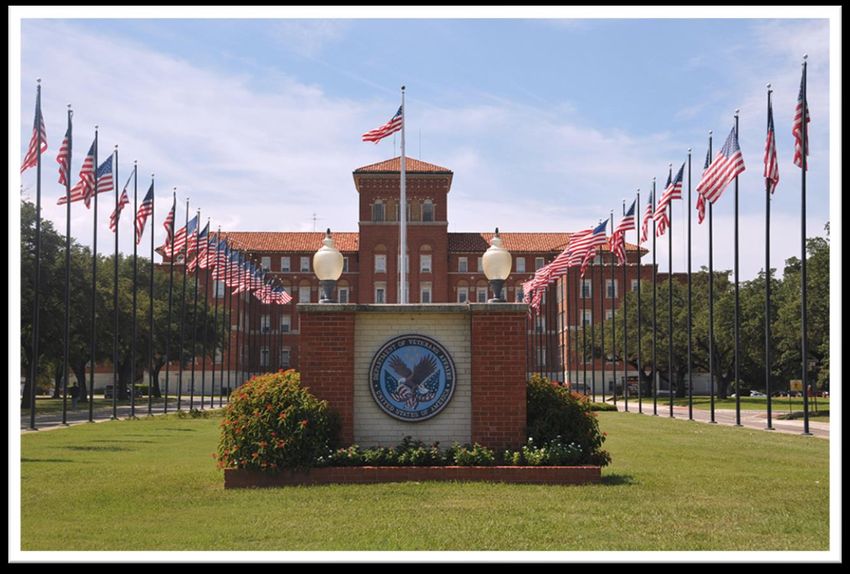
Table of Contents
Accreditation Related Information: ...................................................................... 3
Program Overview............................................................................................... 3
Application & Selection Procedures .................................................................... 5
Diversity Statement (updated July 2016) ........................................................... 10
The Community and Surroundings .................................................................... 12
CTVHCS General Information ........................................................................... 15
CTVHCS Psychology Service ........................................................................... 16
Program Philosophy .......................................................................................... 17
Philosophy of Intern Professional Development ................................................ 18
Aims and Competencies ................................................................................... 18
Program Structure and Requirements ............................................................... 20
Supervision and Evaluation ............................................................................... 24
Internship rotations ............................................................................................ 27
2019-2020 Psychology Internship Faculty ......................................................... 40
APPIC Match Policies: 2019-2020 .................................................................... 55
Internship Admissions, Support, and Initial Placement Data ............................. 62

                                              2
Psychology Doctoral Internship Program

                                                     Central Texas Veterans Health Care System
                                                     Director, Psychology Internship Program (116B)
                                                     1901 Veterans Memorial Drive
                                                     Temple, TX 76504

                                                     (254) 742-4776

http://www.centraltexas.va.gov/services/Psychology.asp

                                                                           APPIC Match Numbers:
                                                                                  Austin: 159114
                                                                                 Temple: 159113
                                                                                   Waco: 159112
                                                     Application due date: November     2, 2019

  Accreditation Related Information:
  The Psychology Internship program at the Central Texas Veterans Health Care System has
  been accredited by the Commission on Accreditation of the American Psychological
  Association since 1979.

  The program completed its most recent accreditation site visit in June 2018.

  Questions related to the program’s accredited status should be directed to the Commission on
  Accreditation:
           Office of Program Consultation and Accreditation
           American Psychological Association
           750 1st Street, NE, Washington, DC 20002
           Phone: (202) 336-5979 / E-mail: apaaccred@apa.org
            Web: www.apa.org/ed/accreditation

  Program Overview
  Central Texas Veterans Health Care System has been training psychology interns since 1958
  (formerly as the Temple VA/Olin E. Teague VA Medical Center) and has been an APA-
  accredited doctoral internship since 1979. As an accredited internship we have graduated
  over 150 interns, who have gone on to careers in the VA, other federal institutions, private
  healthcare/hospital systems, community mental health, academia, private practice, and other

                                                 3
settings. Many have gone on to positions and careers in our healthcare system, from our
current Chief of Psychology to some of our newest staff members. We offer benefits of a
well-established, generalist training program in health service psychology in a large and very
active VA health care system, with a current class of 6 interns annually. Our health system
spans three major sites and six community-based clinic/annex sites. We employ over 80
psychologists across our system, with over 35 serving as active training supervisors. Some
of the unique features of our institution and training program include:

   •   Housed within a level 1A VA health care system, which provides a broad range of
       programs, clinics, and patient diversity.
   •   Our hub site in Temple, Texas is located 35 miles east of Fort Hood Army Base, one
       of the largest
       U.S. military installations in the world and home to over 50,000 soldiers. Fort Hood
       is a primary Army deployment center and provides a steady flow of new veterans
       into our health care system.
   •   The highest ratio of female veterans within the VA nationally, providing unique
       training opportunities and exposure across genders.
   •   Broad age diversity of our veteran population (lower mean age than VA national
       averages)
   •   A close relationship with the Baylor, Scott & White hospital system, and our
       academic affiliates: Texas A&M Health Science Center College of Medicine
       (Temple) and Dell Medical School (Austin), providing a rich environment of
       interprofessional training.
   •   Training supervisors participate in our program voluntarily, and with approval of our
       training committee. Many have a passion for training.
   •   We offer a range of unique specialty training experiences, such as: Blind
       Rehabilitation Unit (Waco, one of 13 in the VA nationally), PTSD Residential
       Rehabilitation Program (Temple), Eating Disorders program (Austin), Health
       Promotion and Disease Prevention program (Temple), Serious Mental Illness Life
       Empowerment Residential Rehabilitation Treatment Program (Waco), Leadership
       and Administration training (Austin), Race-Based Stress and Trauma and LGBT
       group programs (Austin), clinical research minor at the VISN17 Center of
       Excellence in Waco, along with a full complement of other mental and behavioral
       health clinics and programs.
   •   An annual visit to Fort Hood to experience military culture, learn about military
       behavioral health services (clinic-based and embedded), visit one of the seven
       national Intrepid Spirit Centers for TBI and polytrauma rehabilitation, learn about the
       STRONG STAR consortium for clinical research collaboration (a postdoctoral
       fellowship site), and perhaps participate in genuine combat simulation training.
   •   Many opportunities for cultural experiences across central Texas.

                                            4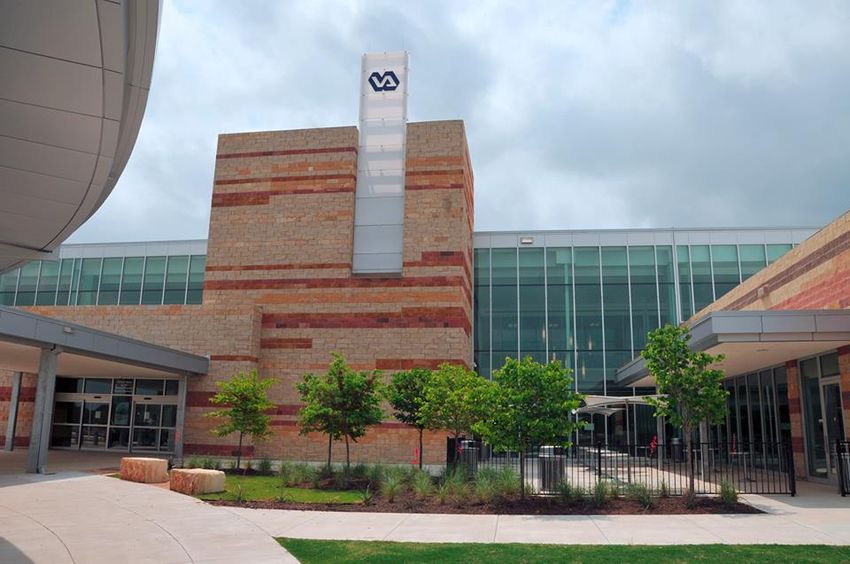
We hope you consider Central Texas VA as a potential internship training site and look
forward to answering your questions about our program.

Application & Selection Procedures
Eligibility:
The Central Texas Veterans Health Care System Psychology Training Program offers an
APA-accredited internship to U.S. citizens who are enrolled in a doctoral degree program in
Clinical or Counseling Psychology at an APA-accredited institution. Applicants must be
certified as ready for internship by their university Director of Training. Completed internship
applications are reviewed by the Psychology Internship Selection Committee and must be
received no later than November 3rd of the calendar year preceding the internship year. The
CTVHCS internship program requires that applicants have completed at least 1200 total
practicum hours (assessment + intervention + supervision) prior to the start of internship.
These hours should be listed as completed and/or anticipated hours verified by the Director of
Clinical Training on the AAPI. The 1200 hour requirement includes desired minimums of 200
assessment hours and 400 intervention hours, with consideration given to an applicant’s
overall training background and fit with the program. Any anticipated hours at the time of the
AAPI submission should be explained fully in the applicant’s cover letter. Per VHA policy, all
selections are conditional pending a criminal background check and passing a physical
examination. As an equal opportunity training program, the internship program welcomes and
considers without discrimination applications from all qualified candidates, regardless of
racial, ethnic, religious, sexual orientation, disability or other minority status (See Diversity
Statement in following section). Our trainees and staff reflect a wide range of socioeconomic,
cultural and religious affiliations, including people with disabilities. We strongly encourage
people from diverse backgrounds to apply. We gladly provide reasonable accommodations
as needed to people with disabilities during both the application and training process; please
feel free to request such accommodation as necessary.

Applications:
Our application and selection process is designed to comply with the policy developed by
the Association of Psychology Postdoctoral and Internship Centers (APPIC). This internship
site agrees to abide by the APPIC policy that no person at this training facility will solicit,
accept, or use any ranking-related information from any intern applicant. A complete copy
of the most recent approved APPIC policy has been reprinted with permission and is

                                             5
included at the end of this brochure. This APPIC match policy can be found at
http://www.appic.org. The general instructions for the online application (AAPI Online) are
also located at the APPIC website. All application materials will be received through the
APPIC on-line portal.

Application materials must include the following:

   •   A complete APPIC Application for Psychology Internship (AAPI), accessed at
       http://www.appic.org/AAPI
   •   This includes the following materials:
           o   General AAPI application, including background, education, experience, and
               essay questions.
           o   Cover letter describing your interest in and fit with our training program, and
               listing the names of those who will be providing letters of recommendation.
                   ▪ Applicants may choose to identify themselves as representing racial,
                       cultural, ethnic, or other element(s) of diversity.
           o   Current curriculum vita
           o   Academic transcripts from ALL Graduate institutions that you have attended.
           o   Three (3) letters of recommendation from doctoral level psychologists who
               have been closely involved in your training. These letters may be from
               classroom faculty, research advisors, or other psychologists familiar with
               your work and qualifications. At least one letter must be from a supervisor
               who has direct knowledge of your clinical skills.
           o   A WORK SAMPLE consisting of a completed psychological evaluation that
               integrates interview and psychological test data. All identifying information
               must be redacted according to HIPAA guidelines
               (http://hipaa.wisc.edu/ResearchGuide/deidentification.html)

   •   Verification of internship eligibility and readiness must be provided by the applicant’s
       Director of Clinical Training via the APPIC DCT Portal.
   •   Reference letters are provided by requested referees via the APPIC Reference
       Portal.

Factors considered by the committee in selecting interns include:
   • the breadth and depth of clinical experience obtained through practicum training;
   •   scholarly preparation evidenced by academic transcripts, research experience, and
       publications and presentations;
   •   evidence of personal maturity and readiness for internship training; and
   •   the degree to which the applicant’s stated training objectives match the training
       opportunities available in our setting.

                                              6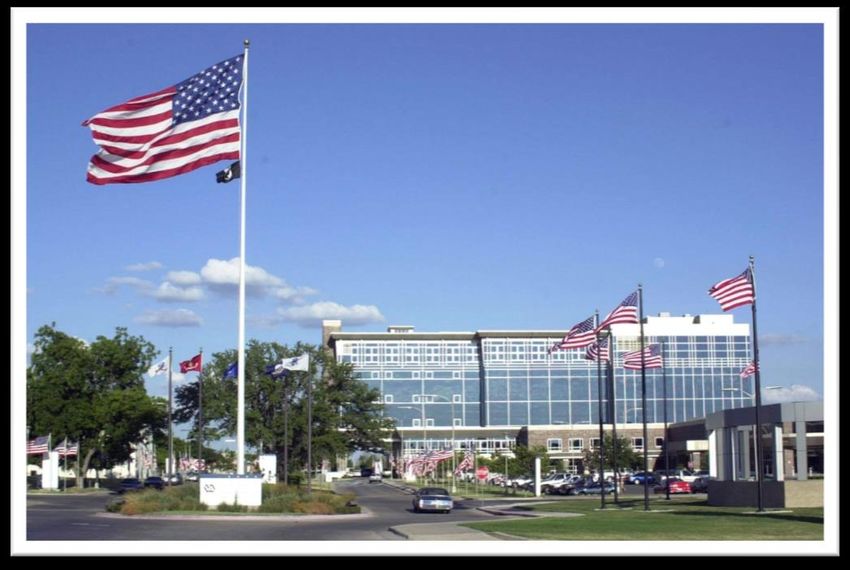
We give preference to applicants who have completed or are well advanced towards the
  completion of their doctoral dissertation.

  After the applications have been reviewed, we strive to notify all applicants of their interview
  status by November 30th. Applicants have a choice of attending one of our on-site interviews
  or taking part in telephone interviews. Phone interviews will follow a similar format to the on-
  site interviews. Typically, we interview 40-45 applicants for our six internship slots. In
  December and January, we offer three onsite interview dates for invited applicants to choose
  from, one in each of our training sites at Temple, Waco, and Austin, and a phone interview
  date. The planned interview dates for 2019-20 are:

               Temple: Friday           12/13/19
               Austin: Tuesday          12/17/19
               Waco: Tuesday            1/7/20
               Phone: Thursday          1/9/20

  The interview process begins at 11:00am, and generally ends by 4:30pm. In the first
  hour, we provide an overview of the program. Afterwards, each interviewee will
  have a series of individual interviews with the training directors and staff
  psychologists. Applicants will also meet with at least two current interns to gain their
  perspective on the training experience. Interns are not involved in the applicant
  ranking process. Attendance at an on-site interview is not required and is not
  viewed as an indication of an applicant’s level of interest in our training program.
  We recognize that intern applicants typically apply to multiple training sites and that
  travel for personal interviews has become increasingly time-consuming and costly.
  Therefore, we allow applicants to consider telephone interviews as an acceptable
  alternative to attendance at an on-site interview. We will offer telephone interviews
  on Thursday 1/9/20 from 11:00am through 4:30pm, following the same format as
  on-site interviews.

  This internship site agrees to abide by the APPIC policy that no person at this
  training facility will solicit, accept, or use any ranking-related information from any
  intern applicant.

   VA Training Eligibility Requirements:

The Department of Veterans Affairs (VA) adheres to all Equal Employment Opportunity and Affirmative
Action policies. As a Veterans Health Administration (VHA) Health Professions Trainee (HPT), you will
receive a Federal appointment, and the following requirements will apply prior to that appointment

1. U.S. Citizenship. HPTs who receive a direct stipend (pay) must be U.S. citizens. Trainees who are not
   VA paid (without compensation-WOC) who are not U.S. citizens may be appointed and must provide
   current immigrant, non-immigrant or exchange visitor documents.

2. U.S. Social Security Number. All VA appointees must have a U.S. social security number (SSN) prior
   to beginning the pre-employment, on-boarding process at the VA.

                                                   7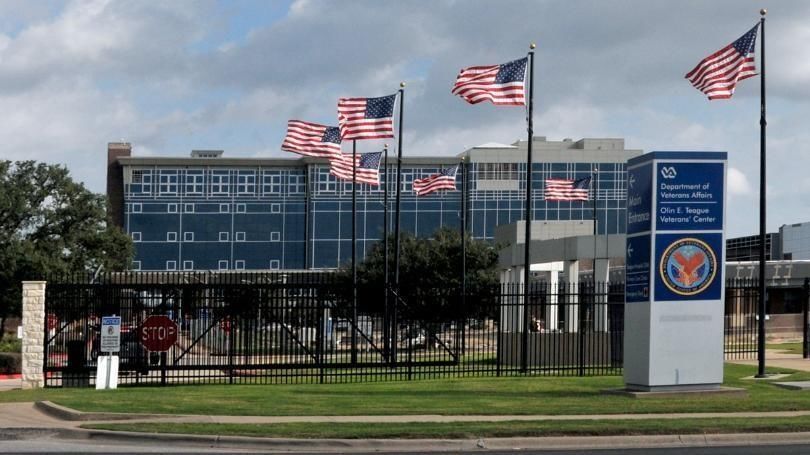
3. Selective Service Registration. Male applicants born after 12/31/1959 must have registered for the
   Selective Service by age 26 to be eligible for U.S. government employment, including selection as a paid
   or WOC VA trainee. For additional information about the Selective Service System, and to register or to
   check your registration status visit https://www.sss.gov/. Anyone who was required to register but did not
   register before the age of 26 will need to apply for a Status Information Letter (SIL) and request a waiver.
   Waivers are rare and requests will be reviewed on a case by case basis by the VA Office of Human
   Resources Management. This process can take up to six months for a verdict.

4. Fingerprint Screening and Background Investigation. All HPTs will be fingerprinted and undergo
   screenings and background investigations. Additional details about the required background checks can
   be found at the following website: http://www.archives.gov/federal-register/codification/executive-
   order/10450.html.

5. Drug Testing. Per Executive Order 12564, the VA strives to be a Drug-Free Workplace. HPTs are not
   drug-tested prior to appointment, however are subject to random drug testing throughout the entire VA
   appointment period. You will be asked to sign an acknowledgement form stating you are aware of this
   practice. See item 8 below.

6. Affiliation Agreement. To ensure shared responsibility between an academic program and the VA
   there must be a current and fully executed Academic Affiliation Agreement on file with the VHA Office of
   Academic Affiliations (OAA). The affiliation agreement delineates the duties of VA and the affiliated
   institution. Most APA-accredited doctoral programs have an agreement on file. More information about
   this document can be found at https://www.va.gov/oaa/agreements.asp (see section on psychology
   internships). Post-degree programs typically will not have an affiliation agreement, as the HPT is no
   longer enrolled in an academic program and the program is VA sponsored.

7. TQCVL. To streamline on-boarding of HPTs, VHA Office of Academic Affiliations requires completion of
   a Trainee Qualifications and Credentials Verification Letter (TQCVL). An Educational Official at the
   Affiliate must complete and sign this letter. For post-graduate programs where an affiliate is not the
   program sponsor, this process must be completed by the VA Training Director. Your VA appointment
   cannot happen until the TQCVL is submitted and signed by senior leadership from the VA facility. For
   more information about this document, please visit https://www.va.gov/OAA/TQCVL.asp

            a. Health Requirements. Among other things, the TQCVL confirms that you, the trainee, are
               fit to perform the essential functions (physical and mental) of the training program and
               immunized following current Center for Disease Control (CDC) guidelines and VHA
               policy. This protects you, other employees and patients while working in a healthcare
               facility. Required are annual tuberculosis screening, Hepatitis B vaccine as well as annual
               influenza vaccine. Declinations are EXTREMELY rare. If you decline the flu vaccine you will
               be required to wear a mask while in patient care areas of the VA.
            b. Primary source verification of all prior education and training is certified via the
               TQCVL. Training and Program Directors will be contacting the appropriate institutions to
               ensure you have the appropriate qualifications and credentials as required by the admission
               criteria of the training program in which you are enrolled.

  8. Additional On-boarding Forms. Additional pre-employment forms include the Application for Health
     Professions Trainees (VA 10-2850D) and the Declaration for Federal Employment (OF 306). These
     documents and others are available online for review at https://www.va.gov/oaa/app-forms.asp.
     Falsifying any answer on these required Federal documents will result in the inability to appoint or
     immediate dismissal from the training program.

  9. Proof of Identity per VA. VA on-boarding requires presentation of two source documents
     (IDs). Documents must be unexpired and names on both documents must match. For more
     information visit: https://www.oit.va.gov/programs/piv/_media/docs/IDMatrix.pdf

                                                   8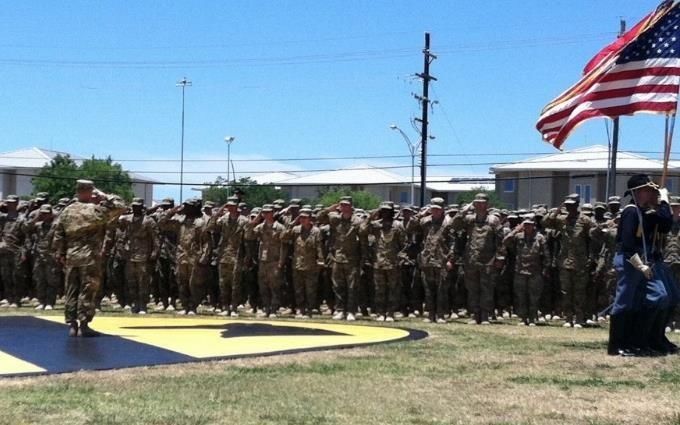
Additional information regarding eligibility requirements for appointment as a psychology HPT is summarized
below.

Additional information regarding eligibility requirements (with hyperlinks)

•   Trainees receive term employee appointments and must meet eligibility requirements for appointment as
    outlined in VA Handbook 5005 Staffing, Part II, Section B. Appointment Requirements and
    Determinations. https://www.va.gov/vapubs/viewPublication.asp?Pub_ID=646&FType=2
•   Selective Service website where the requirements, benefits and penalties of registering vs. not
    registering are outlined: https://www.sss.gov/Registration/Why-Register/Benefits-and-Penalties

Additional information specific suitability information from Title 5 (referenced in VHA Handbook 5005
– hyperlinks included):

(b)Specific factors. In determining whether a person is suitable for Federal employment, only the following
factors will be considered a basis for finding a person unsuitable and taking a suitability action:
   (1) Misconduct or negligence in employment;
   (2) Criminal or dishonest conduct;
   (3) Material, intentional false statement, or deception or fraud in examination or appointment;
   (4) Refusal to furnish testimony as required by § 5.4 of this chapter;
   (5) Alcohol abuse, without evidence of substantial rehabilitation, of a nature and duration that suggests
   that the applicant or appointee would be prevented from performing the duties of the position in question,
   or would constitute a direct threat to the property or safety of the applicant or appointee or others;
   (6) Illegal use of narcotics, drugs, or other controlled substances without evidence of substantial
   rehabilitation;
   (7) Knowing and willful engagement in acts or activities designed to overthrow the U.S. Government by
   force; and
   (8) Any statutory or regulatory bar which prevents the lawful employment of the person involved in the
   position in question.

(c)Additional considerations. OPM and agencies must consider any of the following additional considerations
to the extent OPM or the relevant agency, in its sole discretion, deems any of them pertinent to the individual
case:
   (1) The nature of the position for which the person is applying or in which the person is employed;
   (2) The nature and seriousness of the conduct;
   (3) The circumstances surrounding the conduct;
   (4) The recency of the conduct;
   (5) The age of the person involved at the time of the conduct;
   (6) Contributing societal conditions; and
   (7) The absence or presence of rehabilitation or efforts toward rehabilitation.

                                                   9
For additional information, please contact:

Andrew Cook, Ph.D.                   Holly LaPota, Ph.D.          Regina Hiraoka, Ph.D.
Training Director                   Assistant Training Director   Assistant Training Director
Central Texas VHCS                   Central Texas VHCS           Central Texas VHCS
4800 Memorial Drive                  7901 Metropolis Drive        1901 Veterans Memorial Dr
Waco, TX 76711                       Austin, TX 78741             Temple, TX 76504
(254) 297-3674                       (512) 823-4637               (254) 742-4902
Andrew.Cook@va.gov                   Holly.Lapota@va.gov          Regina.Hiraoka@va.gov

Diversity Statement (updated July 2016)
The Central Texas Veterans Health Care System APA-accredited doctoral internship is
committed to the promotion and affirmation of diversity in its broadest sense. Our mission is
to provide training for doctoral level psychology students that is consistent with professional
ethics and standards that place a high value on the dignity and worth of individuals through
embracing their unique gender expression and identity, ethnicity, race, sexual/affectional
orientation, age, physical and mental abilities, religious/spiritual beliefs, political beliefs, and
socioeconomic class. Therefore, as part of their professional functioning, all training staff
members are expected to respect the dignity and worth of the individual (both client and
intern), and to strive for the preservation and protection of fundamental human rights.

In order to meet our training model of reflective practitioner, we must maintain an atmosphere
of respect and trust in which we feel free to explore and discuss our attitudes, beliefs, values,
and behaviors in relation to others who are similar to and different from ourselves. As part of
our service and training mission, we require of ourselves a commitment to work toward the
mindful awareness of our biases and the eventual elimination of any prejudice and
discrimination which may be present. In particular, prejudice and discrimination on the basis
of gender expression and identity, ethnicity, race, sexual/affectional orientation, age, physical
and mental abilities, religious/spiritual beliefs, political beliefs, and socioeconomic class run
counter to our professional ethics. Such prejudice and discrimination are detrimental to the
practice of psychotherapy, supervision, training, consultation, developmental programming,
and research; and to the development of effective colleagueship among staff members. We
further emphasize that all staff members and trainees will fulfill the agency's expectation and
their ethical obligation to accept and support the right of colleagues and clients to affirm a
gay, lesbian, or bisexual orientation and/or transgender identity.

                                               10
As we strive to educate ourselves and others about the mental health issues of a pluralistic
society, we recognize that an examination of personal prejudice and discrimination and their
impact on our professional work is best accomplished within a climate of safety and respect.
Therefore, training staff members are expected to support each other and trainees in
willingness to explore their individual prejudices, and in fostering an environment that allows
for positive attitudinal and behavioral change in one another. Additionally, we recognize that
at times the values of clinicians and clients may come into conflict. Training staff and
supervisors are expected to aid trainees in reflecting on this conflict to determine a course of
action, the potential impact on the therapeutic alliance, and the wellbeing of both client and
trainee. In rare occasions when clinical goals and trainee values conflict such that provision of
psychotherapy is at risk of creating an unsafe atmosphere for either trainee or client,
appropriate referrals will be made in the spirit of competent care.
11The Community and Surroundings
Temple is a community with a population of over 76,000 people located in Central Texas,
approximately 60 miles north of Austin and 35 miles south of Waco. The Temple campus of
the Texas A&M Health Science Center College of Medicine is headquartered in the Baylor
Scott & White hospital system, and provides clinical training at the Olin E. Teague VA Medical
Center. The Baylor Scott & White hospital system consists of more than 6,000 physicians at
more than 900 patient care sites across Texas, and is one of the nation's largest multi-
specialty group practice systems. Several post-doctoral psychology training programs are
housed within their Temple campus. There are approximately 450,000 people in the Killeen-
Temple-Fort Hood Metropolitan Statistical Area which includes Fort Hood Army Base, one of
the largest U.S. military installations in the world and home to over 50,000 soldiers.
12Waco is community of approximately 136,000 people with a population of approximately
235,000 people in the greater Waco area. It has a diverse economy and is the home of
Baylor University, Texas State Technical College and Magnolia Market. It is located
approximately 100 miles to the south of Dallas/Fort Worth and 95 miles north of Austin.
13Austin is a city of over 950,000 people and is the state capital. It is the fastest growing of the
50 largest US cities and the second largest capital city. It has a diverse economy and is home
to the University of Texas at Austin, the flagship campus in the UT system and home of Dell
Medical School. There are over 2 million people in the Austin-Round Rock-San Marcos
Metropolitan Service Area.
The Central Texas climate is warm and sunny throughout most of the year and there is an
abundance of local lakes and other recreational facilities. Housing is generally more
affordable in Waco and Temple than in most of the larger metropolitan areas of the state. The
cultural activities in Temple and Waco are plentiful for communities of their size. The major
metropolitan areas of Texas, including Austin, Houston, Dallas, and San Antonio, are all
within easy driving distance.
14Helpful information about the cities of Temple, Waco and Austin can be found on the web at
www.ci.temple.tx.us and www.waco-texas.com and http://www.austintexas.gov/.
Dr. Cook with two CTVHCS Interns
talking to a Ft. Hood Soldier in a
Bradley Vehicle during an
internship visit to the base
CTVHCS General Information
In 1995, the Olin E. Teague Veterans' Medical Center, the Waco VA Medical Center, the
Thomas T. Connally VA Medical Center and four outpatient clinics, were integrated to
become the Central Texas Veterans Health Care System (CTVHCS). Currently there are
large facilities in Waco, Temple and Austin and smaller community-based outpatient clinics in
Cedar Park, Bryan/College Station, Brownwood and Palestine. CTVHCS serves a Veteran
population of more than 252,000, covers 35,243 square miles and 11 congressional districts
15in 39 counties. In fiscal year (FY) 2015, CTVHCS treated 98,932 Veteran unique patients and
recorded 8,553 inpatient admissions. Outpatient workload totaled 1,172,402 visits.
Psychology Internship training takes place in the major medical/psychiatric facilities in Waco,
Temple and Austin. The Temple facility contains a full-service general medical and surgical
teaching hospital, a large domiciliary which offers residential rehabilitation treatment
programs for veterans experiencing problems with substance abuse, veterans with chronic
serious mental illness and veterans in need of vocational rehabilitation services, a male
residential PTSD treatment program, and a large extended-care community living center. The
Waco VA Medical Center in Waco, TX operates an inpatient psychiatry unit, a blind
rehabilitation unit, two community living centers for medical and psychiatrically impaired
geriatric patients, a women’s trauma residential program, and a residential rehabilitation
program for veterans with chronic serious mental illness, and also hosts the VISN 17 Center
of Excellence for Research on Returning War Veterans. The Austin VA Outpatient Clinic is a
large multi-specialty medical clinic, the largest VA outpatient clinic in the country at the time of
construction. In addition to the inpatient and residentially based services in Waco and
Temple, all three sites have a wide array of outpatient mental health services. Several
training rotations, such as the general mental health clinic, and PTSD clinics, are available at
all three sites, while specialized rotations may be available at only one site given the nature of
the facility. See the Training Rotations section below for descriptions of training opportunities
at each site.
CTVHCS Psychology Service
Psychology Service currently consists of approximately 80 full-time and part-time licensed
psychologists, as well as a number of graduate psychologists. The Psychology Service has a
long history of involvement in training.
The Psychology Internship Program has been APA accredited for over 35 years. The VISN
17 Center of Excellence housed on the Waco campus is a training site for the VA
Interprofessional Advanced Fellowship in Mental Illness Research and Treatment. CTVHCS
offers practicum training to doctoral students from the University of Texas at Austin and
Texas A&M University. CTVHCS psychologists also participate in training of Psychiatry
Residents and students. Psychology staff are well represented in all major areas of
healthcare provision as well as serving on a variety of professional committees and boards.
Psychologists often serve as mental health treatment program leaders. Our medical center is
16affiliated with the Texas A&M University College of Medicine and Dell Medical School, and as
such, offers clinical training to a variety of disciplines including medicine, psychiatry, nursing,
pharmacy, and social work.
Program Philosophy
As a Practitioner Scholar model program with a commitment to development of "Reflective
Practitioners" as discussed in Hoshmand and Polkinghorne (1992), we believe that
preparation of health service psychologists requires broad exposure to the knowledge base of
the science of psychology and the related fields that form the foundation of the discipline.
Developing psychologists must acquire the knowledge, skills, and attitudes that encourage
the scientific approach to practice, whether through the conduct of scientific research,
application of the products of scientific research, or through the enhancement of existing
knowledge by way of professional practices that include reflective reasoning. Based upon this
philosophy, interns receive broad, comprehensive training in preparation for entry level,
generalist practice in health service psychology.
It is our philosophy that at this level of professional development, psychology interns should
be exposed to experienced psychologists/supervisors who will build upon interns' previously-
acquired scientific knowledge though guidance and supervision in the application of that
knowledge and through the encouragement of practice-based inquiry and obtainment of
clinical expertise. At this stage of professional education, interns are also expected to access
and apply the scientific and experiential database of psychology, as, for example, would be
reflected through awareness of empirically supported interventions. Interns will also be
nurtured in the development of the reflective characteristic of expert practice. Consistent with
recommendations of Hoshmand and Polkinghorne (1992), this program places extensive
emphasis upon the development of reflective skills to enhance deliberative control over the
biases that hamper full understanding, suppress appropriate skepticism, and lessen
practitioners’ effectiveness. This program incorporates the concept of the "reflective
practitioner" whose professional wisdom includes the ability to evaluate and critique one's
own understanding and actions (Schon, 1987). Therefore, this program emphasizes the
practical value of reflecting through intensive case study, mastering the skills of
locating/incorporating existing scientific knowledge, and seeking experiential wisdom.
Hoshmand, L.T. & Polkinghorne, D.E. (1992). Redefining the science-practice relationship
and professional training. American Psychologist, 47, 55-66.
Schon, D. (1987). Educating the reflective practitioner. San Francisco, CA: Jossey-Bass.
17Philosophy of Intern Professional Development
Intensive exposure to experienced psychologist supervisors during the internship year will
enable interns to demonstrate marked growth in professional competencies. The internship
year at CTVHCS is conceptualized as an organized sequence of training experiences that
build upon interns' scientific knowledge base and previous clinical training. Interns' abilities
will be assessed at several critical points during the year and overall progress will be
monitored continually through the collaborative efforts of the intern, the immediate
supervisors, intern preceptors, and internship training committee.
Increasing Autonomy (Frequency and Intensity of Supervision) – Although interns
receive a minimum of four hours per week of formal supervision, they will receive
considerable informal supervision throughout the year. However, as the year progresses and
interns become increasingly autonomous professionally, they will have less need for informal
supervisory input.
Complexity of Clinical Cases – In line with interns' professional development, interns will
experience a shift in the complexity of their assigned cases throughout the year as well as
throughout their rotations. Beginning cases will be more straightforward and familiar. Once
interns have demonstrated sufficient competency with less complex clinical cases, more
complex and challenging cases will be assigned to them as the year progresses.
Complexity of Interdisciplinary Role – As the year progresses, interns will be expected to
increase the complexity of their contributions to interdisciplinary teams through a variety of
activities such as staff education; assisting the team with process improvement activities;
and assisting the team with the development, expansion and/or evaluation of interventions
to meet the needs of patients served by the team.
Aims and Competencies
The Central Texas Veterans Health Care System doctoral internship program has the
following aims:
1. Prepare doctoral psychology interns for generalist postdoctoral practice through
competency based supervised training in health service psychology, based on a
reflective practitioner-scholar model.
2. Contribute to the mission of the Veteran’s Health Administration by providing
doctoral interns with training for providing psychology services to our nation’s
Veterans.
To ensure that interns leave the internship program with a solid foundation for ethical,
culturally and clinically effective entry level practice of health service psychology, our
program provides competency-based training. Our training model is based on the 2017
profession-wide competencies from the APA Standards of Accreditation, the APA
competency benchmarks, and the work of the APA Benchmarks Task Force and the APA
Task Force on the Assessment of Competence in Professional Psychology (Chair: Nadine
J. Kaslow, Ph.D., ABPP) (http://www.apa.org/ed/graduate/competency.aspx).
18Each competency is divided into training elements, as indicated in the following list, and in
our evaluation form for competency assessment. Our CTVHCS training model is structured
around the nine profession-wide competencies from the APA Standards of Accreditation, as
follows:
1. RESEARCH KNOWLEDGE AND METHODS: Understanding and respect for empirical research and
Psychological science. Contributes to the professional knowledge base by generating and/or
evaluating scholarly work.
A. Scientific Knowledge and Methods:
ELEMENT: Seeks Current Scientific Knowledge; Develops and implements
research or other scholarly activities
B. Research/Evaluation:
ELEMENT: Evaluate/disseminate research/scholarly activities
2. ETHICAL AND LEGAL STANDARDS AND POLICY: Application of ethical concepts and awareness
of legal issues regarding professional activities with individuals, groups, and organizations.
ELEMENTS: Knowledge of Ethical, Legal and Professional standards and guidelines;
Ethical Conduct; Patient Confidentiality; Ethical Dilemmas
3. INDIVIDUAL AND CULTURAL DIVERSITY: Awareness, sensitivity and skills in working
professionally with diverse individuals, groups and communities who represent various
cultural and personal backgrounds and characteristics defined broadly and consistent with
APA policy.
ELEMENTS: Awareness of self as shaped by individual and cultural diversity and
context; Awareness of others as shaped by individual and cultural diversity and
context, and of the role of diversity and context in shaping interactions with others;
Ability to apply knowledge and approach
4. PROFESSIONAL VALUES AND ATTITUDES
A. PROFESSIONALISM: Professional values and ethics as evidenced in behavior and
attitudes that reflect the values and ethics of psychology, integrity, and responsibility.
ELEMENTS: Integrity; Deportment; Accountability; Concern for the welfare of others;
Professional identity; Professional responsibility in documentation; Efficiency and
time management; Independence
B. REFLECTIVE PRACTICE/SELF-ASSESSMENT/SELF-CARE: Practice conducted with personal
and professional self-awareness and reflection; with awareness of competencies; with
appropriate self-care.
ELEMENTS: Uses self-reflective practices and self-assessment; Seeks
Consultation/Supervision; Self-Care
5. COMMUNICATION AND INTERPERSONAL SKILLS: Relate effectively and meaningfully with
individuals, groups, and/or organizations.
ELEMENTS: Interpersonal Behavior; Communication, Managing difficult interactions
196. ASSESSMENT: Assessment and diagnosis of problems, capabilities and issues associated
with individuals, groups, and/or organizations.
ELEMENTS:; Diagnostic skill; Psychological test selection and administration;
Psychological test interpretation; Assessment writing skills; Feedback regarding
assessment; Informed assessments.
7. INTERVENTION: Interventions designed to alleviate suffering and to promote health and well-
being of individuals, groups, and /or organizations.
ELEMENTS: Patient risk management; Case conceptualization and treatment goals;
Therapeutic interventions; Effective use of therapeutic alliance and emotional
reactions in therapy; Group therapy skills and preparation; Outcome monitoring and
adapting interventions
8. SUPERVISION: Supervision and training in the professional knowledge base of enhancing and
monitoring the professional functioning of others.
ELEMENTS: Supervisory Skills; Supervisory alliances; Supervisory scope of practice
9. CONSULTATION AND INTERPROFESSIONAL/INTERDISCIPLINARY SKILLS : Identify and interact with
professionals in multiple disciplines to address problems, seek/share knowledge, and/or
promote effectiveness. Provide expert guidance or professional assistance in response to
identified needs.
ELEMENTS: Consultative guidance; Knowledge of interprofessional collaboration;
Functions effectively in interprofessional contexts
Competencies are formally evaluated at the start of the internship by both interns and their
supervisors, and every 4 months via the Competency Assessment Form (CAF). Expected
achievement levels for each stage of internship training are detailed in the Intern Handbook,
and are listed on the CAF. Summary competency ratings at the completion of the internship
are assigned by the Psychology Training Committee, based on rotation supervisor ratings
and intern performance in group training activities such as seminars, group supervision,
diversity training, case presentations, and other training projects.
Program Structure and Requirements
Interns are selected for primary placements in one of the three major training sites (Waco,
Temple or Austin). Internship applicants rank each of the three major training sites
independently. (Each site has its own match number). There is no difference in program
philosophy, goals or structure across sites. All sites emphasize development of core
competencies to allow development of broad entry level professional skills. Interns are
required to do two of the three major rotations at their primary site. If rotations are available at
a secondary site, interns are allowed to do one of their three major rotations at a secondary
site. However, interns primarily placed at a site are given priority for all training opportunities
at the site to which they are primarily assigned. After match day, incoming interns are
queried about their training interests, and these are considered along with training needs
identified from application materials to establish initial rotation assignments.
20Prior to the beginning of internship, all incoming interns are invited to a social gathering where
they can meet with training staff and outgoing interns in a relaxed and supportive
environment (late July). During the first week of the internship year, interns are provided with
a comprehensive orientation to the Central Texas Veterans Health Care System and the
internship program. Interns are given a thorough orientation to all elements of the training
program including major rotations, minor rotations, and group learning activities such as
journal clubs, case conferences etc. By the end of the orientation period, interns have
developed an intern professional development plan, identified rotation interests, and are
matched with a preceptor.
Role of Preceptor: Interns are encouraged to choose a preceptor who shares professional
interests and is experienced in the internship program. The role of the preceptor is to
mentor the intern in his/her career development efforts, assist in the develop of the
training/rotation plans, share in monitoring intern progress and to help the intern find the
best ways to meet his or her short and long-term training objectives. If the intern has
difficulty in any of training context, such as a major or minor rotation, the preceptor will work
collaboratively with the intern and faculty involved to find solutions to difficulties.
Rotation selection
The process of rotation selection is based on a collaborative effort between each intern, the
Training Director(s) and the Internship Training Committee. While there are no mandatory
rotations and interns usually do not compete with each other for rotations, the rotations
chosen are a function of the Training Committee's evaluation of the interns' training needs,
supervisor initial competency ratings, and the intern's self-evaluation on training
competencies, perception of their professional development needs, and interests. All
rotation choices are approved by the Psychology Training Committee.
Process of rotation selection is as follows: Initial major and minor rotations are assigned
before the commencement of the training year. Assignment is based on review by the
Training Directors and Training Committee of each intern's application file and interview
materials, with attention paid to breadth and depth of experiences, strengths and
weaknesses of previous training, and training needs identified by the graduate program
Director of Clinical Training and former supervisors/referees. Interns’ preferences for
training experiences and self-assessment of training needs are also taken into account.
During orientation at the start of internship, the interns complete a professional
development plan which includes a summary of previous clinical training, a self-assessment
of professional development in the profession-wide competencies, career goals, and
training goals relative to these. Interns also meet with supervisors on each of the major
rotations at their primary site, and meetings are individually arranged at secondary sites
based on intern interest. After three-four weeks on the first major rotations, supervisors
provide initial ratings of interns on the training competencies. Rotation designations are
made by the Training Committee based on all of these factors, along with the previously
noted review of application and interview materials, and with consideration to rotation
staffing and availability during the training year.
Training plans
Based on a collaborative effort between the interns, their rotation supervisors, preceptors,
and the Training Director(s), an initial rotation training plan is developed. The Training
Director(s) ensures that each rotation plan provides opportunities to remediate any area of
weakness in previous training and provides sufficient new learning opportunities in the
21areas of diagnosis, assessment, intervention and consultation. The rotation training plans
specify the experiences to be offered and the skills to be taught on the rotation, and include
a formal supervision contract between the intern and rotation supervisor(s). This plan is
signed by the intern and the rotation supervisor.
Over the succeeding months of the year, interns meet with preceptors to review progress
toward training goals, to discuss broader issues of interns' development as health service
psychologists and if needed, to address any concerns about training settings or
relationships. In the early portion of the training year, interns and preceptors typically meet
regularly (e.g., weekly or bi-weekly), with meetings becoming less frequent as the year
unfolds.
Rotations and requirements
Interns must complete three, four-month major rotations in different training settings.
Additional competency-based training is received through two minor rotations (4 to 8
hrs/week), typically six months in duration. If research is relevant to future career goals,
interns are encouraged to consider a full year or 6-month clinical research minor rotation
with the VISN 17 Center of Excellence in Waco (see rotation descriptions section).
In all elements of the training program, interns are expected to adhere to the Ethical
Principles of Psychologists and Code of Conduct by the American Psychological
Association and a copy of same is provided at the outset of the training year.
Minimum clinical requirements:
Direct patient care: Direct patient contact hours 500 hours (25%)
Combined interview and testing, based on individual rotation 18
Assessments: standards
Short-term/time-limited 15
Individual therapy Long-term: (Extending beyond a single major rotation) 1
cases:
Evidence-Based Psychotherapy protocol 3
Evidence-Based Psychotherapy protocol 1
Groups: Psychoeducational/Coping skills 2
Total Groups 3
22Formal case Including but not limited to fall assessment and spring 2
presentations: intervention case presentations
Including but not limited to fall assessment and spring 2
Written work samples: intervention case presentation work samples
Wednesday Internship Didactics
On Wednesday afternoons, internship didactics take place from 1:00 PM to 4:15 PM at the
Temple site. Interns are also allocated an hour together from noon to 1:00pm on
Wednesdays to build collegial relationships and serve as sources of support,
encouragement and information for each other. This is a required part of the program
structure. On Wednesdays, Temple interns stay on their rotations until 12 noon. Waco and
Austin interns will stop their rotations around 10:30 AM or 11:00 AM to travel to Temple.
Wednesdays are 60-90 minutes longer for Waco and Austin interns because of the return
commute. Similarly, an intern electing to complete a minor or major rotation at another site
may spend additional time commuting outside of their tour of duty. Generally, government
vehicles are available, or mileage reimbursement if a government vehicle is not available.
Interns can receive assistance from supervisors or training council members for arranging
vehicles or mileage reimbursement.
The didactic seminars (1:00 – 2:45 PM) are presented by CTVHCS psychologists and other
professional mental health staff, and address the science and practice of health service
psychology. The content of these seminars includes therapeutic assessment, evidence-
based treatments (e.g., Cognitive Processing Therapy, Prolonged Exposure, IPT for
Depression, CBT for Chronic Pain or Insomnia, Acceptance and Commitment Therapy),
neuropsychology, crisis intervention, pharmacology, short-term psychotherapy, addictions,
ethics, family/couple evidence-based psychotherapies (EBPs), treating complex PTSD, and
other topics. The remainder of the group activities time (3:00-4:15 p.m.) is used for group
supervision, including intern case presentations.
23Stipend and benefits
The intern stipend is currently $26,166. Interns are eligible for the same benefits offered to
all VHA employees, including options to purchase health, life, dental, vision, and long-term
care insurance. As of the June 26, 2013 Supreme Court ruling, the United States Office of
Personnel Management extends benefits to spouses and qualifying children of Federal
employees who have legally married a spouse of the same sex. Interns must successfully
complete twelve months of training with a minimum of 1900 hours. Terminal leave is not
permitted. In other words, all interns must be present on the last day of internship. Training
is usually conducted during regular work hours (8:00 a.m. to 4:30 p.m., Monday through
Friday). Authorized absence to attend educational activities, to present research papers, or
to attend professional meetings is negotiated with the clinical supervisor and the Training
Directors.
Supervision and Evaluation
Interns receive regularly scheduled supervision for their clinical work by doctoral-level
psychologists. All notes and reports are countersigned by supervising psychologists, and a
supervising psychologist is always available when the intern is on duty. We take pride in
feedback from former interns who have acknowledged the accessibility of supervisors and
quality of supervision as strengths of our program. Interns and staff members work closely
together, often working as co-therapists or jointly participating in treatment planning
meetings, clinical rounds, patient education activities, supervision/education of medical
students, or consultation activities. As a result, interns have abundant opportunities for
observational learning and informal supervision.
The program has a sincere commitment to the creation of a training environment of support
and trust, where interns feel comfortable to reveal areas of inexperience or weakness, ask
questions, and discuss concerns or problems. Supervisors, preceptors, and the Training
24Director(s) attend to the interns' needs for professional development and ethical awareness.
Interns are primary sources of information for the program's self-assessment and quality
enhancement activities, both through formal feedback and continual encouragement of
suggestions to improve the program.
During the training year, interns receive a weekly minimum of four hours of supervision.
This includes a minimum of two hours of scheduled individual supervision on major
rotations, minimum one hour of individual supervision on minor rotations, and minimum one
hour of group supervision. Supervision includes live observation of interns on all training
rotations. There is a great deal more informal supervision and collaboration between intern
and supervisor in most training settings. Although supervision is always made available
when needed, the program philosophy is that intern growth and movement toward
professional autonomy will be reflected throughout the year. As a result, it is anticipated that
informal and unscheduled supervision will be most plentiful earlier in the internship year.
Informal feedback and constructive suggestions are provided to interns throughout the
training year in the contexts of individual supervision, group supervision and meetings with
the Training Directors. Supervisors provide a summary of feedback to the Training
Committee at the mid-point of the major rotations. More formalized feedback is provided in
several ways. At the conclusion of each 4-month rotation, the rotation supervisors complete
formal written evaluations of the intern's performance (including appropriate input from any
off-rotation supervisors) based on the training competencies. The intern and rotation
supervisor discuss and, if appropriate, update or modify the evaluation. The competency
evaluations are reviewed by the Training Directors and Training Committee, who
recommend any needed changes to the Rotation Training Plans based on this evaluative
feedback. The Training Committee assigns summary competency ratings and feedback at
the end of the training year based on rotation supervisor ratings and intern performance in
off-rotation activities such as seminars, journal clubs, diversity seminar, case conference
presentations. Additionally, the Training Director provides a mid-year report to the intern's
graduate program Director of Clinical Training, and an end of year report which indicates
the intern's status regarding competency development and internship completion.
Evaluation is a reciprocal process, as interns formally and informally evaluate the quality of
the training. Interns are encouraged to provide specific feedback about their training
experiences to their supervisors, preceptors and/or the Training Directors at any time. To
accommodate this important quality assurance process, preceptors arrange a mutually
agreeable meeting schedule with interns, and can arrange to meet more regularly at times
of transitions or any difficulties. At the conclusion of each rotation (or if preferred by the
intern, at the completion of the training year), interns complete a formal rotation evaluation
form that is submitted to the Training Directors. To assure candid assessments, intern
evaluations are not shared with supervisors until the conclusion of the internship year. At
that time, the Training Directors reviews the evaluations, and provide appropriate feedback
and suggestions to rotation supervisors.
In addition to their evaluations of the training rotations, interns also complete separate
evaluations of the quality and utility of all seminars in the didactic training series. These
seminar evaluations are summarized by the Training Directors and used to plan future
seminar series as well as to provide constructive feedback to seminar presenters after the
completion of the training year. Interns provide written evaluations of other aspects of the
training program at year-end, and have exit interviews with the Chief of Psychology Service
and Training Directors, for additional feedback and quality improvement input.
25Interns are invited to attend and participate in our monthly Psychology Service staff
meetings, Mental Health & Behavioral Medicine service staff meetings, and Psychology
Training Committee meetings. An intern representative attends the Training Committee
meetings to present any questions or concerns that interns may have and to provide the
intern perspective to the Committee. Through the intern representatives and periodic
meetings with the Training Directors, interns are kept up-to-date about any changes in the
program's plans or policy.
26Internship rotations
2020-2021 Rotations
Rotation Descriptions
The clinical rotations described below reflect the variety of psychological services offered at
the Central Texas Veterans Health Care System. Interns participate in three major rotations
during the internship year, and the choice of those rotations is designed to increase
knowledge and experience in general areas of psychological practice. In addition to major
rotations, interns supplement their training experience with minor rotations. Minor rotations
(typically four hours per week for 6 months) are designed to enhance interns' skills and
experiences to fulfill training needs and build required competencies through experiences
such as neuropsychology, pre-surgical evaluation, treatment of family/couples, PTSD,
substance abuse treatment, inpatient psychiatry, clinical research, home-based primary
care etc. Most major rotations provide potential options (focused sub-areas) for minor
rotation training.
Note: The status of rotations with supervisors marked TBD is uncertain, typically due
to staffing changes
WACO:
PTSD Clinical Team (PCT) – Waco
The Waco Posttraumatic Stress Disorder Clinical Team (PCT) is a clinic that provides
outpatient care to Veterans who have been diagnosed with combat-related PTSD and have
significant impairment in functional areas. This rotation offers interns the opportunity to
gain experience and knowledge specific to PTSD. Veterans from all eras of service are
treated. Treatment is based on the knowledge of theoretical models and empirically
supported modalities. Therapeutic modalities include Cognitive Processing Therapy,
Prolonged Exposure, as well as didactic groups that address core symptoms of PTSD.
Didactic groups include nightmare resolution, anger management, and substance abuse.
The groups are designed to be dynamic and functional so that the treatment team is able to
formulate treatment plans geared to an individual’s specific needs. There is also the
opportunity to provide individual therapy. The intern will be able to develop assessment
skills during this rotation using the primary assessment instruments such as the BDI-II
(Beck Depression), PTSD Checklist (PCL-C, PCL-M), The Mississippi Scale and CAPS.
Other testing instruments are available as needed. Interns will be given the opportunity to
conduct appropriate testing and to conduct diagnostic clinical interviews. Staff will work
with interns to promote an atmosphere that provides an optimal growth opportunity.
Supervisors: Jeffrey Wilson-Reese, Psy.D. & Pamela George, Psy.D.
Blind Rehabilitation Unit – Waco (minor only)
On this minor rotation, interns will develop skills in the provision of psychological services to
a population with varying degrees of visual impairment. The Blind Rehabilitation Unit is a 15
bed inpatient unit, which focuses on developing independent living skills associated with
vision loss, including orientation and mobility; manual skills; visual skills; living skills and
computer skills. Various forms of dementia, mood disorders and adjustment to vision loss
27You can also read


