Public Health England cardiovascular disease prevention initiatives, 2018 to 2019 - Protecting and improving the nation's health - NHS Health Check
←
→
Page content transcription
If your browser does not render page correctly, please read the page content below
Protecting and improving the nation’s health

Public Health England cardiovascular disease
          prevention initiatives, 2018 to 2019

                                               November 2018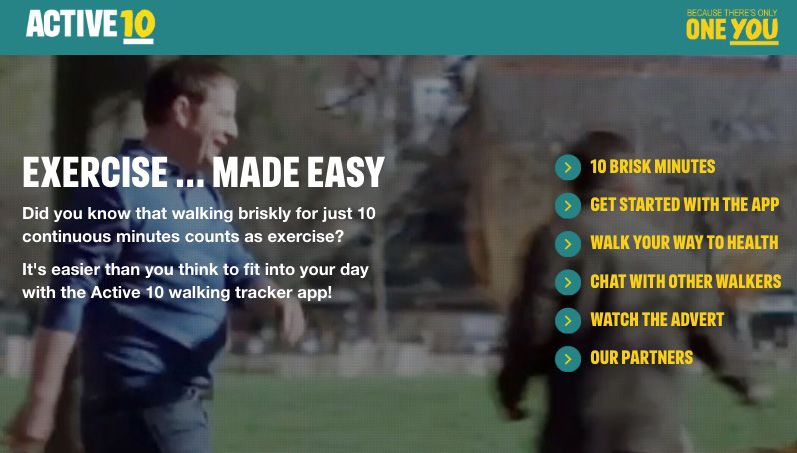
Contents

     Introduction .  .  .  .  .  .  .  .  .  .  .  .  .  .  .  .  .  .  .  .  .  .  .  .  .  .  .  .  .  .  .  .  .  .  .  .  .  .  .  .  .  .  .  .  .  .  .  .  .  .  .  .  .  .  .  .  .  .  .  .  .  .  .  .  .  . 3

     Background.  .  .  .  .  .  .  .  .  .  .  .  .  .  .  .  .  .  .  .  .  .  .  .  .  .  .  .  .  .  .  .  .  .  .  .  .  .  .  .  .  .  .  .  .  .  .  .  .  .  .  .  .  .  .  .  .  .  .  .  .  .  .  .  .  . 4

     The role of PHE in CVD prevention.  .  .  .  .  .  .  .  .  .  .  .  .  .  .  .  .  .  .  .  .  .  .  .  .  .  .  .  .  .  .  .  .  .  .  .  .  .  .  .  .  .  .  .  .  .  .  .  . 5

     Update on progress: Highlights from 2017 to 2018 .  .  .  .  .  .  .  .  .  .  .  .  .  .  .  .  .  .  .  .  .  .  .  .  .  .  .  .  .  .  .  .  .  .  .  . 6

     New and updated resources. .  .  .  .  .  .  .  .  .  .  .  .  .  .  .  .  .  .  .  .  .  .  .  .  .  .  .  .  .  .  .  .  .  .  .  .  .  .  .  .  .  .  .  .  .  .  .  .  .  .  .  . 17

     Highlights for 2018 to 2019 .  .  .  .  .  .  .  .  .  .  .  .  .  .  .  .  .  .  .  .  .  .  .  .  .  .  .  .  .  .  .  .  .  .  .  .  .  .  .  .  .  .  .  .  .  .  .  .  .  .  .  .  . 20

     The role of PHE centres and regions in CVD prevention .  .  .  .  .  .  .  .  .  .  .  .  .  .  .  .  .  .  .  .  .  .  .  .  .  .  .  .  .  .  .  . 29

     References.  .  .  .  .  .  .  .  .  .  .  .  .  .  .  .  .  .  .  .  .  .  .  .  .  .  .  .  .  .  .  .  .  .  .  .  .  .  .  .  .  .  .  .  .  .  .  .  .  .  .  .  .  .  .  .  .  .  .  .  .  .  .  .  .  . 34

                                                                                                                                                                                                                           2
Introduction

Cardiovascular disease (CVD) is a term that describes a family of diseases with a common set of risk factors and that
result from atherosclerosis (furring or stiffening of artery walls), particularly coronary heart disease, stroke and peripheral
arterial disease. It also covers other conditions such as vascular dementia, chronic kidney disease, cardiac arrhythmias,
Type 2 diabetes, sudden cardiac death and heart failure.
This document sets out some of the key CVD prevention initiatives that Public Health England (PHE) is delivering in
the 2018 to 2019 financial year, a year in which addressing variation in outcomes from CVD is one of PHE’s top three
priorities.1 PHE is further cementing its commitment to CVD prevention in a new system leadership that involves the
agency working closely with the British Heart Foundation, NHS England, the National Institute for Health and Care
Excellence (NICE), NHS RightCare and others. PHE’s secondary prevention project
(see page 29) represents a major investment in CVD prevention across England, with
national and localised activities designed to further the optimisation of secondary
prevention and reduce variation in CVD outcomes. The document also updates on
progress made on commitments made in last year’s action plan.
PHE’s actions to address CVD are taking place across the agency and frequently
involve multiple partners. This document is aimed at a broad audience, including
those involved in the commissioning and provision of services for CVD and its
prevention, for example: clinicians, local authorities, service commissioners, public
health specialists, academics, the third sector and PHE staff.

                                                                                                                                  3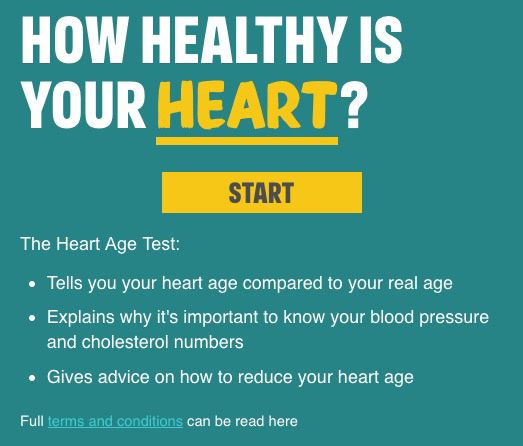
Background

Over the last few decades, great strides
                                                                                                             According to the
have been taken in reducing premature                                In 2016 to 2017,                        latest (2016) Global
deaths due to CVD in England.                                        CVD was                                 Burden of Disease

                                                                                                                     6.8
                                                                     responsible for
However, the problem still remains a                      25.4%      25.4% of deaths2
                                                                                                             data
significant cause of disability, death and
health inequalities.
                                                                                                                     million
The ageing population also presents                                                                                   people are
challenges for health and social care,                                                                                living with

                                                       33,812
since there are increasing numbers of                                                                                 CVD in
                                                                                                                      England3
people living with long-term conditions.
This is particularly relevant to CVD, as               died prematurely (under the
the rate of CVD increases with age.5                   age of 75) in England in 2016

This document follows publications
from 2016 and 2017, and shows some           There is significant
of the work that PHE is leading and          variation in the incidence

                                                                                                                 £7.4
                                             of CVD. For example, in                       Yearly healthcare costs
involved with to help meet the CVD
                                             2016 to 2017 the                              in England relating to
challenge.                                   premature (under 75)                          CVD are estimated at
                                             death rate for                 140.7                                 billion
                                             Manchester (140.7 per                             with an annual cost

                                                                                                             £15.8
                                             100,000) was nearly four
                                             times higher than that for             37.0       to the wider
                                                                                               economy of
                                             Mid Suffolk in the East of
                                             England (37.0 per 100,000) 4                                     billion        4

                                                                                                                                    4
The role of PHE in CVD prevention
PHE’s action on CVD can be structured
according to the framework of the
World Health Organization’s (WHO) six
building blocks of an effective health Leadership/
governance
system6, as shown right.
Service Health care
delivery financing
PHE and
CVD
prevention
Information Health
and workforce
research
Medical
products,
technologies
5Update on progress: Highlights from 2017 to 2018
In 2017, PHE highlighted a number of initiatives designed to support the prevention of CVD over the course of the 2017
to 2018 financial year. These were grouped according to the WHO’s six building blocks of an effective health system. The
following section updates on progress made in major initiatives showcased in Action plan for cardiovascular disease
prevention, 2017 to 2018.
Healthcare financing
Return on investment: Scope the development of a return on investment (ROI) tool across
critical CVD risk factors
PHE commissioned the School of Health and Related The tool models the cumulative effect of holistic action on
Research (ScHARR) at Sheffield University to assess CVD. It considers both the consequence of optimising
the feasibility of building an overarching ROI tool and detection or management of key CVD risk conditions, as well
accompanying report for secondary prevention of CVD. as the consequences of improving usage of interventions
The feasibility phase was completed successfully and the for people at risk of CVD. The tool will be accompanied by
tool and accompanying reports have been published. reports as well as a database of interventions that sets out
the evidence for effectiveness and cost-effectiveness of each
high risk condition modelled.
6Information and research
NHS Health Check: Collect and examine findings from a national data extraction
The NHS Health Check is a national programme In the summer of 2018, the data was extracted from three
offering a health check-up for adults in England aged of the four primary care IT system suppliers, using the
40 to 74 every five years. One of the largest prevention General Practice Extraction Service at NHS Digital. The
programmes of its type in the world, the programme is data was transferred securely from NHS Digital to PHE,
designed to help prevent and detect early signs of heart which is anticipating that data will be collected from the
disease, kidney disease, Type 2 diabetes and dementia. remaining supplier in autumn 2018. There has been an
PHE has national oversight for the programme which, in 89% participation rate from general practices in England.
the five years between April 2013 and March 2018, has PHE is beginning the process of analysing the data, with
seen over 6.86 million people take up their check. a view to producing publications and reports that will help
inform the NHS Health Check stakeholder audience.
The national data extraction is aimed at providing PHE
with the information it needs to monitor the programme,
and help local commissioners and service providers
address variation by locality and across various high risk
and vulnerable groups.
7Evidence review: Review of international evidence/case studies on CVD prevention
Whilst there have been significant strides to contribute A report and international case studies were published
to the reduction of CVD, England is significantly behind in autumn 2018. Emerging findings from the CVD
international counterparts. PHE and the British Heart international review display how our international partners
Foundation have therefore commissioned Solutions are working on interventions that cover the whole CVD
for Public Health to conduct a review of some of our pathway, with cross cutting approaches to prevention.
international partners to consider how we can improve PHE teams will consider how we can use these learnings
our offer. The review intended to: to improve our own offer for CVD prevention.
• identify, describe and critique a series of CVD prevention
programmes that are, or have been, implemented
outside the UK
• make recommendations for implementation of effective
CVD prevention programmes in the UK
• provide background and context of current CVD
prevention programmes in the UK.
8Data: publishing datasets and statistics Pollution: review of evidence related to CVD
PHE continues to publish a host of datasets and statistics A Committee on the Medical Effects of Air Pollutants
relating to CVD. These include: (COMEAP) report on the mechanisms by which air
pollutants affect cardiovascular (CV) health has been
• comprehensive CVD prevention data packs developed drafted. Proposed approaches to quantification of the
to support PHE centres/regions in engaging with their effects of long-term exposure to air pollution on CV
local systems on CVD prevention morbidity in the UK have been discussed at COMEAP
• refresh of CVD primary care intelligence packs meetings, and issues identified for further consideration
by the COMEAP CV Epidemiology/Quantification Working
• refresh of blood pressure and atrial fibrillation How can
Group when finalising its report. PHE also manages
we do better? resources in collaboration with the British
Inhale, providing invaluable an interactive health atlas of
Heart Foundation and the Stroke Association
data on lung conditions in England.
• updated cardiovascular disease profiles.
9Service delivery
Diabetes: Support the implementation and ongoing enhancement of the NHS Diabetes Prevention Programme
Diabetes is a leading cause of premature mortality, with Achievements of this programme to date include:
over 22,000 additional deaths each year.7 Having diabetes
doubles an individual’s risk of cardiovascular disease • all Sustainability and Transformation Partnership (STP)
(heart attacks, heart failure, angina, strokes).8 There are footprints are now covered by a provider under the NHS
also significant inequalities related to diabetes, as people DPP framework
from south Asian and black ethnic groups have up to a • at the end of July 2018, total referrals into the NHS DPP
six-fold greater chance of developing Type 2 diabetes stand at 252,130
than people from white ethnic groups.9 The Healthier
• 95,823 people have now attended an initial assessment
You: NHS National Diabetes Prevention Programme
as part of the NHS DPP
(NHS DPP) is a joint initiative between NHS England, PHE
and Diabetes UK, with an aim of providing personalised • 47,884 people have now attended a first intervention
help to those at risk of developing Type 2 diabetes. The session since the programme commenced.
NHS Diabetes Prevention Programme is closely aligned
with the NHS Health Check programme and is designed
to provide a service to those identified as being at risk
through an NHS Health Check.
10Analysis of the NHS DPP at the end of January 2018 suggests a positive impact on addressing risk factors for diabetes,
as well as health inequalities.
Attendance rates varied by sex, age, ethnicity Initial analysis of the first 12,498
and deprivation: participants completing the NHS DPP:
significantly lower for males compared to females
6,647 people, or 52% mean weight change
of participants, of -3.6kg (-3.8 to
74 87
attendance attended 8 sessions or -3.4kg) for those who
increased more (out of 13 attended 8 or more
as age sessions) sessions*
per 100,000 per 100,000 increased
referred people referred people
percentage mean
mean weight change
weight change of
significantly higher for black, asian and ethnic minority participants of -3.6kg (-3.8 to
-4.2%* (-4.4 to -3.9%).
compared to white participants -3.4kg) for those who
attended 8 or more
black, asian and ethnic white * excluding participants with sessions*
normal body mass index (BMI)
minority participants participants
119 68
per 100,000 per 100,000
people people
significantly higher attendance rates in the most deprived quintile
The first progress report of the Healthier You: NHS
versus the least deprived quintile
Diabetes Prevention Programme in 2016 to 2017
most deprived least deprived was published in Diabetic Medicine (December
quintile quintile 2017). A full report will be published in 2019.
72 60
per 100,000 per 100,000
people people
11Medical products/technologies
Heart age: Engage over 1 million adults on their heart health by promoting access to the
Heart Age Test (previously called ‘Tool’)
The Heart Age Test provides the public with an online
tool to help them assess their heart age and consider
measures to help make changes to improve their heart
health. The test has already been completed over 2
million times. The 2017 campaign engaged with various
partners including Argos, Omron, the British Heart
Foundation, Blood Pressure UK, the Stroke Association,
Lloyds Pharmacy, Well Pharmacy, Royal Pharmaceutical
Society, and the Civil Service Employee Network. Many of
these partners provided locations where customers could
access a free blood pressure check.
Heart Age is an ‘always on’ campaign and we have also
seen local authorities run awareness activities at a local
level throughout the year. This includes displaying posters
and leaflets and running localised campaigns, leading to
further test completions.
12Primary prevention projects: health campaigns, tools and enablers – Active 10
PHE relaunched Active 10 in June 2018 under the One
You programme, with the aim of engaging sedentary
adults in the three lower socio-economic groups (C2DE)
and 40-60 year old age brackets to take at least 10
minutes of continuous brisk walking per day.
The Active 10 app was created to help adults feature
more physical activity in their lives and is the only free app
of its kind which combines intensity and time, rather than
just distance or steps. The app helps people gradually
introduce more activity into their daily routine, with goal
setting advice and motivational tips. It is also designed
to help those who do walk relatively regularly, but not at
a high enough intensity for it to count towards significant
health benefits including lowering the risk of Type 2
diabetes, cardiovascular disease, dementia and some
cancers. It can also reduce the risk of early death.
As at mid-September 2018, the app has been
downloaded over 732,000 times, with 74,000 new
downloads since the 2018 campaign launch.
13Leadership/governance
Work with NHS England and partners to implement improvements in detection and
management of high risk conditions for CVD
PHE is working collaboratively with STPs and NHS PHE has invested circa £1 million to provide capacity
England, including NHS RightCare, to support the to the planning, delivery and evaluation of this work
implementation of identified preventative interventions programme. PHE Centres are critical for the localised
at scale. This work aims to deliver on the commitments implementation of the project – see pages 30 to 34 for
made in the Next Steps on the Five Year Forward View, further information on their work.
published in March 2017.
The CVD System Leadership Forum (SLF) has been
The initial focus is on the increased detection and optimal established to develop and agree a collective programme
management of atrial fibrillation, high blood pressure and of CVD prevention national ambitions for the identified
high cholesterol (including familial hypercholesterolemia), three high risk conditions, including an overarching
with an objective to achieve at least 80% of STPs or ambition to reduce health inequalities on CVD outcomes.
Integrated Care Systems (ICSs) committing to action on With 35 members, the SLF is currently developing the
at least one or more of these high risk conditions for CVD national ambitions, with input from subject matter experts
by March 2019. Targeted interventions of these three CVD and an aim for publication by January 2019.
high risk conditions presents the greatest opportunity for
reduction in mortality and morbidity and cost savings,
based on work completed for Size of the prize.
14Population level interventions which will prevent CVD: Reducing salt and sugar in foods
PHE is working with partners to help reduce salt and • in May 2018, PHE published the first detailed
sugar in foods, as well as address excessive calorie assessment of industry progress against the sugar
consumption, which contributes to people being reduction programme. This shows that for retailers and
overweight and obese. Reducing salt levels in food manufacturers there had been; a 2% reduction in total
can contribute to CVD prevention, since excess salt sugar per 100g; a 2% reduction in calories in products
consumption increases the risk of having high blood likely to be consumed in a single occasion; reductions
pressure. Recent actions include: in sugar in six out of eight categories, and reductions
in calories in four out of six categories, where it was
• in March 2018, PHE published Calorie reduction: The possible to make an assessment
scope and ambition for action, which demonstrates
• at the same time, PHE also published sugar and calorie
that overweight and obese children consume between
guidelines for juice and milk based drinks out of the
140 and 500 excess calories every day, depending
scope of the Soft Drinks Industry Levy. The guidelines
on their age and sex; and that if a 20% reduction in
set out how much sugar the drinks industry is expected
calories was achieved in five years, this would prevent
to remove from these products, as well as how these
35,370 premature deaths and save around £4.5bn in
reductions could be achieved, by mid-2021.
both social care and NHS healthcare costs, over 25
years. The publication challenges all sectors of industry
to reduce calories in foods contributing significantly to
children’s intakes, and where substantial reductions are
possible, by 20% by 2024, against a 2017 baseline
15Reducing risky behaviour - smoking and above low risk drinking
PHE is working to support health services to identify
smokers and help them to quit including through
implementation support for CQUIN [Commissioning for
Quality and Innovation] 9: Preventing ill health by risky
behaviours - alcohol and tobacco. A successful first year
of the CQUIN saw the majority of mental health trusts (54
of 62) and community health trusts (65 of 103) participate
with high levels of achievement. It should be noted that
many of the non-participating trusts do not operate
inpatient services.
Work is now focussed on supporting the rollout of the
CQUIN to acute trusts (applicable in 2018 to 2019; which
could reach 4.5m patients) with a suite of resources and
tools.
PHE continues to engage with NHS England and partners
to further increase momentum to deliver the action on
the wider Smokefree NHS agenda, including milestones
identified in the national Tobacco Control Delivery Plan
(published June 2018).
16New and updated resources
A number of new PHE resources feature in the preceding Allied health resources that PHE has developed or
section. Other recent resources include the following: supported:
• Familial Hypercholesterolaemia Implementation Guide: • Allied health professional (AHP) public health curricula
a co-badged resource to support the implementation of guidance, which provides recommendations to include
the updated (Nov 2017) NICE Guideline on Identification prevention of CVD as part of pre-registration training
and Management of Familial Hypercholesterolaemia across the 14 AHP professions
• International Cardiovascular Disease Prevention Review: • Everyday Interactions: this toolkit supports frontline
a review of published international evaluations of CVD clinicians, including nurses, AHPs, dentists and
prevention programmes. This report and case studies pharmacy teams to measure the impact of healthy
are due to be published in autumn 2018 conversations
• Love Activity Hate Exercise Campaign from the
Physical activity: Chartered Society of Physiotherapy: a campaign aimed
at physiotherapists and their patients to support physical
• Everybody active every day is the National framework activity conversations, particularly for people with long
to increase activity term conditions
• NICE guidance and pathways on Physical Activity
• UK Chief Medical Officers’ infographics for healthcare Dementia risk reduction resources:
professionals on physical activity guidelines
• Findings from the age 40+ dementia risk awareness
• Heart Age: resources for Heart Age can be accessed via pilot project
the Campaign Resource Centre or here
17• A ’Top Tips’ paper for NHS Health Check providers, • Local Authority Health Profiles, which provide an
practitioners and commissioners on talking about overview of health for each local authority in England.
dementia in the NHS Health Check for those aged 40- The profiles are intended to help local government and
64 years health services make plans to improve the health of
• The NHS Health Check dementia leaflet, available in a their local population and reduce health inequalities.
number of different languages to order and to download Profiles include indicators on premature mortality and
behavioural risk factors
• The revised (January 2018) NHS Health Check 30
minute e-learning for practitioners to introduce the • The Segment tool provides information on life
dementia risk reduction component, and links to other expectancy and the causes of death that are driving
training tools and resources inequalities in life expectancy at national, regional and
local area levels. Targeting the causes of death which
• PHE has published a report and tool allowing the contribute most to the life expectancy gap should have
estimation of costs to the NHS and social care costs of the biggest impact on reducing inequalities
air pollution, including from CVD
• Race disparity audit, includes data on physical activity/
inactivity, overweight, smoking and healthy eating
Updated and new health surveillance and epidemiology
• Health Profile for England 2018
data and tools:
• Public Health Outcomes Framework (PHOF) PHE has supported the development of updated Making
• Public Health Dashboard, which includes indicators on Every Contact (MECC) resources:
child obesity, NHS Health Checks, and Tobacco Control
for upper tier local authorities • MECC Implementation Guide to support people and
organisations when considering or reviewing MECC
activity (July 2018)
18• Making Every Contact Count (MECC): quality marker
checklist for training resources for use by organisations
that are developing or commissioning MECC training,
undertaking a review of existing MECC training or
developing and providing MECC training resources (July
2018)
• Following the closure of Pharmacy Voice, who published
Tackling high blood pressure through community
pharmacy, the Royal Pharmaceutical Society is now
leading on addressing how pharmacy might be better
engaged in the CVD work programme, working
alongside NHS England, PHE, pharmacy organisations
and other stakeholders.
19Highlights for 2018 to 2019
PHE is committed to a number of new and ongoing initiatives that relate to CVD prevention in 2018 to 2019. Some of the
major initiatives are outlined below, organised according to the WHO’s six building blocks of an effective health system.
In some instances, activities relate to more than one of the categories, with only the most relevant shown. PHE will report
back on progress against these initiatives in the next annual publication on CVD prevention.
Information and research
Pollution: the evidence linking pollution to CVD and review of electronic nicotine delivery systems
Aim: Understanding the evidence and interventions, will help determine practical steps to combat air pollution.
The Department of Health and Social Care (DHSC) has commissioned PHE to review the evidence for effective and
cost-effective interventions to provide practical recommendations for actions that can significantly reduce harm from air
pollution.
The Committee on the Medical Effects of Air Pollutants (COMEAP) report on the mechanistic evidence linking air
pollutants with CV effects is intended to be published later in 2018. COMEAP will continue its work to quantify CV effects,
and publish its report and estimates. PHE will submit the report on interventions to Ministers in August.
The Committee on Toxicity (COT) will include CVD in its reviews of the toxicity of electronic nicotine delivery systems and
electronic non-nicotine delivery systems (E(N)NDS). COT will establish the risk/benefit of transfer from tobacco smoking
to E(N)NDS for CVD in non-smokers and smokers respectively on the basis of current evidence.
20Primary care cardiovascular disease prevention audit
Aim: Facilitating regular data updates and prompts in primary care IT systems will help plan for
improvements to address variation in treatment outcomes.
The British Heart Foundation, working with PHE and NHS England, has commissioned PRIMIS (the Primary Care
Information Service) to conduct a feasibility study into a national primary care audit for CVD prevention. The audit is
intended to automatically extract routinely held GP data covering diagnosis and management of six high risk conditions
(atrial fibrillation [AF], blood pressure, cholesterol, chronic kidney disease, diabetes, and pre-diabetes). The scale of the
audit would bring substantial transparency around performance and variation in general practice. Providing real time
intelligence, it would aim to drive improved outcomes in CVD – with potential for at scale reduction in heart attacks and
strokes as identified in Size of the Prize.
The audit proposal has been developed as a tool for professionally-led quality improvement with a national reference
group including the Royal College of General Practitioners, NHS Digital, the National Institute for Health and Care
Excellence (NICE), PHE and several GPs. Working with PRIMIS, the group has established a full technical specification
and business rule set for a broad range of metrics based on NICE guidance.
The audit will be used to generate practice, Primary Care Network/Clinical Commissioning Group and national level
reports, and system prompts to support clinicians in their consultations.
The feasibility report is expected to be published in 2018. Discussions will then be held with NHS England to consider
whether such an audit can be commissioned, and whether a data extraction can be undertaken to provide the
information needed.
21Health Profile for England 2018
Aim: To summarise health in England in 2018.
The report is designed to fill a gap in existing PHE outputs in terms of bringing important PHE data and knowledge on
the health of the population together to tell the story of health in England in 2018. This is an update of the 2017 Health
Profile for England.
The report contains seven chapters, written as standalone articles, which are published in digital format. It brings together
knowledge from PHE data and tools, such as the Public Health Outcomes Framework, and supplements this with
analysis from other published sources such as the Office for National Statistics, other Government Departments and the
Global Burden of Disease Study. The report covers areas related to CVD, including mortality and morbidity, risk factors
and inequalities.
22Service delivery
Diabetes: Support the implementation and evaluation of the NHS Diabetes Prevention Programme (NHS DPP)
Aim: To meet the Five Year Forward View target of reaching 100K people per year by 2020.
A new framework of providers for the NHS DPP will be introduced in 2019. An updated service specification reflects
latest evidence and learning from the first two years of the operational service. The new service specification will also
support the managed introduction of remote digital intervention provision to enable greater access to the programme,
particularly among those of working age.
The programme has a target of 100,000 enrolments on the NHS DPP in the 2019 to 2020 financial year.
The service evaluation on 3,500 people with non-diabetic hyperglycaemia accessing digital behaviour change
interventions will report in Quarter 4 (Q4), 2019 to 2020 financial year, with an interim descriptive analysis available in Q4,
2018 to 2019 financial year.
The National Diabetes Audit will begin to collect data on individuals with non-diabetic hyperglycaemia from November
2017, which will support the longitudinal evaluation of the programme’s impact.
23Allied health professionals social prescribing network
Aim: Maximise the use of allied health professionals’ social prescribing opportunities to help improve
people’s health and wellbeing.
PHE is working with NHS Improvement and Royal Society for Public Health to develop a framework to support the
increased use of social prescribing by allied health professionals (AHPs) as part of a holistic approach to health care and
health improvement, including cardiovascular health.
AHPs constitute the third largest workforce in the NHS. Social prescribing is already part of AHP practice. However, there
is no shared vision of what it means and how allied health professionals contribute to social prescribing. Therefore, the full
potential of AHPs’ contribution is not being realised. PHE is working with partners to develop this network to help ensure
that community groups are engaged to help maximise the benefits of social prescribing across the people’s diverse
interests.
Physical ill-health and CVD prevention in SMI pathway
Aim: Achieving improvements in cardiovascular health for people with severe mental illness.
People with severe mental illness (SMI) die on average up to 20 years earlier than the general population, mainly due to
preventable physical health conditions such as CVD. Despite their higher risk of poor health, people with SMI are not
consistently receiving appropriate and timely physical health assessments and follow up support to reduce the risk. PHE
has been working collaboratively with stakeholders to develop a RightCare Physical ill-health and CVD prevention in
SMI pathway to support local health economies to drive improvement and address unwarranted variation. The resource
highlights the key priorities for optimisation along with underpinning evidence and implementation resources to help make
changes on the ground. The resource will be available from the RightCare website by end of 2018.
24Health workforce
Physical activity initiatives
Aim: Train 12,000 healthcare professionals to incorporate physical activity into patient care.
Physical activity can reduce the risk of CVD by a third,10 and so PHE is leading a national Moving Healthcare
Professionals Programme (MHPP) to increase the knowledge and skills, and change clinical practice of healthcare
professionals to incorporate physical activity into routine patient care.
One in four people would be more active if advised by a doctor or nurse,11 and the brief advice for physical activity
in NHS Health Check is part of NICE Quality Standard 84. The MHPP is a multi-component, partnership programme
involving PHE, Sport England and system leaders to increase awareness, skills and change clinical practice of these
health professionals in the promotion of physical activity to patients at risk of, or living with, health conditions.
The Physical Activity Clinical Champions programme, one of six projects in the MHPP, utilises a national network
of over 40 experienced healthcare professionals to deliver peer-to-peer practical training, using an evidence-based
programme within existing medical training infrastructures. The standardised training covers cardiovascular health and
there is optional additional training with an in-depth focus on CVD. Over 20,000 healthcare professionals have already
been trained, with a target of 12,000 trained in 2018 to 2019. Further details and booking information is available from
physicalactivity@phe.gov.uk.
25Medical products/technologies
Heart Age campaign
Aim: More people understanding their heart age and activing to improve their heart health.
The 2018 Heart Age campaign was launched in September and ran throughout the month. This includes the creation of
digital and printed resources, public relations and communications materials, as well as developing partnerships with key
stakeholders across the commercial, charity, pharmacy, healthcare professional and local authority sectors.
Improvements to the Heart Age tool are ongoing, optimising the technology and making it embeddable on partner
websites. The campaign includes investment in paid media across social and search sites, primarily focussing on the
campaign’s core audience of 40-60 year old adults.
PHE Digital Exemplar Programme: NHS Health Check work stream
Aim: Exploring digital opportunities to improve the clinical and cost-effectiveness outcomes of the NHS
Health Check.
A significant national investment that is currently in a discovery phase, this project is intending to explore the needs of
service users, providers and commissioners of the NHS Health Check and the potential role of digital technologies in
improving both clinical and cost-effectiveness outcomes of the programme. PHE is working in a matrix across local
authorities, PHE Centres, digital, behavioural insights and CVD prevention teams to deliver this work stream.
26Leadership/governance
Population level interventions which will prevent CVD: Reducing salt and sugar in foods
Aim: Working to reduce salt and sugar content in foods for better cardiovascular health.
PHE will continue its work to reduce salt and sugar in foods, through the following actions:
Publishing an assessment of industry progress towards the 2017 salt targets by the end of 2018 and will use this
assessment to consider next steps for salt reduction
Developing and publishing guidelines for the product categories included in the calorie reduction programme in mid-
2019. This will include detailed assessment of data to provide baselines and proposals for each category, which will be
discussed with stakeholders through significant engagement in the coming months
Publishing the second detailed progress report for the sugar reduction programme in spring 2019
Publishing the agency’s approach to bringing products aimed specifically at babies and infants into the reduction and
reformulation programme in 2019
Commenced phase two engagement in August/September 2018 with out-of-home businesses, not previously engaged.
Businesses have been selected on their market share and largely focus on quick service and casual dining restaurants.
27Secondary prevention project
Aim: Developing new national ambitions, resources and localised action to improve secondary prevention of CVD.
One of PHE’s major CVD projects is designed to optimise the detection and management of atrial fibrillation (AF), high
blood pressure and high cholesterol. This project is due to conclude in March 2019, with an ambition to achieve at least
80% of STPs or Integrated Care Systems committing to action on at least one or more of these high risk conditions for
CVD by that date.
The project is intending to publish an evaluation detailing findings from the work, as well as a toolkit showcasing
case studies and achievements of work undertaken across England. A key aspect of this project is the building of a
sustainable legacy to help ensure that local health and care systems can continue the work.
The CVD System Leadership Forum is currently developing national ambitions to improve the detection and management
of AF, high blood pressure and high cholesterol, including familial hypercholesterolaemia, as well as ambitions to reduce
health inequalities. These ambitions are due to be published in 2018. The group is considering the establishment of a
new programme website to feature a suite of resources for local and national use.
In 2018, PHE is also partnering with the Health Education England e-Learning for Healthcare team to develop an All Our
Health platform, which will include information and resources on CVD prevention, focusing on high risk conditions.
Action on dementia
Aim: Improving dementia risk reduction messaging through NHS Health Checks.
The raising of dementia risk awareness is now included as part of the NHS Health Check for all age groups targeted by
the programme. This was announced in June 2018. PHE continue to work closely with all of our partners to strengthen
the dementia risk reduction messaging in our guidance, training and public facing messaging. (Also see new resources
section on pages 17 and 18).
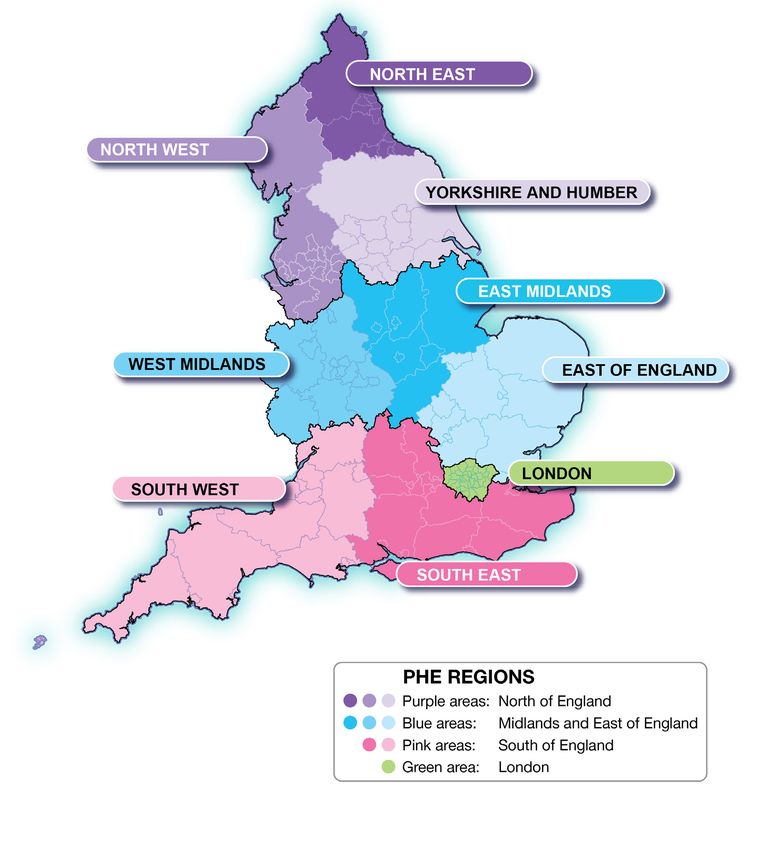
28The role of PHE centres and regions in CVD prevention
PHE’s four regions play an important strategic role in CVD
prevention, working with NHS England regional offices
and implementing projects across large geographic
footprints. The regions are also working closely with the
nine PHE centres, which are playing a critical role in the
local implementation of the CVD secondary prevention
project (see page 29).
The PHE centres are working with partners to:
• influence and strengthen the health and
social care system
• help bring about improvements in the rates
of people being optimally treated for AF, high
cholesterol and blood pressure
• develop sustainable models of care to
address high risk CVD conditions.
29Examples of work from the four PHE regions and centres are grouped together and shown below.
London region South region
• providing public health leadership and advice in the • managed a smooth transition to Centre based
development of a pan-London vision and ambition for programmes in the South West and South East and
CVD prevention with our partners provided funding to enhance the local programmes
• bringing together key stakeholders in hypertension and • invested in insight work on CVD prevention messaging
familial hypercholesterolaemia to deliver London’s CVD to be used locally. This was undertaken by Blue Marble
prevention agenda and maximise the NHS’s role in and supported by the CVD prevention leads in the
preventing serious cardiac events Centres and communication managers
• invested in NHS smokefree status across the South
• co-ordinated a South wide communications strategy
London centre and invested in Heart Age enhancement to maximise
the uptake in particularly disadvantaged communities
• leading on a familial hypercholesterolaemia needs
assessment that will make recommendations to the Pan
London Familial Hypercholesterolaemia Steering Group
• working with STP leads to identify gaps and South West centre
opportunities to improve the detection and management • establishment of a multi-agency South West CVD
of hypertension Prevention Board to oversee a CVD gap assessment
• raising awareness, confidence and skills around cardiac • developing a commissioner/provider action framework
arrest, CPR and the use of public access defibrillators across the care pathway
• engaging with key stakeholders to highlight the CVD
gap and opportunities, including exploring sector-led
30improvement initiatives around NHS Health Checks; • current activity in relation to the key prevention indicators
partnerships targeting primary care support and self- (cholesterol, hypertension and atrial fibrillation) have
assessment of AF, high BP and high cholesterol, been mapped and shared with the STP ALB Board
and a collaborative PHE/National Audit of Cardiac • joint communication to all 17 STP leads by the Regional
Rehabilitation approach to improve provision and Directors of PHE, NHS Improvement and NHS England,
address unmet need raising their awareness of the scale of the opportunity
for secondary prevention of CVD, outlining the “size of
the CVD prize”
South East centre
• working with STPs to prioritise the need for action on
CVD, the Centre is supporting the development of a West Midlands centre
local narrative, enabled by comprehensive data packs, • agreed a West Midlands AF consensus statement
to identify opportunity and galvanise action. Both STPs collaboratively with partners including NHS England,
have agreed local ambitions for addressing high risk NHS RightCare, the Academic Health Science Network
conditions for CVD, with Kent and Medway focussing on
the diagnosis and management of AF, and Hampshire • participation in a collaborative AF working group
and Isle of Wight focussing on hypercholesterolaemia. developing a new AF strategy. The first phase of work
is focusing on treatment pathways, with solid progress
and engagement with clinicians from across the STPs
involved
Midlands and East region
• secured support from the Midlands and East STP
Arms’-Length Bodies (ALB) Board for a focus on
CVD prevention, including the opportunities for CVD
prevention, complementing the work undertaken by
PHE Centre leads within Midlands and East
31East Midlands centre North region
• developed a hypertension diagnostic workbook and • building on existing work by PHE, STP/ICS leaders
is working in partnership with CCG and local authority and the regional directors of NHS England and NHS
public health leads to run a series of workshops to Improvement in the North have agreed to support a
agree actions needed to reduce health inequalities in North wide focus on evidence-based, at-scale CVD
hypertension at scale prevention, with PHE playing a key leadership role
• participating in the East Midlands atrial fibrillation • this work complements the work undertaken by PHE
primary care improvement programme, focussing on the Centre CVD leads, who have strong links to STPs at local
deployment of Alive-Cor devices and the subsequent level and are essential colleagues in the regional work
evaluation of the impact of upskilling primary care in AF • STP leaders in the North have indicated their support
identification and management, and device utilisation for the continuation of CVD prevention as a pan-North
• the Centre is also leading a CVD prevention programmes after the NHS England/NHS Improvement
communications strategy, working with colleagues in merger and formation of new regions
the East of England and West Midlands and with local • north-wide workshop held in September to share good
pharmacy networks practice and shape a self-assessment framework for
STPs/ICSs
East of England centre
• development of a local media campaign with partners North West centre
to support and amplify the Heart Age and Know your • chairing working group overseeing the development of
Numbers campaigns a Cheshire and Merseyside Happy Hearts website (NHS
• establishment of a multiagency East of England RightCare Hot Housing initiative)
CVD Prevention advisory board to provide oversight,
coordination and advocacy for CVD prevention
32• leading a Lancashire and Cumbria community-based Yorkshire and Humber centre
detection sub-group of the Stroke Prevention Alliance
which will scope and implement interventions such as • working to build on local authority led Burden of Disease
AF detection in Fire and Rescue Service Safe and Well premature morbidity and mortality modelling, focussing
Checks and further blood pressure screening in the on interventions to tackle significant health inequalities
community • providing system leadership across the three STP/ICS
footprints. This includes direct engagement undertaking
scoping work with CCGs and clinical champions,
North East centre through to supporting sector led improvement
approaches with local authorities across primary
• operating a PHE Centre-wide partnership approach for prevention and commissioning of the NHS Health Check
action planning and delivery with local authorities, NHS programme
RightCare, CCGs and charities
• supporting local partners to use data to inform
collaborative action plans in particular data prepared by
NHS RightCare, the National Cardiovascular Intelligence
Network and Local Knowledge and Intelligence Service
• establishment of a North Cumbria and North East CVD
Prevention Network through the Northern England
Clinical Networks with partners and stakeholders across
10 CCG CVD work stream areas
33References
1 Public Heath England (2018) Annual business plan 2018- 7 Emerging Risk Factors Collaboration (2010) Diabetes mellitus,
19. Available from: https://assets.publishing.service.gov.uk/ fasting blood glucose concentration, and risk of vascular disease: a
government/uploads/system/uploads/attachment_data/ collaborative meta-analysis of 102 prospective studies. Lancet, 375
file/696145/PHE_Business_plan_2018.pdf (9733): 2215–2222
2 British Heart Foundation (2017) The CVD challenge in England. 8 Emerging Risk Factors Collaboration (2010) Diabetes mellitus,
Available from: https://www.bhf.org.uk/informationsupport/ fasting blood glucose concentration, and risk of vascular disease: a
publications/healthcare-and-innovations/cvd-challenge-in- collaborative meta-analysis of 102 prospective studies. Lancet, 375
england (9733): 2215–2222
3 British Heart Foundation (2018) CVD Statistics: BHF England 9 National Diabetes Audit. Available from: https://digital.nhs.uk/data-
Factsheet. (Last reviewed and updated February 2018). Available and-information/clinical-audits-and-registries/national-diabetes-
from: https://www.bhf.org.uk/statistics audit
4 Institute for Health Metrics and Evaluation (2018) University of 10 Department of Health, Physical Activity, Health Improvement
Washington. Global Burden of Disease, cardiovascular diseases. and Protection (2011) Start Active, Stay Active: A report on
Available from: http://ihmeuw.org/4k38 physical activity from the four home countries’ Chief Medical
Officers. Available from: https://assets.publishing.service.gov.
5 British Heart Foundation (2018) CVD Statistics: BHF England uk/government/uploads/system/uploads/attachment_data/
Factsheet. (Last reviewed and updated February 2018). Available file/216370/dh_128210.pdf
from: https://www.bhf.org.uk/statistics
11 Craig, R. and Shelton, N. (eds) (2008) Health Survey for England
6 World Health Organization (2007) Everybody’s business: 2007. The NHS Information Centre for health and social care.
strengthening health systems to improve health outcomes. WHO’s Available from: https://files.digital.nhs.uk/publicationimport/
framework for action. World Health Organization, Geneva. Available pub00xxx/pub00415/heal-surv-life-know-atti-beha-eng-2007-
from: http://www.who.int/healthsystems/strategy/everybodys_ rep-v2.pdf
business.pdf
34About Public Health England
Public Health England exists to protect and improve the nation’s health and wellbeing, and reduce health inequalities. We do this
through world-leading science, knowledge and intelligence, advocacy, partnerships and the delivery of specialist public health
services. We are an executive agency of the Department of Health and Social Care, and a distinct delivery organisation with
operational autonomy. We provide government, local government, the NHS, Parliament, industry and the public with evidence-
based professional, scientific and delivery expertise and support.
Public Health England
Wellington House
133-155 Waterloo Road
London SE1 8UG
Tel: 020 7654 8000
www.gov.uk/phe Twitter: @PHE_uk
Facebook: www.facebook.com/PublicHealthEngland
© Crown copyright 2018
You may re-use this information (excluding logos) free of charge in any format or medium, under the terms of the Open
Government Licence v3.0. To view this licence, visit OGL or email psi@nationalarchives.gsi.gov.uk. Where we have identified any
third party copyright information you will need to obtain permission from the copyright holders concerned.
Published November 2018
PHE publications gateway number: 2018606
Public Health England supports the
UN Sustainable Development GoalsYou can also read


