A Vision for Community Pharmacy in Europe - PHARMACY 2030
←
→
Page content transcription
If your browser does not render page correctly, please read the page content below

PHARMACY 2030:
A Vision for Community
Pharmacy in Europe
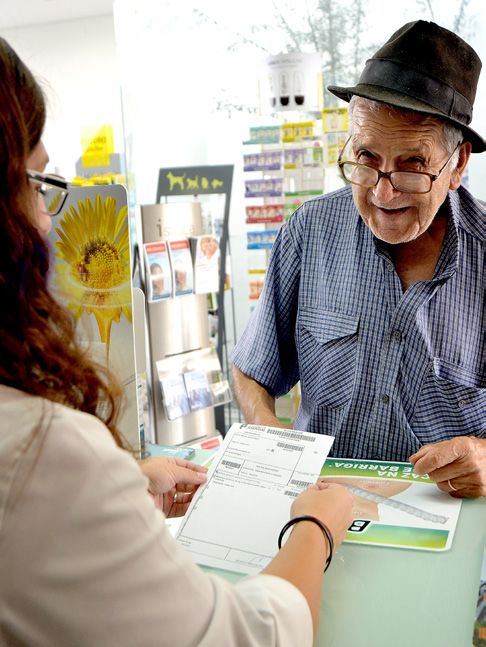
2

    The PGEU vision
    for the future
                                       Ensuring quality of care & patient safety, by

    Community pharmacists
    already make a dynamic
                                       1. Expanding pharmacy services to include          3. Continuing to integrate innovative,
    and sustainable contribution          medication reviews and new medicine                beneficial ICT and digital health
    to the health of the individuals      support, thus maximising the benefits of,          solutions in practice, to complement the
    and communities they serve.           improving adherence to, and minimising the         existing - and often generations-long - face-
    They are ready to enhance             inherent risk of using medicines;                  to-face patient-pharmacist relationships;
    this contribution and to           2. Ensuring continuity of pharmaceutical care      4. Showing leadership in personalised
    help strengthen Europe’s              throughout the patient journey as an integral      medication therapies by integrating
    health systems.                       part of collaborating primary care                 innovations in pharmacogenomics and using
                                          teams, in close cooperation with secondary         validated clinical protocols and real-world
    To accomplish this, European          and tertiary care settings;                        data on pharmacovigilance, adherence and
    community pharmacists commit to:                                                         effectiveness of medicines in daily practice.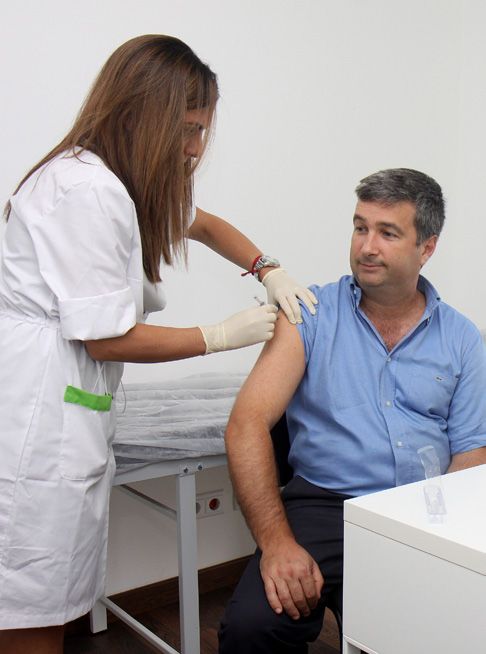
PHARMACY 2030:
                                                                                                                        A Vision for Community Pharmacy in Europe   3

Improving public                                      Guaranteeing patients can                        Contributing to the sustainability
health, by                                            access their medicines and                       of healthcare systems, by
                                                      healthcare services, by

5. Reducing the burden posed by chronic               7. Ensuring that patients can access treatment   8. Providing innovative and effective
   diseases by providing health screening,               close to their home or place of work by          pharmaceutical services to reduce
   medicines management, health                          offering their full range of medicines           burden on other services.
   promotion and education and                           in community pharmacies, emergency
   supporting enhanced self-management                   and home care supply and by preparing
   for chronic conditions;                               personalised compounded preparations when
                                                         needed;
6. Identifying public health threats and
   managing crises, raising public health
   awareness, contributing to disease
   prevention and control and supporting self-
   care. This also includes supporting and advising
   on environmental health and safety;
4

    1. Introduction

       The Pharmaceutical Group of the European Union (PGEU) is the association representing Europe’s community
       pharmacists. PGEU members are the national associations and professional bodies of community pharmacists
       in 32 European countries, including EU Member States, EU candidate countries and EFTA members.

       PGEU’s vision is to see community pharmacists recognised as key health professionals delivering a dynamic,
       sustainable and evolving contribution to the health of individuals and communities while strengthening
       Europe’s health systems. Europe’s community pharmacists work at the heart of communities, providing high-
       quality professional advice on the safe, effective and rational use of medicines. Often, they are the first and the
       last point of contact between the patient and the health system; as such, they make an invaluable contribution
       to the health of over 500 million people throughout Europe.

       This paper outlines the challenges and opportunities facing community pharmacists in the coming years
       and their role in ensuring quality of care and patient safety, improving public health, guaranteeing access to
       medicines and healthcare service, and contributing to the future sustainability of healthcare systems.
PHARMACY 2030:
A Vision for Community Pharmacy in Europe 5
2. Evolving healthcare systems: challenges and opportunities
Demographic challenges: for disease in recent years. In most EU countries, obesity Digital transformation of healthcare:
An ageing population, with the associated increased demand rates have increased by an average of 10 percent in the past The use of digital health solutions, big data and artificial
for health services and shrinking healthcare budgets, is 20 years4. The prevalence of diabetes, chronic obstructive intelligence are all expanding rapidly in healthcare.
jeopardising the future sustainability of health systems. pulmonary disease (COPD) and other chronic conditions These technologies can make pharmacy processes more
According to the Organisation for Economic Co-operation has also increased. This is increasing the burden on health efficient, making it easier to implement added-value
and Development (OECD), health expenditure has risen in all systems. It calls for a shift away from treatment to prevention; services and allowing community pharmacies to follow
European countries, often increasing faster than the economic yet on average only 3 percent of current health expenditure in up with at-risk patients and monitor their progress
growth. This has led to an increasing share of national Gross EU countries is directed to disease prevention4. during therapy. Community pharmacists acknowledge
Domestic Product (GDP) being allocated to health1. Changes the potential of appropriately-integrated digital solutions
to healthcare systems in order to meet patients’ needs are in complementing - but not replacing - practice. They
essential. There needs to be a more efficient, cost-effective have already invested significant resources in improving
10%
and patient-centred care model and a shift from secondary to their existing current information and communication
primary care, treating patients closer to their home. technology (ICT) infrastructure.
Healthcare workforce: IN 20 YEARS
The shortage of health professionals in Europe is expected PROGRESS
to increase, with the severity of shortage depending on the
individual health profession and the country of origin 2,3.
However, the increasing overlap of professional roles, Personalised & patient-centred care:
along with modern health systems that require health Personalised and precision medicine(s), advances in
professionals to work as a team, mean that healthcare pharmacogenomics and the increasing emergence of
professionals will need to manage the health of patients biotechnology offer opportunities for personalised treatment
smarter, using an integrated and multidisciplinary plans. Community pharmacy could provide the entry-point
into the health service, with the community pharmacists TREATMENT
approach. In response to this trend, pharmacists in many
acting as a preventive care provider (e.g. screening for ONLINE
European countries are developing more patient-centred
roles and expanding the number of primary care services chronic diseases) and reliable, rapid diagnostic testing PHARMACY
available via community pharmacies. (e.g. for the presence or otherwise of bacterial infections).
There are also opportunities; community pharmacists
Burden of chronic diseases: could increase their support for managing minor and self-
limiting ailments, act as health educators, collaborate more
Improvements in living and educational standards, an closely with care and / or nursing homes and managing the
increase in sedentary lifestyles and advances in technology medication of polypharmacy patients.
and convenience have significantly changed the risk factors6
3. The role of community pharmacists: the way forward
3.1 Ensuring quality of care & patient safety
Improving adherence and reducing medication errors Contributing to the patient’s medication journey A trusted source of high-quality information
Having pharmacists manage medication both maximises Community pharmacists deliver patient care services at all European community pharmacists provide information on
the benefits and minimises the risk inherent in their use. stages of the medication journey. This involves performing disease prevention and health promotion. Increasingly,
An example of a successful and effective intervention to a patient’s needs assessment, initiating new therapies, they are asked to help patients interpret information they
optimise patient outcomes is the community pharmacist- adjusting or discontinuing treatment following consultation have sourced from elsewhere, such as the media and the
conducted medication review5,6,7,8,9,10. From the patients’ with the prescriber and providing support in managing internet. With (a minimum of) five years of education and
perspective, this review improves their knowledge of their chronic conditions. A major challenge for pharmacists training as well as a life-long commitment to continuous
treatment and provides them with an opportunity to address remains service delivery - in collaboration with other professional development11, European community
any concerns over the medication. From the pharmacists’ healthcare professionals and care settings - that ensure pharmacists are uniquely positioned to provide robust and
perspective, it allows them to provide patients with continuity of treatment for patients as part of an integrated evidence-based information on a wide range of health
information on preventing, reporting and mitigating adverse care model. A coherent professional interchange with and medicinal topics.
drug reactions (ADRs) and thus increasing adherence to all parties involved in the care of the patient is important in
Community pharmacists have made significant proactive
treatment. This consequently improves both clinical and both secondary and primary care; integrated eHealth tools
investments in ICT infrastructure over the past three
cost effectiveness and reduces medication waste. are increasingly useful for coordinating these exchanges.
decades. This makes them ideally placed to play a pivotal
role in designing, developing, testing, implementing
and ensuring the uptake of new ICT innovations
100%
and confirming they are fit for practice12 . ICT creates the
potential for remote monitoring and care, read-write access
to shared medical records, electronic prescription, secure
pharmacist advice in online services, secure analyses of
OF PHARMACIES big data repositories, registries and other pharmacy-held
databases for epidemiological studies to improve health
DISPENSE MEDICINES
outcomes. It can also allow indications of the medicine on
AND GIVE ADVICE ON the electronic prescription and two-way eCommunication
THEIR SAFE, RATIONAL between pharmacists and other healthcare professionals.
AND EFFECTIVE USEPHARMACY 2030:
A Vision for Community Pharmacy in Europe 7
3.1
There are numerous examples of innovative ICT services Additionally, community pharmacists have a crucial role to
in European community pharmacies13 , and the profession play in avoiding, reporting or mitigating medication
recognises the complementary support that such errors in practice; they have legal obligations to report
innovations offer to pharmacy practice. However, the ADRs to regulatory authorities and implement risk
continuing presence of bricks-and-mortar pharmacies minimisation measures in practice. This contributes to the
in the heart of European communities ensures that EU pharmacovigilance system and improves the knowledge
the face-to-face, and often generation-long, patient- base of the safety of medicines on the market, including
pharmacist relationship continues to thrive and bring when medicines are provided at a distance or online14.
benefits to local populations. Integrating real-world data on pharmacovigilance,
adherence and effectiveness of medicines into
Enhancing patient safety practice, to improve safeguarding and advice on the safe
At the heart of the pharmacists’ day-to-day mission lies use of medicines for each individual patient, is widely
their commitment to the safe, effective and rational welcomed by community pharmacists. Community
use of medicines. This ensures that the right patient pharmacists should therefore be better integrated and
receives the right medicine at the right time, along with consulted to implement risk-minimisation measures.
the appropriate advice.
Innovations in pharmacogenomics, as well as access
to patient records and to physiological parameters
(such as renal function), offer pharmacists additional At the heart of the
tools to conduct complete medication assessments. It
allows them to recommend the appropriate medications pharmacists’ day-to-day
and doses according to individual patient needs. Based
on their expert knowledge of pharmacokinetics and
mission lies their commitment
pharmacodynamics, they are ideally-placed to interpret to the safe, effective and
laboratory and pharmacogenetic test results and provide
advice on changes to patients’ pharmacotherapy based on rational use of medicines
the outcome of these tests.8
3.1 Examples
THE
NETHERLANDS
FRANCE In the Netherlands,
In France, the ‘Dossier Pharmaceutique’ DENMARK Pharmacotherapy Audit
(‘Pharmaceutical Record’) is a confidential electronic In Denmark, the Compliance Service was introduced in Meetings (PTAMs) are a type
medication record of the patient’s recent medications pharmacies for patients with chronic diseases that have of quality circle undertaken by
(prescribed or over the counter). It is managed by problems with compliance. This service provides a private community pharmacists and general practitioners in
community pharmacists, and can be accessed consultation between the pharmacist and a patient that has group meetings. These discuss clinical guidelines,
by other community pharmacists and authorised been taking a medicine for a chronic condition for more than research, practice issues and ways to enhance the
healthcare professionals. This helps prevent 12 months and is experiencing problems with compliance. practice of evidence-based medicine16.
medication- and disease-related problems such as The purpose is to achieve better therapy compliance for
interactions, medication abuse, therapy duplication, patients by proving them with information and advice on the
adherence monitoring, pharmaceutical care provision safe, effective and rational use of their medicines while also In the Netherlands, the Royal Dutch
and managing medication recalls and safety alerts15. addressing healthy lifestyle measures. In the long term, the Pharmacists Association (KNMP)
service empowers patients and increases the effectiveness of initiated a pilot in community
their treatment. pharmacies with the aim of
BELGIUM demonstrating the impact
of Pharmacogenomics (PGx)
In Belgium, the Association of
testing by community pharmacists on individual
Pharmacists in Belgium (APB) SPAIN patients. Following development of evidence-based
makes product-specific, relevant In Spain, a hub for pharmaceutical guidelines and having undergone appropriate
pharmacovigilance information available digital services - ‘nodofarma’ - has been training, pharmacists collected and interpreted PGx
at the point of dispensing. An integrated webservice in established. This opens up new possibilities test results, discussed therapy optimisation with
the pharmacy dispensing software alerts pharmacists if for integration and interoperability and offers support for other healthcare providers and advised on changes to
a medication is subject to additional monitoring. It also pharmaceutical professional services, integrating them in patients’ pharmacotherapy. This lead to interventions
indicates existing information and educational materials a secure and flexible way with potential for development such as dose adjustments and therapy switches18.
as part of the risk management plan. in the future17.PHARMACY 2030:
A Vision for Community Pharmacy in Europe 9
3.2
3.2 Improving public health
The public health mission of community pharmacists Healthcare at the heart of the community Chronic disease management
extends far beyond simply the use of medicines. It Community pharmacists are at the heart of local People with chronic diseases managed by medication
forms part of a broader public health strategy that aims society, providing a wide range of professional services visit their community pharmacists more frequently than
to improve the health status and quality of life in the aimed at improving the health and wellbeing of patients they visit any other healthcare professional. Community
communities they serve. and the public. Because of the way in which community pharmacists help empower patients in making
pharmacies are distributed, often through conscious decisions about their health and play a prominent
planning, most people have convenient access to at least role in health promotion, disease prevention and
one pharmacy - often two or more - near to where they live chronic disease management. In addition, patients
and work. This makes the community pharmacy uniquely with undiagnosed chronic conditions will often visit
placed to support patients and help improve public health. their pharmacy for other reasons. This puts community
pharmacists in an ideal position to detect early signs
Supporting self-care or changes in a condition, to assist patients in self-
managing their disease and to signpost or refer more
Community pharmacists provide advice on common
serious or new cases to a physician.
and self-limiting ailments such as coughs and colds,
pain, skin conditions and digestive problems and are the
primary source of advice of medicines available without
prescription (‘over-the-counter’ medicines). They offer a
broad spectrum of services to help patients tackle obesity
(weight management programmes), smoking, alcohol
consumption and other substance misuse, including
medicinal products. They are also excellently located to
promote safe sexual health and family planning, including
dispensing emergency hormonal contraception. Community
pharmacists play an essential role in health education
and in ensuring effective and safe self-care.
patients with undiagnosed
chronic conditions will
often visit their pharmacy
for other reasons10
3.2
Detecting public health threats and managing crises Community pharmacists are also an important component
Pharmacists are unique positioned to identify emerging in national vaccination strategies20. Their involvement
public health problems in the community. They would varies from participating in immunisation awareness
also play a significant role in national crises response activities to, in some Member States, specially-trained
strategies. The community pharmacy network frequently pharmacists administering vaccines, thus reducing
serves as a convenient information dissemination point for vaccination hesitancy and increasing vaccination coverage.
citizens. This can readily be adapted to provide necessary
pharmaceutical services, for example during a pandemic or Environmental health and safety
a humanitarian crisis or following a natural disaster. Dealing with expired or unwanted medicines and
medical devices is important for environmental
Raising public health awareness health and safety. Community pharmacists can advise
The breadth of the community pharmacy network patients on appropriate handling and disposal.
improves the outreach of public health campaigns. In all Additionally, as manufacturers increasingly produce
European countries, community pharmacies take part in ‘greener’ pharmaceuticals, community pharmacists are
health campaigns developed by community pharmacists ideally placed to provide information to patients and
themselves and / or in collaboration with public authorities or consumers on the availability of such medicines where
other public health partners19. These can address key issues such information is available.
such as the global threat of antimicrobial resistance,
cancer screening, healthier lifestyles, and nutrition.
Community pharmacists
Participating in disease prevention and control
Many pharmacies are equipped to carry out health checks
are an important
and contribute to the early detection of diseases and component in national
referral to the most appropriate healthcare provider
/ service when needed. They are a unique gateway vaccination strategies
for signposting, accessing and providing services and
information on health issues to a broad spectrum of the
population. This is particularly valuable in reaching people
that may not be frequent users of other health services.PHARMACY 2030:
A Vision for Community Pharmacy in Europe 11
3.2 Examples
PORTUGAL ITALY
In Portugal, pharmacists can In Italy, during International Diabetes Week,
administer the seasonal influenza pharmacists - in collaboration with other
vaccination, as is the case in some stakeholders - provide a diabetes screening
other countries. To provide this campaign in pharmacies. This includes assisting
service, Portuguese pharmacists patients with blood glucose testing and in
need to meet a number of completing a validated
requirements and standards, including: Diabetes Risk Score test
CANADA 1. Mandatory training on vaccination;
(FINDRISC), as well
as giving advice on
In Alberta, Canada, community pharmacists 2. Recertification every five years; diabetes risk factors
are offering medication management and prevention24.
3. Evidence of continued activity;
programmes for patients with one or more
chronic diseases. These programmes involve 4. Certification on basic emergency
assessment, setting clear health goals, resuscitation.
monitoring and managing medications In addition, pharmacies must have a
(including independent pharmacy prescribing) suitable room for administering the vaccination
and helping patients to manage their medical with all necessary equipment.
conditions more effectively 21. These services They must also be able to adequately manage
have demonstrated cost-effectiveness and any anaphylactic event (for example, adrenaline
have improved patient outcomes 22 . administered by the pharmacist)23.12
3.3
3.3 Guaranteeing access to medicines and healthcare services
Procurement and quality of products Community pharmacists work with national authorities, Emergency supply
manufacturers and other stakeholders nationally and on a Community pharmacists are the most accessible
European level to strengthening the medicines supply chain healthcare professionals in Europe. They see patients
and prevent falsified medicines reaching the hands of
Community pharmacies patients. In addition, community pharmacists regularly go
during extended opening hours and without prior
appointment; they offer an emergency on-call service
are the most accessible to great lengths to ensure continuity of treatment by 24 hours a day, 365 days a year. Almost two-thirds of
mitigating issues caused by medicines shortages. In 2018, Europeans can access a pharmacy within five minutes,
healthcare facility all community pharmacies experienced shortages, spending while 98 percent can do so within 30 minutes28.
available to the public on average almost an hour a day working to mitigate and
resolve issues related to medicines shortages. Measures
include alternate sourcing or dispensing a magistral /
extemporaneous preparation in emergency situations25.
Community pharmacists source the medicines patients
Community pharmacies also provide a location for patients
need and take responsibility for their safe and appropriate
and the public to be supplied, obtain, or use high-quality
storage. This includes products that need special storage
medical devices and other health products.
conditions, such as cold chain products that require
refrigeration. They guarantee the quality and integrity of Furthermore, the range of medicines supplied through
all products in the pharmacy and also ensure that essential community pharmacies across Europe is increasing.
lifesaving medicines are held in stock at all times. On Community pharmacists dispense, advise on and even
occasions that medicines are not available in the correct dose administer a range of different high-value, complex and
or form for every patient - for example children or infants - or biological medicines (for example, HIV treatments
adults requiring a titrated or adjusted dose. Community and administration of vaccinations) 26.
pharmacists bridge this gap, providing patients with
custom-made medicines, expertly prepared according to a
national or European pharmacopeia. In addition, in a number
of European countries community pharmacists prepare
individual, single-dosage delivery systems in the
pharmacy for patients with complex treatment regimens.PHARMACY 2030:
A Vision for Community Pharmacy in Europe 13
3.3 Examples
PORTUGAL
In Portugal, a pilot was recently established for HIV+ patients to
receive their antiretroviral medicines via community pharmacies
CISMED as an alternative to a hospital visit. The aim of this pilot is to
demonstrate the value to both patients and the health system of
increasing accessibility of HIV medicines and support for HIV+
patients in the primary care setting.
SPAIN
In Spain, there is a communication system ENGLAND
called CISMED. This is a platform where more In England, the National Health Service ‘NHS Urgent Medicine Supply
than 6,000 pharmacies report the medicines Advanced Service’ (NUMSAS) aims to manage referral requests for urgent
that they could not order - on a daily basis - to medicine supplies, reduce demand on the rest of the urgent care system,
their pharmacy chamber. This information helps
resolve problems that lead to patients running out of their medicines and
identify generalised situations of irregular supply
increase patients’ awareness of electronic repeat dispensing29.
of medicines to the pharmacy that is subsequently
sent to the competent authorities 27.14
3.4
3.4 Contributing to the sustainability of healthcare systems
Each Member State wants to offer its population an Ensuring availability and accessibility In addition, community pharmacists play an important
efficient, high quality healthcare system that fulfils of healthcare services role in controlling healthcare costs, for example when
the needs of its citizens. However, during economic Community pharmacies are the most accessible promoting greater use of generic and biosimilar medicines
crises, when health budgets are under severe pressure, healthcare facility available to the public. They can where it is appropriate. Pharmacists will also detect
effectiveness, efficiency and cost-containment become key usually be accessed without prior appointment and during and avoid potential harm (such as contraindications,
policy drivers for governments. extended opening hours. Consultations dealt within the adverse drug reactions (ADRs), prescribing errors, etc.)
pharmacy free up the physicians’ time, which can then be before dispensing any medicine. Thus, they not only save
Contribute to evidence-based health policy used to deal with more complex cases. The community resources for health services by offering a more cost-
Community pharmacists collect and generate real world pharmacy is often the public’s first point of contact effective formulation where appropriate but also prevent
evidence that can contribute to evidence-based health in a country’s health system, including for the most excessive or over treatment or follow-up costs associated
policy and best practices in patient care. For example, vulnerable in society and those with the least means. The with potential complications arising where medicines are
data collected during practice audits, service evaluation, accessibility, availability and the familiarity of community not taken properly.
cost-effectiveness analyses, post-marketing authorisation pharmacies are a significant factor in ensuring that health
safety studies, non-interventional trials and post-marketing systems are more accessible, patient-centred and Community pharmacists also pre-finance prescribed
authorisation efficacy studies can demonstrate the value that focused on the needs of the community. medicines and medical devices with their own resources to
pharmacy services provide in terms of better outcomes and maintain adequate stock. This means that patients do not
reduced costs for health services. Cost effectiveness of services and financial stability need to prepay for their medicines or only need to pay for
of the healthcare system their co-payment share at the time of supply. In addition,
community pharmacies facilitate billing and payment for
Pharmacies help to reduce the burden on other
medicines by patients or the health system. However, some
healthcare services by providing a wide range of health
Community pharmacists services and by contributing to improving public health. A
measures, currently under discussion at national level,
include increasing commercialisation in the sector. This
play an important role number of studies30,31,32 across Europe have demonstrated
may negatively impact the sustainability of the pharmacy
the overall cost-saving impact and opportunities of
network and thus overall health systems quality. Ultimately,
in controlling community pharmacist-based interventions. In addition,
this will increase costs, so it is crucial that community
the effectiveness of pharmacy services has been
pharmacies remain financially sustainable to maintain
healthcare costs demonstrated for specific services such as managing
the resilience of health systems 40.
chronic diseases22,33,34,35,36, minor ailments37,38, vaccination39,
new medicine services 9 and medicines use reviews7,8.PHARMACY 2030:
A Vision for Community Pharmacy in Europe 15
3.4 Examples
ITALY ENGLAND SWITZERLAND
In Italy, Medicines Use Reviews In England, patients commencing a new therapy
In Switzerland, primary care
(MURs) for asthma patients are can receive the ‘new medicine service’. This
physicians and community
performed as a structured, face- provides support for those patients that have
pharmacists work together to
to-face, systematic consultation been newly-prescribed a medicine for a long-term condition and is
provide care through the pharmacy in the
with a pharmacist. It covers medicines used, intended to improve adherence. Within two weeks, the patient will
‘netCare’ service. Initial triage takes place
symptoms, attitudes towards adherence have either a face-to-face consultation in pharmacy or a telephone
consultation where the pharmacist conducts a semi-structured in the pharmacy by the pharmacist using a
and medicines and includes pharmacist-
interview to identify any problems, side effects, concerns or non- decision tree. Subsequently, the patient is
identified pharmaceutical care issues. In a
adherence to the new medication. Under these circumstances, the either treated by the pharmacist; has a video
recent cluster-randomised control trial, this
approach demonstrated both effectiveness and patient can be referred to her/his doctor if required or provided consultation in the pharmacy with a physician
cost-effectiveness and has subsequently been with appropriate advice by the pharmacist. They then agree a date or referred to a physician for a traditional
implemented as a pharmacy service41. for a final consultation within a two-week period. The service is consultation or to acute care. The decision
reimbursed by the National Health Service42. tree algorithms are validated by physicians,
and patients receive a follow-up call three
In England, community pharmacies contributed a net value of £3 days after treatment to evaluate the service.
PORTUGAL billion to the NHS, public sector, patients and wider society in Pharmacists in the netCare project undergo
In Portugal, current community 2015 through only 12 services (with a further £1.9 billion expected specific training to learn how to use the
pharmacies services provide an estimated to accrue over the next 20 years)31. Breaking down the combined decision trees before providing the service.
gain in Quality of Life (QoL) of 8.3 percent and an contribution showed that: A study to evaluate the efficiency, safety
economic value of €879.6 million. This includes • The NHS received a net value of £1.35 billion, including cash and efficacy according to the law on health
€342.1 million in unremunerated pharmaceutical savings from cost efficiencies and NHS treatment costs avoided; insurance in Switzerland was undertaken.
services and €448.1 million in unnecessary expense Results showed that 73 percent of cases were
in health resource consumption. Potential future • Other public sector bodies (e.g. local authorities) and wider
dealt with by the pharmacist, 20 percent by
community pharmacies services may contribute a society together saved over £1 billion through increased output,
the teleconsultations with physicians and the
further 6.9 percent increase in QoL associated with deaths prevented and reduced pressure on other services such
remaining 7 percent referred for acute care or
an economic value of €144.8 million; €120.3 million as social care and justice;
a face-to-face consultation with a physician.
in unremunerated services and €24.5 million in • Patients saved around £600 million, mainly in the form of shorter
The service is reimbursed by health insurers43.
potential savings in health resource consumption30. travel times to alternative NHS settings.16
4. Our
recommendations
for the future
Quality of care and patient safety
1. Maximise the benefits of the community 4. Consult end-users - particularly community
To meet the needs of both pharmacist’s intervention for patients and pharmacists - on the pragmatic development,
patients and public and healthcare system by systematically integration and user-friendliness of new ICT
make valuable contribution undertaking pharmaceutical services aimed solutions in healthcare.
at improving therapy outcomes and adherence and
to sustainable and resilient 5. Allow pharmacists to help progress
minimising the risks related to using medicines.
European health systems, the safe digitalisation of healthcare
our Vision for Community 2. Involve community pharmacists closely in (ePrescription and shared electronic health
collaborative care models. Achieving truly records, mHealth, etc.) as trusted sources
Pharmacy 2030 makes ten key
integrated care should combine the strength for health information and daily ICT users
recommendations: and competences of each member of the while maintaining their invaluable personal
healthcare team. connection with patients.
3. Grant community pharmacists access to 6. Support pharmacists in integrating
all relevant patients’ health information pharmacogenomics, validated clinical rules
and the list of medication they are and real-world data in their daily practice.
taking. For example, this can be via shared This will improve patient safety and increase
electronic health records, while respecting the benefits of pharmacotherapy. Pharmacists
data protection and privacy rules. This will should also be better-integrated and consulted
guarantee the continuity of pharmaceutical in implementing risk-minimisation measures.
care, including during patient transitions
between secondary and primary care settings.PHARMACY 2030:
A Vision for Community Pharmacy in Europe 17
Public health Access to medicines Sustainability of
and healthcare services healthcare systems
7. Support community pharmacists in offering 9. Help pharmacists ensure that patients can 10. Ensure that renumeration for community
health screening, medicines management, access full treatment close to their home or pharmacists properly reflects their
health promotion and education to help place of work, by empowering them to: contribution to improving pharmaceutical
reduce the overall burden of chronic diseases care, reducing the burden on other health
a) Provide the full range of medicines in
and ultimately support enhanced self- services and supporting the sustainability
community pharmacies;
management of chronic conditions. and resilience of European health systems.
b) Deliver medicines to care homes and
8. Establish regulatory frameworks - patients’ homes;
where needed - to allow and support c) Assist patients with the management of
community pharmacists in playing a complex treatment regimens;
more prominent role in public health
d) Offer a wider range of medical devices in
and prevention interventions. This will
community pharmacies;
maximise the value of the highly-accessible
community pharmacies network to the
communities they serve.18
References
1. OECD (2017), Health at a Glance 2017: OECD Indicators, 8. Sorensen et al. (2004). Medication reviews in the community: 15. PGEU (2016) PGEU eHealth Statement. https://pgeu.eu/en/
OECD Publishing, Paris. http://dx.doi.org/10.1787/health_ results of a randomized, controlled effectiveness trial. British policy/9:e-health.html
glance-2017-en Journal of Clinical Pharmacology,58(6), 648-664. http://doi.
org/10.1111/j.1365-2125.2004.02220.x 16. Florentinus SR et al. The Effect of Pharmacotherapy Audit
2. WHO Europe (2018), Health Workforce Data and Statistics. Meetings on Early New Drug Prescribing by General
Web Page. http://www.euro.who.int/en/health-topics/Health- 9. Elliott, et al. (2016). Supporting adherence for people Practitioners. Annals of Pharmacotherapy. 2007;41(2):319 -
systems/health-workforce/data-and-statistics starting a new medication for a long-term condition through 324. doi: 10.1345/aph.1H250
community pharmacies: a pragmatic randomised controlled
3. European Commission, State of Health in the EU Companion trial of the New Medicine Service. Pharmacoeconomics. 2017 17. PGEU (2016) PGEU eHealth Statement: Annex of Best
Report 2017 https://ec.europa.eu/health/sites/health/files/ Aug 3. doi: 10.1007/s40273-017-0554-9 Practices. https://pgeu.eu/en/policy/9:e-health.html
state/docs/ 2017_companion_en.pdf
10. E. Mehuys et al. Effectiveness of pharmacist intervention for 18. KNMP Poster ‘Pharmacogenomics making an impact
4. OECD (2017) Obesity Update 2017. OECD Publishing, asthma control improvement. European Respiratory Journal on patients’ https://www.knmp.nl/downloads/poster-
Paris. https://www.oecd.org/els/health-systems/Obesity- Apr 2008, 31 (4) 790-799; DOI: 10.1183/09031936.00112007 pharmacogenomics.pdf
Update-2017.pdf
11. EAHC/2013/Health/07. Study concerning the review and 19. PGEU (2017) Best Practice Paper on Antimicrobial Resistance
5. Manfrin A, Tinelli M, Thomas T, Krska J. A cluster mapping of continuous professional development and lifelong https://pgeu.eu/en/policy/6:antibiotic-resistance.html
randomised control trial to evaluate the effectiveness and learning for health professionals in the EU. Contract no. 2013
cost-effectiveness of the Italian medicines use review 62 02. FINAL REPORT. https://ec.europa.eu/health/sites/ 20. PGEU (2018) Best Practice Paper on Communicable Diseases
(I-MUR) for asthma patients. BMC Health Services Research. health/files/workforce/docs/cpd_mapping_report_en.pdf and Vaccination https://pgeu.eu/en/policy/47:vaccination.html
2017;17:300. doi:10.1186/s12913-017-2245-9.
12. PGEU (2016) PGEU eHealth Statement. https://pgeu.eu/en/ 21. http://www.health.alberta.ca/services/pharmacy-services.html
6. Clyne, W., & McLachlan, S. (2015). A mixed-methods study of policy/9:e-health.html
the implementation of medication adherence policy solutions: 22. Marra C et al. Cost-effectiveness of pharmacist care for
how do European countries compare? Patient Preference and 13. PGEU (2016) PGEU eHealth Statement: Annex of Best managing hypertension in Canada. Can Pharm J (Ott). 2017
Adherence, 9, 1505-1515. http://doi.org/10.2147/PPA.S85408 Practices. https://pgeu.eu/en/policy/9:e-health.html Mar 21;150(3):184-197 doi: 10.1177/1715163517701109.
7. Jódar-Sánchez, F. et al. Cost-Utility Analysis of A Medication 14. §45 of Directive 2013/55/EU amending Directive 2005/36/ 23. PGEU (2018) Best Practice Paper on Communicable Diseases
Review With Follow-Up for Older People With Polypharmacy EC on the recognition of professional qualifications. and Vaccination https://pgeu.eu/en/policy/47:vaccination.html
in Community Pharmacies in Spain: Consigue Program. Value https://eur-lex.europa.eu/legal-content/EN/TXT/
in Health, Volume 17, Issue 7, A511 - A512 HTML/?uri=CELEX:32013L0055&from=ENPHARMACY 2030:
A Vision for Community Pharmacy in Europe 19
24. PGEU (2017). PGEU 2017 Annual Report. https://pgeu.eu/en/ 34. Bunting BA, Smith BH, Sutherland SE. The Asheville Project: 41. Manfrin et al. A cluster randomised control trial to evaluate
library/587:annual-report-2017.html clinical and economic outcomes of a community-based the effectiveness and cost-effectiveness of the Italian
long-term medication therapy management program for medicines use review (I-MUR) for asthma patients. BMC
25. PGEU (2018) PGEU Survey on Medicines Shortages hypertension and dyslipidemia. J Am Pharm Assoc (2003) Health Services Research. 2017;17:300. doi: 10.1186/s12913-
2008;48(1):23-31. 017-2245-9
26. PGEU (2018) Best Practice Paper on Communicable Diseases
and Vaccination https://pgeu.eu/en/policy/47:vaccination.html 35. Khdour MR, Kidney JC, Smyth BM, McElnay JC. Clinical 42. PGEU (2016) PGEU eHealth Statement: Annex of Best
pharmacyled disease and medicine management programme for Practices. https://pgeu.eu/en/policy/9:e-health.html
27. http://www.portalfarma.com/Profesionales/medicamentos/ patients with COPD. Br J Clin Pharmacol. 2009;68(4):588-598
CISMED/Paginas/default.aspx 43. PGEU (2016) PGEU eHealth Statement: Annex of Best
36. Morello CM, Zadvorny EB, Cording MA, Suemoto RT, Skog J, Practices. https://pgeu.eu/en/policy/9:e-health.html
28. PGEU (2012) PGEU European Community Pharmacy Harari A. Development and clinical outcomes of pharmacist-
Blueprint. https://pgeu.eu/en/policy/19-the-european- managed diabetes care clinics. Am J Health Syst Pharm.
community-pharmacy-blueprint.html 2006;63(14):1325-1331.
29. http://psnc.org.uk/services-commissioning/urgent-medicine- 37. Paudyal V. et al., Pharmacy assisted patient self-care of
supply-service/ minor ailments: a chronological review of UK health policy
documents and key events 1997-2010, Health Policy.
30. Félix et al., Social and economic value of Portuguese
2011;101(3):253-259
community pharmacies in health care, BMC Health Services
Research (2017) 17:606 DOI 10.1186/s12913-017-2525-4 38. Watson M, Holland R, Ferguson J, Porteous T, Sach T, Cleland
J. Community Pharmacy Management of Minor Illness (the
31. The value of community pharmacy - detailed report; PSNC
MINA Study) London: Pharmacy Research UK; 2014.
2016; https://psnc.org.uk/wp-content/uploads/2016/09/The-
value-of-community-pharmacy-detailed-report.pdf 39. Steyer TE et al., The role of pharmacists in the delivery of
influenza vaccinations Vaccine. 2004 Feb 25;22(8):1001-6.
32. Dalton K. et al., Role of the pharmacist in reducing healthcare
costs: current insights., Integr Pharm Res Pract. 2017 Jan 40. PGEU (2017) Opinion Paper on Sustainability of Health
25;6:37-46. doi: 10.2147/IPRP.S108047. eCollection 2017. Systems https://pgeu.eu/en/policy/42:sustainability-of-
health-systems.html
33. de Barra et al. MC. Pharmacist services for non‐hospitalised
patients. Cochrane Database of Systematic Reviews 2018,
Issue 9. Art. No.: CD013102. DOI: 10.1002/14651858.CD013102.Contacts
Rue du Luxembourg 19 | 1000 Brussels | Belgium
T +32 (0)2 238 0818
Email: pharmacy@pgeu.eu
@pgeu
Please visit our website on www.pgeu.euYou can also read


