Animal Management and Exercise Plan 2020-2025 - City of Cockburn - cockburn.wa.gov.au
←
→
Page content transcription
If your browser does not render page correctly, please read the page content below
City of Cockburn
            Animal Management and
            Exercise Plan 2020–2025

             cockburn.wa.gov.au
Document Set ID: 9739717
Version: 1, Version Date: 15/09/2020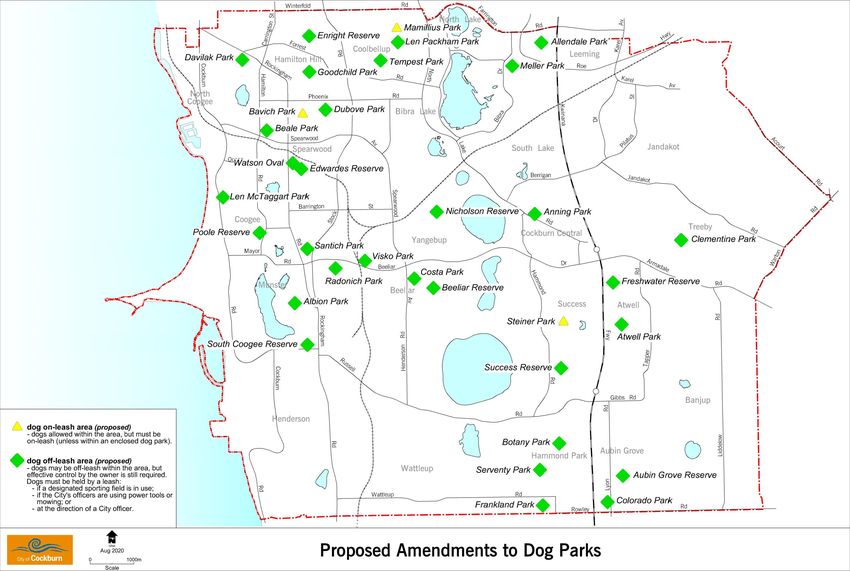
Table of Contents

            Table of Contents ................................................................................................................2
            Executive Summary .............................................................................................................3
            Introduction…. .....................................................................................................................4
            Aims and Objectives ............................................................................................................4
            Links to the Strategic Community Plan 2020 – 2030 ...........................................................4
            Legislation and Animal Management ...................................................................................5
            Context of Animal Owners Within the City of Cockburn .......................................................6
            Community and Stakeholder Consultation ...........................................................................6
            Key Strategic Objectives ......................................................................................................8
            Objective 1 - Encourage Responsible Dog Ownership ........................................................8
            Objective 2 - Provide sufficient, safe spaces for dogs, people and wildlife ........................11
            Objective 3 - Manage Feral and Domestic Cats ................................................................21
            Objective 4 - Embrace Smart City initiatives in animal management .................................25
            Performance Measures......................................................................................................33
            Reporting and Revision......................................................................................................34

                                                                                                                                               2
Document Set ID: 9739717
Version: 1, Version Date: 15/09/2020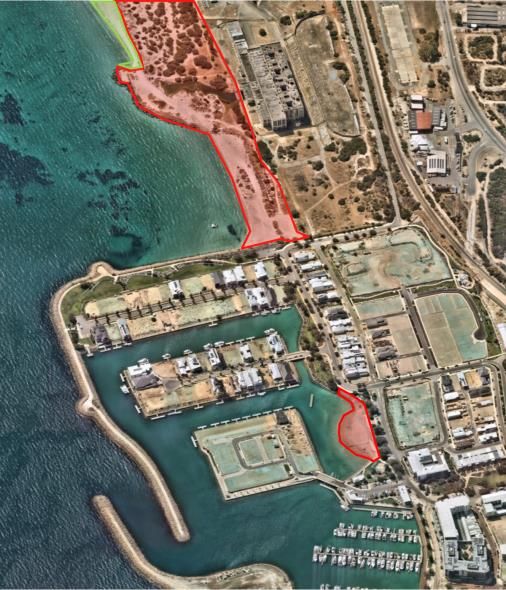
Executive Summary

            The City understands that pets are an important part of people’s lives and that they
            contribute to enhanced wellbeing. Australia has one of the highest rates of animal
            ownership in the world, with 67% of households owning a dog or cat. Without proper
            management, previously domesticated animals such as cats, can destroy the native
            environment, and without proper control, dogs can become a nuisance and dangerous to
            the public.

            Effectively managing the threats posed by pet species requires commitment, a coordinated
            effort, and action from a range of key stakeholders.

            Through increased development, population growth and animal-friendly facilities, the City
            of Cockburn is committed to educating the community and visitors about their obligations
            as responsible pet owners, so that animals and the community can coexist harmoniously.

            Responsible pet ownership goes further than caring for the health, welfare and safety of
            our pets. Animal owners are socially and legally responsible for managing their pets in
            such a way that ensures their animals are compliant with all relevant laws and do not
            create a nuisance, whether in terms of impact to the community or the environment.

            This Plan includes strategic objectives, guiding principles and priority outcomes to direct
            the coordination of animal management for the City of Cockburn.

                                                                                                          3
Document Set ID: 9739717
Version: 1, Version Date: 15/09/2020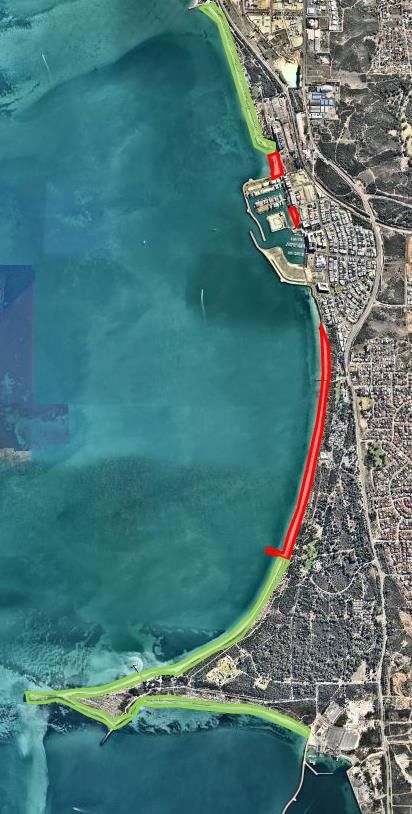
Introduction

            The purpose of the Animal Management and Exercise Plan 2020-2025 is to guide the
            City’s approach to promoting responsible pet ownership and ensuring that facilities are
            appropriately accessible and equipped to manage the growing population of pets within
            the City.

            Furthermore, the plan identifies opportunities to assist dog and cat owners to understand
            their responsibilities while also informing the general community about the City’s role and
            future priorities. The plan also recommends key changes to simplify the dog on-leash
            versus off-leash areas within City Reserves, Parks and the Coastline.

            Aims and Objectives

            The aim of this Plan is to support the City of Cockburn to achieve its vision for Cockburn to
            be the best place to be. Responsible pet ownership and thoughtful and sustainable animal
            management will help the City of Cockburn becomes the place to be for dogs and cats too.

            The objectives of this plan are:

            1.      Encourage responsible dog ownership;
            2.      Provide sufficient, safe spaces for pets, people and wildlife;
            3.      Manage feral and domestic cats; and
            4.      Embrace smart city initiatives in animal management.

            Links to the Strategic Community Plan 2020 – 2030

            The Animal Management & Exercise Plan supports the following key objectives in the
            Strategic Community Plan 2020-2030:

            Table 1 Links to the Strategic Community Plan 2020 – 2030

                    Community, Lifestyle               3.2 Facilitate and advocate for increased community
                       and Security                        safety .

              Environmental Responsibility             2.1 Sustainably manage our environment by protecting
                                                       and enhancing our unique natural coastal, bushland,
                                                       wetlands areas and native wildlife.

                                                       2.3 Provide accessible high-quality open spaces and
                                                       parks for community benefit.

                                                                                                             4
Document Set ID: 9739717
Version: 1, Version Date: 15/09/2020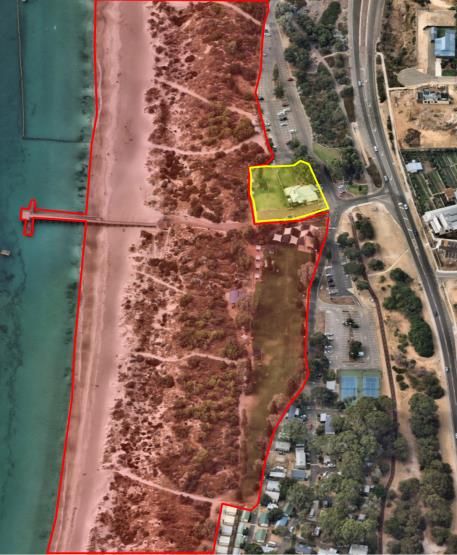
Legislation and Animal Management

            Administration of animal management within Western Australia is set out in applicable
            legislation, predominantly the Dog Act 1976, the Cat Act 2011, and the City of Cockburn
            Consolidated Local Laws. This legislation authorises the City to enforce compliance, and
            respond to or act on animal complaints and incidents, in a manner that is consistent with
            its powers as granted in legislation. This legislation also directs Council to collect revenue
            through fee-based services such as animal registration and impounding.

            Dog owners must meet the following legal requirements;

            1)      Abide by the Dog Act 1976 and the City of Cockburn (Local Government Act) Local
                    Laws 2000;
            2)      Ensure their dog has a microchip;
            3)      Current registration from three months of age and that it wears a collar with a
                    registration tag at all times;
            4)      Keep their dog on-leash at all times in public places, unless posted signs indicate
                    otherwise;
            5)      Do not allow their dog to enter areas signposted as ‘dogs prohibited’ and keep their
                    dog under effective control in designated off-leash areas;
            6)      Pick up and correctly dispose of all animal waste;
            7)      Observe special conditions for owning a greyhound or declared dangerous and
                    restricted breed dog;
            8)      Unless approved, do not keep more than two dogs on their property; and
            9)      Ensure their dog is securely confined within their property.

            Cat owners must meet the following legal requirements;

            1)      Abide by the Cat Act 2011 and the City of Cockburn (Local Government Act) Local
                    Laws 2000;
            2)      Ensure their cat has a microchip, is sterilized (desexed), and has current registration
                    from six months of age;
            3)      Ensure their cat wears a collar with its registration tag at all times in public places;
                    and
            4)      Do not keep more than three cats on their property.

            Animal welfare is also a key concern for the community. In WA, animal welfare is
            legislated by the Animal Welfare Act 2002 and administered by the Royal Society for the
            Prevention of Cruelty to Animals (RSPCA) through its Inspectors.

                                                                                                             5
Document Set ID: 9739717
Version: 1, Version Date: 15/09/2020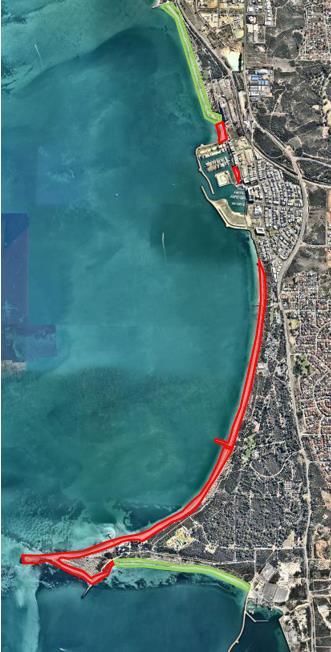
Context of Animal Owners Within the City of Cockburn
According to RSPCA data, 38% of households own a dog, and 29% of households own a
cat in Australia. On average, dog owners will have 1.3 dogs, and cat owners will have 1.4
cats. It is estimated that there were 21,579 dogs and 17,735 cats within the City of
Cockburn in 2019. By 2024, it is forecast that there will be 24,296 dogs and 19,968 cats in
the local area.
Legislation requires that all dogs over three months and all cats over six months must be
registered and microchipped and cats must also be sterilised. Analysing current
registrations against RSPCA statistics shows that many dogs and cats are not registered,
microchipped or sterilised. In 2019, it was estimated that 61% of dogs were registered and
17% of cats were registered in the City of Cockburn. While dog registrations have been
increasing, cat registrations have been declining.
Table 2 Animal Registration (2017 – 19) Summary Within the City of Cockburn
City of Cockburn 2017 2018 2019 Trend
Estimated number of dogs 20,575 21,087 21,579
Registered dogs 11,986 12,467 13,159
Estimated % of dogs registered 58% 59% 61%
Estimated number of cats 16,909 17,331 17,735
Registered cats 4310 3,905 3,088
Estimated % of cats registered 25% 23% 17%
There is a need to reverse the downward trend in cat registrations and accelerate growth
in dog registrations. In accordance with legislation, the City is aiming for all dogs and cats
to be registered.
Community and Stakeholder Consultation
At the beginning of 2019, City Officers undertook extensive consultation with members of
the community, which included animal owning and non-animal owning residents, key
stakeholders groups, and local government authorities across Australia. The objective of
the consultation was to seek an understanding of community needs for services and
improve the accessibility and compliance of dog and cat owners within public open
spaces.
6
Document Set ID: 9739717
Version: 1, Version Date: 15/09/2020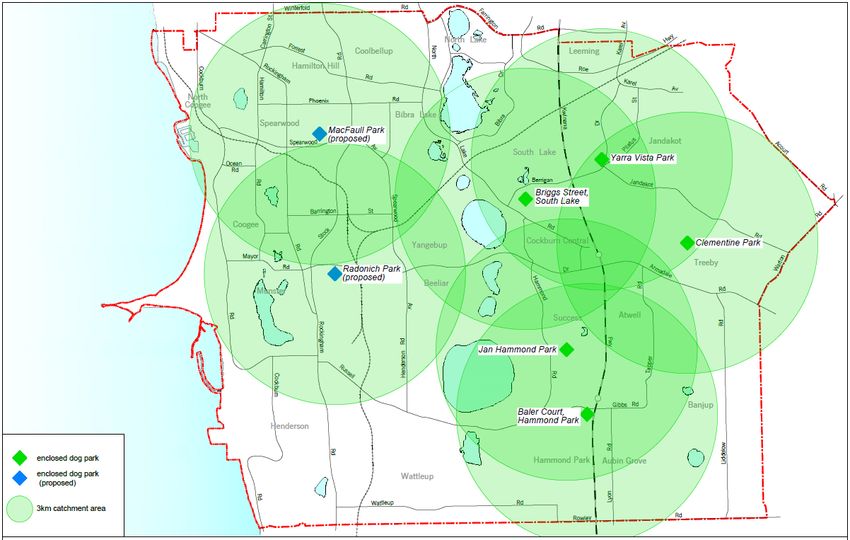
Further complementing the series of community workshops, an external consultant was
engaged to oversee an online survey and dedicated workshop to finalise the community’s
views on proposed recommendations within this Plan. Views of more than 600 residents
and City of Cockburn employees were gathered. The engagement program included:
A postal and online survey, and a community workshop with a representative
sample of dog owners and non-dog owners from across the City;
In-depth interviews with opinion leaders;
Meetings and workshops with internal stakeholders in animal management,
parks and reserves, safety and community engagement officers employed by
the City of Cockburn; and
Social media engagement via the City’s Facebook page and online
engagement portal.
A complete report of these findings is attached as Appendix one (1) to this Plan.
The key themes which arose from the Community Engagement Process were:
Quality of dog exercise areas
Dogs allowed on sporting grounds and ovals when no sport…
More / better dog parks and exercise areas
More bins/bags/to assist with owners picking up dog waste
Owner education/training courses (dog handling/control)
Better signage/information regarding different zones
More / better off leash areas
More responsibility by owners
More / better fenced dog exercise areas
% of Respondents Better enforcement and Ranger presence
0 10 20 30
Chart 1 Community Priorities for Animal Management
7
Document Set ID: 9739717
Version: 1, Version Date: 15/09/2020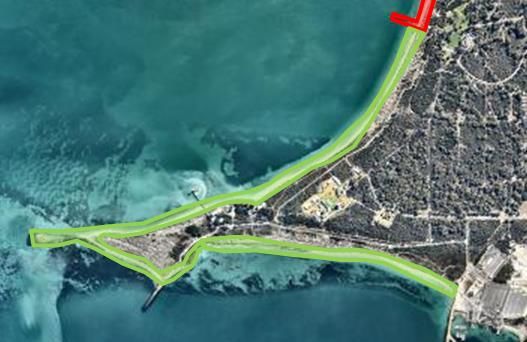
Key Strategic Objectives
Objective 1 - Encourage Responsible Dog Ownership
Dog owners and non-dog owners have different needs, values and expectations. There
are conflicting demands across the community between people who are comfortable with
dogs versus those who are not. As the population grows, the potential for conflict is likely
to rise, and this may include dogs versus children, dogs versus sport, dogs versus dogs,
and dogs versus wildlife.
To enable people, pets and wildlife to coexist, there is a need for greater promotion of
responsible pet ownership guidelines, participation in dog obedience training and stronger
enforcement to encourage responsible behaviour.
The main community concerns are:
Keeping dogs out of ‘Dogs Prohibited’ areas - a higher concern for non-dog
owners (84 points) versus dog owners (50 points).
Owner supervision and control of dogs in off-lead areas - a higher concern for
non-dog owners (82 points) versus dog owners (66 points).
Dog behaviour - dogs responding to their owners’ commands, not jumping or
running up to people or other dogs, etc. A higher concern for non-dog owners (82
points) versus dog owners (55 points).
Management of dog waste – one of the top concerns (81 points within the online
community survey) across the community with similar levels of concern among dog
owners and non-dog owners. The City’s effectiveness score in this area was only 45
out of 100.
Ensuring dogs are kept on-lead in on-lead areas - a higher concern for non-dog
owners (78 points) versus dog owners (45 points).
With the exception of managing dog waste, non-dog owners expressed greater concern
than dog owners for responsible dog ownership indicators in all the main community
concerns.
Community Sentiment - Enforcement
Community consultation identified a strong sentiment for an increase in enforcement by
City Rangers, by both dog and non-dog owners.
8
Document Set ID: 9739717
Version: 1, Version Date: 15/09/2020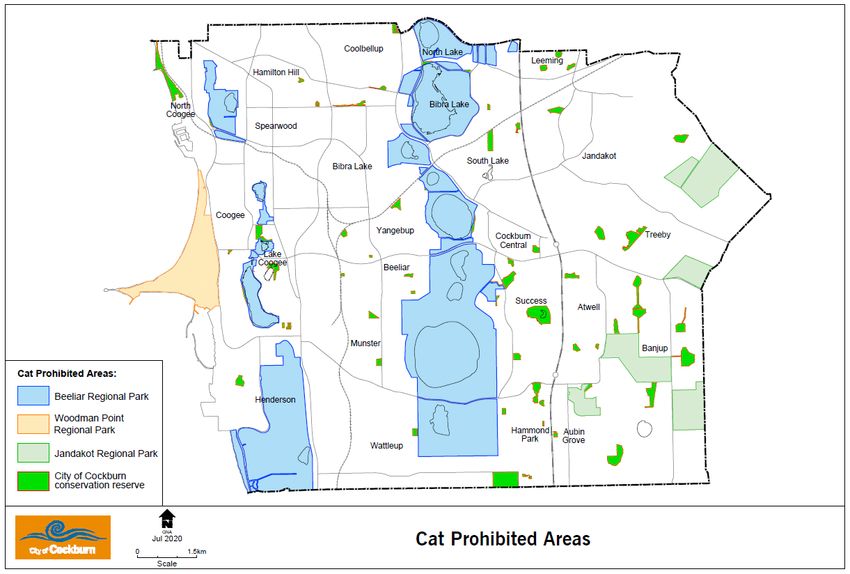
Chart 2 Community Sentiment for Animal Management
Respondents from the community consultation were asked to provide a suggested
‘Council Action Plan’. As seen within Chart three (3 ) below, stronger enforcement by City
Rangers is seen as the most supportive action to be undertaken, closely followed by
improved and additional dog parks.
Chart 3 Community Created Council Action Plan
To encourage more responsible pet ownership, there is a requirement to:
Increase enforcement – 93% of non-dog owners and 72% of dog owners would like
stronger action taken against dog owners who do not follow responsible dog
9
Document Set ID: 9739717
Version: 1, Version Date: 15/09/2020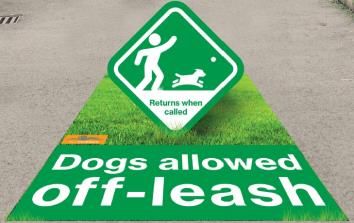
ownership rules and regulations.
Improve communication of responsible pet ownership guidelines – only 45% of
respondents feel there is sufficient information provided on the guidelines for
responsible pet ownership.
Improve promotion of dog obedience training – while 71% of dog owners say
they have taken their dog to obedience training, only 23% of dog owners and 17% of
non-dog owners feel there is sufficient promotion and provision of dog obedience
training.
Improve signage – 23% of respondents feel there is insufficient signage to indicate
where dogs are permitted on and off leash.
A traffic light system of signage has been developed as a result of these findings. The roll-
out of this system will be completed at all prominent reserves and dog-friendly locations.
Within the table three (3) below is a proposed version of the traffic light style signage.
Table 3 Proposed Traffic Light Style System
Dog off-leash area. Dogs may Dog on-leash area. Dog Prohibited area.
be off-leash within the area, but Dogs allowed within the Dogs are not allowed
effective control by the owner is area but must be on within the area either on
still required. Dogs must be leash. Unless within an or off-leash. Registered
held by a leash when; enclosed dog park. assistance dogs are
designated sporting fields exempted.
are in use;
designated school activity
in progress
city officers are using
power tools or mowing; or
At the direction of a City Officer.
Mobile signage will also be further investigated and implemented to highlight key patrol
areas for City Rangers as part of their proactive enforcement patrols. Some community
suggestions through consultation highlighted the need to install dog etiquette style signage
in dog exercise areas, to educate dog owners, and promote interaction between owners
their pets.
10
Document Set ID: 9739717
Version: 1, Version Date: 15/09/2020Objective 2 - Provide sufficient, safe spaces for dogs, people and
wildlife
Within the City of Cockburn there is a myriad of areas where dogs can exercise, and
owners can socialise. The needs of dogs, dog owners and non-dog owners vary greatly,
and the City caters for different needs with a mix of dogs prohibited parks, reserves and
beaches, dogs on leash parks, reserves and beaches, and dogs off-leash exercise areas,
including five fenced dog exercise parks.
As part of the Plan’s community consultation, there have been strong and varied views on
the appropriateness of some of these areas, but also a ‘cutting of red tape’ approach to
allowing responsible owners to walk and exercise their dogs.
The Plan has broken this objective into key areas:
Dogs access along the coastline;
Off-leash areas within reserves; and
Enclosed dog parks.
Dogs Access Along the Coastline
Coastline Usage:
Community feedback has shown a strong desire to maintain dog access to the City’s
coastal areas and beaches. The community survey showed CY O’Connor Beach is the
most popular beach to visit with a dog (56%), followed by Jervois Bay Dog Beach (40%)
and Woodman Point (20%). Although dogs are prohibited on Coogee Beach, 15% of dog
owners surveyed have visited this beach with their dog in the past 12 months.
When surveyed, 42% of non-dog owners are unhappy with designated dog access zones
along the coast. They would like dog owners to be more responsible for their pets and for
greater enforcement of on-leash requirements. The practicality of constant enforcement
within this area is difficult, and will likely require a significant increase in Ranger resources
to maintain a strong enforcement capability along the coast, especially during the summer
months.
Environmental Impacts:
Research has shown that dogs on a leash often have the same environmental impact on
sea nesting birds, as those not on a leash. The Department of Biodiversity, Conservation
and Attractions, and members of the community are concerned about the impact of dogs
on Fairy Terns. Fairy Terns are known to nest at Woodman Point and are listed as
vulnerable under both state and federal legislation and thus are a protected species. In
11
Document Set ID: 9739717
Version: 1, Version Date: 15/09/2020Western Australia, predation from domestic and feral animals such as dogs, cats and
foxes has reduced population numbers and breeding success.
Further concern has been raised by BirdLife Australia, a prominent bird protection
organisation in Australia. Recent research into the Woodman Point area has shown the
beach is an ideal habitat for a wide range of migratory and resident shorebirds, including
species like migratory Ruddy Turnstone, Grey Plovers, and the Grey-Tailed Tattler. Up to
26 species of shorebird have been recorded at the site. The area also could potentially
provide breeding habitat for resident beach-nesting birds, including Red-Capped Plovers
and Oystercatchers, though the amount of human activity and the frequent presence of
dogs has likely impacted birds selecting the area to breed in recent years. Making the area
dog free, as well as measures taken to facilitate Fairy Tern breeding will also benefit other
beach-nesting species.
Research has shown dog walking (both leashed and unleashed) is a major disturbance to
shorebirds, due to their need to spend large amounts of time feeding in the shallows and
exposed sand flats. They do this to build body condition in preparation for their long
migration to the northern arctic to breed, and to recover when they return to Australia.
Council at its July 2020 meeting requested Woodman Point be changed from an on-leash
area to off-leash area. The change was due to long-standing history of dogs being allowed
at Woodman Point, and current usage suggests there a few dogs that use this stretch of
beach.
Humans and dogs compete with shorebirds for the use of these spaces to walk, run and
fish. There is a growing body of research indicating that frequent disturbance can
significantly impact shorebird feeding behaviour, causing birds to waste energy in
repeated flight to get out of the path of dogs and their owners. In some cases, this can
cause birds to stop using a site altogether.
The general community is highly concerned about keeping dogs away from wildlife and
nesting birds. The level of concern is 85 points among non-dog owners and 75 points
among dog owners.
Image 1 Public Promotion
Image
Community Awareness:
There is relatively low community awareness of designated dog
exercise zones along Cockburn’s coast. Only 59% of dog
owners and 68% of non-dog owners were aware of the zones
when shown image 1 widely used by the City on its website and
billboards.
Based on feedback from the community and considering the
Council decision, the Plan recommends changes to the coastal
areas. The proposed changes are highlighted in table four (4) below.
12
Document Set ID: 9739717
Version: 1, Version Date: 15/09/2020Table 4 Current and Proposed Coastal Changes
Legend
Dogs prohibited
Dog off-leash
Dogs on-leash
Current Proposed
13
Document Set ID: 9739717
Version: 1, Version Date: 15/09/2020Port Coogee and CY O’Conner (No change)
Current Proposed
Coogee Beach (No change)
Current Proposed
Woodman Point
Current Proposed
14
Document Set ID: 9739717
Version: 1, Version Date: 15/09/2020Off-Leash Areas within Reserves
Only 39% of respondents were happy with the availability and mix of on-leash and off-
leash, fenced, and dogs prohibited areas. 68% of non-dog owners think dogs should be
on a leash at all times in public places, while only 29% of dog owners feel the same way.
Residents are fortunate to have a number of large and well-maintained reserves
throughout the City, which for the most part require owners to have their dogs on a leash.
Community feedback shows this seems to be over-restrictive, especially considering most
reserves are not heavily utilised at times when most dogs are walked.
Of those surveyed, 73% of dog owners think dogs should be allowed off-leash when ovals
are not in use for organised sport, versus only 25% of non-dog owners. The main concern
amongst dog and non-dog owners alike was the removal of dog waste. Upon review of
current complaints relating to off-leash reserves, there does not appear to be an
increasing trend of more dog waste left by owners.
To meet the growing community’s need to change regulations relating to where and when
dogs can be off-leash, this Plan proposes expanding the use of the traffic light style of
signage recommended within this Plan, and expand the City’s designated dog areas into
three categories:
Red – Dog prohibited area. Dogs are not allowed in this area either on or off-
leash. Registered assistance dogs are exempted.
Yellow - Dogs are allowed in this area; however, they must be leashed, unless
within an enclosed dog park.
Green - Dogs may be off-leash in this area, but effective control by the owner is
still required. Dogs must be held by a leash;
o When designated sporting fields are in use;
o When designated school activity in progress;
o When City Officers are using power tools or mowing; or
o At the direction of a City Officer.
15
Document Set ID: 9739717
Version: 1, Version Date: 15/09/2020NOTE: THIS MAP DOES NOT SHOW ALL PARKS WITHIN THE CITY OF COCKBURN ONLY PARKS WITH PROPOSED CHANGES
16
Document Set ID: 9739717
Version: 1, Version Date: 15/09/2020As part of a change management process, this Plan recommends an initial trial of this
system as outlined in image two (2) below.
Phase 1
Beeliar Reserve, Aubin Grove Reserve, Santich
Park, Colorado Park, Goodchild Park, Allendale
Park and all existing dog exercise areas
Report to Council on Phase 1 effectiveness (4
months after implementation)
Phase 2 (6 months after Phase 1)
Enright Reserve, Len Packham Reserve and Success
Reserve
Report to Council on Phase 1 and 2 effectiveness (if
required)
Phase 3 (6 months after Phase 2)
All other Reserves as outlined on the attached map
(page 16 of this Plan)
Image 2 Active Reserve Phased Approach
Enclosed Dog Parks
Enclosed dog parks are on-trend, and an increasing number of Local Governments are
opening new parks. In addition to parks with separate areas for small and large dogs, most
enclosures also include agility equipment and water fountains.
Although dog exercise parks are growing in popularity, there are recognised challenges
with enclosed dog parks, mainly the cost of maintenance (requiring approximately $50,000
replacement turf every 18 months), and a lack of supervision by owners. In the South
Australia Dog and Cat Management Board’s Unleashed: A Guide to Successful Dog
Parks, long, linear enclosed dog exercise areas are recommended to encourage owners
to walk or run alongside their dog to maintain supervision. Other concerns with enclosed
dog parks areas include:
17
Document Set ID: 9739717
Version: 1, Version Date: 15/09/2020 dog owners treating the enclosures as a ‘set and forget’ environment where
owners are distracted by socializing or being on their phone, without
maintaining appropriate supervision of their dogs,
ease of access to facilities - walking distance from home,
poorly designed areas, lack of shade, inappropriate to contain smaller dogs,
a view that fenced areas give dog owners a false sense of security and cause
some to pay less attention to the whereabouts of their dog,
need for better equipment, more stimulating plants at parks,
lack of maintenance - grass, gates and replacement dog waste bag dispensers.
The following assessment criteria is recommended to evaluate the proposed locations of
future dog exercise areas.
Dog Exercise Areas | Assessment Criteria
A dog park should be considered where there is
Dog Owner Ratio
approximately 3,000 dogs within 5km of a park.
Population size, profile, housing density.
Demographics
Number of dog registrations, dog profile (age, type, etc.).
Current access to off-leash areas, walking / driving distance
Current situation
Current usage, satisfaction.
level of demand, user profile, expected frequency of use.
Community needs Fencing only installed to assist with dog, bicyclist and
pedestrian safety .
Size of area - min 1.5 ha.
Land ownership - owned or vested to the City of Cockburn.
Site features – drainage, some natural vegetation and
topography, shade, natural barriers / fencing, waste disposal
options and access to a water source for fountains.
Appropriateness Environmental / biodiversity impacts.
of location Accessibility – within walking distance of residential areas,
accessible by road, footpaths or trails, and adequate parking
provisions.
Safety - not isolated, able to be monitored, and good lighting.
Proximity to complimentary activities – for casual surveillance
and shared infrastructure and shared costs (parking, lighting,
toilets, general waste bins, water, etc).
Costs Cost of establishment and maintenance.
18
Document Set ID: 9739717
Version: 1, Version Date: 15/09/202018% of dog owners feel there are sufficient fenced dog exercise areas in the City of
Cockburn; lower among owners of large dogs (15%) versus small dogs (23%). Most
would prefer separate exercise areas for big and small or timid dogs. Based on these
findings, the Plan recommends using the above guidelines, in a multi-pronged approach;
1. Construct two new enclosed dog parks within the City;
2. Investigate removing unnecessary fencing at existing and proposed parks to promote
better dog and non-dog owner interaction; and
3. Improve sensory and education material within existing parks.
Macfaull and Radonich Park were selected due to the distance away from existing
enclosed dog parks in the Central and Eastern Wards of the City boundaries. The City
officers highlight the need that further specific community consultation with neighbouring
residents should be undertaken prior to any construction of these proposed parks.
With the construction of two dog parks at Macfaull and Radonich Park, most of the City’s
residents would live within a 3km catchment of a dog park, as shown within image three
(3) below.
Establishment of a Memorial For Pets That Had Past
In 2019, Council sought further exploration of the creation of a pet memorial within the City
for owners of deceased pets to pay their respects. Research by the City’s Officers has
shown a number of pet cremation services are provided within the Perth metropolitan area.
Post cremation, many dog owners elect to either store or dispose of ashes at various
locations or in private ceremonies.
Within the Perth metropolitan area, the Shenton Park Dogs Refuge has options of burial
and spreading of ashes within their Memorial Garden. The use of the refuge incurs fees of
between $90-$690, depending on the type of burial or spreading of ashes.
Although initial research would suggest there are no other formal memorials within the
metropolitan area, the spreading of ashes is considered common and due to the small
quantity and the inert nature of ash, does not pose any environmental health impacts
As part of the Plan, it is recommenced that further investigation is done in consultation with
Landgate about renaming the City’s enclosed dog parks after fallen pets from the
Australian Defence Force and other public services.
19
Document Set ID: 9739717
Version: 1, Version Date: 15/09/2020Image 3 Existing and Proposed Dog Parks
20
Document Set ID: 9739717
Version: 1, Version Date: 15/09/2020Objective 3 - Manage Feral and Domestic Cats
Feral and domestic cats are the same species, however, feral cats live and reproduce in
the wild with minimal or no reliance on humans. Feral cats are predominantly solitary and
nocturnal, spending most of the day in the safety of a shelter such as a rabbit burrow, log
or rock pile. They are carnivores, surviving by scavenging or hunting for small mammals,
birds, reptiles, amphibians, fish and insects. They can carry infectious diseases which can
be transmitted to native animals, domestic pets and humans.
Feral cats threaten the survival of over 100 native species in Australia. They have caused
the extinction of some ground-dwelling birds and small to medium-sized mammals. They
are a major cause of decline for many land-based endangered animals such as the Bilby,
Bandicoot, Bettong and Numbat.
The impact of feral cats is exacerbated by free-roaming domesticated cats, many of which
frequent conservation areas. Many native animal species are struggling to survive and so
reducing the number killed by feral and free-roaming domesticated cats will assist their
populations to grow.
Creating Cat Control Areas
To mitigate the threat to native wildlife, the City has explored the creation of cat prohibited
areas. Other local governments have successfully initiated such areas within the Perth
metropolitan area.
Currently in the City, pet cats trapped in public areas, including conservation areas, are
impounded, and if microchipped, their owners are notified. When collected, the owners pay
a small impoundment fee. Where owners cannot be contacted, the impounded cats are
sent to the Cat Haven for rehoming where possible. Cats that are not microchipped and
deemed to be feral are humanely euthanized.
For the past 12 months, staff from Environmental and Ranger Services, have been
investigating a number of options to strengthen the current City of Cockburn Local Laws
2000 that relate to cat management.
A Murdoch University student was engaged, via the City’s intern program, to research the
approach other Councils have taken to control cats and protect wildlife. The aim was to
identify cat laws that would be suitable for the City to adopt. The scope of the research
included discussions with other internal staff, including Rangers, to assess the
ramifications of implementing specific laws in terms of staffing and financial impacts.
21
Document Set ID: 9739717
Version: 1, Version Date: 15/09/2020Based on the investigation to date and report produced by the intern, it is recommended
that the City adopt a similar approach to other local governments, by enacting laws that
prohibit cats in conservation reserves. This would mean that under the proposed Local
Law if any registered cat is caught in one of the City’s conservation areas, the owner
would be committing an offence and be subject to a fine.
It is recommended that the City take a staged approach (Image 4 below) over a period of
time to enact amended Cat Management Laws over and above those required by the WA
Cat Act 2011. The proposed implementation is scheduled for over five years to ensure a
smooth transition throughout the community and provide adequate time for laws to pass
through relevant agencies.
Stage 1 (2021)
Enact Laws to Prohibit Cats from all City
managed Conservation Reserves, Regional
Parks and any identified additional bushland
areas within the Distrcit.
Stage 2 ( 2021 - 2025)
Enact Cat Management Laws similar
to those that apply to dogs.
Image 4 Staged Cat Control Areas
Stage 1: Enact Laws to Prohibit Cats from Selected Areas (Regional Parks)
The City has more than 80 conservation areas that it manages. There are also numerous
conservation areas throughout the City that are managed by the Department of
Conservation, Biodiversity and Attractions (DBCA). Logically any cat control laws must
apply to conservation areas managed by both the City, DBCA and other land identified
that is known for habiting vulnerable fauna. It is suggested that Stage 1 is the
implementation of cat management laws that prohibit cats from being anywhere within all
City managed Conservation Reserves, Regional Parks and any identified additional
bushland areas within the City. The areas are shown in Image 5 (below) and highlight the
cat prohibited areas proposed by phase 1.
22
Document Set ID: 9739717
Version: 1, Version Date: 15/09/2020Image 5 Stage 1 - Cat Control Areas
23
Document Set ID: 9739717
Version: 1, Version Date: 15/09/2020The establishment of the regional parks as prohibited areas for cats is consistent with, and
supported by, each of the Regional Park Management Plans (Beeliar RPMP- Pages32,
Jandakot RPMP – Page 33, Woodman Point RPMP – Page 25, 26).
Stage 2: Enact Cat Management Laws similar to those that apply to dogs.
Stage 2 would see the City enact Local Laws for cat control based on similar requirements
for dogs. The ability to lake such a law will be within the confines of the existing Cat Act
2011. The proposed Local Law would require cats to be retained within the owners
property at all times.
On implementation of the Local Laws, the City will investigate options for cat owners,
including workshops for educating cat owners and subsidies for cat confinement
enclosures.
The City will lobby the State government, with the assistance of WALGA, to have the
current Cat Act 2011 amended to allow Councils to implement Cat Management Laws
similar those that apply to dogs, ensuring cat management laws would be consistent
across the State.
Community Based Trapping
Community based trapping is an effective tool to trap and re-home stray cats and reduce
their impact in conversation reserves. Trapping has been trialed and adopted by leading
Local Governments in Australia and in the City of Cockburn since 2017.
Further promotion of cat trapping could be used in conjunction with changes to the City’s
Local Law. A renewed public promotional campaign will assist in increasing community
awareness of this service.
Conservation Reserve Trapping
The need for a comprehensive cat trapping program for City reserves is increasing. The
population of feral cats is increasing, to the detriment of the native fauna and ecological
function. To effectively control the unprecedented growth in the cat population, the City will
need to engage additional contractors or appoint a trainee Ranger to undertake cat control
in conservation areas. Identifying trapping locations is fluid and requires ongoing changes
to address the growing cat population.
Conservation based trapping would align with the proposed cat control areas outlined in
this plan.
24
Document Set ID: 9739717
Version: 1, Version Date: 15/09/2020Objective 4 - Embrace Smart City initiatives in animal management
Currently, City Rangers are leading the way in the use of digital technology with the
application of mobile body cameras and other new technology. Future potential
applications of digital innovations include:
Improved data collection and database management of dog and cat owners;
Digital registrations and automatic renewals;
Targeted communication with pet owners;
Reuniting or rehoming lost and unwanted animals;
Dealing with barking dog issues via digital sound monitors;
Accessing pet registration data in a mobile environment; and
Remotely monitoring dog bag dispensers.
With the emergence of technology and strong community support for the City to continue
to use technology to innovate, the following concepts have been developed;
Objective 1 - Encourage responsible dog and cat ownership
Provide subsidized dog and cat microchipping;
Install geo-fenced areas with RFID readers to tag dogs entering into dog
prohibited areas;
Improve the Ranger’s ability to integrate internal data relating to previous dog
offence history; and
Provide dog registration kiosk’s at dog-friendly community events and dog
exercise areas.
Objective 2 - Provide sufficient, safe spaces for pets, people and wildlife
Install CCTV cameras and analytics programs to monitor the usage of fenced
dog parks,
Provide solar-powered sensor lights for dog owners using fenced dog parks
after hours,
Install outdoor dog wash stations at dog parks and CY- O’Connor Beach,
Explore the use of waste collection remote vehicles
Objective 3 - Manage feral and domestic cats
Install smart trapping and GPS tagging of traps within conservation reserves.
Provide subsidized cat microchipping
Action Plan
Upon review of the myriad of initiatives proposed by the City, a multi-year action plan has
been developed to implement the proposed changes within the Plan.
25
Document Set ID: 9739717
Version: 1, Version Date: 15/09/2020Objective 1 - Encourage Responsible Dog Ownership
Action Actions Leader Timing Cost Measure of Success
No.
Keeping dogs out of ‘dogs prohibited’ areas
1.1 Increasing the City’s casual pool of Rangers Rangers and Seasonal – November $40,000 An overall reduction in dogs
to patrol dog prohibited areas proactively. Community – March of each year annually sighted in dog prohibited areas.
Safety Services
Owner supervision and control of dogs in off-lead areas
1.2 Create public education program ‘No it’s not Rangers and Q1 - 2021 $20,000 Increased public awareness.
okay’ focusing on singling out the common Community
catch phase and reinforce control of dogs is Safety Services
the owner’s responsibility, not another dog
owner.
1.3 Increase dog and cat registration checks in Rangers and Ongoing Existing Increased registration
parks, reserves and beaches and home Community Municipal compliance through follow-up
audits, targeting suburbs with low Safety Services budget action undertaken.
registration levels. Undertaken by existing
Ranger team until 2023 financial year, and
subsequent expansion as part of the
Workforce Plan deliberation process.
1.4 Develop Council Policy – for standardising Rangers and Q3 - 2021 Nil Consistency of infringements
the issuing of animal control infringements. Community issued, highlighting the need for
Safety Services community compliance.
Dog behaviour - (dogs responding to their owners’ commands, not jumping or running up to people or other dogs)
1.5 Partner with animal behavioural specialists Rangers and Q3 – 2022 $15,000 Number of participants engage
to develop and administer an educational Community with the program.
campaign. Safety Services
1.6 Explore expanding animal subsidies for dog Rangers and Q2 – 2021 Existing Expanding the current subsidies
desexing. Community Municipal to meet expanding community
Safety Services budget needs.
Management of dog waste
1.7 Review and improve access to dog waste Waste Services Q3 2022 $30,000 Reduction in reported waste.
stations (bags and bins).
Ensuring dogs are kept on-lead in on-lead areas
Action item listed in 1.1 above.
26
Document Set ID: 9739717
Version: 1, Version Date: 15/09/2020Objective 2 - Provide Sufficient, Safe Spaces for Dogs, People and Wildlife
Action Actions Leader Timing Cost Measure of Success
No.
Coastline Usage
2.1 Change the usage of Woodman Point Rangers and Q3 - 2020 Nil Successful change of the area.
from ‘on-leash’ to ‘dogs prohibited’ Community Safety
Services
2.2 Provide clearer delineation markers Rangers and Q3 - 2020 $10,000 Increased awareness of beach
between the areas zoned along the Community Safety goers about where a dog can and
coastline areas. Services cannot walk.
Environmental Impacts
Action item listed within 2.1 (a) above.
2.3 Assess possible restrictions of dogs in Environmental Q2 – 2024 Nil Review undertaken to understand
City managed conservation reserves. Services the effectiveness of possible
restrictions.
Community Awareness
2.4 Implement a traffic light style dog Rangers and Commencing in Q3 $45,000 Increased community awareness of
designated areas. Community Safety – 2020 (aligned to dog areas, resulting in improved
Services action item 2.5 of compliance by dog owners.
this Action Plan)
Off-leash areas within Reserves
2.5 Commence Phase 1 of the new dog Rangers and Q3 – 2020 Nil Improved utilisation of reserves by
areas. Community Safety dog owners, with minimal
Services disturbance to the community and
sporting clubs.
2.6 Provide Council a report into the Rangers and Q4 – 2020 Nil Provide adequate report to Council
effectiveness of Phase 1 dog areas, and Community Safety to make an informed decision.
make a recommendation if Phase 2 and Services
3 should go ahead.
2.7 Commence Phase 2 of the new dog Rangers and Q2 – 2021 Nil Improved utilisation of reserves by
areas. Community Safety dog owners, with minimal
Services disturbance to the community and
sporting clubs.
Action Actions Leader Timing Cost Measure of Success
No.
2.8 Commence Phase 3 of the new dog Rangers and Q4 - 2021 Nil Improved utilisation of reserves by
areas. Community Safety dog owners, with minimal
Services disturbance to the community and
sporting clubs.
27
Document Set ID: 9739717
Version: 1, Version Date: 15/09/2020Enclosed Dog Parks
2.9 Review existing enclosed dog exercise Rangers and Q4 – 2020 $20,000 Improved overall use of the current
areas, and improve fencing, shade, Community Safety enclosed dog parks.
provision of sensory plants, agility Services/ Parks
equipment, waste disposal, drinking Services
water stations.
2.10 Explore the renaming of enclosed dog Rangers and Q1 – 2021 Nil The implementation and naming of
parks after fallen service and other Community Safety parks after community consultation.
notable dogs Services/ Planning
2.11 Conduct targeted community Rangers and Q2 – 2021 $3,000 Quality analysis to provide Council
engagement on the proposed Community Safety ability to provide an informed
construction of two new enclosed dog Services decision on if the projects should go
parks within MacFaull Park and ahead.
Radonich Park with consideration to
being partially unfenced.
2.12 Construction of Radonich Park. Rangers and Q4 – 2021 $40,000 Dog Park constructed to the meet
Community Safety the desires and needs of the
Services/ Parks community. Providing a safe place
Services for owners to interact with their pets
2.13 Construction of MacFaull Park. Rangers and Q3 – 2022 $40,000 in a safe and well-planned area.
Community Safety
Services/ Parks
Services
28
Document Set ID: 9739717
Version: 1, Version Date: 15/09/2020Objective 3 - Manage Feral and Domestic Cats
Action Actions Leader Timing Cost Measure of Success
No.
Creating Cat Control Areas
3.1 Review the City’s Consolidated Local Rangers and December 2020 Nil Provide Council options to
Laws 2000 and report to Council on Community Safety introduce new provisions
possible amendments to include cat Services/ within a Local Law to enact
control areas. Environment cat control areas.
Services
3.2 Implement Stage 1 of the proposed Cat Rangers and Q3 - 2021 Nil Implementation and promotion
Control Areas Community Safety of stage 1 of the Cat Control
Services/ Local Law
Environment
Services
3.3 Public promotion and education of phase Rangers and Q3 (2022) – Q1 $10,000 Public education of impending
2 implementation Community Safety (2023) changes to cat restrictions
Services/ and cat owners comply with
Environment the new restrictions.
Services
3.4 Implement Stage 2 of the proposed Cat Rangers and Q3 - 2023 Nil Implementation and promotion
Control Areas Community Safety of stage 2 of the Cat Control
Services Local Laws.
Community Based Trapping
3.8 Purchase of additional cat traps to loan Rangers and Q1 -2022 $5,000 Take up on the hire of cat
to residents wanting to assist in the Community Safety traps by the community.
residential trapping of feral cats. Services
Conservation Reserve Trapping
3.6 Forms part of the duties of a proposed Rangers and December – 2020 Funded Increase in proactive
Aboriginal Ranger traineeship program. Community Safety outside of patrolling by Rangers and the
Services/ this plan setting of traps within
Environment conservation reserves
Services
29
Document Set ID: 9739717
Version: 1, Version Date: 15/09/2020Objective 4 - Embrace Smart City initiatives in Animal Management
Action Actions Leader Timing Cost Measure of Success
No.
Objective 1 - Encourage responsible dog and cat ownership
4.1 Install geo-fenced areas with RFID Rangers and Q1 -2024 $30,000 Effective monitoring of dog
readers to tag dogs entering into dog Community Safety prohibited areas, while
prohibited areas. Services reducing human resource
commitment.
4.2 Provide dog registration kiosks at dog Rangers and Q4 - 2023 $10,000 Number of on-site registrations
friendly community events and dog Community Safety completed at City managed
exercise areas. Services events.
4.3 Install CCTV cameras and analytics Rangers and Q3 – 2023 $30,000 Increased dog usage
programmes to monitor the usage of dog Community Safety intelligence created and used
parks. Services to change and amend dog
park designs.
Objective 2 - Provide sufficient, safe spaces for pets, people and wildlife
4.4 Provide solar powered sensor lights for Rangers and Q2 – 2025 $60,000 Increase use of dog parks at
dog owners wishing to use dog parks Community Safety dusk.
after hours. Services
4.5 Install outdoor dog wash stations at CY- Rangers and Q3 -2021 $15,000 Usage of the facility by dog
O’Connor Beach. Community Safety owners.
Services
Objective 3 – Manage Feral and Domestic Cats
4.6 Install smart trapping and GPS tagging of Rangers and Q3 - 2022 Included Improved management
traps within conservation reserves Community Safety within controls within conservation
Services existing reserves
budgets
30
Document Set ID: 9739717
Version: 1, Version Date: 15/09/2020Financial
Action Items 2020-21 2021-22 2022-23 2023-24 2024-25 Total Project cost
Objective 1 - Encourage responsible dog and cat ownership
Increasing the City’s casual pool of Rangers to
$40,000.00 $40,000.00 $40,000.00 $40,000.00 $40,000.00 $200,000.00
proactively patrol dog prohibited areas.
‘No it’s not okay ’ program $20,000.00 $20,000.00
Increase dog and cat registration checks in parks,
reserves and beaches and home audits, targeting
Funded outside of this plan
suburbs with low registration levels. Undertaken
by existing Ranger team until 2023 financial year.
Partner with Animal Behavioural Specialists to
$0.00 $0.00 $15,000.00 $0.00 $0.00 $15,000.00
develop and administer an educational campaign.
Review and improve access to dog waste stations
$0.00 $30,000.00 $0.00 $0.00 $0.00 $30,000.00
(bags and bins).
Objective 2 - Provide sufficient, safe spaces for pets, people and wildlife
Provide clearer delineation markers between the
$10,000.00 $0.00 $0.00 $0.00 $0.00 $10,000.00
areas zoned along the coastline areas.
Implement a traffic light style dog designated
$45,000.00 $0.00 $0.00 $0.00 $0.00 $45,000.00
areas.
Review existing enclosed dog exercise areas, and
improve fencing, shade, provision of sensory
$20,000.00 $0.00 $0.00 $0.00 $0.00 $20,000.00
plants, agility equipment, waste disposal,
drinking water stations.
Conduct targeted community engagement on the
proposed construction of two new unfenced dog $0.00 $3,000.00 $0.00 $0.00 $0.00 $3,000.00
parks within MacFaull Park and Radonich Park.
Construction of Radonich Park. $0.00 $40,000.00 $0.00 $0.00 $0.00 $40,000.00
Construction of MacFaull Park. $0.00 $0.00 $40,000.00 $0.00 $0.00 $40,000.00
Objective 3 - Manage Feral and Comestic Cats
Public promotion and education of phase 2
$0.00 $10,000.00 $0.00 $0.00 $0.00 $10,000.00
implementation .
Promote ethical based community cat trapping. $0.00 $8,000.00 $0.00 $0.00 $0.00 $8,000.00
Purchase of additional cat traps to loan to
residents wanting to assist in the residential $0.00 $5,000.00 $0.00 $0.00 $0.00 $5,000.00
trapping of feral cats.
Forms part of the duties of a proposed Aboriginal
Funded outside of this plan
Ranger traineeship program.
Objective 4 - Embrace Smart City initiatives in animal management
Install geo-fenced areas with RFID readers to tag
$0.00 $0.00 $0.00 $30,000.00 $0.00 $30,000.00
dogs entering into dog prohibited areas.
Provide dog registration kiosk’s at dog friendly
$0.00 $0.00 $0.00 $10,000.00 $0.00 $10,000.00
community events and dog exercise areas.
Install CCTV cameras and analytics programmes to
$0.00 $0.00 $0.00 $30,000.00 $0.00 $30,000.00
monitor the usage of dog parks.
Provide solar powered sensor lights for dog
$0.00 $0.00 $0.00 $0.00 $60,000.00 $60,000.00
owners wishing to use dog parks after hours.
Install outdoor dog wash stations within dog
$0.00 $15,000.00 $0.00 $0.00 $0.00 $15,000.00
parks and CY- O’Connor Beach.
SUB TOTALS: $135,000.00 $151,000.00 $95,000.00 $110,000.00 $100,000.00
TOTAL: $591,000.00
31
Document Set ID: 9739717
Version: 1, Version Date: 15/09/2020Animal Management and Exercise Plan Gantt Chart
START END 2020 2021 2022 2023 2024 2025
TASK NAME
DATE DATE Q1 Q2 Q3 Q4 Q1 Q2 Q3 Q4 Q1 Q2 Q3 Q4 Q1 Q2 Q3 Q4 Q1 Q2 Q3 Q4 Q1 Q2 Q3 Q4
Objective 1 - Encourage responsible dog and cat ownership
Increasing the City’s casual pool of Rangers to proactively patrol dog prohibited areas. Q3 Q4
‘No it’s not okay’ program Q1 Q1
Increase dog and cat registration checks Q1 Q4
Partner with Animal Behavioural Specialists to develop and administer an educational campaign. Q3 Q3
Review and improve access to dog waste stations (bags and bins). Q3 Q3
Objective 2 - Provide sufficient, safe spaces for pets, people and wildlife
Change the usage of a. the portion of the beach south of the Ammo Jetty (Woodman Point) from dogs
on lead to dogs prohibited, and b. the portion of beach near Chelydra point North Coogee from dogs
prohibited to dogs on leash. Q3 Q3
Provide clearer delineation markers between the areas zoned along the coastline areas. Q3 Q3
Assess possible restrictions of dogs in City managed Conservation Reserves. Q2 Q2
Implement a traffic light style dog designated areas. Q3 Q3
Commence Phase 1 of the new dog areas. Q3 Q3
Provide Council a report into the effectiveness of Phase 1 dog areas, and make recommendation if
Phase 2 and 3 should go ahead. Q4 Q4
Explore the renaming of enclosed dog parks Q1 Q1
Commence Phase 2 of the new dog areas. Q2 Q2
Commence Phase 3 of the new dog areas. Q4 Q4
Review existing enclosed dog exercise areas, and improve fencing, shade, provision of sensory plants,
agility equipment, waste disposal, drinking water stations. Q4 Q4
Conduct targeted community engagement on the proposed construction of two new unfenced dog
parks within MacFaull Park and Radonich Park. Q2 Q2
Construction of Radonich Park. Q4 Q4
Construction of MacFaull Park. Q3 Q3
Objective 3 - Manage feral cats
Review the City’s Consolidated Local Laws 2000 and report to Council on possible amendments to
include cat control areas. Q1 Q1
Undertake community consultation on the community’s desire for cat control areas. Q1 Q2
Council be presented an amended Consolidated Local Law with the inclusion of cat control areas. Q3 Q3
Promote ethical based community cat trapping. Q1 Q1
Purchase of additional cat traps to loan to residents wanting to assist in the residential trapping of
feral cats. Q1 Q1
Forms part of the duties of a proposed Aboriginal Ranger traineeship program. Q4 Q4
Objective 4 - Embrace Smart City initiatives in animal management
Install geo-fenced areas with RFID readers to tag dogs entering into dog prohibited areas. Q1 Q1
Provide dog registration kiosk’s at dog friendly community events and dog exercise areas. Q4 Q4
Install CCTV cameras and analytics programmes to monitor the usage of dog parks. Q3 Q3
Provide solar powered sensor lights for dog owners wishing to use dog parks after hours. Q2 Q2
Install outdoor dog wash stations within dog parks and CY- O’Connor Beach. Q3 Q3
Install smart trapping and GPS tagging of traps within conservation reserves
32
Document Set ID: 9739717
Version: 1, Version Date: 15/09/2020Performance Measures
The City will determine the success of the Animal Management and Exercise Plan 2020-
2025 through the following measures and targets. These will be assessed at the end of
the life of the plan via community survey.
Performance Outcomes 2019 2025
Current Target
Overall Performance
Domestic animal control (dogs and cats) 64 70
Feral animal control (feral cats, foxes and rabbits) 65 70
Responsible pet ownership
% of dogs registered and microchipped 61% 70%
% of cats registered, microchipped and sterilized 17% 30%
% of dog owners who have attended dog obedience
71% 80%
training (source: CATALYSE® Community Perceptions Survey)
Non- Non-
Key Performance Measures Dog Dog
dog dog
owner owner
owner owner
Happy with the availability and mix of on-leash, off-
38% 39% 50% 50%
leash, fenced and dogs prohibited areas
Sufficient information about responsible dog
46% 38% 60% 40%
management rules and guidelines
Sufficient promotion and provision of dog obedience
23% 17% 40% 30%
training
Sufficient signage indicating where dogs are permitted
59% 50% 80% 80%
on and off-leash
Non- Non-
Perceived effectiveness (score out of 100) Dog Dog
dog dog
owner owner
owner owner
Management of dog waste 48 33 60 60
Ensuring dogs are kept on-leash in on-leash areas 44 20 60 60
Owner supervision and control of dogs in off-leash areas 38 18 50 50
Keeping dogs out of 'dogs prohibited' areas 47 24 60 60
Keeping dogs away from wildlife and nesting birds 50 25 60 60
Dog behaviour (dogs responding to their owners'
36 19 50 50
commands)
33
Document Set ID: 9739717
Version: 1, Version Date: 15/09/2020Reporting and Revision
The Animal Managements Plan will be reviewed in 5 years (2025) to ascertain the action
plan objectives that have been completed and the inclusion of any new objectives which
have arisen since commencement.
34
Document Set ID: 9739717
Version: 1, Version Date: 15/09/20209 Coleville Crescent, Spearwood WA 6163
PO Box 1215, Bibra Lake DC WA 6965
T 08 9411 3444 F 08 9411 3333
This information is available in
alternative formats upon request
Printed on recycled stock
cockburn.wa.gov.au
Document Set ID: 9739717
Version: 1, Version Date: 15/09/2020You can also read


