Plant Pathogen Management Plan 2015-2019 - www.subiaco.wa.gov.au - City of Subiaco
←
→
Page content transcription
If your browser does not render page correctly, please read the page content below
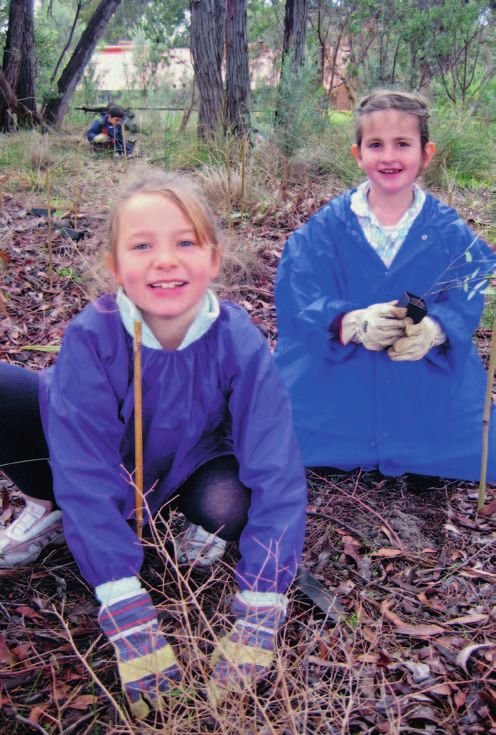
Plant Pathogen Management Plan
                    2015–2019

www.subiaco.wa.gov.au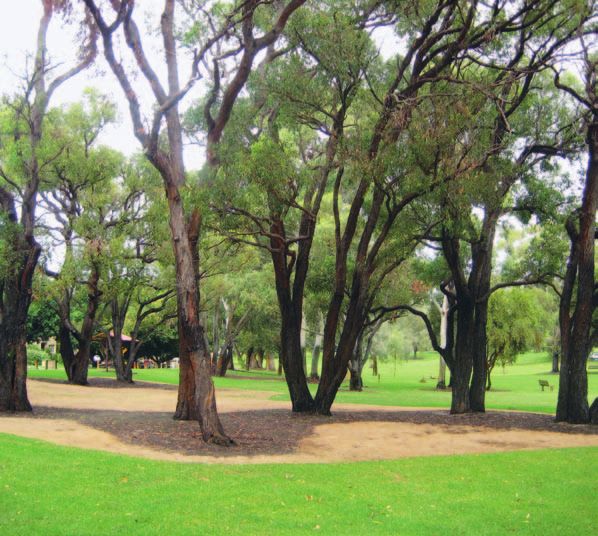
Goal statement
The Plant Pathogen Management Plan 2015 – 2019 aims to prevent the introduction of new plant pathogens, and mitigate the
effects and further spread of existing plant pathogens in the city.

Acknowledgements
The city would like to thank Glen Tuffnell from Dieback Treatment Services and Dr Chris Dunne from the Dieback Working Group
for assisting with the development of this plan.

                      The City of Subiaco is committed to protecting the global
                      environment through local action. By printing this publication
                      on Australian made 100 per cent recycled paper, the city aims
                      to conserve the resources of the city. The document is available
                      via the Internet at www.subiaco.wa.gov.au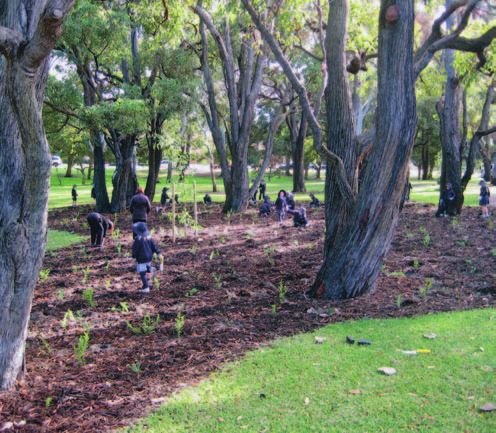
table of contents

Table of contents

 Executive summary                                                                                               4
 Introduction                                                                                                    6
 Description of pathogen                                                                                         8
 Dieback (Phytophthora sp.)                                                                                       8
 Honey fungus (Armillaria luteobubalina)                                                                          8
 Canker disease (Quambalaria coyrecup and Botryosphaeria sp.)                                                     9
 Sphaeropsis blight (Sphaeropsis sapinea)                                                                         9
 Myrtle rust (Puccinia psidii)                                                                                    9
 Risk analysis                                                                                                  10
 Strategies to increase ecosystem health and resilience                                                         12
 Reducing external inputs and improving soil health                                                              12
 Species diversification                                                                                         13
 Succession planting                                                                                             13
 Strategies to prevent and control pathogen infections                                                          14
 Pathogen surveys and monitoring                                                                                 14
 Timing of earthwork activities                                                                                  14
 Equipment hygiene                                                                                               14
 Tree treatment                                                                                                  15
 Best practice urban forest management                                                                           15
 Climate change adaptation                                                                                       15
 Education and training                                                                                          16
 Partnerships                                                                                                    16
 Resources                                                                                                      17
 Useful links                                                                                                   18
 References                                                                                                     19
 Appendix A:                                                                                                    20
 Map of pathogen distribution in Subiaco’s urban forest
 Appendix B: Further information on plant pathogens                                                             21

                        C i t y o f S u b i a c o P l a n t Pat h o g e n M a n a g e m e n t P l a n 2 015 – 2 019   |   3
Executive summary
Executive summary
The city’s urban forest consists of an extensive network of street trees, parks and reserves, green corridors, private gardens, two
wetlands and two fragments of remnant bushland. Plant pathogens have the potential to severely impact the environmental, social
and economic values of these assets.
The Plant Pathogen Management Plan 2015–2019 aims to prevent the introduction of new plant pathogens, and mitigate the effects
and further spread of existing plant pathogens in the city.
This plan focuses on the management strategies for four key pathogens that exist in the local area:
• Dieback (Phytophthora sp.)
• Honey fungus (Armillaria luteobubalina)
• Canker disease (Quambalaria sp. and Botryosphaeria sp.)
• Sphaeropsis blight (Sphaeropsis sapinea).
While not yet present in Western Australia, this plan also acknowledges the serious threat of Myrtle rust (Puccinia psidii).
This plan outlines a holistic, long-term approach to building and maintaining healthy ecosystems and soil microbial communities
to ensure that plants are more resilient to pathogen infections. These strategies will be used in conjunction with hygiene control
measures, best practice urban forest management techniques, and increasing community awareness.
This plan is an action under the city’s Environment Enhancement Plan 2012–2016, and is informed by the Strategic Community Plan
and Corporate Business Plan.
Recommended management actions:
Ref Actions 2015–16 2016 –17 2017–18 2018–19
Reduce external inputs and improve soil health in parks exhibiting
1
an ongoing decline in tree health
Revise the Street Tree Master Plan (2007) to provide higher diversity
2 in the range of street tree species available for selection, from the
local (street) level to the municipal scale
Implement succession planting in parks exhibiting an ongoing
3
decline in tree health
Undertake quarterly internal street tree health assessments to
4 identify diseased trees and implement the required management
response
Complete visual inspections in parks and reserves for the presence
5 of disease every three years (2014, 2017, 2020) by a professional
pathogen interpreter
Conduct laboratory analysis to confirm suspected plant pathogens
6 (where required) and record information in the city’s Geographic
Information System (GIS)
Undertake GIS mapping of street trees and canopy cover
7 assessment using i-TREE Eco to monitor the condition of the urban
forest over time (as per the city's draft Urban Forest Strategy)
Develop a process that embeds pathogen management into the
8
planning for projects involving major earthworks
Review park access points and available parking areas for field
9
vehicles to minimise entry to diseased sites
4 | C i t y o f S u b i a c o P l a n t Pat h o g e n M a n a g e m e n t P l a n 2 015 – 2 019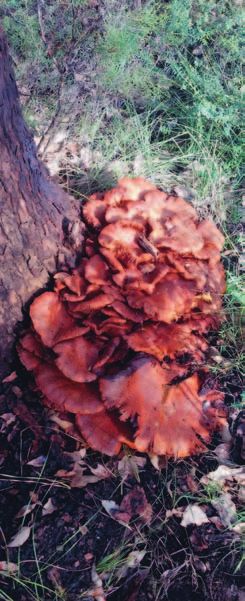
Executive summary
Ref Actions 2015–16 2016 –17 2017–18 2018–19
Review the booking process for park events to ensure that
10 approved activities do not risk the introduction or spread of plant
pathogens
Provide hygiene protocols for staff and contractors undertaking high risk
11
activities; specify in contract conditions and monitor compliance
Develop toolkits for field crews and contractors that include
12 hygiene check sheets, clean down equipment, and maps of
diseased areas within infected parks and reserves
Implement phosphite injection and foliar spray schedule on a three
13
year cycle (2014, 2017, 2020) for parks and reserves
Undertake specific pathogen control measures for individual
14
diseased trees as necessary
Ensure the city’s urban forest management activities are undertaken
15 according to best practise standards, and advocate for industry
improvement
Continue implementation of the city’s Local Climate Change
16
Adaptation Action Plan 2013–2017
Ensure that key staff and contractors complete Green Card for
17 Phytophthora Management training and attend internal pathogen
management training
Provide information on plant pathogens, their management
18 and assistance available to the community through the city's
communication channels
Foster partnerships, and keep informed of new control measures and
19
emerging pathogen risks through attendance at industry events
Honey fungus, photo courtesy of Chris Dunne
Photo courtesy of Margaret Owen
C i t y o f S u b i a c o P l a n t Pat h o g e n M a n a g e m e n t P l a n 2 015 – 2 019 | 5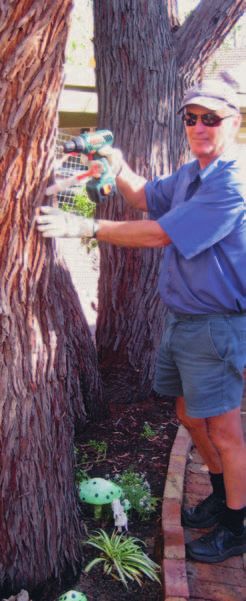
INTRODUCTION

Introduction
Plant pathogens include organisms such as fungi, bacteria, viruses and moulds that cause diseases in plants. Many pathogens
occur naturally in soil and plants, and are an important component of functioning ecosystems. Others have been introduced to
Western Australia, causing native plant species to be highly susceptible to infection.
Plant pathogens can survive in soil or plant tissue for long periods without causing an outbreak of serious disease. However, an
outbreak can occur if a change in soil conditions creates an environment that favours growth of the organism, or if a plant is
vulnerable as a result of an external stress.
The city’s urban forest consists of approximately 15 000 street trees, over 78 hectares of public parks, gardens and reserves,
green corridors, private gardens, two wetlands and two fragments of remnant bushland. The urban forest provides essential
ecosystem services such as air and water filtration, wildlife habitat, nutrient cycling, carbon removal and local cooling.
The 3800 trees in the city’s parks and reserves alone withdraw 75 tonnes of carbon dioxide from the atmosphere each year and
have been valued at over $23 million (Homewood Consulting, 2014).
The city has also identified over 150 significant trees and 13 significant avenues of trees based on their botanic, cultural,
historical and aesthetic value. Aerial photographs of urban tree canopy cover in the Perth and Peel regions demonstrate that
the city has high canopy cover (15–20 per cent), compared with the majority of suburban areas that have less than 10 per cent
canopy cover (excluding peri-urban areas) (WAPC, 2014). Plant pathogens can severely impact the city’s urban forest and the
significant environmental, social and economic value of these assets.
Departments that undertake activities with the potential to introduce or spread pathogens include parks, environment,
infrastructure, field services, waste, community development and environmental health. Activities include, but are not limited to:
 • earthworks associated with construction and drainage works
 • tree pruning and removal
 • mulching and planting
 • irrigation installation and maintenance
 • the movement of vehicles across infected areas
 • environmental sampling of soil and plant tissue
 • hosting community events in parks and reserves.

                                                                                  Canker disease

6   |   C i t y o f S u b i a c o P l a n t Pat h o g e n M a n a g e m e n t P l a n 2 015 – 2 019
INTRODUCTION

External contractors and service providers also undertake these activities, and community members can also introduce
plant pathogens to the local area through the purchase of contaminated plants from local garden centres or contaminated
greenwaste from mulch suppliers.
This plan focuses on the management strategies for four key pathogens that exist in the local area:
 • Dieback (Phytophthora sp.),
 • Honey fungus (Armillaria luteobubalina),
 • Canker disease (Quambalaria sp. and Botryosphaeria sp.)
 • Sphaeropsis blight (Sphaeropsis sapinea).
While not present as yet in Western Australia, this plan also acknowledges the serious threat of Myrtle rust (Puccinia psidii).
As the pathogens affect both native and non-native plant species, and as there is no treatment to eradicate the pathogens,
management focuses on controlling the spread and minimising the impact of the diseases, which is applicable to any emerging
plant pathogens in the city.
This plan replaces the city’s Dieback Management Plan (2007) and provides holistic strategies to increase ecosystem health and
resilience, as well as targeted strategies to prevent and control pathogen infections.
Progress will be reviewed every six months and reported to the city’s executive leadership team. The city’s target is to achieve
more than 80 per cent of the actions scheduled each financial year. The plan is designed to be a living document that allows for
continuous improvement as new information emerges on pathogen risk and management. Opportunities for improvement will
be identified through review of the success of actions completed.

                              C i t y o f S u b i a c o P l a n t Pat h o g e n M a n a g e m e n t P l a n 2 015 – 2 019     |   7
Description of Pathogens

Description of pathogens
The following plant pathogens either exist, or are at risk of being introduced in the city’s urban forest. Refer to Appendix A for
a distribution map of each pathogen in the city, and Appendix B for further information on each pathogen.

Dieback (Phytophthora sp.)
Dieback (Phytophthora sp.) is an introduced water mould that causes disease of plant roots, stems and foliage, resulting in the
rapid death of plants or a slow decline in the health of the tree crown. Dieback survives in soil and plant tissue, making it easy
for it to spread, with warm and moist soil providing optimum conditions for growth. The key causes of spread of dieback are
construction and maintenance activities, and the use of infected plant stock and mulch.

Honey fungus (Armillaria luteobubalina)
Honey fungus (Armillaria luteobubalina) is a parasitic soil borne fungus that causes collar and root rot, surviving off both living
and dead hosts across a variety of vegetation types and plant families. Honey fungus reduces the function of plant roots and
affects the internal structure of a tree, often resulting in eventual death after a slow decline in health. Honey fungus is most
commonly spread through root-to-root contact rather than through soil, as it usually requires plant material to reproduce and
survive.

Canker disease (Quambalaria coyrecup and Botryosphaeria sp.)
Canker diseases (Quambalaria coyrecup and Botryosphaeria sp.) are fungal pathogens that are endemic to Western Australia.
Canker diseases cause small lesions beneath the bark known as cankers, which exude red gum and girdle entire stems,
eventually causing tree death. Infections can occur following the onset of suitable conditions or a trigger stress event (e.g.
hailstorm or drought). Over-pruning of limbs and unnecessary wounds can be a catalyst for the development of cankers.
The pathogen is largely spread through air, water or wind.

 Photo courtesy of Keith Lightbody

8    |   C i t y o f S u b i a c o P l a n t Pat h o g e n M a n a g e m e n t P l a n 2 015 – 2 019
Description of Pathogens

Sphaeropsis blight (Sphaeropsis sapinea)
Sphaeropsis blight (Sphaeropsis sapinea, previously known as Diplodia tip blight) causes the infected tips and needles of pine
trees to brown, and the canker of stems and branches. The fungus is present in dead needles, leaf sheaths, twigs, and cones
on an infected tree or on the ground. Trees are most susceptible to infection following a trigger stress event or declining health
(e.g. natural senescence). The pathogen generally spreads during wet conditions when spores are released and scattered by
wind, rain splash, animals, or pruning equipment.

Myrtle rust (Puccinia psidii)
Myrtle rust (Puccinia psidii, also known as eucalyptus or guava rust) is an introduced fungus that causes the death of leaves,
or entire plants in the Myrtaceae family. Although myrtle rust is not known to be present in Western Australia, it has spread
rapidly throughout the eastern states since detected in 2010 (Morin et al., 2011). The disease is highly transportable and can
infect plants through spores dispersed by wind, honey bees, contaminated clothing or contact with other diseased plants.

 Dieback death                                                      Dieback lesion, photo courtesy of Chris Dunne

                             C i t y o f S u b i a c o P l a n t Pat h o g e n M a n a g e m e n t P l a n 2 015 – 2 019     |   9
Risk Analysis

Risk analysis
A risk management analysis was completed to identify the risks of plant pathogens to the urban forest, and to develop
mitigation strategies to minimise risk.
The key risk factors are those that transport pathogens or increase susceptibility to infection, identified as activities that move
soil and plant matter, alter local water infiltration, or use poor arboriculture techniques (Table 1). Climate change and extreme
weather events have also been identified as risks.

Table 1: Department activities that have the potential to spread plant pathogens
 Department           Activities                                                Key risk factor

 Parks                Prune*, mulch, plant, turf maintenance, irrigation*,      Park vehicle access, contaminated equipment,
                      playground installation*                                  infected soil and plant material, poor arboriculture
                                                                                techniques

 Environment          Soil and leaf tissue samples*                             Park vehicle access, contaminated equipment

 Infrastructure       Buildings*, drainage*, footpaths*, roads*, soak well      Contaminated equipment, altered water infiltration
                      eduction*, street sweeping, electricity supply*

 Health               Contaminated site soil samples*                           Contaminated equipment
 services

 City business        Land redevelopment*, building refurbishment*              Contaminated equipment

 Field services       Graffiti removal*                                         Park vehicle access, contaminated equipment

 Waste                Collection of green waste from verges, bins from          Park vehicle access
 services             parks and reserves

 Community            Outdoor concerts and events*, private bookings            Park vehicle access, contaminated equipment
 development

*Indicates activities undertaken by contractors

The impact of the risk is determined by an analysis of the likelihood of the risk occurring, the impact on the health of the urban
forest, and any existing control measures in place (Table 2).

Table 2: Risk assessment matrix
                                                                          Consequence

 Likelihood                         Insignificant           Minor            Moderate                 Major           Catastrophic
                                         (1)                 (2)               (3)                     (4)                (5)

 Almost certain (5)             Medium                Medium             High                 Extreme              Extreme

 Likely (4)                     Low                   Medium             High                 High                 Extreme

 Possible (3)                   Low                   Medium             Medium               High                 High

 Unlikely (2)                   Low                   Low                Medium               Medium               Medium

 Rare (1)                       Low                   Low                Low                  Low                  Medium

10      |     C i t y o f S u b i a c o P l a n t Pat h o g e n M a n a g e m e n t P l a n 2 015 – 2 019
Risk Analysis
The city identified the movement of infected soil and plant matter, climate change and poor arboriculture techniques as having a
high level of risk. Movement of infected water had a medium level of risk. A barrier and opportunity assessment then identified
the factors within the city’s ability to control or mitigate (Table 3).
Table 3: Risk assessment of the key factors affecting pathogen infection and spread
Key risk factor Control factors in place Likelihood Consequence Level of risk Ability to
control
Movement of The city has limited hygiene 4 4 High Yes
infected soil procedures in place for activities
that directly or inadvertently move
infected soil.
Movement of The city purchases plant stock from 3 4 High Yes
infected plant Nursery Industry Accreditation
matter Scheme Australia (NIASA) nurseries
where possible, and uses mulch
that has been pasteurised to an
appropriate standard.
Climate change The city’s Local Climate Change 4 3 High No
(extreme Adaptation Action Plan 2013–2017
weather events) outlines actions being undertaken
to adapt to a changing climate.
Poor The city contracts qualified 4 3 High Yes
aboriculture arborists to complete tree health
techniques assessments and corrective
pruning.
Movement of The city’s Stormwater Policy 2 3 Medium Partially
infected water ensures stormwater is retained
on site for new developments
and local infiltration occurs where
possible.
C i t y o f S u b i a c o P l a n t Pat h o g e n M a n a g e m e n t P l a n 2 015 – 2 019 | 11Strategies to increase ecosystem health and resilience
Strategies to increase ecosystem health
and resilience
The city aims to build and maintain healthy ecosystems and soil microbial communities to ensure plants are more resilient to
pathogen infections by using a number of strategies.
Reducing external inputs and improving soil health
Dieback and honey fungus depend on water to survive and spread. Warm temperatures and high soil moisture levels are ideal
conditions for the pathogens to grow. The removal of turf and a reduction in irrigation around trees helps reduce the impact
of these pathogens.
As per the city’s hydrozoning policy, irrigation is reduced in parks and reserves in areas where a significant number of susceptible
trees show ongoing decline.
In 2013, the city replaced turf with mulch and native plants in an area that contained 45 jarrah trees in Cliff Sadlier Reserve,
and 17 jarrah trees in Jersey Street Park. The irrigation was then set at a lower rate to improve tree health.
High soil nitrogen levels also increase the severity of new dieback infections. The city undertakes regular nutrient testing of soil
and irrigation water to avoid excessive nutrient inputs through tailored fertiliser programs. Native gardens are either unfertilised,
or fertilised once a year with a phosphorus-free slow release fertiliser.
Healthy soils host a large range of microorganisms, such as endemic mycorrhizal fungi, microbial populations and soil
invertebrates, which help stop pathogens infecting susceptible trees by supporting a natural balance. As well as increasing
resistance to disease, a high diversity of soil microorganisms improves tree health by assisting with the nutrient cycling process,
and creating an open, porous soil that gives tree roots better access to water and oxygen.
Practices that assist in building and maintaining a healthy soil include:
• establishing a diverse native understorey around overstorey species
• retaining fallen leaves and dead wood to build soil carbon levels and support the microbial community in the soil
• adding suitably processed mulch and compost
• introducing endemic mycorrhizal fungi.
Action 1: Reduce external inputs and improve soil health in parks exhibiting an ongoing decline in tree health
Dieback death, photo courtesy of Glenn Tuffnell
12 | C i t y o f S u b i a c o P l a n t Pat h o g e n M a n a g e m e n t P l a n 2 015 – 2 019Strategies to increase ecosystem health and resilience
Species diversification
Species diversity is important in a sustainable urban forest,
as monocultures or use of a limited range of plant species
can increase the risk of a disease outbreak. The city aims for
diversity among tree species to minimise the impact the loss
of a species would have to the urban forest.
Species diversity also strengthens the resilience of the urban
forest in a changing climate and assists with preventing
new plant diseases from establishing. The city currently uses
around forty tree species as street trees, and many more in
parks and reserves. With the exception of significant tree
avenues, the city aims to provide a selection of at least two,
sometimes three, different tree species for streets planted
with an identifiable theme or dominant species.
Action 2: Revise the Street Tree Master Plan (2007)
to provide higher diversity in the range of
street tree species available for selection,
from the local (street) level to the
municipal scale
Succession planting
The city undertakes monthly park audits to identify areas
that can accommodate additional trees, including those
significantly affected by plant pathogens. Species with
resistance to the pathogen present are planted to provide
variation in the age structure of trees in a park or reserve,
which ensures the decline of diseased trees is offset by an
establishing tree canopy.
Action 3: Implement succession planting in
parks exhibiting an ongoing decline in
tree health
Honey fungus, photo courtesy of Glenn Tuffnell
C i t y o f S u b i a c o P l a n t Pat h o g e n M a n a g e m e n t P l a n 2 015 – 2 019 | 13Strategies to prevent and control pathogen infections
Strategies to prevent and control
pathogen infections
Pathogen surveys and monitoring
Regular monitoring of parks, reserves and street trees allows pathogens to be identified in a timely manner, ensuring control
measures can be implemented before the pathogen spreads. It is also important to correctly identify pathogens so correct
control measures can be implemented, or a suitable replacement species is selected.
Action 4: Undertake quarterly internal street tree health assessments to identify diseased trees and implement the
required management response
Action 5: Complete visual inspections in parks and reserves for the presence of disease every three years (2014, 2017,
2020) by a professional pathogen interpreter
Action 6: Conduct laboratory analysis to confirm suspected plant pathogens (where required) and record information in
the city’s Graphic Information System (GIS)
Action 7: Undertake GIS mapping of street trees and canopy cover assessment using i-TREE Eco to monitor the condition
of the urban forest over time (as per the city’s draft Urban Forest Strategy)
Timing of earthwork activities
Dry soil conditions minimise the transportation of soil between sites, minimising the risk of plant pathogens spreading. Projects
are often confirmed following the adoption of the city’s budget and have a twelve month time frame for implementation.
Therefore, it is not always possible to schedule all earthworks projects in the summer months due to a number of factors, such
as stages of progression (e.g. community consultation, design, tendering) and availability of resources.
While developing projects schedules, departments are required to consider the disease status of the works area, prioritising
projects on infected sites for completion during dry soil conditions where possible. When works are in infected sites during wets
soil conditions are unavoidable, strict hygiene protocols are followed.
Action 8: Develop a process that embeds pathogen management into the planning for projects involving major earthworks
Equipment hygiene
The city minimises vehicle access in parks and reserves where plant pathogens are present. Where vehicles are required to enter
a reserve due to lack of on-road parking, movement within the reserve is minimised. Where travel through a reserve is necessary,
vehicles and machinery avoid entering garden beds and tree drip zones, completing works in disease free areas before moving
to diseased areas.
Before moving between sites, vehicles must be cleaned of any soil and plant matter, using a light vehicle clean down kit, or a
permanent wash down station at the Operations Centre or in the reserve. Major earthmoving equipment must stay in the work
location for the duration of the project to minimise potential spread of pathogens.
All hand tools and footwear are cleaned after works in an area known or suspected of being diseased, to ensure equipment is
clean when used at the next worksite.
Action 9: Review park access points and available parking areas for field vehicles to minimise entry to diseased sites
Action 10: Review booking process for park events to ensure that approved activities do not risk the introduction or spread
of plant pathogens
Action 11: Provide hygiene protocols for staff and contractors undertaking high risk activities; specify in contract
conditions and monitor compliance
Action 12: Develop toolkits for field crews and contractors that include hygiene check sheets, clean down equipment, and
maps of diseased areas within infected parks and reserves
14 | C i t y o f S u b i a c o P l a n t Pat h o g e n M a n a g e m e n t P l a n 2 015 – 2 019Strategies to prevent and control pathogen infections
Tree treatment
The city completes phosphite stem injections and foliar sprays on susceptible plants every three years, and systemic phosphite
implants, where necessary, in trees that exhibit a severe ongoing decline in health. Phosphite is a biodegradable, low toxicity
chemical that boosts a plant’s natural defence against dieback.
To control honey fungus, the city reduces spore dispersal by removing fruiting bodies. Where a pathogen is dispersed by wind
or rain splash, it is sometimes necessary to remove a severely diseased plant in close proximity to healthy susceptible species to
prevent the spread of infection.
Action 13: Implement phosphite injection and foliar spray schedule on a three year cycle (2014, 2017, 2020) for parks
and reserves
Action 14: Undertake specific pathogen control measures for individual diseased trees as necessary
Best practice urban forest management
Best practice urban forest management involves the use of disease free plant stock and mulch, and correct pruning practices
and removal techniques. However, these practices are not widespread in Western Australia as the use of raw greenwaste as
mulch and flush pruning of branches is commonly seen throughout the metropolitan area.
To ensure best practice urban forest management in accordance with industry standards the city uses the following strategies:
• purchase mulch treated according to the Australian Standard for Compost, Soil Conditioners and Mulches (AS4454), or to
a high pasteurisation standard as demonstrated by ISO 9001 Quality Management System
• purchase understorey plant stock from nurseries accredited under NIASA
• prune street trees according to the Australian Standard for Pruning of Amenity Trees (AS4373)
• recognition and additional management of trees that have a high level of significance due to their age, shape, size, rarity,
historical value or role in supporting biodiversity through the establishment of a significant tree register.
• correct species selection for a particular location, such as planting dieback resistant jarrah in infected parks and reserves,
and avoiding the use of marri in thoroughfare areas
• removal of diseased tree stumps where necessary to prevent harbouring of pathogens.
There are very few nurseries in Perth that supply large tree stock (e.g. 100 litre pots) that meet NIASA standards. The city
endeavours to purchase trees from nurseries with best practice hygiene standards to minimise the potential introduction of
plant pathogens.
Action 15: Ensure the city’s urban forest management activities are undertaken according to best practise standards,
and advocate for industry improvement
Climate change adaptation
Climate change is expected to alter the nature and extent of plant disease outbreaks. Abiotic stress factors are considered
a primary trigger for disease outbreaks, for example when climate conditions exceed a tree species’ physiological threshold of
tolerance. Changes to the frequency and intensity of extreme temperatures are already linked to a decline in forest health
and crown cover in forest ecosystems in southwest Australia (Matusick et al., 2014).
Action 16: Continue implementation of the city’s Local Climate Change Adaptation Action Plan 2013–2017
C i t y o f S u b i a c o P l a n t Pat h o g e n M a n a g e m e n t P l a n 2 015 – 2 019 | 15Strategies to prevent and control pathogen infections
Education and training
It is important to keep city staff, contractors and the community informed on the spread and management of plant pathogens
in the city.
The Department of Parks and Wildlife (DPaW) and Dieback Working Group (DWG) have developed a Green Card for hygiene as
a new standard for dieback management with the intention for it to become a nationally recognised qualification for biosecurity
and invasive species management across Australia. The Green Card is an important part of achieving best practice dieback
management for local government.
The city has also adopted the Western Australian Dieback Signage System at park entry points to communicate the dieback
status of an area to field staff, contractors and the community.
Private properties in the city account for a significant portion of the city’s urban forest, with many residential properties and
educational institutions consisting of large areas of land that have substantial tree cover. The city has provided Jolimont Primary
School and St Ives Village with resources to complete phosphite treatment of jarrah trees on their properties. The city also has
loan dieback treatment kits available for residents and community groups to manage dieback on private property in the city.
It is important to increase awareness about plant pathogens that exist in the area and the risks associated with introducing
pathogens through common gardening practices. Community members may unknowingly introduce pathogens to the area by
purchasing contaminated plants from local garden centres or contaminated greenwaste from mulch suppliers.
Action 17: Ensure that key staff and contractors complete Green Card for Phytophthora Management training and attend
internal pathogen management training
Action 18: Provide information on plant pathogens, their management and assistance available to the community through
the city’s communication channels
Partnerships
It is important to be up-to-date with new research, implement
best practices and employ adaptive management techniques
to control and treat plant pathogens.
Information on several pathogens is limited and is the subject
of research being undertaken by the DWG, and the Centre for
Phytophthora Science and Management (CPSM) at Murdoch
University. New research on the impact of climate change
on plant pathogens is also being undertaken by DPaW and
CPSM.
The city aims to establish partnerships and participate in new
pathogen research projects where possible. The city was a
participant in CPSM’s Fishing for Phytophthora in Western
Australia’s waterways project with study sites at Lake Mabel
Talbot in Jolimont and Lake Jualbup in Shenton Park. The
project monitored waterways for early detection of dieback
before plants show symptoms of the disease.
Action 19: Foster partnerships and keep informed
of new control measures and emerging
pathogen risks through attendance at
industry events
16 | C i t y o f S u b i a c o P l a n t Pat h o g e n M a n a g e m e n t P l a n 2 015 – 2 019Resources
Resources
Other city documents that complement this plan include,
but are not limited to:
• Draft Urban Forest Strategy
• Wildlife Enhancement Plan 2014-2019
• Local Climate Change Adaptation Plan 2013 - 2017
• Environment Enhancement Plan 2012-2016
• Significant tree register 2013 (parks and reserves)
• Significant tree register 2012 (streetscapes)
• Street Tree Master Plan 2007 (in review)
• Managing public open space in a drying climate policy
• Hydrozoning policy
• Street tree policy and management guidelines
Phosphite stem injection
C i t y o f S u b i a c o P l a n t Pat h o g e n M a n a g e m e n t P l a n 2 015 – 2 019 | 17Useful links Useful links The following links provide further information about plant pathogens: • AgWest Plant Laboratories, www.agric.wa.gov.au • Centre for Phytophthora Science and Management, www.cpsm-phytophthora.org • Department of Parks and Wildlife, www.dpaw.wa.gov.au • Department of the Environment, www.environment.gov.au • Dieback Working Group, www.dwg.org.au • Global Invasive Species Database, www.issg.org/database/welcome • Nursery and Garden Industry of Western Australia, www.ngia.com.au • Perth Region NRM (Natural Resource Management), www.perthregionnrm.com • Project Dieback, www.dieback.net.au • Revegetation Industry Association of Western Australia (RIAWA), www.riawa.com.au 18 | C i t y o f S u b i a c o P l a n t Pat h o g e n M a n a g e m e n t P l a n 2 015 – 2 019
References

References
Brundrett (2008) Mycorrhizal associations – the web resource. www.mycorrhizas.info
Dieback Working Group (2000) Managing dieback – guidelines for local government. Perth, Western Australia.
Centre for Phytophthora Science and Management (2014). About Phytophthora. www.cpsm-phytophthora.org
Homewood Consulting (2014). i-TREE Eco valuation of trees in Subiaco parks and reserves. Unpublished data, City of Subiaco.
Morin, L., Aveyard, R. And Lidbetter, J. (2011) Myrtle rust: host testing under controlled conditions. Report number
C2010/9785. CSIRO, Canberra.
Matusick, g., Ruthrof, K. X., Brouwers, N. C. And Hardy, G. J. (2014) Topography influences the distribution of autumn frost
damage on trees in a Mediterranean-type Eucalypt forest. Trees: structure and function, Volume 28, Issue 5. Springer Publishing.
WAPC (2014) The urban forest of Perth and Peel statistical report: CSIRO 2009 urban monitor. The Western Australian Planning
Commission, Perth

                           C i t y o f S u b i a c o P l a n t Pat h o g e n M a n a g e m e n t P l a n 2 015 – 2 019   |   19
Appendix A: Map of pathogen distribution in Subiaco’s urban forest
Appendix A: Map of pathogen distribution
in Subiaco’s urban forest
e
Salvado Rd ay Pd
Railw
McCourt St
Greenwood Ln
Rosemary Ln
Harborne St
Henderson Mabel Coral Tree Ave Jasmine Ave
White Pl
St
Kerr St
Court Pl
se Wex
u fo rd St
Park Talbot yd
ho
Subiaco Rd
Ju
Ro
nip
er
Ha
Coghlan Rd
Park St
Mere View Way
Ba
Jolimont Tce
Station St
od
nk
yd
Hamilton St
Brigid Rd
Halesworth Rd
Upham St
W
Ho
Subiaco
nB
y
to Mueller
un
Ce
n
Selby St
Allora Ave D
Oval
Ln
nt
Park
r
rte
ro
Bishop St
M
Selvetica Ln
r
Ca
et
Roberts Rd
Av
t
e
er
Tc n
e
Da
s
o
Ln
L
rb
in a
ur erv
Catherine St
Rd
Perry Ln
Landsdowne St
on
La
Peel St
in
Alvan St
rts
Hamilton St
St
Rosebery St
M
Cr
Jersey St
St be
Eileen St
es
Seddon St
Tighe
ice
Axon St
Ro York St York St
May St
Pr
Townshend St
St Hay St St
Cardigan Tce
Hay as
Rowland St
Coghlan Rd
e
Tc
Olive St
m
n
Denis St
Rokeby Rd
so Forrest Rd Churchill Ave
e
Axon St
Churchill Ave
ho
Tc bin
o y Ro
Tr
T
Cu
Dakin St Barker Rd Barker Rd
Wilsmore St
Barker Rd
rri
Rowland St
Jersey St
eS
Bedford Ave
Rich
Denis St
ards
t
St on Tce
ns Park St Park St
ve Park St
Lu
Northmore St
e Roberta St
Rd
St
tle
yA
ve
W
ay
Bagot Rd Bagot Rd
illc
oc
St
Subiaco
Finlayson St Chester St Robinson St
Proclamation St
kA
Bedford Ave
lw
Douglas Ave
gh
M
Rupert St
Townshend St
ve
ai
cC
Salisbury St
ou
Francis St
Kings Rd
all
Rokeby Rd
ln
oo
Theatre
um
e Lawler St
W Tc
R
Av
oy
M
Tr
e
un
Hensman Rd
Gardens
sie
Federal St
Av
Hic
Hamersley Rd Hamersley Rd
e
ke
Union St
y
Browne St
Av
Salisbury St
Kershaw St
Re
e
Dr
St t
fe
rS
Derby Rd
ire
bb
rn
e Redfern St
Underwood Ave
li
sh
u Rawson St
St
Ch ad
y
Ada St
S
rb
Da
St
bushland Heytesbury Rd
gham
Nic Heytesbury Rd
ho
Union St
ll S
Coleraine St
Coolgardie St
Rupert St
View St
Salisbury St
t
Glo
Cunnin
ste Gloster St Gloster St
Na r St Duke St
sh
St
Kings Park
St
as
Nicholson Rd Nicholson Rd
Lonnie St
Waverley St
Gray St
Selby St
om
William St
Henry St
Hensman Rd
Rosalie St
Arthur St
Austin St
Th
Rankin Rd
e
s Tc
bb
Shenton
Stu
Waylen Rd Keightly Rd
Park Lake
Excelsior St
Derby Rd
Herbert Rd
Waverley St
King St
Morgan St
Stanmore St
bushland Jualbup
Rd
Evans St
ay
Onslow Rd
ilw
Onslow Rd
Ra
Bowman St
James St
Commercial Rd
Hopetoun Tce
Murchison St
Herbert St
Charles St
Yilgarn St
Violet Gr
Hilda St
Lyall St Rosalie
Smyth Rd
Park Parks
Rd
Cuthbert St
John St
ey
rv
Ha
Aberdare Rd
Dieback
Hospital Ave
Honey Fungus
Winthrop Ave
Kings Park
Monash Ave
Canker Disease
Hardy Rd
Sphaeropsis Blight
Hampden Rd
Karella St Poole Ave City of Subiaco boundary
Kanimbla Rd
Tareena St
Park Rd
Bay Rd
Mounts
y
g Hw
rlin
Sti
St
Cooper
Fairway
Clark
St University of
Western Australia
St
Edward
Swan River
Broadway
Myers St
Ha
cke
Cook St
tt D
Parkway
Fairway
Caporn St
r
Everett St
Pelican Point
Princess Rd
e
Av
e
Th
Swan River
J.H. Abrahams
Park
20 | C i t y o f S u b i a c o P l a n t Pat h o g e n M a n a g e m e n t P l a n 2 015 – 2 019Appendix B: Further information on each plant pathogen
Appendix B: Further information on
plant pathogens
Dieback (Phytophthora sp.)
Dieback is a water mould that occurs around the world and limits the production of many agricultural and forest crops.
The pathogen is well adapted to a wide range of environmental conditions, spreading rapidly in wet conditions and surviving
extended dry periods.
Dieback is listed under both national and state legislation as one of the biggest threats to biodiversity in Australia, with over
40 per cent of native plant species in southwest Western Australia susceptible. The most commonly affected species in the city
are jarrah (Eucalyptus marginata), banksias (Banksia sp.) and grasstrees (Xanthorrhoea sp.) while also affecting many ornamental
plants in residential gardens.
In bushland areas, a disease front indicating pathogen presence and movement can be visually determined using susceptible
indicator species. Within the modified vegetation of urban areas, qualified dieback interpreters and laboratory tests are generally
required to identify the presence of the pathogen.
Phytophthora cinnamomi is the most widespread dieback species throughout the Perth metropolitan area. Several other
species of Phytophthora that exist or are likely to be found locally include P. arenaria, P. citricola, P. multivora, P. nicotainae and
P. ohioensis. Phytophthora citricola has been confirmed in Rosalie Park and at Cliff Sadlier Reserve, P. multivora in Rosalie Park,
and P. nicotianae at Jolimont Primary School. In the neighbouring City of Nedlands, P. ohioensis has been confirmed.
There is no chemical to eradicate dieback. Current industry standards treat and control all dieback species as per P. cinammomi
(P. Barber, pers. comm. 2013).
Honey fungus (Armillaria luteobubalina)
While honey fungus occurs worldwide, several species are native to Australia. Honey fungus appears as clusters of yellow
mushroom fruiting bodies at the base of tree stumps between May and September. The gills of the mushroom are white, and
the upper part of the stem has a pronounced ring or collar. Other signs of the presence of honey fungus include large inverted
‘V’ shaped lesions at the base of trees, or white mycelial webs beneath the bark. Trees that have been affected by honey fungus
for a prolonged period can collapse due to the decay of the large lateral roots or basal stems. The most common species on the
Swan Coastal Plain is Armillaria luteobubalina.
Honey fungus can be found with dieback, and can infect hosts through wounds or lesions induced by dieback. Spread is
favoured by disturbance, irrigation, and movement of infected mulch or plant material. Honey fungus has been confirmed in
Mueller Park and Theatre Gardens.
Once established, management is expensive and extremely difficult, requiring removal of all infected stumps and roots from
the site. No commercial fungicides or chemicals are able to control or eradicate this pathogen. However, root barriers can help
prevent spread, and there has been some success in improving the crown health of diseased trees through systemic treatments.
C i t y o f S u b i a c o P l a n t Pat h o g e n M a n a g e m e n t P l a n 2 015 – 2 019 | 21Appendix B: Further information on each plant pathogen Canker disease (Quambalaria coyrecup and Botryosphaeria sp.) Canker diseases can invade stem tissues and penetrate the bark layer of a tree, usually through a wound, or be present within the plant tissue as a latent pathogen. Canker pathogens can cause serious limb failures of trees. While the pathogen impacts a wide range of native plants, the most commonly affected species in the city are marri (Corymbia calophylla) and red flowering gum (Corymbia ficifolia). There is no large scale control method for canker diseases. However, a combination of sound arboriculture practices, systemic treatments and hygienic removal of infected plants reduce the risk of infection and spread. Sphaeropsis blight (Sphaeropsis sapinea) Sphaeropsis blight occurs worldwide and causes disfigurement and failure in pine trees. Small black fruiting bodies release spores in wet conditions, which germinate and enter the pine tree through a stomate (pore). In the city, Sphaeropsis blight has caused the death of a number of radiata pines (Pinus radiata) in Rosalie Park and at Lake Jualbup, and a norfolk island pine (Araucaria heterophylla) in Rankin Gardens. There is no known cure for Sphaeropsis blight. However, spread can be limited by using fungicide sprays, pruning in dry conditions, or by removing infected trees close to susceptible trees that are in good health. Myrtle rust (Puccinia psidii) Myrtle rust was first detected in Australia in 2010, and is now established along the east coast from Victoria to northern Queensland. Commonly affected Myrtaceae species include eucalypts (Eucalyptus sp.), bottle brush (Callistemon sp.), peppermints (Agonis sp.) and paperbarks (Melaleuca sp). The appearance of the fungus is distinctive, with masses of tiny, spore-releasing bright yellow or orange raised spots appearing on actively growing leaves. Any suspected occurrences have been placed on high alert by the Department of Agriculture and Food Western Australia due to the serious threat to the economy and Myrtaceae dominated ecosystems around the state. 22 | C i t y o f S u b i a c o P l a n t Pat h o g e n M a n a g e m e n t P l a n 2 015 – 2 019
C i t y o f S u b i a c o P l a n t Pat h o g e n M a n a g e m e n t P l a n 2 015 – 2 019 | 23
241 Rokeby Road SUBIACO WA 6008
               PO Box 270 SUBIACO WA 6904

             Phone: 08 9237 9222 Fax: 08 9237 9200
Email: city@subiaco.wa.gov.au Website: www.subiaco.wa.gov.au
You can also read


