TE MAHERE HAPORI TŪHONOHONO CONNECTED COMMUNITIES PLAN - Palmerston North City Council
←
→
Page content transcription
If your browser does not render page correctly, please read the page content below
2021–31

TE MAHERE HAPORI TŪHONOHONO
CONNECTED COMMUNITIES PLAN
NGĀ TAIWHANGA O TE HAPORI
COMMUNITY FACILITIES CHAPTER

TE WHAKAWHANAKE HAPORI
COMMUNITY DEVELOPMENT CHAPTER

TE WHARE NOHO PĀPORI
SOCIAL HOUSING CHAPTER

TE HAPORI HAUMARU
HEALTHY COMMUNITIES CHAPTER

NGĀ TAKUNETANGA ME NGĀ TAIOPENGA
EVENTS AND FESTIVALS CHAPTER
Ahunga rautaki Strategic direction
NGĀ MAHERE PLANS
Te eke Ngā
Performance Transport
paetae aranukuku
Te mana urungi Te Governance
papai tonu me
Te rautaki mō
NGĀ RAUTAKI whakatipu and active
STRATEGIES City growth
te kirirarautanga tāone
hohe te Kaunihera citizenship Driven and
ahunui, Te rautaki enabling Innovative
whakamana i tāone auaha, council and growing
te iwi NGĀ WHĀINGA tāone tiputipu Te GOALS city Economic
5 whakawhanake
5 development
HE KAUNIHERA
1 ōhanga 1
HE TĀONE A DRIVEN AND AN INNOVATIVE
AHUNUI, Environmental
Te taiao toitū AUAHA, HE TĀONE ENABLING AND GROWING
WHAKAMANA I sustainability COUNCIL
TIPUTIPU CITY
TE IWI VISION
MATAWHĀNUI
SMALL CITY
HE ITI RĀ,
2 BENEFITS,
HE ITI 2
4 HE TĀONE 4
BIG CITY
POUNAMU. A CREATIVE AND Active
WHAKAIHIIHI, Te hapori hohe AMBITION.
Ngā wai HE TĀONE Waters AN ECO EXCITING CITY communities
TAUTAIAO TAPATAPAHI ANA CITY
3 Te tāone 3
He rautaki
HE HAPORI whakaihiihi, Eco A CONNECTED Creative and
tāone
TŪHONOHONO, HE tapatapahi city AND SAFE liveable
tautaiao
Te āhuarangi HAPORI HAUMARU ana Te ahuahu Climate COMMUNITY City
hurihuri tāone change shaping
Te Te rautaki Te toi me, Resource Connected Arts and
whakaaraara hapori te taonga recovery communities heritage
rawa tūhonohono tuku iho
Te Awa o Manawatū
Manawatū Te hapori River Safe
Te hapori haumaru Connected communities
tūhonohono communities
3
He hapori tūhonohono: Te mahitahi me Rangitāne o Manawatū
• Provide public toilets throughout the city, to a
standard that meets public expectations
Rangitāne o Manawatū partnership
Te ahunga rautaki a te Kaunihera
• Support community centre management groups to
provide community centres that are responsive to Council will work in partnership with Rangitāne o
the needs of their communities Manawatū and:
• support community development activities
Connected communities and
• Provide cemetery services that are responsive to
community needs • encourage increasing responsiveness of the wider
community sector to Māori
Council’s strategic direction
• Provide warm, safe and accessible social housing
for older people, people with disabilities, and other • engage early with Rangitāne o Manawatū in all
people on low incomes who experience barriers planning and development for new and changing
to renting in the private market community facilities, including social housing
The Palmerston North City Council vision is He iti rā, 2. He whakaū i te hauora o te hapori, e whai wāhi ai • Support and fund communities and for-purpose • collaborate with Rangitāne o Manawatū on events
he iti pounamu Small city benefits, big city ambition. te katoa ki te whare noho me te paenoho kiritata organisations to build community, neighbourhood and festivals, particularly in the city centre and at
The Connected communities plan primarily hauora, haumaru anō hoki and organisational capacity and capability the Manawatū River Park
contributes to the Palmerston North City Council’s • Provide, fund and support events so that • acknowledge the wealth of knowledge and
goal of Connected and safe communities. The plan Ensure the city has a healthy community where Palmerston North has a full events calendar experience held by Rangitāne o Manawatū about
describes Council’s activities for the first three years everyone has access to healthy, safe and that caters well for different sectors of the city’s community wellbeing
of the 2021-2024 10-Year Plan in five chapters: affordable housing and neighbourhoods population
Community facilities, Community development, These commitments will guide the implementation of
3. He tautoko i ngā hapori ki te whakatutuki i ō rātou all aspects of this plan.
Social housing, Healthy communities, and Events
awhero
and festivals. Ngā hononga ki mahere kē
Support communities to achieve their aspirations Links with other plans Ngā puka Kaunihera e whai
Ngā tino 4. He whakaū i te tāone e mauritau ai, e noho There are significant links between the Connected wāhi mai ana ki tēnei mahere
Priorities haumaru ai ōna tāngata community plan and the achievement of Council’s Council documents that contribute
other goals: to this plan
The priorities of Goal 3: A Connected and safe Be a city where people feel safe and are safe
community are: The Social housing chapter outlines the specific The implementation of this plan is shaped by these
actions the Council will take to deliver on the Council-adopted documents:
1. He whakawhanake, he whakarato, he tautoko, commitment to being a social housing provider, but
he hapahapai i ngā ratonga, i ngā taiwhanga, i
Te take o te mahere • Auahi Kore Smokefree and Vapefree Policy
Council also has a significant role to play in faciliating
ngā takunetanga, e tuia ai he hapori tūhonohono, Purpose of the plan and supporting the achievement of other housing • Asset Management Plan - Property
hapori whakahei, whakauruuru anō hoki outcomes for Palmerston North. These actions are
The 10-Year Plan levels of service for this plan are: • Cemeteries and Crematorium Bylaw
in the Housing and future development plan, and
Develop, provide, support or advocate for • Provide the City Library that collects, curates and contribute to Goal 1: An innovative and growing city. • Community Funding Policy
services, facilities, and events that create a provides access to knowledge, ideas and works
of the imagination that are primarily focused The Community development chapter sets out how • Healthy Beverages Policy
connected, welcoming and inclusive community
on meeting the needs of communities with Council will support communities, and the actions • Naming Rights for Council-Owned Recreational
the greatest needs and reflect the diverse and taken by communities will contribute to all other Facilities Policy
changing needs of communities Council goals.
• Policy for the Use of Public Space
• Provide library programmes that support the The Events and festivals chapter sets out Council’s
approach to providing and supporting events, • Sun Protection Policy
development of literacy in all its forms
although this chapter excludes events which are • Waste Management and Minimisation Plan and
funded and supported for primarily economic city Bylaw
benefits. These ‘Major events’ are outlined in the
Economic development plan under Goal 1: An
innovative and growing city.
4 TE MAHERE HAPORI TŪHONOHONO | CONNECTED COMMUNITIES PLAN 5
Te ine i te angitutanga                                 Te whakawhanake hapori
    Measures of success                                     Community development

    Council will monitor these measures of success and      • There is an increase in community volunteering by
    report on these through the City Dashboards:              people age under 65 years
    Ngā taiwhanga o te hapori                               • The time taken to apply for Council’s community
    Community facilities                                      funding is valued at less than 5% of the funding
                                                              allocated
    • Library users are satisfied with the services and
      programmes provided                                   • More community-led projects are supported by
                                                              Council
    • Library programmes reflect the changing needs of
      communities                                           • Increasing capability of for-purpose organisations
                                                               (self-assessment as measured by the Annual
    • Community centres are well used                          Navigator Survey report)
    • Community centre users are satisfied with the         He hapori haumaru
      community centre facilities and services              Healthy communities
    • Visitors to Central Energy Trust Wildbase Recovery    • Decreasing prevalence of people smoking in
      are satisfied with the service provided                 public outdoor areas
    • Cemetery services are responsive to community         • Healthy beverages replace sugar sweetened
      needs                                                   beverages at Council-funded events and functions
    • Visitors to cemeteries are satisfied with the         • Shade is available at public outdoor areas
      services provided                                     Ngā takunetanga me ngā taiopenga
    • Accessible and gender-neutral toilets are provided    Events and festivals
      throughout the city, and especially in places where
      there is the most community activity                  • Increase in occupancy rate for bookable public
                                                              spaces and Council-owned facilities
    • Users of public toilets are satisfied with the
       services provided                                    • Increase in participation in community and city
                                                              centre events
    Te whare noho pāpori
    Social housing                                          • Reduction in waste generated by events

    • Council’s social housing is provided to older         • Increase in the percentage and number of events
      people on low incomes, people with disabilities         held outside the period October – March
      on low incomes, and people on low incomes who         • Greater satisfaction with the annual programme of
      experience other barriers to accessing housing in       events
      the private market
                                                            • Increase in local volunteers involved in events in
    • Council’s social housing tenants are satisfied with     the city
      the social housing service they receive
                                                            • Increase in the range and diversity of community-
    • Council’s social housing is warm and safe, as           led events in the city
      shown by compliance with the Otago Medical
      School He Kainga Oranga Rental Housing Warrant
      of Fitness Standard
    • New Council housing is accessible (as shown by
      Lifemark 4 Star Design Standard accreditation)
    • Council is an active participant and supporter of
      local social housing advocacy and initiatives
    • There is significantly more social housing in
      Palmerston North

6   TE MAHERE HAPORI TŪHONOHONO | CONNECTED COMMUNITIES PLAN                                                       7
Kupu whakataki • The City Library provides opportunities for people
to participate in their communities by directly
Introduction providing ‘Crafternoon tea’, book clubs, pre-
2021–2031 Community facilities provide opportunities for people
to participate in their communities. Opportunities to
school programmes, the low vision support group,
‘Pūrerehua storytelling evening’, Lego create
take part are encouraged when community facilities sessions, ‘Collect-a-comic’, ‘Off the page’ and ‘Tea
are planned and delivered in partnership with the and tales’.
communities they serve. • The City Library facilitates further community
The purpose of this chapter is for communities to have connections by hosting other organisations’ events
access to community facilities. Libraries, community and programmes, such as the Age Concern
centres, cemeteries and other community facilities will ‘Steady as you go’ programme.
be responsive to community needs. • Youth Space is a hub where young people
aged 13-19 years can access library collections,
participate in programmes and activities, and are
Kei hea tātou i tēnei wā? assisted to access other youth services.
Where are we now? • Blueprint: The City Library Makerspace provides
opportunities for people to use creative resources,
Te Ara Whānui o Te Ao such as 3D printers, design software, sewing
The City Library equipment and fabrication technology.
• The purpose of public libraries is to “improve • Three quarters (74%) of Palmerston North residents
society by helping people understand themselves have visited a Council library at least once in the
better [and to] help every user participate in the past twelve months and a quarter of residents
world around them”.1 have visited at least once a month.2
• Libraries support a ‘reading culture’ and respond • There is a high level of participation in
to the growing need for digital literacy skills and for programmes delivered through the City Library.
access to computer software and hardware. • All City Library sites aim to be welcoming,
• The City Library’s kaupapa is Te Ara Whānui o Te accessible, and responsive to community needs.
Ao – To inspire people to explore the pathways of Success in achieving this objective is evidenced
the world. by the consistently high community satisfaction
with public libraries; 85% of people in the Annual
• Council provides library services through the City Residents’ Survey who had visited libraries in
Library, which is made up of the Central Library, the last 12 months either ‘satisfied’ (45%) or ‘very
four community libraries (Ashhurst, Awapuni, Te satisfied’ (40%).
Pātikitiki Highbury, and Roslyn), the mobile library,
Blueprint, and Youth Space. • Provision for the redevelopment of the Central
Library was included in the 2018 Long Term Plan,
• The City Library collects, curates and provides however seismic issues with the building were
access to knowledge, ideas and works of the subsequently discovered and these plans were
imagination that are primarily focused on meeting put on hold. Council deferred decision-making
the needs of communities with the greatest needs until the wider Civic and Cultural Precinct Master
and reflect the diverse and changing needs of Plan is considered.
communities.
• The Awapuni Library has outgrown the space
• The City Library provides programmes that support
NGĀ TAIWHANGA
available and there is an informal group in
the development of literacy in all its forms. The Awapuni who want to work with Council to
purpose of these programmes is to encourage
O TE HAPORI
consider the future of this library.
lifelong learning, research and innovation.
• The 2018-28 10-Year Plan identified that Te Pātikitiki
Highbury Library does not meet community needs.
COMMUNITY A review of the future options for Te Pātikitiki was
completed in 2019, but Council deferred decision-
FACILITIES CHAPTER making to this current 10-Year Plan process.
1 Public Libraries of New Zealand. (2014). Why libraries? 2 Palmerston North City Council. (2020). Annual Residents’ Survey.
8 TE MAHERE HAPORI TŪHONOHONO | CONNECTED COMMUNITIES PLAN ngā taiwhanga o te hapori | Community facilities chapter 9
• There was $4.4m budgeted in year seven of                • The proposed Kikiwhenua residential area, part of         Urupā                                                  Wharepaku tūmatanui
     the 2018-28 10-Year Plan for a community hub               the wider Kakatangiata growth area, highlights the        Cemeteries                                             Public toilets
     (potentially including a new library) in Kelvin Grove.     need for high-level planning for new community
     The review of this proposal planned for 2018 was           facilities. At present there is no allowance for          • Council is required by legislation to provide        • Public toilets are provided throughout the city to
     not completed.                                             community facilities in this proposed housing               cemeteries for the community of Palmerston North.      enable people to get out and about.
                                                                development.                                                The Cemeteries and Crematorium Bylaw provides
   • The Community Services and Facilities Plan                                                                                                                                  • New toilets are built in public places where most
                                                                                                                            for the management of the cemeteries and
      (agreed through the 10-Year Plan 2018-28)               • As with libraries, there is no policy guiding                                                                      community activity takes place. For example, the
                                                                                                                            crematorium.
      established some principles for the future                 Council’s response to community requests for the                                                                  most recently built toilets are at either end of He
      development of community libraries; new services           support or development of community centres (or          • Council provides and operates four cemeteries          Ara Kotahi.
      should be integrated and provided in partnership           similar facilities).                                       (Kelvin Grove, Terrace End, Ashhurst and
                                                                                                                                                                                 • All new toilets are both accessible and gender
      with other services and they should be responsive                                                                     Bunnythorpe) and a crematorium at Kelvin Grove.
                                                              Hancock Community House                                                                                              neutral, and these standards are also met, where
      to community needs. However, there is no policy                                                                     • The crematorium provides a service for the             possible, in the refurbishment of existing toilet
      guiding the development or redevelopment of the         • Council owns and maintains Hancock Community
                                                                                                                            Manawatū region, and fees are higher for people        blocks.
      City Library.                                             House, which was established to provide suitable,
                                                                                                                            from outside Palmerston North.
                                                                secure and affordable accommodation and                                                                          • Around three quarters of the respondents to the
   Pokapū hapori                                                                                                          • Community expectations of cemetery services            Annual Residents’ survey have used a Palmerston
                                                                shared facilities for community organisations which
   Community centres                                            primarily provide social services.                          are changing. While services are increasingly          North public toilet in the past year.3 Most of these
   • Council provides eight community centres                                                                               responsive to different cultural and religious         people are reasonably satisfied with the services
                                                              • Palmerston North Community Services Council
     (Ashhurst Village Valley Centre, Awapuni                                                                               needs, other aspects of their operation are less       provided (55%) and just 11% were dissatisfied.
                                                                (PNCSC) is contracted to manage meeting room
     Community Centre, Highbury Whānau Resource                                                                             responsive to community expectations (such as          These responses were consistent with those from
                                                                bookings and the property’s communal areas,
     Centre, Kelvin Grove Community Centre, Milson                                                                          hours of operation and online services).               the year before.
                                                                including the reception desk.
     Community Centre, Palmerston North Community                                                                         • Almost half of the respondents to the Annual
     Leisure Centre, Pasifika Community Centre,               • PNSCS maintains a relationship with tenants
                                                                                                                            Residents’ Survey had visited a council cemetery
     Rangiora Community Centre).                                and acts as a point of contact for Council on the
                                                                                                                            in the past year, and three quarters of these
                                                                property.
   • Bunnythorpe Community Centre is being built this                                                                       people were either ‘satisfied’ (50%) or ‘very
     year and will be supported alongside the other           • There is no long-term plan for the future of                satisfied’ (29%) with the maintenance of services.
     centres in future.                                         Hancock Community House beyond the
                                                                                                                          • There is no special acknowledgement of
                                                                management agreement with PNCSC.
   • There are management agreements in place                                                                               Rangitāne o Manawatū in the city cemeteries.
     which require all centres to meet the same level         Central Energy Trust Wildbase Recovery                                                                             3 Palmerston North City Council. (2020). Annual Residents’ Survey.
     of use, despite their individual histories and           •    Central Energy Trust Wildbase Recovery opened
     functions in the community. Some centres have                in 2019 and is a partnership between Massey
     strong relationships within their suburban settings,         University and Council. The facility is owned by the
     whereas others operate city-wide.                            Palmerston North City Council and co-managed
   • The community centres are primarily community                by Massey University’s Veterinary School. The role
     organisations (committees) which receive Council             of the Wildbase Recovery Community Trust is to
     funding and support.                                         assist in raising operational funds for the ongoing
                                                                  costs of the centre.
   • Use-hours are collected and we are currently
     developing a system for further collection of            • The Centre provides an opportunity for the
     community centre user-data.                                community to see native wildlife rehabilitating
                                                                after receiving treatment at Massey University’s
   • Hokowhitu Village Centre has operated a library            Wildbase Hospital.
     and meeting space for a decade in a privately-
     owned building. The trust requests that the centre       • Staffing has increased since the centre opened
     be funded and supported by Council, alongside              and now enables longer weekend opening hours
     the eight other community centres.                         and more education outreach to schools.

   • At the last 10-Year Plan hearings, representatives       • Survey responses from the second full year of
     from St Marks Church requested Council to                  operation show that the large majority of visitors
     consider taking on the church property in Awapuni          were either ‘satisfied’ (35%) or ‘very satisfied’ (53%)
     for continued community use. This property is near         with their Wildbase experience.
     to the Awapuni shops and library.

10 TE MAHERE HAPORI TŪHONOHONO | CONNECTED COMMUNITIES PLAN                                                                                                                       ngā taiwhanga o te hapori | Community facilities chapter            11
He aha ngā hiahia hei whakatutuki?                                                                                He aha ngā mahi e tutuki ai ngā hiahia?
    What do we want to achieve?                                                                                       What actions will we take to get there?
    • The design and operation of community facilities is culturally appropriate and reflects the diversity of the    Ongoing actions                                               Start date           Involvement of partners
      community.
                                                                                                                      Provide library collections and services in accordance with   2021/2022            Public Libraries of New
                                                                                                                      New Zealand public libraries best practice through all City                        Zealand
    • Community facilities create a sense of community ownership and inclusion for all, including newcomers.          Library locations:
                                                                                                                                                                                                         Rangitāne o Manawatū
                                                                                                                      • the Central Library
    • Community facilities are well-used.                                                                                                                                                                National Library of New
                                                                                                                      • Ashhurst, Awapuni, Te Pātikitiki Highbury, and Roslyn                            Zealand
                                                                                                                        community libraries
    • Planning for community facilities is based on need.
                                                                                                                      • the mobile library
    • Rangitāne o Manawatū has opportunities for early involvement in the development and review of                   • Blueprint, and
      community facilities.
                                                                                                                      • Youth Space.

    • No new community centres, libraries or hubs are developed until there is a coherent plan for community          Provide library programmes in accordance with New
      facility development.                                                                                           Zealand public libraries best practice through all City
                                                                                                                      Library locations:
    City Library                                                                                                      • the Central Library,
                                                                                                                      • Ashhurst, Awapuni, Te Pātikitiki Highbury, and Roslyn
    • All current City Library services are provided to a (continued) high level of community satisfaction.             community libraries
                                                                                                                      • the mobile library
    • All programmes are targeted towards areas of greatest need.
                                                                                                                      • Blueprint, and

    • The Central Library is a core part of the wider Civic and Cultural Precinct Masterplan.                         • Youth Space
                                                                                                                      Provide, in accordance with management agreements,                                 Community centre
    • There is a policy and plan for the provision of library services throughout the city. This plan addresses the   and support the use of community centres:                                          management committees
      currently identified issues in Awapuni, Kelvin Grove, Te Pātikitiki, Hokowhitu, new areas of housing growth,    • Ashhurst Village Valley Centre
      and any other areas of emerging need.
                                                                                                                      • Awapuni Community Centre
    • The plan for future services includes contributions of community partners.                                      • Highbury Whānau Resource Centre
                                                                                                                      • Kelvin Grove Community Centre
    • The City Library encourages wide community use and actively minimise barriers to access.
                                                                                                                      • Milson Community Centre

    Community centres                                                                                                 • Palmerston North Community Leisure Centre
                                                                                                                      • Pasifika Community Centre
    • All current community centres are easy to book, frequently used, and provided to a high level of user           • Rangiora Community Centre
      satisfaction in accordance with the management agreement with Council.
                                                                                                                      • Bunnythorpe Community Centre

    • Community centre management agreements reflect the characteristics of each centre and its community.            Provides suitable, secure and affordable accommodation
                                                                                                                      and shared facilities for for-purpose organisations through
                                                                                                                      Hancock Community House
    • There is a policy and plan for the support of community centres throughout the city. This policy and plan
      address the currently identified issues in Awapuni (St Marks), Hokowhitu, new areas of housing growth,          Fund Palmerston North Community Services Council                                   Community Services
      and any other areas of emerging need.                                                                           to manage the day-to-day operations of Hancock                                     Council
                                                                                                                      Community House
                                                                                                                                                                                                         Hancock Community
                                                                                                                                                                                                         House tenants

12 TE MAHERE HAPORI TŪHONOHONO | CONNECTED COMMUNITIES PLAN                                                                                                                     ngā taiwhanga o te hapori | Community facilities chapter 13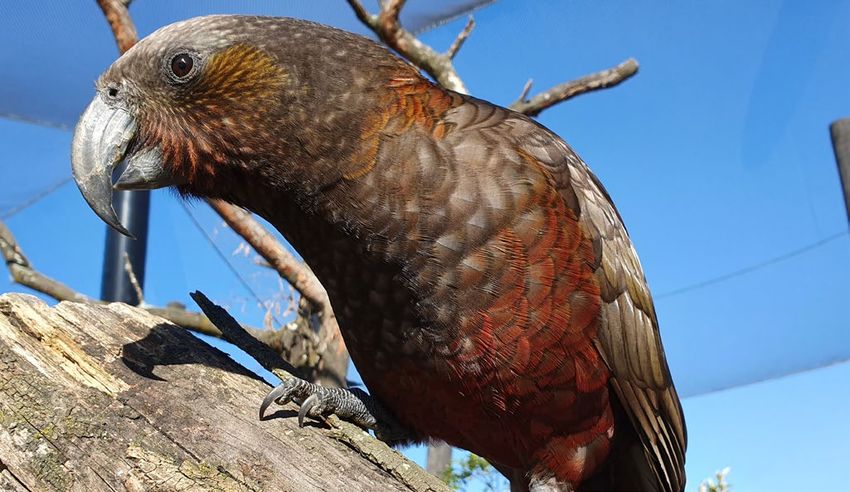
He aha ngā hiahia hei whakatutuki?                                                                            He aha ngā mahi e tutuki ai ngā hiahia?
    What do we want to achieve?                                                                                   What actions will we take to get there?
    Hancock Community House                                                                                       Ongoing actions                                                    Start date           Involvement of partners
                                                                                                                  Provide education programmes and visitor experiences at            2021/2022
    • Hancock Community House has a sustainable management structure with clear roles for Council and             Central Energy Trust Wildbase Recovery Centre.
      Palmerston North Community Services Council.                                                                Provide cemeteries at Kelvin Grove, Terrace End, Ashhurst
                                                                                                                  and Bunnythorpe
    • Hancock Community House provides suitable, secure and affordable accommodation and shared                   Provide and operate a crematorium at Kelvin Grove
      facilities for for-purpose organisations, which primarily provide social services.                          cemetery
                                                                                                                  Provide gender-neutral and accessible public toilets
    Central Energy Trust Wildbase Recovery                                                                        throughout the city
                                                                                                                  New and one-off actions                                            Completion date      Involvement of partners
    • Central Energy Trust Wildbase Recovery provides education programmes and visitor opportunities to a         Develop a plan for the delivery of library services in             2021/2022            City Library user-groups
      (continued) high level of satisfaction.                                                                     Palmerston North
                                                                                                                                                                                                          Rangitāne o Manawatū
                                                                                                                                                                                                          Potential partner
    • All parties involved in the delivery of the centre have clearly defined roles and responsibilities.
                                                                                                                                                                                                          organisations
                                                                                                                  Develop a plan for the delivery of community centres (and          2021/2022            Community centre
    Cemeteries                                                                                                    libraries) in Palmerston North                                                          management committees
                                                                                                                                                                                                          and users of Council
                                                                                                                  Plan and provide new community centres, libraries or               2023 onwards
                                                                                                                                                                                                          facilities
    • All cemeteries services are provided to a high level of visitor satisfaction.                               hubs in accordance with city-wide needs assessment and
                                                                                                                  planning

    • The crematorium provides a service for the Manawatū region, and fees are the same for all users.            Assess the accessibility of Council facilities, particularly for   2021/2022
                                                                                                                  people with disabilities

    • Cemetery services are responsive to changing community needs and are delivered in customer-focused          Implement online booking system for community centres              2021/2022
      ways.
                                                                                                                  Develop a plan for the future of Hancock Community                 2021/2022            Tenants of Hancock
                                                                                                                  House                                                                                   Community House
                                                                                                                                                                                     2021/2022
    • Palmerston North people have access to a natural burial option in the Manawatū/Whanganui region.            Review the requirements for the day-today operation of                                  Community organisations
                                                                                                                  Hancock Community House                                                                 Palmerston North
    Public toilets                                                                                                                                                                                        Community Services
                                                                                                                                                                                                          Council

    • There are clean, accessible and gender-neutral (where practicable) public toilets provided throughout the   Develop an MOU with the Wildbase Recovery Community                2021/2022            Wildbase Recovery
      city.                                                                                                       Trust                                                                                   Community Trust
                                                                                                                  Develop online services for cemeteries                             2021/2022
    • New toilets are developed in the most popular locations.                                                    Review opening hours of cemeteries                                 2021/2022
                                                                                                                  Centrally locate customer service office at Kelvin Grove           2022/2023
                                                                                                                  Cemetery

14 TE MAHERE HAPORI TŪHONOHONO | CONNECTED COMMUNITIES PLAN                                                                                                                      ngā taiwhanga o te hapori | Community facilities chapter 15
Kupu whakataki Kei hea tātou i tēnei wā?
Introduction Where are we now?
2021–2031 Palmerston North is home to diverse communities of
identity, interest and place. Community development • The city is served by for-purpose organisations
is “the process of enabling diverse groups to of all types which work to enhance community
share concerns, plan for the future, capitalise wellbeing. Statistics NZ research shows that
on opportunities and strive toward wellbeing”.4 nationally these organisations contributed
Empowered and well-connected communities, served $8.1 billion to GDP in 2018, and the value of
by sustainable for-purpose organisations5, can support volunteering was estimated at $4 billion.
every person to thrive.
• Many people in Palmerston North enjoy a
For-purpose organisations are sustainable when comfortable standard of living. However, the 2018
they have funding, volunteer support, and the time New Zealand Index of Multiple Deprivation shows
to build relationships and learn from others. The that some Palmerston North neighbourhoods
purpose of this chapter is to have strong for-purpose face higher levels of deprivation than others.
organisations that support communities to achieve Overall, the city has good health and access to
their aspirations. services, but could improve in the areas of income,
adequate employment, and crime rates.
• In 2018 10.9% of Palmerston North residents
reported participation in volunteering, slightly
higher than the national rate of 10.1%, which is a
decrease from 2013 (11.5% and 11.1% respectively).
People age 65+ are more likely to volunteer than
4 Department of Internal Affairs. (November 2002). A Framework for
Developing Sustainable Communities: Discussion Paper (November). any other age group.
5 “For-purpose organisations” are charities, social enterprises and
other nongovernmental entities that deliver a community benefit
and reinvest surplus funds into achieving their goals. The term is
used in place of “community groups” to distinguish communities from
formalised organisations.
TE WHAKAWHANAKE
HAPORI
COMMUNITY
DEVELOPMENT CHAPTER
16 TE MAHERE HAPORI TŪHONOHONO | CONNECTED COMMUNITIES PLAN te whakawhanake hapori | Community development chapter 17• For-purpose organisations face challenges due to • Palmerston North has a higher Māori population
increased reporting and compliance requirements, than New Zealand as a whole (18.7% and 16.5%
new patterns of donating and grant-making, and respectively in 2018). The city’s has strong ethnic
the evolving needs of volunteers, board members, communities and at the time of the 2018 census
employees and communities. there were 126 different languages spoken here.
• Council funds for-purpose organisations with rental • Palmerston North is accredited as an Established
subsidies and rates remissions in line with the Welcoming Community under a national
Council’s Rates Remissions Policy 2018. There is programme. Council recognises that communities
currently no Council-adopted policy guiding rental are healthier, happier and more productive when
subsidies. newcomers are welcomed and participate fully in
society and in the local economy.
• Council allocates over $2 million in community
grants per year in line with the Community Funding • Council has strategic partnerships with
Policy. A 2018 comparison showed that, per capita, membership agencies for people and
Council offers a more community funding than organisations involved in the social, arts,
some other local authorities. However, funding recreation and environmental sectors. These
programmes are increasingly oversubscribed, agencies empower and advocate for community
especially for funds that support the ongoing organisations and individuals, deliver capability-
operational costs of for-purpose organisations building services, and are key to achieving a
(rather than one-off projects). sustainable community sector. They have long-
running relationships with Council and receive
• Community funding is delivered in an efficient and
operational funding through a contestable process
transparent way, but Council funding programmes
every three years. This contestable process can
are numerous and unnecessarily complex.
make it difficult for these agencies to support their
• There is tension between Council’s role as a members, who may also be applying for Council
public funder and its desire to encourage self- grants.
determining communities and organisations.
• Some strategic connecting agencies have
Council must be willing to devolve power and
additional agreements with Council, such as
resources to communities, while ensuring
the management of facilities (such as Hancock
transparency and public accountability.
Community House, Square Edge, and The
• Council is a signatory to the Kotahitanga Alliance Stomach), the administration of funding (such as
partnership agreement (2016) to prioritise and Community Development Small Grants Fund and
promote a set of regional Whānau Ora outcomes Environmental Small Grants) and the delivery of
to provide excellence in service delivery for training (the Community Groups Training Fund).
whānau.
• Council encourages and recognises voluntary
• Rangitāne o Manawatū takes a leadership role in work by individuals by the annual presentation of
community development in the city, utilising their Civic Awards, and funds for-purpose organisations
kaitiaki role to work alongside communities and that support volunteers. Council recognises
organisations in achieving wellbeing. that volunteers are a vital part of what makes
for-purpose organisations and community-led
initiatives successful.
18 TE MAHERE HAPORI TŪHONOHONO | CONNECTED COMMUNITIES PLAN te whakawhanake hapori | Community development chapter 19He aha ngā hiahia hei whakatutuki? He aha ngā mahi e tutuki ai ngā hiahia?
What do we want to achieve? What actions will we take to get there?
• Local communities (of identity, interest and place) have the capacity, capability and tools to understand Ongoing actions Start date Involvement of partners
their own challenges, set their own goals, and lead their own actions in response.
Identify opportunities for organisational improvements All 2021/2022 Ora Konnect Alliance and
which align with the aspirations of for-purpose networks
organisations For-purpose organisations
Build and maintain relationships with local communities of
• Neighbourhoods and villages in Palmerston North are home to well-connected communities with a sense identity, interest and place to understand and support their
of place identity (see the Placemaking chapter). strengths and aspirations
Provide advice, including governance support, funding
expertise, and event and project support, to communities
and for-purpose organisations
• Members of local communities build relationships and are at ease connecting with and learning from each Provide support to community groups to increase freely-
other. available food crops in the city
Integrate how Māori models of wellbeing can be reflected Rangitāne o Manawatū
in community development work
Regularly develop and implement Welcoming Plans Welcoming Communities
• Council supports community-led initiatives, with a focus on those led by Māori, Pasifika, ethnic
Advisory Group
communities, former refugees, people with disabilities, children, young people, and older people.
Rangitāne o Manawatū
Administer grants in line with the community funding policy
Current funding programmes:
• Palmerston North people embrace diversity. • Creative Communities Scheme
• Arts Event Fund
• Community Events and Initiative fund
• For-purpose organisations are well-led, sustainable and responsive to community aspirations. • Strategic Priority Grants
• Small Grants
• Youth Council grants and scholarships
Lease Council land and facilities to for-purpose Leaseholders
• Governance bodies reflect the diversity of Palmerston North. organisations in line with the Community Funding Policy
Support the city’s strategic coordinating agencies to Palmerston North
deliver training, networking and professional development Community Services Council
opportunities for employees, volunteers and board
Sport Manawatū
• Council takes the lead from communities in understanding how it can support projects and services that members of for-purpose organisations
are of value to them, and where possible provides communities with the resources to deliver their own Environment Network
initiatives. Manawatū
Manawatū Multicultural
Council
Square Edge Community
• Council community development activities acknowledge the city’s bicultural foundations and intercultural Arts
aspirations. Creative Sounds Society
Volunteer Central
20 TE MAHERE HAPORI TŪHONOHONO | CONNECTED COMMUNITIES PLAN te whakawhanake hapori | Community development chapter 21He aha ngā hiahia hei whakatutuki? He aha ngā mahi e tutuki ai ngā hiahia?
What do we want to achieve? What actions will we take to get there?
• Rangitāne o Manawatū is supported to lead the achievement of Whānau Ora outcomes for local Ongoing actions Start date Involvement of partners
communities.
Work with for-purpose organisations to increase All 2021/2022 Volunteer Central
volunteerism and community leadership, including
understanding and responding to existing barriers to
participation
• Council participates in or facilitates collaborative networks designed to share resources and increase Monitor for-purpose organisations contracted or funded For-purpose organisations
community impact. by Council against agreed outcomes
Run the Civic Awards programme Local communities
For-purpose organisations
• Palmerston North continues to be a national leader in moving from an Established to an Advanced Participate as a member of the regional Whānau Ora Whānau Ora Strategic
accreditation through the Welcoming Communities programme. Strategic Innovation and Development Group Innovation and
Development Group
Support and strengthen Māori community networks and Rangitāne O Manawatū
agencies as they work to address issues of opportunity
Local communities
and concern
• Council’s grant and rental subsidy processes are transparent, responsive, and empower communities. For-purpose organisations
Participate as a signatory to the Kotahitanga Alliance MBIE, MSD, Kāinga Ora, Te
partnership agreement (2016) to support the achievement Puni Kōkiri
of Whānau Ora outcomes
MidCentral DHB, Central
• Projects initiated by Palmerston North communities and for-purpose organisations attract national funding PHO
into the city.
Te Pou Matakana
Te Tihi o Ruahine Whānau
Ora Alliance
• The city’s strategic coordinating agencies are in a strong position to support for-purpose organisations, New and one-off actions Completion date Involvement of partners
growing their sustainability and effectiveness. Review Council’s Civic Awards to ensure they reflect the 2021/2022
diversity of Palmerston North
Provide Council communication materials that are 2021/2022 Disability Reference Group
inclusive and reflect the diversity of the local community
Manawatū Multicultural
• Palmerston North people of all ages volunteer at a high rate and have the skills and experience to do so Council
effectively.
Provide and support initiatives that promote participation 2021/2022 Disability Reference Group
in the community
Identify a suitable safe drop-in space for members of the 2021/2022 MALGRA
rainbow community
Establish and support a Seniors’ Reference Group to liaise 2021/2022 (starts)
between older people and Council
Establish and support a Pasifika Reference Group to liaise 2021/2022 (starts)
between Pasifika communities and Council
Consider, within the review of Community Funding Policy, 2021/2022
whether it is more effective for sector lead organisations
in the arts, social and environmental sections to be part
of the contestable funding process or direct contracts for
service
22 TE MAHERE HAPORI TŪHONOHONO | CONNECTED COMMUNITIES PLAN te whakawhanake hapori | Community development chapter 23Kupu whakataki Kei hea tātou i tēnei wā?
Introduction Where are we now?
2021–2031 Access to adequate housing is a major public
health issue in New Zealand. Poor quality housing • Housing affordability in Palmerston North has
is associated with negative social outcomes, for gradually decreased over the past several years.
individuals and for communities.6 The provision of In December 2018, 66% of rental households
social housing is one of the responses Council can in Palmerston North were below the National
make to contribute to an improvement in social Affordability Benchmark for renting, compared with
outcomes for the community. Figure 1 (below) shows 70% three years before.7
how social housing fits within the whole housing
continuum. • The need for social housing reflects this broader
context of housing affordability. Over the past
The purpose of this chapter is to provide warm, safe three years, the Ministry of Social Development’s
and affordable social housing and to have a strong social housing register (waiting list) in Palmerston
social housing sector. North has increased by 401%, to 717 households.8
• Palmerston North City Council became a social
housing provider in the 1960s, benefitting from
central government loans to fulfil the traditional
local government role as a landlord for older
people on low incomes.
Figure 1: Housing continuum
Source: Community Housing Aotearoa
EMERGENCY SOCIAL ASSISTED ASSISTED PRIVATE PRIVATE
HOUSING HOUSING RENTAL OWNERSHIP RENTAL OWNERSHIP
INCOME QUINTILE RELATIVE Q1-Q2 Q2-Q3 Q3-Q5 Q3-Q5
TO HOUSEHOLD PROFILE
INCREASING SUBSIDY INCREASING INDEPENDENCE
TE WHARE NOHO PĀPORI
SOCIAL HOUSING
CHAPTER 6 Telfar-Barnard, L., Bennett, J., Robinson, A., Hailes, A., Ombler, J., &
Howden-Chapman, P. (2019). Evidence base for a housing warrant of
7 Statistics New Zealand.
8 Between March 2018 and March 2021 the national social housing
fitness. SAGE open medicine, 7, 2050312119843028. register increased from 7,890 to 23,688 (300%).
24 TE MAHERE HAPORI TŪHONOHONO | CONNECTED COMMUNITIES PLAN te whare noho pāpori | Social housing chapter 25• A decade ago, Council extended its role as a • The balance of Council’s social housing is
social housing provider to include people with provided at subsidised rental rates.10
long-term disabilities among its tenants.
• Council’s social housing meets the Otago Medical
• In 2015, Council further decided that the 100 School He Kainga Oranga Rental Housing Warrant
public housing units (previously designated as of Fitness Standard and the new Healthy Homes
investment properties) would also contribute to Standards (required by law for all rental housing by
achieving Council’s social housing goals. July 2024).
• There are around 400 individuals or households • Maintenance costs are not currently funded
on the waiting list for Council’s housing, an adequately (in the 2018-28 10 Year Plan).
increase over time. Around half of these applicants
• Council contributes to meeting the social housing
are for subsidised housing.
needs in Palmerston North alongside other
• The 2018-2028 10-Year Plan confirmed Council’s government and community providers.
role as a social housing provider, and made a
• Kāinga Ora11 provides most of the social housing in
commitment to increase the number of social
Palmerston North, and there are also several small
housing units.
and well-established community providers.
• After completing the first stage of the
• Kāinga Ora has plans to build around 500 new
redevelopment and expansion of the Papaioea
homes within the wider region in the next three
Place social housing complex in 2020 (an increase
years.
of 14 new units), Council now provides 407 social
housing units for older people, people with long • Other social housing providers may register to
term disabilities, and people who experience take advantage of the Government’s Income
barriers to accessing housing in the private rental Related Rent (IRRS) subsidy for eligible tenants, but
market.9 local authorities are unable to access this subsidy.
• Seventy-two Council social housing units are
provided at market rental rates to people who also
meet the specified housing criteria.
9 To be eligible for Council social housing tenants must be 1. a 10 Subsidised rentals will be no more than 25% of Superannuation,
superannuitant with a Community Services Card OR 2. receive the Supported Living Payment, Jobseeker Support (or other relevant
Supported Living Payment (or equivalent) OR 3. be on a low income benefit).
with a Community Services Card and experience barriers to meeting 11 Government agency Kāinga ora was established in 2019, combining the
their housing needs in the private market OR 4. be an international Kiwibuild Unit, Housing New Zealand Corporation and the development
student family from a developing country (confirmed by a tertiary subsidiary HLC. Kāinga ora currently provides around 1,430 social
institution) AND (for 1-4) 5. have assets of less than $40,000 (excluding housing properties in Palmerston North.
a vehicle, household and personal effects and prepaid funeral
arrangements).
26 TE MAHERE HAPORI TŪHONOHONO | CONNECTED COMMUNITIES PLAN te whare noho pāpori | Social housing chapter 27He aha ngā hiahia hei whakatutuki? He aha ngā mahi e tutuki ai ngā hiahia?
What do we want to achieve? What actions will we take to get there?
• Council’s social housing provision makes a significant contribution to meeting the needs for social housing Ongoing actions Start date Involvement of partners
in Palmerston North, alongside government and community providers.
Provide social housing for older people on low incomes, All 2021/2022
people with disabilities on low incomes, and people on
• Rangitāne o Manawatū and the Kotahitanga Alliance have opportunities for involvement in the low incomes who experience other barriers to accessing
development and review of social housing. housing in the private market according to the current
eligibility criteria
• Council’s social housing meets the needs of older people on low incomes, people with disabilities on low Provide social housing according to best practice Community Housing
incomes, and people on low incomes who experience other barriers to accessing housing in the private guidance and subject to peer review Aotearoa
market.12 Housing Needs Monitoring
Group
• Seventy-two Council social housing units are provided at market rental rates to people who also meet the Provide support for Council tenants (either directly or Community support
specified housing criteria. through another agency) agencies
Provide support for Council tenants, either directly Community support
• The needs of the three main tenant groups are balanced, and no one group ‘crowds out’ another. or where agreed with the tenant, by facilitating the agencies
connection of the tenant with community support
agencies
• Council’s tenants are supported and satisfied with the social housing service they receive. Provide social housing compliant with the Otago Medical Otago Medical School He
School He Kainga Oranga Rental Housing Warrant of Kainga Oranga
• Council’s social housing is warm, safe, and accessible, and delivered in the most effective way. Fitness Standard
Build and renew social housing to the Lifemark 4 Star Lifemark13
Design Standard, where feasible
• Maintenance of council social housing is delivered proactively in accordance with the proposed Asset
Management Plan. Advocate for increased support for local and national Te Tihi o Ruahine Whānau
initiatives to increase the provision of warm, safe and Ora Alliance
accessible housing for people on low incomes in
• Council’s social housing is delivered according to best-practice standards in the social housing sector. Housing Needs Monitoring
Palmerston North
Group
Housing Working Group
• Social housing networks in Palmerston North are strong and provide co-ordinated advocacy to
government. Support local social housing initiatives, including Te Tihi o Ruahine Whānau
collaboration with the Kotahitanga Alliance Ora Alliance
• There is an increase in warm, safe, and accessible social housing in Palmerston North. New and one-off actions Completion date Involvement of partners
Build new social housing 2023/2024 Rangitāne o Manawatū
Kotahitanga Alliance and
member organisations
Investigate options for a night shelter and develop a 2021/2022 Housing Needs Monitoring
proposal for a feasibility study Group
Rangitāne o Manawatū
Kotahitanga Alliance and
member organisations
12 To be eligible for Council social housing tenants must be 1. a superannuitant with a Community Services Card OR 2. receive the Supported Living
Payment (or equivalent) OR 3. be on a low income with a Community Services Card and experience barriers to meeting their housing needs in the
private market OR 4. be an international student family from a developing country (confirmed by a tertiary institution) AND (for 1-4) 5. have assets of 13 Lifemark is a commercial division of CCS Disability Action. Lifemark works alongside designers and builders to offer advice based on the principles
less than $40,000 (excluding a vehicle, household and personal effects and prepaid funeral arrangements). of Universal Design. A Lifemark Star Rating is an official accreditation.
28 TE MAHERE HAPORI TŪHONOHONO | CONNECTED COMMUNITIES PLAN te whare noho pāpori | Social housing chapter 29Kupu whakataki • Businesses may be granted a permit to utilise the
Council owned footpath to place table and chairs
Introduction
2021–2031
(under the Signs and Public Places Bylaw) and
Community wellbeing includes all aspects of health, such permits include the condition of ensuring the
te whare tapa whā, and includes the promotion of area has visible smokefree signs and no ashtrays
physical wellbeing. Community venues, events, and or similar devices. The recent renewal of the
public spaces provide opportunities to improve the permits did not include the collection of data to
health of communities. The purpose of this chapter is understand whether these conditions were being
to improve the health of communities in Palmerston met by permit holders.
North. • In 2019 an audit was completed on Council
reserves to understand if there was adequate
shade at parks and reserves (primarily at
Kei hea tātou i tēnei wā? spots where people gather such as seats and
Where are we now? playgrounds).
• The Sun Protection Policy (2010) makes a
• Council aims to encourage people in outdoor commitment for Council to provide adequate sun
public places to be smokefree. The Auahi Kore protection through the provision of shade in public
Smokefree and Vapefree Policy is implemented venues and event but has not been consistently
with the guidance of the Smokefree reference implemented.
group. This is a collaborative group includes non- • The Council adopted a Healthy Beverages Policy
government organisations, government agencies, in 2018 which requires the provision of healthy
and Council officers from a range of Council units. beverage choices at Council venues and events.
• The smokefree reference group conducted a Significant progress has been made towards
survey titled ‘attitudes towards smoking and implementing this policy. The healthy beverages
vaping in outdoor areas in Palmerston North’ policy has yet to be reviewed since it was
in 2019 which was well responded to. Most introduced in 2017.
respondents were generally supportive of
smokefree measures in Palmerston North. Most
respondents were supportive of vapefree and
smokefree measures in outdoor dining areas.
TE HAPORI HAUMARU
HEALTHY COMMUNITIES
CHAPTER
30 TE MAHERE HAPORI TŪHONOHONO | CONNECTED COMMUNITIES PLAN te hapori haumaru | Healthy communities chapter 31He aha ngā hiahia hei whakatutuki? He aha ngā mahi e tutuki ai ngā hiahia?
What do we want to achieve? What actions will we take to get there?
• Council contributes to creating a culture in Palmerston North where healthy choices are encouraged and Ongoing actions Start date Involvement of partners
easy to make.
Raise awareness of the health-related policies including, All 2021/2022 Smokefree Reference
smokefree, sun protection and healthy beverages policy Group and member
organisations
Collect information from permit holders (use of footpath)
• Rangitāne o Manawatū has opportunities for involvement in the development and review of council MidCentral DHB
to understand whether permit conditions are being met
policies and initiatives to promote community health and wellbeing.
under the Signs and Public Places Bylaw Rangitāne o Manawatū
Provide sun protection at events and public places in
accordance with the Sun protection policy
• Outdoor areas that are owned and operated by Council are recognised as smokefree areas.
Promote smokefree Palmerston North in accordance with
the Auahi Kore Smokefree and Vapefree Policy
• Outdoor areas that are owned and operated by Council have adequate shade. Provide and facilitate the provision of beverages at
Council events and facilities in accordance with the
Healthy Beverages Policy
• Events that are funded or organised by Council comply with Council’s healthy policies. New and one-off actions Completion date Involvement of partners
Include the consideration of health policies in the design 2021/2022 MidCentral DHB
phase of projects
• All new projects consider the relevant health related policies in the design phase. Review the Healthy Beverages Policy 2022/2023
Investigate the development of a Health Charter in 2022/2023
partnership with Midcentral DHB
32 TE MAHERE HAPORI TŪHONOHONO | CONNECTED COMMUNITIES PLAN te hapori haumaru | Healthy communities chapter 33Kupu whakataki • Council support for events and festivals includes
the provision of facilities, dedicated funding,
Introduction
2021–2031
equipment and advice.
Community events bring significant benefits to • The city is a central and accessible location for
Palmerston North people. They provide opportunities national and regional events. National secondary
to support community identity, and to celebrate our sports tournaments and major regional sports
city. A strong events sector enables these benefits to events are regularly held in Palmerston North,
be realised. capitalising on the sports infrastructure already in
We classify events as: the city.
• Local: events providing social benefits for • The city is home to iconic events that are truly
residents, with the potential for growth Palmerston North, such as the Festival of Cultures,
and major events that attract visitation from around
• Programmed: the core business for many of
the country, such as the National Young Performer
the region’s venues e.g. theatre and museum
Awards and New Zealand AgriFood Investment
programmes
Week.
• Major: large-scale events which attract significant
• Palmerston North is an accredited established
benefits for the city through interest, profile or
Welcoming Community. Part of the outcomes-
visitation [refer to the Economic development plan
based standard measures how well culture and
under Goal 1]
identity are respected and valued in the city.
• Iconic: events that attract national interest and
• Council delivers or contracts out the delivery of
define Palmerston North’s identity
annual city events including Anzac and Armistice
The purpose of this chapter is for people to have Day, A Very Palmy Christmas, Explore Esplanade
opportunities to take part in a variety of local, Day, Festival of Cultures, Fireworks and New
programmed and iconic events. Year’s Eve in the Square.
• Progress has been made on incorporating Māori
Kei hea tātou i tēnei wā? community priorities, tikanga and te reo Māori into
significant city events.
Where are we now?
• There is limited coordination of funding and advice
available for community events.
• Most of the city’s events are led by local • The Celebrating Communities Fund supports
communities. The events take many forms, a diverse range of events each year but is
including gala days, cultural and religious increasingly oversubscribed, which puts pressure
festivals, fundraising events, art exhibitions, on event organisers.
project launches, and national day and New Year
celebrations for the many different communities • Palmerston North has an extensive and diverse
living in the city. events programme, but many events are
centralised over the warmer months with limited
provision throughout the rest of the year.
NGĀ TAKUNETANGA
ME NGĀ TAIOPENGA
EVENTS AND
FESTIVALS CHAPTER
34 TE MAHERE HAPORI TŪHONOHONO | CONNECTED COMMUNITIES PLAN ngā takunetanga me ngā taiopenga | Events and festivals chapter 35He aha ngā hiahia hei whakatutuki? He aha ngā mahi e tutuki ai ngā hiahia?
What do we want to achieve? What actions will we take to get there?
Ongoing actions Start date Involvement of partners
• There is strong and user-friendly event infrastructure available to local communities, including Provide a point of contact to ensure user-centric All 2021/2022
facilities, equipment, venues and advice to meet their aspirations. navigation of Council processes and resources for event
organisers
Co-ordinate enquiries and bookings for events and
• Palmerston North has a full events calendar that caters well for different sectors of the city’s activities on Council land, manage bookings for the city’s
population. street flags and banners, and loan events equipment to
event organisers
Work with event organisers to develop innovative ways to
• Palmerston North is an easy place to hold events and provides resources, coordinated funding build valuable event experiences
and tools for community members and event organisers to build capability, plan, market and
deliver events within the city. Ensure city venues are fit-for-purpose CCOs
Identify and facilitate opportunities for new community
events, particularly those that appeal to the core markets
• The city’s Māori cultural events are supported to grow under the leadership of Rangitāne o of younger people (age 18-34), people with kids at home,
Manawatū. Māori, and older residents (age 55+)
Provide resources and support to enable waste Environment Network
minimisation and diversion practices at all city events Manawatū
• The role of Rangitāne o Manawatū in welcoming guests and leading civic engagement on behalf
of the community is honoured. Collaborate with event organisers to balance a
programme of peak and off-peak events and activities
across the year
• Council support for events is clear, accessible, and user-friendly. Coordinate delivery of Council’s annual community events
programme
Maintain relationships across community event organisers
• Palmerston North has varied calendar of Local and Programmed community events that reflect
and build on the city’s identity. Demonstrate best practice environmental, economic and
social sustainability at all Council delivered events
Provide a portal for information on events and activations
• Council venues accommodate the varied needs of community events and are community-focused taking place within the city
in their services.
Administer events grants in line with the Community
Funding Policy
Current funding programmes:
• Creative Communities Scheme
• Arts Event Fund
• Community Events and Initiatives Fund
• Sports Event Partnership Fund
36 TE MAHERE HAPORI TŪHONOHONO | CONNECTED COMMUNITIES PLAN ngā takunetanga me ngā taiopenga | Events and festivals chapter 37You can also read


