Working with Dogs in Health Care Settings - A protocol to support organisations considering working with dogs in health care settings and allied ...
←
→
Page content transcription
If your browser does not render page correctly, please read the page content below
Working with Dogs in Health
Care Settings
A protocol to support organisations considering
working with dogs in health care settings and allied
health environments
2019 revision

       CLINICAL PROFESSIONAL RESOURCE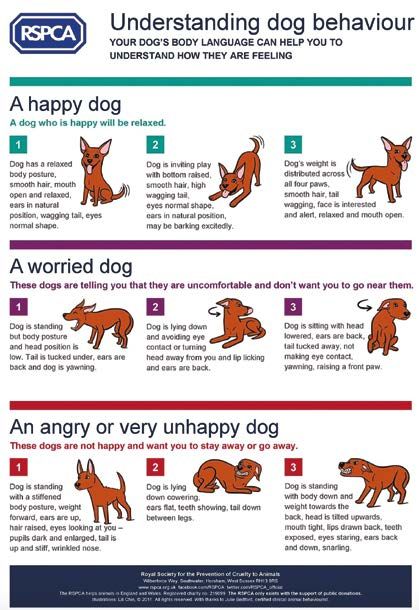
WORKING WITH DOGS IN HEALTH CARE SETTINGS

Acknowledgements
Original working group                                                   External advisors
Amanda Cheesley, RCN Professional Lead for                               Professor Roberto La Ragione, Professor
Long-Term Conditions and End of Life Care                                of Veterinary Microbiology and Pathology,
Wendy Preston, RCN Head of Nursing Practice                              University of Surrey School of Veterinary
                                                                         Medicine
Kat Baumgartner, RCN Library
                                                                         Rosemary Geller, Pets as Therapy Volunteer
Deborah Dow, Chief Executive, Pets as Therapy
                                                                         Peter Gorbing, Chief Executive of Dogs for
Lyndsey Uglow, Therapy Dog Handler and AAI
                                                                         Good, Chair of Assistance Dogs (UK), Secretary
adviser, Southampton Children’s Hospital
                                                                         of Assistance Dogs International and Founder
Claire Pesterfield, Client Applications                                  Board Member of Animal Assisted Intervention
Coordinator, Medical Detection Dogs and                                  International
assistance dog user
Lydia Swanson, Senior Scent Instructor, Medical
Detection Dogs
Helen Dunn, Lead Nurse Infection Prevention
Control, Great Ormond Street Hospital NHS
Trust for Children
Deb Marriage, Specialist Allergy Nurse, United
Bristol Hospitals Trust

2019 review
Amanda Cheesley, RCN Professional Lead for                               This review has been undertaken specifically
Long-Term Conditions and End of Life Care                                to reflect comments received since the original
Kate Tantam, Specialist Rehabilitation Sister in                         document was published and to provide
Critical Care, University Hospitals Plymouth NHS                         clarification for organisations wishing to offer
Trust                                                                    animal assisted interventions (AAI) in high risk
                                                                         areas such as intensive care.
Lyndsey Uglow, Lead Therapy Dog Handler and
AAI Adviser, Southampton Children’s Hospital
Wendy Preston, RCN Head of Nursing Practice
Rose Gallagher, RCN Professional Lead for
Infection Prevention

  This publication is due for review in May 2021. To provide feedback on its contents or on your
  experience of using the publication, please email publications.feedback@rcn.org.uk

Publication                                                              The information in this booklet has been compiled from
This is an RCN clinical professional resource.                           professional sources, but its accuracy is not guaranteed. Whilst
                                                                         every effort has been made to ensure the RCN provides accurate
Publication date: December 2019. Review date: May 2021.                  and expert information and guidance, it is impossible to predict
                                                                         all the circumstances in which it may be used. Accordingly, the
The Nine Quality Standards
                                                                         RCN shall not be liable to any person or entity with respect to any
This publication has met the nine quality standards of the               loss or damage caused or alleged to be caused directly or
quality framework for RCN professional publications. For more            indirectly by what is contained in or left out of this website
information, or to request further details on how the nine quality       information and guidance.
standards have been met in relation to this particular
                                                                         Published by the Royal College of Nursing, 20 Cavendish Square,
professional publication, please contact publications.
                                                                         London, W1G 0RN
feedback@rcn.org.uk
                                                                         © 2018 Royal College of Nursing. All rights reserved. No
Evaluation                                                               part of this publication may be reproduced, stored in a
The authors would value any feedback you have about this                 retrieval system, or transmitted in any form or by any
publication. Please contact publications.feedback@rcn.org.uk             means electronic, mechanical, photocopying, recording or
clearly stating which publication you are commenting on.                 otherwise, without prior permission of the Publishers. This
                                                                         publication may not be lent, resold, hired out or otherwise
RCN Legal Disclaimer                                                     disposed of by ways of trade in any form of binding or cover
This publication contains information, advice and guidance to            other than that in which it is published, without the prior
help members of the RCN. It is intended for use within the UK            consent of the Publishers.
but readers are advised that practices may vary in each country
and outside the UK.

                                                                     2
ROYAL COLLEGE OF NURSING
Contents
1. Background to protocol 4
2. Purpose of protocol 5
3. Understanding the types of dogs that may visit health care settings 6
4. Guidance for health care professionals in deciding which dogs may
visit health care settings 8
5. Guidelines for managing key areas of risk 11
6. Addendum: Animal assisted therapy in high risk areas 13
7. Appendices 15
Appendix 1: Template for pet dogs visiting health care settings 15
Appendix 2: Accredited service providers and national visiting therapy programmes 16
Appendix 3: Useful references and books 17
Appendix 4: Understanding dog behaviour 18
3WORKING WITH DOGS IN HEALTH CARE SETTINGS
1. Background to protocol
The recognition that dogs, and other animals,
can provide support to people in many different
ways has led to an increase in the number of
health and social care settings where dogs
are present. Traditionally, many care homes
have encouraged regular visits from dogs
and increasingly schools and hospitals are
introducing dogs into settings where they play a
variety of roles.
There has been a significant growth in the
number of working therapy dogs. In addition,
there has been a rise in the number and type
of assistance dogs, helping people with not just
physical disabilities but medical conditions and
mental health issues as well. Given that we know
dogs can make a significant difference to the
lives of people with a range of disabilities and
conditions, this is a positive move. However,
there are rightly a number of concerns being
raised about bringing a dog into a clinical
environment and these need to be addressed.
Many organisations have developed their own
guidance, policies and protocols to ensure that
there are robust safeguards in place which
address infection prevention and control as well
as health and safety concerns. The Royal College
of Nursing and a number of the charities that
provide animal therapy or train assistance dogs
as well as the owners of personal assistance
dogs, believe that it would be helpful to develop
a universal protocol setting out clear guidelines
that all health care settings can follow.
4ROYAL COLLEGE OF NURSING
2. Purpose of protocol
The aim of this protocol is to highlight the
precautions that should be taken when dogs
are brought into various health care settings
and to provide clear guidance on all reasonable
safeguards that should be put in place to protect
residents, patients, visitors and staff. This
protocol covers the role of both the dog and
the owner/handler, and includes information
that all organisations should take into account
before allowing a dog to access their premises
other than a personal assistance dog such as a
guide dog.
Ultimately, each organisation is responsible for
developing their own policy but it is hoped this
protocol will aid that process and lead to greater
consistency of practice and build credibility for
animal assisted intervention work. It will also
increase the public’s understanding of the vital
role that assistance dogs play.
In proposing this protocol, the working group
recognises that there are many stakeholders
to satisfy, including people who are concerned
about the increase in the use of pet therapy
interventions because they are living with
extreme allergies to animal hair, have a phobia
or are fearful of dogs. While acknowledging
that this is a risk for these individuals and that
particular care should be taken to ameliorate
risks, it is recognised that it is not possible to
completely eradicate risks to these groups.
In developing this protocol, the working
group consulted widely to ensure that
recommendations meet the health and wellbeing
needs of both animals and people.
This protocol covers all dogs that may have a
reason to visit a health care setting.
5WORKING WITH DOGS IN HEALTH CARE SETTINGS
3. U
nderstanding the types of
dogs that may visit health care
settings
Dogs will visit health care settings for a number Assistance dogs may be trained by charities
of reasons. The types of dogs that will be that specialise in this work or by the owners
involved are: themselves. Health care establishments should
satisfy themselves that the dog meets the
criteria to be classed as a bona fide assistance
(a) Assistance dogs dog (see 4a).
Assistance dogs are specially trained dogs
working with an individual person to support (b) Animal assisted
them in a number of ways. These include:
intervention and visiting
• Guide dogs: supporting people with visual dogs
impairment or sight loss with guiding.
Animal assisted intervention (AAI) is performed
• Hearing dogs: supporting people with on several different levels. AAI in health care
hearing loss or impairment. incorporates many fields including animal
assisted therapy (AAT) and the most common
• Assistance dogs: aiding mobility and support
modality practised by many therapy dog
daily living such as undressing and picking
volunteers, animal assisted activity (AAA).
dropped items up off the floor, opening and
closing doors etc. Animal assisted therapy (AAT) is delivered in
conjunction with other health care professionals
• Medical alert dogs: trained to constantly
and should be goal directed with outcomes
monitor their partner’s health condition
documented and evaluated. The field is
and alert to impending episodes where
advancing in line with practices worldwide to
their health would acutely deteriorate. The
include involvement in many health care settings,
alert allows the person to take preventative
including intensive care units and treatment
action to avoid/limit the episode, or to make
rooms. These types of interventions are directed
themselves safe, thus reducing the risk of
in conjunction with health care professionals
injury during the episode. For example:
and delivered alongside a handler and dog with
Type 1 diabetes, Addison’s disease, Postural
specialised training and expertise. They form
Orthostatic Tachycardia Syndrome (POTs),
part of an individual plan of care for a patient.
seizures, and severe allergies.
Dogs working in this type of environment should
• Autism assistance dogs: supporting people always have a handler in addition to the care
with autism. giver, so that one person can advocate for the
patient whilst the other advocates for the dog.
• Dogs supporting people who have mental
health issues. Animal Assisted Activity (AAA) is the term used
where a handler brings a dog to the patient/
By and large, assistance dogs are with their resident for general interaction. These dogs are
owners 24 hours a day and play a number usually owned by the person who is their handler.
of different, but important roles in their life Owners volunteer their services to provide visits
including practical support, companionship and to groups of people or individuals in health and
help in dealing with anxieties. social care settings and schools, to allow people
to stroke the dog or interact with them to help
The Equality Act 2010 makes it unlawful to them feel connected. This is the most common
refuse access to a disabled person accompanied form of animal assisted intervention.
by an assistance dog except in the most
exceptional circumstances.
6ROYAL COLLEGE OF NURSING
There are two types of dogs providing AAI. In exceptional cases, where it is deemed
appropriate for a pet dog to visit we propose
i) ogs that are registered with a visiting
D that a request form is filled out by the person
AAI dog organisation. These dogs are responsible for the dog – see appendix 1.
pet dogs which have been assessed by a
visiting AAI dog organisation (eg, Pets as
Therapy) and are accompanied by their
owners who are registered volunteers with
the organisation. Owners and their dogs
volunteer their services to provide visits to
groups of people or individuals in health/
social care settings and schools, to allow
people to stroke the dog or interact with
them to help them feel connected.
ii) D
ogs trained specifically for AAI
in health care settings. These are
specially-trained dogs and highly trained
handlers who are part of an organisation
providing AAI services. They will work
alongside a nominated health professional
in a goal-directed animal assisted therapy
intervention as part of a patient’s agreed care
plan. The engagement of the dog and handler
will therefore have been agreed and planned
in conjunction with the relevant local health
care professional.
(c) Patients’ pet dogs
From time-to-time people may make a request
to bring a pet dog to visit a person in a health
care setting. While we understand that people
may value having time with their pet dog, it is
important to recognise that many health care
settings are unfamiliar environments for most
dogs and can be very unsettling for a dog that has
not been temperamentally screened and trained
to deal with a very wide range of environments.
Similarly, it is difficult for hospital staff to have
to deal with the requirement to assess a dog’s
health and vaccination history.
It is therefore recommended that, except in
exceptional circumstances, pet dogs are not
permitted into health care settings. Exceptions
may well be in place in a hospice and some
care settings where it is both appropriate and
desirable for someone to see their pet dog.
7WORKING WITH DOGS IN HEALTH CARE SETTINGS
4. Guidance for health care
professionals in deciding which
dogs may visit health care
settings
(a) Assistance dogs i. Is the dog a registered assistance
dog with AD(UK) or can the owner
As noted above, it unlawful to refuse access provide assurance that the dog is
to a disabled person accompanied by an suitably trained?
assistance dog except in the most exceptional
circumstances. It is therefore important for the If so, you can expect that the dog:
health care professional to check that the dog
meets the recognised criteria to be classed as a • is highly trained
bona fide assistance dog. • will not wander freely around the premises
Assistance dogs may be trained by charities • will sit or lie quietly on the floor next to their
that specialise in this work or by the owners owner
themselves.
• will not display reactive behaviours towards
Assistance dogs (UK) is the umbrella humans or other animals such as growling,
organisation for charities that train assistance snarling, lunging or biting
dogs that have been assessed and accredited
against the standards set out by the International • will not show continuous signs of fear such
Guide Dogs Federation (IGDF) and/or Assistance as crouched body, tail tucked under, ears flat
Dogs International (ADI). Some owner-trained back, jumping up or constant soliciting of
dogs are supported by AD(UK) charities, based attention from members of the public
on the ADI standards. For these dogs, owners
will carry an AD(UK) card and the AD(UK) logo • is trained to go to the toilet on command and
will usually be visible on the jacket of the dog so is unlikely to foul in a public place
(see appendix 1).
• is vaccinated in line with current recognised
Owner-trained dogs, or dogs from non Assistance international standards of best practice
Dog (UK) organisations, do not have nationally (Titre testing is no substitute for vaccination)
recognised standards that they work to. Many
• has a comprehensive routine parasite
owner-trained assistance dog partnerships will
prevention to protect against fleas, worms
follow similar guidance regarding the training
and other transferable organisms
required to meet the international standard and
some will have been accredited by independent • is not fed on raw food
groups or dog trainers. However, since there
are no agreed training standards for this group, • is covered by specific assistance dog
it is harder to be sure of the level the dog and insurance for public liability cover.
client are working to and that the necessary
If the dog is not a registered assistance dog
health checks and insurance are in place. There
with an AD(UK) organisation, the health care
are plans in place to introduce an independent
provider should ask for evidence of the following.
assessment process for owner-trained and non-
AD(UK) trained dogs in the future and this • The training and temperament/behaviour
protocol will be updated at that point. testing that the dog has been through.
There are four key questions that health care • Vaccinations: dogs must be vaccinated
professionals should they ask when making against distemper, parvovirus, and hepatitis,
arrangements for an assistance dog to enter a according to the manufacturer’s guidelines.
health care setting: An annual vaccination for leptospirosis is
8ROYAL COLLEGE OF NURSING
also required. The owner should be able to iii. What is the reason for the client
show signed veterinary certificates for these being in the hospital/medical
vaccinations (Titre testing is no substitute for environment and how does the
vaccination). presence of a dog impact on this
• Parasite prevention: the owner should treat and others present?
the dog to prevent fleas, ticks and worms on
The health care professional should satisfy
a regular cycle. Where a topical ectoparasite
themselves that the health care environment and
treatment (back of the neck ointment) is
activities to be undertaken by the dog do not pose
used, this can cause an unpleasant odour
an unacceptable level of risk to the person, others
and, in some cases, a rash if someone
present, or the dog.
strokes the dog after the drops have
been administered into the coat. In such
iv. Who will be supporting the dog
instances, dogs should not visit health care
environments for 48 hours after product use.
when it is in the medical
It should be noted that orally administered environment (particularly if this
alternatives are available. Owners should cannot be the client themselves)?
be able to provide evidence of parasite
The health care professional should understand
prevention in the form of a written record.
who has responsibility for the dog when it is in
• Owners should be aware that if visiting the medical environment. In all cases, health
health care settings dogs should not be fed on care staff are not expected to care for the
raw animal protein although raw vegetables assistance dog and it is the responsibility of the
are acceptable. person (or their nominated representative) to
ensure that the assistance dog is exercised, fed,
• Public liability insurance which is suitable for toileted and cared for.
health care settings.
In some cases, it may be prudent to provide a side
The majority of owner-trained assistance dogs room for an individual who is accompanied by
will be happy to show you evidence that they their assistance dog, to accommodate both the
have met the standards above, thereby ensuring needs of the person requiring the assistance dog
that the dog is suitable to be working safely in a (especially if the dog is constantly monitoring
wide range of environments. This may include their partner’s health) and to alleviate any fears
evidence of dog training sessions undertaken of health and safety risk, fear of dogs, etc.
over a significant period of time.
There are some areas where it would not be
The health care provider should also feel appropriate for the dog to be present. These
comfortable to ask for any dog to be removed include:
from the setting if it does not meet the
expectations listed above for dogs trained by • areas with high risk of infection
Assistance Dogs (UK) members.
• high radiation areas (such as x-ray) and
operating theatres.
ii. W
hat role does the dog fulfil for
that person (i.e. what needs does An individual risk assessment must be put in
the dog meet)? place if, to meet exceptional circumstances, a dog
is required to access to high risk areas.
The health care professional should understand
the person’s individual needs and the role the dog
plays in meeting those needs. If the dog is not (b) Animal assisted
able to be present, these are needs for which they intervention dogs
are likely to require some support. For example,
where the dog is a medical alert assistance In all cases, the dog and owner/handler must be
dog, it may be prudent to allow the assistance approved by a recognised and reputable charity
dog prolonged access in order to monitor the or organisation. These organisations will provide
patient’s health status as this reduces the impact clear identification for both the owner/handler
upon staff to continuously monitor vulnerable and their dog, eg, photo ID card, uniform and
individuals. dog jacket. Health care providers should check
9WORKING WITH DOGS IN HEALTH CARE SETTINGS
the relevant identification documents with the
owner/handler as part of their preparation for
the visit.
These organisations will have established
processes to ensure that the dog and their owner/
handler work together effectively and that the
dog has been assessed in relation to temperament
and training. A key role of the owner/handler is
to be an effective advocate for their dog.
Dogs for animal assisted therapy (AAT) will have
been specially-trained for their role. Pet dogs
working with approved volunteers (AAA) will
also have undergone an appropriate assessment.
This will typically check that the dog walks on a
lead without pulling; accepts a food treat gently;
is happy to be patted; and is trained not to jump
up, paw or lick excessively and to respond to the
owner’s commands.
All AAI dogs will have been vaccinated in
accordance with the policies of the organisation
they represent. Evidence of vaccinations and
parasite prevention should be available for
inspection on request.
AAI practitioners and volunteer dog owners/
handlers working with established organisations
undergo orientation, health and safety training,
safeguarding training and will be briefed to
check fire drill protocols at the setting they visit.
All practitioners and owners/handlers must have
passed a criminal records check (DBS) to be
allowed to visit.
AAI dog provider organisations arrange
appropriate insurance cover for the teams they
assess. Health care providers should ensure that
they are satisfied by the cover offered by the
charity/provider.
10ROYAL COLLEGE OF NURSING
5. Guidelines for managing key
areas of risk
There are three key areas where guidelines alcohol rub. Hand hygiene between patients
are important in making an appropriate risk must take place if multiple patient contact
assessment for a visit: occurs.
• The dog should be cleaned and well-groomed
i) Infection prevention before any visit.
control • The dog should not be fed on raw animal
All precautions should be taken to ensure that protein although raw vegetables are
any possible risk of infection being passed from acceptable.
owner or dog to patient/resident is minimised.
There may be instances where it is not
There is no published data suggesting outbreaks
appropriate for a dog to visit, but these will
or incidences of infection occur as a result of
be rare. Examples may include immediately
dogs but there is evidence about how to reduce
following a bone marrow transplant or when
risk (Murthy R, et al., (2015) and Stull J, et al.,
severely neutropenic.
(2015)). The following should be observed at all
times.
• If the owner/handler or dog are unwell
ii) Allergy management
with diarrhoea and vomiting or have had Allergy to dogs is relatively common and dog
diarrhoea and vomiting in the last 48 hours, allergen can be found in public places, being
they should not visit. This also applies to carried on the clothing of pet owners and pet
respiratory symptoms such as a cough and contacts. The dog dander is present in the fur,
cold. skin and saliva. As dogs groom themselves
the saliva remains on the fur until it dries
• Dogs should only visit patients with surgical and becomes aerosolized into a powder,
wounds providing the patient’s wounds are which can then become airborne and inhaled.
covered. Concentrations of dog allergen have been
• If the dog handler or dog develops a skin demonstrated to be significantly higher in
condition, advice should be sought from the upholstered seats and carpets in public buildings,
local infection prevention and control team and on public transport, than in homes without a
or GP as to whether the owner/handler and dog (Custovic A et al., (1996)).
dog should visit. As it is not easily possible to identify people
• Both the dog and their owner/handler should with a dog allergy who are sitting in hospital
have all their routine vaccinations and these outpatient waiting areas, it would seem
must be up to date. reasonable to exclude therapy dogs from
outpatient areas. If it is essential that a dog
• The dog should not be allowed to lick anyone. should be with an individual, then a risk
They should not be allowed to sit fully on the assessment should be undertaken. The following
bed and, in particular, not near a person’s should be observed at all times.
face.
• Before an assistance or AAI dog is brought
• If the dog is putting their feet on a bed then a into a health care setting, the nurse in charge
protective pad (eg, incontinence pad) should should be consulted with regard to whether
be put under their paws and discarded after there are patients, visitors or staff present
each individual visit to avoid contamination with a significant dog allergy. There are some
from one patient to the next. hospital inpatient situations when a dog
entering the ward will need careful handling
• Hand hygiene should be maintained. The or where the visit may be deemed to be
owner/handler, the patient and anyone who inappropriate. This may occasionally prevent
has contact with the dog must clean their dog visiting.
hands with soap and water, sanitiser or
11WORKING WITH DOGS IN HEALTH CARE SETTINGS
• Where a visit is to be made to a ward, it is Animal assisted intervention dogs:
important to establish that there is no one
on the ward who might be adversely affected • it is of paramount importance that the dog
and that there are no contraindications to a must never be left alone with anyone other
visit taking place. than their owner/handler. In addition, the
owner/handler and dog must always be
• Care must be taken to ensure that the cubicle supported by a member of staff and not be
or bed space is cleaned effectively in line left on their own
with policy.
• the owner/handler must remove a dog from
• Consideration should be given as to the any situation where they consider the dog
appropriate place for interaction with the to be at risk and be able to read their own
dog within the health care setting. For dog’s body language, to ensure that the dog
interactions with a single person, a separate remains comfortable at all times during a
room or cubicle may be appropriate. For visit
group visits, a communal area such as a
dayroom or playroom may be preferable. • AAI dog visits should be prearranged so
that the appropriate arrangements and risk
assessments can be made, thus ensuring the
iii) Health and safety wellbeing of all concerned, including the dog
The policies of both the health care establishment • time spent in the health care setting and
visited and the provider the owner/handler the number of people the dog interacts
represents should be followed. Particular care with should be limited, in line with the
should be taken to reduce any risk of harm to the organisation’s operational guidelines. It is
dog and its owner/handler, residents, patients recommended that each active session with
and visitors, as well as staff. To ensure this, the the dog is no longer than one hour and that
following should be observed at all times. dogs should work for no more than three
active hours a day. Dogs that are new to the
All dogs:
role will visit for shorter periods. It is also
• all visits must be agreed in advance important to understand that the intensity of
a visit will affect the length of time the dog
• should be on a lead and under control at all should be expected to be in the health care
times setting and to engage. This is particularly
relevant when patients are very unwell. It is
• should be wearing its ID tag, a recognised the responsibility of the owner/handler to
jacket, or other identification, to show that it recognise and respond to their dog’s needs
is working as either an assistance or therapy and be an effective advocate for them
dog
• if there is any doubt about the health of
• people other than those the dog is visiting either the dog or their owner/handler, they
must be actively discouraged from talking should not visit
to the dog without the express permission
of the owner/handler. The owner/handler • the owner/handler should have had a
and staff must be able to stop any interaction criminal records check (DBS) at a suitable
immediately if they think there are any risks level for the visits they are undertaking.
to anyone, including the dog
• consideration should also be given to
cultural and religious beliefs and people
who are frightened of dogs or do not wish to
interact with a dog. These situations must
be ascertained before a dog is permitted to
visit an area and any unplanned interactions
prevented.
12ROYAL COLLEGE OF NURSING
6. A
ddendum: Animal assisted
intervention (AAI) in high risk
clinical areas
This addendum is specifically related to animal assisted intervention in high risk clinical areas.
This guidance is suitable for critical care areas, emergency departments, respiratory inpatient areas
and oncology. These guidelines are to ensure appropriate visitation, appropriate patient care and
facilitation and support for animal assisted intervention teams.
It is recommended that all parties involved in AAI within these areas acquaint themselves with all
responsibilities as many are shared.
Clinical team Shared responsibilities Animal handler responsibilities
responsibilities
• Gaining consent from the • Prior to commencement • The dog should be washed and well-groomed
patient. Before the visit, of ICU visiting, simulation before any visit.
the facilitator of the visit training is recommended • The dog must not be fed on raw animal
goes to each bed space to ensure both handler protein: fish, meat or eggs.
and asks the patient if and dog are suited to the
• If the owner/handler or animal are unwell with
they would like a visit environment.
diarrhoea and vomiting or have had diarrhoea
from the therapy dog. • The visit must be pre- and vomiting in the last 48 hours, they must
The dog will be brought arranged between the not visit. This also applies to respiratory
around. Before the pet handler and the venue symptoms such as a cough and cold. Any
enters the bed space, so risk assessments and change in stool habit for the therapy dog
always repeat consent. appropriate arrangements should be considered and an appropriate time
• Patients must have all can be made to ensure the frame of 48 hours after any episode prior to
invasive lines and devices wellbeing of all concerned. returning to a clinical area.
checked and dressed • Ensure the bed side nurse • If the AAI team handler or animal develops a
appropriately prior to and nurse in charge are skin condition, advice must be sought from
visit. happy for the therapy the local infection prevention and control
• Patients who are dog to visit. i.e. the nurses team or GP as to whether the owner/handler
immunocompromised or are happy for the pet to and dog should visit.
nursed under protective enter the bed space and is
• Parasite prevention: the owner should treat
isolation are not to be happy for their patient to
the dog to prevent fleas, ticks and worms on
visited by the AAI team. interact with the pet and
a regular cycle. Where a topical ectoparasite
• Patients who are being that there are no known
treatment (back of the neck ointment) is
nursed in isolation with allergies to dogs.
used, this can cause an unpleasant odour and,
an infection should not be • Ensure that the therapy in some cases, a rash if someone strokes the
visited by the AAI team dog doesn’t enter any dog after the drops have been administered
without express advice bed spaces or side rooms into the coat. In such instances, dogs should
from the lead clinician where the patient is in not visit health care environments for 48
and infection control isolation for infection hours after this type of product is used. It
team. The handler and prevention and control should be noted that orally administered
the dog must also be reasons. To make sure they alternatives are available. Owners should
protected from infection don’t enter any isolated be able to provide evidence of parasite
risk. bed spaces dedicated to prevention in the form of a written record.
• Ensure there are no open isolation nursing, before
• The therapy dog must be up to date
wounds that may come each visit commences
with all relevant vaccinations including
into contact with the check with the nurse in
DHP, leptospirosis and kennel cough with
pet, all wounds must be charge that they are happy
certificates held and recorded. Clinical
dressed appropriately. for the dog to enter.
visits must be limited for one week after the
Many patients have • Ensure any equipment administration of any live vaccines and this
cannulas inserted into touched by the therapy includes the kennel cough vaccine which is
their hands and arms so dog is cleaned after the live.
if it is possible, avoid the visit and that the therapy
• The dog must be free of communicable
side that the cannula is dog does not touch the
diseases, parasites and external infestations,
placed on. However, if the bedding of the patient.
ringworm or skin disorders, eg mange.
site is exposed to the pet,
clean it after the visit has
ended.
13WORKING WITH DOGS IN HEALTH CARE SETTINGS
Clinical team Shared responsibilities Animal handler responsibilities
responsibilities
• Clean the patient’s • The therapy dog must not • The therapy dog must have no open wounds.
hands before and after be allowed to lick anyone. • Check if there are any relevant clinical notices
interaction, and ensure They must not be allowed up at the bed space that might impact the
that the handler performs to sit on the bed nor near a visit.
hand hygiene. person’s face.
• Check before a visit to ensure the patient has
• The clinical team is • AAI teams must only visit no known allergies that the therapy dog could
responsible for the patients with surgical trigger or a history of asthma. If a patient has
clinical care of the patient wounds if the patient’s an allergy to either the hair, skin or dander of
at all times and the wounds are covered or a dog a visit would not be appropriate.
patient must not be left healed.
• The handler must be registered with the host
unattended with the AAI • Both the animal and their NHS trust volunteering team and have had
team. owner/handler must local security checks and a DBS check based
• The clinical team will have all their routine on the areas they are visiting.
support and facilitate vaccinations and these
• During the visit, the therapy dog should be on
regular reflective practice must be up to date in
a lead and under control at all times.
meetings to support the accordance with the
psychological needs of manufacturer’s guidelines. • The therapy dog should wear ID tag and
the handler. some kind of item that recognises them as a
• Hand hygiene is to be
therapy pet (eg, jacket, harness, etc.).
• The clinical team will keep maintained. The owner/
records of the patients handler, the patient and • The dog should never be left alone with
who have interacted with anyone who has contact anyone other than the handler and the
the AAI team and ensure with the dog must clean handler should always be supported by a
that this information is their hands with soap and member of staff appropriate to the clinical
available for infection water, sanitiser or alcohol area.
control teams and clinical rub in line with local policy. • The handler must be able to remove a dog
teams. • It is a shared responsibility from any stressful/risky situation and be
• If positive micro that the AAl Team will able to read the dog’s body language to
biological screens are raise any concerns and understand when the dog is comfortable. The
received within 72 hours issues that arise from handler must be able to terminate a visit (and
of AAI patient visit the Clinical Interactions. without question) immediately should he/she
animal team need to be indicate that the dog needs removing.
informed of the potential • The time a therapy dog is working should
contact and appropriate be limited to one hour, with a max of three
veterinary advice taken. hours working a day, with breaks between
for rest and recuperation. It is the handler’s
responsibility to recognise and respond to the
dog’s needs and hydration requirements.
• The AAI team must ensure that patient
confidentiality and anonymity is maintained
at all times.
14ROYAL COLLEGE OF NURSING
7. Appendices
Appendix 1: Template for pet dogs visiting health
care settings
OWN PET VISIT PLAN
Patient name: ID Number (NHS, HOSPITAL):
Date of visit: Ward:
Reason for visit: Where visit will take place:
Approval obtained Name and signature Date
Consultant
Nurse in charge
Infection control, if necessary
Patient family agreement
Patient, if relevant and possible
Person responsible for the animal
Checklist
Instructions Name Initials
You take full responsibility for your animal
You will ensure the animal will be bathed and brushed
You will prevent interaction with anyone other than the
person you are visiting
You will go directly to the place agreed and leave
the premises immediately after the visit. A maximum
period of time must be agreed with staff as well as the
time of arrival and departure
Your dog/animal will be on a lead and under control or
in a pet carrier
If the animal becomes distressed, disruptive or causes
a nuisance you will remove it immediately
If your pet urinates, defecates or vomits you must let
the staff know – you are responsible for cleaning it up.
Staff will provide gloves and disinfectant
15WORKING WITH DOGS IN HEALTH CARE SETTINGS
Appendix 2: Service providers and useful contacts
i. Assistance dogs – this logo may be iii. Other useful contacts:
on a dog’s harness or one specific to
Assistance Dogs International (ADI)
the type of assistance dog it is:
www.assistancedogsinternational.org
International Guide Dog Federation (IGDF)
www.igdf.org.uk
Animal Assisted Intervention International
(AAII)
Accredited members of Assistance Dogs https://aai-int.org
(UK) are:
Canine Partners
Dog A.I.D.
Dogs for Good
Guide Dogs
Hearing Dogs for Deaf People
Medical Detection Dogs
Support Dogs
The Seeing Dogs Alliance
Full details of all AD(UK) members available at:
www.assistancedogs.org.uk
ii. Therapy dogs
The key national organisations working in this
field include:
Dogs for Good
www.dogsforgood.org
Pets as Therapy
www.petsastherapy.org
Therapy Dogs Nationwide
http://therapydogsnationwide.org
This organisation does not currently preclude
dogs fed on raw food and does not insist on
routine vaccination. Organisations need to be
aware of this if they accept volunteers and dogs
from this organisation.
16ROYAL COLLEGE OF NURSING
Appendix 3: Useful references and books
Boyle SF et al., (2019) Evaluation of Risk of RSPCA (2018) Understanding dog behaviour
Zoonotic Pathogen Transmission in a University- www.rspca.org.uk/adviceandwelfare/pets/
Based Animal Assisted Intervention (AAI) dogs/behaviour
Program (web). Available at: www.ncbi.nlm.nih.
gov/pubmed/31214606 (accessed 19 November Society for companion animal studies, SCAS.
2019) www.scas.org.uk/human-animal-bond/
research
Custovic A et al., (1996) Domestic allergens in
public places, CEA, 1996. 26:1246-1252. Stull J et al., (2015) Reducing the risk of pet-
associated zoonotic infections, (web) Canadian
Glenk L M (2017) Current Perspectives on Medical Association. Available at: www.ncbi.
Therapy Dog Welfare in Animal-Assisted nlm.nih.gov/pmc/articles/PMC4500695
Interventions (7, (2), 7), Vienna: The (accessed 19 November 2019)
Interuniversity Messerli Research Institute
of the University of Veterinary Medicine. University of Lincoln. The Blue Dog Project:
www.ctcpjournal.com/article/S1744- Preventing Dog Bites in Children. Lincoln:
3881(16)30185-2/pdf University of Lincoln. http://impact.ref.
ac.uk/casestudies2/refservice.svc/
Animals in Clinical Areas Policy (including GetCaseStudyPDF/31951
Therapy Pets) V4 - 1 - January 2017, Somerset
NHS. www.sompar.nhs.uk/media/4332/ Yap E et al (2017) Attitudes to and beliefs
animals-in-clinical-areas-including-therapy- about animal assisted therapy for children
pets-policy-v4jan-2017.pdf with disabilities, Complementary therapies in
clinical practice (vol 26, p. 47-52). www.mdpi.
Assistance Dogs UK (2015): The law com/2076-2615/7/2/7/htm
www.assistancedogs.org.uk/law
Books
British Journal of Nursing (2000) Pets as
therapy: effects on social interaction in long-stay Altschiller D (2011) Animal-assisted therapy,
psychiatry, BJN: magonline vol 9, no 21. Santa Barbara: ABC-CLIO.
www.magonlinelibrary.com.rcn.idm.oclc.
org/doi/pdf/10.12968/bjon.2000.9.21.5425 Chandler C K (2012) Animal assisted therapy in
counselling, Florence: Taylor and Francis.
Murthy R et al., (2015) Animals in Healthcare
Facilities: Recommendations to Minimize Cusack O and Smith E (2016) Pets and the
Potential Risks. Infection Control & Hospital elderly: the therapeutic bond, Florence: Taylor
Epidemiology, 36, pp 495-516. and Francis.
National Institute for Health and Care Excellence Fine A H (2015) Handbook on animal-assisted
(2017) NICE guidance for animal assisted therapy: Foundations and guidelines for animal-
therapy, London: NICE. www.evidence.nhs.uk/ assisted interventions (4th ed.), San Diego:
Search?om=[{“ety”:[“Guidance”]}]&q=anima Elsevier Science.
l+assisted+therapy NICE guidance is officially Frei D (2011) Angel on a leash: therapy dogs and
England only. the lives they touch, Irvine: bi5 Publishing.
Public Health England (2016) Guidelines for the Marcus D (2011) Power of wagging tails: A
Investigation of Zoonotic Disease (non-food doctor’s guide to dog therapy and healing, New
borne) in England and Wales, London: PHE. York: Demos medical publishing.
Available at: https://assets.publishing.service.
gov.uk/government/uploads/system/uploads/ Marcus D (2012) Therapy dogs in cancer care,
attachment_data/file/535155/Guidelines_ New York: Springer New York.
for_Investigation_of_Zoonotic_Disease.pdf
(accessed 19 November 2019)
17WORKING WITH DOGS IN HEALTH CARE SETTINGS
Pavlides M (2008) Animal-assisted interventions
for individuals with autism, London: Jessica
Kingsley.
Pichot T and Coulter M (2013) Animal-assisted
brief therapy: a solution focused approach,
Florence: Taylor and Francis.
Sing A (2014) Zoonoses – Infections Affecting
Humans and Animals: Focus on Public Health
Aspects, Dordrecht: Springer Netherlands.
Snyder M et al., (2014) Complementary and
alternative therapies in nursing, New York:
Springer Publishing Company.
18ROYAL COLLEGE OF NURSING
Appendix 4: Understanding dog behaviour
19The RCN represents nurses and nursing, promotes
excellence in practice and shapes health policies
RCN Online
www.rcn.org.uk
RCN Direct
www.rcn.org.uk/direct
0345 772 6100
Published by the Royal College of Nursing
20 Cavendish Square
London
W1G 0RN
020 7409 3333
December 2019
Review Date: May 2021
Publication code: 007 925
20You can also read


