Healthcare Professional Presenteeism during a COVID-19 Outbreak in an Australian Rural Healthcare Environment: A Case Analysis - MDPI
←
→
Page content transcription
If your browser does not render page correctly, please read the page content below
International Journal of
               Environmental Research
               and Public Health

Case Report
Healthcare Professional Presenteeism during a COVID-19
Outbreak in an Australian Rural Healthcare Environment:
A Case Analysis
Kathleen Tori * , Thi Thuy Ha Dinh                      and Carey Mather

                                          School of Nursing, College of Health and Medicine, University of Tasmania, Launceston 7250, Australia;
                                          thithuyha.dinh@utas.edu.au (T.T.H.D.); Carey.Mather@utas.edu.au (C.M.)
                                          * Correspondence: Kathleen.Tori@utas.edu.au

                                          Abstract: The recruitment and retention of health professionals in rural Australia is well documented.
                                          The COVID-19 pandemic has further exposed the precariousness of human healthcare resources
                                          within small rural communities. The external disaster of the COVID-19 outbreak described in this
                                          case analysis exacerbated the frail balance of sustaining adequate staffing levels and skill mix, which
                                          exposed behaviours of presenteeism within rural healthcare teams. An analysis of the complex of
                                          factors that led to the first nosocomial outbreak of COVID-19 within a healthcare environment in
                                          Australia demonstrates how rural healthcare environments are ill-equipped to meet the demands
                                          of unexpected external disasters. Using the Haddon Matrix to examine the factors that led to this
                                          outbreak provides us with the opportunity to learn from the case analysis. Health professional
                                          presenteeism contributed to the North West Tasmania COVID-19 outbreak and affected the hospital

                                   and health service provision within the region. Recommendations to mitigate risk for future disaster
Citation: Tori, K.; Dinh, T.T.H.;
                                          planning in rural healthcare environments include improved infection control strategies and a
Mather, C. Healthcare Professional        whole-community approach.
Presenteeism during a COVID-19
Outbreak in an Australian Rural           Keywords: presenteeism; health; rural; workforce; recruitment; retention; community
Healthcare Environment: A Case
Analysis. Int. J. Environ. Res. Public
Health 2021, 18, 8336. https://
doi.org/10.3390/ijerph18168336            1. Introduction
                                                The novel coronavirus (COVID-19) is a highly contagious infectious disease that has
Academic Editor: Paul B. Tchounwou
                                          become a pandemic, with a global impact similar to the H1N1 influenza (Spanish flu)
                                          pandemic in 1918 [1]. The first cases of COVID-19 were identified in Wuhan, China in
Received: 8 June 2021
                                          December 2019 and quickly spread to other countries. The exact origin of COVID-19 is
Accepted: 3 August 2021
                                          being investigated, although according to Chen [2] (2020), Wuhan, China appeared to be the
Published: 6 August 2021
                                          locality of initial exposure, with 42,638 confirmed cases of COVID-19, and over 1000 sub-
                                          sequent deaths, in the first three months. COVID-19 quickly affected over 32 provinces
Publisher’s Note: MDPI stays neutral
with regard to jurisdictional claims in
                                          in China, becoming a worldwide public health issue as the virus spread to other conti-
published maps and institutional affil-
                                          nents [2]. The current COVID-19 pandemic has already caused over 3,530,837 deaths and
iations.
                                          over 169 million confirmed cases [3] (updated 1 June 2021), although the statistics continue
                                          to rise in the most affected regions across the globe. The United States of America, Brazil
                                          and India have experienced the highest death tolls, whereas Hungary and Czechia [4] have
                                          had the highest deaths per one million population and were amongst the worst-affected
                                          countries [4] (updated 1 June 2021). The subsequent emergence of more contagious virus
Copyright: © 2021 by the authors.
                                          variants has added complexity to managing the current pandemic. In planning the initial
Licensee MDPI, Basel, Switzerland.
                                          COVID-19 response, many countries implemented preventative measures in accordance
This article is an open access article
distributed under the terms and
                                          with frequently updated advice regarding contagion transmission pathways and sympto-
conditions of the Creative Commons
                                          mology; measures which were also informed by lessons learned in previous pandemics [5].
Attribution (CC BY) license (https://     Preventative public health strategies have included physical distancing, use of personal
creativecommons.org/licenses/by/          protective equipment (PPE) such as masks and hand sanitizers, rapid testing of suspected
4.0/).                                    cases, extensive exposure tracing, quarantine of positive cases, and, more recently, mass

Int. J. Environ. Res. Public Health 2021, 18, 8336. https://doi.org/10.3390/ijerph18168336                    https://www.mdpi.com/journal/ijerph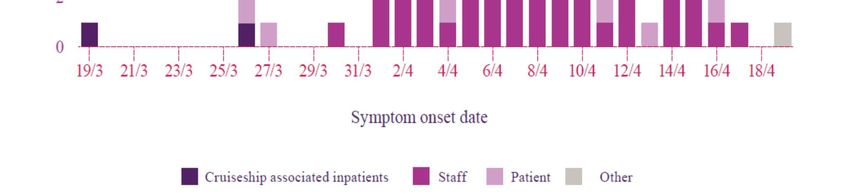
Int. J. Environ. Res. Public Health 2021, 18, 8336                                                                                2 of 9

                                        vaccination programs, which have proven their collective effectiveness in mitigating and
                                        controlling the extent of COVID-19 [1].
                                              Initially, the uncertainty regarding the transmission mechanisms of COVID-19, as well
                                        as the general unpreparedness and attitudes of the general populace and authorities [1],
                                        slowed the necessary responsiveness of preventative health systems. Added to a lack of
                                        understanding regarding the transmissibility, the implementation of differing strategies
                                        for different countries impinged on the ability to gain rapid and definitive control of the
                                        escalating situation [1,2]. The consequences, together with other contributors, particularly
                                        the premature relaxing of preventative measures, led to the overwhelming and collapse of
                                        affected health systems, especially those that were not adequately equipped or prepared
                                        for a large influx of patients requiring healthcare for this infectious disease. For example,
                                        the current COVID-19 crisis in India has revealed differing levels of preparedness and
                                        has disadvantaged already vulnerable populations [6]. The response to the pandemic in
                                        India has been hindered by inadequate public health such as hygiene and sanitation. An
                                        insufficient healthcare workforce, especially in the public health care sector, compounded
                                        by depleted or non-existent medical supplies, including PPE, hospital beds and oxygen
                                        delivery systems, as well as inadequate testing, vaccination, staffing and facilities has
                                        contributed to inadequate disaster management [6,7].
                                              Person-to-person transmission of the disease in communities has been obvious; how-
                                        ever, there were unusual cross-infections from healthcare providers as virus “carriers” to
                                        patients for whom they cared, and vice versa. This transmission has been attributed to
                                        employees working while unwell, which is more formally known as ‘presenteeism’ [8]. The
                                        behaviour of presenteeism is not new and was identified in pre-pandemic times in high
                                        presence-demanding industries, such as health care environments, factories or amongst
                                        school educators [9]. Presenteeism is more commonly a trait exhibited by women, older
                                        employees, and those persons with conscientious personalities [10]. Health care workers,
                                        mainly medical practitioners, and nurses, exhibit higher presenteeism behaviours than
                                        other professional groups [11], and particularly in underserved geographical rural and
                                        remote areas, where there is a deficit of alternate staffing. During COVID-19, presen-
                                        teeism has become problematic when infected healthcare professionals care for multiple
                                        patients, often in more than one healthcare environment, while being unknowingly infec-
                                        tious, or waiting for COVID-19 testing results, effectively potentiating the transmission of
                                        COVID-19 [12]. Presenteeism was also found to be a contributing factor to the occupational
                                        acquisition of COVID-19 in industries such as abattoir workers [9].
                                              Presenteeism is a behaviour in which employees attend their place of employment
                                        while unwell, due to an acute illness, or other medical or psychological condition [13,14].
                                        The prevalence of presenteeism is identified as a relatively common behaviour within the
                                        health industry, estimated as being as high as 80% [15], and was a major contributor to
                                        the spread of COVID-19 in health facilities within Australia [9]. Occupational infection
                                        occurred in several healthcare facilities, most notably the North West region of Tasmania,
                                        as well as in residential aged care facilities (RACF) in Victoria and Queensland, during the
                                        recent pandemic where nursing staff continued to practice, at times across multiple sites,
                                        while diagnosed as being COVID-19 positive [9].
                                              Contextually, presenteeism not only adversely affects healthcare professionals, and
                                        the well-being of professional colleagues; it may also impact negatively on patient out-
                                        comes [16]. Research has shown that working while at less than optimal health levels can
                                        lead to decreased mental acuity, increased medication/procedural errors, missed nursing
                                        care, increased patient falls [10,17], and can be postulated to have occurred during the
                                        COVID-19 pandemic, leading to heightened risk of transmitting the disease to an already
                                        ill patient [12,18], Rainbow et al. (2017) attributed presenteeism to a ‘self-sacrifice culture’
                                        which leads healthcare professionals to continue to work while actively unwell and expect
                                        their colleagues to do the same, to avoid low staffing or inadequate patient ratios or skill
                                        mix. This seemingly acceptable behaviour is particularly problematic in geographically
                                        rural or isolated areas where the health workforce numbers are already maldistributed and
Int. J. Environ. Res. Public Health 2021, 18, 8336 3 of 9
many healthcare professionals work across multiple sites, such as in rural health facilities
such as district hospitals and concurrently in RACFs [19].
Rural health facilities face substantial challenges in the recruitment and retention of
an appropriately and adequately skilled health professional workforce, due to a lack of
sustainable infrastructure and declining funding [20]. When exposed to a global pandemic,
already stretched resources become even more dire, while trying to meet the health needs
of small communities in a timely and accessible manner. Given the limitations, particu-
larly in maintaining essential staffing, rural health facilities are prone to the behaviour
of presenteeism, as the health professionals are reluctant to let their fellow colleagues
down [9,13,16,20]. The complex of factors that led to the first local outbreak of COVID-19
within a healthcare environment in Australia are analysed.
2. Method
A case analysis was undertaken of the first nosocomial COVID-19 outbreak in North
West Tasmania, Australia, which occurred in early April 2020. It occurred in both hospital
and health service provision within the region. Data included details of the initial outbreak
and progression incidence mortality, and organizational and government responses were
predominantly sourced from two published reports—the interim report by the Tasmanian
Department of Health [21] and an independent report [19] by Melick (2020). Additionally,
data used to inform this analysis were sourced from government COVID-19 websites
and news reports, with supporting literature for background information sourced from
scholarly databases.
The Haddon matrix [22] was employed to provide a framework for investigating
the complexity of factors that contributed to the outbreak of COVID-19 within this rural
region. The Haddon matrix describes four overarching factors related to host (healthcare
professionals), infrastructure, physical, and social environment, which contributed to the
outbreak at two occasions of pre- and during the event, and how changes have been
made or suggested in these dimensions post-event. The Haddon matrix is a model that
was developed in the field of injury prevention to reduce morbidity and mortality by
standardizing safety analysis (Haddon, 1968). Previous studies have used the Haddon
matrix to explore preparedness during viral outbreaks such as severe acute respiratory
syndrome (SARS) [23], flu [24] and Ebola [25]. The matrix, by analysing this local outbreak
into its dimension of time and contributing factors, can be utilized as a practical tool to
help understand the causes and to suggest improvements for future disaster planning.
3. Results
3.1. Case Study
Region and Development of Outbreak
The first Australian nosocomial outbreak of COVID-19 occurred at the North West
Regional Hospital on the island state of Tasmania, Australia. The outbreak affected all
health services in the North West of the island, including three hospitals and other health
services [19]. The main locus of infection was at the North West Regional Hospital, which
is 145-bed acute public hospital based in Burnie, Tasmania. This facility is co-located with
the North West Private Hospital, which is a 48-bed health care service. Both facilities
offer medical and surgical services, while the public hospital provides emergency services,
the private hospital offers the only birthing service on the northwest coast of the island.
Southeast of Burnie is the Mersey Community Hospital, which services the surrounding
agricultural area, and jointly shares staff, the provision of stores and equipment with the
North West Regional Hospital. There were a number of single rooms at the healthcare
facilities; however, none were negatively pressured, or had anterooms for donning and
doffing of PPE [19].
The timeline for the development of the outbreak begin with the first in-patient
admitted to the North West Regional Hospital on 20 March 2020, followed by a second
in-patient on 26 March 2020. On 3 April 2020, there were two positive COVID-19 tests ofInt. J. Environ. Res. Public Health 2021, 18, x 4 of 9
Int. J. Environ. Res. Public Health 2021, 18, 8336 Thetimeline for the development of the outbreak begin with the first in-patient 4 of 9ad-
mitted to the North West Regional Hospital on 20 March 2020, followed by a second in-
patient on 26 March 2020. On 3 April 2020, there were two positive COVID-19 tests of
North West Regional Hospital healthcare professionals, a third staff member was reported
North WestCOVID-19-positive
as being Regional Hospital healthcare
on 4 Aprilprofessionals,
2020 [19]. a third staff member was reported
as beingFigure
COVID-19-positive on 4 April 2020 [19].
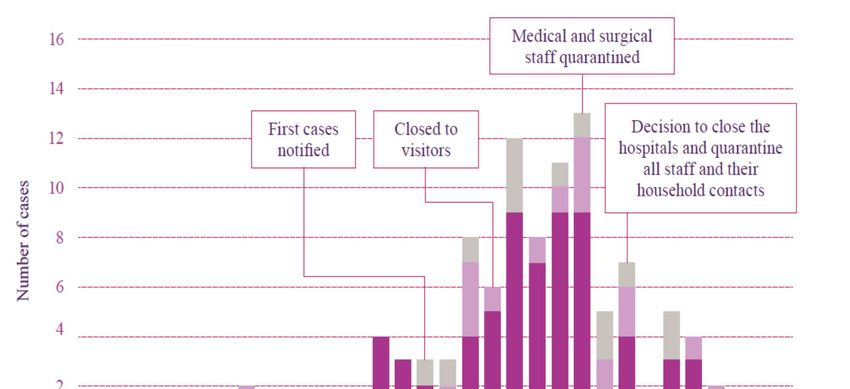
1 shows the COVID-19 cases associated with the North West Tasmania out-
Figure
break. The1 shows
figure the COVID-19 cases
demonstrates associated
that some with the
healthcare North Westwere
professionals Tasmania outbreak.
already infected
The figure demonstrates that some healthcare professionals were already
before the outbreak was announced [19]. Individuals were infectious for up to 48 infected before
h, with
theviral
outbreak was announced [19]. Individuals were infectious for up to 48 h, with
shedding prior to showing symptoms, and so it is likely that transmission of COVID- viral
shedding priorinside
19 occurred to showing symptoms,
the healthcare and so it is likely
environment, that transmission
and within of COVID-19
the community, before staff
occurred inside the healthcare environment, and within the community, before staff realized
realized they were infectious. This first nosocomial outbreak in Australia resulted in 138
they were infectious. This first nosocomial outbreak in Australia resulted in 138 cases, of
cases, of which 80 were staff, 25 were patients, including one resident from a RACF, and
which 80 were staff, 25 were patients, including one resident from a RACF, and 33 others,
33 others, including close contacts of healthcare professionals. There were 10 deaths, of
including close contacts of healthcare professionals. There were 10 deaths, of which nine
which nine were nosocomially acquired within the rural healthcare environment, and one
were nosocomially acquired within the rural healthcare environment, and one resident
resident at an RACF. There are two remaining deaths that are yet to be determined by the
at an RACF. There are two remaining deaths that are yet to be determined by the State
State Coroner [19].
Coroner [19].
Figure
Figure 1. Case
1. Case of COVID-19
of COVID-19 associated
associated with
with thethe North
North West
West outbreak,
outbreak, by by date
date of symptom
of symptom onset.
onset. Date
Date & Month
& Month notated
notated
within the X-Axis for example 19/3 correlates with 19 March; 21/3 21 March etc. [19]: p. 24.
within the X-Axis for example 19/3 correlates with 19 March; 21/3 21 March etc. [19]: p. 24.
3.2.3.2. Haddon
Haddon Matrix
Matrix Analysis
Analysis
The
The Haddon
Haddon matrix
matrix describes
describes which
which cofactors
cofactors contributed
contributed to thetoonset
the onset and progress
and progress of
theoflocal
the outbreak
local outbreak in North
in North West Regional
West Regional Hospital,
Hospital, includingincluding host (healthcare
host (healthcare profes-
professional),
sional), physical,
resources, resources,and
physical, and social environment
social environment on the
on the horizontal horizontal
axis and pre-, axis andand
during pre-, dur-
post-
ing on
event andthe
post-event on the
vertical axis. vertical
[21]. In thisaxis.
case[21]. In the
study, thishost
caserefers
study,tothe host refers
healthcare to healthcare
professionals
professionals
affected affected by theoftransmission
by the transmission COVID-19 virus.of COVID-19
Resourcesvirus. Resources
refers refers to the pre-
to the preparedness,
paredness,
provision, andprovision, and usagefor
usage of resources, of example
resources, for example
PPE, to respond PPE, to respond
to the COVID-19 to the COVID-
outbreak.
The physical characteristics of the environment include the geographic location and design
of healthcare facilities. The social environment encompasses cultural factors within the
environment, such as legal and social norms. The dimensions of the matrix enable the
identification of interventions that assist in addressing the issue being analysed [22].Int. J. Environ. Res. Public Health 2021, 18, 8336 5 of 9
The findings from the interim report [21] indicated that the physical environment
impacted on the transmission of COVID-19 among staff and patients. There was movement
of staff between facilities, including between the public and private hospital and the other
health care facilities within the region. Additionally, the arrangement of corridors and
rooms created opportunities for cross infection. Clinical handovers, ward rounds, meal
breaks, management and staff attendance at committee meetings also contributed to the
transmission of COVID-19 among the nursing, medical and other staff. The difficulty in
maintaining social distancing and the capacity to maintain best practice in infection control
procedures also contributed to the transmission of COVID-19 (Table 1).
Table 1. Haddon matrix [22] demonstrating the complex of factors contributing to the nosocomial COVID-19 outbreak.
Healthcare Professional Resources Physical Environment Social Environment
Inadequate disaster
Inadequate disaster management plan or Parochialism [19];
Pre-event
management plan preparation for rural Casualized health care
(before the Healthcare professional
or preparation for healthcare environments [19]; workforce [19]; Staff
outbreak presenteeism [25]
rural healthcare Corridor interconnection mobility across
occurred)
environments [19] between North West public healthcare facilities [19]
and private hospital [19]
Inadequate built environment,
Fomite wide corridors, small meeting Lack of social distancing;
transmission, lack rooms, no negative air fear of retribution;
of resources pressure rooms (Tasmanian dismissive behaviour
Event (the including PPE and Government 2020); layout regarding seriousness of
Healthcare professional
nosocomial hand sanitizer [25]; features including workflows risk [19]; Parochialism
presenteeism [25]
outbreak) Incorrect use of PPE such as delivery and collection [19]; Change in criteria of
in a range of of pharmacy supplies [19]; close contact during
healthcare Corridor interconnection outbreak [19]; Hugging
settings [19] between North West public to console colleagues [19]
and private hospital [19]
Post event Positive work culture;
Disaster Improved contact tracing and
(after the Health care professional improved well-being and
management plan, technology to track staff and
outbreak has education and cultural support; anonymized
including resources patients within and between
been change [19] staff surveys
available [19] healthcare facilities [19]
controlled) conducted [19]
The report also indicated there were a number of drivers for presenteeism among the
health care workers employed at the North West Regional Hospital [21]. It was reported
that staff presented for work because they did not want to ‘let colleagues down’ [21] (p. 24),
due to fear of retribution for not showing up at work, due to misdiagnosis of signs and
symptoms of COVID-19, due to underestimating the seriousness of the consequences of
presenting for work while infectious, or due to concerns over resource constraints [21].
A lack of clear and consistent processes for the tracing and management of contacts for
patients, staff, and the community were highlighted in the report [21]. Additionally, the
continued reliance on paper systems within the health care service hindered the timely
management of interrogating rosters or staff and patient movements throughout the health
service, contributing to the transmission of COVID-19 within the North West coast of
Tasmania [21]. The Haddon matrix before the event shows how the complex of host,
resources, physical and social environments led to the COVID-19 outbreak.
4. Discussion
While COVID-19 created unprecedented public health concerns globally [26], the
repercussions in a small Australian rural community that was unprepared and under
resourced were multifactorial. Investigations into the outbreak in the rural health facility
identified multiple contributors that exacerbated the outbreak of COVID-19; however,Int. J. Environ. Res. Public Health 2021, 18, 8336 6 of 9
presenteeism of the healthcare workforce is the focus of this discussion [19]. As shown
by the Haddon matrix analysis (Table 1), presenteeism was identified as a major con-
tributing factor in both the interim [21] and independent reviews [19] of the COVID-19
outbreak. Twenty percent of health professionals continued to go to work while exhibiting
COVID-19 symptoms. The Haddon matrix [22] analysis highlights that during an event,
healthcare workforce presenteeism impacts situations where resources are already compro-
mised [9,13,16]. If healthcare professionals continue to attend their place of employment
while unwell [27], they pose a risk to colleagues, patients, and members of the community
external to the place of employment. This behaviour can also contribute to localized out-
breaks that potentially have major economically and socially disruptive consequences, not
to mention heightened community anxiety, which occurred in this case [9,28]. Additionally,
healthcare professionals working across multiple sites, as was identified for this rural
health facility, effectively provided carriage of COVID-19 into RACFs [19].
Given that the nursing constitutes a large proportion of the health care workforce [29]
and provides direct patient care, it is unsurprising that nursing staff, as well as medical
and allied health professionals, were implicated as contributing to the presenteeism in the
North West outbreak. Research has identified nursing as an occupational professional group
with high presenteeism behaviours [13,17,30]. A longitudinal study [30] of 21,000 nurses
identified that on any given day, a large percentage of the nursing workforce report to
work while their health status is less than optimal. Physical, psychological, and other
variables, such as domestic, child or elder care issues, that affect presence and productivity
can adversely affect both caregivers and patient safety [17].
There are factors why nurses attend work while being physically or psychologically
unwell. Fear of reprisal from employees for failing to attend designated shifts, feelings
of letting colleagues down in an already understaffed situation, the necessity of earning
an income, having a strong work ethic and not recognizing the severity of illness were
identified [19]. These findings are consistent with previous research on presenteeism;
several authors [18,31] purported that the culture of the healthcare industry perpetuates
this behaviour. From a hospital or healthcare facility perspective, it has been found that
there is a culture of expected presence or a need to be seen, this being a particularly strong
feature in the Asian healthcare sector [11], and that of rural facilities where pressures of
finding substitute staff is difficult due to workforce shortages [11]. Facilities exhibiting
strong cultural barriers at the organisational level reinforce the professional norms against
taking sick leave, which can unwittingly encourage presenteeism [11,18,31]. Furthermore,
due to the caring nature of the profession, reliance on team work, and enhanced sense
of loyalty as a result of nursing socialization processes, presenteeism can also be inad-
vertently promoted, as nurses, who despite their sub-optimal health, do not want to let
their colleagues down [15,18,32]. As noted by Rainbow [29], nurses identifying with the
self-sacrifice culture promote presenteeism by reporting for shifts whilst unwell, and they
also expect their colleagues to do the same.
Consistent with the report, and as highlighted in the case study analysis, the threat of
COVID-19 was initially poorly understood or not taken seriously [19]. The finding that staff
continued to congregate closely together in confined spaces during shift handovers, during
ward rounds and attended meetings in small rooms with inadequate ventilation [19], as
well as periodically consoling each other physically with hugs [19] (p. 66), supports the
concept of presenteeism being a contributing factor in the transmission of COVID-19.
In the later stages of the outbreak, as shown by the Haddon matrix analysis (Table 1),
the physical environment proved problematic for infection control measures and was
not conducive for promoting social distancing, with several co-located facilities housed
within the hospital environment, such as the cafeteria and coffee shop, where individuals
congregated frequently. The Haddon matrix shows the complexity of staff interactions,
including high mobility across public and private health care environments because of
the corridor connection. The consequences of staff casualization and the fact that health
professionals worked across the differing clinical environments, including the RACFs, asInt. J. Environ. Res. Public Health 2021, 18, 8336 7 of 9
often occurs in rural communities, contributed to the spread of infection [19]. The report
identified that impeded best practice infection control measures contributed adversely to
the severity of the North West outbreak [19,21]. The transmission process was understated
and poorly understood in this rural healthcare facility, just as it was globally, in the initial
phases of COVID-19 pandemic.
5. Limitations
The focus of the paper was presenteeism, and as such the exploration of other con-
tributing factors that may have influenced the analysis process and the discussion may
be skewed. The use of secondary data for the analysis process did not enable the seeking
of further clarification of information and there is a reliance on information curated by
outside parties.
6. Recommendations
The COVID-19 outbreak in the North West of Tasmania provides opportunities to con-
sider strategies and recommendations which can be employed to better prepare health care
environments and the healthcare workforce for infectious disease disaster management
planning. Recommendations include the provision for improved infection control mea-
sures, contact tracing technologies, enhanced communication strategies including health
professional education, and support for a positive work culture (Table 1). Investment of
a whole-community disaster planning approach within rural areas would facilitate the
mitigation of risk. Best practice disaster preparedness and management plans need to take
healthcare professional presenteeism into account and address the drivers of presenteeism
is a paramount consideration [9], to ensure that both staff and patients remain safe.
With specific regard to presenteeism, the review noted:
“That the level of vigilance now required to reduce work presenteeism while suffering mild
symptoms must be greatly increased to counter inadvertent transmission of COVID-19
in health care settings.” [19] (p. 33).
These recommendations can be equally applied across all health care environments
and for any situation, including pandemics. Further research such as collecting primary
research from future infectious disease outbreaks would contribute to the improvement of
pandemic preparedness.
7. Conclusions
The complexities surrounding the first nosocomial outbreak of COVID-19 in a rural
region of Australia were multifactorial. Amongst other factors, staff presenteeism was
found to be a major contributor to the spread of COVID-19 across multiple healthcare
settings within the rural environment. Healthcare workforce factors, coupled with social
and physical environments, as shown by the Haddon matrix, contributed to the COVID-19
outbreak. Lack of disaster management planning and precarious resourcing further enabled
the rapid escalation of the outbreak across the North West region of Tasmania. Healthcare
workforce presenteeism compounded the situation by health professionals continuing to
attend work while unwell, which posed a credible risk to colleagues, patients, and members
of the community external to place of employment. Transmission of disease via workforce
presenteeism behaviours can also result in localized community outbreaks, potentiating
major economic and social disruption, and heightening community anxiety. This case
study analysis supports the need for co-created disaster preparedness to effectively manage
current healthcare professional presenteeism in rural healthcare facilities and to mitigate
risks of potential community transmission during future pandemics.Int. J. Environ. Res. Public Health 2021, 18, 8336 8 of 9
Author Contributions: Conceptualization of paper, K.T. and C.M.; methodology, K.T. and C.M.;
data collection K.T., C.M. and T.T.H.D.; formal analysis, K.T., C.M. and T.T.H.D.; writing—Original
draft preparation, K.T, C.M. and T.T.H.D.; writing—Review and editing, K.T., C.M. and T.T.H.D. All
authors contributed to interpretation of findings and discussion. All authors have read and agreed to
the published version of the manuscript.
Funding: This research received no external funding.
Institutional Review Board Statement: Ethical review and approval were not required for this study
it did not involve humans or animals.
Informed Consent Statement: Not applicable for this study it did not involve humans.
Conflicts of Interest: Two of the authors (K.T. and C.M.) were guest editors of the Special Edition
for Rural Health Workforce Issues. The manuscript was peer reviewed by independent reviewers
selected by MDPI editors, with neither K.T. nor C.M. influencing the outcome of the acceptance
of paper.
References
1. Franchini, A.F.; Auxillia, F.; Galimberti, P.M.; Piga, M.A.; Castaldi, S.; Porro, A. COIVID-19 and Spanish Flu pandemics: All it
changes, nothing changes. Acta Biomed. 2020, 91, 245–250.
2. Chen, X.; Tian, J.; Li, G.; Li, G. Initiation of a new infection control system for the COVID-19 outbreak. Lancet Infect. Dis. 2020, 20,
397–398. [CrossRef]
3. World Health Organization. Covid-19 Weekly Epidemiological Update. 2021. Available online: https://www.who.int/
publications/m/item/weekly-epidemiological-update-on-covid-19 (accessed on 1 June 2021).
4. Statista. Coronavirus (COVID-19) Deaths Worldwide Per One Million Population as of by Country. 2021. Available online:
https://www.statista.com/statistics/1104709/coronavirus-deaths-worldwide-per-million-inhabitants/ (accessed on 1 June 2021).
5. Chua, A.C.; Knawy, B.A.; Grant, B.; Legido-Quigley, H.; Lee, W.C.; Leung, G.M.; Looi, M.; Maurer-Stroh, S. How the lessons of
previous epidemics helped successful countries fight COVID-19. Br. Med. J. 2021, 372, n486. [CrossRef] [PubMed]
6. Goel, I.; Sharma, S.; Kashiramka, S. Effects of the COVID-19 pandemic in India: An analysis of policy and technological
interventions. Health Policy Technol. 2021, 10, 151–164. [CrossRef]
7. Lancet. India under COVID-19 lockdown. Lancet 2020, 395, 1315. [CrossRef]
8. Rainbow, J.G.; Drake, D.A.; Steege, L.M. Nurse health, work environment, presenteeism and patient safety. West. J. Nurs. Res.
2020, 42, 332–339. [CrossRef]
9. Eisen, D. Employee presenteeism and occupational acquisition of COVID-19. Med. J. Aust. 2020. [CrossRef] [PubMed]
10. Sanderson, K.; Cocker, F. Presenteeism: Implications and health risks. Aust. Fam. Physician 2013, 42, 172–175. [PubMed]
11. Lui, J.N.M.; Andres, E.B.; Johnston, J.M. Presenteeism exposures and outcomes amongst hospital doctors and nurses: A systematic
review. BMC Health Serv. Res. 2018, 18, 985. [CrossRef] [PubMed]
12. Sikkema, R.S.; Pas, S.D.; Nieuwenhuijse, D.F.; O’Toole, A.; Verweij, J.; van der Linden, A.; Chestakova, I.; Schapendonk, C.;
Pronk, M.; Lexmond, P.; et al. COVID-19 in health-care workers in three hospitals in the south of the Netherlands: A cross-
sectional study. Lancet Infect. Dis. 2020, 20, 1273–1280. [CrossRef]
13. Rainbow, J.G. Presenteeism: Nurse receptions and consequences. J. Nurs. Manag. 2019, 27, 1530–1537. [CrossRef]
14. Mohammadi, M.M.; Nayeri, N.D.; Varaei, S. Exploring the concept of presenteeism in nursing: A hybrid concept analysis. Int. J.
Nurs. Knowl. 2020, 32, 166–176. [CrossRef] [PubMed]
15. Andres, E.B.; Lui, J.N.M.; Song, W.; Johnston, J.M. Exploring Hong Kong nurses, decision-making processes around presenteeism.
Occup. Med. 2021, kqab047. [CrossRef]
16. Rainbow, J.G.; Steege, L.M. Presenteeism in nursing: An evolutionary concept analysis. Nurs. Outlook 2017, 65, 615–623. [CrossRef]
[PubMed]
17. Brborovic, H.; Brborovic, O.; Brumen, V.; Pavlekovic, G.; Mustajbegovic, J. Are nurse presenteeism and patient safety culture
associated: A cross-sectional study. Arch. Ind. Hyg. Toxicol. 2014, 65, 149–156. [CrossRef]
18. Freeling, M.; Rainbow, J.G.; Chamberlain, D. Painting a picture of nurse presenteeism: A multi–country integrative review. Int. J.
Nurs. Stud. 2020, 109, 103659. [CrossRef] [PubMed]
19. Melick, G. Independent Review: Response to the North-West Tasmania COVID-19 Outbreak. In Proceedings of the Independent
Review Response to the North West COVID-19 Outbreak, Hobart, TAS, Australia, 30 November 2020.
20. Tori, K.; Lowe, G.; Jennings, N. Nurse practitioner locums: A plausible solution for augmenting health care access for rural
communities. Aust. J. Prim. Health 2020. [CrossRef]
21. Tasmanian Government. Covid-19 North West Regional Hospital Outbreak: Interim Report; Department of Health: Hobart, TAS,
Australia, 2020.
22. Runyan, C.W. Using the Haddon matrix: Introducing the third dimension. Inj. Prev. 2015, 4, 302–307. [CrossRef]
23. Barnett, D.J.; Balicer, R.D.; Blodgett, D.; Fews, A.L.; Parker, C.L.; Links, J.M. The application of the Haddon Matrix to public
health readiness and response planning. Environ. Health Perspect. 2005, 113, 561–566. [CrossRef]Int. J. Environ. Res. Public Health 2021, 18, 8336 9 of 9
24. Barnett, D.J.; Balicer, R.D.; Lucey, D.R.; Everly, G.S., Jr.; Omer, S.B.; Steinhoff, M.C.; Grotto, I. A systematic analytic approach to
pandemic influenza preparedness planning. PLoS Med. 2005, 2, 1235–1241. [CrossRef]
25. Phua, K.L. Meeting the challenge of Ebola virus disease in a holistic manner by taking into account socioeconomic and cultural
factors: The experience of West Africa. Infect. Dis. Res. Treat. 2015, 8, 39–44. [CrossRef] [PubMed]
26. Stokes-Parish, J.; Elliott, R.; Rolls, K.; Massey, D. Angels and heros: The unintended consequences of the hero narrative. J. Nurs.
Scholarsh. 2020, 52, 462–466. [CrossRef] [PubMed]
27. Teicher, J.; van Gramberg, B. Far too Many Victorians are going to Work While Sick. Far too May Have no Choice. 2020. Available
online: https://theconversation.com/far-too-many-victorians-are-going-to-work-while-sick-far-too-many-have-no-choice-
143600 (accessed on 30 July 2020).
28. Berger, D.; Ananda-Rajah, M.; Hyde, Z.; Miller, A.; Metcalf, D.; Davidson, A. Health Care Workers Australia: National Action on
Aerosol Transmission of COVID-19. 2021. Available online: https://healthcareworkersaustralia.com/national-action-on-aerosol-
transmission-of-covid-19/ (accessed on 1 June 2021).
29. Rainbow, J.G.; Dudding, K.M.; Bethel, C. A qualitative study describing nurses’ experiences with presenteeism. J. Nurs. Adm.
2021, 51, 135–140. [CrossRef]
30. Pilette, P.C. Presenteeism in nursing: A clear and present danger to productivity. J. Nurs. Adm. 2005, 35, 300–303. [CrossRef]
31. Lipley, N. “Presenteeism” culture in NHS ‘not right’. Nurs. Manag. 2006, 12, 5.
32. Mosteiro-Diaz, M.; Baldonedo-Mosteiro, M.; Borges, E.; Baptista, P.; Queiros, C.; Sanchez-Zaballos, M.; Felli, V.; Abreu, M.;
Silva, F.; Franco-Correia, S. Presenteeism in nurses: Comparative study of Spanish, Portuguese and Brazilian nurses. Int. Nurs.
Rev. 2020, 67, 466–475. [CrossRef] [PubMed]You can also read


