Grand Rapids Police Department Strategic Plan FY 2021-2023 - Grand Rapids Police Department Strategic Plan FY 2021-2023
←
→
Page content transcription
If your browser does not render page correctly, please read the page content below
Grand Rapids Police Department
     Strategic Plan FY 2021-2023

Grand Rapids Police Department Strategic Plan FY 2021-2023   i
Contents
                                                                  Contents
                                                                   Letter from Mark Washington, City Manager                                             2
                                                                      Letter from Eric Payne, Chief of Police                                                 5
                                                                         Transformation Timeline                                                                  6
                                                                             Stakeholders                                                                             8
                                                                                WeHearYou and Highest Priority Feedback                                                   10
                                                                                    Current State, Recent Stats, Awards and Recognitions                                       12
                                                                                         Plan Elements and Plan Process                                                             14
                                                                                            Values, Vision, Mission and Priorities                                                       16
                                                                                               Priorities, Objectives, Strategies and Metrics                                                 18
                                                                                                   Implementation                                                                                  30

                                                                                                            Printed September 28, 2020

ii   Grand Rapids Police Department Strategic Plan FY 2021-2023                                      Grand Rapids Police Department Strategic Plan FY 2021-2023                                         1
those concerns into what we are doing now and those actions we intend to take to improve policing and
Letter from        It has been an incredibly challenging 2020 for our community due to COVID-19, local and national social
                   justice issues, demonstrations, and rising crime. Our officers have filled 24-hour shifts and long work
                                                                                                                                      address systemic and institutional racism.

Mark Washington,   weeks, sometimes working 10-14 days in a row. While law enforcement is being scrutinized nationally
                   and locally, our officers continue to professionally do their job but have become the object of professional
                                                                                                                                      The recent calls to immediately reduce and redirect police funding nationwide reflect a frustration with
                                                                                                                                      the lack of change and pace of progress in some cities. I do believe that the steps we’ve taken over the
City Manager       criticism based on the actions of those who do not uphold the same standards.                                      past year are a reflection that Grand Rapids is committed to real and immediate change. Any discussions
                                                                                                                                      about funding should be thoughtful and deliberate and lead toward our goal of a city where all people
                   The COVID-19 pandemic has fully revealed something we’ve known for some time. It has laid bare                     feel safe and are safe at all times throughout our community. The Grand Rapids Police Department has
                   the disparities that persist for people of color in the 21st Century. Black and Latinx residents across the        thoughtfully developed a strategic plan for public safety that does just that and can be an example for
                   country have been disproportionately impacted by the virus. This can be traced back to a history of                the nation.
                   disinvestment in Black and Brown communities, where limited access to health services, healthy food and
                   clean air have led to disparate health outcomes beyond the current crisis.                                         Police and community are not mutually exclusive. They are symbiotic. The Police need the community
                                                                                                                                      and the community need the Police. It is past time for the relationship to be re-examined so that we can
                   So, when images of George Floyd’s murder at the hands of police officers came to light, it rightfully              address the historical, institutionalized problems that have created systemic oppression for people of
                   added to the discussion of disparate life-or-death outcomes that people of color face in our country. The          color, the poor and other affected groups in this country for decades and indeed centuries. This strategic
                   anger and frustration over this history and a lack of progress spilled into the streets, and people of all         plan is a roadmap to improving that relationship here in Grand Rapids.
                   backgrounds have demanded change. And justifiably so. The murder in Louisville of our own Breonna
                   Taylor, brought these concerns directly home. Across the country, and here, we must do better.                     The department has taken into consideration a variety of feedback from the 21st Century Policy and Police
                                                                                                                                      Task Force, town halls, demonstrations, SAFE Task Force, Lamberth Traffic Stop Study, deployment
                   This conversation isn’t new in Grand Rapids. In fact, it’s why we explicitly called out equity as the foundation   study, 12-Point Plan, Police Chief ’s Advisory Team, Oversight Office, Public Safety Committee, national
                   of the City’s Strategic Plan we adopted last year. It’s why we created an Equity and Engagement Office and         conversations, local community organizations, City Commission, citizen communications and more.
                   why we now have a Director of Oversight and Public Accountability. We’ve invested more in community
                   policing, expanding community policing to evening shifts, and we’ve invested in body-worn cameras for              They have internalized the discussions with command staff, officers and union leadership and those
                   our police officers. We’ve updated our policy on interactions with foreign nationals, adopted a human              discussions have challenged the psyche of the department in many ways.
                   rights ordinance, increased protections against false crime reporting, created an open data portal and             All this has caused us to ask the following questions:
                   published our police policies online. And we did all of this before the most recent calls for change. We’re
                   committed to systemic changes in policing, accountability and justice.                                                1. How might we ensure all people feel safe and are safe at all times?

                   That is further reflected in new commitments we’ve made to the community and to the City Commission.                  2. How might we better partner and build trust with our community?
                   This includes being explicit about changes to our Use of Force Policy, requiring officers to intervene                3. How might we better prevent crime and reduce gun violence?
                   to stop excessive force and formalizing community advisory roles for the Police Chief and Office of
                   Oversight and Public Accountability. We’ve heard the concerns of our community. We’ve incorporated

2                      Grand Rapids Police Department Strategic Plan FY 2021-2023                                                                                                     Grand Rapids Police Department Strategic Plan FY 2021-2023   3
4. How might we improve our service to the community where every employee is driven to
          meet the needs of every Grand Rapidian?
                                                                                                                I am excited to present our Police Department’s Strategic Plan for FY 2021-2023. Your safety is our highest
                                                                                                                priority and, with this document as our guide, we will work together to ensure all people feel safe and are       Letter from
       5. How might we better acknowledge the inequities experienced by people that have been
                                                                                                                safe in this city.
                                                                                                                                                                                                                                  Eric Payne,
          disproportionately impacted by policing practices and the criminal justice system?                    Our nation is undergoing a significant social awakening that demands both recognition and a commitment
                                                                                                                to change. As police departments address the call for transformational change, we must do so in a way that        Chief of Police
       6. How do we better support officers who always do their job with integrity?                             embraces community participation and fosters mutual understanding. No police department – no matter
       7. How might we demonstrate better accountability and transparency and take responsibility               how well-equipped or staffed – can maintain safety unless it enjoys legitimacy, trust and public support.
          for our actions?
                                                                                                                This plan is the product of self-evaluation, study, introspection and steady change that has been in motion
       8. How might we foster a culture of innovation and continuous improvement in policing?                   for more than five years within our Police Department. We have incorporated important guidance from the
                                                                                                                Hillard-Hientze Staffing and Deployment Study, 21st Century Task Force Report, the SAFE Task Force,
       9. How might we use more de-escalation strategies?                                                       Office of Oversight and Public Accountability, Lamberth Traffic Stop Study and the 12-Point Plan. The
                                                                                                                plan reflects not only the hard work of our Police personnel, but that of several other City departments
      10. How might we more effectively engage our community?
                                                                                                                and – most importantly – voices from our community. From this collaborative process, we identified three
                                                                                                                primary strategies: safety, innovation and engagement.
    The answers to these questions are addressed in this strategic plan, which includes a new vision, values,
    strategies and metrics that will result in achievable and sustainable outcomes.                             Through these strategies and action steps, we will be a more effective, inclusive and modern police department.
                                                                                                                We will advance public safety while earning the trust and pride of those we serve and those who serve.
    Grand Rapids is an amazing place to live and work. It’s an honor to be your City Manager and to serve
    with our community’s Police Officers. The men and women of the Grand Rapids Police Department               This is the first step, and much of the hard work lies ahead. But with this planned approach, we can set a path
    bravely and courageously served this community during these challenging times. I am confident they will     for continuous improvement and shared accountability. We want to ensure our priorities are transparent, our
    help operationalize and implement this plan and with your help will set a new standard for our country      initiatives are actionable, and our next steps are clearly defined.
    on how policing is done professionally and with the community.
                                                                                                                Thank you to our dedicated Police personnel for their continued commitment to providing exemplary
                                                                                                                service to our community. Thank you to our community for your support of public safety. And, thank
                                                                                                                you for helping to improve this plan. We look forward to working together to accomplish the goals and
                                                                                                                objectives of our Strategic Plan.

    Mark Washington                                                                                             Eric Payne
    City Manager                                                                                                Chief, Grand Rapids Police Department

4      Grand Rapids Police Department Strategic Plan FY 2021-2023                                                                                                    Grand Rapids Police Department Strategic Plan FY 2021-2023                     5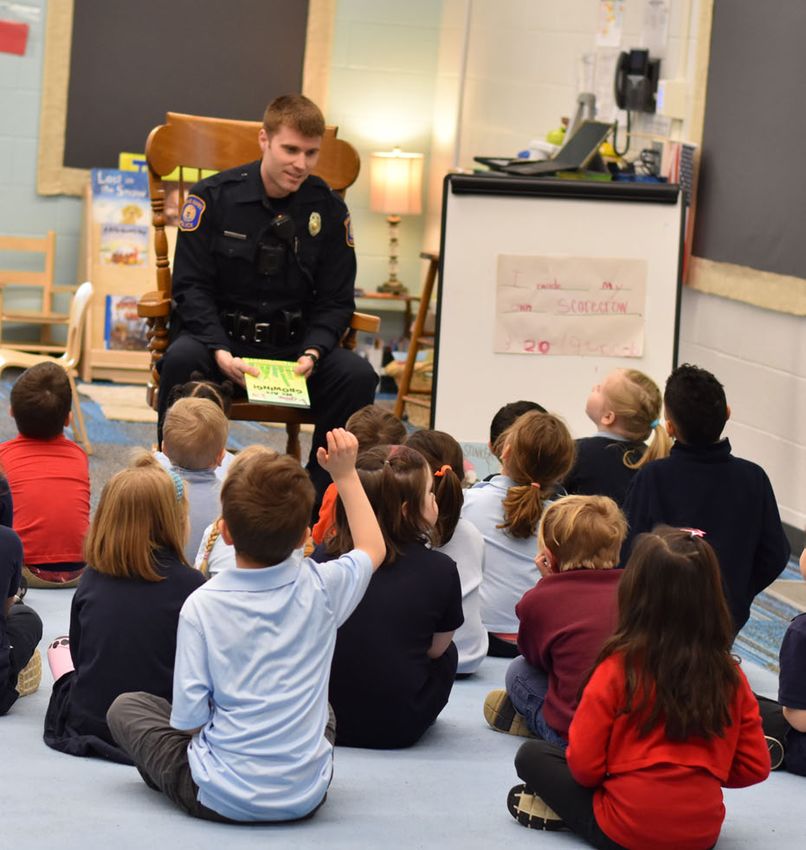
6 Grand Rapids Police Department Strategic Plan FY 2021-2023 Grand Rapids Police Department Strategic Plan FY 2021-2023 7
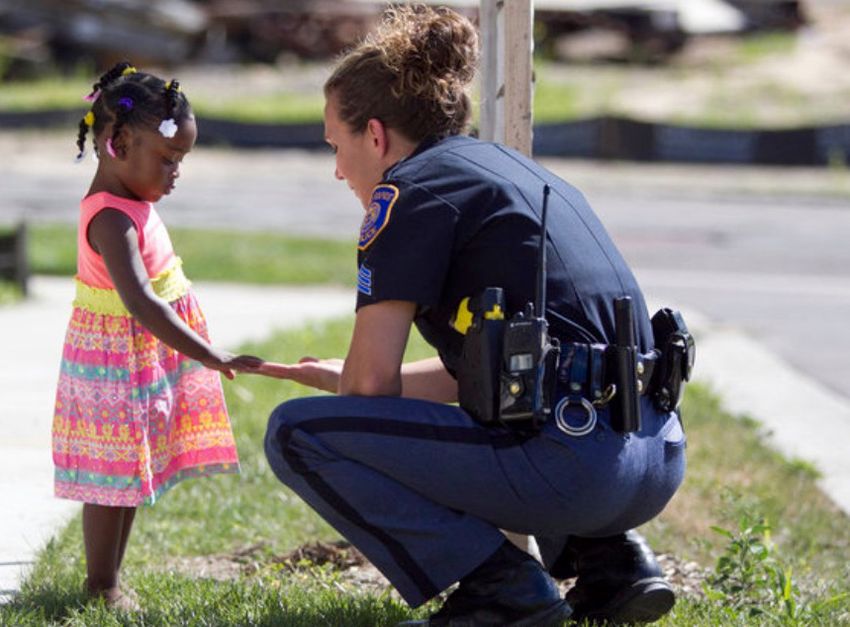
Stakeholders:
    Multilayered.
    Multifaceted.
         Diverse.
      Important.

8                   Grand Rapids Police Department Strategic Plan FY 2021-2023   Grand Rapids Police Department Strategic Plan FY 2021-2023   9
WeHearYou
Our community has publicly provided an immense amount of valuable feedback.
We want you to know that we hear you and we value your feedback. Below are 41
• Change police culture to one of community
and collaboration LINC UP/UCC/NAACP GRPD
Highest Priority
Feedback
• Increase youth outreach and
recruitment (Eng. Obj. 1 Str. 2, Obj. 2,
• Focus on de-escalation tactics and
continue to incorporate de-escalation
training in all police department use of
force training (Eng.Obj. 3, Strat 3)
• Invest in crime prevention and reduce
violent acts (Saf. Obj. 2 and 3 , all Str.)
feedback items organized into five categories across six years that we believe, based • Prioritize community policing and Strategic Plan Assessment (2020) Str. 5, Obj. 3 Str. 1)
relationship building • Educate, engage and communicate on
on your feedback, are of highest priority to you. The list of Highest Priority Feedback • Prioritize community policing and how GRPD services are supplied and
• Courageous leader who is an advocate for • Participate in the Open Data Initiative
items was created from this summary. To demonstrate accountability, next to each the community relationship building via positive enforced and explain how community
• Educate/engage community on how GRPD interactions to rebuild trust can be involved
item, we have identified where we have operationalized the feedback. • Engage youth services are supplied/enforced (Saf. Obj. 1, Str. 1 & 2) (Eng. Obj. 1 and 2 , Str. 1-2)
SAFE Task Force Focus Groups • Ongoing desire to genuinely connect with • Require “cultural competency”/ implicit bias
• Partner with crisis intervention, • Increase efficiency around other
officers in a positive manner to rebuild trust June Town Halls and July 21 training for officers and dispatchers
and Report (2015) (community policing) mental health, housing and healthcare processes to allow for more
Commission Meetings (2020) • Implement problem-oriented policing specialists to decrease the number community policing strategies and
• Support youth/workforce development • Increase youth outreach and recruitment • Expand traffic stop data collection of calls for service for patrol officers reduce costs (Saf. Obj. 1, Strat. 1)
programs and focus on positive interactions efforts • Defund police, amend proposed budget,
• Solicit community feedback on non-enforcement working in neighborhoods.
• Communicate more and explain how adopt the People’s Budget • Host meetings with community around
• Focus on relationship building, respect, and activities (Inn. Obj. 1, Str. 1-3)
community can be involved • Reallocate resources for community increased sustained enforcement
understanding cultural differences
programs (crisis intervention, mental health • Include explicit language detailing how GRPD • Understand cultural differences efforts in specific areas
• PD seems response focused not relationship • Need to hear from those most impacted by (Saf. Obj. 1, Strat. 1)
disparities specialists, housing, healthcare) will implement the changes requested by and continue to train new officers
focused community and recommended in prior studies and veteran officers on cultural
• Acknowledge implicit bias and stay focused • Violence is up, police need more resources • Enhance data collection and
• Skeptical about real change this time • Acknowledge in the plan that GRPD is an active competency. (Eng. Obj. 3, Strat. 3)
on addressing it • Demilitarize police, deescalate situations, transparrency (Eng. Obj. 2, Strat. 1)
• Invest in prevention and eliminate violent ensure tactics and response match the participant in perpetuating systemic racism in • Acknowledge implicit bias, continue
• More diversity in hiring (race, ethnicity, Grand Rapids • Solicit community feedback on non-
acts situation at hand annual mandatory trainings on implicit
residency and background) enforcement activities
• Activate economic opportunities • Low levels of confidence with the City • Bias still exists • Place more decision-making authority in bias and stay up to date on the latest
(Eng. Obj 1, Strat 1)
• Champion positive change in local and state taking tangible action • Hold officers accountable and ensure the hands of the community that has been training trends
governments and policies transparency victimized by racist practices (Eng. Obj. 3, Strat 3) • Include explicit language detailing
• Ensure full transparency and accountability
• City officials are apathetic; less talk, more how GRPD will implement the
• Increase diversity of department (race,
action changes requested by community and
#GRTalksBack Police Chief
ethnicity, residency and background)
recommended in prior studies
• Listen to the voice of the people (Eng. Obj. 3, Str. 1)
Community Sessions (2017) Recruiting Search (2019) • Come to an agreement, move forward
(Eng. Obj. 2, Strat. 3)
• Ensure full transparency and
• Police are overworked and understaffed; • Engage with honesty, integrity, and empathy as a city accountability (Eng. Obj. 2 , Str. 1-3)
partner with social workers to lighten the
load and focus on de-escalation training • Ensure transparency and accountability
10 Grand Rapids Police Department Strategic Plan FY 2021-2023 Grand Rapids Police Department Strategic Plan FY 2021-2023 11
Current State
Recent Stats Awards and Recognitions
Grand Rapids Police Department
Grand Rapids Police Department Organizational Chart Commission on the Accreditation of Law Enforcement Agencies
(CALEA) Accreditation - July 2018, July 2019, July 2020
Chief Law enforcement accreditation focuses on standards that provide best
practices related to life, health and safety procedures for the agency.
Administrative and Investigative Services Field Operations These standards are considered foundational for contemporary law
Deputy Chief Deputy Chief enforcement agencies. The program provides the framework for
addressing high risk issues, managing critical incidents and ensures
Traffic Special
Internal Unit Response Team officers are prepared to meet their community’s service expectations.
Affairs Unit
Police Chief Eric Payne
Community Research & Support Information North West South East Central NOBLE (National Organization of Black Law Enforcement
Planning Services Investigations Service Service Service Service Service
Engagement
Accreditation Division
Technology
Area Area Area Area Area Executives) - January 2020
Appreciation for Contributions and Dedicated Service to the people
Prisoner Re-Entry Emergency
Vice Records Lieutenant
of Grand Rapids.
Liaison/CLEAR/ Communications Crime Watch
Volunteer Program Bureau Unit Unit Prevention Commanders
Captain Michael Maycroft
Training Detective Crime Prevention Practitioner of the Year for 2019 from the
B & GGRYC
Unit Unit Code
Enforcement
Special Crime Prevention Association of Michigan - October 2019
Events
Presented annually to honor its members and persons who have
Financial
Forensic
Services
demonstrated an outstanding contribution to the citizens of Michigan
Services Unit in the field of crime prevention.
Property/Fleet Crime Officer Todd Wuis
Management Anlysis
Michigan FOP (Fraternal Order of Police) Officer of the Year -
May 2020
Crisis Victim
Intervention Service Presented annually to a member of law enforcement for recognition
Coordinator Coordinator of service and dedication to their community, department, the FOP
and the State of Michigan.
12 Grand Rapids Police Department Strategic Plan FY 2021-2023 Grand Rapids Police Department Strategic Plan FY 2021-2023 13
Plan Elements Plan Process
• Providing updates and soliciting To view all of the written or recorded feedback
In addition, between June 1 and August 11, feedback from police personnel during 9 received on our draft Strategic Plan, please check
Chief Payne received feedback on what should different employee shift meetings out grandrapidsmi.gov/GRPDStrategicPlan. We
• Priorities are the high-level “buckets” • Strategies identify how we will be included in the department’s strategic plan sincerely value all of the feedback that has been
Chief Payne began work creating a new strategic
through which we organize our work achieve our objectives and desired through 30 meetings with the community, four • Soliciting feedback via an electronically submitted on our plan. While it is not possible for
plan shortly after he was appointed Chief in
(we have 3 Priorities) outcomes Commission meetings, three press conferences, available survey us to take action in response to all requests, we
July 2019. The overarching principles and goals
of that plan were to review the department’s 2 virtual town halls and two Public Safety hope that you feel that we have made authentic
• Outcomes are what we hope to • Action steps are tasks required to • Reviewing Director Davis of the
structure, develop a new policing strategy, Committee meetings. The Chief also discussed City’s Office of Oversight and Public efforts to balance the feedback we received and
accomplish within each of the priorities execute the strategy
implement technology efficiencies, and improve the plan with his newly formed Police Chief ’s Accountability’s Draft Independent incorporated. We did this by leading with our
• Objectives identify where we will • Metrics are how we will measure communication. Workgroups had just begun Advisory Team several times before the draft plan Comprehensive Status Report on Police values to achieve our vision by protecting life
focus our efforts (there are multiple working on developing the strategies and action was completed. Studies and Recommendations and property, preventing crime, and ensuring
how well we are achieving our
objectives within each priority and steps when COVID-19 significantly disrupted our all people feel safe and are safe at all times
objectives and desired outcomes
each objective has strategies, action work in mid-March. We presented our draft Strategic Plan to the City • Meeting with the Police Chief ’s throughout the community.
steps and metrics) Manager and City Commission on August 11, Advisory Team four times, the City’s
Our priority became responding to the 2020. Since that time, the Chief and his executive Community Relations Committee twice As with the City’s Strategic Plan, this plan is
COVID-19 health crisis to ensure our community team worked to solicit feedback on the draft plan and the SAFE Task Force once intended to be a living breathing document.
and employees were safe. In June, we began in a variety of ways, including: We are working to reimagine policing by
Please find below a key for the external reports that are referenced throughout investing significant resources and personnel into Police Department staff had the opportunity to implementing some significant changes now
the main body of the plan. responding to the May 30 civil unrest and our • Presenting the draft plan at the City review and provide feedback on the draft strategic as most of these changes can be done within
Commission Committee of the Whole plan at 9 different meetings that were scheduled our existing budget. However, some of this
12 Pt Plan: Community and Police 21CP: Assessment of GRPD’s community’s calls for reform. Both COVID-19
and calls for police reform caused us to pivot meeting on August 11 and listening in conjunction with employees’ shifts. Personnel work is transformational and will take time.
Relations Committee’s 12-Point Plan Implementation of Recommendations
(January 2015) our objectives and goals for a strategic plan. In to public comments made during the were able to provide verbal feedback during these We will continue to be open to feedback and
from President’s Task Force on 21st
early July, we created a cross-disciplinary team of evening City Commission meeting sessions and were asked to provide any additional we will ourselves be learning throughout the
Century Policing (October 2018)
SAFE: SAFE Anti-Violence Strategy police personnel, representatives from the City’s feedback via email. Additionally, employees implementation phase. We recognize and
Report and Recommendations • Participating in 3 meetings with
Deployment Study: Hillard Heintze, Executive Office, an outside consultant from had the opportunity to provide anonymous acknowledge that updates will need to be made
(March 2015) community members and a separate feedback via the community survey on the City and we commit to being transparent about our
GRPD, A Strategic Review of the Public Sector Search and Consulting, the City’s
meeting with representatives from website. The vast majority of feedback received learnings and forthcoming updates.
Department’s Staffing (April 2019) Sustainability and Performance Management
TFPPP: City of Grand Rapids LINC UP, Urban Core Collective and internally was focused on implementation of the
Officer and one of our Fire Department’s
Task Force on Police Policies and COGR SP: City of Grand Rapids NAACP of Grand Rapids plan versus the content of the plan itself. All
continuous improvement experts to work
Procedures Recommendations Strategic Plan FY2020-2023 employees will have the opportunity to participate
collaboratively to build trust by creating a • Weekly meetings with the City Manager
(September 2018) in workgroups associated with each objective as
department strategic plan that was responsive to and his Executive Team
our community’s desires and aligned to the City’s we implement the plan.
• Hosting a Virtual Town Hall with Chief
Strategic Plan.
Payne
14 Grand Rapids Police Department Strategic Plan FY 2021-2023 Grand Rapids Police Department Strategic Plan FY 2021-2023 15
Values, Vision,
     Mission and       Values                                                          Vision                                            Priorities
                       Service
     Priorities        Through compassion, empathy and
                                                                                       In partnership with our community, we
                                                                                       will become the safest mid-sized city and
                                                                                                                                         Safety
                                                                                       most trusted police department in the             We will provide professional
                       courage, we are driven to meet the public
                                                                                       United States.                                    neighborhood policing services to prevent
                       safety needs of our community.
                                                                                                                                         crime, enhance trust, and ensure safety

                                                                                       Mission
                                                                                                                                         for every community member, visitor, and
                       Equity                                                                                                            business.
                       We acknowledge that historically,
                       segments of our community, including
                                                                                       Protect life and property, prevent crime, and
                                                                                                                                         Innovation
                       people of color, low income residents
                                                                                       ensure all people feel safe and are safe at all   We will leverage partnerships and
                       and others, have been disproportionately
                                                                                       times throughout our community.                   technology to improve services, decrease
                       impacted by City policies, policing
                                                                                                                                         crime and increase efficiency.
                       practices and the criminal justice system.
                       We are committed to providing fair and
                       just services for all individuals.                                                                                Engagement
                                                                                                                                         We will build community trust and
                       Integrity                                                                                                         mutual understanding by enhancing
                                                                                                                                         community engagement strategies within
                       We will do the right thing, at the right
                                                                                                                                         the framework of neighborhood-based
                       time for the right reasons.
                                                                                                                                         policing.
                       Accountability
                       We are committed to transparency and
                       will always take responsibility for our
                       actions.

16                        Grand Rapids Police Department Strategic Plan FY 2021-2023                                                                                                 Grand Rapids Police Department Strategic Plan FY 2021-2023   17
• % of residents rating their overall feeling
Priorities, Objective 1 – Be a positive presence in our • Publish a director of beat officers that • Create measurable outcomes to evaluate
performance for non-enforcement of safety in Grand Rapids as excellent
neighborhoods, respond to police calls for includes beat assignments and their
or good as measured by the Community
Objectives, service and engage in collaborative problem- contact information via apps, websites, activity in partnership with community.
Survey
solving initiatives with our community. and personal contacts.
Strategy 3: Maximize the use of data to provide • # of calls, broken down by type and
Strategies Strategy 1: Transition to neighborhood-
• Ensure beat officers understand that
successful outcomes and solutions
timely and accurate intelligence. (21CP) location, no longer sending a sworn
officer to
and Metrics
based policing by making every patrol officer a through problem-oriented policing will Action Steps:
community policing specialist who will focus on be their primary objective. • # and type of neighborhood-based
crime prevention, improve the quality of life for • Provide beat level intelligence and policing activities by each beat and officer
• Use the Scan Analyze Respond Assess
Safety
our community members and build trust. (COGR crime data to beat officers weekly.
(SARA) model for problem solving • # of authorized (budgeted) police
SP) • Use Service Referrals to ensure beat personnel broken down by specialty/
efforts.
officers are working on identified division/beat, race, ethnicity and gender-
We will provide Action Steps: • Ensure beat officers communicate with problems that are complaint driven. identity
neighborhoods prior to the deployment
professional • Examine current Service Area and Beat
of proactive strategies that increase • Use activity data from Service
configuration for potential changes. Objective 2 – Create a Crime Reduction
neighborhood policing police presence in neighborhoods. Referrals to hold personnel
• Assign a patrol officer on each shift to accountable for department goals and Team, via internal departmental restructuring,
services to prevent each geographic beat. Strategy 2: Increase beat officers’ unallocated objectives. that is data-driven to identify and address
crime, enhance trust, • Ensure beat officers collaborate time so they can actively engage in their criminal offenders.
with residents and neighborhood neighborhood. (Deployment Study) Draft Metrics:
and ensure safety for Strategy 1: Based on crime data and community
stakeholders to address neighborhood • % of police responses to in-progress
every community specific crime, issues and concerns. Action Steps: (priority 0-3) calls for service within 8 input, assist beat officers by engaging in hot spot
member, visitor, and (TFPPP/21CP/Deployment Study) • Revise call management protocols to minutes and 30 seconds policing (targeting small geographic areas where
ensure officers are only sent to calls • # of repeat calls for service to a specific crime is concentrated) to reduce crime.
business. • Incorporate expectations and
accountability measures into that require sworn personnel. location within an identified time frame Action Steps:
performance evaluations to ensure • Continuously evaluate call volume, type (dependent on call type) for similar
• Justify need and locations for any hot
beat officers identify, coordinate and location to maximize beat officer problems/complaints
spot policing strategies via complaints,
and collaborate with GRPD Crime time spent in their neighborhood. • % of beats covered 24/7/365 broken observations and data.
Prevention and neighborhood down by shift and geography
stakeholders on crime prevention • Utilize Computer-Aided Dispatch • Create strategies to reduce concentrated
(CAD) to prioritize beat officers • # of actions taken in response to specific crime.
strategies, Crime Prevention Through
responding to calls in their assigned Service Referrals
Environmental Design (CPTED) • Track and publicly report on data
and improved communication. beats. related to hot spot policing to
(TFPPP/21CP/Deployment Study) appropriately evaluate impact.
18 Grand Rapids Police Department Strategic Plan FY 2021-2023 Grand Rapids Police Department Strategic Plan FY 2021-2023 19Safety cont. Innovation
Strategy 2: Strategically and surgically arrest • In partnership with community, Objective 1 – Explore alternative responses Intervention Training (CIT), to ensure focus
criminal offenders based on investigative data. select the most appropriate violence to certain calls for service. (FY21) is on de-escalation, wellness and health
reduction model for Grand Rapids. response.
Action Steps: • Work collaboratively with partners We will leverage Strategy 1: Expand the Homeless Outreach
Team (HOT). (Deployment Study) • Pilot alternative response strategies.
• Ensure coordination between within the City and the community to partnerships and
identify and secure sustainable funding
investigators, crime analysts and Crime
for a violence reduction program. technology to improve Action Steps: Strategy 3: Develop a plan for a Community
Reduction Team. Assistance Team, made up of non-sworn
• In partnership with community, services, decrease crime • Increase number of police officers
personnel, who can assist and work with beat
• Evaluate impact via tracking of suspected develop a violence reduction assigned to ensure adequate coverage.
offenders and arrestees. plan, including an implementation
and increase efficiency. officers to address neighborhood concerns that
• Work with Network 180, via the are non-criminal, but support quality of life.
framework, based on the selected recently approved contract, and other
Draft Metrics: model. (Deployment Study)
partners to integrate permanent
• # of arrests made by Crime Reduction Team • Create a method for tracking behavioral health professionals into Action Steps:
based on identification of the offender accountability and outcomes based on the team.
the violence reduction plan. • Identify appropriate types of calls for
• # of areas requiring hot spot policing broken • Determine appropriate types of calls team assistance.
down by location and number of hot spot Strategy 2: Partner with the SAFE Task for co-response based on team safety.
policing activities Force to explore implementing police related • Determine method of assistance, i.e.
recommendations. • Identify and provide appropriate on-scene response, post-call follow-up,
training for team members. etc.
Objective 3 – Engage with the Office of Action Steps:
Oversight and Public Accountability and • Explore a gun buy-back program • Pilot alternative response strategies. • Create and launch the Community
community stakeholders to pursue data driven, (SAFE) Assistance Team.
evidence-based strategies that address root • Identify recommendations for Strategy 2: Develop and pilot a Mental and • Identify and provide appropriate
causes of and help reduce crime and police implementation and develop a plan to Behavioral Health Team that can co-respond to training for team members.
related emergencies. execute. mental health, non-violent substance use, and other • Pilot alternative response strategies
related calls for service. (Deployment Study)
Strategy 1: Create and identify funding for a Draft Metrics:
Action Steps: Strategy 4: Transition parking enforcement to
violence reduction initiative where community leaders, • # of Part I and II index crime rates per
past offenders and officers collaborate (i.e., Cure 1,000 residents by service areas • Determine appropriate types of calls for Mobile GR, Parking Services and Traffic Safety.
Violence or similar program). • # of crimes per 1,000 residents by service co-responders based on team safety. (Deployment Study)
Action Steps: area (i.e., gunfire, murder, aggravated • Identify necessary team participants.
• Identify stakeholders to evaluate different assault, etc.) • Provide necessary training, such as Crisis
available options and recommend an • # of SAFE Taskforce recommendations
approach. implemented
20 Grand Rapids Police Department Strategic Plan FY 2021-2023 Grand Rapids Police Department Strategic Plan FY 2021-2023 21Innovation Action Steps:
• Collaborate with City Attorney’s Office
Objective 2 – Partner with Kent County
Prosecutor’s Office and the City’s Office
Objective 3 – Leverage technological
opportunities to decrease crime and increase
• Identify potential sustainable
funding sources for the technology
cont. to determine necessity for ordinance
change to allow enforcement of all
of Oversight and Public Accountability to
coordinate victim advocacy and restorative
efficiency while ensuring objective and
constitutional use and accountability.
as well as the personnel needed
to administer the technology via
parking violations by non-sworn justice programs. private/public partnerships.
personnel.
Strategy 1: Continue to evaluate constitutional
Strategy 1: Collaborate with stakeholders to use of Unmanned Aerial Systems (UAS) as a first
• Partner with Mobile GR, Parking develop and implement recommendations for
Strategy 3: Develop a Real Time Crime Center
responder. with access to public space video with active
Services and Traffic Safety to transition increased involvement by the Police Department in
parking enforcement duties. restorative justice programs. Action Steps: monitoring.
• Hold a variety of community Action Steps:
Draft Metrics: Action Steps meetings, at least one in each Ward, to • Determine mission and staffing
• # of officers trained and assigned to • Assign Police Department Victim educate the community on the use of requirements.
serve on specialty teams Advocate to coordinate or participate UAS and seek input.
in an existing stakeholder group, • Identify potential funding sources
• If UAS are approved and funded, for the center as well as the
• # of hours of training received for including at least the Kent County
initiate a pilot program and evaluate personnel needed to operate
specialty teams Prosecutor’s Office, the City’s Office
outcomes, including community the center via private/public
of Oversight and Public Accountability
• # of specialty teams calls for service sentiment on the use of UAS. partnerships.
and other community groups or
and hours in response time broken organizations, focused on restorative • Identify potential sustainable funding
down by police personnel and partners justice. sources for the technology and
personnel needed via private/public
Draft Metrics:
• # of individuals served by specialty • Identify specific strategies the Police partnerships. • # of hours of education and community
teams Department can implement internally engagement conducted on each of the
• # of types of calls identified as and support externally and develop a Strategy 2: Revisit the effectiveness of gunfire three technologies broken down by
appropriate assignments for specialty plan for implementing those strategies. detection technology (i.e., Shot Spotter). Ward
teams • $ and % of total cost of each of the
Draft Metrics: Action Steps:
• # of personnel trained in Crisis three technologies funded outside of the
• Hold a variety of community City’s budget
Intervention Training • # of referrals by the Police Department meetings, at least one in each
to the restorative justice programs Ward, to educate the community
• # of complaints requiring police
response eliminated by transitioning • # of Police personnel hours spent participating on the use of gunfire detection
parking enforcement to Mobile GR, in restorative justice work technology and seek input.
Parking Services and Traffic Safety
22 Grand Rapids Police Department Strategic Plan FY 2021-2023 Grand Rapids Police Department Strategic Plan FY 2021-2023 23Engagement
Objective 1 – Align engagement with Strategy 2: Better educate the community and Academy and other similar groups • Identify, via community input, additional
neighborhood-based policing. City leadership on police operations. associated with the Police Department appropriate data to be included on the
(21CP/Deployment Study) reflect the demographics of the city. dashboard.
We will build community Action Steps: • Map and publish engagement efforts. • Ensure monthly data on crime
Strategy 1: Enhance communication with • Consider opportunities to reimagine statistics is updated at least quarterly to
trust and mutual residents, businesses and visitors and increase and Draft Metrics:
the Citizens Police Academy to provide timely and frequent data and
understanding by diversify pathways for residents and stakeholders increase participation. • # of social media posts as compared to # information.
to submit feedback utilizing multiple mediums
enhancing community for two-way communication including regularly • Increase participation, specifically of
of followers • Review data with Public Safety
engagement strategies scheduled neighborhood meetings and events, Grand Rapids residents, in the Youth • # of people participating in the Citizens Committee at monthly meetings.
within the framework engagement events with other community Police Academy. Police Academy and Youth Police • Incorporate metrics into quarterly Police
stakeholders and residents, social/traditional media, Academy broken down by demographics performance management reports.
of neighborhood-based and website/apps. • Collaborate on educational videos/ • Demographics of participants in all City- • Disaggregate all data by race, ethnicity,
policing. opportunities with community affiliated public safety boards, councils or gender identity and geography to the
Action Steps: stakeholders such as a Know Your committees extent possible.
• Hire a non-sworn Public Information Rights campaign.
• # of community events Police participate in • Remain committed to providing data to
Officer (PIO).
• Offer a Police 101 workshop for the National Police Foundation’s Police
• Collaborate with the community, City Leadership and community Objective 2 – Partner and collaborate with the Data Initiative.
Office of Communications, stakeholders. Offices of Oversight and Public Accountability
Office of Oversight and Public and Equity and Engagement and community Strategy 2: Utilize data regarding community
Accountability, and Office of Equity Strategy 3: Ensure equitable engagement stakeholders to increase community trust sentiment through community surveys and
and Engagement on the development representation throughout the city. feedback from the Office of Oversight and
through transparency and accountability while
of a communications and engagement elevating the community’s voice in police Accountability and other community organizations
strategy.
Action Steps: to constantly evaluate and improve police services
operations. while ensuring equity.
• Partner with the Office of Equity and
• Develop specific plans for more timely Engagement to create or revise existing
release of information and greater equity training and staff development Strategy 1: Provide accurate and timely data to the Action Steps:
transparency related to neighborhood for community engagement. Police Metric Dashboard for community education • Develop a process for data analysis
calls for service while still protecting and transparency. and distribution to appropriate patrol
the privacy of those involved. • Work to ensure participants on the
Chief ’s Police Chief ’s Advisory Team, commander.
Action Steps:
• Measure and analyze which forms of Chief ’s Youth Advisory Board, SAFE • Publish written responses to the Office
communication are most effective for Taskforce, Public Safety Committee, • Assign an analyst with responsibility to
monitor collection and accuracy of data of Oversight and Public Accountability’s
community. Citizens Police Academy, Youth Police Draft Independent Comprehensive
while ensuring submission deadlines are met.
24 Grand Rapids Police Department Strategic Plan FY 2021-2023 Grand Rapids Police Department Strategic Plan FY 2021-2023 25Engagement cont. Status Report on Police Studies and
Recommendations.
implementing action steps and whether
we are meeting identified deadlines.
success, particularly around community
engagement and community policing.
Draft Metrics:
• % of Freedom of Information Act (FOIA)
(Deployment Study Rec. 1.6) requests denied by the City that were
• Provide the Office of Oversight and • Train all personnel on the components
Public Accountability timely responses, of this plan, the implementation overturned by the court
within at least 30 days, to requests for framework and performance Strategy 4: Add a formal advisory structure • # of metrics included on the Police Metric
data and information that can be shared expectations. to the Police Chief ’s Advisory Team (PCAT) Dashboard
without violating legal rules. providing input on items such as budget, policy,
• Provide quarterly updates to the City • % of action steps completed by the
performance metrics and outcomes.
• Invite LINC UP, Urban Core Collective Manager, Commission and public for identified deadline
and the NAACP of Grand Rapids to at least the first year of this plan and at Action Steps: • % of progress made on all action steps in
meet with the Chief on at least a quarterly least biannually for the remainder of the • Develop list of specific items that will the plan
basis. years under this plan. be reviewed at regular intervals as • $ within the Police budget that support
appropriate. community programs and initiatives
Strategy 3: Develop a formal performance • Submit budget requests aligned to this
management strategy to ensure this plan plan. • Ensure items are placed on appropriate • % of respondents that rate the Police
is implemented, progress is measured and agenda throughout the fiscal year. Department’s engagement efforts as
• Share all performance reports publicly
performance is reported publicly. • Meet at least monthly. excellent or good
via our website and through other
communication methods requested by • # of youth providing input on the
Action Steps: structure of the Youth Advisory Board
community. Strategy 5: Reimagine Police Chief ’s Youth
• Hire a non-sworn Director of
Advisory Board.
Administrative Services (formally called • Determine, in partnership with Objective 3 – Attract, hire, and retain
Chief of Staff). community, revisions needed to this plan Action Steps: high performing employees who embrace a
after the first year of implementation. guardian mentality and neighborhood-based
• Publish an implementation framework • Survey youth to determine their ideas
that identifies for each action step in this • Discuss with bargaining units on the structure of a Youth Advisory policing philosophy.
plan the police personnel assigned as opportunities to integrate performance Board. Strategy 1: Reimagine recruiting strategies
Primary and Secondary Objective Leads, measures from this plan into employee with a goal of ensuring the demographics of
• Partner with middle schools and high
start and end dates and whether the evaluations. departmental staff represent the community’s
schools located within the city to
action step can be completed within the • Explore implementation of a continuous demographics. (21CP)
increase participation.
existing budget. improvement approach to policing
Action Steps:
• Implement a software application to that identifies objectives and key
results for units under Operations • Use of a diverse committee of
collect qualitative progress updates
and ensures shared responsibility for department members to provide
and calculate how effectively we are
guidance on recruitment methods.
26 Grand Rapids Police Department Strategic Plan FY 2021-2023 Grand Rapids Police Department Strategic Plan FY 2021-2023 27Engagement cont. • Collaborate with NAACP, LINC
UP, Urban Core Collective, Hispanic
Action Steps:
• Hold all employees accountable for Draft Metrics:
Center, Urban League and other local knowledge of department values,
organizations on recruiting strategies. • % of people of color employed in the
vision and mission while incorporating department as compared to % of people of
• Enhance partnerships with schools, them into their daily contacts with the color in the city
colleges, and universities specifically community.
• % of new hires that are people of color
related to recruitment efforts, including • Provide training that educates sworn
how to leverage the Promise Zone. • % of Police personnel that turnover
personnel on the importance of a
guardian mindset while preparing them • # of recruiting hours, including recruiting
Strategy 2: Specifically recruit within hours taking place specifically within the
Neighborhoods of Focus as part of our existing to be warriors when necessary.
Neighborhoods of Focus
Grow Our Own strategy. • Incorporate impartial policing and
• # of hours of mandatory and elective
Action Steps: implicit bias concepts into departmental
training, including equity, guardian culture and
trainings, including training for
• Ensure beat officers are knowledgeable impartial policing specific training
dispatchers.
in equitable and culturally responsive • # of complaints filed against sworn and
recruiting strategies. • Finalize revisions to the Manual of civilian employees submitted to Internal
• Focus recruiting events and efforts in Procedures, specifically on the Use Affairs broken down by outcome
of Force provisions, as it pertains to
Neighborhoods of Focus. • % of Civilian Appeal Board findings that
Community Feedback
• Partner with neighborhood and differ from Internal Affairs Unit findings
community organizations to develop • Train all personnel on the changes to
recruiting strategies and events. the Manual of Procedures, specifically
the Use of Force provisions.
• Hold beat officers accountable via
performance measures and data related • Establish best practices that emphasize
to recruiting in their neighborhoods. officer wellness, including setting
reasonable standards for hours
Strategy 3: Ensure that a guardian culture scheduled on duty and overtime hours
and impartial policing philosophy is valued and (Deployment Study Rec. 1.15).
promoted throughout the organization.
28 Grand Rapids Police Department Strategic Plan FY 2021-2023 Grand Rapids Police Department Strategic Plan FY 2021-2023 29Implementation The desired outcomes of a written strategic
plan cannot be achieved without successful
• Training police personnel on the components
of this plan, the implementation framework
A summary of some of the key dates associated with
implementation of this plan include: Each January, the Police Department,
implementation of the plan. One of our core values and performance expectations
is accountability and we are committed to embedding along with other City operating
a robust implementation framework in our operations • Providing quarterly performance updates to departments, submits a budget
the City Manager, Commissioners and the August 11, 2020 Presented Draft Police Strategic Plan request to the City Manager.
that will guide how, when, where, what and with
public for at least one year starting in early The City Manager evaluates all
whom we will report on our progress under this plan.
2021 and at least twice a year in future years August 11 – 25, 2020 Received feedback on the Draft Police Plan department budget requests and
Some of the key components of our implementation (community, police personnel, etc.) presents a preliminary fiscal plan to
• Continuing to engage with stakeholders
framework include: the City Commission in April. The
on the content of the plan as well as the September 2020 Train staff on changes to the Manual of Procedures City Manager reviews the budget
implementation framework, including inviting
• Building a comprehensive and publicly with City Commission and returns
LINC UP, Urban Core Collective and NAACP September 29, 2020 Present final Police Strategic Plan
available Police Metric Dashboard – to the City Commission in May and
of Grand Rapids to quarterly meetings with
grandrapidsmi.gov/GRPDDashboard
the Chief October 2020 Hire civilian Director of Administrative Services and requests approval for the final fiscal
• Assigning police personnel as Primary and Public Information Officer plan, which begins on July 1. As
• Implementing nearly all of the plan within a part of the Police Department’s
Secondary Objective Leads and holding those the existing budget for Fiscal Year 2021 and
officers accountable for reporting on and October 30, 2020 City staff will present an analysis of FY2020 budget budget request, the Chief will
submitting future budget requests aligned to highlight the key strategies from
achieving desired outcomes within those plan
the plan versus actual expenditures, FY2021 mid-year
this plan that will be advanced by
objectives financial adjustments and a FY2022 budget forecast
• Sharing all performance reports publicly via the budget request. This plan is a
• Identifying a start and end date for
our website and through other communication and Commission will participate in a FY2021 three-year plan. We will be learning,
every action step included in the plan to reprioritization strategy and FY2022 prioritization
methods iterating and innovating throughout
communicate when we believe we will be able exercise
• Updating the plan as needed this entire time period. We hope this
to begin work in earnest on an initiative and
plan helps you better understand our
when we commit to completing that work • Exploring integrating performance measures
priorities and direction.
• Hiring a civilian Public Information Officer from the plan into leadership and staff December 15, 2020 City Manager will propose any mid-year
and Director of Administrative Services evaluations budget amendments as warranted
Find information about this plan and
• Utilizing Envisio, a software application,
to collect qualitative progress updates and You can find a copy of our draft implementation February 2021 Present first quarterly update under this monitor our performance at:
calculate how effectively we are implementing framework with assignments and start and end Strategic Plan grandrapidsmi.gov/GRPDStrategicPlan
action steps and whether we are meeting dates by action step at grandrapidsmi.gov/
GRPDStrategicPlan. Quarterly in 2021 Provide quarterly performance updates
identified deadlines
through at least the end of calendar year 2021
June 30, 2023 Work under Police Strategic Plan completed
30 Grand Rapids Police Department Strategic Plan FY 2021-2023 Grand Rapids Police Department Strategic Plan FY 2021-2023 31Grand Rapids Police Department Strategic Plan FY 2021-2023
You can also read


