Positive Education Planning
←
→
Page content transcription
If your browser does not render page correctly, please read the page content below
Positive Education
                                                          Planning
                                                          Supporting children with a disability
                                                       in Victorian government primary schools

                                                                 2nd edition 2012

Association for Children with a Disability
Suite 2, 98 Morang Road, Hawthorn VIC 3122
Phone 03 9818 2000 or 1800 654 013 (rural callers)
Fax 03 9818 2300 Email mail@acd.org.au
Web www.acd.org.au                                         Association for Children with a Disability
Association for Children with a Disability                                              Membership
We provide information, support and advocacy to families who have a child or
                                                                                        If you’re not already a member of our Association you might like to consider joining.
young adult with any type of disability or developmental delay across Victoria.
                                                                                        Membership is FREE for families for the first 12 months.
Our Association is run by parents and siblings so we know what it means to have a
child or sibling with a disability. We understand issues from a family perspective.     Benefits of membership include our member magazine, NoticeBoard, which includes
                                                                                        family stories, news and information about services and changes to government policy.
Our services include free telephone information and advocacy support for families.      We encourage families to join our Association as well as other disability self-help
                                                                                        groups. Our aim is to work together on issues that reach across all disabilities.
Our member magazine, NoticeBoard, includes family stories that are a great source of
strength and inspiration for other families and professionals who work with families.   Service providers, organisations, interested persons and other community
                                                                                        supporters are also encouraged to join our Association.
Association for Children with a Disability
                                                                                        In addition to membership, we also welcome donations. All donations over $2 are tax deductible.
Suite 2, 98 Morang Road
Hawthorn VIC 3122                                                                       For more information contact the Association office on 03 9818 2000 or
                                                                                        1800 654 013 (rural callers), by email mail@acd.org.au or visit www.acd.org.au
Phone 03 9818 2000
or 1800 654 013 (rural callers)
Fax 03 9818 2300
Email mail@acd.org.au
Web www.acd.org.au

Language interpreters
If you need a language interpreter to access our service, call the
Translating and Interpreting Service on 13 14 50. Tell the operator your
preferred language and that you want to speak to the Association for
Children with a Disability on 03 9818 2000. This is a free service.
Any other comments?

     _______________________________________________

     _______________________________________________

     _______________________________________________

     _______________________________________________

     _______________________________________________

     _______________________________________________

     _______________________________________________

     _______________________________________________
                                                                                Positive Education
                                                                                     Planning
     _______________________________________________

     _______________________________________________

     _______________________________________________

     _______________________________________________

     _______________________________________________                                 Supporting children with a disability
     _______________________________________________
                                                                                  in Victorian government primary schools
     _______________________________________________
                                                                                            2nd edition 2012
     _______________________________________________

     _______________________________________________

     _______________________________________________

     _______________________________________________                               Association for Children with a Disability
     _______________________________________________

     _______________________________________________

     _______________________________________________

     _______________________________________________

     _______________________________________________

     _______________________________________________

     Thank you

36                               Positive Education Planning | www.acd.org.au
Parent feedback
                                                                 Your feedback will help us provide information that is relevant and of interest to families of
                                                                 children with a disability. After completing the survey please tear off this page and post to
                                                                 Association for Children with a Disability, Reply Paid 84584, Hawthorn VIC 3122.
                                                                 You can also email feedback to mail@acd.org.au or fax it to 03 9818 2300.

                                                                 Did the Positive Education Planning booklet provide
                                                                 you with the information you were looking for?                               Yes        No

                                                                 What other information would you like to see included?

                                                                 _______________________________________________

                                                                 _______________________________________________

                                                                 _______________________________________________

                                                                 _______________________________________________

                                                                 _______________________________________________

                                                                 _______________________________________________

                                                                 Was the information easy to find?                                            Yes        No

                                                                 Could the layout or design be improved to make it easier to read?            Yes        No
Acknowledgements
                                                                 If yes, how?
Positive Education Planning: Supporting children with a
disability in Victorian government primary schools               _______________________________________________

© Association for Children with a Disability                     _______________________________________________

1st edition printed 2009                                         _______________________________________________
2nd edition printed 2012
                                                                 _______________________________________________
This booklet is available free of charge to families in
                                                                 _______________________________________________
Victoria thanks to the financial assistance provided by:
                                                                 _______________________________________________
Victorian Government Department of Education
and Early Childhood Development (DEECD)                          Is the size of this booklet right for this type of information?              Yes        No

The Besen Family Foundation                                      Does the booklet have the right balance of pictures and text?                Yes        No

Special thanks to the families and staff at Bayside Special      How did you receive this booklet?
Developmental School whose photos appear in this booklet.
                                                                 _______________________________________________
ISBN – 978-0-9804065-4-2
                                                                 Do you use the internet to find information?                                 Yes        No
This document may be reproduced and distributed in full or
part as long as appropriate acknowledgement is given.

                                                              Positive Education Planning | www.acd.org.au		                                                      35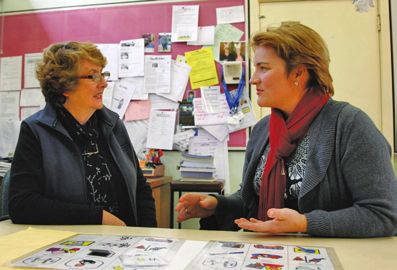
Notes                                                                                                    Contents

     _ _ _ _ _ _ _ _ _ _ _ _ _ _ _ _ _ _ _ _ _ _ _ _ _ _ _ _ _ _ _ _ _ _ _ _ _ _ _ _ _ _ _ _ _ _ _ _
                                                                                                               Introduction.............................................................................................1
     _ _ _ _ _ _ _ _ _ _ _ _ _ _ _ _ _ _ _ _ _ _ _ _ _ _ _ _ _ _ _ _ _ _ _ _ _ _ _ _ _ _ _ _ _ _ _ _
                                                                                                               Parent story: A successful school experience..........................................2
     _ _ _ _ _ _ _ _ _ _ _ _ _ _ _ _ _ _ _ _ _ _ _ _ _ _ _ _ _ _ _ _ _ _ _ _ _ _ _ _ _ _ _ _ _ _ _ _
                                                                                                               Parents and schools: Developing positive partnerships.......................... 3
     _ _ _ _ _ _ _ _ _ _ _ _ _ _ _ _ _ _ _ _ _ _ _ _ _ _ _ _ _ _ _ _ _ _ _ _ _ _ _ _ _ _ _ _ _ _ _ _
                                                                                                               The Student Support Group.....................................................................5
     _ _ _ _ _ _ _ _ _ _ _ _ _ _ _ _ _ _ _ _ _ _ _ _ _ _ _ _ _ _ _ _ _ _ _ _ _ _ _ _ _ _ _ _ _ _ _ _
                                                                                                               Understanding your child as a learner.....................................................9
     _ _ _ _ _ _ _ _ _ _ _ _ _ _ _ _ _ _ _ _ _ _ _ _ _ _ _ _ _ _ _ _ _ _ _ _ _ _ _ _ _ _ _ _ _ _ _ _
                                                                                                               Individual Learning Plans........................................................................11
     _ _ _ _ _ _ _ _ _ _ _ _ _ _ _ _ _ _ _ _ _ _ _ _ _ _ _ _ _ _ _ _ _ _ _ _ _ _ _ _ _ _ _ _ _ _ _ _
                                                                                                               Setting goals............................................................................................13
     _ _ _ _ _ _ _ _ _ _ _ _ _ _ _ _ _ _ _ _ _ _ _ _ _ _ _ _ _ _ _ _ _ _ _ _ _ _ _ _ _ _ _ _ _ _ _ _
                                                                                                               Supports for students with a disability....................................................17
     _ _ _ _ _ _ _ _ _ _ _ _ _ _ _ _ _ _ _ _ _ _ _ _ _ _ _ _ _ _ _ _ _ _ _ _ _ _ _ _ _ _ _ _ _ _ _ _
                                                                                                               Measuring your child’s progress..............................................................20
     _ _ _ _ _ _ _ _ _ _ _ _ _ _ _ _ _ _ _ _ _ _ _ _ _ _ _ _ _ _ _ _ _ _ _ _ _ _ _ _ _ _ _ _ _ _ _ _
                                                                                                               Parent story: Preparation and communication........................................ 22
     _ _ _ _ _ _ _ _ _ _ _ _ _ _ _ _ _ _ _ _ _ _ _ _ _ _ _ _ _ _ _ _ _ _ _ _ _ _ _ _ _ _ _ _ _ _ _ _
                                                                                                               Raising a concern.....................................................................................23
     _ _ _ _ _ _ _ _ _ _ _ _ _ _ _ _ _ _ _ _ _ _ _ _ _ _ _ _ _ _ _ _ _ _ _ _ _ _ _ _ _ _ _ _ _ _ _ _
                                                                                                               Advocating for your child.........................................................................26
     _ _ _ _ _ _ _ _ _ _ _ _ _ _ _ _ _ _ _ _ _ _ _ _ _ _ _ _ _ _ _ _ _ _ _ _ _ _ _ _ _ _ _ _ _ _ _ _
                                                                                                               Advocacy organisations...........................................................................28
     _ _ _ _ _ _ _ _ _ _ _ _ _ _ _ _ _ _ _ _ _ _ _ _ _ _ _ _ _ _ _ _ _ _ _ _ _ _ _ _ _ _ _ _ _ _ _ _
                                                                                                               Other useful information.........................................................................30
     _ _ _ _ _ _ _ _ _ _ _ _ _ _ _ _ _ _ _ _ _ _ _ _ _ _ _ _ _ _ _ _ _ _ _ _ _ _ _ _ _ _ _ _ _ _ _ _
                                                                                                               Department of Education & Early Childhood Development (DEECD) ..... 31
     _ _ _ _ _ _ _ _ _ _ _ _ _ _ _ _ _ _ _ _ _ _ _ _ _ _ _ _ _ _ _ _ _ _ _ _ _ _ _ _ _ _ _ _ _ _ _ _

     _ _ _ _ _ _ _ _ _ _ _ _ _ _ _ _ _ _ _ _ _ _ _ _ _ _ _ _ _ _ _ _ _ _ _ _ _ _ _ _ _ _ _ _ _ _ _ _
                                                                                                               Notes........................................................................................................32

     _ _ _ _ _ _ _ _ _ _ _ _ _ _ _ _ _ _ _ _ _ _ _ _ _ _ _ _ _ _ _ _ _ _ _ _ _ _ _ _ _ _ _ _ _ _ _ _
                                                                                                               Parent feedback.......................................................................................35

     _ _ _ _ _ _ _ _ _ _ _ _ _ _ _ _ _ _ _ _ _ _ _ _ _ _ _ _ _ _ _ _ _ _ _ _ _ _ _ _ _ _ _ _ _ _ _ _

     _ _ _ _ _ _ _ _ _ _ _ _ _ _ _ _ _ _ _ _ _ _ _ _ _ _ _ _ _ _ _ _ _ _ _ _ _ _ _ _ _ _ _ _ _ _ _ _           Your feedback
                                                                                                               We welcome your feedback on this booklet and any other aspect of our service. Send to:
     _ _ _ _ _ _ _ _ _ _ _ _ _ _ _ _ _ _ _ _ _ _ _ _ _ _ _ _ _ _ _ _ _ _ _ _ _ _ _ _ _ _ _ _ _ _ _ _
                                                                                                               Association for Children with a Disability, Suite 2, 98 Morang Road Hawthorn VIC 3122
     _ _ _ _ _ _ _ _ _ _ _ _ _ _ _ _ _ _ _ _ _ _ _ _ _ _ _ _ _ _ _ _ _ _ _ _ _ _ _ _ _ _ _ _ _ _ _ _           Phone 03 9818 2000 or 1800 654 013 (rural callers) Fax 03 9818 2300
                                                                                                               Email mail@acd.org.au Web: www.acd.org.au

34                                                          Positive Education Planning | www.acd.org.au   Positive Education Planning | www.acd.org.au                                                                          iii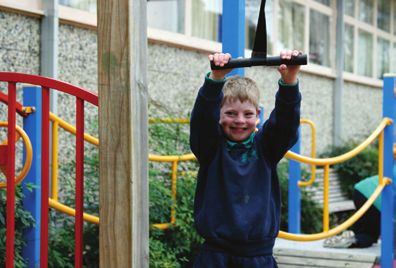
Notes

                                             _ _ _ _ _ _ _ _ _ _ _ _ _ _ _ _ _ _ _ _ _ _ _ _ _ _ _ _ _ _ _ _ _ _ _ _ _ _ _ _ _ _ _ _ _ _ _ _

                                             _ _ _ _ _ _ _ _ _ _ _ _ _ _ _ _ _ _ _ _ _ _ _ _ _ _ _ _ _ _ _ _ _ _ _ _ _ _ _ _ _ _ _ _ _ _ _ _

                                             _ _ _ _ _ _ _ _ _ _ _ _ _ _ _ _ _ _ _ _ _ _ _ _ _ _ _ _ _ _ _ _ _ _ _ _ _ _ _ _ _ _ _ _ _ _ _ _

                                             _ _ _ _ _ _ _ _ _ _ _ _ _ _ _ _ _ _ _ _ _ _ _ _ _ _ _ _ _ _ _ _ _ _ _ _ _ _ _ _ _ _ _ _ _ _ _ _

Every child can participate, learn and       _ _ _ _ _ _ _ _ _ _ _ _ _ _ _ _ _ _ _ _ _ _ _ _ _ _ _ _ _ _ _ _ _ _ _ _ _ _ _ _ _ _ _ _ _ _ _ _

achieve. Families expect that their          _ _ _ _ _ _ _ _ _ _ _ _ _ _ _ _ _ _ _ _ _ _ _ _ _ _ _ _ _ _ _ _ _ _ _ _ _ _ _ _ _ _ _ _ _ _ _ _
child will receive the best quality
                                             _ _ _ _ _ _ _ _ _ _ _ _ _ _ _ _ _ _ _ _ _ _ _ _ _ _ _ _ _ _ _ _ _ _ _ _ _ _ _ _ _ _ _ _ _ _ _ _
education and school experience
their chosen school can offer.               _ _ _ _ _ _ _ _ _ _ _ _ _ _ _ _ _ _ _ _ _ _ _ _ _ _ _ _ _ _ _ _ _ _ _ _ _ _ _ _ _ _ _ _ _ _ _ _

                                             _ _ _ _ _ _ _ _ _ _ _ _ _ _ _ _ _ _ _ _ _ _ _ _ _ _ _ _ _ _ _ _ _ _ _ _ _ _ _ _ _ _ _ _ _ _ _ _
Our Association is active in promoting
effective parent-school partnerships         _ _ _ _ _ _ _ _ _ _ _ _ _ _ _ _ _ _ _ _ _ _ _ _ _ _ _ _ _ _ _ _ _ _ _ _ _ _ _ _ _ _ _ _ _ _ _ _
and positive education outcomes
                                             _ _ _ _ _ _ _ _ _ _ _ _ _ _ _ _ _ _ _ _ _ _ _ _ _ _ _ _ _ _ _ _ _ _ _ _ _ _ _ _ _ _ _ _ _ _ _ _
for children with a disability. The
best outcomes are achieved when              _ _ _ _ _ _ _ _ _ _ _ _ _ _ _ _ _ _ _ _ _ _ _ _ _ _ _ _ _ _ _ _ _ _ _ _ _ _ _ _ _ _ _ _ _ _ _ _

parents and schools work together.           _ _ _ _ _ _ _ _ _ _ _ _ _ _ _ _ _ _ _ _ _ _ _ _ _ _ _ _ _ _ _ _ _ _ _ _ _ _ _ _ _ _ _ _ _ _ _ _

                                             _ _ _ _ _ _ _ _ _ _ _ _ _ _ _ _ _ _ _ _ _ _ _ _ _ _ _ _ _ _ _ _ _ _ _ _ _ _ _ _ _ _ _ _ _ _ _ _

                                             _ _ _ _ _ _ _ _ _ _ _ _ _ _ _ _ _ _ _ _ _ _ _ _ _ _ _ _ _ _ _ _ _ _ _ _ _ _ _ _ _ _ _ _ _ _ _ _

                                             _ _ _ _ _ _ _ _ _ _ _ _ _ _ _ _ _ _ _ _ _ _ _ _ _ _ _ _ _ _ _ _ _ _ _ _ _ _ _ _ _ _ _ _ _ _ _ _

                                             _ _ _ _ _ _ _ _ _ _ _ _ _ _ _ _ _ _ _ _ _ _ _ _ _ _ _ _ _ _ _ _ _ _ _ _ _ _ _ _ _ _ _ _ _ _ _ _

                                             _ _ _ _ _ _ _ _ _ _ _ _ _ _ _ _ _ _ _ _ _ _ _ _ _ _ _ _ _ _ _ _ _ _ _ _ _ _ _ _ _ _ _ _ _ _ _ _

                                             _ _ _ _ _ _ _ _ _ _ _ _ _ _ _ _ _ _ _ _ _ _ _ _ _ _ _ _ _ _ _ _ _ _ _ _ _ _ _ _ _ _ _ _ _ _ _ _

                                             _ _ _ _ _ _ _ _ _ _ _ _ _ _ _ _ _ _ _ _ _ _ _ _ _ _ _ _ _ _ _ _ _ _ _ _ _ _ _ _ _ _ _ _ _ _ _ _

                                             _ _ _ _ _ _ _ _ _ _ _ _ _ _ _ _ _ _ _ _ _ _ _ _ _ _ _ _ _ _ _ _ _ _ _ _ _ _ _ _ _ _ _ _ _ _ _ _

                                             _ _ _ _ _ _ _ _ _ _ _ _ _ _ _ _ _ _ _ _ _ _ _ _ _ _ _ _ _ _ _ _ _ _ _ _ _ _ _ _ _ _ _ _ _ _ _ _

                                         Positive Education Planning | www.acd.org.au                                                           33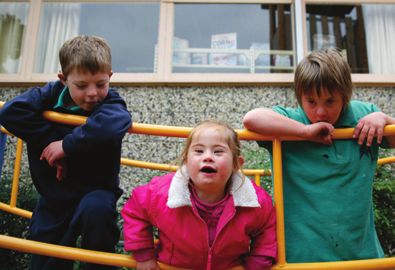
Notes                                                                                                    Introduction

     _ _ _ _ _ _ _ _ _ _ _ _ _ _ _ _ _ _ _ _ _ _ _ _ _ _ _ _ _ _ _ _ _ _ _ _ _ _ _ _ _ _ _ _ _ _ _ _       This booklet is about positive
     _ _ _ _ _ _ _ _ _ _ _ _ _ _ _ _ _ _ _ _ _ _ _ _ _ _ _ _ _ _ _ _ _ _ _ _ _ _ _ _ _ _ _ _ _ _ _ _
                                                                                                           education planning for children
                                                                                                           with a disability attending Victorian
     _ _ _ _ _ _ _ _ _ _ _ _ _ _ _ _ _ _ _ _ _ _ _ _ _ _ _ _ _ _ _ _ _ _ _ _ _ _ _ _ _ _ _ _ _ _ _ _
                                                                                                           government primary schools.
     _ _ _ _ _ _ _ _ _ _ _ _ _ _ _ _ _ _ _ _ _ _ _ _ _ _ _ _ _ _ _ _ _ _ _ _ _ _ _ _ _ _ _ _ _ _ _ _       Going to school is an exciting time for children
                                                                                                           and families. Your child will be one in a class
     _ _ _ _ _ _ _ _ _ _ _ _ _ _ _ _ _ _ _ _ _ _ _ _ _ _ _ _ _ _ _ _ _ _ _ _ _ _ _ _ _ _ _ _ _ _ _ _
                                                                                                           of students who are all different, and who
     _ _ _ _ _ _ _ _ _ _ _ _ _ _ _ _ _ _ _ _ _ _ _ _ _ _ _ _ _ _ _ _ _ _ _ _ _ _ _ _ _ _ _ _ _ _ _ _       may all have varying academic, physical,
                                                                                                           intellectual, social and cultural needs.
     _ _ _ _ _ _ _ _ _ _ _ _ _ _ _ _ _ _ _ _ _ _ _ _ _ _ _ _ _ _ _ _ _ _ _ _ _ _ _ _ _ _ _ _ _ _ _ _
                                                                                                           Supporting students with a disability at
     _ _ _ _ _ _ _ _ _ _ _ _ _ _ _ _ _ _ _ _ _ _ _ _ _ _ _ _ _ _ _ _ _ _ _ _ _ _ _ _ _ _ _ _ _ _ _ _       school involves detailed planning by the
                                                                                                           Student Support Group, a quality Individual
     _ _ _ _ _ _ _ _ _ _ _ _ _ _ _ _ _ _ _ _ _ _ _ _ _ _ _ _ _ _ _ _ _ _ _ _ _ _ _ _ _ _ _ _ _ _ _ _       Learning Plan and appropriate supports.

     _ _ _ _ _ _ _ _ _ _ _ _ _ _ _ _ _ _ _ _ _ _ _ _ _ _ _ _ _ _ _ _ _ _ _ _ _ _ _ _ _ _ _ _ _ _ _ _       In this booklet we refer to the programs
                                                                                                           and guidelines used by the Department of
     _ _ _ _ _ _ _ _ _ _ _ _ _ _ _ _ _ _ _ _ _ _ _ _ _ _ _ _ _ _ _ _ _ _ _ _ _ _ _ _ _ _ _ _ _ _ _ _       Education and Early Childhood Development
                                                                                                           (DEECD) for students with disabilities in
     _ _ _ _ _ _ _ _ _ _ _ _ _ _ _ _ _ _ _ _ _ _ _ _ _ _ _ _ _ _ _ _ _ _ _ _ _ _ _ _ _ _ _ _ _ _ _ _
                                                                                                           government schools. This includes the Student         Developing a positive
     _ _ _ _ _ _ _ _ _ _ _ _ _ _ _ _ _ _ _ _ _ _ _ _ _ _ _ _ _ _ _ _ _ _ _ _ _ _ _ _ _ _ _ _ _ _ _ _       Support Group Guidelines (SSG) and the
                                                                                                                                                                 partnership with your child’s
                                                                                                           Program for Students with Disabilities (PSD).
     _ _ _ _ _ _ _ _ _ _ _ _ _ _ _ _ _ _ _ _ _ _ _ _ _ _ _ _ _ _ _ _ _ _ _ _ _ _ _ _ _ _ _ _ _ _ _ _       These are available online or you can ask the         school is the foundation of a
     _ _ _ _ _ _ _ _ _ _ _ _ _ _ _ _ _ _ _ _ _ _ _ _ _ _ _ _ _ _ _ _ _ _ _ _ _ _ _ _ _ _ _ _ _ _ _ _
                                                                                                           school for a copy. A list of resources and other      successful school experience
                                                                                                           useful information is included on page 30.
                                                                                                                                                                 for your child and family.
     _ _ _ _ _ _ _ _ _ _ _ _ _ _ _ _ _ _ _ _ _ _ _ _ _ _ _ _ _ _ _ _ _ _ _ _ _ _ _ _ _ _ _ _ _ _ _ _
                                                                                                           While the information in this booklet
     _ _ _ _ _ _ _ _ _ _ _ _ _ _ _ _ _ _ _ _ _ _ _ _ _ _ _ _ _ _ _ _ _ _ _ _ _ _ _ _ _ _ _ _ _ _ _ _       focuses on education planning for children
                                                                                                           with a disability in Victorian government          With good communication and skills in
                                                                                                           primary schools, the planning principles           advocating for your child, you will be able
     _ _ _ _ _ _ _ _ _ _ _ _ _ _ _ _ _ _ _ _ _ _ _ _ _ _ _ _ _ _ _ _ _ _ _ _ _ _ _ _ _ _ _ _ _ _ _ _
                                                                                                           will be similar for other school settings.         to address any issues as they arise. A list of
     _ _ _ _ _ _ _ _ _ _ _ _ _ _ _ _ _ _ _ _ _ _ _ _ _ _ _ _ _ _ _ _ _ _ _ _ _ _ _ _ _ _ _ _ _ _ _ _                                                          advocacy organisations is included on page 28.
                                                                                                           Developing a positive partnership with
     _ _ _ _ _ _ _ _ _ _ _ _ _ _ _ _ _ _ _ _ _ _ _ _ _ _ _ _ _ _ _ _ _ _ _ _ _ _ _ _ _ _ _ _ _ _ _ _       your child’s school is the foundation of a         For more information about positive education
                                                                                                           successful school experience for your child        planning for children with a disability contact
     _ _ _ _ _ _ _ _ _ _ _ _ _ _ _ _ _ _ _ _ _ _ _ _ _ _ _ _ _ _ _ _ _ _ _ _ _ _ _ _ _ _ _ _ _ _ _ _                                                          the Association for Children with a Disability
                                                                                                           and family. The best outcomes are possible
                                                                                                           when parents and schools work together.            on 03 9818 2000 or 1800 654 013 (rural
     _ _ _ _ _ _ _ _ _ _ _ _ _ _ _ _ _ _ _ _ _ _ _ _ _ _ _ _ _ _ _ _ _ _ _ _ _ _ _ _ _ _ _ _ _ _ _ _
                                                                                                                                                              callers) or by email mail@acd.org.au

32                                                          Positive Education Planning | www.acd.org.au   Positive Education Planning | www.acd.org.au                                                         1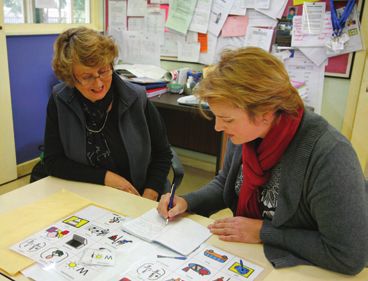
Department of Education & Early
A successful school experience
Parent story
Childhood Development (DEECD)
DEECD Information and Gippsland Region
I chose the school primarily Referral Service Phone 5127 0400
because I was impressed Phone 1800 809 834 (freecall) Fax 5126 1933
Email edline@edumail.vic.gov.au Email gippsmail@edumail.vic.gov.au
with their attitude towards Web www.gippsland.vic.edu.au
Web www.education.vic.gov.au
children with a disability.
Grampians Region
My favourite quote from the principal Eastern Metropolitan Region
Phone 5337 8444
is, “We have 400 children with special Phone 9265 2400 Fax 5333 2135
needs. Every child is special!” Fax 9265 2444 Email grampians.mail@edumail.vic.gov.au
Email emr@edumail.vic.gov.au Web www.education.vic.gov.au/
So what has helped my boys have a
Web www.education.vic.gov.au/ region/grampians
successful experience at school?
Student Support Group meetings have region/eastern
usually been well run and useful. I Hume Region
T
First, I think it was an inherent belief
R A F
by the school that all children deserved had input into setting the agenda and Phone 5761 2100
D
Northern Metropolitan Region
an education that suited their individual deciding which of my son’s specialists Fax 5762 5039
Phone 9488 9488
needs. This belief was matched by a would attend each meeting. Email hume.region@edumail.vic.gov.au
Fax 9488 9440
commitment to work hard to achieve that. Web www.education.vic.gov.au/
I have made a point of taking time Email nmr@edumail.vic.gov.au
region/hume
Second, it was the school’s willingness to give positive feedback to teachers Web www.nmr.vic.edu.au
to work together with parents. There and aides. One of the reasons we Loddon Mallee Region
was respect for what I knew as a parent have a good relationship is because Southern Metropolitan Region Bendigo
and consideration of my suggestions they know I appreciate their efforts.
Phone 8765 5600 Phone 5440 3111
about possible improvements to I guess it works both ways.
Fax 8765 5666 Fax 5442 5321
the educational programs. This Email lmr@edumail.vic.gov.au
I can’t say that it has all been smooth Email smr@edumail.vic.gov.au
was also extended to specialists I
sailing. There have been some Web www.smr.vic.edu.au
invited to consult with teachers. Mildura
difficult times but overall I have
Western Metropolitan Region Phone: 5051 1333
Third, there was good communication. been very happy with what has been
Phone 9291 6500 Fax: 5023 6987
Both aides and teachers communicated put in place for my two boys.
Fax 9291 6565 Email: c0988331@edumail.vic.gov.au
regularly. Little issues were dealt with in Web www.education.vic.gov.au/
From speaking to other parents, I know Email wmro@edumail.vic.gov.au
the early stages before they escalated. region/loddonmallee
that my positive experience at the Web www.education.vic.gov.au/
There was also a willingness to try school is considered to be the exception region/western/
new things and to make changes. rather than the rule, and I feel very
The school listened to my suggestions lucky to have such a committed group
Barwon South Western Region
and they were prepared to learn of individuals supporting my sons.
Phone 5225 1000
new skills and ‘give it a go’.
Parent Fax 5225 1099
Email bswr@edumail.vic.gov.au
Web www.education.vic.gov.au/
region/barwon
2 Positive Education Planning | www.acd.org.au Positive Education Planning | www.acd.org.au 31
Parents and schools:
     Other useful information
                                                                                                             Developing positive partnerships
Welcome to Primary School:                      • Towards Level 1 of the Victorian                        To achieve the best possible
A Parent’s Guide to Victorian                   Essential Learning Standards
                                                                                                          school experience for your
Government Primary Schools                      Provides a framework for developing effective
Phone 1300 366 356                              learning programs and assessing students with             child, it is important to develop
Web www.education.vic.gov.au                    disabilities and additional learning needs in Victorian   and maintain a positive
                                                schools who are working towards Level 1 of the
DEECD Resources                                                                                           partnership with the school.
                                                Victorian Education Learning Standards (VELS).
•  Student Support Group Guidelines             Web www.education.vic.gov.au/                             As a parent, you know your child better
•  Program for Students with                    studentlearning/teachingresources/                        than anyone else. By sharing information
   Disabilities Guidelines                      velslvl1.htm                                              and knowledge about your child with the
• Language Support Program                                                                                school, you can become a partner in your
Web www.education.vic.gov.au/                   Victorian Essential Learning Standards
                                                                                                          child’s education. Your belief that your child
healthwellbeing/wellbeing/                      — Students with Disabilities Guidelines
                                                                                                          will learn and progress at school can also
disability/handbook/default.htm                 A framework for teachers to develop programs
                                                                                                          inspire others to have the same confidence.
                                                                                                                                                              By sharing information
                                                for students with a disability consistent with                                                                and knowledge about your
•   Abilities Based Learning and                the Victorian Essential Learning Standards.               Being part of the school community
    Educational Support (ABLES)                 Web http://vels.vcaa.vic.edu.au/
                                                                                                                                                              child with the school, you
                                                                                                          Parents are valued members of the school
Abilities Based Learning and Education          support/disability/index.html                                                                                 can become a partner in
                                                                                                          community. Spend some time getting to know
Support (ABLES) will enhance the resources
                                                                                                          the teachers, principal, parents and other          your child’s education.
available to school leaders and teachers to     Victorian Essential Learning Standards
                                                — Important information for parents                       children at the school, and become familiar
support the teaching and learning of students
                                                about student learning and standards                      with the school grounds and routines.
with disabilities and additional needs.
                                                Information about the curriculum for Prep to                                                               Schools can use the communication book
Web www.education.vic.gov.au/                                                                             Communication
                                                Year 12 in Victorian government schools.                                                                   to tell parents about events such as sports
healthwellbeing/wellbeing/ables.htm
                                                Web http://vels.vcaa.vic.edu.au/parents/                  Good communication between school                days or excursions, learning themes
• Parent complaints - Schools                                                                             and home is essential for developing             for the term or a positive note about
Information for parents about how to            Disability Standards for Education 2005                   and maintaining a positive partnership           something your child has achieved.
raise a concern or make a complaint.            Web www.ddaedustandards.info/                             with your child’s school. Communication
                                                                                                          can be both formal and informal.                 Parents can use the communication book to
Web www.education.vic.gov.au/
                                                Disability Act 2006                                                                                        tell schools about things that are happening
about/contact/pcschools.htm
                                                Web www.dhs.vic.gov.au/for-individuals/                   Formal communication will take place             at home that may impact on your child’s
• School Policy and Advisory Guide              disability/your-rights/disability-act-2006                through regular Student Support Group            day at school. For example, a late night
Information, regulations and policies                                                                     meetings, parent-teacher interviews,             family celebration or house renovations.
                                                Occupational therapy and physiotherapy
for the management and operation of                                                                       school newsletters and assemblies.
                                                service delivery in schools                                                                                Talk to the teacher about what type of
government schools in Victoria.
                                                Web www.rch.org.au                                        Informal communication can include quick         communication suits you both. Schools can
Web www.education.vic.gov.
                                                                                                          chats with the teacher, using email or a         provide access to language interpreters if
au/management/governance/                       School Care Program
                                                                                                          communication book. A communication book         needed. Developing a positive partnership
spag/default.htm                                Web www.rch.org.au/hacc/training
                                                                                                          travels between home and school in your          with the school is the same as for any other
                                                                                                          child’s bag and can work well as long as both    relationship. It requires mutual respect,
                                                                                                          you and the teacher check it regularly.          listening skills, empathy and communication.

30                                                    Positive Education Planning | www.acd.org.au        Positive Education Planning | www.acd.org.au                                                    3
Positive education planning                        Positive education planning involves:                Regional services                              Gippsland Region
Planning for your child’s year at school                                                                                                               Gippsland Disability Advocacy
                                                   •   developing a positive partnership                Eastern Metropolitan Region
should begin as early as possible. By                                                                                                                  Phone 5133 9440
                                                       with the school
                                                                                                        Melbourne East Disability Advocacy             Email gippsadv@bigpond.com
allowing plenty of time to gather information
                                                   •   establishing a Student Support Group             Phone 9808 8633
and explore all the options, you can be
                                                                                                        Web www.meda.org.au                            Grampians Region
confident in making informed decisions
                                                   •   understanding your child as a learner                                                           Grampians Disability Advocacy Association
about your child’s educational program.
                                                                                                        Northern Region                                Phone 5352 2722
                                                   •   developing an Individual Learning
Keep in mind that planning is an ongoing                                                                North East Citizen Advocacy
                                                       Plan and setting goals
                                                                                                        Phone 8407 3684                                Hume Region
process and that there may be changes as
                                                   •   identifying and implementing supports            Web www.citizenadvocacy.com.au                 Regional Information and
the year progresses. An important part of the
                                                                                                                                                       Advocacy Council (RIAC)
planning process is the initial development
                                                   •   measuring your child’s progress                  Citizen Advocacy Sunbury and Districts         Phone 1800 221 944
and regular monitoring and review of
                                                                                                        Phone 9744 7378                                Web www.riac.org.au
your child’s Individual Learning Plan.             •   adjusting the Individual Learning
                                                       Plan as needed                                   Web http://casunbury.fsnlc.org/
                                                                                                                                                       Disability Advocacy and Information Service
                                                                                                        Southern Metropolitan Region                   Phone 1300 886 388 or 02 6056 2420
                                                                                                        Southern Citizen Advocacy Inc                  Web www.dais.org.au
                           Positive education planning                                                  Phone 9576 5455
                                                                                                                                                       Loddon Mallee Region
                                                                                                        Web http://home.alphalink.com.au/
                                                                                                                                                       Regional Information and
                                                                                                        ~sca/
                                                                                                                                                       Advocacy Council (RIAC)
                              Parent-school partnership                                                                                                Phone 1800 221 944
                                                                                                        Westernport Speaking Out
                       Develop a positive partnership with the school that is                           Phone 9770 1710                                Web www.riac.org.au
                      based on good communication and sharing information.
                                                                                                        Barwon South West Region
                                                                                                        Regional Information and
                                                                                                        Advisory Council (RIAC)
                                                                                                        Phone 1800 221 944 or 03 5443 0550
                                                                                                        Web www.riac.org.au
                                Student Support Group                                                   Assert 4 All
                                                                                                        Phone 5221 8011
                                                                                                        Web www.bdrc.org.au
                          Understanding your child as a learner
                                                                                                        Colac/Otway Region Advocacy Service
                                                                                                        Phone 5232 1009
                         Developing an Individual Learning Plan
                                                                                                        Southwest Advocacy Association Inc.
                                                                                                        Phone 5561 4584
                         Supports for students with a disability                                        Web www.southwestadvocacy.org.au

                             Measuring your child’s progress

                    Adjust the Individual Learning Plan as needed

4                                                        Positive Education Planning | www.acd.org.au   Positive Education Planning | www.acd.org.au                                                 29
Advocacy organisations The Student Support Group
Disability advocacy organisations Disability Discrimination Legal Service The Student Support Group is
Phone 9654 8644
work to ensure that the rights a group of people who come
or 1300 882 872 (rural callers)
of people with a disability are TTY 9654 6817 together to form a co-operative
respected and realised. Web www.communitylaw.org.au/ddls partnership to support students
Some organisations provide individual Disability Justice Advocacy with additional learning needs.
advocacy while others give general Phone or 1800 808 126 or 1800 808 126
A Student Support Group is available to any
information and advice. Web www.justadvocacy.com
student with additional learning needs. This
Parents Victoria is independent of funding from the Program
Statewide services for Students with Disabilities (PSD). Members
Phone 9380 2158
Able Australia or 1800 032 023 (rural callers) of the Student Support Group can include:
Phone 1300 225 369 Web www.parentsvictoria.asn.au
• parent/s
Web www.ableaustralia.org.au Good communication
Star Victoria • class teacher
ADEC (Advocacy Disability Phone 9650 2730 between all members of
• principal or nominee
Ethnicity Community) Web www.starvictoria.org.au the Student Support Group
Phone 9480 1666 • a parent advocate (if requested)
or 1800 626 078 Victorian Aboriginal Education will contribute to a shared
• the student (where appropriate)
Web www.adec.org.au Association Inc (VAEAI) Schools Unit understanding of your
Phone 9481 0800 • consultants as agreed by the
AED Legal Centre Web www.vaeai.org.au
child’s abilities and needs.
group may also be invited
Phone 9639 4333
Web www.aed.org.au Victorian Equal Opportunity and All members of the Student Support Group
Human Rights Commission should have particular areas of expertise.
Association for Children with a Disability Phone 1300 891 848 Student Support Group Guidelines
As a parent and member of the Student
Phone 9818 2000 or TTY 1300 289 621 Support Group, you will have valuable Information about the aims and responsibilities
1800 654 013 (rural callers) Web www.humanrightscommission.vic.gov.au knowledge to contribute about your child. of the group are detailed in the Student
Web www.acd.org.au
Villamanta Disability Rights Legal Service Support Group Guidelines published by
Other members of the group will each
Blind Citizens Australia Phone 1800 014 111 the Department of Education and Early
have their own perspective and expertise
Phone 9654 1400 or 1800 033 660 Web www.villamanta.org.au Childhood Development (DEECD).
and may offer different ideas about how
Web www.bca.org.au to plan for your child’s school experience.
Youth Disability Advocacy Service (YDAS)
Listen to all ideas with an open mind.
Brain Injury Matters Phone 9267 3755 or 9267 3733 Student Support
Phone 9639 7222 or 1300 727 176 (rural callers) Good communication between all SSG Group Guidelines
Web www.bim.org.au Web www.ydas.org.au members of the Student Support Group
www.education.vic.gov.au/
will contribute to a shared understanding
Communication Rights Australia healthwellbeing/wellbeing/
of your child’s abilities and needs.
Phone 9555 8552 disability/handbook/default.htm
Web www.caus.com.au
28 Positive Education Planning | www.acd.org.au Positive Education Planning | www.acd.org.au 5Responsibilities of the Whatever emotion you experience, you
Student Support Group can ask for a few moments to gather
Schools have a responsibility Tips for advocating
your thoughts. If you have someone
It is the responsibility of the
to support students to supporting you in a meeting, talk to them for your child
Student Support Group to:
behave appropriately. beforehand about how you would like to
• Be clear about what you want
• identify the student’s needs proceed if you become emotional. Think
to achieve and what is an
about what your own coping strategies are
• determine any adjustments acceptable outcome.
Your child’s health and well-being and go with what feels right for you.
to the curriculum
The focus of the Student Support Group • Find out who is responsible for
Be reassured that as a parent advocate you are
• develop an Individual Learning Plan is not limited to the academic needs of the outcome you seek.
doing what you believe is best for your child.
the student. Safety, access, behavioural, • Don’t always expect conflict,
• discuss the plan with teachers and
medical or personal care needs can Support and advocacy for parents as others may agree with you.
provide support to implement the plan
be addressed through care plans that Sometimes communication issues can arise • Be firm and persistent.
• provide advice to the principal about support the Individual Learning Plan. and you may want to ask a friend or advocate
the additional education needs of the for support. An advocate can be a friend, • Think about what you want to
Examples of health care plans include say and how you will say it.
student and the resources required family member, or a formal advocate.
asthma, anaphylaxis or epilepsy care plans.
to meet these needs • Write down the points
These are often developed in consultation You can take an advocate with you to
with a doctor or therapist and must be you want to cover.
• review and evaluate the student’s program any meeting but to comply with Student
on a regular basis, such as once per term, done with written permission from parents. Support Guidelines the advocate must • Think about points that others may
and at other times as needed Referrals to Student Support Services not be in receipt of a fee. You can also raise and how you might respond.
Officers, such as speech therapists, also seek information and advice from an
• Agree on an appropriate time
Individual Learning Plan require written permission from parents. advocacy organisation (see page 28).
and place for any discussion.
One of the first tasks of the Student
Planning by the Student Support Group
Support Group is to develop an Individual • Stay focused on getting the
provides an opportunity to identify staff skills
Learning Plan for your child. best outcome for your child.
and training requirements, responsibility
for tasks, storage of medication and care • Be open to other solutions
Once the plan is developed, the group should
supplies, a private area for personal care and that may be just as effective.
meet regularly to make sure there is a co-
ordinated approach to your child’s program. anything else required to meet your child’s Think about what you want
• Negotiate and be open
There may also be times when the group needs. Keep the school up to date with any to say and how you will say to compromise.
changes to medication and care plans and
meets more often. For example, if there are it. Write down the points • Keep some notes about
changes in your child’s condition or situation. make sure you complete any necessary forms.
you want to cover and keep what was discussed.
The Student Support Group will meet to Student behaviour a record of any meetings. • Follow up on agreed actions.
monitor your child’s progress against the Schools have a responsibility to support
• If emotions overwhelm you,
Individual Learning Plan, make changes students to behave appropriately. Detailed Avoid being pressured into
as needed, and to plan ahead. planning by the Student Support Group can ask for a few minutes to
agreeing to something if gather your thoughts.
identify specific goals and strategies to assist
Student Support Group meetings are
students who have difficulty understanding you feel uncertain. It’s okay • Try to stay calm.
also an opportunity to acknowledge
instructions or managing classroom routines. to say that you need time
and celebrate your child’s progress. • If you need support, ask a friend
For example, some students may respond
to think things through or advocate to help you.
Positive feedback to the Student Support
well to social stories or visual reminders about before you respond. • Seek further information and
Group lets them know what things are
‘what comes next’. The Student Support Group advice from an advocacy
working well and contributes to the group’s
might develop a behaviour support plan so organisation if you need to.
understanding of your child as a learner.
that everyone is consistent in their approach.
6 Positive Education Planning | www.acd.org.au Positive Education Planning | www.acd.org.au 27Student Support Group meetings At the meeting
Before the meeting In addition to the teacher, there should
be a designated chairperson (usually the
Advocating for your child Being well prepared for Student Support
Group meetings means that you can go in
principal or nominee) who ensures that
accurate minutes of the meeting are taken.
feeling confident and self-assured. Everyone
The meeting should follow the agenda
participating in the Student Support Group
that has been given to all members of the
can contribute to the agenda for the meeting.
group. If you have other issues that you
It is common for parents to act as Usually the parent will contact the convenor of
want to discuss, you can add these to the
the meeting, such as the principal or nominee,
advocates for their child in many agenda at the start of the meeting.
with specific items they want to discuss.
situations, even though you might
There may be times when you are willing
If you need support at a Student Support
not recognise it as advocacy. to accept a compromise, but if you feel
Group meeting, organise an advocate or
strongly about something don’t be afraid to
An advocate is someone who can friend to go with you. Discuss what is on
speak up. Give your reasons and if possible
support, assist or represent another the agenda and what outcomes you are
offer some solutions. Remember that as a
person to achieve a positive outcome seeking. Let the Student Support Group
parent, you have valuable knowledge about
in a difficult situation or meeting. know before the meeting if you are bringing
your child to contribute to the group.
an advocate or support person with you.
Being a parent advocate
There will be regular items on the agenda After the meeting
As a parent, you have the most experience
such as reviewing the Individual Learning By the end of the meeting there should be a
and personal knowledge about your child. If
Plan. Planning for events such as school written summary or plan of agreed actions.
you have a strong instinct about what could
camp should be identified early in the year This should include the issue, action, person
improve your child’s situation, be firm and If you have a strong instinct
so there is time to plan for specific tasks. responsible and when the action is to be
persistent. Remember that you are your about what could improve Additional planning may be needed for events completed. You can ask that the agreed
child’s best advocate and you do not have
to apologise for standing up for your child.
your child’s situation, be firm such as surgery that may require changes to actions be read back to the group at the end
your child’s support needs. Identifying these of the meeting. Relevant actions should be
and persistent. Remember
How to advocate for your child early will ensure that the Student Support incorporated into the Individual Learning Plan.
that you are your child’s Group can support your child effectively.
Be clear about what would be an acceptable All members of the group should receive a
outcome. Others will find it easier to
best advocate and you do
copy of the minutes from the meeting. It is the
respond if they understand your perspective not have to apologise for responsibility of the Student Support Group
Student Support
and what you are trying to achieve. standing up for your child. SSG to make recommendations to the principal,
Group Guidelines
and it is the principal’s decision whether to
Think about what you want to say and how
Section 4.5 Parent/Guardian/ accept the recommendations. If you disagree
you will say it. Write down the points you want
Remember to keep some notes about with the principal’s decision you can raise
to cover and keep a record of any meetings. Carer(s) Advocate
any discussion. This will make it easier your concern with the school (see page 23).
Avoid being pressured into agreeing to follow up on agreed actions. If these
to something if you feel uncertain. It’s are not happening, or the situation
changes, you can raise the issue again.
Sample Action Plan
okay to say that you need time to think
things through before you respond.
Emotions Issue Action Person responsible When
Agree on an appropriate time and place It is common to feel strong emotions
Difficulty with Referral for speech Principal 26 February
for any discussion. You need to be in when advocating for your child. Emotions
communication skills therapy
an environment where everyone at the can overwhelm you when you least want
meeting has time and space to actively them to. Even if you are not in a situation Classroom accessibility Consultation with Classroom teacher 15 August
listen without interruption. You may need to of conflict, you may find it difficult to for the following year occupational therapist
make an appointment for this to happen. contribute to the conversation.
26 Positive Education Planning | www.acd.org.au Positive Education Planning | www.acd.org.au 7Disability Standards for Education
Tips for preparing Keeping the minutes from Under Section 32 of the Disability
Tips for raising a concern
for Student Support Discrimination Act 1992, education providers
previous Student Support must comply with the Disability Standards for • Get all the facts.
Group meetings Group meetings and copies Education. To comply, an education provider • Be clear about the outcome
• Read the minutes from the of Individual Learning Plans must make ‘reasonable adjustments’ to you are seeking.
previous meeting and make accommodate a student with a disability.
can be useful during times • Concerns about an issue or
a note of actions that have
been done and those that of transition, such as moving An adjustment is a measure or action taken to incident at school are best
assist a student with a disability to participate addressed by speaking to the
require follow up. schools or preparing for
in education and training on the same basis as teacher in the first instance.
• Review your child’s Individual the following school year. other students. An adjustment is reasonable
Learning Plan and how it is • Concerns about your child’s
if it does this while taking into account the
progressing. Look back through program are best addressed
student’s learning needs and balancing the
the communication book to Follow up by the Student Support Group.
interests of all parties affected, including
refresh your memory. While you may informally hear from the those of the student with the disability, the • Concerns about staff or personnel
• Think about all aspects of school teacher about how the agreed actions are education provider, staff and other students. should be directed to the principal.
life for your child and identify any progressing, the next Student Support
The Disability Standards for Education 2005 • Find out if there are any
issues that you want to discuss, Group meeting is when you will formally
set benchmarks for education and training policies or guidelines for
for example, safety, equipment, review progress. It is also an opportunity
providers with which all Victorian government addressing your concern.
therapy, academic, social or to discuss why some decisions haven’t
progressed and how to move these forward. schools must comply. These include the • Ask the school for a copy of
personal care needs.
right to comparable access, services and their complaints policy.
• Think about the term ahead and The Student Support Group should continue facilities, and the right to participate in
identify any special events that • Organise an appropriate time
to meet regularly, for example, once per education and training unimpeded by
require planning, for example, and place for any discussion.
term, to review and adjust the Individual discrimination, including on the basis of
school camp or swimming lessons. Learning Plan. A plan is only as good as stereotyped beliefs about the abilities and • Put serious concerns in
the actions that follow. Don’t be afraid to choices of students with disabilities. writing to the principal.
• Make a note of anything that
ask why something isn’t happening.
has changed at home that the The standards cover enrolment, participation, • Focus on moving towards
school might need to know about. Keeping records curriculum development, student positive change.
• Prioritise the issues you want It’s a good idea to keep an ongoing support services, and the elimination • Make sure any changes are
to discuss in case there isn’t record of what is happening at school. of harassment and victimisation. reviewed and adjusted if needed.
enough time to raise them all. Good record keeping is sometimes a skill
More information about the standards • If the situation continues, request
• Think about what outcomes you we take for granted. If you can, sort
is available from the Department of a Student Support Group meeting
want from the discussion. and store relevant information during
Education, Employment and Workplace to look at other ways to resolve
your child’s school years so you will have
Relations website www.deewr.gov. the issue.
• Ask that your discussion items an instant history to refer back to.
au/schooling/programs/pages/
be put on the agenda and • If there is no positive change,
Keeping the minutes from previous Student disabilitystandardsforeducation.aspx
circulated to all members of contact (DEECD) and/or
the group. Support Group meetings and copies of an independent agency.
Legal advice
Individual Learning Plans can be useful during
• If you are taking an advocate or For information and advice about issues • Information for parents about
times of transition, such as moving schools
support person with you, give them of discrimination, contact an organisation how to raise a concern is available
or preparing for the following school year.
advance notice of the meeting. that specialises in providing legal advice on the DEECD website
• Celebrate achievements and Having all of this information together can also on disability issues (see page 28). www.education.vic.gov.au/
acknowledge what is working well. make it easier to clarify things in the event of about/contact/pcschools.htm
a misunderstanding or miscommunication.
8 Positive Education Planning | www.acd.org.au Positive Education Planning | www.acd.org.au 25Moving towards positive change
When discussing your concern with the Find out if there are any
teacher, try to be realistic about what, when
policies or guidelines for
and how changes can be made. Agree on a
timeframe to trial the changes and then review addressing your concern.
Understanding your child as a learner
what worked well and what could be improved.
Organise an appropriate time and place for Taking the matter further
the discussion. For example, ask the teacher If you are not satisfied with an outcome you Many people think of school as
at the start of the day if they are available to can approach the Community Liaison Officer the beginning of their child’s
meet later in the day. Try to avoid having the at the Department of Education and Early education but your child has been
discussion in places such as busy corridors. Childhood Development Regional Office.
If a teacher or principal insists on continuing learning since they were born.
a discussion in the corridor, ask to move If the matter remains unresolved, you
Your child has been learning from their play
the discussion to a more private place. can address your complaint in writing to
and kindergarten experiences, from family
the Deputy Secretary, Office of School
If the situation continues, request a members and from you their whole life. They
Education, c/o Manager, Community
Student Support Group meeting to look will continue to learn from family and their
and Stakeholder Relations Branch, 33 St
at other ways to resolve the issue. lived experiences, and they will also have an
Andrews Place, East Melbourne VIC 3000.
opportunity to learn other things at school.
Put your concerns in writing You may also be able to submit your complaint
All children can learn and teachers
It’s always a good idea to put serious for consideration by an independent agency Parents teach many things
recognise that children learn differently.
concerns in writing to the principal. It’s such as the Victorian Ombudsman or the
Victorian Human Rights Commission.
The development of an Individual Learning to their children and you can
important to be clear about what you
Plan allows for changes to the curriculum share important information
know about the situation without jumping
Suspensions and expulsions so that a child can successfully participate
to conclusions or making accusations.
in all class activities and progress at their
with the school about
Schools have an obligation to students and
Let the principal know that you would like to staff to provide a safe environment. Expected own pace. The first step to achieving this how your child learns.
work through the issue together and ask for standards of behaviour are outlined in Student is to understand your child as a learner.
a response within a reasonable timeframe. Engagement Policy Guidelines. The guidelines
Focus on your child’s strengths
Your letter also becomes part of your record exist to ensure that everyone in the school Part of your role as a parent is that of teacher.
keeping, which may be important if the matter By identifying your child’s strengths, learning
community is treated with dignity and respect. Parents teach many things to their children
is complex and takes some time to sort out. preferences and interests you can make the
and you can share important information with
Serious breaches of the guidelines may most of opportunities for your child to be
the school about how your child learns.
Policies and guidelines result in disciplinary actions. Processes for an active participant in all aspects of school
Once your concern has been raised, a process suspensions and expulsions outlined in the life. Develop and encourage this strength- Information about your child’s likes and
for dealing with it should be put in place. guidelines include consulting with parents based approach which expands on what dislikes and about their personality can
Find out if there are any policies or guidelines and supporting students to resolve the issue. your child can already do and focuses on help others to understand your child as
for addressing your concern. Ask the school Schools have an obligation to reflect on, progress. This can also help you maintain a a learner. Teachers can also use your
for a copy of their complaints policy. and plan for, your child’s return to school. positive outlook on your child’s education. child’s interests to capture your child’s
attention and motivate them to learn.
Information for parents about how to Information about the Student Engagement Parents as teachers
raise a concern or make a complaint is Policy Guidelines is available on the Teachers and consultants bring particular The Student Support Group can use this
available on the Department of Education Department of Education and Early Childhood expertise to the Student Support Group information to develop goals that expand
and Early Childhood Development (DEECD) Development (DEECD) website however parents have a unique contribution on your child’s strengths, skills and abilities.
website www.education.vic.gov. www.education.vic.gov.au/ to make to a shared understanding of your A holistic approach will ensure that your
au/about/contact/pcschools.htm healthwellbeing/wellbeing/ child. There are many things that only child’s academic, social and emotional
engagement/default.htm you, as a parent, know about your child. needs can be identified and planned for.
24 Positive Education Planning | www.acd.org.au Positive Education Planning | www.acd.org.au 9Independence
Developing independence is a strong focus
Children with a disability
at school. Your child’s needs will continually
change as they develop and gain new skills. may need assistance with
certain tasks but it is
Raising a concern
Discuss with the school what support your
child will need, whether it is a visual schedule important that they are
or assistance with personal care. A therapist active participants in their
may be able to assist with this. Continuing If you have a concern about
learning. Adults assisting
previously established routines, such as something at the school, it
toileting, at school is also important. children with physical and
is best to address the issue
intellectual disabilities need
Children with a disability may need assistance as soon as possible.
with certain tasks but it is important that they
to understand the importance
are active participants in their learning. Adults of providing assistance A good parent-school partnership will
allow you to feel comfortable with
assisting children with physical and intellectual without creating dependence.
disabilities need to understand the importance addressing issues as they arise.
of providing assistance without creating
Sometimes people avoid raising issues that
dependence. Sharing your insight about how
Using your support networks they think might cause conflict but this
your child progresses with these tasks can
Although you are the person who knows your can lead to increased anxiety. Don’t always
help others to develop this understanding.
child best, there will be other people who expect conflict. Others may agree with you. Schools value concerns
know your child well and who can contribute Creative solutions can often be found when being raised early so that
to developing an understanding of your child everyone works together and contributes
they have an opportunity
as a learner. This may include extended family, their knowledge and insight. This works best
Tips for identifying close friends or carers. Each person will be able when there is good communication and a to address the issue and
your child’s learning to give a different perspective on your child. positive attitude from everyone involved. stop it from getting worse.
preferences Your concerns should be addressed
Your child’s kindergarten teacher and health
• Does your child enjoy listening to care practitioners, such as speech therapists, in a way that respects your child and
• Concerns about an issue or incident at
stories or prefer looking at a book? may also know your child well and be able family’s privacy and confidentiality.
school are best addressed by speaking
• Does your child prefer to watch you to contribute to this information. This may to the teacher in the first instance.
Get all the facts
do something first and then copy? be in addition to preparing a professional
report for the school. These people are often The first step is to get all the facts. Writing • Concerns about your child’s program
• Does your child enjoy drawing invited to Student Support Group meetings to these down can help clarify what the are best addressed by the Student
and colouring? contribute to the Individual Learning Plan. Talk issue is. Once you have all the facts, you Support Group.
to the school about who you want to attend. can then identify whether your concern
• Does your child respond • Concerns about staff or personnel
is about a particular issue or incident, an
well to humour? should be directed to the principal.
Your role as a parent aspect of your child’s program, staff or
• Does your child prefer small groups Continuing your role as a partner in your personnel, or a combination of these.
You may need to use one or all of these
or enjoy the hustle and bustle of child’s learning by reading at bed time approaches. The principal and Student
a large group? Speak to the school first
or asking them about their school day Support Group should be informed of all
reinforces what they learn at school. Many Schools value concerns being raised
• Does your child have serious or ongoing issues. Keep in mind
things that you do together as a family, early so that they have an opportunity
sensory issues? that it can take time to organise a Student
from playing ‘eye spy’ in the car to helping to address the issue and stop it from
Support Group meeting. It can be useful
• Does your child get distracted getting worse. Think about what you will
around the house, will continue to shape to keep your own record of all discussions
easily in a noisy environment? say and how you will say it. Focus on
your child’s knowledge and learning. and to ask the Student Support Group
the outcome you want for your child.
to note any decisions in the minutes.
10 Positive Education Planning | www.acd.org.au Positive Education Planning | www.acd.org.au 23Preparation and communication
Individual Learning Plans
Parent story
I have always found preparing An Individual Learning Plan is
for Student Support Group a working document for the
meetings to be really beneficial. planning, provision and evaluation
I take the time before each meeting of your child’s education.
to think through any questions I have, In Victorian government schools, all
issues I want to discuss or information students receiving support through the
to pass onto staff. This can include Program for Students with Disabilities
upcoming school events that may need should have an Individual Learning Plan.
to be discussed or planned for. I also
prepare words and/or examples to use However, any student who has additional
that clearly describe what I want to say. I explain whether they are aware and needs may benefit from having an Individual
As a member of the Student
DRAFT
accepting of their diagnosis, if any Learning Plan, regardless of their eligibility for
I prioritise the issues I have in case of the other parents or children are the Program for Students with Disabilities. Support Group, you have
there is not enough time to raise aware of the diagnosis, and I outline
them all, and I make sure I discuss Everyone involved with your child at school an important role in the
their strengths and weaknesses.
the most important ones first. I check should support your child’s Individual development of your child’s
through the minutes from the previous I also include strategies that have worked Learning Plan. This includes all of your Individual Learning Plan.
meeting to familiarise myself with what well in the past, suggestions about how to child’s teachers across all subject areas,
was discussed and any information I deal with issues as they arise, and a list of integration aides and co-ordinators, the
need to update staff. I also note any supports they have accessed in the past. principal, and Student Support Services Linking to the curriculum
issues that were to be followed up. Officers such as speech therapists. The main purpose of an Individual Learning
I have found these to be really helpful
in allowing the new class teacher to The Individual Learning Plan is developed Plan is to link your child’s specific learning
Each year I establish preferred methods
get to know my child well, before they by the Student Support Group and written needs to the curriculum. This may be for part
of communication with the class
start. This way, the transition from one by your child’s school. The plan is a working of the curriculum or for the whole curriculum.
teacher, something that works for me
teacher to another is smoother and the document that evolves as goals are achieved Teachers are responsible for planning and
and the teacher. This has included a
kids have a better start to the year. or modified. The plan should be referred implementing the curriculum for all students.
communication book, a quick conversation
before or after school, an occasional to regularly and adjusted as needed. Planning should be done in a way that allows
It has also helped specialist teachers get
written note or my favourite: email. all students to participate in classroom
to know my children and have simple Parent contribution to the
This way I feel confident that I can activities. This can involve contributions from
strategies to assist them. It also helps Individual Learning Plan
quickly touch base with the teacher as other school staff such as the librarian, art
if the information can be given to any
needed in a way that works for them. As a member of the Student Support Group, teacher, music teacher, and sports teacher.
casual relief teachers too, as it gives
you have an important role in the development Teaching and learning strategies may
At the beginning of each year I prepare them a brief summary of my child.
of your child’s Individual Learning Plan. need to be adapted for this to happen.
a single page summary of each of my
Parent
children with additional needs. It contains You know your child better than anyone else The Victorian Curriculum and Assessment
all sorts of information including their and will be able to assist other members of Authority (VCAA) is responsible for the
diagnosis and how it affects them. the Student Support Group to understand curriculum and assessment programs
your child’s strengths and needs. in Victorian government schools.
22 Positive Education Planning | www.acd.org.au Positive Education Planning | www.acd.org.au 11You can also read


