ANIMAL MANAGEMENT PLAN 2018/19-2023 - Town of Walkerville
←
→
Page content transcription
If your browser does not render page correctly, please read the page content below
ANIMAL
MANAGEMENT
PLAN
2018/19–2023
2   Town of Walkerville | 2018/19–2023 Animal management plan

    Contents
                             Message from the Mayor of Walkerville                                           3

                             Executive summary                                                               4

                 PART 1:     OVERVIEW AND CONTEXT                                                            6

                             1 Introduction                                                                  6

                             2 Relevant Council strategies and plans                                         8
                             3 Legislation and reforms                                                      10
                             4 Big picture – planning for pets                                              12
                             5 Local picture – pets in the Town of Walkerville                              14
                                Overview of dogs                                                            14
                                Overview of cats                                                            18

                 PART 2:     PRIORITY AREAS, OBJECTIVES AND ACTIONS                                         19

                             6 Priority areas and actions                                                   19

                                Priority area 1 – dog registration                                          21

                                Priority area 2 – desexing and microchipping of dogs                        23

                                Priority area 3 – wandering dogs                                            25

                                Priority area 4 – nuisance barking                                          27

                                Priority area 5 – pets in the community                                     29

                                Priority area 6 – community education                                       31

                                Priority area 7 – cat management                                            33

                                Priority area 8 – breeder registration                                      35

                                Implementing the plan                                                       36

                 PART 3:     DOGS IN PUBLIC PLACES                                                          37
                             7 Dogs in public places                                                        37
                                Location of dog bag dispensers                                              41

                 PART 4:     OTHER ANIMALS                                                                  42

                             8 Other animals                                                                42

                                References                                                                  46

                             This plan has been developed by Fiona De Rosa
                             Balancing Act Adelaide | People + Pets + Cities on behalf of the Town of Walkerville.
3 Town of Walkerville | 2018/19–2023 Animal management plan
Message from
the Mayor of
Walkerville
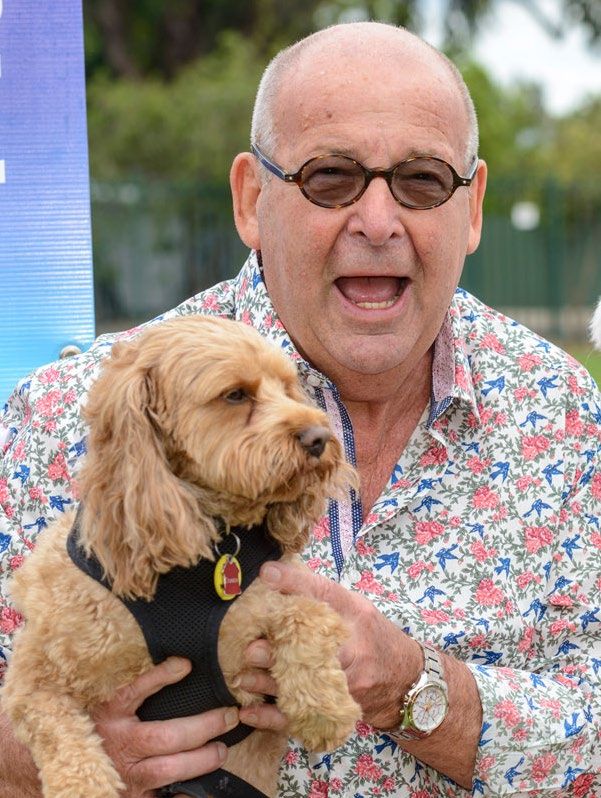
As a pet owner to a much loved four year old Cavoodle
called Cobber, I am familiar with the wellbeing
benefits, as well as the responsibilities, that come
with owning a pet.
Although this 2018/19–2023 Animal management plan
is primarily intended for domestic dog and cat owners
in the Town of Walkerville, it also includes information
on other animals such as snakes, possums, chickens
and even bees and wasps.
Under section 26A of the Dog and Cat Management
Act 1995, Councils are required to produce a
management plan and update it every five years.
The Dog and Cat Management Act 1995 has
undergone significant changes that will take effect
from the 1st July 2018. All these changes are detailed
in the plan and dog and cat owners as well as breeders
and sellers need to ensure they comply with the
relevant legislation.
Ray Grigg
Mayor of Walkerville
(and Cobber).4 Town of Walkerville | 2018/19–2023 Animal management plan
Executive
summary
Why do we need this plan?
Every Council in South Australia is required under
section 26A of the Dog and Cat Management Act
1995 (the Act) to prepare a plan of management
relating to dogs and cats every five years.
This plan provides Walkerville Council with an opportunity to address dog
and cat management at a strategic level and implement initiatives
to address the recent changes to the Act. Besides Council’s statutory
obligations under the Act, this plan also supports Council’s strategic plan,
2016–2020 Living in the Town of Walkerville: a strategic community plan.
This new plan replaces the Town of Walkerville’s existing Strategic urban
animal management plan (which expires in 2018).
What’s in this plan?
The majority of this plan focuses on the management of domestic
dogs and cats. However, Council also deals with a range of other animals
which are addressed in section 8.
This plan is divided into four parts:
1. overview and context
2. priority areas, objectives and actions
3. dogs in public places
4. other animals.5 Town of Walkerville | 2018/19–2023 Animal management plan
Part 1
Part 1 provides an introduction and contextual information about
Council, legislation and reforms, and current research on planning
for pets. It also provides a summary of Council’s dog and cat data
and existing animal management services.
Part 2
Part 2 contains information about the priority areas for Council over
the next five years.
The priority areas include:
• dog registration
• desexing and microchipping of dogs
• wandering dogs
• nuisance barking
• pets in the community
• community education
• cat management
• breeder registration.
Each priority area comprises an objective, a series of actions and
performance measures. This plan incorporates ongoing issues from
the previous Strategic urban animal management plan and introduces
new actions to address the recent changes to the Dog and Cat
Management Act 1995.
Part 3
Part 3 focuses on dogs in public places identifying the on–leash, off–leash
and dog prohibited areas within the Town of Walkerville.
Part 4
Part 4 deals with other animals including bees, chickens, European wasps,
possums and snakes.6 Town of Walkerville | 2018/19–2023 Animal management plan
Part 1:
Overview and
context
1. Introduction
Purpose
The purpose of this 2018/19–2023 Animal management plan is
to guide Council’s approach to animal management for the next five years
(2018/19–2023). This new plan replaces Council’s existing Strategic urban
animal management plan (which expires in 2018).
This plan has been prepared in accordance with Section 26A
of the Dog and Cat Management Act 1995 which requires all councils in
South Australia to develop a plan of management relating to dogs and
cats within their area.
The majority of this plan focuses on the management of domestic dogs
and cats. However, Council also deals with a range of other animals which
are summarised in Part 4.
Methodology
The preparation of this plan included an examination of:
• Council’s existing plan, which expires in 2018
• Council’s dog and cat data
• recent changes to the Dog and Cat Management Act 1995.7 Town of Walkerville | 2018/19–2023 Animal management plan
Working with community Community consultation
Council recognises the value of working with a wide Community consultation was undertaken between the
range of external stakeholders to build partnerships 9th April 2018 to the 7th May 2018. During this period,
with individuals, community groups and organisations the community had the opportunity to comment
for the management of dogs and cats within the in the following ways:
Town of Walkerville.
• online survey on Council website
• hard copy of the plan and survey available
Some stakeholders identified as potentially from Council’s Civic & Community Centre
having an interest in the management of
dogs and cats include: • drop–in session on Saturday 28 April 2018,
9.30am – 12.30pm at the Civic and Community Centre.
• local schools
• dog and cat owners
• general public
• veterinary clinics
• animal businesses
• Animal Welfare League (AWL)
• RSPCA
• Australian Veterinary Association (AVA)
• Dog and Cat Management Board (DCMB)
• local media
• surrounding councils
• dog training schools
• sports clubs and park users.
This plan identifies potential collaborations
with external stakeholders in Part 2 – Priority
areas, objectives and actions.8 Town of Walkerville | 2018/19–2023 Animal management plan
2. Relevant Council
strategies and plans
This management plan for dogs and cats supports some
of Council’s strategies and plans including:
• 2016–2020 Living in the Town of Walkerville: a strategic community plan
• 2016–2020 Living Walkerville: wellbeing for every age and stage
2016–2020 Living in the Town of Walkerville:
a strategic community plan
This plan supports several of the key focus areas in the strategic
community plan including:
Key focus area 1 –
Vibrant local culture, inspired by diversity and inclusivity
• The planning and design of public places for dogs and their owners
supports this focus area. This includes walking trails and streetscapes
that provide interest to both dogs and their owners, encouraging
people to get out and about in the community.
Key focus area 2 –
Sustainable and resilient future, based on a sensitive
and sensible approach to planning, heritage, economic
development and the public realm
• Cities that provide walkable, convenient and safe areas for owners to
walk their dogs encourage healthy and active lifestyles. Off–leash areas
that are within walking distance also support the development of more
sustainable communities as people are less reliant on cars.
• The implementation of this new plan provides an opportunity
for Council to take a lead role in the creation of communities that
cater for the needs of dogs and their owners in the planning and
design of public spaces.9 Town of Walkerville | 2018/19–2023 Animal management plan
Key focus area 3 –
Transparent and accountable local tier of Government that
is respected for its forward–thinking approaches and cross–
council collaborations
• There is a role for Council to work with other Councils in the
management of dogs and cats i.e. shared service arrangements.
Key focus area 4 –
Healthy, connected and inspired community
• Research has shown that pets can provide a range of physical and
mental health benefits to their owners. People with pets make fewer
visits to the doctor, pets can boost activity levels in older people and
pets can help build social bridges in communities.
2016–2020 Living Walkerville: wellbeing
for every age and stage
• The 2018/19–2023 Animal management plan aligns with some
themes in the 2016–2020 Living Walkerville: Wellbeing for every
age and stage including:
• active ageing
• support at home.
Pets play an important role in improving the general health and wellbeing
of individual dog and cat owners. Given our ageing population, pets provide
companionship for older people living on their own, boost activity levels and
improve their general health.10 Town of Walkerville | 2018/19–2023 Animal management plan
3. Legislation and reforms
The objectives of the Dog and Cat Management Act 1995 are to:
• encourage responsible dog and cat ownership
• reduce public and environmental nuisance caused by dogs and cats
• promote the effective management of dogs and cats.
Council’s responsibility for dog Payment into fund
and cat management • council must pay into the fund the percentage fixed
by regulation of the dog registration fees received by
The responsibilities delegated to Councils under the
the Council (26 (5)).
Dog and Cat Management Act 1995 (section 26) that
are relevant to the preparation of this plan include:
Setting of fees
Dog registration • council has the responsibility for setting and
reviewing registration fees.
• maintain a register of dogs (26 (1) (a)).
• appoint a suitable person to be the Registrar (26b).
Establishing By–laws
• make satisfactory arrangements for issuing
and replacing certificates of registration and • council can pass a by–law for the control and
registration discs (26c). management of dog and cats within their area
(section 90). The Town of Walkerville has introduced
• appoint at least one full–time authorised person or Dog By–law no. 5
make other satisfactory arrangements for the
exercise of the functions and powers of authorised
persons (26d). Plans of management
• make satisfactory arrangements for the detention • under the Act, each Council must prepare a plan
of dogs seized under this Act (and may make such relating to the management of dogs and cats within
arrangements for cats seized under this Act) (26e). its area (26A 1).
• make satisfactory arrangements for fulfilling other • plans must include provisions for parks
obligations under this Act (26f). where dogs may be exercised off–leash and for
parks where dogs must be under effective control
by means of physical restraint and may include
Money received provisions for parks where dogs are prohibited
(section 26A 2).
• money received by Council under this Act
must be placed in a fund and expended in the • the Dog and Cat Management Board must
administration or enforcement of the provisions approve the plan before it takes effect.
of this Act relating to dogs and cats (26 (3)).11 Town of Walkerville | 2018/19–2023 Animal management plan
Dog and cat reforms Changes to registration
The Dog and Cat Management Act 1995 has undergone Dog and cat online (DACO)
a major review with significant changes to take effect
from 1 July 2018. Significant changes that will impact From 1 July 2018, a new State–wide registration system
on Councils, dog and cat owners and dog and cat known as Dog and Cat Online or DACO will be replacing
breeders and sellers include: the existing dog registration system with a centralised
system to be managed by the Dog and Cat Management
Board of South Australia.
Mandatory microchipping and desexing
This new system will combine a number of existing
As of 1 July 2018, it will be compulsory for: data bases (such as dog and cat registrations, microchip
and breeder information) to provide a central resource.
• all dogs and cats to be microchipped before This means registration fees will be paid online through
12 weeks of age. a central website.
• all new generations of dogs and cats (born Council will be responsible for issuing dog and cat
after 1 July 2018) to be desexed before 6 months registration reminder notices, and the Dog and Cat
of age with exemptions for working dogs and Management Board will issue the registration discs.
registered breeders.
New dog registration categories
Breeder and seller registration
As of 1 July 2017, the dog registration categories
• as of 1 July 2018, breeders and sellers who breed in South Australia were simplified to two categories:
dogs and cats for sale must register with the
Dog and Cat Management Board of South Australia • standard dog (a dog that is both microchipped
as a breeder. and desexed)
• any person who breeds or trades companion animals • non–standard dog (all other dogs).
must also abide by the South Australian standards
and guidelines for breeding and trading companion
animals1 which took effect from August 2017.
• a new requirement for dog and cat sellers will be
to provide certain information in advertisements
(i.e. breeder registration number) and to the buyer.
• the seller will be required to provide detailed
information about the dog or cat including: desexing,
microchipping, vaccinations, illness and medical
conditions to the buyer.
1. The Department of Environment, Water and Natural Resources, Animal Welfare Unit
administers the guidelines, regulated under the Animal Welfare Regulations 2012, and
enforced by the RSPCA.12 Town of Walkerville | 2018/19–2023 Animal management plan
4. Big picture – planning for pets
“Two in every three homes in
Australia have at least one pet.
When you consider that lot sizes
are getting smaller and census data
showing an increase in apartment
living, pets need to be catered for
in parks and other public spaces”
(Planning Institute of Australia, 2012: n.p.).
Benefits of pets Pets are good for an ageing population
Australia has one of the highest pet ownership rates • pets can boost activity levels in older people,
in the world with 38% of households owning a dog helping to improve overall health.
(Animal Health Alliance, 2016). Research shows that
• pets provide companionship for elderly
companion animals such as dogs and cats play a
people living alone.
significant role in the lives of many Australians.
Pets can enrich our lives, provide physical and mental
health benefits and companionship, and help facilitate Pets are good for children
social interactions within the community.
• young children with pets are more likely to exercise.
There is research (ACAC, 2009 and PIAS, 2010) that
• children or adolescents with pets have shown
demonstrates the benefits of pet ownership including:
to have higher self–esteem.
Pets are good for our general health
and wellbeing
Pets are good for the community
• people with dogs and cats make fewer visits
• pets can help people build social bridges
to the doctor.
in communities.
• people with pets are at lower risk of cardiovascular
• people with pets are more likely to have
disease than non–pet owners.
conversations with other people.13 Town of Walkerville | 2018/19–2023 Animal management plan
Planning for pets
As block sizes get smaller and dwellings extend closer to fence lines
and property boundaries, there is less private outdoor space available
for companion animals leading to a greater demand for dog access to
public open spaces.
“Between 1991 and 2001 the number of separate houses in
Australia increased by 18% while the number of higher density
dwellings increased by 37%” (PIAS, 2010:5).
Almost a quarter of Australians live in medium to high–density housing.
With this trend expected to continue, there will be new challenges as
we learn to live in smaller spaces and compete for valuable public open
space while accommodating the needs of dogs and their owners in
the planning and design of communities.
Planning for pets (particularly dogs in public places) is a key consideration
for local councils given dogs are the most popular pet in Australia.
The quote below draws attention to the importance of planning for pets.
“a higher proportion of us live in households with a dog and/or cat
than a child. 50% of Aussies live in a household with at least one
cat or/and dog in it, whereas 35% share their household with a
least one child aged under 16.” (Roy Morgan, 2015, article 6272, n.p.)
Dogs in public places Best practice in animal management
and welfare
Research shows there is a trend towards casual,
unstructured activities with dog walking being in The Australian Veterinary Association (AVA)
the top 10 activities. recommends the use of positive reinforcement dog
training methods as the preferred method of training.
“Adults are moving away from structured
sports to casual activities with dog walking “the use of positive reinforcement is the most
being number three of the top 10 activities humane and effective training method as it
in Australia” (One Eighty Degree, n.d.; p. 23). avoids undesirable behavioural side effects.
Positive reinforcement makes training more
A key consideration in taking dogs out into public enjoyable and helps improve the bond between
places is for dogs to be under effective control and
the trainer and the pet” (AVA website).
not cause a nuisance to other people and other animals.
It is important for dogs and their owners to The Dog and Cat Management Board (DCMB) also “believes
be trained in how to cope with everyday experiences a commitment to positive reinforcement training is
such as walking down a street with their dog, visiting an aspect of being a responsible dog owner. The Board
a local cafe or exercising a dog at a park. does not condone training methods that cause a dog
to feel pain, fear, aggression or anxiety” (DCMB 2017).
Dog training that teaches real–life skills is fundamental
if dogs are to be taken out and about with their The Animal Welfare League also promotes the use
owners in public places. Basic etiquette and respect for of positive reinforcement methods for dog training.
all users sharing a space (i.e. people, dogs and wildlife)
is an important part of being a responsible dog owner. The RSPCA (SA) promotes the use of force–free
dog training methods and have developed a list
of force–free dog trainers in South Australia
(RSPCA, website, 2017).14 Town of Walkerville | 2018/19–2023 Animal management plan
5. Local picture – pets in the
Town of Walkerville
The Town of Walkerville is the smallest Council in inner metropolitan
Adelaide and covers a land area of 3.5km2. The Town encompasses the
suburbs of Gilberton, Medindie, Vale Park and Walkerville and is home
to an estimated resident population of 7,838 (2016, census).
The Town of Walkerville is located immediately north–east of the City
of Adelaide, about 4 kilometres from the Adelaide GPO. The Town of
Walkerville is bounded by the City of Port Adelaide Enfield in the north
and north–east, the Torrens River and City of Norwood Payneham &
St Peters in the east and south–east, the City of Adelaide in the south,
and the City of Prospect in the west and north–west.
Table 1: Registered dogs
Registered dogs 2012/13 2013/14 2014/15 2015/16 2016/17
Total number of
871 874 835 855 840
registered dogs
In 2016/17, the total number of registered dogs within the Town of Walkerville was 840.
Over the last five years the number of registered dogs has decreased by 31 or 3.5%.
This may be due to dogs being deceased and/or dog owners moving out of the Council area.
Of the dogs registered in the Council area in 2016/17, 709 or 85% were desexed
(i.e. desexing rebate claimed) and 708 or 84% were microchipped.
Overview of dogs The most registered dog breeds • Labradoodle
(including cross breeds) in the Town
• Kelpie and Cocker Spaniel
In 2016/17, there were 840 dogs of Walkerville in order of popularity
registered in the Town of Walkerville. included: • German Shepherd
The distribution of registered dogs
• Maltese • Beagle and Schnauser.
across the Council area included2:
• Labrador
• Walkerville – 265
• Golden Retriever and Cavoodle
• Vale Park – 225
• Jack Russell Terrier
• Medindie – 171
2. Total number of dogs equal 824.
• Spoodle A difference of 16 with the total
• Gilberton – 163.
• Border Collie number of registered dogs is due to
replacement tags.15 Town of Walkerville | 2018/19–2023 Animal management plan
Table 2: Dog complaints
Complaints 2012/13 2013/14 2014/15 2015/16 2016/17
barking (nuisance) 12 10 11 21 10
wandering 19 50 41 17 5
reports of dog attacks 3. Dog attack refers to a
0 1 1 3 3 dog acting with force or
to humans 3
harmfully resulting in
physical injury such as
reports of dog attacks bruising, punctures,
to other animals 3 0 1 1 2 wounds or lacerations
(ie. dogs & cats) (Dog and Cat Management
Board website, 2018).
reports of dog
0 8 1 0 1 4. Dog harassment refers
harassment to humans 4 to a dog troubling or
annoying a person
reports of dog without being the primary
harassment to other 0 2 1 4 1 cause of physical injury
animals (ie. dogs & cats) i.e. the dog may chase,
rush at people or animal
but not bite them (Dog
Total 34 71 56 46 22 and Cat Management
Board website, 2018).
In 2016/17, there were 22 registered complaints with In 2016/17, the top complaint was nuisance barking
the Town of Walkerville. Over the last five years the accounting for 45% of all complaints. Over the
number of complaints has reduced by 12 or 35%. five–year period, the number of wandering dogs has
reduced by 14 or 26%.
Table 3: Dogs impounded
Dogs Impounded 2012/13 2013/14 2014/15 2015/16 2016/17
number of
dogs collected and
18 19 13 3 4
returned to owner
before impounded
total number of
21 9 18 13 6
dogs impounded
total number of
dogs impounded
and subsequently
19 (90%) 7 (78%) 16 (89%) 13 (100%) 5 (83%)
returned to owner
from Animal
Welfare League16 Town of Walkerville | 2018/19–2023 Animal management plan
Lost dogs
Council makes every effort to reunite lost dogs as soon as possible with the owner if
the animal can be identified (i.e. via a registration disc or microchip).
Dogs that cannot be returned to their owner are impounded at the Animal Welfare League
at Wingfield for collection. In 2016/17, 83% of dogs impounded were returned to their owner
from the Animal Welfare League.
Current dog management services
The responsibility for the management of dogs and cats rests with Council’s Planning,
Environment and Regulatory Services Team.
The Group Manager of Planning, Environment and Regulatory Services is the appointed
Registrar as per the requirement under the Dog and Cat Management 1995 Act (section 26).
As of 2018, there is one fulltime Dog and Cat Management Officer.
Council’s dog management services are funded by a combination of general rate revenue, dog
registrations, expiation fees and fines for breaches of the Dog and Cat Management Act 1995.
Dog registration fees
Dog registration fees collected in 2016/17 totalled
$26,176.00. Ten per cent (10%) of these fees are
transferred to the Dog and Cat Management Board,
and the remaining funds are allocated to a range of
dog services including:
• reuniting lost dogs with their owners
• helping neighbours resolve dog related issues
• providing after–hours callout services
• investigating incidences of dog attacks
and harassment
• investigating nuisance barking complaints
through mediation and formal investigations
• providing funds to support impounded dogs at
the Animal Welfare League (AWL)
• educating and liaising with pet owners about
their responsibilities.17 Town of Walkerville | 2018/19–2023 Animal management plan
Standard operating procedures
Council has adopted the Local Government Association’s
standard operating procedures (SOP’s) including:
• wandering dogs
• destruction and control orders
• dog attacks and harassment
• dogs barking
• seizing and impounding dogs.
Dog By–law Shared service arrangement
In 2015, the Town of Walkerville passed Dog By–law The Town of Walkerville is investigating a shared
No. 5 for the management and control of dogs within service arrangement with the City of Unley.
the council area including:
• dog controls regarding on–leash, off–leash and
On–leash, off–leash and dog prohibited areas
dog prohibited areas
The Town of Walkerville provides a range of public
• limit on the number of dogs per property (i.e. one
open spaces for dogs and their owners including the
dog in a small property or 2 dogs in other premises)
River Torrens Linear Park, Walkerville Oval and a range
• management of dog faeces (i.e. carry a bag of pocket parks. Refer to Part 3 for more information
or other object to pick up and dispose of any regarding dogs in public places.
faeces from their dog).18 Town of Walkerville | 2018/19–2023 Animal management plan
Overview of cats Table 4: Cat complaints
The number of owned cats in the Council area is
unknown as cats are not required to be registered
with the Town of Walkerville.
Year Cat complaints
In 2016/17, there was a total of 2 cat complaints.
The number of complaints relating to cats per annum 2012/13 0
is minimal. Council refers residents to the Animal
Welfare League at Wingfield for the hire of cat traps. 2013/14 3
2014/15 7
2015/16 2
2016/17 219 Town of Walkerville | 2018/19–2023 Animal management plan
Part 2:
Priority areas,
objectives and
actions
6. Priority areas and actions
There are eight priority Priority areas include: Each priority area
areas to guide the is made up of an:
1. dog registration
implementation of 2. desexing and microchipping
• objective
Council’s 2018/19–2023 of dogs • actions
Animal management plan 3. wandering dogs • performance measures.
for dogs and cats over the
4. nuisance barking
next five years.
5. pets in the community
6. community education
7. cat management
8. breeder registration.20 Town of Walkerville | 2018/19–2023 Animal management plan
Performance measures have been developed in this plan to track
progress against the objectives and actions. Addressing these priority
areas will involve regular monitoring and reporting on the implementation
of the actions identified in this plan. Refer to page 37 for more
information on implementing the plan.
This plan includes a combination of qualitative and quantitative
performance measures. The key quantitative performance measures
are outlined below.
Performance measures
Area Performance measure
dog registration increase percentage of registered dogs
decrease number of expiations issued annually for unregistered dogs
microchipping & increase percentage of microchipped and desexed dogs
desexing of dogs
barking increase percentage of nuisance dog barking complaints resolved at Stage 1:
via mediation, education and awareness
decrease percentage of nuisance dog barking complaints resolved at Stage 2:
via formal investigation
dogs wandering increase percentage of dogs collected by Council and return to
owner before impoundment
dog attacks decrease percentage of dog attacks to other animals
decrease percentage of dog attacks to humans
cats increase percentage of microchipped and desexed cats21 Town of Walkerville | 2018/19–2023 Animal management plan
Priority area 1 –
dog registration
Overview
In 2016/17, the total number of registered dogs in the Town of Walkerville
was 840. The suburbs with higher numbers of registered dogs included
Walkerville and Vale Park.
Dogs are valued family members, so when they go missing it can be a
stressful time for both the pet and the owner. If a dog is registered,
Council can easily identify a lost dog, ensuring a quicker return to the owner.
Dog registration provides Council with a better understanding of the
level and distribution of dogs in the area which is helpful in planning
for off–leash areas.
Happening now
Council’s existing initiatives to promote dog
registrations include:
• registration rebates for dogs that are microchipped
and desexed
• web–based information on dog registration.
Did you know?
All dogs aged three months or
over must be registered with the
Town of Walkerville each year?22 Town of Walkerville | 2018/19–2023 Animal management plan
Objective:
Increase the percentage of registered dogs over
the life of this plan
No. Actions Performance measures
undertake a door knock campaign to identify number of properties visited
1 unregistered dogs, un–microchipped and non
desexed dogs number of registration uptakes
promote the benefits of dog registration and information posted on website, social media
2
the implications of having an unregistered dog and other formats
promote the Dog and Cat Management Board’s promotional material posted on website,
3 (DCMB) information on the new State–wide dog social media and other formats 5
registration system – Dog and Cat Online (DACO)
continue to display dog registration signs in signage displayed at prominent locations
4 prominent locations to advertise the due date
for dog registration
5 review dog registration fees annually review completed, and new fees promoted
to community
investigate first–year free registration investigation completed and next steps actioned
6 for all dogs adopted from the RSPCA or
Animal Welfare League
5. Other formats may include: rolling banner on Council’s
website, Facebook, Instagram, Twitter, on–hold phone
messages, print, online, video and Council displays.23 Town of Walkerville | 2018/19–2023 Animal management plan
Priority Area 2 –
desexing and microchipping dogs
Overview
The desexing of all new generations of dogs (and cats) by six months of
age is a key change under the Dog and Cat Management Act 1995 which
will come into effect on 1 July 2018. While this new desexing requirement
only affects dogs and cats born after 1 July 2018, all dogs and cats before
12 weeks of age must be microchipped by this date.
There are many benefits of desexing
a dog including:
• reducing the tendency for aggressive behaviours
towards people and other dogs
• reducing dogs to wander, and anti–social behaviours
like leg mounting and urine marking, and
• increasing the likelihood of a dog living a longer life
(DCMB 2014).
Permanent identification such as microchipping assists in a quicker return
causing less stress to the dog and the owner, making the process simpler
and preventing the animal being impounded at an unfamiliar location.
Of the dogs registered in 2016/17 with the Town of Walkerville, 709
dogs or 85% were desexed (i.e. desexing rebate claimed) and 708 dogs
or 84% microchipped.
Did you know?
All dogs (and cats) born after 1 July
2018 will be required to be desexed
by 6 months of age. This is a new
requirement under the Dog and Cat
Management Act 1995.24 Town of Walkerville | 2018/19–2023 Animal management plan
Happening now
Councils existing initiatives to encourage
microchipping and desexing of dogs include:
• registration discount for microchipped
and desexed dogs
• web–based information on microchipping.
Objective:
Increase the percentage of microchipped
and desexed dogs over the life of this plan
No. Actions Performance measures
7 promote the Dog and Cat Management Board’s promotional information posted on website,
(DCMB) information on mandatory microchipping social media and other formats
and desexing of dogs (and cats)
information distributed to dog owners
via rates notices
8 facilitate discount microchipping events for number of dogs (and cats) microchipped
dog (and cat) owners 6 at events
9 promote the benefits of microchipping and promotional information posted on website,
desexing of dogs (and cats) and the implications social media and other formats
of having un–desexed and un–microchipped
dogs and (cats)
10 promote the National Desexing Network (NDS) provide a related link to the National Desexing
on Councils’ website for low cost desexing Network on Council’s website
6. These events could be undertaken in collaboration with the Animal Welfare League,
RSPCA, Chip Blitz, veterinary clinics and adjoining councils25 Town of Walkerville | 2018/19–2023 Animal management plan
Priority Area 3 –
wandering dogs
Overview
Wandering dogs was the second most recorded animal related complaint
with Council in 2016/17, accounting for 23% of all dog complaints. Over
the past five years the number of complaints relating to wandering dogs
has reduced by 35%.
Dogs that wandering without an owner can “cause a nuisance,
are often distressed and may attack or harass people or other
animals. In some cases, they cause road accidents resulting
in injury to the dog and on occasion to vehicle occupants and
may cause property damage – all of which becomes the
responsibility of the owner of the dog” (DCMB, 2014).
Dogs can escape from their yards for a variety
of reasons including:
• poorly maintained or inappropriate fencing to contain a dog
(i.e. dogs can escape under, over and through fencing)
• gates left open or not properly secured
• dogs getting under the roller door when the owner is going in/out
• dogs being spooked by loud noises such as thunder and fireworks.
In 2016/17, 83% of all impounded dogs by Council were returned to
their owner from the Animal Welfare League.26 Town of Walkerville | 2018/19–2023 Animal management plan
Happening now
Council’s existing initiatives to manage wandering dogs include:
• list of dogs impounded available on Council’s website
• standard operating procedure (SOP) for wandering dogs.
Objective:
Decrease the percentage of dogs wandering in the community
No. Actions Performance measures
11 promote owner responsibilities and information posted on website, social media
consequences of dogs wandering and other formats
12 inform dog owners about Council events information posted on website, social media
that may cause dogs to escape and other formats
Did you know?
In 2016/17, 83% of all
impounded dogs by Council were
returned to their owner from
the Animal Welfare League.27 Town of Walkerville | 2018/19–2023 Animal management plan
Priority area 4 –
nuisance barking
Overview Happening now
Nuisance barking is the top animal related complaint Council’s existing initiatives to manage
reported to Council for over the five–year period. In
persistent barking include:
2016/17, 45% of all complaints related to nuisance barking.
• standard operating procedure (SOP) for dogs barking
Although barking is a natural behaviour for dogs,
persistent barking can be annoying to their owners • community safety officer negotiations
and neighbours. The causes of dogs barking can
between neighbours.
range from boredom or frustration, being left alone,
physical discomfort or pain, to reacting to an external
stimulus such as a bird, someone passing by the fence
or another dog barking.
If persistent barking is to be managed effectively,
the trigger for the barking needs to be identified.
“... Dogs bark for a variety of reasons and it is
important to work out why your dog is barking
excessively. Once the underlying cause and
‘triggers’ for the barking are identified, training
techniques can be used to treat the excessive
barking.” (RSPCA, 2015 online)
Sometimes, dog owners don’t know their dog is
barking excessively or know where to go for help.
For owners who need help with their dog’s behaviour
the RSPCA force–free dog trainers list is a good
resource to find a qualified dog trainer. Refer to the
link here: www.rspcasa.org.au/force–free–dog–trainers/28 Town of Walkerville | 2018/19–2023 Animal management plan
Objective:
Reduce the impact of persistent barking on the community
No. Actions Performance measures
13 investigate a dog behaviour support program to assist investigation completed and
dogs and their owners with excessive barking problems 7 next steps implemented
14 promote the RSPCA list of force–free dog trainers related link to the RSPCA
to the community 8 Force–free trainers list posted
on Council’s website
15 provide educational information to the community on education material posted on website,
strategies to prevent and manage persistent barking social media and other formats
7. This investigation could include costings for a qualified dog behaviour
trainer to work 1–1 with owner and their dog (subsidised program).
8. The RSPCA Force–free trainers list could be used as a resource for general
customer service enquiries regarding dog training and behaviour support.
Did you know?
“Barking is a normal behaviour for
dogs and makes up part of the way
dogs communicate vocally, along
with yipping, yelping, howling,
growling and whining.” (AVA, n.d.)29 Town of Walkerville | 2018/19–2023 Animal management plan
Priority Area 5 –
pets in the community
Overview Happening now
The Town of Walkerville provides a range of public Council’s existing initiatives for dogs
open space for dogs and their owners including on– in communities include:
leash and off–leash areas such as the Walkerville Oval,
• on–leash, off–leash and dog prohibited areas
River Torrens Linear Park and a range of pocket parks.
There are also designated areas where dogs are • provision of doggy bags and dispensers at
prohibited such as fenced children’s playgrounds. various parks and reserves.
Refer to Part 3 for a detailed list of on–leash, off–leash
and prohibited areas within the Town of Walkerville.
Council also provides dog bags and dispensers in some
parks and along the River Torrens Linear Park. Refer to
page 41 for a list of dog bag locations.
Did you know?
Research shows that pets can be
linked to happier, healthier owners
and better connected communities.30 Town of Walkerville | 2018/19–2023 Animal management plan
Objective:
Facilitate the planning and inclusion of pets in the community
No. Actions Performance measures
16 investigate the establishment of a pet care support investigation completed and next
program to promote the benefits of pet ownership 9 steps implemented
17 promote the on–leash, off–leash and dog prohibited areas information posted on website,
(refer to the complete listing of parks and associated social media and other formats
dog controls in Part 3). 10
18 review all signage relating to off–leash, on–leash and signage review completed and
dog prohibited areas. to determine:
• content of signs
• location of signs
• need for additional signs
19 encourage the community to report dog attacks and number of dog attacks/harassments
harassment incidents to Council reported
20 review all standard operating procedures (SOPs) review completed and next
relating to dogs steps implemented
9. A useful resource for this investigation is the RSPCA (SA)
publication Companion animals program toolkit.
10. This could include an interactive map online brochure suitable
for download and hard copy information.31 Town of Walkerville | 2018/19–2023 Animal management plan
Priority area 6 –
community education
Overview
Education supported by enforcement of legislation plays a key role in the
effective management of pets in the community. This includes educating
dog owners, prospective dog owners, children, and the wider community.
Education can take the form of school–based programs, online information,
practical demonstrations, and information sessions on a range of topics
relating to responsible pet ownership.
There are a several agencies in South Australia that
offer educational programs and resources including:
• Dog and Cat Management Board of SA – Living safely with pets
• RSPCA SA – Empathy education program
• Animal Welfare League – Community education programs
• Australian Veterinary Association – Pets and people (online resource).
Community education programs could address topics such as:
• selecting the right pet for your family and lifestyle
• procuring a pet from responsible and ethical sources
• value of puppy pre–school, socialisation and dog training
• dog bite prevention
• environmental enrichment i.e. physical and mental
• safe interactions around dogs in the home and public places
• good dog etiquette in public places (i.e. off–leash enclosed dog parks).
Happening now
Council’s existing education initiatives include:
• web–based information.32 Town of Walkerville | 2018/19–2023 Animal management plan
Did you know?
Dogs are required to be on–leash on
all streets, roads, footpaths and some
parks within the Town of Walkerville.
Objective:
Promote responsible pet ownership through community education
No. Actions Performance measures
21 collaborate with other organisations and opportunities investigated and
individuals to develop and deliver community programs delivered
education programs
22 develop Did you know messages to promote information developed and promoted on
information on responsible pet ownership a regular cycle on social media
23 review and update Council’s website relating website reviewed and updated
to animals and reflect changes to the Dog and
Cat Management Act 1995
24 review information sheets relating to dogs information sheets reviewed and updated
and reflect changes to the Dog and Cat
Management Act 199533 Town of Walkerville | 2018/19–2023 Animal management plan
Priority area 7 – cat management
Overview
Cats are companion animals for an estimated 29% of Australian households.
Cats can be valuable family members providing companionship and affection,
but they can also be perceived as causing a nuisance in the community. Cats
can stray from their property, defecate in neighbouring properties and cause
environmental damage by attacking and harassing wildlife.
In South Australia, there are around half a million unowned cats with
thousands of stray cats and kittens euthanized in animal shelters every
year (DCMB 2017, website). The number of owned cats in the Council area is
unknown as they are not required to be registered with the Town of Walkerville.
In 2016/17, there were 2 cat complaints recorded with the Town of Walkerville
relating to stray or feral cats and cats wandering into neighbouring properties.
The number of complaints relating to cats per annum is minimal.
Did you know?
As of 1 July 2018, all cats will
be required to be microchipped
by 12 weeks of age.34 Town of Walkerville | 2018/19–2023 Animal management plan
Happening now
Council’s existing initiatives for cat
management include:
• Referring residents to the Animal Welfare League
for the provision of cat traps.
Objective:
Encourage responsible cat ownership
No. Actions Performance measures
25 promote the Dog and Cat Management Board’s information posted on website, social media
information on mandatory desexing and and other formats
microchipping requirements for cats
26 continue to promote the hire of cat traps from information posted on website, social media
the Animal Welfare League and other formats
27 provide educational information about: information developed and published on
Council website
• cat selection
• environmental enrichment for cats
• appropriate cat enclosures, cat runs and
other containment solutions
• cats and wildlife
28 investigate what other councils are doing investigation completed and actions
regarding cat management implemented35 Town of Walkerville | 2018/19–2023 Animal management plan
Priority area 8 –
breeder registration
Overview
The Dog and Cat Management Act 1995 has undergone a
major review with significant changes to take effect from Did you
know?
1 July 2018. Some of these changes will impact on those who
breed and sell dogs and cats including:
• sellers of dogs and cats will be required to provide certain information
in advertisements such as their breeder registration number and provide As of 1 July 2018,
the buyer with relevant paperwork. The seller will be required to provide
detailed information about the dog or cat including: desexing, breeders and sellers
microchipping, vaccinations, illness and medical conditions to the buyer. who breed dogs
• any person who breeds or trades companion animals must also abide and cats for sale
by the new South Australian Standards and guidelines for breeding
and trading companion animals standards. These guidelines are
must register with
administered by the Department of Environment, Water and Natural the Dog and Cat
Resources, Animal Welfare Unit and enforced by the RSPCA. Management Board
of South Australia
Happening now as a breeder.
This is a new initiative to be introduced in 1 July 2018.
Objective:
Educate and enforce compliance with the breeder registration requirements
No. Actions Performance measures
29 promote the Dog and Cat Management promotional material posted on website,
Board’s new requirements for dog and cat social media and other formats
breeders and sellers to register with the Dog and
Cat Management Board of South Australia
30 educate residents about the new breeder promotional material posted on website,
registration requirements social media and other formats36 Town of Walkerville | 2018/19–2023 Animal management plan
Implementing the plan
Implementing the dog and cat initiatives will involve regular monitoring, and
reporting on the actions and performance measures. The key implementation
actions are outlined below.
Actions Performance measures
assign overall responsibility for implementation of the 2018/19–2023 responsibilities inserted into
Animal management plan to the Group Manager of Planning, Environment position description
and Regulatory Services
submit this plan to the Dog and Cat Management Board plan submitted and approved
(DCMB) for approval by the DCMB
assign staff responsibilities for the implementation of specific actions responsibilities assigned
collect and record relevant dog and cat statistics to monitor the system in place to record and
quantitative and qualitative performance measures in this plan collate data
conduct an annual review on the progress of actions and performance report submitted to Council
measures contained in this plan
undertake continuous professional development of staff 11 staff attended professional
development
develop collaborative initiatives with external stakeholders to assist collaborative initiatives
in implementing the plan established
refer to sections 1 and 6 for potential stakeholders for collaboration
11. This may include attendance at conferences, seminars,
training sessions, induction programs and enrolment in
courses for a relevant qualification37 Town of Walkerville | 2018/19–2023 Animal management plan
Part 3:
Dogs in public
places
7. Dogs in public places
The Town of Walkerville On–leash Dogs prohibited
has three 3 types of
provisions or controls for On–leash means a dog must be A dog prohibited area means a
restrained by a leash no more than dog is not allowed in the public
dogs in public places:
2 metres in length. This is a place at any time.
• off–leash (at all times) requirement under the Dog and
Cat Management Act 1995. The current on–leash, off–leash and
• on–leash (at all times)
dog prohibited areas are shown on
• dogs prohibited (at all times). A dog must be on–leash in the Map 1 and listed on pages 37–40.
following areas or situations:
This list of on–leash, off–leash
Off–leash • on all public roads, footpaths, and dog prohibited areas has been
Off–leash means the owner or and carparks. This is a complied as a part of a review of
handler must have the dog under requirement under the Dog dogs in public places. As there was
effective control at all times. and Cat Management Act 1995. no existing inventory of parks/
reserves and their associated dog
Effective control means: • when formal (organised) sporting controls an important first step
events are being conducted. This in managing dogs in public places
• dogs must respond to a is a requirement under Council’s was to develop a complete list from
command (or cue) from the
Dog By–law No.5. various documents containing
owner or handler e.g. come
(recall), wait, stop this information including the
• within 5 metres of children’s
Town of Walkerville’s Open space
• dogs must be in close proximity playground equipment
strategy, Community land
of the owner or handler, and i.e. an unfenced children’s play
management plan and information
area. This is a requirement under
• the owner or handler must be posted on Council’s website.
Council’s Dog By–law No.5.
able to see the dog at all times.
• in or near any wetland area.
Effective control is a This is a requirement under
requirement under the Dog and Council’s Dog By–law No.5.
Cat Management Act 1995.38 Town of Walkerville | 2018/19–2023 Animal management plan
Map 1:
Dogs in Public Places – Town wide
on–leash
off–leash
dog prohibited areas
Fif
e
St
As
co
Lan
tA
ve
sd
ow
ne
e
Tc
rc
h Tce
h u
C
St
Dutton Tce
ep
h
en
Tc
Northcote Tce
e
e
Tc
e
ill
rv
ke
al
W
Pa
rkT
ce39 Town of Walkerville | 2018/19–2023 Animal management plan
Town wide:
on–leash, off–leash and
dog prohibited areas
On–leash areas (at all times)
Park/Reserve Address Suburb
River Torrens Linear Park & shared path Various locations Vale Park, Walkerville
& Gilberton
1 Fife St Reserve (Part of Linear Park) Fife St Vale Park
2 Ascot Reserve (Part of Linear Park) Ascot Ave Vale Park
3 Belt Reserve Church Tce Walkerville
4 Bickle Reserve (Part of Linear Park) Gilbert St Gilberton
5 Crawford Reserve (Opposite aged care facility) Walkerville Tce Walkerville
6 Creswell Reserve (Near Walkerville Lawn Creswell Crt Gilberton
Tennis Club & part of Linear Park)
7 Gawler Tce Reserve North East Rd Walkerville
(Crn North East Rd & Smith St)
8 Hawkers Reserve Hawkers Rd Medindie
(Crn of Hawkers Rd & Dutton Tce)
9 Howie Reserve Victoria Tce Walkerville
10 Mary P Harris Reserve ‘Bundilla’ Walkerville Tce Walkerville
11 Playground near The Watson Warwick St Walkerville
(unfenced playground)
12 Rose St Reserve Rose St Gilberton
13 St Andrews Reserve St Andrews St Walkerville
14 Soldiers Memorial Reserve Severn St (Near Swing Bridge) Gilberton
15 Thiele Reserve Northcote Tce Gilberton
16 Walkerville Memorial Gardens Church Tce Walkerville
17 Walkerville Wesleyan Cemetery Smith St Walkerville
18 Webster Reserve 2-4 Angas Ave Walkerville
(Crn of Lansdowne Tce & Angas Ave)
19 Willow Bend Reserve (Part of Linear Park) Ascot Ave Vale Park40 Town of Walkerville | 2018/19–2023 Animal management plan
Off-leash areas (at all times)
Park/Reserve Address Suburb
20 Hamilton Reserve & Stewart Ave Park Stewart Ave Vale Park
21 Levi Park Reserve Lansdowne Tce Vale Park
22 EC Scales River Park (Part of Linear Park) Fuller St Walkerville
23 Frome Reserve Jeffrey Rd Vale Park
24 Walkerville Oval Smith St Walkerville
Dog prohibited areas (at all times)
Park/Reserve Address Suburb
25 Levi Park Children’s Playground (fenced) Lansdowne Tce Vale Park
26 Alfred St Playground (fenced) Alfred St Walkerville
(adjoins Walkerville Oval)41 Town of Walkerville | 2018/19–2023 Animal management plan
Areas for Improvement
A review of dogs in public places revealed that there was no single
document of on–leash, off–leash and dog prohibited areas within the
Town of Walkerville. The first step of this review was to develop a
comprehensive list of all public parks/reserves and their associated
dog controls. This complete listing is provided on pages 37–40.
Following this review, there are two key areas identified for
improvement including: Location of dog bag
dispensers 12
A complete listing of on–leash, off–leash and dog prohibited
areas be made available to Council staff and the community
Linear Park
• The listing of parks/reserves and their associated dog controls i.e.
• Burlington Street
on–leash, off–leash and dog prohibited areas within the Council
area should be available to the community in a range of formats • Creswell Reserve
(e.g. online and hard copies) so the public are aware of the relevant
• Fife Street
dog controls in individual parks and reserves.
• Fuller Street
• This improvement has been incorporated into the 2018/19–2023
Animal management plan. Refer to Part 2 – Priority Area 5, pets • Jeffery Street
and community, action 17. • Severn Street
A review of signage regarding off–leash, on–leash and dog • Willow Bend
prohibited areas
• A review of all signage relating to dog provisions should be undertaken Parks and reserves
to clearly identify where people can take their dogs on–leash, off–leash • Belt Reserve
and where dogs are prohibited. The signage needs to reflect the
provisions contained in the complete listing of on–leash, off–leash and • Bickle Reserve
dog prohibited areas outlined on pages 37–40. • Crawford Reserve
• This review may include an assessment of sign locations, content • Hawkers Reserve
or key messages and need for additional signs.
• Levi Park Reserve
• This improvement has been incorporated into the 2018/19–2023 • Rose Street Reserve
Animal management plan. Refer to Part 2 – Priority Area 5, pets
and community, action 18. • Walkerville Oval – east side
• Walkerville Oval – west side
• Walkerville Wesleyan Cemetery
• Webster Reserve
Public realm
• Town of Walkerville Civic and
Community Centre (carpark)
• Walkerville Terrace
(near post office)
12. This information was provided by the
Town of Walkerville in November 2017.42 Town of Walkerville | 2018/19–2023 Animal management plan
Part 4:
Other animals
8. Other animals
The Town of Walkerville deals mainly with
the management of dogs and cats, although
at times staff are required to respond to and
address other animals including:
• bees
• chickens
• european wasps
• possums
• snakes.
These animals are included in this plan separately as they
are not covered by the same statutory requirements as
dogs and cats.43 Town of Walkerville | 2018/19–2023 Animal management plan
Bees Possums
Residents within the Council area are permitted to The Town of Walkerville has developed a guideline
keep bees on their property as long as they do not for the management of possums. In South Australia
become a nuisance or hazard to other people. possums are protected under the provisions of the
People keeping bees are by law required to register National Parks and Wildlife Act 1972.
as a beekeeper and comply with the SA Apiary
Code of Conduct. Further information on possums is available
on Council’s website.
Further information on bee keeping is available
from the Department of Primary Industries and
Resources SA (PIRSA).
Snakes
Council does not provide a snake removal service for
Chickens private properties. However, Council will remove snakes
found on Council land.
Chickens can be kept on residential properties within
the Town of Walkerville as long as they are for domestic Further information on snakes is available
purposes. Currently, there is no limit on the number of on Council’s website.
chickens per property within the Council area. Chickens
should be kept in such a location, structure and
condition that will not cause a nuisance or risk to
health in any way.
Further information on chickens is available on
Council’s website.
European wasps
Council has introduced a new service to assist with
the removal of European Wasp nests from residential
properties. Council offers a service to all residents
and upon request will locate the wasp nest and arrange
for it’s removal.
Further information on wasps is available on
Council’s website.You can also read


