2x £1bn - Health in Wales
←
→
Page content transcription
If your browser does not render page correctly, please read the page content below
2x  2x
       £1bn
       £1bn                   £1bn
Making a Difference:       £1bn
        £1bn
Reducing health risks associated with
road traffic air pollution in Wales
2018
Authors and Contributors
This report was written by Charlotte Greyi, with help and input from Huw Bruntii, Sarah Jonesii,
Sumina Azami, Jo Charlesiii, Tom Porteriv, Angela Jonesv, Teri Knightvi and Sian Pricevi. Kelvin Jonesiii
supported the development of the infographic. Mark A Bellisi, Giri Shankar, Andrew Jonesii and
Chrissie Pickinvi provided advice and guidance for the development of the report.

I
      Policy, Research and International Development Directorate
ii
      Public Health Services Directorate
iii
      North Wales local Public Health Team
iv
      Cardiff and Vale local Public Health Team
v
      Cwm Taf local Public Health Team
vi
      Health and Well-being Directorate

Acknowledgements
We also thank Chris Brereton (Chief Environmental Health Officer, Welsh Government), Andrew
Carter, Olwen Spiller, and Roger Herbert (Air Quality Policy Team, Welsh Government), and
members of the Welsh Air Quality Forum for their support and guidance in the development of the
report and to Jenney Creative for the design of this report.

Suggested citation:
Grey C, Brunt H, Jones S, Azam S, Charles J, Porter T, Jones A, Knight T and Price S (2018).
Making a Difference: Reducing health risks associated with road traffic air pollution in Wales.
Public Health Wales, Cardiff ISBN 978-1-910768-79-2

ISBN 978-1-910768-79-2

© 2018 Public Health Wales NHS Trust
Policy, Research and International Development Directorate
Floor 5, Public Health Wales NHS Trust
Number 2 Capital Quarter Tyndall Street
Cardiff CF10 4BZ
Tel: +44 (0)29 2022 7744

Material contained in this document may be reproduced under the terms of the Open Government Licence (OGL)
www.nationalarchives.gov.uk/doc/open-government-licence/version/3/ provided it is done so accurately and is not used in
a misleading context.
Acknowledgement to Public Health Wales NHS Trust to be stated.
Copyright in the typographical arrangement, design and layout belongs to Public Health Wales NHS Trust.
Making a Difference: Investing in Sustainable Health and Well-being for the People of Wales

                                  Executive Summary
This chapter is an extension of Public Health Wales’ Making a Difference publication and
is intended to be used as a standalone document, and support the work by Public Service
Boards and other multiagency partnerships in Wales.

 Air pollution from road traffic is a significant national problem. The
 solutions outlined seek to reduce the emissions from road traffic and thus
 achieve positive public health impacts through developing a more sustainable
 economy, thriving society and optimum health and well-being for the present
 and future generations in Wales.

Exposure to outdoor air pollutants                       being developed to tackle problems. Wales has
increases the risk of poor health and                    41 AQMA where pollution standards for these
mortality and in the UK, each year, results              pollutants are actually or likely breached.
in the equivalent of 40,000 early deaths and
reduces average life expectancy by 7-8 months.           Everyone has a role to play in reducing
Outdoor air pollution is the largest contributor to      air pollution from road traffic sources
the global environmental burden of disease. The          through working collaboratively. Legislation,
air pollutants of greatest public health concern         including the Well-being of Future Generations
are particulate matter (PM) and nitrogen dioxide         (Wales) Act 2015 and Public Health (Wales)
(NO2). In Wales each year, the equivalent of around      Act 2017 can be used to embed prevention,
1,604 deaths are attributed to PM2.5 exposure and        sustainability, and health into solutions at national
1,108 deaths to NO2 exposure. Air pollution can          and local levels.
disproportionately affect vulnerable population
                                                         In seeking solutions to the problem of air pollution
groups e.g. children, older people, those with
                                                         from road traffic, a package of interventions
underlying disease, and those exposed to higher
                                                         to reduce emissions, taking a multi-
concentrations because of living or commuting in
                                                         sectoral approach with action at local,
urban or deprived locations. In Wales, the societal
                                                         national, and international level, is likely
cost of air pollution from health service costs and
                                                         to have the greatest cumulative impact.
lost work-days is estimated to be £1 billion
each year.                                               Solutions to reduce our reliance on
                                                         motorised road transport and promote
Road traffic emissions account for
two-thirds of air pollution at urban                     the use of cleaner vehicles and transport,
monitoring sites. Road traffic produces PM               can be sub-divided into adaptation measures
and NO2 from engine emissions, tyres and brake           and mitigation measures. Adaptation includes
wear, re-suspended road dust and chemical                reducing pollution through policy drivers for
reactions in the air. Air pollution from traffic         change in practice. Mitigation includes strategies
causes a problem both locally and further away,          to include air pollution in planning decisions,
as pollutants are able to travel long distances and      improve health communication, and encourage
spread over wide areas.                                  environmental behaviour change.

The framework in Wales to manage air quality             The health benefits can be both direct and indirect
includes both national-level policy measures and         (from reduced congestion, noise and improved
local air quality management implementation.             road safety). As combustion engines also produce
Any breaches of National Air Quality Objectives          carbon dioxide (CO2), a greenhouse gas, the
lead to Air Quality Management Areas (AQMA)              solutions will also have climate change benefits.
being declared and air quality action plans

                                                                                                                 1
Public Health Wales

                         Economic and societal benefits of
                      reducing road traffic emissions include:

Active Travel and Sustainable Transport
■ F
   or shorter journeys such as trips to      ■ Promoting zero emission
  shops or schools, walking and cycling         transport for the final mile of
  has a return of £8 for £1 invested. For       business deliveries returns £5 for every
  longer journeys use public transport,         £1 invested
  together with walking and cycling

    £1
                                  £8
                                                £1
                                                                 FR
                                                                   AG
                                                                      ILE     £5

■ Linking places where people live and        ■ C
                                                 orporate low emission travel
  work through walking and cycling              plans like cycle to work schemes
  infrastructure has a return of £10 for        return £6 for every £1 invested
  every £1 invested

    £1
                                 £10
                                                £1
                                                                               £6

Reducing vehicle emissions
 Car clubs can help             ow emission zones in
                                L                             Reducing urban speed
  reduce the number of          populated areas can return    limits from 30mph to
  vehicles on the road and      £27 for every £1 invested     20mph would reduce PM

                                                              20
  encourage use of public                                     emissions, crash casualties
  and active transport,             Low emission              and fatalities, as well
  with £13 returned for £1                                    as increase community
  invested                         ZONE                       cohesion

                          Low emission          20
                      £13
                         ZONE     Low emission
                                             £27
                                                                            20
                                 ZONE
                £1                      £1

2
Making a Difference: Investing in Sustainable Health and Well-being for the People of Wales

Purpose
This chapter – an extension of Public Health
Wales’ Making a Difference work programme
(Public Health Wales NHS Trust (PHW), 2016) –
seeks to inform and encourage action to reduce
health risks associated with outdoor air pollution
exposure. It focuses specifically on air pollution
from road traffic sources since this is where
available evidence is strongest, and also because
the majority of air quality problems in Wales stem
from this pollution source.

Like other Making a Difference chapters, this
work draws on research evidence and expert
opinion to guide, support and facilitate action
to protect health and reduce inequalities. The
actions outlined in this chapter seek to reduce
emissions from road traffic and thus achieve
positive public health impacts through developing
a more sustainable economy, thriving society and
optimum health and well-being for the present
and future generations in Wales.

Methodology
The methodology used has previously been                           Air pollution is the largest contributor to the
described in Making a Difference (PHW, 2016).                      global environmental burden of disease (EBOD)
Much of the high level evidence used was drawn                     (WHO Regional Office for Europe, 2015), with
from a recent report from National Institute for                   outdoor air pollution alone causing a significant
Health and Care Excellence (2017).                                 proportion of attributable mortality (279,000
                                                                   in Western Europe in 2012, or 44 deaths per
                                                                   100,000 capita) (WHO Regional Office for Europe,
Public health context
                                                                   2015; World Health Organization (WHO), 2012).
The outdoor air pollutants of primary public                       Public Health Wales estimates that, in Wales, the
health concern are particulate matter (PM; defined                 equivalent of 1,604 deaths can be attributed
by particles being less than 2.5μm (fine PM2.5)                    to PM2.5 exposure, and 1,108 deaths to NO2
or 10μm (PM10) in diameter (Brunt, 2018)) and                      exposure, each year (based on 2011/12 data;
nitrogen dioxide1 (NO2). Other pollutants (sulphur                 McCarthy and Brunt, 2018).
dioxide (SO2), ozone (O3), and black carbon) can
also harm health (Brunt, 2018; National Institute                  A wide range of adverse health effects have been
for Health and Care Excellence (NICE) 2017) but                    linked to exposure to PM outdoors. There is no
are beyond the scope of this work. Outdoor air                     evidence of a safe level of exposure to PM, or a
pollution is a complex mixture of gases and other                  threshold below which no adverse health effects
pollutants, so health effects may in fact be due                   occur (WHO Regional Office for Europe, 2013).
to the underlying toxicity of the mixture (WHO                     Short-term exposure can result in eye, nose and
Regional Office for Europe, 2013; WHO Regional                     throat irritation, asthma symptom exacerbation,
Office for Europe, 2016).                                          and headaches and nausea. Long-term exposure

1   NO2 and NO (nitric oxide) are often referred to together as NOx (nitrogen oxides), of which NO2 is of greatest concern to
     health.

                                                                                                                                 3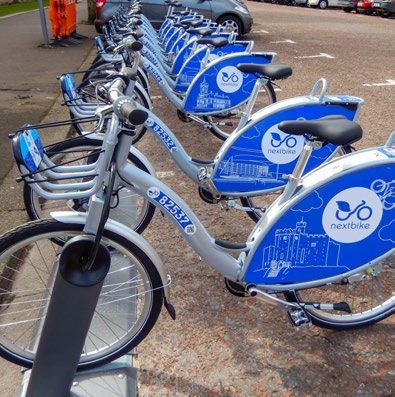
Public Health Wales

                                                                     disproportionately affected. The societal cost of air
                                                                     pollution (accounting for health service costs and
                                                                      reduced productivity through lost work-days)
                                                                       in the UK stands at around £20 billion every
                                                                        year (RCP, 2016), with an estimated cost of £1
                                                                        billion every year in Wales (PHW, 2016).

                                                                        Air pollution from road traffic
                                                                       This chapter focuses on road traffic emissions
                                                                      as these are a significant source of PM and NO2
                                                                     (Brunt, 2018).

                                                                     Road traffic emissions account for more than
                                                                     64% of air pollution at urban monitoring sites
                                                                     (NICE, 2017)2. NOx (including NO2) is produced by
                                                                     combustion processes and are also a precursor for
                                                                     secondary pollutants3 (PM and O3). PM from road
                                                                     transport is directly emitted from combustion,
                                                                     tyre and brake wear, re-suspended road dust,
increases morbidity and mortality risks from
                                                                     and from secondary particles formed by chemical
heart disease and strokes, respiratory diseases,
                                                                     reactions in the air (Brunt, 2018; Organisation for
lung cancer and as well as other harmful health
                                                                     Economic Co-operation and Development (OECD),
effects (WHO Regional Office for Europe, 2013).
                                                                     2014; WHO Regional Office for Europe 2013).
Exposure to NO2 increases morbidity and mortality,
                                                                     Pollutants not only cause problems locally but,
particularly at levels that are at or above the
                                                                     when suspended in air, can travel long distances
current EU limits set by policy (WHO Regional
                                                                     and over wide geographical areas4 (Brunt, 2018).
Office for Europe, 2013). Short-term exposure to
NO2 is associated with increased cardiovascular                      In Wales, 41 Air Quality Management Areas
and respiratory morbidity (Brunt, 2018).                             (AQMAs) have been declared by local authorities
                                                                     (as at April 2018). AQMAs are priority areas
Across the UK each year, it is estimated that the
                                                                     for intervention because actual or potential
equivalent of 29,000 deaths (COMEAP, 2010;
                                                                     breaches of statutory pollutant-specific Air Quality
Gowers et al., 2014) are attributed to long-term
                                                                     Objectives (AQO) are possible (Welsh Government,
exposure to PM2.5 air pollution, and the equivalent
                                                                     2017). While general air quality in Wales, like
of 23,500 deaths (Department for Environment,
                                                                     the rest of the UK, has improved over past
Food and Rural Affairs (Defra), 2015) are
                                                                     decades, problems persist. Wales’ annual mean
attributed to long-term NO2 exposure. Given the
                                                                     concentrations of NO2 and PM10 pollutants have
potential for overlapping health effects of PM and
                                                                     gradually fallen from 16 and 14 μg/m3 respectively
NO2, it is estimated that the equivalent of 40,000
                                                                     in 2007, to 13 and 11 μg/m3 respectively in 2014),
deaths occur annually in the UK, as a result of
                                                                     but PM2.5 concentrations are increasing (from 8
exposure to outdoor air pollution (Royal College
                                                                     μg/m3 in 2007 to 10 μg/m3 in 2014) (Brunt, 2018).
of Physicians (RCP), 2016). On average, exposure
reduces the life expectancy of every person in the                   Transport is known to contribute to 24% of UK
UK by 7 to 8 months (Defra, 2007), but vulnerable                    greenhouse emissions through production of the
sub-groups of the population are likely to be                        carbon dioxide (CO2) (Department for Business,

2	This is the rationale for focusing this Making a Difference update on road traffic. Other sources, such as industrial point sources,
   are therefore beyond the scope of this work, but evidence will be kept under review to inform subsequent updates.
3	Secondary pollutants are formed when primary pollutants interact with each other in the atmosphere, for example NOx reacting
   chemically with VOCs (volatile organic compounds) emitted by trees, in the presence of sunlight, to produce ground-level ozone.
4  This is termed ‘long range transboundary air pollution’

4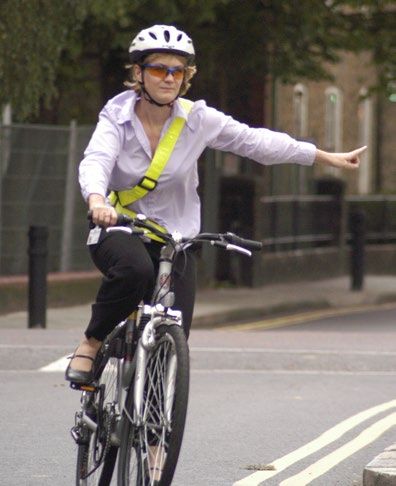
Making a Difference: Investing in Sustainable Health and Well-being for the People of Wales

 Energy & Industrial Strategy (BEIS), 2015), so            Different interventions to reduce air pollution may
 although not considered in this report, solutions         also widen inequalities, for example, evidence
 to reducing road traffic emissions are also likely to     from Scotland suggests that commuters from low
 have wider climate change benefits.                       income households are less likely to own a bicycle,
                                                           which can impact accessibility to active transport
                                                           (Muirie, 2017).
 Inequalities
 Exposure to air pollution, and the consequent
                                                           Action to reduce exposure to air
 health risks and impacts, vary across different
                                                           pollutants
 population groups. Air pollution combines
 with other aspects of the social and physical             Air pollution is everybody’s business and it
 environment to create an inequitable disease              is essential for there to be good awareness,
 burden on more deprived                                   collaboration and action across relevant public
 parts of society (WHO                                           bodies, sectors and systems e.g. transport,
 Regional Office for Europe                                           planning, regulation, health, public
 2013). Air pollution can                                                 protection, sustainable development.
 disproportionately affect                                                    Members of the public have an
 vulnerable population                                                          important contribution to make

bn
 groups e.g. children,                                                          too (Brunt, 2018).
 older people, people with
 underlying chronic disease,                                                   Interventions to reduce air
 as well as those exposed                                                      pollution from road traffic
 to higher levels because                                                    emissions aim to improve air
 of living or commuting in                                                quality and prevent a range of
 urban or deprived areas                                                health conditions and deaths. Taking
 (NICE, 2017; WHO Regional                                         a number of actions in combination,
 Office for Europe, 2016).                                  each producing a small benefit, is likely to act
                                                           cumulatively to produce significant change (NICE,
 People living in deprived areas may be more               2017). Examples from the USA have demonstrated
 exposed to air pollution (Goodman et al., 2011).          that tackling multiple sources of PM2.5, have led
 Analyses of local air pollution, multiple deprivation     to improvement to health outcomes, decreased
 and health data in Wales has found that air               hospitalisation from asthma and coronary heart
 pollution concentrations (notably NO2) are highest        disease (CHD), and improved outcomes for
 in the most deprived areas (Brunt et al., 2017).          vulnerable groups (Ubido and Scott-Samuel,
 This leads to a triple jeopardy, where air pollution,     2015).
 impaired health and deprivation interactions can
 create disproportionate disease burdens between           Exposure to air pollutants requires action by public
 and within communities, contributing to health            authorities at the local, regional, national, and
 inequalities. People living in deprived areas             international levels (Brunt, 2018; WHO Regional
 with lower air pollution levels may also be more          Office for Europe, 2013). A multi-sectoral
 sensistive to increases in air pollution. In the case     approach to prevent and reduce emissions is
 of PM10 pollution in Wales, compared to ‘low’             needed to develop and effectively implement
 pollution and ‘least’ deprived areas, those who           long-term policies and strategies that reduce risks
 live in ‘low’ pollution and ‘most’ deprived areas         of air pollution to health (WHO Regional Office
 have twice the risk of respiratory mortality, with        for Europe, 2013). This approach is supported
 the risk increasing to 2.4 times in ‘high’ pollution      across Wales through the Well-being of Future
 and ‘most’ deprived areas (Brunt at al., 2017).           Generations (Wales) Act 2015 (National Assembly

                                                                                                                   5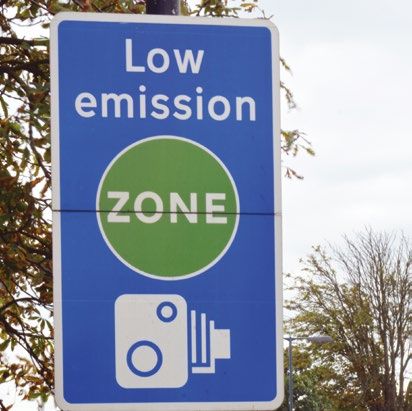
Public Health Wales

for Wales, 2015), that includes goals to achieve a                To assist readers, the following section describes
healthier Wales, that is more globally responsible                interventions to reduce emission of air pollutants
and equal, through thinking more about the long-                  from road traffic, and where there is evidence that
term, looking to prevent problems and taking a                    the intervention is cost-effective this is detailed.
more collaborative joined-up approach. The Public                 Effective interventions may directly improve health
Health (Wales) Act 2017 is a vehicle whereby                      from reduced exposure to pollutants, and increase
Health Impact Assessments (HIA) could be used                     active travel and use of sustainable modes of
to ensure that impacts on health are taken into                   transport, or have indirect health co-benefits from
account in decisions on planning and design.                      reduced congestion, noise and improved road
                                                                  safety. Interventions are divided into adaptation
The existing air quality management framework                     and mitigation measures. Adaptation includes
in Wales5, set out in national policy has two                     actions to reduce the levels of pollutants being
complementary approaches:                                         emitted, through policy drivers for change in
                                                                  practice such as regulations and enforcement of
■■ National-level policy measures seeking to drive
                                                                  Clean Air Zones. Mitigation includes actions to
   large-scale improvements e.g. legislation;
                                                                  prevent public exposure to pollutants through
   emissions standards setting; and fuel, vehicle
                                                                  strategies to consider and reduce air pollution
   and other technology developments; and
                                                                  through planning decisions, better health-
■■ Local Air Quality Management (LAQM) regime                     centered communication, and encouraging
   implementation, where Local Authorities must                   environmental behavior change at individual and
   work with others to assess and manage air                      corporate level.
   pollution in their areas. When actual or likely
   Air Quality Objectives breaches are identified,
   Air Quality Management Areas (AQMA) are
   declared and air quality action plans developed
   to tackle problems.
The cost effectiveness, or return on investment,
of interventions to tackle air pollution is likely
to be highly dependent on local settings (NICE,
2017). Interventions to improve air quality are
likely to help tackle health inequalities, but may
also disproportionately disadvantage these groups
if the measures are unaffordable at a personal
level, such as being able to afford a lower
pollutant emitted vehicle (NICE, 2017). Many of
the examples of interventions are from larger
conurbations than those found in Wales, so the
numbers associated with cost-benefit analysis
need to be considered within those caveats.

5    ir Quality Strategy for England, Scotland, Wales and Northern Ireland (supported in part by Part IV of the Environment Act
    A
    1995)

6
Making a Difference: Investing in Sustainable Health and Well-being for the People of Wales

                  Evidence of intervention effectiveness
The implementation of national regulatory                           Clean Air Zones comprise a package
measures to reduce emissions from road                              of interventions that require changes in
traffic pollutants has been shown to be effective                   practice and a joined up multi-sectoral approach
in urban areas (Chanel et al., 2014). However                       (Planning, Environment, and Transport) to reduce
the impact of a regulatory measure to reduce                        air pollution and risks. The main expense would
a single pollutant is difficult to distinguish from                 be setting up the initial infrastructure, but once
other pollutants in the air that may be reducing                    established running costs should fall and possibly
in the same time period, as air pollution exists as                 be funded through charges and fines. Clean Air
a mixture of gases and other pollutants (Chanel                     Zones deliver substantial benefits across large
et al., 2014). For example, evidence from the                       populations (NICE, 2017). Local factors such as
implementation of three European Commission                         population size and distribution, climate and
regulations to reduce the sulphur content in                        geography, will affect the extent to which these
liquid fuels of vehicles, for the 20 European cities                will benefit areas within Wales compared to cost.
studied, has suggested that the measures to                         The greater the number of interventions involved
reduce emissions of sulphur dioxide (SO2) from                      in the package used to enable the Clean Air Zone,
road traffic has postponed 2212 deaths per year                     the more expensive the set up costs (NICE, 2017).
since 2000, attributable to reductions in SO2,                      Clean Air Zones that have cost-benefit data tend
valued at €192m per year; for London alone                          to be from larger cities than those found in Wales.
the annual monetary benefit was €20.8m. It is                       Welsh Government plan to consult on a Clean
plausible that such interventions also reduce PM                    Air Zone Framework for Wales (Defra, 2017),
and NO2 indirectly.                                                 requiring close working across local authorities
                                                                    and other stakeholders to help Wales comply
                                                                    with the National Air Quality Objectives6
                                                                    (Department for Environment, Food and Rural
                                                                    Affairs (Defra), 2017). Different interventions that
                                                                    may form part of the package of a Clean Air Zone
                                                                      include:

                                                                          1) Low Emission Zones (LEZ) are systems
                                                                            of local road charging or regulation that
                                                                             encourage individuals and businesses to use
                                                                             cleaner vehicles or more sustainable modes
                                                                             of transport by targeting vehicles emitting
                                                                             high levels of pollutants and not meeting
                                                                             emission standards, such as older engines
                                                                            (Butcher and Ares, 2015). Measures include
                                                                           retrofitting or reprogramming existing vehicle
                                                                         fleets, and encouraging replacing vehicles
                                                                      with cleaner technologies and design. The
                                                                    greatest impact can likely be achieved in major
                                                                    cities with high traffic volumes and populations
                                                                    (Butcher, 2013), thereby limiting the applicability
                                                                    of LEZ to Wales. Evidence from schemes in
                                                                    major cities, suggests LEZ are most cost-effective

6   National Air Quality Objectives – are standards for specific air pollutants as set out in EU Directives and transposed into UK law.

                                                                                                                                     7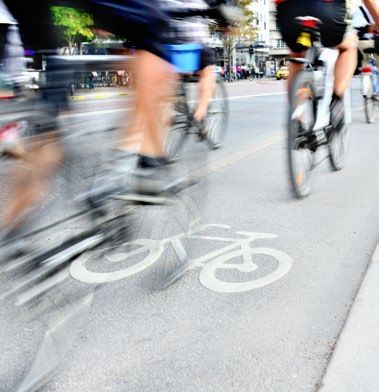
Public Health Wales

during the initial years, but are likely to remain
cost-effective over a longer period if the
scheme continues to be updated, with
some reduction in cost-benefit as vehicle
fleets progressively improve as regulations
change (Ballinger et al., 2016). However,
it is likely that the high costs involved in
setting up a LEZ would mean that cost-
benefit would be reduced in smaller
conurbations. LEZ can cover entire cities
(as is the case in greater London) where
a wide range of vehicles using the area
are targeted, or LEZ-style initiatives can
also exist in smaller cities (as in Brighton,
Oxford, Norwich, and Nottingham7), where, for
example, the focus of the LEZ is on reducing bus
emissions (Butcher and Ares, 2015). Currently,
there is a lack of cost-effectiveness data from
smaller LEZ-style schemes.
                                                                   2) Congestion charging zones could
Data from the London and Stockholm LEZ show
                                                                   contribute to a package of interventions in Clean
reduction in PM (Butcher and Ares, 2015), and
                                                                   Air Zones and help improve the flow of traffic,
data from Berlin and Cologne show reductions in
                                                                   reducing time spent in slow or stationary traffic
PM and NOx, translating into reduced exposure
                                                                   (NICE, 2017). Monitoring is needed to ensure
and therefore health risks (Butcher and Ares,
                                                                   that congestion charging does not adversely
2015). Co-benefits beyond emission reduction
                                                                   impact on air pollution outside the zone from
include reduced fuel consumption, reduced road
                                                                   vehicle diversion, and to ensure that it does
traffic crashes, and reduced noise (Ballinger et
                                                                   not contribute to inequalities by affecting some
al., 2016). Projections from the introduction of
                                                                   groups disproportionately (NICE, 2017). Evidence
an ultra-LEZ in London, which will include all
                                                                   suggests that congestion charging is cost-
vehicles including passenger cars, would have
                                                                   effective, with co-benefits of reducing road traffic
health benefits of £101m from reduced road
                                                                   crashes and travel time. In Stockholm, there was a
traffic emissions, although this benefit is likely to
                                                                   net social benefit (e.g. shorter travel time, reliable
decline to £32m by 2025 (Ballinger et al., 2016).
                                                                   travel times) of just under 700mSEK/year (£67m)
Evidence also suggests that measures to upgrade
                                                                   (of which 500mSEK/year (£48m) was from saving
vehicles to conform to LEZ standards would
                                                                   travel time); and in Milan an annual net benefit of
provide a return of between £2 to £2.41 for every
                                                                   €6m (savings from injuries contributed €8.4m and
£1 spent (Kilbane-Dawle, 2012; Ubido and Scott-
                                                                   reduction in air pollutants €2m) (Crombie et al.,
Samuel, 2015). One model from Amsterdam (the
                                                                   2016b). In Milan, traffic was reduced by 14.2%
Netherlands) suggesting a higher benefit in the
                                                                   nine months after introduction, with increased
first year of the LEZ of £27 for every £1 spent
                                                                   use of public transport. In Stockholm, reduced
(Ballinger et al., 2016). Although a city-wide LEZ
                                                                   emissions are estimated to have saved five life-
is unlikely to be applicable to Wales, innovative
                                                                   years per year8 for Stockholm county as a whole
LEZ-style schemes to reduce emissions from
                                                                   (Ubido and Scott-Samuel, 2015). A congestion
vehicles that emit high levels of pollutants could
                                                                   charging zone is less applicable to Wales because
be considered, particularly in high traffic-volume
areas.
7   P opulation sizes in thousands (Brighton & Hove 289, Oxford 163, Norwich 142, Nottingham 322) compared to Wales’ cities
     (Cardiff 361, Swansea 244, Newport 149, Wrexham 137)
8	The cost-benefit analysis concludes that within the Stockholm county each year of the congestion charge, five lives are saved
   due to reduced emissions resulting from the charge. It is suggested that this is an underestimate.

8
Making a Difference: Investing in Sustainable Health and Well-being for the People of Wales
of the population size of urban areas, however, can be reduced by introducing 20mph speed
adaptations could be considered to discourage limits (Jones and Brunt, 2017). The impact
congestion in high traffic areas, through for on air pollution should be taken into account
example, using parking-charges as a lever to shift in residential areas that use traffic calming; any
car users towards using park and ride facilities. interventions should be designed to minimise
rapid deceleration and subsequent acceleration.
3) Smooth driving on motorways and Road signs that display real time speeds
major roads is likely to have a positive benefit of vehicles can be used to reduce unnecessary
on air pollution, using technology such as variable stop-go driving (NICE, 2017). Reducing the speed
speed limits and average speed technology. of traffic in built up areas has the co-benefits of
Smooth driving, with reduced acceleration from reducing road traffic crashes and supporting a
stop-go driving, leads to a reduction of traffic modal shift towards active travel (NICE, 2017).
congestion and improvement of traffic flow Evidence suggests reducing the speed limit from
(NICE, 2017). Evidence from Amsterdam (the 30 to 20mph in Wales would save an estimated
Netherlands) suggests that speed restrictions on 6–10 lives and 1200–2000 casualties each year,
motorways in urban areas are cost-effective, with at a value of prevention of £58m–£94m; with a
co-benefits of reduced fuel consumption, reduced positive impact from PM2.5 reduction of 117 fewer
road traffic crashes, and reduced noise, with a attributable deaths and 1400 fewer years of life
benefit of £51 for every £1 spent (Ballinger, 2016). lost (Jones and Brunt, 2017).
Applicability to Wales will depend on population
density, meteorological factors, and long range 5) Low/zero emission sustainable travel.
pollution (i.e. pollutants that are suspended in Travel using low emission vehicles is likely to have
air that can travel long distances from source(s)), the benefit of reduction of air pollution, if there is
length of motorways in urban areas, and the types high enough uptake of the technologies; however
of measures and enforcement used. Evidence uptake is reliant on adequate infrastructure being
from Rotterdam (the Netherlands) suggests that in place (NICE, 2017). Although engine emissions
a combination of LEZ and speed management from electric vehicles themselves are low, they
zones on motorways have contributed to 85% of still emit high levels of non-exhaust PM (Timmers
those living within 400m of the motorway gaining and Achten, 2016). Reductions in engine noise
0-1 months of life expectancy, and the remaining may increase risk to other road users, including
15% gaining 1-3 months, depending on distance pedestrians and cyclists.
from the motorway (Ubido and Scott-Samuel,
2015). In Barcelona (Spain), a motorway speed Evidence from the USA suggests that changing
management zone was estimated to decrease the fuel used for fleets from conventional
mortality rates by about 0.6% and increase diesel to emission controlled diesel (ECD),
life expectancy by 0.15 months (Ubido and compressed natural gas (CNG), or diesel hybrid
Scott-Samuel, 2015). In Wales, there has been vehicles may not be cost-effective compared to
implementation of a variable speed limit scheme other medical and public health interventions
on the M4 motorway to tackle congestion around (Crombie et al., 2016a). However, a study from
the city of Newport (junctions 24-28), and a Chile estimated that by switching to a compressed
permanent 50 mph Average Speed Enforcement natural gas (CNG) public transport system would
system in Port Talbot (junctions 40-41) to manage reduce urban PM2.5 emissions by 229t/year, and
traffic flow and reduce congestion. avoid 36 premature deaths (Ubido and Scott-
Samuel, 2015). While the evidence is inconclusive
4) Reducing speed, acceleration and at present, the use of all-electric vehicles
braking in built up areas. Acceleration and and plug-in hybrid electric vehicles can
braking contribute to higher emissions of pollutants deliver co-benefits of reduced noise at speeds
through increased fuel consumption and tyre under 30mph and no direct air pollution from
and brake wear. Acceleration and deceleration in combustion of fuel when in electric mode, and
residential areas characterised by stop-start traffic, have particular benefits when in congestion
9Public Health Wales
(Robinson and Nath, 2010). However, these 6) Active and sustainable travel.
vehicles require infrastructure and charging points A combination of measures to increase
to improve uptake. Evidence suggests that uptake acceptability, appeal, and safety of active urban
of car clubs that allow access to vehicles with travel i.e. cycling and walking over vehicle use,
newer technologies and reduce the use of older, would provide greater health benefits (7332
less efficient vehicles show a benefit of between DALYs from reduction in CO2 alone) than focusing
£13.36-£13.58 for every £1 invested (depending solely on low emission transport (160 DALYs),
on the vehicles’ efficiency), and are a quick win with co-benefits of building up social capital and
as they can be delivered quickly and easily, with reducing transport poverty (Ubido and Scott-
2x
co-benefits for noise reduction (Kilbane-Dawle, Samuel, 2015). Active travel is a ‘best buy’ for
2012). The level of benefit is likely to depend on transport investment and a ‘wonder drug’ for
the size of the fleet, availability of lower-emission health, with co-benefits of increasing physical
vehicles, uptake, and population size - so in activity, thereby improving physical and mental
Wales the impact on air pollution is likely to be health, building more connected communities
£1b
lower, particularly outside urban areas. However, (Muirie, 2017), reducing road traffic crashes
availability of car clubs may also contribute to a and congestion (Department for Transport (DfT),
modal shift in transport away from reliance on car 2011). Active travel is most feasible for shorter
ownership and towards public and low emission, journeys, such as commutes to schools, work
active transport (Kilbane-Dawle, 2012; Pridmore and local shops, but would have a greater impact
et al., 2017), and to reducing inequalities through if used as part of longer journeys using low or
offering low cost alternatives to buying and zero-emission sustainable public transport as
running a car, in both urban and rural areas part of an integrated transport system (Muirie,
(Pridmore et al., 2017; Kay, 2011). 2017), enabled by infrastructure investments.
The Making a Difference report showed that
promoting physical activity through active travel is
a ‘best buy’ that could save the NHS in Wales £0.9
billion over 20 years (PHW, 2016).
Interventions driven by local authorities in the UK
that reduce single occupancy cars and increase
non-car options, such as bus-use, walking,
and cycling, are cost-effective and, based on
decongestion alone, demonstrate a benefit
of £4.5 for every £1 spent (DfT, 2011). A
sustainable transport fund used to finance
local authority projects has proved cost-
effective, delivering a return of £5 for each
£1 invested, with a range of £2 to £8 for
each £1 for individual projects, with benefits
of reducing congestion and co-benefits to
health, journey quality, and safety
(DfT, 2011).
Investing in walking
environments was found
to have a return of up
to £37 for every £1
invested in well targeted
schemes for walking and
links to schools (DfT, 2011).
10Making a Difference: Investing in Sustainable Health and Well-being for the People of Wales
Evidence suggests that the direct Evidence shows that interventions
economic benefits of cycling to link communities to areas of
contributes nearly £3bn a year to economic activity through creation and
the UK economy through bicycle sales, upgrading of traffic calmed and traffic-
manufacturing, reduced traffic congestion, lower free walking and cycling routes is cost effective,
pollution levels, and lower NHS costs (Muirie, and has shown an average return of £10 for each
2017). The economic benefit accruing from cycle £1 invested, with a range of £3.7 to £32.8 (DfT,
trips into and out of Glasgow city centre in 2012 2011). Financial benefits can be seen to accrue as
(calculated on the basis of reduced mortality) a result of improvements in health when more of
equated to over £4m (Muirie, 2017). Evidence from the population become physically active through
the Netherlands suggests that in addition to health choosing to walk or cycle for all or part of their
economic benefits, cycling prevents about 6500 journey, with a mean return of £5.62 for every £1
deaths nationally each year, and adds six months invested in the UK (DfT, 2011).
on average to life expectancy (Muirie, 2017). The
extent of the benefits are likely to be influenced by 7) Interventions to promote businesses
the extent of the cycle path network, location and in urban areas to take on Zero Emission
background levels of pollution, and time spent at Last Mile delivery, where businesses use zero
busy junction-interfaces. The costs involved would emission transport, such as bicycle couriers, for
be negligible if factored in at the planning stages the last leg of their deliveries, show a benefit of
by local authorities. Interventions to increase cycling £5.05 for every £1 invested, with co-benefits
are cost-effective, with a return of between £2.59 of reducing congestion and noise pollution
(combinations of physical infrastructure, promotion (Kilbane-Dawle, 2012). Encouraging businesses
and smart measures) and £14 (for off-road cycle to deliver goods using zero emission transport
paths) for each £1 invested. Benefits will increase within shorter, urban distances is a model that
with time, assuming higher cycling rates can be is applicable to larger towns in Wales, and has
maintained with less additional investment and are been growing, for example, with takeaway food
higher for off-road cycle routes (Ballinger et al., deliveries by bicycle courier.
2016; DfT, 2011).
11Public Health Wales
8) Strategic planning at local and of £25,199 (Ballinger et al., 2016). However,
regional levels supports a consistent approach this return may be considered insufficient; given
to planning and advance consideration of the the NICE threshold for cost-effectiveness of an
impact that planning decisions will have on air intervention is £20,000 per QALY gained. A
pollution e.g. avoiding pollution traps by creating downside to solid barriers on roads is the potential
‘street canyons’ by location of solid barriers, or to increase road traffic crash severity. The value
providing infrastructure for sustainable low- and to the economy of preventing a single fatality
zero-emission travel. With solid barriers a rebound on the roads is on average £1.8m, and the value
effect is likely, so that the pollution that would of preventing a serious road traffic casualty is
reduce to background levels by 150-200m from £200,421 (DfT, 2016).
the motorway without the barrier will, with the
presence of a barrier, reduce in the area 80-100m, 9) Good communications can help raise
but increase again in the area from 100-250m professional and public awareness around air
and up to 400m away, with different barriers pollution problems and solutions and inform
having different impacts (Ballinger et al., 2016). and support individual and population behaviour
The impact will depend on local factors and change to reduce risks, as well as gain public
population density. Solid barriers, such as noise support for interventions (NICE, 2017; NICE,
or visual barriers, located at the side of major 2007; NICE, 2014; NICE, 2016), with the premise
roads can affect the dispersal of air pollutants, that good communications makes air pollution
similarly trees and vegetation may have a similar ‘everyone’s business’. Special consideration
direct effects, or indirect effects through their should be given by local authorities and public
contribution to the production of secondary health teams to working with health professionals
pollutants3 (NICE, 2017), with co-benefits to reach out to vulnerable groups who are
for noise reduction. Evidence from the USA particularly affected by, or more susceptible to
suggests that for a population living adjacent to outdoor air pollution exposure (NICE, 2017).
a motorway the placement of a solid barrier can
10) Behaviour change can be encouraged
lead to a return in the first year of £3 for every £1
through further awareness of why air pollution
spent, with 10 QALYs gained at a cost per QALY
is a concern, combined with individual
mitigation measures that can be taken to
help reduce emissions from road traffic e.g. by
reducing unnecessary engine idling or changing
travel habits. For example, campaigns to prevent
vehicle idling have been shown in the USA
to be cost-effective, with a benefit of £44 for
every £1 spent (although, this was for an anti-
school bus idling campaign, so is less directly
applicable to the UK) (Ballinger et al., 2016).
Awareness campaigns to encourage drivers to
switch off when stationary, particularly when
idling for prolonged periods at sensitive locations
in city centres such as taxi ranks, loading areas,
bus stations and AQMA, already exist as part
of local authority Air Quality Action Plans in
Wales. This could be extended to statutory
idling enforcement for cars which has been
considered in Oxford (Ballinger et al., 2016).
Idling enforcement in taxi ranks delivered by local
authorities has been shown to have a return of
£4.12 for every £1 invested; where the higher the
12Making a Difference: Investing in Sustainable Health and Well-being for the People of Wales
compliance, the smaller the rank would need
to be to be cost-effective (Kilbane-Dawle,
2012). At 100% compliance, a taxi rank with
49 vehicles would be needed, and at 25%
compliance a 200 capacity taxi rank would be
cost-effective (Kilbane-Dawle, 2012). In the Welsh
context the benefit is likely to be smaller. Evidence
suggests that eco (or efficient) driving
training is likely to be cost-saving for businesses.
For example eco-driving training for taxi-drivers
driven by local authorities could have a return
of £5.75 for every £1 invested in fuel savings,
with co-benefits of reducing air pollution and as work-based ‘light-touch nudge’ behaviour
improving road safety (Kilbane-Dawle, 2012). change interventions to increase sustainable
travel of employees have been trialled in the
11) Develop and implement corporate UK, including car sharing, encouraging public
environmental sustainability strategies. transport use through personalised commuter
This is especially relevant to public bodies plans, and cycling intervention such as an e-bike
and other large organisations in Wales who trialling scheme (Behavioural Insights Team, 2017).
have a duty to consider and minimise their These interventions are likely to be more effective
environmental impact, reduce emissions, and if they are more intensive and integrated with
protect public health and well-being (NICE, 2017). other measures intended to help reduce barriers
Procurement choices of vehicles is likely to to behaviour change within a larger work-place
have an impact on vehicle emissions and could (Behavioural Insights Team, 2017). For example,
be done when replacing older vehicles; the cost cycle to work schemes have shown a return of
of doing this would depend on the extent of the £6.22 for every £1 invested (Kilbane-Dawle, 2012).
changes and relative cost of the vehicles (NICE,
2017). Encouraging behaviour change,
such as fuel efficient driving, is likely to be cost-
neutral, where behaviour training costs are off-set
by fuel savings from changing driving habits to
become more energy efficient, and effectiveness
would depend on the views of those receiving
the training (NICE, 2017). Low emission
travel plans could also be used to encourage
staff to re-evaluate their commute to work (and
travel while at work) and generally encourage a
move away from car travel. Interventions such
13Public Health Wales
Summary
Air pollution from road traffic is an increasing
problem in Wales, with growing numbers of vehicles
on roads and areas that breach National Air Quality
Objectives. The mitigation and adaptation measures
described in this report can reduce air pollution
and associated risks for everyone. In addition, it
is important to take targeted action in areas with
poor air quality and poor health to reduce any air
pollution-linked health inequalities.
A range of solutions that reduce our reliance on
motorised transport and encourage the use of
cleaner vehicles, are shown to be cost effective. It is
likely that a collaborative and sustainable approach
to implementing a combination of adaptive and
mitigative measures will have the greatest impact on
improving the health and well-being of current and
future generations.
14Making a Difference: Investing in Sustainable Health and Well-being for the People of Wales
References
Ballinger A, Chowdbury T, Sherrington C, and Cole G. 2016. Air pol- Department for Transport (DfT). 2016. Road accidents and safety
lution: economic analysis. Bristol: Eunomia Research & Consulting. statistics. Table RAS60001 - Average value of prevention per re-
ported casualty and per reported road accident: Great Britain, latest
Behavioural Insights Team. 2017. An Evaluation of Low Cost Work- available year. Available at: https://www.gov.uk/government/statis-
place-Based Interventions to Encourage Use of Sustainable Trans- tical-data-sets/ras60-average-value-of-preventing-road-accidents
port. London: Behavioural Insights Ltd. [accessed 14.08.2017]
Department for Business, Energy & Industrial Strategy (BEIS). 2015. Goodman A, Wilkinson P, Stafford M, and Tonne C. 2011. Charac-
2015 UK Greenhouse Gas Emissions. Available at: https://www. terising socioeconomic inequalities in exposure to air pollution: a
gov.uk/government/uploads/system/uploads/attachment_data/ comparison of socioeconomic markers and scales of measurement.
file/589602/2015_Final_Emissions_Statistics_one_page_summary. Health & Place 17:767-774.
pdf [accessed 31.10.2018]
Gowers A, Miller B, and Stedman J. 2014. Estimating Local Mortality
Brunt H. 2018. Working together to reduce outdoor air pollution, Burdens Associated with Particulate Air Pollution. London: Public
risks and inequalities: guidance to support policy and practice de- Health England.
velopment across the NHS in Wales. Public Health Wales and Welsh
Government. https://gov.wales/docs/dhss/publications/180425air- Jones S, and Brunt H. 2017. Twenty miles per hour speed limits: a
pollutionen.pdf [accessed 15.06.2018] sustainable solution to public health problems in Wales. J Epidemiol-
ogy Community Health 71:699-706.
Brunt H, Barnes J, Jones S, Longhurst J, Scally G, and Hayes E. 2017.
Air pollution, deprivation and health: Understanding relationships Kay D. 2011. Fairness in a Car-dependent Society. London: Sustain-
to add value to local air quality management policy and practice in able Development Commission
Wales, UK. Journal of Public Health; 39(3): 485-497
Kilbane-Dawle I. 2012. Cost Effective Actions to Cut Central London
Butcher L. 2013. Roads: charging in London. HOC Library Standard Air Pollution. London: Par Hill Research.
Note: SN2044. London: House of Commons.
Muirie J. 2017. Active transport in Glasgow: what we’ve learnt so
Butcher L, and Ares E. 2015. Low Emission Zones. Commons Brief- far. Glasgow centre for population health.
ing papers CBP-7374 . London: House of Commons.
National Assembly for Wales. 2015. Well-being of Future Genera-
Chanel O, Henschel S, Goodman P, Analitis A, Atkinson R, Le Tertre tions Wales Act.
A, Zeka A, and Medina S. 2014. Economic valuation of the mortality
benefits of a regulation on SO2‚ in 20 European cities. European National Institute for Health and Care Excellence (NICE). 2007.
Journal of Public Health 24 4: 631-637. Behaviour change: general approaches. Public health guideline.
London. NICE.
Committee on the Medical Effects of Air Pollutants (COMEAP).
2010. The Mortality Effects of Long-Term Exposure to Particulate Air National Institute for Health and Care Excellence (NICE). 2014.
Pollution in the United Kingdom. London: COMEAP. Behaviour change: individual approaches. Public health guideline.
London. NICE.
Crombie H, O’Rourke D, and Robinson S. 2016a. Air pollution: out-
door air quality and health. Draft Evidence review 1 on: Environmen- National Institute for Health and Care Excellence (NICE). 2016.
tal change and development planning. London: NICE. Community engagement: improving health and well-being and
reducing health inequalities. London. NICE.
Crombie H, O’Rourke D, and Robinson S. 2016b. Air pollution:
outdoor air quality and health. Draft Evidence review 2 on: Traffic National Institute for Health and Care Excellence (NICE). 2017. Air
management and enforcement, and financial incentives and disin- pollution: outdoor air quality and health. London. NICE.
centives. London: NICE. Organisation for Economic Co-operation and Development (OECD).
Department for Environment, Food and Rural Affairs (Defra). 2007. 2014. The cost of air pollution: health impacts of road transport.
The Air Quality Strategy for England, Scotland, Wales and Northern OECD publishing.
Ireland volume 1. London: Defra. Pridmore A, Ahlgren C, Hampshire K, and Smith A. 2017. Evidence
Department for Environment, Food and Rural Affairs (Defra). 2015. Review of the Potential Wider Impacts of Climate Change Mitigation
Draft Plans to Improve Air Quality in the UK: Tackling Nitrogen Diox- Options: Transport sector. Report to the Scottish Government.
ide in Our Towns and Cities. UK Overview Document. London: Defra. Public Health Wales NHS Trust (PHW). 2016. Making a Difference:
Department for Environment, Food and Rural Affairs (Defra). 2017. Investing in Sustainable Health and Well-being for the People of
Improving air quality in the UK: tackling nitrogen dioxide in our towns Wales.
and cities. Draft UK Air Quality Plan for tackling nitrogen dioxide. Robinson R, and Nath C. 2010. Electric Vehicles . POSTnotes POST-
Department for Transport (DfT). 2011. Investing in Cycling and Walk- PN-365. London: POST.
ing. The Economic Case for Action. London.
15Public Health Wales Royal College of Physicians (RCP). Every breath we take: the lifelong impact of air pollution. Report of a working party. London: RCP, 2016. Timmers V, and Achten V. 2016. Non-exhaust PM emissions from electric vehicles. Atmospheric Environment 13410-17. Ubido J, and Scott-Samuel A. 2015. Rapid Evidence Review Series: Local interventions to tackle outdoor air pollution with demonstra- ble impacts on health and health service use. Liverpool: Liverpool PHO. Welsh Government. 2017. Local air quality management in Wales. Policy guidance. WHO Regional Office for Europe. 2013. Review of evidence on health aspects of air pollution – REVIHAAP Project Technical Report. WHO Regional Office for Europe. 2016. Health risk assessment of air pollution - general principles. Copenhagen. WHO Regional Office for Europe, OECD. 2015. Economic cost of the health impact of air pollution in Europe: Clean air, health and wealth. Copenhagen: WHO Regional Office for Europe. World Health Organization (WHO). 2012. Burden of disease from Household Air Pollution for 2012 . 16
7-8
                                  Public Health Wales
                                  Number 2 Capital Quarter
                                                                   month
                                  Tyndall Street
                                  Cardiff CF10 4BQ
      www.publichealthwales.org   Tel: 02920 227744

!                                 Email: generalenquiries@wales.nhs.uk
                                      @PublichealthW
                                      /PublicHealthWales

     7-8

                                                           £
    months

n
                 !
                                                 2x

x
             £1bn
You can also read


